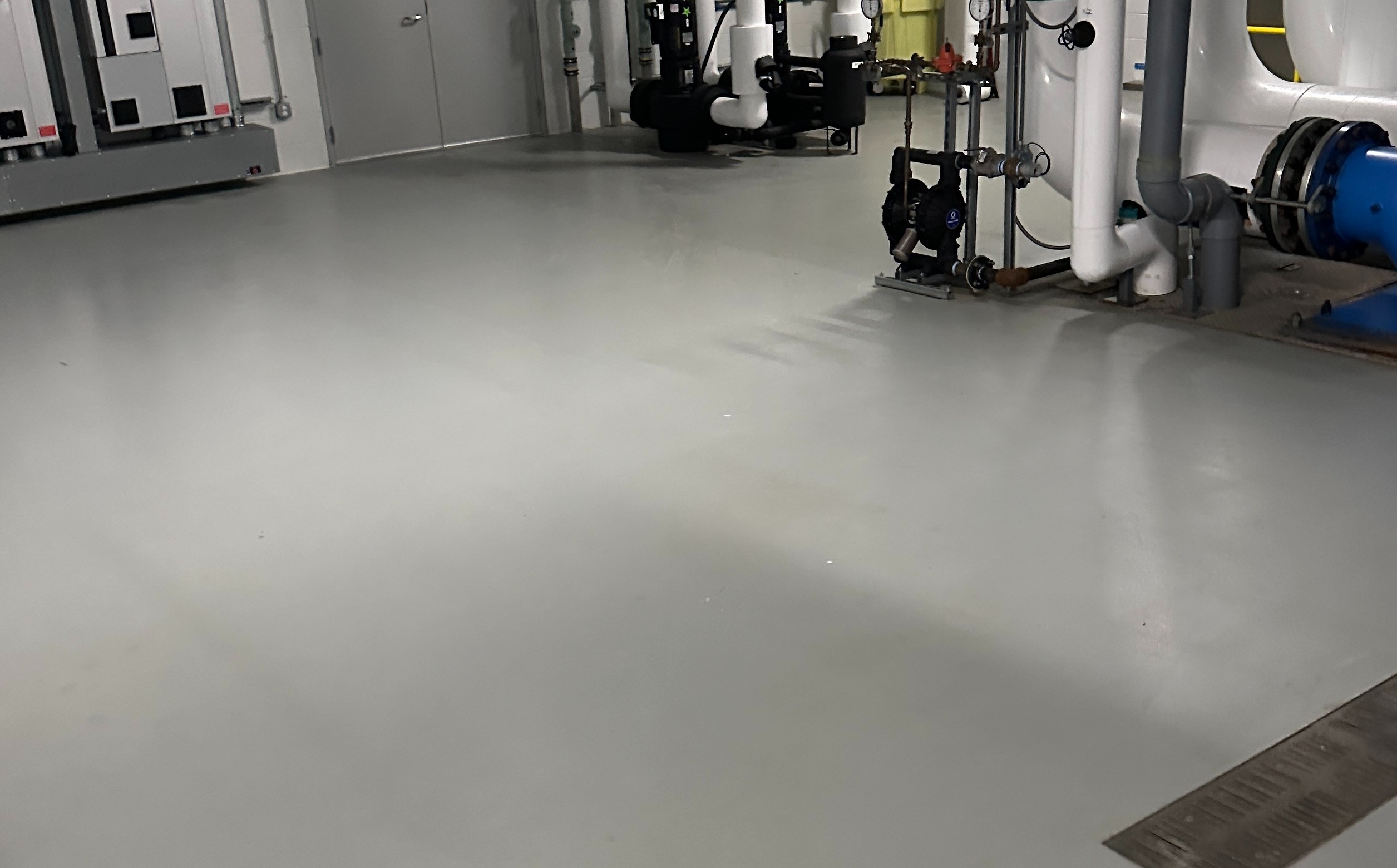

Cove base is a small detail that plays a big role in industrial and commercial facilities. Where floors meet walls, corners can trap moisture, debris, and bacteria if they aren’t properly sealed. That’s why many facilities use cove base—to create a smooth, continuous transition that’s easier to clean and more durable over time. A common early question is what materials are actually used to build cove base and how they differ.
At CustomCrete, this question often comes up during the awareness stage, especially in food and beverage, manufacturing, healthcare, and commercial environments.

What Is Cove Base?
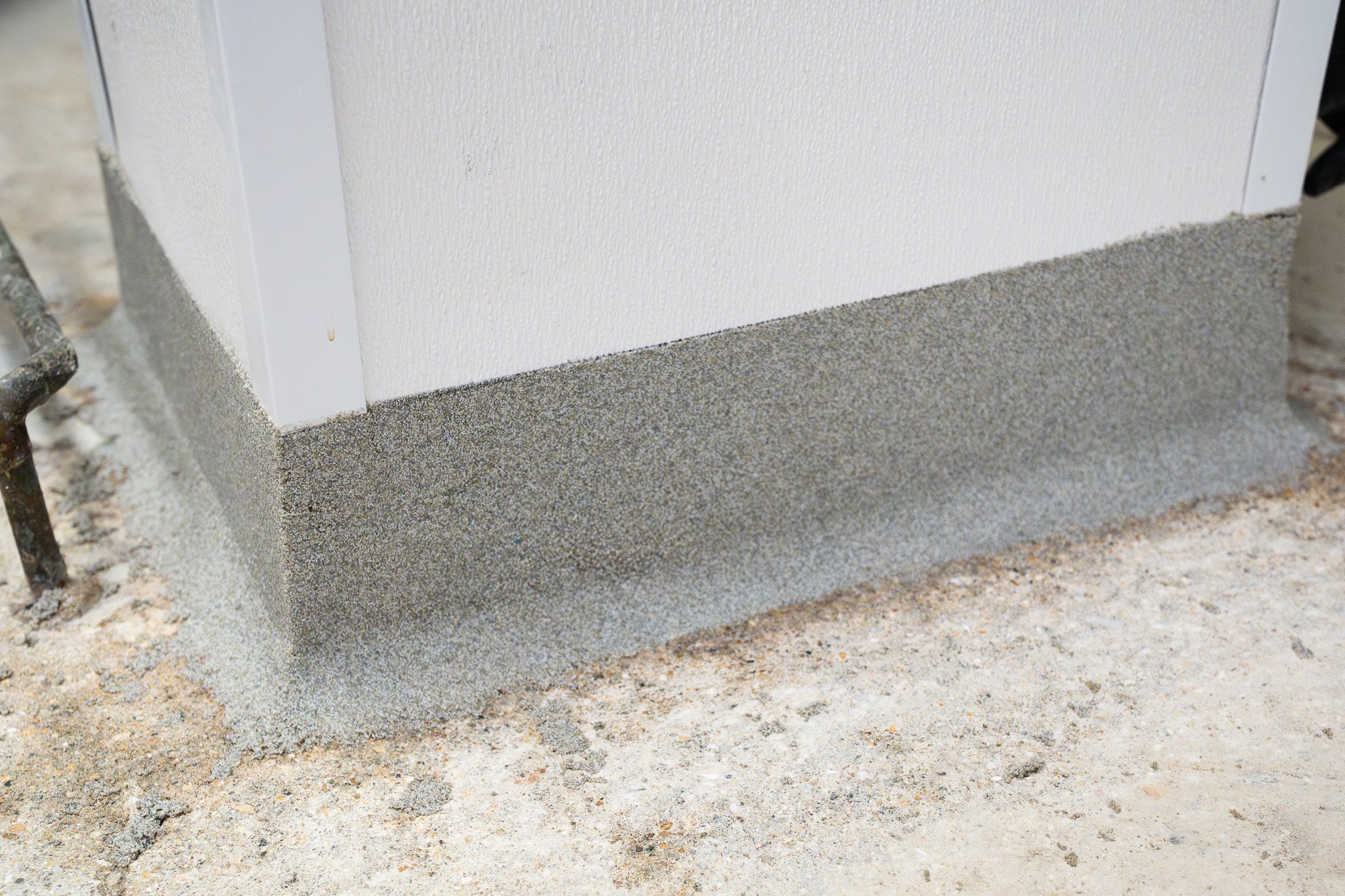
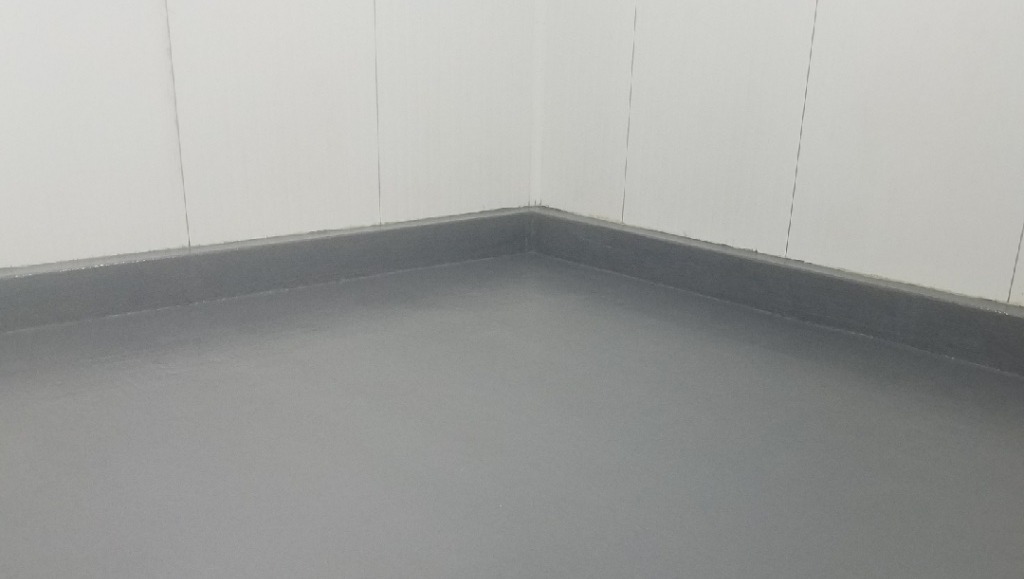
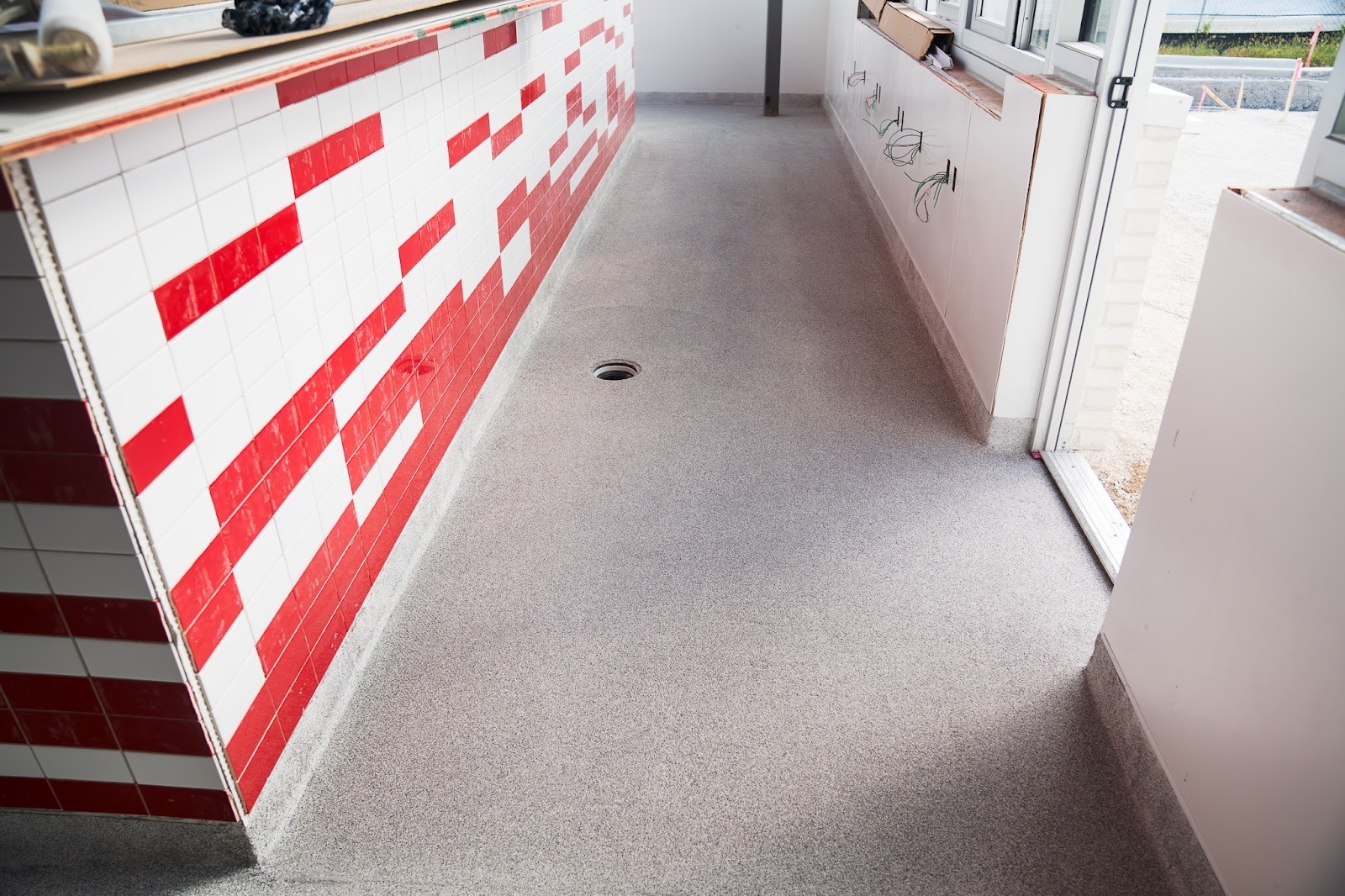
Cove base is a curved or angled transition installed where the floor meets the wall. Instead of a sharp 90-degree corner, the cove creates a seamless surface that improves cleanliness, durability, and moisture protection.
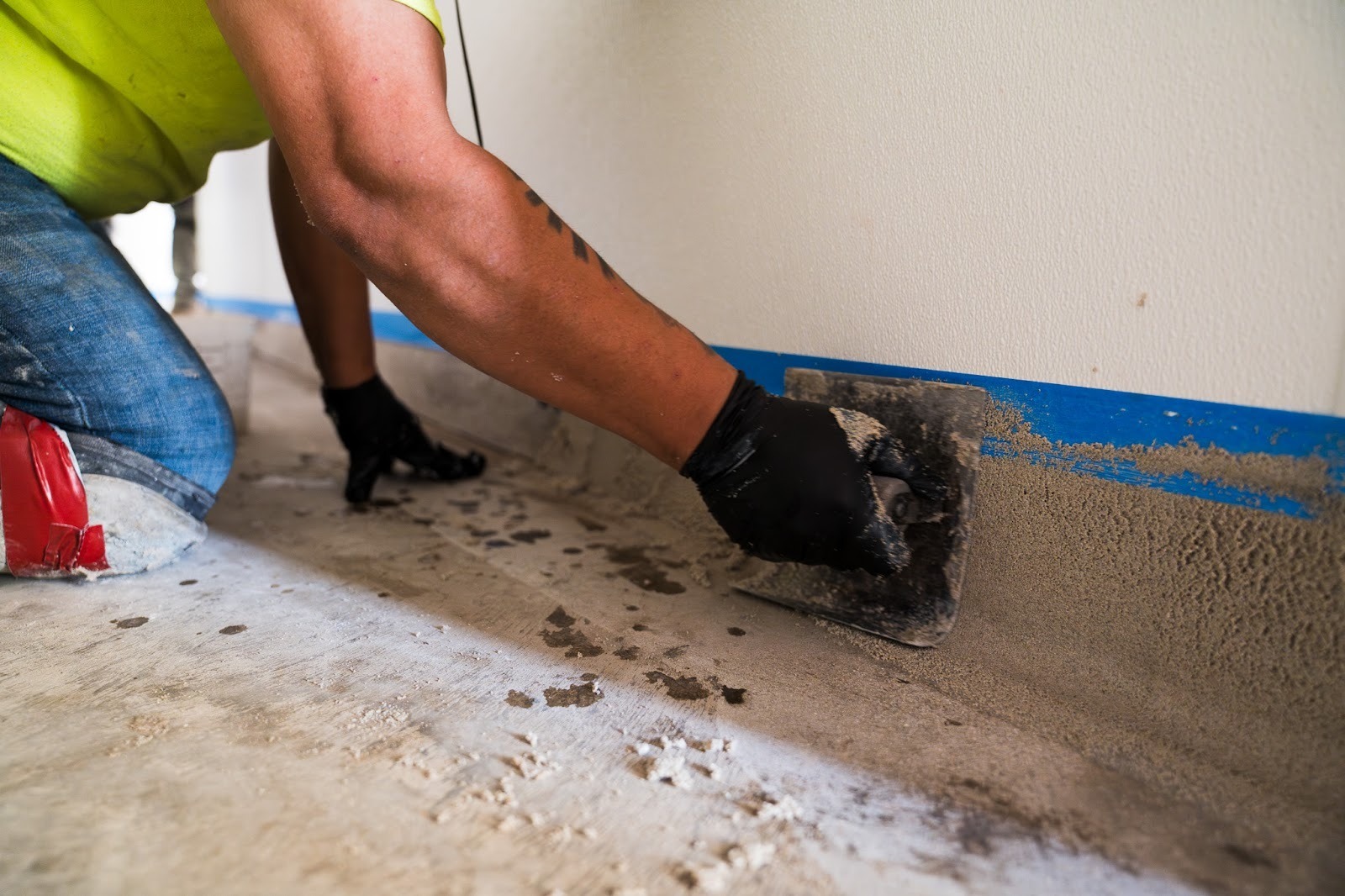
Cove base is typically installed as part of a concrete coating or flooring system rather than as a separate decorative element.
Common Materials Used for Cove Base
Several materials are used to create cove base, depending on the facility’s environment and performance requirements.
Epoxy Cove Base
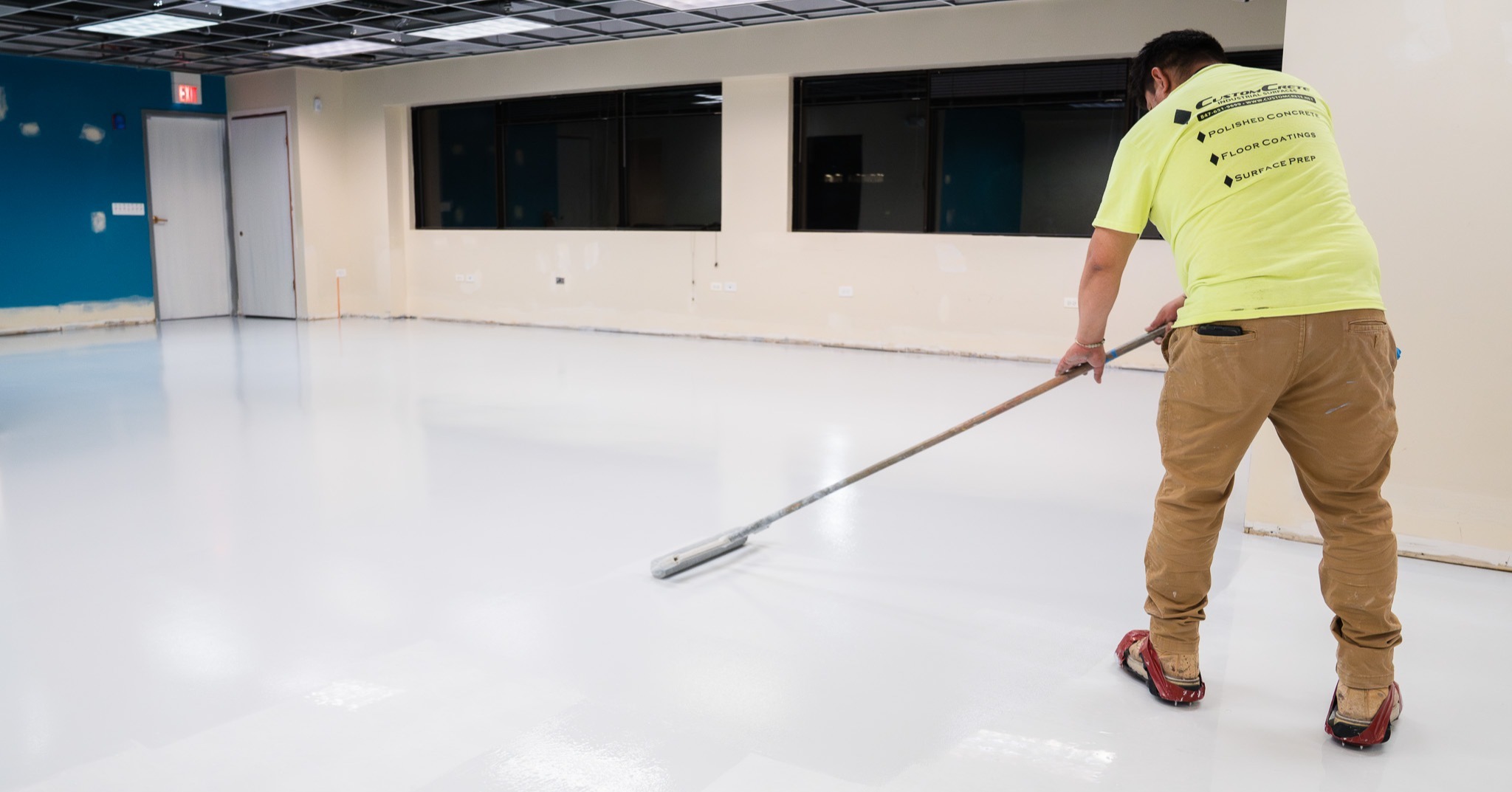
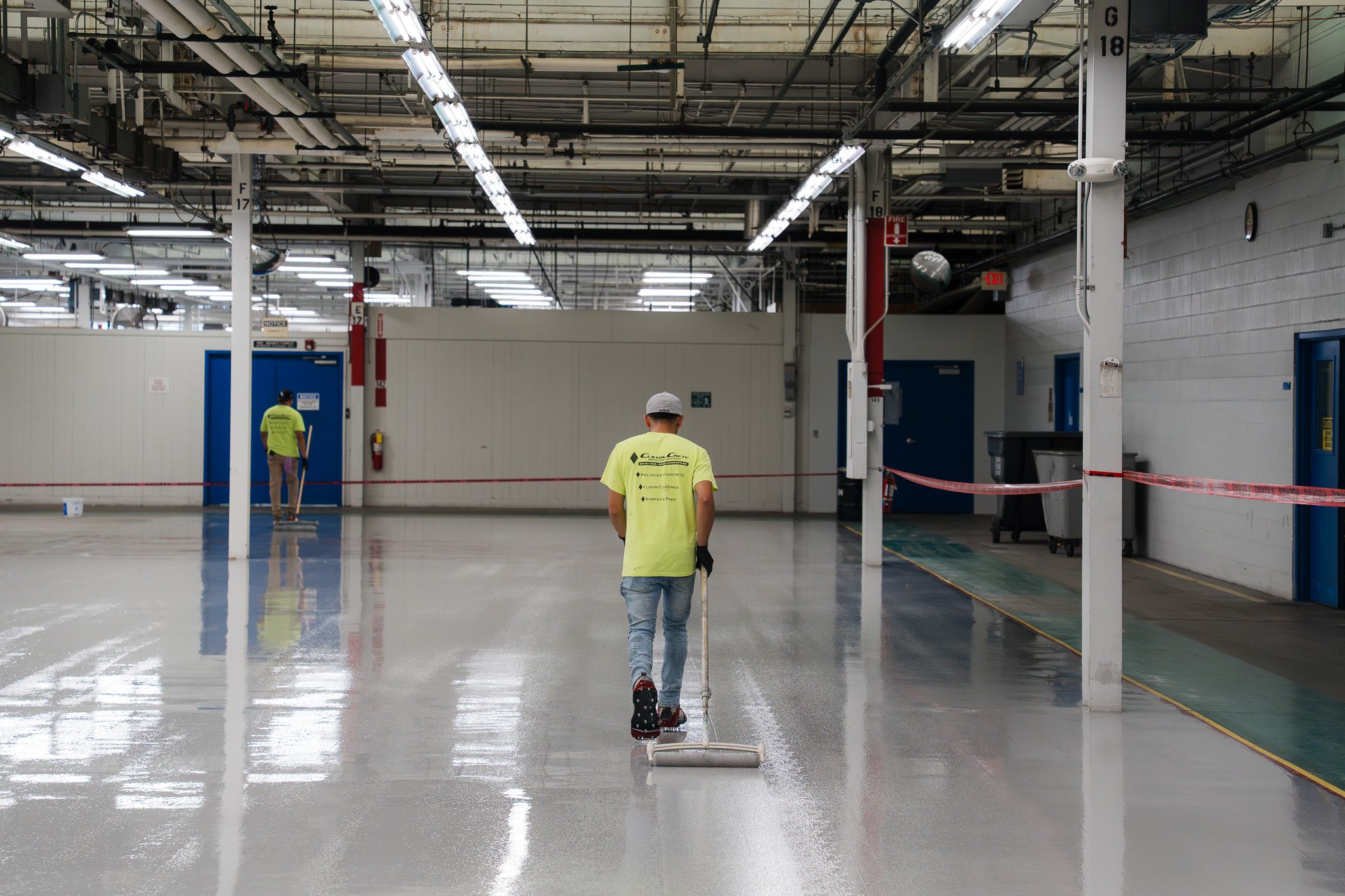
Epoxy is one of the most commonly used materials for cove base. It creates a seamless, non-porous surface that resists moisture and many chemicals. Epoxy cove base is often used in warehouses, manufacturing facilities, and commercial spaces where durability and easy cleaning are priorities.
Urethane Cement Cove Base
Urethane cement cove base is used in harsher environments. It offers superior resistance to moisture, thermal shock, and aggressive cleaning methods. This material is commonly found in food processing plants, commercial kitchens, and facilities with frequent washdowns.
Resinous Mortar Cove Base
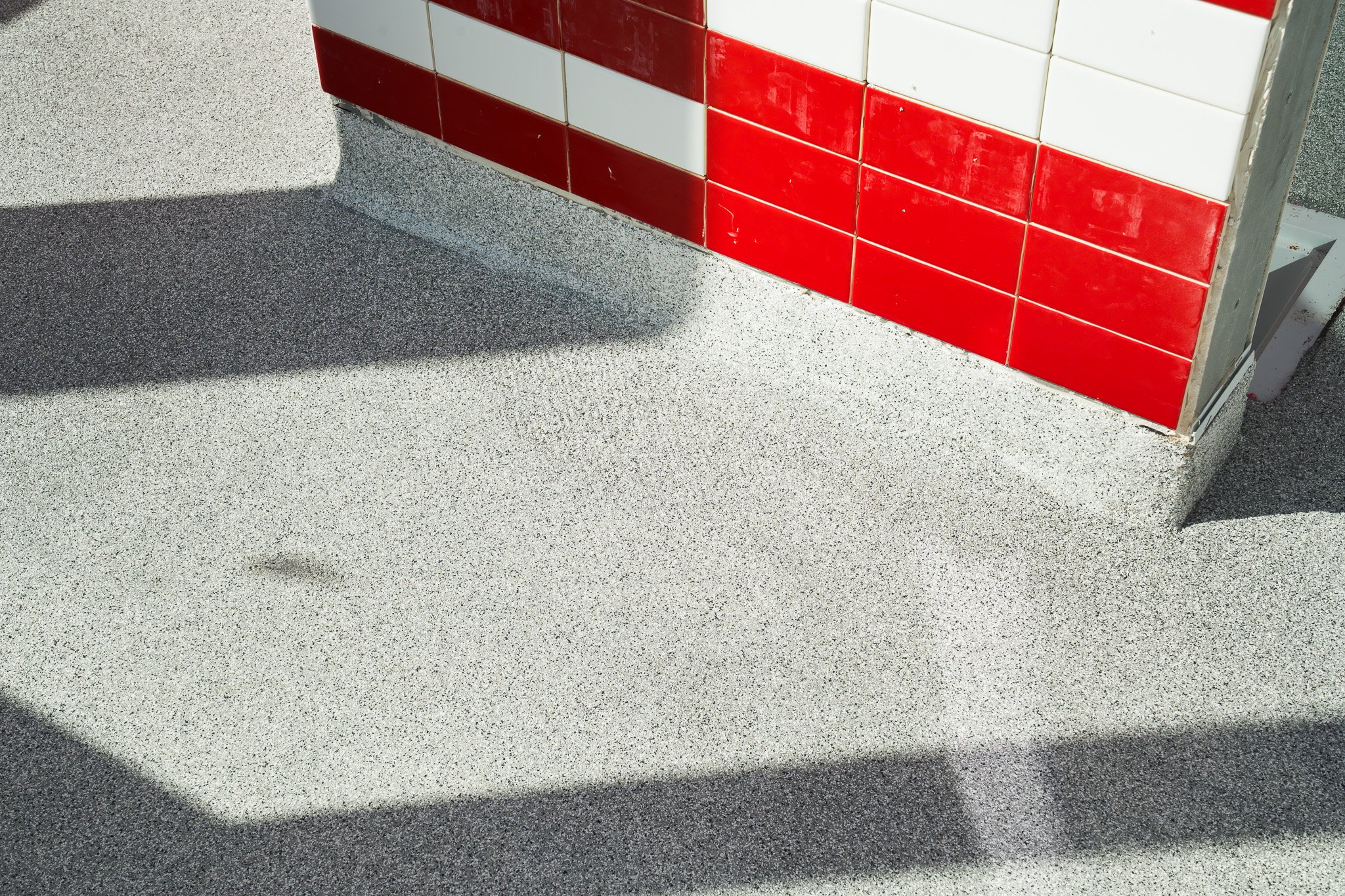
Resinous mortar systems use a blend of resins and aggregates to form a highly durable cove. These systems are thicker and impact-resistant, making them suitable for heavy-duty industrial settings where walls and floors are exposed to abuse.
Vinyl or Rubber Cove Base (Non-Industrial)
In lighter commercial environments, vinyl or rubber cove base may be used. However, these materials are not seamless and are generally not recommended for industrial or sanitary applications due to moisture intrusion risks.
How Are Cove Base Materials Selected?
The right cove base material depends on several factors:
- Exposure to water, chemicals, or heat
- Cleaning and sanitation requirements
- Impact and traffic near walls
- The flooring system being installed
Matching the cove base material to the floor system helps ensure consistent performance and appearance.
Why Seamless Cove Base Matters
Seamless cove base materials eliminate gaps where dirt, bacteria, and moisture can collect. This improves hygiene, simplifies cleaning, and helps protect both floors and walls from long-term damage.
In regulated environments, cove base may also be required to meet safety or sanitation standards.
Final Thoughts
Cove base can be made from epoxy, urethane cement, or resinous mortar systems, each designed for different levels of durability and environmental exposure. Choosing the right material supports cleanliness, protects walls, and extends the life of industrial and commercial floors.
To learn where cove base is commonly required and why it matters, read the next article: “Where Cove Base Is Required: Key Areas in Industrial and Commercial Facilities.”
Topics: