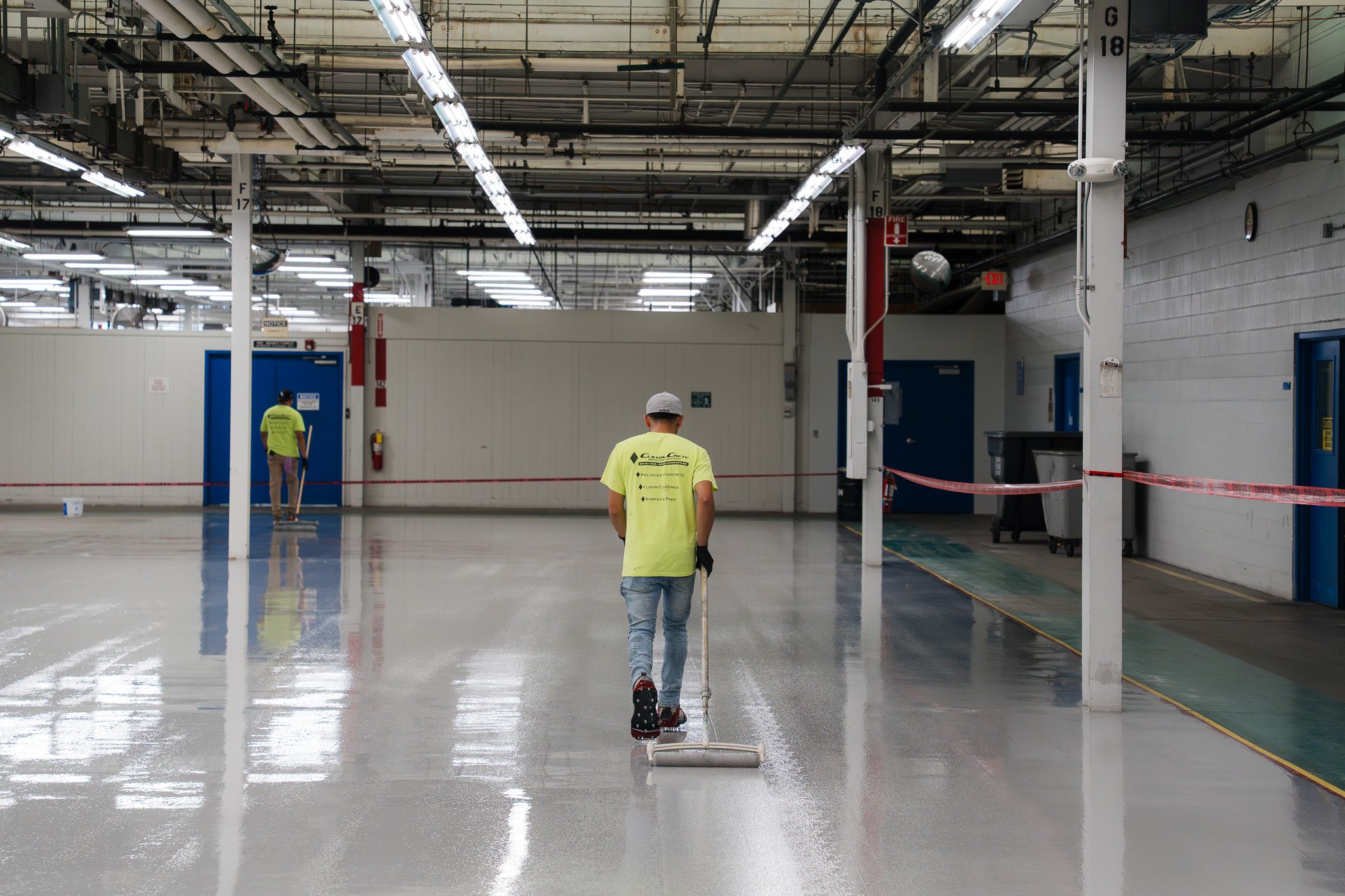

Flooring plays a major role in how customers experience a space. In retail stores, showrooms, restaurants, and commercial environments, the floor is not just a surface—it’s part of the brand. The right flooring can elevate the look of a space while also supporting daily traffic, cleaning routines, and long-term durability.
There are many decorative concrete flooring options available today that combine aesthetics with performance. From polished concrete to metallic epoxy and flake systems, each option offers a different look and level of durability. Understanding how these systems compare can help business owners and facility managers choose a solution that fits both their design goals and operational needs.
This guide breaks down the most common decorative flooring systems and what to expect from each.
Why Decorative Flooring Matters in Commercial Spaces
In commercial environments, flooring needs to do more than look good. It must handle foot traffic, resist wear, and remain easy to maintain over time.
Well-chosen decorative concrete flooring options can:
- Enhance brand identity and customer perception
- Improve lighting with reflective surfaces
- Support safety through slip-resistant textures
- Reduce long-term maintenance costs
For businesses, flooring is both a design decision and an operational one.
Polished Concrete: Clean, Modern, and Durable
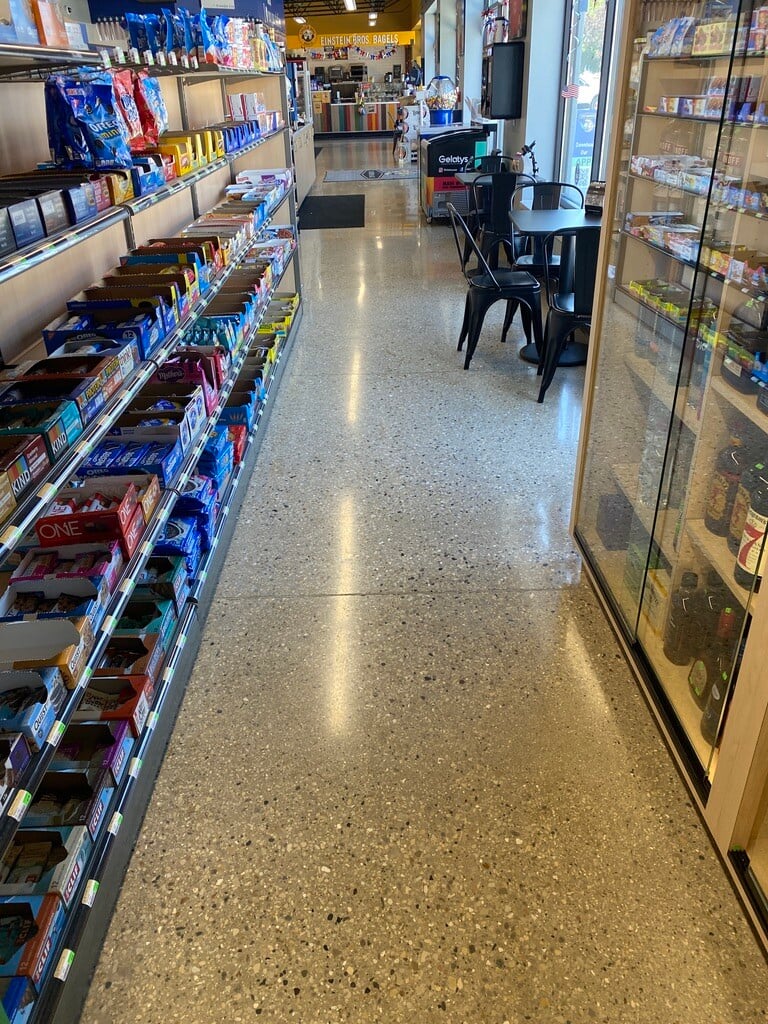
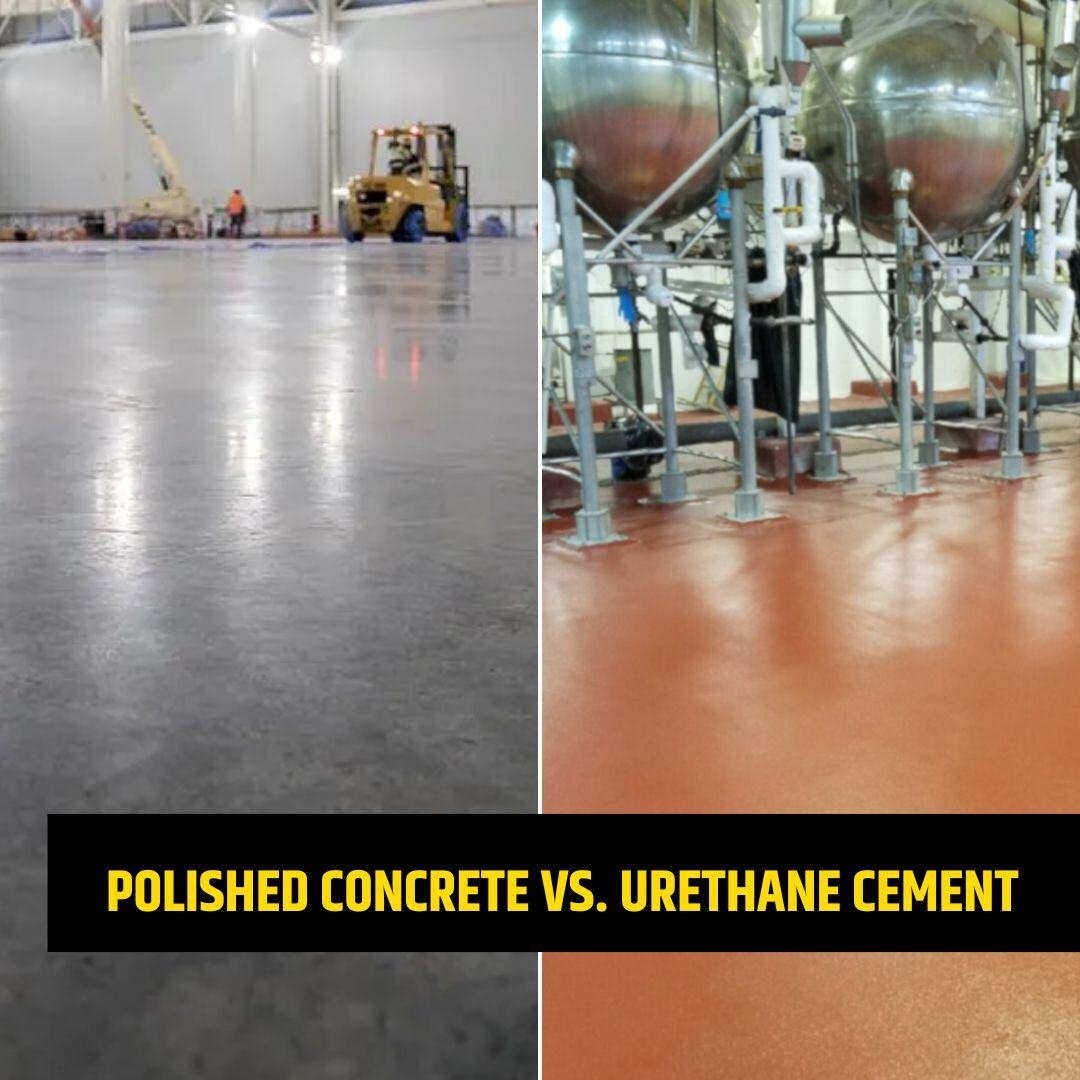
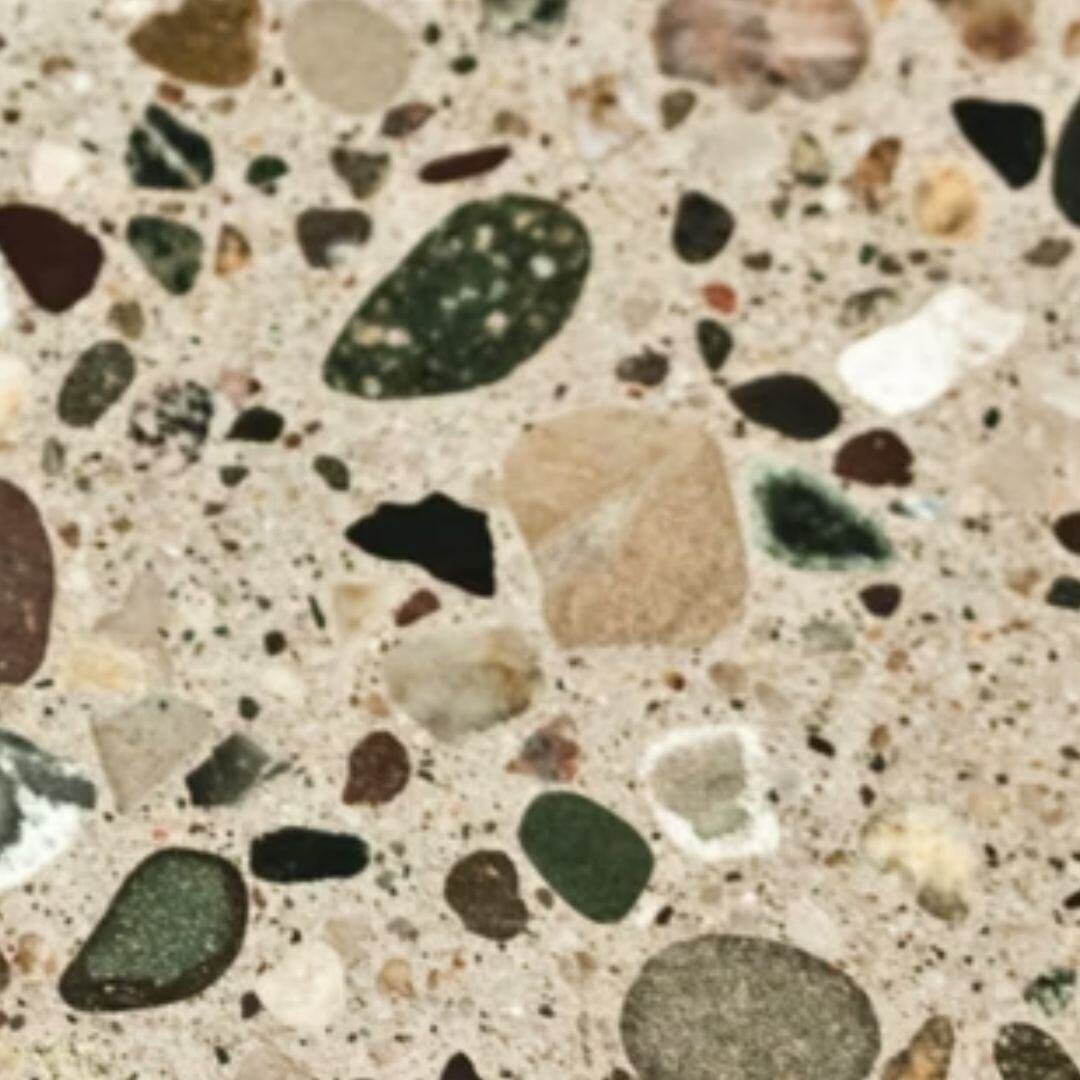
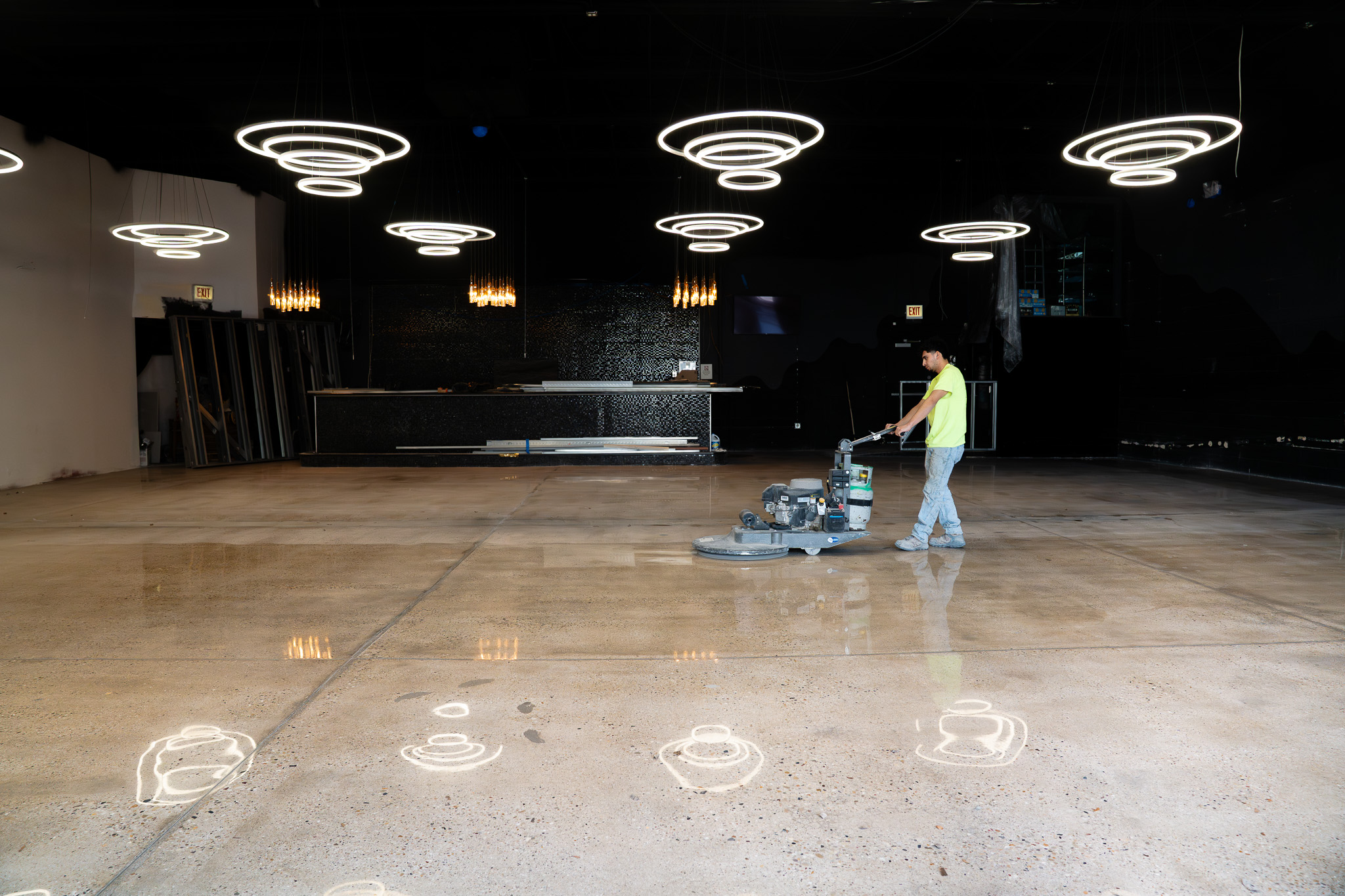
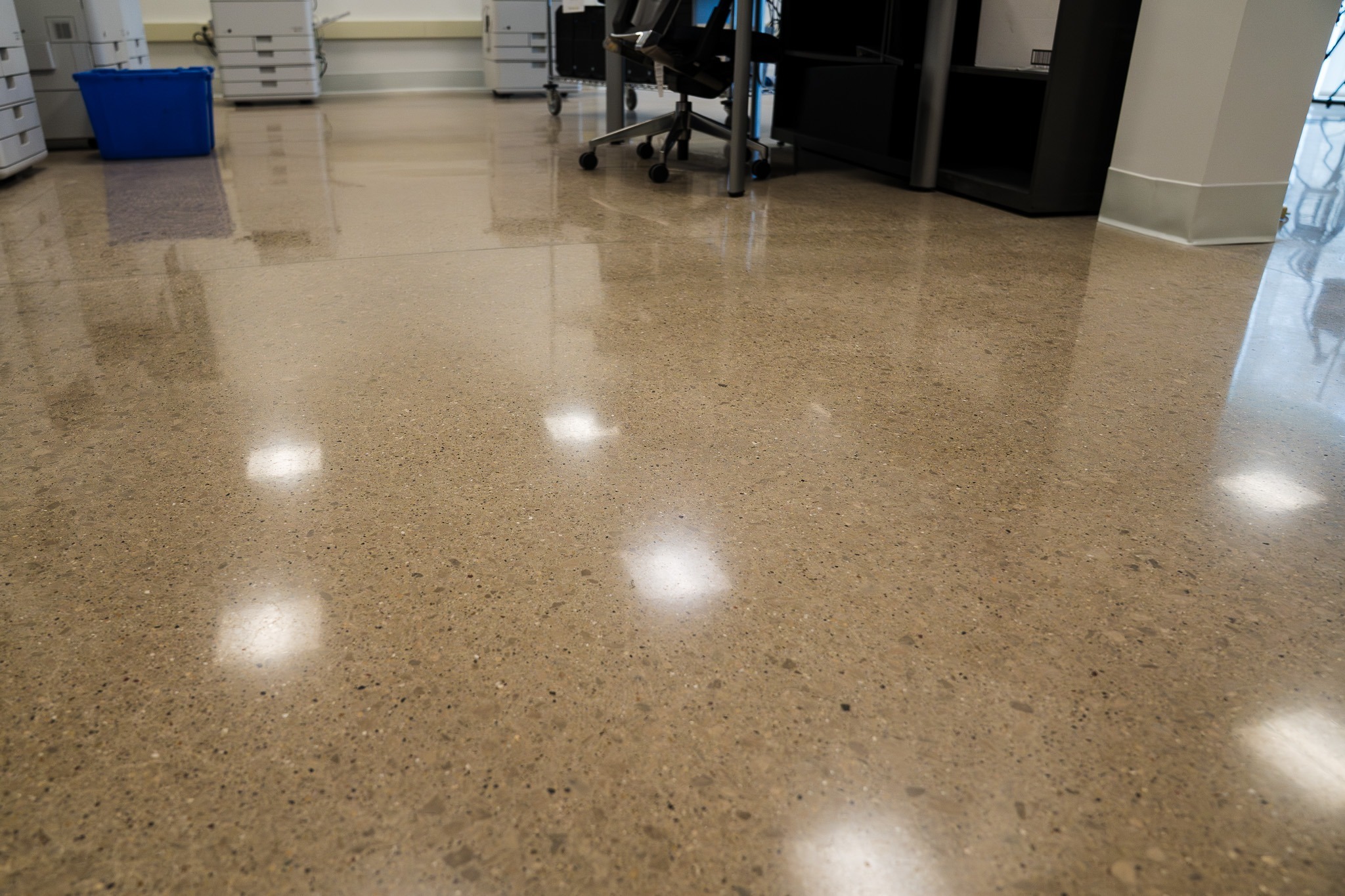
Polished concrete is one of the most popular decorative flooring choices for commercial spaces. It transforms existing concrete into a smooth, reflective surface through mechanical grinding and polishing.
This system offers a sleek, modern appearance that works well in:
- Retail stores
- Showrooms
- Office spaces
- Warehouses with customer-facing areas
Polished concrete is known for its durability and low maintenance. It does not require coatings that can peel or wear away. Instead, the surface is densified and mechanically refined, creating a long-lasting finish.
Among decorative concrete flooring options, polished concrete stands out for its balance of aesthetics and performance.
Metallic Epoxy: High-End, Custom Visual Effects
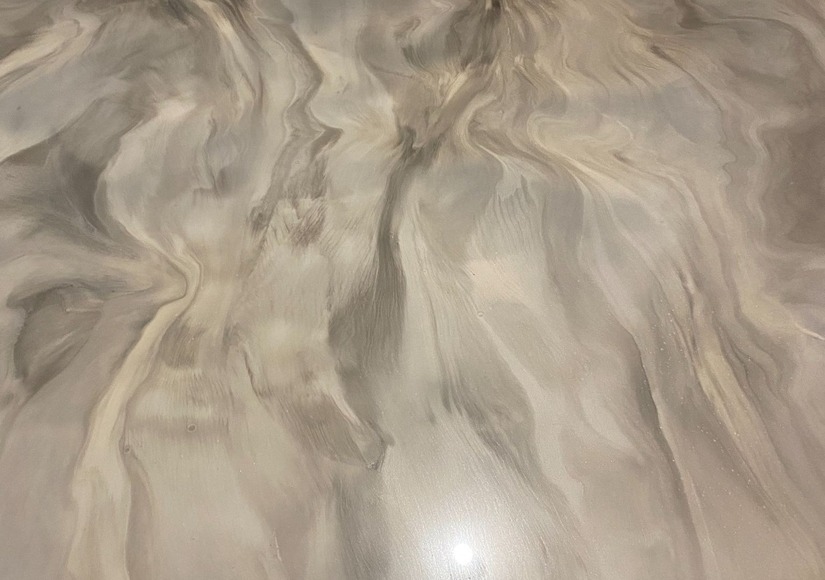
Metallic epoxy flooring creates a unique, high-end appearance that mimics natural materials like marble, stone, or flowing liquid metal.
This system uses metallic pigments mixed into epoxy coatings to produce movement and depth in the finish. No two floors look exactly the same.
Metallic epoxy is commonly used in:
- Retail boutiques
- Restaurants and bars
- Lobbies and reception areas
- Showrooms
While it delivers strong visual impact, metallic epoxy may require more maintenance than other systems. It is best suited for spaces where appearance is the top priority.
For businesses looking to create a bold impression, metallic epoxy is one of the most visually striking decorative concrete flooring options.
Flake Systems: Texture, Color, and Durability
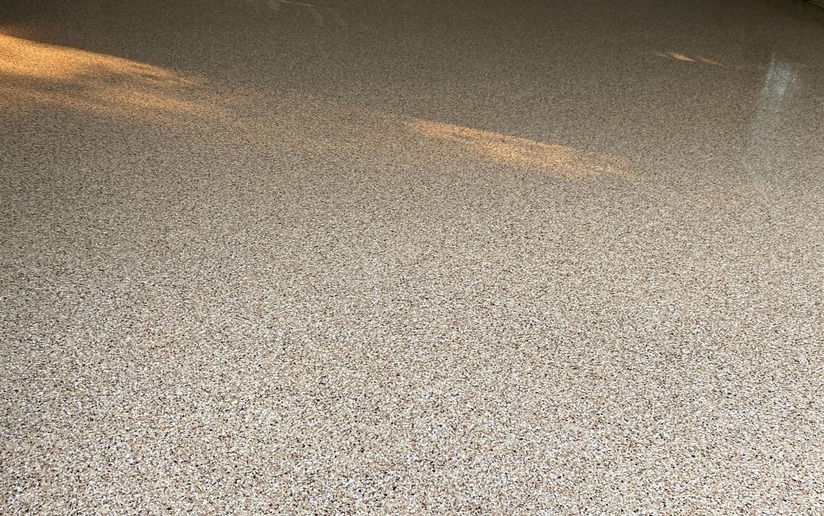
Flake flooring systems combine colored vinyl flakes with a durable coating base to create a textured, multi-toned finish.
These systems offer both aesthetic and functional benefits, including:
- Slip resistance
- Hiding dirt and surface imperfections
- Strong durability under foot traffic
Flake systems are commonly used in:
- Retail backrooms
- Locker rooms
- Fitness centers
- Commercial service areas
Compared to other decorative concrete flooring options, flake systems provide a more practical, textured surface while still offering customization through color blends.
Stained and Sealed Concrete: Natural and Cost-Effective
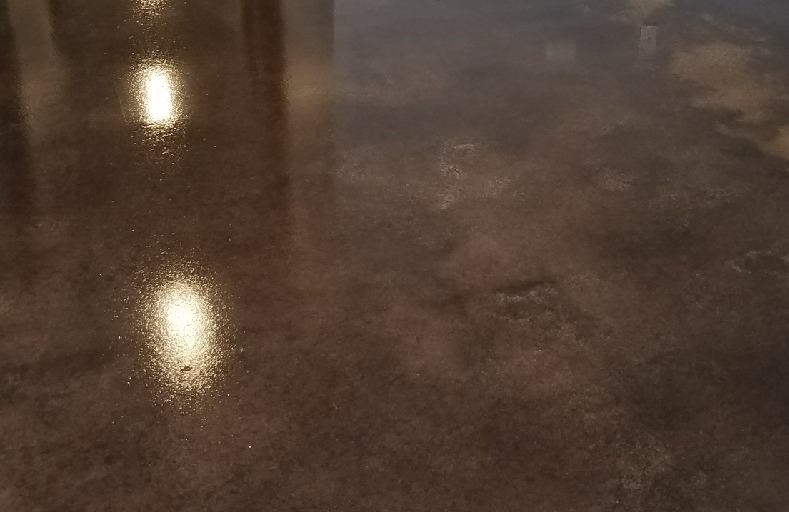
Stained and sealed concrete enhances the natural look of the slab while adding color and protection.
Stains can create subtle tones or more dramatic color variations, depending on the design. Once stained, the surface is sealed to protect against wear and staining.
This option is often used in:
- Retail spaces with a natural aesthetic
- Cafes and restaurants
- Office environments
Stained and sealed concrete is generally more cost-effective than other decorative systems, making it a good option for projects with tighter budgets.
Among decorative concrete flooring options, this system offers a balance between design flexibility and affordability.
Comparing Performance and Maintenance
Each decorative flooring system comes with different maintenance requirements and performance characteristics.
When comparing options, consider:
- Durability: Can the floor handle daily traffic and wear?
- Cleanability: How easy is it to maintain?
- Slip resistance: Does the surface meet safety needs?
- Longevity: How long will the system last before needing repairs?
For example, polished concrete typically requires less maintenance than coated systems, while flake and epoxy systems may require periodic recoating depending on use.
Understanding these differences helps ensure the selected flooring system aligns with operational needs—not just visual goals.
Choosing the Right Option for Your Space
The best decorative flooring solution depends on how the space will be used and the image the business wants to present.
When evaluating decorative concrete flooring options, consider:
- Customer-facing vs. back-of-house areas
- Level of foot traffic
- Exposure to spills or chemicals
- Desired design and branding goals
- Budget and long-term maintenance expectations
A retail showroom may prioritize appearance, while a service area may focus more on durability and slip resistance.
FAQ: Decorative Commercial Flooring
What is the most durable decorative flooring option?
Polished concrete is often considered one of the most durable options due to its hardened surface and minimal maintenance needs.
Which flooring option is best for high-end retail spaces?
Metallic epoxy is popular for high-end spaces because of its custom, eye-catching appearance.
Are decorative concrete floors expensive?
Costs vary depending on the system, but there are decorative concrete flooring options available for a wide range of budgets.
Final Thoughts
Decorative flooring is an important part of creating a functional and visually appealing commercial space. From polished concrete to metallic epoxy and flake systems, there are many decorative concrete flooring options available to meet different design and performance needs.
By understanding how each system looks, performs, and is maintained, business owners can make informed decisions that support both their brand and their operations.
To explore more solutions and find the right fit for your space, see All Flooring Solutions to understand the full range of options available.
Topics: