

Key Takeaways
- Flooring conditions can directly affect sanitation and long-term FDA Compliance.
- Cracks, moisture intrusion, and coating failures can increase contamination risks.
- Routine flooring inspections help facilities maintain safer, easier-to-clean environments.
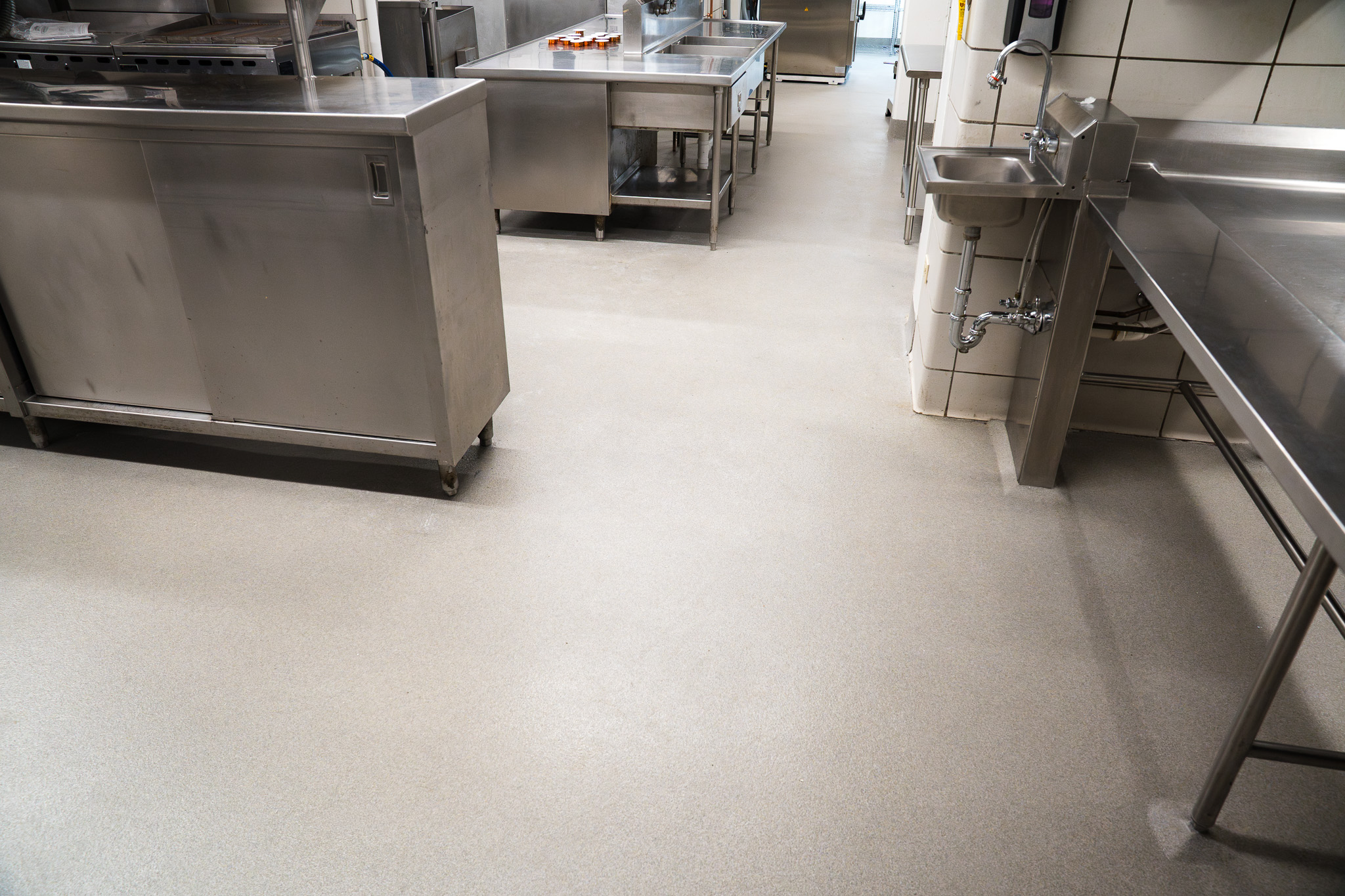
In regulated food, beverage, pharmaceutical, and processing environments, flooring plays a critical role in sanitation and contamination prevention. Concrete coatings are not just installed for appearance or durability—they also help facilities maintain cleaner, safer, and more compliant environments.
When floors begin to crack, peel, absorb moisture, or become difficult to clean, they can create conditions that increase contamination risks and complicate inspections. For facilities focused on maintaining strong FDA Compliance, flooring conditions should be evaluated as part of a broader sanitation and preventive maintenance strategy.
With nearly 20 years of experience and over 1 million square feet installed, CustomCrete has worked in regulated environments where flooring performance directly impacts cleanability, moisture control, and long-term facility integrity.
This guide provides a practical FDA-focused checklist for evaluating concrete coatings and identifying flooring conditions that may affect sanitation and compliance standards.

Why Concrete Coatings Matter for FDA Compliance
FDA-regulated facilities are expected to maintain environments that minimize contamination risks and support proper sanitation procedures. Flooring systems contribute to this because they affect:
- Cleanability
- Moisture management
- Chemical resistance
- Surface durability
- Contamination prevention
Concrete coatings help create seamless, non-porous surfaces that are easier to sanitize compared to damaged or untreated concrete. However, failing flooring systems can create sanitation concerns rather than prevent them.
Understanding how flooring conditions impact FDA Compliance helps facilities proactively reduce operational and inspection-related risks.
FDA Compliance Checklist for Concrete Coatings
Use this checklist to evaluate your flooring system and identify conditions that may affect sanitation, material safety, or long-term facility performance.
1. Are Floors Free of Cracks and Surface Damage?
Cracks and damaged concrete can trap moisture, bacteria, food particles, and cleaning chemicals, making sanitation much more difficult.
Check For:
- Open cracks
- Surface spalling
- Chipping or flaking concrete
- Broken expansion joints
- Peeling coating edges
Damaged flooring can create long-term contamination concerns if left untreated.
2. Are Concrete Coatings Properly Bonded?
Coating failures can expose porous concrete underneath the system, increasing the risk of contamination and moisture absorption.
Check For:
- Bubbling coatings
- Delamination
- Peeling or flaking surfaces
- Hollow-sounding floor sections
Maintaining properly bonded coatings helps support cleaner and more sanitary flooring conditions tied to FDA Compliance.
3. Are Floors Non-Porous and Easy to Sanitize?
FDA-focused environments require flooring systems that support routine cleaning and sanitation procedures.
Check For:
- Worn or exposed concrete
- Areas absorbing water or chemicals
- Rough textures trapping debris
- Stained or darkened surfaces
Non-porous surfaces help reduce places where bacteria or contaminants can accumulate.
4. Is Moisture Properly Controlled?
Moisture intrusion is one of the biggest threats to both flooring performance and sanitation.
Excess moisture can contribute to:
- Bacterial growth
- Coating failure
- Standing water
- Slip hazards
Check For:
- Ponding water
- Damp concrete areas
- Bubbling coatings
- Drainage issues near production zones
Proper moisture management is critical for maintaining long-term FDA Compliance and flooring durability.
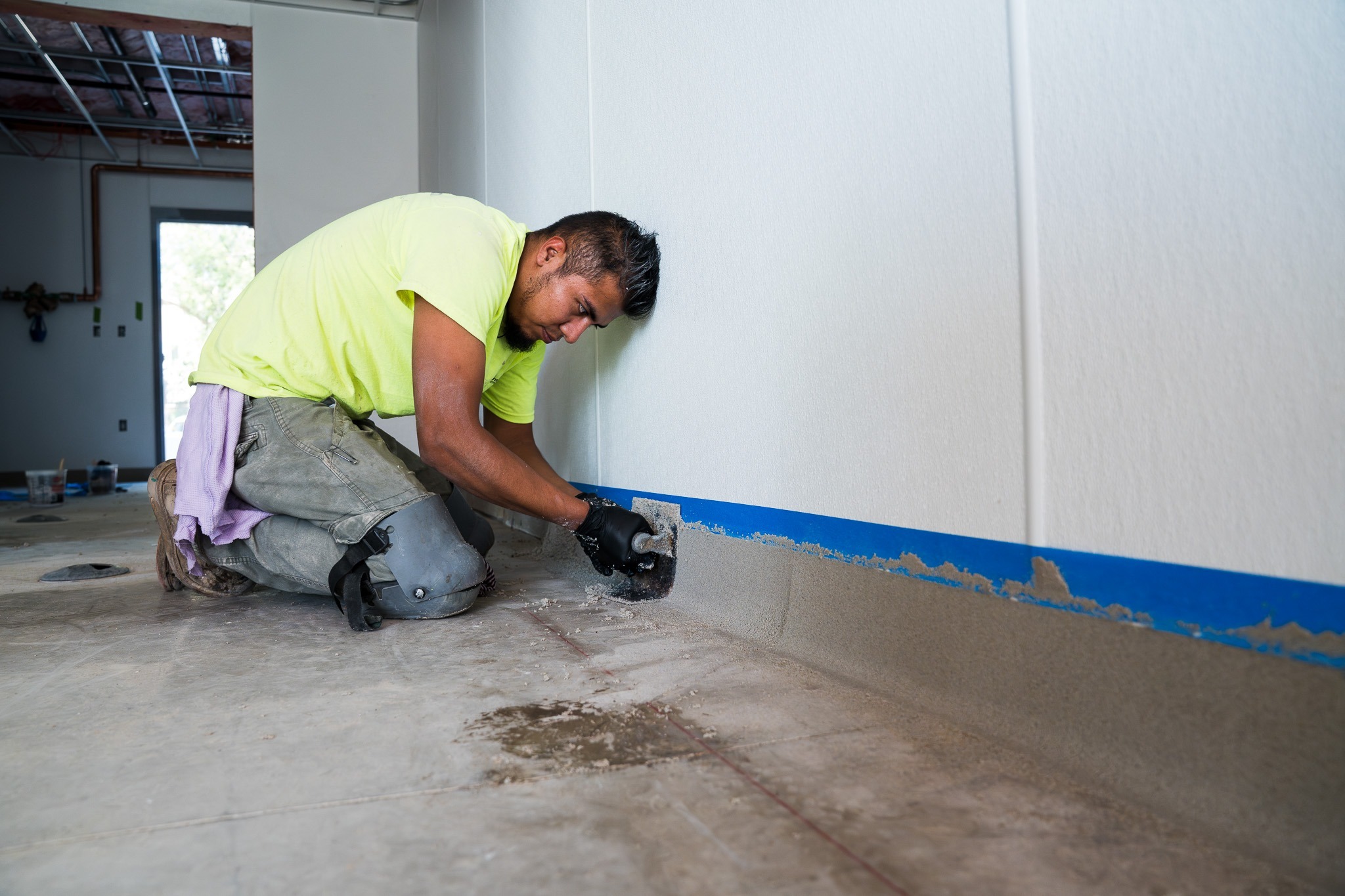
5. Are Floor-to-Wall Transitions Properly Sealed?
Open floor transitions can become collection points for debris, moisture, and bacteria.
Check For:
- Missing cove base
- Open wall gaps
- Cracked sealants
- Areas trapping debris or liquids
Seamless transitions improve cleanability and reduce difficult-to-sanitize areas.
6. Are Expansion Joints Properly Maintained?
Expansion joints are necessary for concrete movement, but damaged joints can create sanitation concerns.
Check For:
- Missing joint filler
- Open gaps
- Cracked joints
- Debris accumulation inside joints
Proper joint management helps maintain cleaner flooring systems and improve long-term facility integrity.
7. Is the Flooring Resistant to Cleaning Chemicals?
Regulated facilities often use aggressive cleaning chemicals and sanitizers that can wear down flooring systems over time.
Check For:
- Surface softening
- Discoloration from chemicals
- Worn coating areas
- Deterioration near washdown zones
Chemical-resistant flooring systems help maintain sanitation performance and reduce premature floor failure.
8. Does the Floor Support Safe Foot Traffic?
Slip resistance is important in wet production environments, but overly rough surfaces can also trap contaminants.
Check For:
- Slippery walkways
- Uneven texture
- Standing water near traffic areas
- Excessively rough flooring surfaces
The goal is to balance slip resistance with efficient cleanability.
Common Flooring Issues That Can Affect FDA Compliance
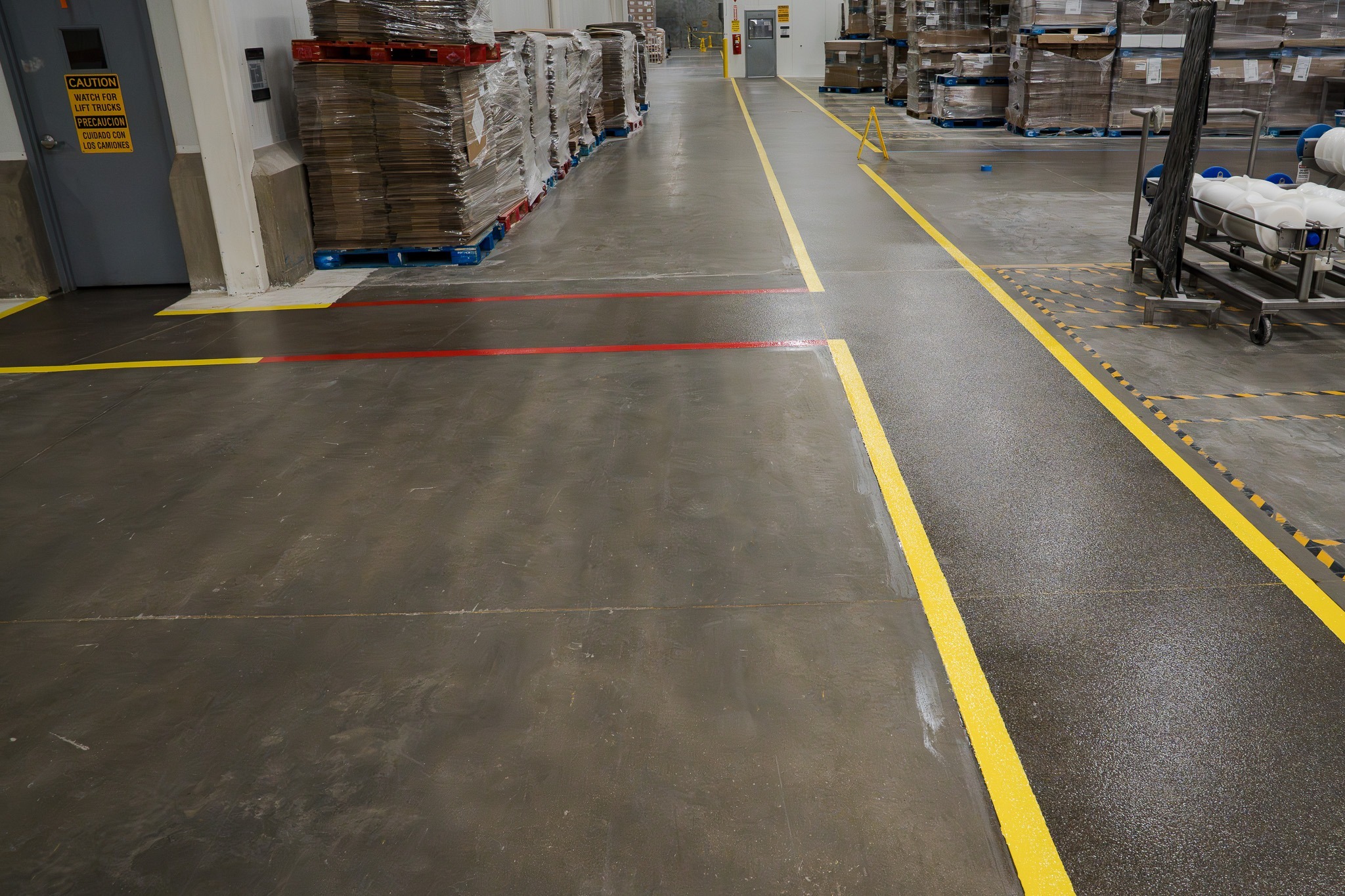
Several flooring-related conditions commonly create sanitation and contamination concerns in regulated facilities:
- Cracked concrete
- Peeling coatings
- Standing water
- Porous surfaces
- Unsanitary joints
- Poor drainage
Identifying these issues early helps facilities maintain stronger long-term FDA Compliance and reduce operational risks.
Why Preventive Maintenance Matters
Many flooring problems begin as small maintenance issues that worsen gradually over time. Preventive flooring maintenance helps facilities:
- Improve sanitation performance
- Reduce contamination risks
- Extend floor lifespan
- Lower repair costs
- Improve inspection readiness
Addressing flooring concerns early is often far less expensive than replacing failed systems after widespread deterioration occurs.
FAQ: FDA Compliance and Concrete Coatings
Does the FDA require specific flooring materials?
The FDA focuses more on sanitation, cleanability, and contamination prevention rather than requiring one exact flooring system.
Why are seamless floors important in regulated facilities?
Seamless flooring reduces areas where moisture, bacteria, and debris can collect.
Can damaged flooring affect inspections?
Yes. Cracks, peeling coatings, and standing water can all raise sanitation concerns during inspections.
Final Thoughts
Flooring systems play an important role in maintaining sanitation, contamination prevention, and long-term FDA Compliance within regulated facilities. Cracks, moisture intrusion, coating failures, and poor cleanability can all increase operational and inspection-related risks.
Using a proactive checklist helps facility managers identify flooring concerns early and maintain cleaner, safer environments over time.
If your facility is evaluating flooring upgrades or addressing sanitation concerns, request a quote with CustomCrete to discuss flooring systems designed for demanding regulated environments.