

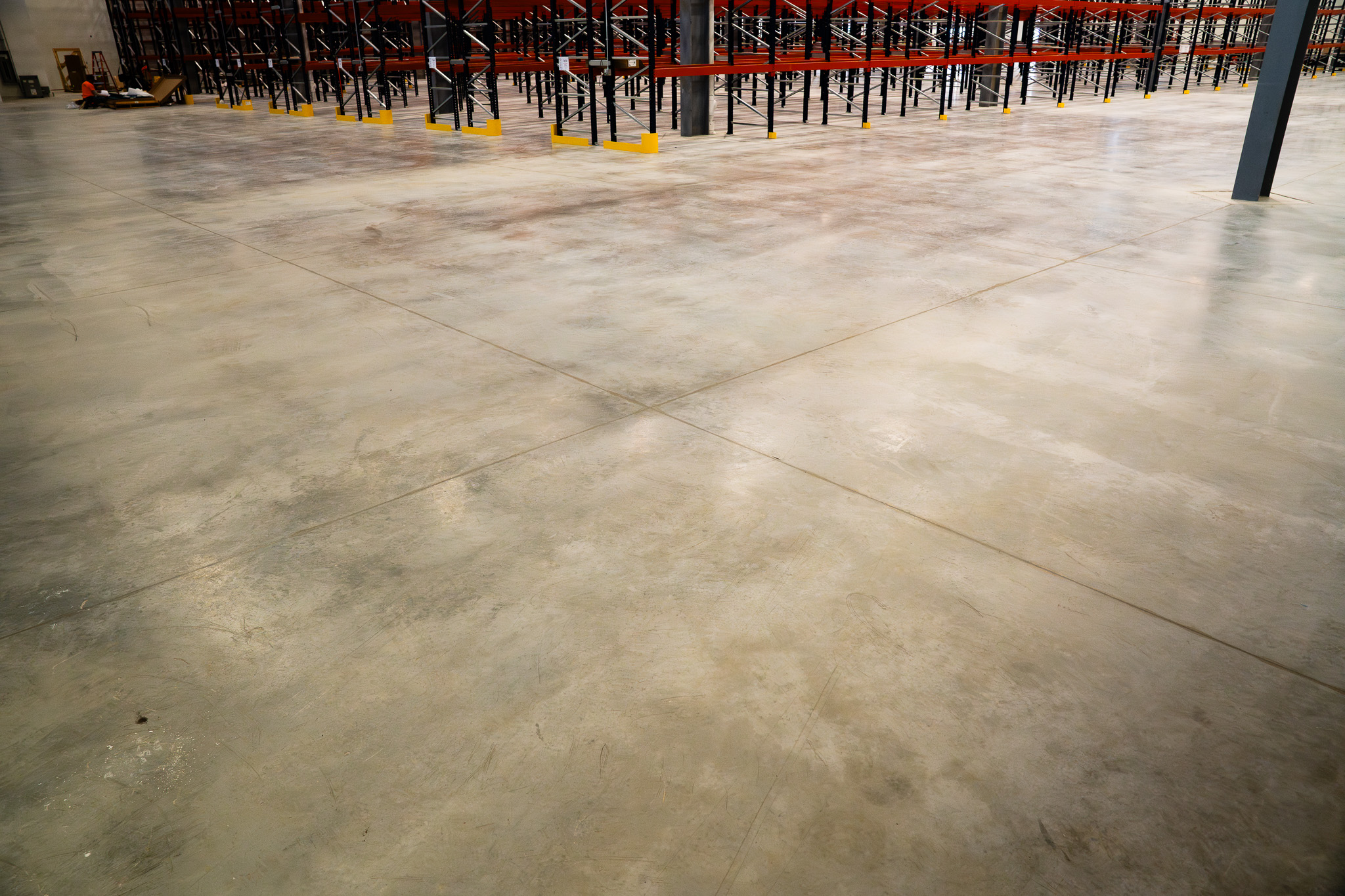
Key Takeaways
- Flooring conditions can directly affect sanitation and long-term GMP compliance.
- Cracks, moisture intrusion, and coating failures can create contamination risks.
- Preventive flooring inspections help facilities maintain cleaner, safer, and more compliant environments.
In regulated manufacturing environments, flooring plays a larger role than many people realize. Concrete coatings are not just installed for appearance or durability—they help support sanitation, contamination prevention, cleanability, and long-term operational efficiency. In facilities operating under Good Manufacturing Practices (GMP), damaged or poorly maintained floors can create compliance concerns that affect both safety and production.
Cracks, peeling coatings, standing water, and porous concrete can all contribute to contamination risks and make cleaning procedures more difficult. For facilities focused on maintaining strong GMP compliance, flooring should be evaluated as part of a broader preventive maintenance and sanitation strategy.
With nearly 20 years of experience and over 1 million square feet installed, CustomCrete has worked in regulated manufacturing environments where flooring performance directly impacts cleanability, moisture control, and long-term facility integrity.
This guide provides a practical GMP-focused checklist for evaluating concrete coatings and identifying potential risks before they become larger compliance issues.
Why Concrete Coatings Matter for GMP Compliance
Good Manufacturing Practices focus heavily on cleanliness, contamination prevention, and controlled production environments. Flooring systems are important because they affect:
- Cleanability
- Moisture management
- Surface durability
- Chemical resistance
- Sanitation efficiency
Concrete coatings help create seamless, non-porous surfaces that are easier to clean and maintain compared to untreated or damaged concrete.
However, when flooring systems begin to fail, they can create areas where moisture, debris, and bacteria accumulate—making long-term GMP compliance more difficult.
GMP Compliance Checklist for Concrete Coatings
Use this checklist to evaluate whether your flooring system supports sanitation and compliance goals within regulated manufacturing environments.
1. Are Floors Free of Cracks and Surface Damage?
Cracks and damaged concrete can trap debris, bacteria, moisture, and chemicals, creating difficult-to-clean areas.
Check For:
- Open cracks
- Chipping or spalling concrete
- Broken expansion joints
- Peeling coating edges
- Surface deterioration near production equipment
Even small areas of damage can become larger contamination concerns over time.
2. Are Concrete Coatings Properly Bonded?
When coatings lose adhesion, the underlying concrete becomes exposed and harder to sanitize effectively.
Check For:
- Bubbling coatings
- Delamination
- Flaking or peeling surfaces
- Hollow-sounding areas in the floor
Maintaining properly bonded coatings helps facilities maintain cleaner surfaces and stronger long-term GMP compliance.
3. Are Floors Non-Porous and Easy to Clean?
Porous or worn concrete can absorb moisture and contaminants, making sanitation more difficult.
Check For:
- Exposed concrete areas
- Rough textures trapping debris
- Stained or darkened surfaces
- Areas absorbing liquids or chemicals
Seamless and non-porous flooring systems help improve cleaning efficiency and reduce contamination risks.
4. Is Moisture Properly Controlled?
Moisture intrusion is one of the most common causes of flooring failure and sanitation concerns.
Excess moisture can contribute to:
- Bacterial growth
- Coating failure
- Standing water
- Slip hazards
Check For:
- Ponding water
- Damp concrete areas
- Bubbling coatings
- Poor drainage near production lines or washdown zones
Proper moisture management is essential for maintaining durable flooring and long-term GMP compliance.
5. Are Floor-to-Wall Transitions Properly Sealed?
Open transitions can collect debris and moisture while making sanitation more difficult.
Check For:
- Missing cove base
- Open wall gaps
- Cracked sealants
- Areas collecting debris or liquids
Seamless transitions improve cleanability and reduce contamination risks throughout the facility.
6. Are Expansion Joints Properly Maintained?
Expansion joints are necessary for concrete movement, but damaged joints can create sanitation and durability concerns.
Check For:
- Missing joint filler
- Cracked joints
- Open gaps
- Debris buildup inside joints
Proper joint management helps maintain smoother, easier-to-clean flooring systems.
7. Is the Flooring Resistant to Chemicals and Cleaning Procedures?
Manufacturing facilities often use aggressive cleaning chemicals and sanitizers that can wear down flooring systems over time.
Check For:
- Surface softening
- Chemical discoloration
- Worn coating areas
- Deterioration near washdown zones or chemical exposure areas
Chemical-resistant flooring systems help reduce long-term maintenance issues and improve durability.
8. Does the Floor Support Safe and Efficient Operations?
Flooring systems should support both operational safety and sanitation efficiency.
Check For:
- Slippery traffic areas
- Uneven surfaces
- Excessively rough textures
- Standing water near workstations
The goal is to balance slip resistance, cleanability, and long-term durability.
Common Flooring Issues That Can Affect GMP Compliance
Several flooring-related conditions commonly create concerns in regulated manufacturing environments:
- Cracked concrete
- Peeling coatings
- Standing water
- Porous surfaces
- Damaged joints
- Poor drainage
Identifying these issues early helps improve long-term GMP compliance and reduce operational risks.
Why Preventive Maintenance Matters
Most flooring failures begin as small maintenance issues that gradually worsen over time. Preventive inspections and repairs help facilities:
- Reduce contamination risks
- Improve sanitation performance
- Extend floor lifespan
- Lower long-term repair costs
- Improve audit readiness
Addressing flooring concerns early is often much less expensive than replacing failed flooring systems later.
FAQ: GMP Compliance and Concrete Coatings
Why does flooring matter for GMP compliance?
Damaged or unsanitary floors can contribute to contamination risks and make sanitation procedures less effective.
Are seamless floors better for GMP environments?
In many cases, yes. Seamless flooring systems reduce areas where debris and moisture can collect.
Can flooring damage affect inspections or audits?
Yes. Cracks, peeling coatings, and standing water may create sanitation concerns during inspections.
Final Thoughts
Concrete coatings play an important role in supporting sanitation, durability, and long-term GMP compliance within regulated manufacturing environments. Cracks, moisture intrusion, coating failures, and poor cleanability can all increase contamination risks and operational concerns.
Using a proactive flooring checklist helps facility managers identify potential problems early and maintain cleaner, safer, and more compliant facilities over time.
If your facility is evaluating flooring upgrades or addressing compliance concerns, request a quote with CustomCrete to discuss flooring systems designed for demanding regulated environments.