

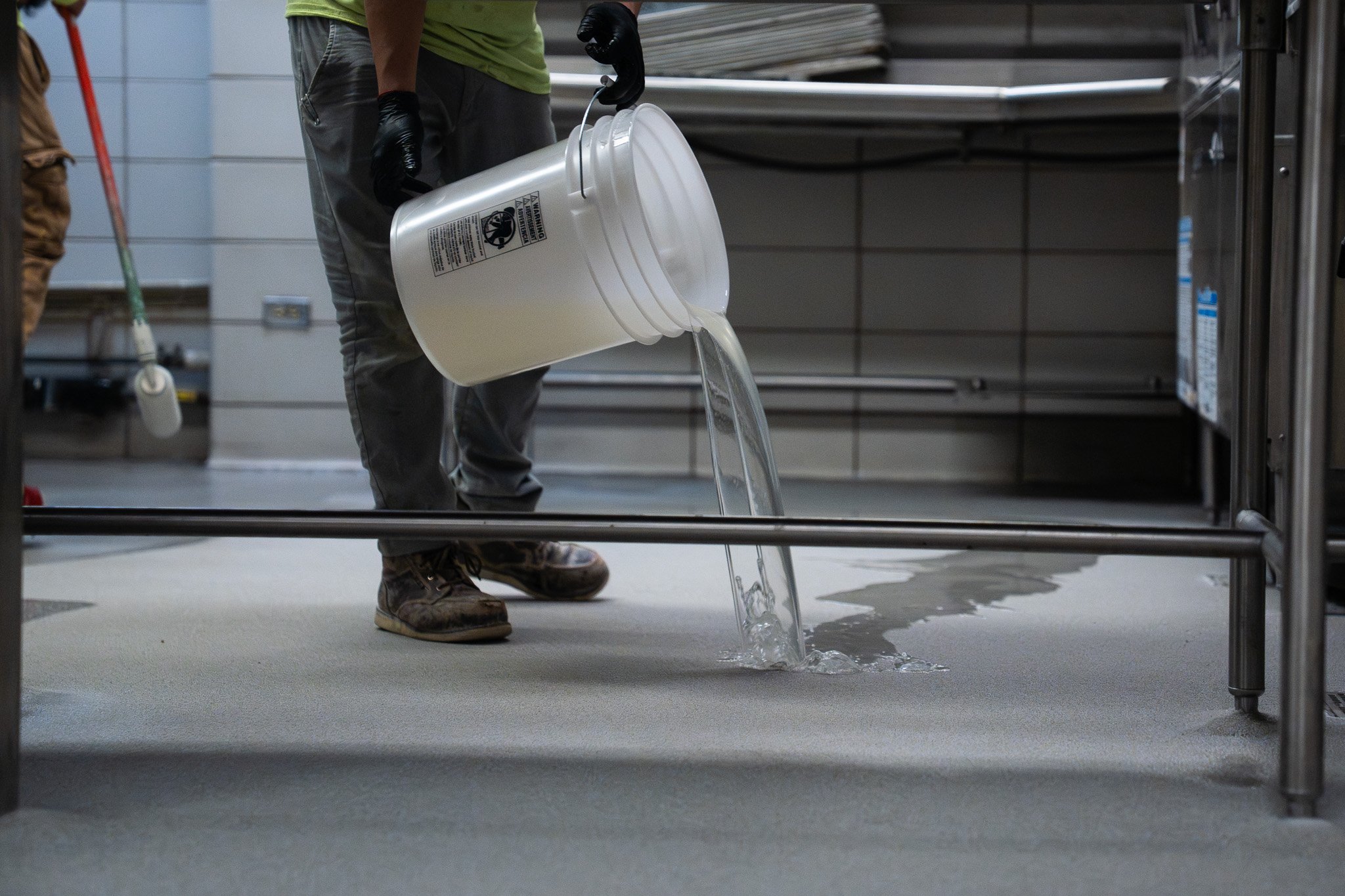
Planning an industrial flooring project is a major investment for any facility. Whether you manage a warehouse, manufacturing plant, food processing facility, or distribution center, flooring decisions affect safety, productivity, and long-term maintenance costs. One of the biggest challenges facility managers face is knowing how to properly budget flooring for their space.
Industrial floor pricing can vary significantly from one building to another. Factors like slab condition, required surface preparation, system selection, and installation timelines all influence the final cost. Understanding these elements ahead of time helps facility managers plan realistic budgets and avoid unexpected expenses.
This guide breaks down the major factors that influence industrial flooring costs so you can confidently budget flooring for your next project.

Why Budget Planning Matters for Industrial Flooring
Industrial floors do much more than support foot traffic. They must handle forklifts, heavy equipment, chemical exposure, and constant operational demands. Choosing the wrong system—or underestimating costs—can lead to premature failures, safety risks, and costly repairs.
When facility managers take the time to properly budget flooring, they can:
- Compare flooring systems accurately
- Plan around operational downtime
- Avoid unexpected repair costs
- Select solutions that meet long-term performance goals
Budget planning helps shift the focus from short-term cost to long-term value.
Surface Preparation: The Foundation of Every Floor
One of the most significant cost factors in any flooring project is surface preparation. Proper preparation ensures the flooring system bonds correctly to the concrete slab.
Preparation may include:
- Mechanical grinding or shot blasting
- Removing old coatings or adhesives
- Crack and joint repair
- Surface leveling
- Oil or chemical contamination removal
Older facilities often require more extensive preparation, which increases labor time and project cost. When trying to budget flooring, it’s important to understand that preparation is essential for long-term performance—not an optional step.
Slab Condition: A Major Cost Variable
The condition of the existing concrete slab can significantly impact the overall budget.
Common issues that affect cost include:
- Cracks and spalling
- Uneven surfaces
- Moisture vapor issues
- Damaged control joints
- Surface contamination
If the slab requires repairs or moisture mitigation before installation, these steps will influence the project price. However, addressing these issues early prevents flooring failures later.
Flooring System Type
Different flooring systems vary widely in both cost and performance. The type of system selected is one of the most important considerations when planning to budget flooring.
Some common industrial flooring options include:
Each system is designed for different environments. For example, warehouses with forklift traffic may require different durability than office or retail spaces. Choosing the right system for your environment helps ensure the floor performs as expected.
Square Footage and Layout
The size and layout of the space also influence the total project budget.
Larger areas may benefit from economies of scale, while complex layouts can increase labor time. Layout challenges may include:
- Tight spaces around equipment
- Multiple rooms or segmented areas
- Floor drains and trenches
- Sloped surfaces
- Restricted access zones
When facility managers budget flooring, understanding the physical layout of the space helps contractors estimate labor requirements accurately.
Downtime and Scheduling Considerations
Downtime is often one of the biggest concerns in industrial flooring projects. Some facilities can pause operations temporarily, while others must remain operational throughout the installation.
Scheduling considerations include:
- Phased installation to keep operations running
- Night or weekend work
- Fast-curing flooring systems
- Equipment relocation or protection
Accelerated timelines or off-hour installations may increase costs, but they can also reduce operational disruption. Factoring downtime into your budget flooring plan helps avoid surprises later.
Long-Term Maintenance Costs
A flooring system’s upfront price is only part of the overall financial picture. Long-term maintenance should also be considered when planning your flooring budget.
Some systems require:
- Regular recoating
- Waxing or sealing
- Specialized cleaning procedures
Others, like polished concrete, may offer lower maintenance requirements over time. When evaluating options, facility managers should consider the total cost of ownership—not just the initial installation cost.
Proper planning ensures your budget flooring decisions align with both operational needs and long-term maintenance expectations.
Additional Factors That Can Influence Cost
Other variables may also affect project pricing, including:
- Moisture mitigation systems
- Safety striping or markings
- Slip-resistant textures
- Environmental conditions during installation
- Local building requirements
Each of these elements plays a role in determining the final scope of the project.
Common Budgeting Mistakes to Avoid
Facility managers sometimes encounter budgeting challenges because key factors were overlooked early in the planning process.
Common mistakes include:
- Assuming price per square foot is universal
- Ignoring slab repairs or moisture issues
- Choosing systems based only on initial cost
- Failing to plan for operational downtime
Avoiding these pitfalls allows for more accurate planning and better long-term flooring performance.
FAQ: Budgeting for Industrial Flooring
How early should a flooring budget be planned?
Ideally, budgeting should begin during the early planning stages of a facility upgrade or renovation.
Is the cheapest flooring option always the best choice?
Not necessarily. Lower upfront costs may lead to higher maintenance or replacement expenses later.
Can flooring projects be phased to control costs?
Yes. Many facilities choose phased installations to manage both cost and operational downtime.
Final Thoughts
Industrial flooring projects require careful planning to balance cost, performance, and operational needs. By considering factors like surface preparation, slab condition, system selection, square footage, and downtime, facility managers can make informed decisions and accurately budget flooring for their facility.
If you’re planning a flooring project and want a clearer estimate based on your facility’s specific conditions, the next step is to evaluate your space. Use CustomCrete’s pricing estimator to get a better understanding of potential costs for your project.
