

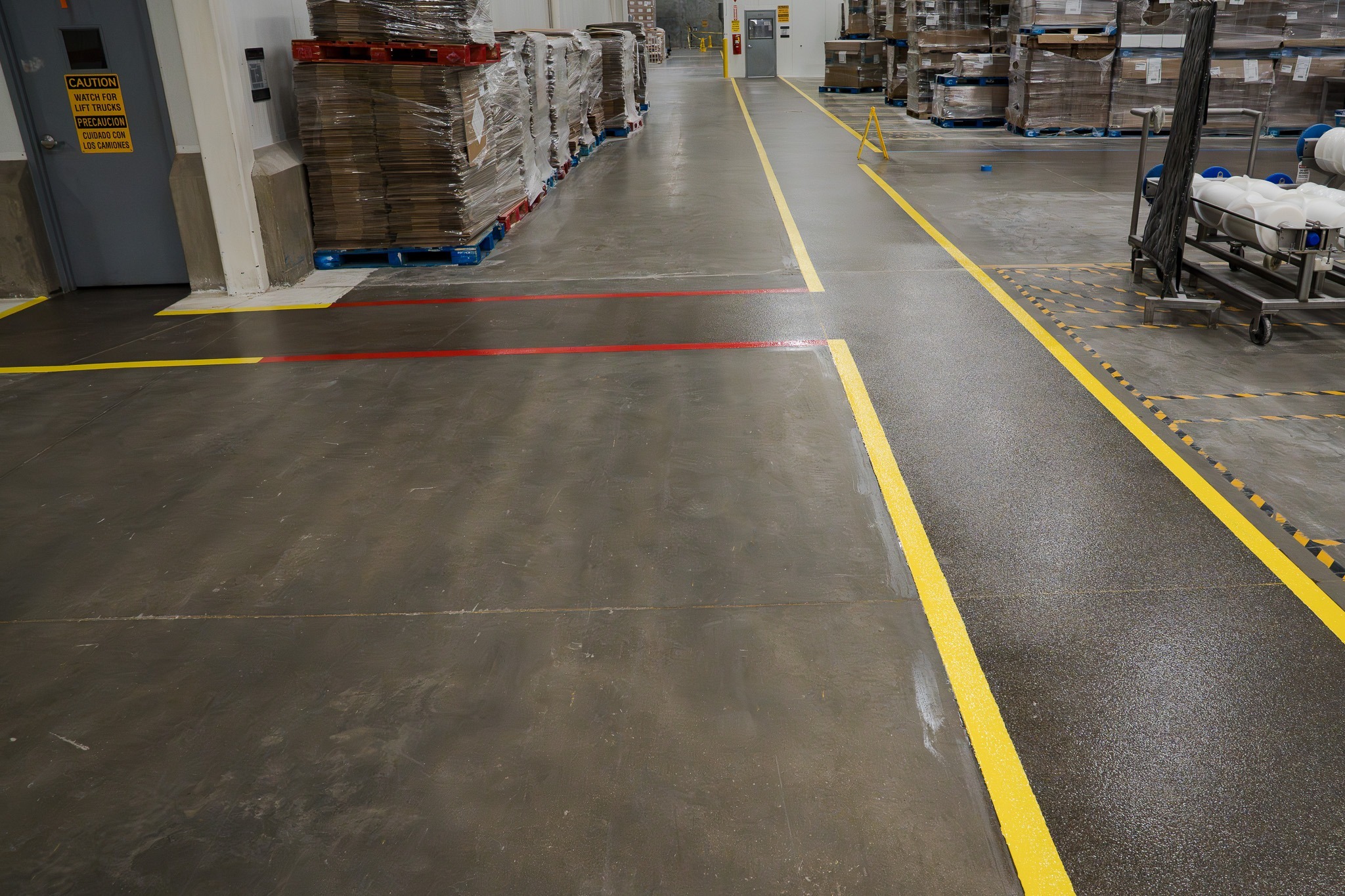
In industrial and commercial facilities, flooring plays a major role in workplace safety. Slippery surfaces, damaged concrete, uneven floors, and coating failures can all increase the risk of workplace injuries, equipment accidents, and operational downtime. Because of this, flooring conditions are often tied directly to broader workplace safety programs and long-term OSHA compliance efforts.
Many facility managers focus on equipment safety and employee training but overlook how much flooring conditions contribute to slips, trips, falls, and traffic hazards. With nearly 20 years of experience and over 1 million square feet installed, CustomCrete has worked in industrial environments where flooring performance directly affects safety, traction, cleanability, and operational efficiency.
This guide provides a practical OSHA-focused checklist for evaluating concrete coatings and identifying potential workplace safety risks related to flooring conditions.
Key Takeaways
- Flooring conditions can directly impact workplace safety and long-term OSHA compliance.
- Slippery surfaces, damaged concrete, and poor visibility can increase accident risks.
- Routine flooring evaluations help facilities improve safety and reduce operational hazards.

Why Concrete Coatings Matter for OSHA Compliance
OSHA focuses heavily on maintaining safe working environments and reducing preventable hazards. Flooring systems play an important role because they affect:
- Slip resistance
- Surface stability
- Visibility and traffic flow
- Cleanability
- Safe equipment movement
Concrete coatings help create safer, more durable surfaces that support everyday operations. However, when flooring systems begin to fail, they can create conditions that increase the likelihood of injuries and safety violations.
Understanding how flooring impacts OSHA compliance helps facilities proactively identify and correct hazards before they become larger operational problems.
OSHA Compliance Checklist for Concrete Coatings
Use this checklist to evaluate whether your flooring system supports workplace safety and operational efficiency.
1. Are Floors Free of Cracks and Surface Damage?
Damaged concrete can create trip hazards and unsafe walking or driving conditions.
Check For:
- Open cracks
- Chipped or spalling concrete
- Uneven surfaces
- Broken expansion joints
- Peeling coating edges
Damaged flooring can also worsen over time under forklift traffic and heavy equipment use.
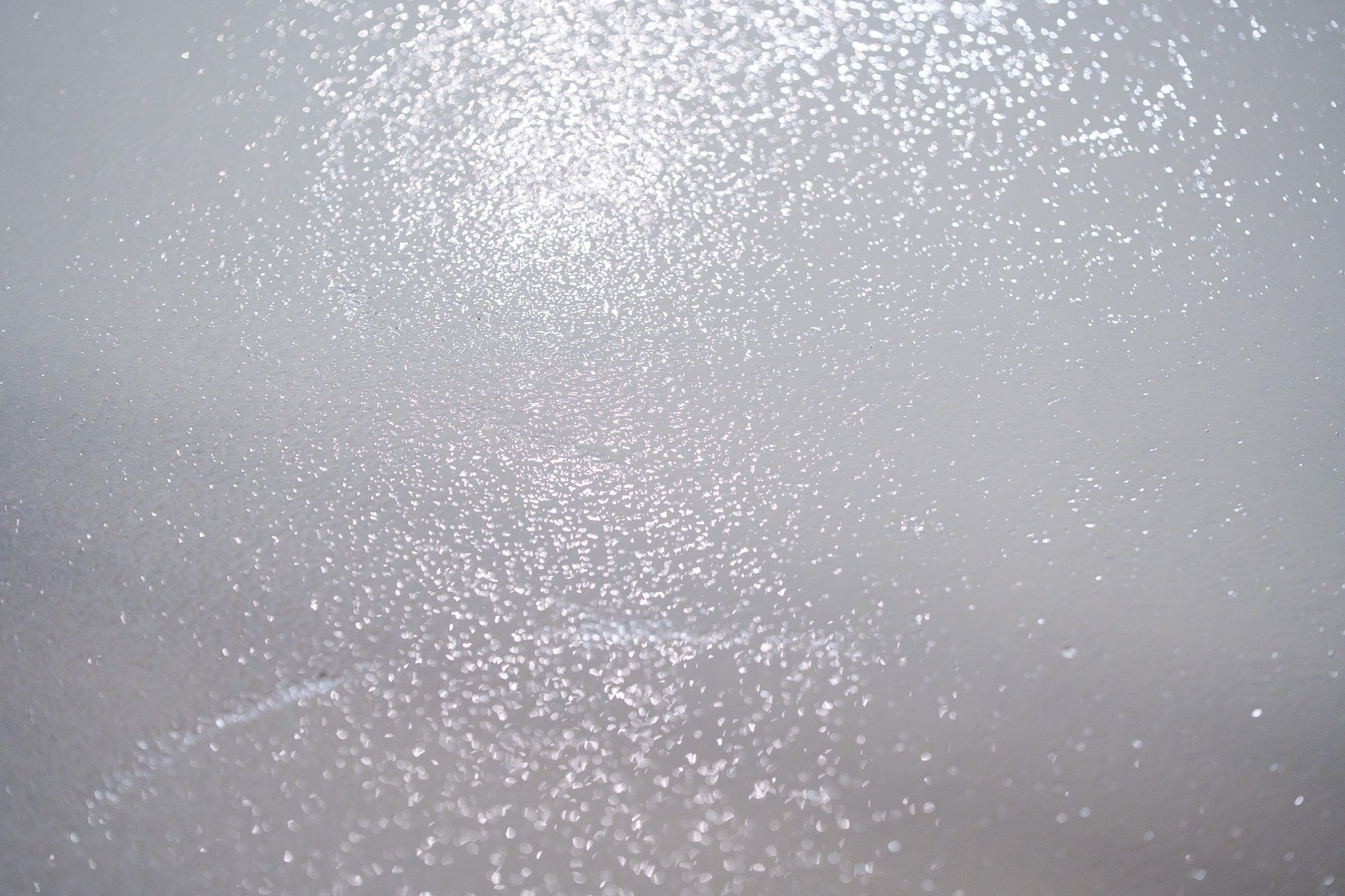
2. Are Floors Slip-Resistant in Wet or High-Traffic Areas?
Slip resistance is one of the most important flooring safety factors in industrial and commercial environments.
Check For:
- Slippery walkways
- Areas exposed to water, oil, or chemicals
- Excessively smooth coatings
- High-risk traffic areas near entrances or washdowns
Proper texture and traction help reduce slip-and-fall risks tied to OSHA compliance concerns.
3. Are Coatings Properly Bonded to the Concrete?
Coating failures can create uneven surfaces and loose material that contribute to workplace hazards.
Check For:
- Bubbling coatings
- Delamination
- Peeling or flaking surfaces
- Hollow-sounding areas
Properly bonded coatings improve both durability and safety.
4. Is Standing Water or Moisture Present?
Standing water creates both slip hazards and long-term flooring damage.
Check For:
- Ponding water
- Poor drainage
- Damp concrete areas
- Bubbling coatings caused by moisture vapor
Moisture management is important for maintaining safe and durable flooring systems.
5. Are Traffic Areas Clearly Defined?
Industrial facilities often rely on floor markings to separate:
- Forklift traffic
- Pedestrian walkways
- Work zones
- Storage areas
Check For:
- Faded line striping
- Unclear traffic paths
- Missing safety markings
- Poor visibility in work zones
Proper floor striping improves traffic flow and supports workplace safety programs.
6. Are Expansion Joints Properly Maintained?
Damaged joints can create trip hazards and cause further slab deterioration.
Check For:
- Missing joint filler
- Cracked or separating joints
- Uneven transitions
- Debris buildup inside joints
Joint maintenance helps improve both floor longevity and workplace safety.
7. Is the Floor Resistant to Chemicals and Heavy Wear?
Industrial floors are often exposed to oils, chemicals, and constant traffic that can wear down coatings over time.
Check For:
- Surface softening
- Chemical damage
- Excessive abrasion
- Worn traffic lanes
Durable coatings help reduce safety risks caused by deteriorating surfaces.
8. Is Lighting and Surface Visibility Adequate?
Floor appearance and reflectivity can affect visibility inside industrial environments.
Check For:
- Dark or difficult-to-see walkways
- Poorly marked hazard zones
- Excessively glossy surfaces creating glare
- Areas where wear patterns reduce visibility
Proper floor visibility supports safer movement throughout the facility.
Common Flooring Issues That Can Affect OSHA Compliance
Several flooring-related conditions commonly contribute to workplace hazards:
- Slippery surfaces
- Cracked concrete
- Peeling coatings
- Standing water
- Poorly maintained traffic markings
- Uneven floors
Identifying these concerns early helps facilities maintain stronger long-term OSHA compliance and reduce accident risks.
Why Preventive Maintenance Matters
Many flooring safety issues begin as small maintenance problems that worsen over time. Routine inspections and preventative repairs help facilities:
- Reduce slip-and-fall risks
- Improve traffic flow
- Extend floor lifespan
- Lower long-term repair costs
- Improve workplace safety
Preventive maintenance is often far less expensive than addressing injuries, downtime, or major flooring failures later.
FAQ: OSHA Compliance and Concrete Coatings
Why does flooring matter for OSHA compliance?
Damaged or slippery floors can increase the risk of workplace injuries and safety hazards.
Do industrial floors need slip resistance?
In many environments, yes. Areas exposed to water, oils, or chemicals often require additional traction.
Can floor striping improve workplace safety?
Yes. Proper striping helps define traffic lanes and improve facility organization.
Final Thoughts
Concrete coatings play an important role in creating safer, more durable work environments. Slippery surfaces, cracks, coating failures, and poor traffic visibility can all contribute to workplace hazards that affect long-term OSHA compliance.
Using a proactive flooring checklist helps facility managers identify safety concerns early and maintain cleaner, safer, and more efficient facilities over time.
If your facility is evaluating flooring upgrades or addressing workplace safety concerns, request a quote with CustomCrete to discuss flooring systems designed for demanding industrial environments.

