
Static electricity is something most people don’t think about—until it causes a problem. In everyday settings, it might be a small shock when touching a door handle. In certain facilities, however, static can damage sensitive equipment, interrupt operations, or even create safety risks.
That’s where anti static flooring and esd flooring come into play. These specialized flooring systems are designed to control static electricity and protect both people and equipment. While they are often grouped together, they serve different purposes and are used in different environments.
This guide explains how static electricity is generated, how these flooring systems work, and when each type is needed.

How Static Electricity Is Generated
Static electricity forms when two surfaces come into contact and then separate, transferring electrons between them. This process is known as triboelectric charging.
In facilities, static can build up from:
- Foot traffic across certain flooring materials
- Movement of carts, pallets, or equipment
- Low humidity environments
- Airflow from HVAC or cooling systems
- Synthetic materials like rubber wheels or clothing
When that static charge builds up and suddenly releases, it creates an electrostatic discharge (ESD). In sensitive environments, even small discharges can cause significant problems.
What Is Anti Static Flooring?
Anti static flooring is designed to reduce the buildup of static electricity on the surface. It slows down how much charge accumulates, helping to minimize nuisance shocks and minor disruptions.
How It Works
Anti static flooring contains materials that limit the amount of static generated during movement. Instead of allowing static to build quickly, the floor reduces the overall charge level.
Key Characteristics
- Reduces static buildup
- Helps prevent small shocks
- Improves comfort for workers
- Does not actively ground static
Anti static flooring is typically used in environments where static is a concern, but not a critical risk.
What Is ESD Flooring?
ESD flooring (electrostatic discharge flooring) goes a step further. Instead of just reducing static buildup, it actively controls and safely dissipates static electricity.
How It Works
ESD flooring uses conductive or dissipative materials to move static charges through the floor and into a grounding system. This prevents sudden discharge events that could damage equipment.
Key Characteristics
- Controls and dissipates static electricity
- Works with grounding systems
- Maintains a specific resistance range
- Protects sensitive electronics
Because it actively manages static, ESD flooring is used in environments where even small discharges can cause serious issues.
The Difference Between Anti Static Flooring and ESD Flooring
While both systems deal with static electricity, their level of protection is different.
Anti Static Flooring
- Reduces static buildup
- Does not require grounding
- Used for general static control
ESD Flooring
- Actively dissipates static electricity
- Requires proper grounding
- Used for sensitive or high-risk environments
Understanding this difference is important when selecting the right system for your facility.
When Is Anti Static Flooring Needed?
Anti static flooring is typically used in environments where static electricity is noticeable but not dangerous.
Common applications include:
- Offices with electronic equipment
- Light manufacturing areas
- Commercial spaces with frequent foot traffic
- Facilities where worker comfort is a concern
In these environments, reducing static buildup improves safety and comfort without requiring a full ESD system.
When Is ESD Flooring Needed?
ESD flooring is required in environments where static electricity can damage equipment or create safety risks.
Common applications include:
- Data centers and server rooms
- Electronics manufacturing facilities
- Cleanrooms
- Laboratories
- Pharmaceutical production areas
- Telecommunications facilities
In these settings, controlling static is critical to protecting equipment and maintaining operations.
Why Static Control Matters
Ignoring static electricity can lead to several problems:
- Damage to sensitive electronics
- Data loss or system downtime
- Reduced equipment lifespan
- Safety risks in certain environments
By installing the appropriate system—whether anti static flooring or esd flooring—facilities can reduce these risks and maintain more stable operations.
Key Factors When Choosing a System
Selecting the right flooring system depends on the specific needs of your facility.
Consider the following:
Sensitivity of Equipment
If your facility contains sensitive electronics, ESD flooring is likely required.
Environmental Conditions
Low humidity environments are more prone to static buildup.
Traffic Type
Foot traffic, rolling equipment, and material movement all influence static generation.
Compliance Requirements
Some industries have specific standards for static control that must be met.
Evaluating these factors helps determine whether anti static flooring or ESD flooring is the right fit.
Installation and Maintenance Considerations
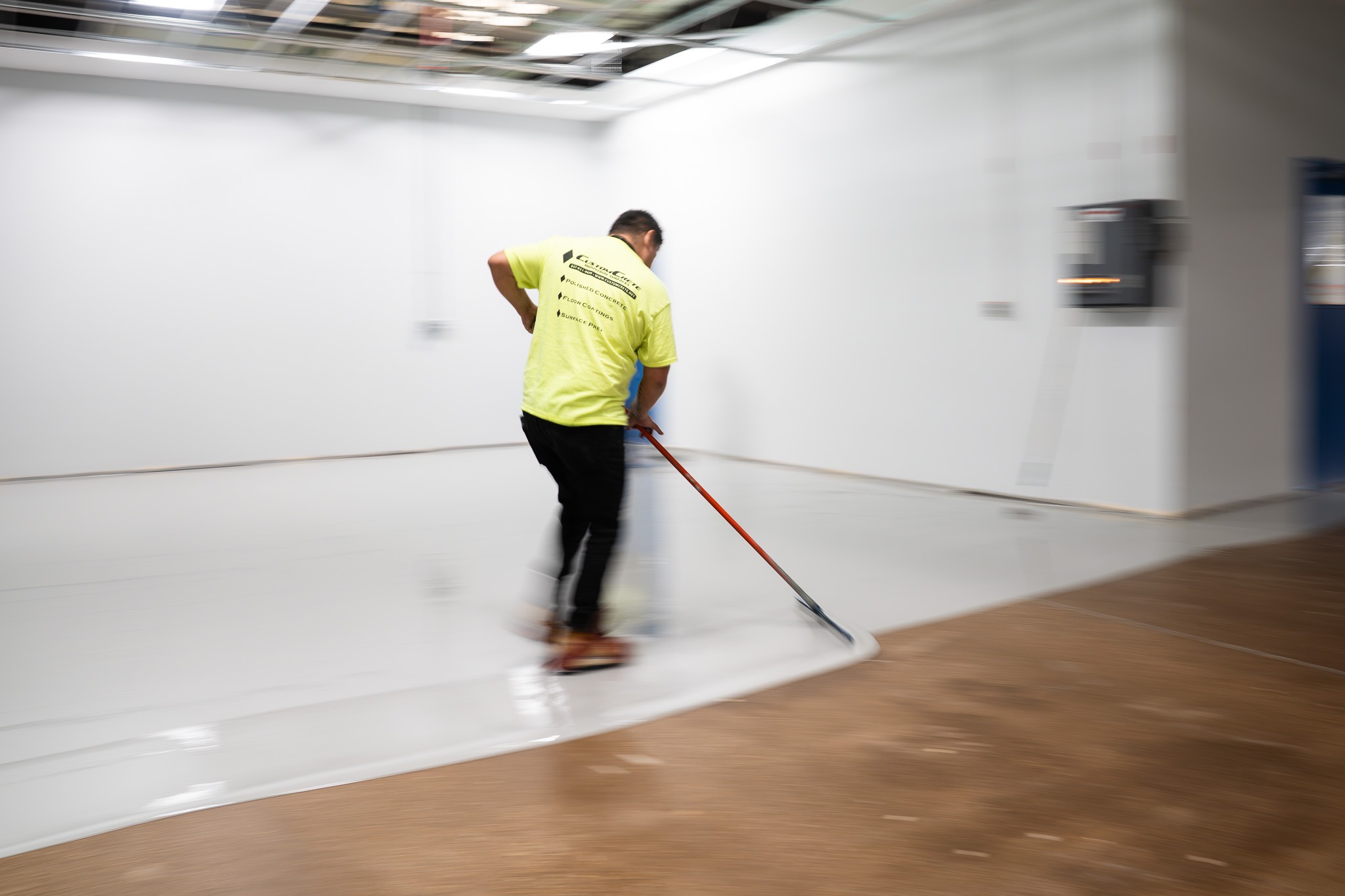
Both systems require proper installation to perform correctly.
For esd flooring, this includes:
- Proper grounding installation
- Controlled application conditions
- Testing to verify resistance levels
For anti static flooring, installation focuses on:
- Proper surface preparation
- Consistent material application
Maintenance is also important. Regular cleaning and periodic testing (for ESD systems) help ensure long-term performance.
Common Mistakes to Avoid
Facilities sometimes run into issues when selecting static-control flooring.
Common mistakes include:
- Assuming all epoxy floors provide ESD protection
- Choosing anti static flooring when ESD is required
- Skipping grounding in ESD systems
- Ignoring long-term performance needs
Avoiding these mistakes ensures the flooring system performs as intended.
FAQ: Anti Static vs ESD Flooring
Is anti static flooring the same as ESD flooring?
No. Anti static flooring reduces buildup, while ESD flooring actively dissipates static electricity.
Do all facilities need ESD flooring?
No. It is only necessary in environments where static can damage equipment or create safety risks.
Can ESD flooring be added to an existing floor?
In some cases, yes—but proper preparation and grounding are required.
Final Thoughts
Static electricity may seem like a small issue, but in the right environment, it can have major consequences. Understanding the difference between anti static flooring and esd flooring helps facility managers choose the right level of protection for their operations.
While anti static flooring reduces static buildup, ESD flooring provides a higher level of control by safely dissipating electrical charges. The right choice depends on your equipment, environment, and operational risks.
To learn how ESD flooring is used in one of the most sensitive environments, read the next article: Epoxy for Data Centers: How ESD Floors Prevent Static Damage and Downtime.
Topics: