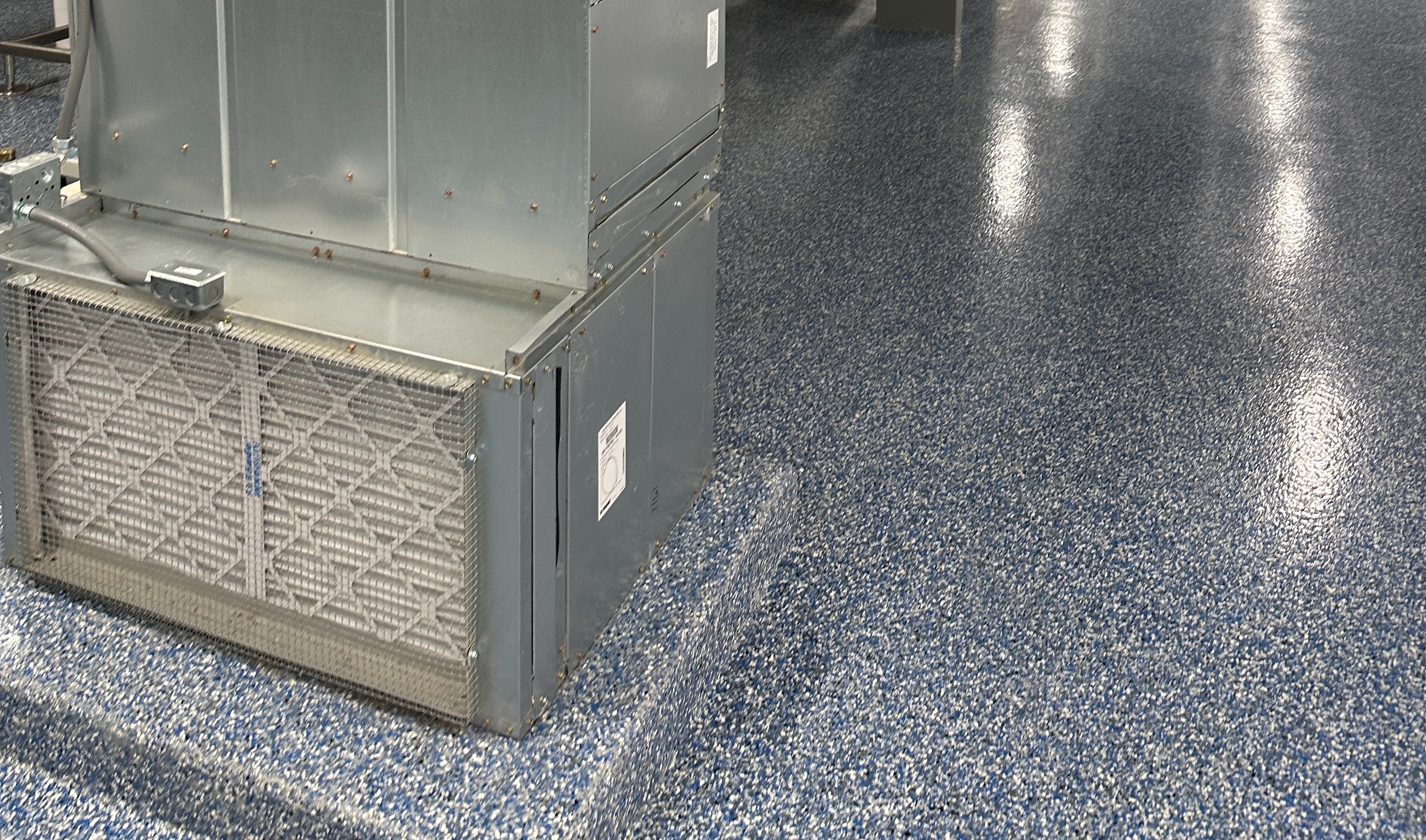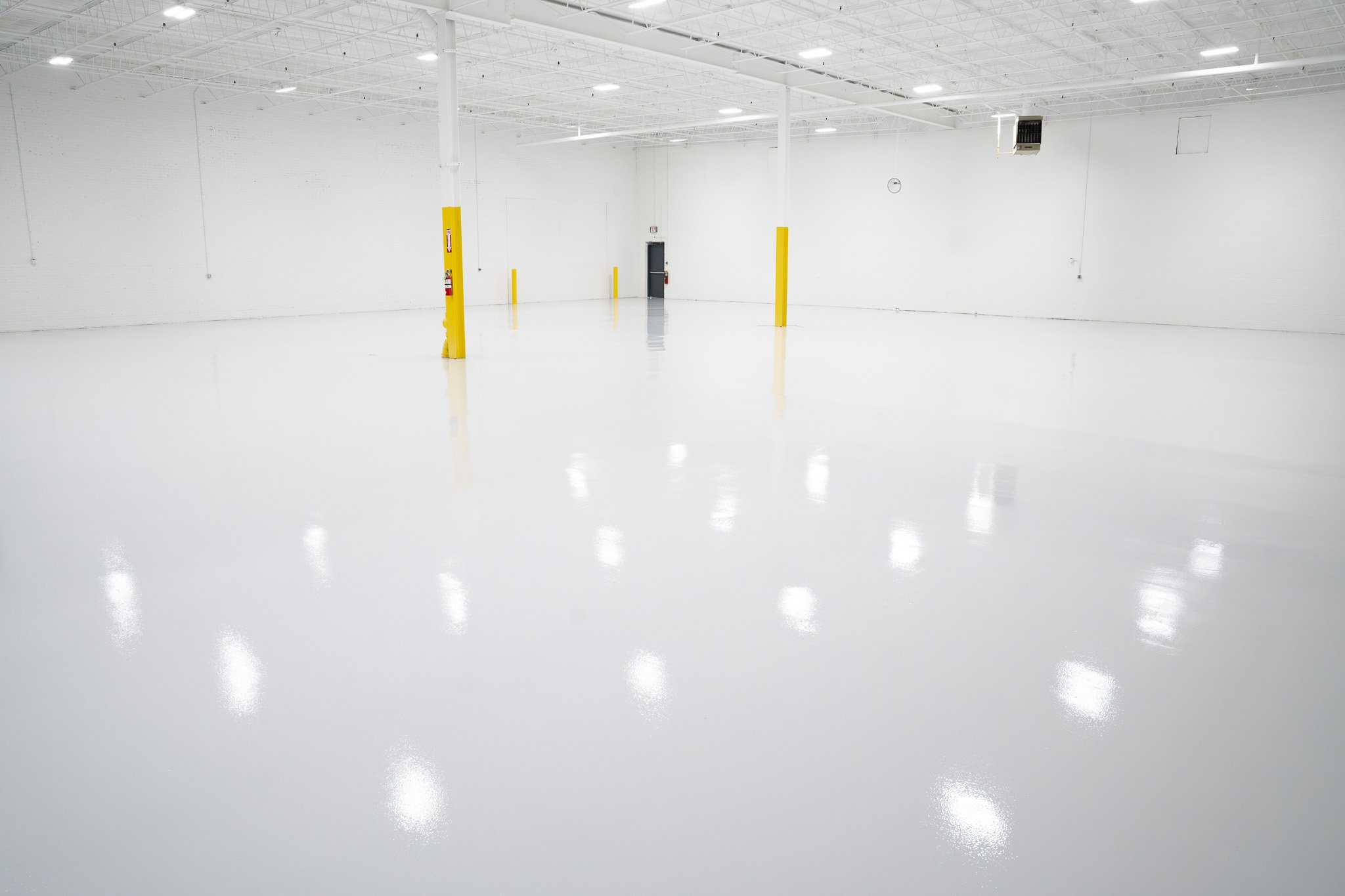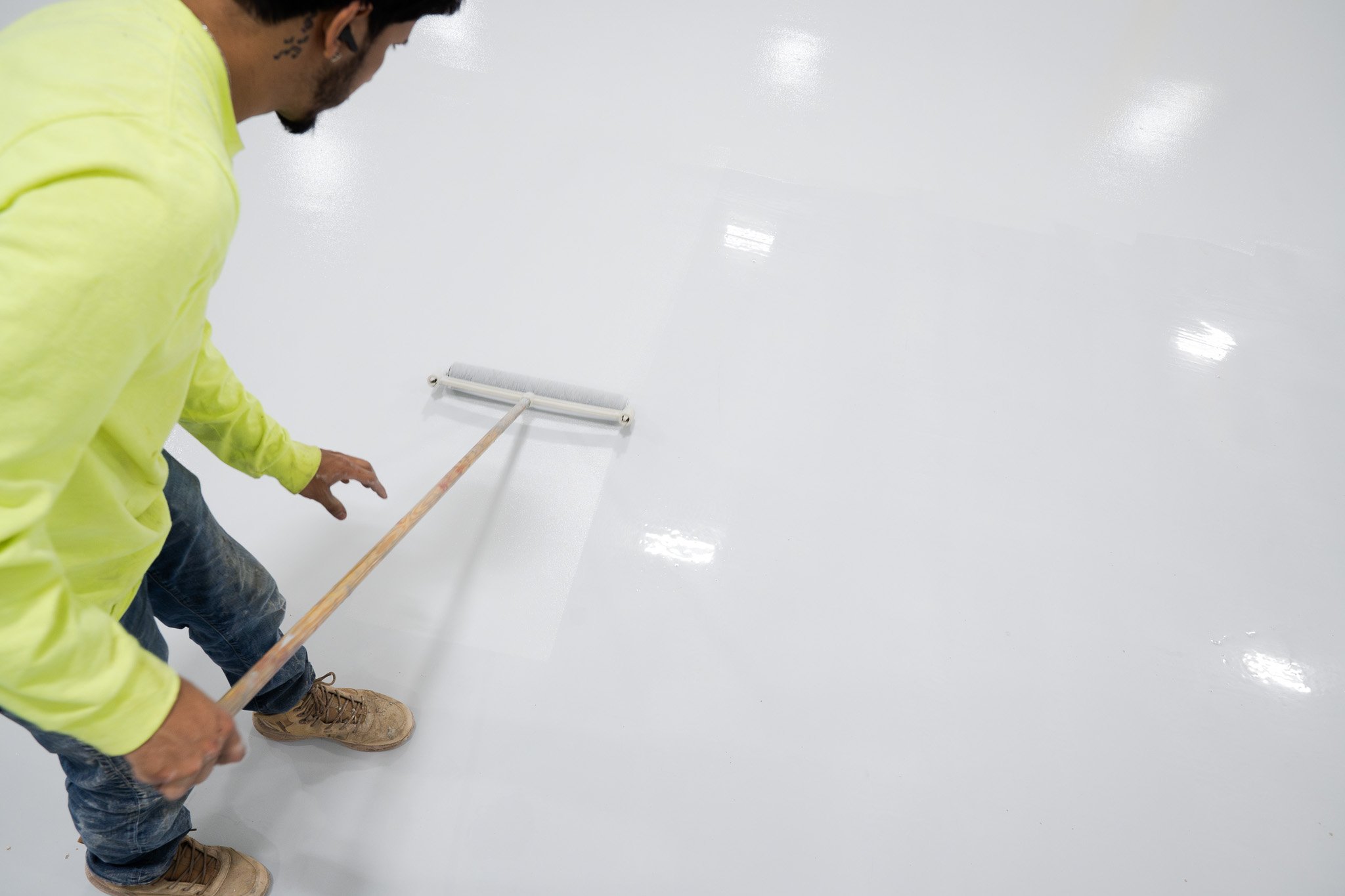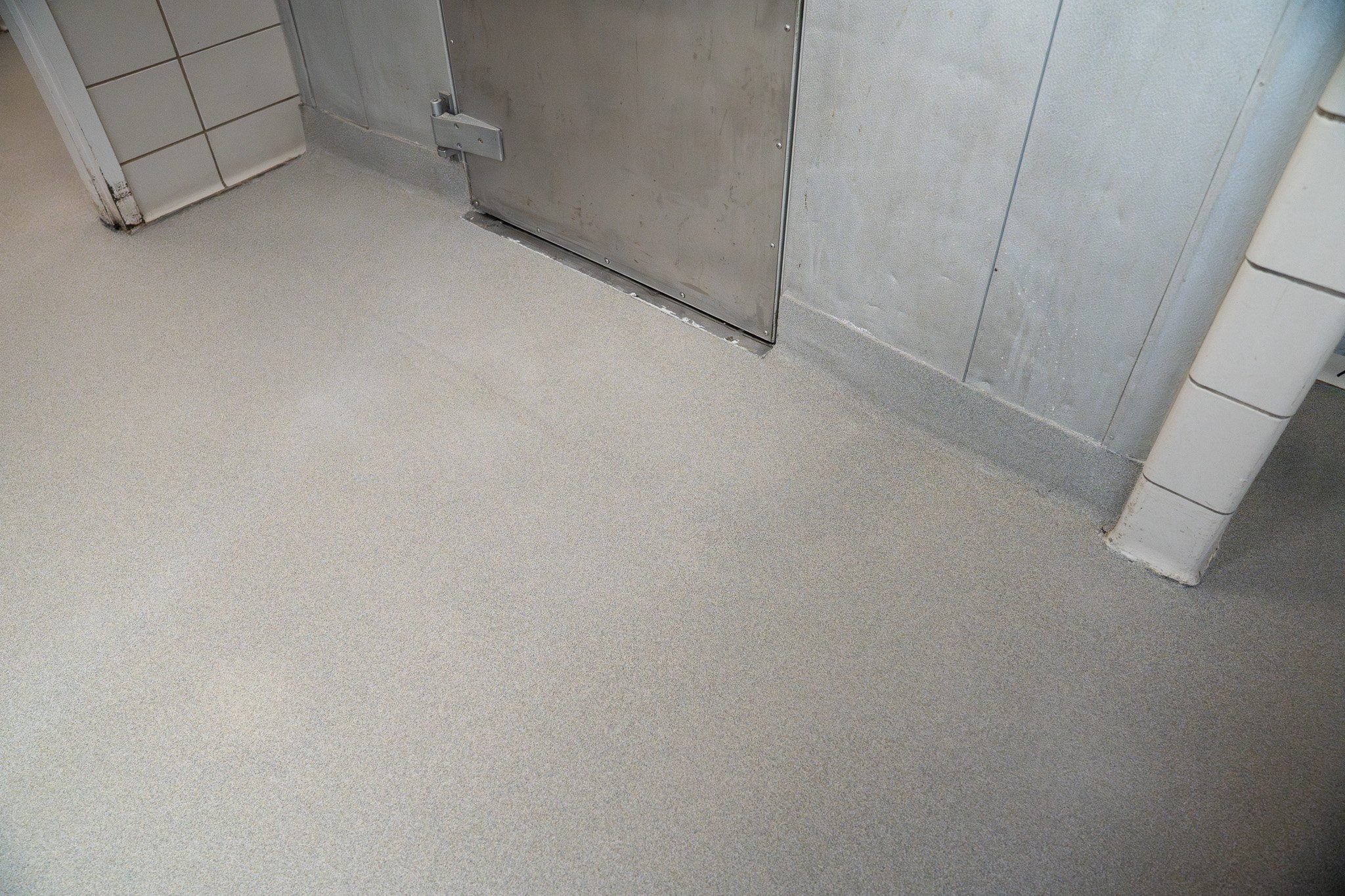


Data centers operate in an environment where even minor disruptions can have major consequences. Servers, networking equipment, and power infrastructure are highly sensitive to electrostatic discharge (ESD), and a single static event can lead to equipment damage, data loss, or unexpected downtime. Because of this, flooring is not just a structural element—it’s a critical part of risk management.
One of the most effective solutions for managing static electricity in data centers is ESD epoxy flooring. Designed to safely dissipate static charges, this specialized flooring system helps protect sensitive electronics while supporting the durability and cleanliness demands of mission-critical environments.
Drawing on experience installing high-performance epoxy systems in technical facilities, this article explains how ESD epoxy floors work, why they matter in data centers, and what decision-makers should consider when selecting a system.

Understanding Electrostatic Discharge in Data Centers
Electrostatic discharge occurs when built-up static electricity suddenly transfers from one surface to another. In everyday life, this might feel like a small shock. In a data center, however, that same discharge can damage sensitive electronic components.
Static electricity commonly builds up due to:
- Foot traffic on certain flooring materials
- Low-humidity environments
- Movement of carts or equipment
- Synthetic clothing or materials
- Airflow from cooling systems
Without proper dissipation, static charges can accumulate on floors and transfer into servers or network equipment. Over time, these events increase the risk of hardware failure and costly downtime.
What Is ESD Epoxy Flooring?
ESD epoxy flooring is a specialized resin-based system engineered to control and safely dissipate static electricity. Unlike standard epoxy floors, ESD epoxy flooring includes conductive or dissipative materials that guide electrical charges away from equipment and into a grounding system.
Rather than allowing static to build up or discharge suddenly, the floor releases it gradually and safely. This controlled dissipation protects sensitive electronics and helps maintain a stable operating environment.
Key Characteristics of ESD Epoxy Floors
- Seamless, nonporous surface
- Controlled electrical resistance
- Grounding connection to dissipate static
- Durable epoxy resin chemistry
- Cleanable and low-maintenance finish
These features make ESD epoxy a strong fit for data centers, server rooms, and other technology-driven facilities.
How ESD Epoxy Flooring Prevents Static Damage
The effectiveness of ESD epoxy flooring lies in how it manages electrical resistance. The system is designed to fall within a specific resistance range that allows static charges to flow safely to ground without creating sudden discharge events.
How the System Works
- Static generation occurs from movement or equipment
- Conductive or dissipative materials within the epoxy absorb the charge
- Grounding components direct the charge away from the surface
- Static is safely dissipated, not discharged into equipment
This process significantly reduces the risk of damage to servers, circuit boards, and other sensitive components that are vulnerable to ESD events.
Why Epoxy Is Ideal for Data Center Flooring
Beyond static control, epoxy flooring offers performance benefits that align well with data center requirements. Data centers demand clean, durable, and predictable environments, and epoxy systems support all three.
Durability Under Heavy Use
Data centers experience constant foot traffic, rolling racks, and equipment movement. Epoxy floors are built to resist abrasion, impact, and wear without breaking down or creating dust.
Seamless and Cleanable
Because epoxy floors are seamless, there are no grout lines or joints that collect dust or debris. This helps maintain air quality and reduces contamination risks around sensitive electronics.
Compatibility With Raised Floors and Equipment
ESD epoxy systems can be installed in coordination with raised access floors or integrated into existing layouts, ensuring continuity across the facility.
Performance Factors That Matter Most in Data Centers
Not all ESD floors are the same. Decision-makers evaluating ESD epoxy flooring should focus on performance criteria—not just product names.
Electrical Resistance Range
The floor must meet industry-accepted resistance standards to ensure safe dissipation without acting as a conductor.
Grounding System Design
Proper grounding is essential. Without it, even the best epoxy system cannot perform as intended.
Surface Preparation
Mechanical surface preparation ensures long-term adhesion. Poor prep can compromise both durability and electrical performance.
Environmental Control During Installation
Temperature and humidity affect epoxy curing. Professional installation ensures conditions are controlled to meet specifications.
Long-Term Monitoring
Some facilities choose to periodically test resistance levels to confirm the system continues to perform as designed.
Common Mistakes to Avoid With ESD Flooring
Data centers cannot afford shortcuts. Common issues that lead to flooring failure include:
- Installing non-ESD epoxy in sensitive areas
- Skipping proper grounding steps
- Inadequate surface preparation
- Assuming all epoxy floors are ESD-safe
- Choosing systems based on cost alone
Avoiding these mistakes helps ensure the floor protects equipment throughout its service life.
When ESD Epoxy Flooring Makes the Most Sense
ESD epoxy flooring is especially valuable in:
- Data centers and server rooms
- Network operation centers (NOCs)
- IT rooms within industrial facilities
- Telecommunications hubs
- Spaces housing sensitive electronics
In these environments, preventing even a single static-related incident can justify the investment.
FAQ: ESD Epoxy Flooring for Data Centers
- Is ESD epoxy flooring required in all data centers?
While not always mandatory, it is strongly recommended anywhere sensitive electronic equipment is present. - How long does ESD epoxy flooring last?
With proper installation and maintenance, systems can last many years while maintaining electrical performance. - Can ESD epoxy be repaired or recoated?
Yes. Many systems can be refreshed or recoated while maintaining their static-dissipative properties.
Final Thoughts
Data centers demand flooring solutions that go beyond durability and appearance. Managing static electricity is critical to protecting equipment, preventing downtime, and maintaining operational reliability. ESD epoxy flooring provides a proven, engineered solution that safely dissipates static while delivering the performance benefits of a seamless epoxy system.
If you’re planning a new data center build or upgrading an existing facility, the next step is understanding what system fits your environment. Request a quote from CustomCrete to explore ESD epoxy flooring options designed for your facility’s needs.

Topics:


.jpg?width=2048&height=1365&name=CC108559%20(1).jpg)
.jpeg?width=1638&height=1020&name=CC109349%20(1).jpeg)
.png?width=11520&height=9216&name=Untitled%20design%20(56).png)