
Flooring isn’t just part of the building—it’s part of your workflow. The right concrete texture can improve safety, streamline cleaning, support equipment movement, and maintain productivity. The wrong texture, however, adds friction to everyday operations, increases maintenance costs, and introduces unnecessary safety risks.
Across manufacturing plants, distribution centers, food and beverage facilities, and commercial buildings, CustomCrete has seen how deeply floor texture affects efficiency. Whether your facility needs traction, cleanability, or durability, understanding how texture influences performance is the first step toward choosing the right solution.
This guide explains how concrete texture works, the common issues facilities face, and how to determine whether your current floor is helping—or quietly hurting—your operational efficiency.
Why Concrete Texture Matters
Texture is more than a visual feature. It directly affects how people and equipment move across your floor, how quickly cleaning teams sanitize surfaces, and how well the slab stands up to wear.
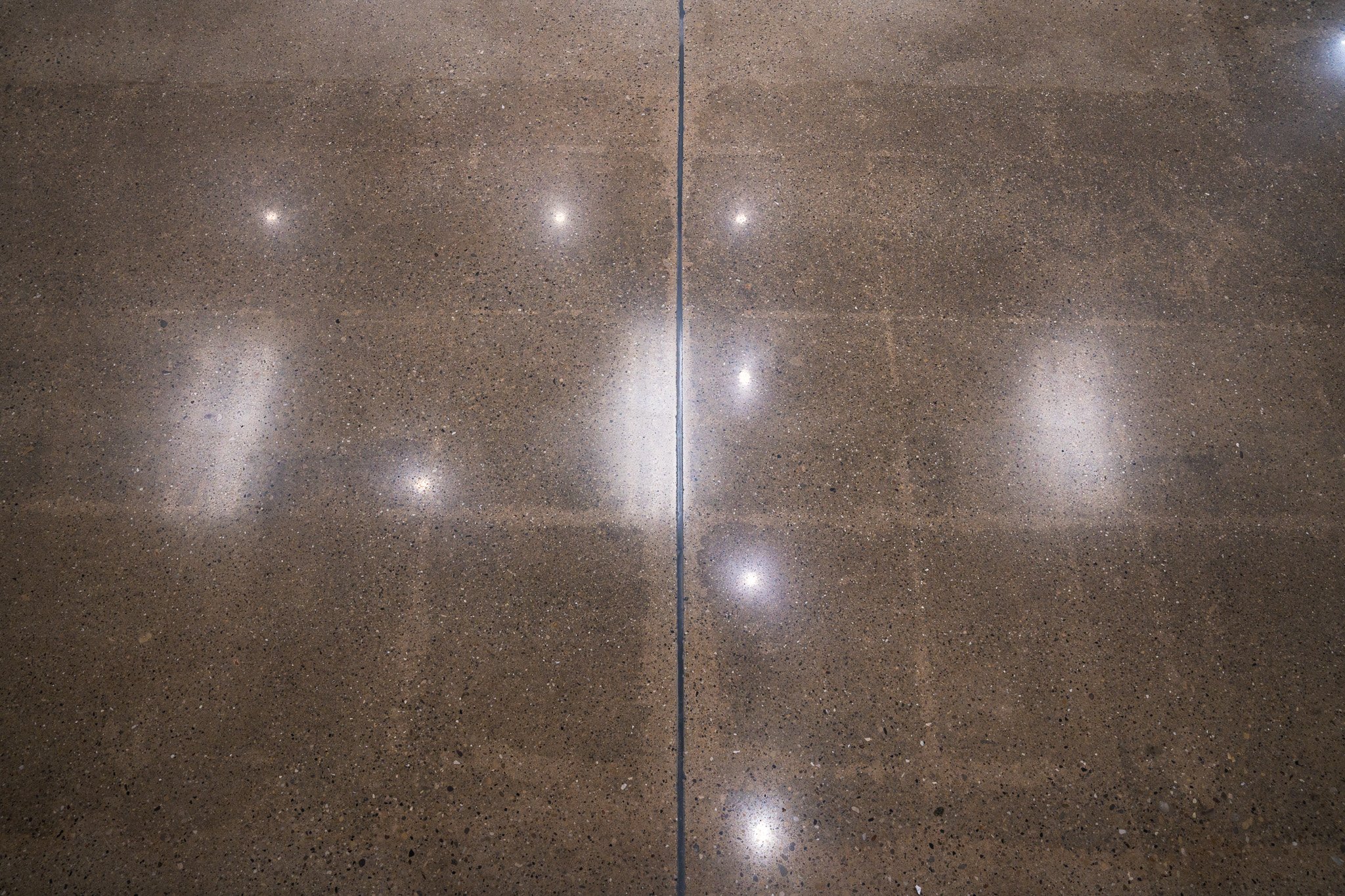
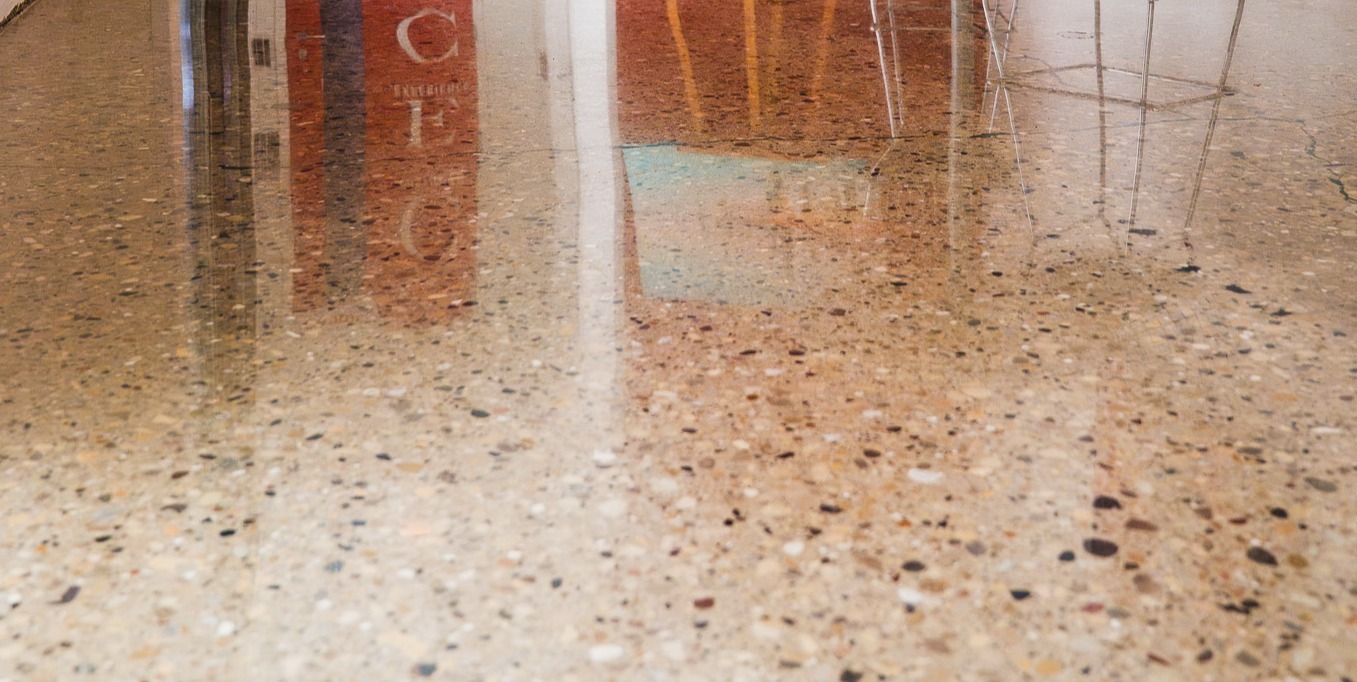
Finding the right concrete texture is all about balance. Highly textured surfaces improve traction but trap dirt. Smooth floors clean easily but may become slippery. Industrial facilities often need a hybrid approach that offers grip without sacrificing hygiene.
A well-chosen texture boosts productivity. A poorly chosen one can turn routine processes into daily challenges.
Slip Resistance vs. Cleanability: The Core Trade-Off
Safety is non-negotiable in any industrial environment. Floors exposed to water, oils, powders, or heavy foot traffic must offer enough traction to prevent slips and falls.
But texture also affects how easily a floor can be cleaned. Deep profiles trap debris, grease, and contaminants, requiring more time, stronger chemicals, and specialized equipment to maintain hygiene.
Textured surfaces support:
- Wet environments (washdowns, food processing, cold storage)
- Oily or greasy production spaces
- Areas with frequent spills
- Hospitals and healthcare facilities
Smoother surfaces support:
- Warehouses and distribution centers
- Dry manufacturing facilities
- Spaces prioritizing fast cleaning cycles
The challenge for most facility managers is finding the sweet spot between traction and hygiene.
Warning Sign #1: Cleaning Takes Longer Than It Should
If your cleaning team is spending extra time scrubbing textured floors—or complaints about residue, buildup, or stubborn dirt are becoming more common—your floor texture may be too aggressive for your environment.
Deep textures trap:
- Dust and debris
- Oils and greases
- Food waste
- Chemical residue
This not only slows cleaning but also increases sanitation costs. In regulated environments like food production or pharmaceutical facilities, debris buildup can even lead to compliance issues.
When cleaning time becomes a problem, it’s often a sign the texture profile needs adjustment.
Warning Sign #2: Slips or Near-Misses Are Increasing
On the opposite side, an overly smooth floor poses safety hazards. If employees are reporting slippery conditions—or if you have documented near-miss incidents—your concrete texture may not be providing enough traction.
Slippery conditions typically occur when:
- The floor has worn down
- Polished or coated surfaces have lost texture
- Cleaning chemicals leave a slick film
- Moisture or oils are present
Safety issues are often the earliest indicator that your facility needs a surface texture upgrade.
Warning Sign #3: Equipment Isn’t Moving Efficiently
Concrete texture doesn’t just affect people—it affects machines. Forklifts, pallet jacks, and carts move differently depending on surface profile.
Too little texture can cause wheels to slide or turn unpredictably. Too much texture can increase friction, slow production lines, and wear down tires faster.
Signs your texture is interrupting workflow:
- Difficulty pushing or guiding carts
- Jerky forklift movements
- Excessive tire or wheel wear
- Vibration or rattling during transport
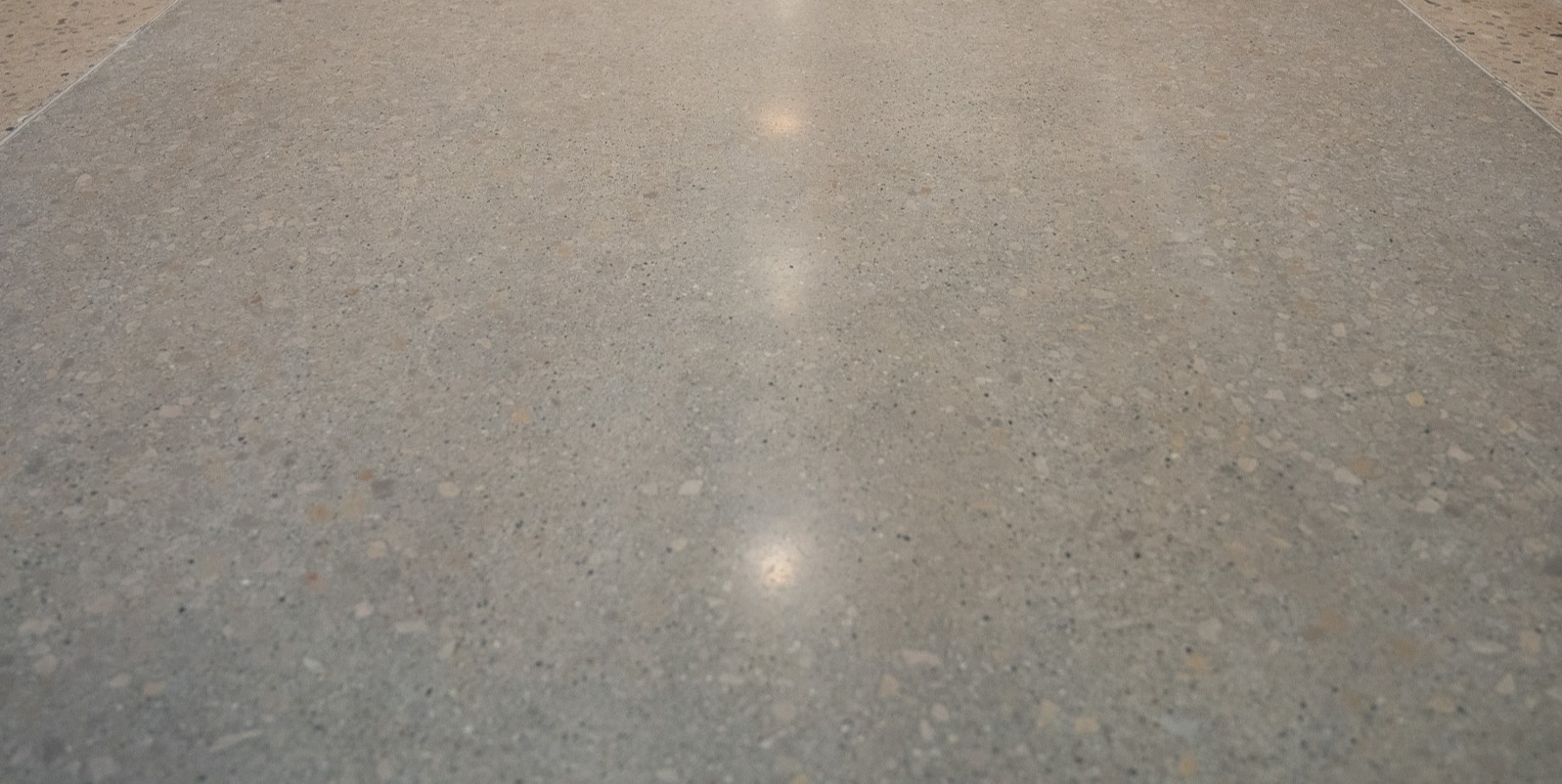
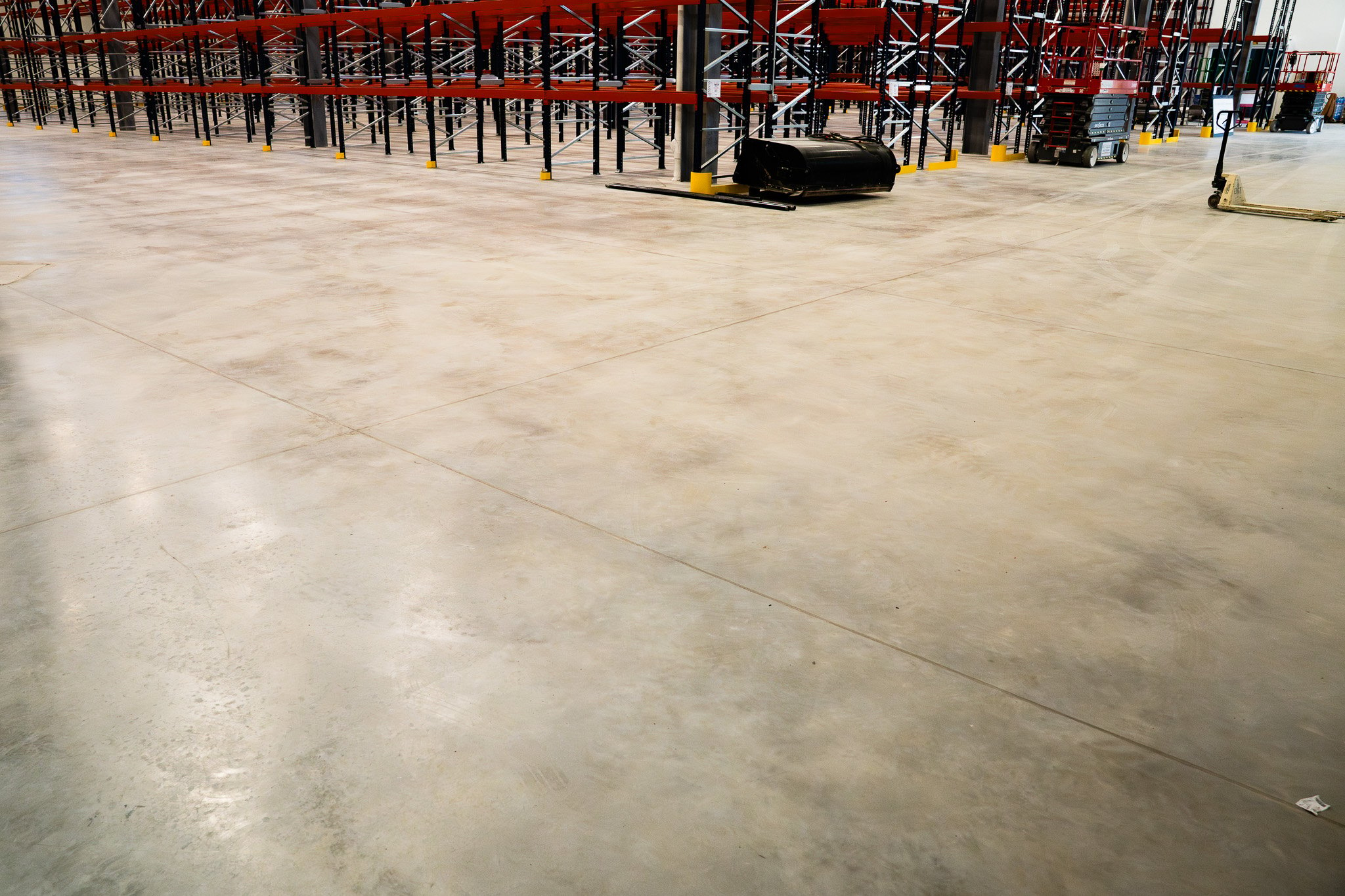
Smooth, consistent textures often work best for high-traffic, equipment-heavy environments.
Warning Sign #4: The Floor Is Wearing Faster Than Expected
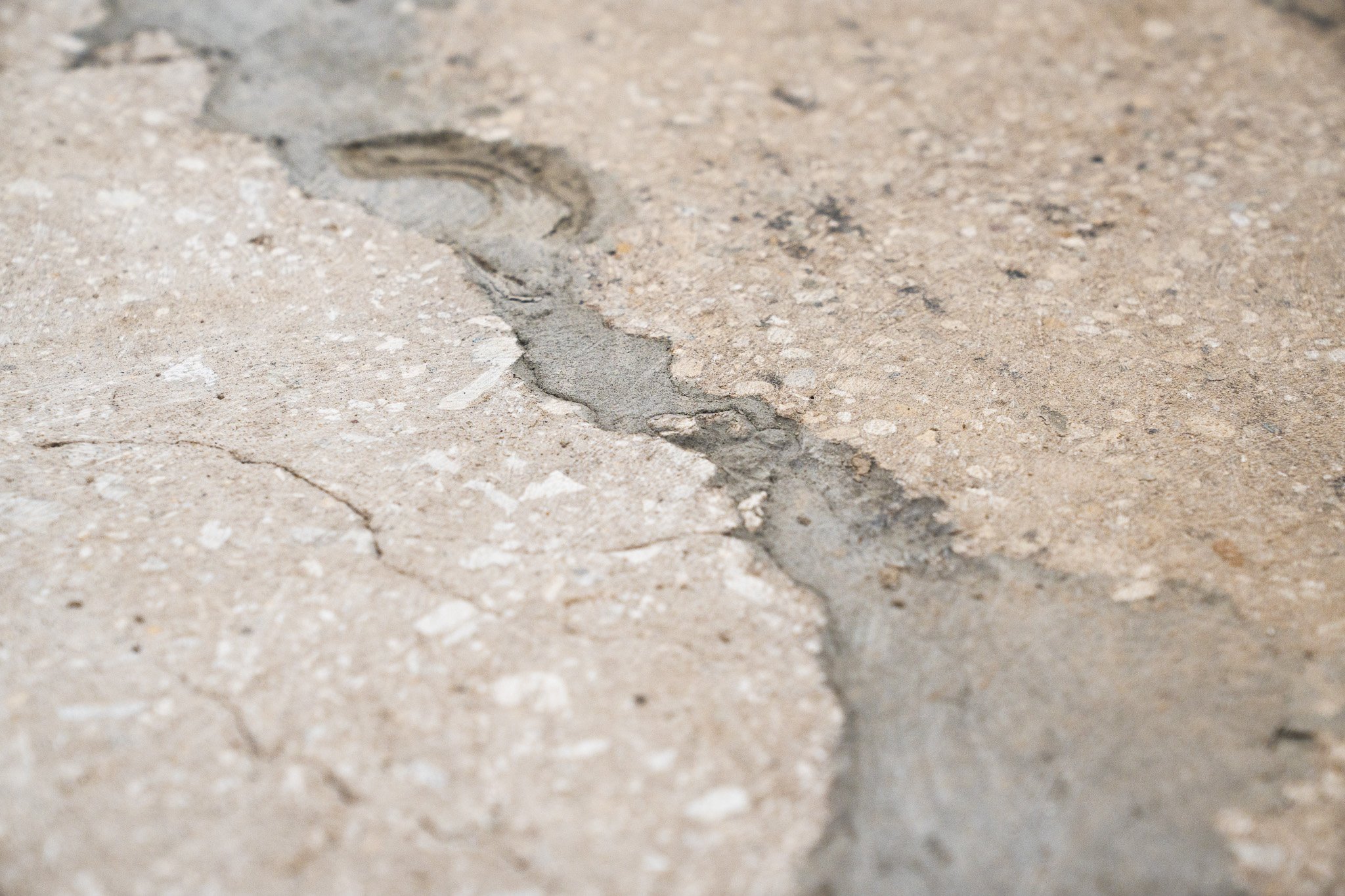
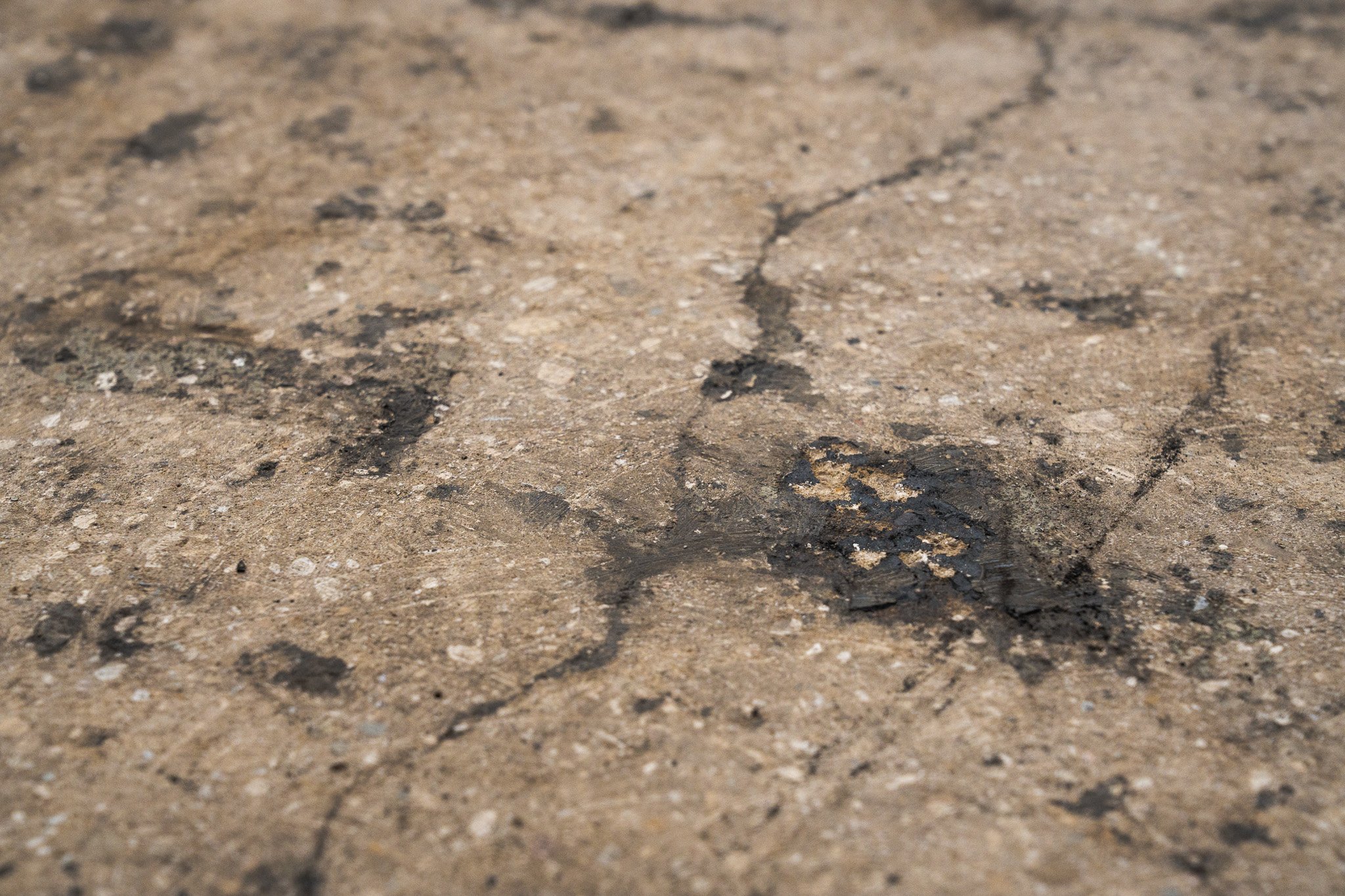
Texture can influence how long your floor lasts. If your concrete or coating system is wearing down quickly, it may be a sign that the current texture isn’t ideal for your operations.
Rough textures wear faster under heavy traffic, especially if forklifts travel the same routes daily. Polished floors wear faster when subjected to wet, gritty, or oily environments.
Fast wear may signal it’s time to redesign the surface to match real-world use—not just the original design intention.
Warning Sign #5: Cleaning Products Aren’t Working Effectively
If cleaning chemicals seem less effective—or certain stains, films, or residues keep returning—you may be dealing with a texture that traps contaminants.
This is especially common in:
- Food production facilities
- Automotive shops
- Chemical processing environments
- Warehouses exposed to dust or powders
Texture interacts with your cleaning chemistry, so an incompatible profile can create ongoing maintenance challenges.
How to Choose the Right Concrete Texture
Selecting the correct concrete texture requires understanding your facility’s environment, workflow, and safety requirements. The ideal texture varies based on factors like moisture, traffic, cleaning frequency, and equipment type.
Key considerations include:
- Level of moisture exposure
- Chemical usage
- Foot vs. vehicle traffic
- Cleanability requirements
- Slip-resistance standards (OSHA, USDA, or FDA depending on industry)
- Sanitation frequency and methods
- Existing floor design or coating system
Texture is not a one-size-fits-all decision. Facilities often require different profiles in different zones—smooth for warehouse aisles, more textured in wet production areas, and lightly textured in transition spaces.
When to Consider a Floor Texture Update
Your floor texture may need a professional evaluation if you’re noticing:
- Higher cleaning costs
- More slip events or near-misses
- Faster wear on floors or equipment
- Reduced workflow efficiency
- Complaints from staff about traction or noise
- Trouble meeting sanitation standards
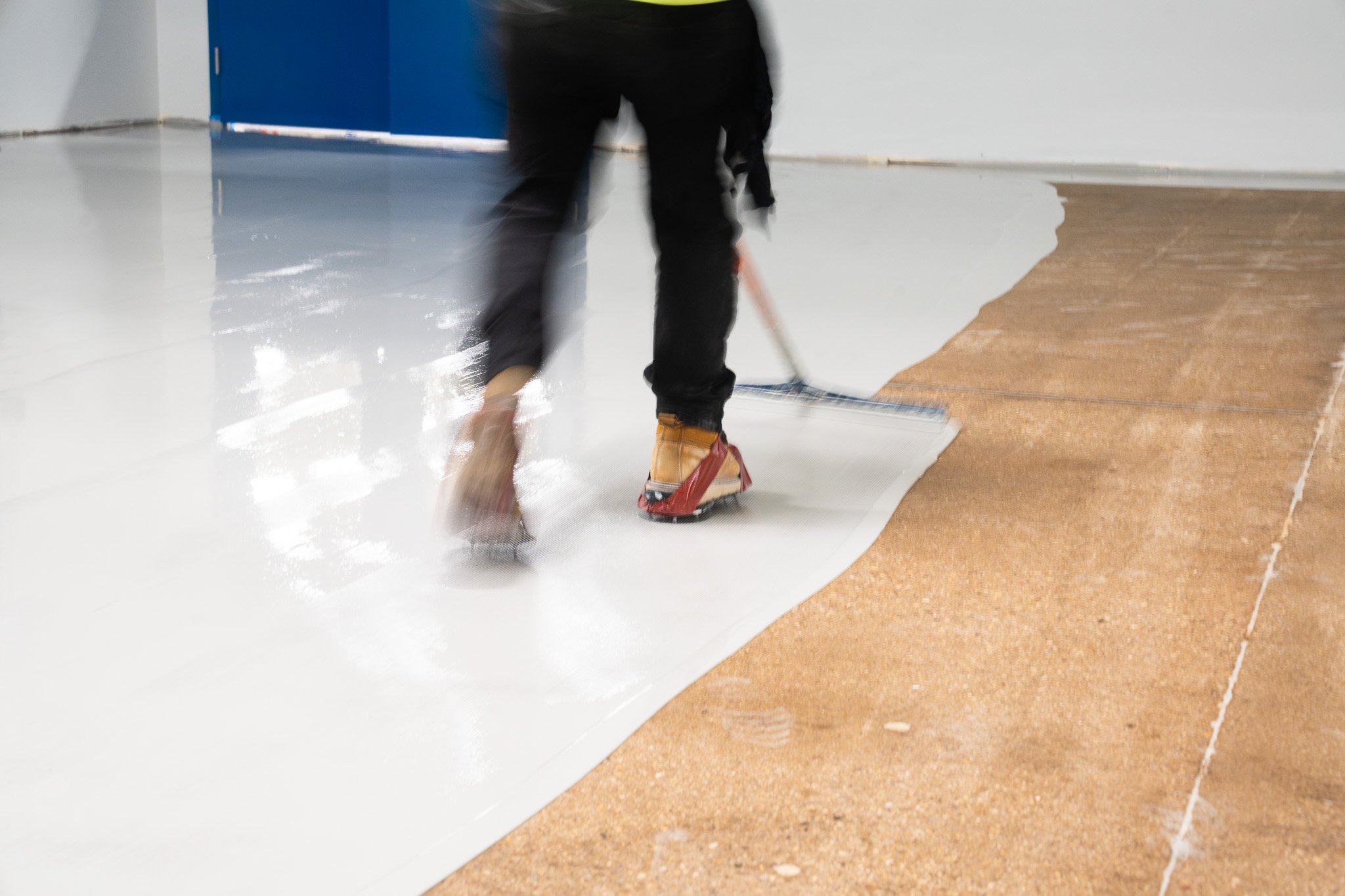
Updating texture during a coating installation or resurfacing project can dramatically improve operational efficiency, safety, and maintenance routines.
FAQ: Concrete Texture in Industrial Spaces
- Can a too-textured floor be smoothed out?
Yes. Grinding or resurfacing can reduce overly aggressive textures without replacing the entire system. - Is it possible to add traction to a smooth floor?
Yes. Traction can be added through aggregates, textured coatings, or surface conditioning. - Do different areas of a facility need different textures?
Often, yes. Production areas, warehouses, and loading docks typically require unique profiles.

Final Thoughts
Concrete texture has a direct impact on your facility’s safety, productivity, and maintenance workload. When texture matches your environment, operations run smoothly. When it doesn’t, inefficiencies add up quickly. By recognizing early warning signs and understanding how texture influences workflow, you can create a safer, cleaner, and more efficient facility.
To continue learning about the balance between safety and cleanability, read the next article: “Slip Resistance vs. Cleanability: Finding the Right Balance for Industrial Floors”.
.jpg?width=2048&height=1365&name=CC108559%20(1).jpg)
.png?width=11520&height=9216&name=Untitled%20design%20(56).png)
.jpg?width=2048&height=1365&name=CC106221%20(1).jpg)
.jpg?width=2048&height=1365&name=CC102459%20(1).jpg)