
When facilities begin planning a flooring upgrade, one of the first questions they ask is, “How much is this going to cost?” It sounds straightforward—but industrial flooring is never a one-size-fits-all investment. The true industrial flooring cost depends on several variables that differ widely from one facility to the next.
Everything from the condition of your existing concrete to your operating schedule, moisture levels, and coating selection plays a role in determining the final price. Understanding these factors helps decision-makers evaluate quotes with confidence, avoid unexpected expenses, and choose a flooring solution that matches both performance needs and budget.
Drawing on years of experience installing industrial floors across the Midwest, CustomCrete has seen how dramatically these variables can influence cost. This guide breaks down the major contributors so you can better estimate what to expect—and understand why your project may cost more or less than someone else’s.
Why Industrial Flooring Pricing Varies So Widely
Unlike residential flooring, industrial floors are built for performance under extreme conditions. Each space has unique requirements—chemical resistance, heavy traffic durability, slip resistance, ease of cleaning, or thermal shock protection. Because needs vary, so does the cost.
Most quotes are customized because the price is determined by:
- Existing concrete condition
- Required surface preparation
- Coating or flooring system selected
- Moisture levels
- Square footage
- Installation logistics
- Downtime needs
Understanding these factors makes it easier to interpret proposals and evaluate whether your investment aligns with your facility’s priorities.
1. Concrete Condition: The Foundation of Your Cost
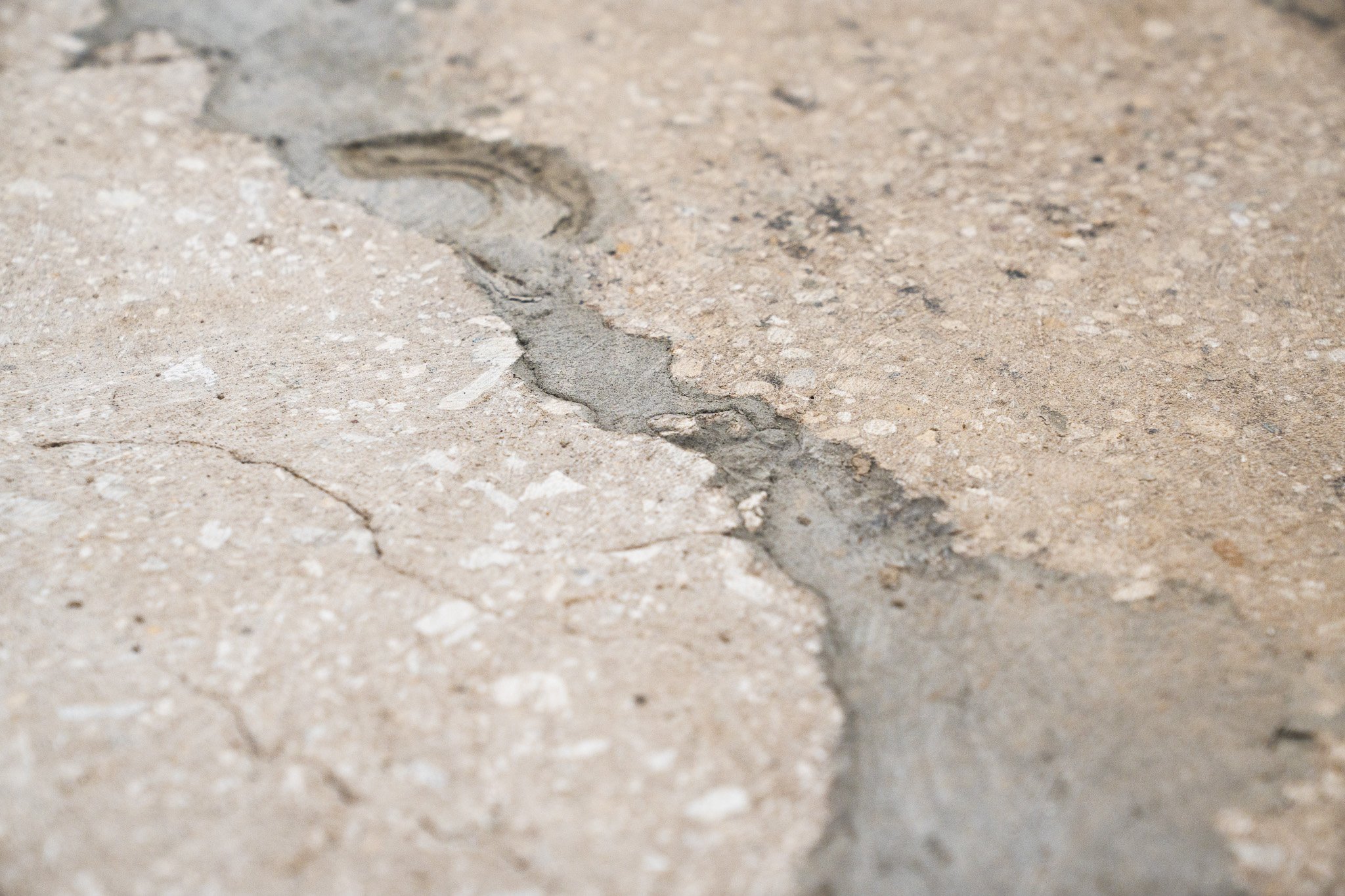
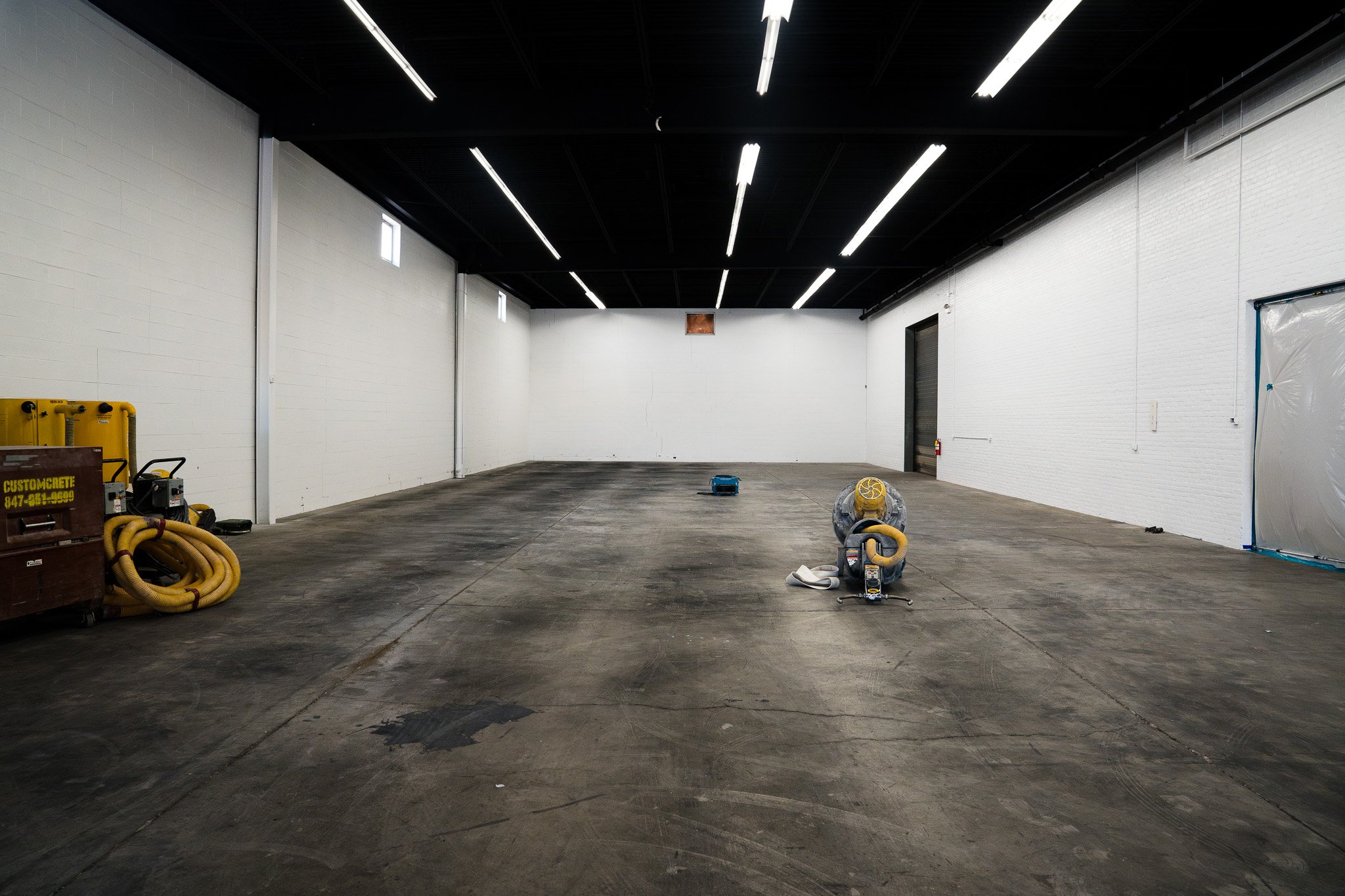
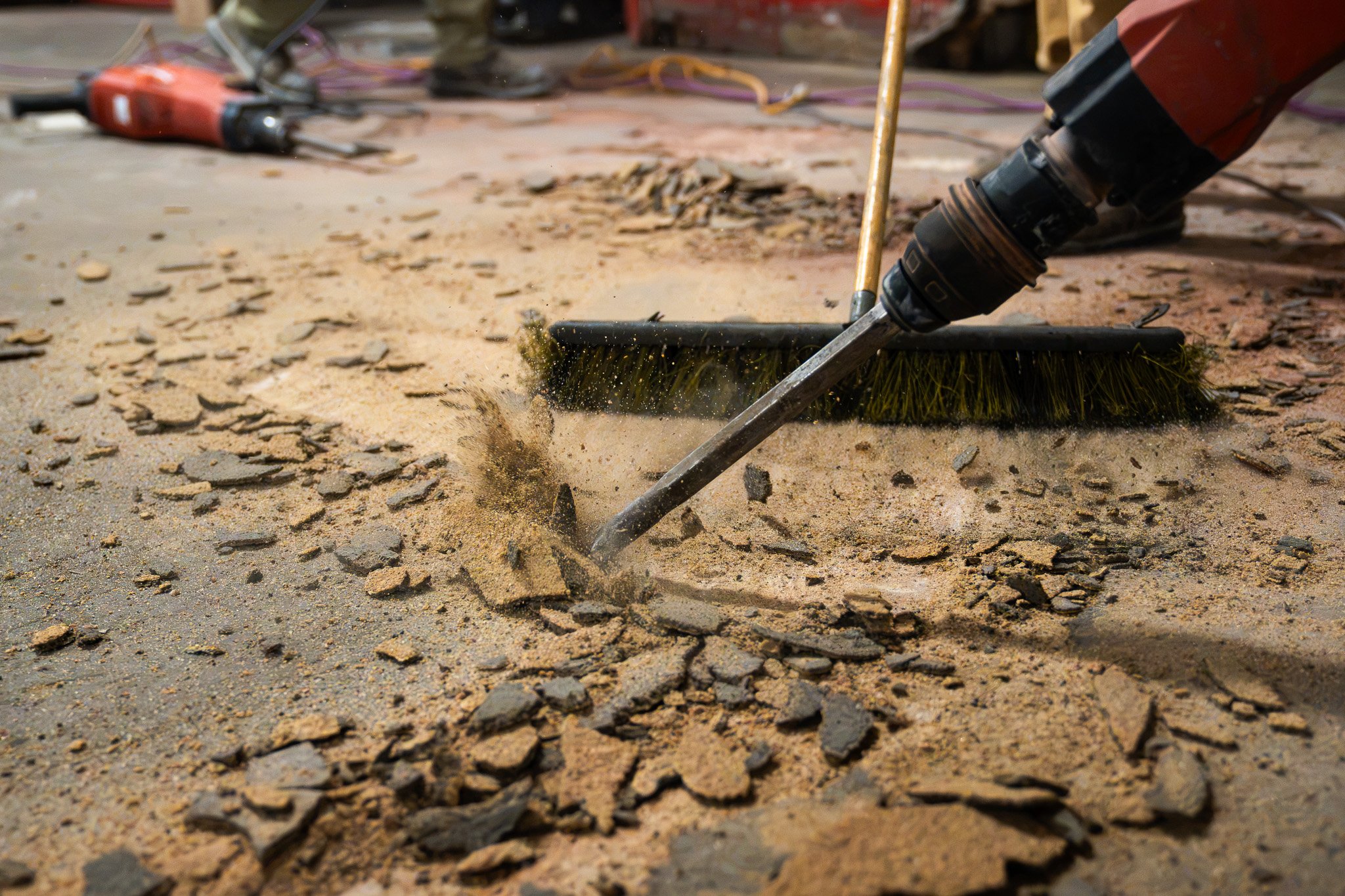
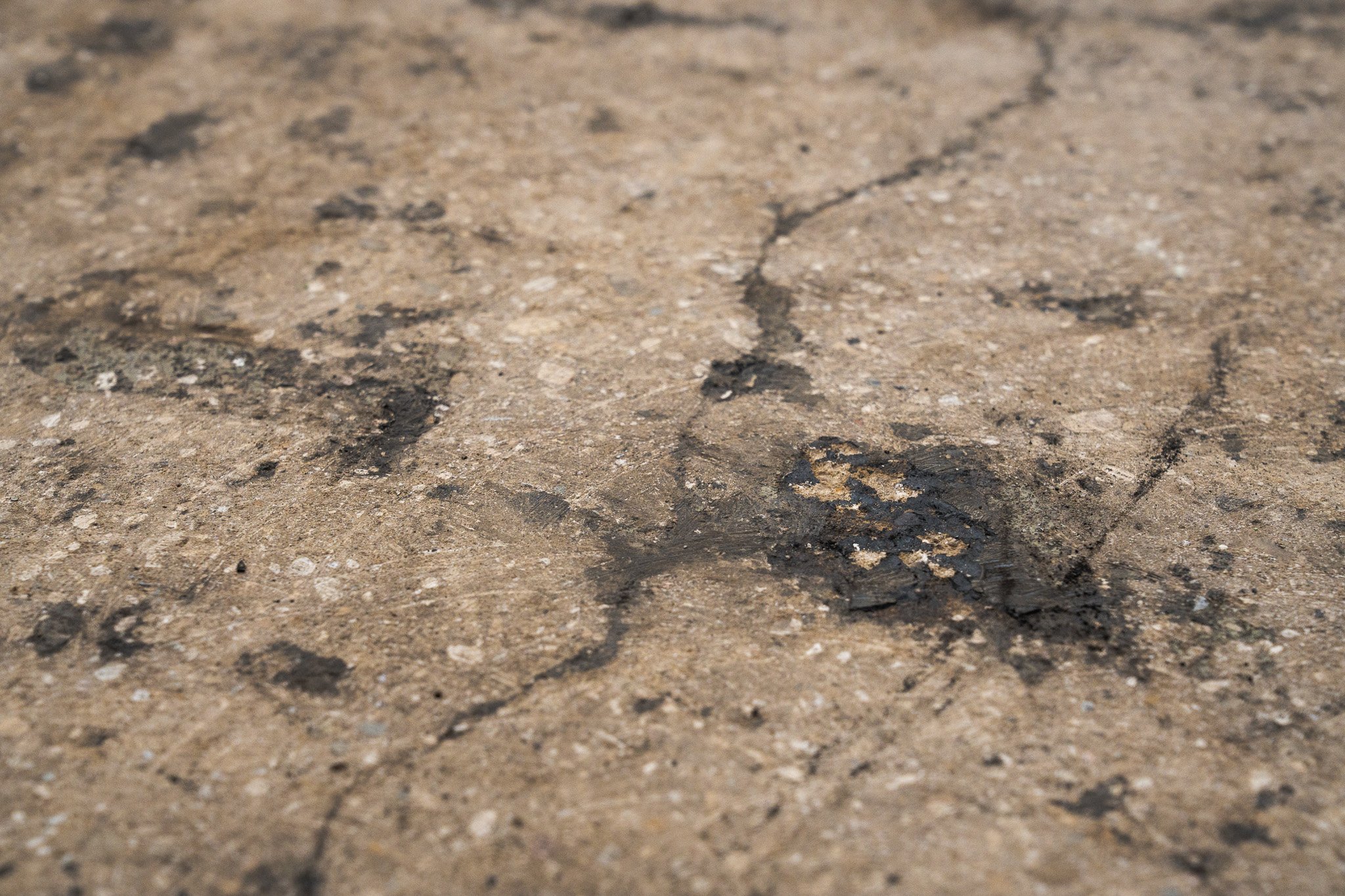
The condition of your existing slab is one of the biggest drivers of industrial flooring cost. A clean, structurally sound floor is faster and easier to prepare. A damaged floor requires significant labor before coatings can be installed.
Common Conditions That Increase Cost
- Deep cracks
- Spalling or surface breakdown
- Oil saturation or chemical contamination
- Old coatings, paint, or glue
- Unlevel or pitted slabs
- Joint damage
Surface repairs are essential because coatings cannot bond properly to compromised concrete. If the slab needs repair, restoration adds to the total price—but also ensures the new floor lasts longer.
2. Surface Preparation Requirements
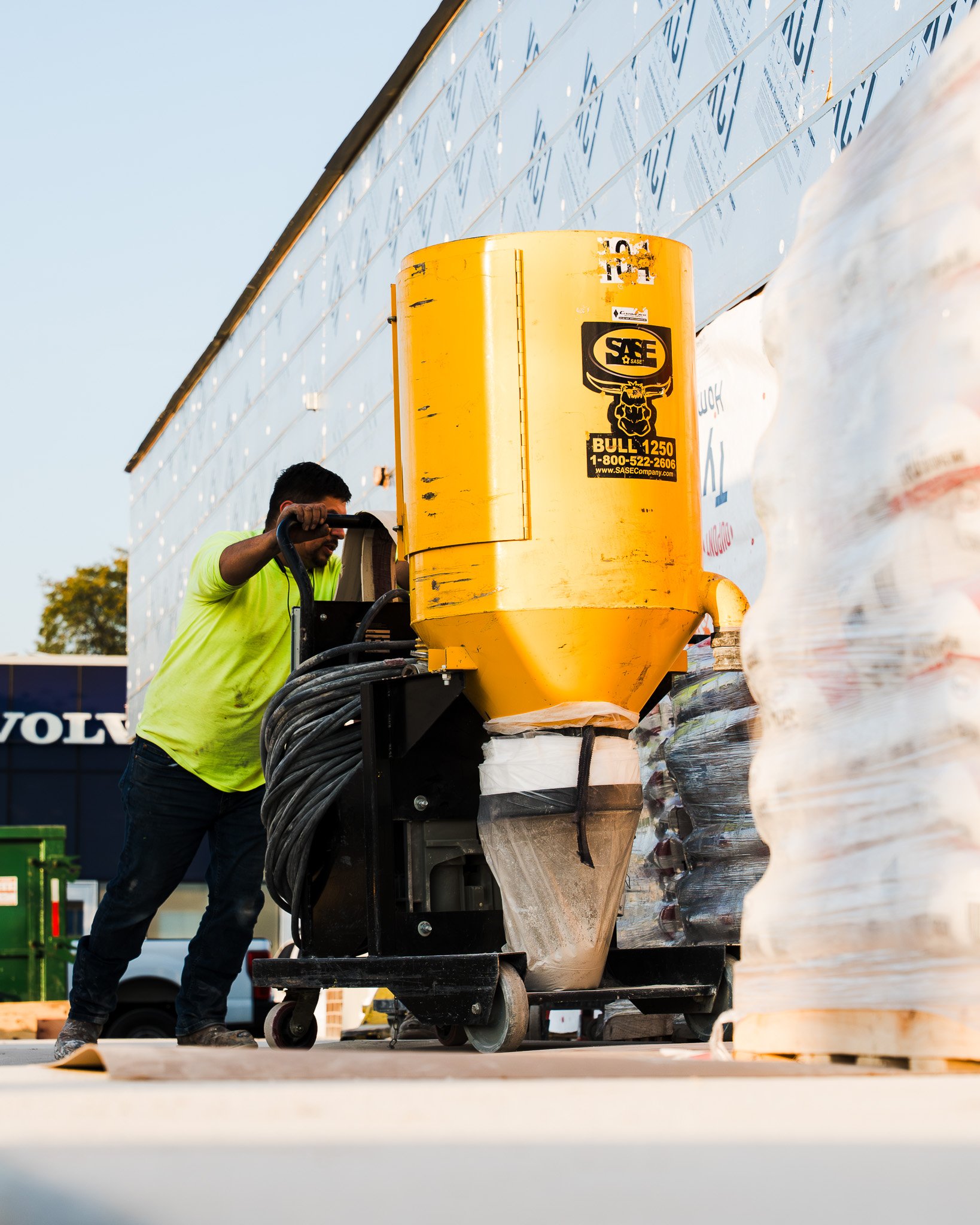
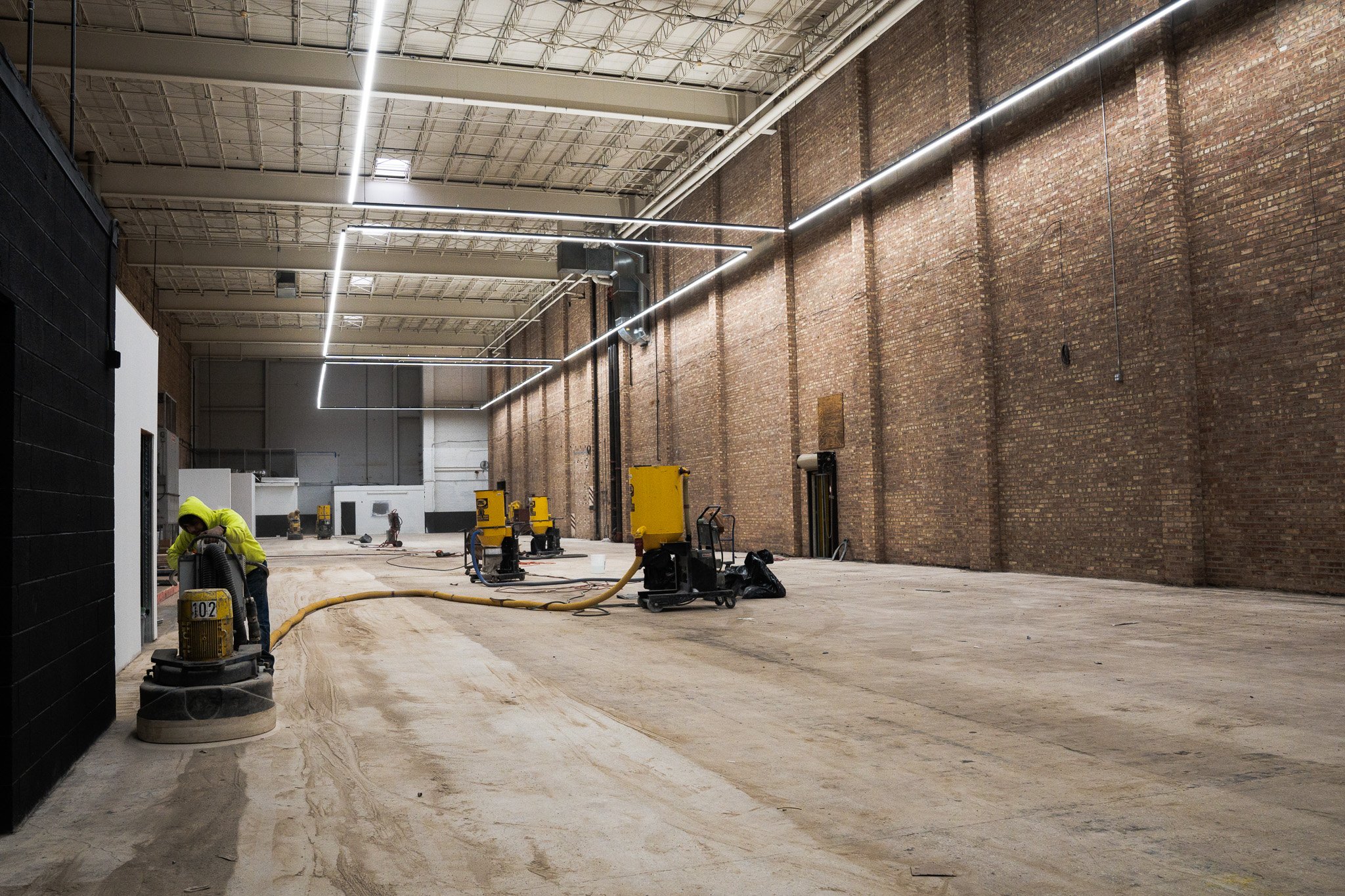
Surface prep is one of the most critical phases of installation and a major cost factor. Industrial coatings adhere only to mechanically profiled concrete—not to floors that are simply cleaned or lightly sanded.
Prep Methods That Influence Cost
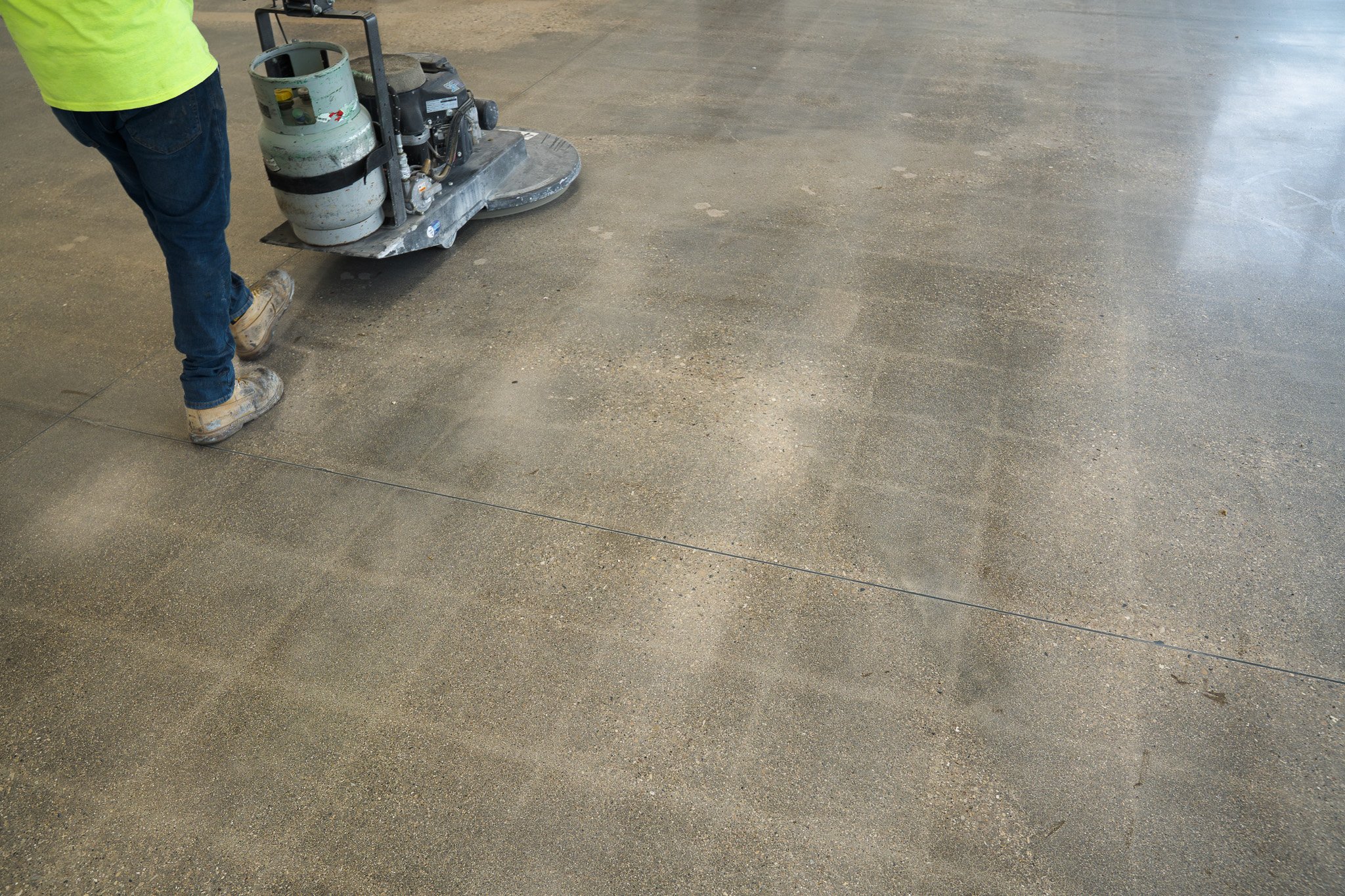
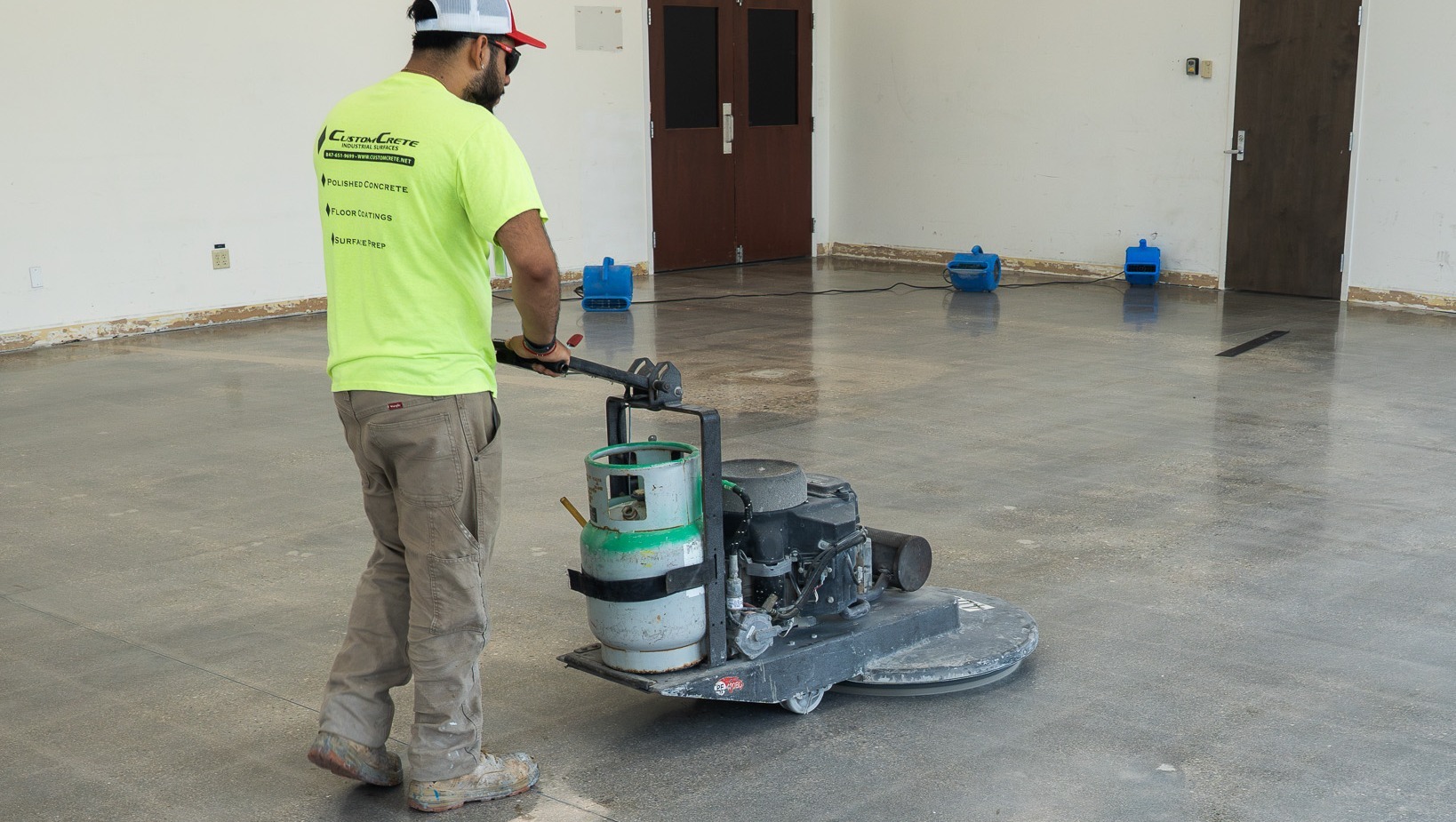
- Diamond grinding
- Shot blasting
- Crack chasing and repair
- Joint filling and stabilization
- Oil remediation
- Removal of existing flooring or coatings
The more extensive the prep, the higher the cost. However, investing in proper preparation prevents premature failures and costly repairs later.
3. Type of Flooring or Coating System Selected
Your choice of flooring is one of the biggest contributors to total cost. Some systems are economical and ideal for dry warehouses, while others are built to withstand extreme heat, chemicals, or moisture.
Approximate Cost Differences Between Systems
Although pricing varies by region and facility, here’s how systems commonly compare:
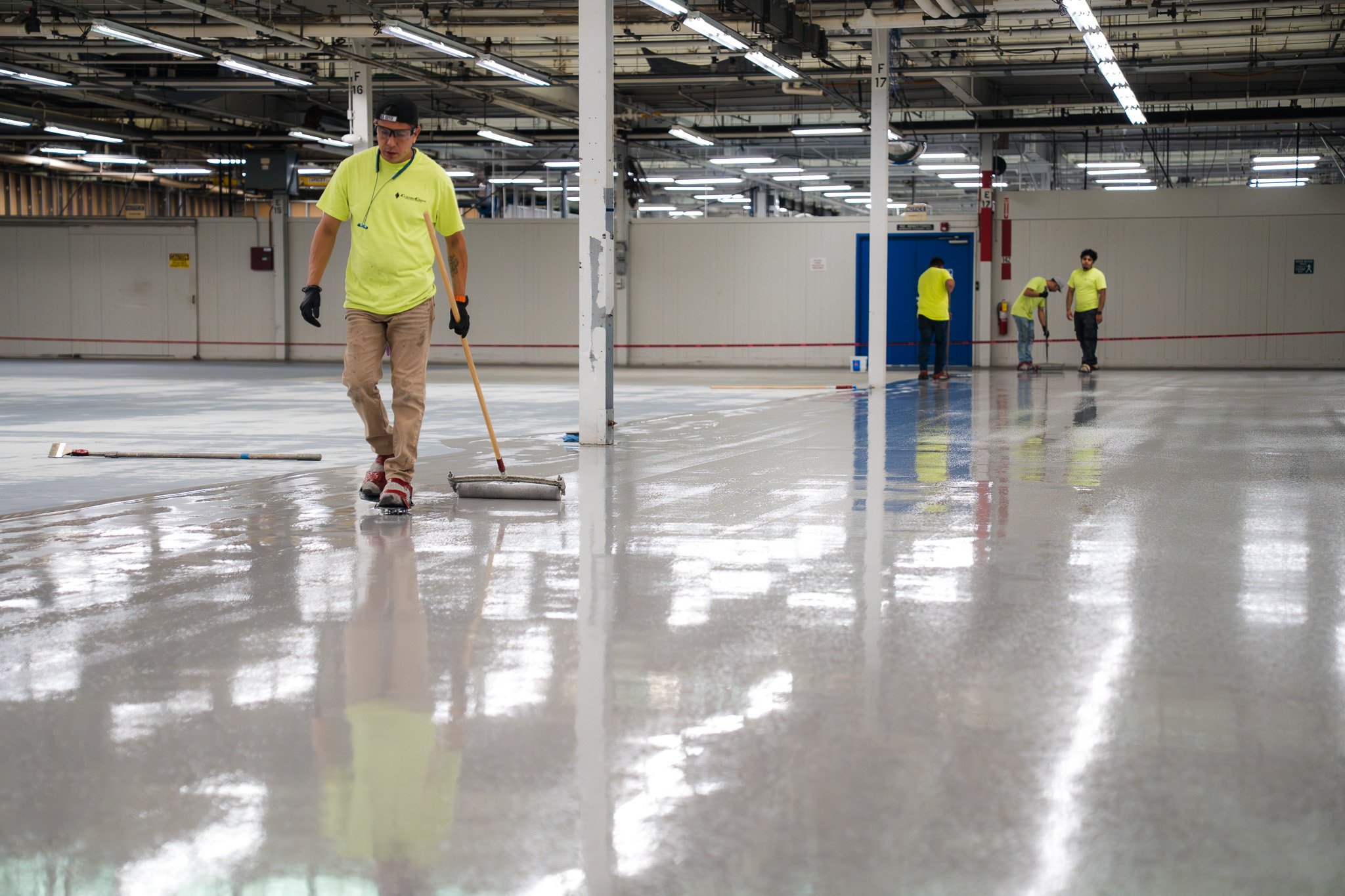
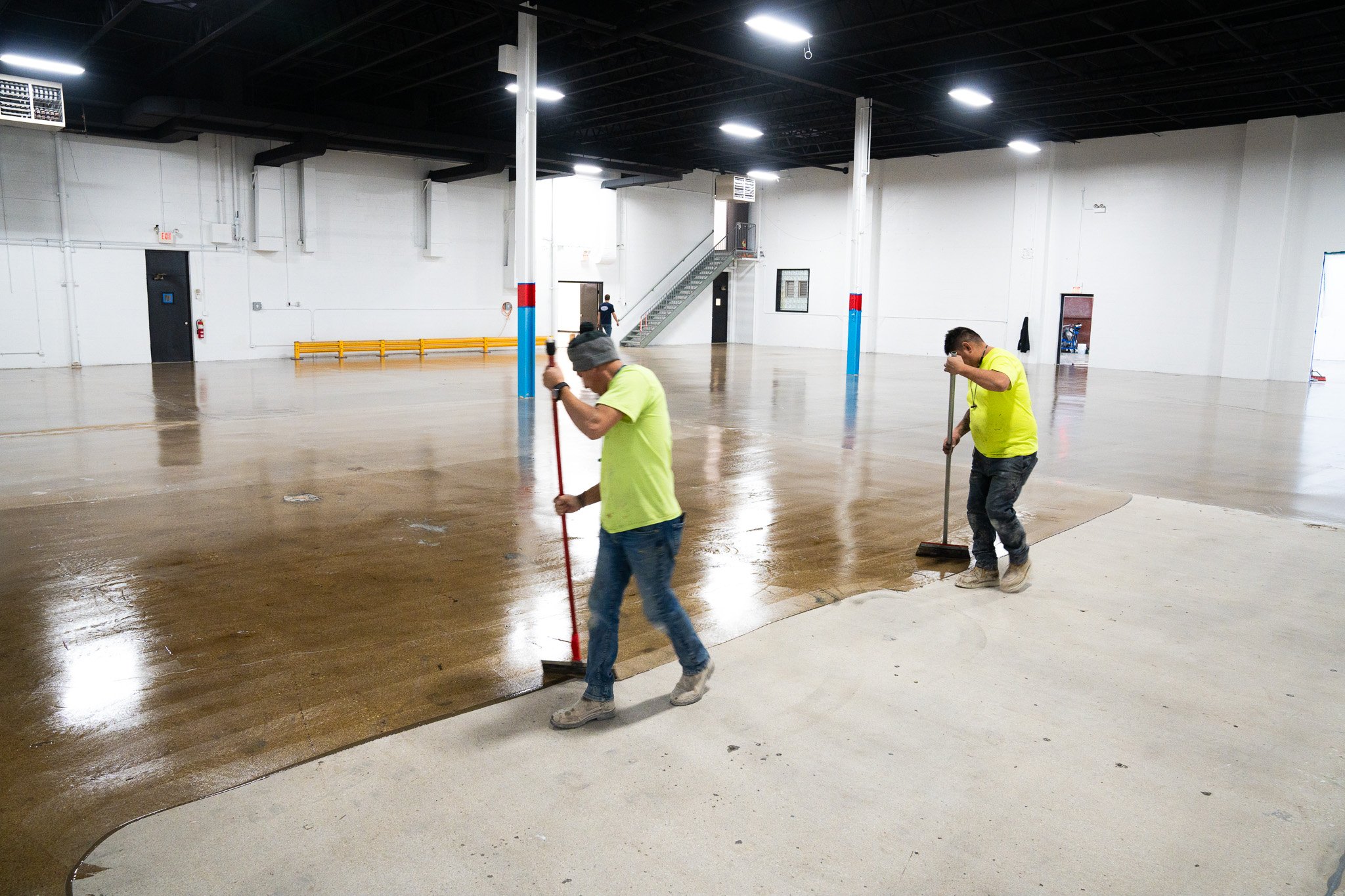
- Epoxy coatings — cost-effective and durable for many facilities
- Polyaspartic coatings — higher cost but fast cure times
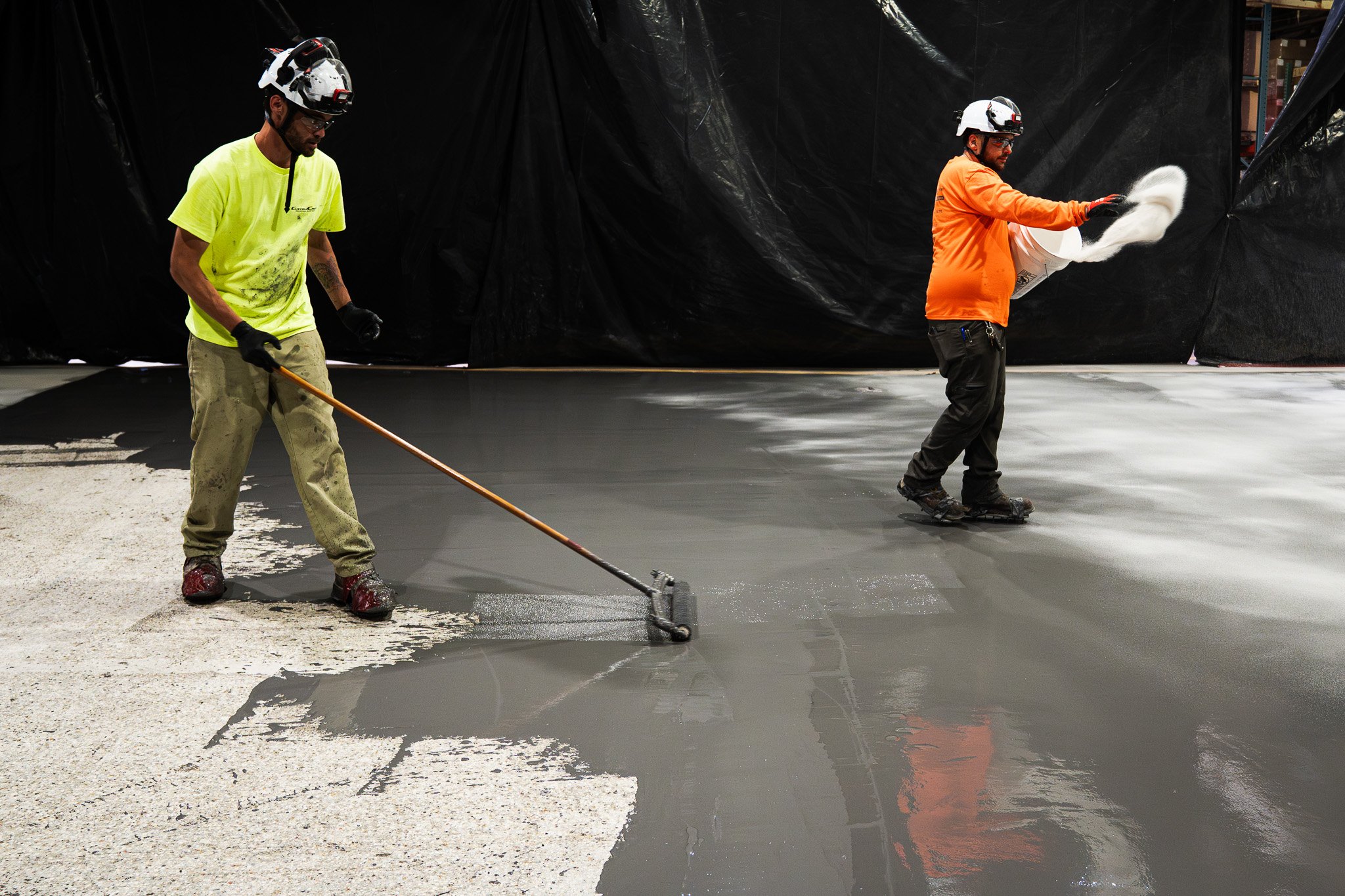
- Quartz broadcast systems — increased traction and durability
- Urethane cement — higher-end system designed for thermal shock, chemicals, and heavy use
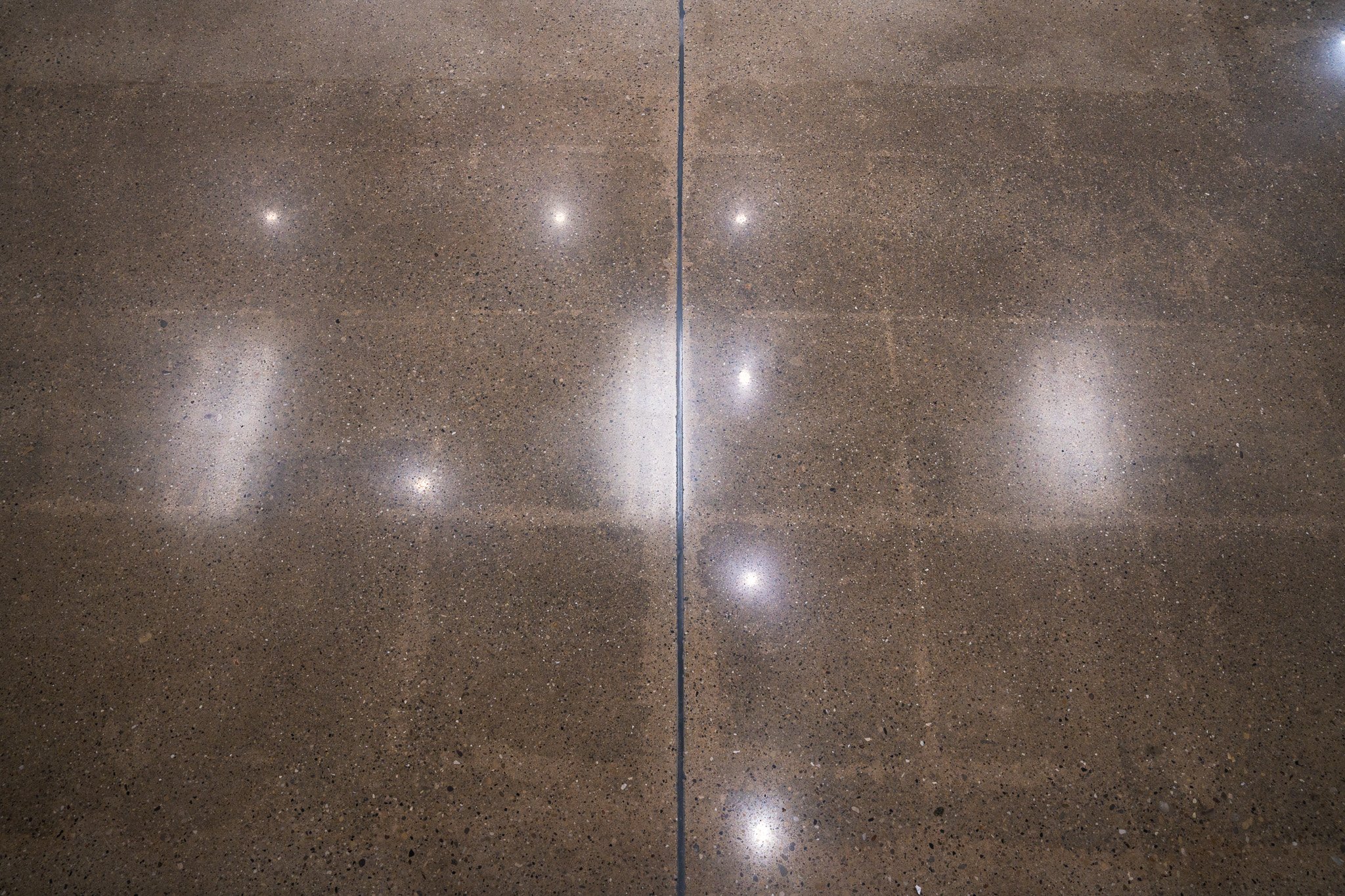
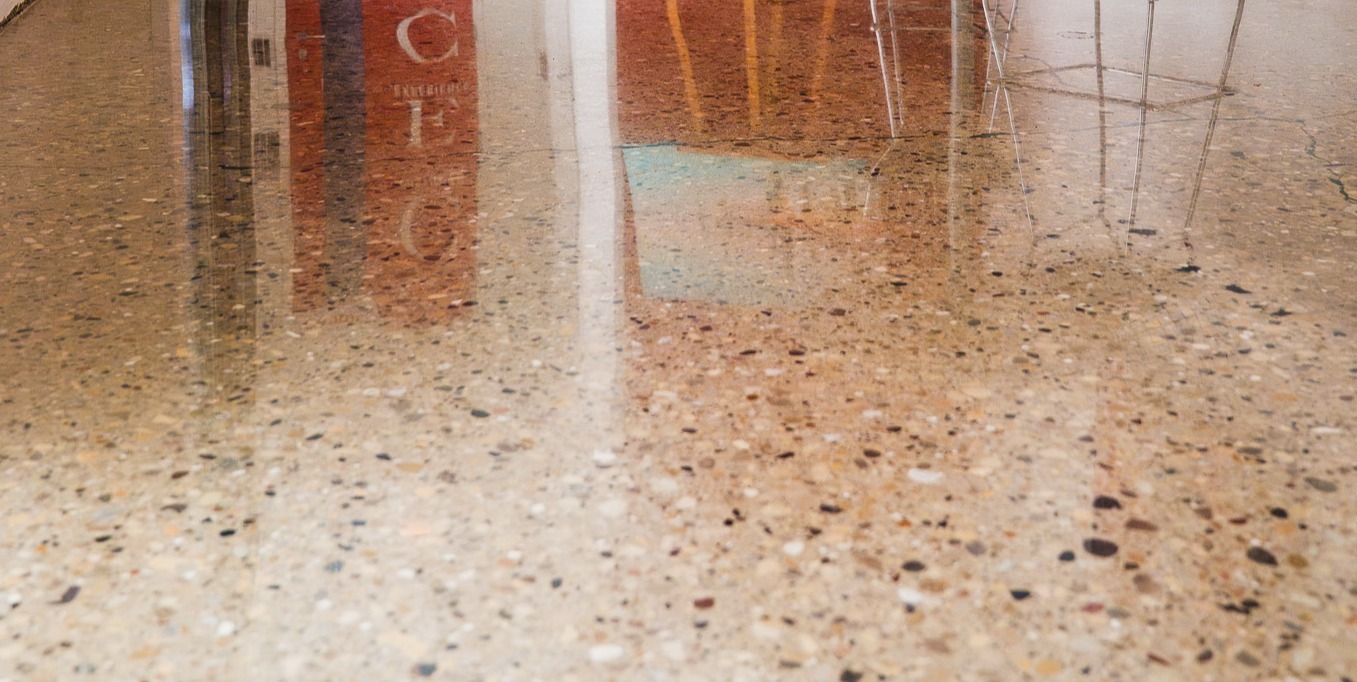
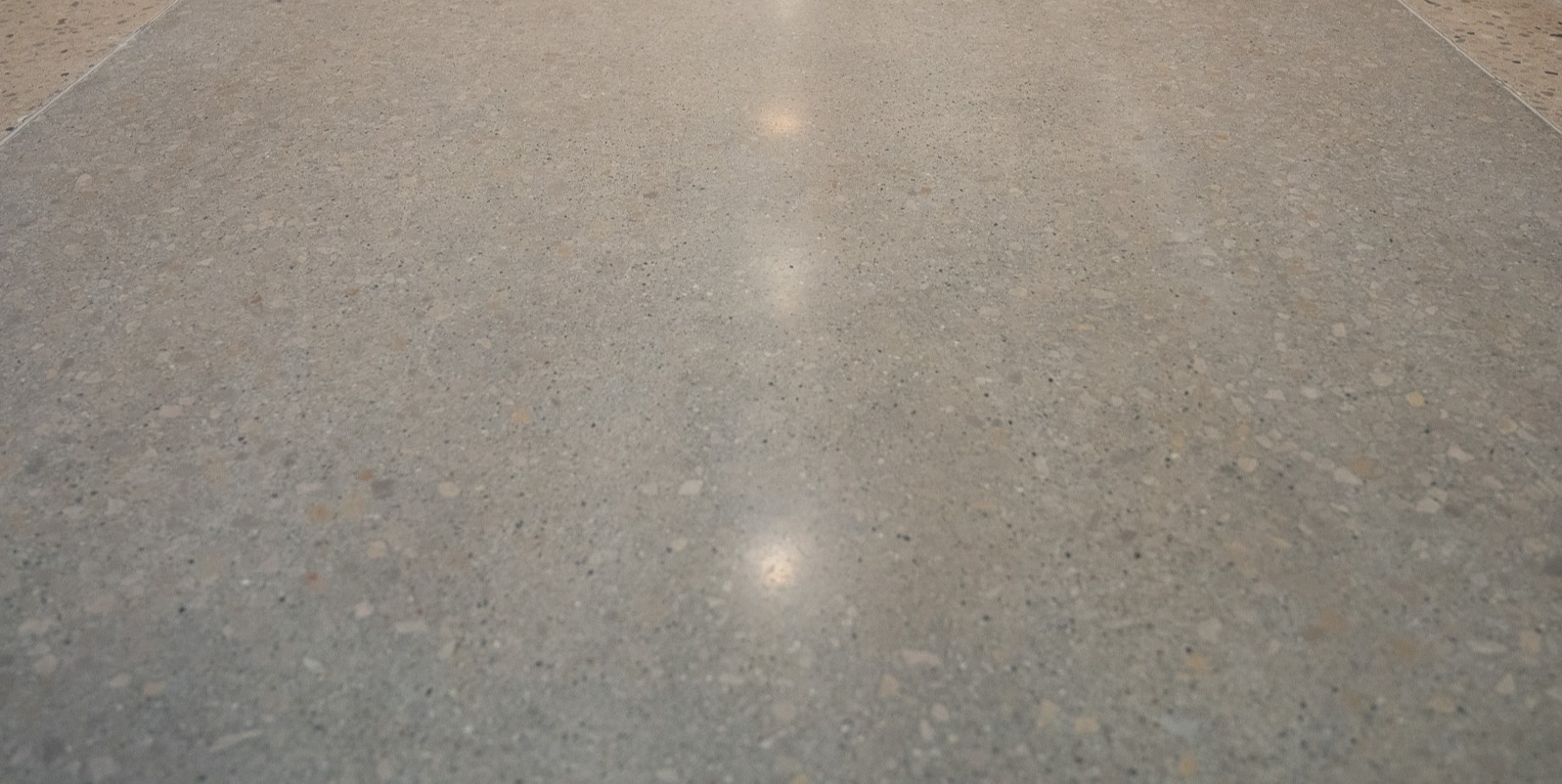
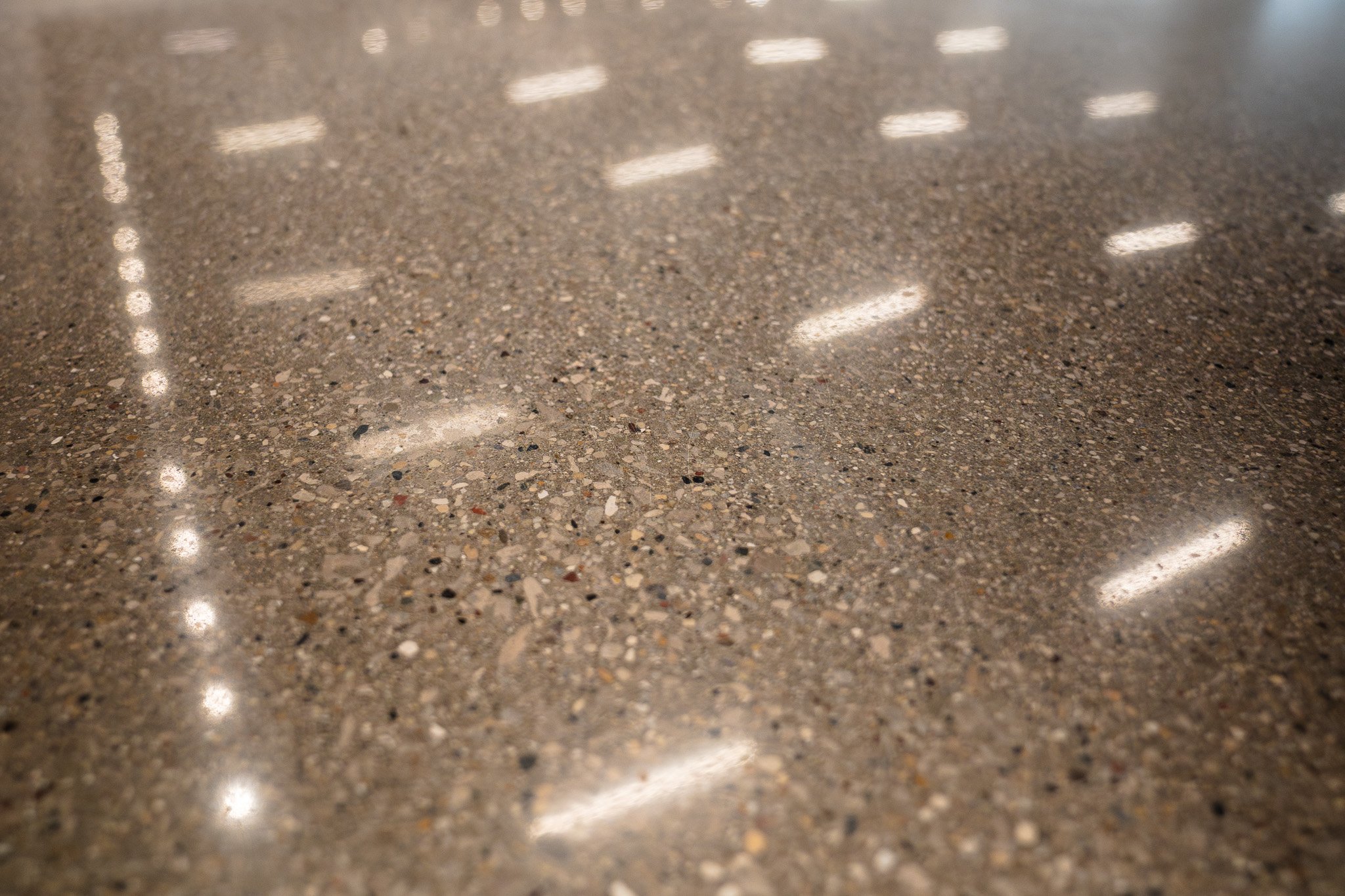
- Polished concrete — competitive pricing with long lifespan and low maintenance
- High-build or multi-layer systems — additional layers increase cost but enhance performance
Selecting the right system ensures you aren’t overpaying for features you don’t need—nor underpaying for a system that can’t handle your environment.
4. Square Footage and Layout Complexity
Larger projects generally have lower cost per square foot due to economies of scale. However, layout complexity can offset those savings.
Layout Elements That Affect Price
- Tight corners or confined spaces
- Floor drains, slopes, or trenches
- Equipment that cannot be moved
- Multiple rooms or segmented areas
- Difficult-to-access sections
A wide-open warehouse will cost less per square foot than a segmented production plant with obstacles and equipment.
5. Moisture Levels and Vapor Control
Moisture is one of the most underestimated contributors to industrial flooring cost. High moisture vapor (MVT) can cause blistering, bubbling, and coating failure if not properly mitigated.
When Moisture Increases Costs
- High RH readings (via ASTM F2170)
- Visible moisture or damp areas
- Flooring failures caused by vapor pressure
- Lack of vapor barrier in older buildings
If moisture mitigation is required, it significantly impacts the total cost—but it’s essential for long-term durability.
6. Environmental and Temperature Conditions
Installation can only occur under specific temperature and humidity ranges. Facilities that are too hot, too cold, or too humid may require additional controls.
Conditions That Add Costs
- Temporary heating
- Temporary cooling
- Dehumidification
- Airflow control
- Night or weekend installations to meet ideal conditions
Environmental control ensures the floor cures properly, increasing quality and lifespan.
7. Downtime and Scheduling Needs
Downtime has a major impact on total project cost—especially for 24/7 operations. The more compressed the schedule, the higher the labor demands.
Factors That Increase Costs
- After-hours or weekend installation
- Accelerated systems requiring fast cure times
- Phased work to avoid shutting down the entire facility
- Limited access windows
On the other hand, flexible scheduling can help lower overall project cost.
8. Long-Term Value: The Cost of Ownership
While initial cost matters, decision-makers should also consider long-term value. Cheaper systems may need to be replaced sooner, while durable systems may cost more upfront but last significantly longer and reduce maintenance expenses.
Evaluate These Long-Term Factors
- Expected lifespan of the system
- Maintenance requirements
- Chemical resistance needed
- Traffic levels
- Cost of future repairs or recoating
A higher upfront industrial flooring cost may save thousands over the system’s lifetime.
FAQ: Understanding Industrial Flooring Cost
- Can I get an exact price per square foot?
It depends. Square footage matters, but preparation, moisture levels, and system type influence cost just as much. - Is epoxy always the cheapest option?
Not always. Polished concrete or thin-mil coatings can be even more economical depending on the environment. - What raises costs the most?
Moisture mitigation, heavy repair work, tight deadlines, and high-performance systems like urethane cement are common cost drivers.
Final Thoughts
There’s no universal price for industrial flooring because every facility has different needs, conditions, and performance requirements. Understanding the factors that influence industrial flooring cost helps you compare proposals accurately, plan your budget, and choose the right system for long-term durability.
For the most accurate estimate, try CustomCrete’s Pricing Estimator to receive a tailored cost range based on your facility’s needs.

Topics:
.jpg?width=2048&height=1365&name=CC108559%20(1).jpg)
.png?width=11520&height=9216&name=Untitled%20design%20(56).png)
.jpg?width=2048&height=1365&name=CC106221%20(1).jpg)
.jpg?width=2048&height=1365&name=CC102459%20(1).jpg)