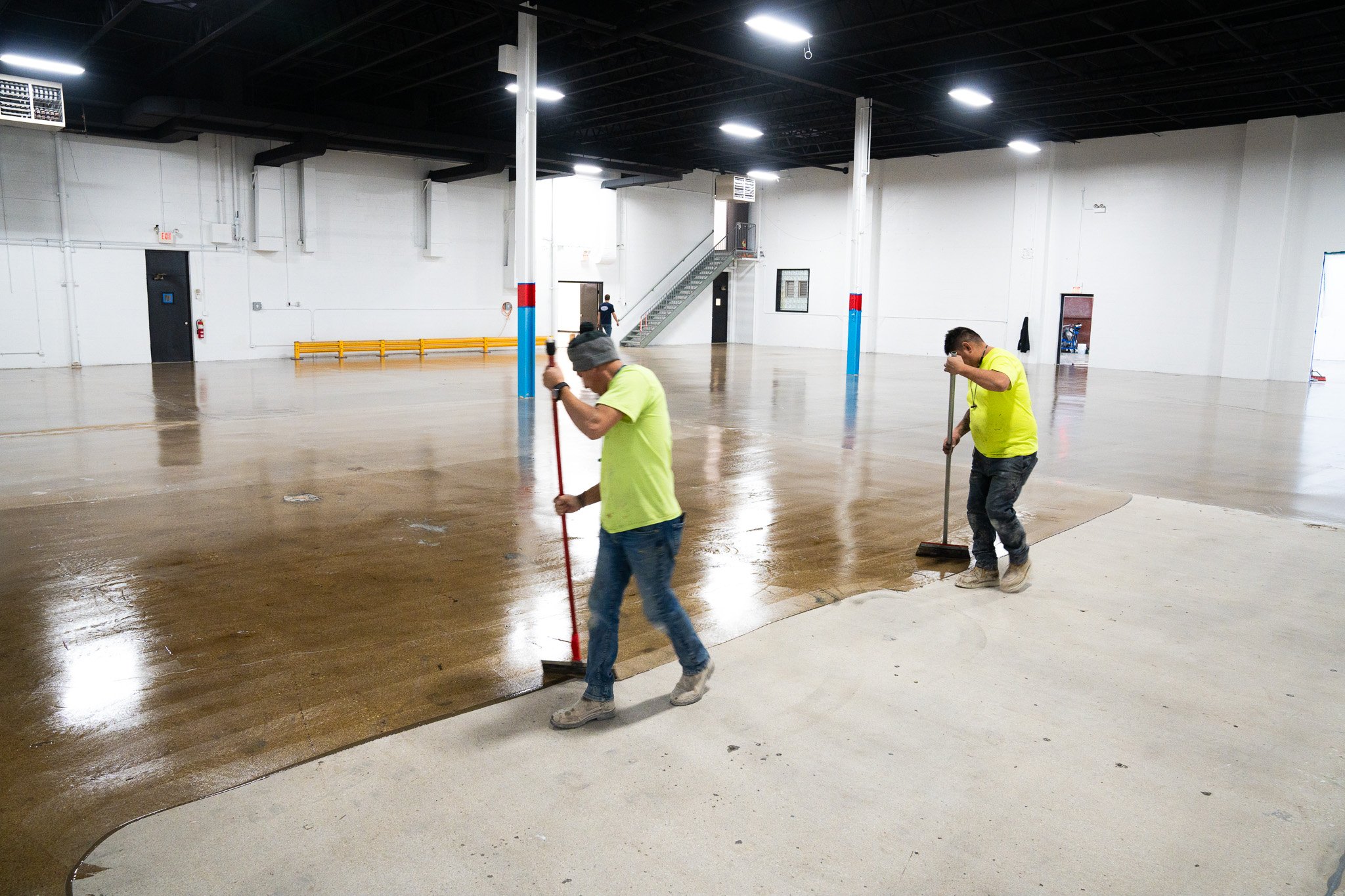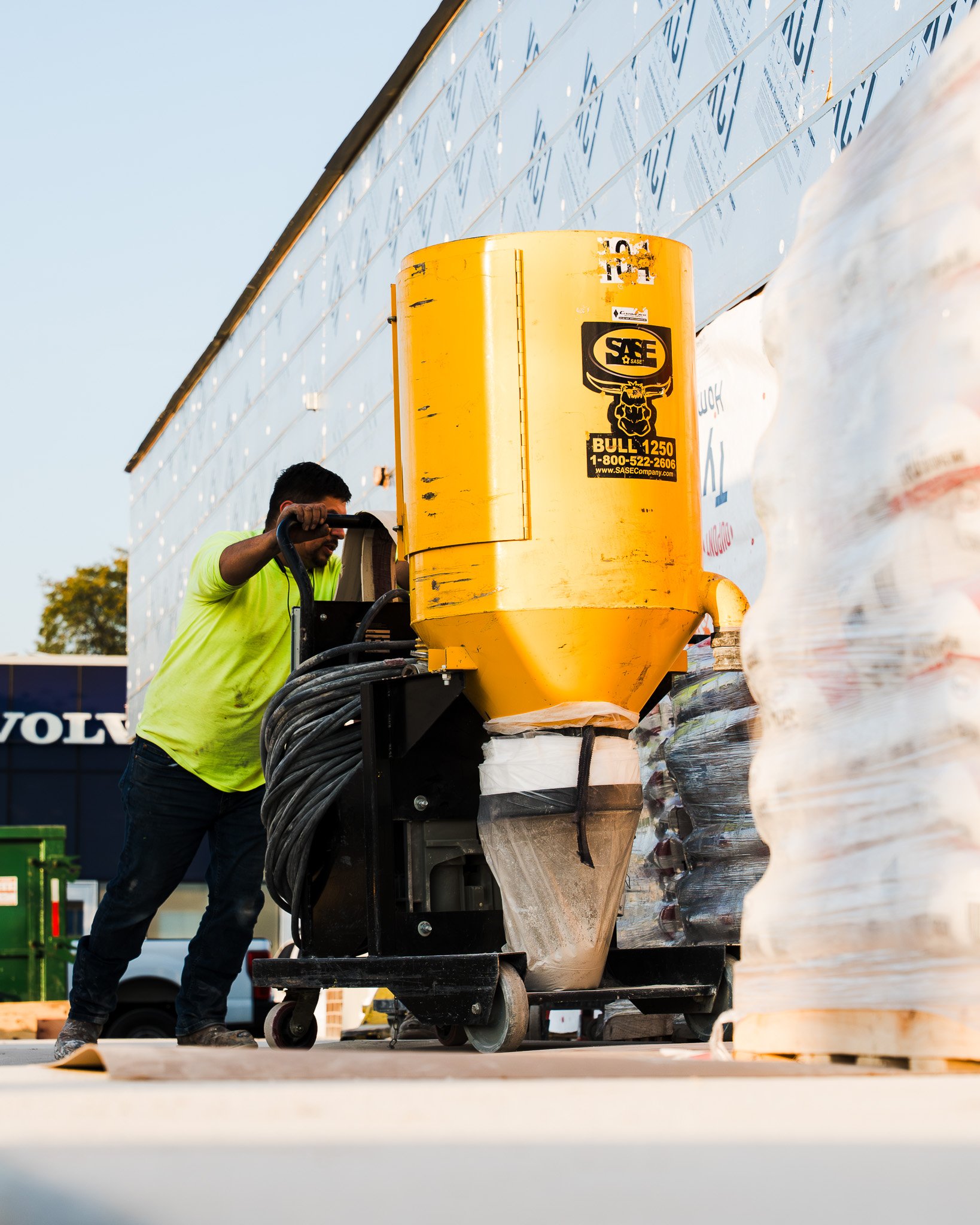

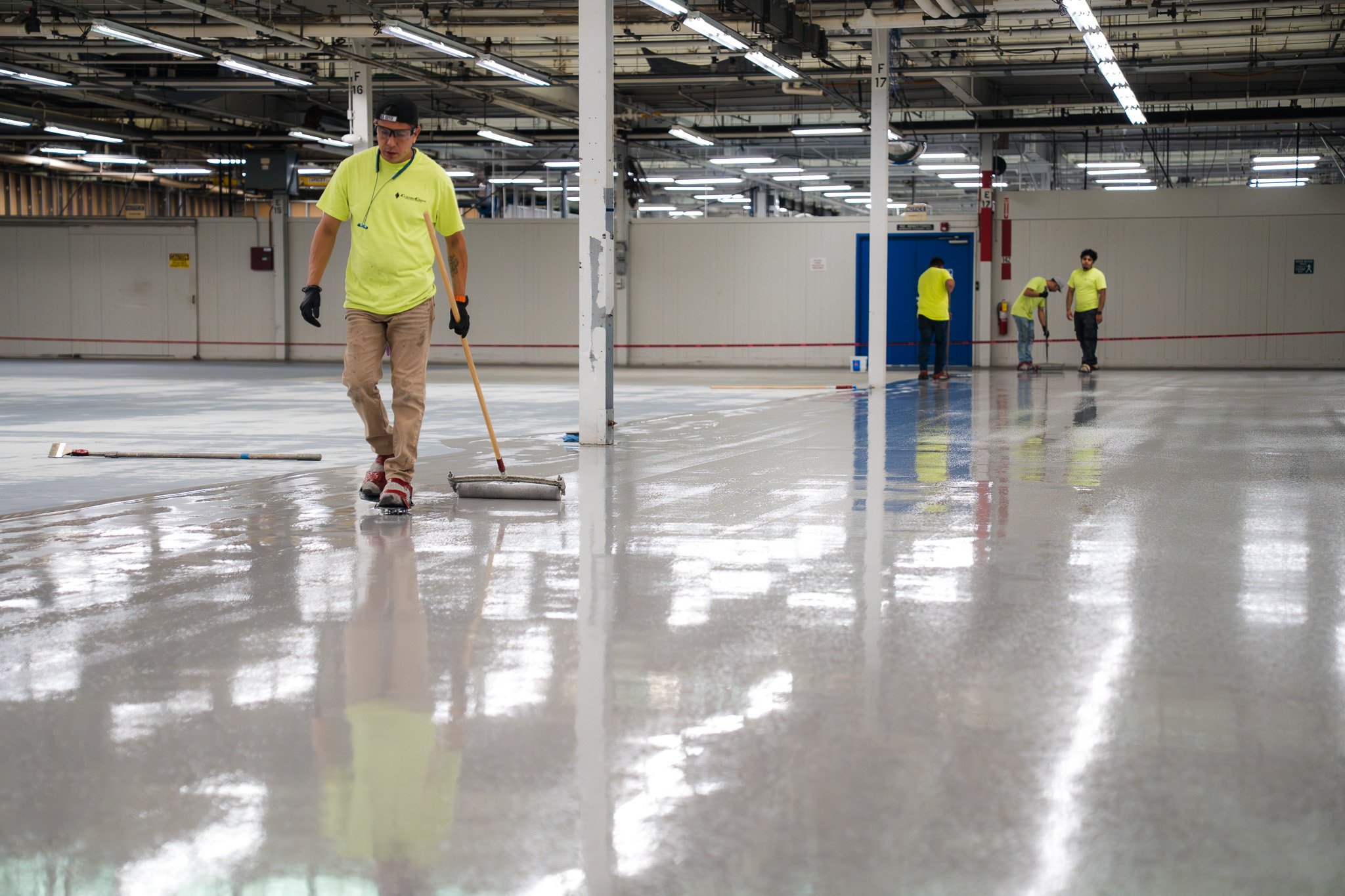
Choosing the right concrete flooring system can feel overwhelming. With options like epoxy flooring, urethane cement, polished concrete, and sealed concrete, many facility managers aren’t sure where to start. Each system performs differently depending on traffic, environment, and daily operations. Understanding the basics helps narrow your options before making any decisions.
At CustomCrete, this is one of the most common questions from warehouses, manufacturing plants, food and beverage facilities, and commercial buildings. The good news is that you don’t need to be a flooring expert to get pointed in the right direction.

Start With How Your Facility Uses the Floor
The best concrete flooring system depends on how the floor is used every day. Begin by looking at a few core factors.
Traffic and Load
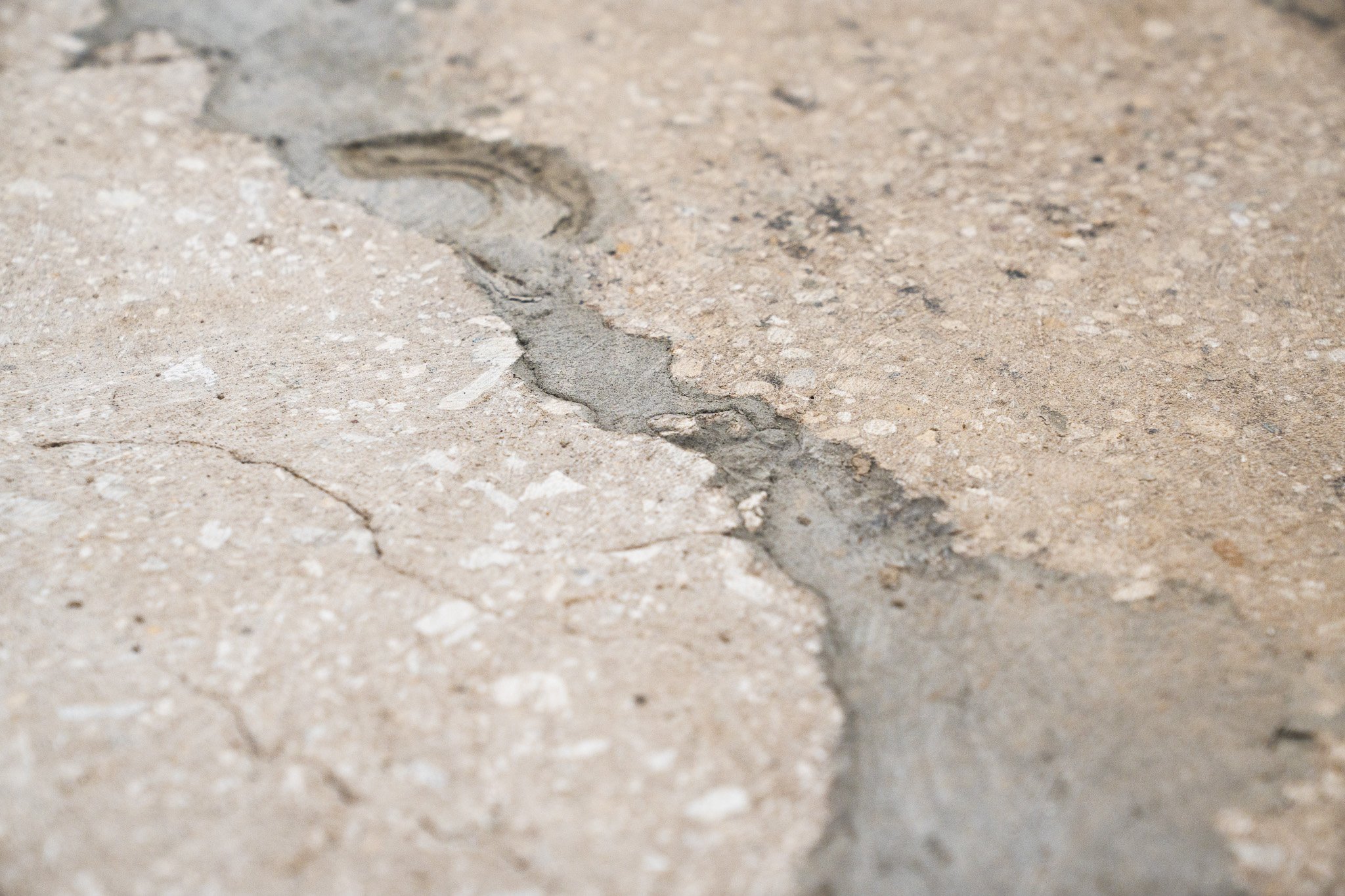
Facilities with forklifts, pallet jacks, carts, or heavy machinery usually need thicker, more durable systems than spaces with foot traffic only. High-impact use can quickly wear down lighter coatings.
Exposure to Moisture or Chemicals
If your floor sees water, oils, food byproducts, or chemicals, not all systems will perform the same. Some concrete flooring systems are designed specifically to resist moisture, corrosion, and thermal shock.
Cleanliness and Safety Requirements
Food processing, pharmaceutical, and healthcare facilities often require seamless, easy-to-clean floors. Slip resistance may also be a priority in wet or high-traffic areas.
Match the Flooring System to the Environment
Different concrete flooring systems are built for different conditions.
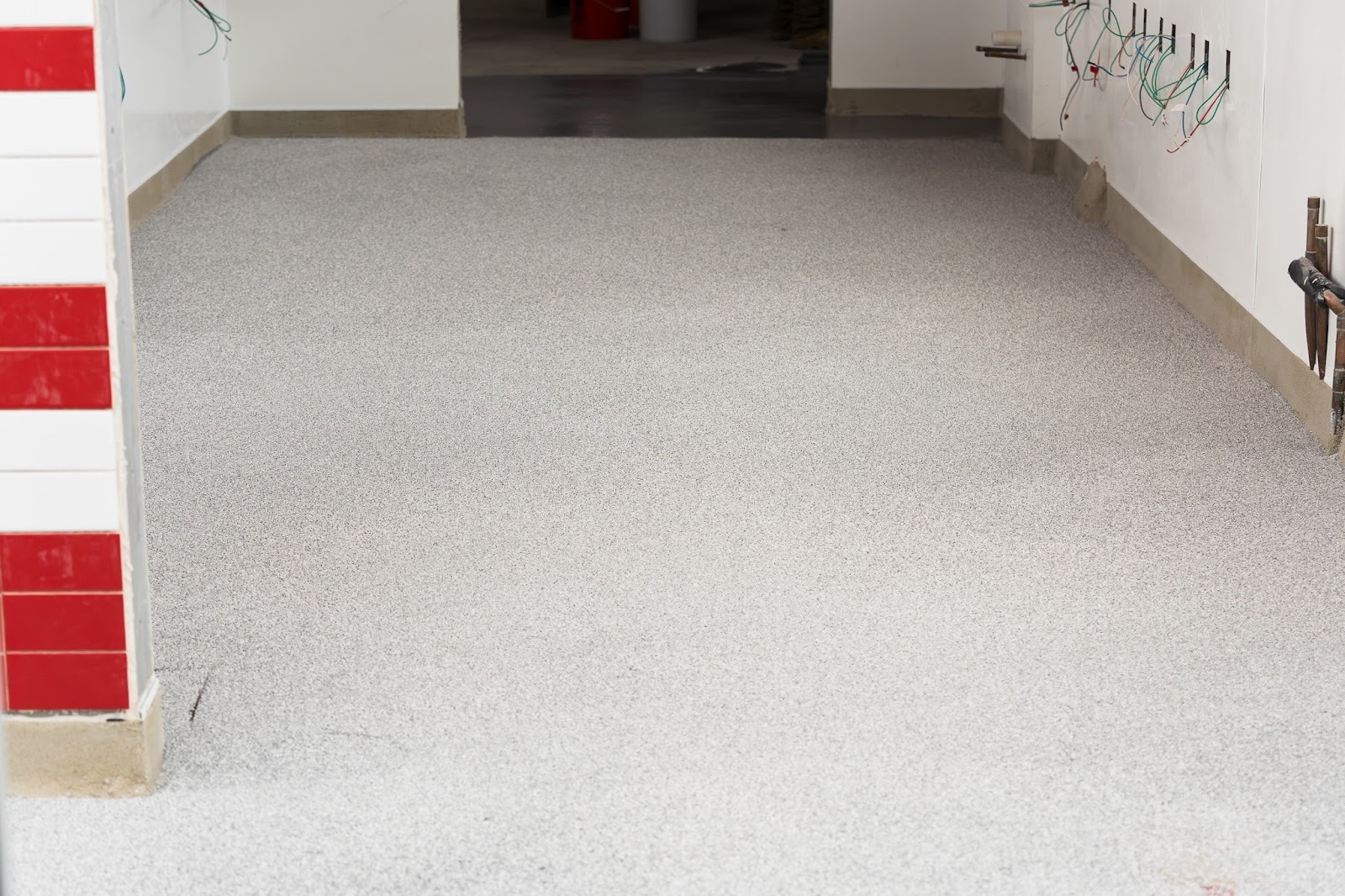
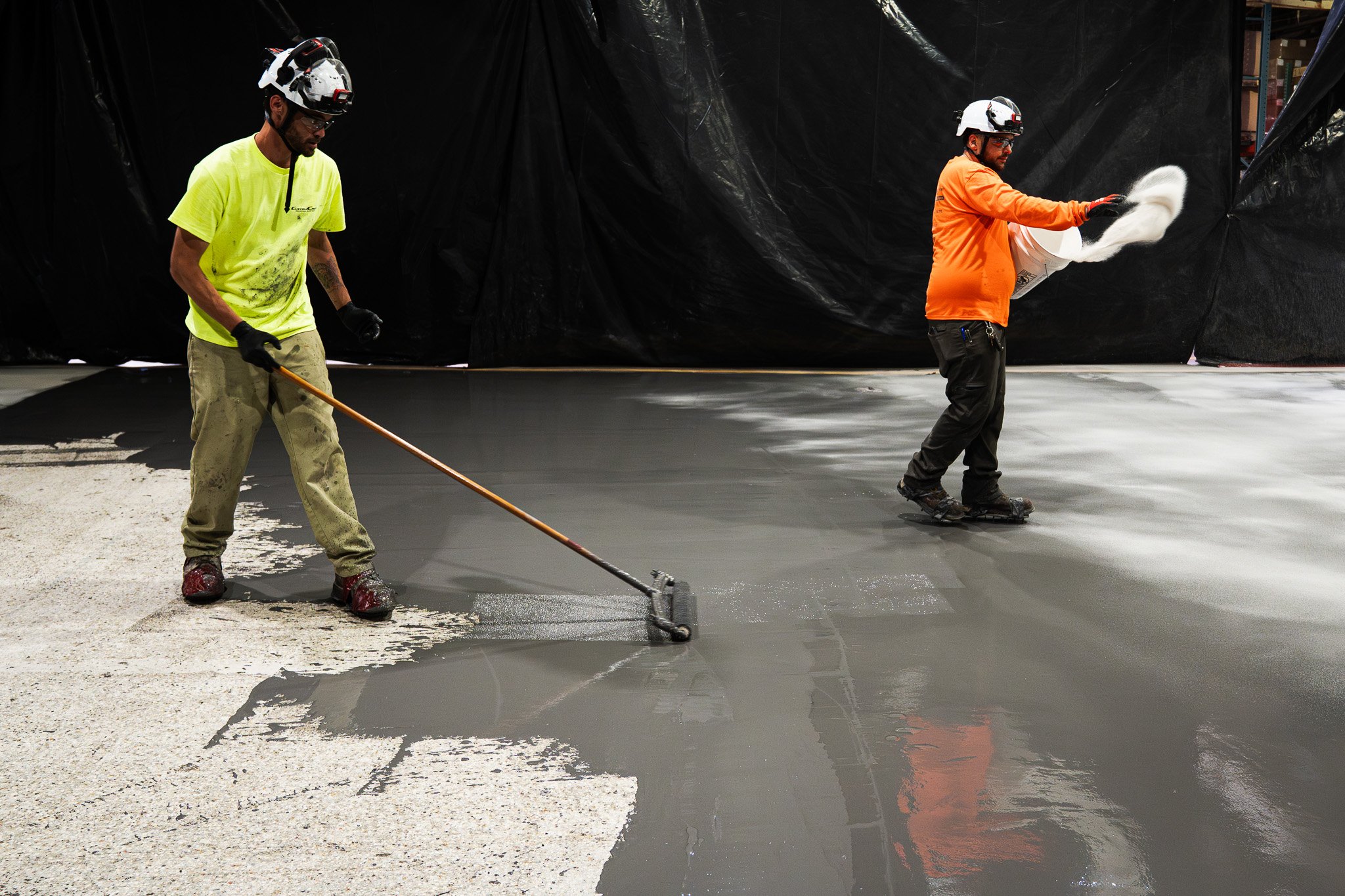
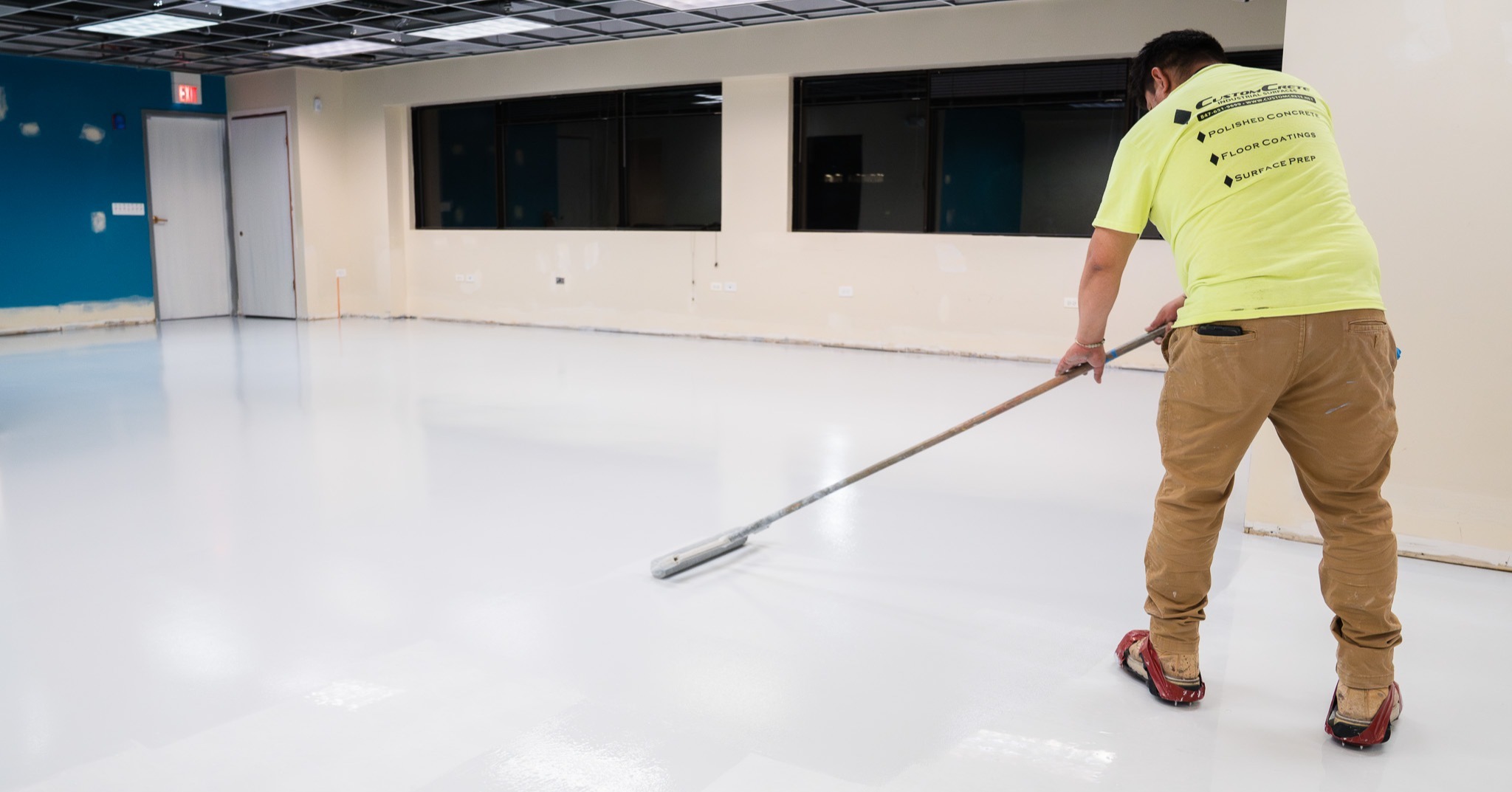
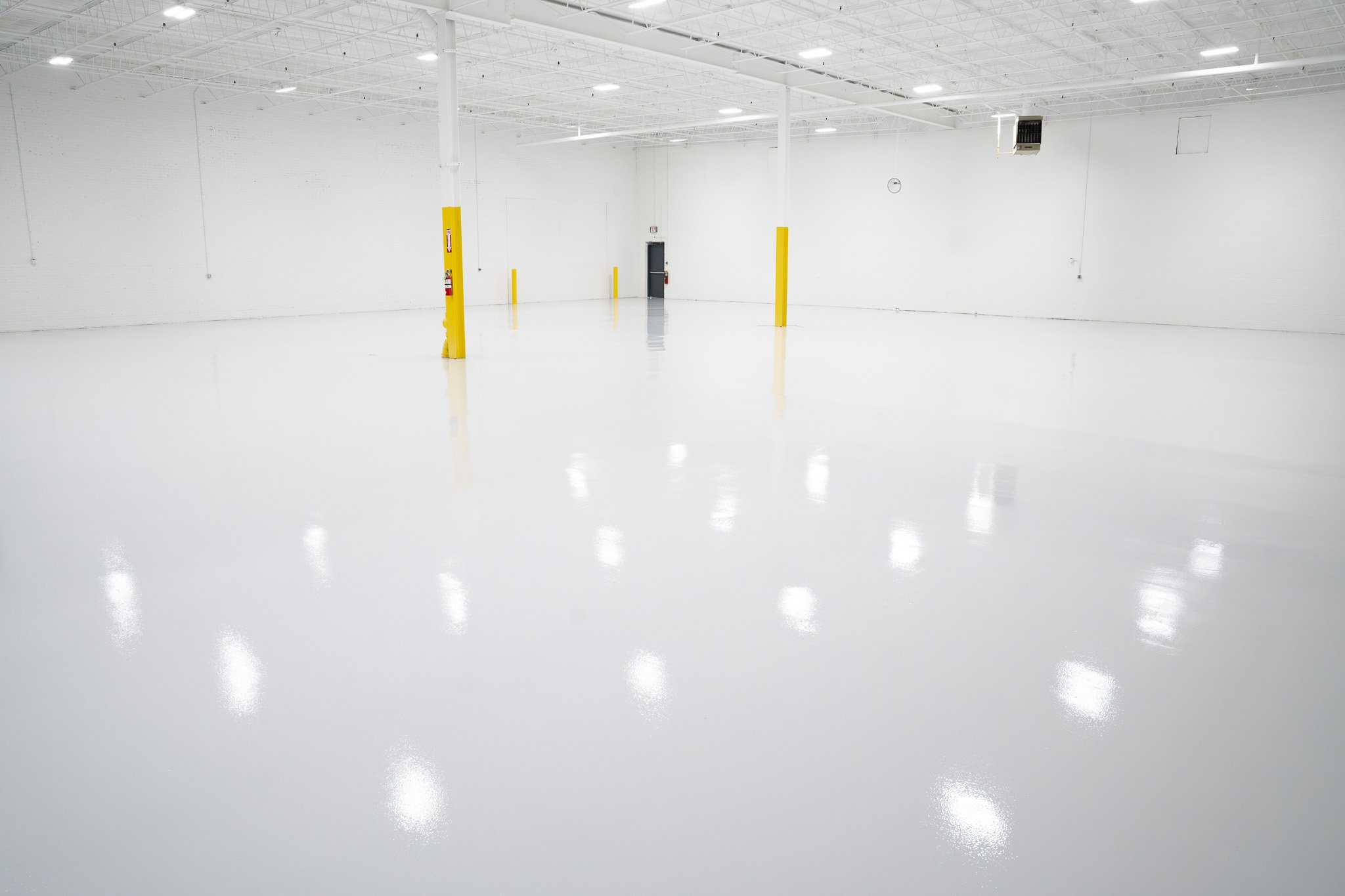
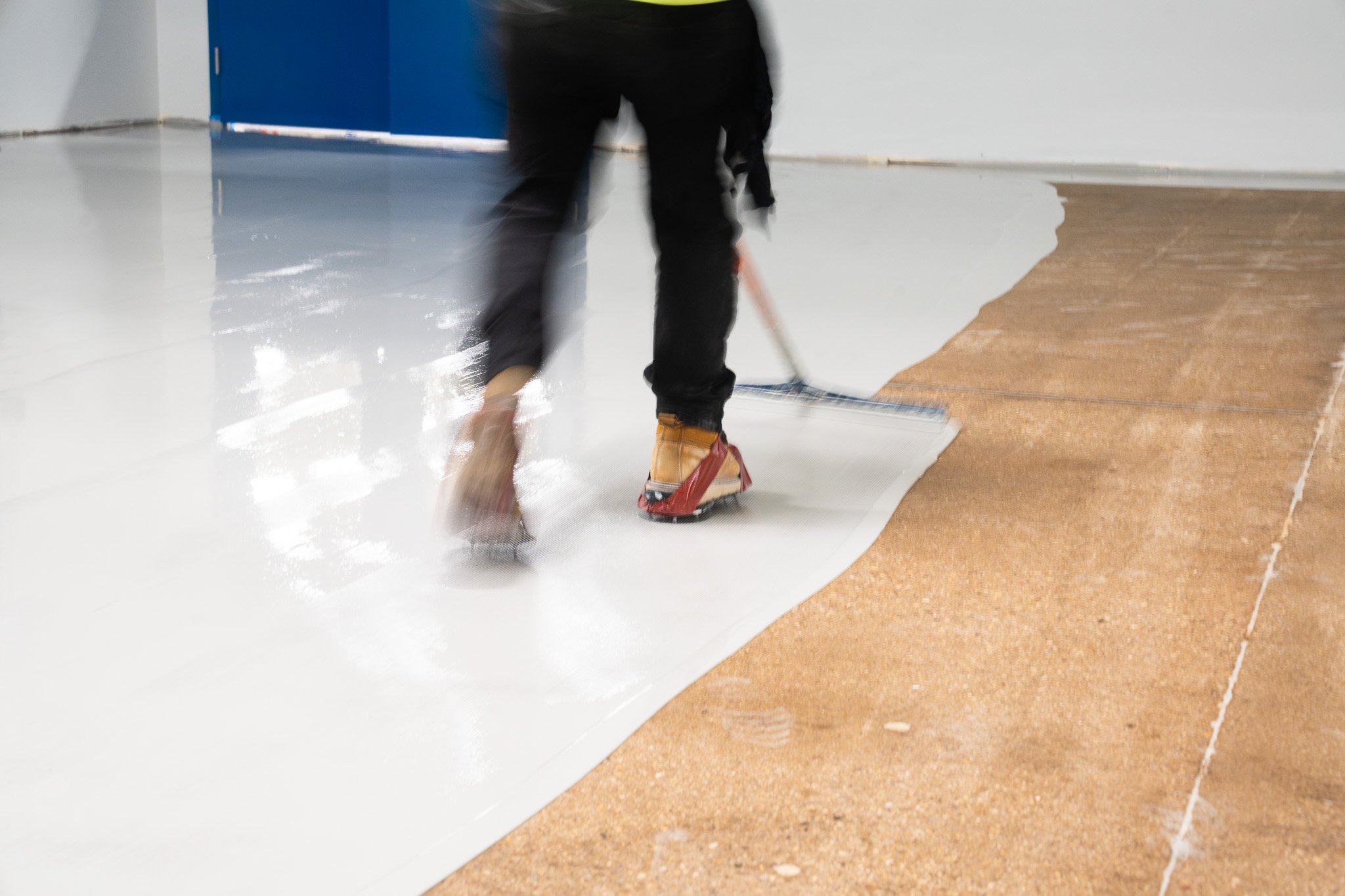
- Epoxy flooring is commonly used in warehouses, manufacturing spaces, and commercial facilities where durability and appearance both matter.
- Urethane cement flooring is often chosen for harsh environments with heat, moisture, or aggressive chemicals.
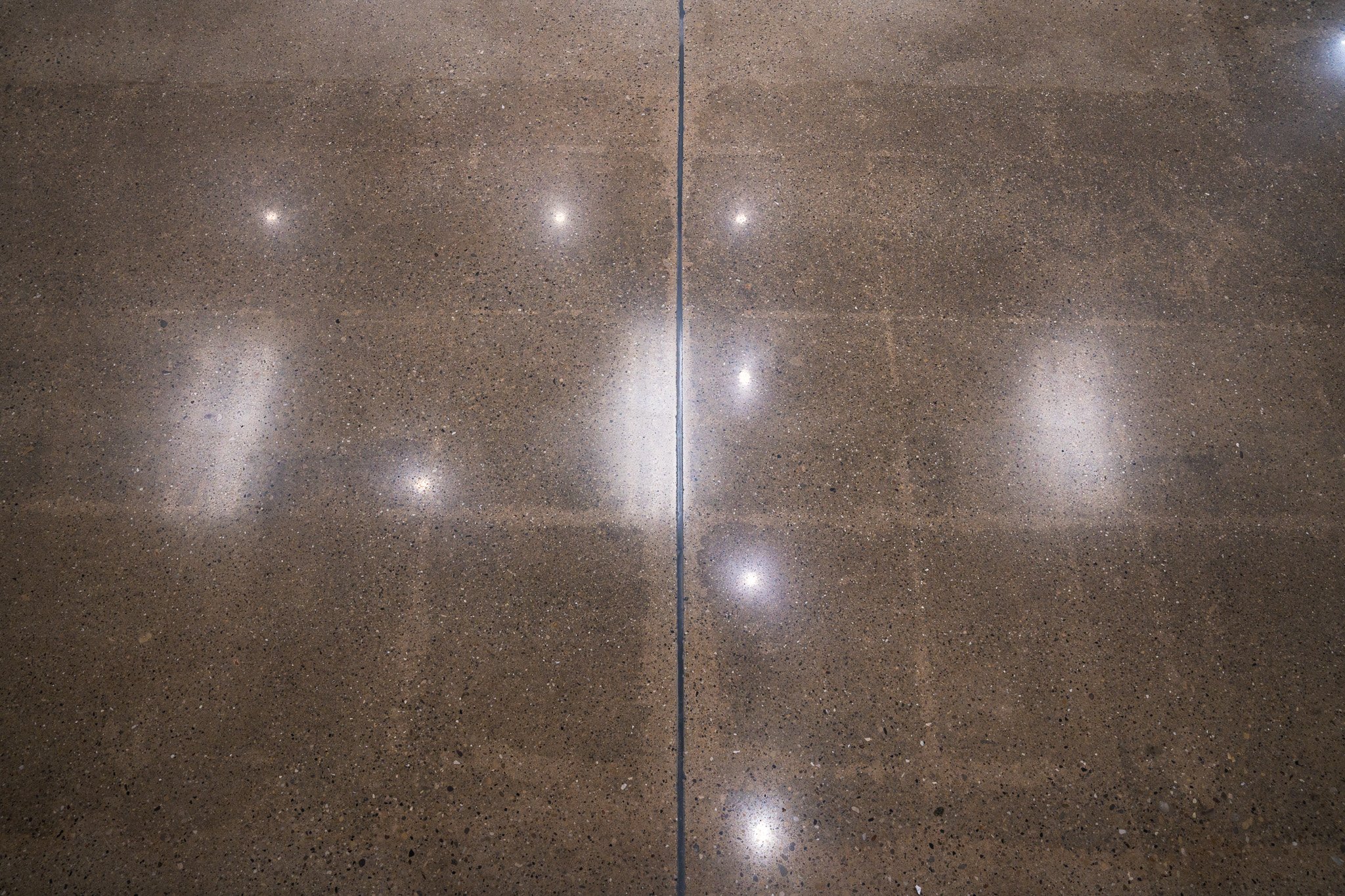
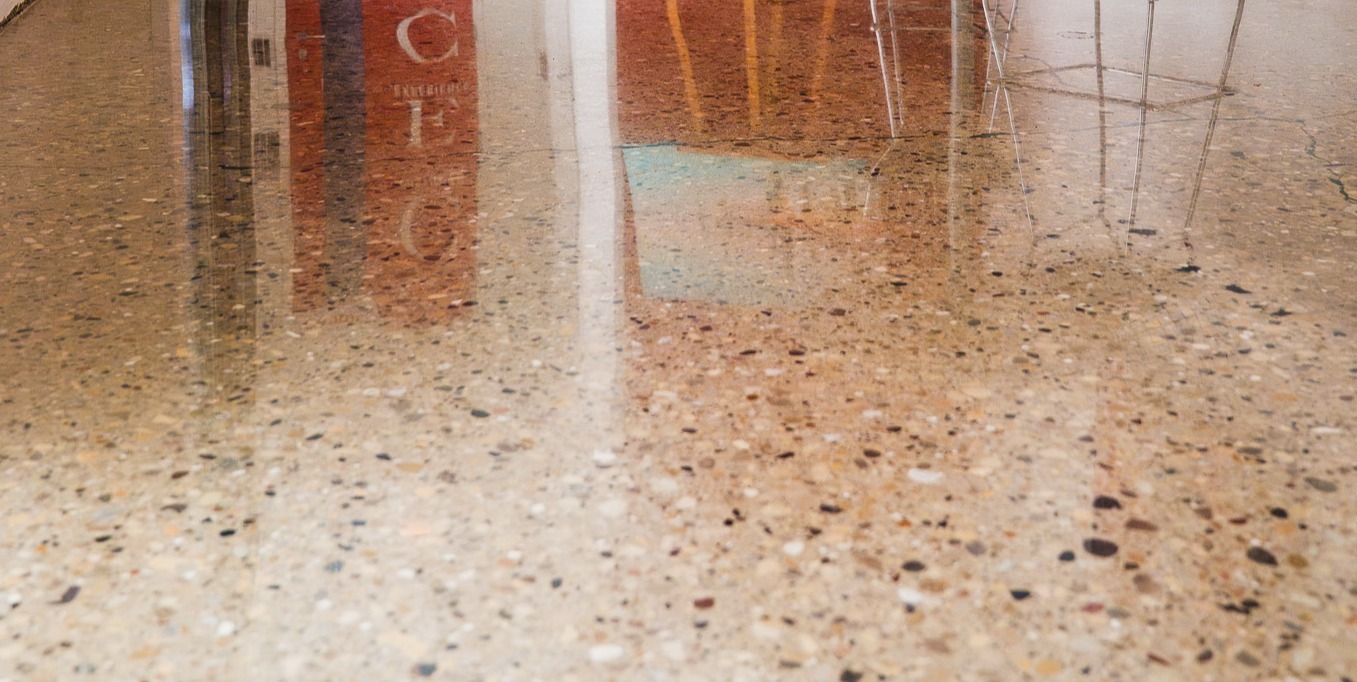
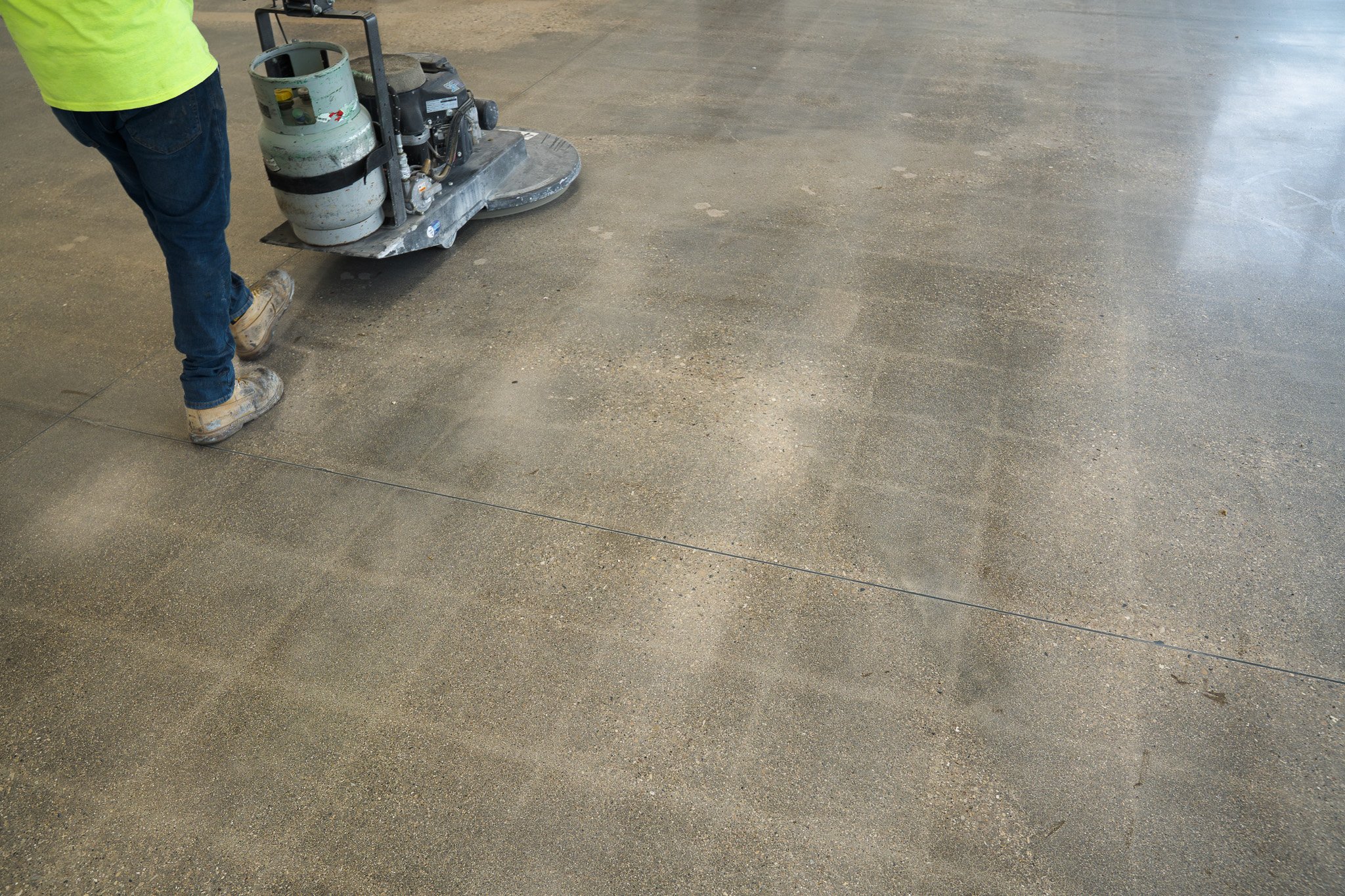
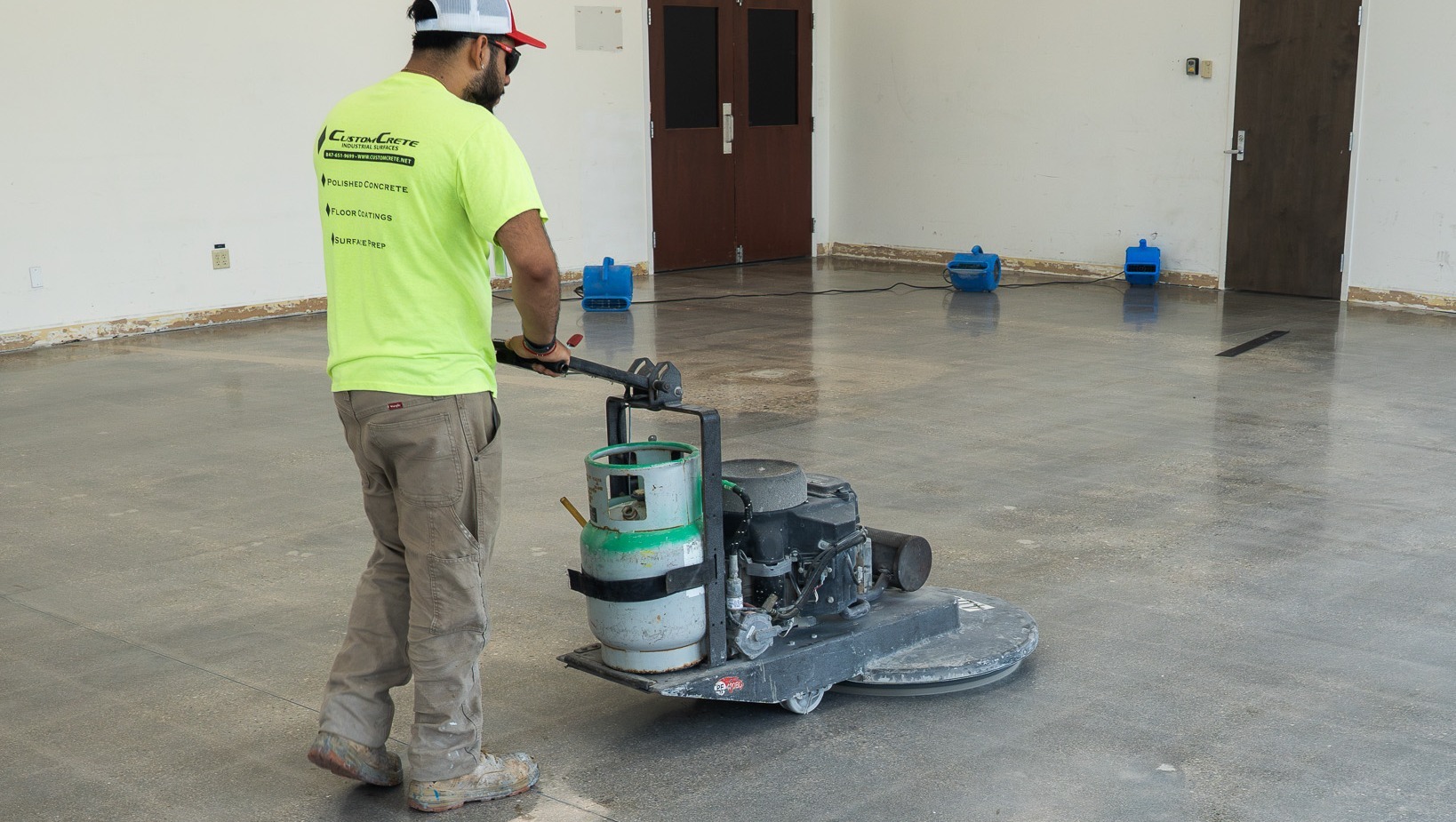
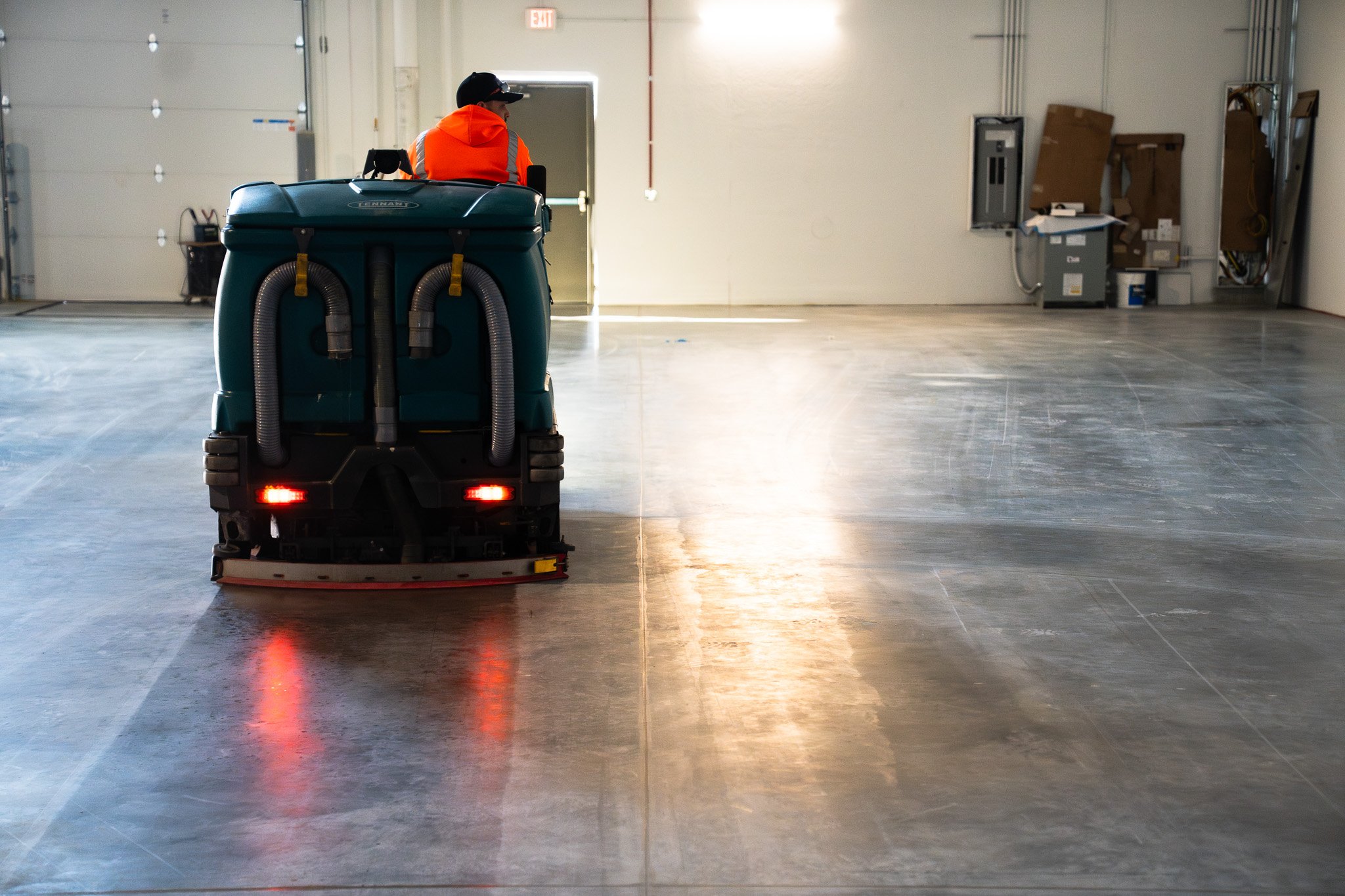
- Polished concrete works well in facilities looking for low maintenance and long-term durability without coatings.
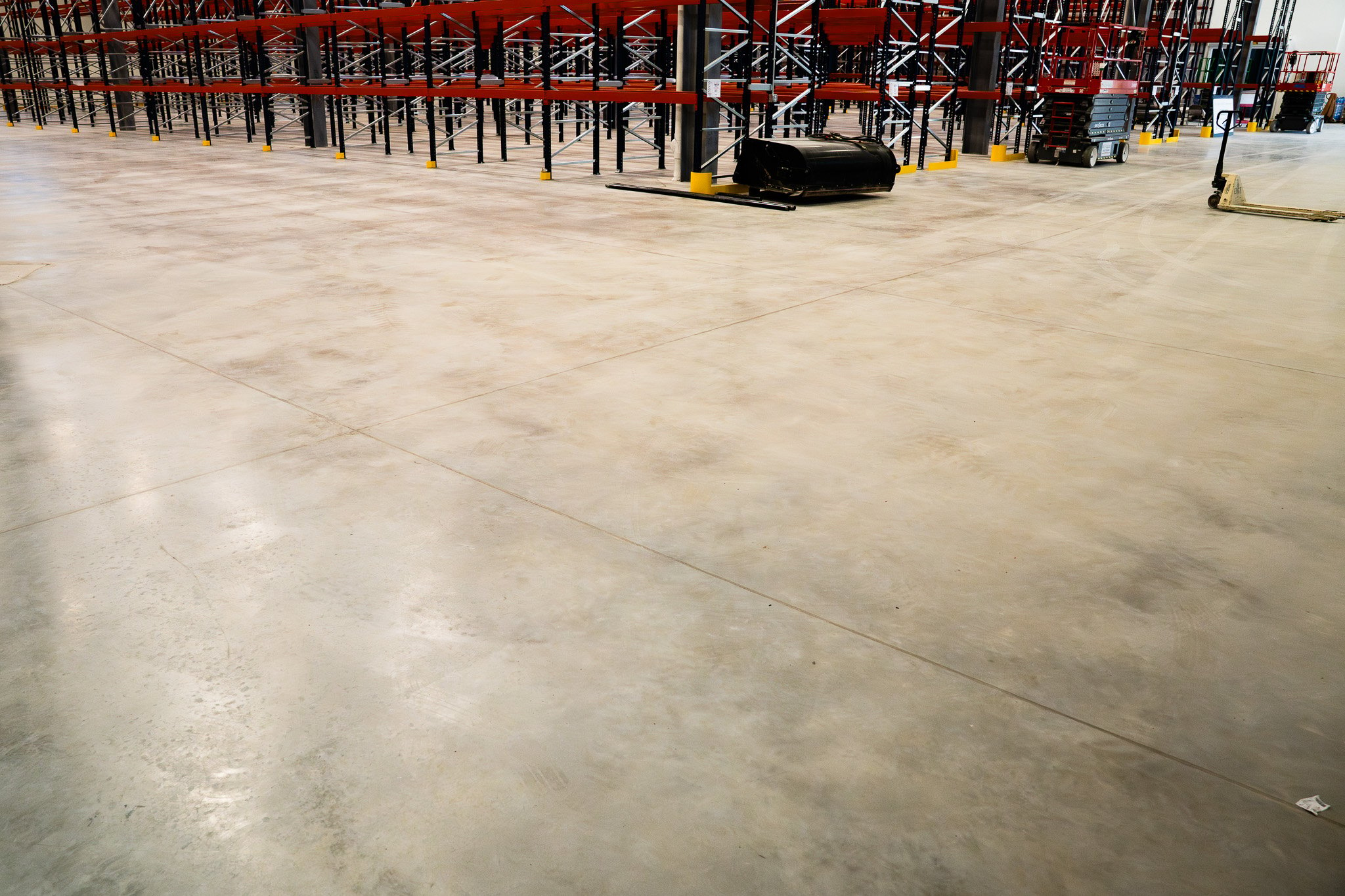
- Sealed concrete is a more economical option for lighter-use areas that still need dust control and surface protection.
No single system is “best” for every facility. The right choice depends on where and how it will be used.
Consider Downtime and Installation Constraints
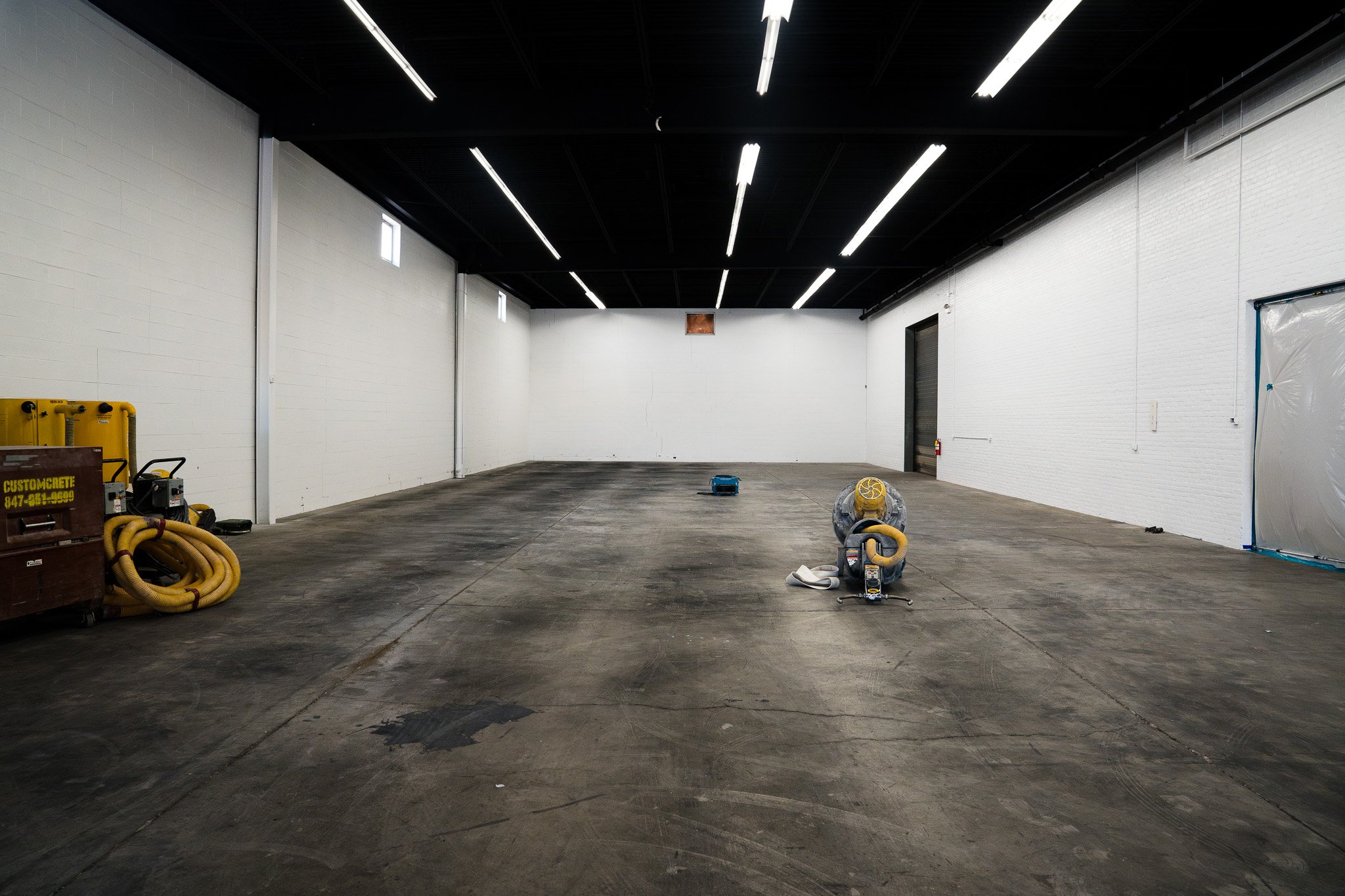
Another important factor is how much downtime your facility can tolerate. Some concrete flooring systems require longer cure times, while others allow faster return to service. Installation timing, phasing, and operational schedules all influence which systems make the most sense.
Facilities that operate around the clock may prioritize speed, while others may schedule work during planned shutdowns or holidays.
Why Many Facilities Struggle to Decide
Most facility managers don’t choose concrete flooring often, so uncertainty is normal. Online research can quickly become confusing, especially when product claims don’t reflect real-world conditions. That’s why narrowing choices based on use, environment, and expectations is more helpful than comparing products alone.
A Simple Way to Get Direction
If you’re still unsure which concrete flooring system is right for your facility, a guided starting point can help. Instead of guessing, answering a few practical questions about your space can quickly point you toward suitable options.
To get a clearer recommendation based on your facility’s needs, take CustomCrete’s concrete flooring quiz.
.jpg?width=2048&height=1365&name=CC108559%20(1).jpg)
.png?width=11520&height=9216&name=Untitled%20design%20(56).png)
.jpg?width=2048&height=1365&name=CC106221%20(1).jpg)
.jpg?width=2048&height=1365&name=CC102459%20(1).jpg)