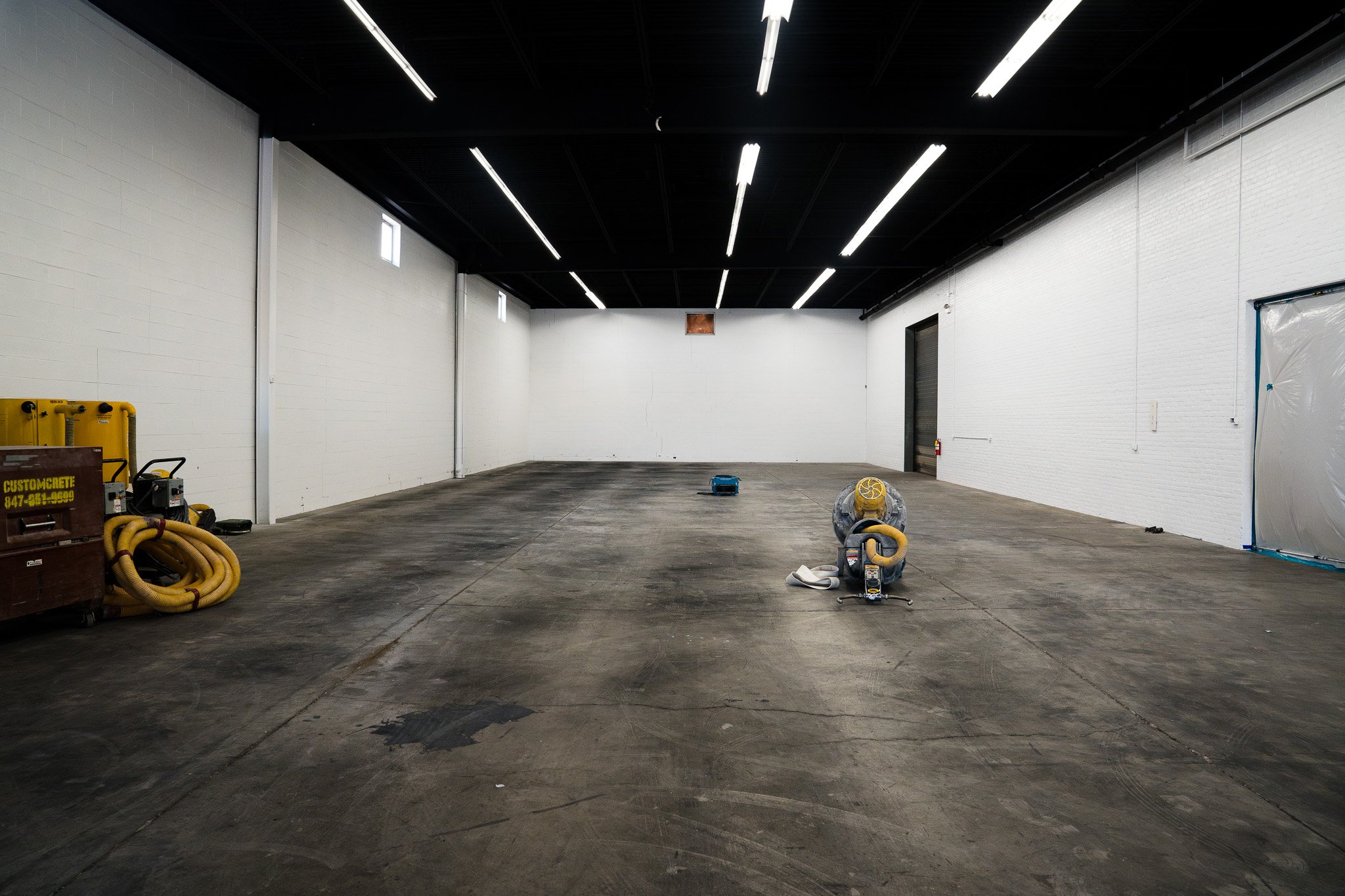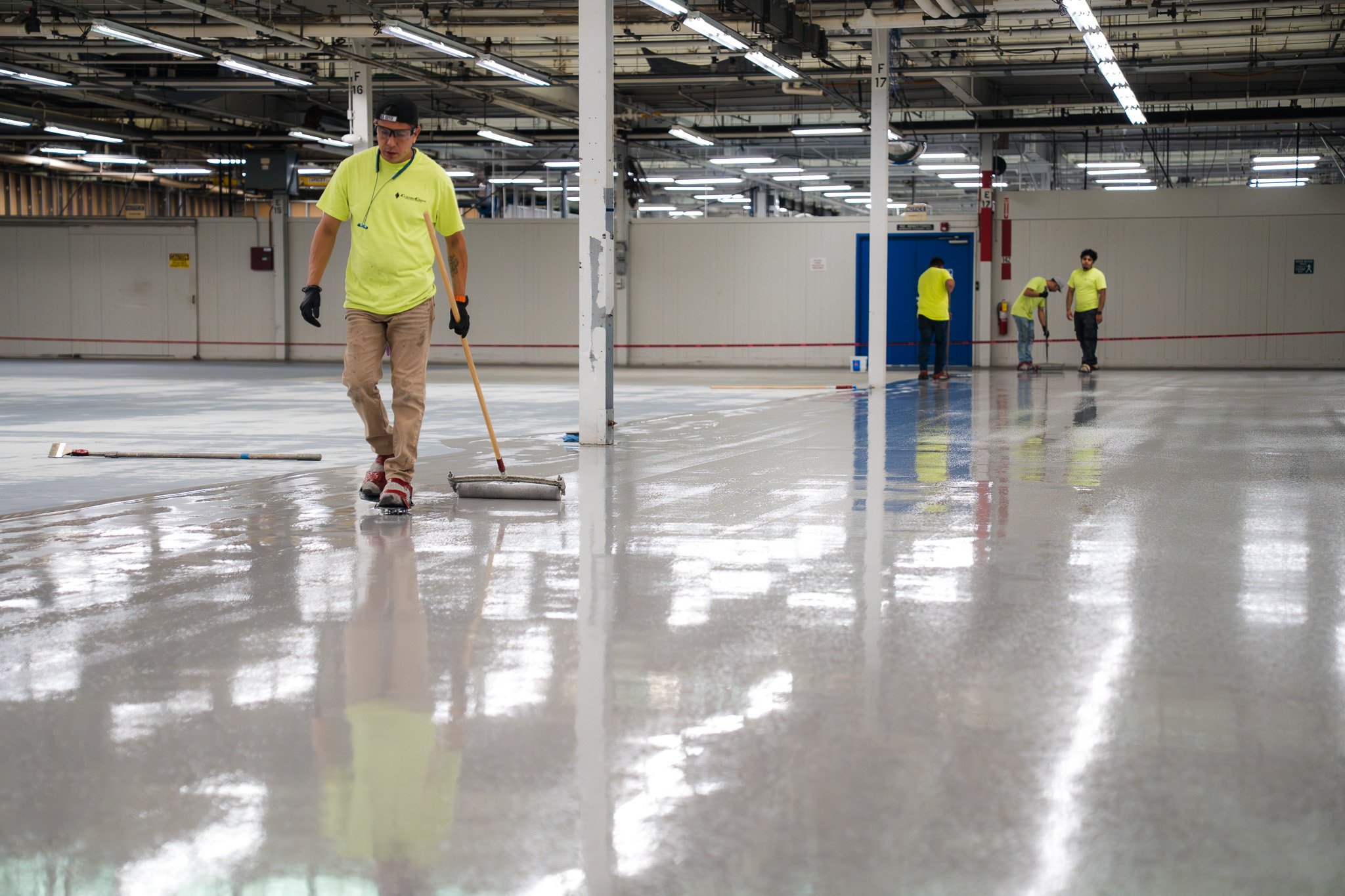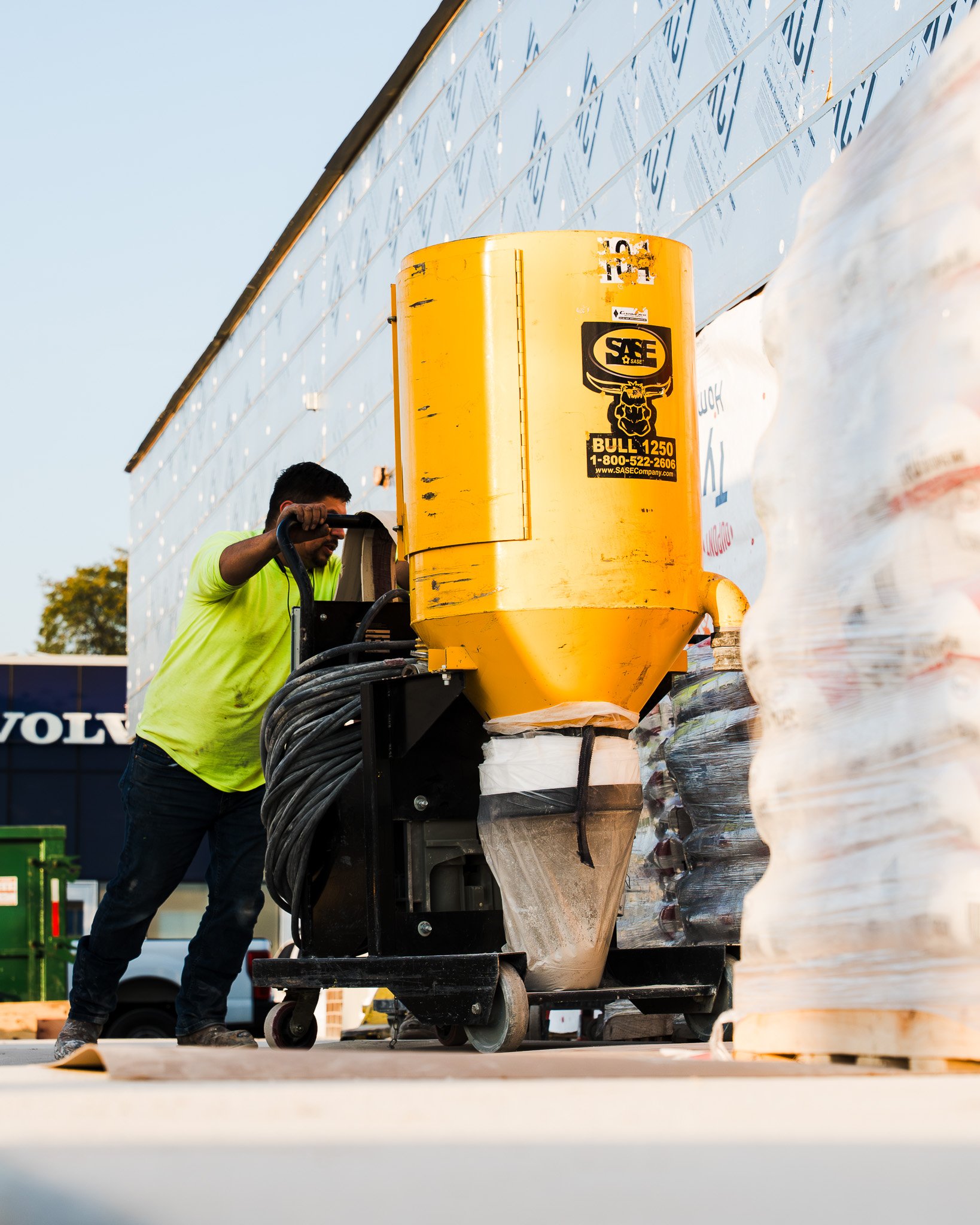

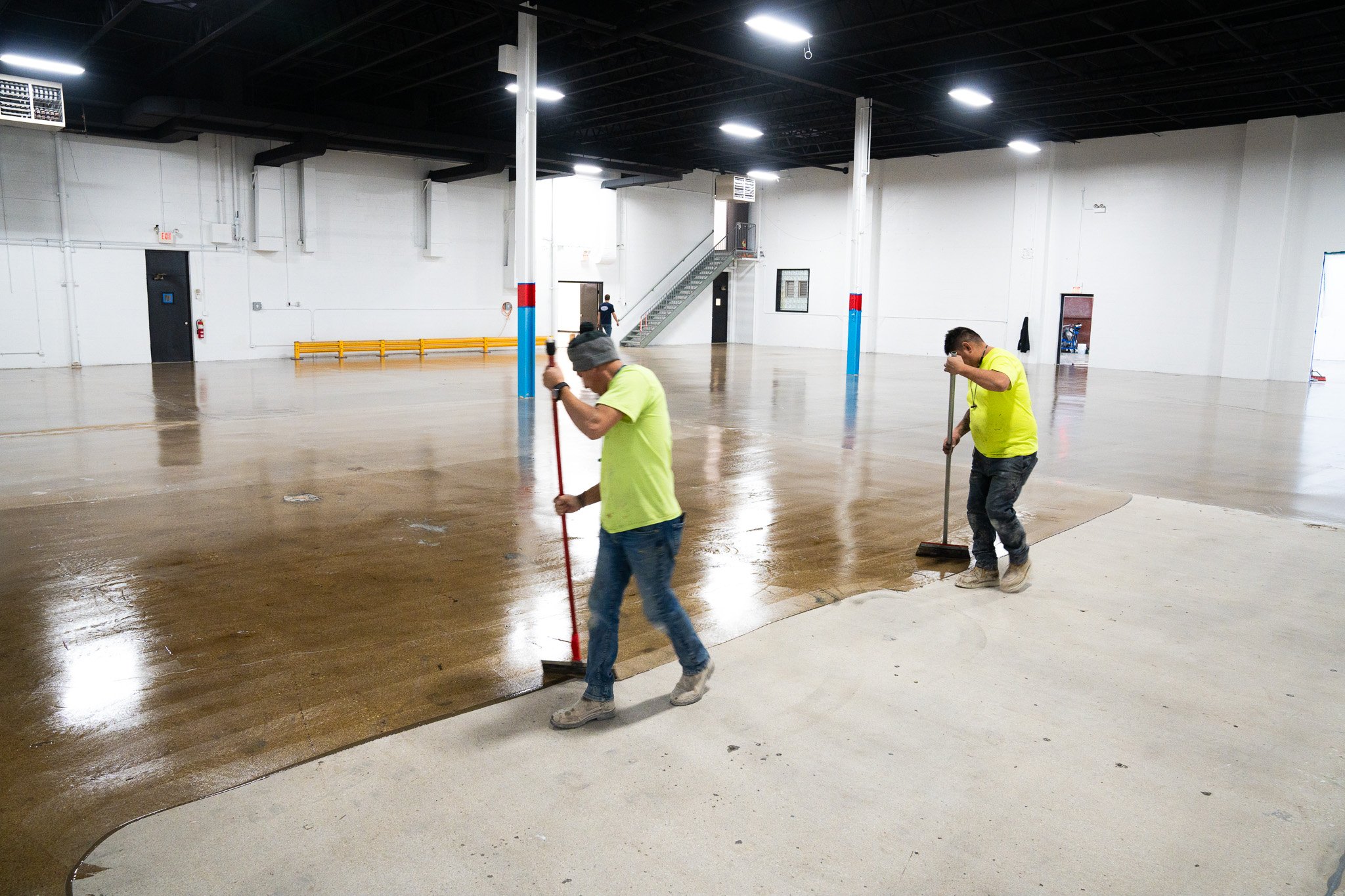
Facility managers often worry that installing concrete coatings means shutting down operations. For warehouses, manufacturing plants, food and beverage facilities, and distribution centers, downtime can be costly and disruptive. That’s why one of the most common early-stage questions is whether concrete coatings can be installed while a facility is still running.
At CustomCrete, this question comes up frequently during the planning phase—especially for facilities that operate multiple shifts or rely on continuous production.

Can Concrete Coatings Be Installed During Normal Operations?
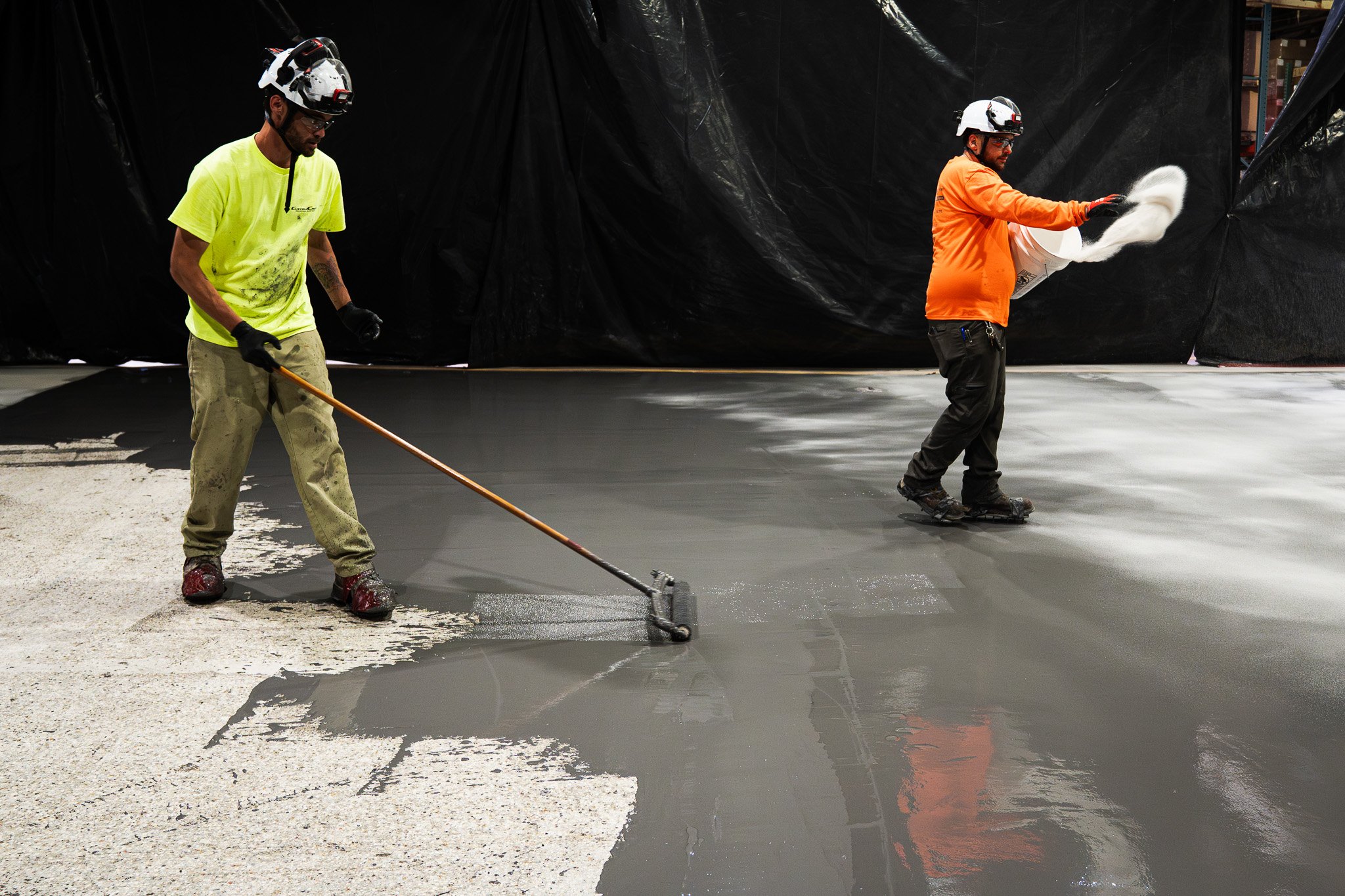
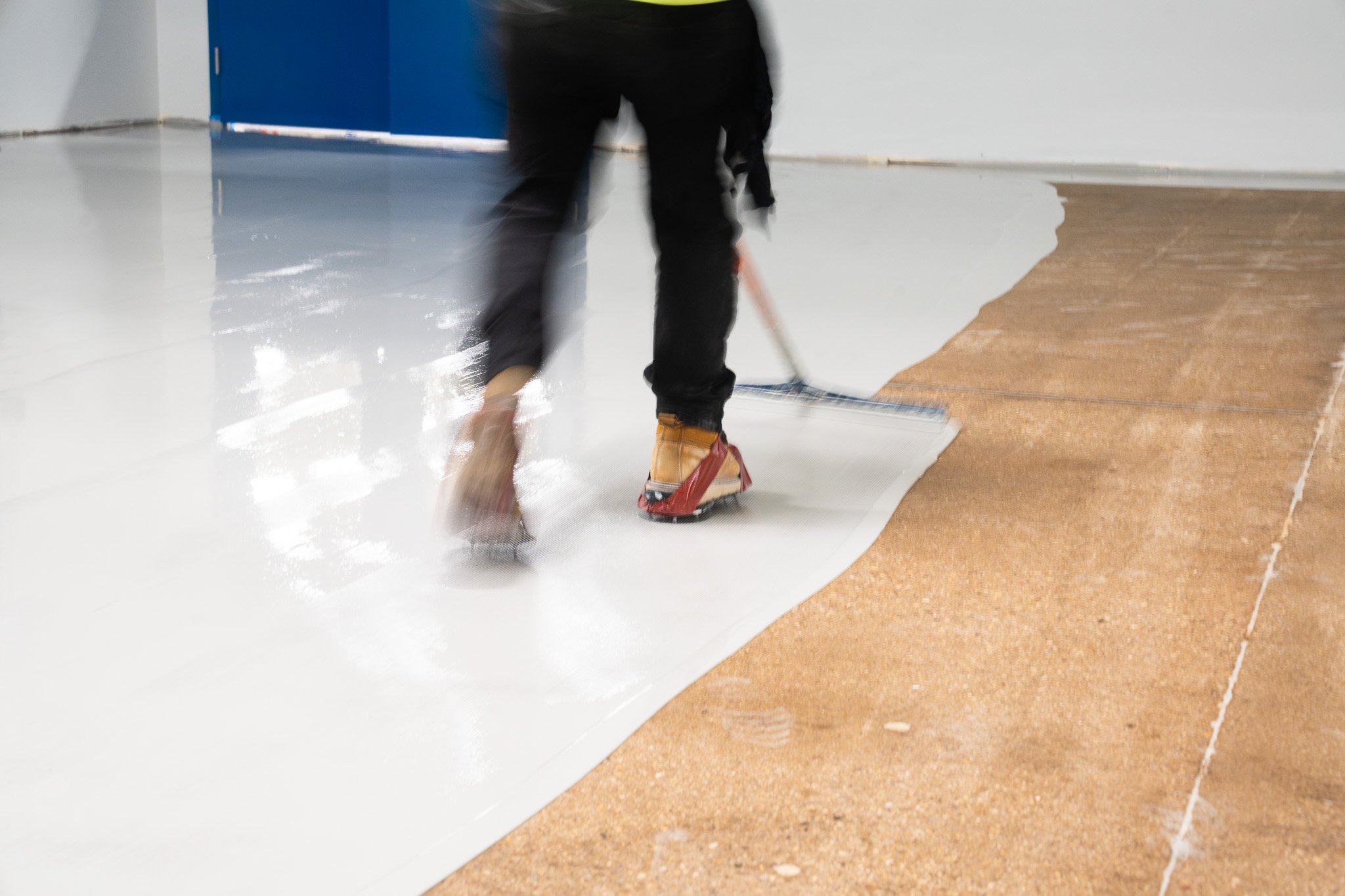
Yes, concrete coatings can sometimes be installed while a facility is operating—but it depends on the situation. Many industrial flooring projects are completed in phases, allowing parts of a facility to remain operational while work is performed in other areas.
That said, installing concrete coatings during active operations requires careful planning. Factors like safety, access, ventilation, noise, and curing time all influence whether phased installation is realistic.
When Do Facilities Stay Open During Installation?
Facilities are more likely to remain operational when:
- The building has multiple work zones that can be isolated
- Traffic patterns can be temporarily rerouted
- The coating system allows for faster cure times
- The work area does not affect critical production processes
In these cases, coatings may be installed during off-hours, weekends, or overnight shifts to reduce disruption.
Why Many Facilities Schedule Installations During Holidays
For very busy facilities, concrete coatings are often installed during scheduled shutdowns or holidays when the building is already closed. This approach minimizes operational risk and allows installers to work efficiently without interruption.
However, it’s important to understand that holiday or shutdown installations typically increase project costs. Labor rates may be higher, crews may work extended hours, and scheduling becomes more complex. While the higher cost can be worth it to avoid downtime, it’s an important factor to plan for in advance.
What Affects Installation Timing?
Several variables determine whether a facility can stay open during a concrete coating installation:
Coating Type
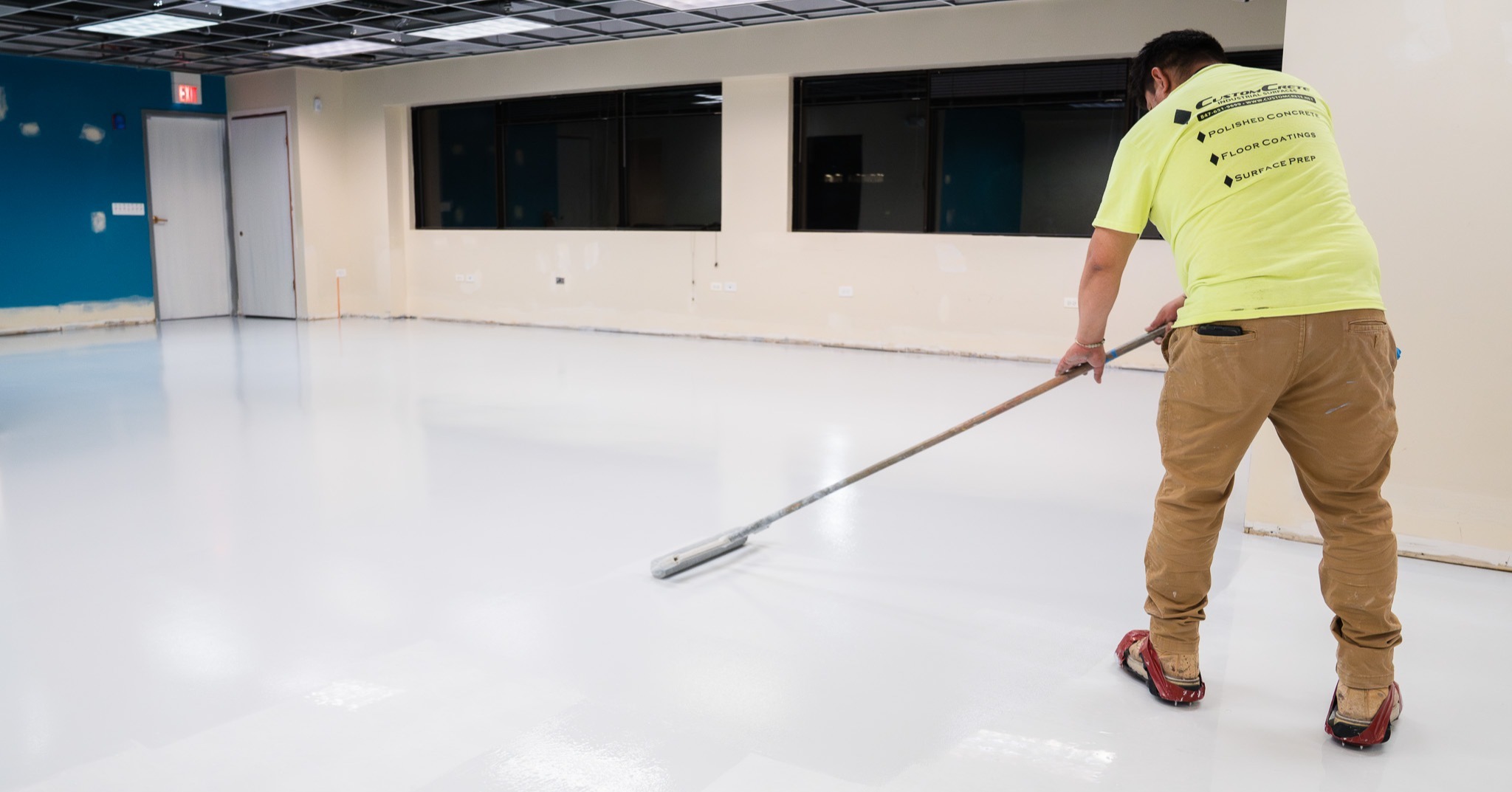
Some systems, like fast-curing epoxies or polyaspartics, allow for quicker return to service. Others, such as thicker industrial systems, may require longer cure times.
Surface Preparation
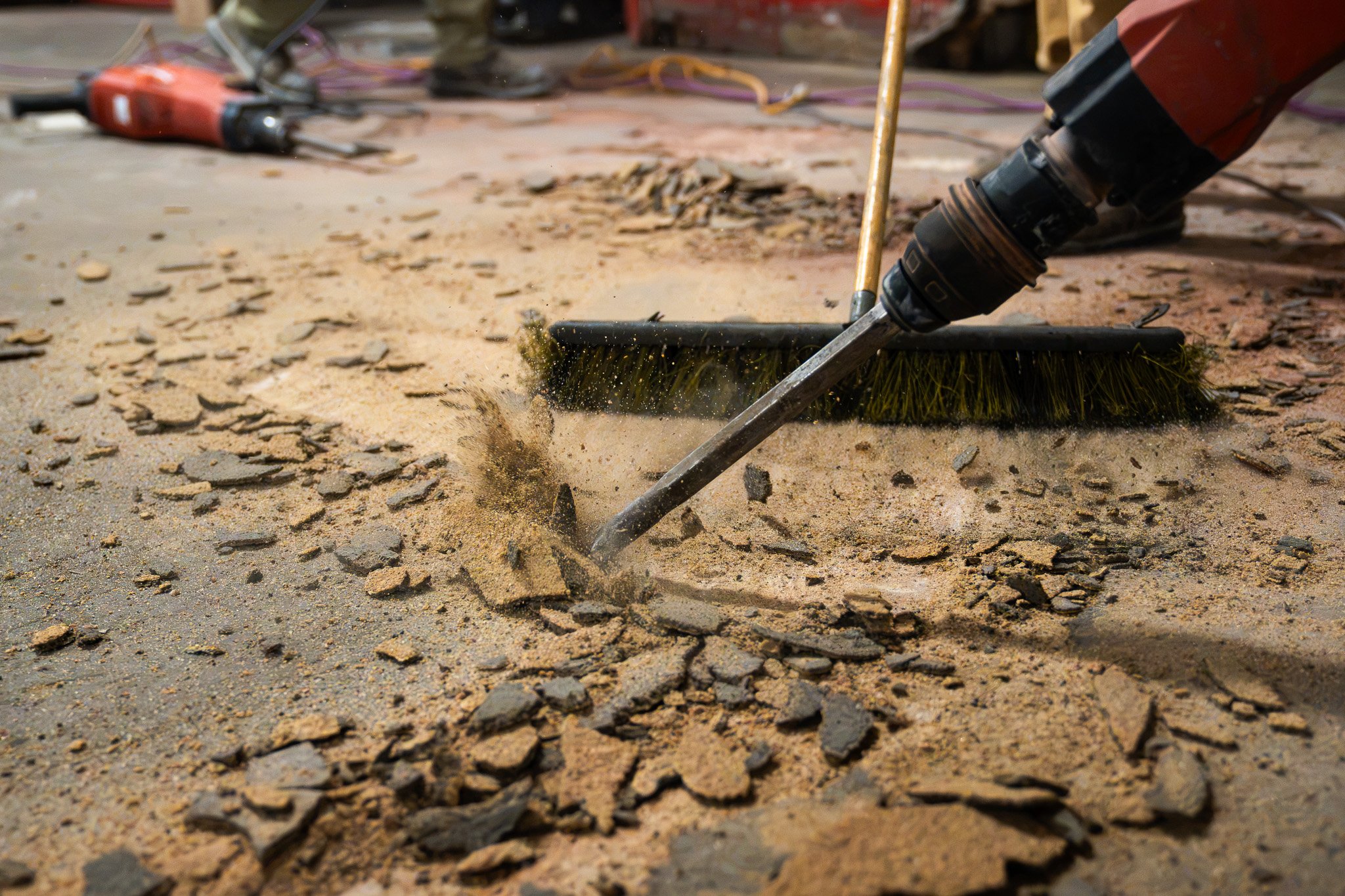
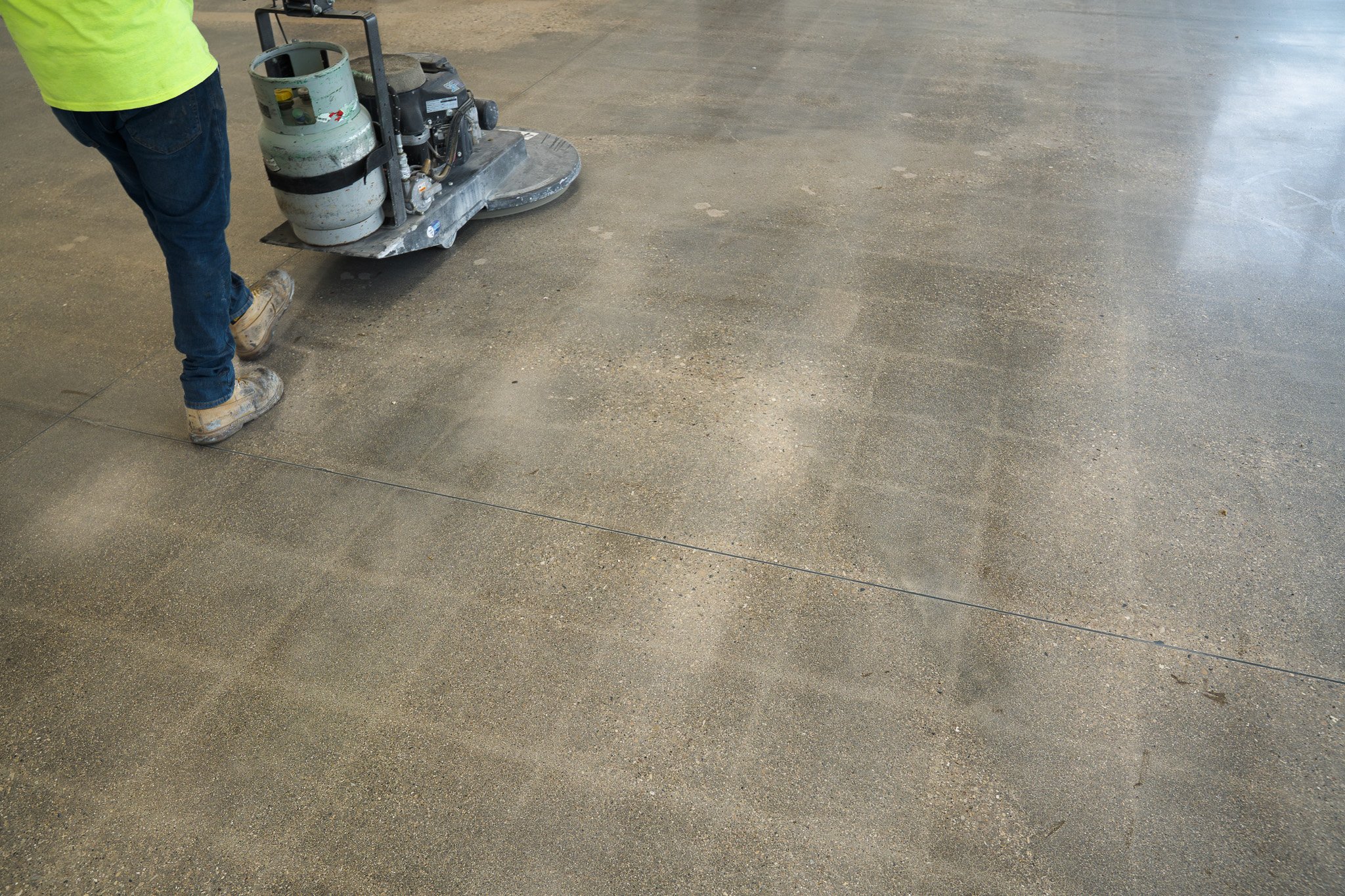
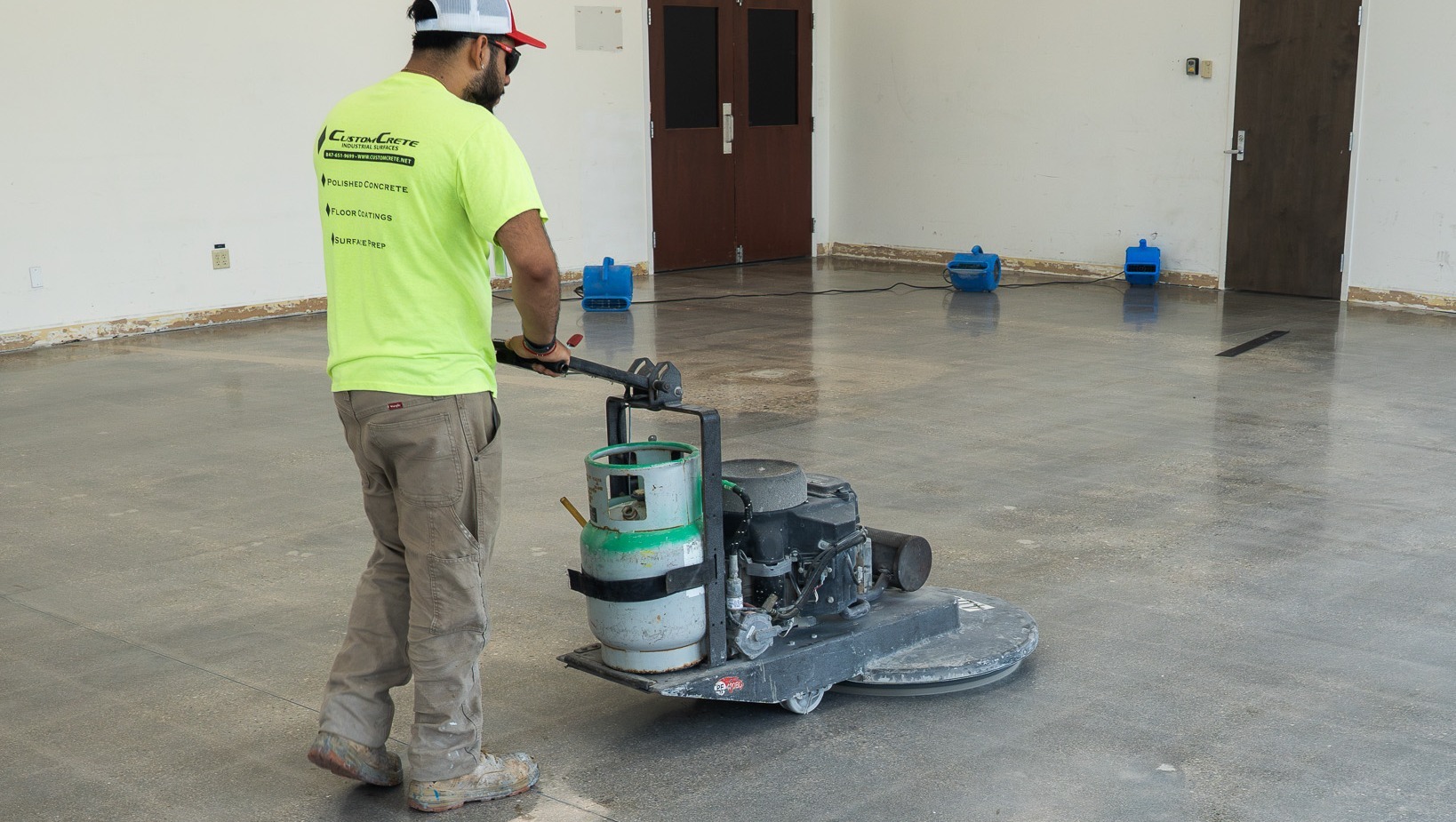
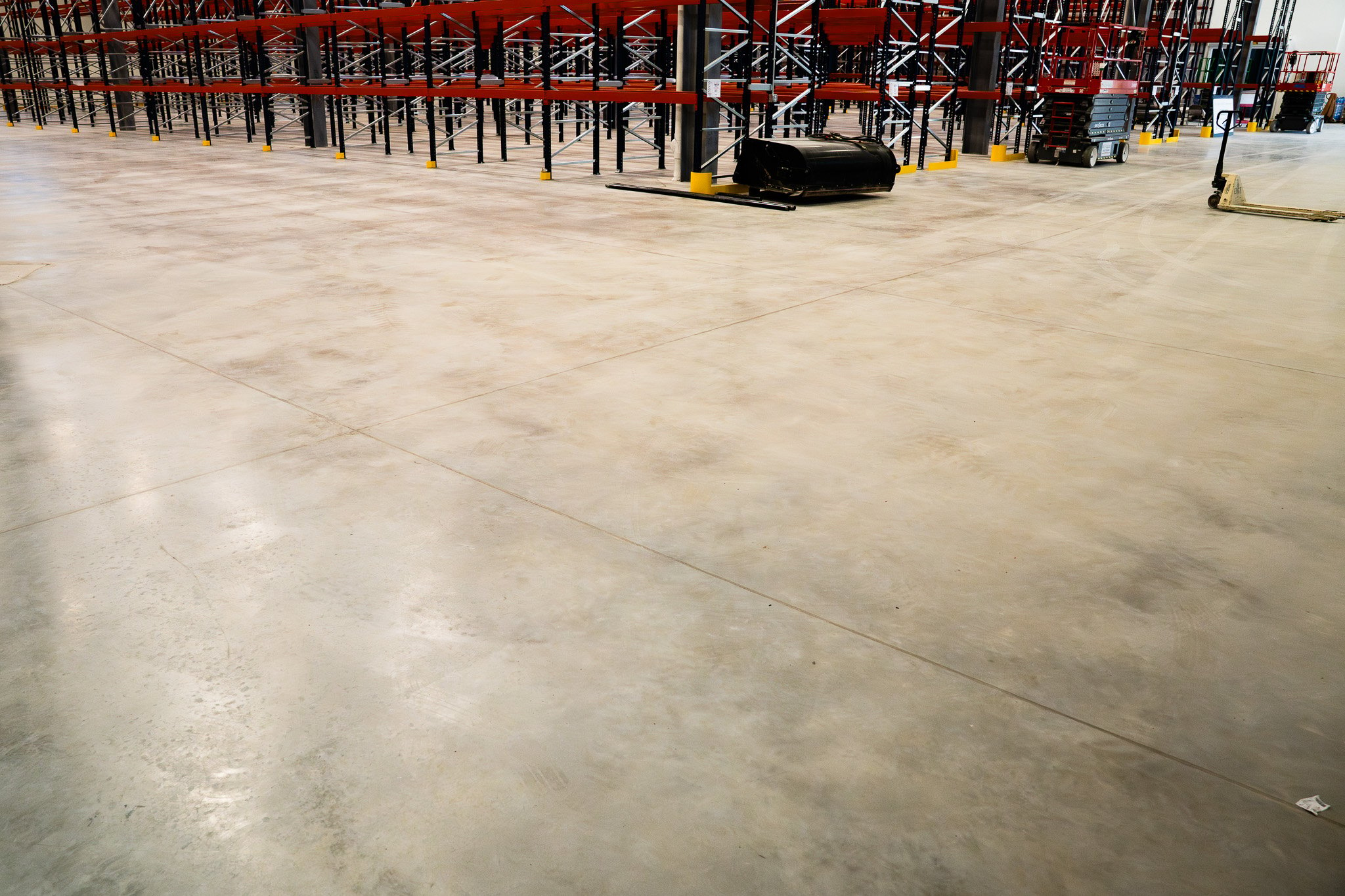
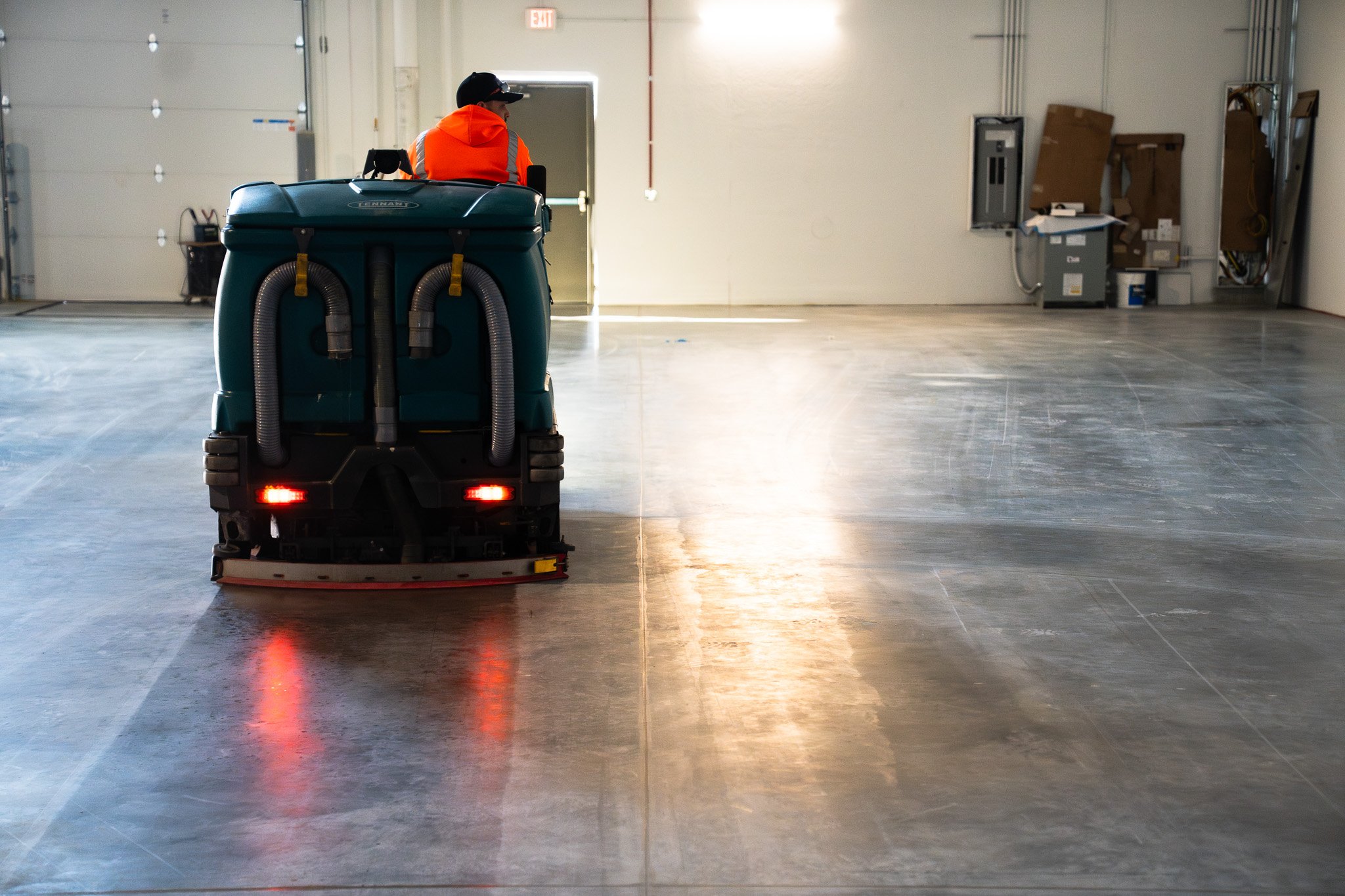
Grinding, shot blasting, and concrete repairs can create noise and dust, which may not be compatible with active operations in certain environments.
Safety Requirements
Active forklifts, foot traffic, and equipment movement must be kept separate from installation zones to maintain safety.
Facility Cleanliness Standards
Food, beverage, and pharmaceutical facilities often require shutdowns due to sanitation and air quality requirements.
Is It Better to Shut Down or Stay Open?
There is no one-size-fits-all answer. Staying open may reduce labor costs but extend the project timeline. Shutting down—especially during holidays—can speed up installation but often comes with higher costs.
The best approach balances downtime, safety, budget, and long-term floor performance.
Final Thoughts
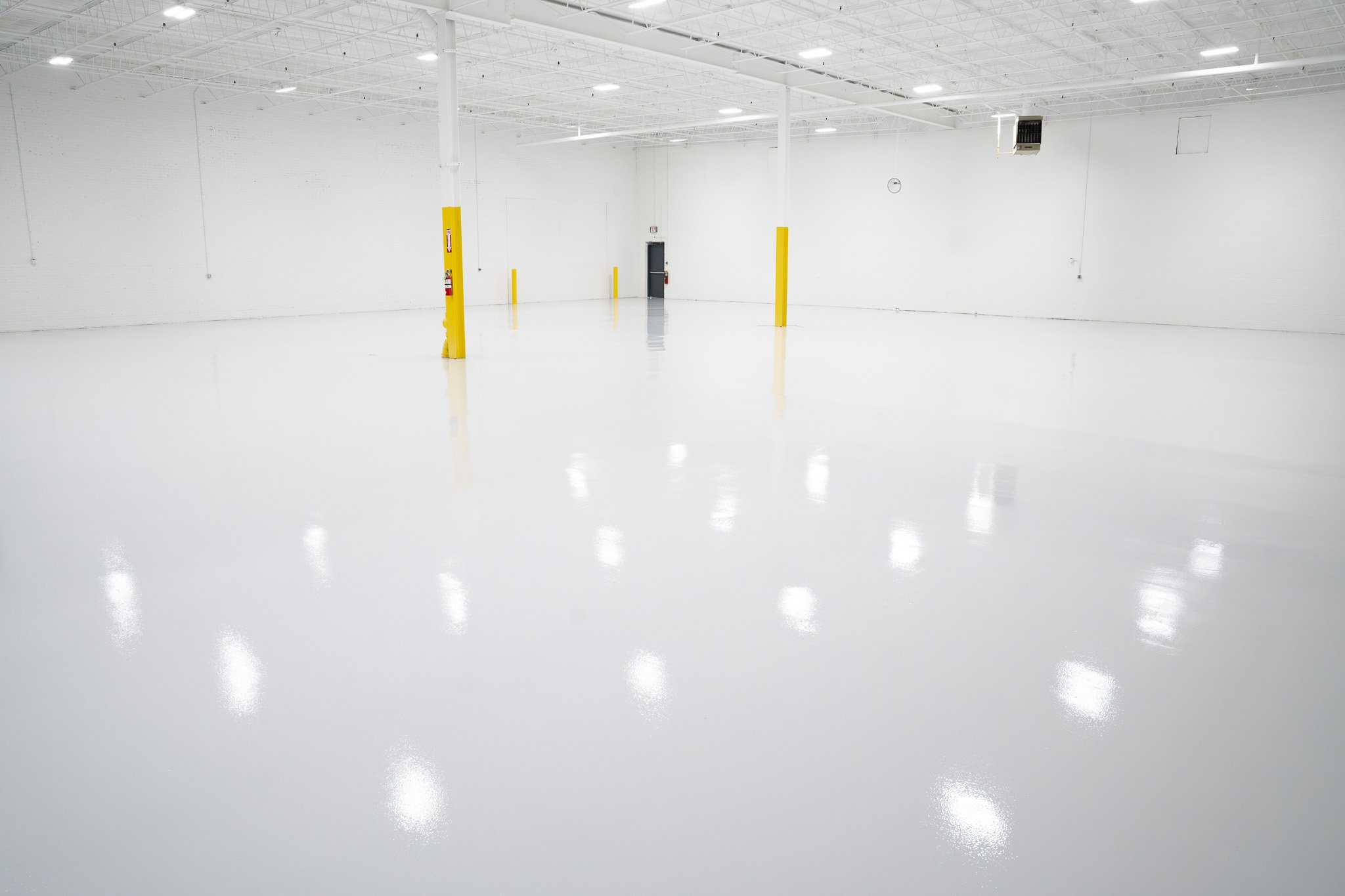
Concrete coatings can sometimes be installed while a facility is operating, but many high-traffic facilities choose holiday or scheduled shutdown installations to avoid operational disruptions—even though this typically increases costs. Understanding these trade-offs early helps facilities plan smarter and avoid surprises.
To learn more about industrial flooring planning, installation timing, and system selection, visit CustomCrete’s Learning Center. If you’re evaluating options for your facility, you can also request a quote to explore the best approach for your operation.

.jpg?width=2048&height=1365&name=CC108559%20(1).jpg)
.png?width=11520&height=9216&name=Untitled%20design%20(56).png)

.jpg?width=2048&height=1365&name=CC106221%20(1).jpg)
.jpg?width=2048&height=1365&name=CC102459%20(1).jpg)