
Warehouse floors take a beating every day. Forklift traffic, pallet movement, dropped materials, and constant foot traffic all put stress on the concrete slab. Because of this, choosing the right concrete floor treatment is not just a cosmetic decision—it directly affects durability, maintenance costs, and long-term performance.
Three popular options often considered for concrete flooring for warehouses are Ashford Formula, grind and seal acrylic systems and polished concrete. While both improve the strength and usability of concrete, they differ in installation, performance under traffic, maintenance needs, and lifespan. Understanding these differences helps warehouse decision-makers choose the solution that best fits their operations.

Why Floor Selection Matters in Warehouse Environments
Warehouses operate under conditions that demand reliable, low-maintenance floors. Heavy loads, repetitive traffic patterns, and tight timelines leave little room for flooring failures. Poor floor choices can lead to dusting, surface wear, joint damage, and increased maintenance expenses.
Both Ashford Formula grind and seal acrylic and polished concrete are designed to enhance concrete flooring for warehouses, but they achieve results in different ways. Evaluating how each system performs under real-world warehouse conditions is essential before making an investment.
What Is an Ashford Formula Concrete Treatment?
Ashford Formula is a penetrating concrete densifier designed to harden and dustproof new or freshly placed concrete. Rather than creating a coating or surface film, Ashford Formula chemically reacts with free lime in the concrete to densify the slab from within. The result is a harder, more abrasion-resistant surface that produces less dust and requires minimal ongoing maintenance.
Ashford Formula is most commonly used in warehouses, distribution centers, and industrial facilities where durability and dust control are priorities, but a high-gloss decorative finish is not required.
How Ashford Formula Is Applied
- Ashford Formula is applied to new or recently placed concrete
- The densifier penetrates the slab and chemically hardens the surface
- No topical coating or acrylic sealer is applied
This treatment improves surface strength and dust resistance without changing the natural look of the concrete or adding a film that can wear over time.
What Is a Grind and Seal Acrylic System?
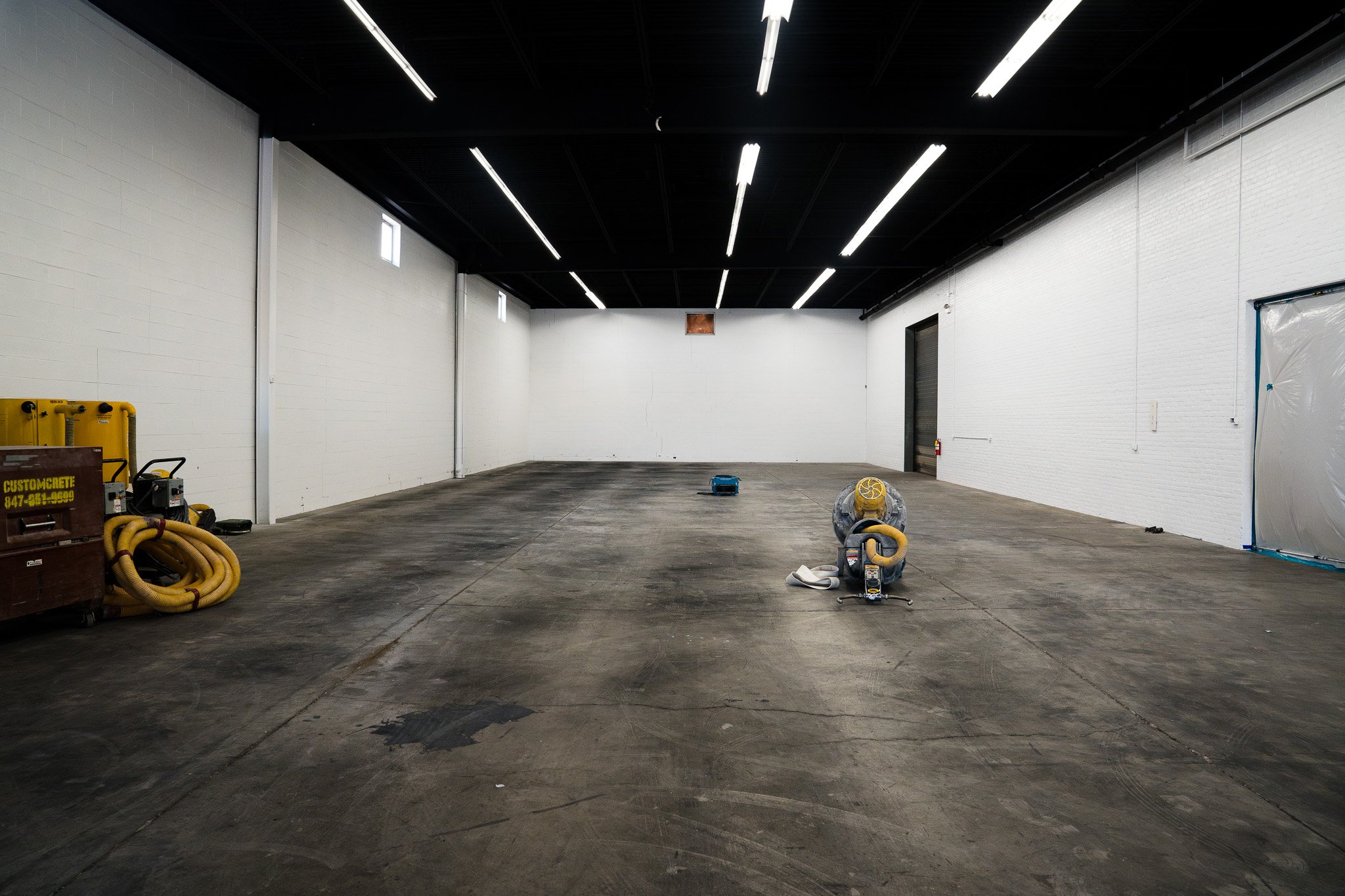
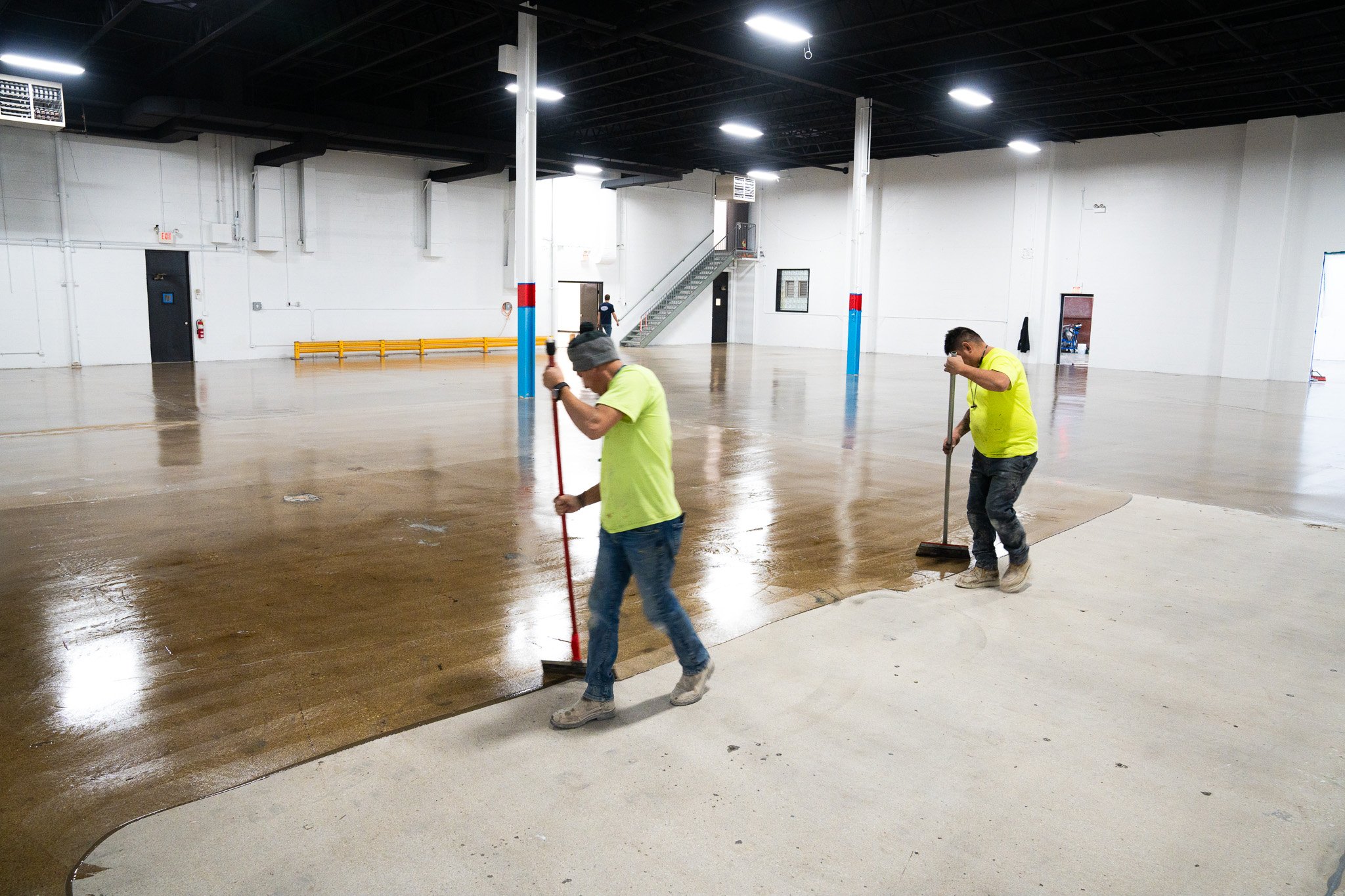
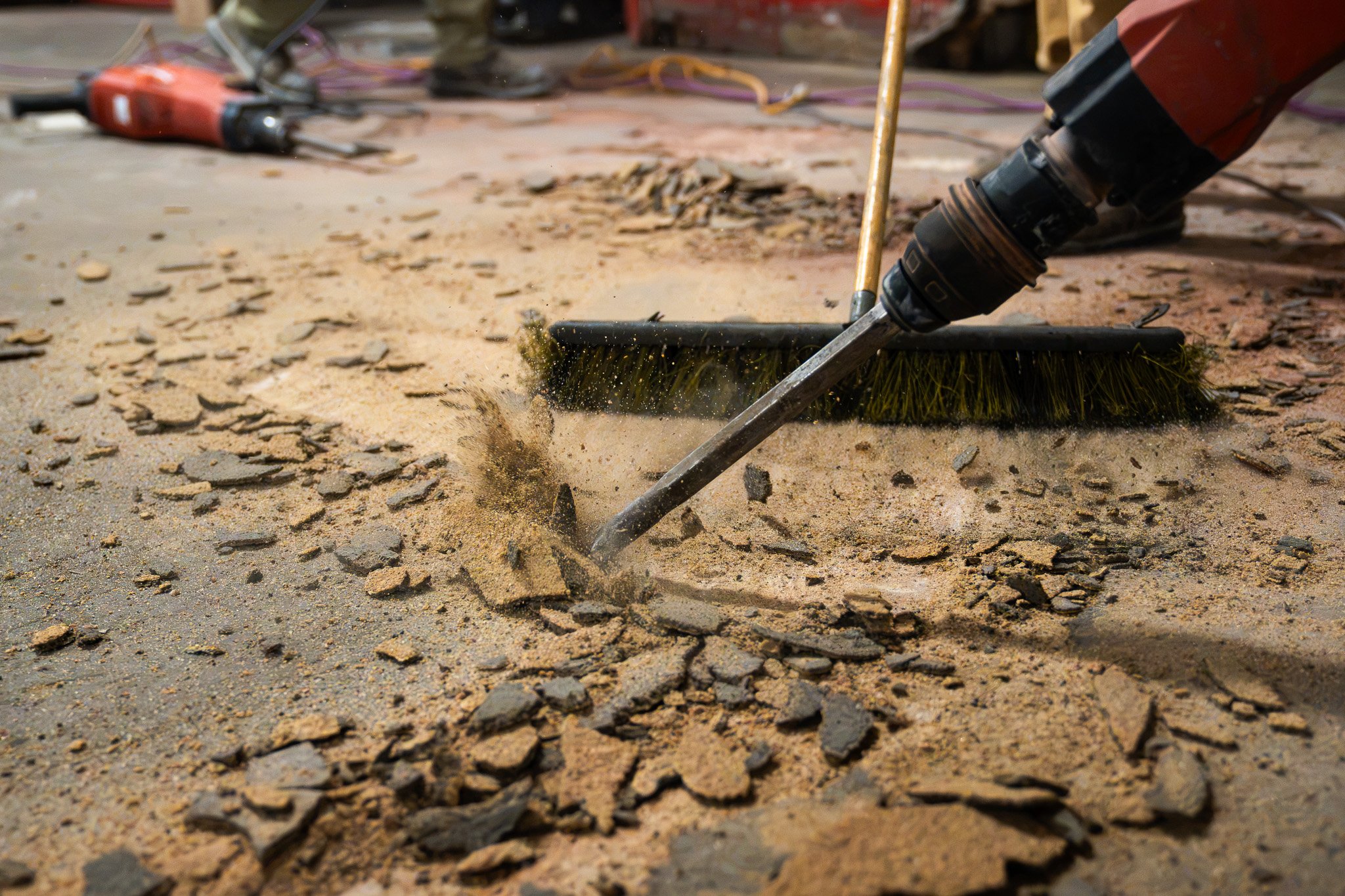
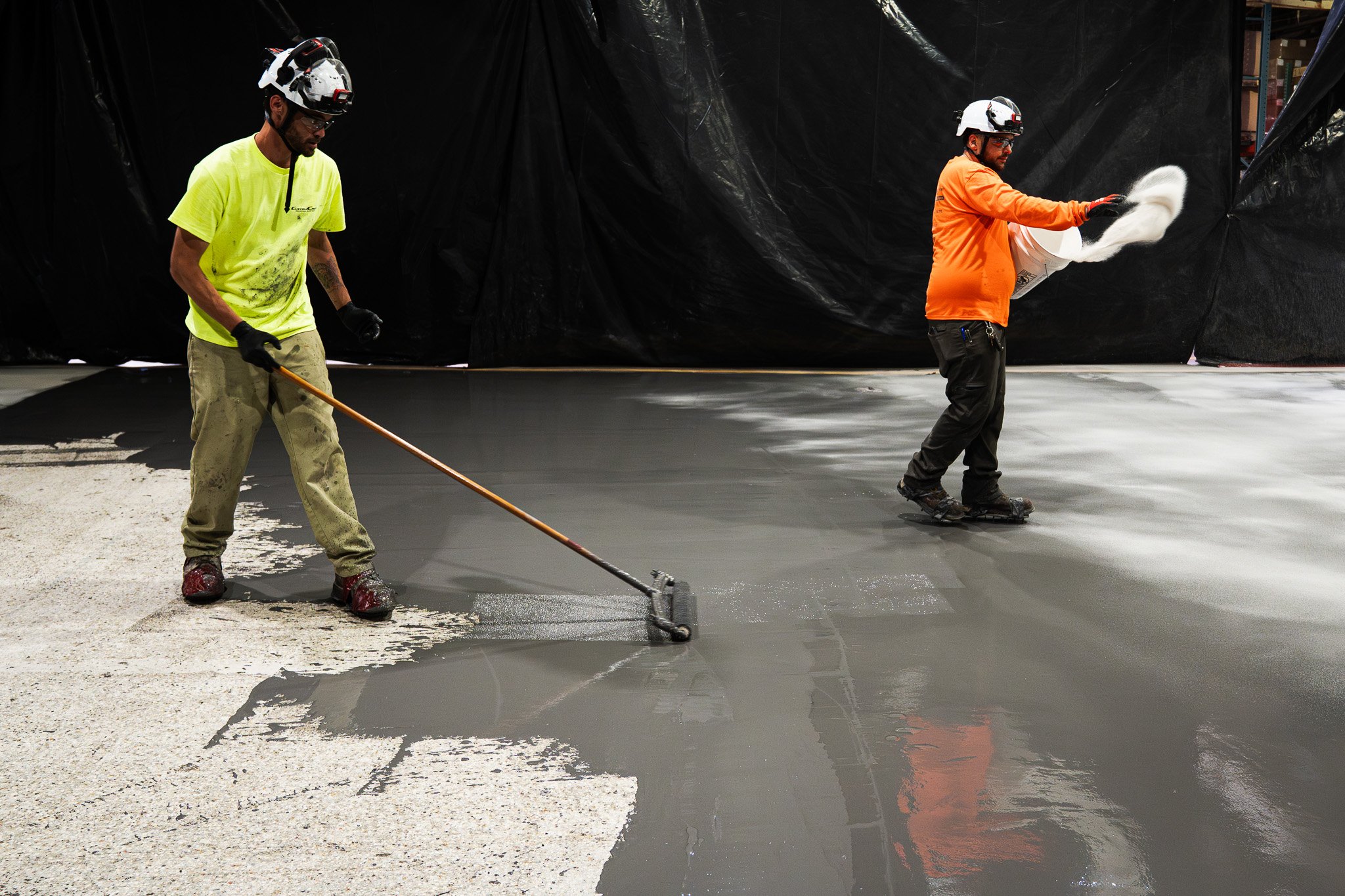
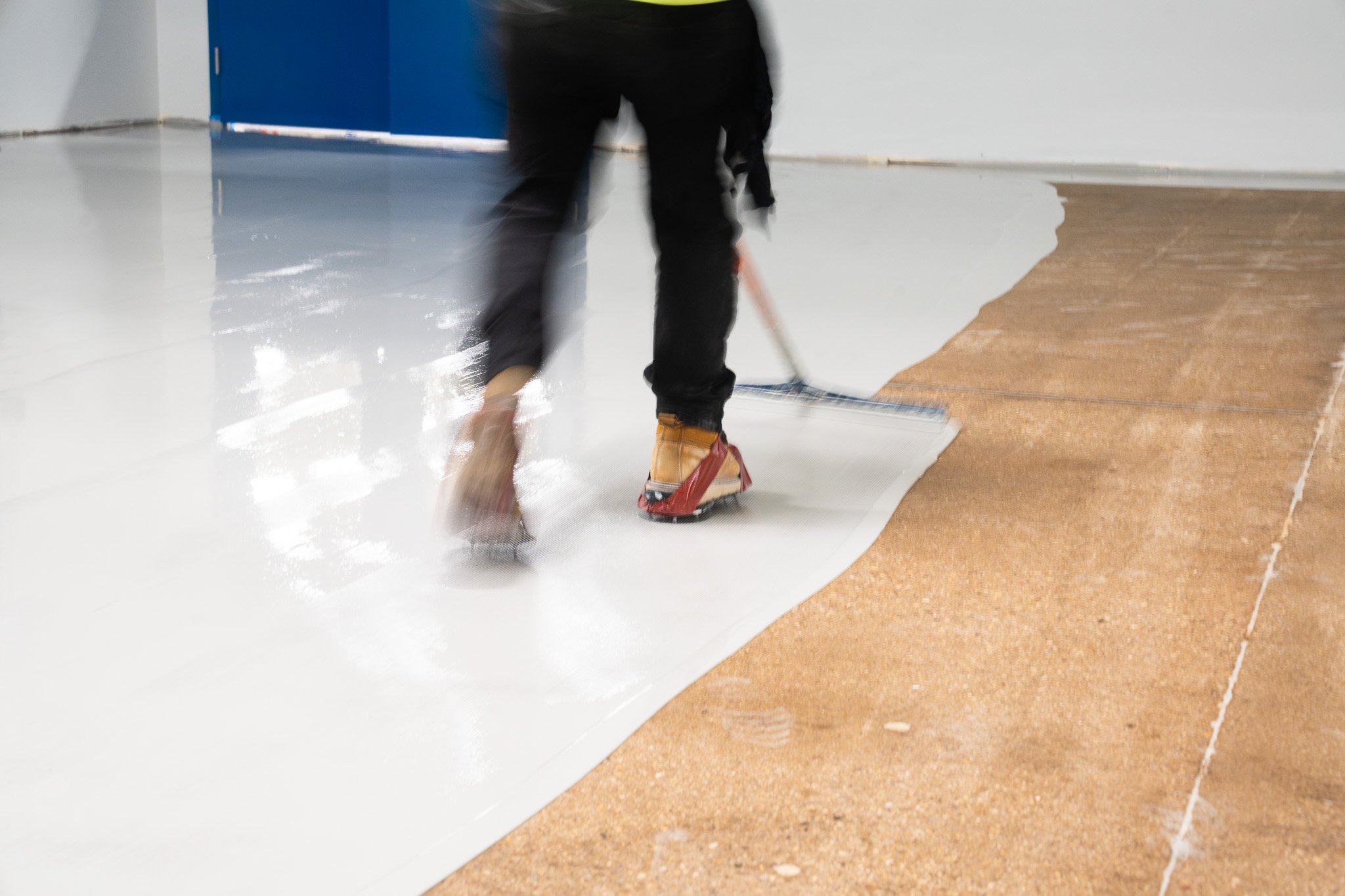
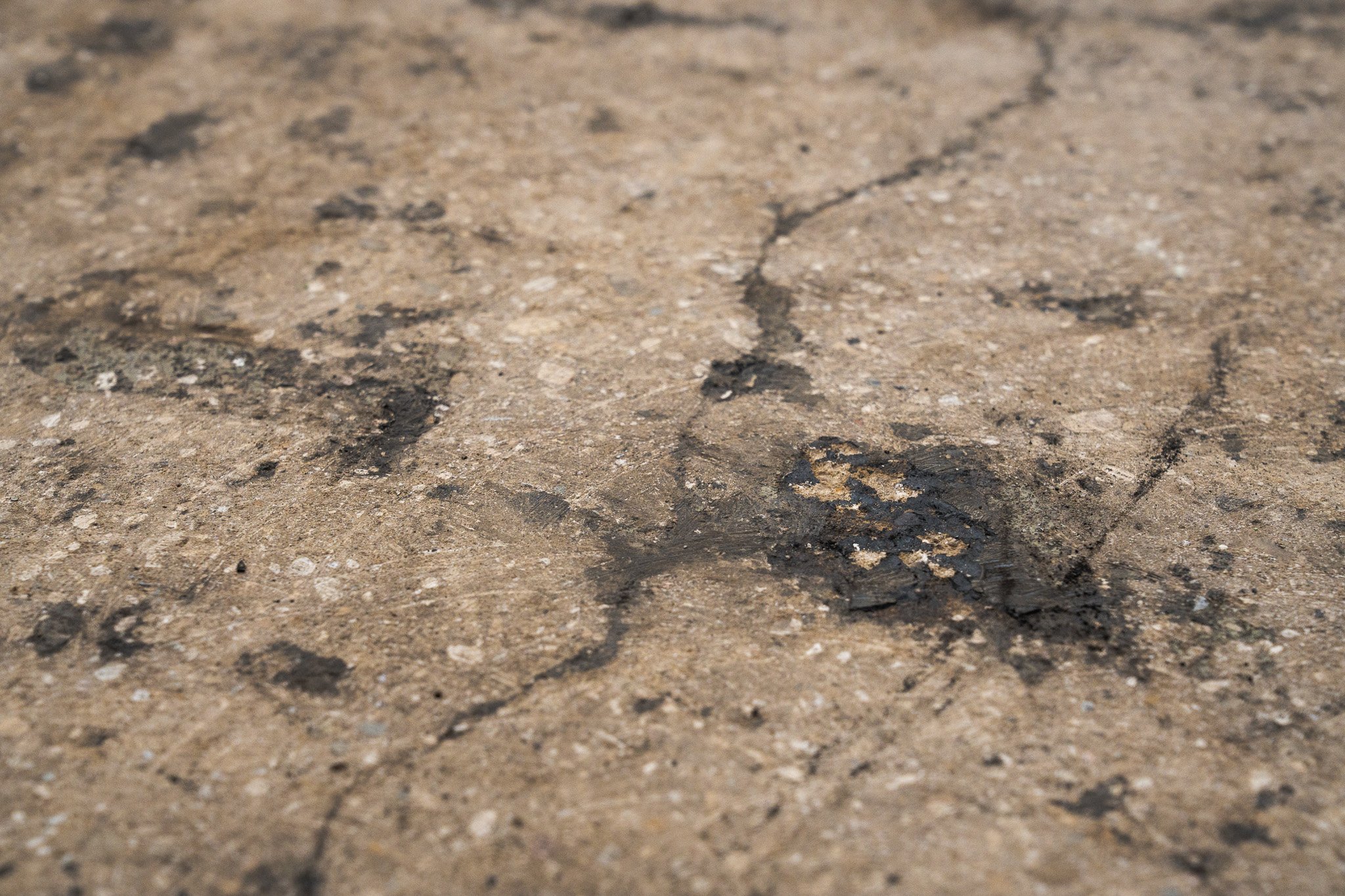
A grind and seal acrylic system is a surface preparation and protection method typically used on older or existing concrete floors. This approach involves mechanically grinding the slab to clean, smooth, and open the surface, followed by the application of a topical acrylic sealer.
Unlike Ashford Formula, a grind and seal system relies on a surface-applied sealer to provide protection, improve appearance, and reduce dusting.
How a Grind and Seal Acrylic System Is Installed
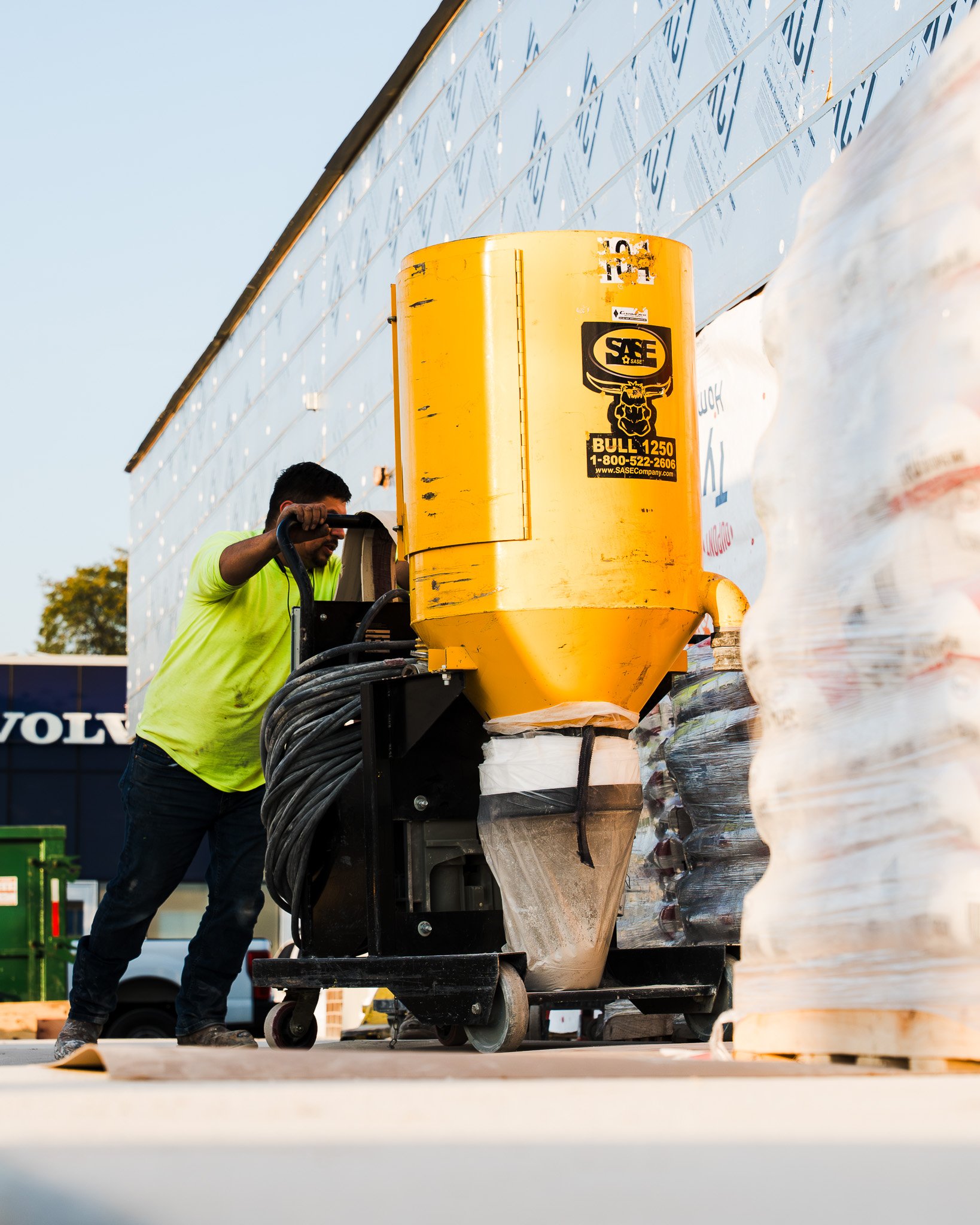
- The concrete is mechanically ground to remove surface contaminants and imperfections
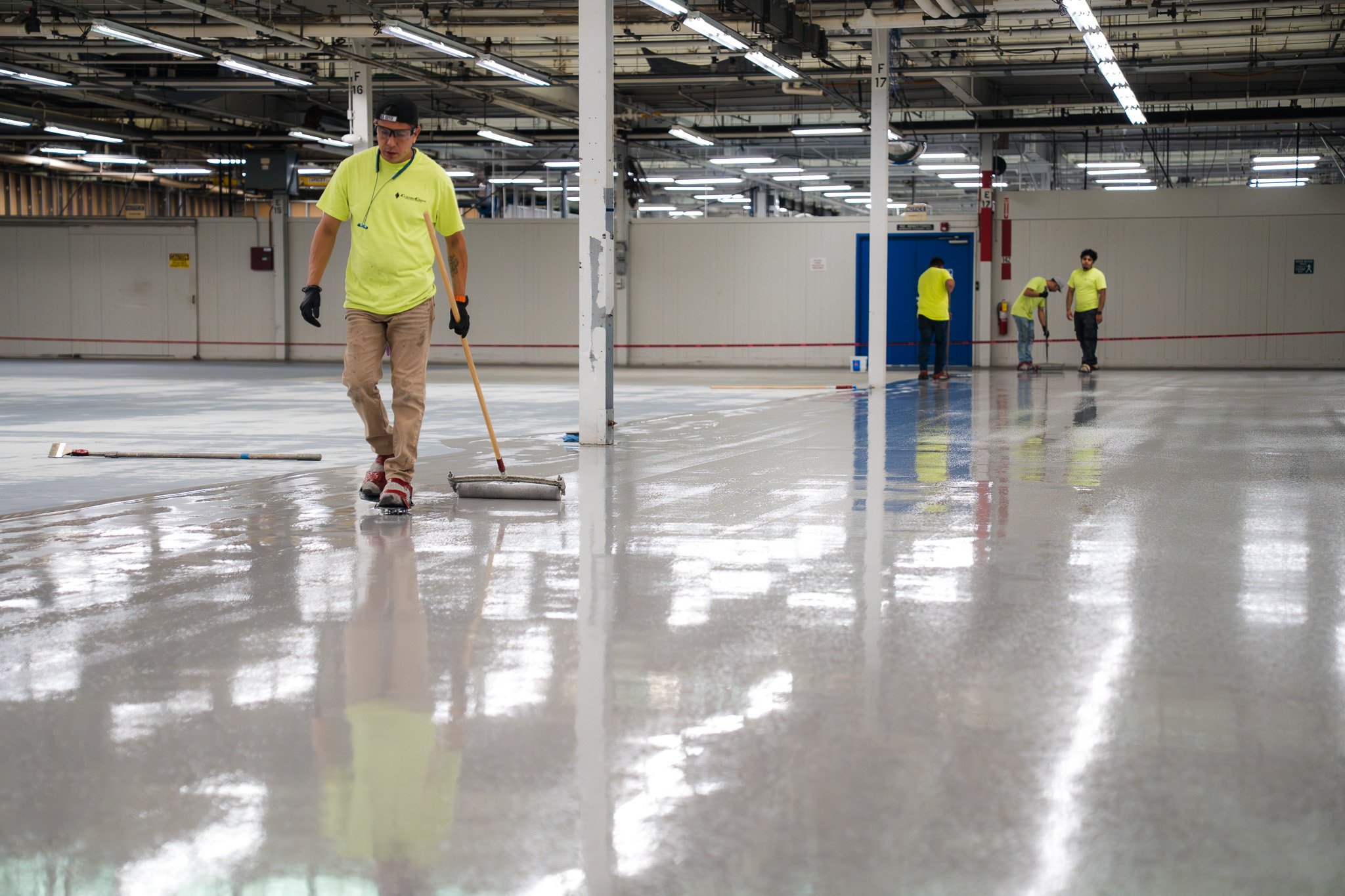
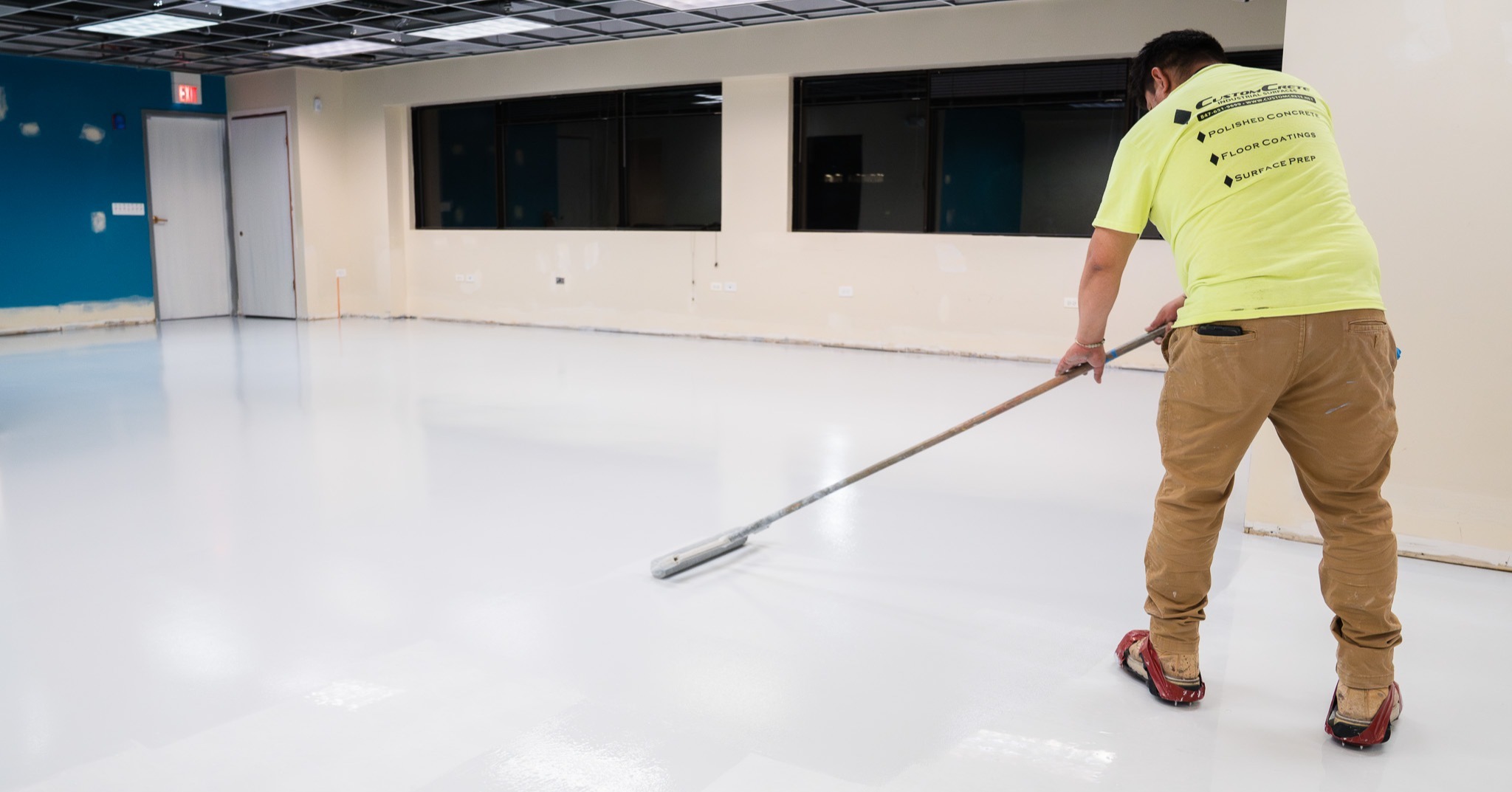
- An acrylic sealer is applied to protect the surface and enhance appearance
This system creates a functional, sealed floor with fewer steps than polished concrete, making it a practical option for facilities looking to refresh worn concrete without the cost or downtime of full polishing.
What Is Polished Concrete?
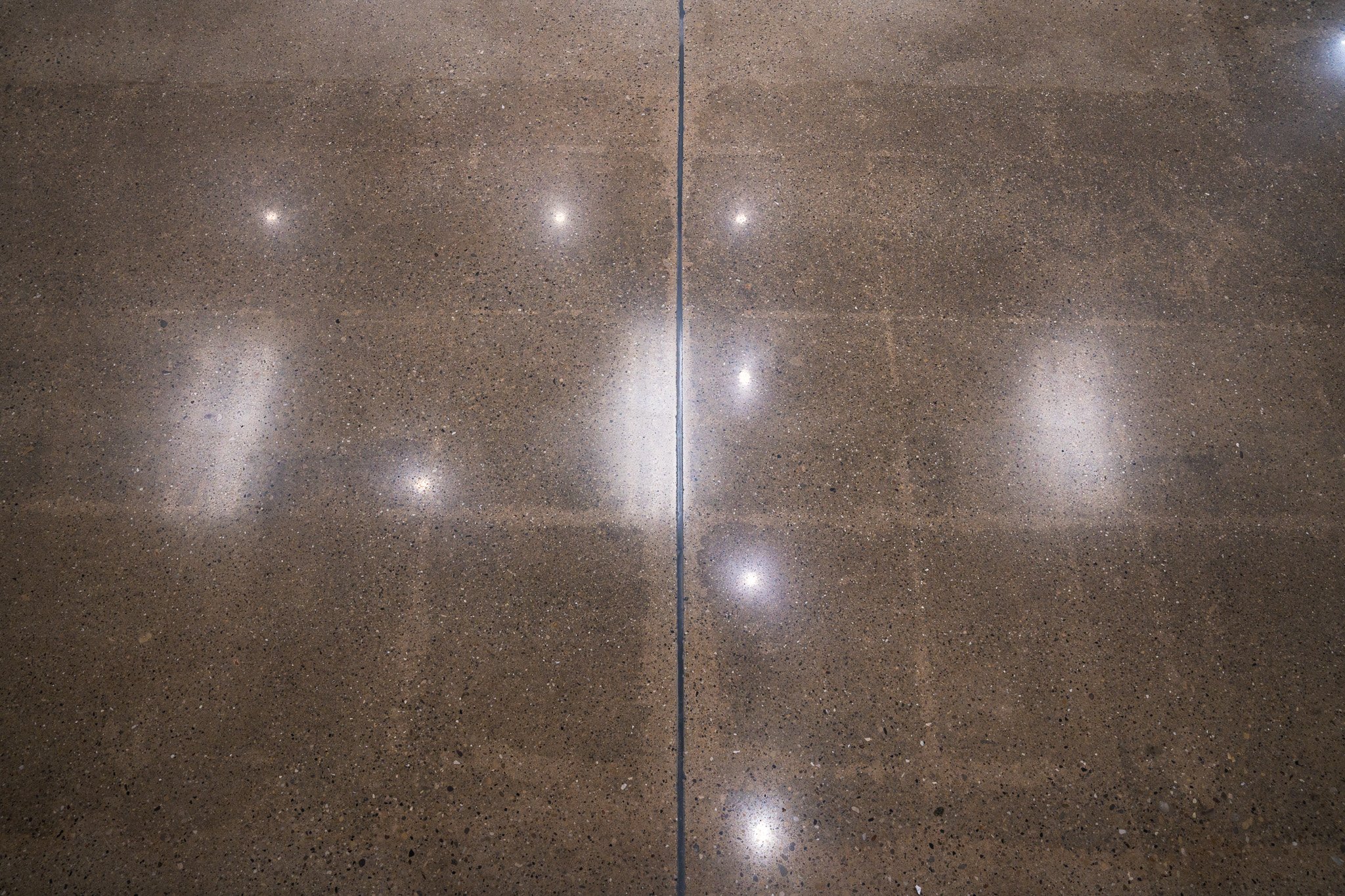
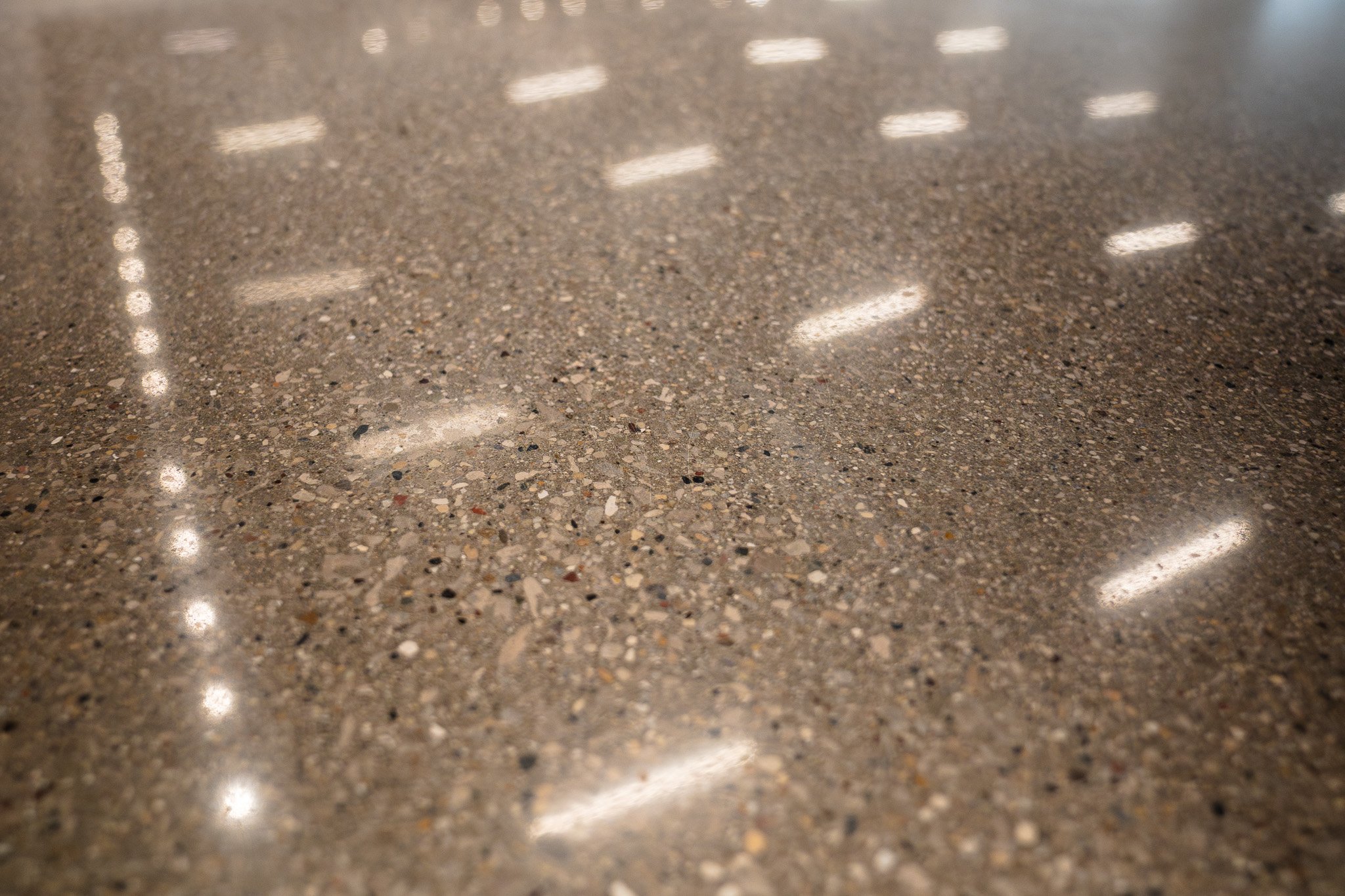
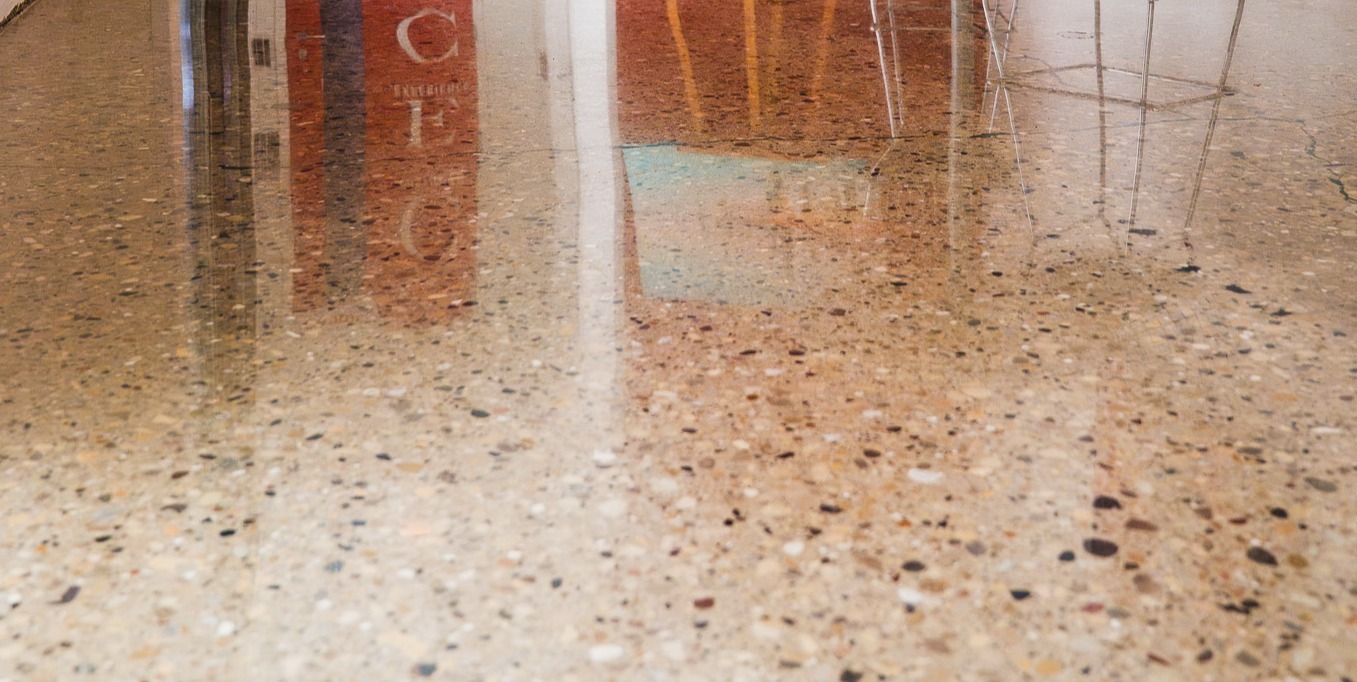
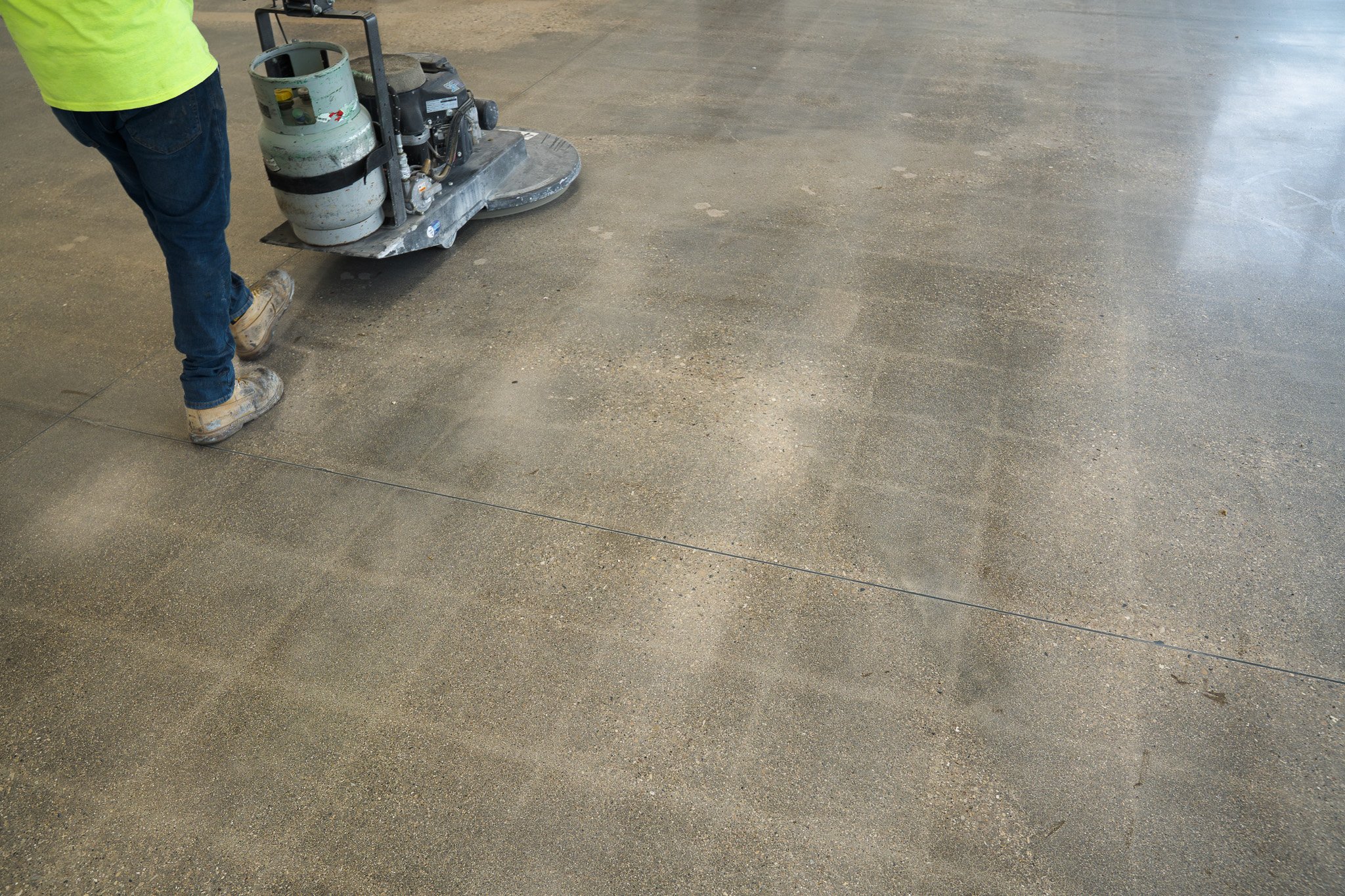
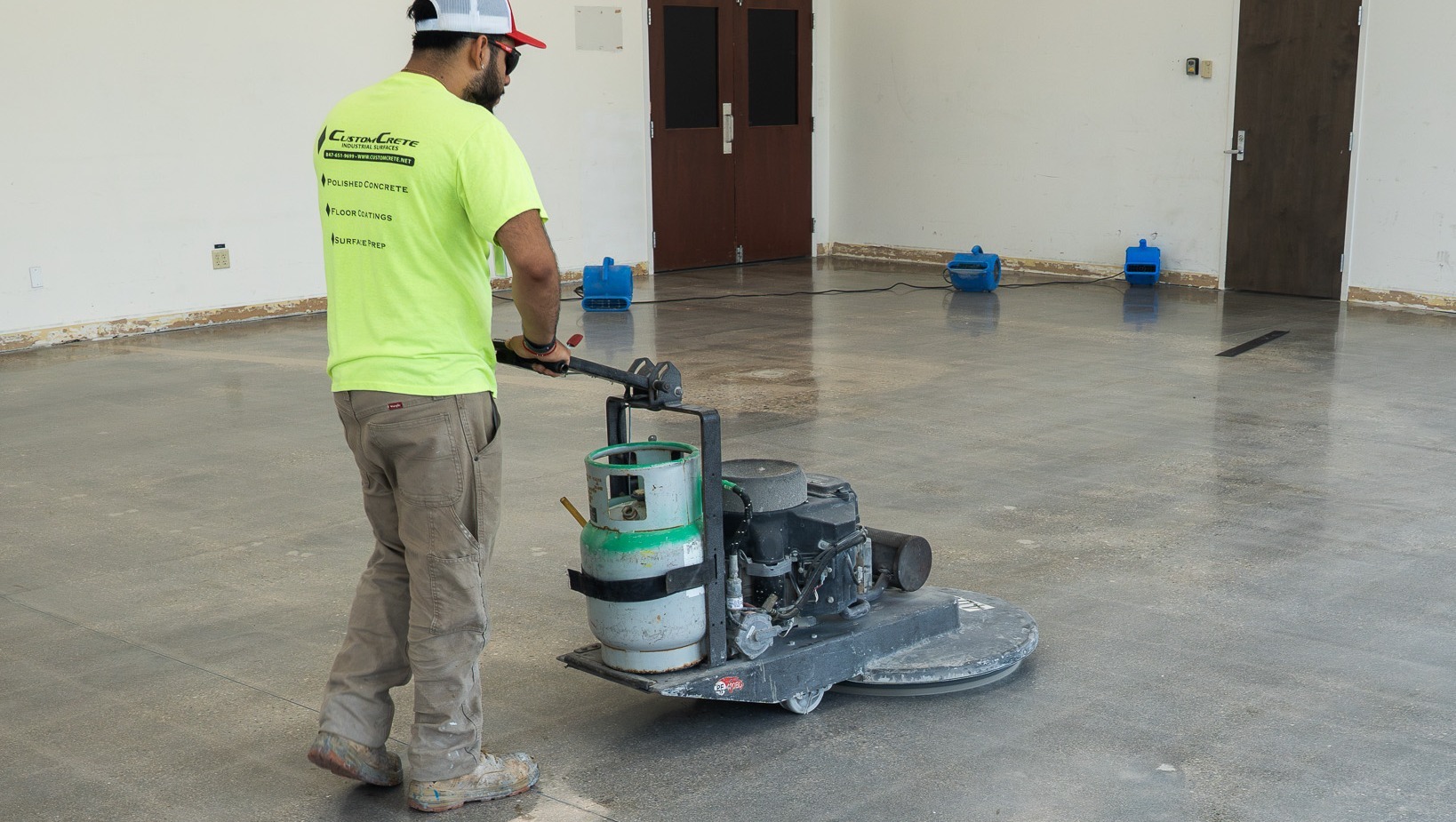
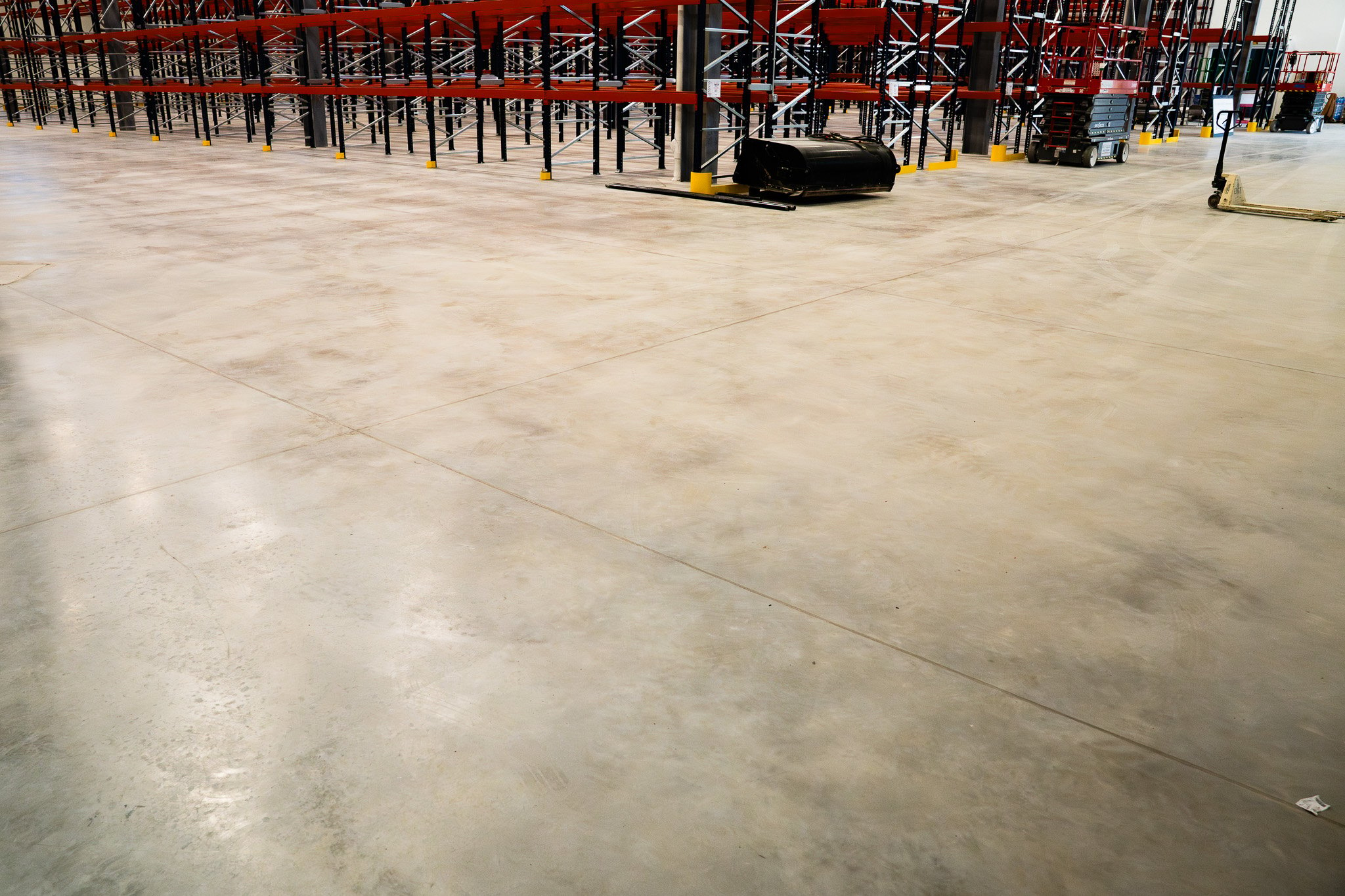
Polished concrete is a multi-step mechanical process that refines the concrete surface using progressively finer grinding and polishing tools. Densifiers are applied during the process, and the floor is polished to a specific gloss level based on operational needs.
How Polished Concrete Is Applied
- Initial grinding removes surface imperfections
- Densifier strengthens the concrete internally
- Multiple polishing steps refine the surface
- Optional guards or protectants enhance stain resistance
Polished concrete focuses on long-term durability and surface refinement rather than relying on a topical coating.
Performance Under Forklift Traffic and Daily Wear
Forklift traffic is one of the most demanding stressors on concrete flooring in warehouse environments. Repeated tire movement, tight turning radiuses, and concentrated loads can accelerate surface wear if the flooring system is not matched correctly to traffic intensity.
Ashford Formula
Ashford Formula performs well in facilities with new concrete slabs that experience light to moderate forklift traffic. Because it penetrates and hardens the concrete from within, it improves surface strength and significantly reduces dusting without introducing a topical layer that can peel or flake.
However, Ashford Formula does not create a wear layer. In environments with constant turning traffic or heavy forklift use, surface abrasion will still occur over time, even though the slab itself remains hardened.
Grind and Seal Acrylic
A grind and seal acrylic system can perform adequately in moderate forklift traffic environments, particularly when the goal is to refresh an older slab and improve cleanliness. The acrylic sealer provides surface protection and enhances appearance, but it is a sacrificial layer.
In high-traffic forklift lanes, the acrylic sealer will wear down over time and typically requires periodic reapplication to maintain performance and dust control.
Polished Concrete
Polished concrete offers the highest resistance to abrasion under forklift traffic. Because the surface is mechanically refined and densified without relying on a topical coating, there is no wear layer to break down under constant use.
This makes polished concrete especially well-suited for warehouses with heavy, continuous forklift traffic and high daily operational demands.
For facilities with intense, nonstop forklift activity, polished concrete often delivers the strongest long-term wear resistance with the lowest maintenance requirements.
Maintenance Expectations and Long-Term Care
Maintenance is a major factor when comparing these systems, especially in large facilities.
Grind and Seal Acrylic Maintenance
- Requires regular cleaning with non-aggressive cleaners
- Acrylic sealer may need reapplication as traffic increases
- Maintenance schedules are shorter in high-use areas
Polished Concrete Maintenance
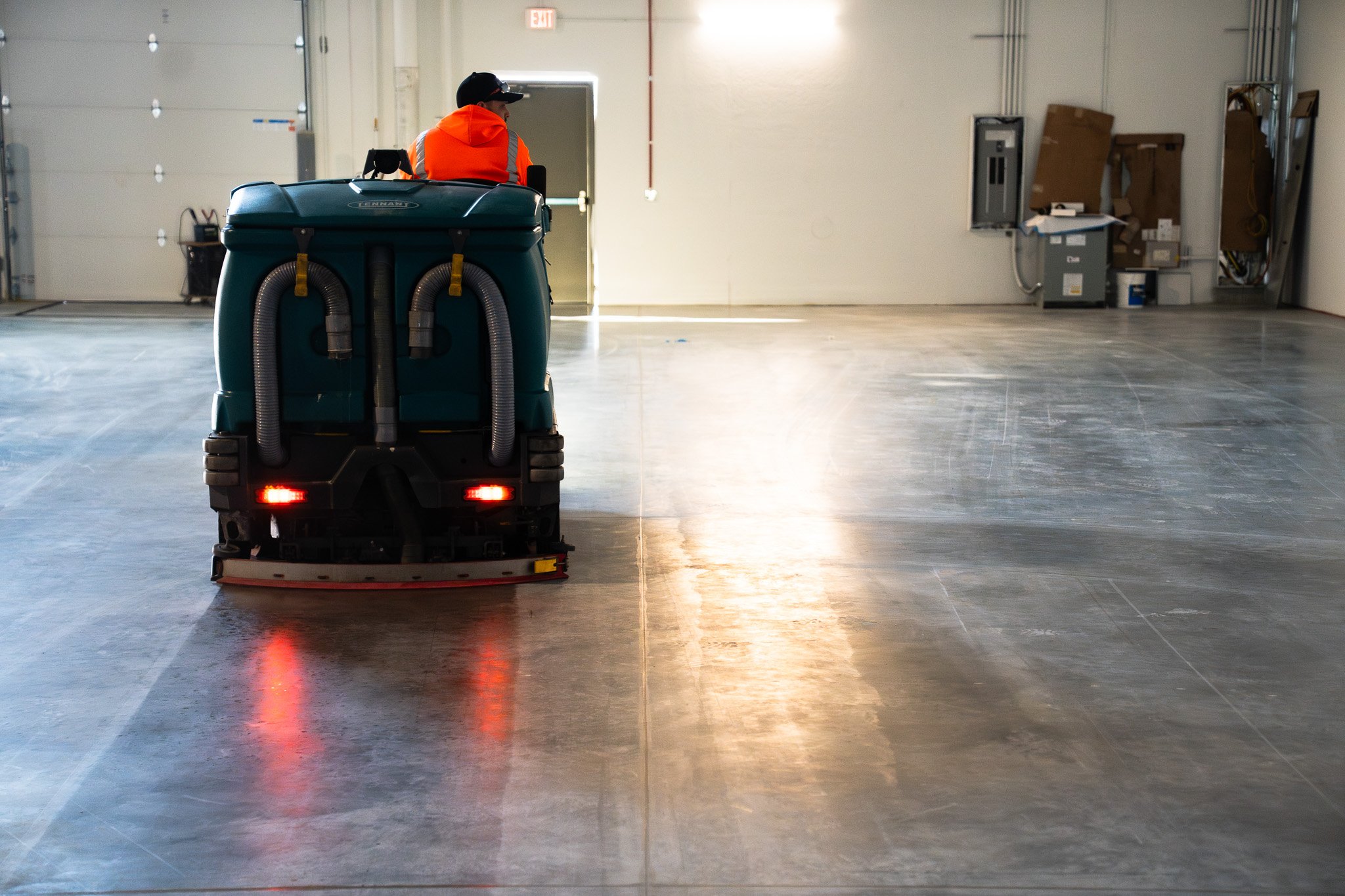
- Simple cleaning with auto-scrubbers and neutral cleaners
- No coating to strip or reapply
- Lower long-term maintenance costs
When evaluating concrete flooring for warehouses, polished concrete typically offers a lower maintenance burden over time.
Longevity and Life Cycle Differences
Both Ashford Formula and grind and seal acrylic systems can extend the usable life of a concrete floor, but they do so in very different ways. Understanding how each system ages over time is critical when planning for long-term warehouse operations.
Ashford Formula
Ashford Formula improves longevity by chemically hardening new concrete and reducing surface dusting. Because it penetrates the slab rather than forming a surface layer, it does not peel or wear away like a coating. However, it also does not create a renewable wear surface. Over time, surface abrasion can still occur in high-traffic areas.
Grind and Seal Acrylic
A grind and seal acrylic system relies on a topical sealer to protect and refresh an older slab. While this provides immediate improvement in appearance and dust control, the acrylic sealer gradually wears down under traffic and must be reapplied to maintain performance.
Polished Concrete
Polished concrete offers the longest life cycle in demanding warehouse environments. The surface is mechanically refined and densified, allowing the slab to maintain performance without relying on a coating. With proper maintenance, polished concrete can last decades with minimal restorative work.
Over the full life cycle of a warehouse floor, polished concrete typically delivers greater durability with fewer interventions.
Cost Considerations for Warehouses
Upfront cost often plays a major role in flooring decisions, but installation price alone does not reflect the true long-term investment.
Ashford Formula and Grind and Seal Acrylic Systems
Ashford Formula applied to new concrete and grind and seal acrylic systems on existing slabs typically have lower initial costs than polished concrete. These options can be attractive for facilities with budget constraints or shorter planning horizons.
However, grind and seal acrylic systems incur ongoing costs associated with sealer wear and periodic reapplication, especially in forklift-heavy areas.
Polished Concrete
Polished concrete generally requires a higher upfront investment due to the additional grinding and refinement steps involved. Over time, however, the absence of topical coatings reduces maintenance, reapplication, and downtime costs.
For large warehouse facilities, evaluating total cost of ownership is often more meaningful than focusing on initial installation cost alone.
The Importance of Sealed Joints in All Warehouse Floors
Regardless of which flooring option is selected, one factor is non-negotiable: warehouse floors must have properly sealed joints.
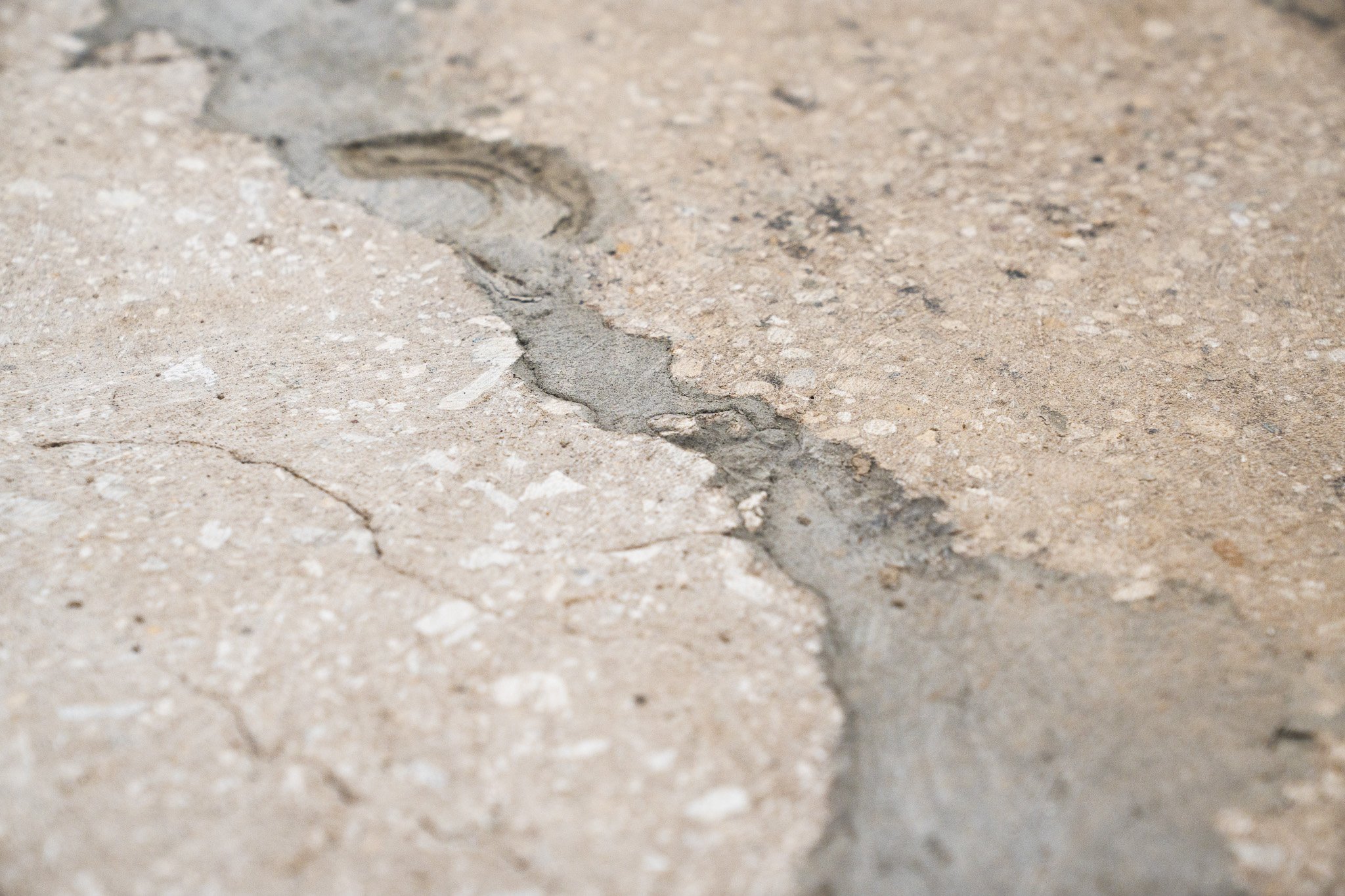
Concrete joints are designed to allow slab movement, but when left unprotected, they become failure points under forklift traffic. Proper joint sealing helps:
- Prevent edge spalling
- Improve load transfer across slabs
- Reduce debris buildup
- Extend the overall lifespan of the floor
Ashford Formula–treated slabs, grind and seal acrylic systems, and polished concrete floors all rely on sealed joints to perform effectively in active warehouse environments.
Which Option Is Right for Your Warehouse?
Choosing between these systems depends on how your facility operates, how long you plan to occupy the space, and how much traffic the floor will experience.
Ashford Formula or Grind and Seal Acrylic May Be a Good Fit If:
- Forklift traffic is light to moderate
- Budget constraints are a priority
- Shorter maintenance cycles are acceptable
- The goal is dust control and functional improvement rather than maximum durability
Polished Concrete May Be the Better Choice If:
- Forklift traffic is heavy and constant
- Long-term durability is a priority
- Minimal maintenance downtime is required
- The facility is owner-occupied or planned for long-term use
There is no one-size-fits-all solution for concrete flooring in warehouses, but understanding how each system performs helps reduce risk and unexpected costs.
Common Mistakes to Avoid When Choosing Warehouse Flooring
When evaluating concrete flooring options for warehouses, decision-makers often run into issues by:
- Ignoring joint protection requirements
- Underestimating the impact of forklift traffic
- Choosing a system based on upfront cost alone
- Overlooking long-term maintenance and lifecycle planning
Avoiding these mistakes can significantly improve floor performance, safety, and return on investment.
Final Thoughts
Both Ashford Formula grind and seal acrylic systems and polished concrete offer proven benefits for warehouse environments. The right choice depends on traffic levels, maintenance expectations, and long-term goals. Understanding installation methods, performance differences, and the importance of sealed joints allows decision-makers to confidently select the best solution for their facility.
If you’re evaluating concrete flooring for warehouses and want guidance specific to your operation, the next step is to review your facility conditions and performance needs. Request a quote to explore which system is best suited for your warehouse.

Topics:
.jpg?width=2048&height=1365&name=CC108559%20(1).jpg)
.png?width=11520&height=9216&name=Untitled%20design%20(56).png)
.jpg?width=2048&height=1365&name=CC106221%20(1).jpg)
.jpg?width=2048&height=1365&name=CC102459%20(1).jpg)