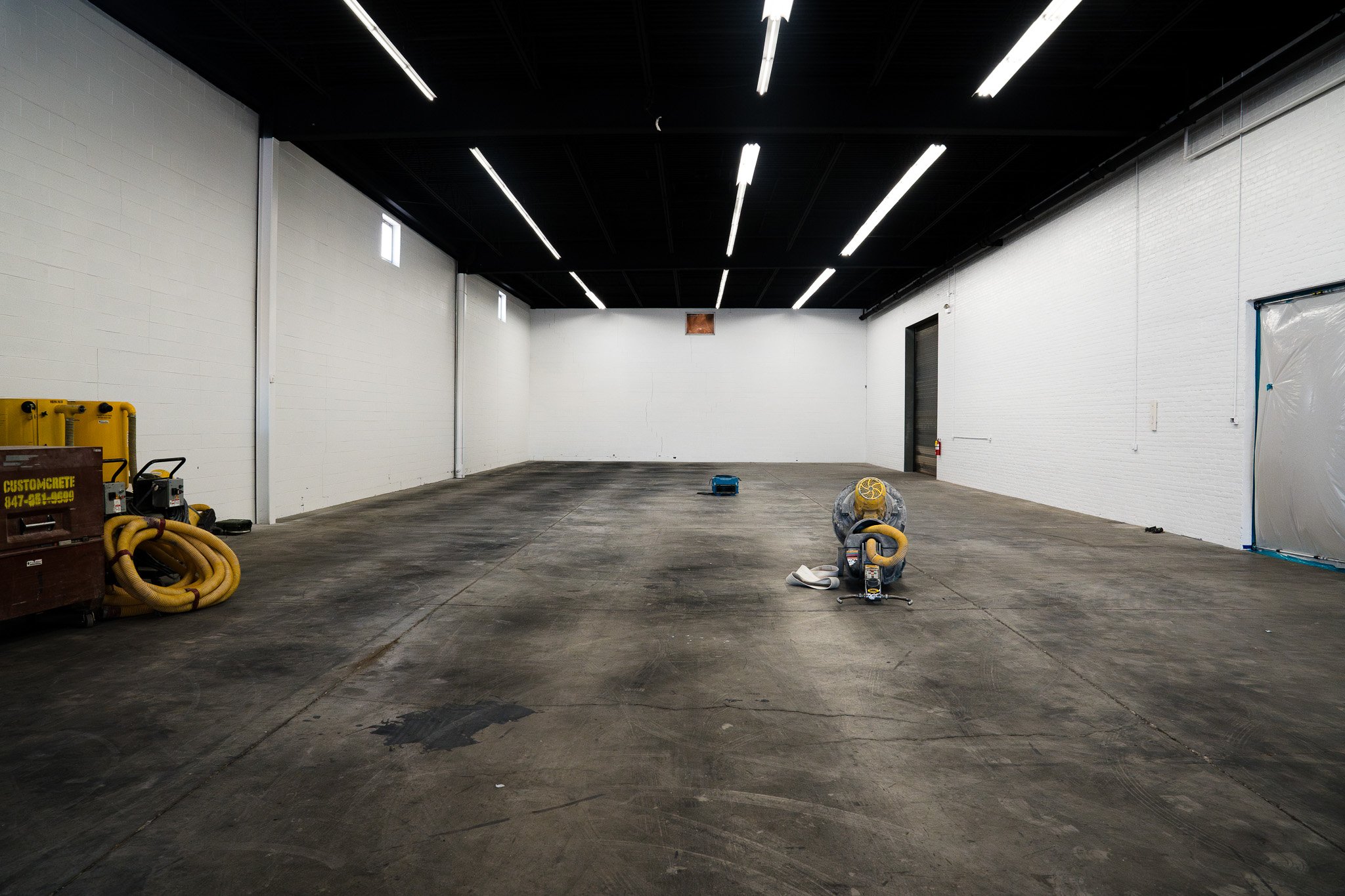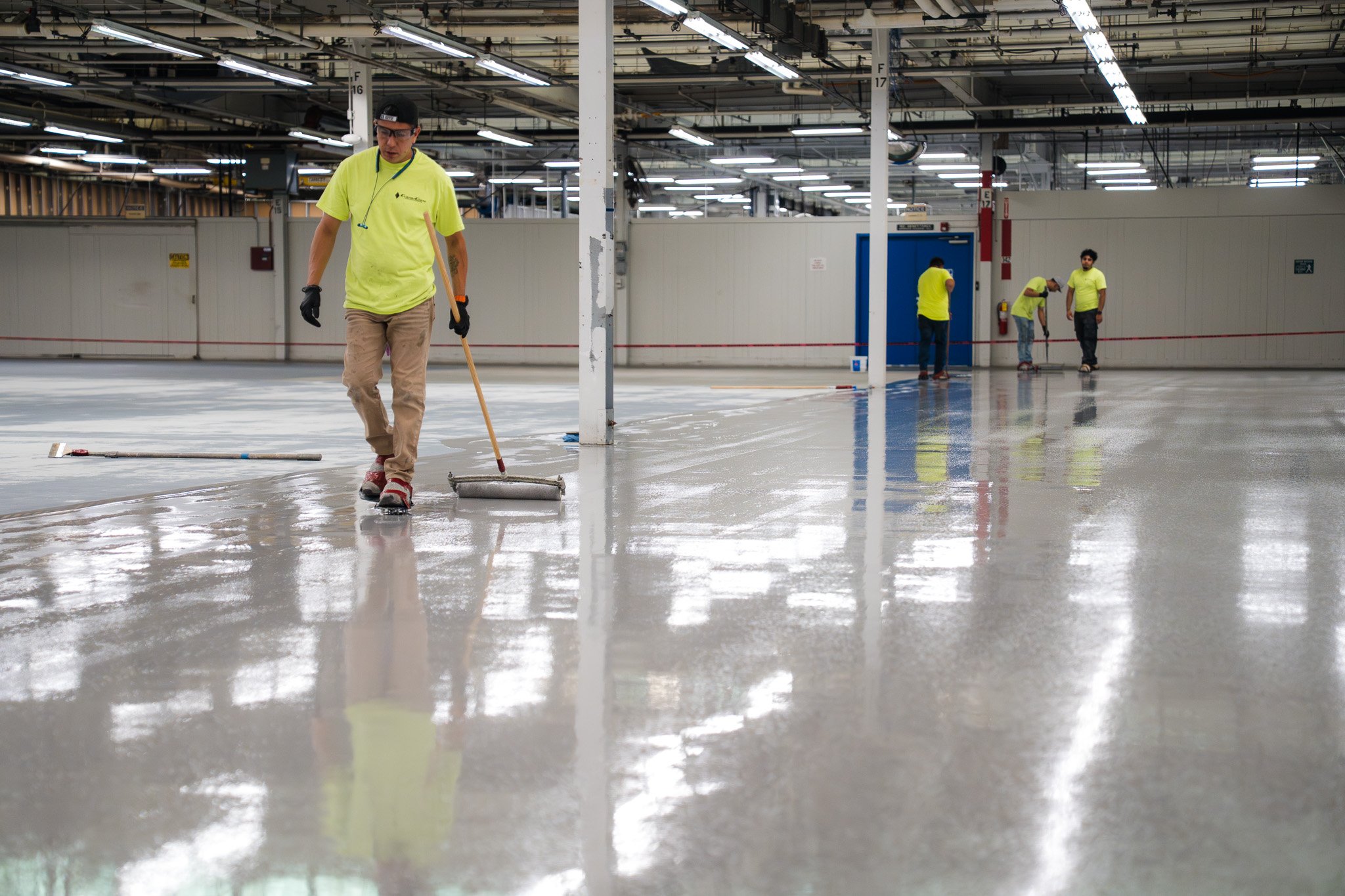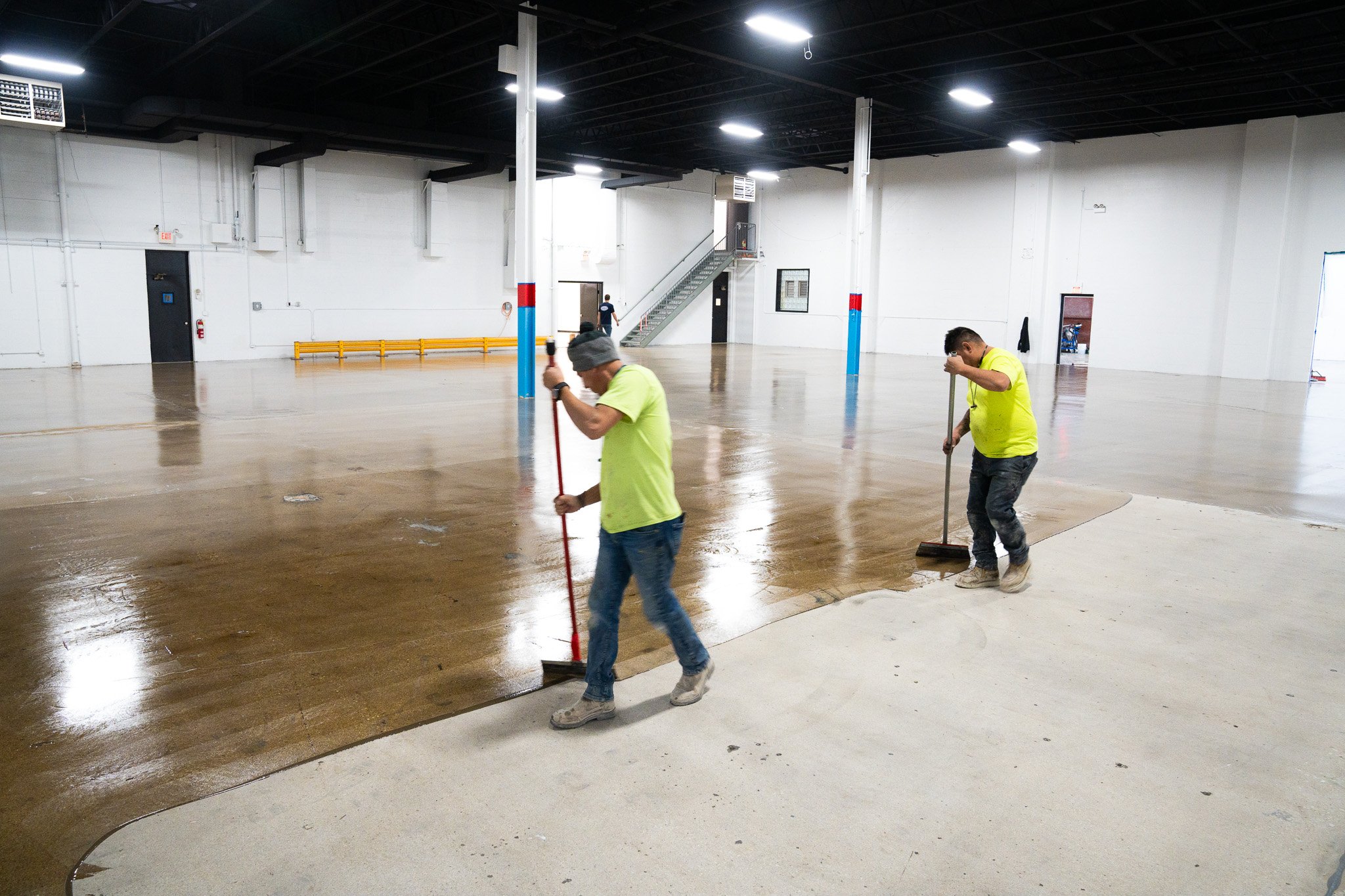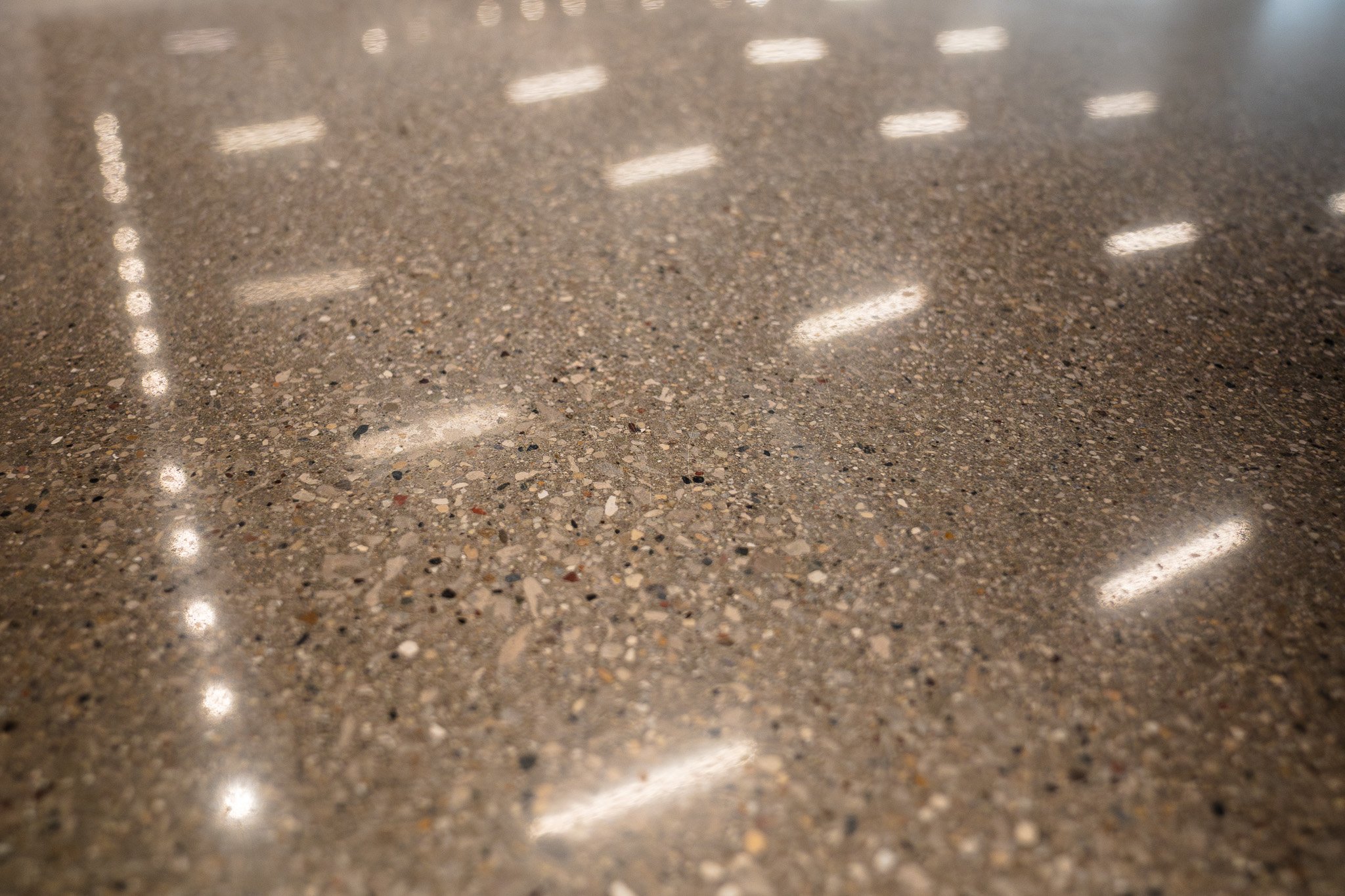

When planning an industrial flooring project, many decision-makers focus on material selection or surface preparation—but overlook one critical factor: job-site conditions. The environment during a concrete floor installation directly determines the success and lifespan of the floor. Temperature, humidity, and timing all influence how the floor bonds, cures, and performs under long-term industrial stress.
At CustomCrete, we’ve spent nearly 20 years installing high-performance concrete flooring across Chicago and the Midwest. Over that time, we’ve seen that even the most advanced coating systems can fail if the environment isn’t properly controlled. Understanding how these conditions work together is key to achieving a strong, reliable floor that stands up to years of heavy use.

Why Temperature Matters
Temperature impacts every stage of concrete floor installation, from curing and coating to final performance. Both concrete and resin-based materials—such as epoxy or urethane cement—undergo chemical reactions that depend on heat.
When temperatures are too low, curing slows dramatically, leading to soft, weak spots or poor adhesion. In contrast, if it’s too hot, the reaction happens too quickly. This can cause bubbling, uneven surfaces, or coatings that harden before they properly bond.
Ideally, both the substrate (concrete slab) and ambient air should be between 60°F and 85°F. Within this range, coatings cure evenly and reach maximum strength. Professional installers use infrared thermometers and surface sensors to monitor these conditions throughout the process.
The Risks of Extreme Temperatures
- Cold conditions: Lead to delayed curing, extended downtime, and reduced bond strength.
- Hot conditions: Can trap air bubbles, create discoloration, or cause surface defects.
- Temperature swings: May lead to condensation, preventing proper adhesion of coatings.
By maintaining consistent temperatures during application and curing, you help ensure the flooring system’s integrity and appearance for years to come.
The Role of Humidity in Flooring Success
Humidity is one of the most underestimated variables in concrete floor installation. Too much moisture in the air—or rising through the slab—can prevent coatings from adhering and lead to future issues like delamination, blistering, or surface staining.
Concrete is naturally porous and holds moisture within its structure. If humidity levels are high, this moisture can rise to the surface faster than expected. Applying coatings before the slab has fully dried or without moisture testing can trap vapor, weakening the entire system.
Conversely, environments with very low humidity can cause the concrete to dry too quickly, leading to cracks or uneven curing. That’s why professional installers rely on both relative humidity (RH) testing and moisture vapor emission tests (MVER) to determine whether conditions are safe for coating.
Key Effects of Uncontrolled Humidity
- Condensation: Forms between the slab and coating, leading to adhesion failure.
- Blistering or bubbling: Occurs when trapped vapor expands under the coating.
- Uneven finish: Caused by inconsistent moisture levels across the floor.
Controlling humidity—through proper ventilation, dehumidifiers, or temporary climate systems—ensures that each layer of the floor bonds correctly and performs under real-world conditions.
Why Timing Is Critical
Timing plays a more significant role in concrete floor installation than most realize. Every flooring material has an ideal application window, and missing it can lead to poor results.
Concrete itself needs time to cure—typically 28 days for new slabs—before coatings can be applied. Rushing this process can trap moisture, while waiting too long without proper surface preparation may lead to dust, laitance, or contamination buildup that prevents proper adhesion.
Timing also includes coordinating installation with other trades and environmental controls. Flooring should be installed after heavy construction is complete but before the space is exposed to operational wear. Temperature, humidity, and timing all interact—each affecting how the others behave.
Smart Timing Strategies
- Plan around weather: Avoid extreme cold or heat whenever possible.
- Test before applying: Always confirm slab dryness before starting coating work.
- Allow adequate cure time: Never rush to reopen floors before they reach full strength.
With proper scheduling, project delays are minimized, and the risk of premature failure is significantly reduced.
How to Maintain Ideal Job-Site Conditions
Maintaining control of temperature, humidity, and timing requires preparation and coordination. Experienced teams use specialized equipment to stabilize the job site, ensuring all variables stay within manufacturer-approved limits.
At CustomCrete, our installers monitor every environmental detail—from the dew point to slab temperature—to ensure coatings bond properly. By managing the environment throughout the process, we help ensure your investment performs as expected long-term.
Best Practices for Controlling Conditions
- Pre-test before installation: Moisture and temperature testing should happen at least 48 hours prior to installation.
- Use temporary systems: Heaters, fans, or dehumidifiers can create a stable environment when natural conditions fluctuate.
- Communicate with your contractor: Sharing schedule updates helps align environmental controls with your project’s timeline.
A controlled environment is the foundation of a durable, long-lasting industrial floor.
When Poor Conditions Lead to Flooring Failure
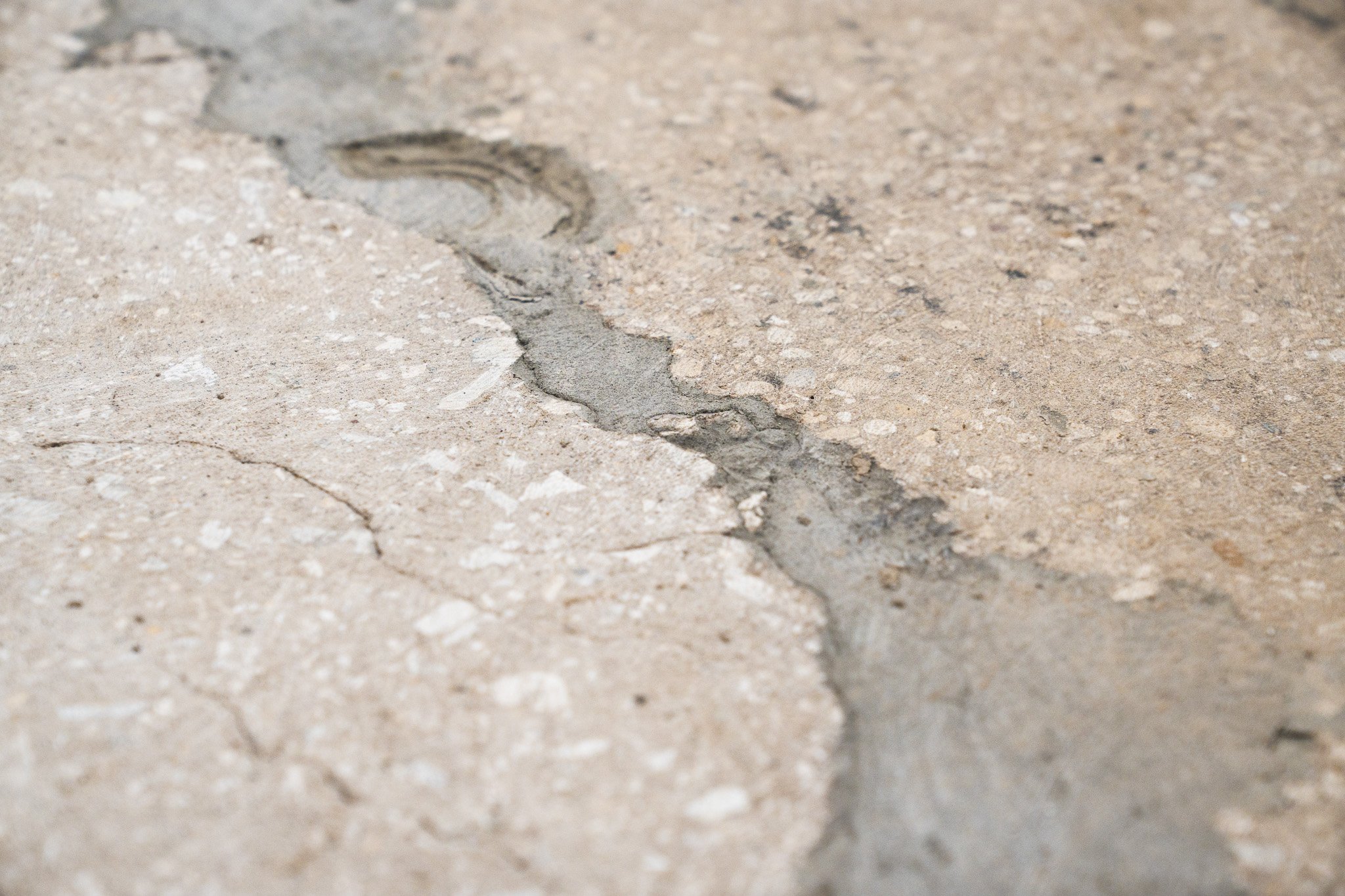
Ignoring job-site conditions doesn’t just affect appearance—it shortens your floor’s lifespan. Common signs of poor installation environments include peeling coatings, bubbling, discoloration, or early wear in high-traffic areas.
In severe cases, uncontrolled humidity or improper curing can lead to full delamination, requiring costly repairs or even replacement. These problems are preventable with proper environmental management and professional oversight.
By ensuring the right temperature, humidity, and timing, you not only protect your investment but also extend the performance life of your floor system.
FAQ: Environmental Conditions and Concrete Floor Installation
- Can coatings be installed during winter or summer?
Yes—but only with proper temperature and humidity control. Experienced contractors can use climate systems to create optimal conditions year-round. - What’s the biggest mistake facilities make during installation?
Rushing the process. Skipping moisture tests or ignoring weather conditions often leads to coating failure or costly repairs later. - How can I prepare my facility before installation?
Ensure HVAC systems are operational, and that the space is clean, dry, and free from heavy construction activity before installation begins.
Final Thoughts
Successful concrete floor installation isn’t just about materials—it’s about mastering the environment. Temperature, humidity, and timing all determine how well your floor bonds, cures, and endures over time. By maintaining control over these factors, facilities can avoid common failures and ensure a professional, long-lasting finish.
If you’re planning a flooring project, make sure it’s installed right from the start. Request a quote from CustomCrete to discuss your facility’s environment.

Topics:
.jpg?width=2048&height=1365&name=CC108559%20(1).jpg)
.png?width=11520&height=9216&name=Untitled%20design%20(56).png)
.jpg?width=2048&height=1365&name=CC106221%20(1).jpg)
.jpg?width=2048&height=1365&name=CC102459%20(1).jpg)