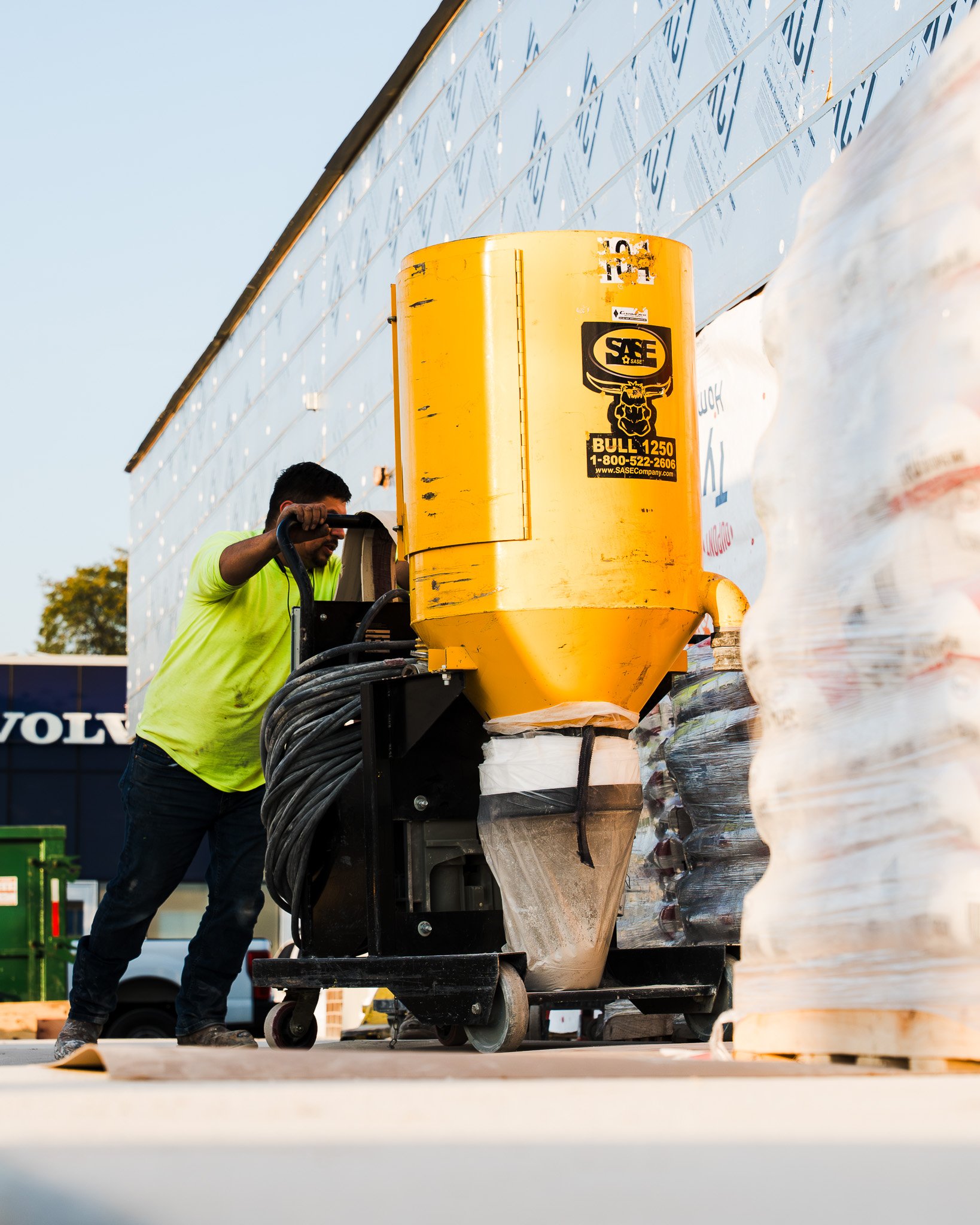

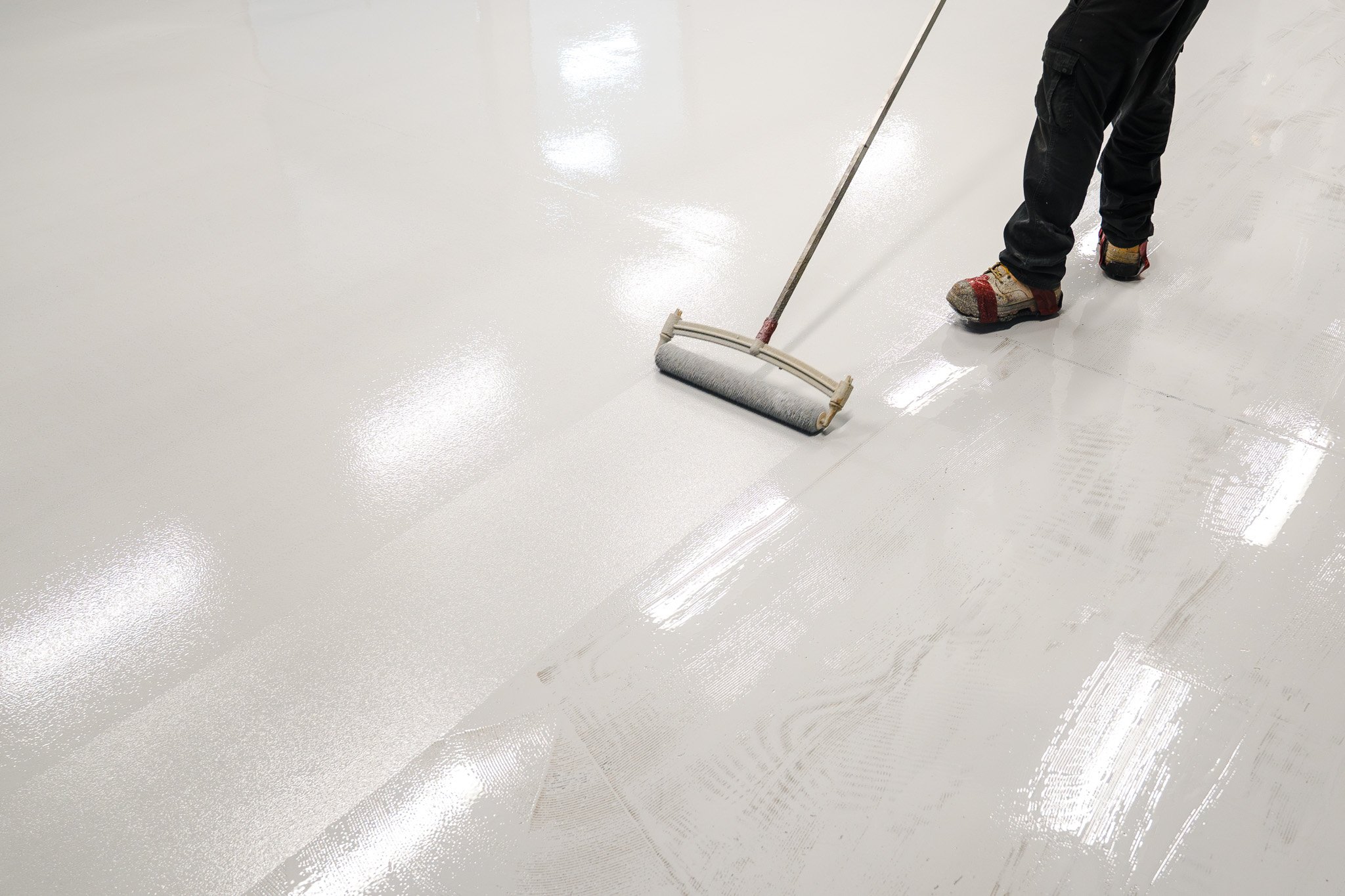
Industrial and commercial facilities face tough conditions—heavy equipment, chemical exposure, constant traffic, and fluctuating temperatures. Over time, these stresses can wear down even the strongest concrete floors, leading to cracks, surface dusting, and costly repairs. One of the most effective ways to prevent this damage is by applying protective coatings.
For nearly two decades, CustomCrete has worked with facilities across Chicago and the Midwest (Including Kenosha, Madison, Racine, and Appleton, Wisconsin) to install durable floor systems that stand up to demanding environments. Protective coatings are a key part of that process, helping businesses maintain safe, efficient, and long-lasting workspaces.
This article explains what protective coatings are, how they work, and why they’re an essential investment for any industrial or commercial facility.

What Are Protective Coatings?
Protective coatings are specialized materials applied to concrete surfaces to shield them from physical wear, chemical exposure, and moisture. These coatings act as a barrier—enhancing the durability and lifespan of the floor while improving its appearance and safety.
In industrial flooring, protective coatings typically include epoxy, urethane cement, and polyaspartic systems. Each type offers distinct benefits depending on the environment, but all serve the same purpose: to prevent deterioration and preserve performance.
Common Types of Protective Coatings
- Epoxy Coatings: Provide a seamless, chemical-resistant finish ideal for manufacturing plants, warehouses, and workshops.
- Urethane Cement: Combines strength with flexibility, making it perfect for thermal shock resistance in food and beverage facilities.
- Polyaspartic Coatings: Offer fast curing and UV resistance, ideal for environments that need minimal downtime or exposure to sunlight.
Regardless of the system, these coatings extend the life of the concrete by protecting it from the elements that most frequently cause floor failure.
Why Concrete Floors Need Protection
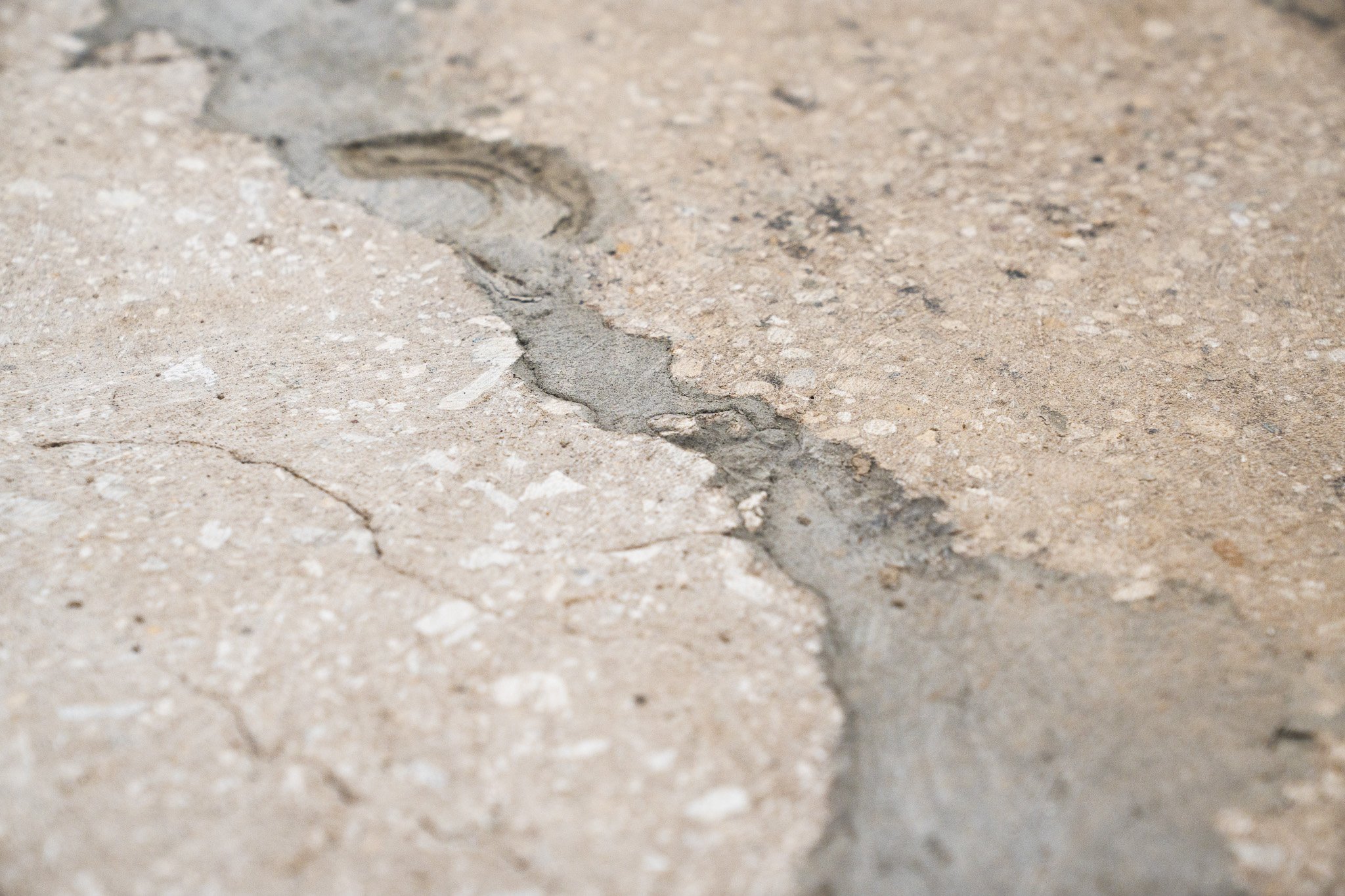
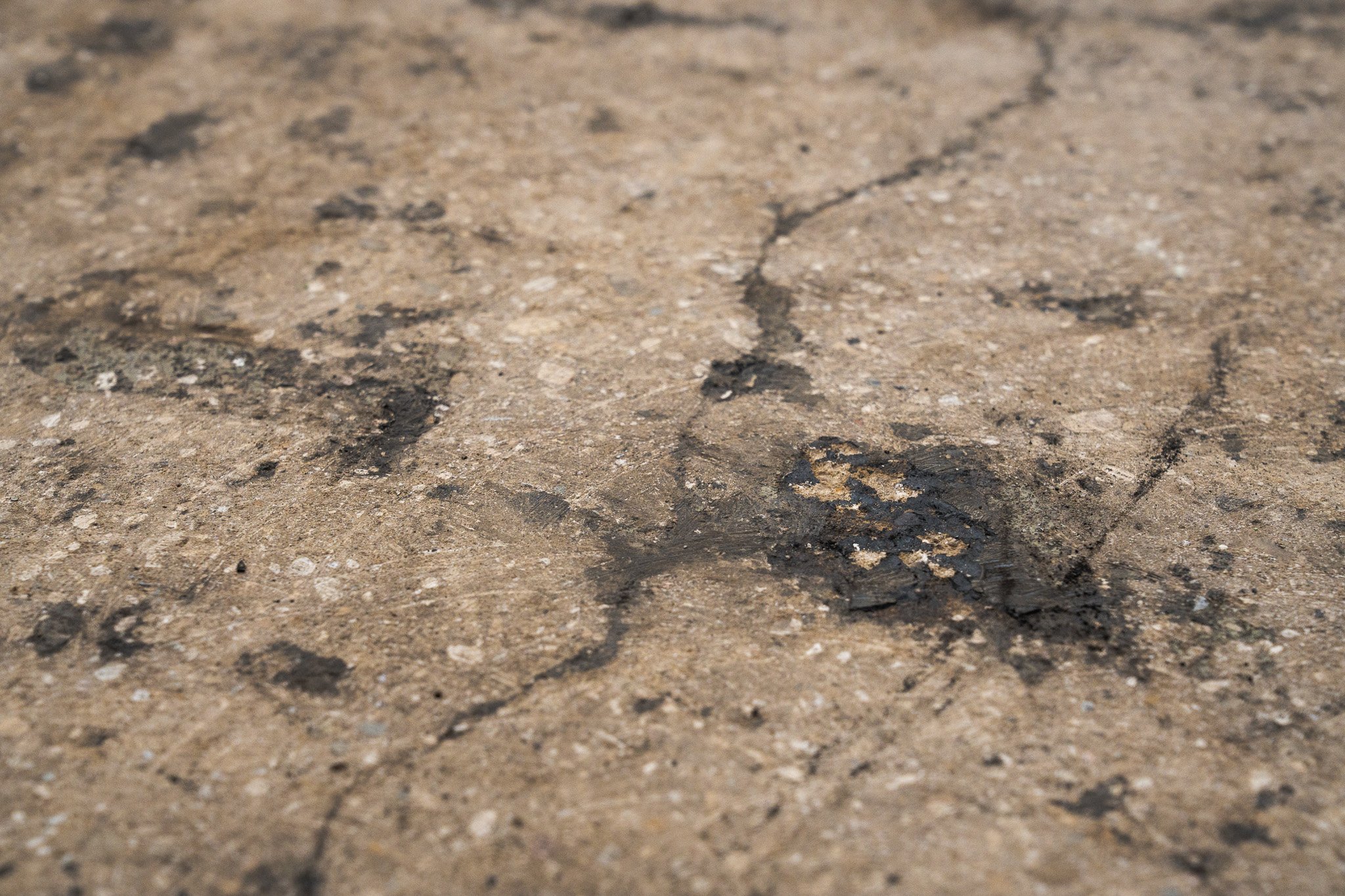
While concrete is known for its strength, it’s also porous. That means liquids, oils, and chemicals can seep into its surface, leading to stains, cracks, and internal degradation. Without protection, constant use and exposure can cause the slab to weaken over time, creating uneven surfaces and safety hazards.
Applying protective coatings creates a dense, sealed surface that resists penetration from liquids and chemicals. It also helps prevent abrasion from forklift tires, dropped tools, and heavy loads. This not only preserves the floor’s appearance but also minimizes costly shutdowns for repair or replacement.
Common Sources of Floor Damage
- Chemical exposure: Solvents, acids, or oils can corrode untreated concrete.
- Moisture: Water intrusion weakens the slab and causes cracking or efflorescence.
- Physical stress: Heavy machinery, pallets, or constant foot traffic wear down surfaces.
- Temperature changes: Expansion and contraction from heat or cold create stress fractures.
By applying a coating that’s tailored to the environment, facilities can effectively shield their floors from each of these challenges.
Benefits of Protective Coatings for Industrial Facilities
The value of protective coatings goes beyond appearance. These systems play a vital role in keeping industrial operations safe, efficient, and compliant with safety standards.
1. Enhanced Durability
Protective coatings create a hard, wear-resistant surface that withstands years of heavy traffic and mechanical stress. This durability makes them ideal for production plants, loading docks, and warehouses where downtime for repairs can be costly.
2. Improved Safety
Coatings can be customized to improve traction and reduce slip hazards, even in wet or oily environments. This is especially important in manufacturing, food processing, or automotive facilities where workplace safety is a daily concern.
3. Chemical and Moisture Resistance
Certain coatings—like urethane cement—are engineered to resist aggressive chemicals and thermal shock. This protects both the concrete and employees by preventing the release of dust or residue caused by deterioration.
4. Simplified Maintenance
A sealed, non-porous surface makes cleaning easier and more effective. Spills stay on the surface instead of soaking in, allowing for quick cleanup that keeps operations running smoothly.
5. Cost Savings Over Time
Although applying protective coatings requires an upfront investment, they significantly reduce long-term maintenance and replacement costs. A properly installed coating can extend a floor’s lifespan by 10 to 20 years or more.
Where Protective Coatings Are Most Valuable
While protective coatings are beneficial in nearly any environment, some facilities rely on them as a critical part of daily operations.
Common Applications Include:
- Manufacturing and production plants: To protect against abrasion, chemicals, and heavy traffic.
- Food and beverage facilities: For moisture resistance, sanitation, and temperature control.
- Warehouses and logistics centers: To prevent cracking and dusting under forklifts and pallet movement.
- Pharmaceutical and healthcare settings: For seamless, hygienic floors that meet strict cleanliness standards.
- Retail and commercial spaces: For polished, durable surfaces that maintain appearance despite high foot traffic.
Each industry faces unique challenges, but the underlying goal remains the same: protect the floor to protect the business.
The Importance of Professional Installation
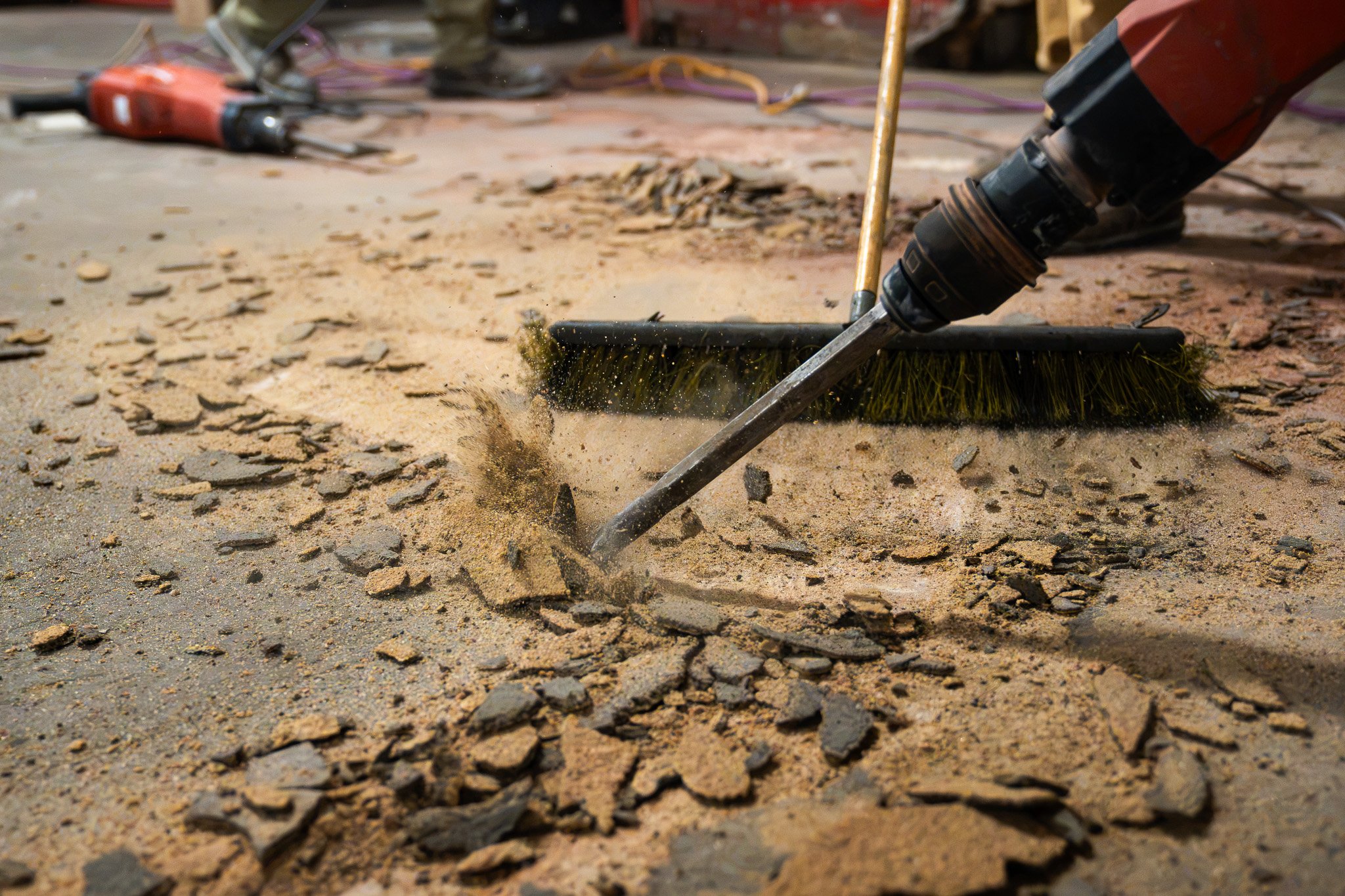
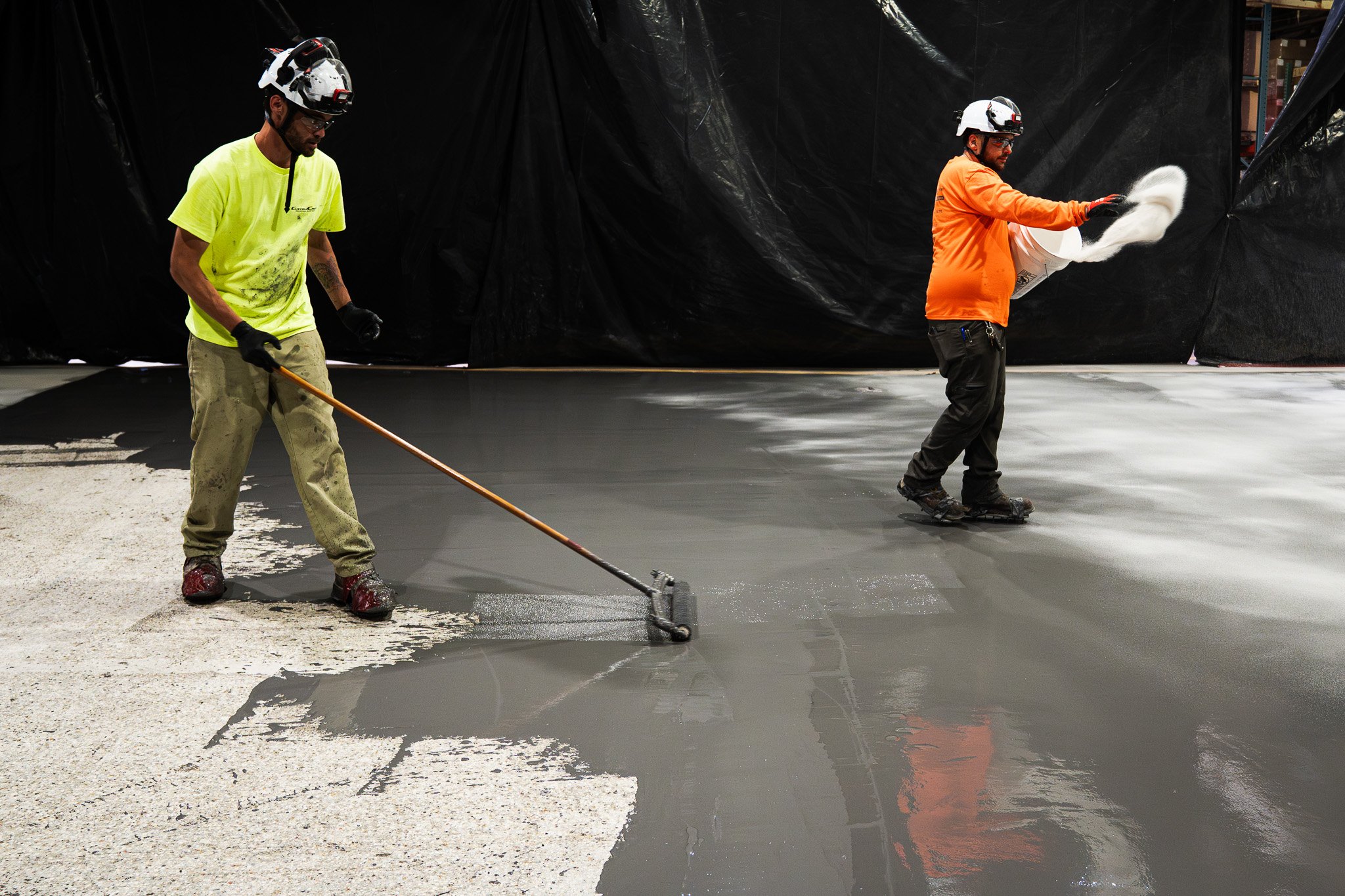
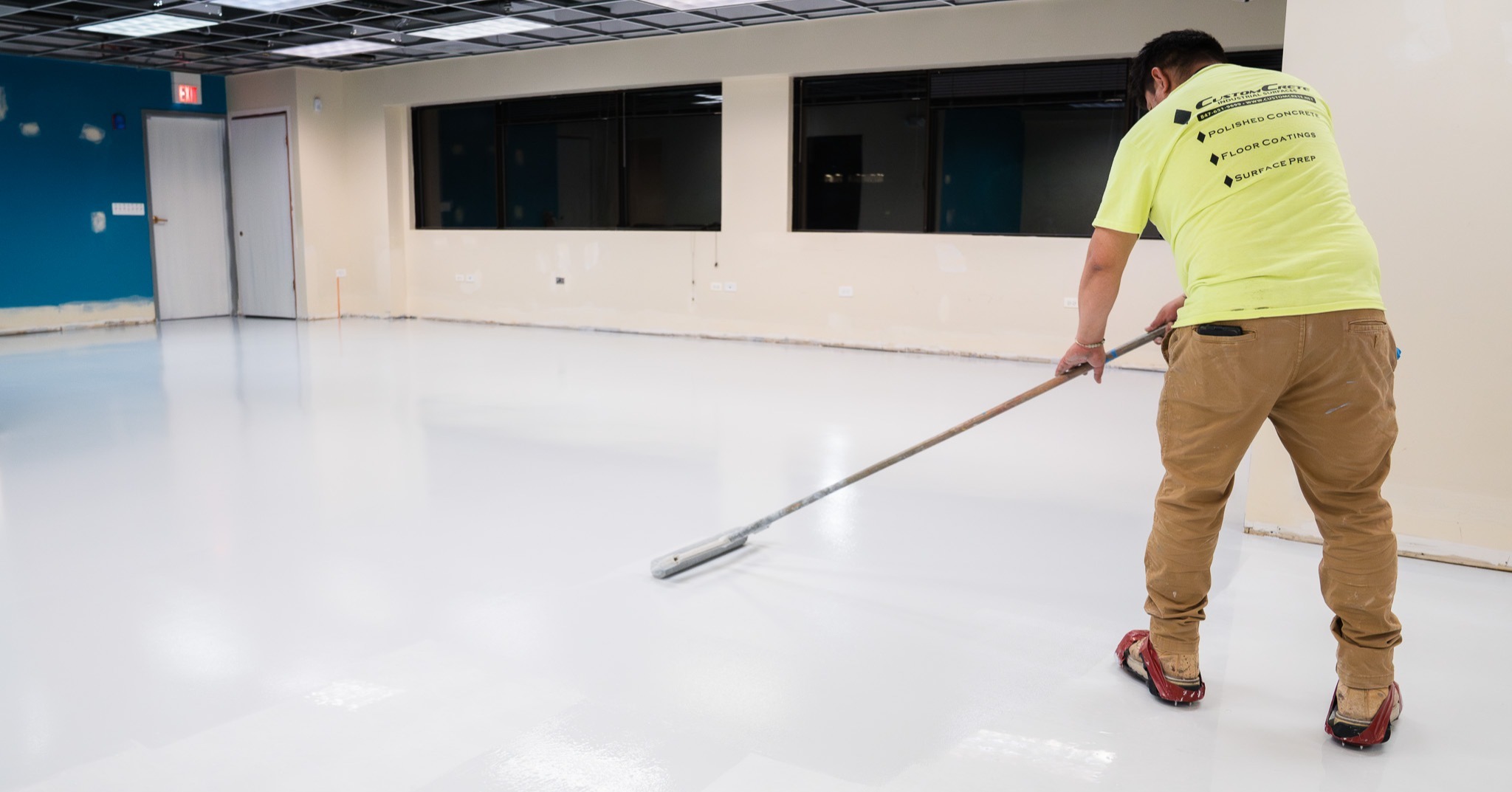
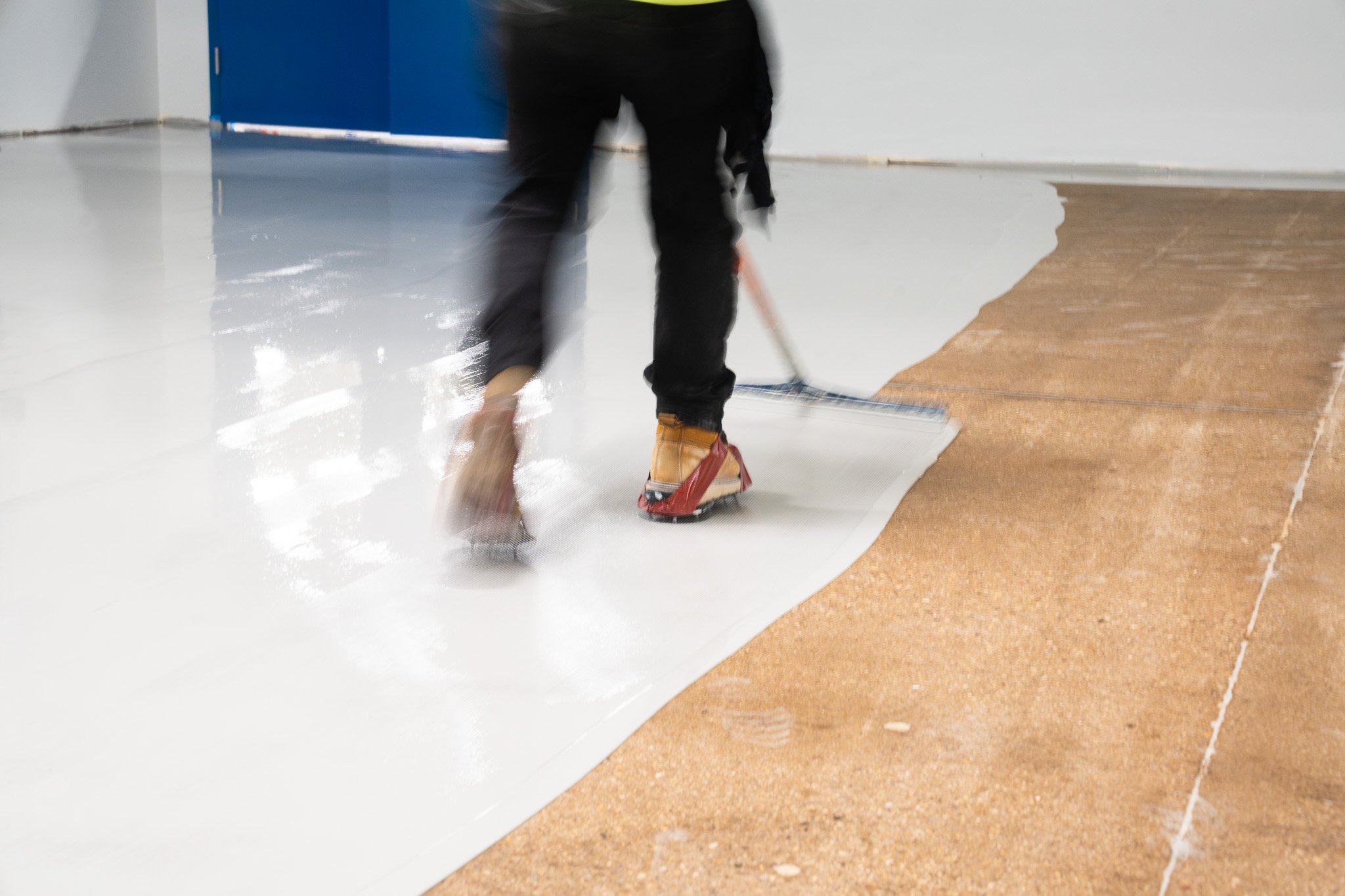
Installing protective coatings requires precision, timing, and environmental control. The surface must be properly cleaned, profiled, and tested for moisture before the coating is applied. Even small errors—like incorrect mixing or curing in the wrong temperature—can lead to bubbling, peeling, or delamination.
That’s why working with experienced professionals is crucial. A qualified contractor evaluates site conditions, selects the appropriate system, and ensures the floor cures correctly to meet performance requirements. The result is a stronger, longer-lasting investment that supports your facility’s operations and safety goals.
FAQ: Understanding Protective Coatings
- How long do protective coatings last?
Depending on the system and environment, protective coatings can last anywhere from 10 to 20 years with proper maintenance. - Can coatings be applied to old concrete floors?
Yes. Most existing floors can be repaired and coated after surface preparation, provided the substrate is structurally sound. - Are protective coatings environmentally friendly?
Many modern coatings are low-VOC and designed to comply with environmental regulations, improving air quality and reducing environmental impact.
Final Thoughts
Industrial floors are a foundation for productivity and safety—but without protection, they’re vulnerable to damage that can halt operations and drive up costs. Protective coatings provide the barrier needed to keep your facility efficient, compliant, and visually appealing for years to come.
If you’re considering ways to extend your floor’s life and reduce future repair costs, start with a professional evaluation. Request a quote from CustomCrete!

.jpg?width=2048&height=1365&name=CC108559%20(1).jpg)
.png?width=11520&height=9216&name=Untitled%20design%20(56).png)
.jpg?width=2048&height=1365&name=CC106221%20(1).jpg)
.jpg?width=2048&height=1365&name=CC102459%20(1).jpg)