
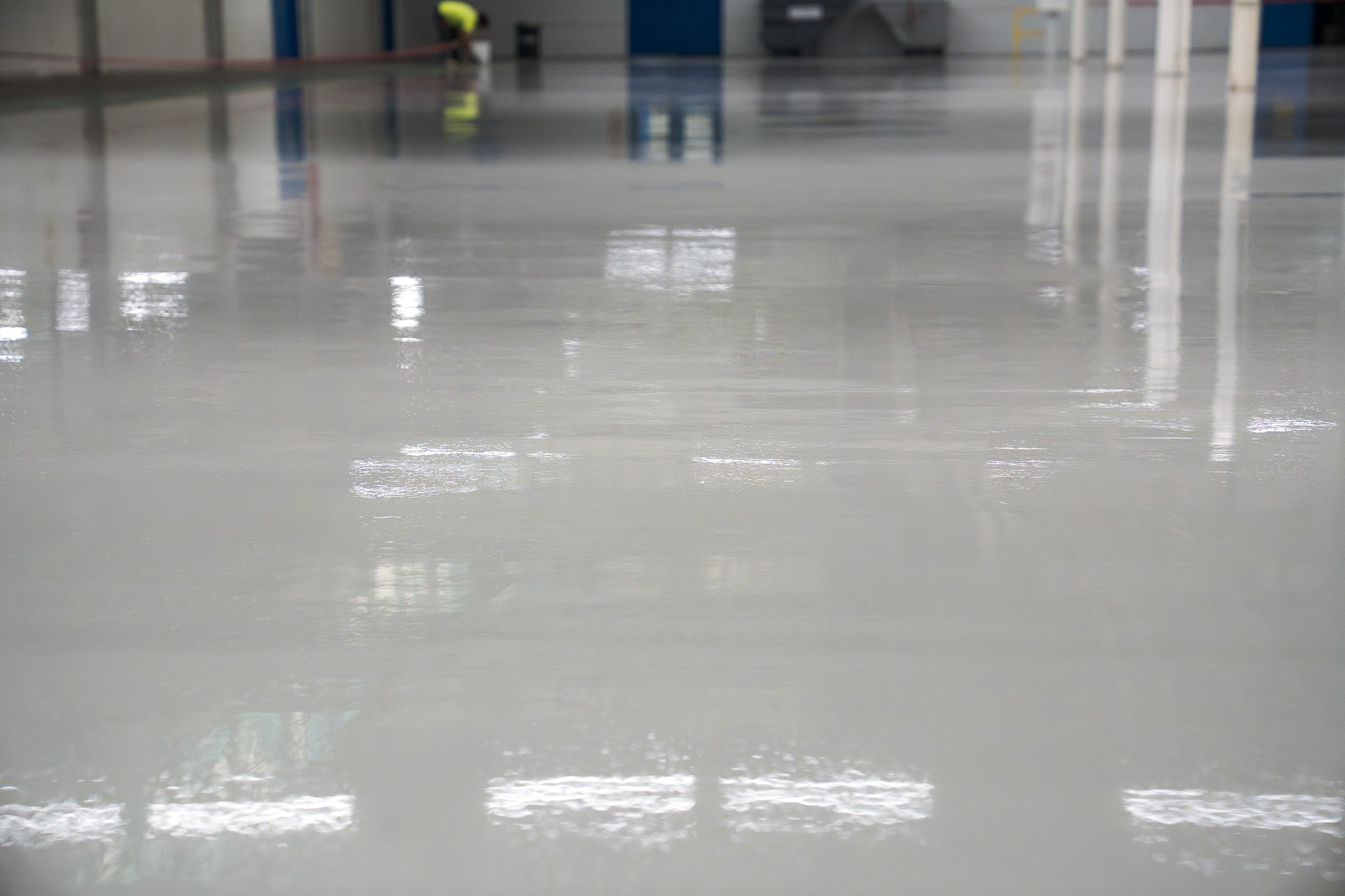
When designing or upgrading an industrial floor, facility managers often face a common challenge: creating a surface that’s both safe and easy to maintain. A textured concrete coating improves traction and reduces the risk of slips, but too much texture can trap dirt, grease, and debris—making cleaning more difficult. On the other hand, ultra-smooth floors are easier to mop or scrub but can become dangerously slick in wet or oily environments.
At CustomCrete, we’ve worked with industrial facilities across the United States that struggle to find the right middle ground. The key is understanding how to balance slip resistance with cleanability—two factors that directly impact safety, hygiene, and long-term floor performance.

Why Slip Resistance Matters
Slip-and-fall incidents are one of the leading causes of workplace injuries, particularly in manufacturing, food processing, and warehousing environments. Floors exposed to moisture, oil, or chemicals require a certain degree of traction to maintain safety.
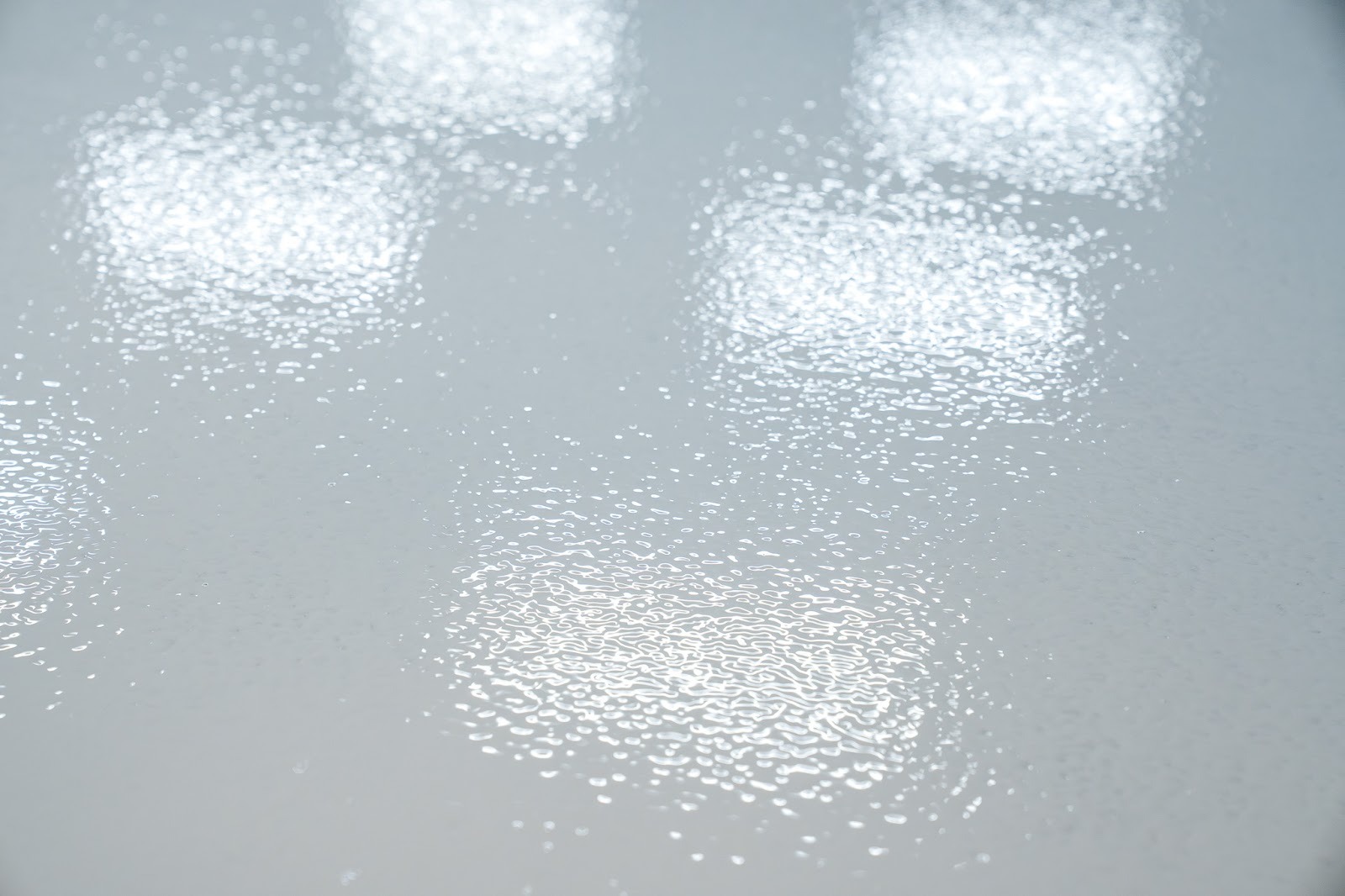
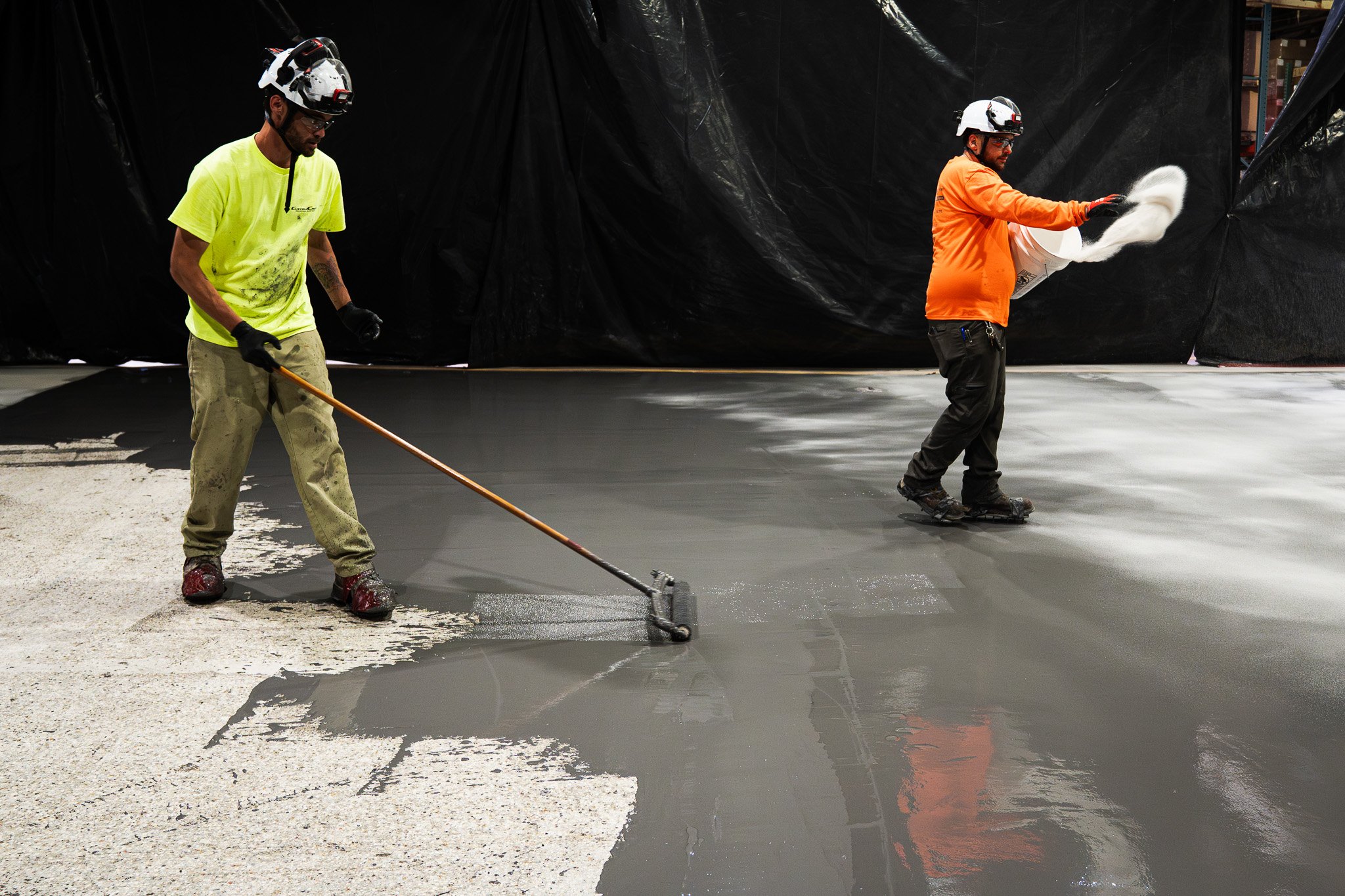
A properly textured surface—achieved through the right textured concrete coating—creates micro-grip that helps prevent slipping without overly roughening the floor. Epoxy, urethane cement, and quartz systems can all be customized to meet industry-specific safety standards, such as OSHA’s recommended static coefficient of friction (COF) of 0.5 or greater for walking surfaces.
However, more texture isn’t always better. Overly aggressive surfaces can make pushing carts, forklifts, or pallets difficult and increase wear on tires or footwear.
Why Cleanability Is Just as Important
While slip resistance prevents accidents, cleanability ensures hygiene and efficiency. Industrial facilities often deal with spills, dust, and grime that must be removed regularly to maintain compliance and appearance.
Smooth or semi-smooth flooring is easier to sweep, mop, or power scrub, minimizing downtime between shifts. In food and beverage plants, laboratories, or healthcare facilities, seamless floors with limited texture are crucial for preventing bacterial growth and ensuring surfaces can withstand regular sanitation.
When selecting a textured concrete coating, it’s essential to find a finish that resists buildup without compromising slip safety.
Finding the Right Balance
The best approach to balancing slip resistance and cleanability depends on your environment, operations, and maintenance practices. A floor’s performance can often be fine-tuned through product selection and texture customization.
Here’s how different systems can help achieve that balance:
- Epoxy Coatings: Provide excellent chemical resistance and can be adjusted from smooth to lightly textured with added aggregates. Great for warehouses and production areas where cleaning frequency is high.
- Urethane Cement: Designed for wet, high-traffic, or temperature-variable spaces like food plants. It offers slip resistance that can be fine-tuned during installation while remaining sanitary and easy to clean.
- Quartz Broadcast Systems: Combine decorative appeal with controlled texture—ideal for environments that require both traction and aesthetics.
- Polished or Sealed Concrete: Offers minimal texture but high cleanability, perfect for areas where moisture and oil exposure are low.
The ideal solution typically blends mild texture for traction with a sealed or coated surface that resists debris accumulation.
Best Practices for Maintenance and Safety
Even the best floor system can fail if not properly maintained. Here are some strategies to keep your textured floor both safe and clean:
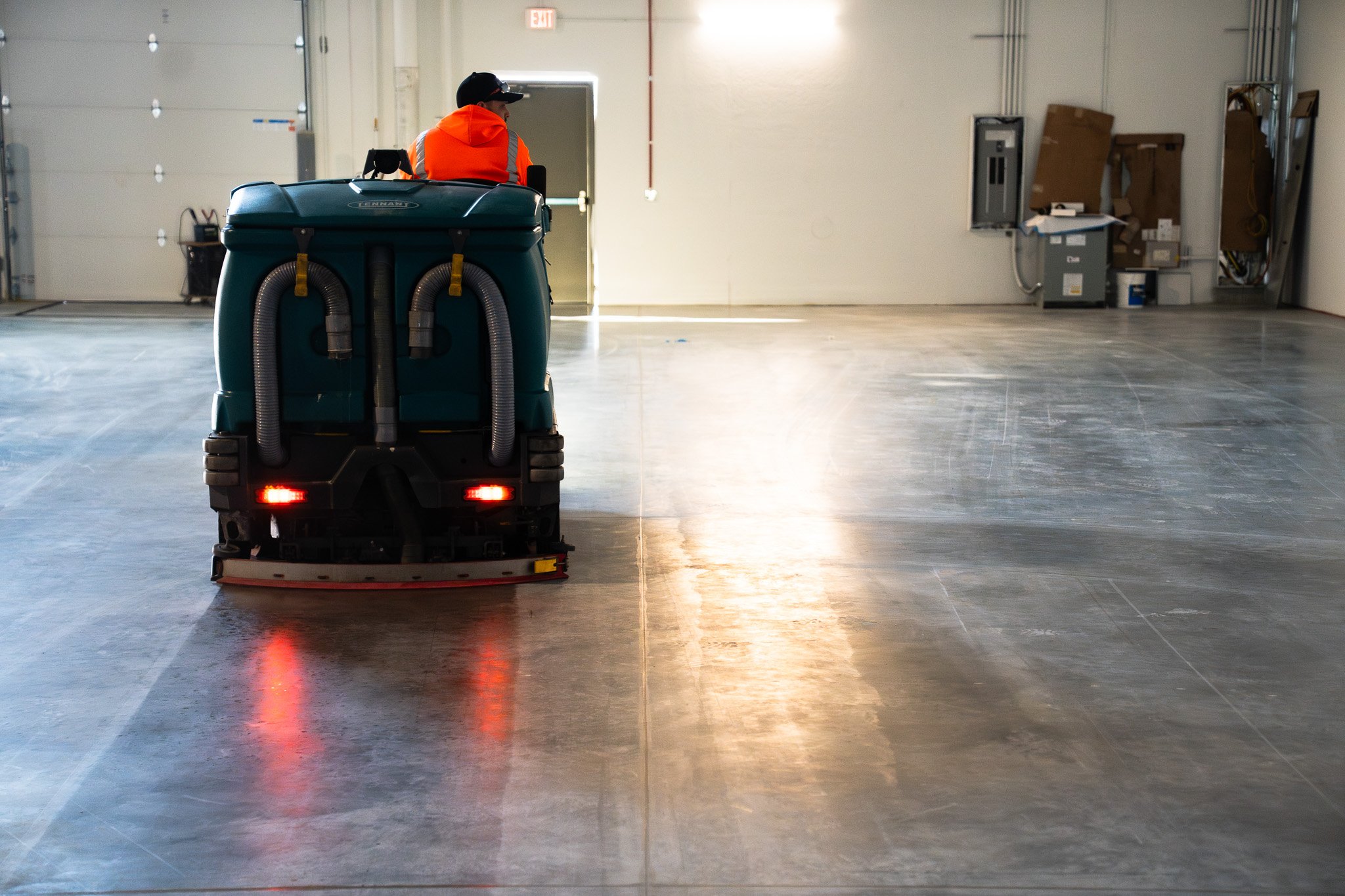
- Use the Right Cleaning Tools: Automatic scrubbers with soft brushes or pads effectively clean textured surfaces without eroding the coating.
- Maintain Regular Cleaning Schedules: Frequent cleaning prevents buildup that can reduce traction or damage coatings.
- Inspect for Wear: Over time, high-traffic areas can lose texture or coating thickness. Regular inspections help identify spots that need recoating or repairs.
- Select Appropriate Cleaners: Harsh chemicals can strip the protective layer from epoxy or urethane coatings. Use pH-neutral or manufacturer-approved cleaners for longevity.
When to Consider Professional Evaluation
If your facility has areas that are constantly slippery or difficult to clean—despite routine maintenance—it may be time for a professional floor evaluation. CustomCrete’s team can assess your surface conditions, cleaning routines, and safety requirements to recommend the ideal textured concrete coating solution for your operations.
FAQ: Balancing Slip Resistance and Cleanability
- Can slip-resistant floors still be easy to clean?
Yes. With the right coating system and texture profile, floors can maintain traction while remaining smooth enough for cleaning equipment to operate efficiently. - What industries benefit most from textured coatings?
Food and beverage, manufacturing, automotive, and healthcare facilities all rely on textured coatings to ensure safety and compliance without compromising hygiene. - How often should a textured concrete floor be recoated?
This depends on traffic and maintenance practices. Most facilities schedule reapplications every 5–10 years to maintain optimal traction and surface protection.
Final Thoughts
Balancing slip resistance and cleanability is about more than just safety—it’s about performance, compliance, and long-term value. By selecting the right textured concrete coating, facilities can reduce workplace hazards, simplify maintenance, and extend the lifespan of their floors.
If you’re unsure which system is right for your environment, CustomCrete can help you identify and install a flooring solution that fits your facility’s needs from both a safety and sanitation standpoint.
For more information on texture, read our next article, “Exploring Texture in Concrete Coatings: Function, Design, and Durability”.

.jpg?width=2048&height=1365&name=CC108559%20(1).jpg)
.png?width=11520&height=9216&name=Untitled%20design%20(56).png)
.jpg?width=2048&height=1365&name=CC106221%20(1).jpg)
.jpg?width=2048&height=1365&name=CC102459%20(1).jpg)