
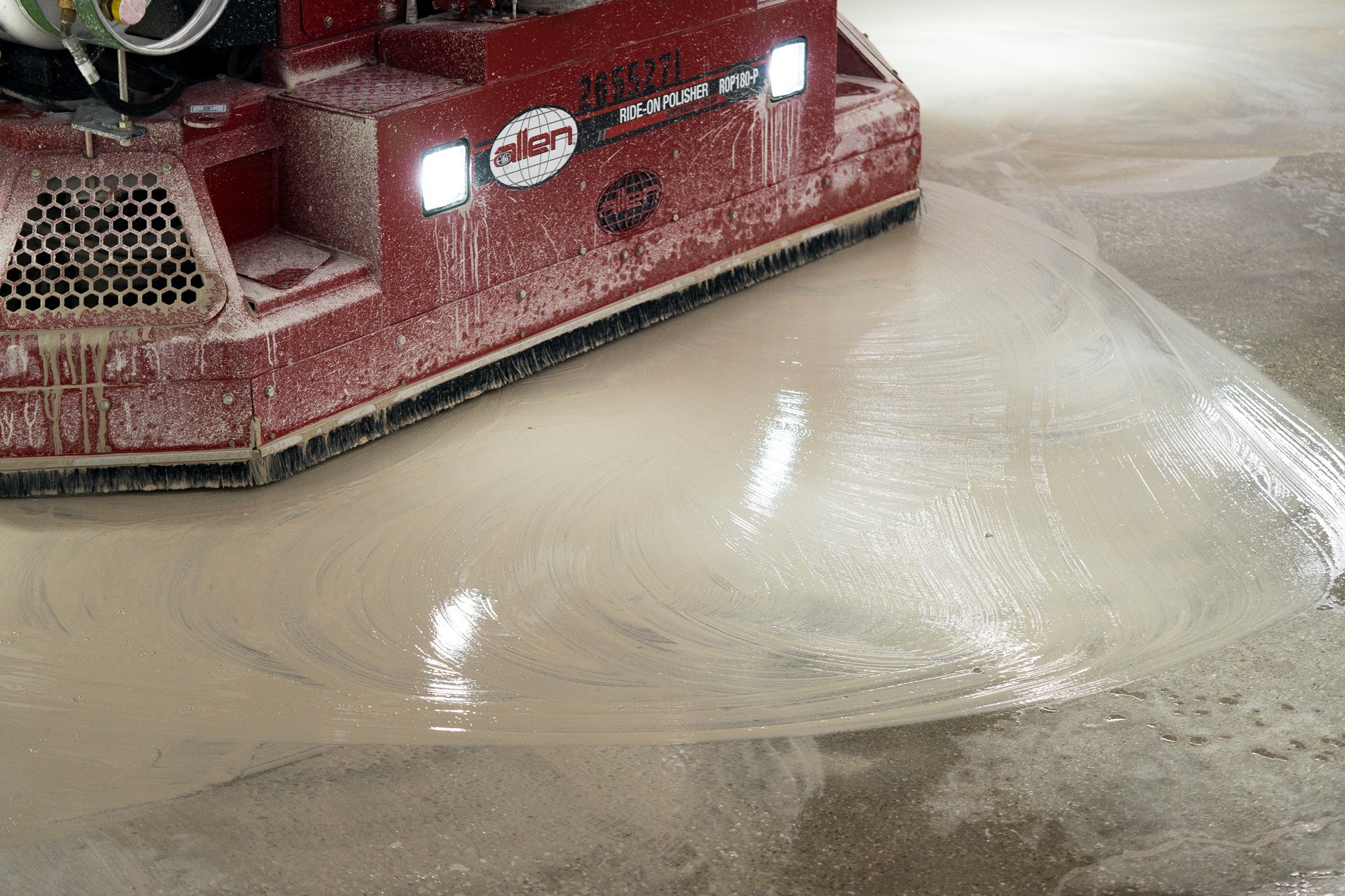
When facility managers begin exploring flooring upgrades, terms like coatings and systems often appear in proposals and product descriptions. While they may sound similar, floor coatings and floor systems serve very different purposes—and understanding the distinction helps you choose the right solution for your environment.
Some facilities only need a basic protective layer. Others require multi-layer solutions engineered for long-term durability, moisture control, chemical protection, or heavy traffic. This guide breaks down the key differences between concrete coatings and concrete systems so you can make an informed decision that aligns with your performance needs, budget, and operational goals.
Drawing from years of experience installing industrial floors, CustomCrete has seen how choosing the right approach upfront can prevent failures, reduce downtime, and extend the lifespan of your concrete.

What Is a Floor Coating?
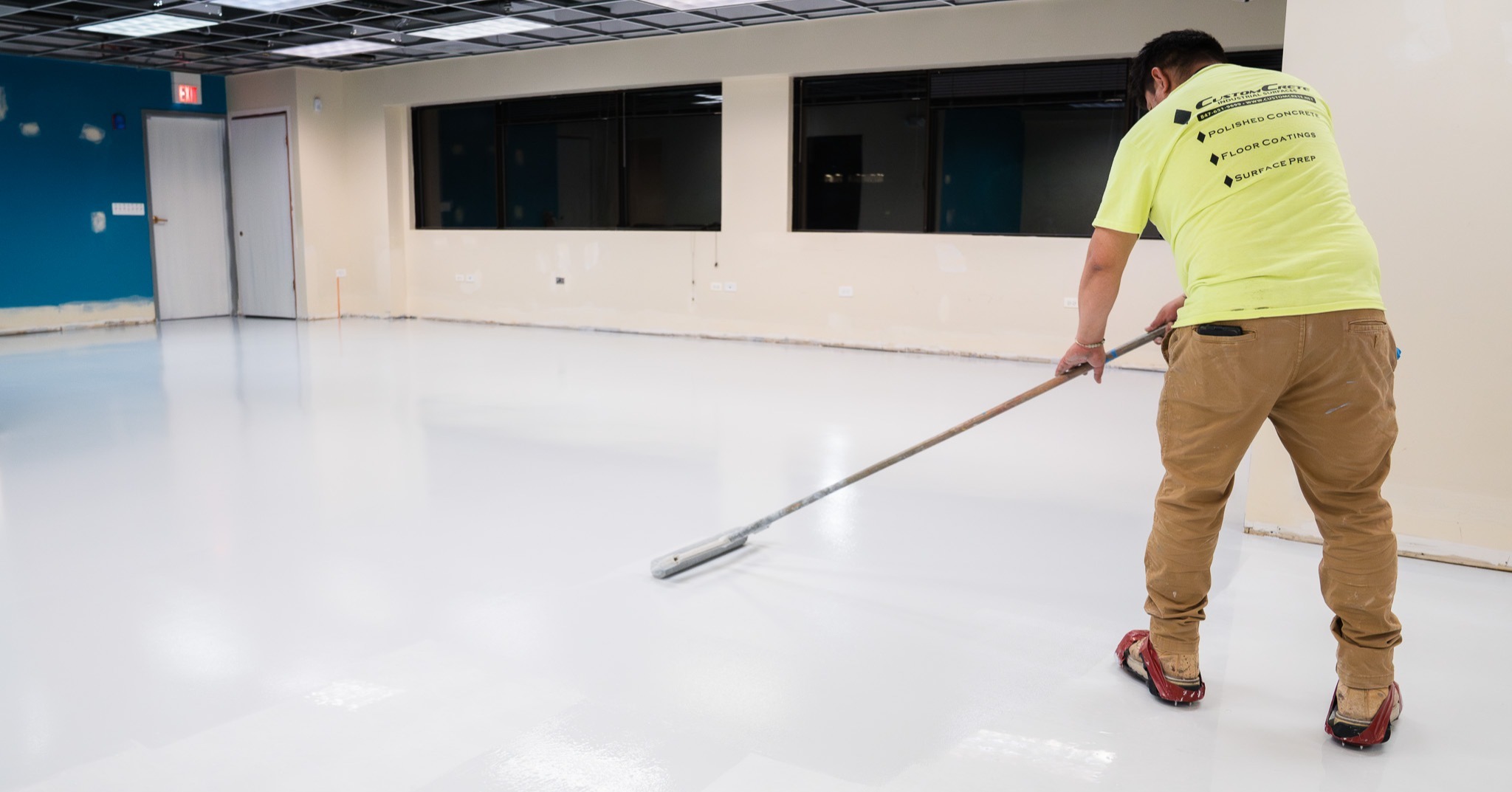
A floor coating is a single-layer or thin-layer product applied directly onto the surface of the concrete. Coatings are typically used to improve appearance, protect the surface from minor wear, and create basic chemical or stain resistance.
Common types of concrete coatings include:
- Thin-mil epoxy coatings
- Polyaspartic coatings
- Urethane topcoats
- Sealers for polished concrete
- Decorative flake or solid-color finishes
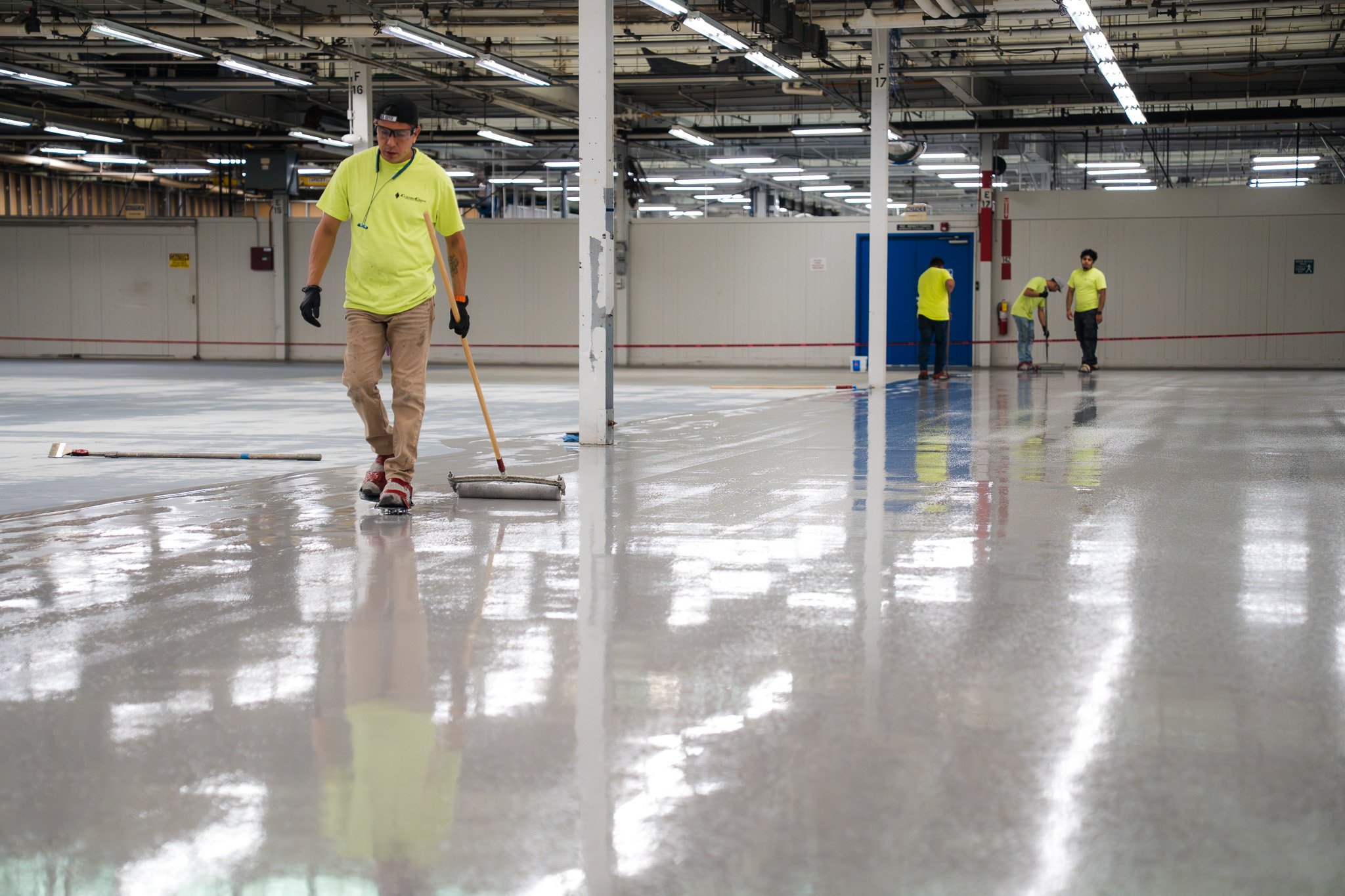
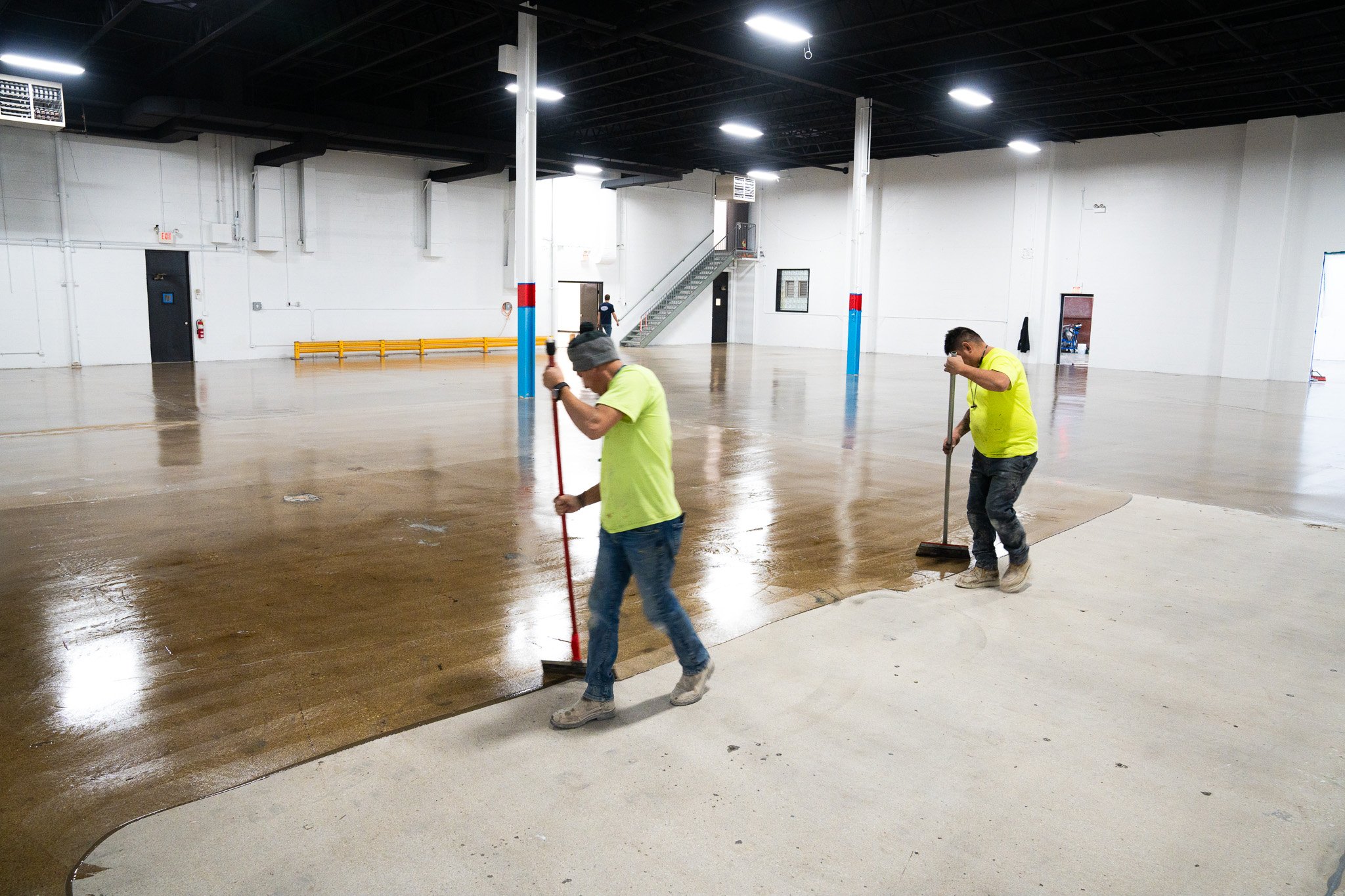
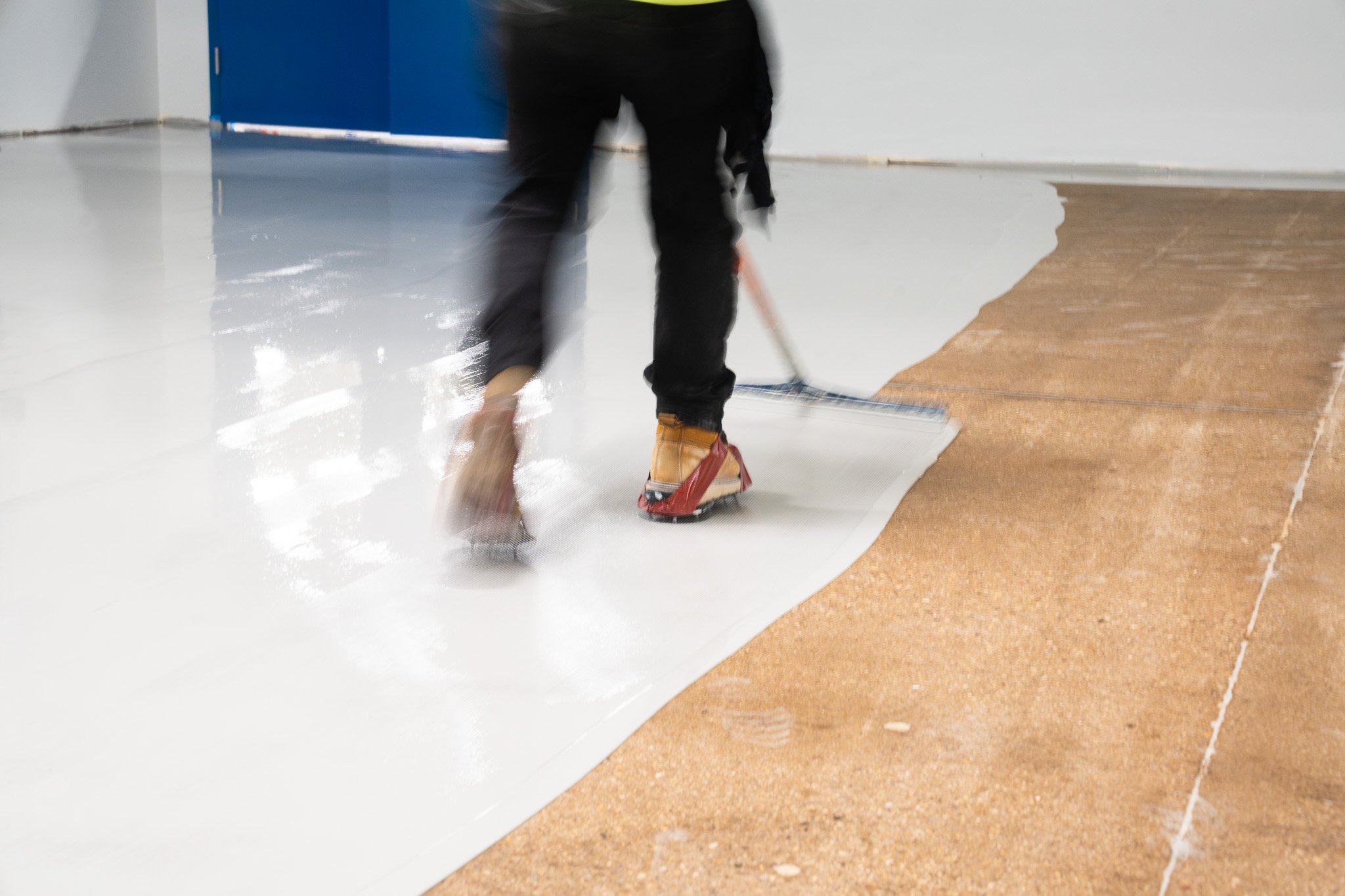
These products are often rolled or squeegeed onto the surface in one or two layers after minimal preparation.
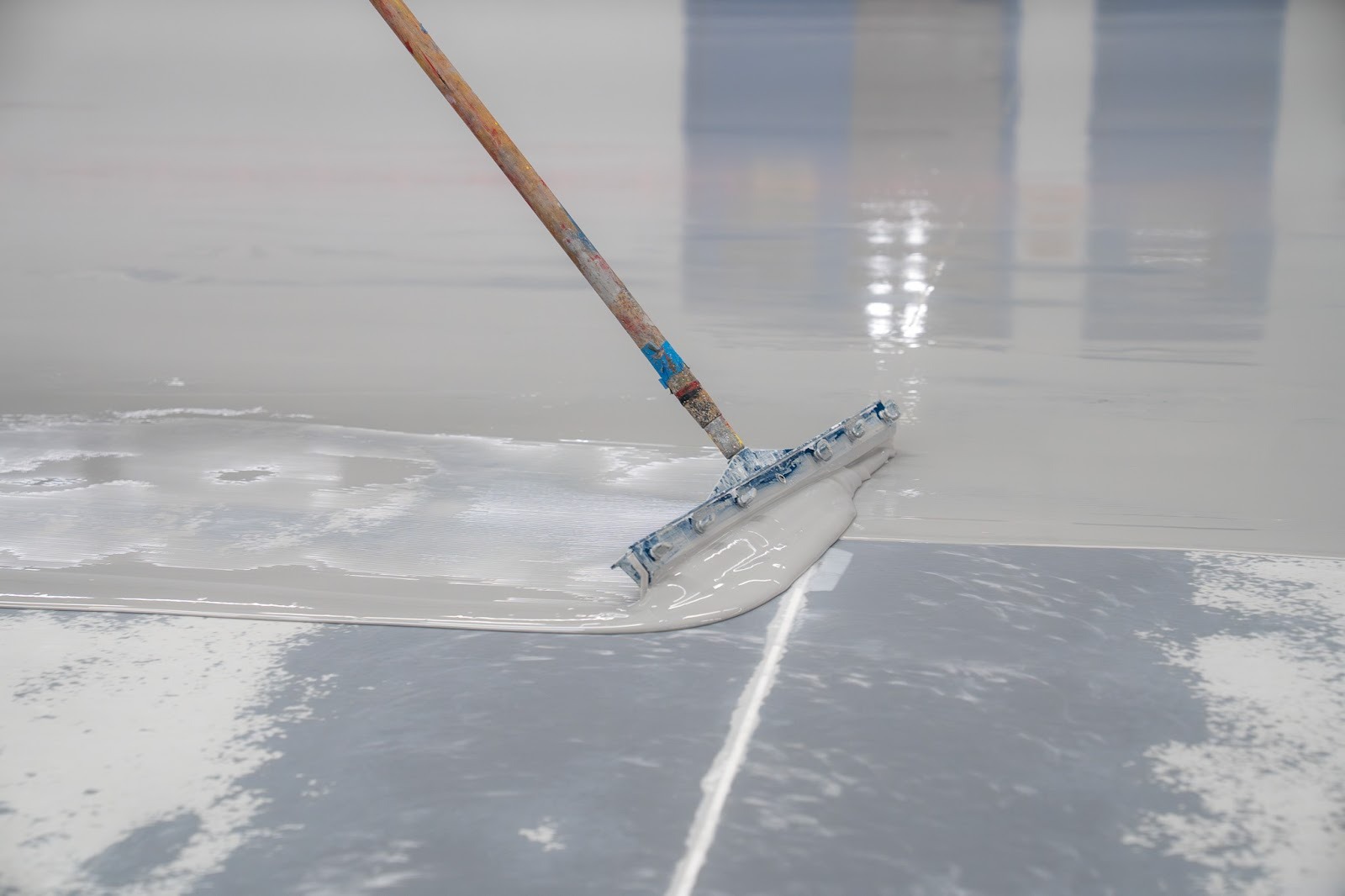
What Floor Coatings Are Best For
- Light to moderate foot traffic
- Warehouses with limited forklift activity
- Break rooms, offices, or commercial spaces
- Areas needing quick installation
- Facilities wanting improved appearance without major reconstruction
Coatings are budget-friendly and work well when concrete is in good condition and the environment is low stress.
What Is a Floor System?
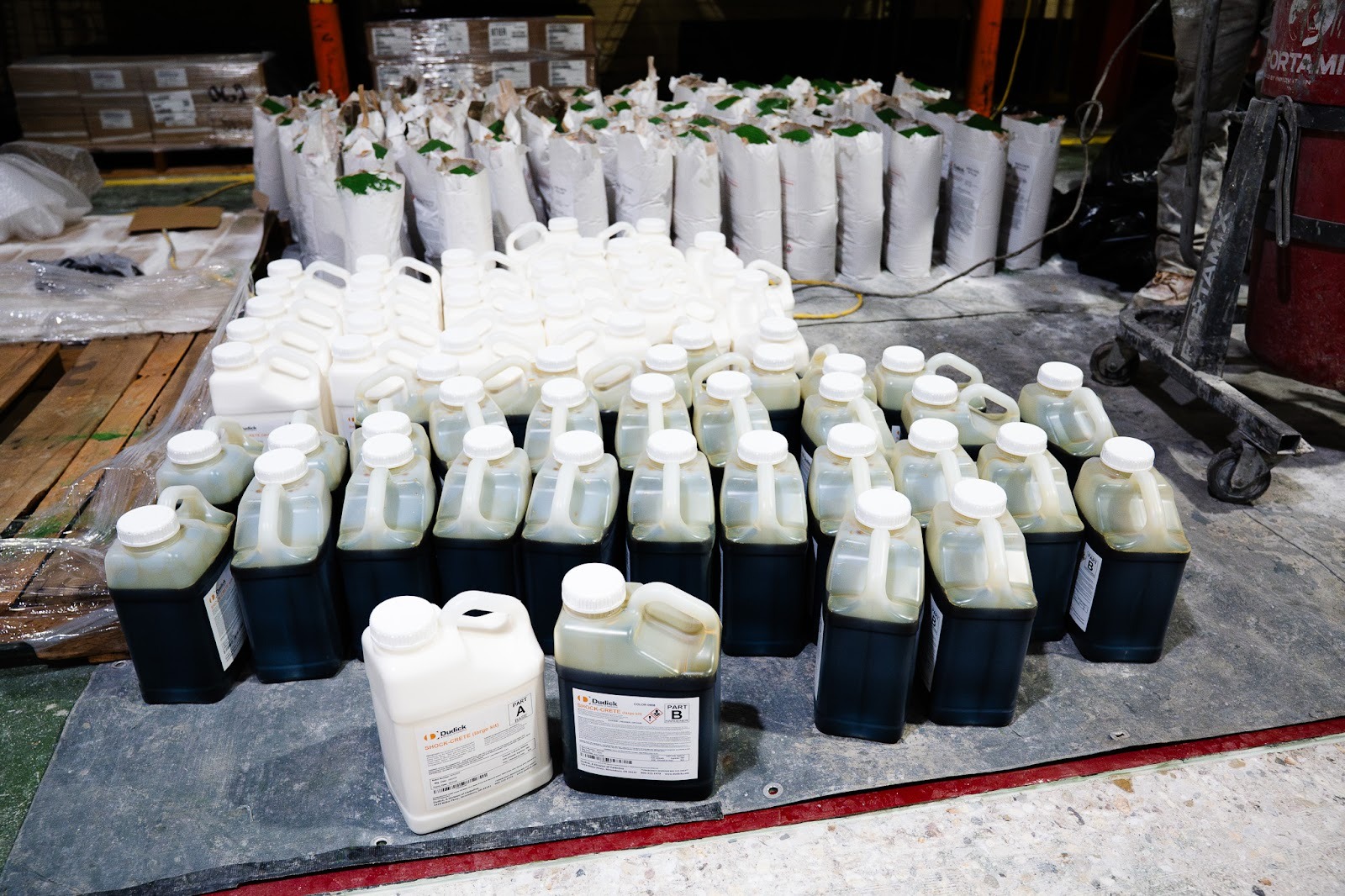
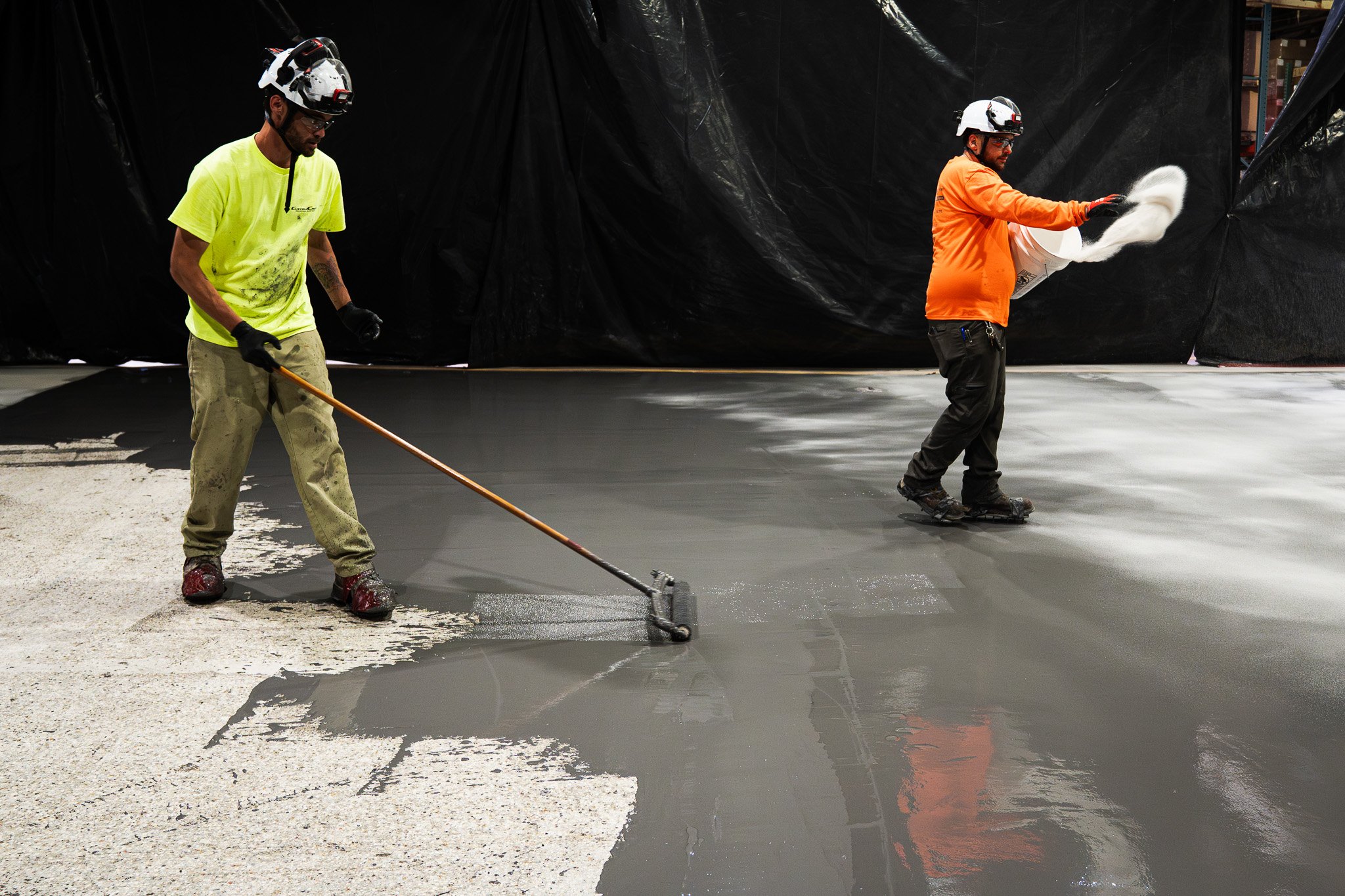
A floor system (also called a concrete system) is a multi-layer installation built for long-term industrial performance. Systems are engineered to handle heavy loads, moisture vapor, chemical exposure, thermal shock, and abrasive conditions that coatings cannot withstand alone.
Concrete systems may include several layers:
- Moisture mitigation primer
- Base coat or repair layer
- Broadcast aggregates (quartz, flake, or aluminum oxide)
- Intermediate build coats
- High-performance urethane or polyaspartic topcoat
Examples of complete concrete systems include:
- Urethane cement systems
- High-build epoxy/quartz broadcast systems
- Multi-layer chemical-resistant systems
- Heavy-duty industrial flooring systems for manufacturing
Systems are designed to solve specific operational challenges—not just improve surface appearance.
What Concrete Systems Are Best For
- Heavy forklift traffic
- Food and beverage production
- Chemical processing facilities
- Environments with washdowns or hot water exposure
- Areas with significant moisture vapor transmission
- Facilities requiring slip resistance and hygiene
Concrete systems are built to be thicker, stronger, and more durable in demanding environments.
Key Differences Between Coatings and Systems
Understanding the difference between concrete coatings and concrete systems starts with recognizing how they function in real-world facility conditions.
1. Thickness and Durability
- Coatings: Usually 5–15 mils thick
- Systems: Often 1/8" to 1/4" thick or more
Systems withstand impact, heavy traffic, and harsh chemicals far better.
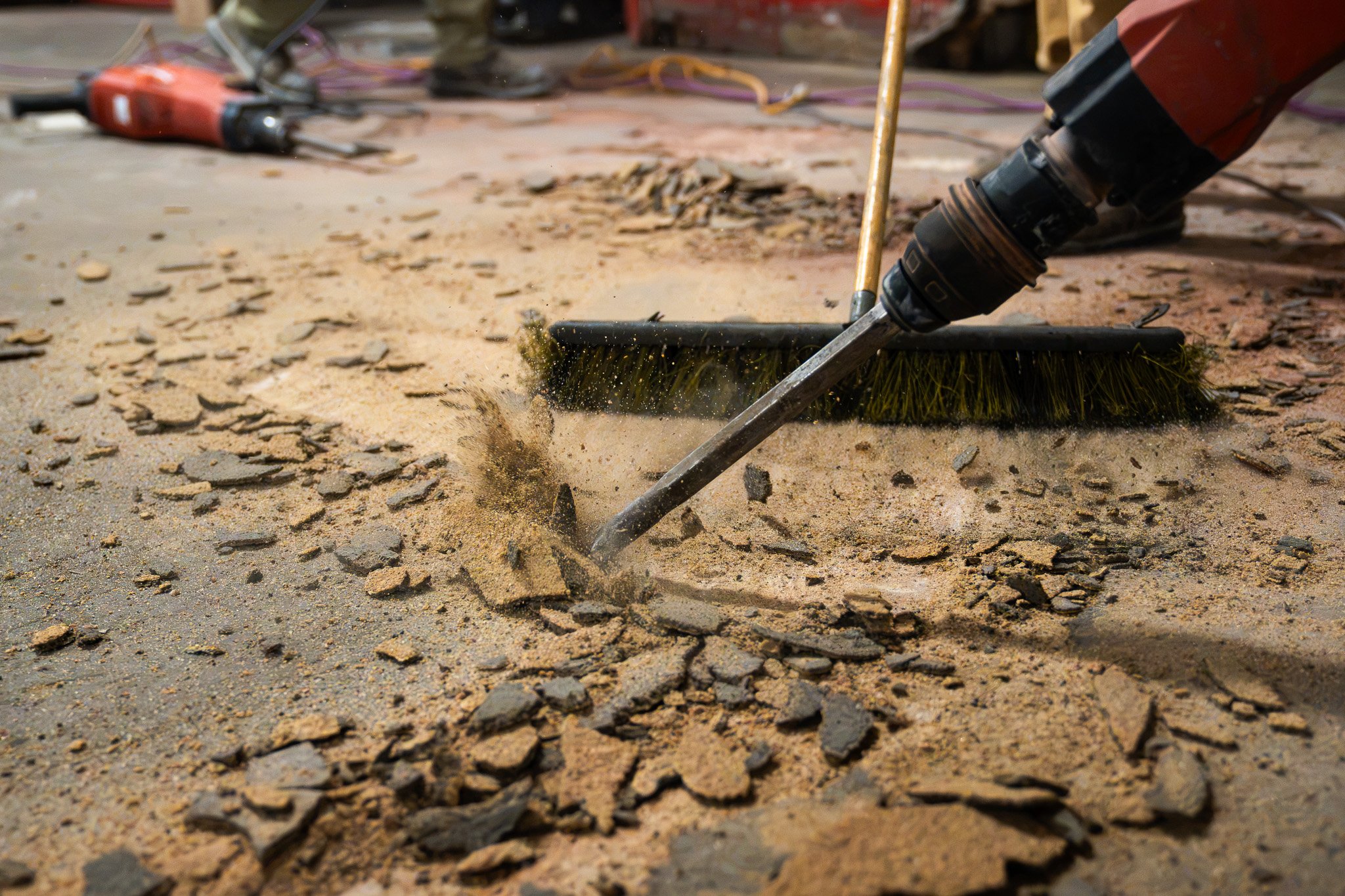
2. Surface Preparation Requirements
- Coatings: Light to moderate prep
- Systems: Intense prep, repairs, joint filling, profiling
Systems rely heavily on proper preparation for long-term success.
3. Performance Under Stress
- Coatings: Good for aesthetics and light protection
- Systems: Built to resist abrasion, heat, moisture, chemicals, and mechanical stress
Systems deliver superior performance in industrial environments.
How to Know Which One You Need
Choosing between concrete coatings and concrete systems depends on your facility’s operational demands.
Choose a Floor Coating If:
- Your concrete is in good shape
- Traffic levels are light to moderate
- Your top priority is improving appearance
- You want a fast, economical option
- Your environment is dry and low-impact
Choose a Floor System If:
- You need long-term durability
- Heavy machinery or forklifts operate daily
- Your environment involves chemicals, oil, or water
- You require hygiene-compliant surfaces
- Your slab has moisture issues
- You want slip resistance or a textured surface
The more demanding the conditions, the more likely you need a system rather than a coating.
Why the Difference Matters for Budgeting
The decision between coatings and systems also affects cost. Because systems use more material, require intensive preparation, and involve multiple installation steps, they are typically more expensive than basic coatings.
Your industrial flooring cost will vary depending on:
- Level of surface prep
- Thickness of system
- Coating type or resin chemistry
- Moisture mitigation needs
- Downtime and scheduling requirements
While coatings cost less upfront, systems offer better long-term value for harsh environments.
FAQ: Floor Coatings vs Floor Systems
- Do floor coatings ever fail?
They can—especially in high-traffic or wet environments. Systems are much more durable when stress levels are high. - Can I upgrade a coating to a full system later?
Yes, but it may require grinding off the existing coating and rebuilding from the base. - How do I know if my concrete needs a system instead of a coating?
If you experience moisture issues, frequent cracking, heavy traffic, or chemical spills, a concrete system is usually the better choice.
Final Thoughts
Understanding the difference between concrete coatings and concrete systems is essential for choosing the right flooring solution for your environment. Coatings offer quick, economical surface protection for light-duty spaces, while full systems provide superior durability and performance where conditions are demanding.
To continue learning about the costs associated with each option, read the next article: “How Much Do Industrial Floors Really Cost?”.
.jpg?width=2048&height=1365&name=CC108559%20(1).jpg)
.png?width=11520&height=9216&name=Untitled%20design%20(56).png)
.jpg?width=2048&height=1365&name=CC106221%20(1).jpg)
.jpg?width=2048&height=1365&name=CC102459%20(1).jpg)