
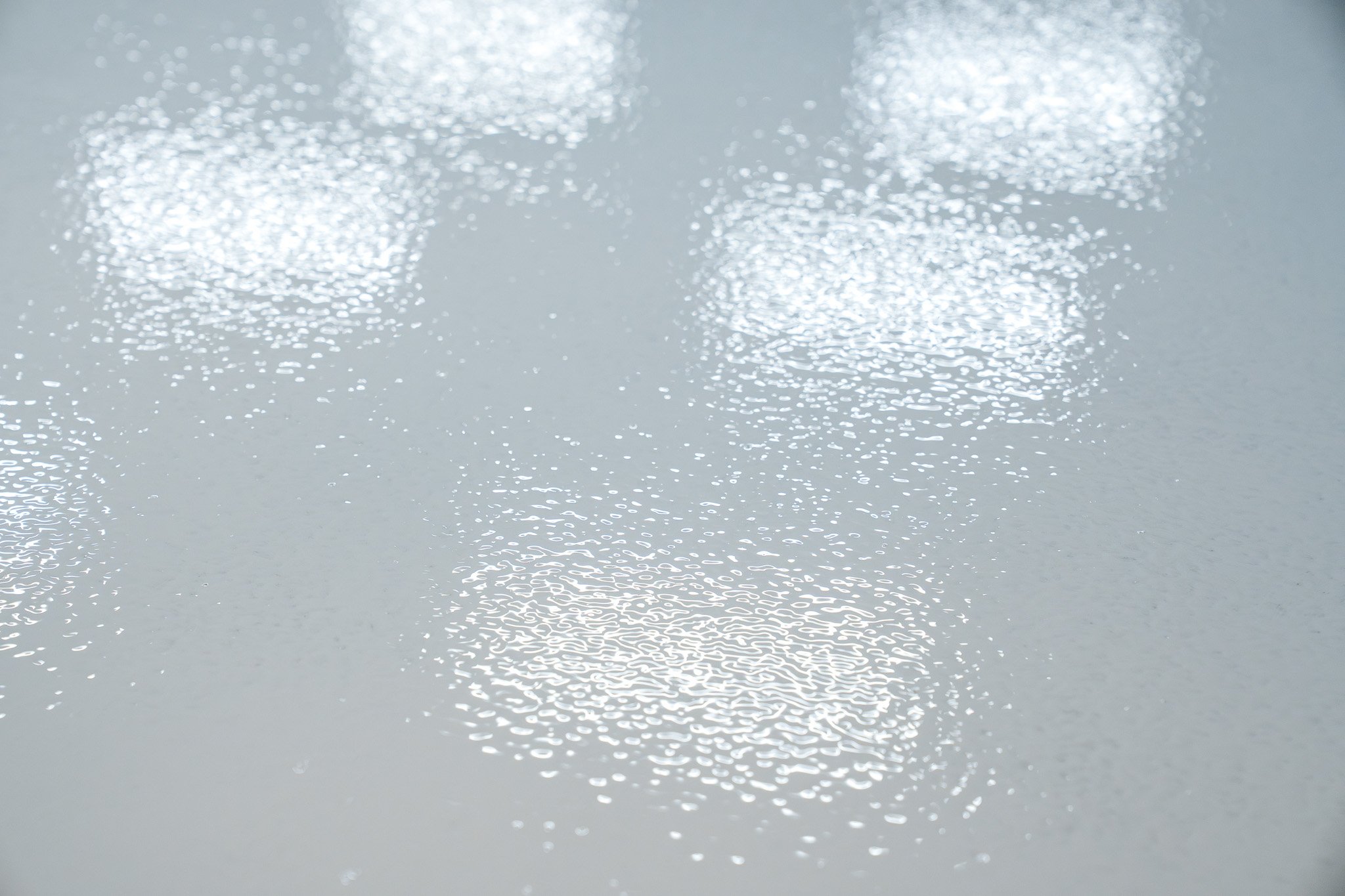
One of the most common concerns facility managers and business owners have when researching epoxy flooring is safety—specifically, whether epoxy floors become slippery when wet. This question often comes up in warehouses, manufacturing facilities, food processing plants, and commercial spaces where moisture, spills, or routine washdowns are part of daily operations. Understanding how epoxy flooring behaves when wet helps set realistic expectations and supports safer flooring decisions.
At CustomCrete, this question is frequently asked during the early research stage, especially by facilities comparing epoxy floors to polished concrete, tile, or sealed concrete.
Is Epoxy Flooring Slippery When Wet?
Epoxy flooring can be slippery when wet—but it doesn’t have to be.
The slip resistance of an epoxy floor depends on how the system is designed, installed, and maintained.
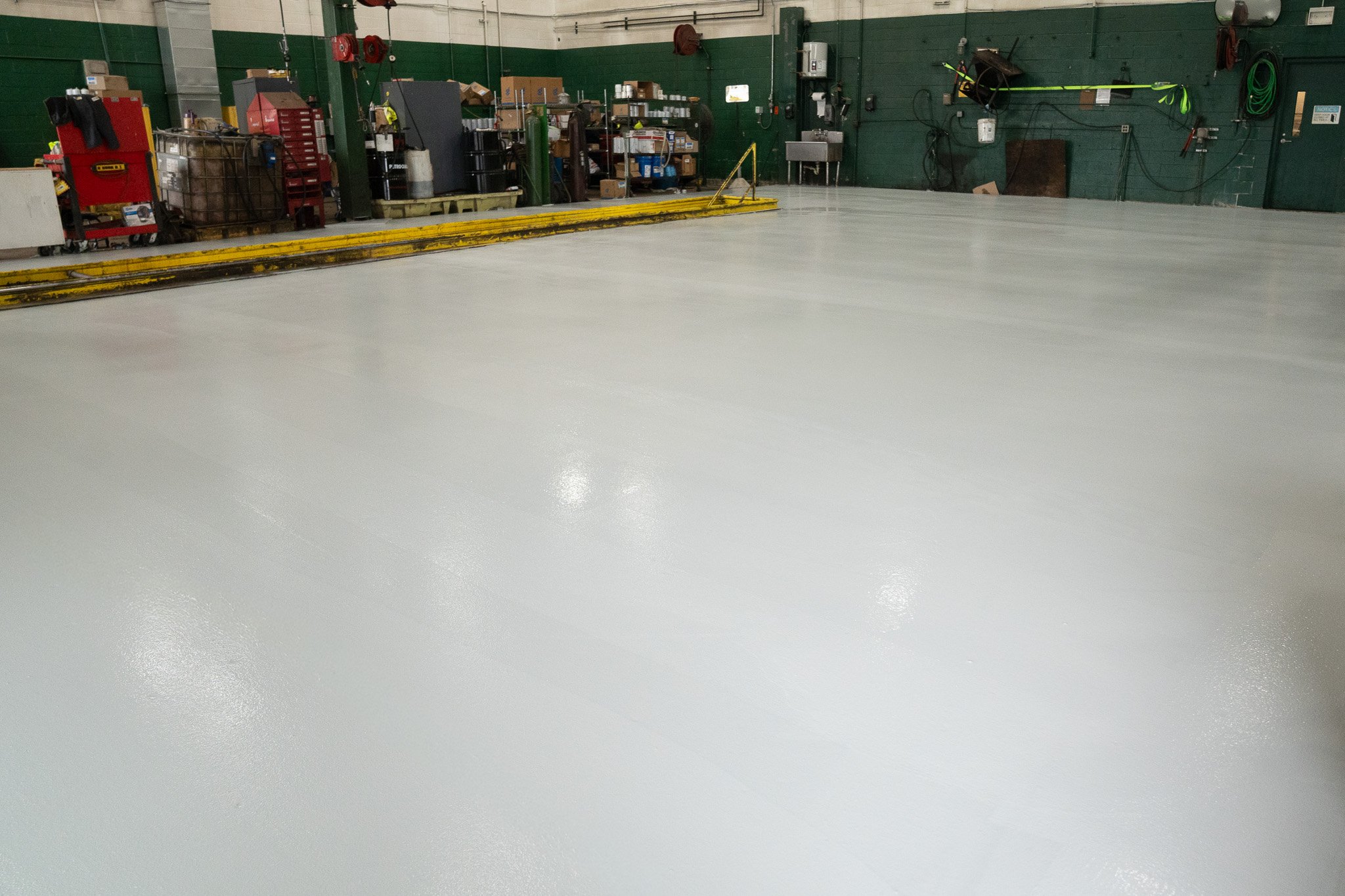
A smooth, high-gloss epoxy coating without traction additives may become slick when exposed to water, oils, or other liquids. However, most industrial epoxy flooring systems are customized with safety in mind and can be installed with slip-resistant textures that significantly reduce the risk of slips and falls.
What Makes Epoxy Floors Slippery or Slip-Resistant?
Several factors influence whether epoxy flooring is slippery when wet.
Surface Texture
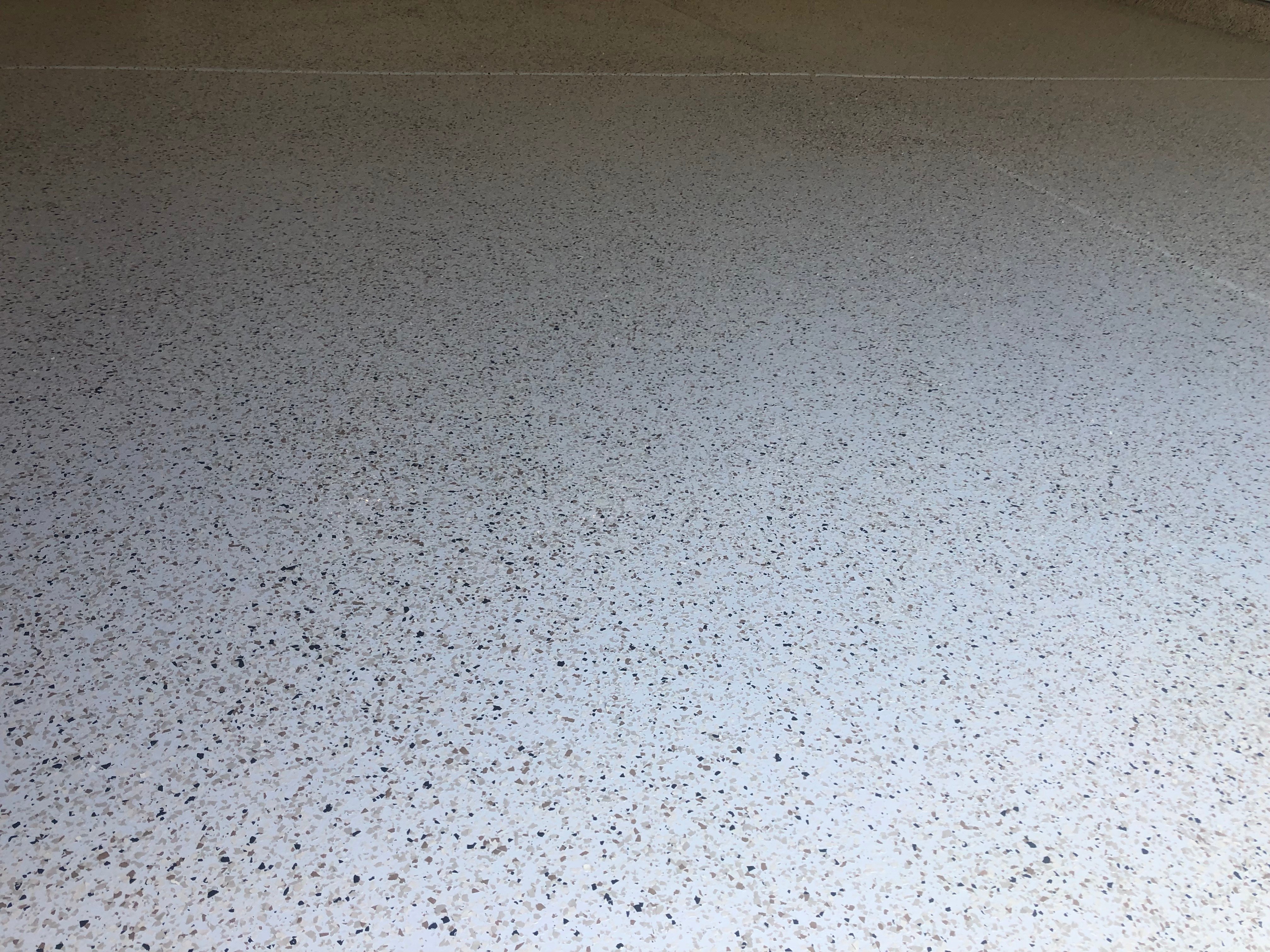
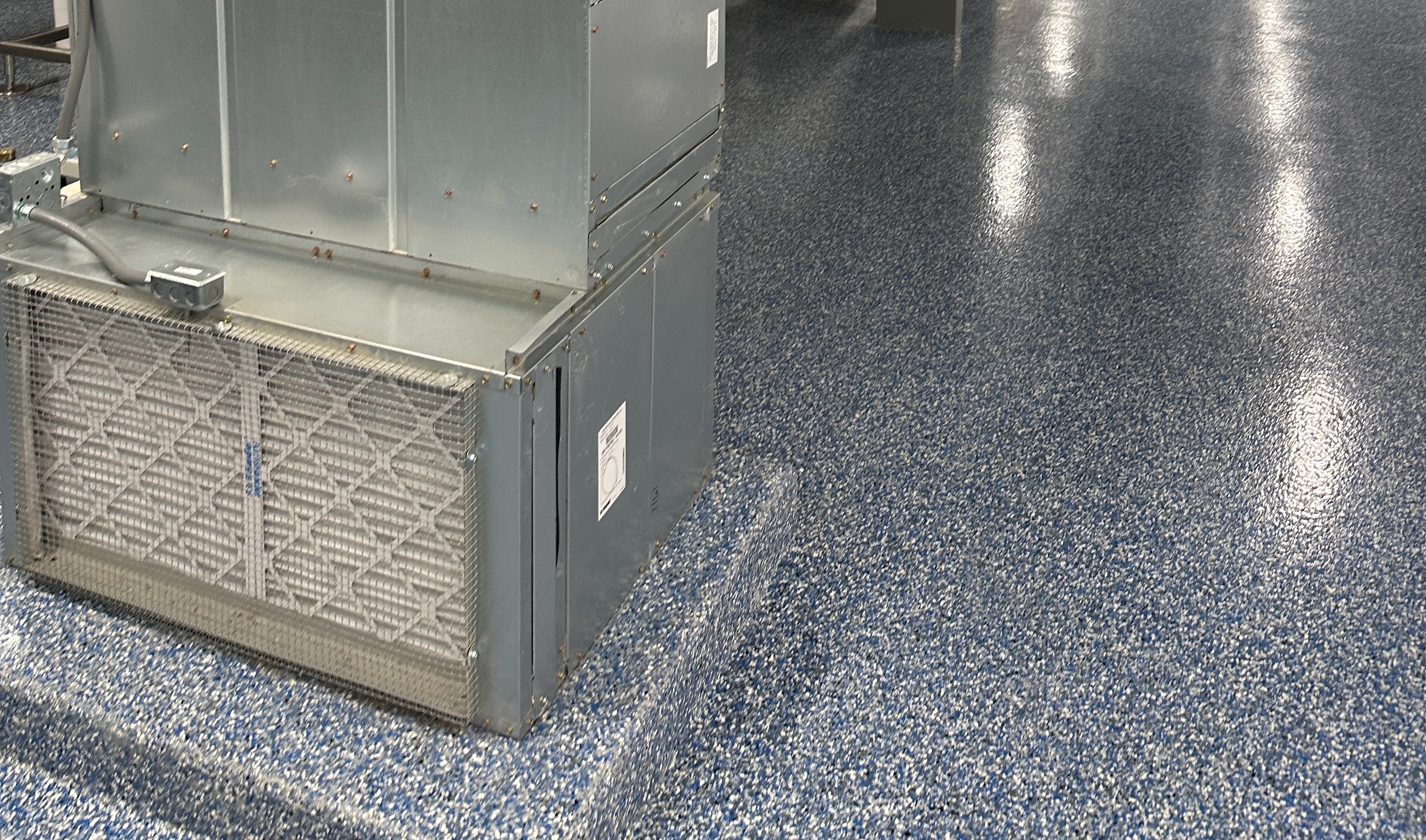
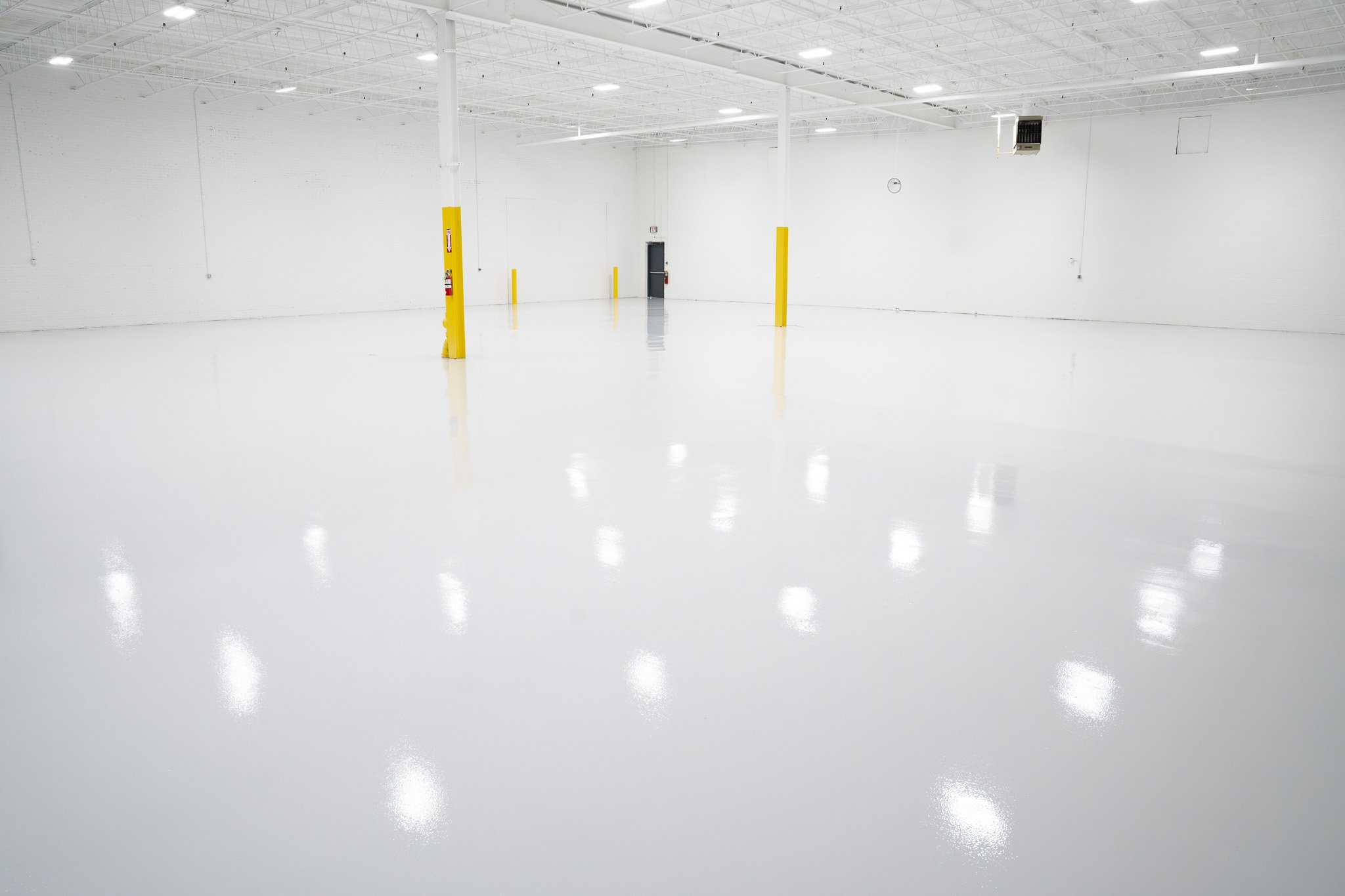
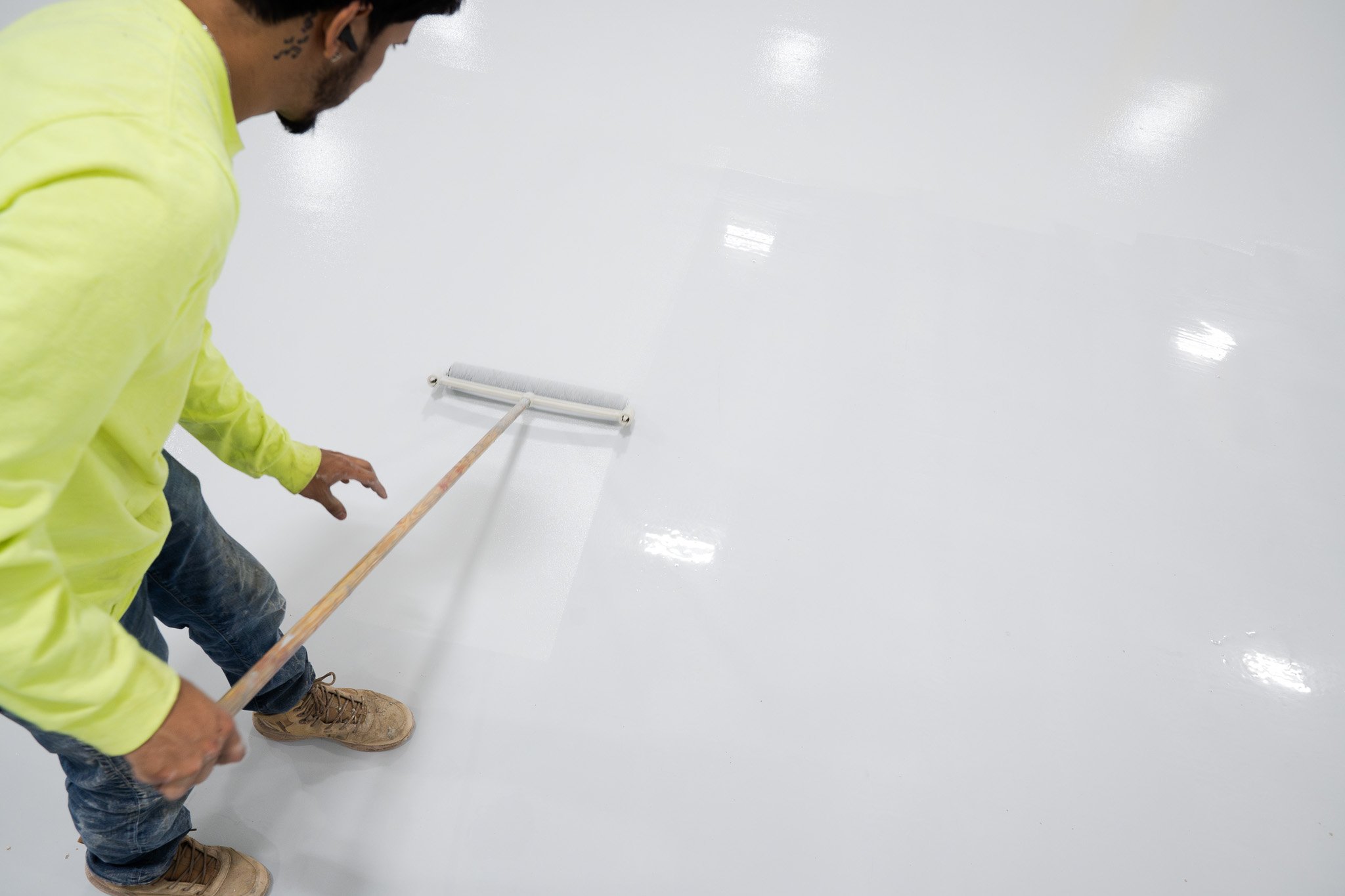
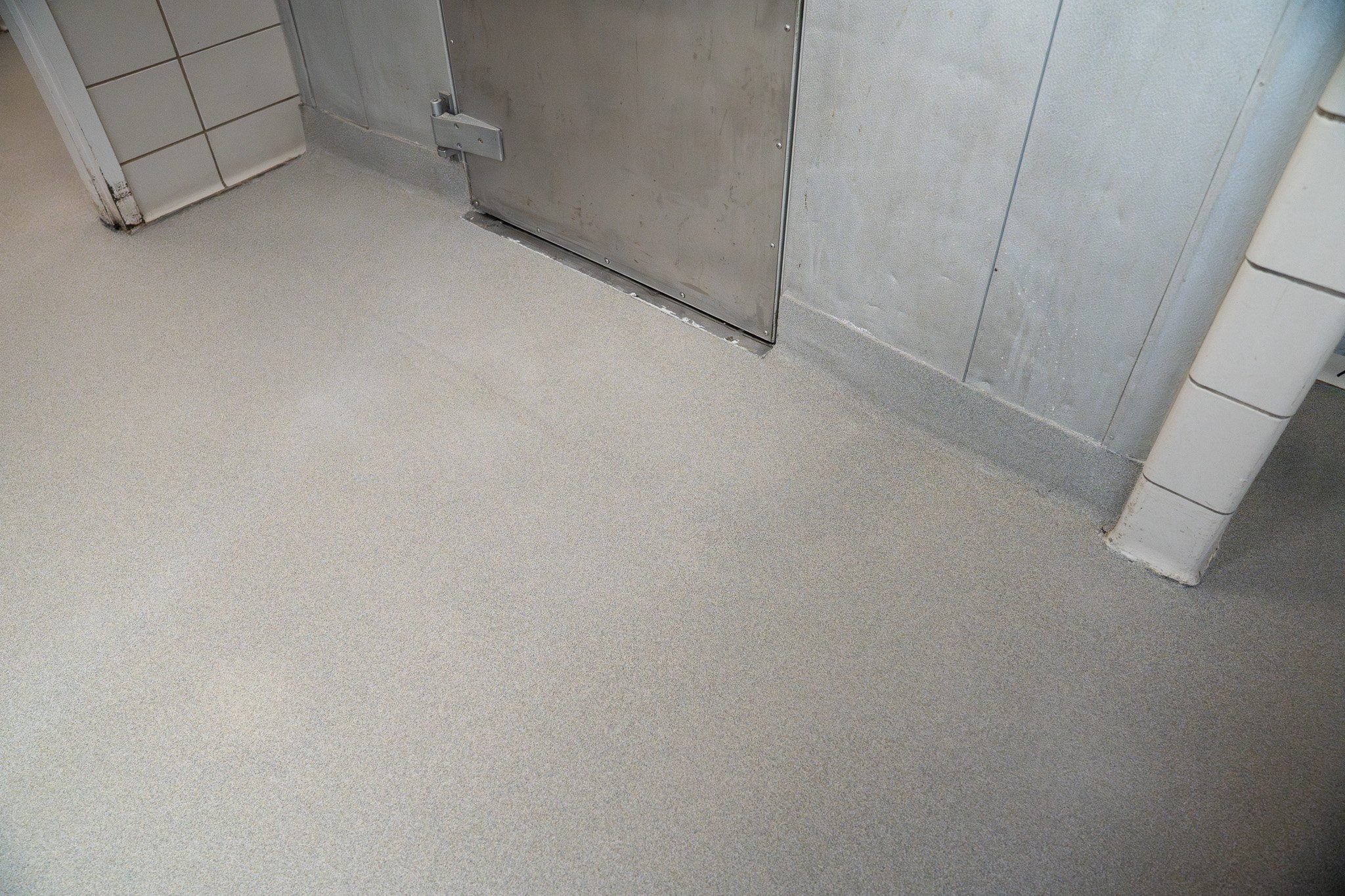
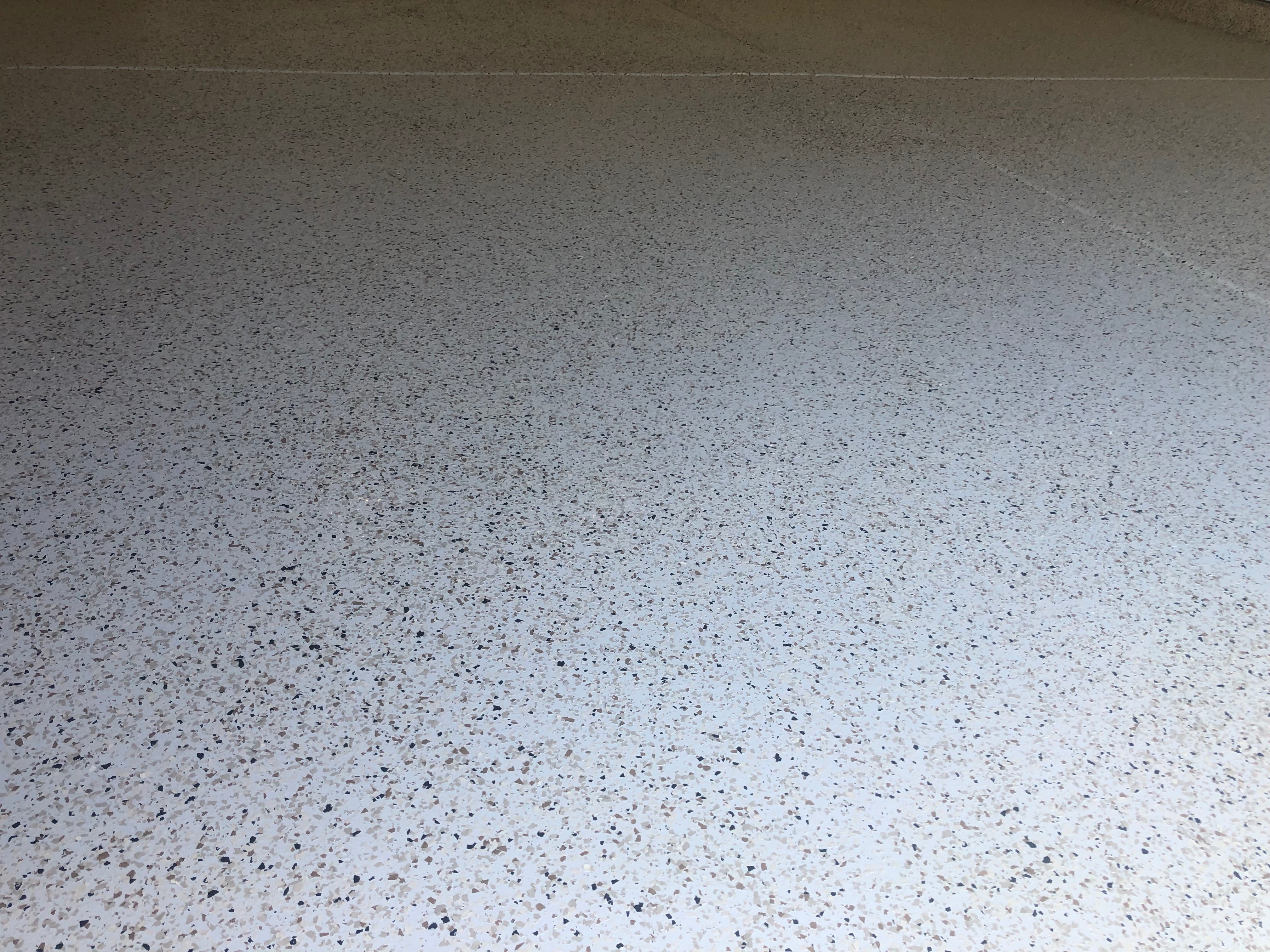
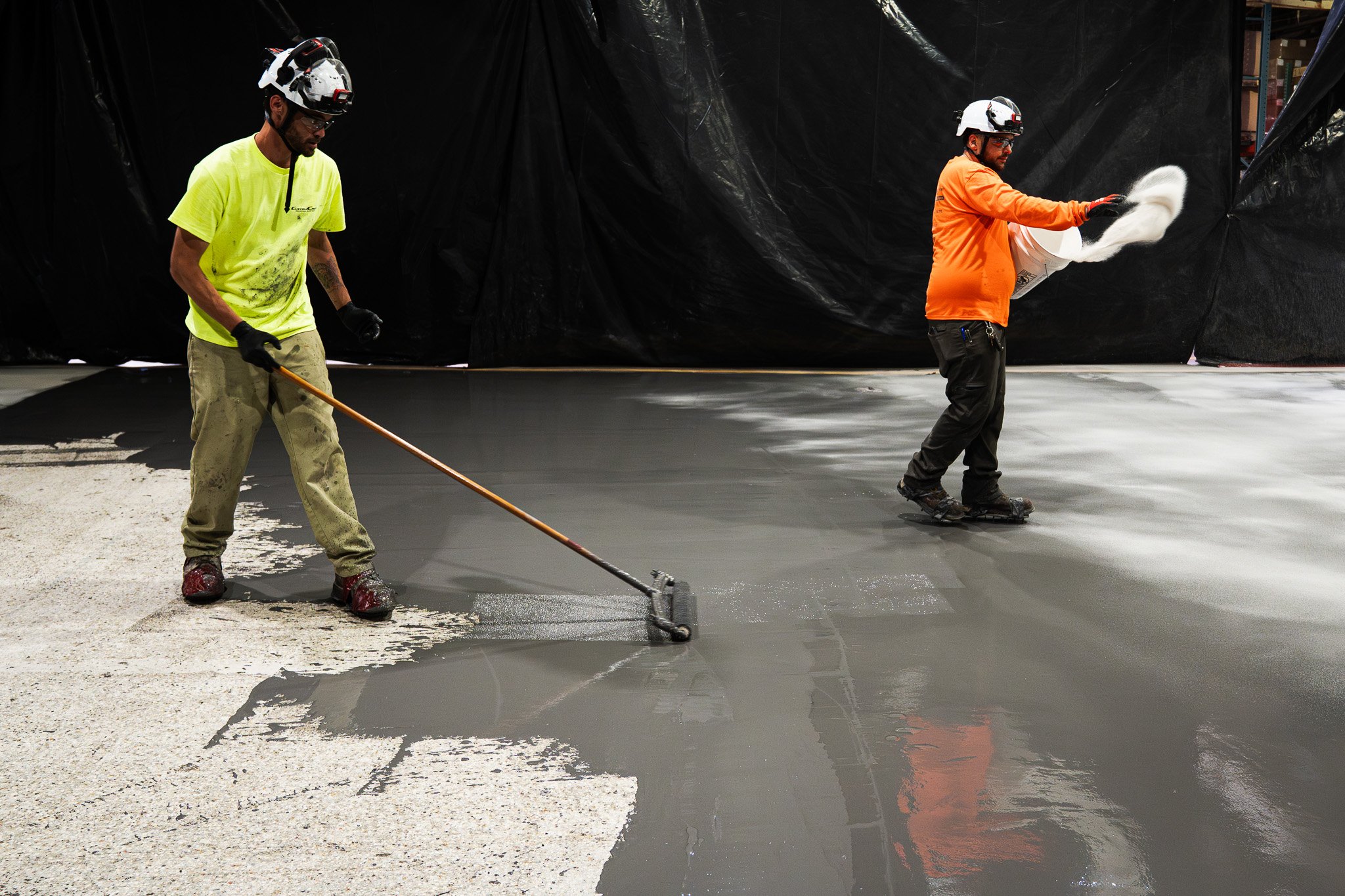
Smooth epoxy floors reflect light well and are easy to clean, but they may offer less traction when wet. Textured epoxy systems include broadcast aggregates or non-slip additives that create grip underfoot.
Type of Additives Used
Materials such as silica sand, aluminum oxide, or polymer grit can be incorporated into epoxy coatings to improve slip resistance without making the floor overly rough.
Presence of Liquids
Water, oils, chemicals, or food byproducts can all affect traction. Facilities with frequent spills or washdowns usually require epoxy systems specifically designed for wet environments.
Cleaning and Maintenance
Improper cleaning methods can leave residue on epoxy floors, reducing traction over time. Regular maintenance helps preserve both safety and performance.
It is important to pick a texture that is slip resistant but still easy to clean. For more information on this topic, read our blog,”Slip Resistance vs. Cleanability: Finding the Right Balance for Industrial Floors”.
Is Epoxy Flooring Safe for Industrial and Commercial Facilities?
Yes—when properly specified, epoxy flooring is widely used in environments where safety is critical. Industrial epoxy floors are commonly installed in:
- Warehouses and distribution centers
- Manufacturing facilities
- Food and beverage processing plants
- Commercial garages and service areas
Slip resistance is addressed during the system selection process, not after installation. This is why choosing the right epoxy floor system matters more than choosing epoxy alone.
Can Slip Resistance Be Added to Existing Epoxy Floors?
In many cases, yes. Existing epoxy flooring can sometimes be modified with additional coatings or surface treatments to improve traction. The feasibility depends on the condition of the floor and the original system used.
Addressing slip concerns early is always easier than correcting them later, which is why upfront planning is important.
Final Thoughts
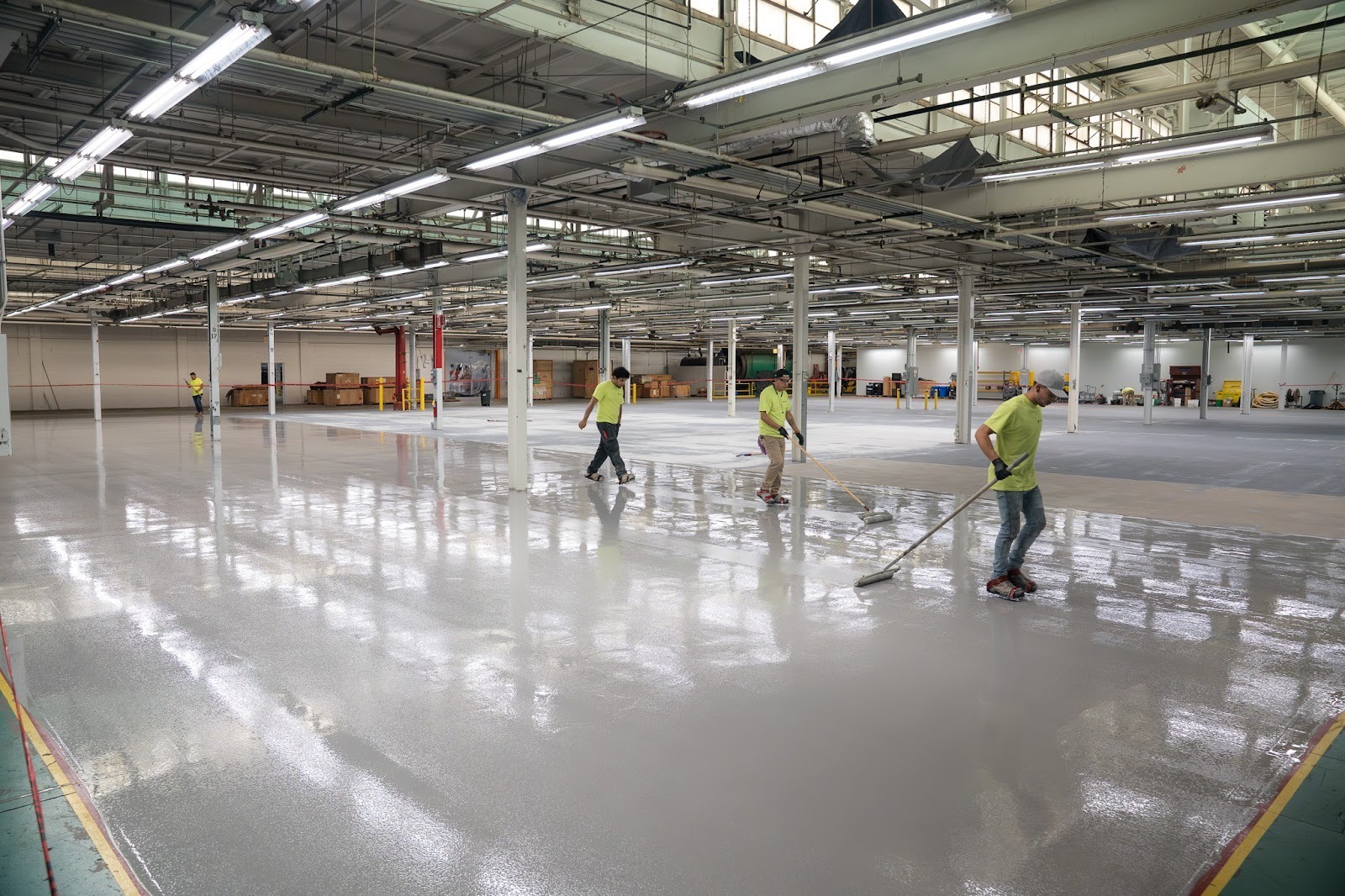
Epoxy flooring is not automatically slippery when wet. While smooth epoxy surfaces can become slick, most industrial epoxy floors are designed with slip resistance tailored to the facility’s needs. Factors like surface texture, additives, environment, and maintenance all play a role in overall safety.
To continue learning about industrial flooring safety, performance, and system selection, visit CustomCrete’s Learning Center. If you’re specifically exploring epoxy flooring options, you can also learn more by visiting the epoxy flooring page to understand how different systems are designed for real-world conditions.

Topics:
.jpg?width=2048&height=1365&name=CC108559%20(1).jpg)

.jpeg?width=1638&height=1020&name=CC109349%20(1).jpeg)
.png?width=11520&height=9216&name=Untitled%20design%20(56).png)