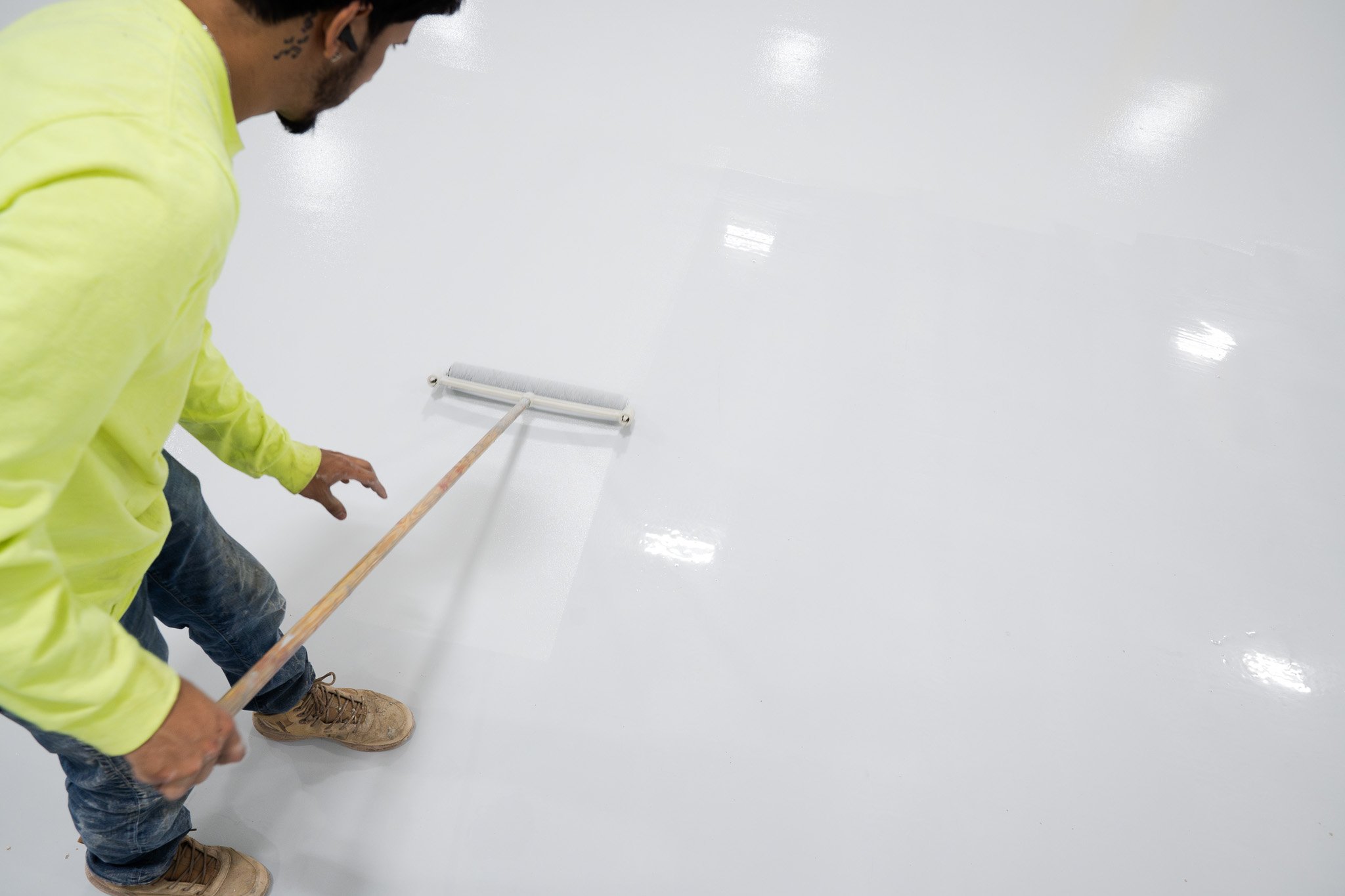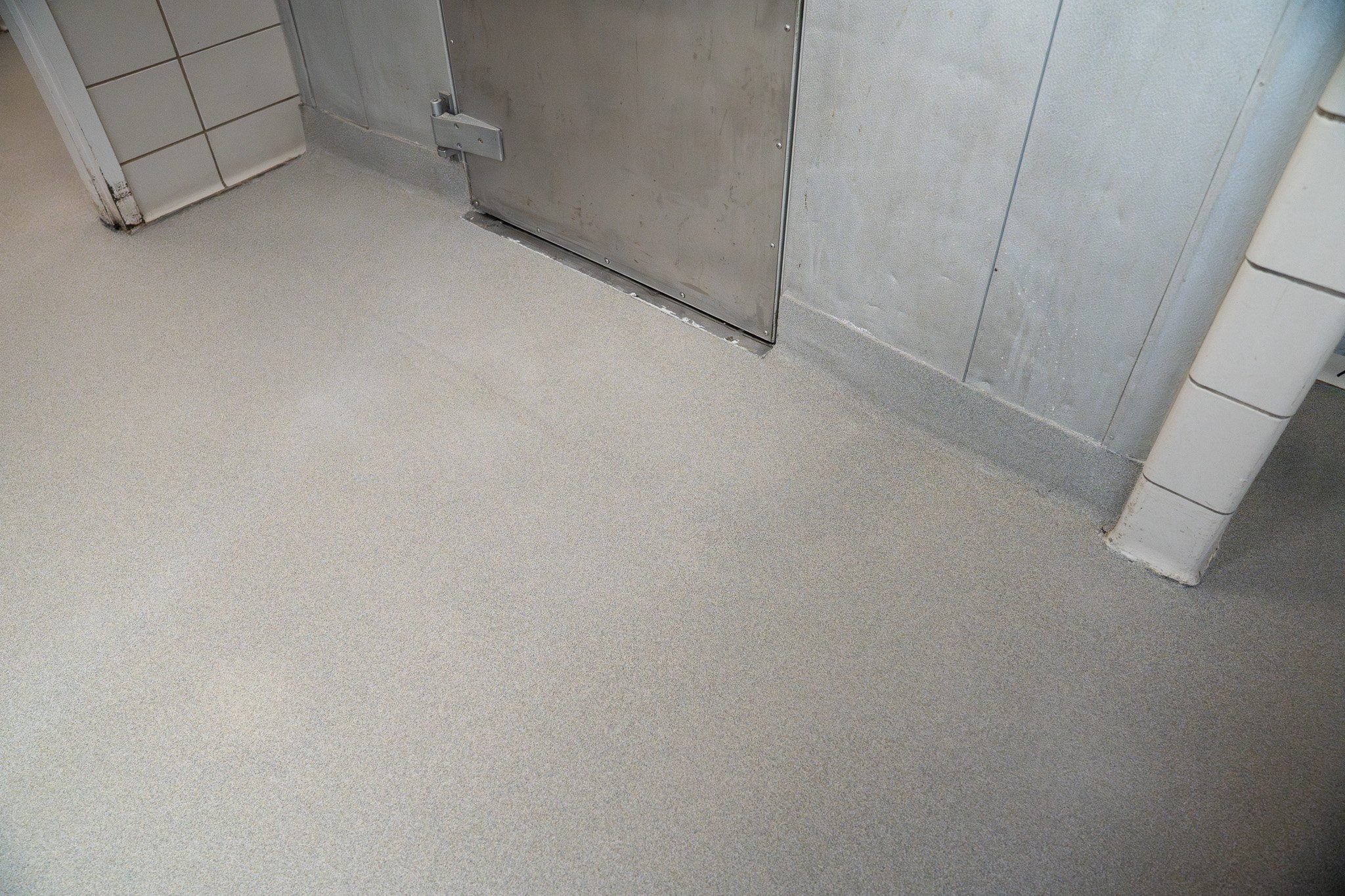

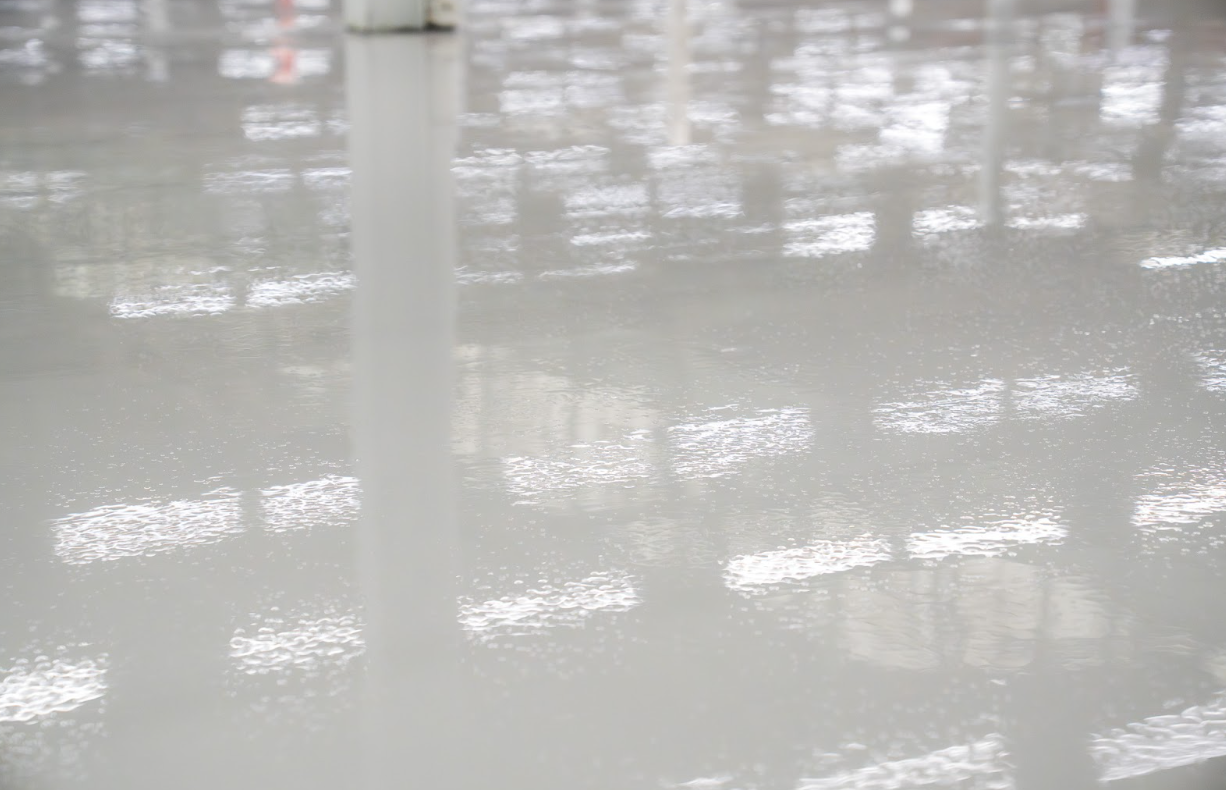
Slip resistance is a major concern in industrial and commercial facilities—but more texture isn’t always better. Many facility managers assume the roughest floor is the safest option, only to discover later that excessive texture makes floors harder to clean, maintain, and sanitize. The real challenge is finding the right balance between slip resistance and cleanability for how a facility actually operates.
At CustomCrete, this is a common question from warehouses, manufacturing plants, food and beverage facilities, and commercial spaces evaluating concrete coatings.
Why Floor Texture Matters for Safety
Floor texture directly affects slip resistance. In areas where water, oils, or other liquids are present, a completely smooth floor may increase the risk of slips and falls. Adding texture helps create traction underfoot, improving safety for employees and visitors.
However, texture should be intentional—not excessive. Floors that are too aggressive can create new problems instead of solving old ones.
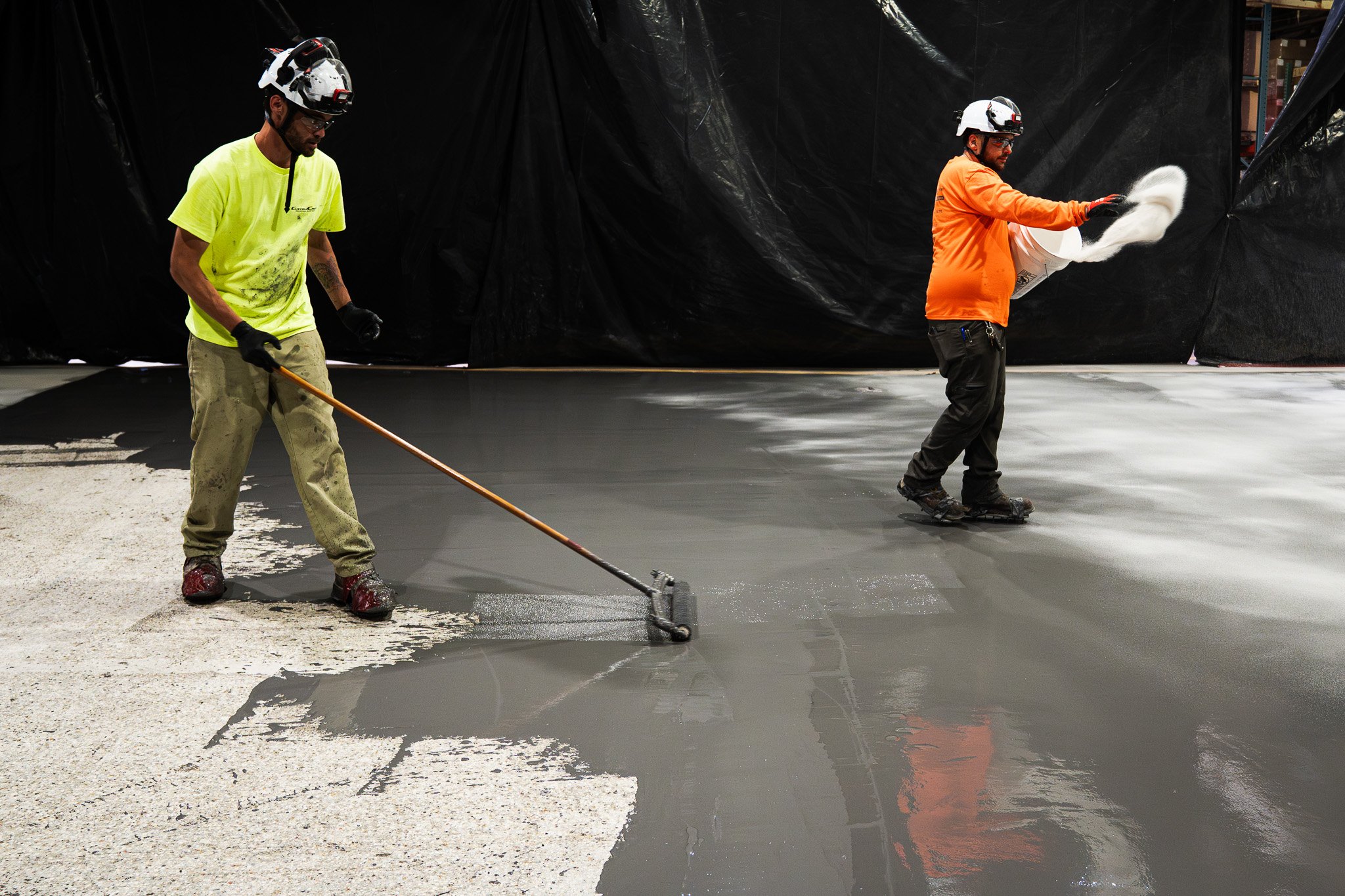
How Slip Resistance Is Created With Sand Grit
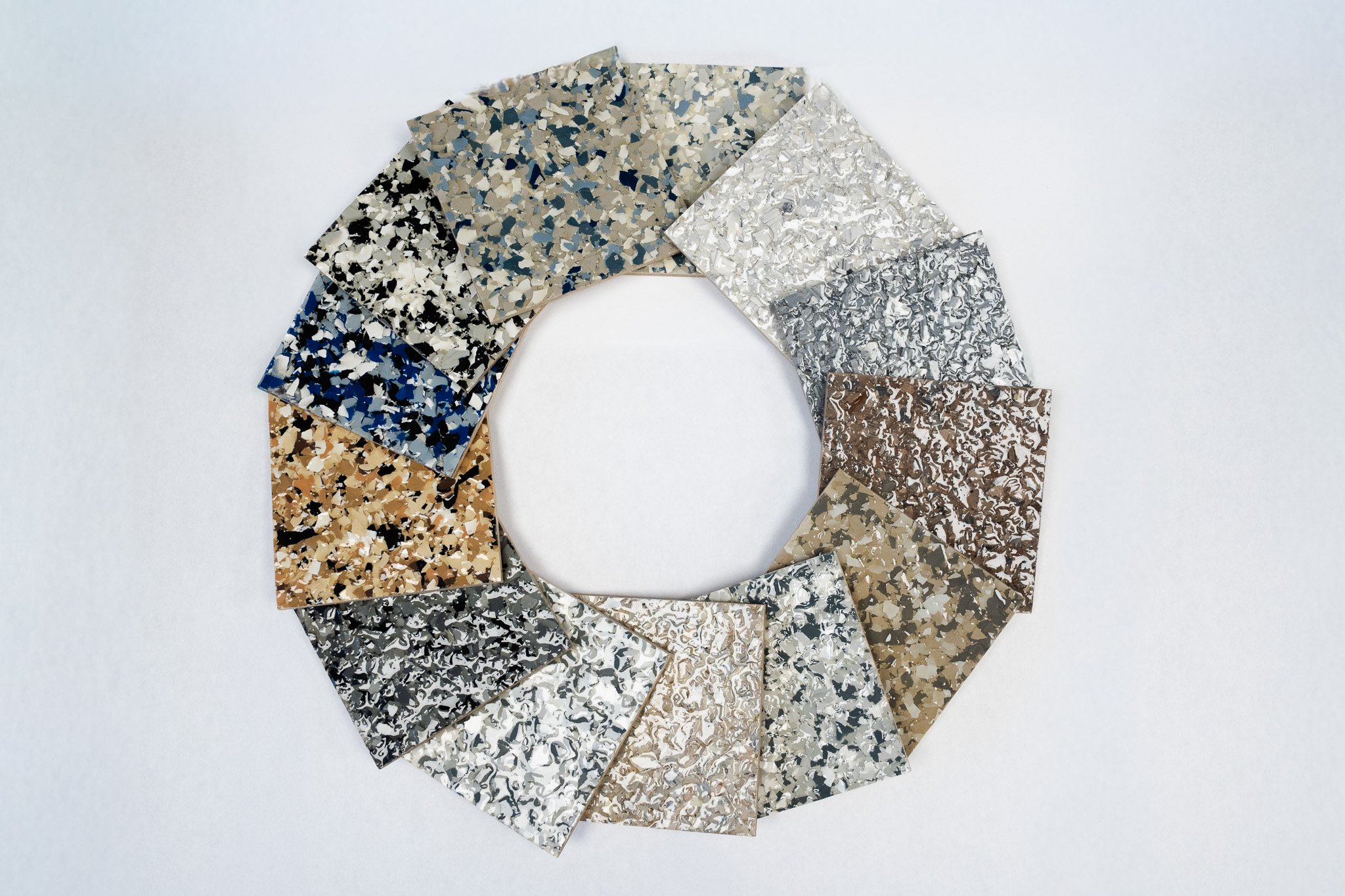
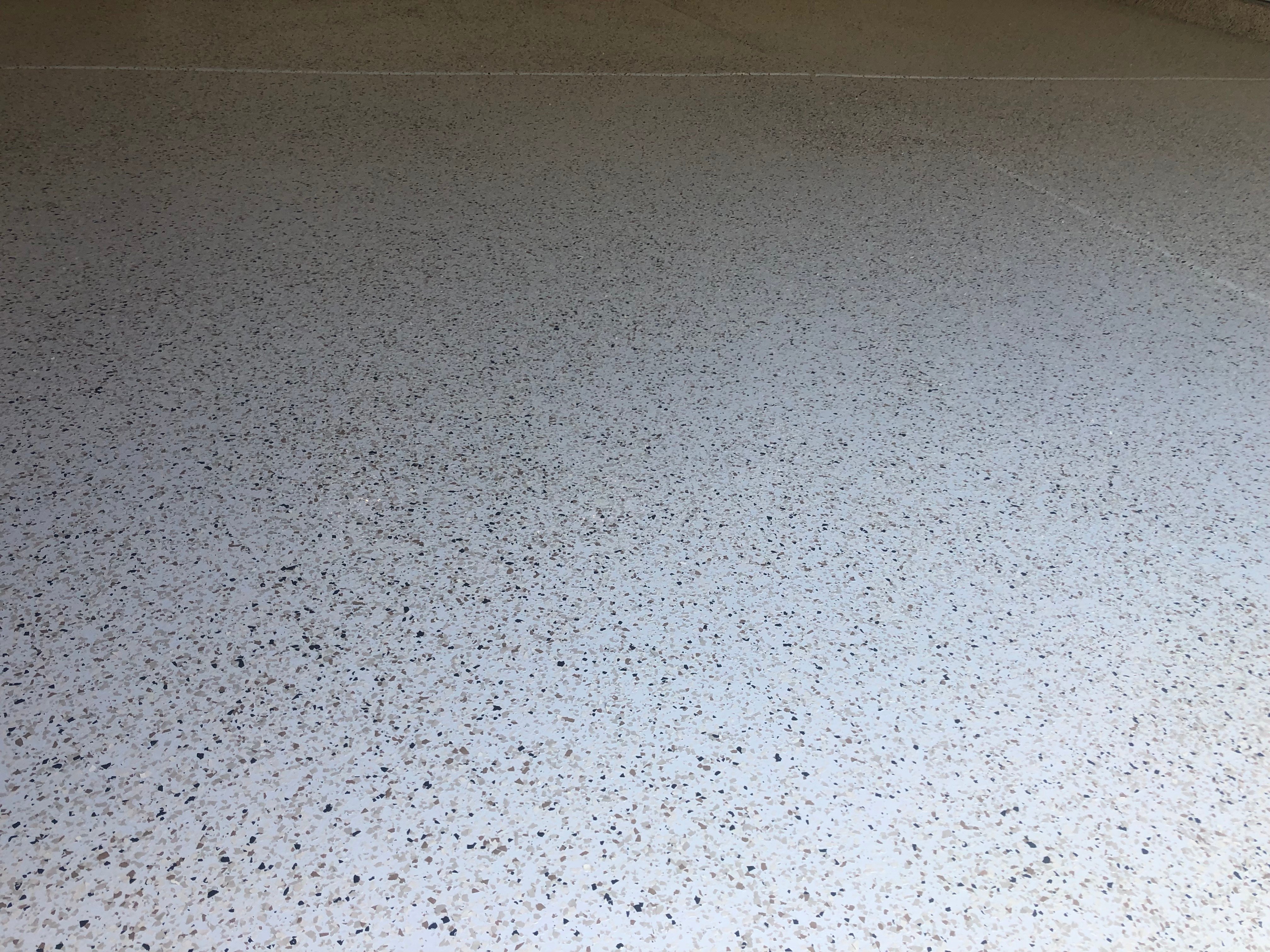
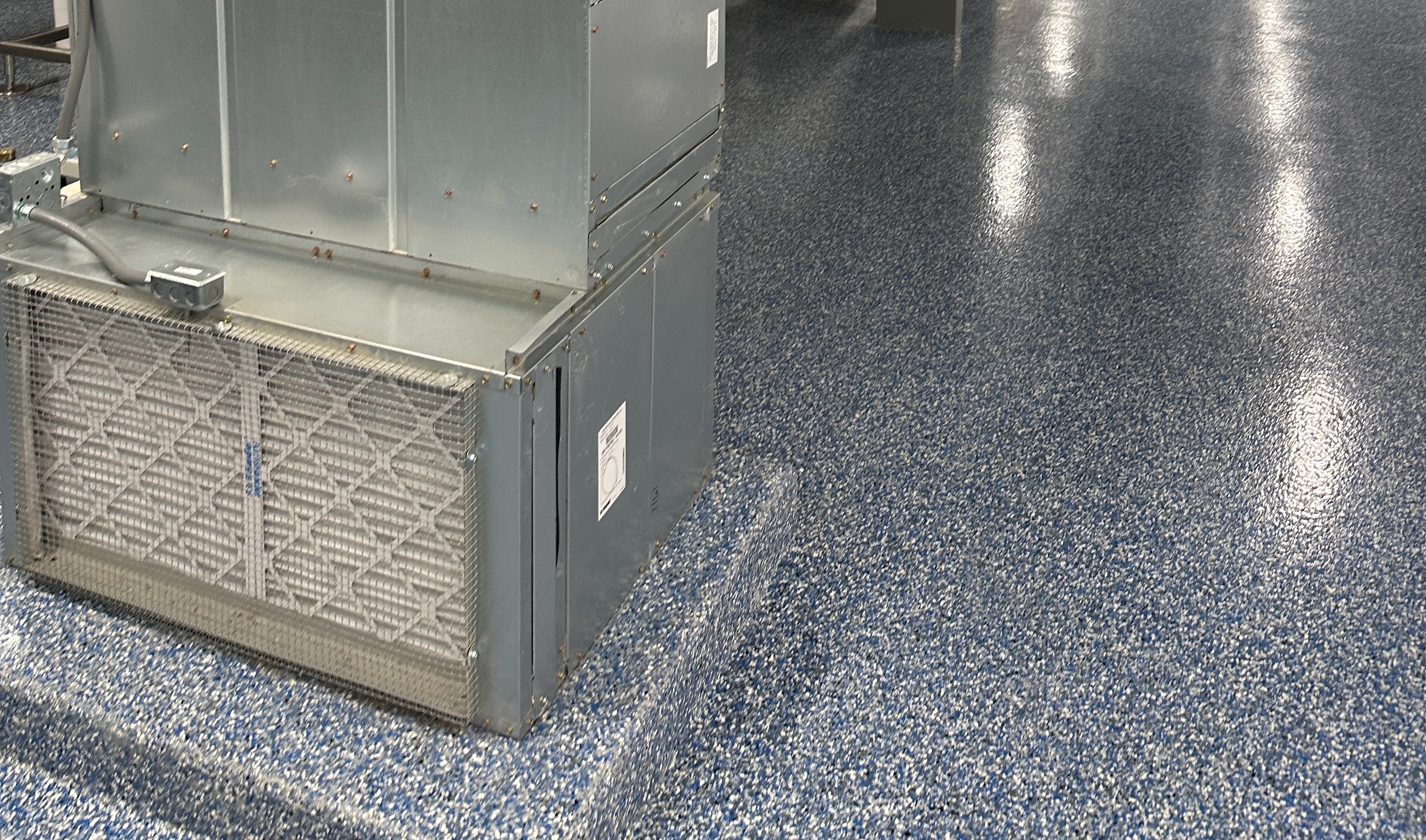
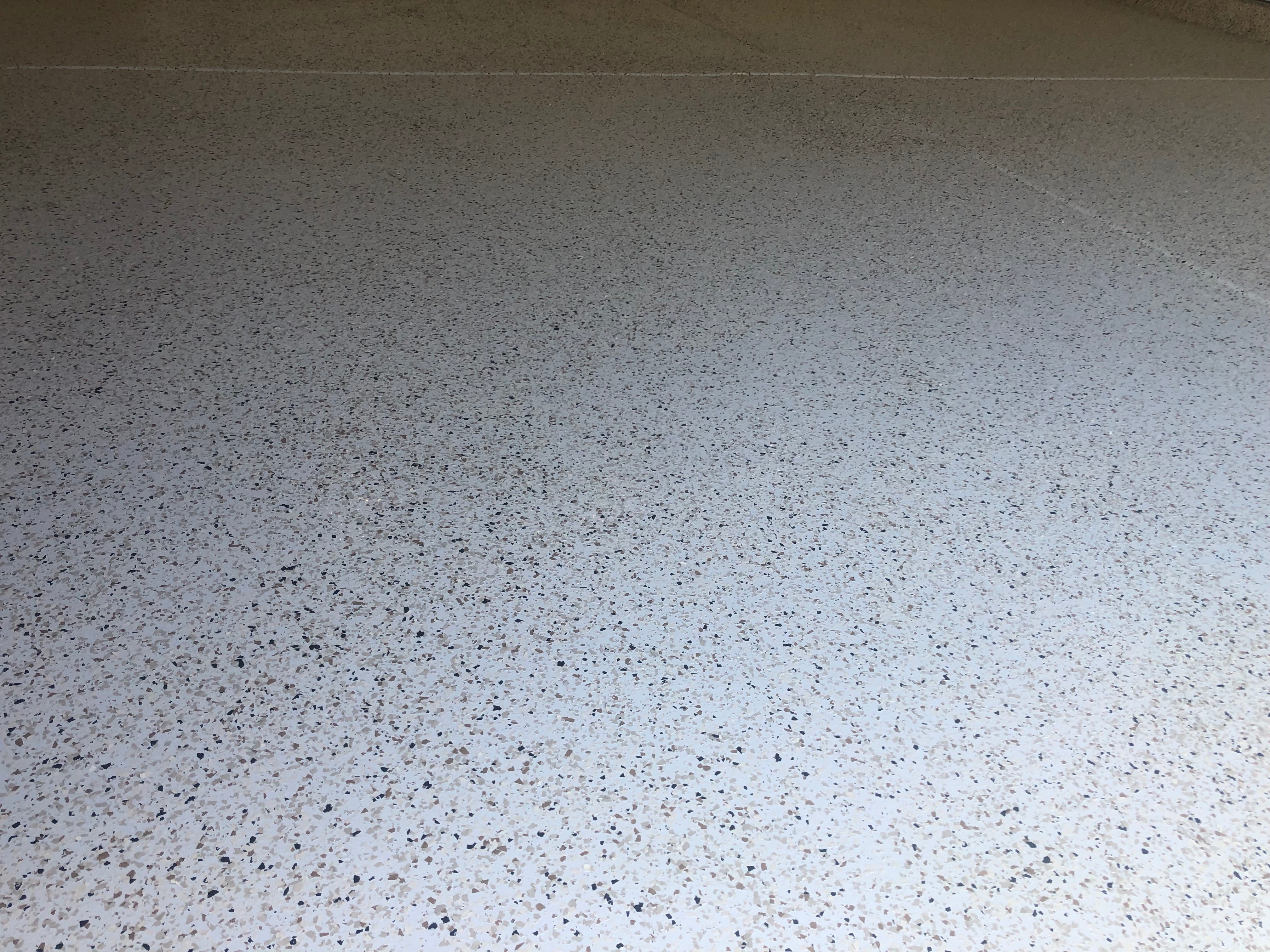
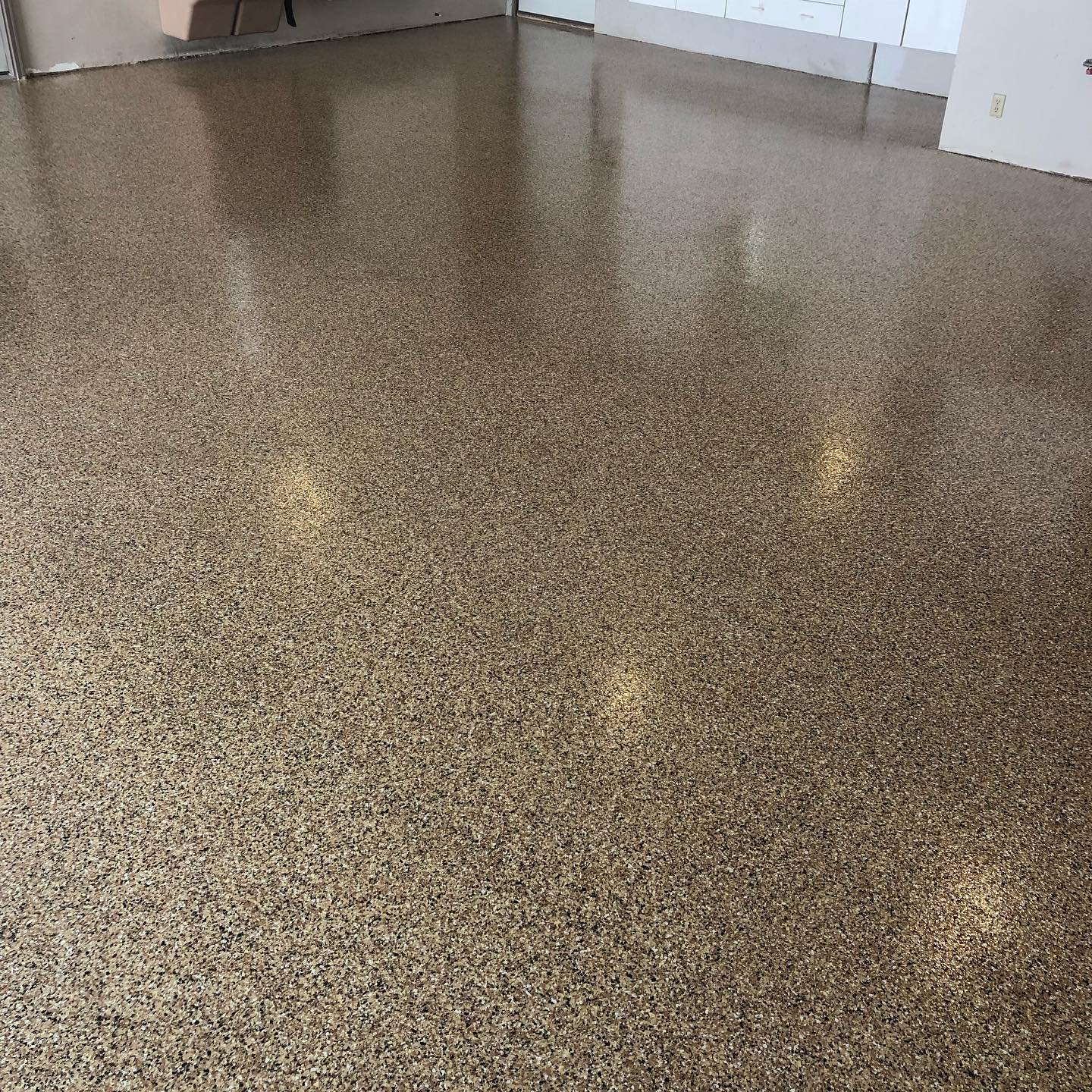
Slip resistance in concrete coatings is created by introducing aggregate into the coating system, but texture is not determined by grit size alone. There are two primary factors that influence how much traction a floor provides: the size of the aggregate and the shape of the aggregate.
1. Aggregate Size
The size of the aggregate controls how pronounced the surface texture feels underfoot.
2. Aggregate Shape
The shape of the aggregate plays an equally important role in how slip resistance performs.
The Tradeoff: Slip Resistance vs. Cleanability
This is where many facilities struggle.
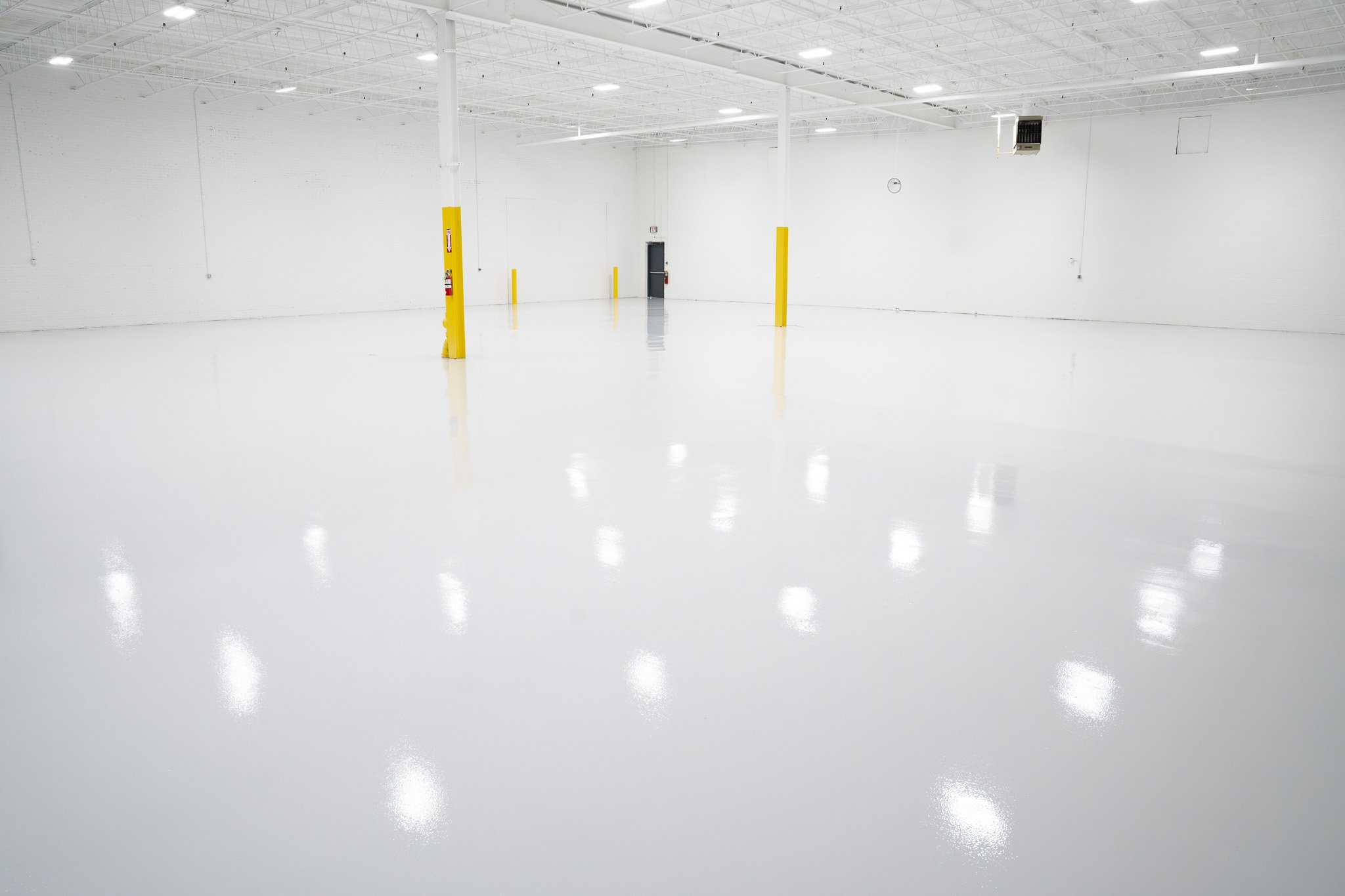
Highly textured floors can trap dirt, debris, and liquids in the surface profile. This makes cleaning more time-consuming and can be a challenge in facilities with strict sanitation requirements. Food processing plants, pharmaceutical facilities, and clean environments often need a smoother surface that still provides adequate traction.
On the other hand, facilities like loading docks, washdown areas, or mechanical rooms may benefit from more aggressive texture where slip resistance is the top priority.
How to Know What Level of Texture Is Right
The right amount of floor texture depends on how the space is used every day. Important factors include:
- Frequency of water, oil, or chemical exposure
- Type of foot traffic or equipment traffic
- Cleaning methods and sanitation requirements
- Safety policies and slip-risk tolerance
There is no universal “best” texture. What works well for one facility may create maintenance issues for another.
Can Texture Be Customized by Area?
Yes. Many facilities use different texture levels in different zones. For example, walkways may have moderate texture for safety, while production or packaging areas remain smoother for easier cleaning. This targeted approach allows facilities to balance safety and efficiency.
Final Thoughts
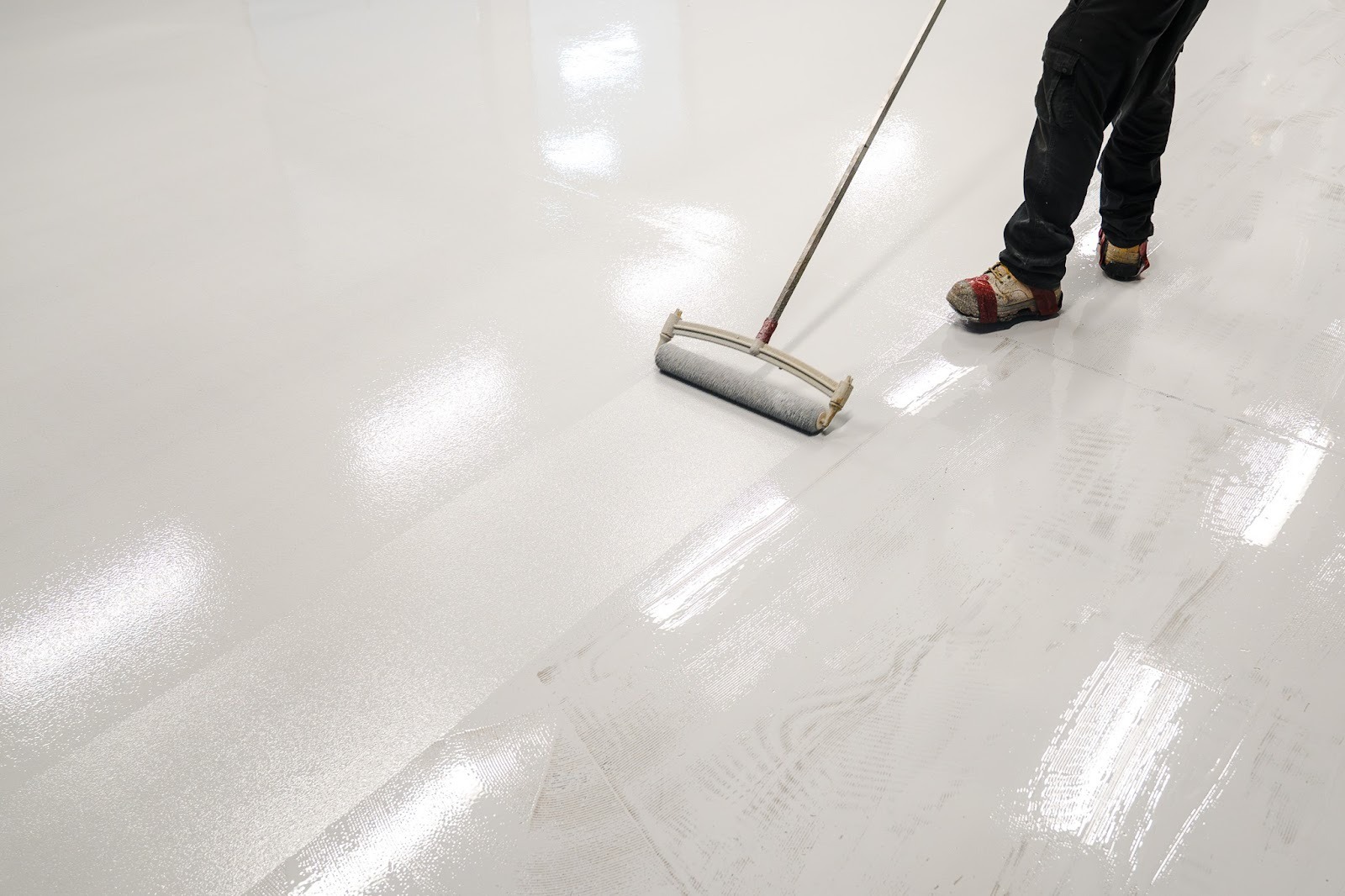
Floor texture should be purposeful, not excessive. Using the right grit size helps achieve slip resistance without sacrificing cleanability. The best concrete flooring systems strike a balance that supports safety, maintenance, and long-term performance.
To continue learning about slip resistance, surface profiles, and industrial flooring design, visit CustomCrete’s Learning Center. If you’re planning a flooring project and want guidance on the right texture for your facility, you can also request a quote to explore options tailored to your environment.

.jpg?width=2048&height=1365&name=CC108559%20(1).jpg)
.jpeg?width=1638&height=1020&name=CC109349%20(1).jpeg)
.png?width=11520&height=9216&name=Untitled%20design%20(56).png)