
In production facilities where cleanliness, safety, and efficiency are non-negotiable, flooring plays a larger role than most people realize. The right floor can support sanitation efforts, reduce contamination risks, and improve workflow—all while standing up to harsh chemicals and heavy equipment. One of the most effective solutions available today is Fluid-Applied Flooring.
With years of experience installing these systems across the Midwest, CustomCrete has helped food processing plants, pharmaceutical labs, and manufacturing facilities achieve cleaner, more compliant environments. Fluid-applied floors are designed to create a completely seamless surface that supports modern hygiene standards and long-term performance.

What Is Fluid-Applied Flooring?
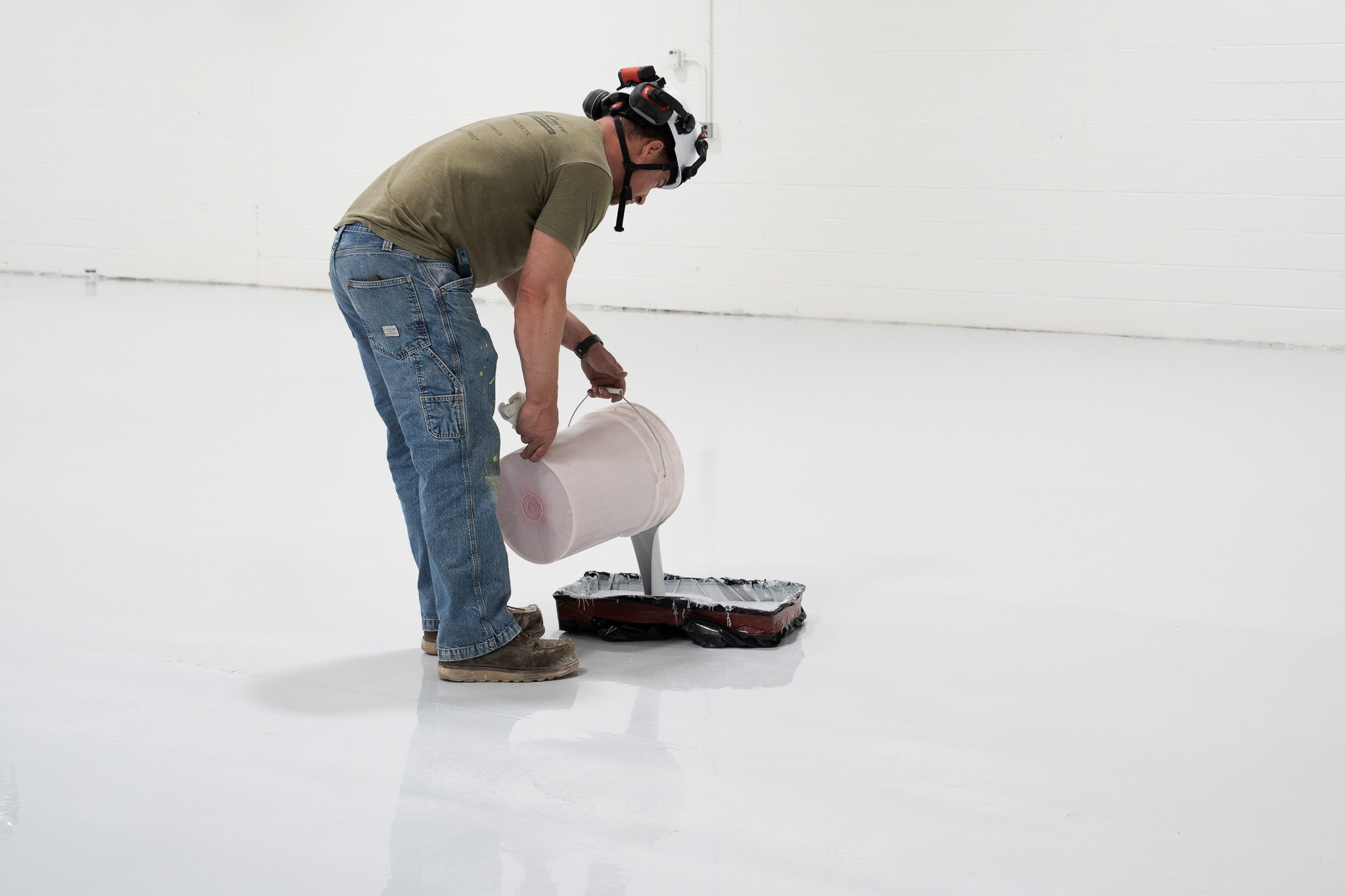
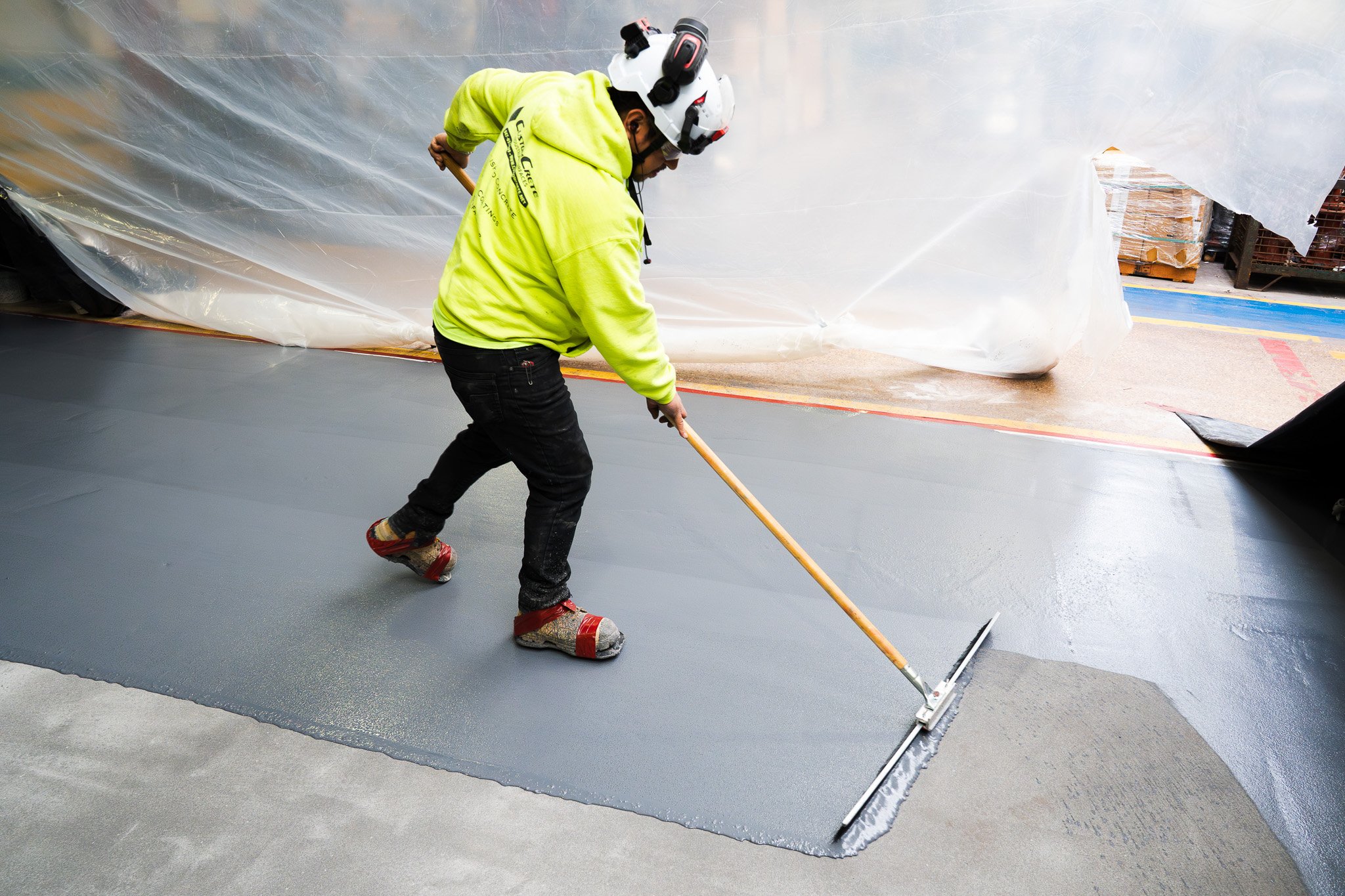
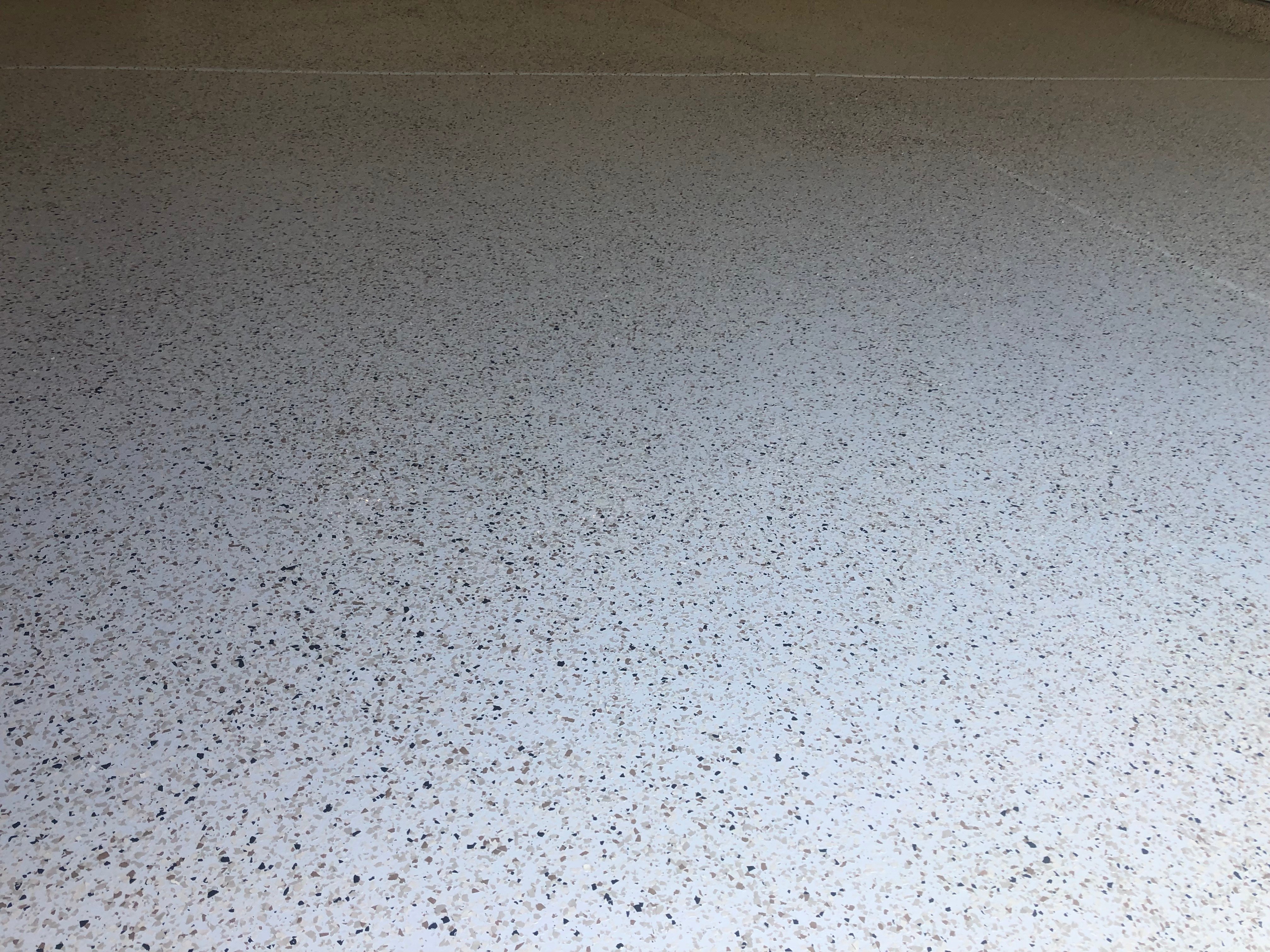
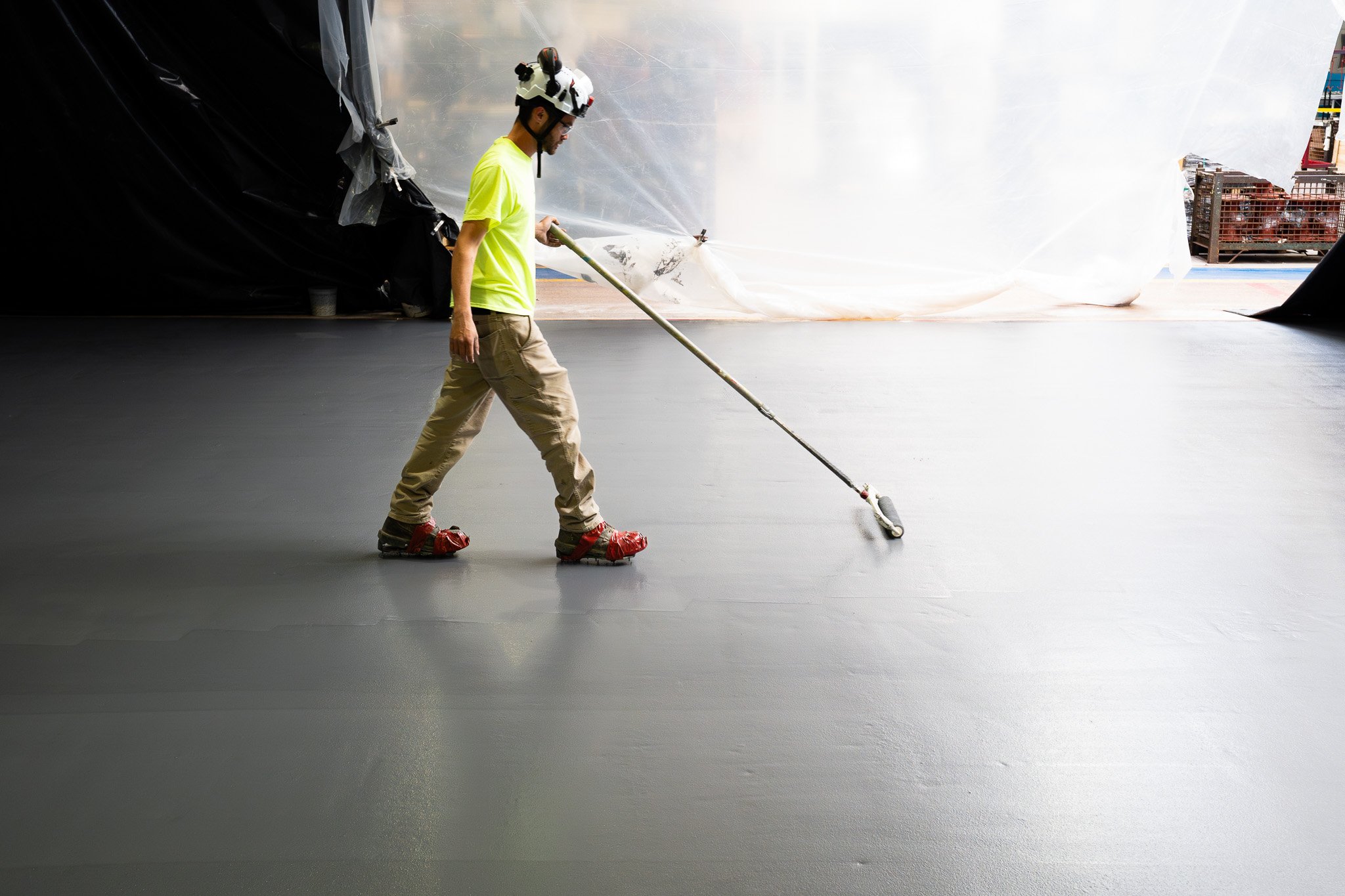
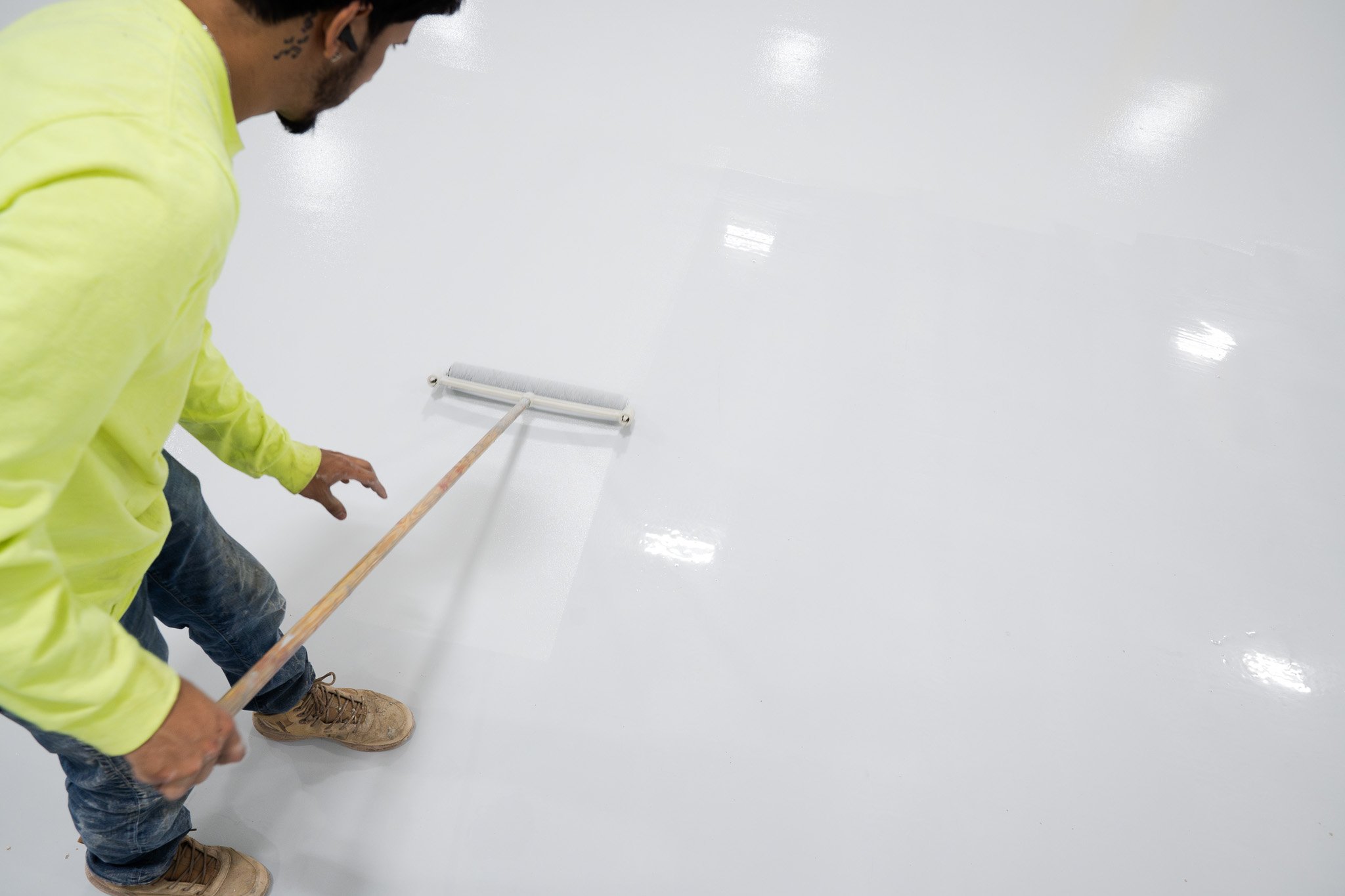
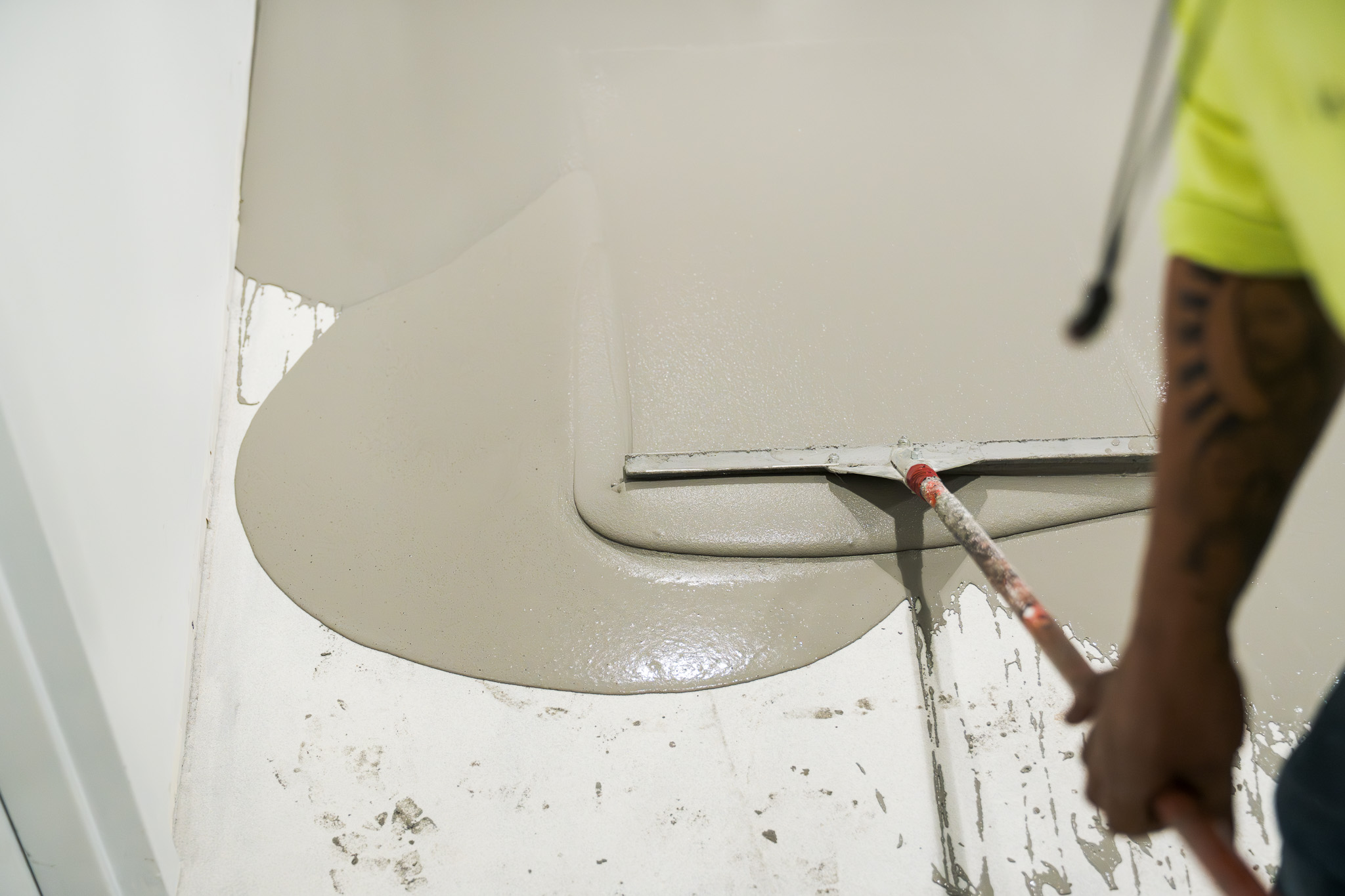
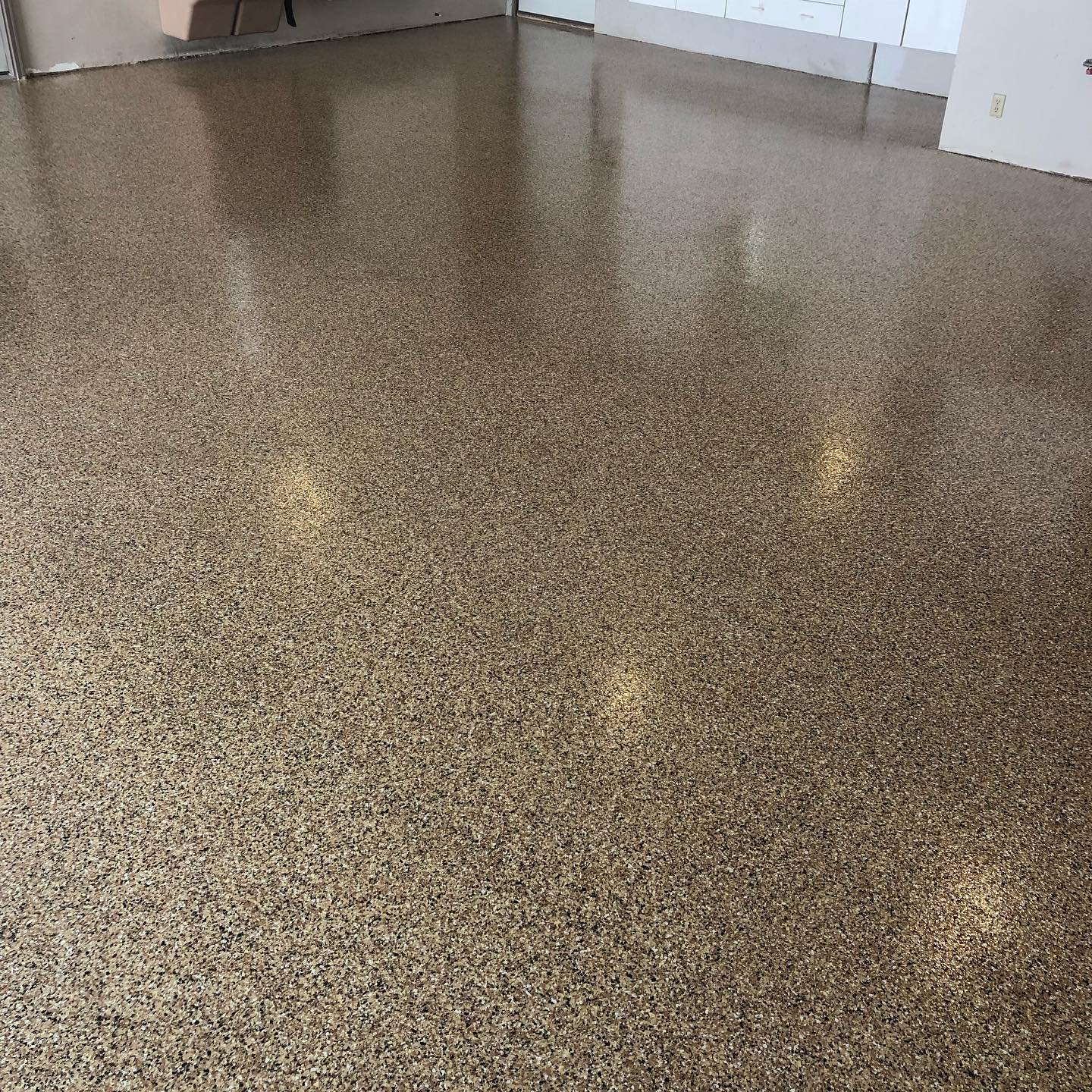
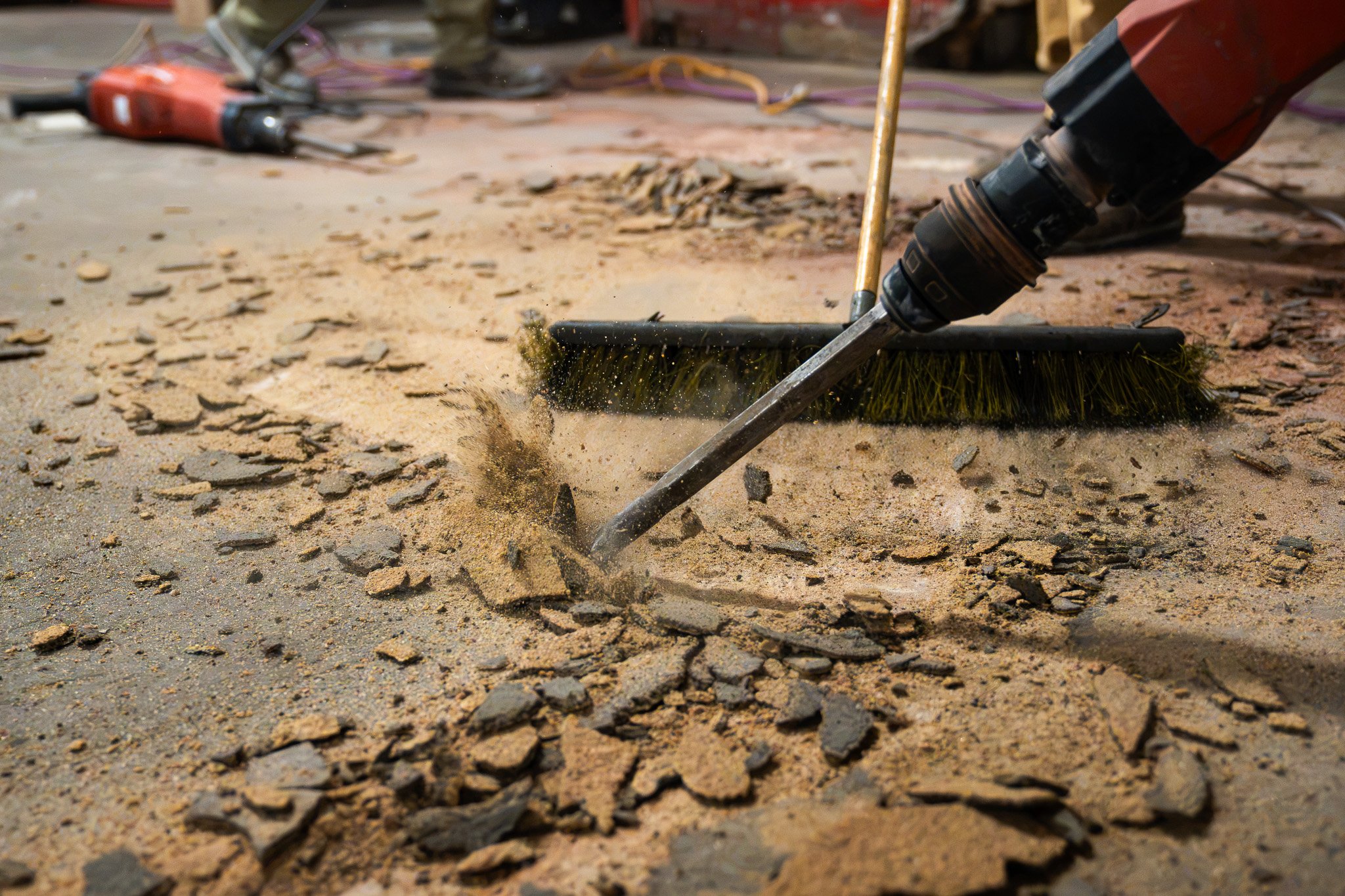
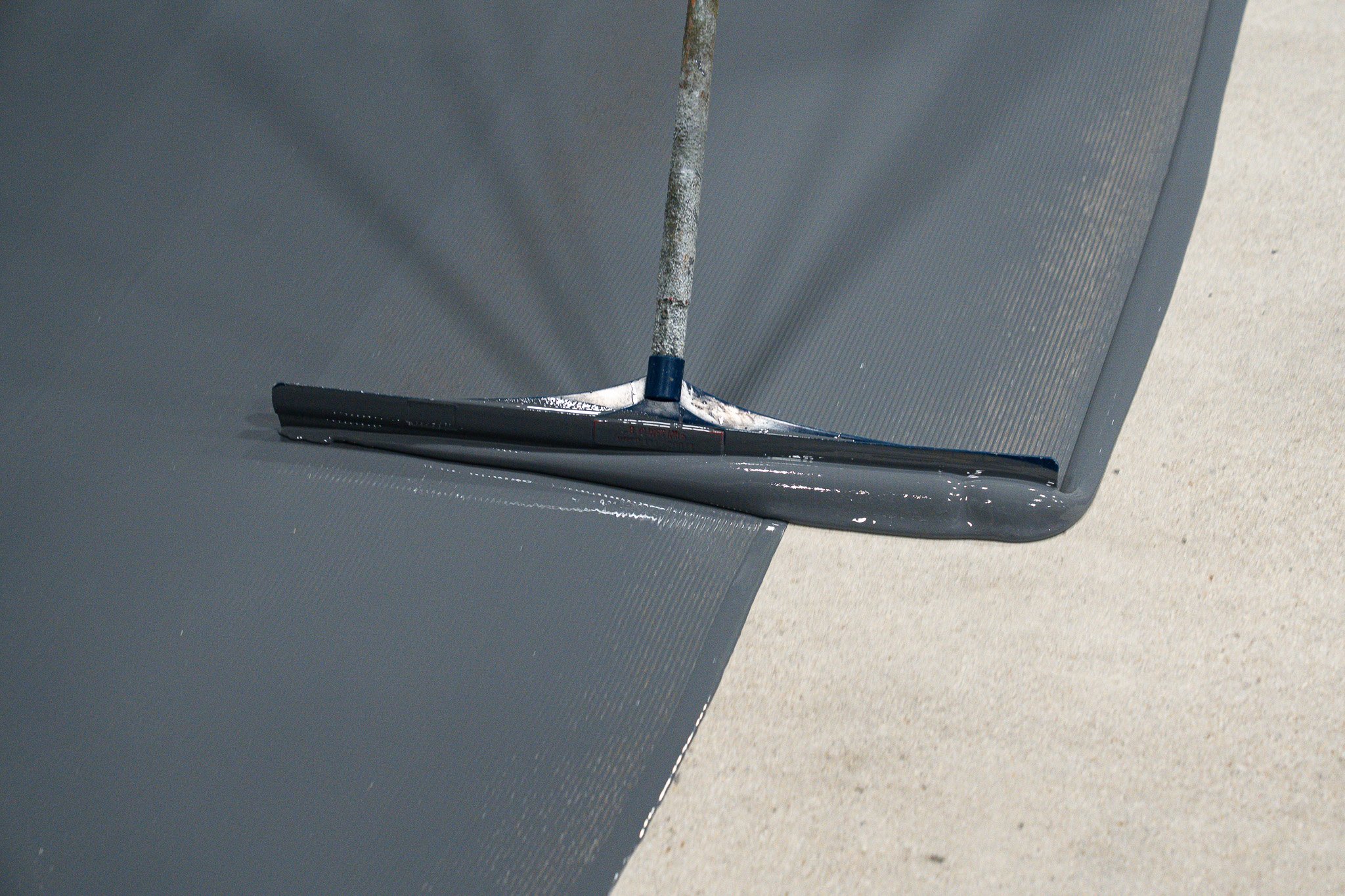
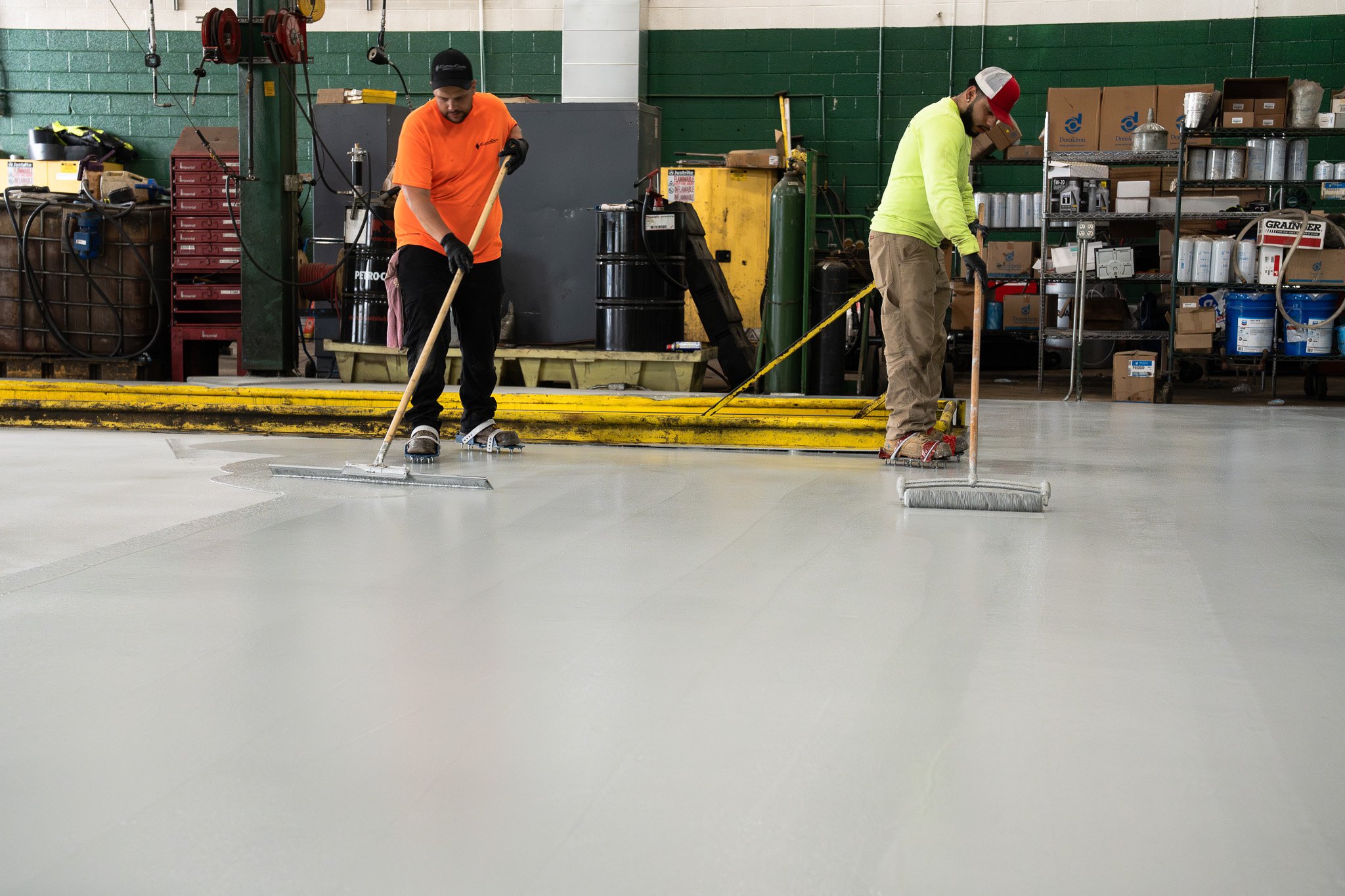
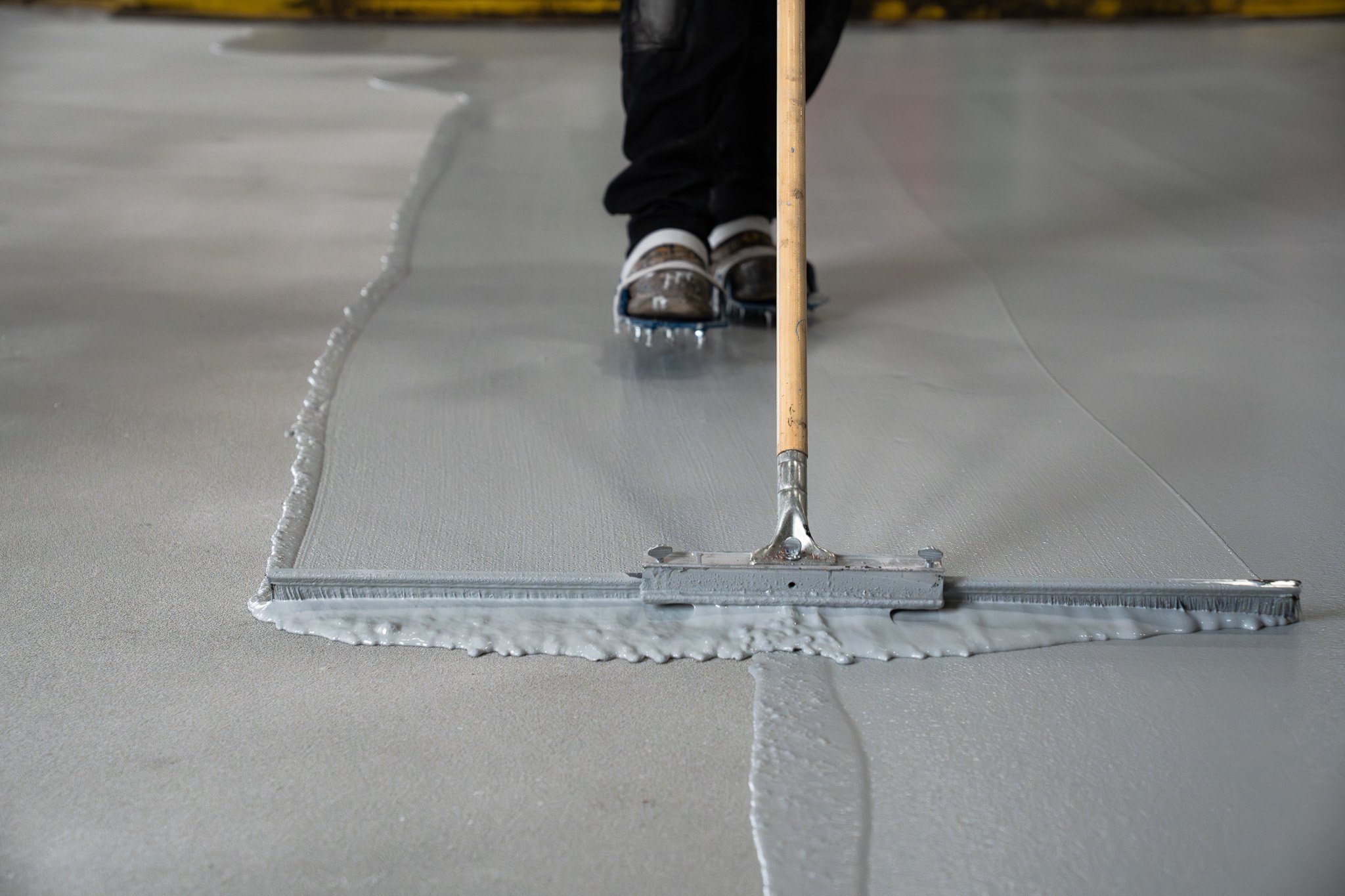
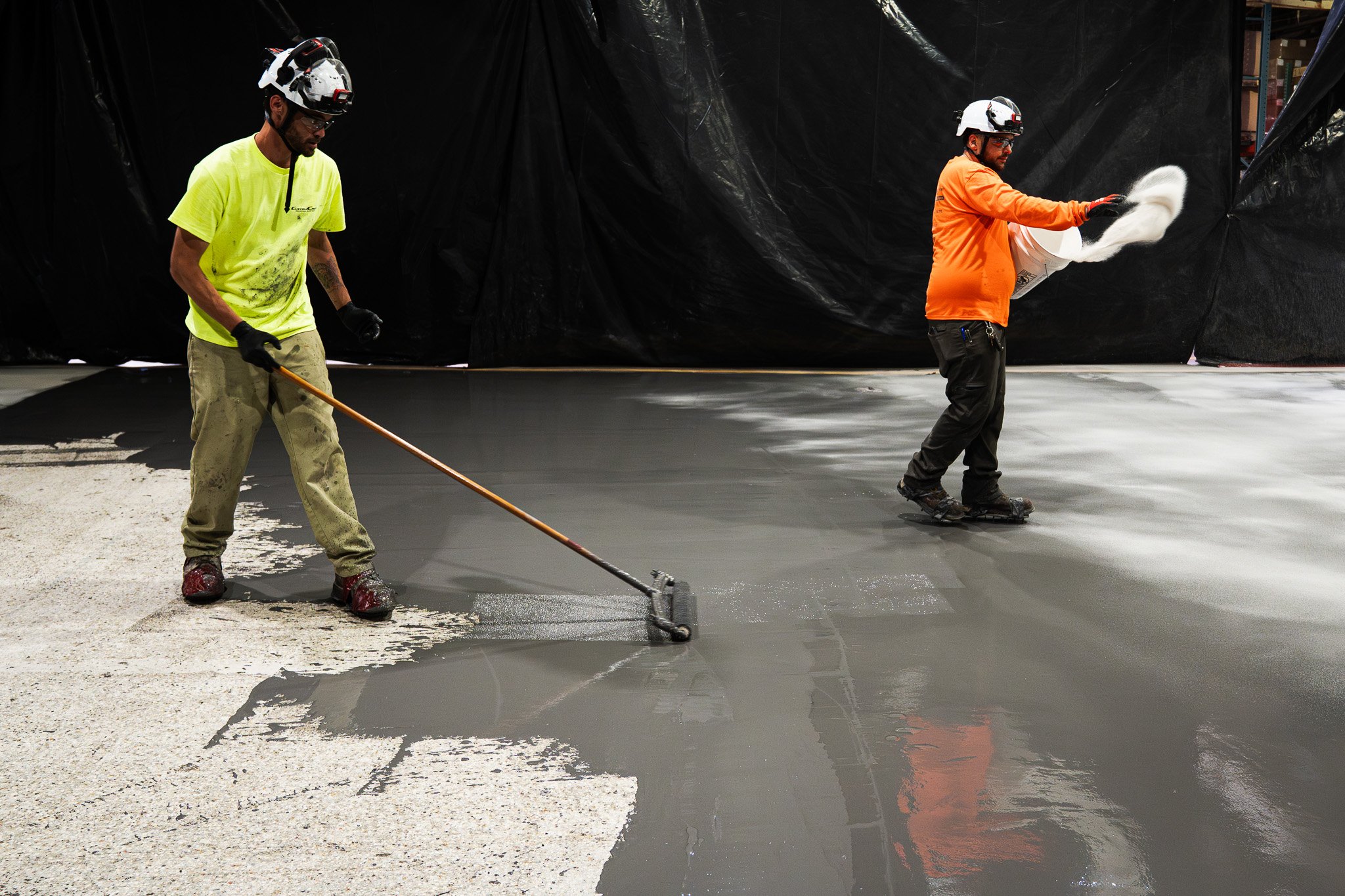
Fluid-Applied Flooring refers to a specialized system where resin materials—such as epoxy, urethane cement, or polyaspartic—are poured and spread in liquid form directly over a prepared concrete substrate. Once cured, the result is a continuous, joint-free surface that adheres tightly to the concrete below.
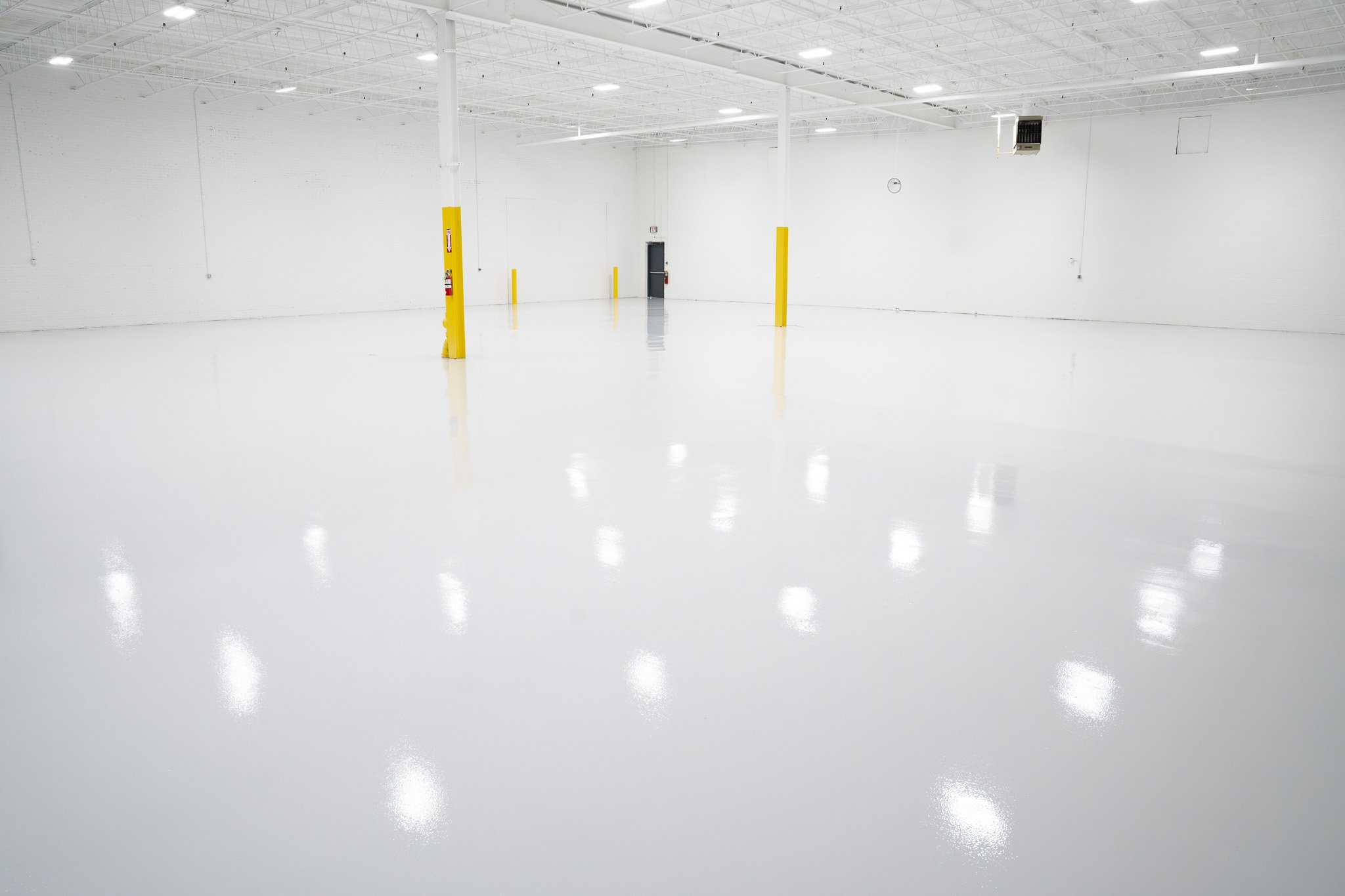
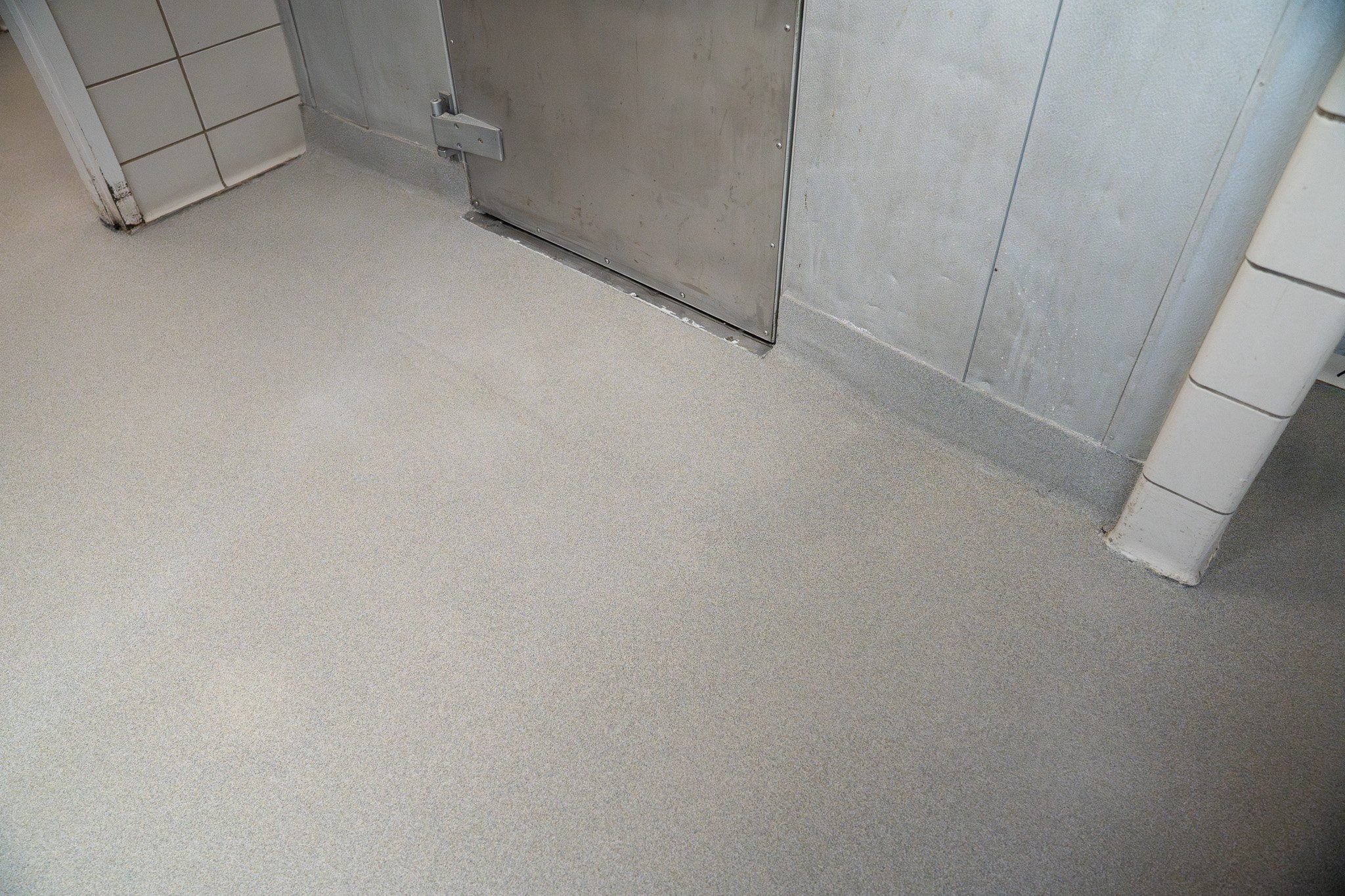
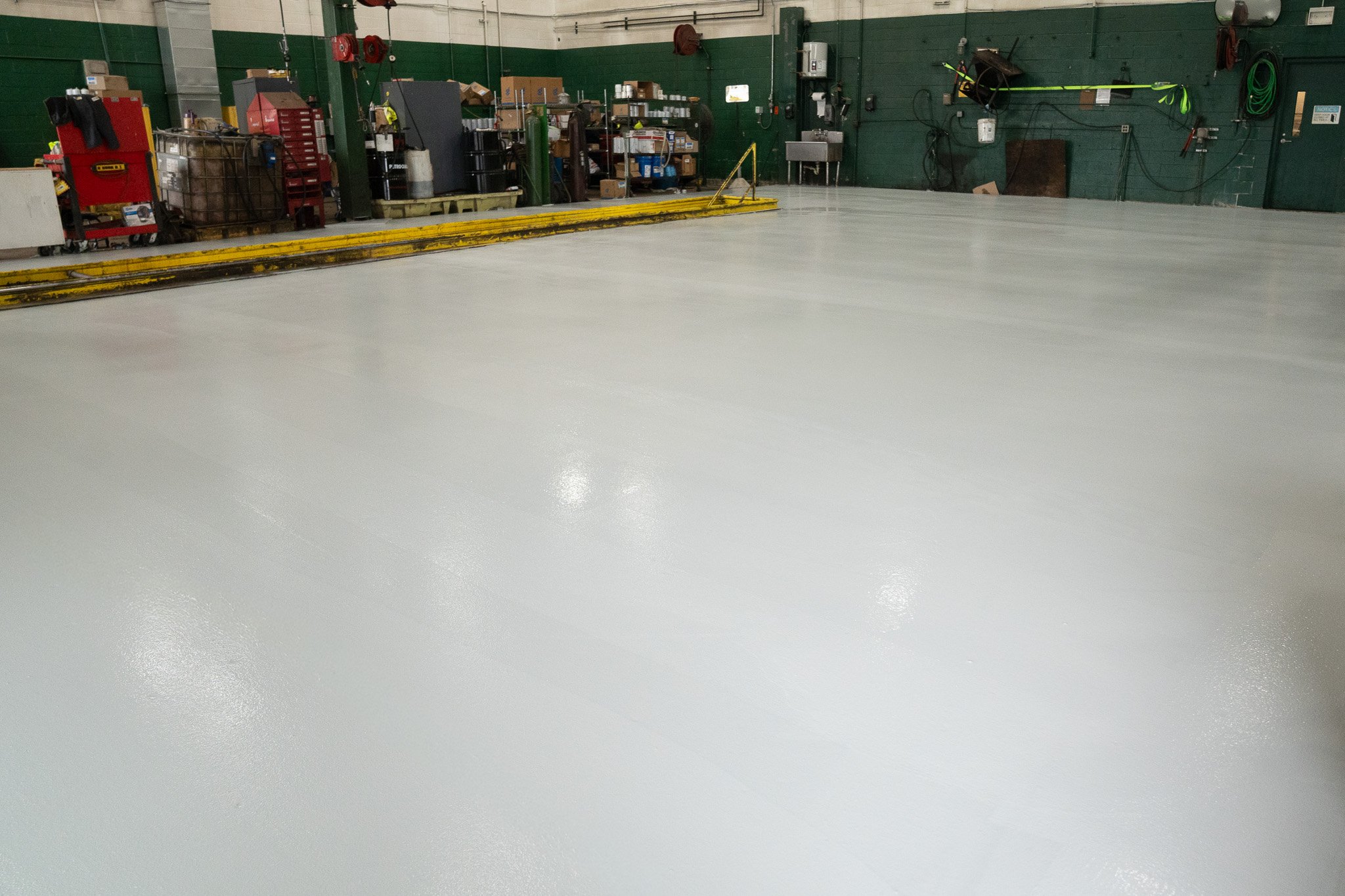
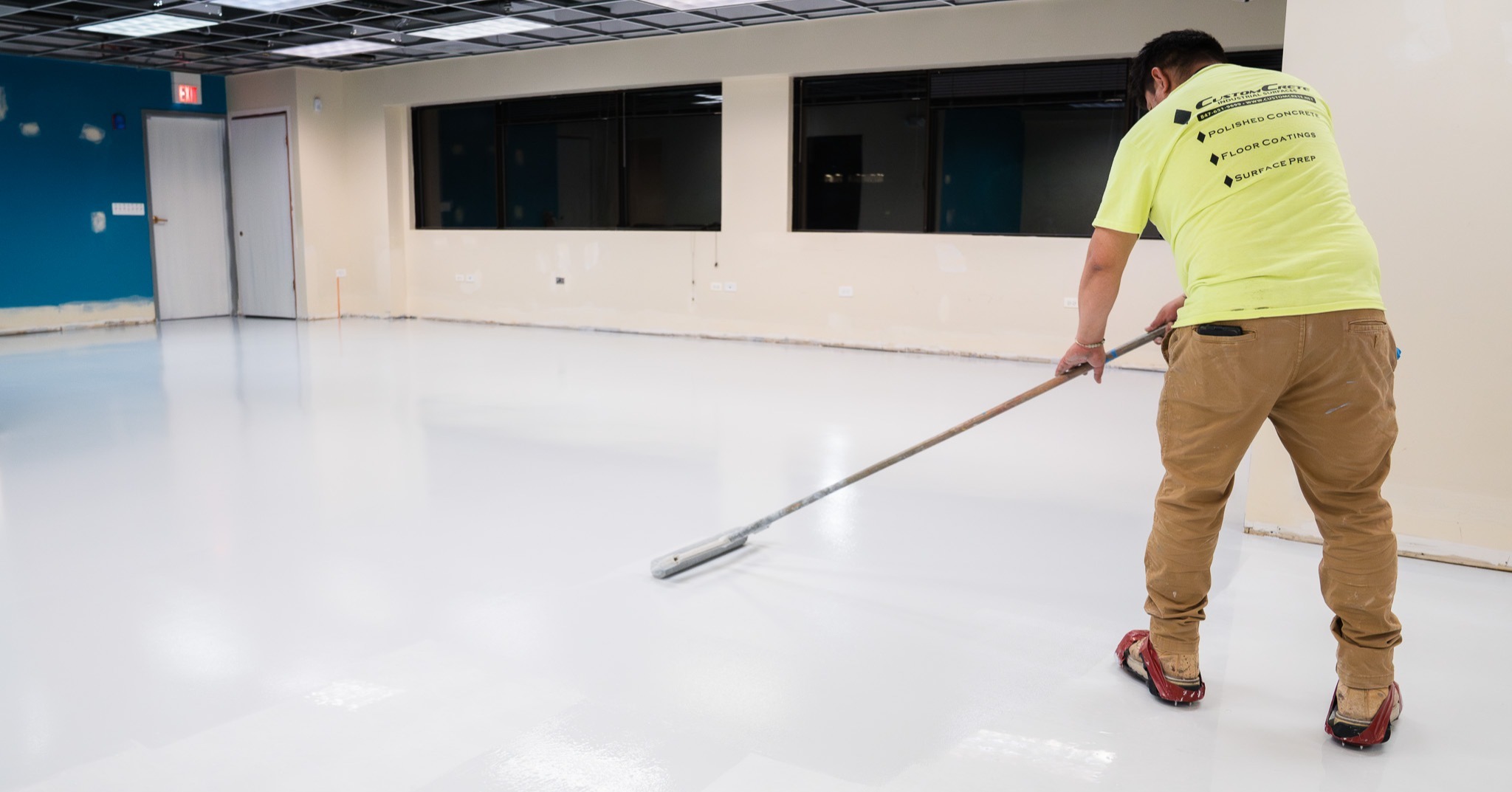
Unlike traditional tile, vinyl, or other segmented systems, fluid-applied floors eliminate seams, joints, and grout lines where bacteria or debris can accumulate. This makes them ideal for production areas where hygiene and sanitation are critical.
Common Types of Fluid-Applied Systems
- Epoxy Coatings: Excellent for chemical resistance and durability in manufacturing and warehouse spaces.
- Urethane Cement: Offers superior thermal shock resistance for food and beverage plants.
- Polyaspartic Systems: Provide fast cure times and high UV stability for spaces that can’t afford long shutdowns.
Each option can be customized based on the facility’s operational needs—whether it’s chemical resistance, slip protection, or ease of cleaning.
Seamless Design for Sanitation
One of the most important advantages of Fluid-Applied Flooring is its seamless design. In industries like food processing, pharmaceuticals, and biotechnology, cleanliness isn’t just a preference—it’s a regulatory requirement.
Traditional floors often have joints and cracks where dirt, moisture, and microbes can settle, making cleaning difficult and increasing contamination risks. Fluid-applied systems, on the other hand, create a single, unbroken surface that leaves no place for bacteria or mold to hide.
Sanitation Benefits Include:
- No joints or grout lines: Eliminates collection points for contaminants.
- Non-porous surface: Prevents absorption of spills, oils, or chemicals.
- Easy to disinfect: Smooth finish simplifies regular washdowns and sanitization.
For facilities subject to FDA, USDA, or GMP standards, seamless flooring isn’t optional—it’s a key part of compliance.
Designed for High-Traffic and Harsh Environments
Production areas endure constant activity—heavy equipment, forklifts, temperature changes, and frequent cleaning cycles. Fluid-applied floors are engineered to handle these demands without cracking, peeling, or delaminating.
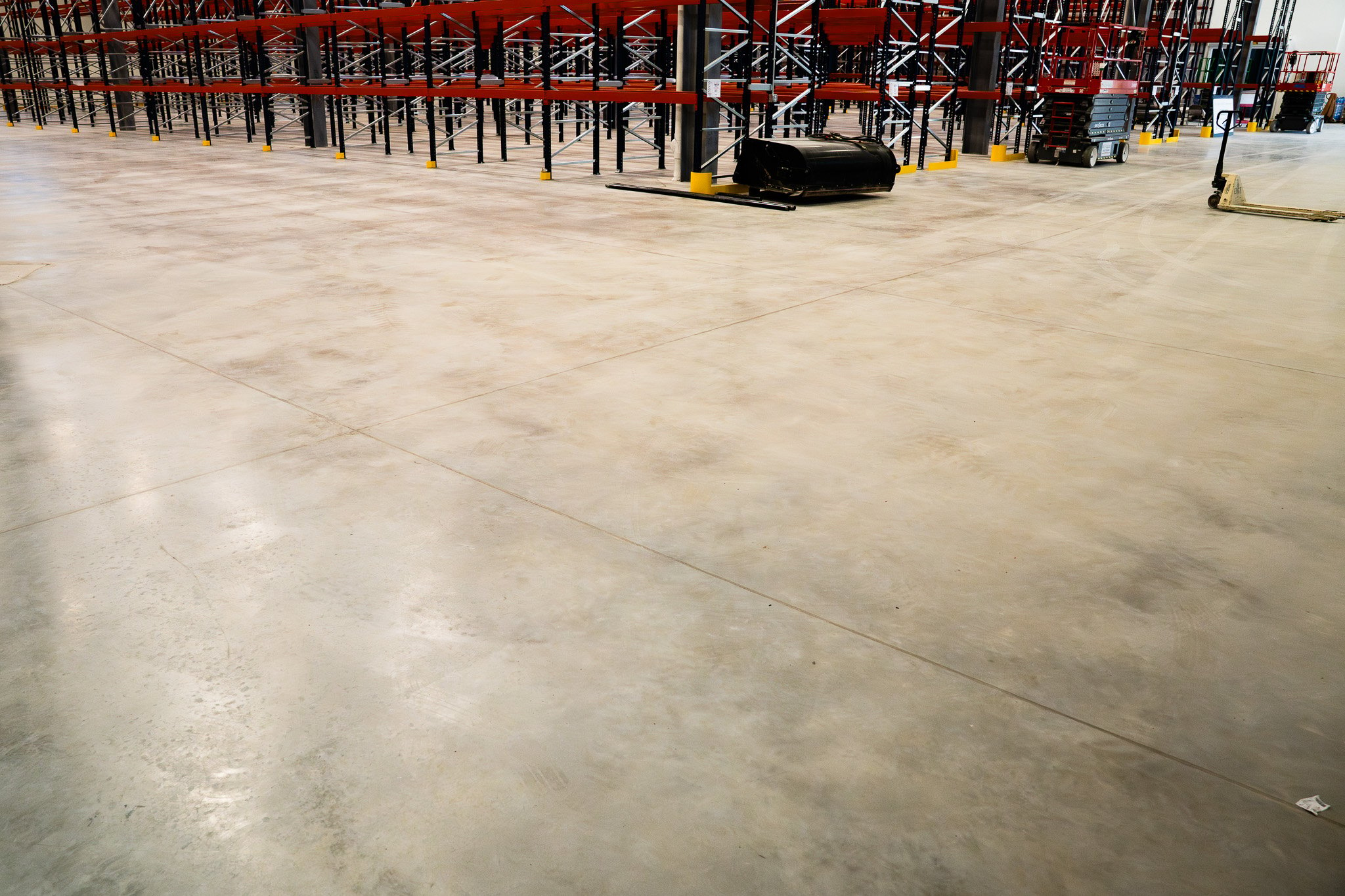
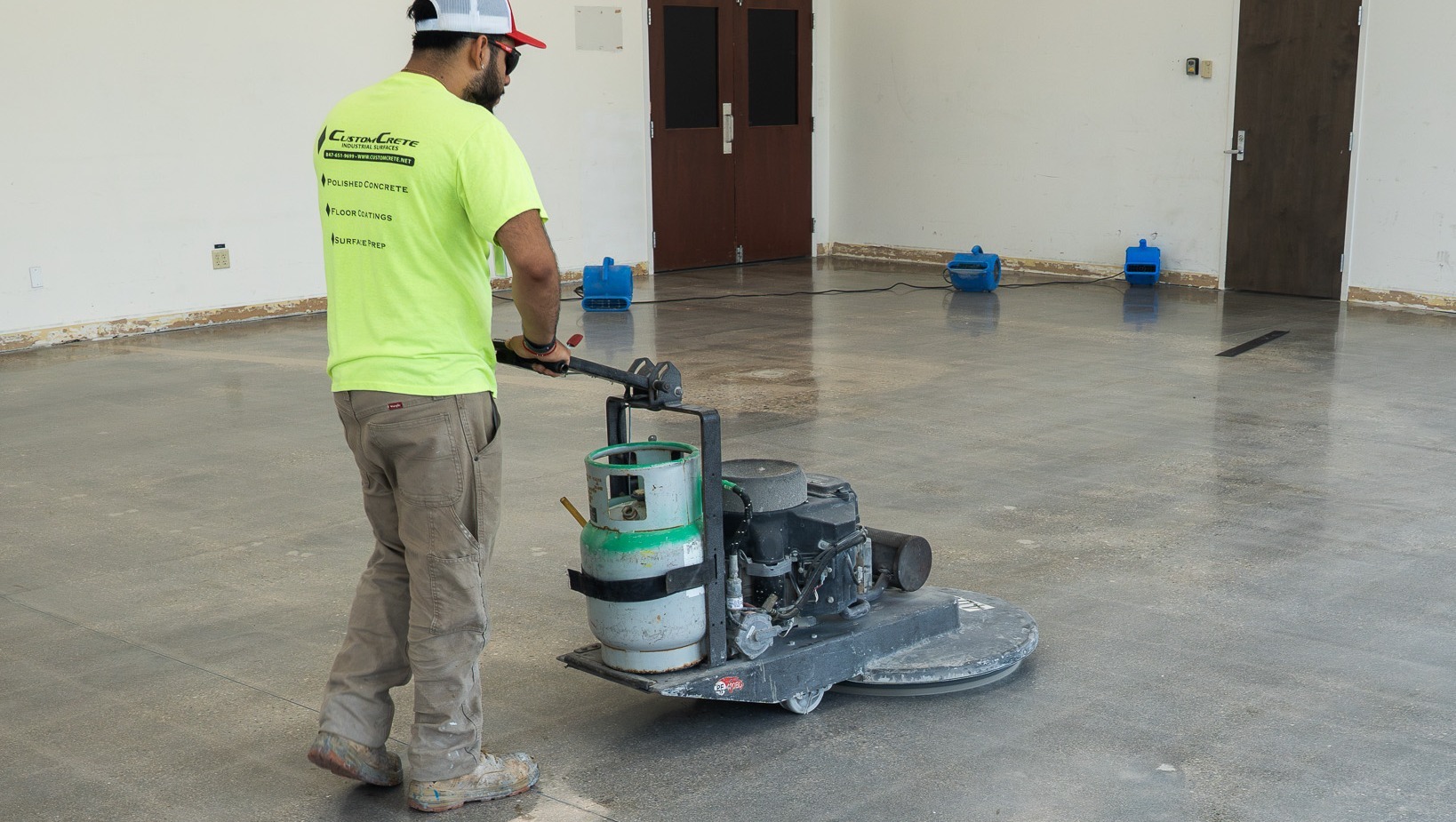
When installed over properly prepared concrete, these systems chemically bond to the substrate, creating a strong, impact-resistant layer. Urethane cement options even expand and contract with the concrete, allowing the floor to withstand thermal cycling common in food and beverage environments.
Durability Advantages:
- Abrasion resistance: Withstands constant foot and machinery traffic.
- Chemical protection: Resists acids, oils, and cleaning agents.
- Thermal stability: Tolerates both hot washdowns and cold storage conditions.
This combination of resilience and flexibility makes Fluid-Applied Flooring an ideal long-term investment for busy production facilities.
Slip Resistance and Safety
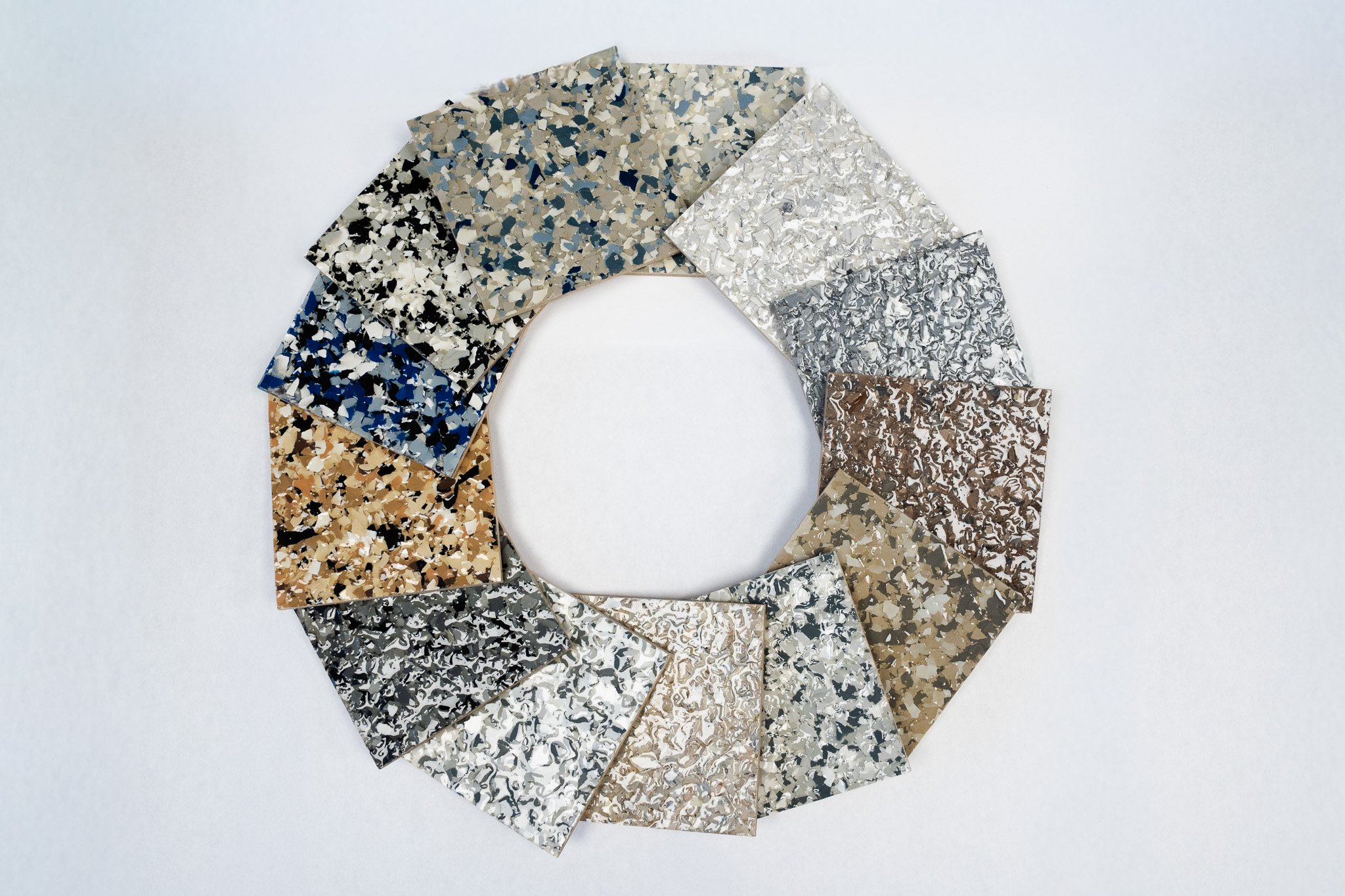
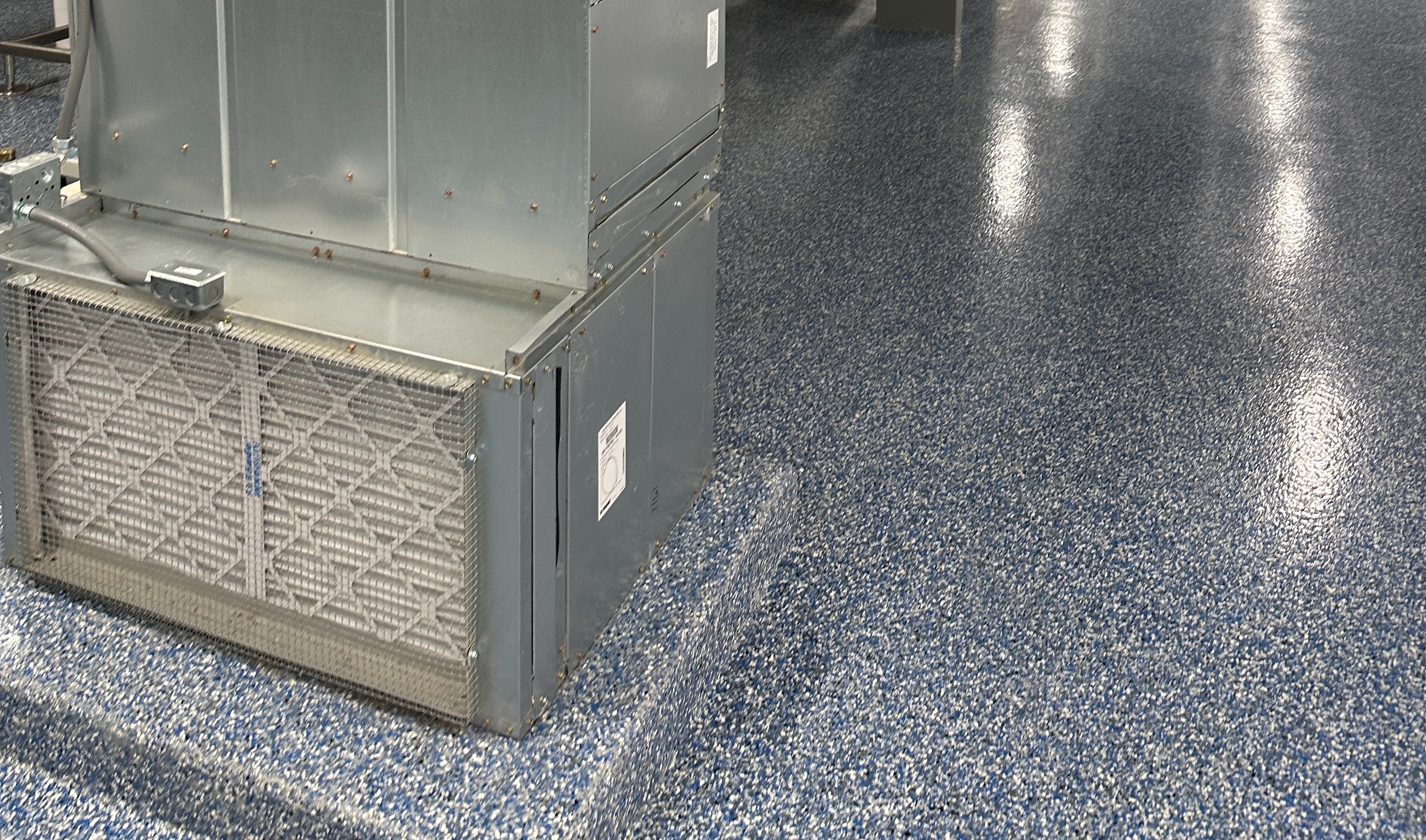
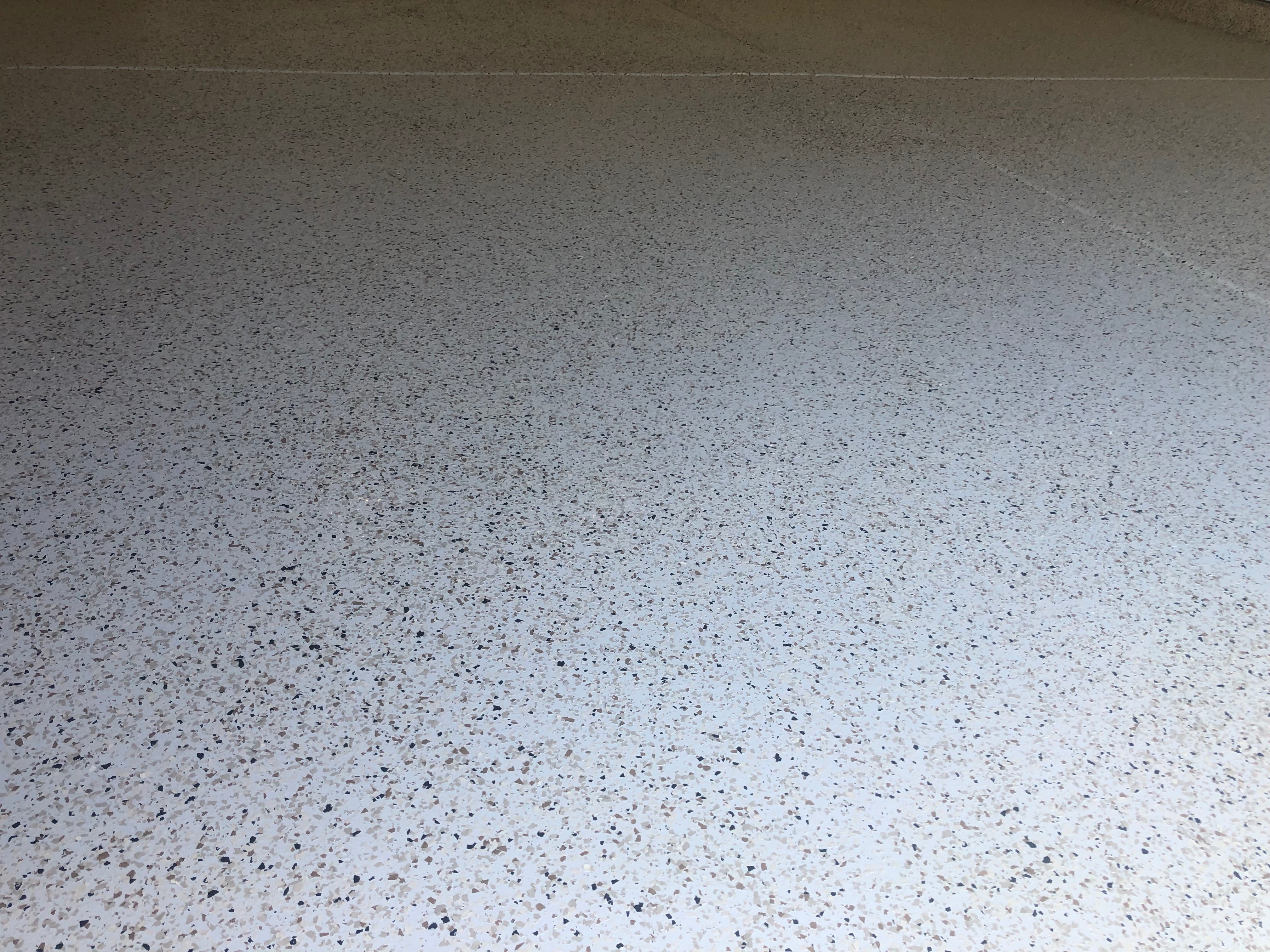
Safety is another critical consideration for production areas. Wet floors, spilled liquids, or condensation can create slip hazards that lead to workplace injuries. Fluid-applied systems can be customized with textured finishes or broadcast aggregates to provide controlled traction without compromising cleanability.
A properly textured surface balances grip and hygiene—smooth enough to clean easily but rough enough to meet OSHA slip-resistance standards. This balance ensures a safer environment for employees while maintaining operational efficiency.
Safety Benefits of Fluid-Applied Floors
- Customizable traction: Textures can be adjusted to suit specific areas.
- Hygienic safety: Texture options still allow thorough cleaning and disinfection.
- Visual safety markings: Colors and line striping can define traffic zones and workflows.
By combining traction, visibility, and hygiene, fluid-applied systems help facilities maintain compliance and safety across all work areas.
Cost-Effective and Low Maintenance
Although installing Fluid-Applied Flooring requires an initial investment, it quickly pays off through reduced maintenance and longer lifespan. Because the surface is seamless and resistant to most contaminants, cleaning takes less time and fewer resources. There’s no need for grout replacement, joint resealing, or frequent resurfacing.
Additionally, the durability of resin-based floors means fewer shutdowns for repairs—a crucial advantage for production facilities where downtime equals lost revenue.
Maintenance Advantages
- Simple cleaning: Easy to sweep, mop, or power scrub.
- Long lifespan: Can last 10–20 years with proper care.
- Lower lifetime cost: Fewer repairs and replacements compared to tile or vinyl.
Over time, the total cost of ownership for a fluid-applied system is significantly lower than that of traditional flooring materials.
Common Industries That Benefit from Fluid-Applied Flooring
Because of its versatility, durability, and hygiene benefits, fluid-applied flooring is used in a wide range of industrial and commercial environments.
Key Applications Include:
- Food and Beverage Plants: Seamless, sanitary floors that handle washdowns and temperature changes.
- Pharmaceutical Manufacturing: Meets GMP standards and prevents contamination.
- Chemical Processing Facilities: Protects against spills and corrosive substances.
- Warehouses and Logistics Centers: Withstands constant forklift traffic and heavy loads.
- Healthcare and Laboratories: Provides sterile, easy-to-clean surfaces for controlled environments.
In each of these settings, fluid-applied floors help maintain operational efficiency, compliance, and worker safety—all while extending the life of the concrete below.
FAQ: Understanding Fluid-Applied Flooring
- How long does Fluid-Applied Flooring last?
With proper installation and maintenance, most systems last 10 to 20 years, depending on the level of traffic and environmental conditions. - Can fluid-applied floors be installed in existing facilities?
Yes. These systems can be applied over existing concrete after proper surface preparation, making them ideal for facility upgrades or renovations. - Are fluid-applied floors environmentally friendly?
Many resin systems are low-VOC and comply with sustainability standards, improving indoor air quality and reducing environmental impact.
Final Thoughts
In modern production environments, cleanliness and durability aren’t optional—they’re essential for safety, compliance, and efficiency. Fluid-Applied Flooring provides the seamless, hygienic surface these spaces need while offering strength, flexibility, and cost-effectiveness.
With extensive experience across Chicago, Madison, and the Midwest, CustomCrete specializes in installing fluid-applied systems tailored to each facility’s operational demands. From food processing plants to pharmaceutical labs, these solutions deliver performance that stands up to the toughest conditions.
If you’re exploring flooring options for your production area, start by understanding the benefits of a seamless system. Request a quote from CustomCrete to learn how coatings and fluid-applied systems work together for lasting protection.

Topics:
.jpg?width=2048&height=1365&name=CC108559%20(1).jpg)
.jpeg?width=1638&height=1020&name=CC109349%20(1).jpeg)
.png?width=11520&height=9216&name=Untitled%20design%20(56).png)