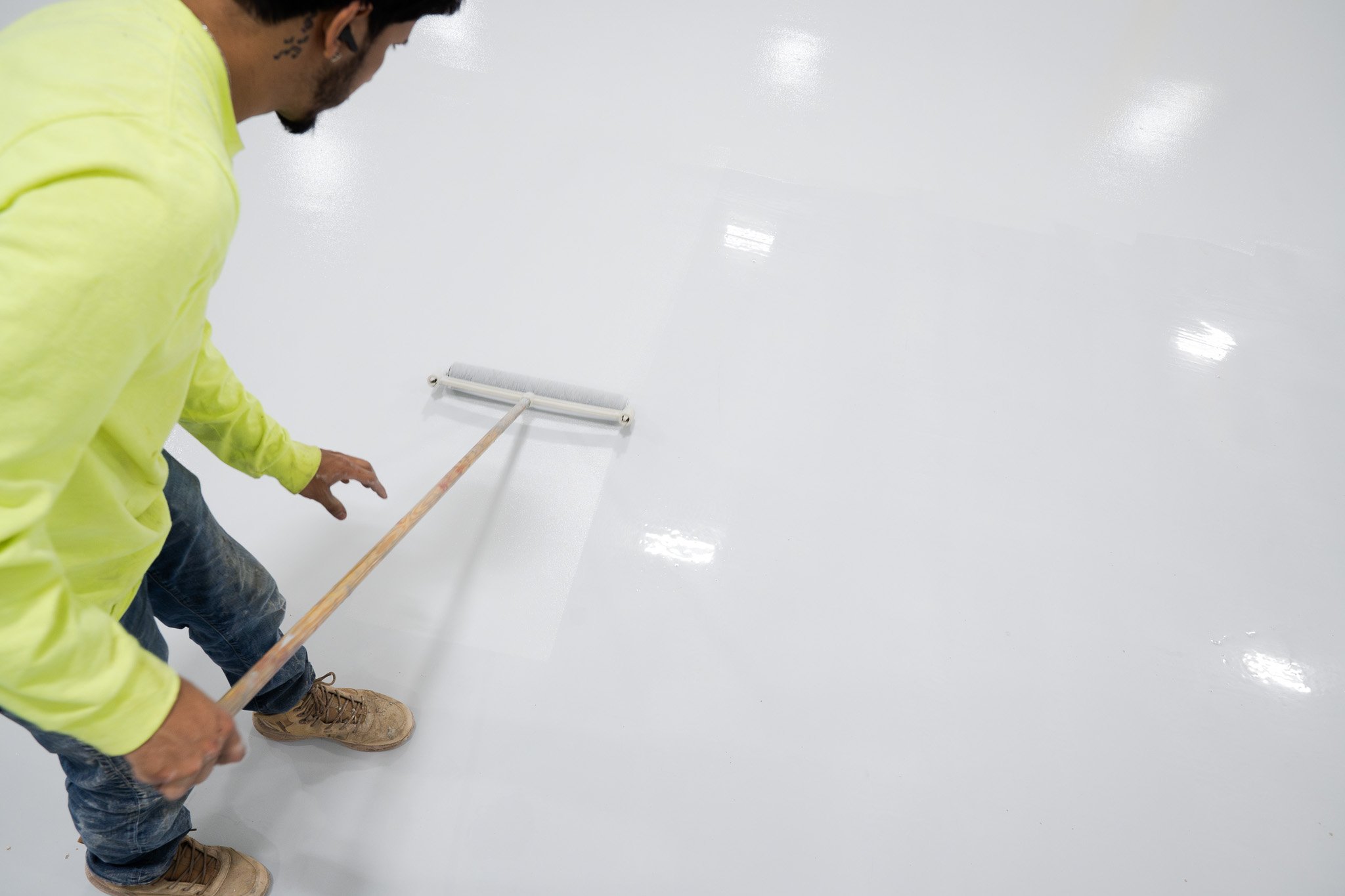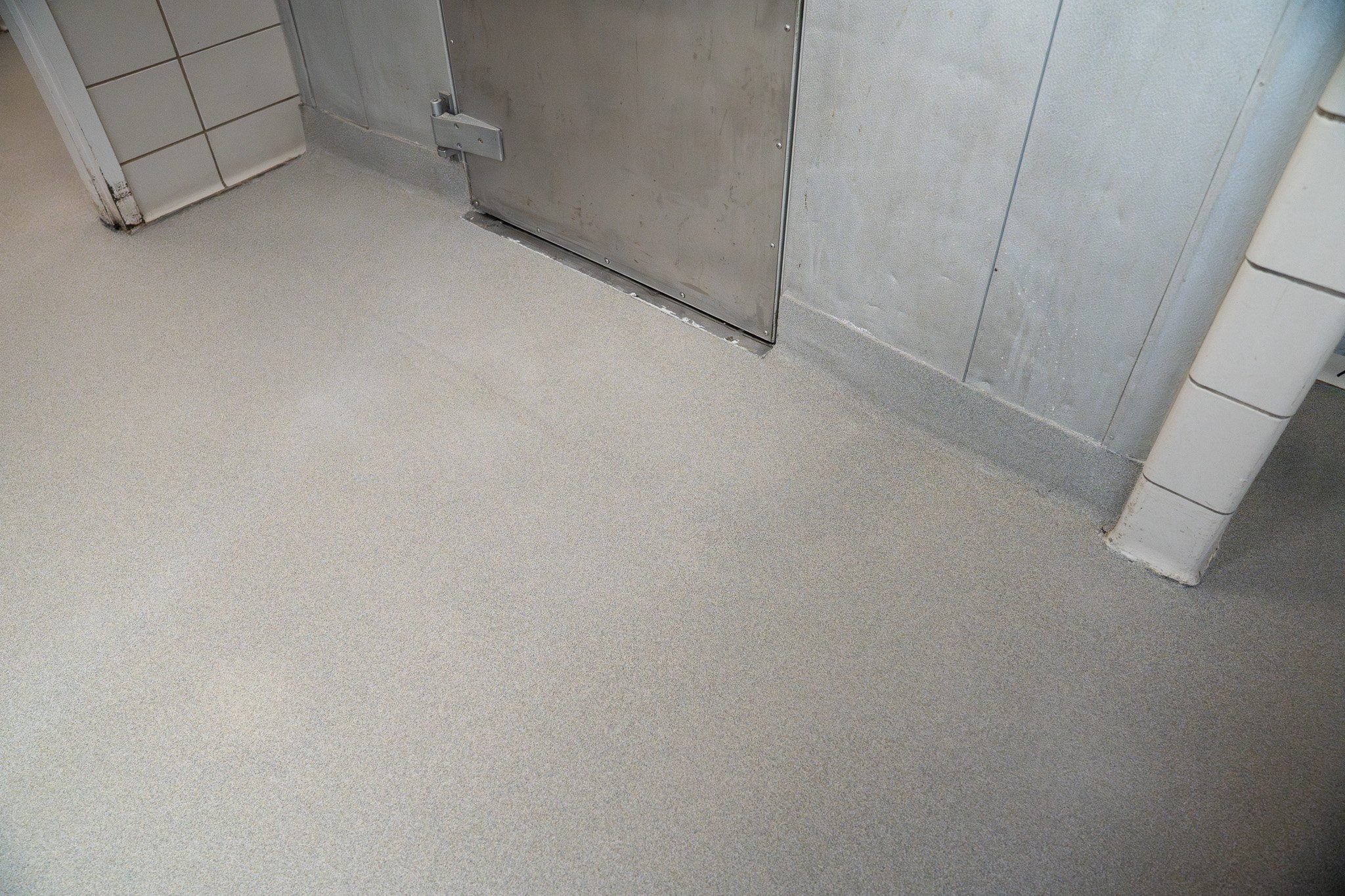

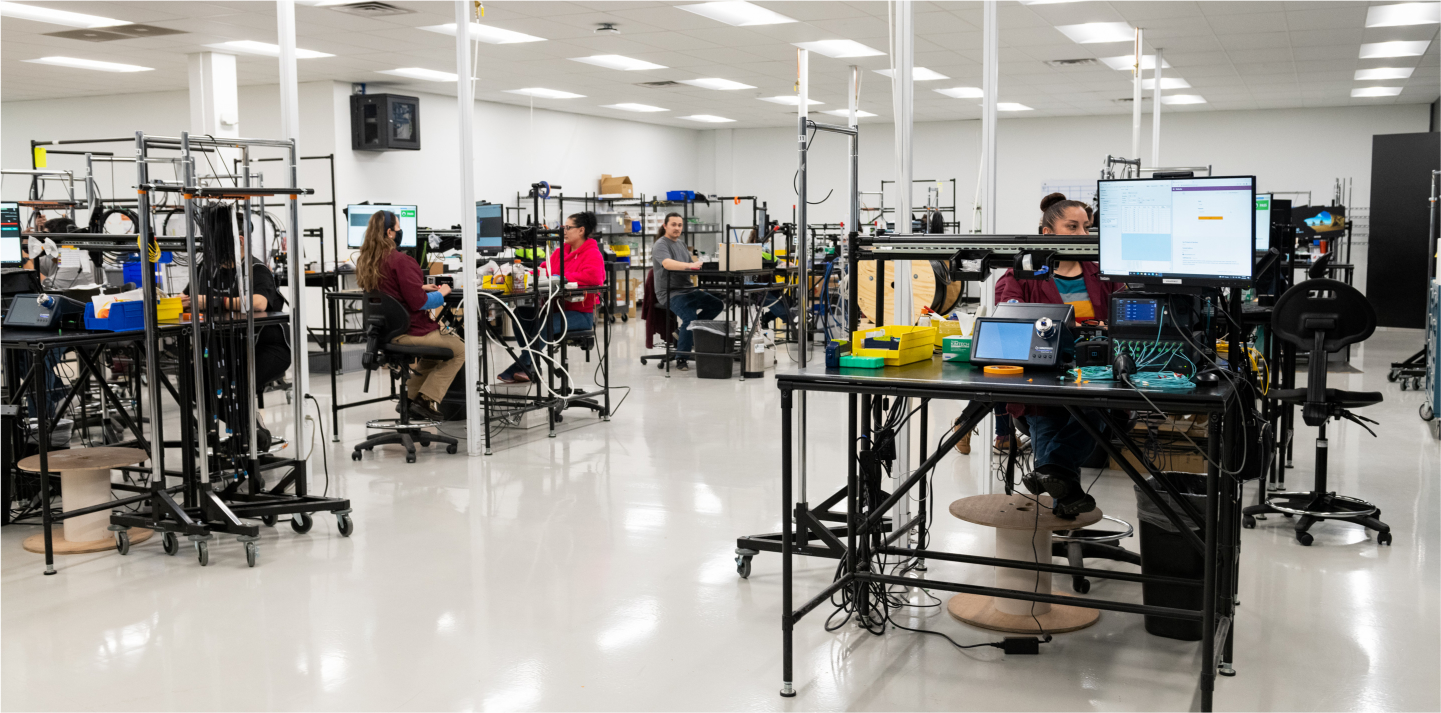
High-performance data centers depend on controlled environments. Temperature, humidity, airflow, and power are carefully managed—but one critical factor is often overlooked until something goes wrong: static electricity. Electrostatic discharge (ESD) can quietly damage sensitive equipment, shorten hardware lifespan, and contribute to unexpected downtime. That’s why selecting the right ESD epoxy flooring is an important decision, not just a finish choice.
Not all ESD floors perform the same way. Differences in electrical resistance, grounding methods, durability, and maintenance can have a direct impact on long-term reliability. This guide walks through the most important considerations to help decision-makers choose an ESD epoxy floor that supports high-performance data center operations.

Why ESD Control Matters in Data Centers
Static electricity builds up through everyday activity—foot traffic, rolling server racks, airflow from cooling systems, and low-humidity conditions. When that static discharges into sensitive electronics, it can cause immediate failure or gradual damage that’s difficult to trace.
ESD epoxy flooring is designed to manage this risk by safely dissipating static charges instead of allowing them to build up or discharge suddenly. For data centers where uptime is critical, proper ESD control is a preventative measure that protects both equipment and operations.
Understanding Static Dissipation Ranges
One of the most important factors when choosing an ESD epoxy floor is its electrical resistance range. This determines how quickly and safely static electricity moves through the floor and into a grounding system.
ESD epoxy floors typically fall into two categories:
- Static-dissipative systems, which release charges in a controlled, gradual manner
- Conductive systems, which allow faster movement of electricity to ground
For most data centers, static-dissipative ESD epoxy flooring is preferred because it reduces the risk of sudden discharge while still protecting equipment. Floors that fall outside the recommended resistance range may either hold static too long or discharge it too quickly—both of which can be problematic.
Grounding Methods: The Backbone of ESD Performance
Even the best ESD epoxy floor cannot perform properly without a well-designed grounding system. Grounding is what allows static charges collected by the floor to safely exit the space.
Common grounding approaches include:
- Copper grounding strips installed beneath the epoxy system
- Conductive primers connected to building ground
- Grounded columns, walls, or electrical grounding points
When evaluating ESD epoxy flooring, it’s important to understand how the system is grounded and how that grounding will be maintained over time. Improper grounding is one of the most common reasons ESD floors fail to perform as intended.
Durability Under Rolling Loads and Equipment Traffic
Data centers experience constant movement from rolling server racks, carts, and maintenance equipment. An ESD floor must do more than control static—it must also withstand mechanical stress without degrading.
Key durability considerations include:
- Resistance to abrasion from wheels
- Ability to handle concentrated point loads
- Stability under frequent movement
- Resistance to cracking or peeling
A high-quality ESD epoxy flooring system is typically multi-layered, combining surface durability with embedded dissipative components that maintain electrical performance even as the floor ages.
Cleanability and Contamination Control
Cleanliness is essential in data centers. Dust and debris can interfere with cooling systems and sensitive electronics. Flooring plays a major role in how easily a space can be kept clean.
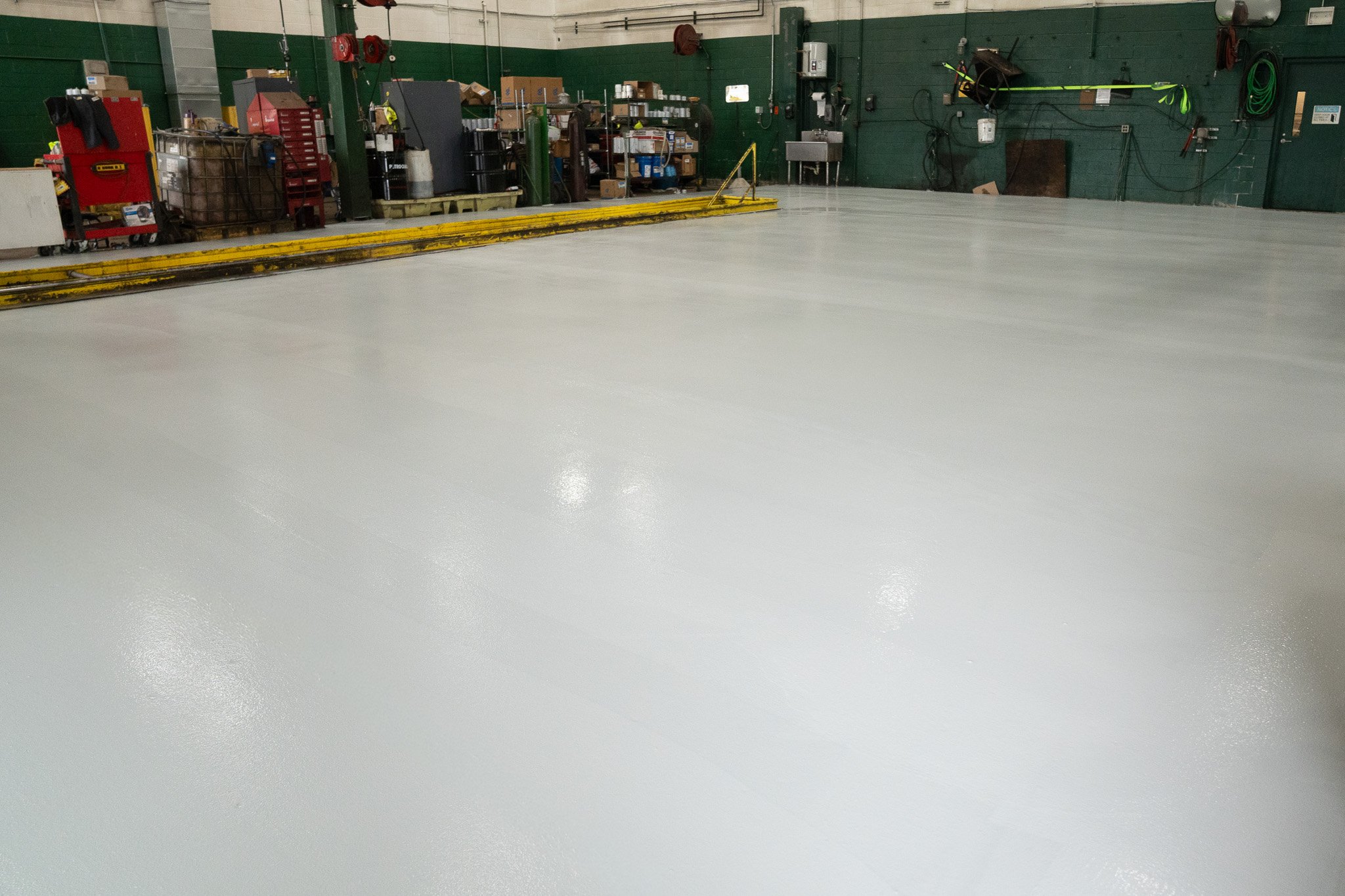
Epoxy floors are seamless, which eliminates grout lines or joints where dust can collect. However, texture and finish still matter. Overly aggressive textures may trap debris, while overly smooth surfaces may become slippery in certain conditions.
When selecting ESD epoxy flooring, consider:
- A smooth, sealed surface that resists dust buildup
- Compatibility with standard cleaning equipment
- Resistance to cleaning chemicals
- Minimal surface shedding over time
The right balance supports both hygiene and safety without compromising static control.
Long-Term Electrical Performance
One mistake decision-makers sometimes make is focusing only on initial ESD performance. Over time, wear, cleaning methods, and surface damage can affect how well the floor dissipates static.
Questions worth asking include:
- Will the ESD properties last for the life of the floor?
- Can the system be tested after installation?
- Is recoating possible without losing ESD performance?
- How does regular maintenance impact resistance values?
A properly installed ESD epoxy flooring system should maintain consistent performance for many years, provided it’s maintained according to manufacturer guidelines.
Installation Conditions and Expertise
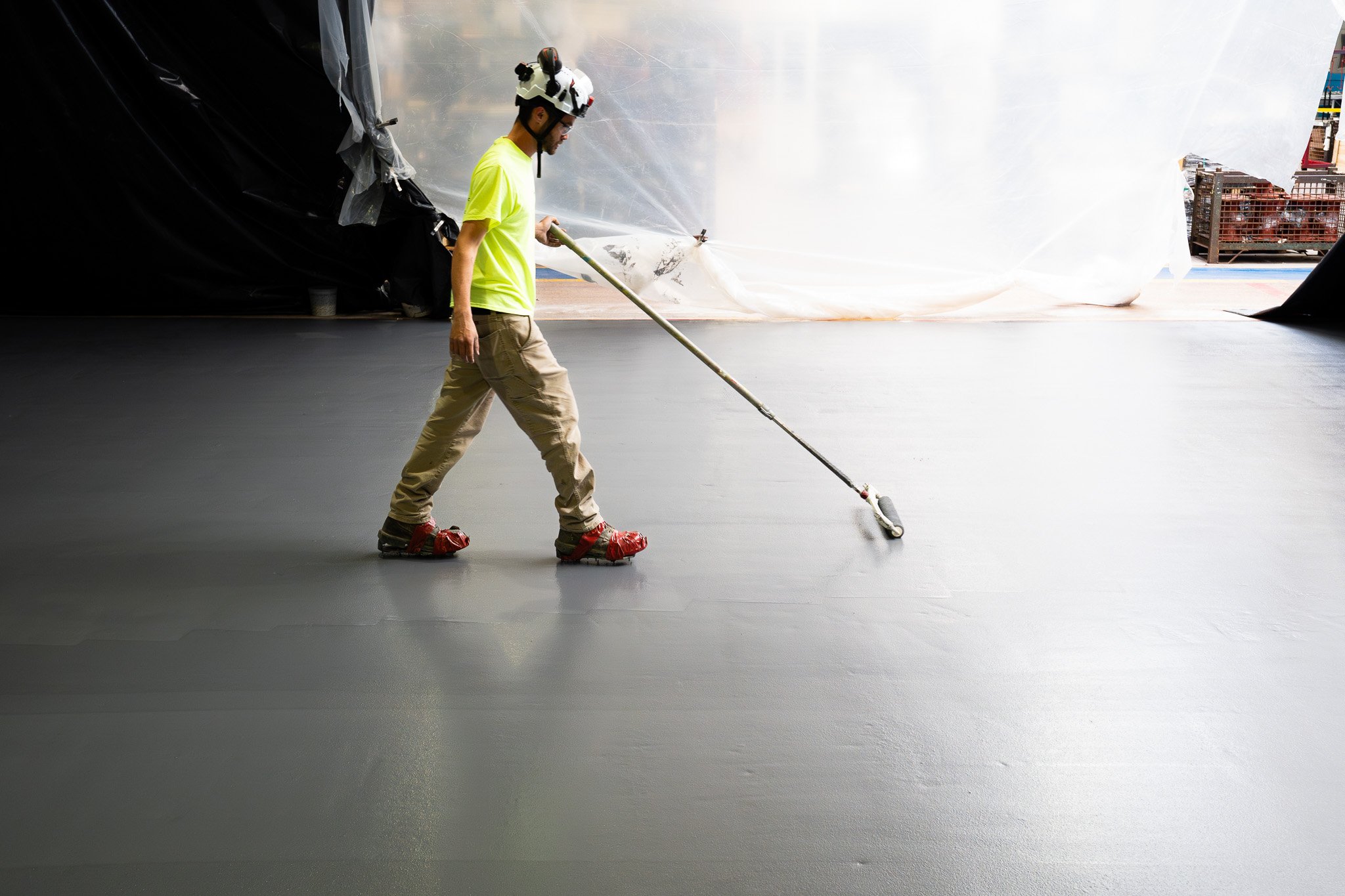
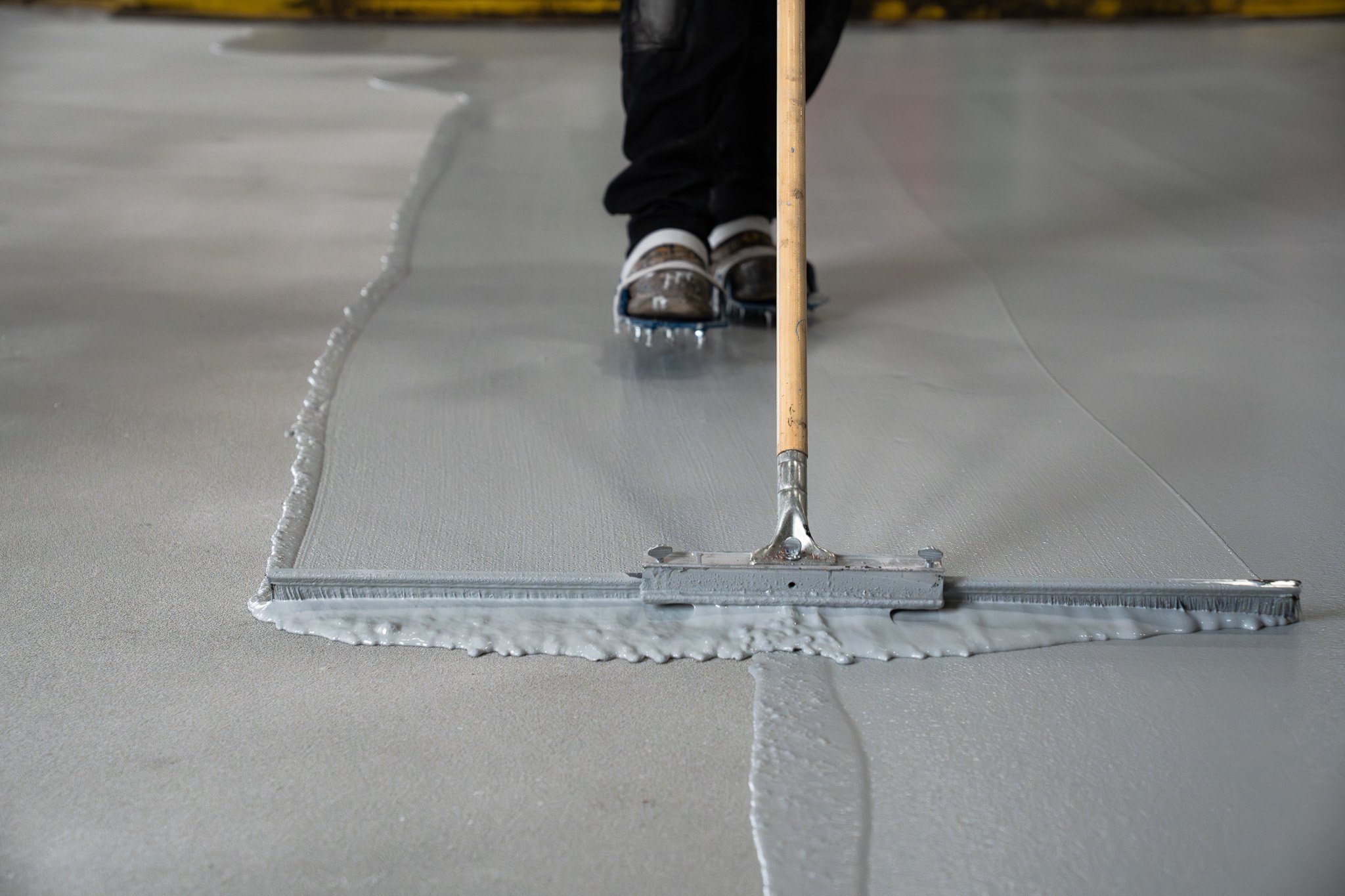
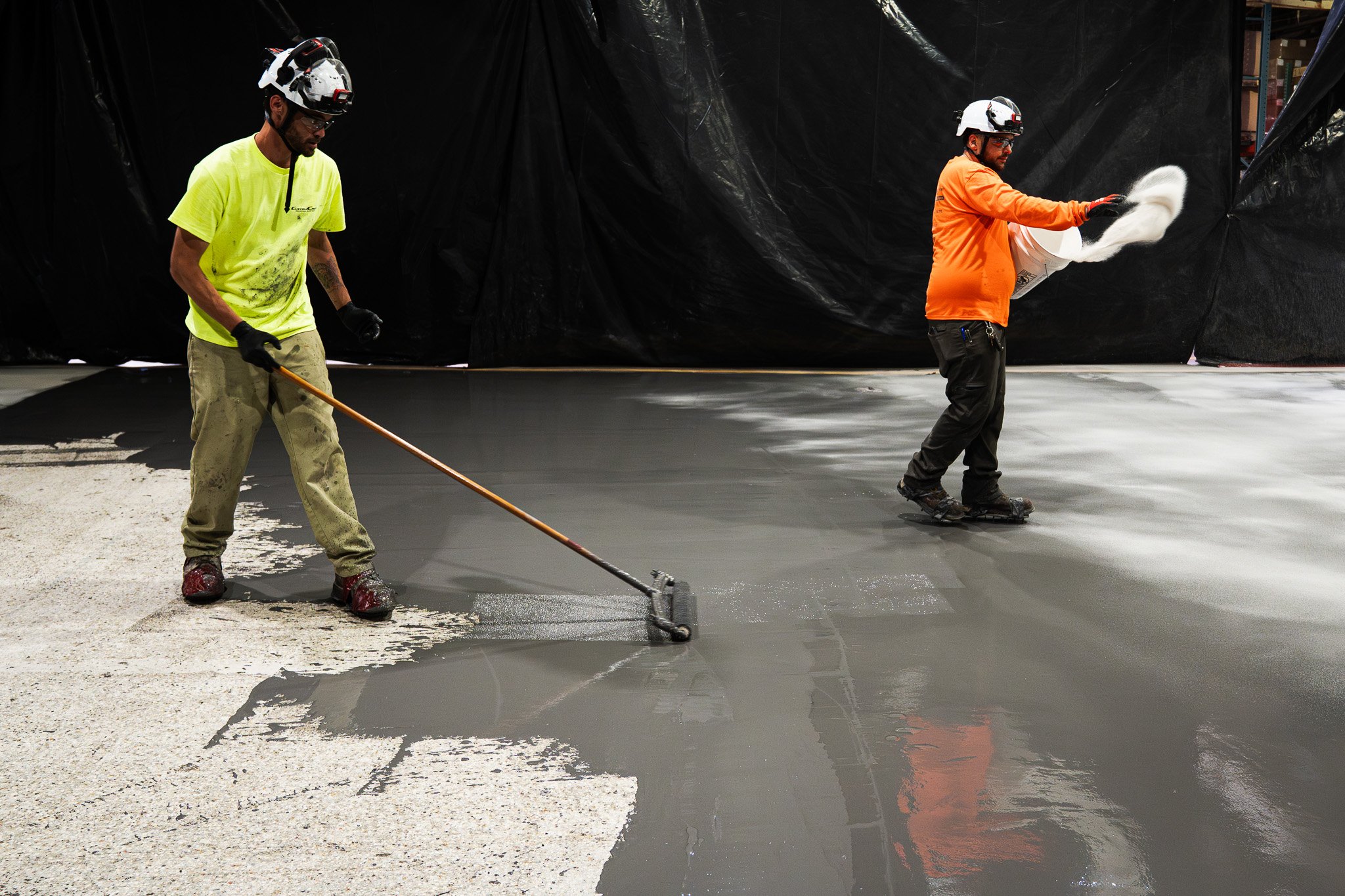
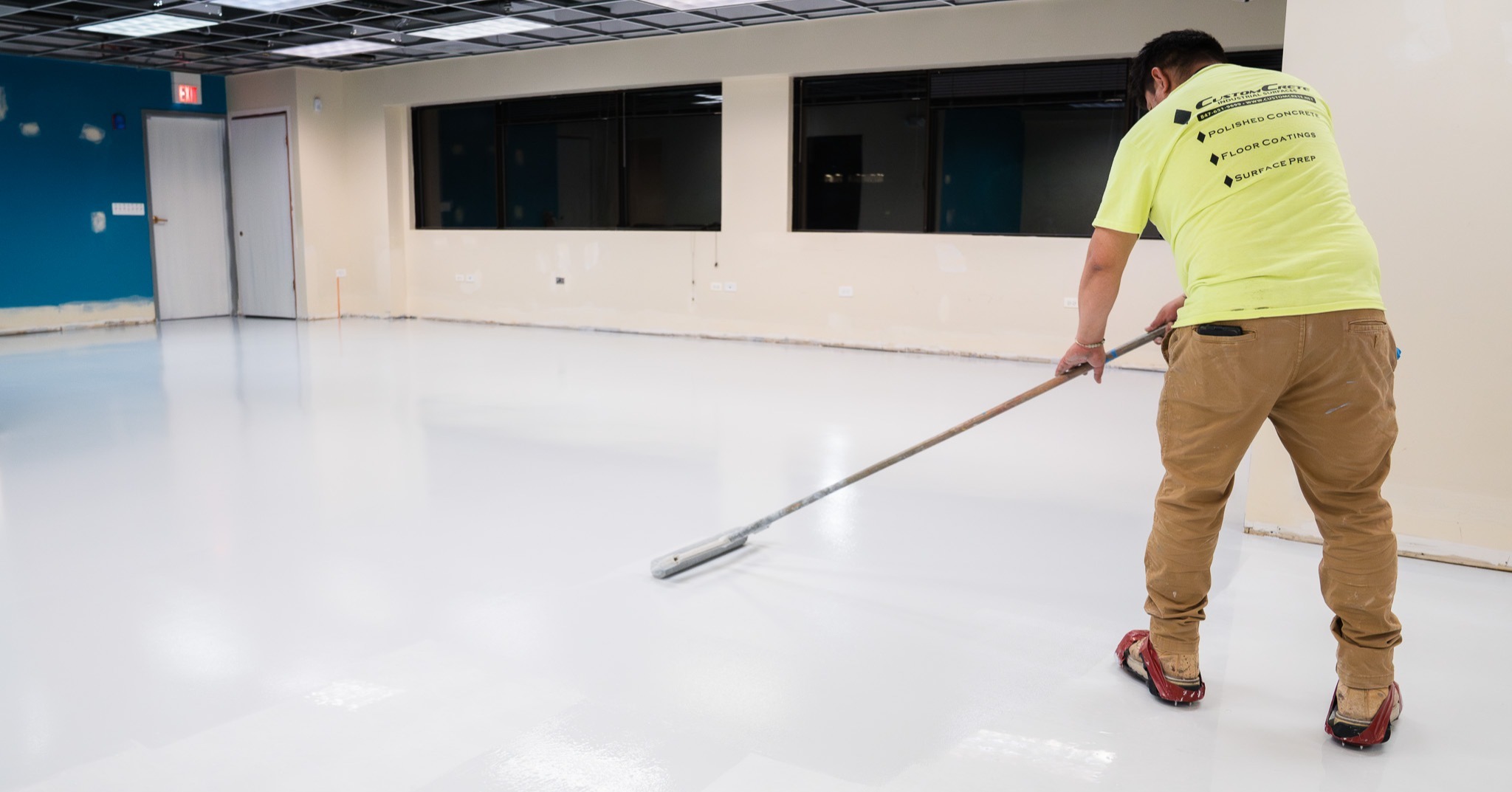
ESD epoxy installation is more technical than standard epoxy flooring. Environmental conditions—such as temperature and humidity—must be controlled during installation to ensure proper curing and electrical consistency.
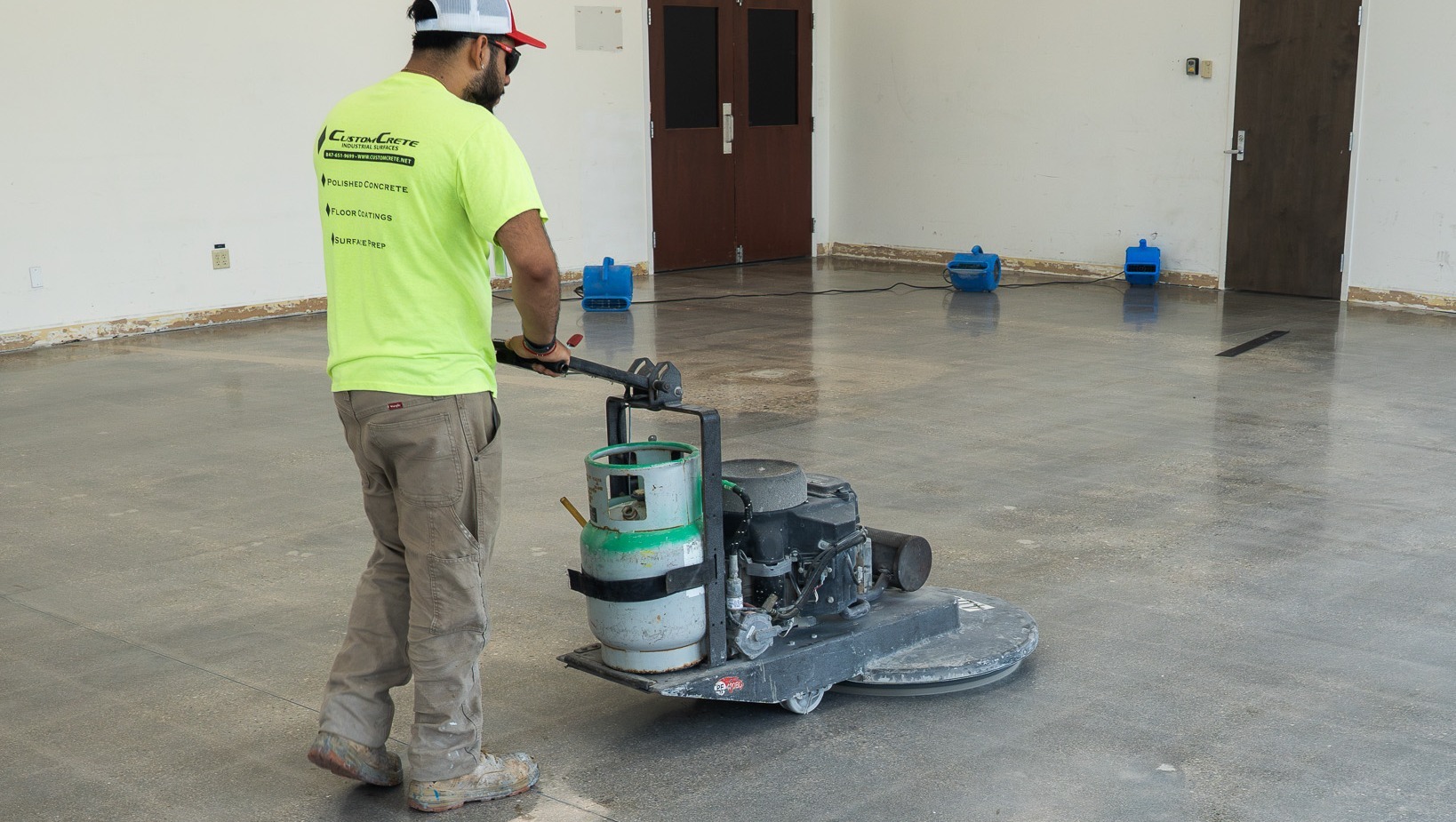
Professional installation typically includes:
- Moisture testing prior to installation
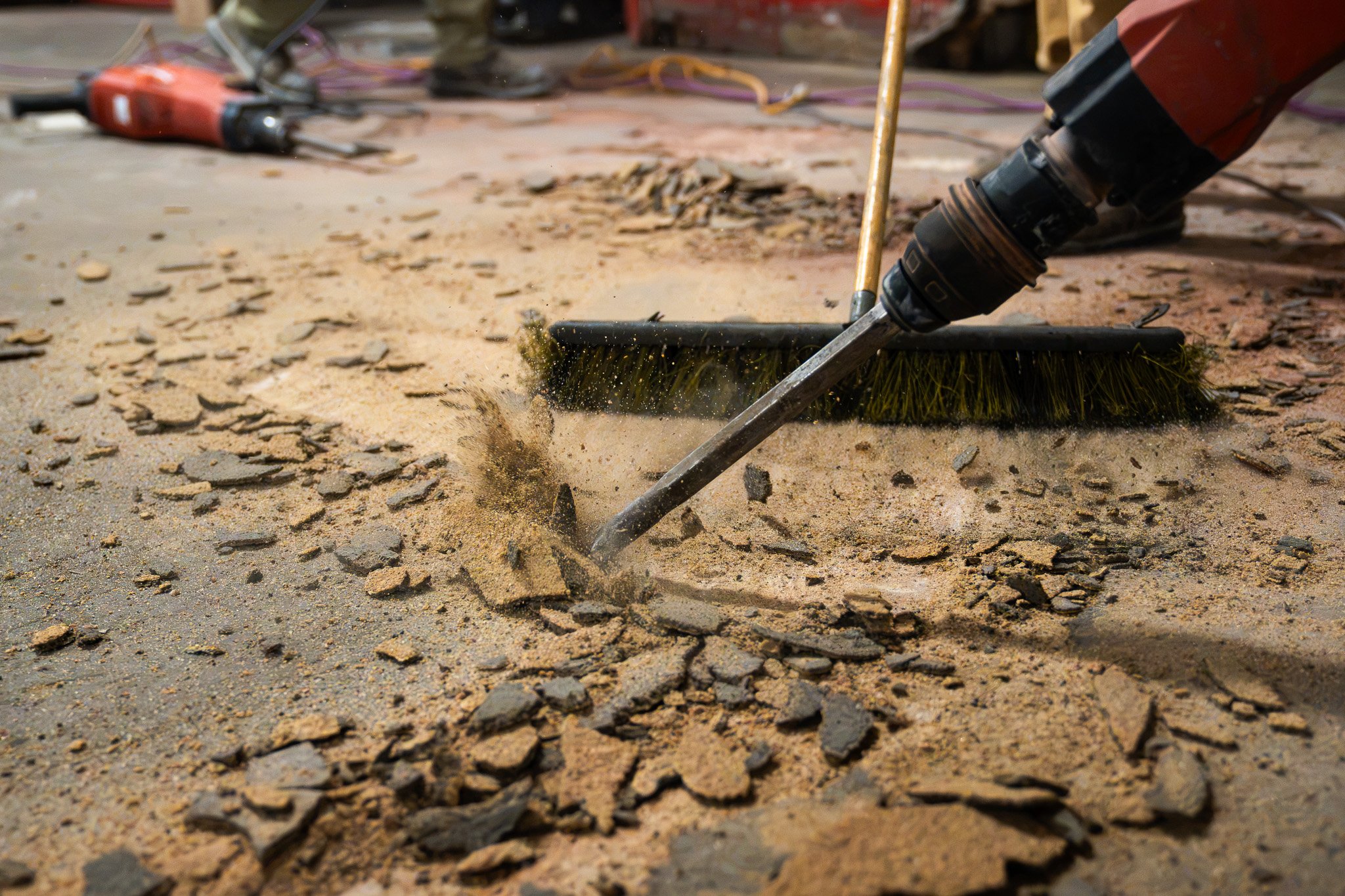
- Mechanical surface preparation
- Verification of grounding continuity
- Controlled application conditions
- Post-installation resistance testing
Cutting corners during installation can compromise both durability and ESD functionality, which is why experience matters.
Matching the Floor to Your Data Center Environment
No two data centers operate exactly the same way. The “right” ESD epoxy floor depends on how your facility functions day to day.
Consider:
- Volume of foot and cart traffic
- Type and weight of equipment
- Humidity control systems
- Cleaning frequency and methods
- Whether the floor integrates with raised access systems
Selecting ESD epoxy flooring should be a performance-based decision, not a cosmetic one.
Common Mistakes to Avoid
When choosing an ESD epoxy floor, facilities often run into problems by:
- Assuming all epoxy floors are ESD-rated
- Prioritizing cost over performance
- Overlooking grounding details
- Ignoring long-term maintenance requirements
- Selecting systems without understanding resistance ranges
Avoiding these pitfalls helps ensure the floor supports your data center long after installation.
FAQ: Choosing ESD Epoxy Flooring
- Is ESD epoxy flooring required by code in data centers?
Requirements vary, but ESD flooring is widely recommended wherever sensitive electronics are present. - Can ESD epoxy flooring be tested after installation?
Yes. Resistance testing is commonly performed to verify performance and can be repeated periodically. - Can an existing epoxy floor be converted to ESD?
In some cases, yes—but it depends on the condition of the floor and whether proper grounding can be added.
Final Thoughts
Choosing the right ESD epoxy flooring is about more than preventing static shocks—it’s about protecting uptime, equipment, and long-term performance in high-demand environments. By understanding dissipation ranges, grounding methods, durability needs, and maintenance requirements, decision-makers can select a system that supports reliable data center operations.
To learn more about how ESD epoxy floors actively protect equipment and prevent downtime, read the next article: “Epoxy for Data Centers: How ESD Floors Prevent Static Damage and Downtime”.

Topics:
.jpg?width=2048&height=1365&name=CC108559%20(1).jpg)
.jpeg?width=1638&height=1020&name=CC109349%20(1).jpeg)
.png?width=11520&height=9216&name=Untitled%20design%20(56).png)