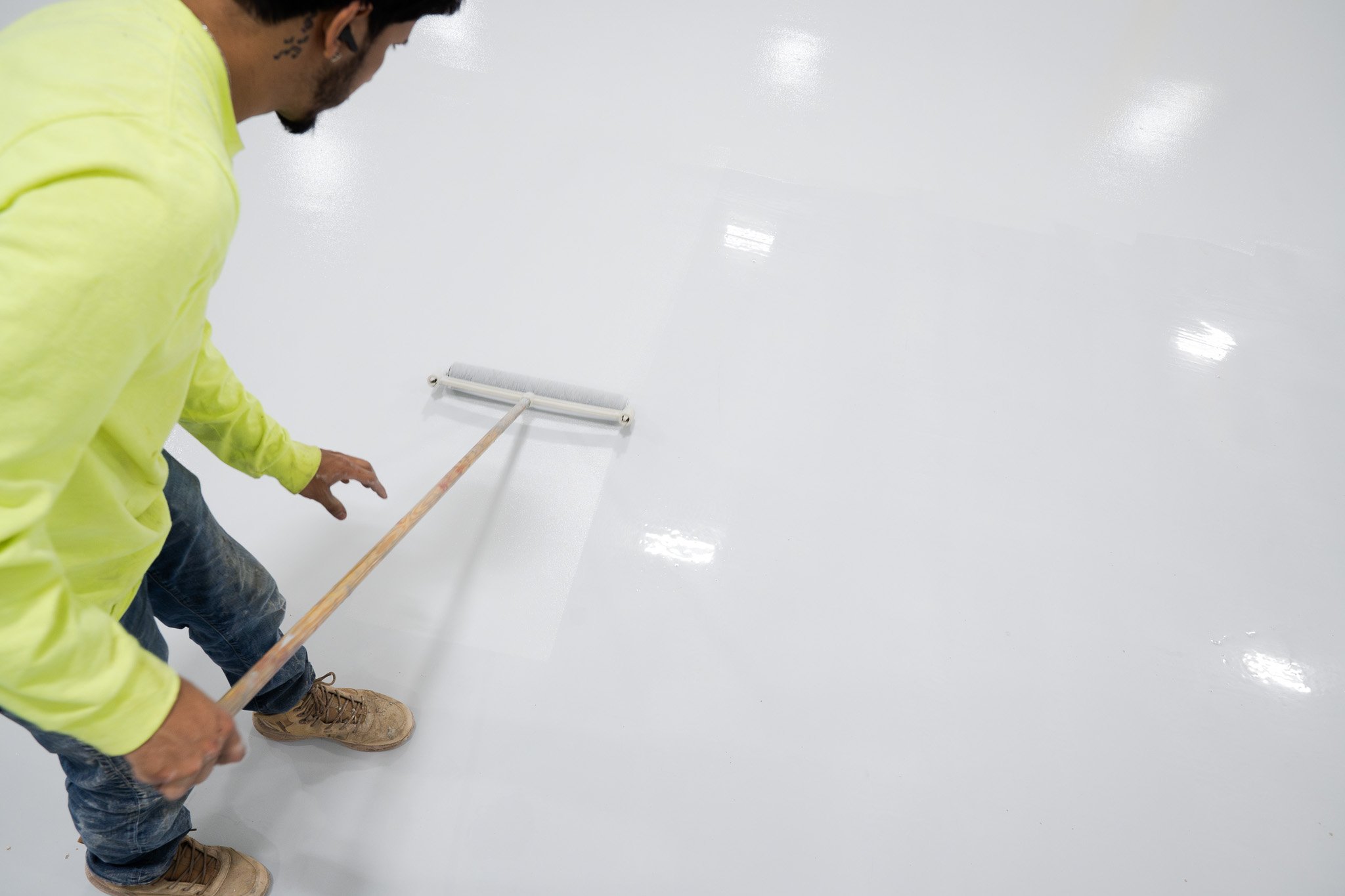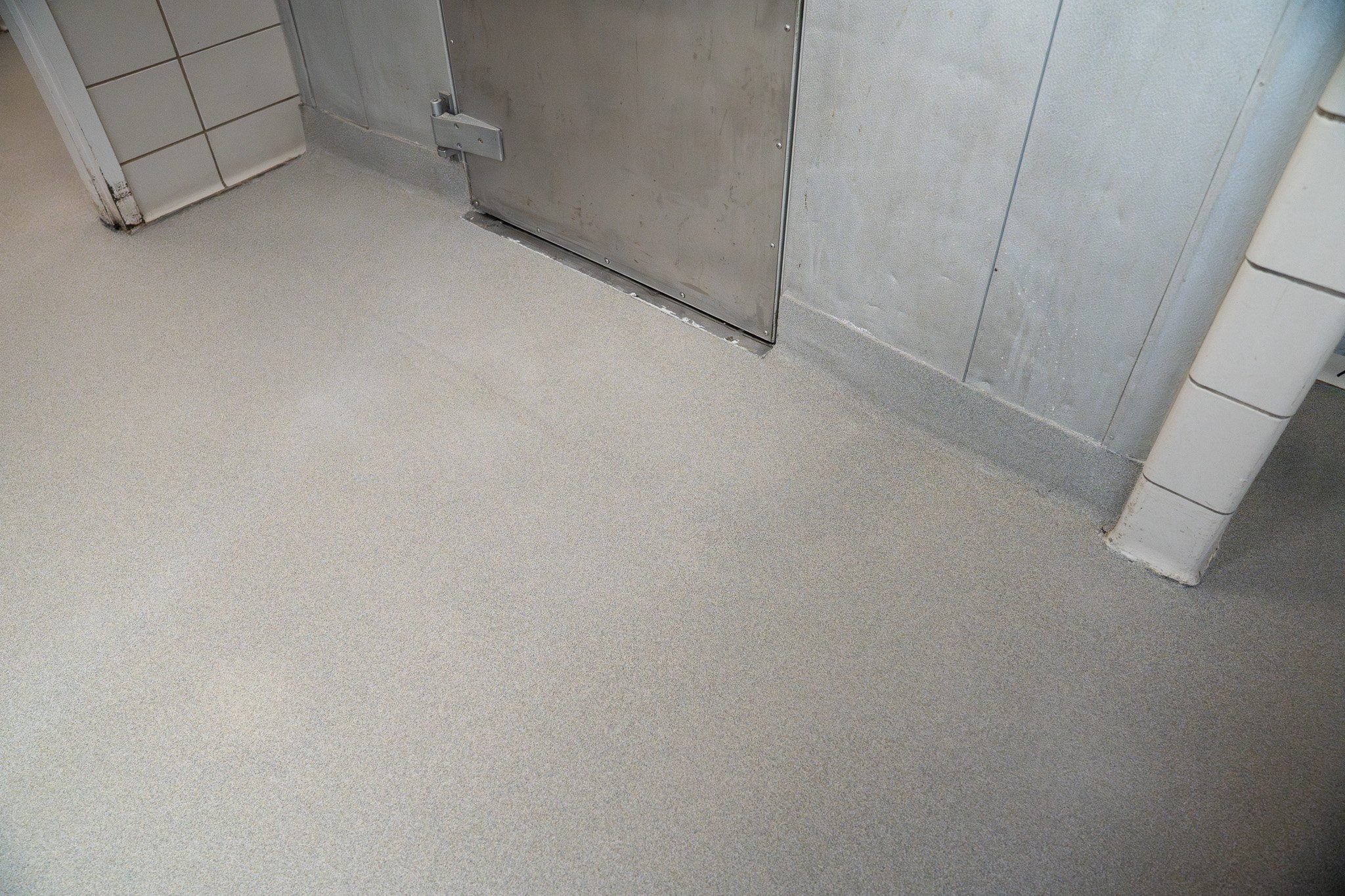

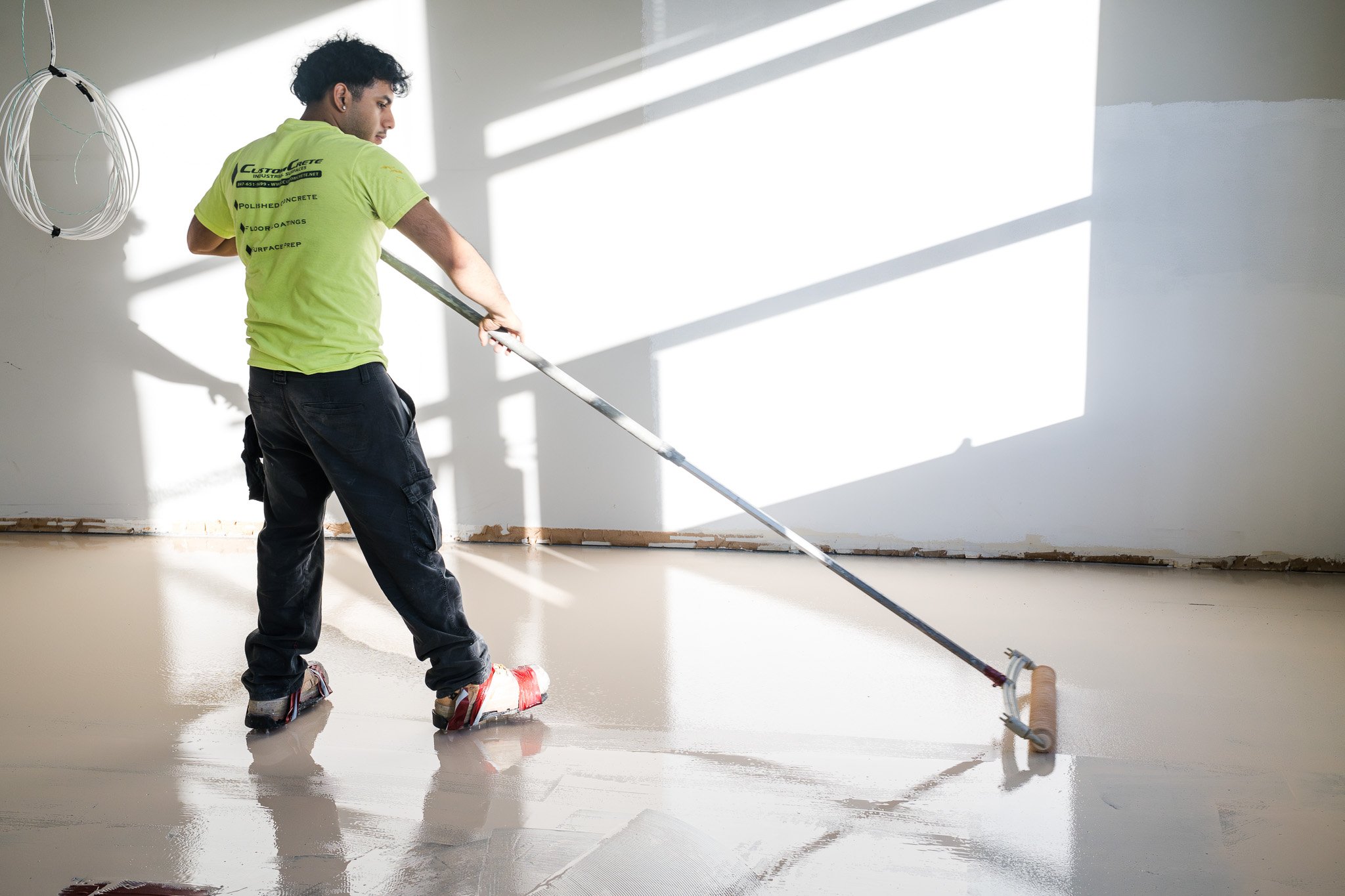
Choosing the right contractor for your epoxy flooring project can make the difference between a long-lasting, high-performance floor and one that fails prematurely. Because epoxy systems rely on proper surface preparation, environmental control, and technical skill, hiring the right epoxy coating specialist is essential—especially for industrial facilities with demanding conditions.
Facility managers, operations leaders, and maintenance teams benefit from asking targeted, informed questions before committing to any installer. These questions reveal the contractor’s experience, process, and reliability, helping you avoid costly mistakes and ensure the installation is built to last.
Below are the most important questions to ask before hiring an epoxy coating specialist, along with why each one matters.

1. How Many Years of Experience Do You Have With Industrial Epoxy Projects?
Epoxy flooring is not the same as general construction, painting, or residential coatings. Industrial facilities deal with heavy traffic, chemical exposure, moisture issues, and environmental challenges that require expertise.
Asking about experience helps you determine whether the contractor understands:
- Industrial surface preparation standards
- Moisture and vapor testing requirements
- Chemical exposure and safety concerns
- Coating systems appropriate for manufacturing, warehousing, or processing environments
A trained epoxy coating specialist should have a proven track record working with facilities similar to yours—not just garages, retail shops, or small commercial spaces.
2. What Surface Preparation Methods Do You Use?
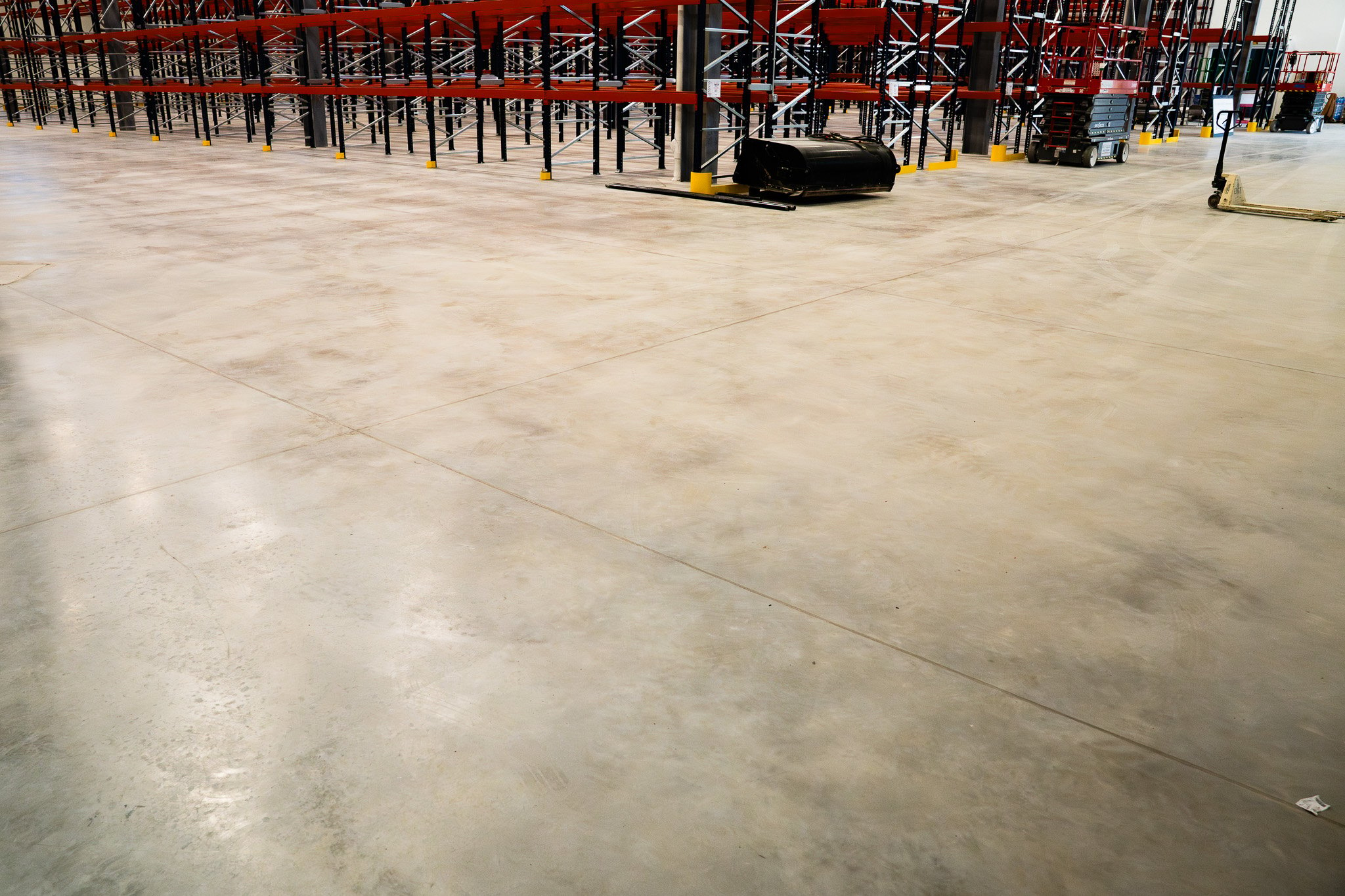
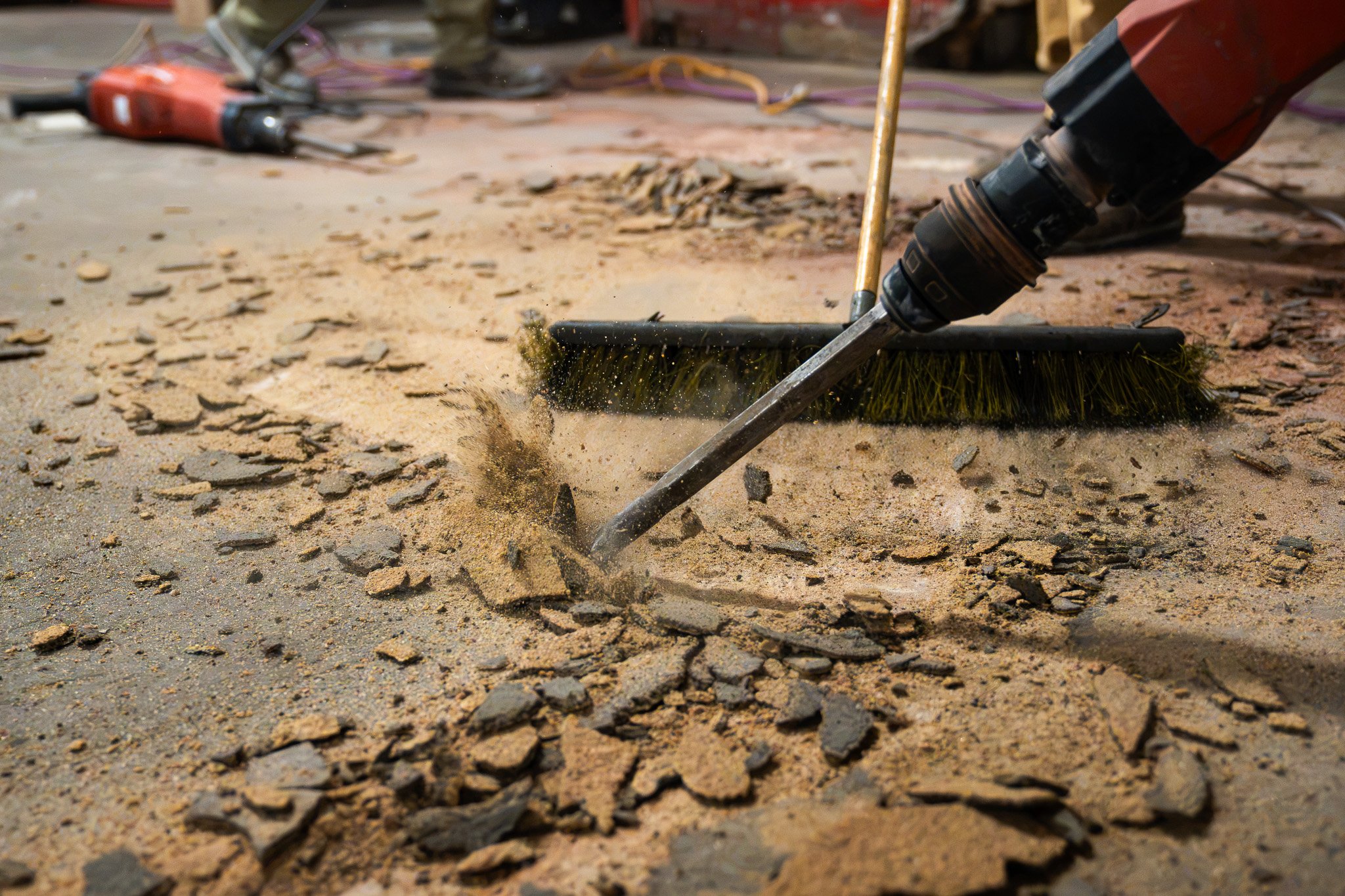
Surface preparation is the number one factor that determines whether epoxy flooring succeeds or fails. If the concrete isn’t properly profiled, the coating will not bond and will eventually peel or delaminate.
Essential preparation tasks include:
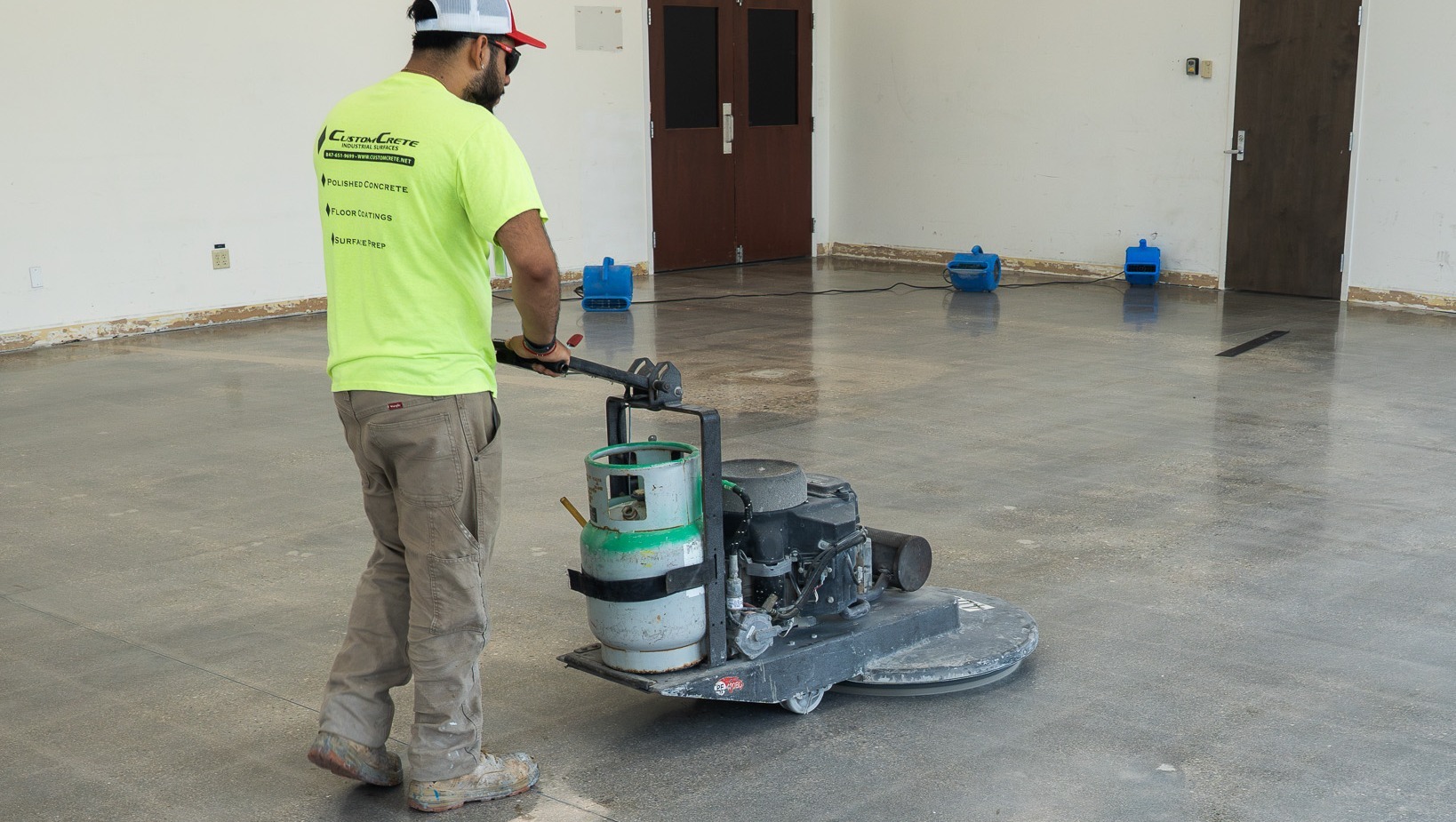
- Mechanical grinding or shot blasting
- Achieving the correct Concrete Surface Profile (CSP)
- Patching, crack, and joint repair
- Oil and contamination removal
- Moisture testing before installation
3. How Do You Test for Moisture, Humidity, and Slab Conditions?
Moisture vapor transmission (MVT) is one of the biggest reasons epoxy floors fail—especially in older facilities. A professional epoxy coating specialist will test for moisture using ASTM F1869, ASTM F2170, or both.
Ask about:
- Moisture vapor emission rates
- Relative humidity testing
- Dew point checks before installation
- Temperature monitoring during curing
If they cannot explain their moisture testing process, they may not be qualified to install industrial epoxy.
4. Which Epoxy Products or Systems Do You Recommend—and Why?
Not all epoxy systems are created equal. The right system depends on factors like traffic loads, chemicals used, temperature swings, and cleaning routines.
Your contractor should be able to explain whether you need:
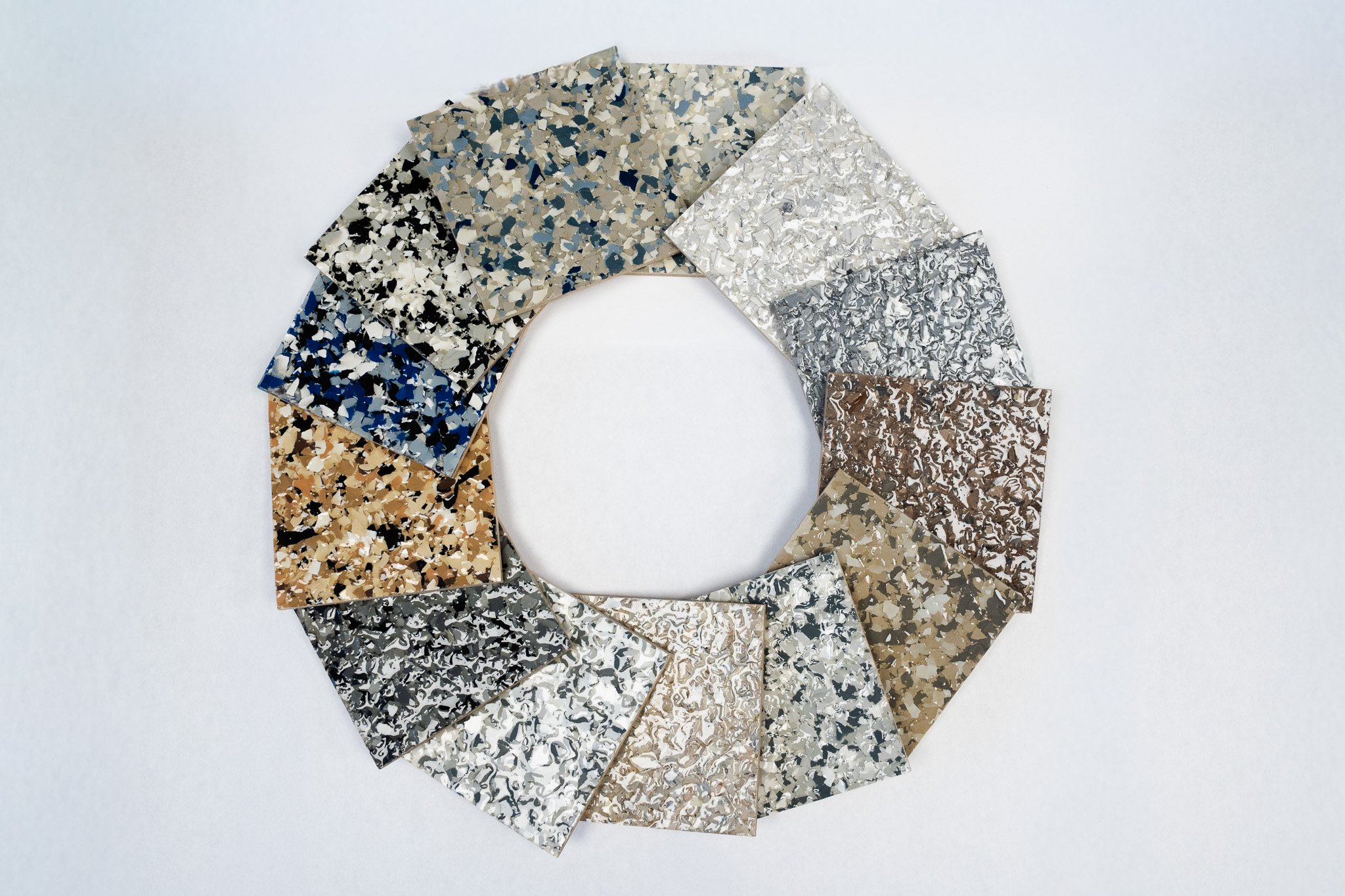
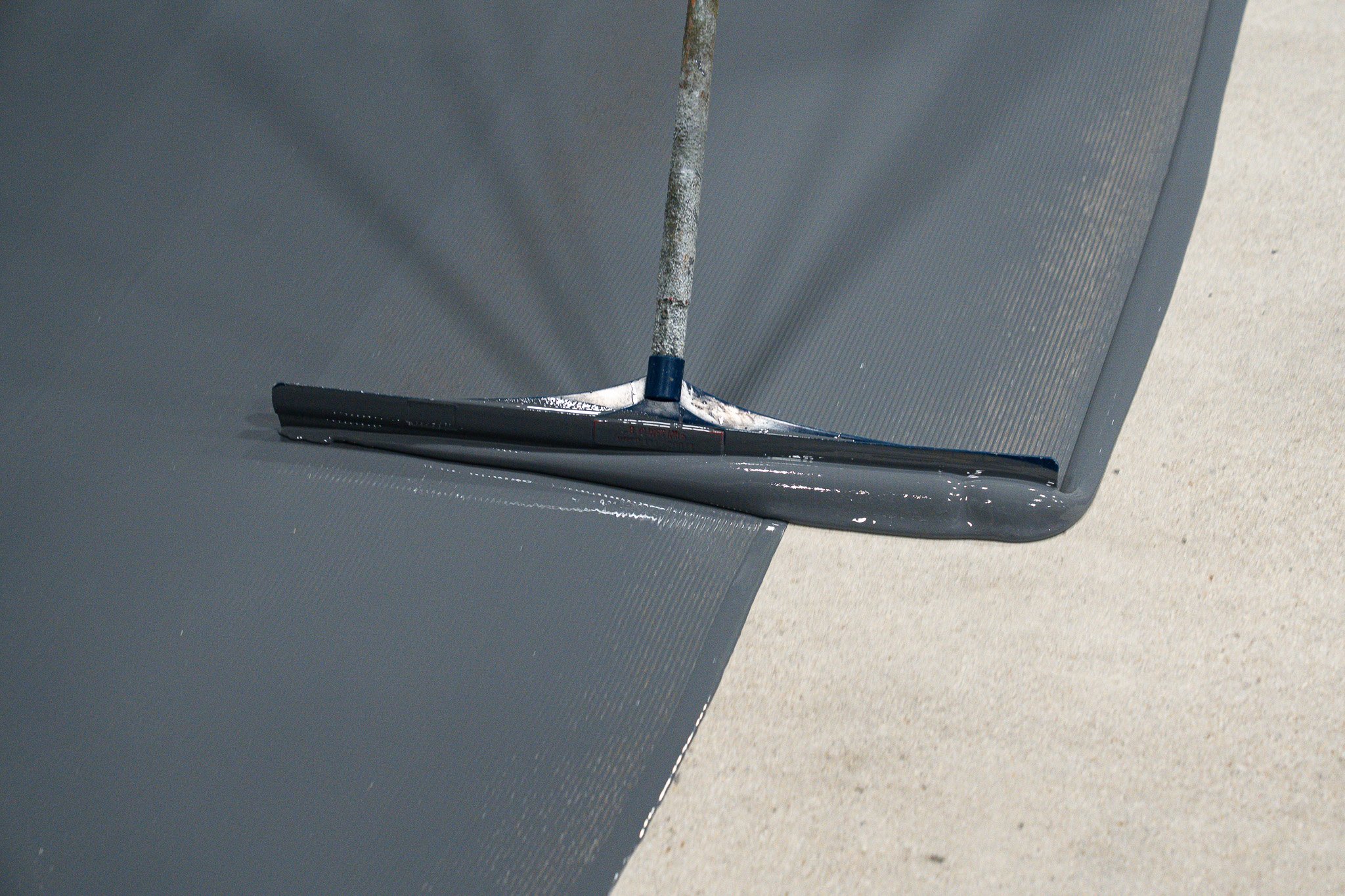
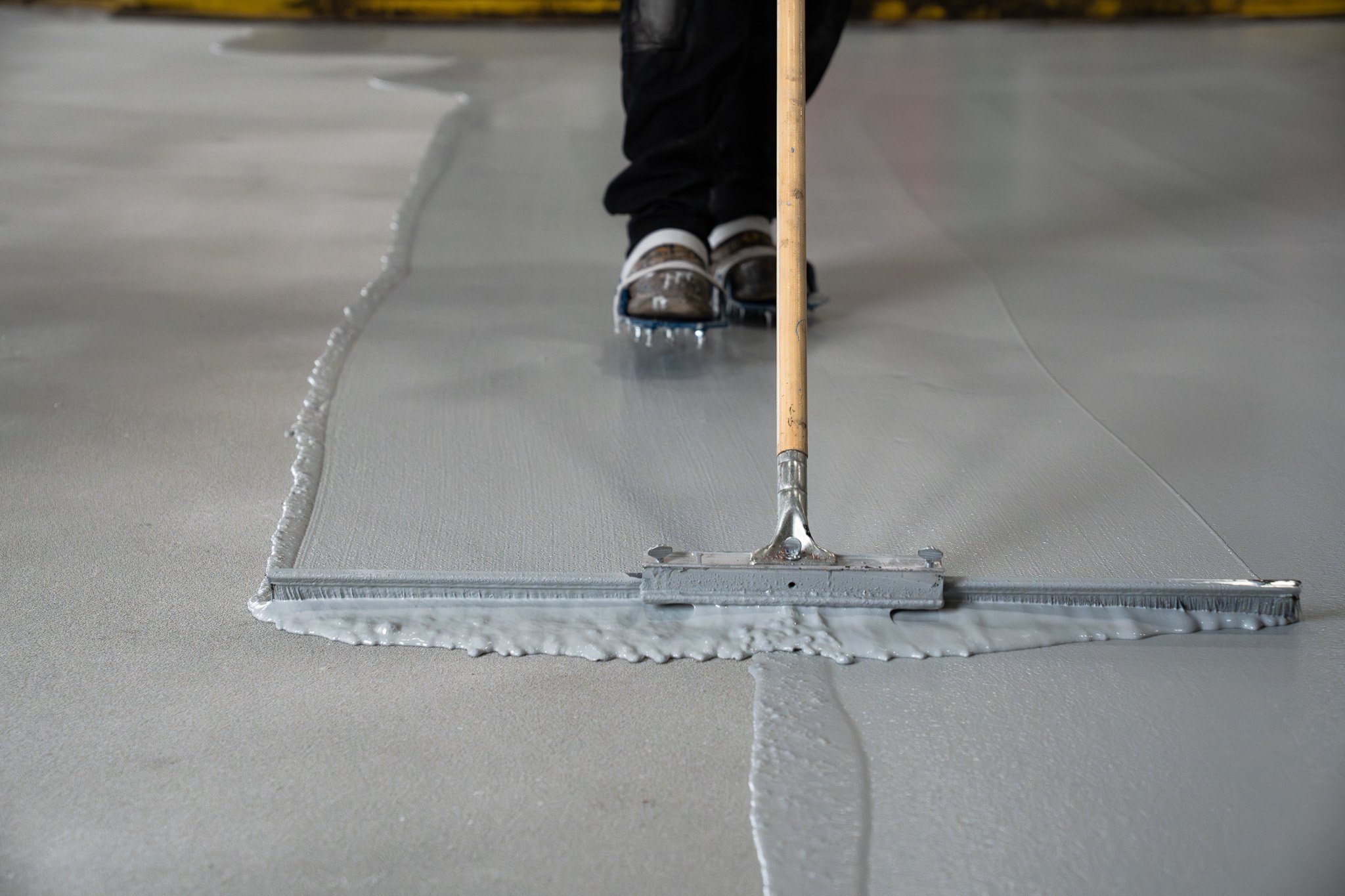
- 100% solids epoxy
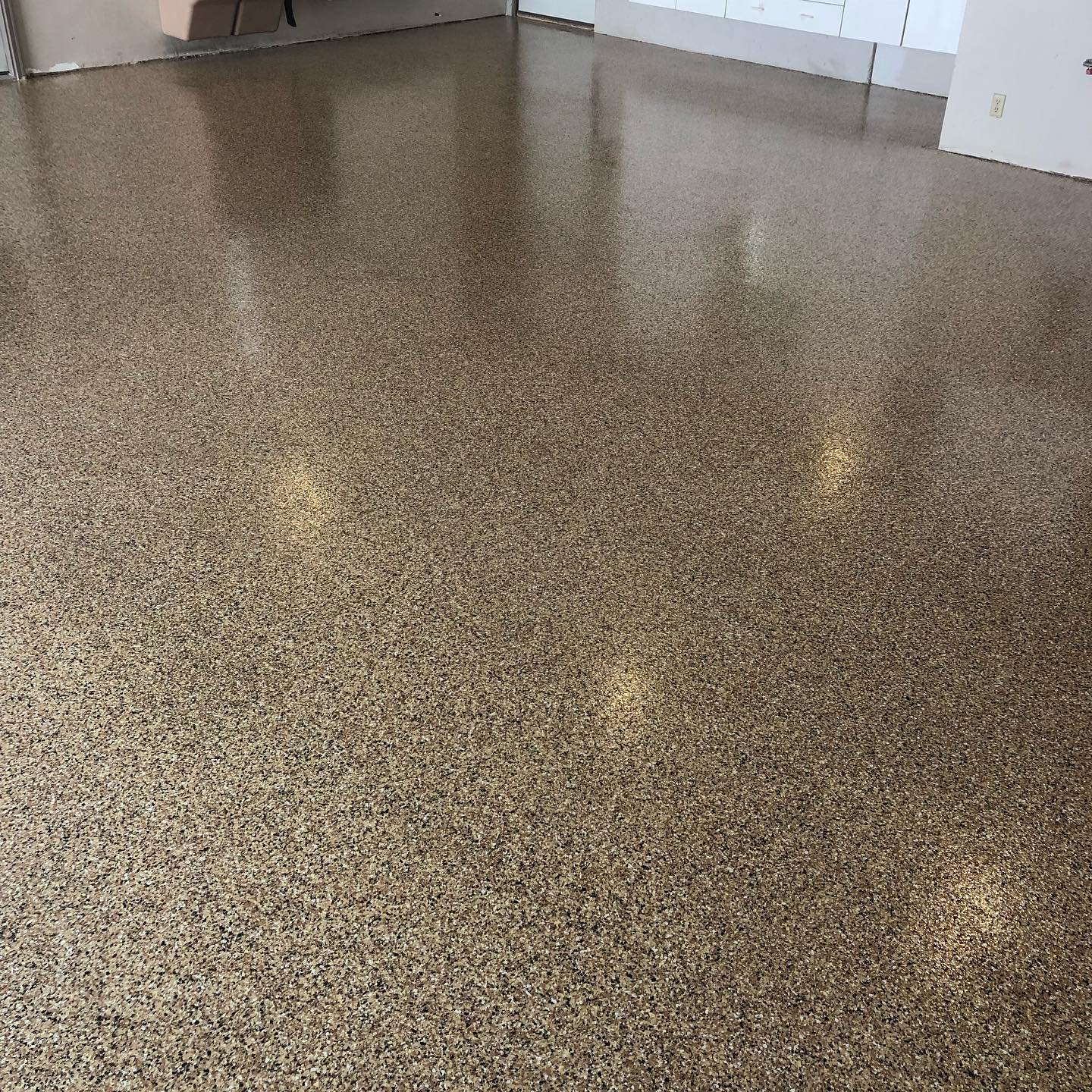
- Epoxy with broadcast quartz
- Urethane cement (for thermal shock areas)
- Polyaspartic topcoats for UV exposure
- High-build systems for durability
A knowledgeable epoxy coating specialist will recommend a system based on your environment—not based on what is cheapest or easiest to install.
5. Can You Provide Examples of Past Work or Case Studies?
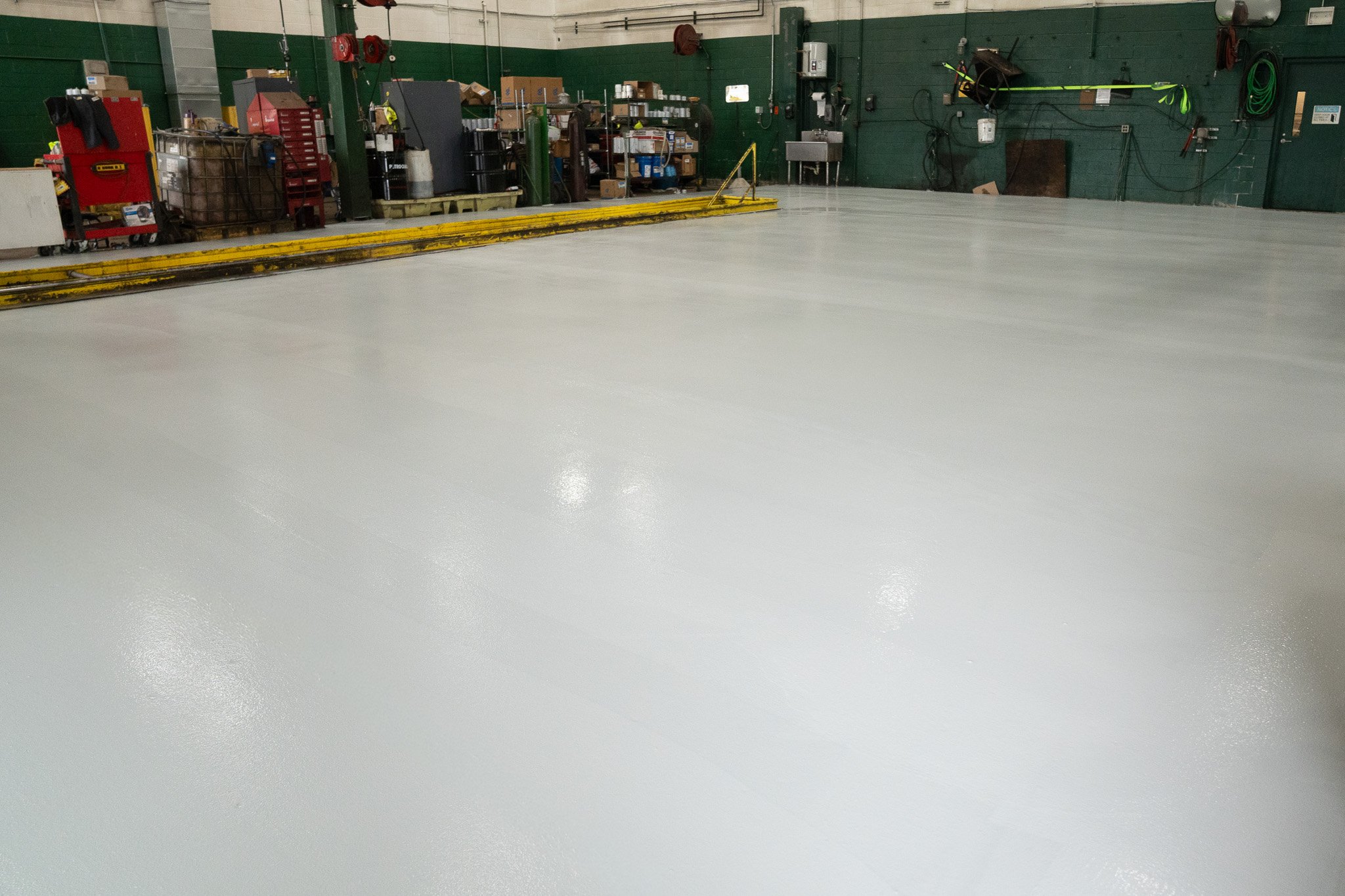
Seeing before-and-after photos, walking completed job sites, or reading case studies can help verify a contractor’s ability to deliver high-quality, long-lasting results.
Useful examples include:
- Manufacturing plants
- Warehouses and distribution centers
- Food and beverage processing
- Chemical or pharmaceutical facilities
- Maintenance shops or loading docks
6. What Is Included in Your Warranty?
A reputable epoxy coating specialist will provide a written warranty that covers both materials and workmanship. Epoxy manufacturers often offer product warranties—but labor warranties vary significantly between contractors.
Ask for specifics:
- What is covered—and what is not?
- Does the warranty include adhesion failures?
- How long is coverage? (1 year, 2 years, more?)
- What voids the warranty?
- What happens if moisture affects the coating later?
7. How Long Will Installation and Curing Take?
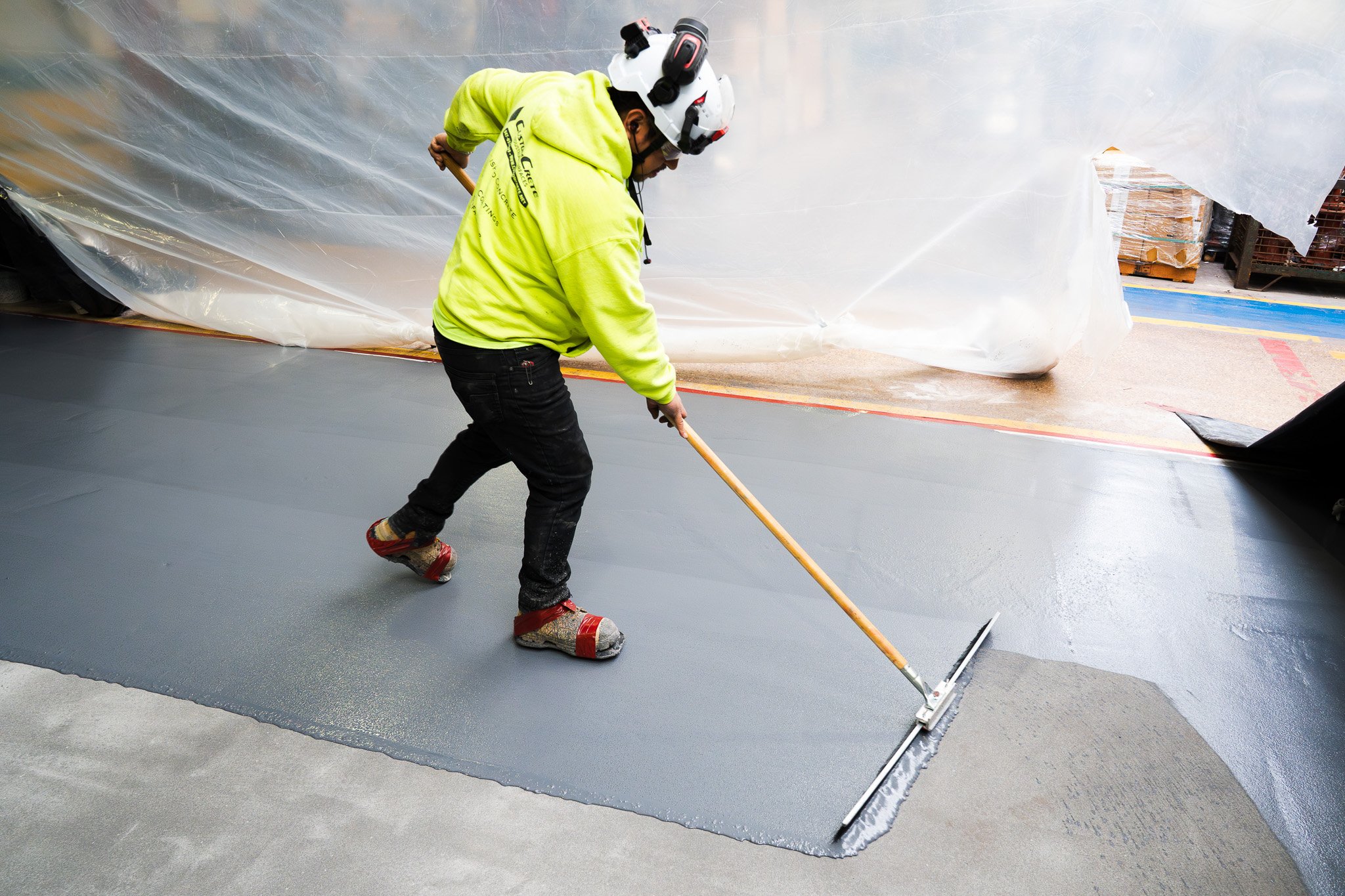
Understanding the timeline helps you plan downtime, coordinate production schedules, and prepare your team. A professional installer will walk you through the full schedule, including:
- Surface prep timeline
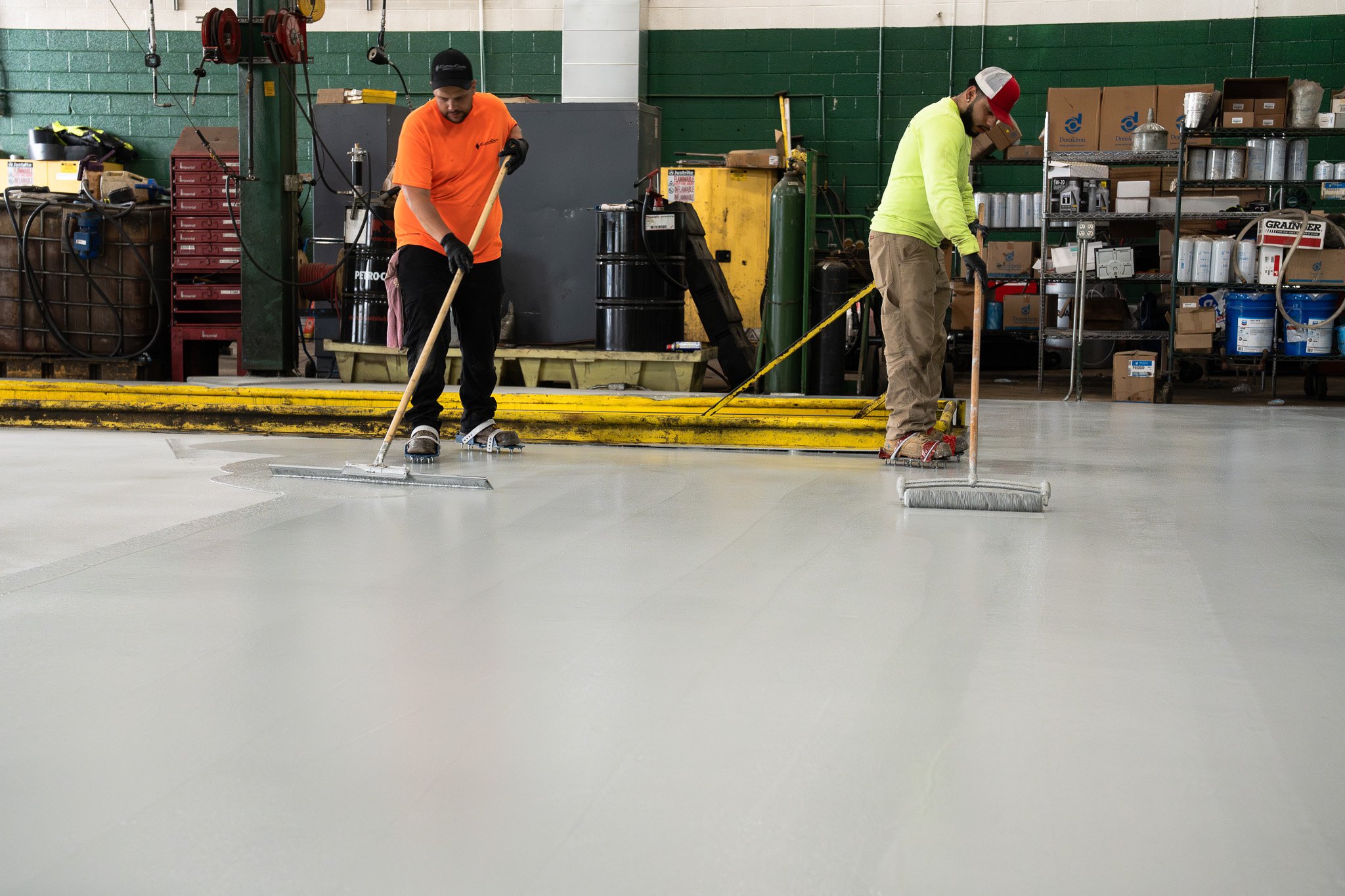
- Installation phases
- Cure times between coats
- When the floor can accept foot traffic
- When equipment can return
- When full chemical resistance is achieved
If a contractor promises an unrealistically fast installation, it may indicate cutting corners or skipping proper curing windows.
8. What Safety Protocols Do You Follow During Installation?
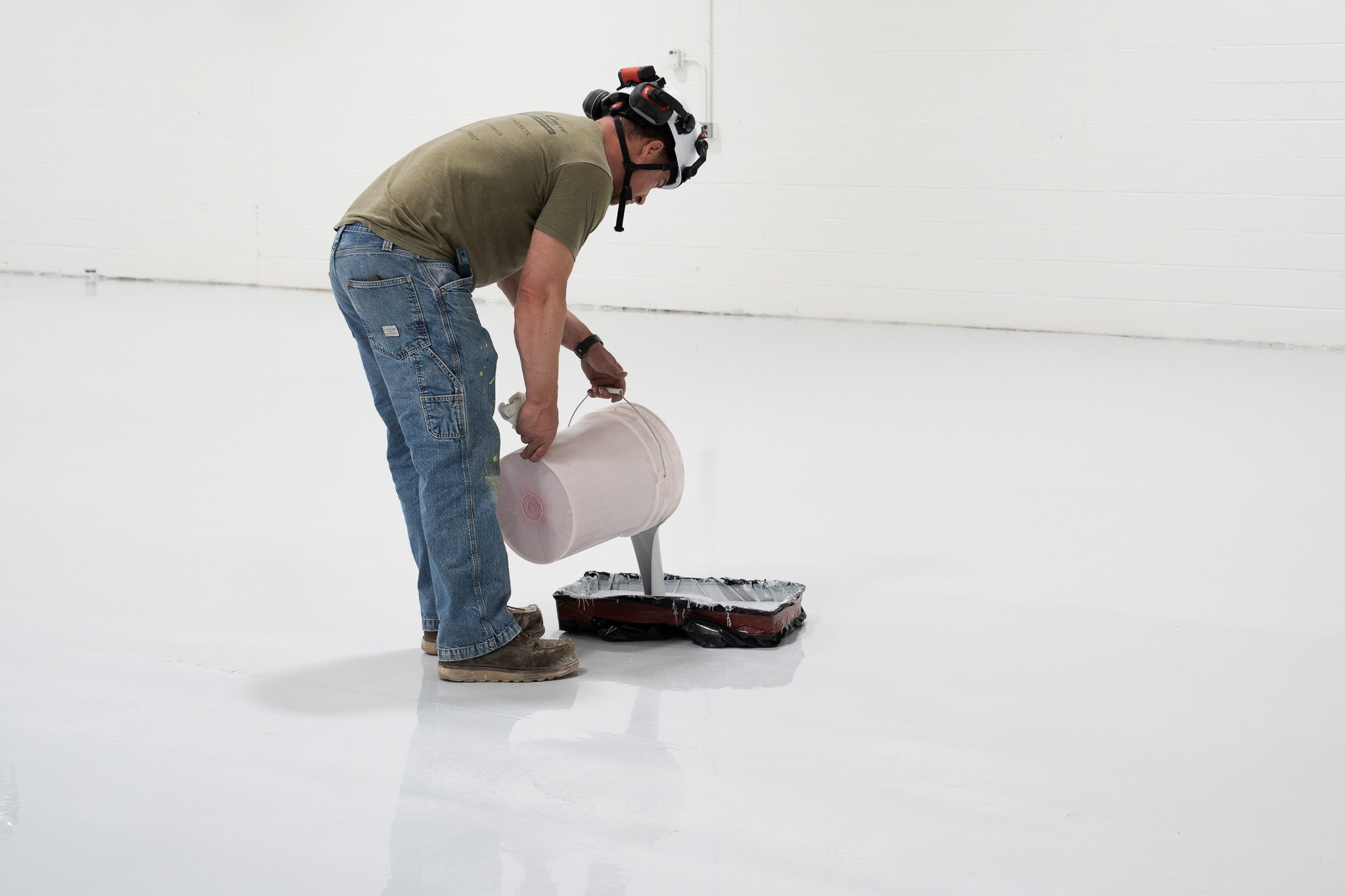
Epoxy installation involves fumes, equipment, dust, and chemical handling. Always ask about safety and compliance.
A qualified epoxy coating specialist will follow protocols for:
- Proper ventilation
- Dust control (HEPA vacuums)
- PPE for workers
- Site containment and traffic control
- Safe chemical storage and handling
9. How Do You Minimize Downtime for My Facility?
Many facilities—especially manufacturing plants, warehouses, labs, and food processing centers—cannot afford extended shutdowns. A reputable epoxy specialist will offer strategies such as:
- Phased installation
- After-hours or weekend work
- Fast-curing systems where appropriate
- Scheduling around production needs
10. What Maintenance Procedures Do You Recommend After Installation?
The conversation shouldn’t end when the floor cures. A trustworthy epoxy coating specialist provides guidance on:
- Routine cleaning procedures
- Appropriate chemicals to use
- How to prevent scratches or wear
- When to apply protective topcoats again
- How to identify early signs of potential issues
FAQ: Choosing an Epoxy Coating Specialist
- What qualifications should an epoxy coating specialist have?
Look for training, industry certifications, and extensive experience with industrial epoxy systems—not just residential coatings. - Can a general contractor install epoxy?
They can, but without specialized tools, testing, and environmental controls, the risk of failure is significantly higher. - Should I choose the cheapest option?
Cheaper bids often skip critical prep steps, use lower-quality materials, or shorten curing timelines. Always compare process—not just price.
Final Thoughts
Hiring the right epoxy coating specialist is one of the most important decisions you can make for your facility’s flooring. By asking the right questions—about experience, surface preparation, moisture testing, materials, safety, warranties, and timelines—you can confidently choose a partner who will deliver long-lasting results.
To continue learning, read our next article: “Why Hiring an Epoxy Coating Specialist Matters for Industrial Projects”.

Topics:
.jpg?width=2048&height=1365&name=CC108559%20(1).jpg)
.jpeg?width=1638&height=1020&name=CC109349%20(1).jpeg)
.png?width=11520&height=9216&name=Untitled%20design%20(56).png)