
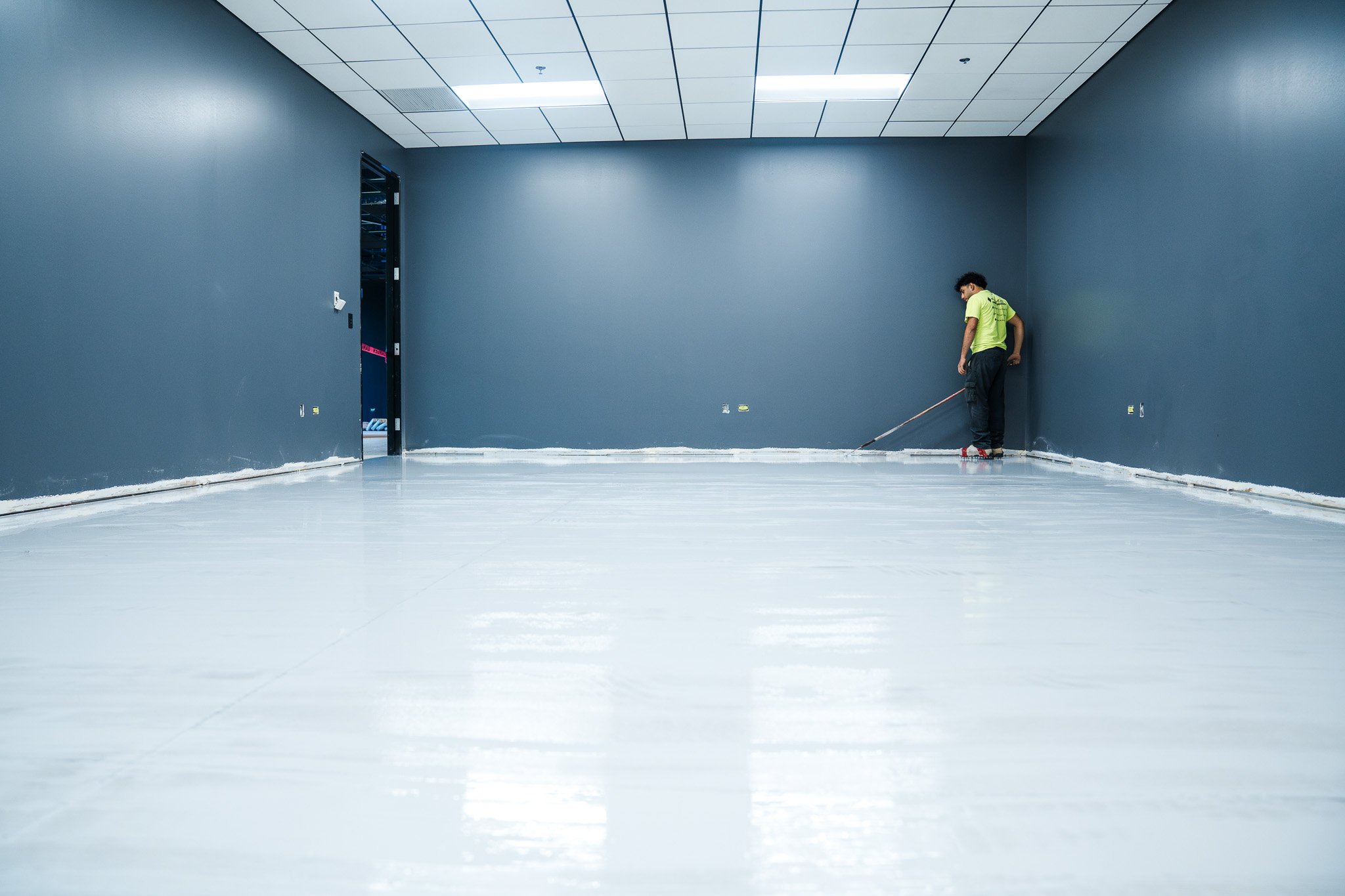
Data centers are built to protect some of the most sensitive and valuable equipment in modern operations. Servers, networking hardware, and power infrastructure all depend on tightly controlled environments to function reliably. While temperature, airflow, and humidity often get the most attention, another critical risk exists at floor level: electrostatic discharge (ESD).
Static electricity can quietly damage electronic components, shorten equipment lifespan, and contribute to unexpected downtime. That’s why ESD epoxy flooring has become a standard consideration in data centers and other high-performance technology environments. This guide explains what ESD epoxy flooring is, how it works, and why it plays such an important role in protecting data center operations.

What Is ESD Epoxy Flooring?
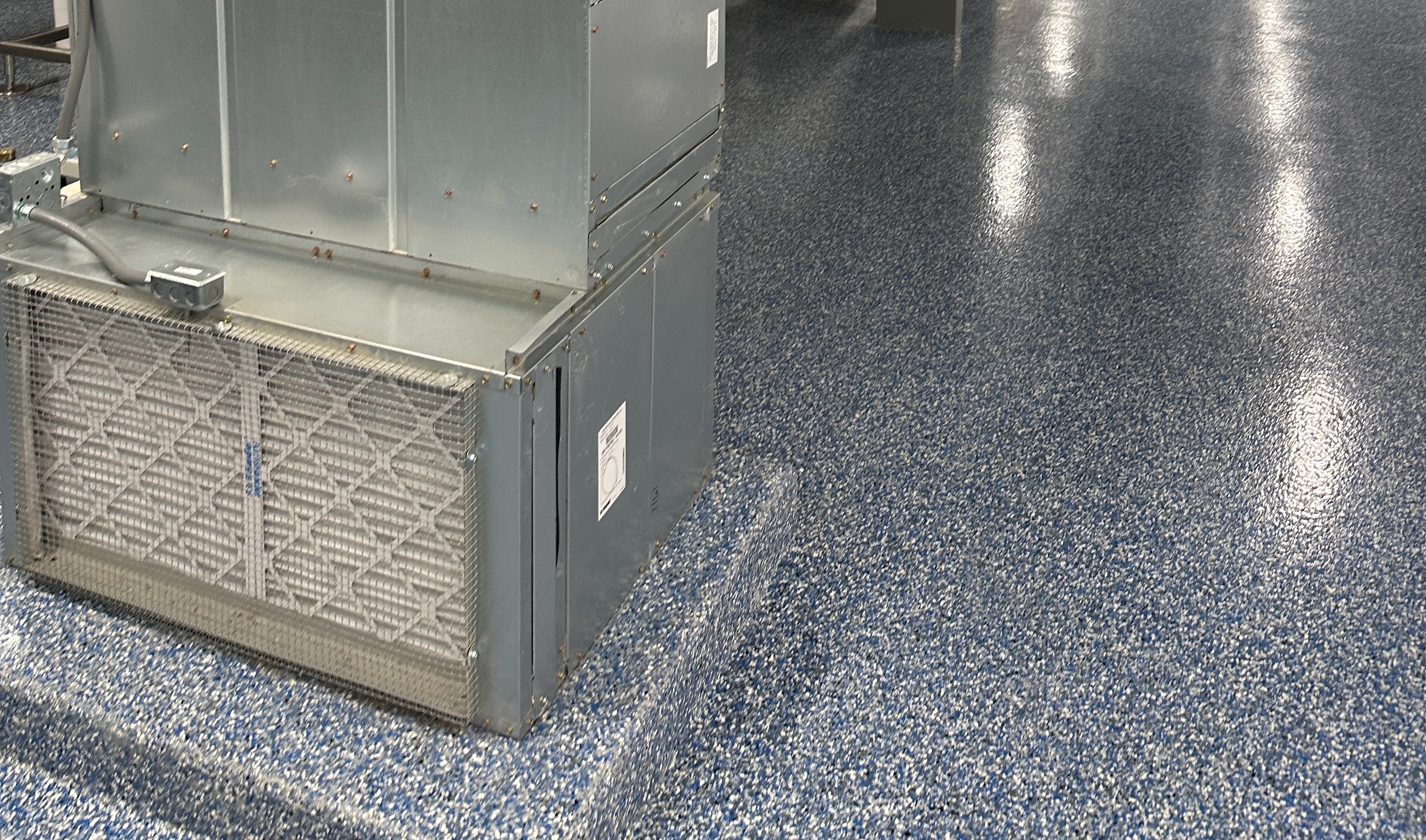
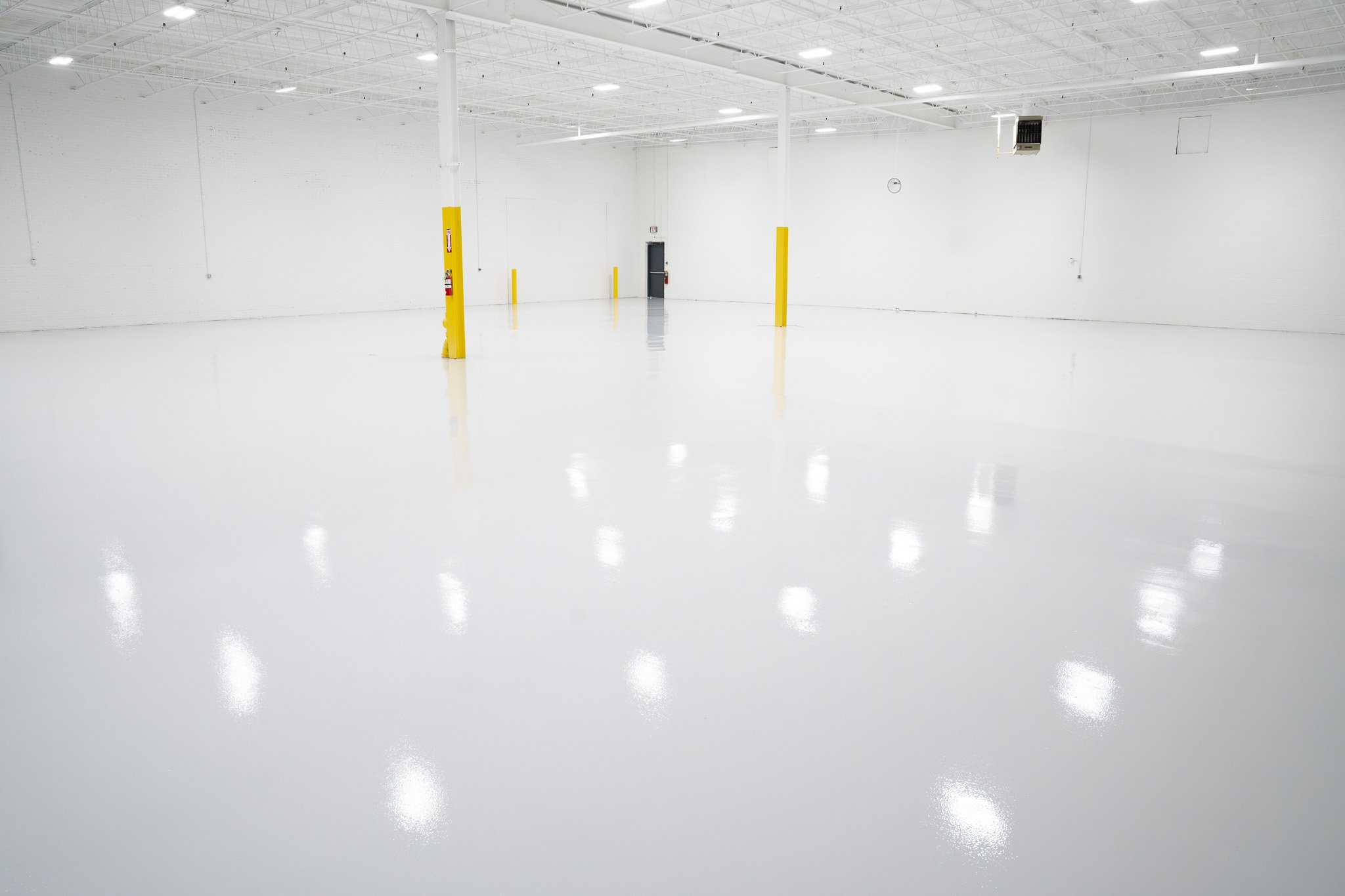
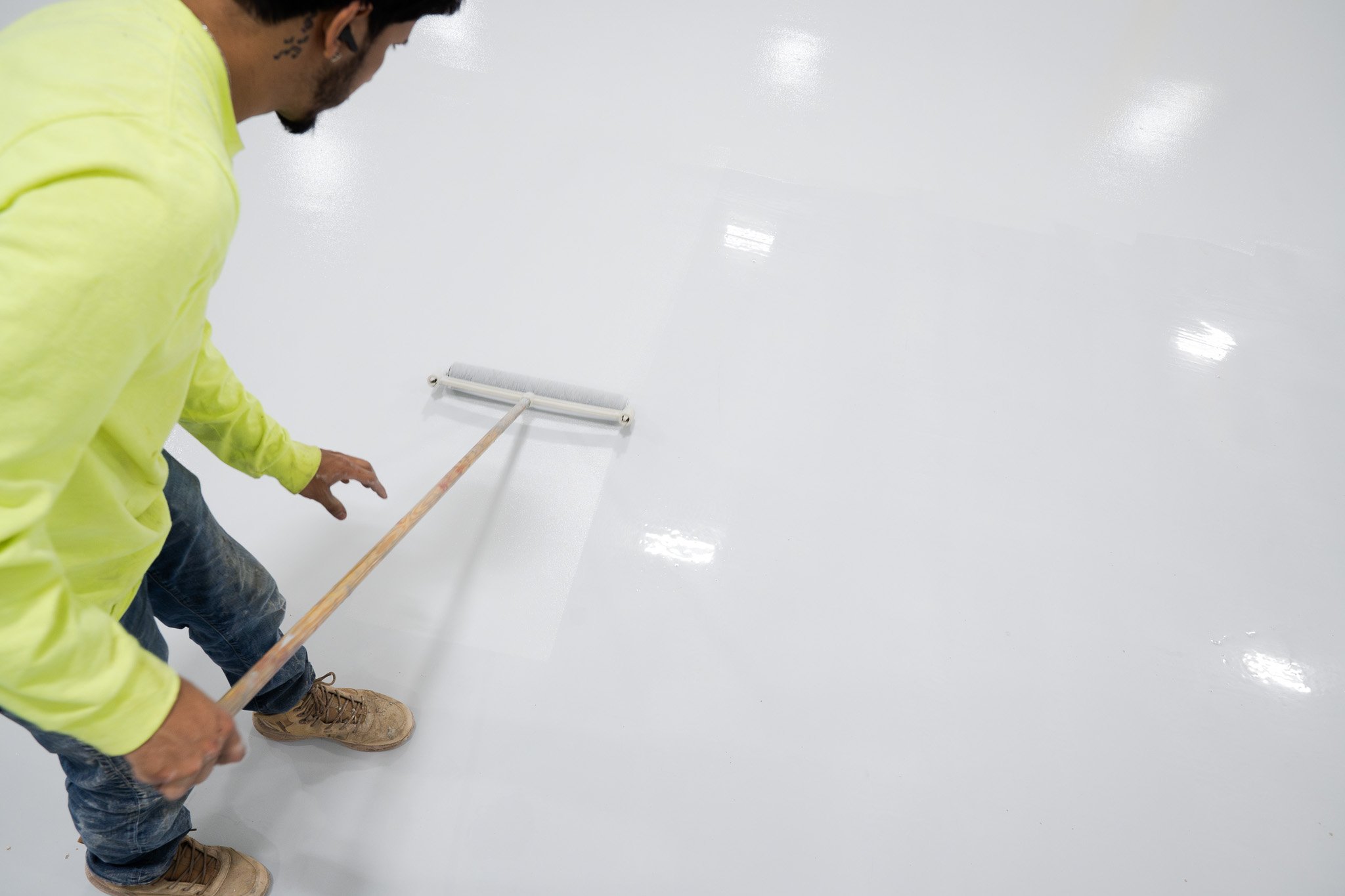
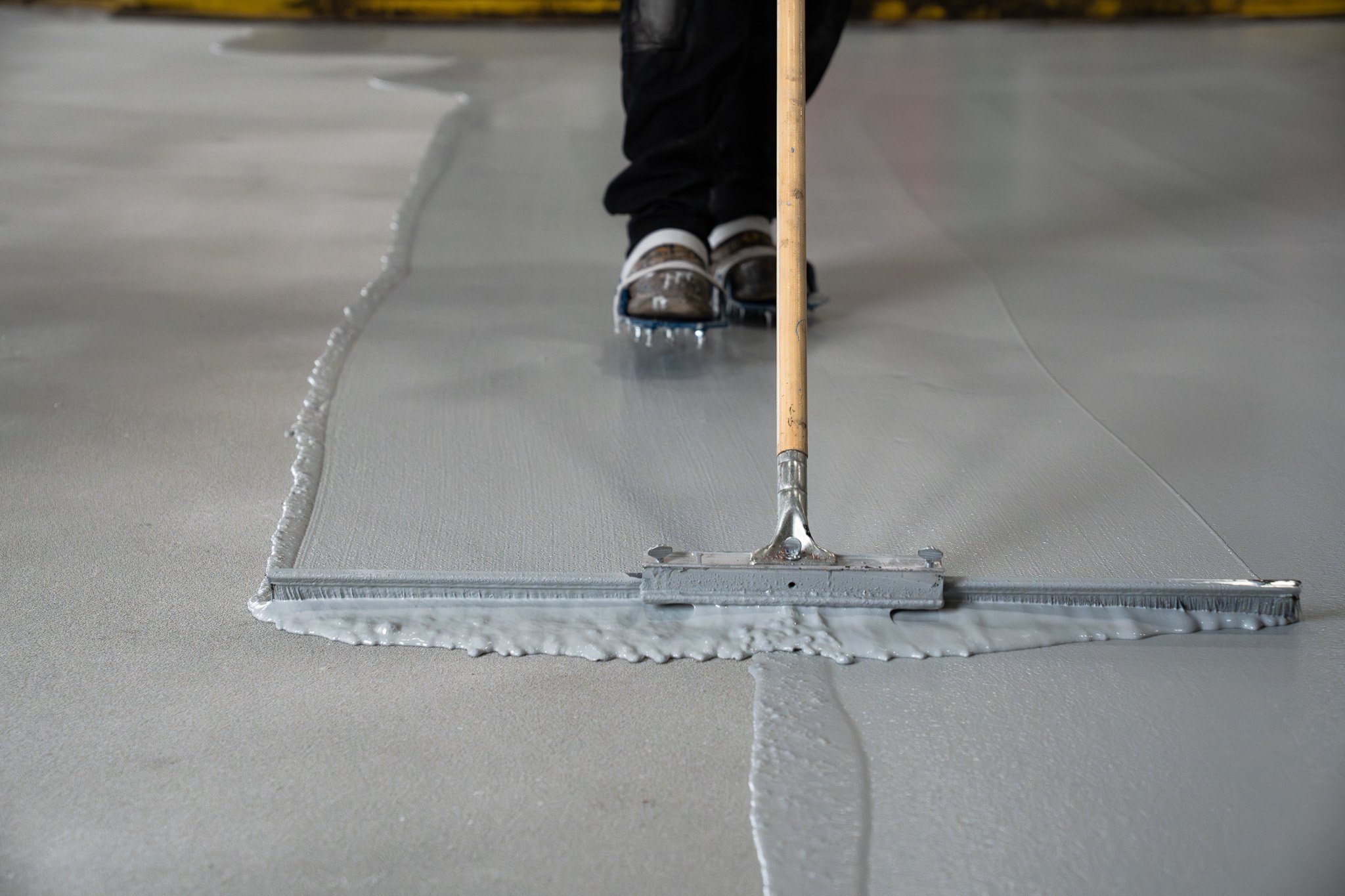
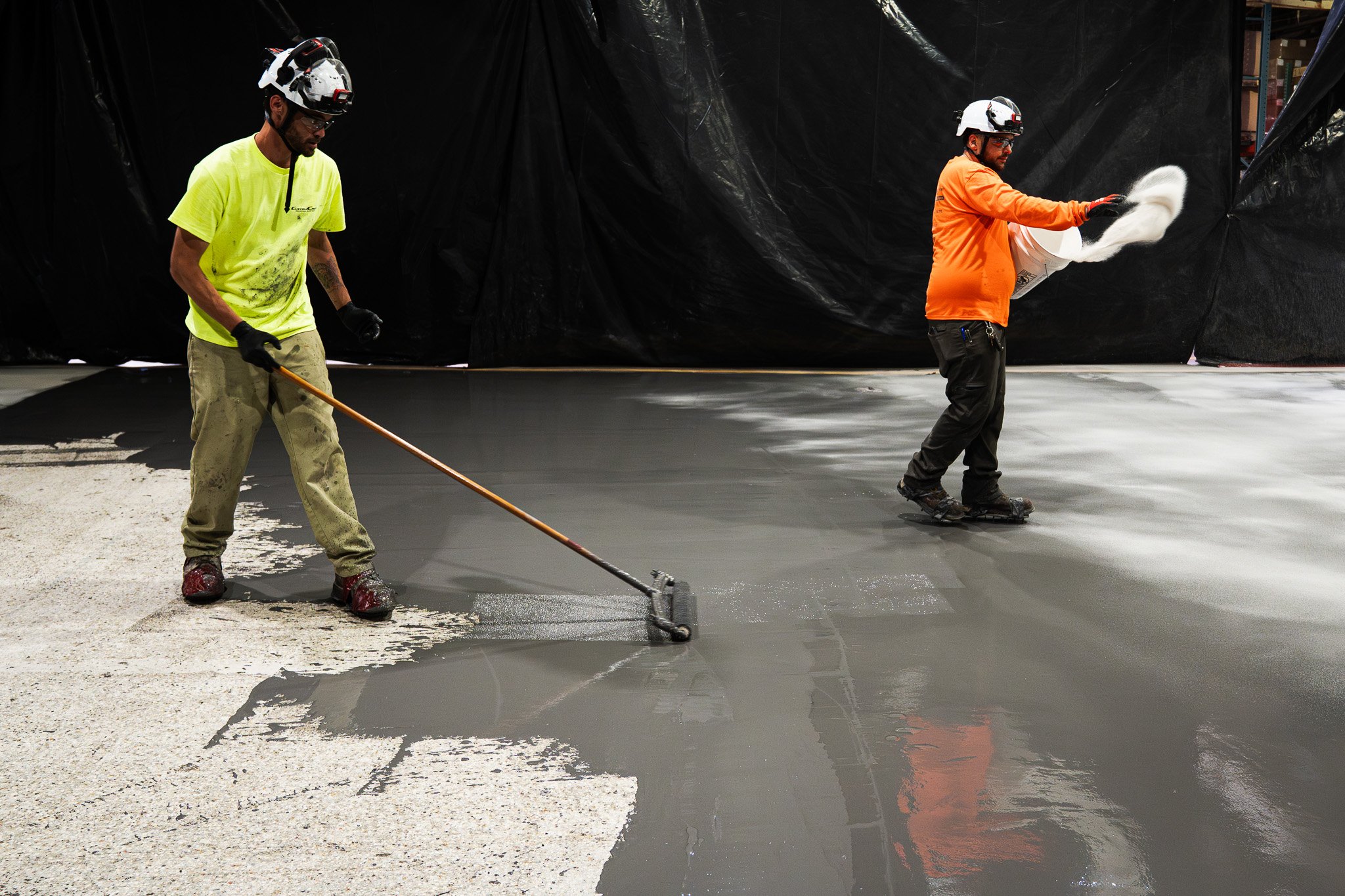
ESD epoxy flooring is a resin-based flooring system specifically engineered to control and dissipate static electricity. Unlike standard epoxy floors, ESD systems contain conductive or static-dissipative materials that allow electrical charges to move safely through the floor and into a grounding system.
Instead of letting static build up on the surface—or discharge suddenly into sensitive equipment—ESD epoxy flooring releases electricity in a controlled, predictable way. This reduces the risk of static-related damage to servers and other electronics.
Key Characteristics of ESD Epoxy Flooring
These features make ESD epoxy well-suited for data centers, server rooms, and other environments where electronic reliability is critical:
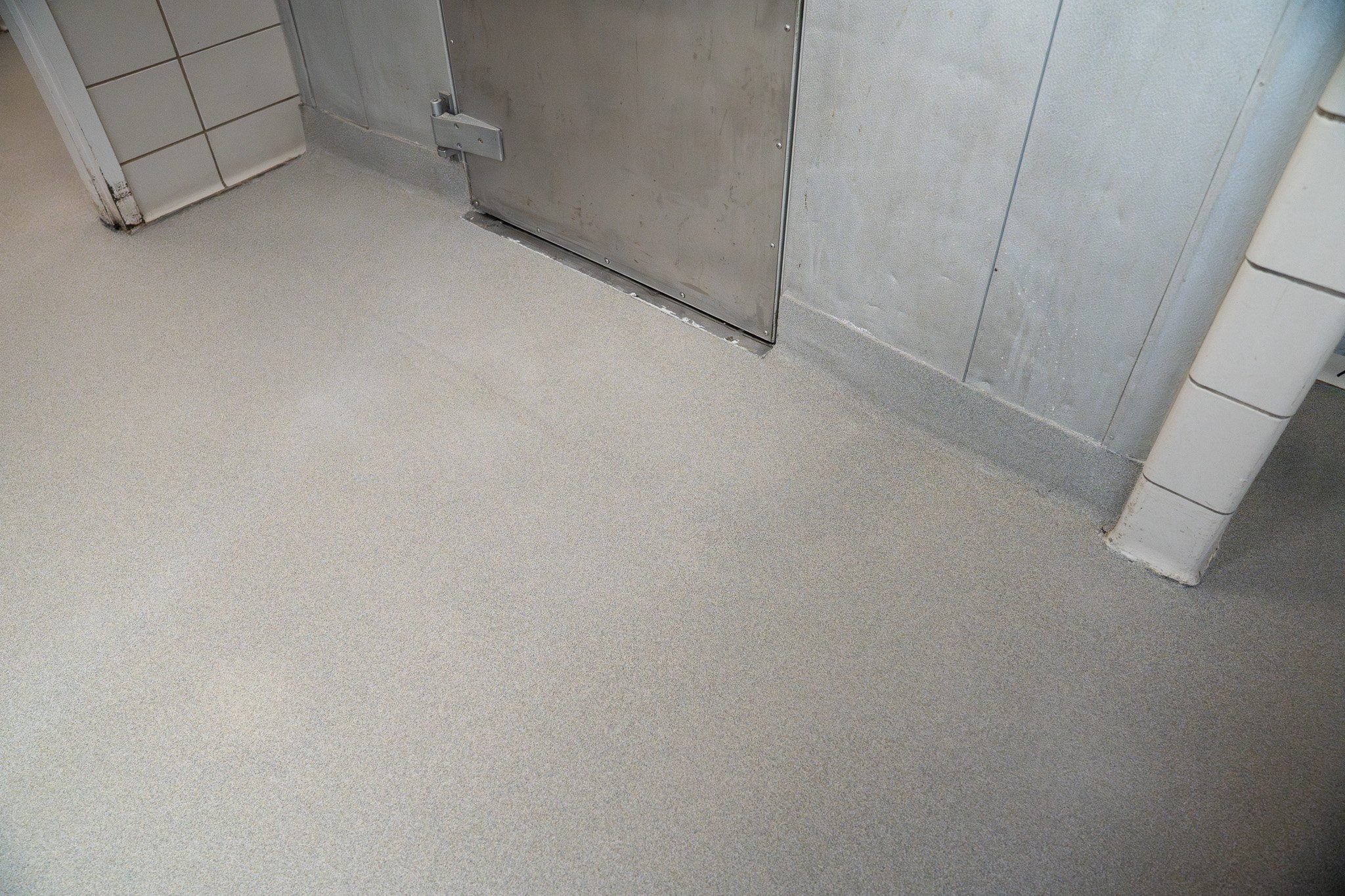
- Seamless, nonporous construction
- Controlled electrical resistance
- Integrated grounding components
- Durable epoxy chemistry
- Cleanable, low-maintenance surface
How Static Electricity Affects Data Centers
Electrostatic discharge occurs when built-up static energy suddenly transfers from one object to another. In everyday settings, this may cause a mild shock. In a data center, however, even small static events can damage delicate electronic components.
Static electricity can be generated by:
- Foot traffic across certain flooring materials
- Rolling equipment and server racks
- Low humidity conditions
- Airflow from cooling systems
- Synthetic clothing or materials
Over time, repeated ESD events can lead to intermittent equipment failures that are difficult to diagnose. In mission-critical facilities, this risk makes ESD control a proactive necessity—not an optional upgrade.
How ESD Epoxy Flooring Controls Static Electricity
The performance of ESD epoxy flooring depends on its ability to manage electrical resistance. These systems are designed to fall within specific resistance ranges that allow static charges to flow safely to ground without creating sudden discharges.
Here’s how the system works:
- Static electricity is generated through movement or equipment use
- Conductive or dissipative elements within the epoxy absorb the charge
- The charge is transferred through the flooring system
- Grounding components safely direct the charge away from the space
This controlled dissipation protects sensitive electronics and helps maintain a stable operating environment.
Why Epoxy Is a Strong Choice for Data Centers
Epoxy is widely used in data centers not only for its ESD properties, but also for its overall performance characteristics. Data center flooring must support both technical requirements and daily operational demands.
Durability
Epoxy floors withstand constant foot traffic, rolling racks, and maintenance equipment without breaking down or producing dust.
Seamless Design
Because epoxy is seamless, there are no grout lines or joints where dust and debris can collect. This supports cleaner air quality and easier maintenance.
Cleanability
Epoxy surfaces are compatible with routine cleaning protocols and resist staining from common contaminants found in data center environments.
Long-Term Stability
When properly installed, ESD epoxy flooring maintains both mechanical durability and electrical performance over time.
Key Factors That Influence ESD Epoxy Flooring Performance
Not all ESD epoxy systems perform the same way. Several variables affect how well the floor functions over its lifespan.
Electrical Resistance Range
The system must fall within accepted static-dissipative ranges to safely manage charges without acting as a conductor.
Grounding Method
Proper grounding is essential. Copper grounding strips, conductive primers, or connections to building ground systems ensure static has a safe path away from equipment.
Surface Preparation
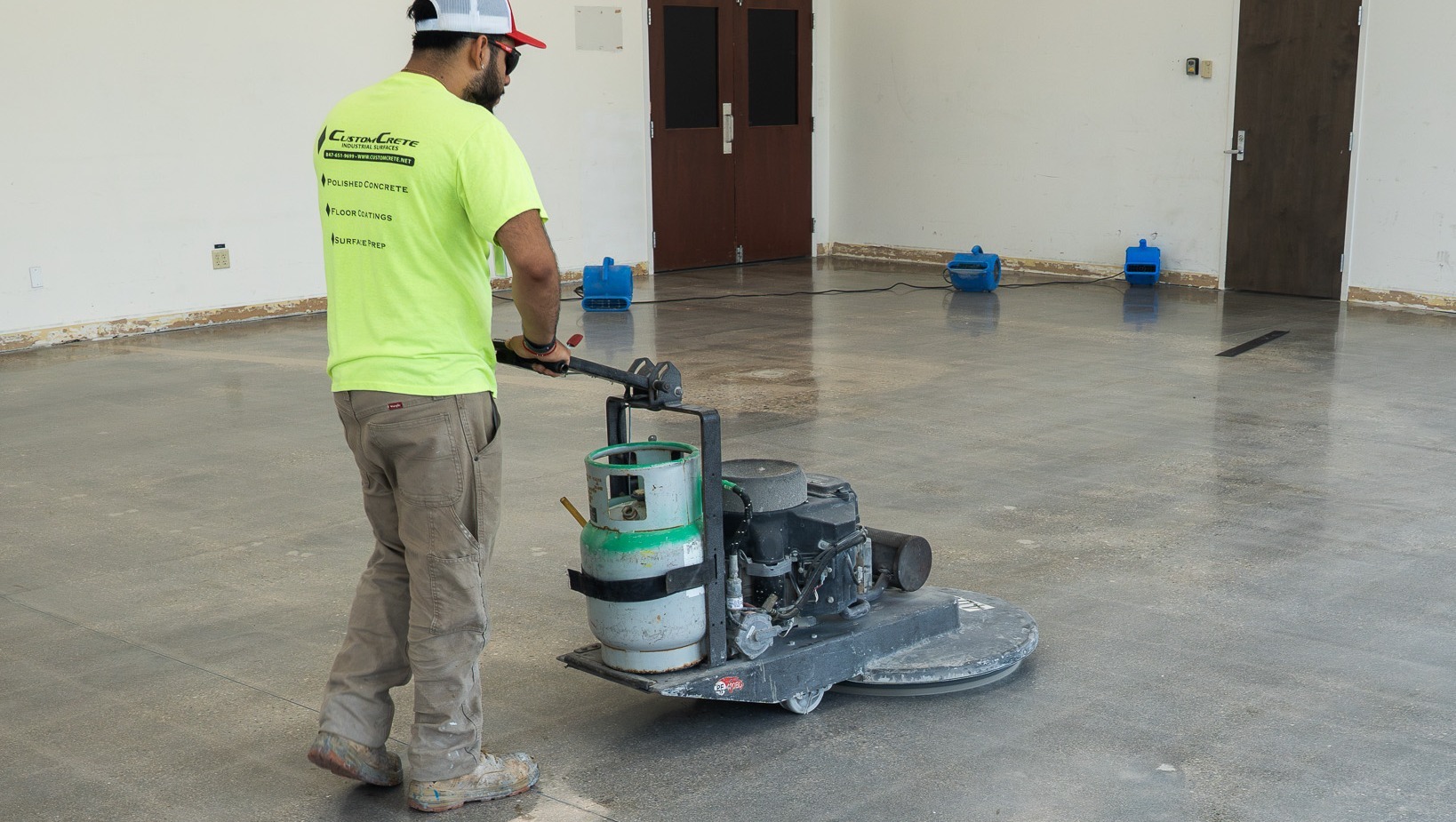
Mechanical preparation ensures the epoxy bonds properly and maintains consistent electrical properties. Skipping this step can compromise performance.
Environmental Conditions During Installation
Temperature and humidity affect epoxy curing and conductivity. Professional installation controls these conditions to meet system requirements.
Ongoing Maintenance
Cleaning methods and surface wear can influence ESD performance over time. Following recommended maintenance practices helps preserve resistance levels.
Common Misconceptions About ESD Epoxy Flooring
Facilities sometimes assume any epoxy floor will provide ESD protection. This is not the case. Standard epoxy does not control static electricity unless it is specifically engineered for that purpose.
Other misconceptions include:
- Believing ESD performance doesn’t require grounding
- Assuming ESD floors never need testing
- Prioritizing appearance over electrical performance
- Choosing systems based solely on cost
Understanding these limitations helps avoid costly mistakes and performance issues.
Where ESD Epoxy Flooring Is Most Commonly Used
While data centers are a primary application, ESD epoxy flooring is also used in:
- Server rooms and network operation centers
- Telecommunications facilities
- Electronics manufacturing areas
- IT rooms within industrial buildings
- Cleanrooms housing sensitive equipment
In each case, the goal is the same: protect electronics by managing static electricity at the floor level.
FAQ: ESD Epoxy Flooring for Data Centers
- Is ESD epoxy flooring required in all data centers?
Requirements vary, but ESD flooring is widely recommended wherever sensitive electronics are present. - Can ESD epoxy flooring be tested?
Yes. Resistance testing is commonly performed after installation and can be repeated periodically. - How long does ESD epoxy flooring last?
With proper installation and maintenance, systems can perform effectively for many years.
Final Thoughts
ESD epoxy flooring plays a critical role in protecting data centers from static-related risks. By safely dissipating static electricity, these systems help prevent equipment damage, reduce downtime, and support long-term operational reliability. Understanding how ESD epoxy works—and what factors influence its performance—allows decision-makers to make informed choices for their facilities.
To take the next step in selecting the right system, continue reading: “Choosing the Right ESD Epoxy Floor for High-Performance Data Centers”.

Topics:


.jpg?width=2048&height=1365&name=CC108559%20(1).jpg)
.jpeg?width=1638&height=1020&name=CC109349%20(1).jpeg)
.png?width=11520&height=9216&name=Untitled%20design%20(56).png)