
When planning an industrial flooring project, it’s tempting to assume that any general contractor or in-house maintenance crew can handle the installation of an epoxy floor. After all, the process might appear straightforward—clean the surface, mix the resin, and apply. However, epoxy flooring systems require far more precision than most realize. From surface preparation to environmental control, every step affects long-term performance, safety, and compliance.
With nearly 20 years of experience installing industrial coatings across Chicago and the Midwest, CustomCrete has seen firsthand how hiring a qualified Epoxy Coating Specialist can make or break a flooring system. Below, we’ll explore why professional expertise is crucial for achieving a durable, compliant, and high-performing industrial floor.

The Precision Behind Epoxy Flooring
Epoxy coatings are more than just surface finishes—they’re multi-layered systems engineered for strength, chemical resistance, and longevity. To perform correctly, they require detailed surface preparation, accurate mixing ratios, and precise environmental conditions during installation.
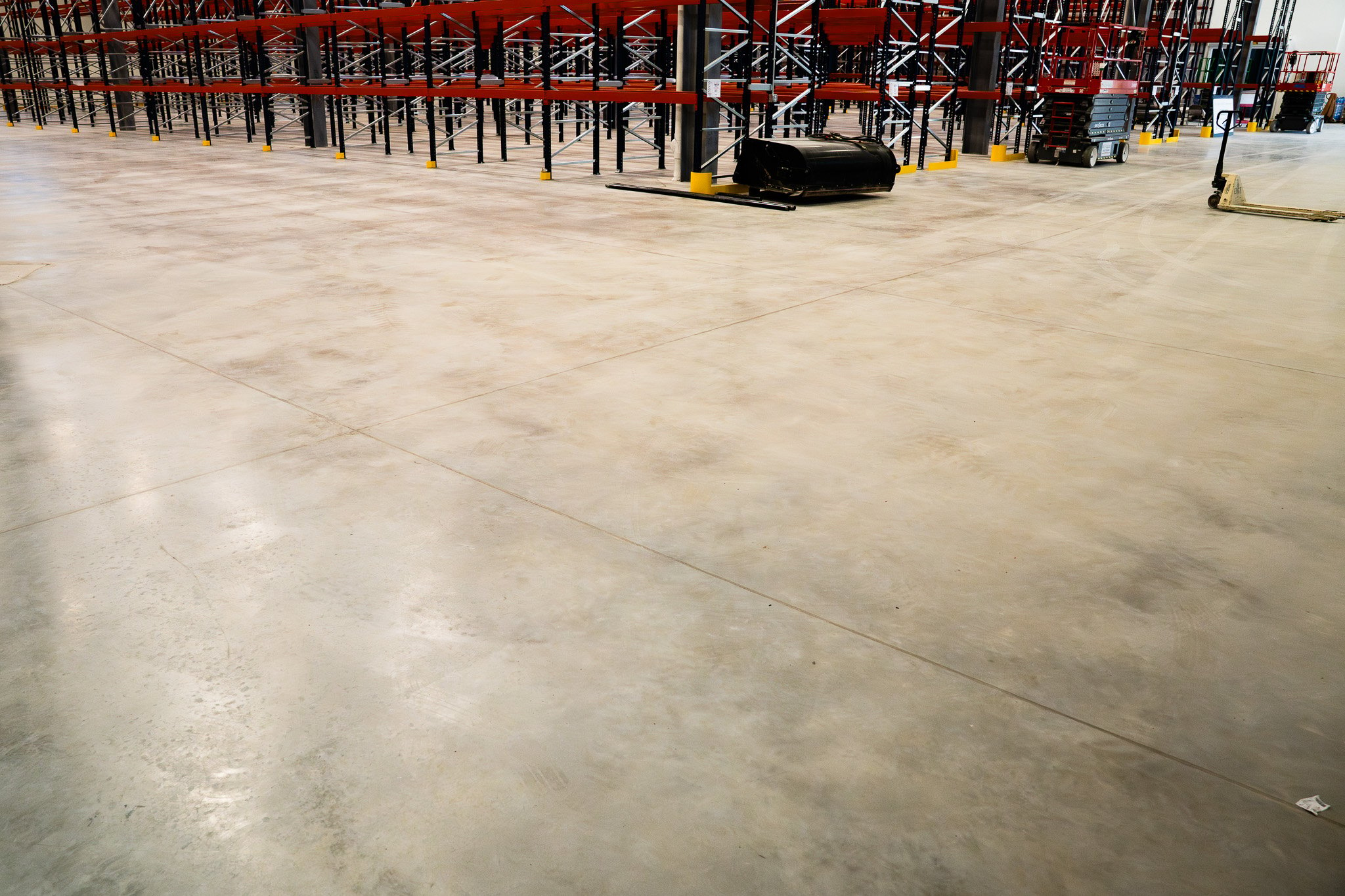
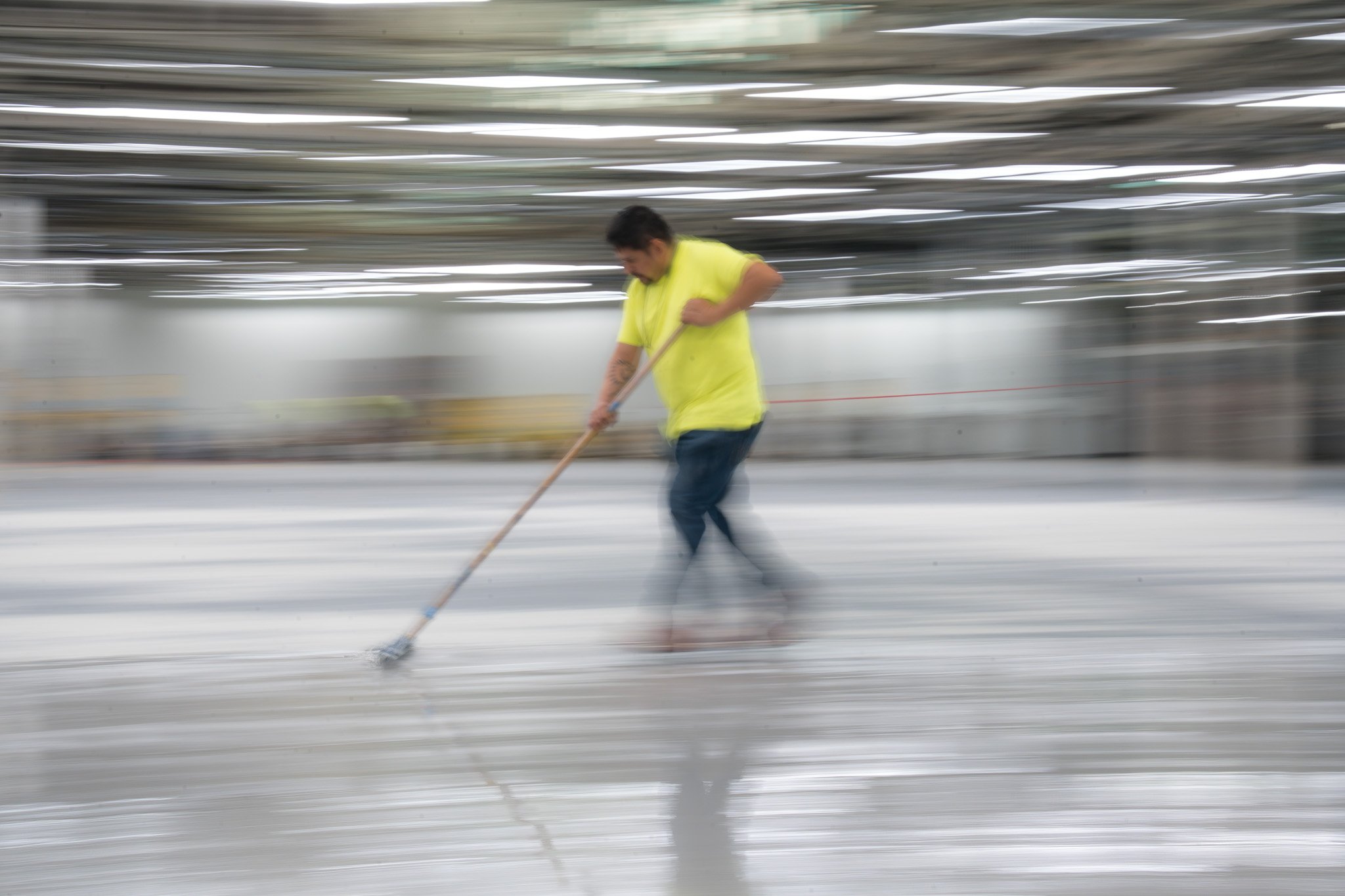
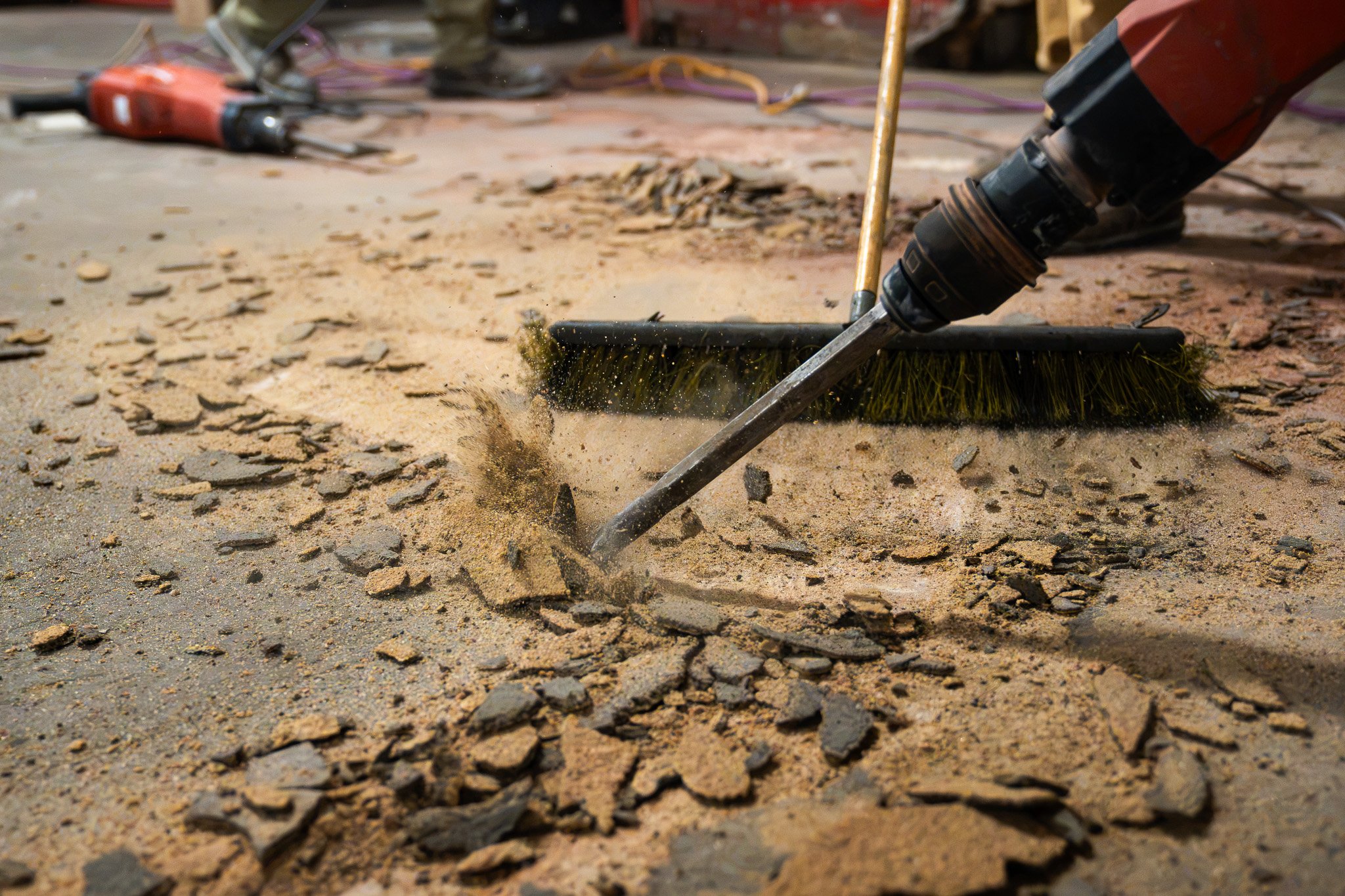
An Epoxy Coating Specialist understands these variables. They evaluate the concrete’s condition, repair cracks, and perform mechanical surface profiling (like shot blasting or diamond grinding) to ensure proper adhesion. Without this preparation, even the highest-quality materials can fail prematurely.
Why Proper Preparation Matters
- Adhesion strength: Epoxy can only bond to a clean, profiled surface free from dust, oil, or coatings.
- Moisture control: Specialists test for vapor transmission to prevent future bubbling or delamination.
- Curing accuracy: Experienced installers time each layer based on the resin’s working life and site temperature.
What looks like a cosmetic finish is actually a technical installation that demands experience, accuracy, and the right tools.
Compliance and Safety Standards
Industrial facilities must meet strict safety and regulatory standards, whether for slip resistance, sanitation, or chemical containment. A certified Epoxy Coating Specialist ensures that your floor system meets OSHA, FDA, or USDA compliance requirements depending on your industry.
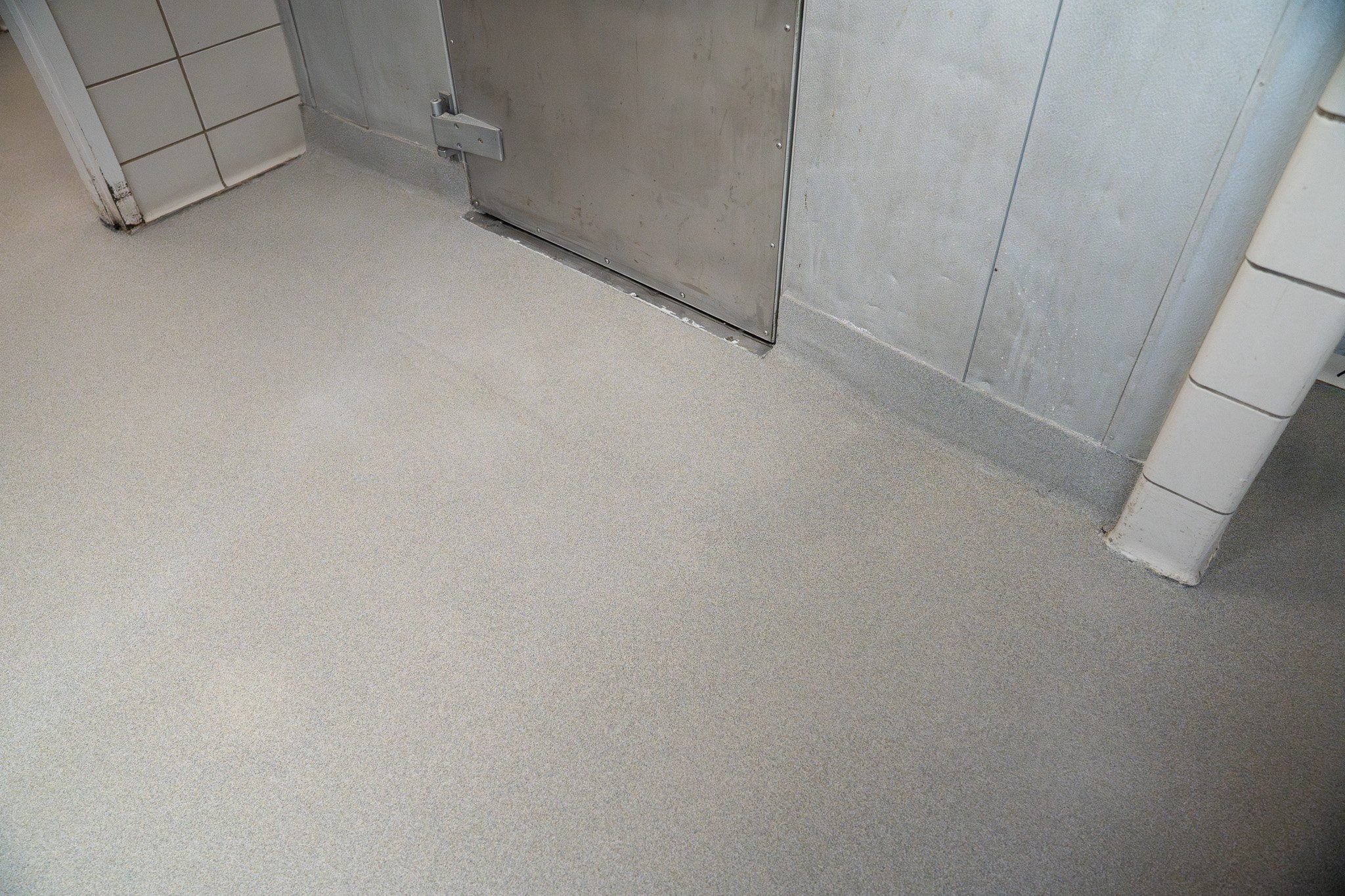
For example, food and beverage facilities need seamless, non-porous floors that withstand frequent washdowns without harboring bacteria. Manufacturing and automotive plants may require coatings that resist solvents or oils, while pharmaceutical environments need static-control systems to prevent contamination.
A Specialist Ensures:
- Correct system specification: Selecting the right coating based on chemical exposure, traffic, and temperature.
- Surface safety compliance: Installing textures that balance traction with cleanability.
- Regulatory documentation: Providing technical data sheets and warranty information that meet industry standards.
Hiring an expert means peace of mind that your facility won’t face costly rework, shutdowns, or compliance violations due to improper installation.
Equipment and Materials Make a Difference
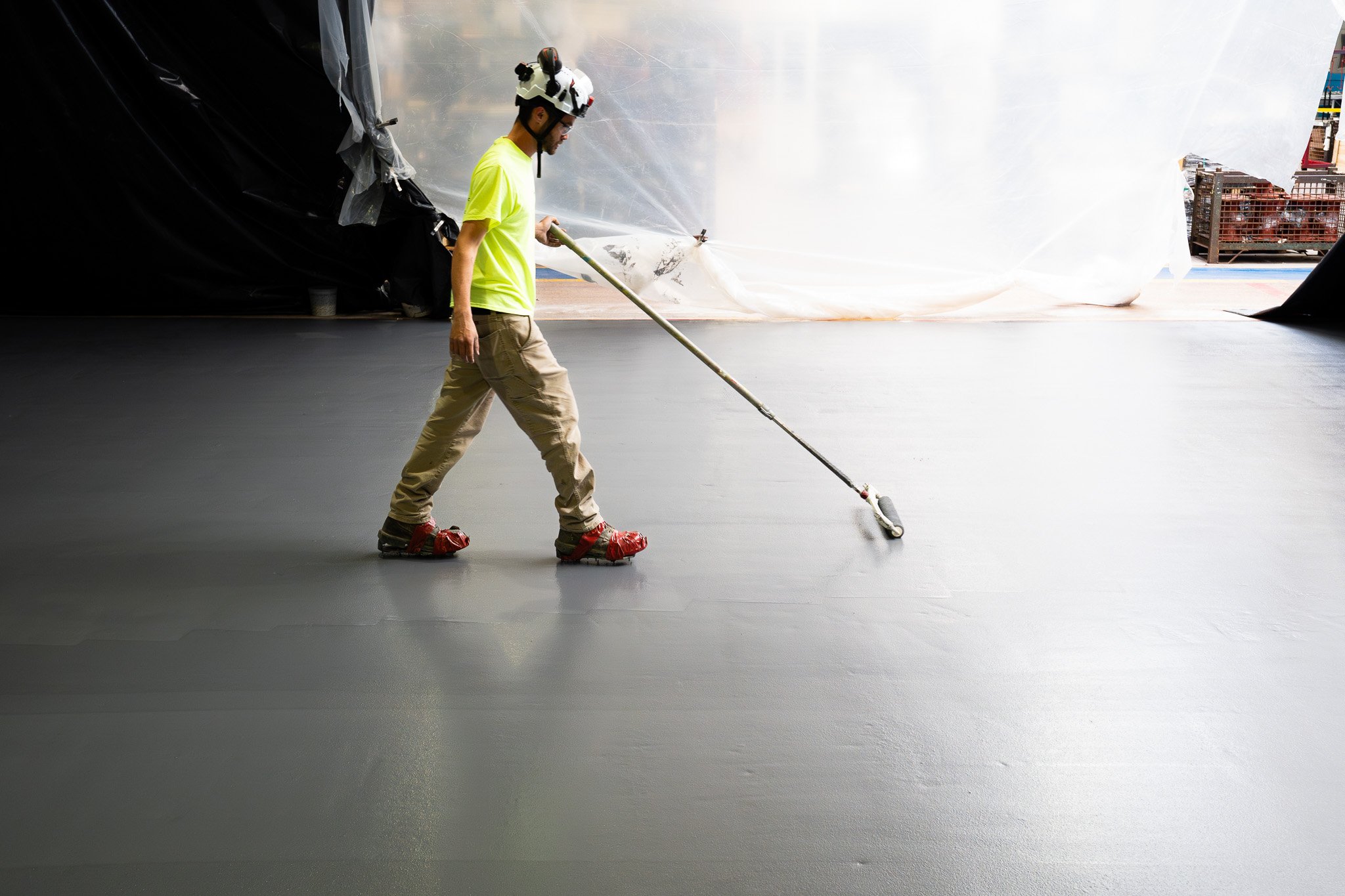
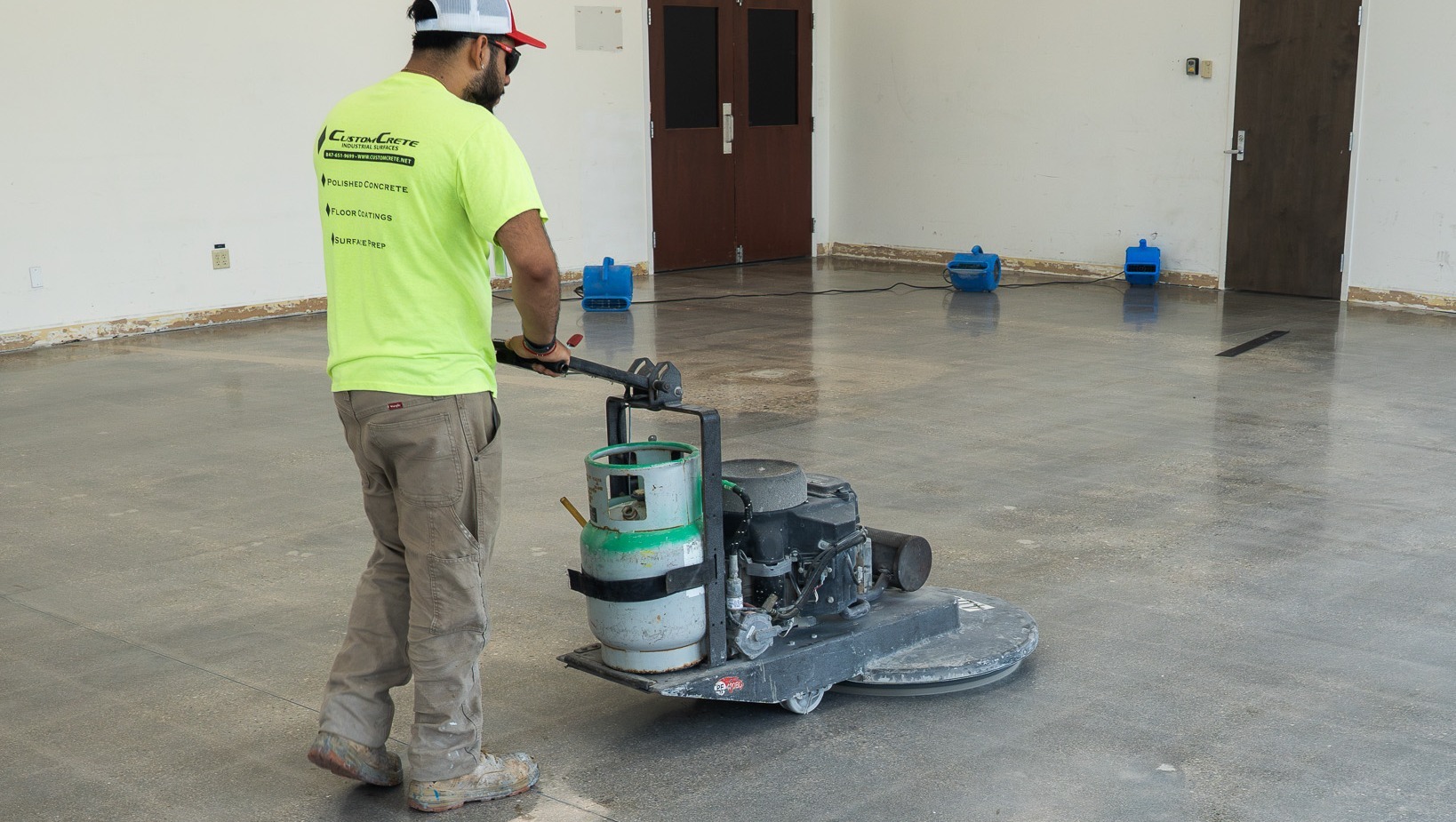
Installing epoxy flooring isn’t just about skill—it also requires the right equipment. Industrial grinders, dust-control systems, and moisture-mitigation tools aren’t commonly found in standard construction setups.
A professional Epoxy Coating Specialist invests in high-performance tools and partners with trusted material manufacturers. This combination ensures consistent results, efficient timelines, and superior durability.
Advantages of Professional Equipment
- Consistent surface profile: Industrial grinders create uniform roughness for optimal adhesion.
- Efficient dust control: HEPA-filtered vacuums prevent airborne contaminants during prep.
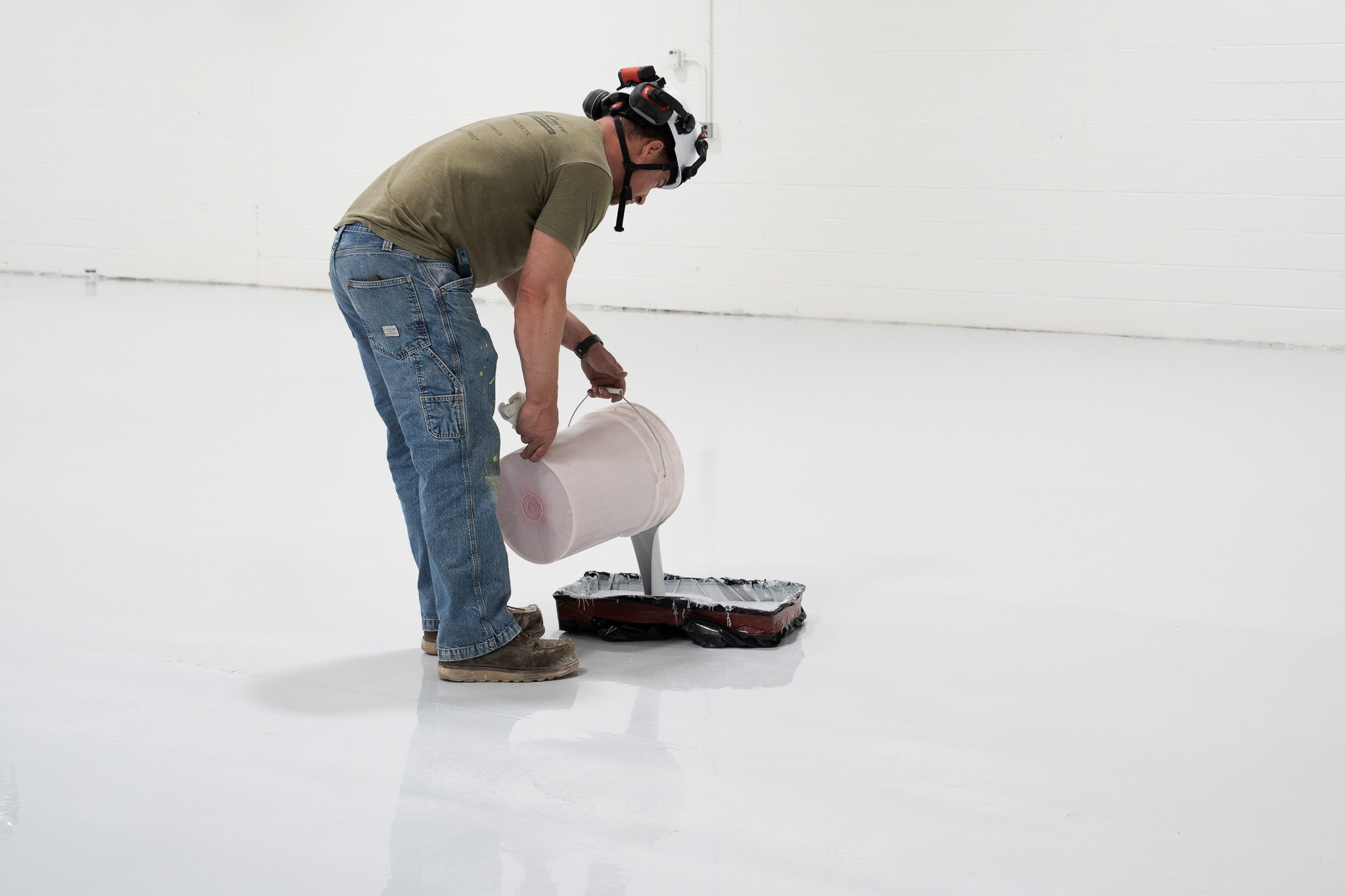
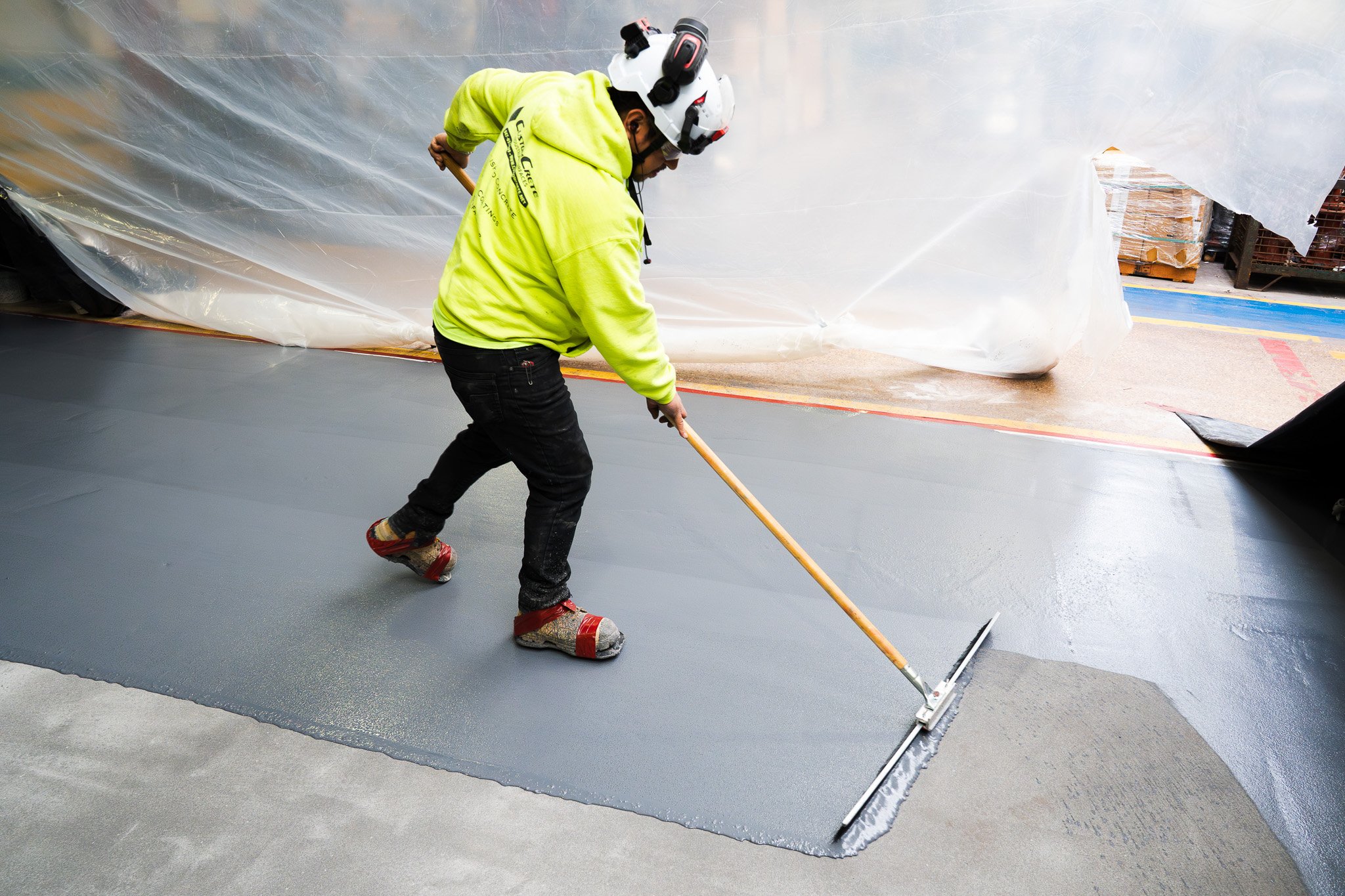
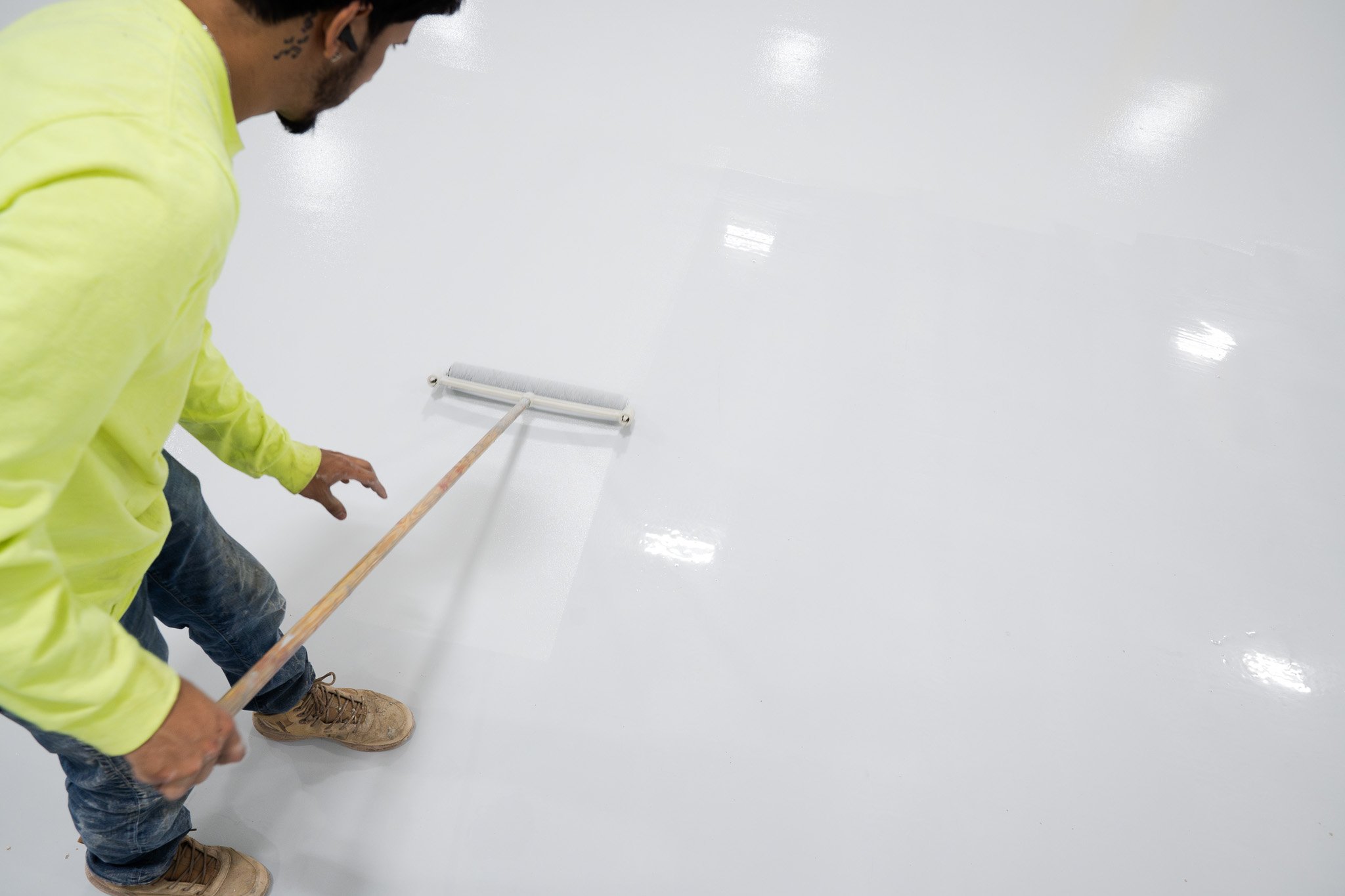
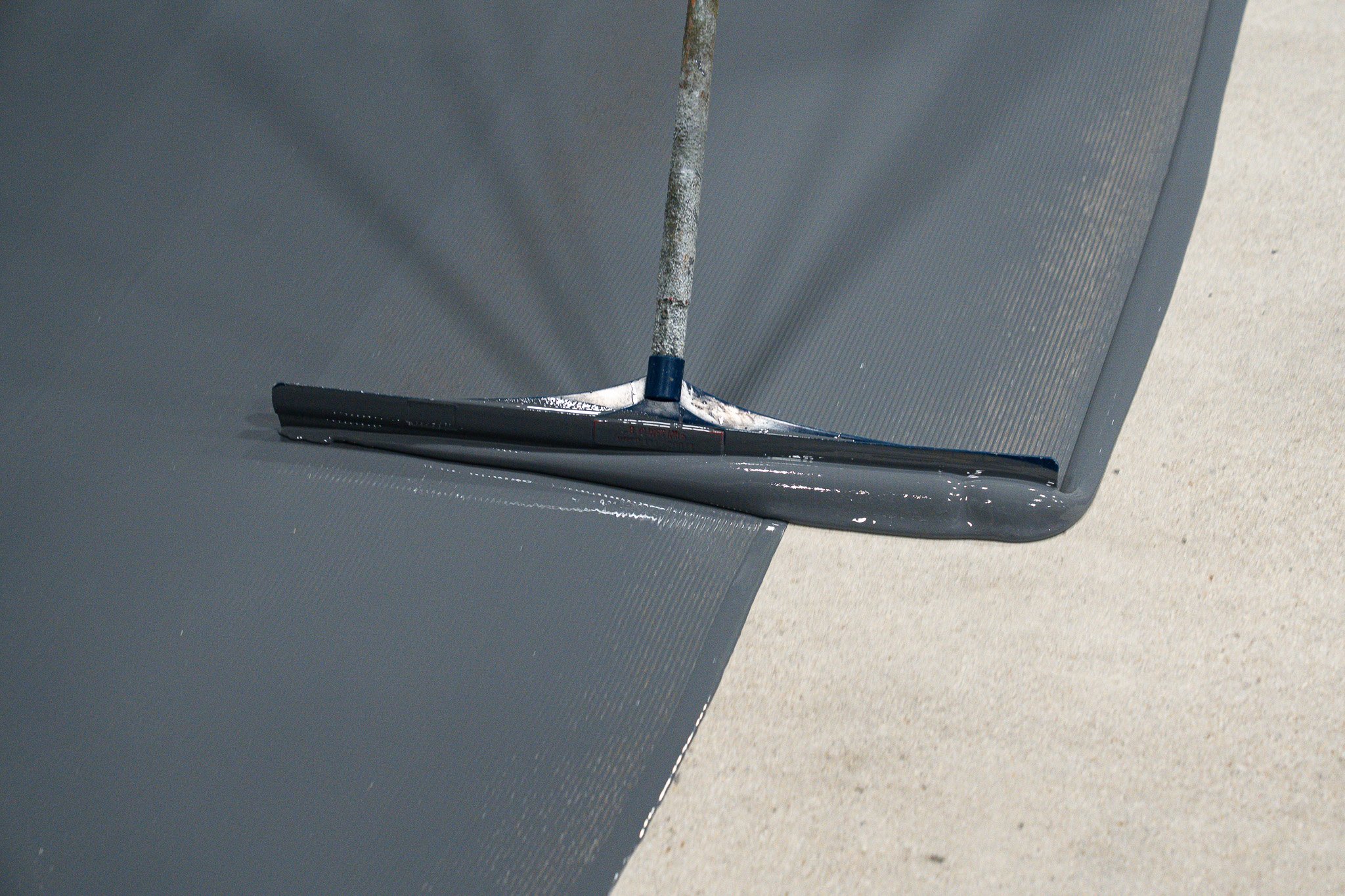
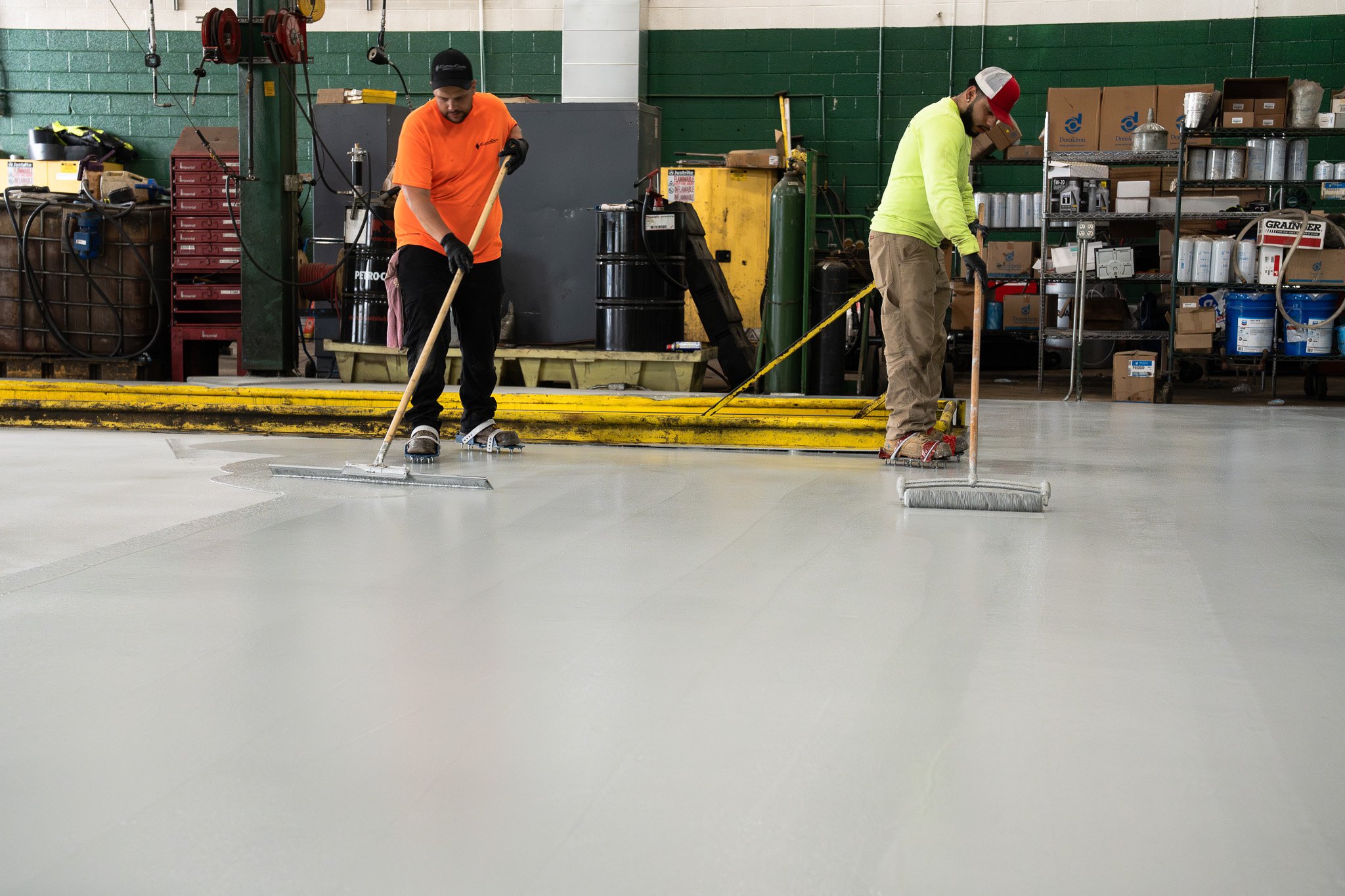
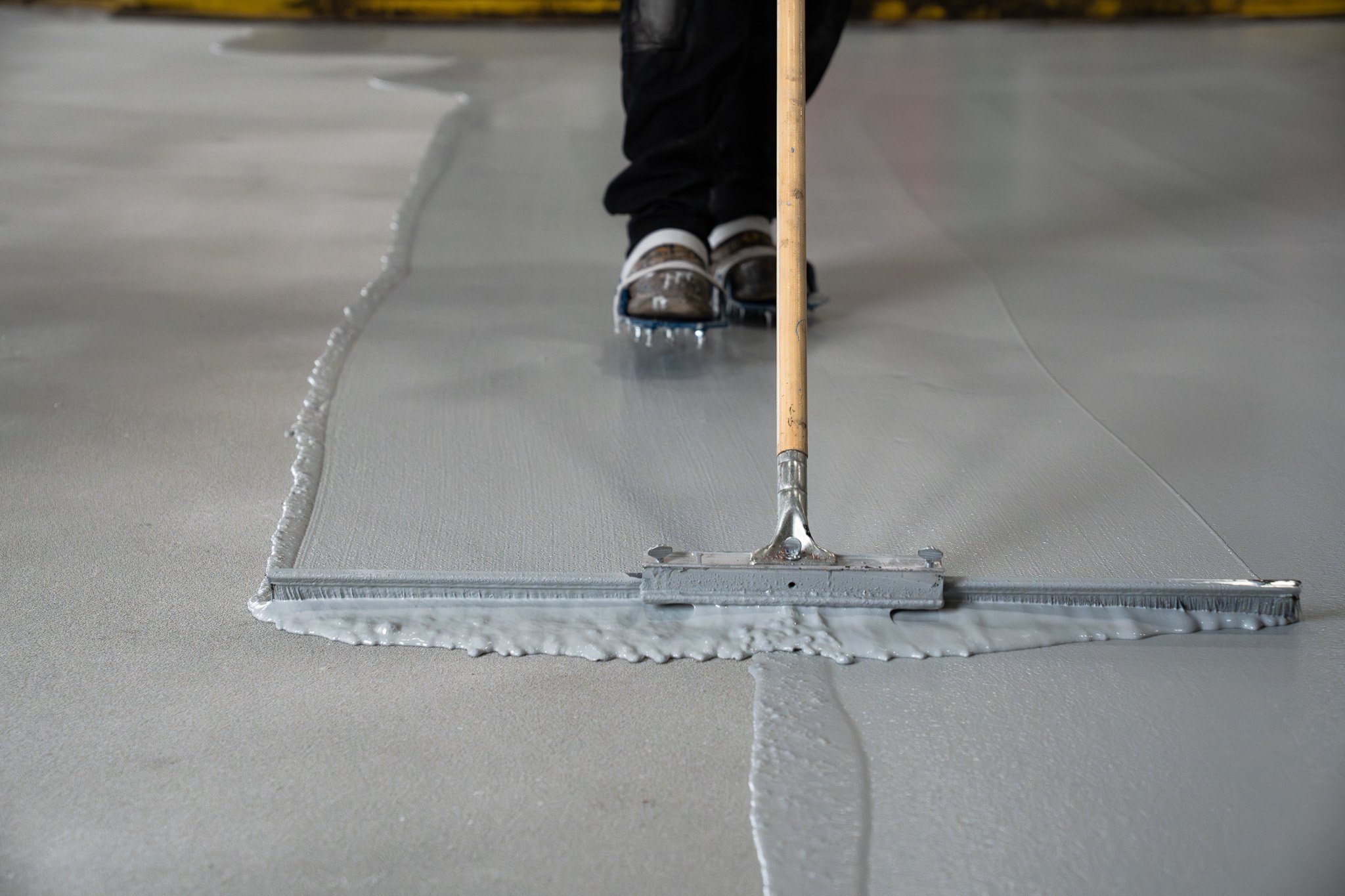
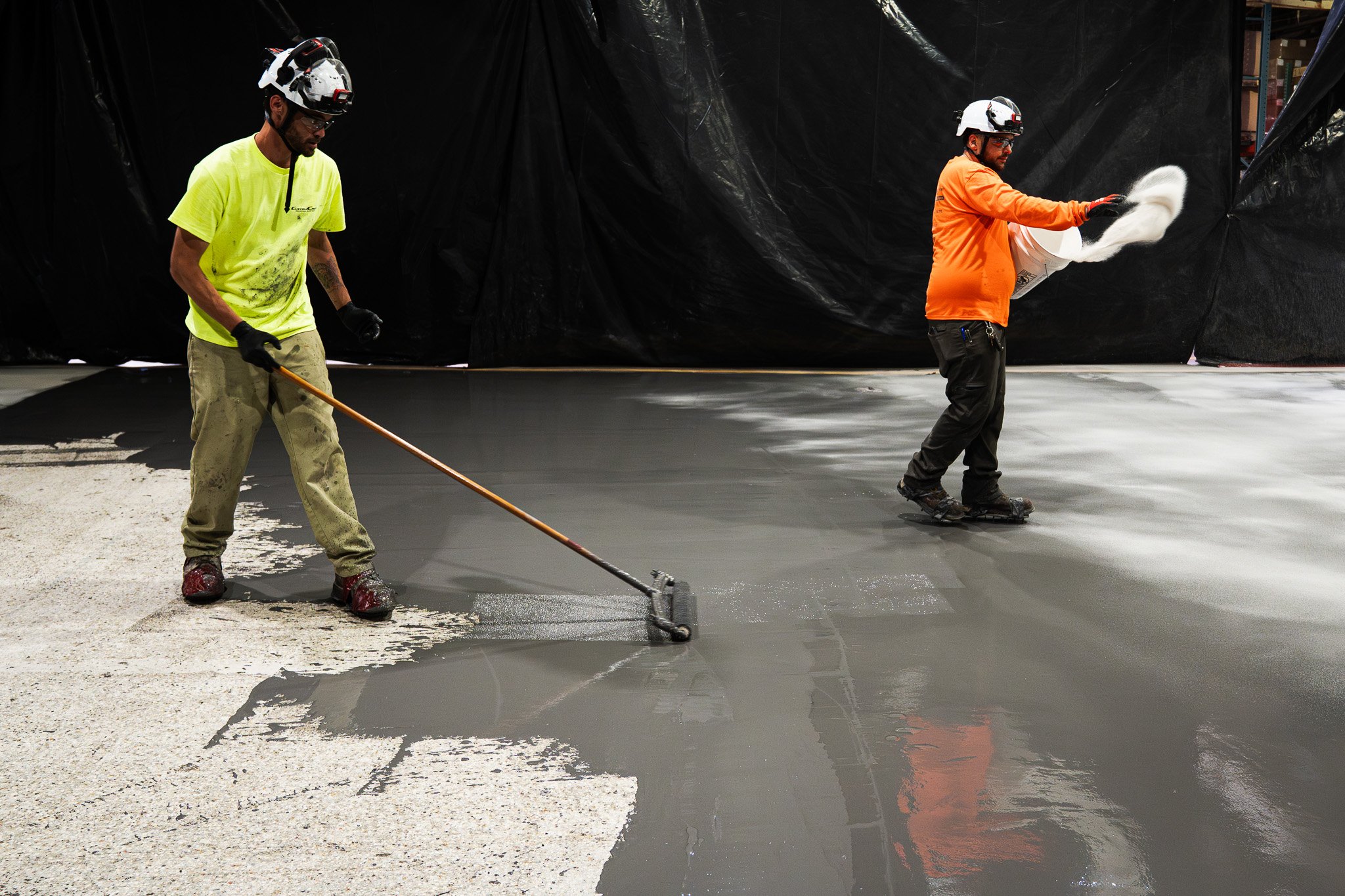
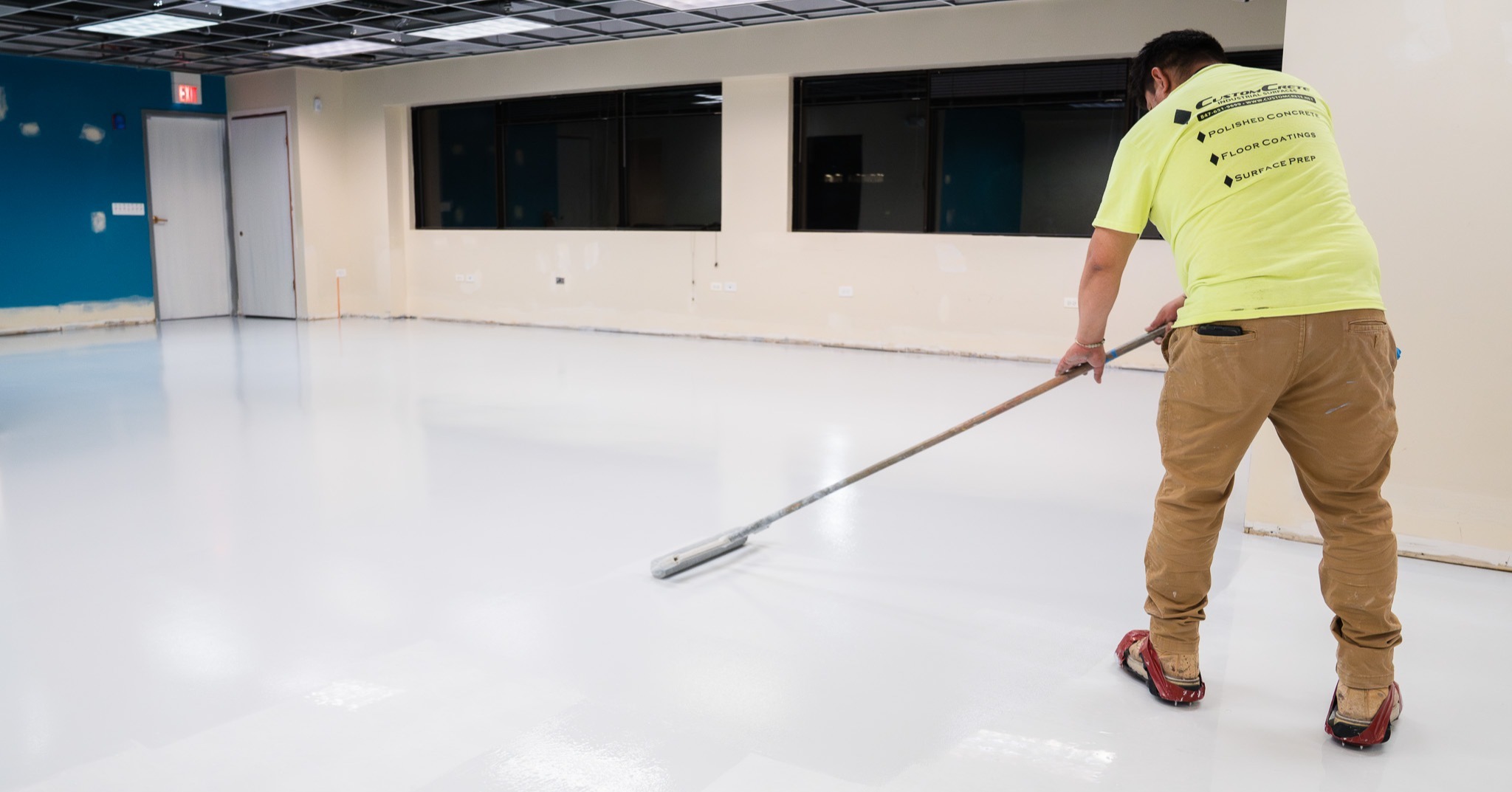
- Even application: Specialized squeegees and rollers ensure uniform film thickness.
Professionals also use premium resin systems designed for heavy-duty environments—far beyond what off-the-shelf kits or residential products can handle.
Long-Term Performance and Maintenance
A professionally installed epoxy floor isn’t just about the initial result—it’s about how it performs over years of wear. Experienced installers understand how factors like UV exposure, forklift traffic, and thermal cycling impact performance. They design the system accordingly, layering primers, base coats, and topcoats to maximize durability.
Specialists also provide maintenance recommendations to extend the floor’s life. This might include guidance on cleaning schedules, protective mats, or re-coating intervals.
The Value of Professional Oversight
- Fewer repairs: Proper installation prevents early cracking or peeling.
- Predictable lifespan: Professionally installed floors can last 10–20 years with proper care.
- Reduced downtime: Faster, more reliable installations minimize operational disruptions.
Over time, the investment in a qualified Epoxy Coating Specialist pays for itself through reduced maintenance costs and extended floor life.
The Risks of DIY or Non-Specialist Installation
Attempting a DIY epoxy job or hiring a general contractor without flooring expertise can lead to expensive problems. Inconsistent preparation, incorrect mixing, or poor environmental control can cause bubbling, peeling, or total coating failure within months.
Even small errors—such as applying coatings outside the manufacturer’s temperature range or skipping moisture testing—can destroy adhesion and require a full reinstallation.
Common DIY and General Contractor Mistakes
- Applying to damp or unprofiled concrete
- Ignoring surface temperature or humidity conditions
- Using consumer-grade products not designed for industrial traffic
- Misjudging curing times, leading to tacky or uneven finishes
When mistakes happen, the repair often costs more than the original installation would have with a professional.
FAQ: Working with an Epoxy Coating Specialist
-
What qualifications should I look for in an Epoxy Coating Specialist?
Look for experience with industrial projects, references from similar facilities, and partnerships with reputable coating manufacturers. Certifications from product suppliers or industry groups are also valuable indicators of expertise.
-
How do specialists ensure safety and compliance?
They select coating systems rated for your specific environment and maintain detailed installation logs that align with OSHA and industry guidelines.
-
Can specialists work around my production schedule?
Yes. Professional installers plan phased installations or off-hour schedules to minimize disruption to ongoing operations.
Final Thoughts
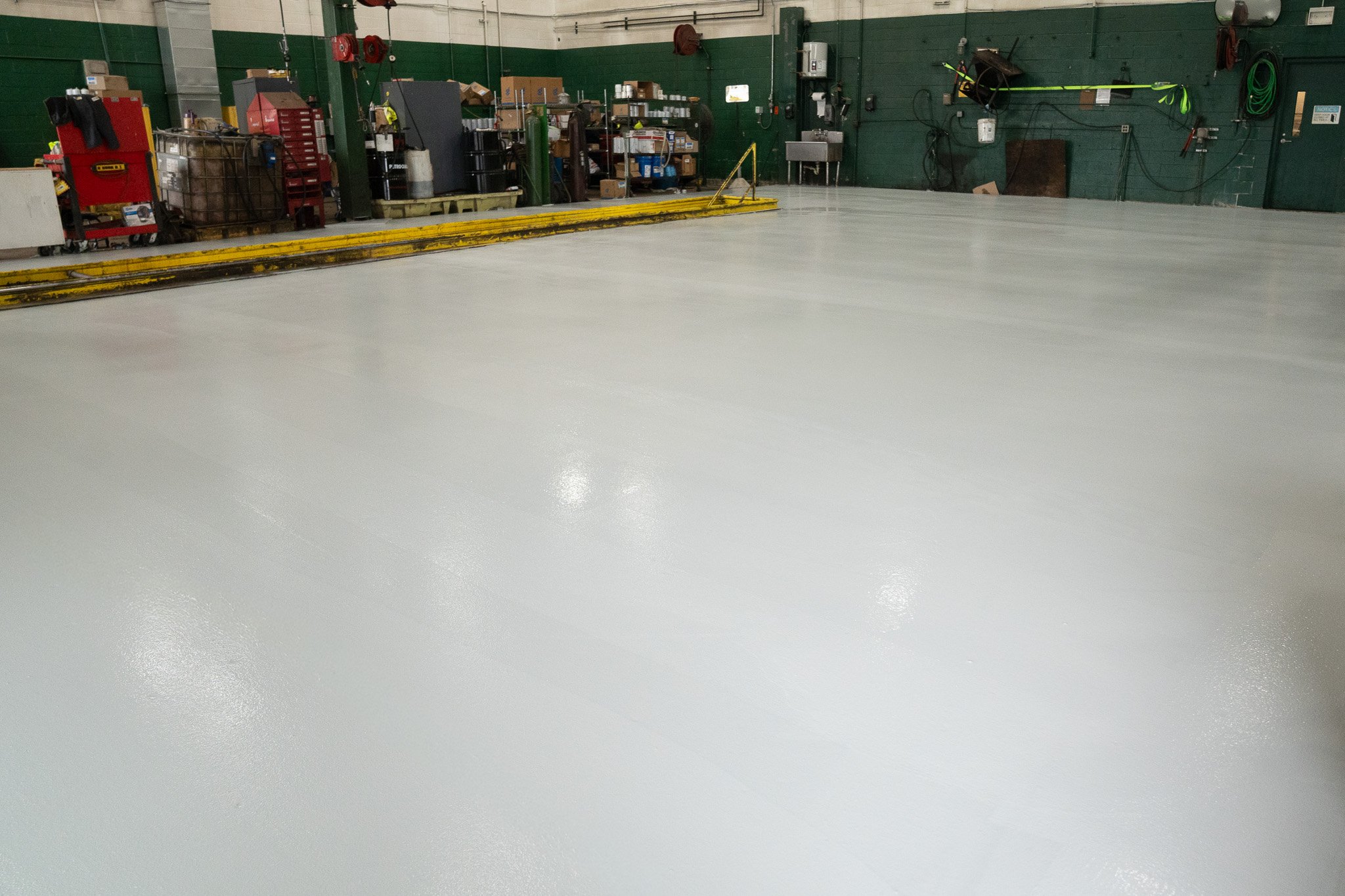
Epoxy flooring systems are critical infrastructure for industrial operations—supporting safety, cleanliness, and productivity. Achieving that reliability requires precision, expertise, and control at every stage of installation.
Partnering with an experienced Epoxy Coating Specialist ensures that your floor is installed correctly the first time, performs under demanding conditions, and meets your facility’s long-term goals.
If you’re planning an industrial project, start with a professional you can trust. Request a quote from CustomCrete today.

Topics:
.jpg?width=2048&height=1365&name=CC108559%20(1).jpg)
.jpeg?width=1638&height=1020&name=CC109349%20(1).jpeg)
.png?width=11520&height=9216&name=Untitled%20design%20(56).png)