
.jpg?width=2048&height=1365&name=6%20(2).jpg)
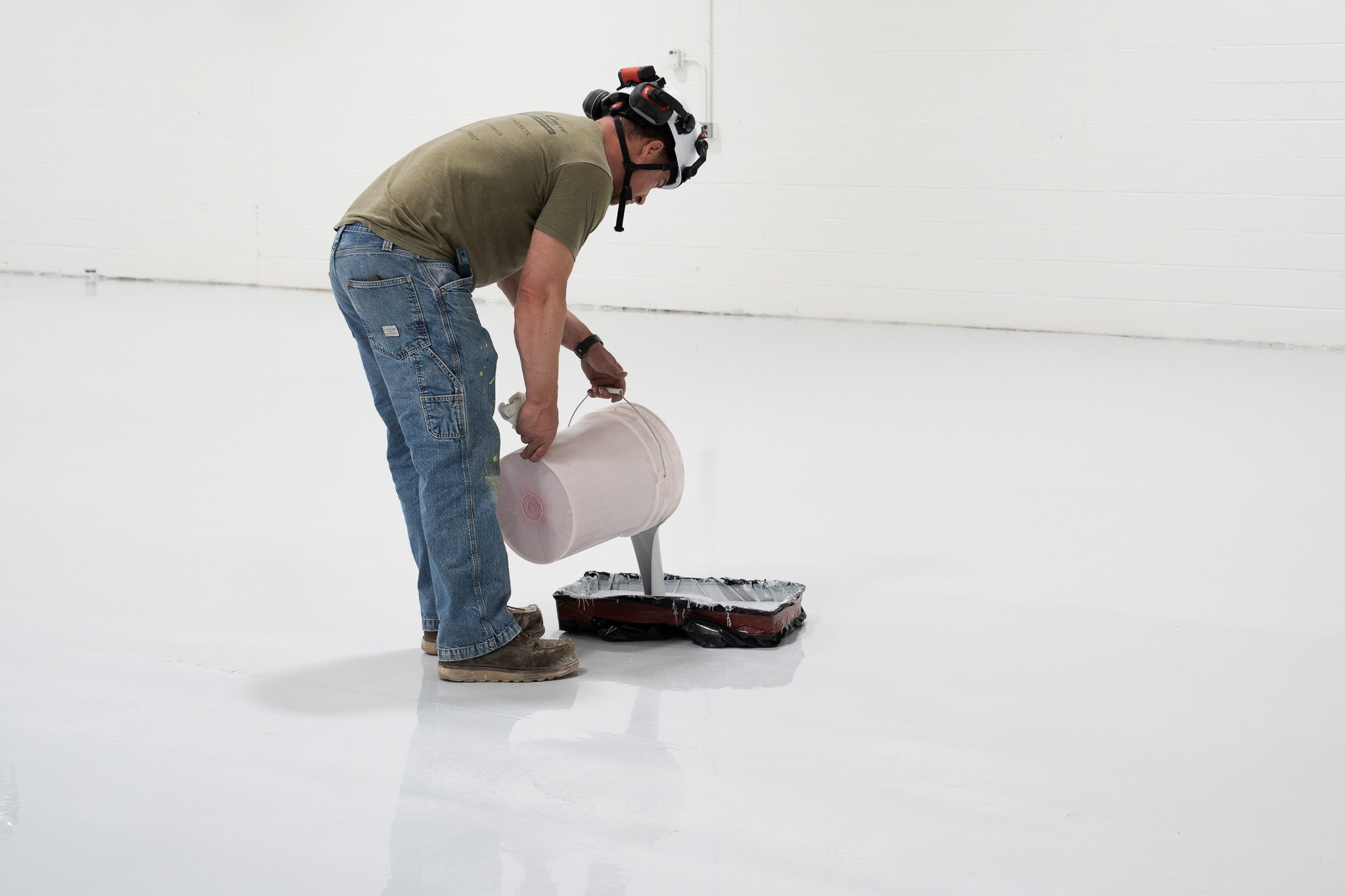
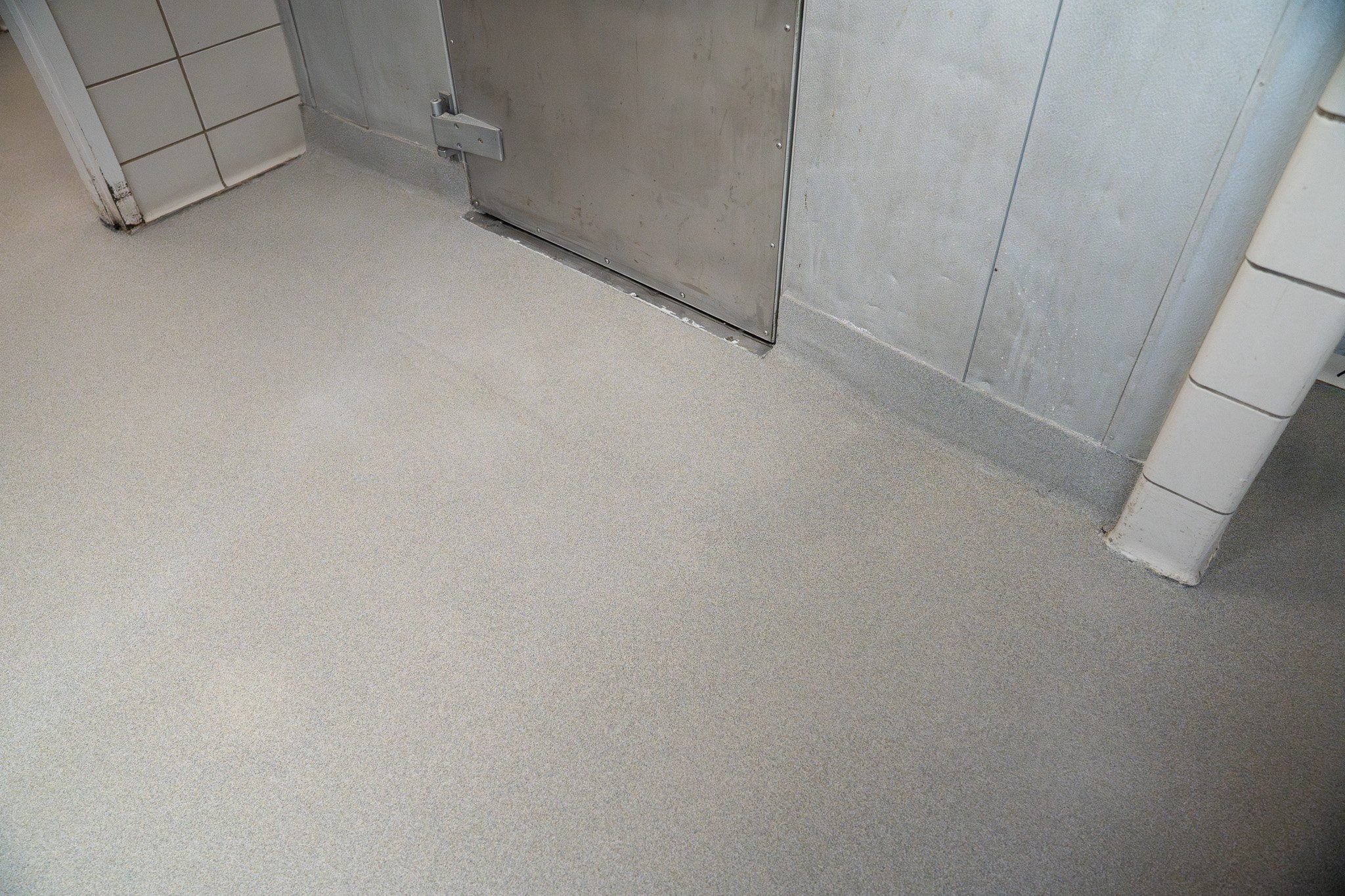
When industrial and commercial facilities start planning a new flooring project, it’s common to consider using an in-house crew or a general contractor for installation. After all, epoxy coatings may look simple on the surface—mix a resin, spread it out, and let it cure. But in reality, epoxy flooring is a technical system that requires specialized training, equipment, and environmental control.
Understanding the difference between a general contractor and a professional epoxy installer can help decision-makers avoid costly failures and choose a solution designed to last. With nearly 20 years of hands-on experience installing epoxy, urethane cement, and polished concrete systems across the Midwest, CustomCrete has seen firsthand what separates specialists from general construction teams.
This blog breaks down what makes epoxy installation unique and why choosing a trained epoxy professional matters.

Epoxy Is a Technical System—Not a Simple Coating
General contractors excel at structural work, building repairs, framing, and general construction tasks. But epoxy flooring is a completely different discipline. Instead of being a simple surface coating, epoxy is a multi-layered system engineered for performance.
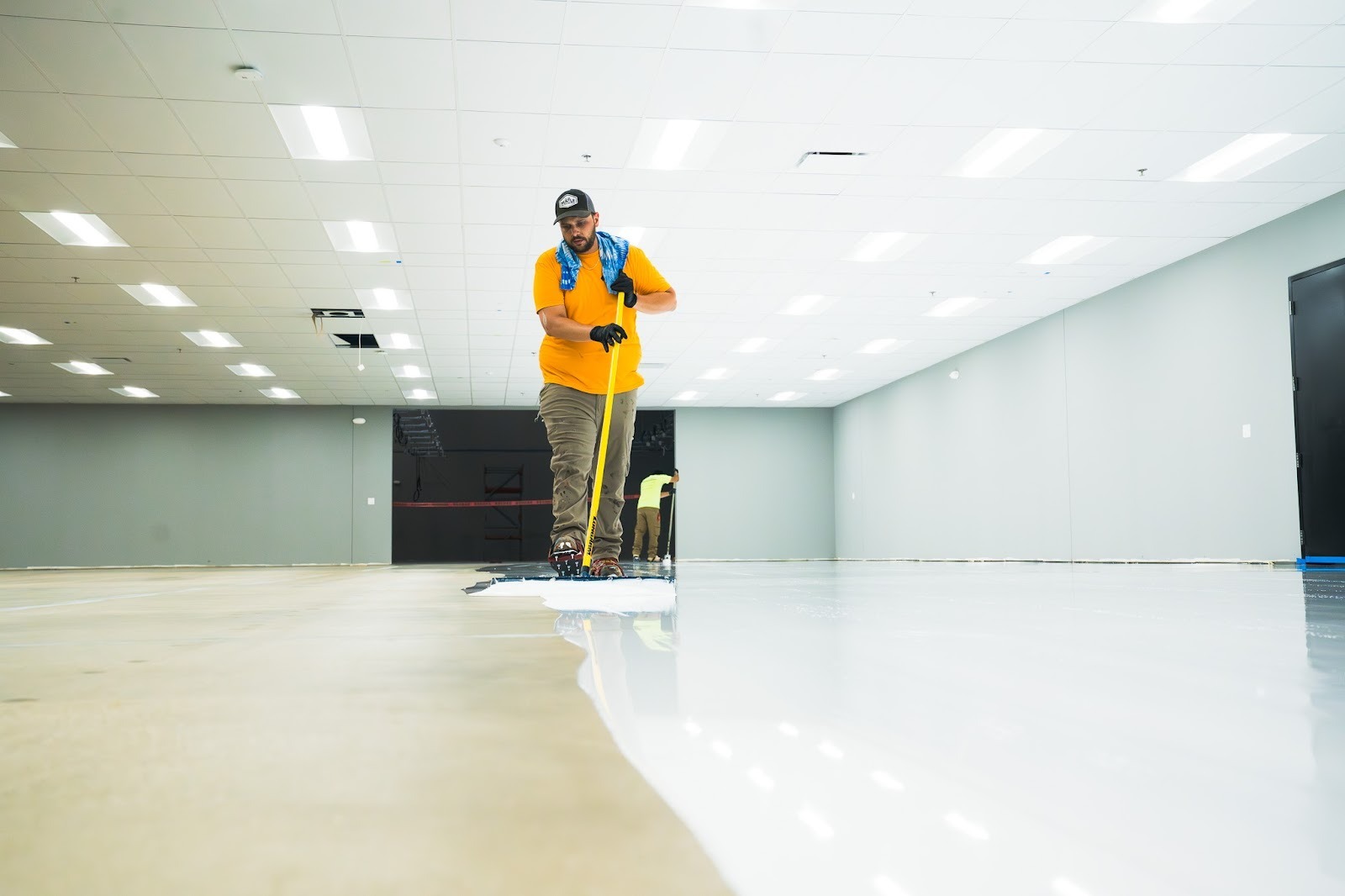
A professional epoxy installer understands the chemistry, working time, temperature sensitivity, and substrate preparation needed to ensure durability. Epoxy systems must be carefully mixed at the correct ratio, applied with precision, and installed within specific temperature and humidity ranges. If any part of the process is mishandled, the floor can peel, bubble, discolor, or crack—sometimes within months.
Why This Matters
- Epoxy requires specialized mixing equipment and precision measurements.
- Working time is limited—installers must move quickly and accurately.
- Mistakes cannot be patched easily; incorrect application often requires full removal.
These details make epoxy flooring very different from general paint or construction work.
Surface Preparation Is Critical—and Highly Specialized
Successful epoxy installation begins long before the coating is mixed. Proper surface preparation is the most important step, and it’s something general contractors often underestimate.
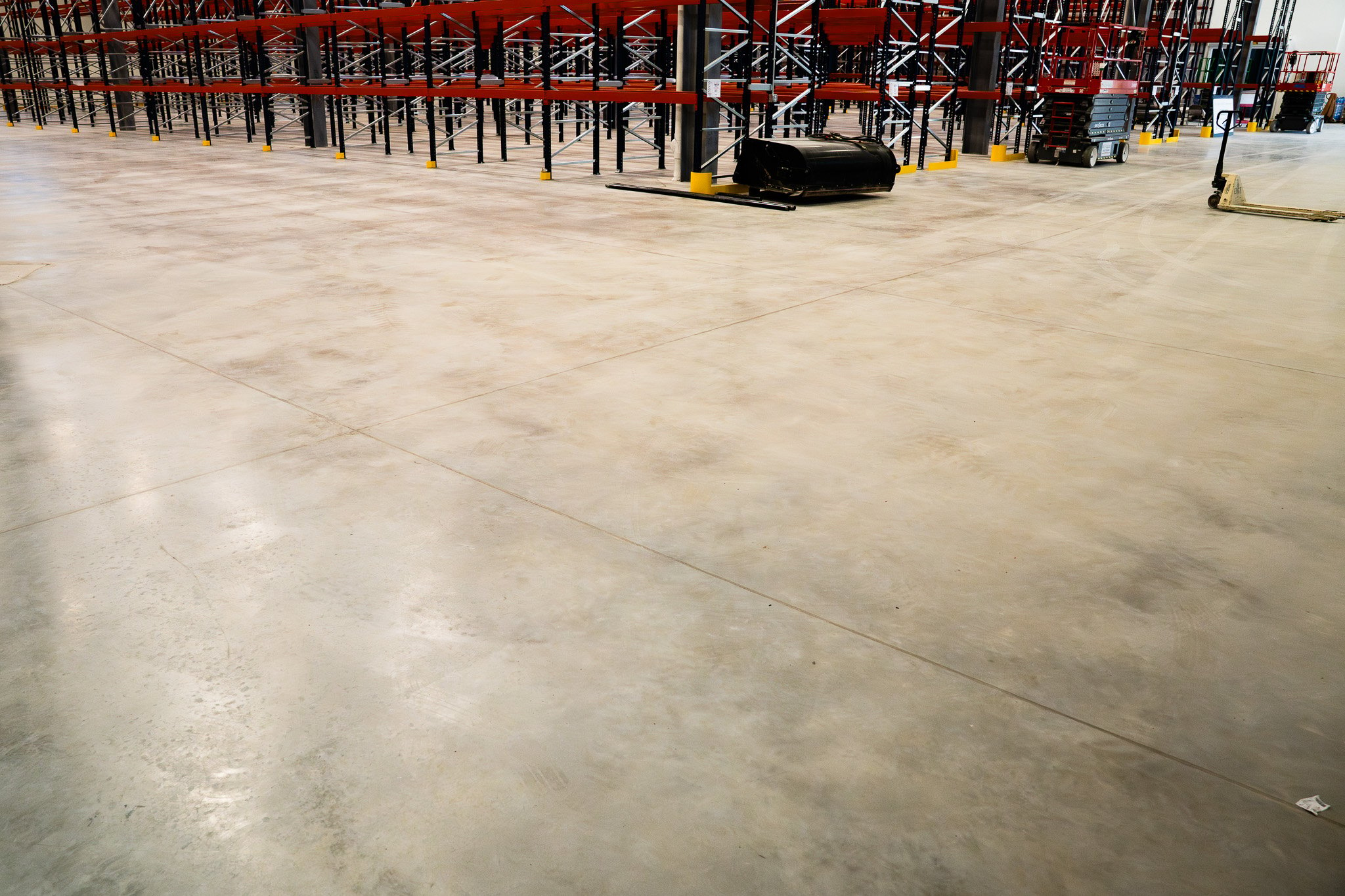
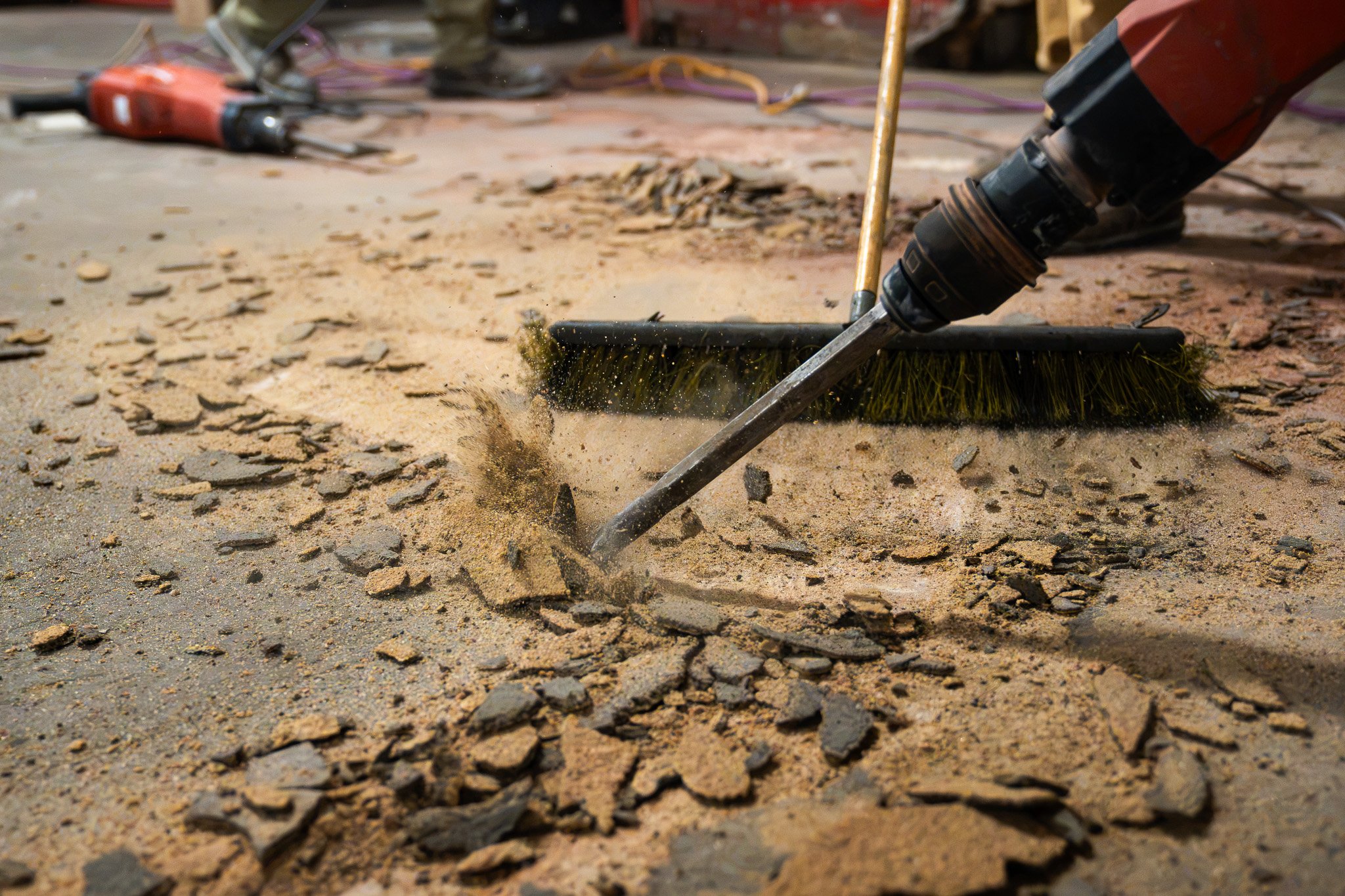
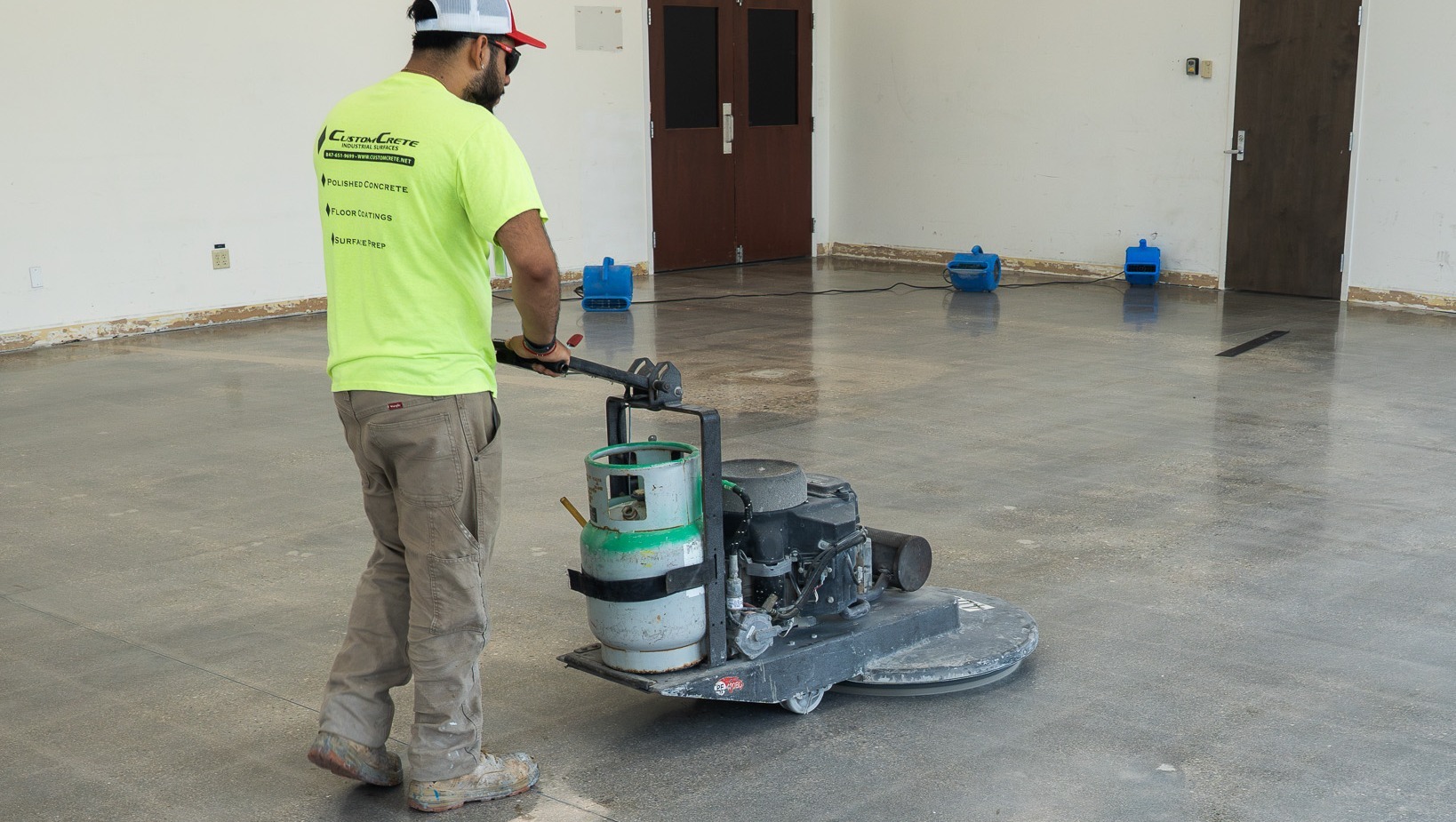
Professional epoxy installers use industrial grinders, shot blasters, dust-control systems, and moisture meters to prepare the concrete. The goal is to create a perfectly profiled surface that epoxy can bond to permanently. Any dust, oil, previous coating, or moisture contamination can cause adhesion failure.
A general contractor may clean the floor or lightly sand it, but epoxy bonds only to a mechanically profiled surface—not one that’s simply “cleaned.”
A Professional Epoxy Installer Will:
- Perform concrete moisture and humidity testing
- Grind or shot-blast the slab to the proper CSP (Concrete Surface Profile)
- Repair cracks and joint damage before installation
- Remove previous coatings completely
- Check slab temperature, dew point, and surface conditions
This level of preparation is essential to long-term performance.
Specialists Understand Environmental Control
Epoxy chemistry reacts differently depending on conditions. Professional installers monitor the environment before and during installation to prevent curing problems, bubbling, or discoloration.
General contractors often focus on getting the job done as quickly as possible, but epoxy must be installed within the product manufacturer’s weather limits. Ignoring these variables leads to coating failures that typically void warranties and require expensive re-work.
A Trained Epoxy Installer Manages:
- Ambient and slab temperature
- Relative humidity and moisture vapor emissions
- Dew point fluctuations
- Airflow and ventilation
- Cure time and recoat windows
These environmental controls are vital to achieving a strong bond and uniform finish.
Equipment and Materials Matter
A general contractor typically uses standard tools—rollers, brushes, and basic grinders. But epoxy installation requires specialized machinery.
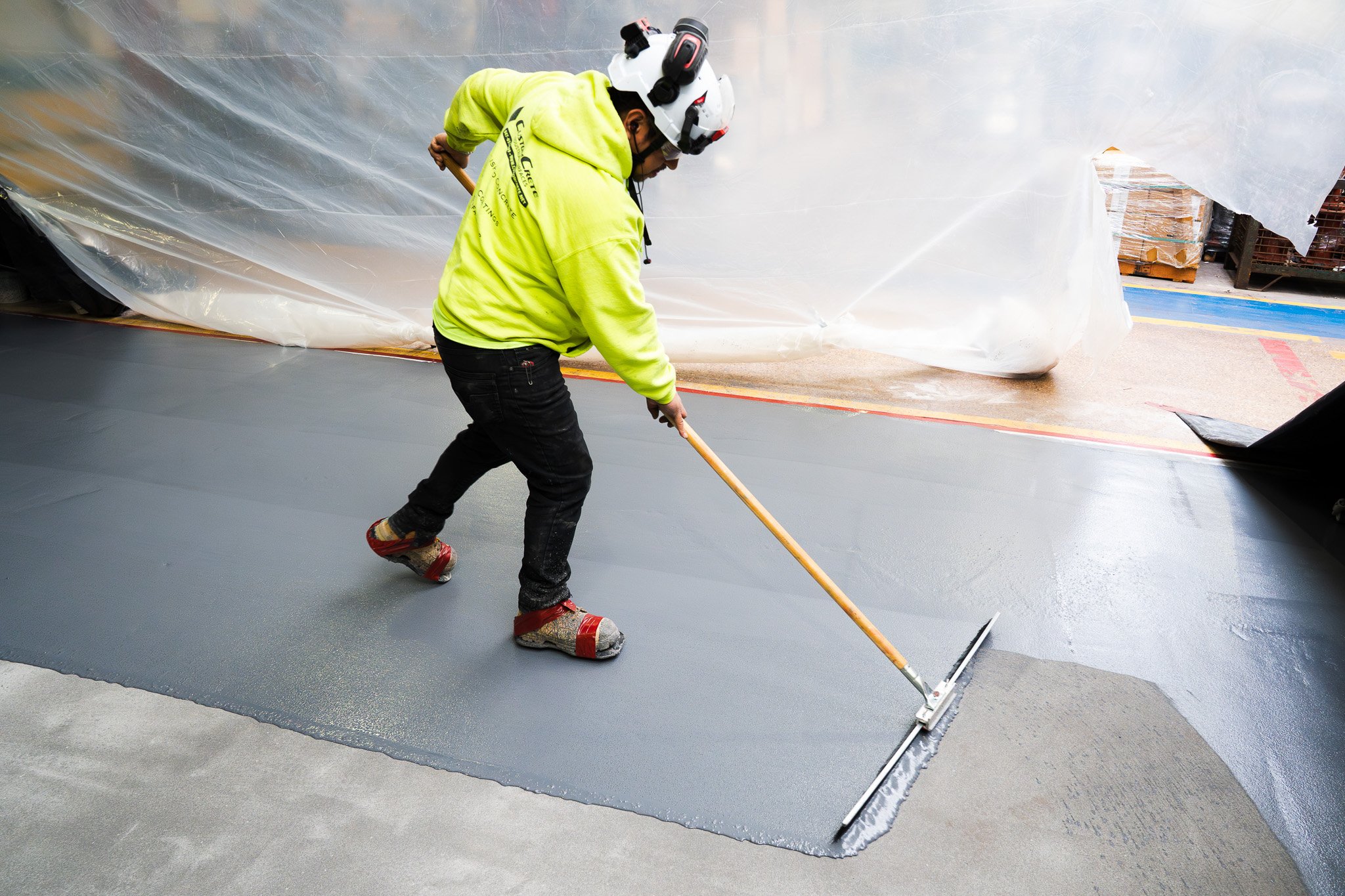
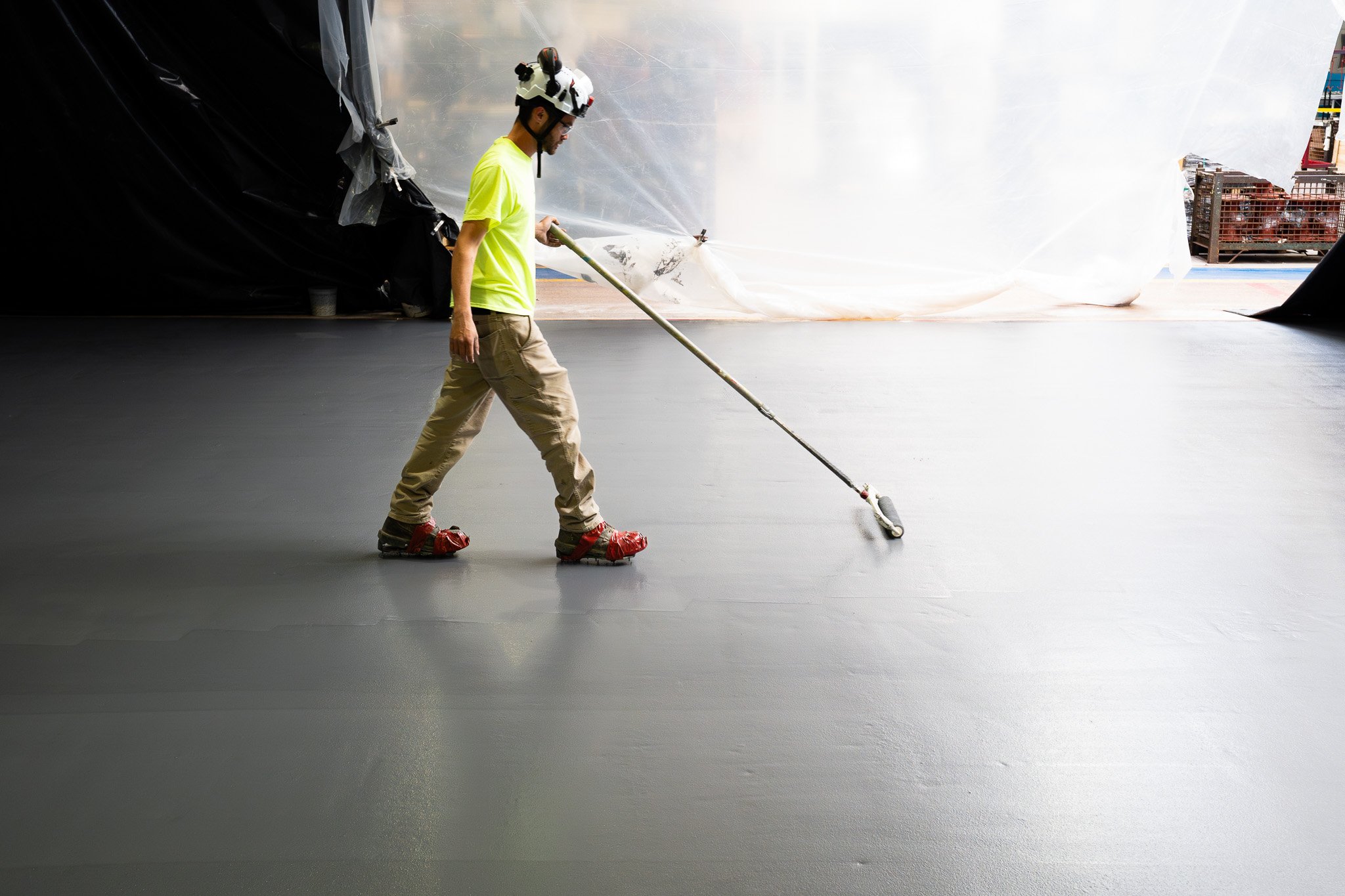
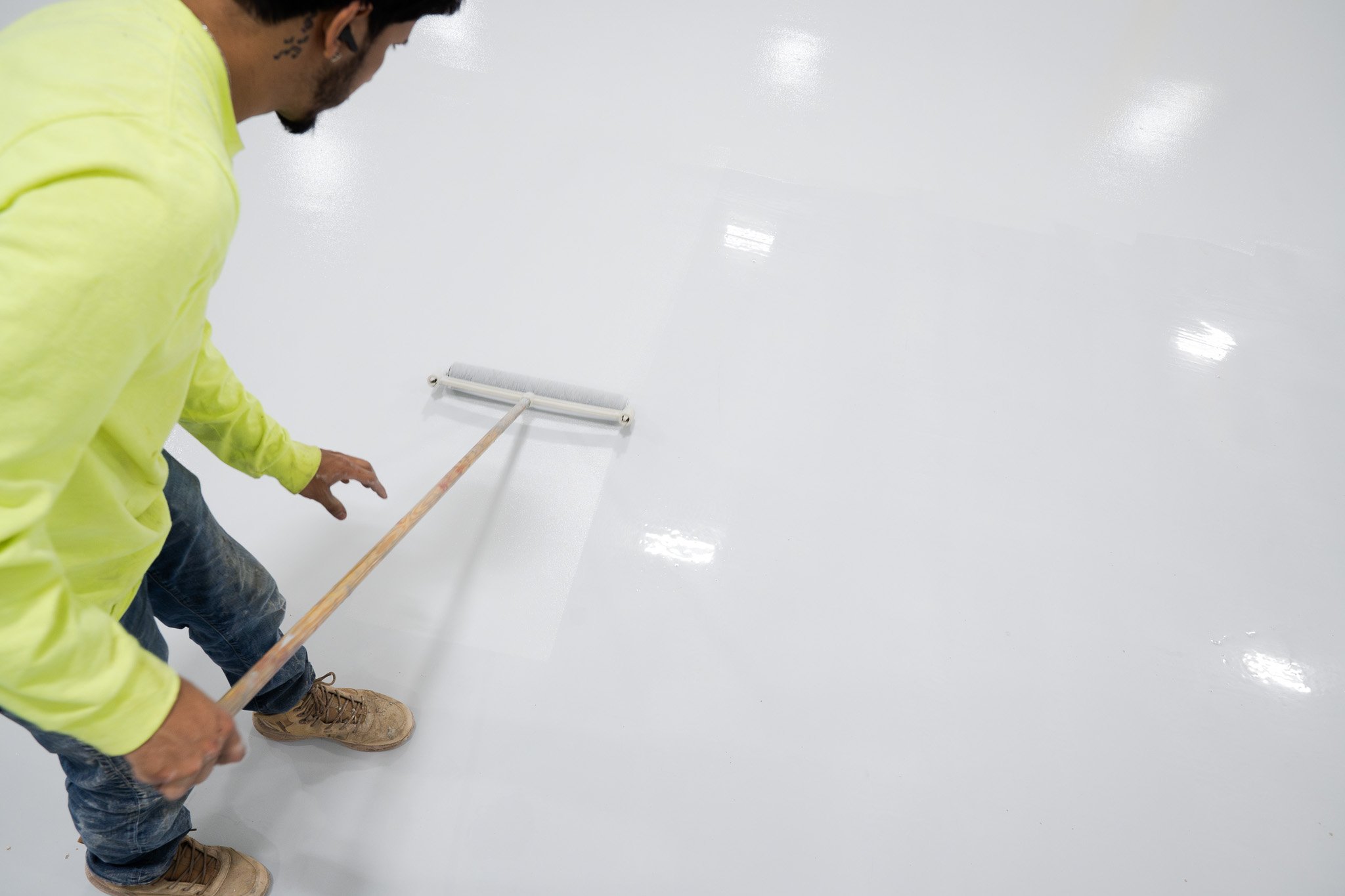
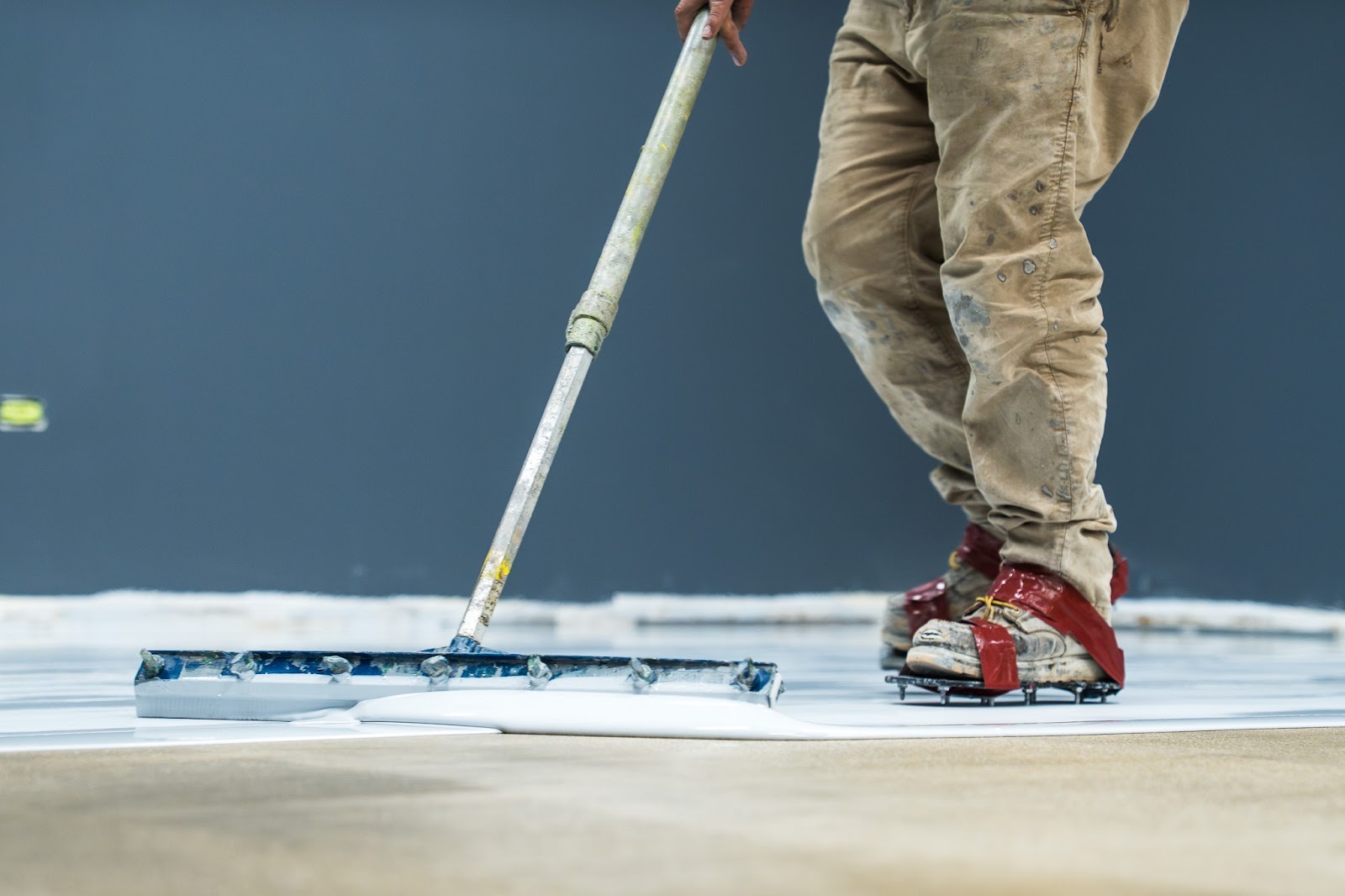
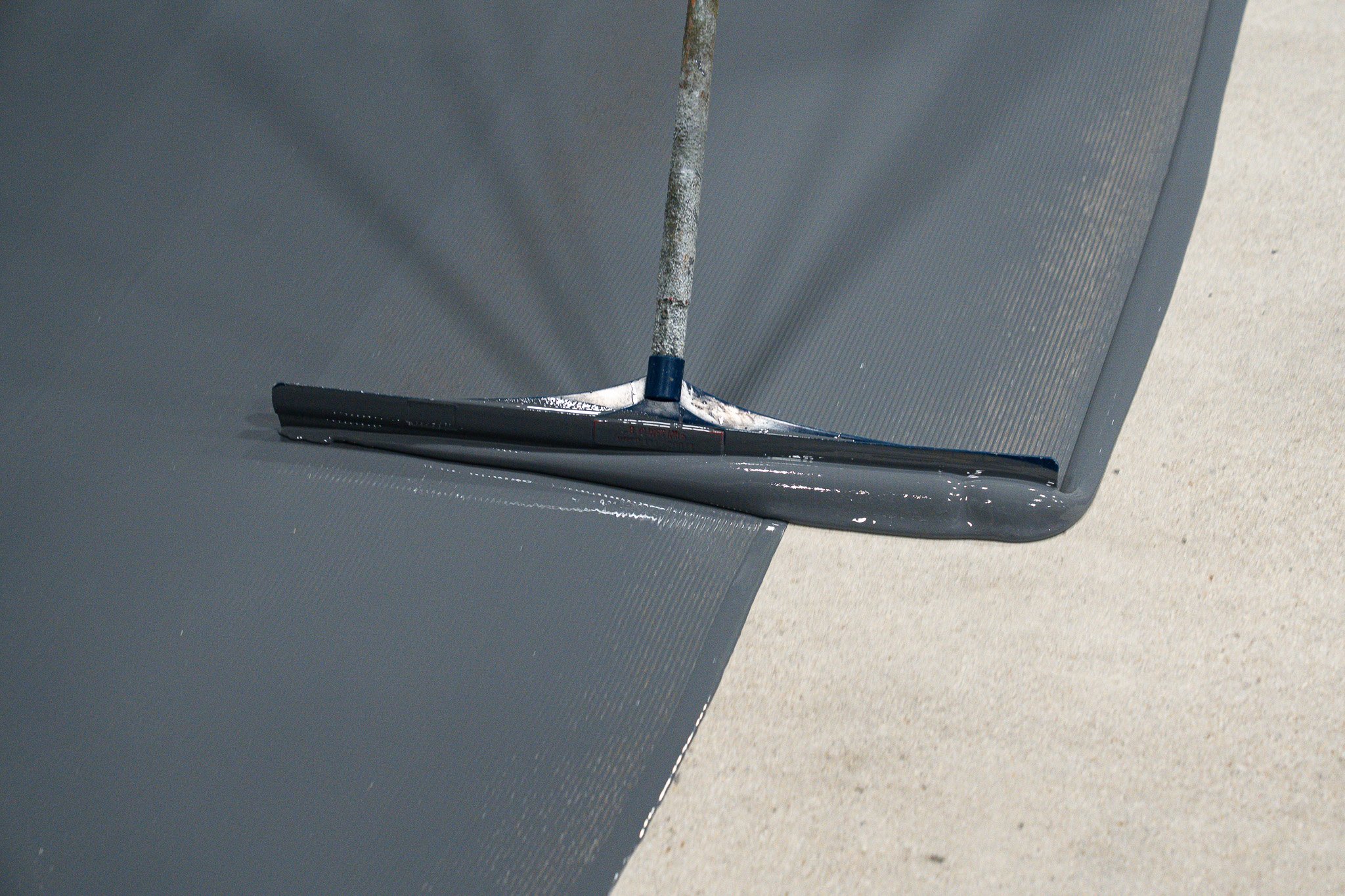
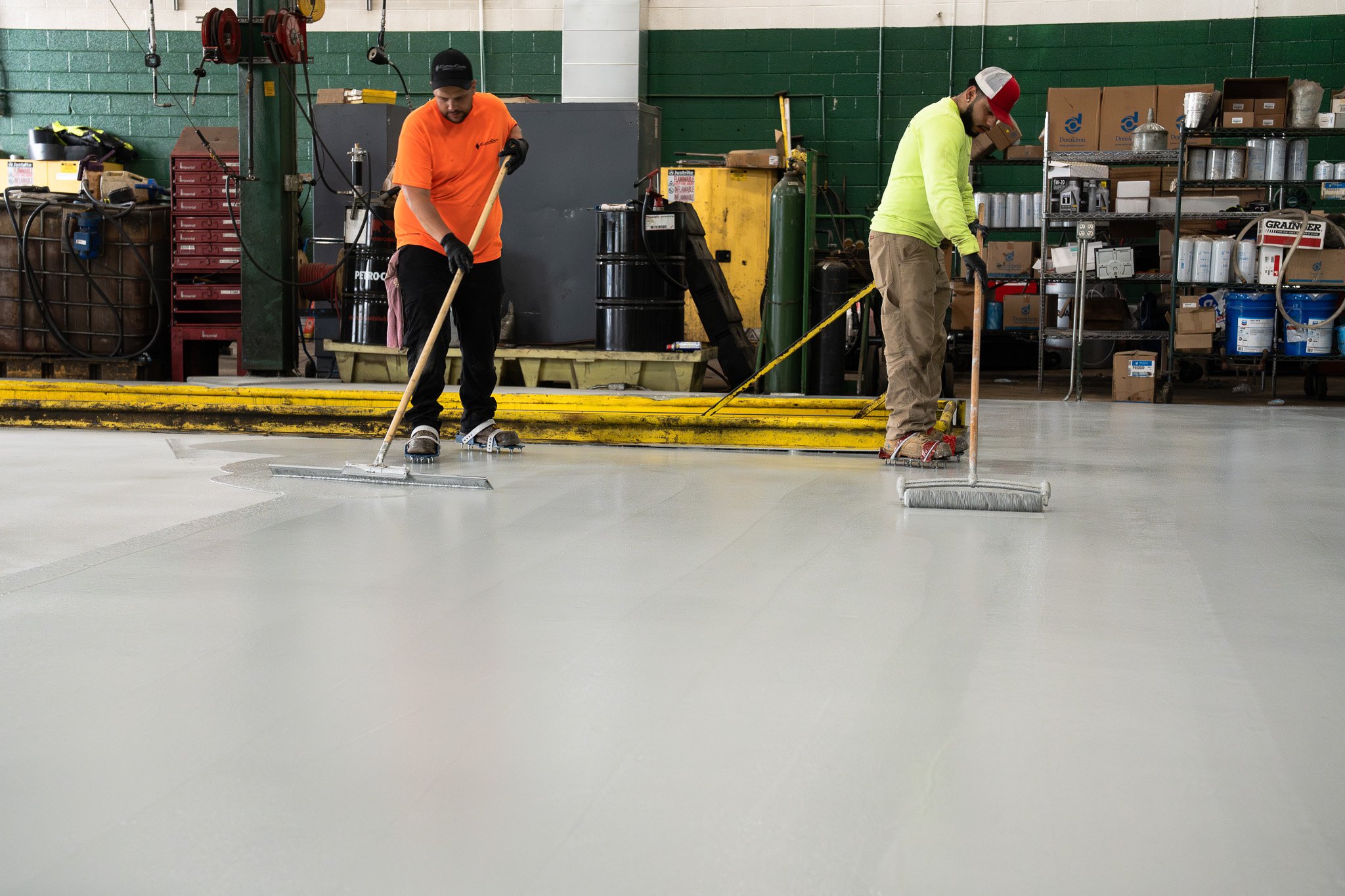
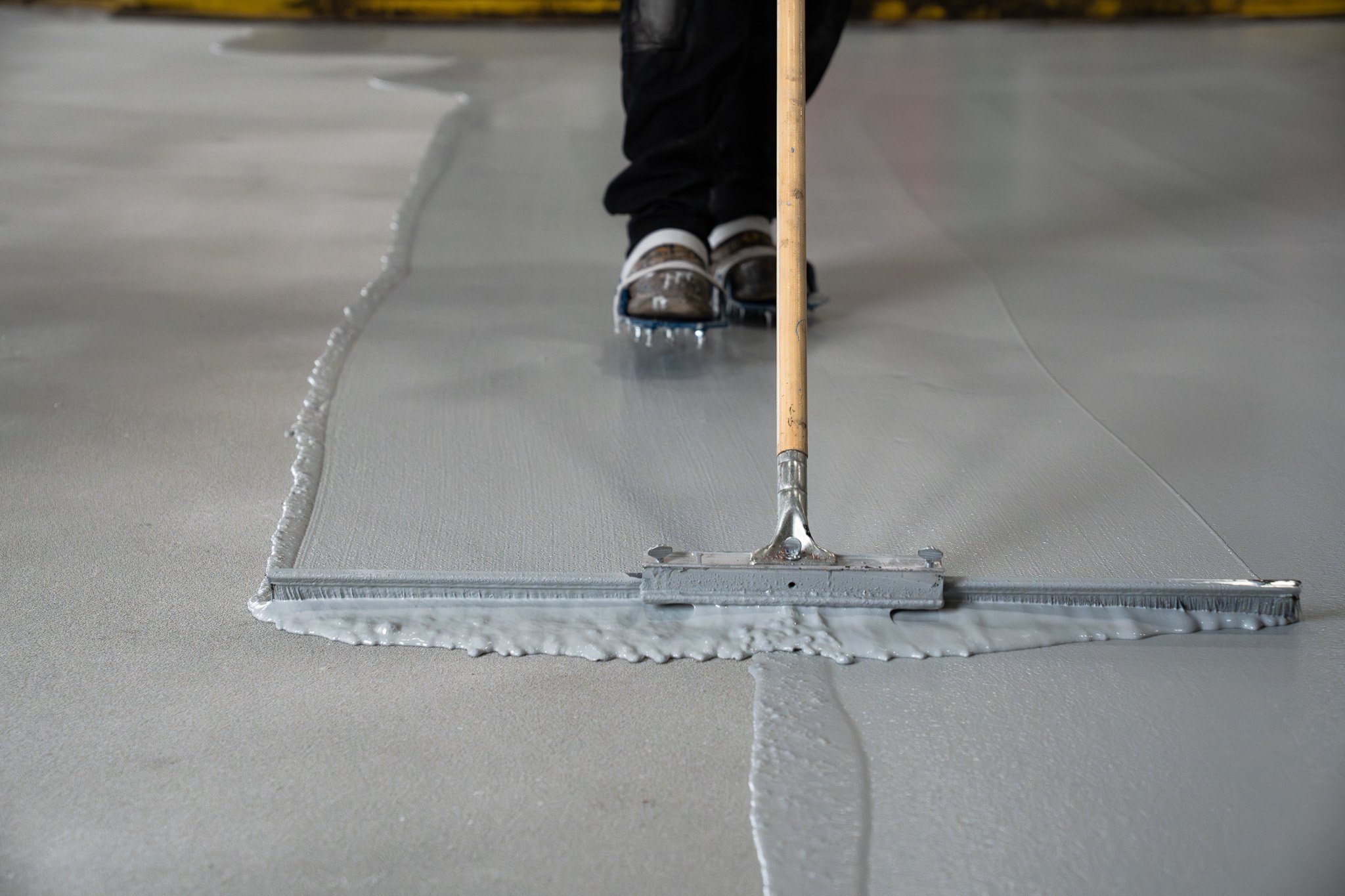
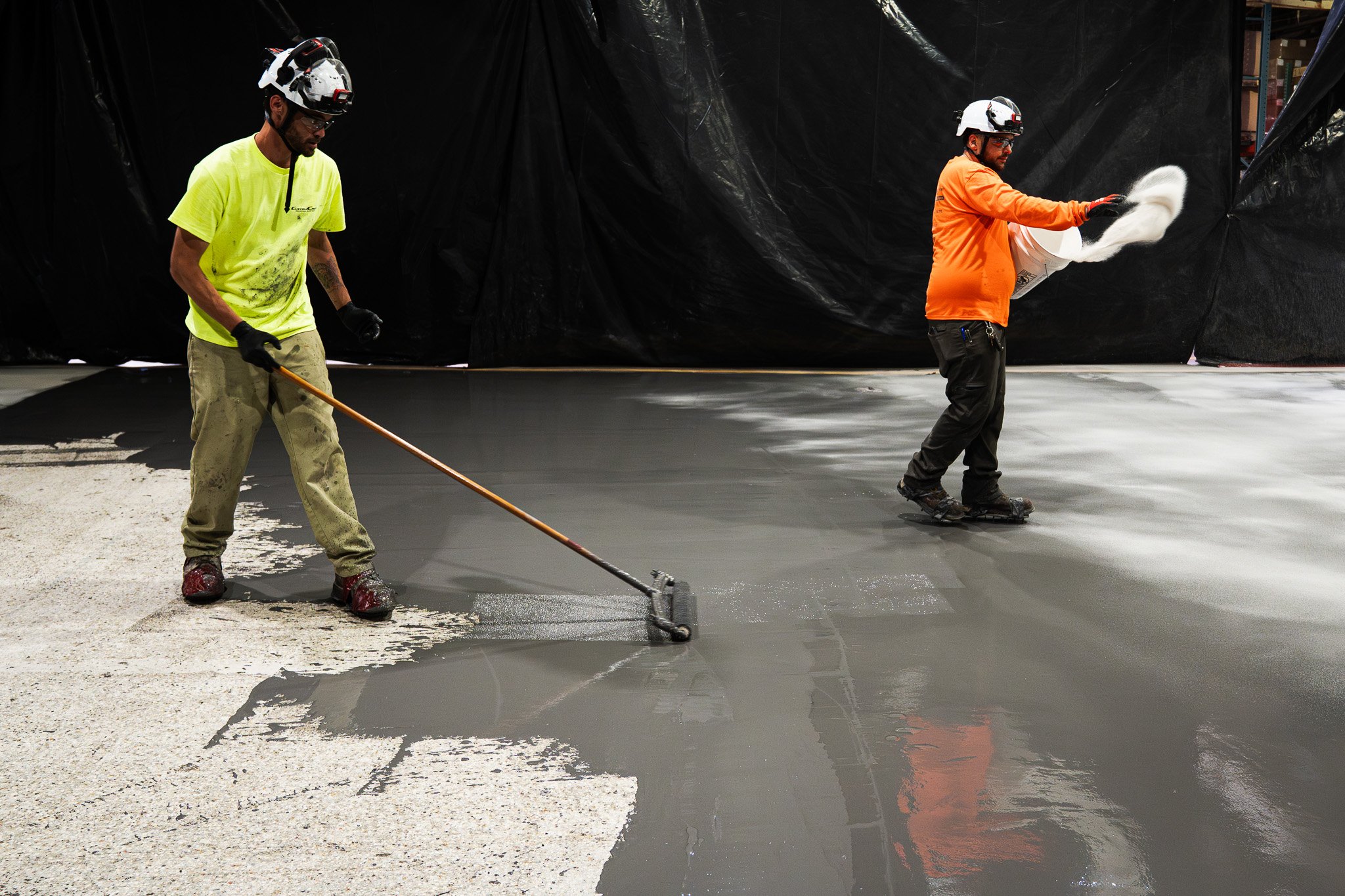
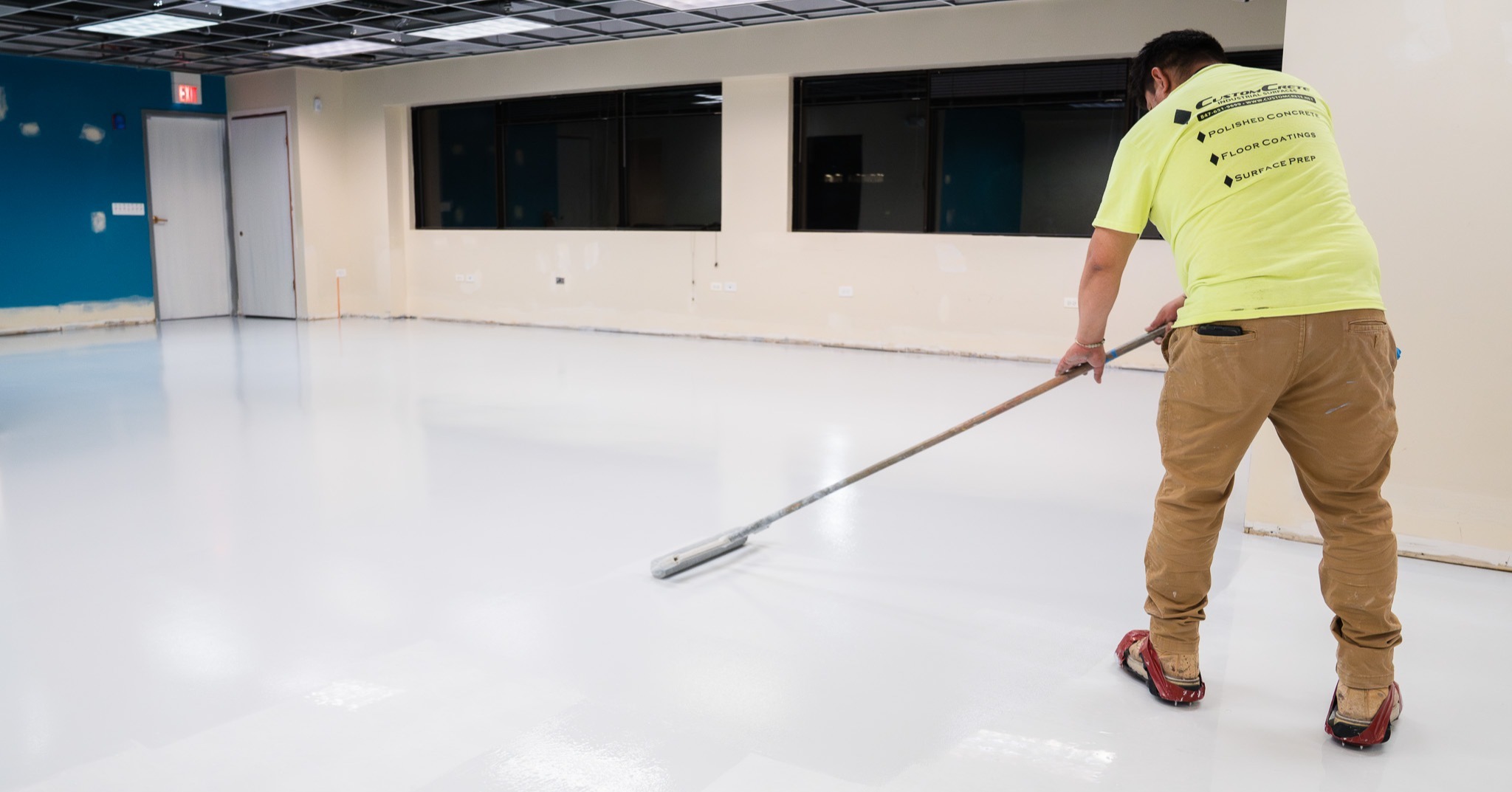
Industrial diamond grinders, HEPA dust collectors, mixing stations, spike shoes, industrial squeegees, and moisture mitigation systems are all part of a professional installer’s toolkit. These tools ensure even thickness, consistent finishes, and safe working conditions.
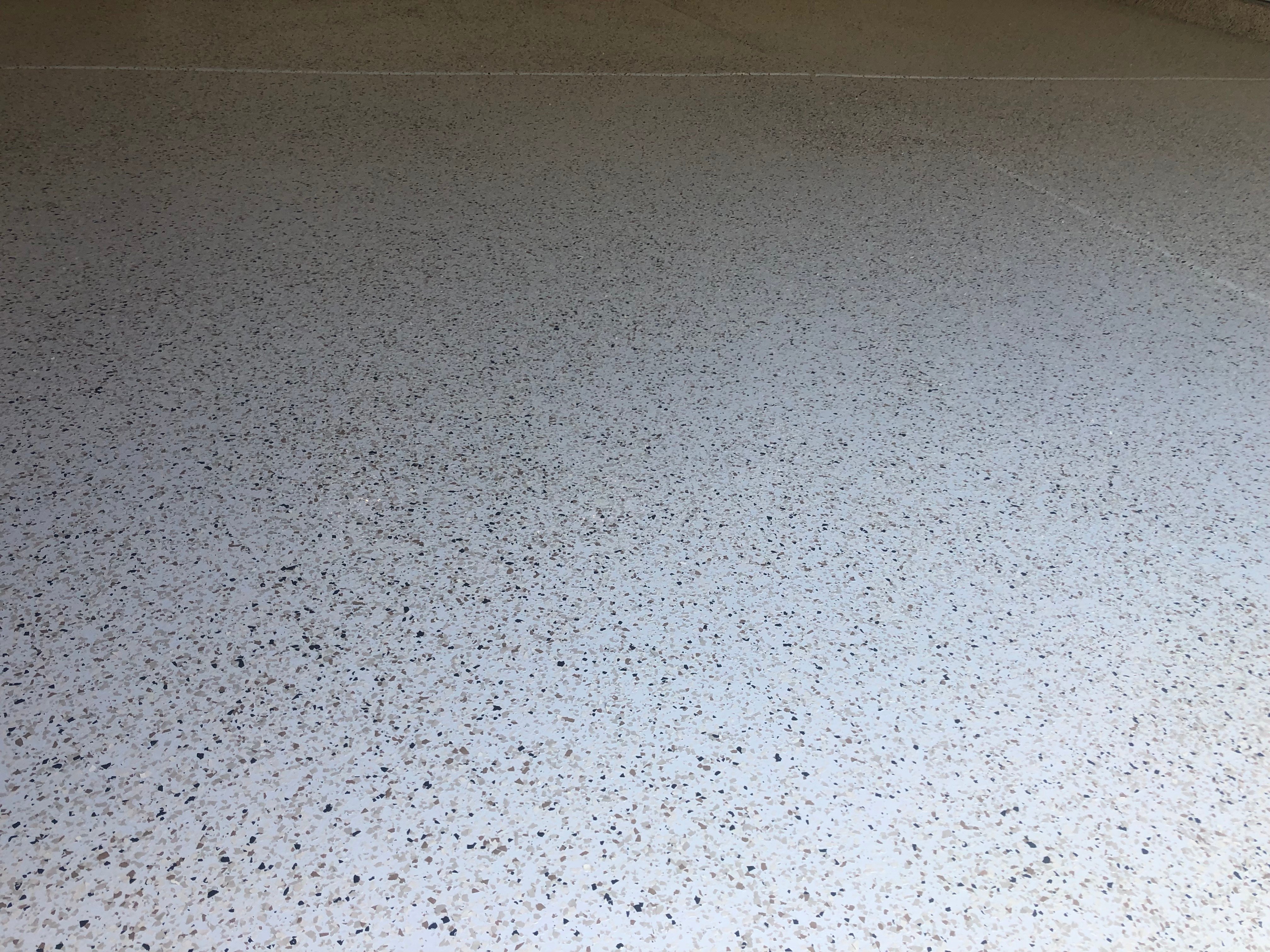
Specialists also work with commercial-grade epoxy systems engineered for industrial use—not retail or residential kits. The difference in strength, chemical resistance, and longevity is significant.
Professional Tools Produce Better Results
- Stronger surface profile for bonding
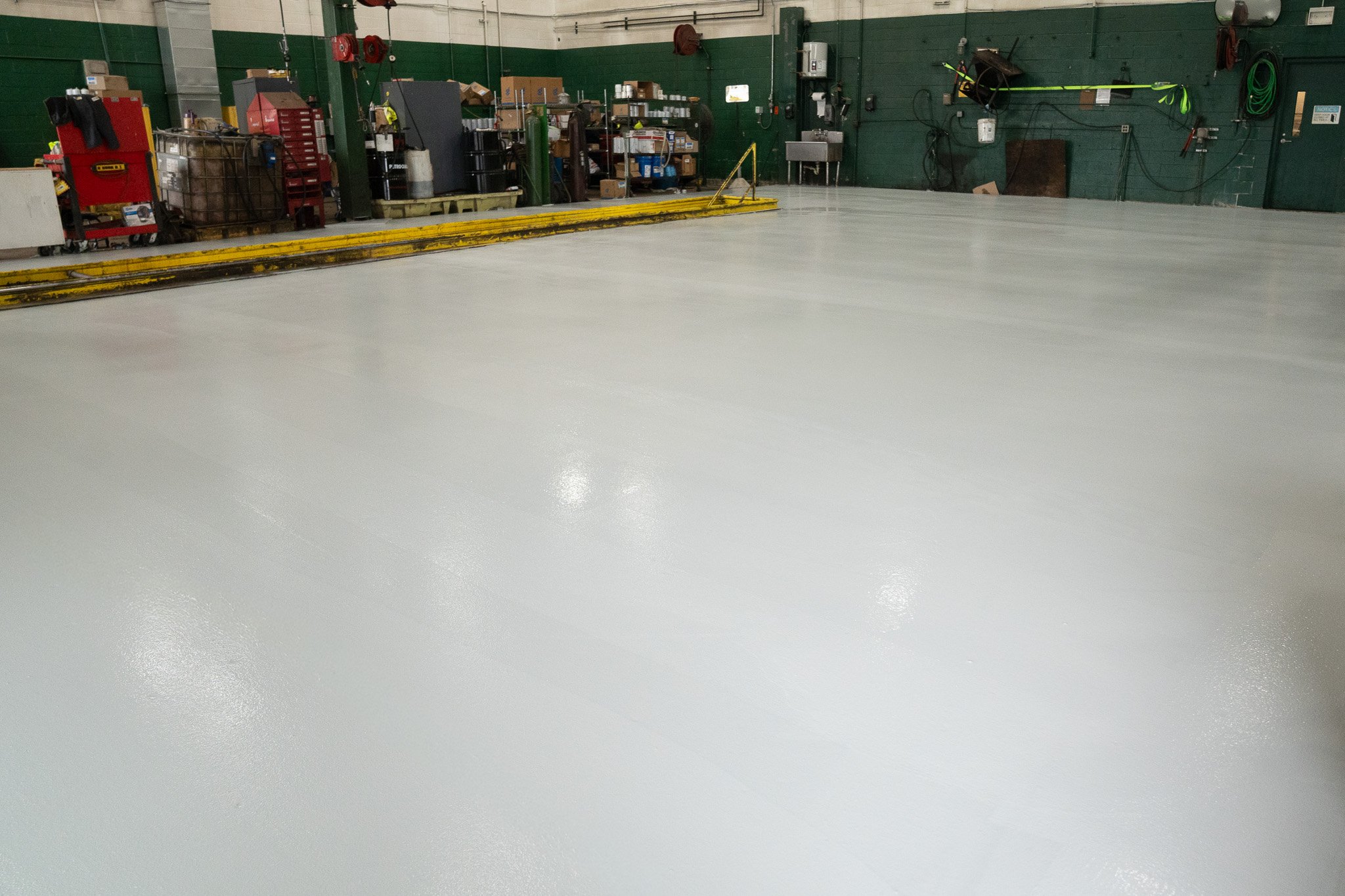
- Even coating thickness across the floor
- Reduced dust contamination during prep
- Accurate mixing with mechanical mixers
- Cleaner edges and more precise transitions
Without the right equipment, even the most experienced contractor can’t produce a reliable industrial floor.
Experience Leads to Problem-Solving
Every facility is different. Some floors have moisture issues, others have chemical exposure, and many require slip-resistant finishes or temperature-resistant systems. A professional epoxy installer can evaluate your environment and select the system built for your operations.
General contractors may not understand the differences between epoxy, urethane, polyaspartic, or urethane cement—or how to adjust floor texture, thickness, or additives to improve safety and performance.
Specialists know how to tailor the floor system to the facility’s needs, whether it’s a cold-storage warehouse, manufacturing plant, or loading dock.
The Cost of Hiring the Wrong Installer
While it may seem cheaper to hire a general contractor, epoxy failures are expensive. Wrong surface prep, moisture issues, or incorrect installation can lead to peeling or delamination that requires full removal. Repairs disrupt production and cost significantly more than doing it right the first time.
Common failure signs include:
- Bubbling or blisters
- Peeling at joints or edges
- Discoloration
- Cracking or flaking
- Dusting beneath the coating
- Soft or tacky sections that never cure
A professional epoxy installer ensures your investment lasts—and performs under the toughest conditions.
FAQ: Epoxy Installers vs General Contractors
- Can a general contractor install epoxy floors?
They can, but without specialized prep, testing, and environmental control, the risk of failure is high. Industrial epoxy floors require a trained specialist for reliable performance. - Why is moisture testing important?
Moisture vapor can push coatings off the slab, causing bubbling or delamination. Professional installers test moisture levels before recommending a system. - Do specialists use better materials?
Yes. Industrial epoxy systems are thicker, stronger, and more chemical-resistant than consumer-grade products commonly used by general contractors.
Final Thoughts
Epoxy flooring is a high-performance system that requires precision, testing, and advanced equipment. A general contractor may be skilled in many areas, but epoxy installation demands a level of specialization that only trained professionals can provide. Choosing a qualified epoxy installer ensures stronger adhesion, longer lifespan, and fewer costly repairs—making it the smarter long-term investment for any industrial or commercial facility.
If you’re planning a flooring project and want it done right the first time, request a quote from CustomCrete to speak with an experienced epoxy specialist who understands your facility’s needs.
Topics:
.jpg?width=2048&height=1365&name=CC108559%20(1).jpg)
.jpeg?width=1638&height=1020&name=CC109349%20(1).jpeg)
.png?width=11520&height=9216&name=Untitled%20design%20(56).png)