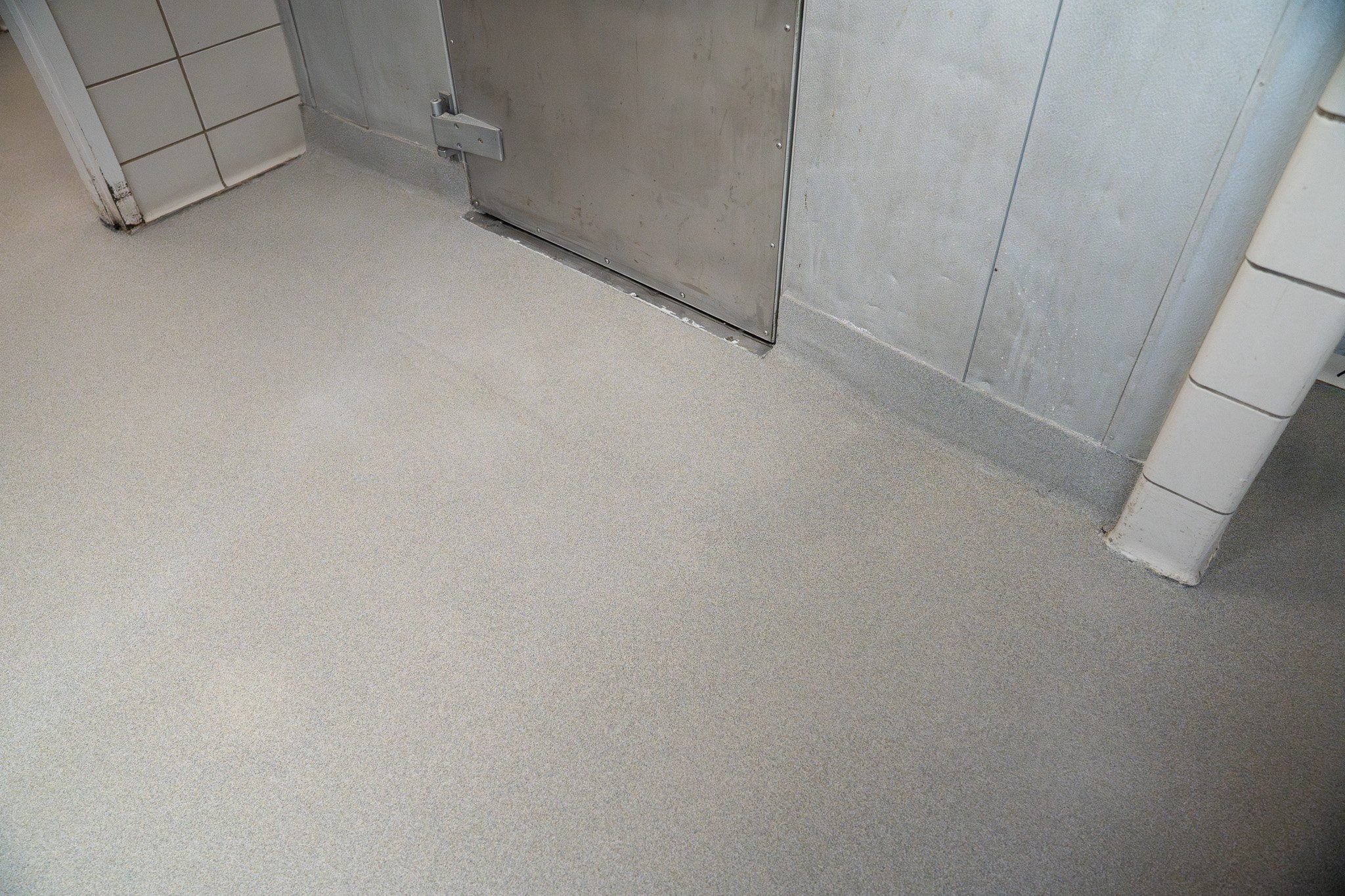

Choosing to install an epoxy floor is a smart decision for many industrial and commercial facilities. Epoxy systems deliver strength, chemical resistance, and long-term durability—but only when they’re installed correctly. A professional epoxy installer follows a detailed, multi-step process to ensure the coating bonds properly and performs under demanding conditions.
For decision-makers preparing for an upcoming project, understanding this process helps set realistic expectations, prevent downtime surprises, and ensure you’re hiring a qualified professional. With decades of experience installing epoxy floors throughout the Midwest, CustomCrete has seen how proper installation transforms a basic concrete slab into a high-performance surface built to last.
Below is a clear, step-by-step guide to what you can expect when working with a professional epoxy installer.
Step 1: Site Evaluation and Testing
Every successful epoxy floor begins with a thorough site evaluation. Before any work begins, the installer will inspect the concrete slab to assess its condition and identify issues that could affect installation.
Common checks include:
- Moisture testing (ASTM F1869 or F2170)
- Surface hardness and integrity
- Existing coatings or adhesives
- Oil, grease, or chemical contamination
- Cracks, spalling, or joint damage
- Level of concrete
A skilled epoxy installer uses this information to determine the correct preparation method, coating system, and installation schedule. Sites with moisture problems, uneven surfaces, or significant damage will require additional prep before epoxy can be applied.
Step 2: Surface Preparation
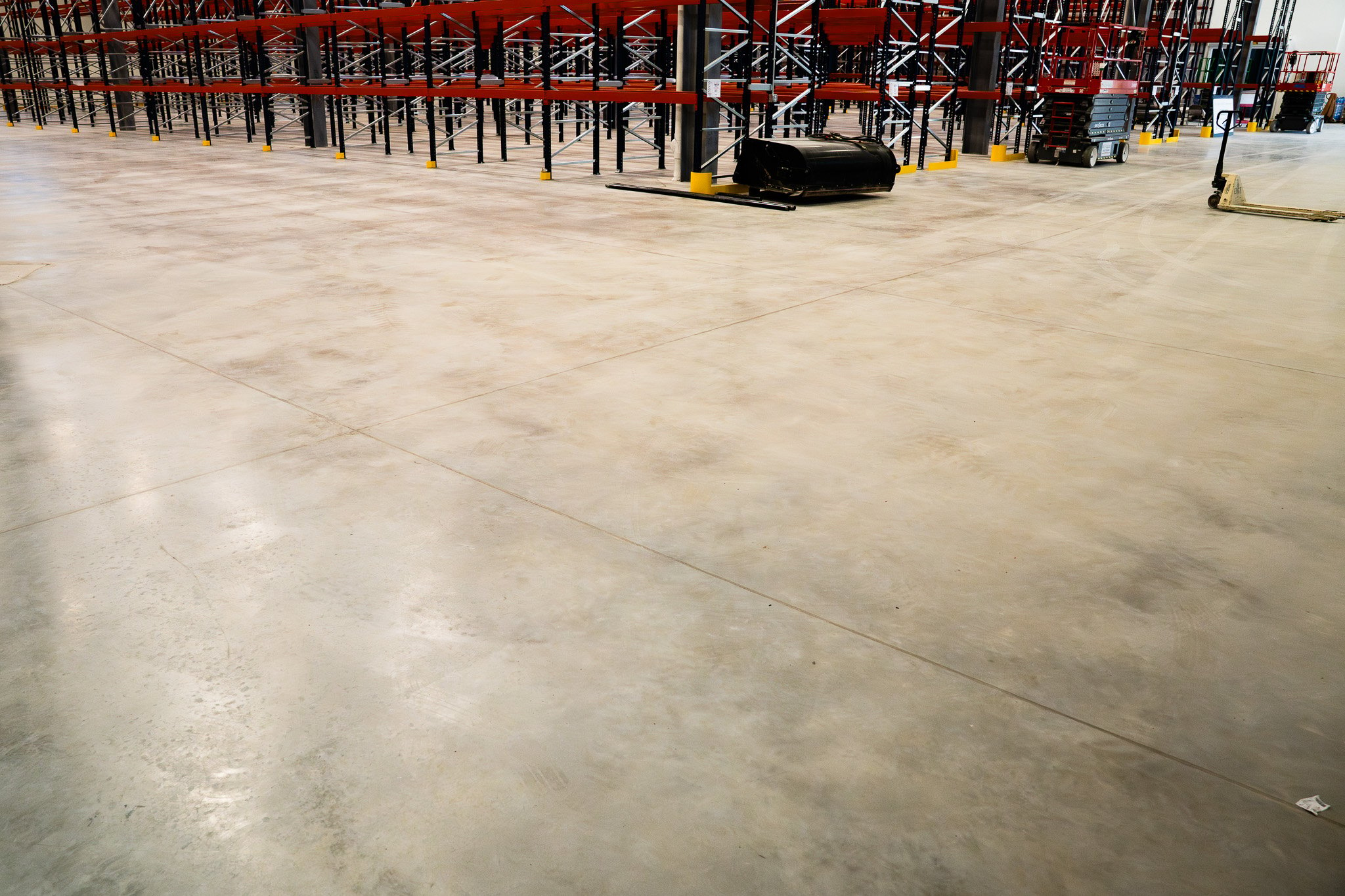
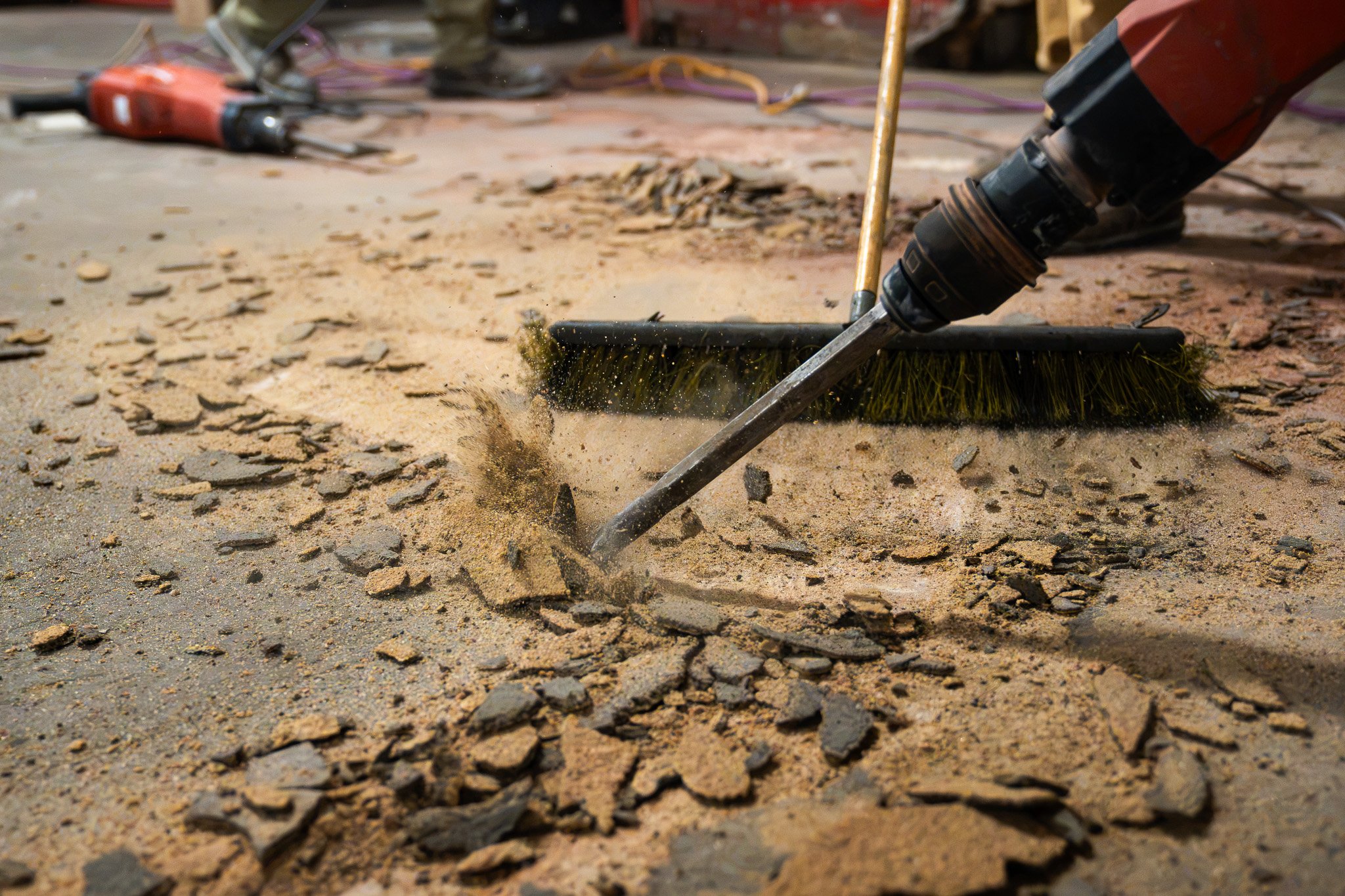
Surface preparation is the most important part of the process—and it’s where professional installers stand out the most. Epoxy will not bond to a dirty, weak, or improperly profiled surface.
Preparation typically includes:
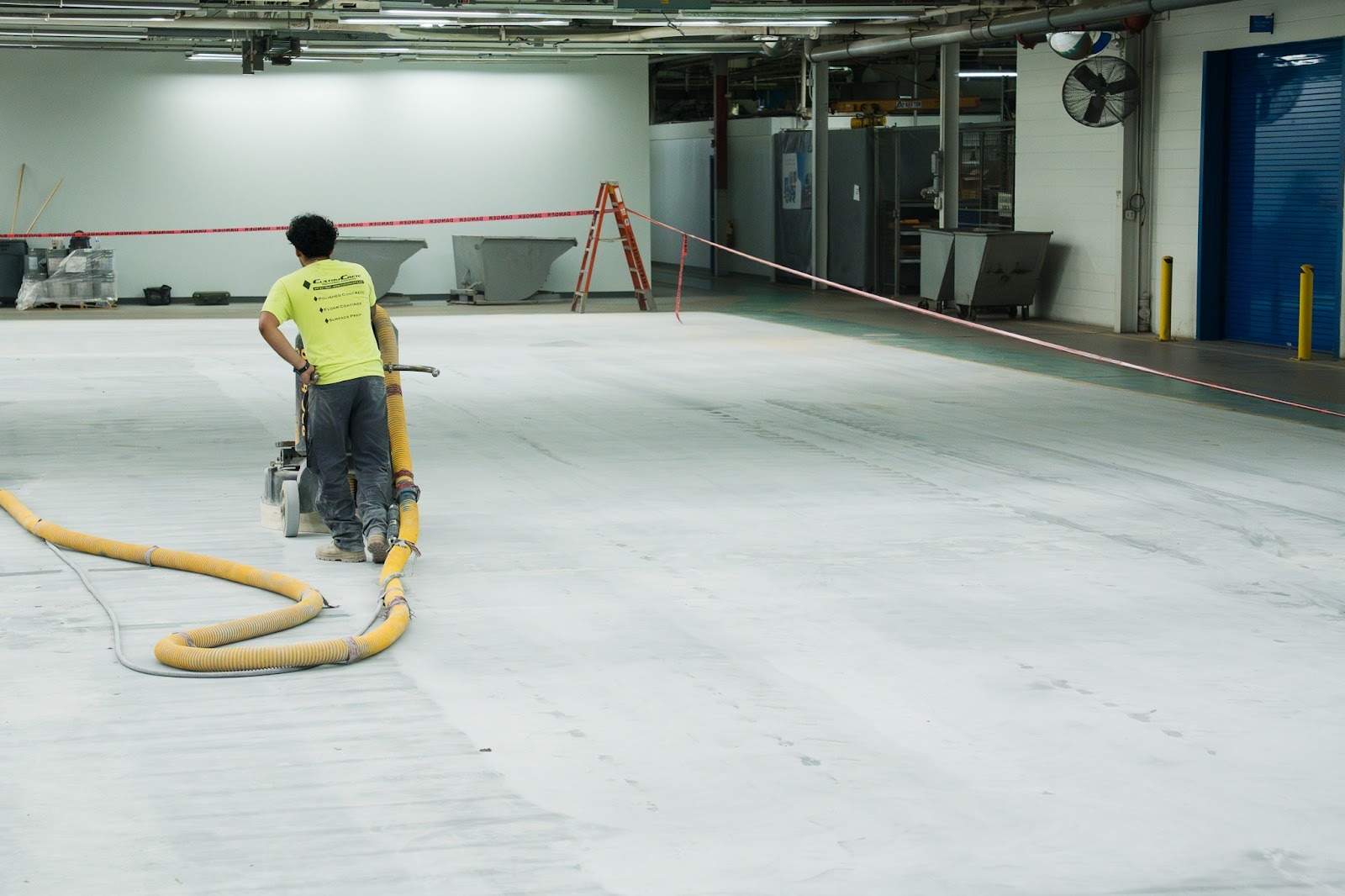
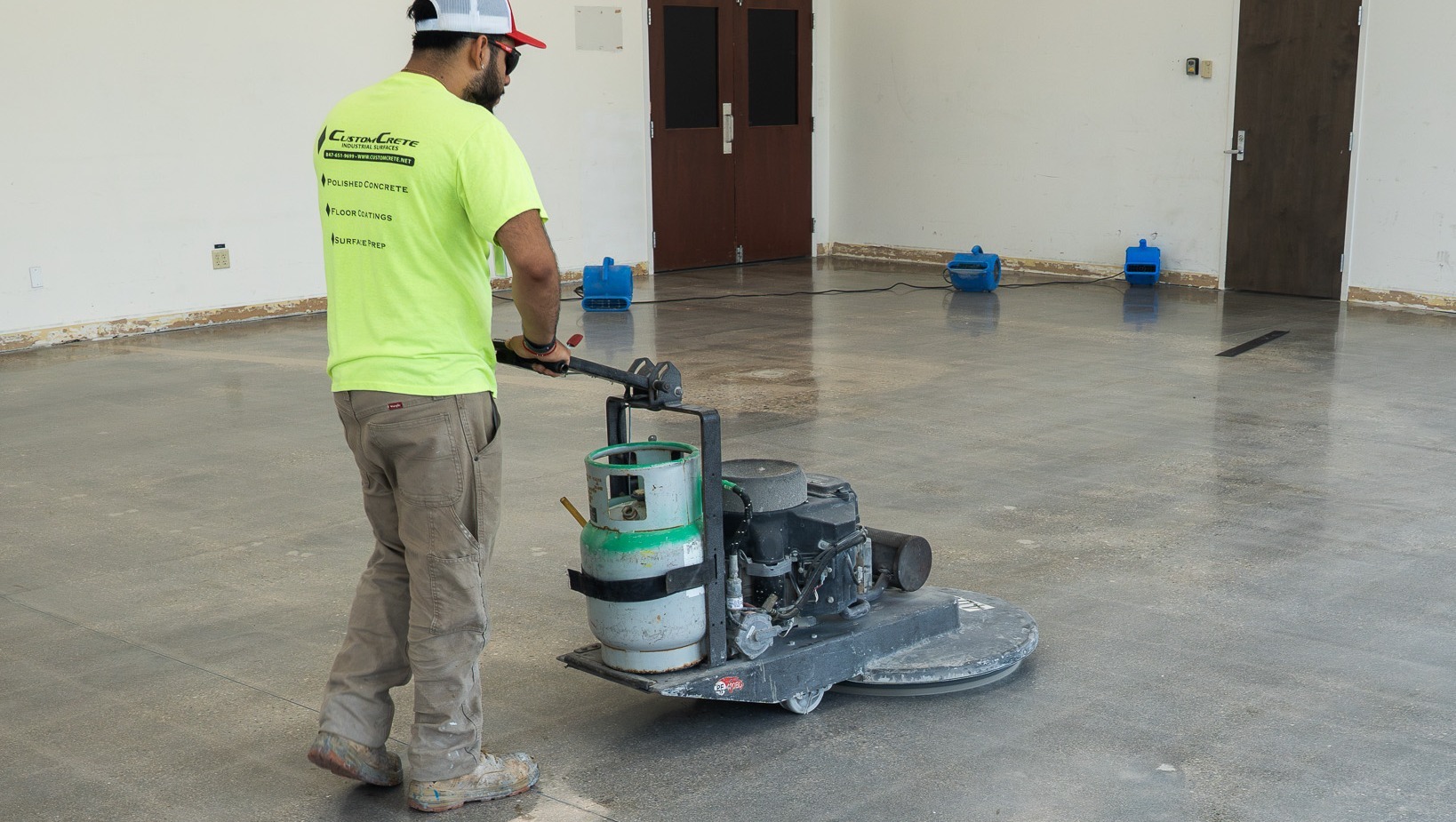
- Mechanical grinding with diamond grinders
- Shot blasting for deeper profiling
- Dust extraction using HEPA-filtered vacuums
- Crack repair using industrial patching materials
- Joint filling to stabilize expansion joints
The goal is to create a clean, dry, textured surface (Concrete Surface Profile 2–4 depending on the system). This step forms the foundation of a long-lasting epoxy floor.
Step 3: Priming the Surface
Once the surface is properly profiled, a primer is applied. Primers help seal the slab, reduce outgassing, and improve adhesion between the concrete and epoxy system.
Primers are especially important for:
- Older concrete
- Porous or weak slabs
- Areas with potential moisture concerns
- Large, open spaces where outgassing can occur
A professional installer selects a primer that matches the epoxy system and environmental conditions of the space.
Step 4: Mixing and Applying the Epoxy
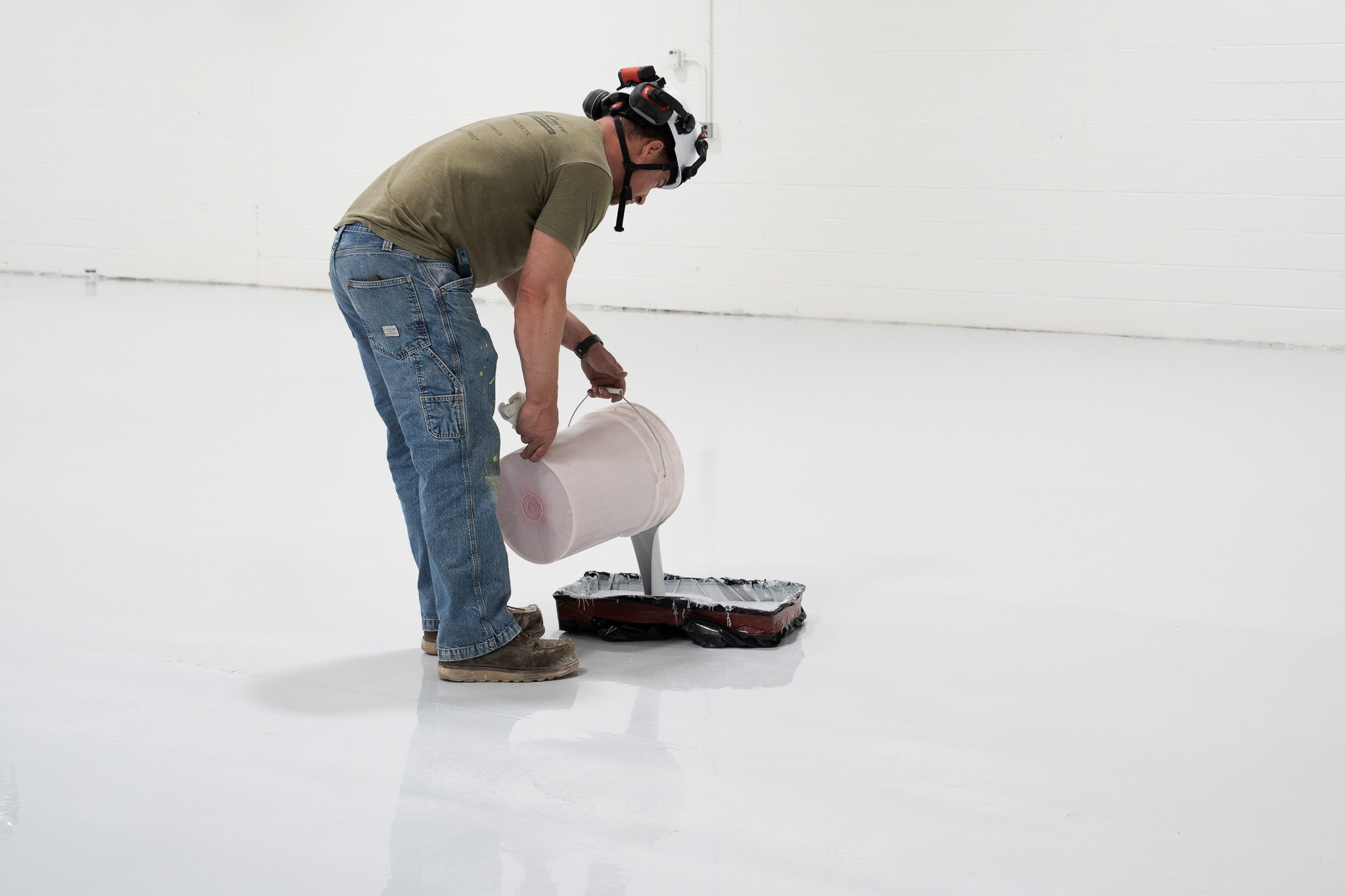
Epoxy is a two-part system consisting of resin and hardener. Accurate mixing is essential—incorrect ratios can lead to soft spots, slow curing, or full system failure.
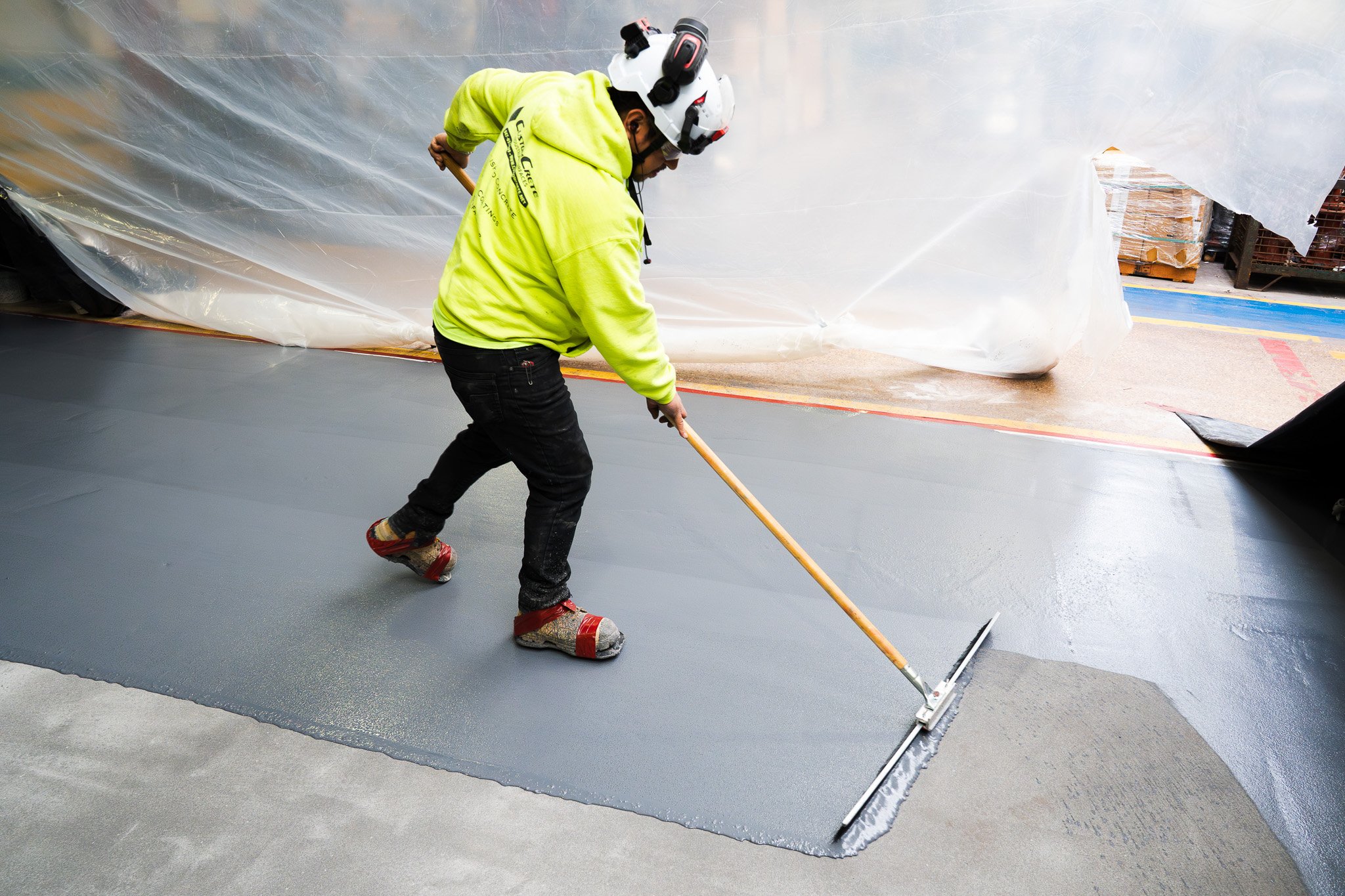
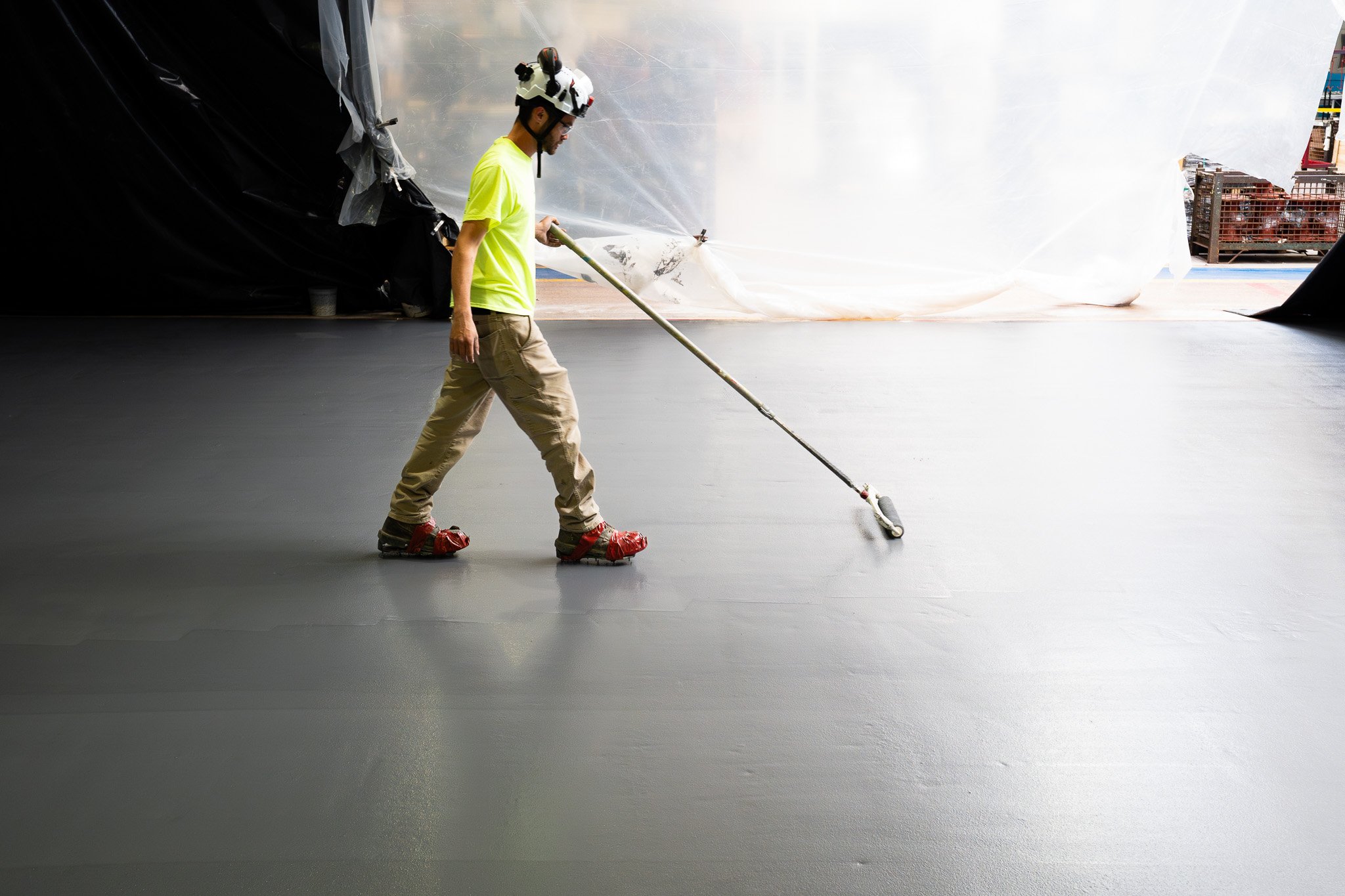
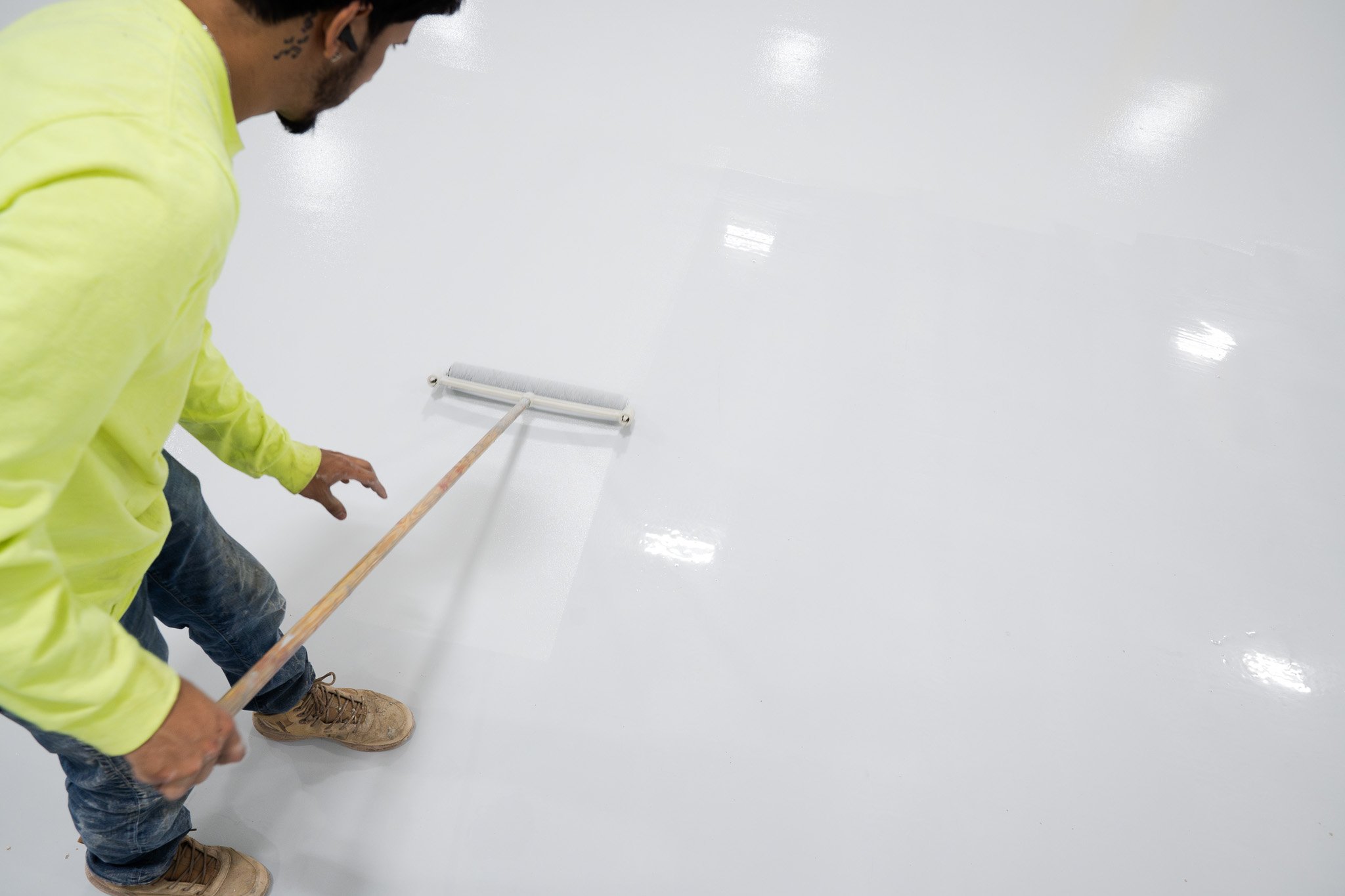
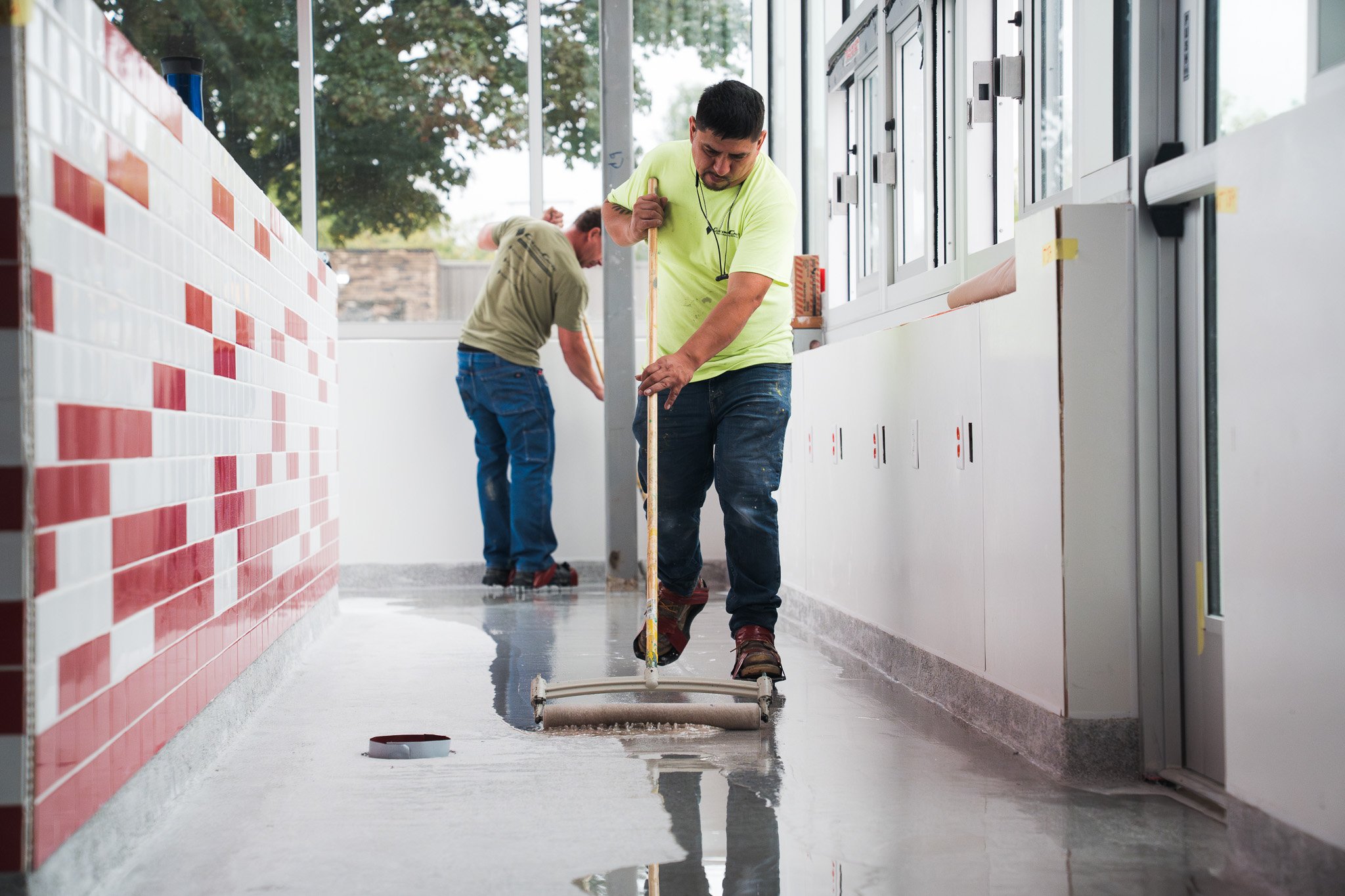
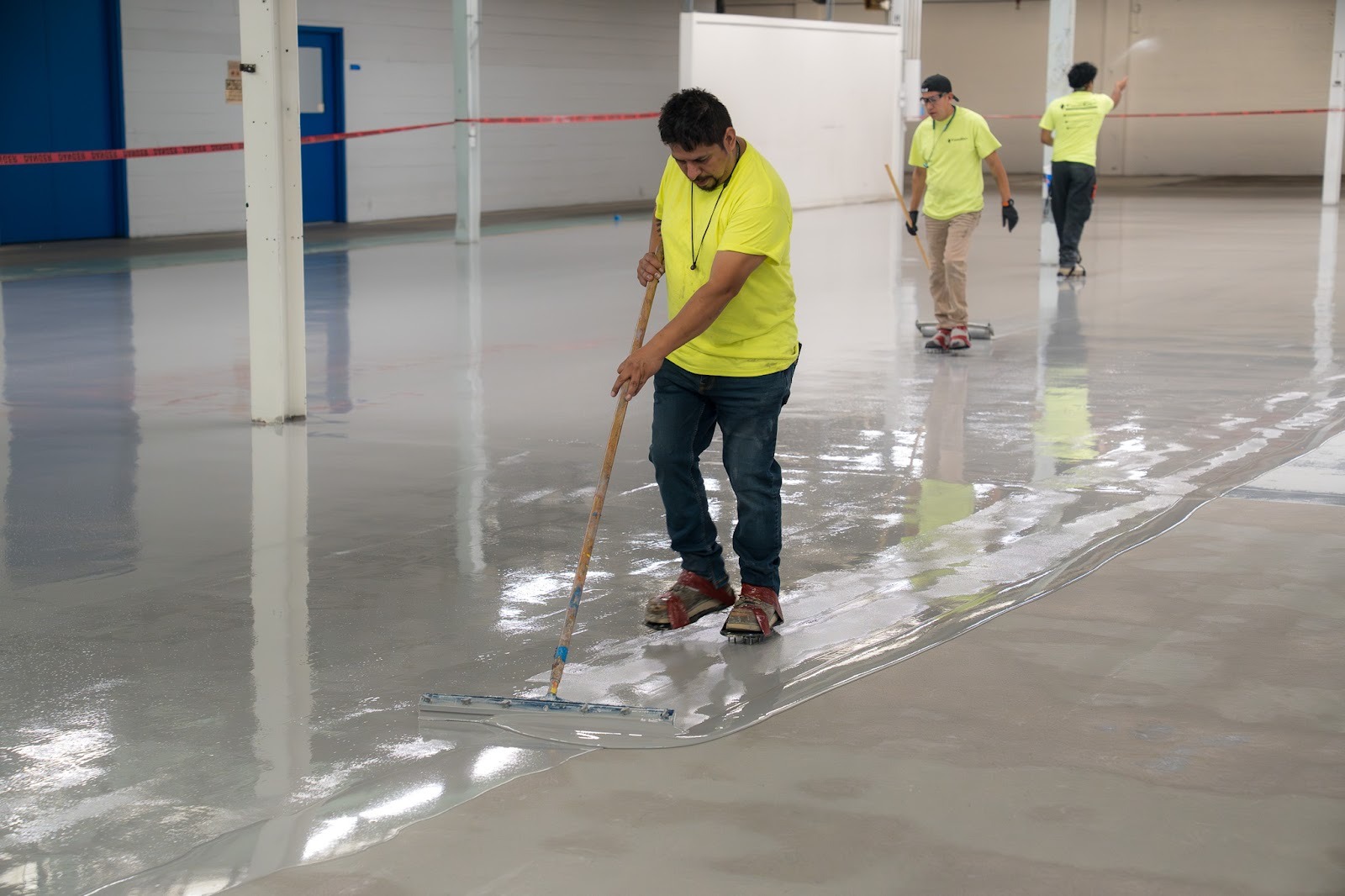
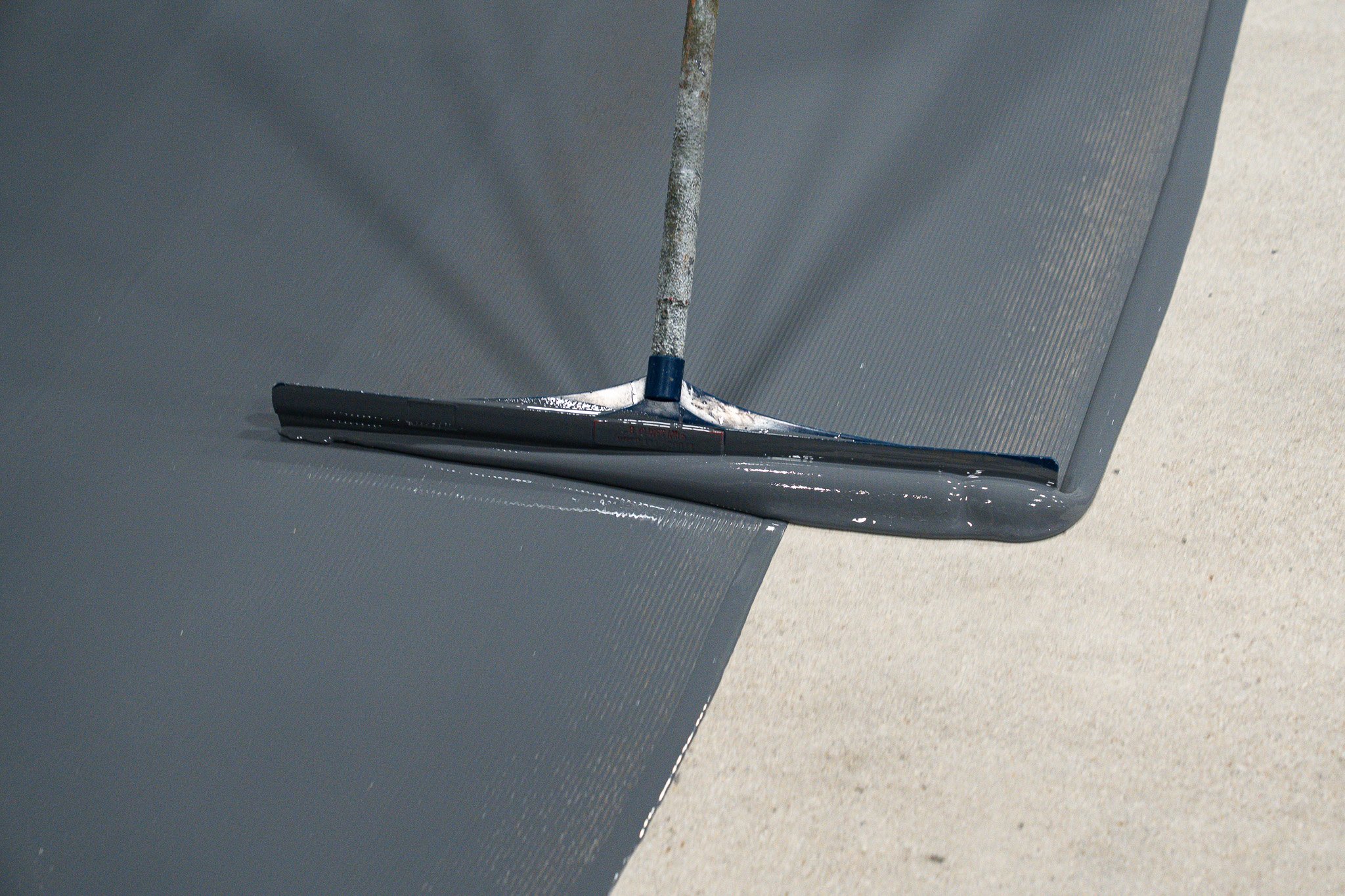
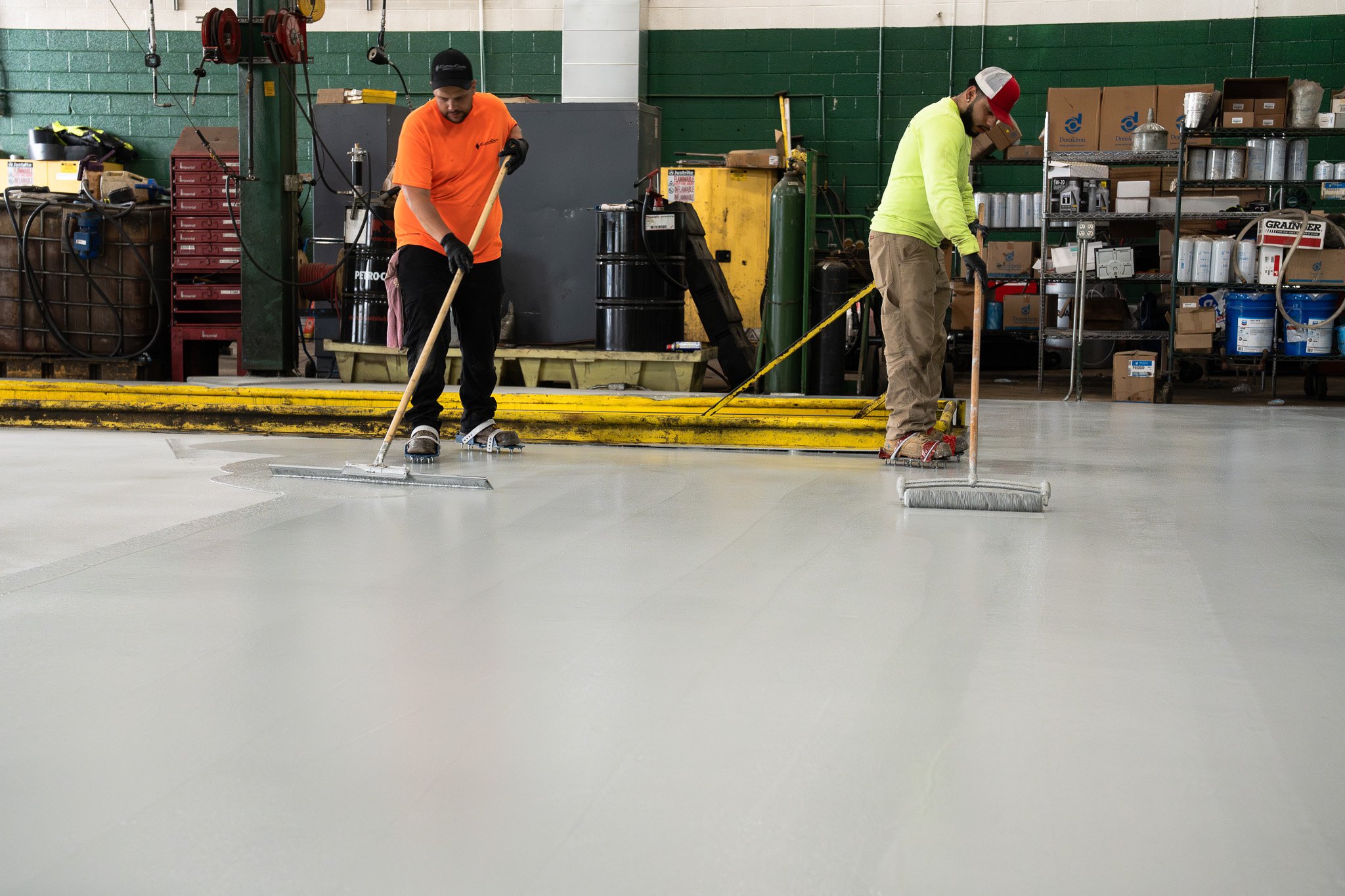
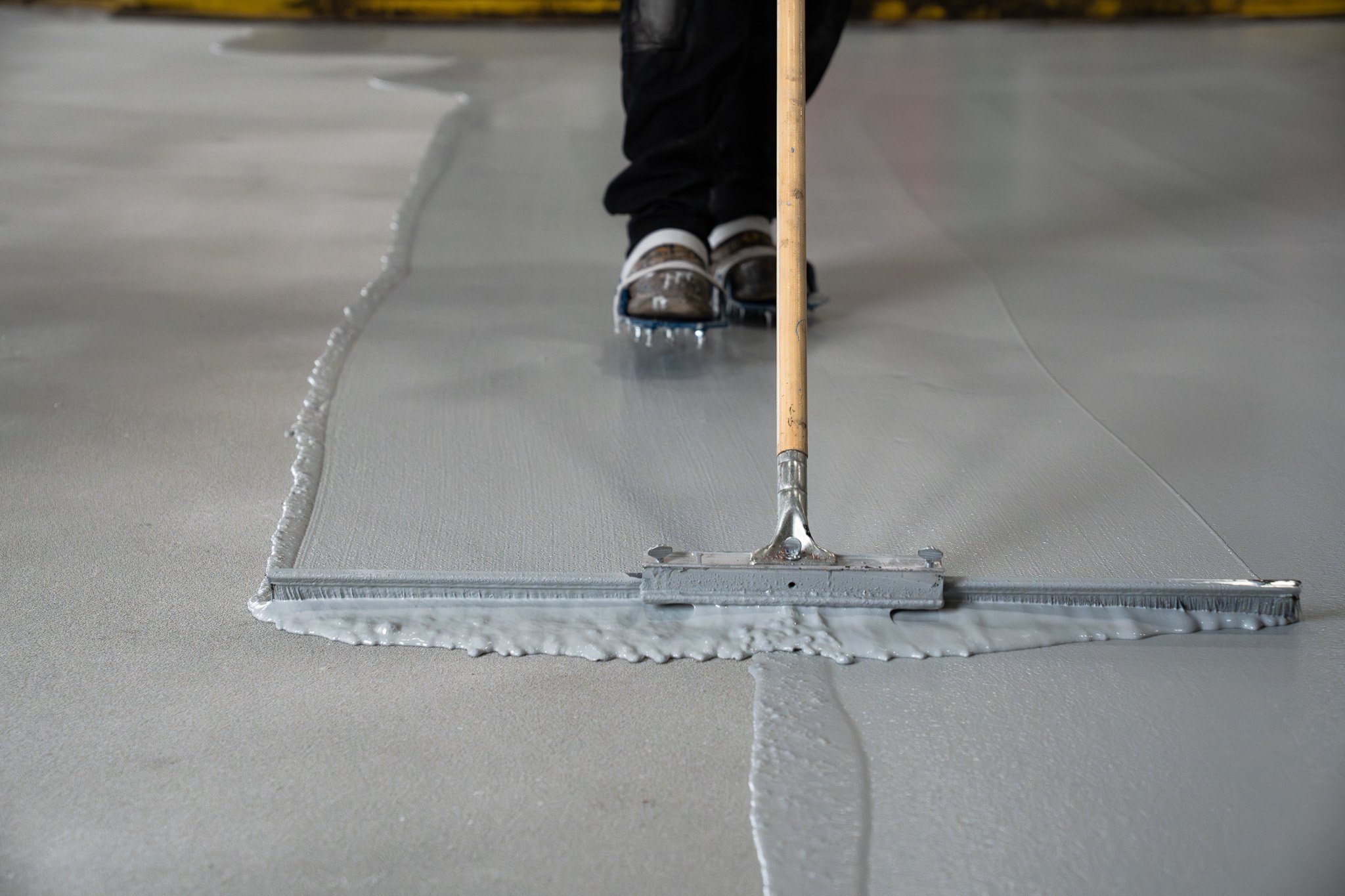
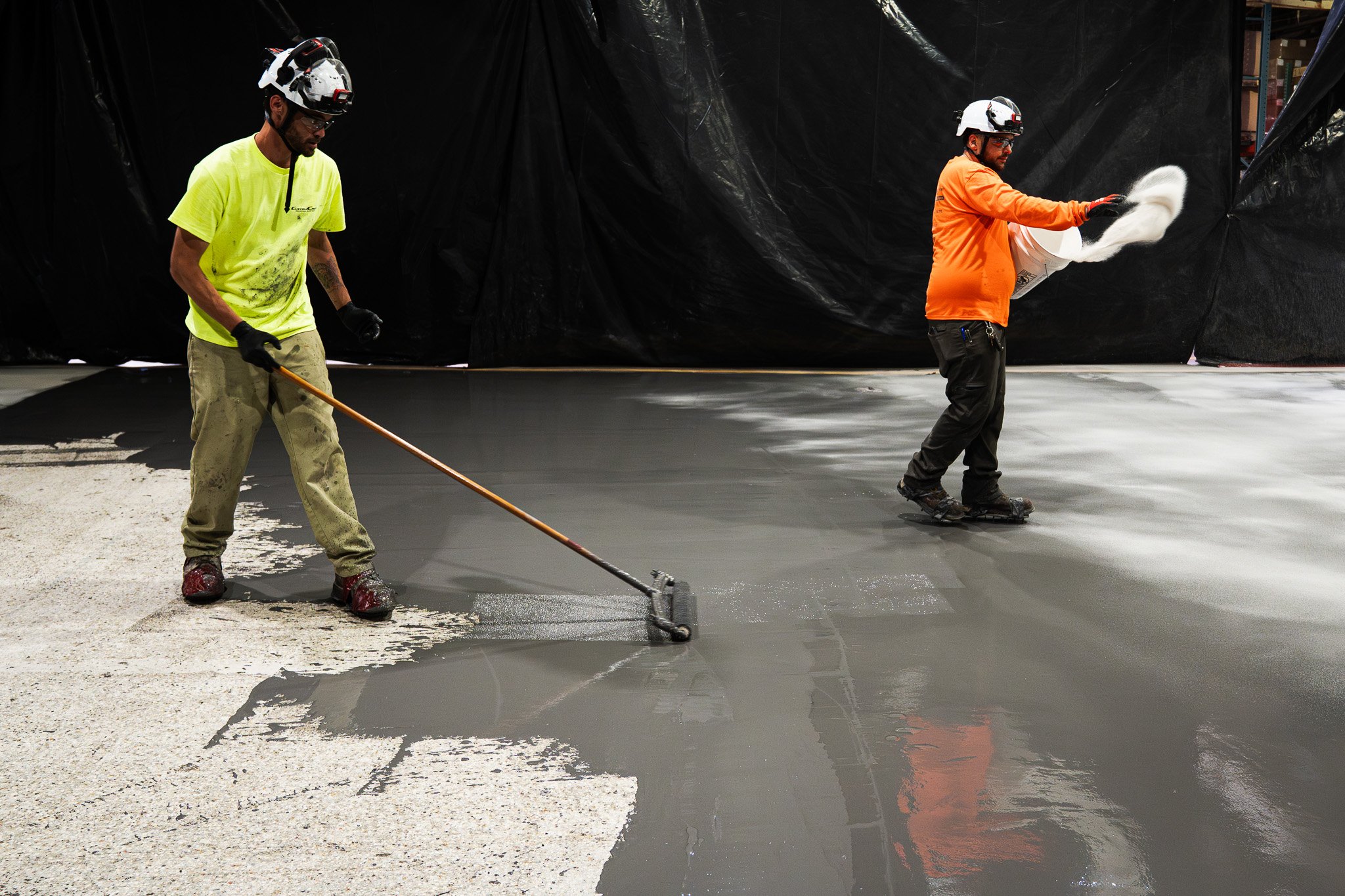
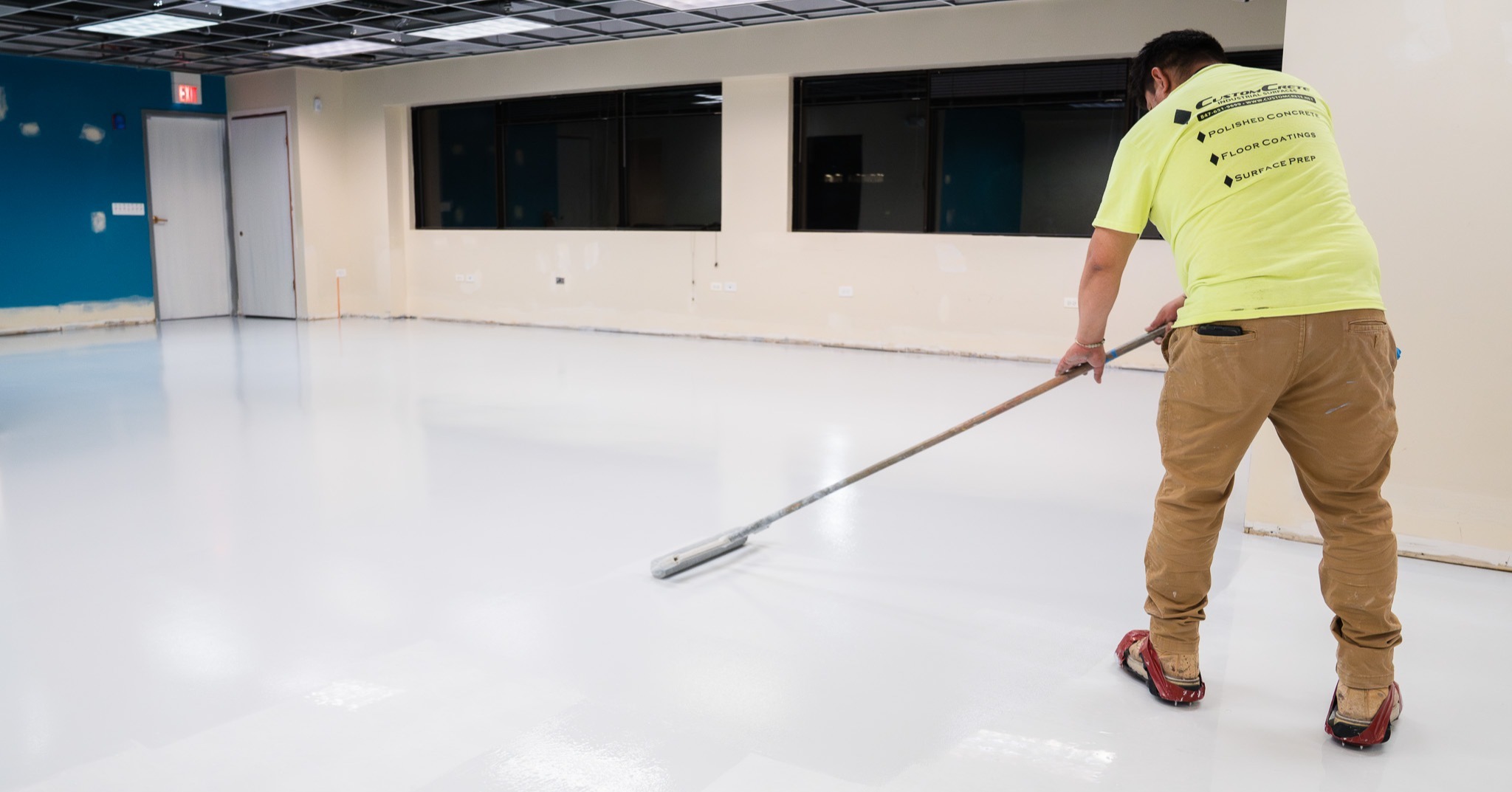
A trained epoxy installer uses mechanical mixers to blend the components thoroughly and prevent streaking or improper curing. Once mixed, the epoxy is poured onto the surface and spread using squeegees and rollers. Installers wear spike shoes so they can walk across the wet floor without disturbing the finish.
Depending on the system, this layer may serve as:
- A base coat
- A body coat that receives broadcast aggregates
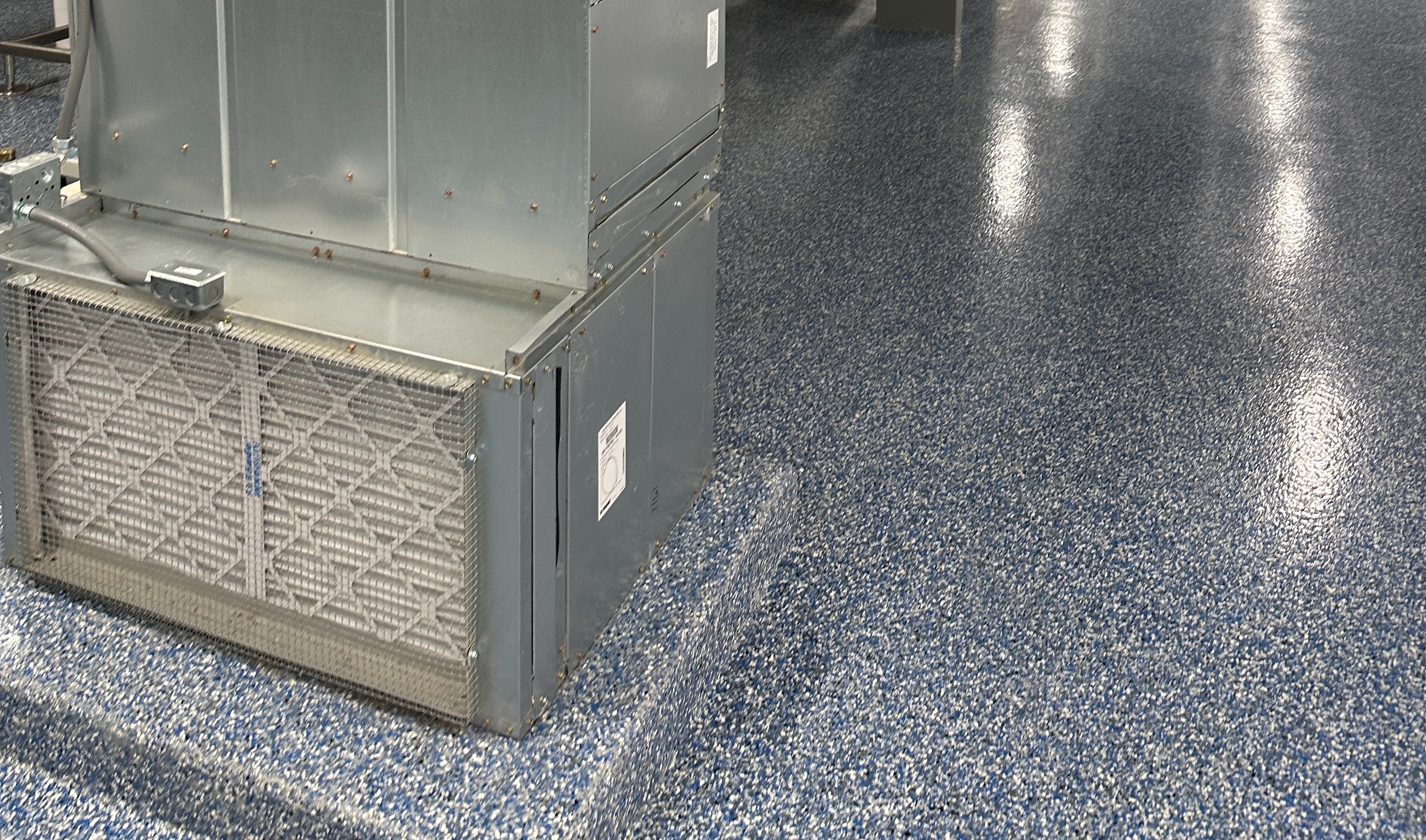
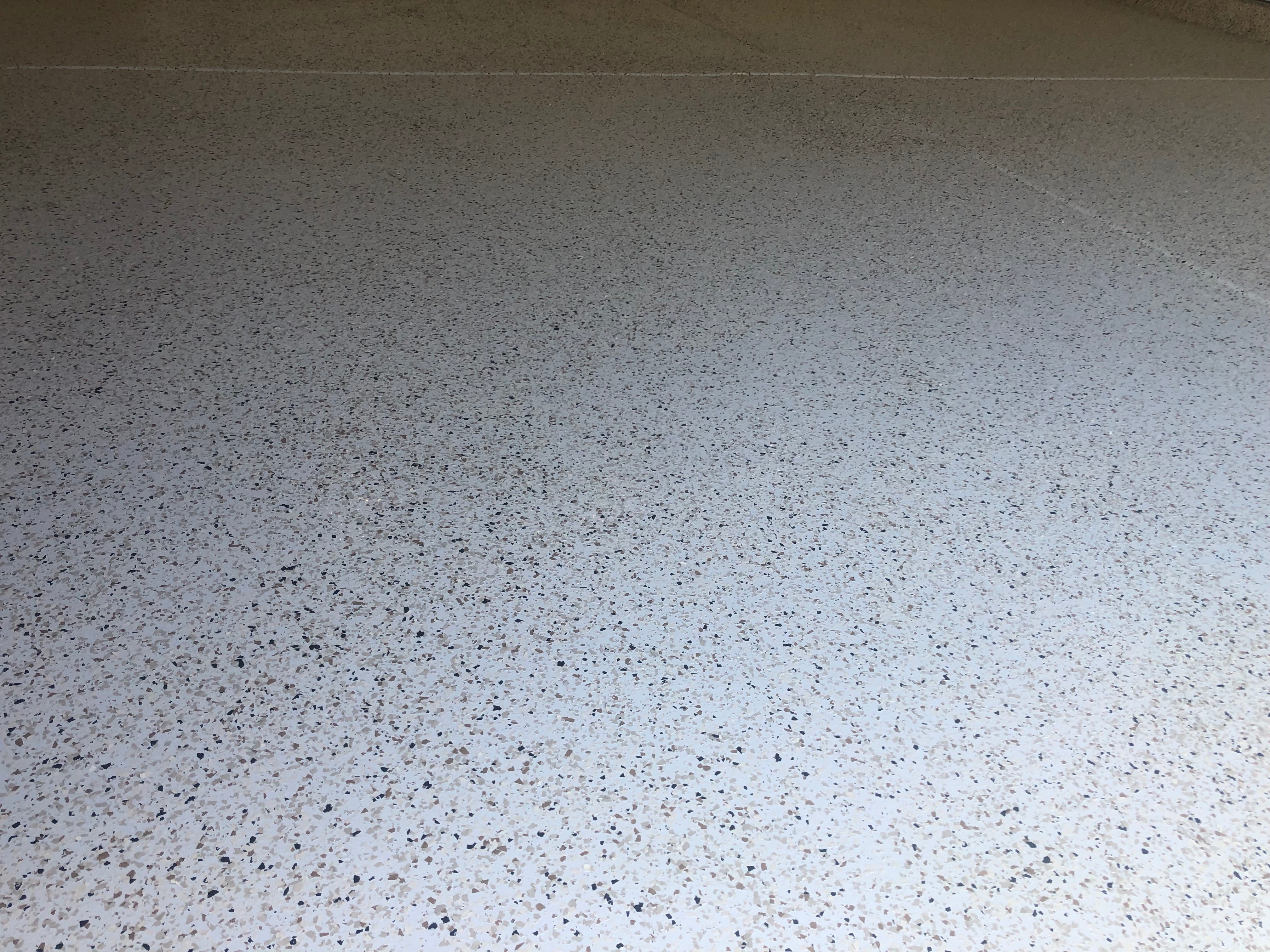
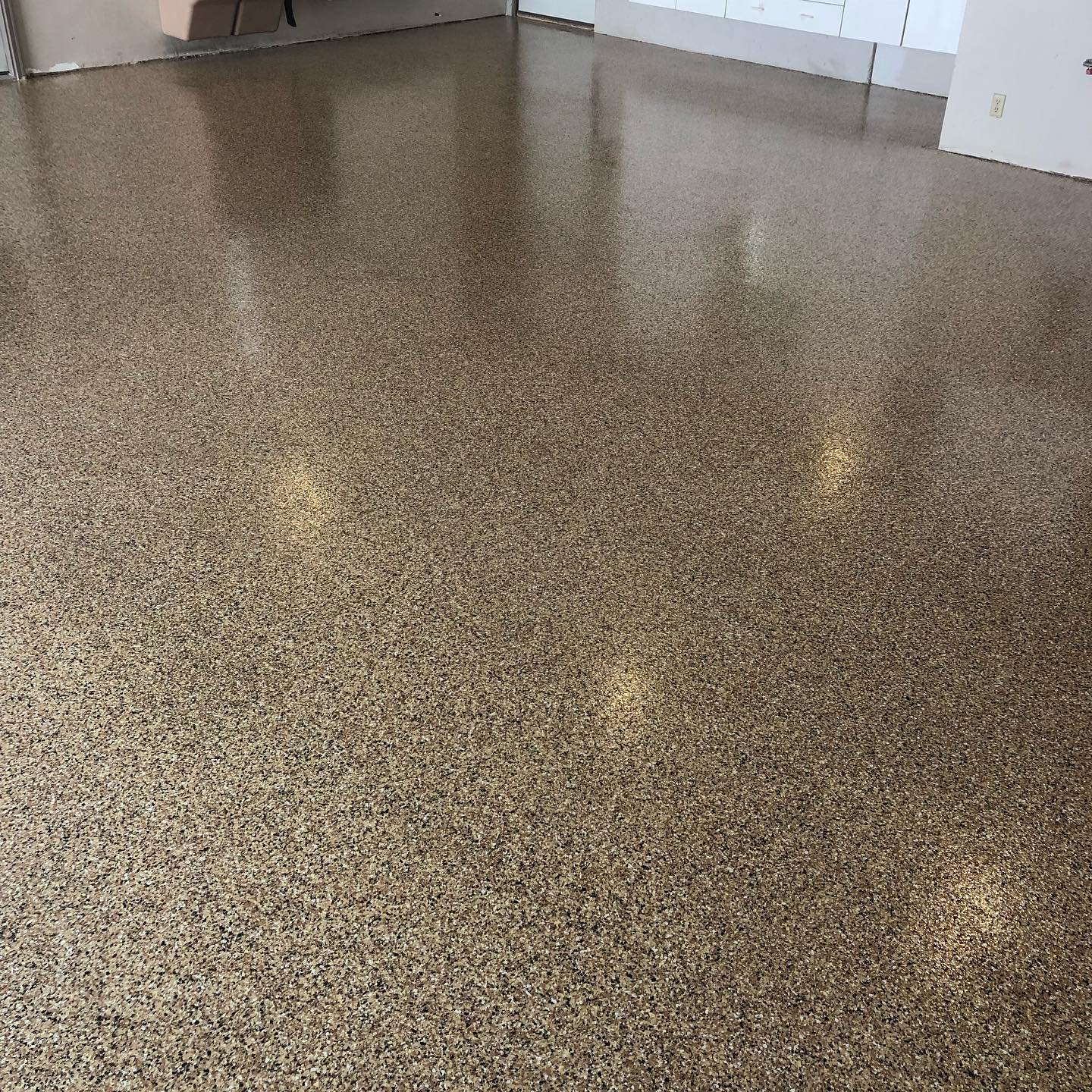
- A decorative coating (flake or quartz)
The application process requires speed and precision—the working time for epoxy is limited.
Step 5: Broadcasting Aggregates (If Required)
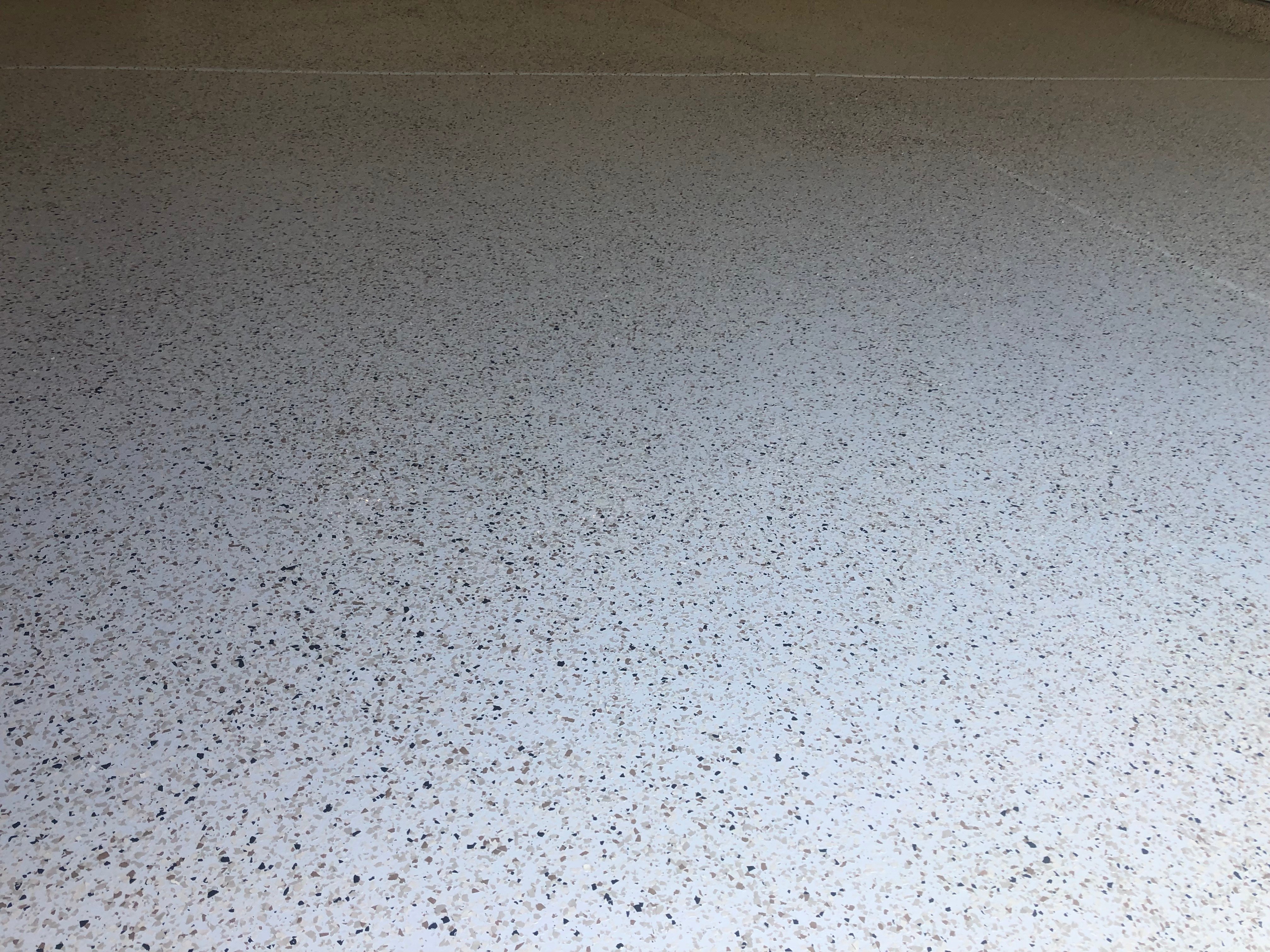
For slip-resistant or decorative systems, aggregates are broadcast into the wet epoxy. These may include:
- Quartz sand
- Color flakes
- Aluminum oxide
- Ceramic beads
Broadcasting improves traction, enhances durability, and creates specific textures that suit the facility’s needs. Industrial environments that require safety flooring often rely on this step.
Once cured, any excess aggregate is scraped and vacuumed away to prepare for the topcoat.
Step 6: Applying the Topcoat
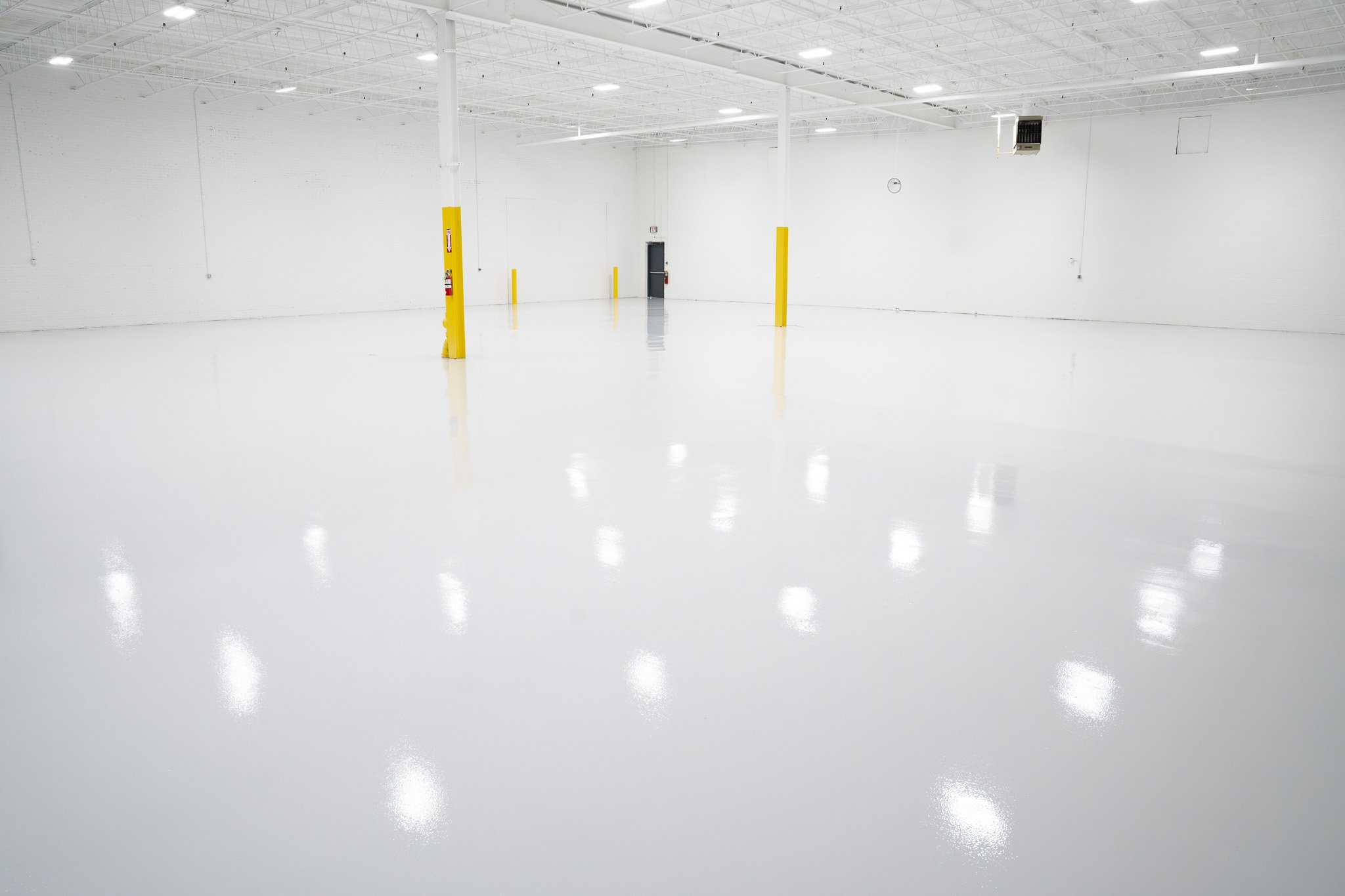
The topcoat protects the epoxy system and determines the final texture, gloss level, and chemical resistance. Urethane or polyaspartic topcoats are often selected for industrial spaces because they offer superior abrasion and UV resistance.
This layer seals the floor and adds:
- Enhanced durability
- Chemical and stain protection
- Slip resistance
- UV stability (important near windows or exterior doors)
A topcoat is essential for long-term performance, especially in high-traffic environments.
Step 7: Curing and Final Inspection
After application, the floor must cure. While epoxy dries within hours, full curing can take several days depending on temperature and humidity. A professional epoxy installer will communicate drying times, traffic restrictions, and when equipment can safely return to the area.
Before turning the floor back over to the facility, the installer will:
- Conduct a visual inspection
- Confirm consistent texture and thickness
- Ensure topcoat coverage is uniform
- Address any concerns or questions from the client
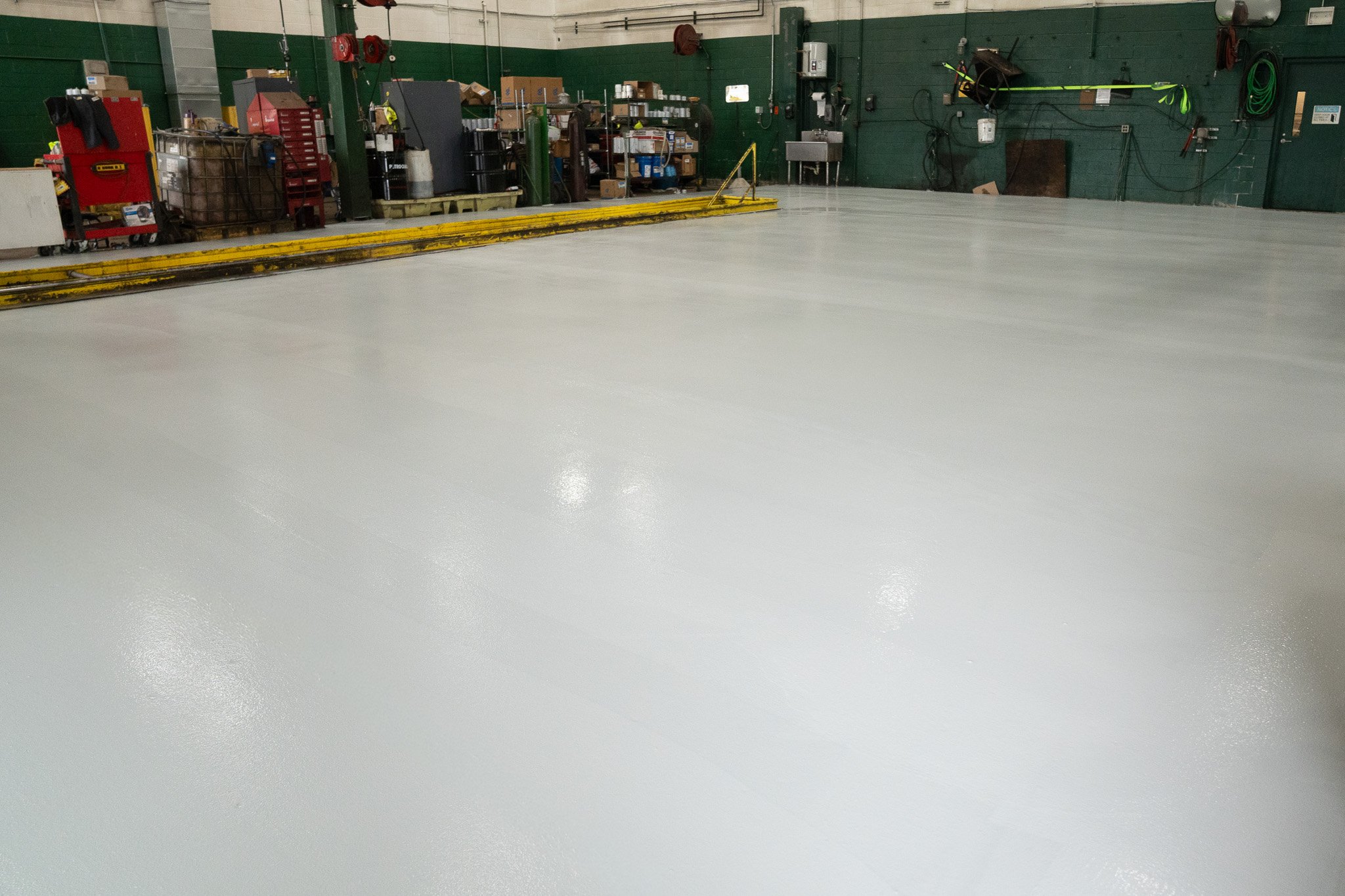
Proper curing ensures the floor reaches its full strength and chemical resistance.
Step 8: Long-Term Care Recommendations
A professional installer won’t leave you guessing about maintenance. They provide clear guidelines on cleaning procedures, approved chemicals, and how to prevent unnecessary wear.
Common recommendations include:
- Routine dust mopping to prevent abrasion
- Regular cleaning with a neutral pH cleaner
- Avoiding metal scrapers or dragging heavy pallets
- Inspecting high-traffic zones for early wear
When maintained properly, epoxy floors can last many years before needing a refresh.
FAQ: Working With a Professional Epoxy Installer
- How long does an epoxy installation take?
Most installations take 2–4 days depending on size, system type, and environmental conditions. - Can we stay operational during installation?
Many installers offer phased projects or weekend scheduling to minimize disruption. - Does epoxy require temperature control?
Yes. Epoxy must be installed within specific temperature and humidity ranges. Professional installers closely monitor these conditions.
Final Thoughts
A high-quality epoxy floor requires more than just spreading resin—it demands testing, preparation, technical skill, and environmental control. A professional epoxy installer ensures every step is completed with precision so your floor lasts as long as possible and performs reliably under pressure.
If you’re ready to continue the decision-making process, read the next article: “What Makes a Professional Epoxy Installer Different from a General Contractor”.

Topics:
.jpg?width=2048&height=1365&name=CC108559%20(1).jpg)
.jpeg?width=1638&height=1020&name=CC109349%20(1).jpeg)
.png?width=11520&height=9216&name=Untitled%20design%20(56).png)