
Uneven concrete floors are more than just an eyesore. In industrial and commercial facilities, floor flatness affects safety, equipment performance, and the success of future flooring systems. That’s why many facility managers ask when self-leveling should be used—and whether it’s always necessary before installing a new floor.
At CustomCrete, this is a common question from warehouses, manufacturing plants, healthcare facilities, and commercial buildings evaluating concrete repairs or upgrades.

What Is Self-Leveling Concrete?
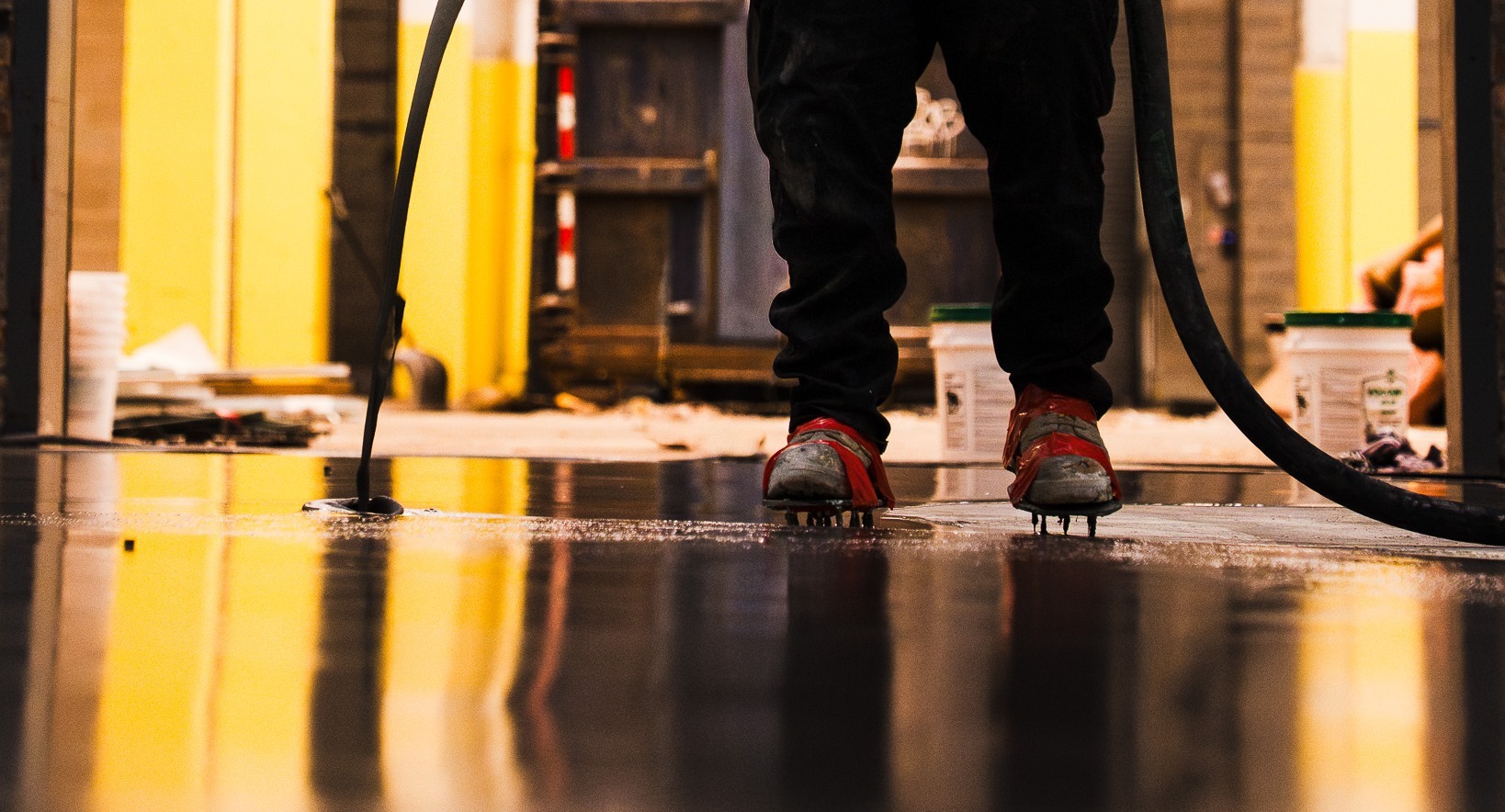
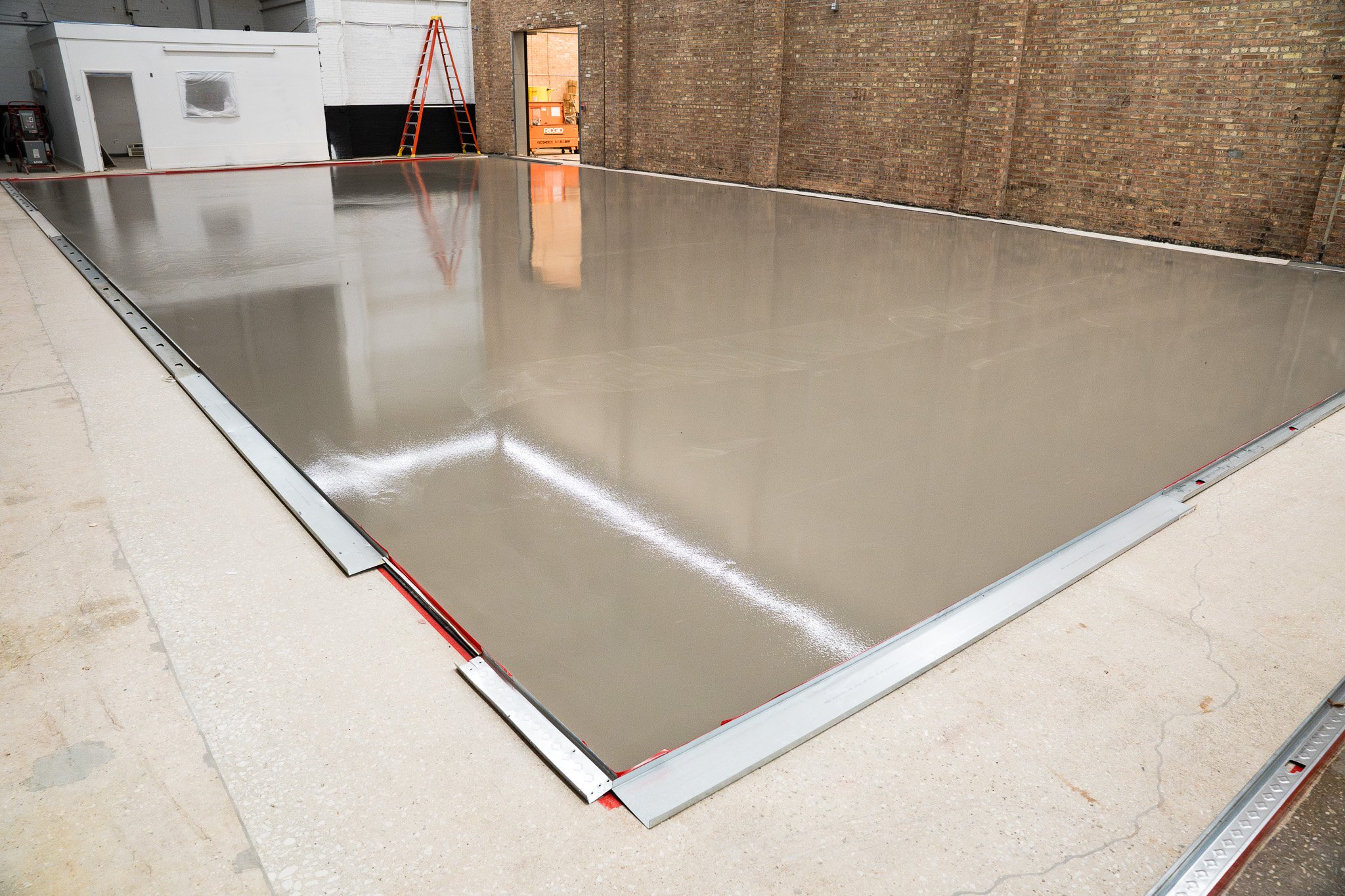
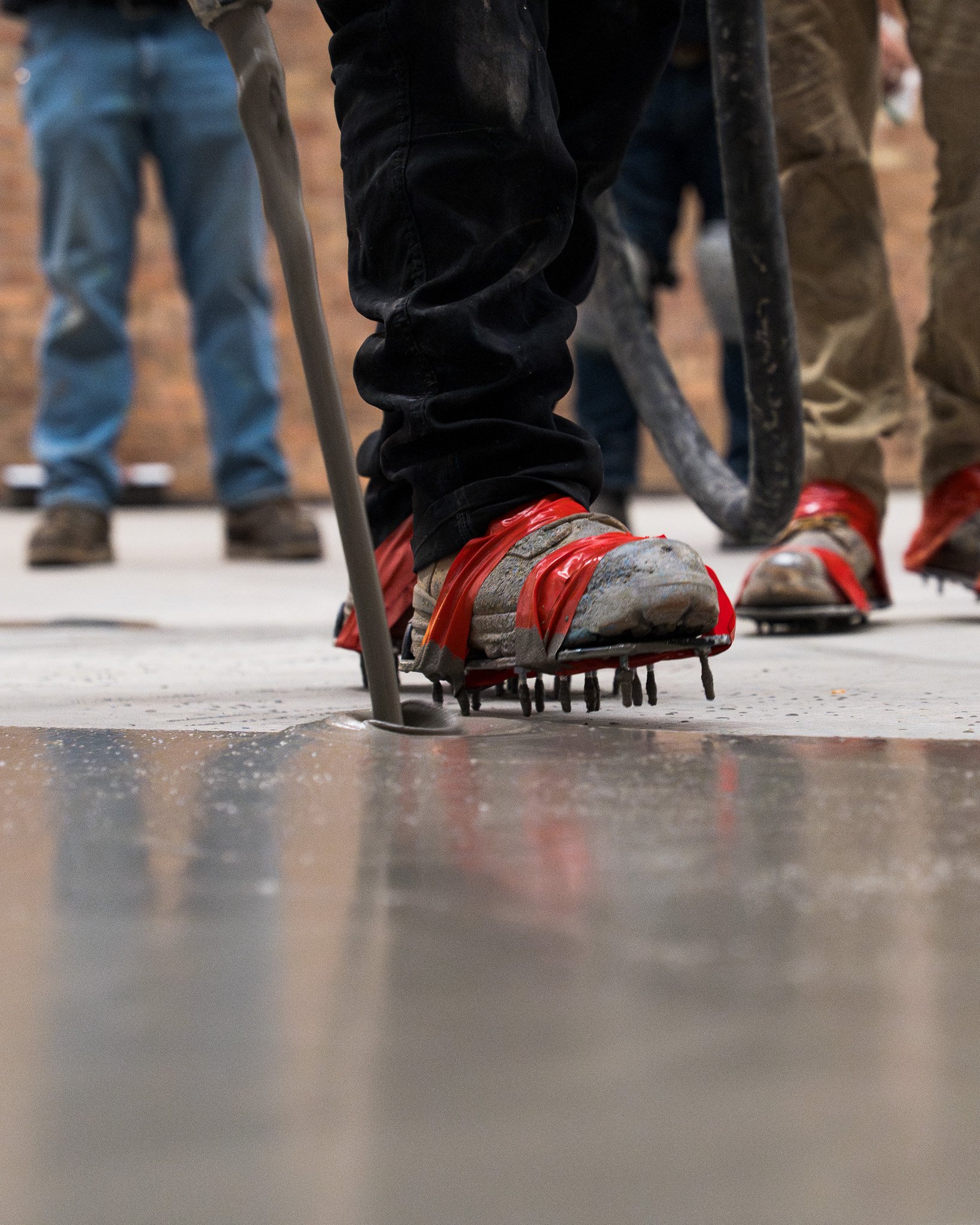
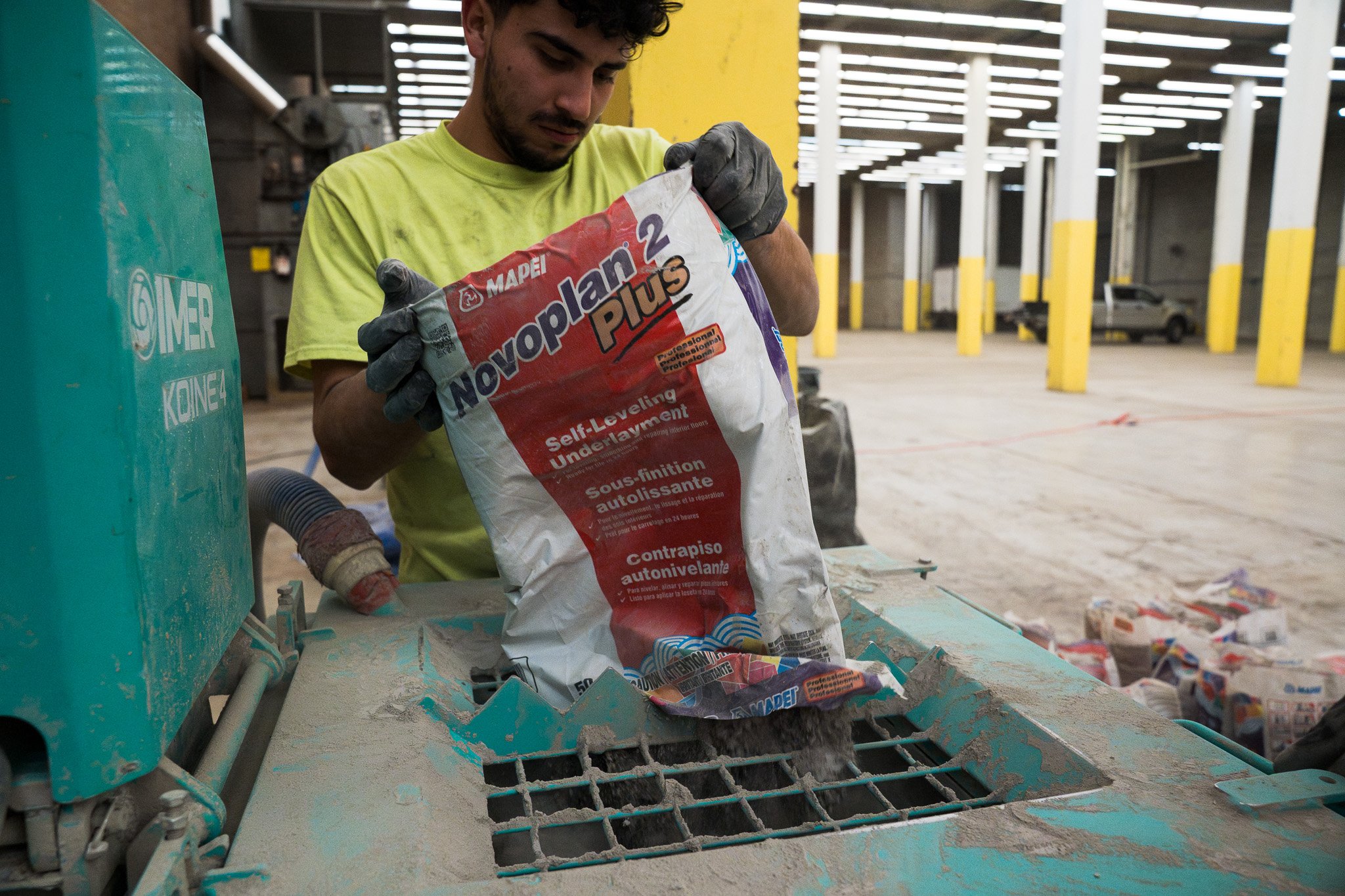
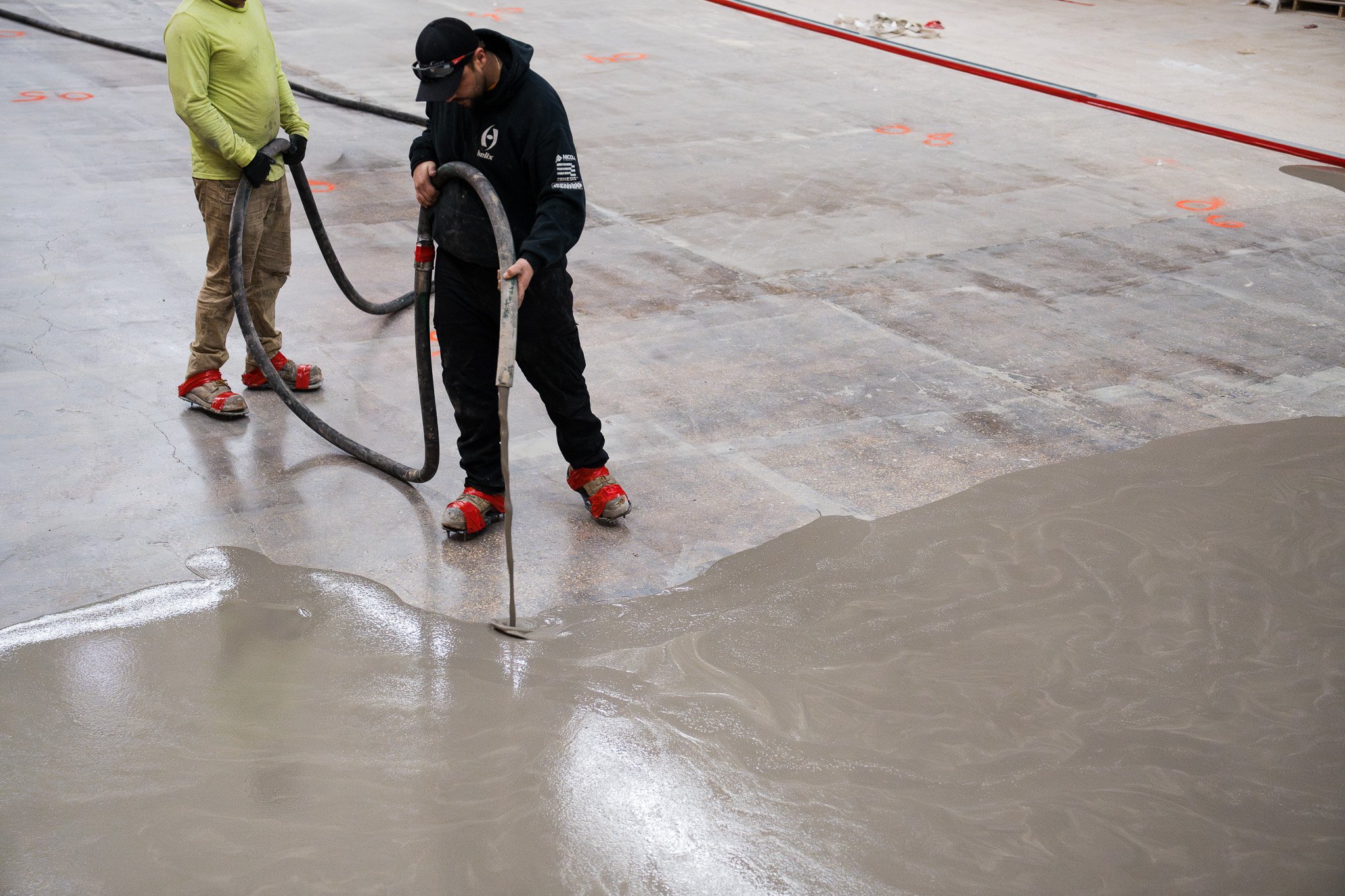
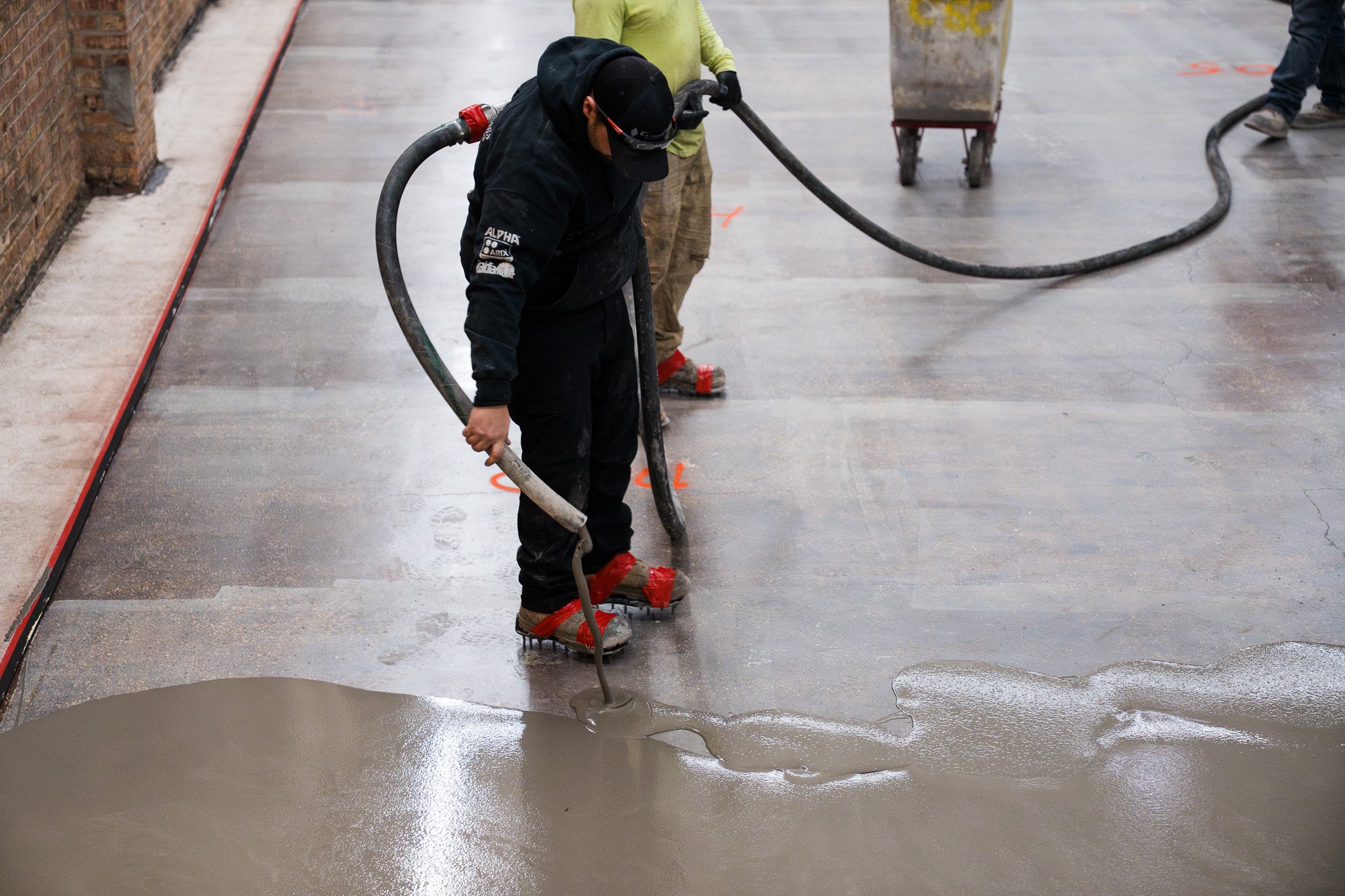
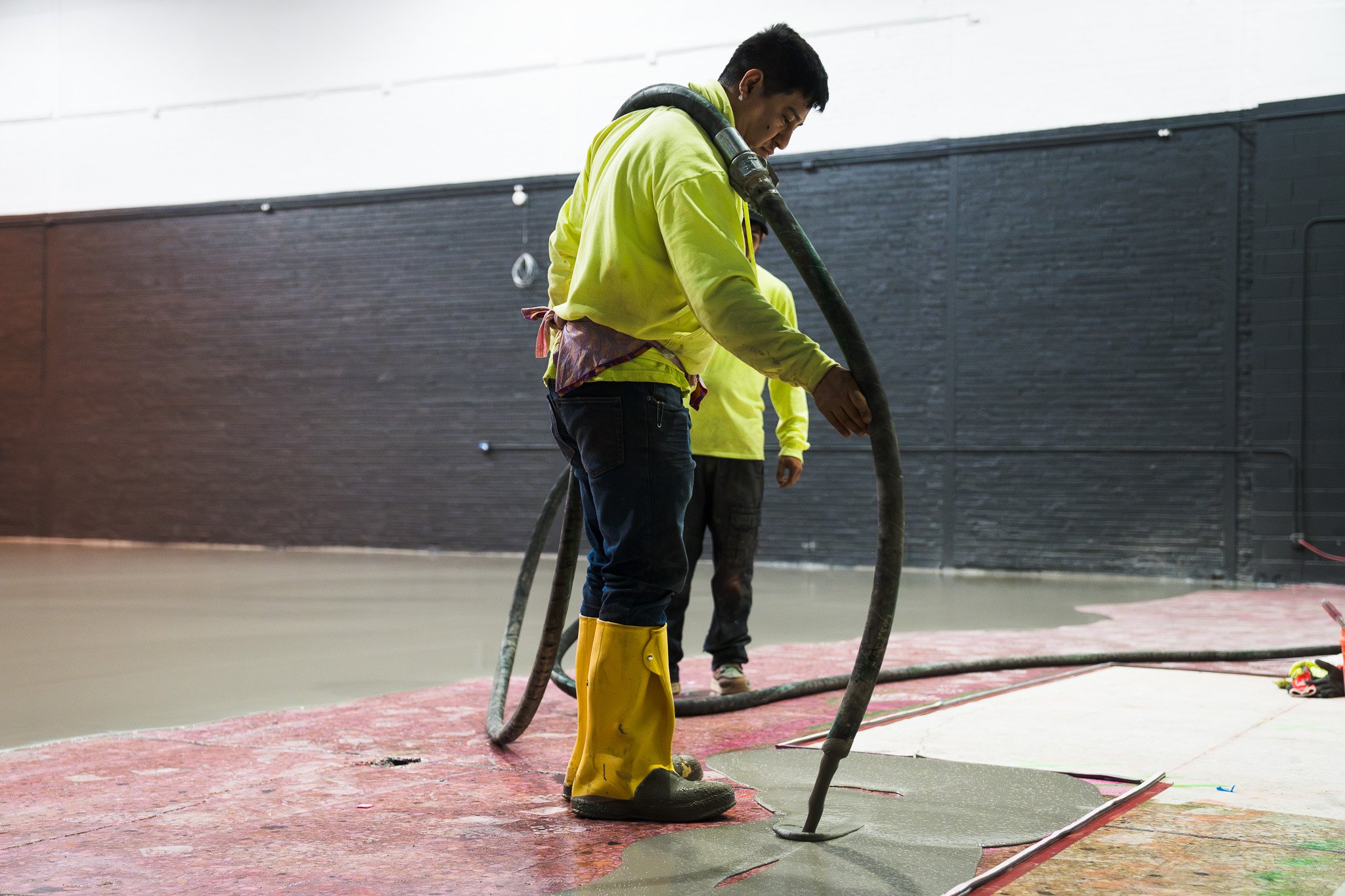
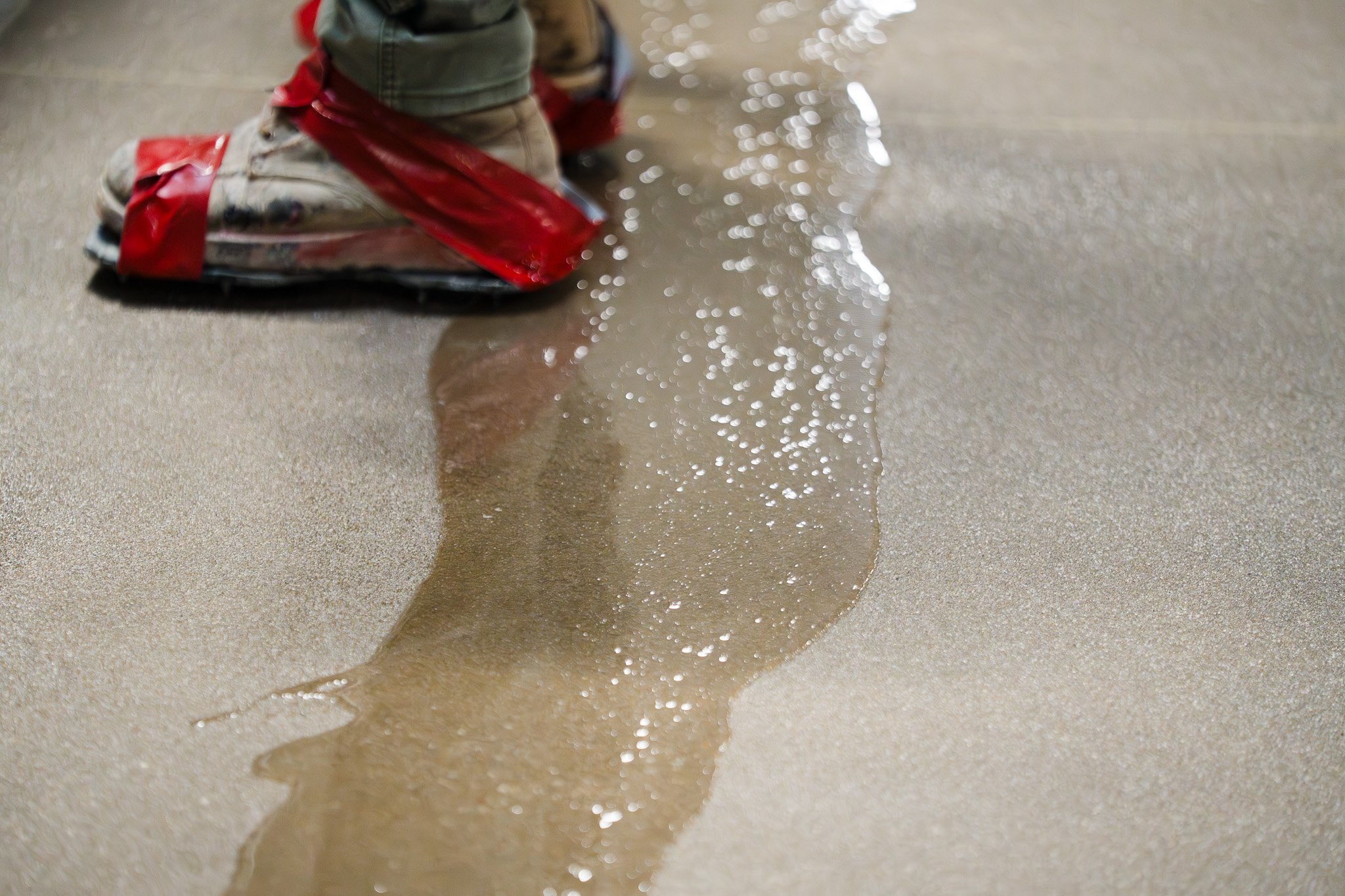
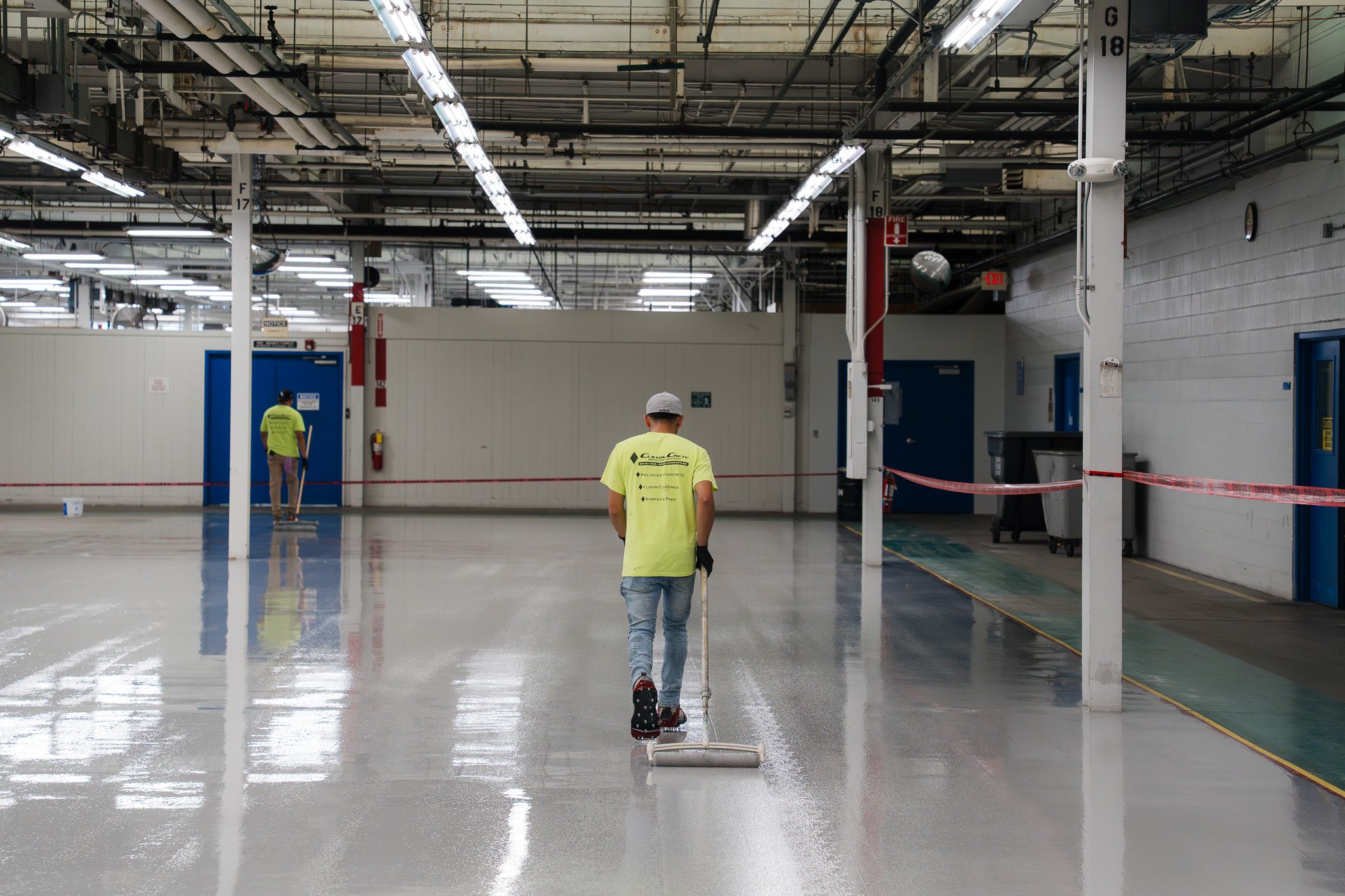
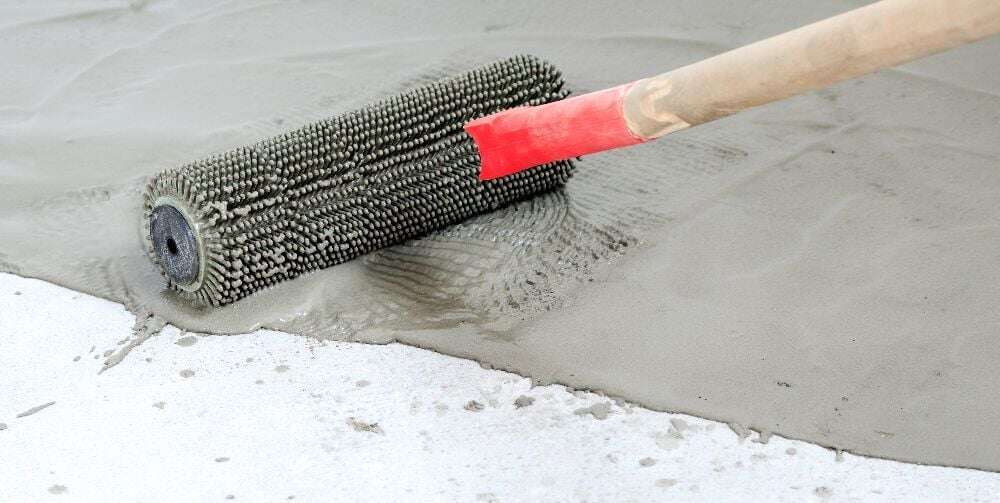
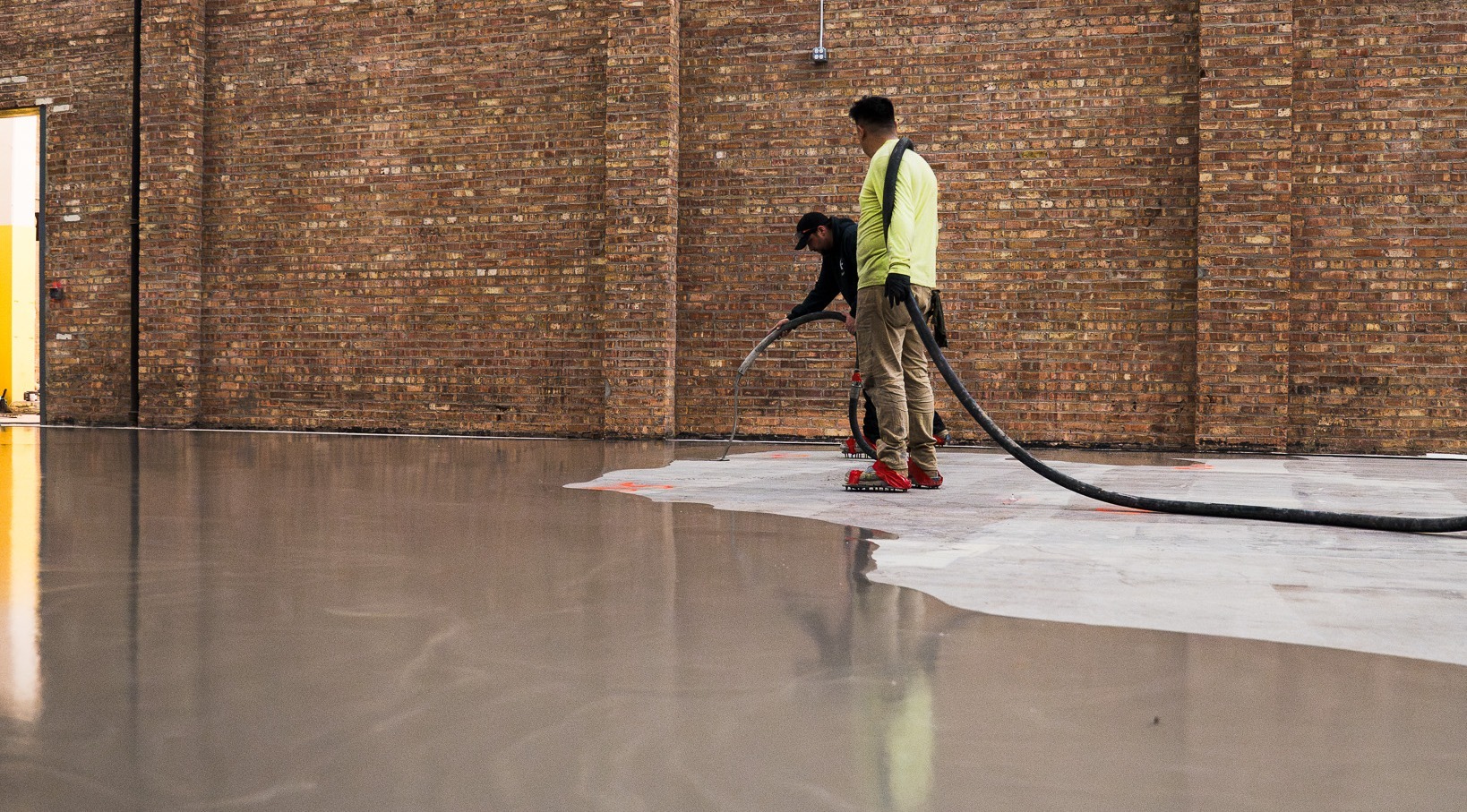
Self-leveling concrete (often called self-leveler) is a cement-based or polymer-modified material designed to smooth, flatten, and correct uneven concrete surfaces. Once poured, it flows across the floor and settles into low spots, creating a level surface when properly installed.
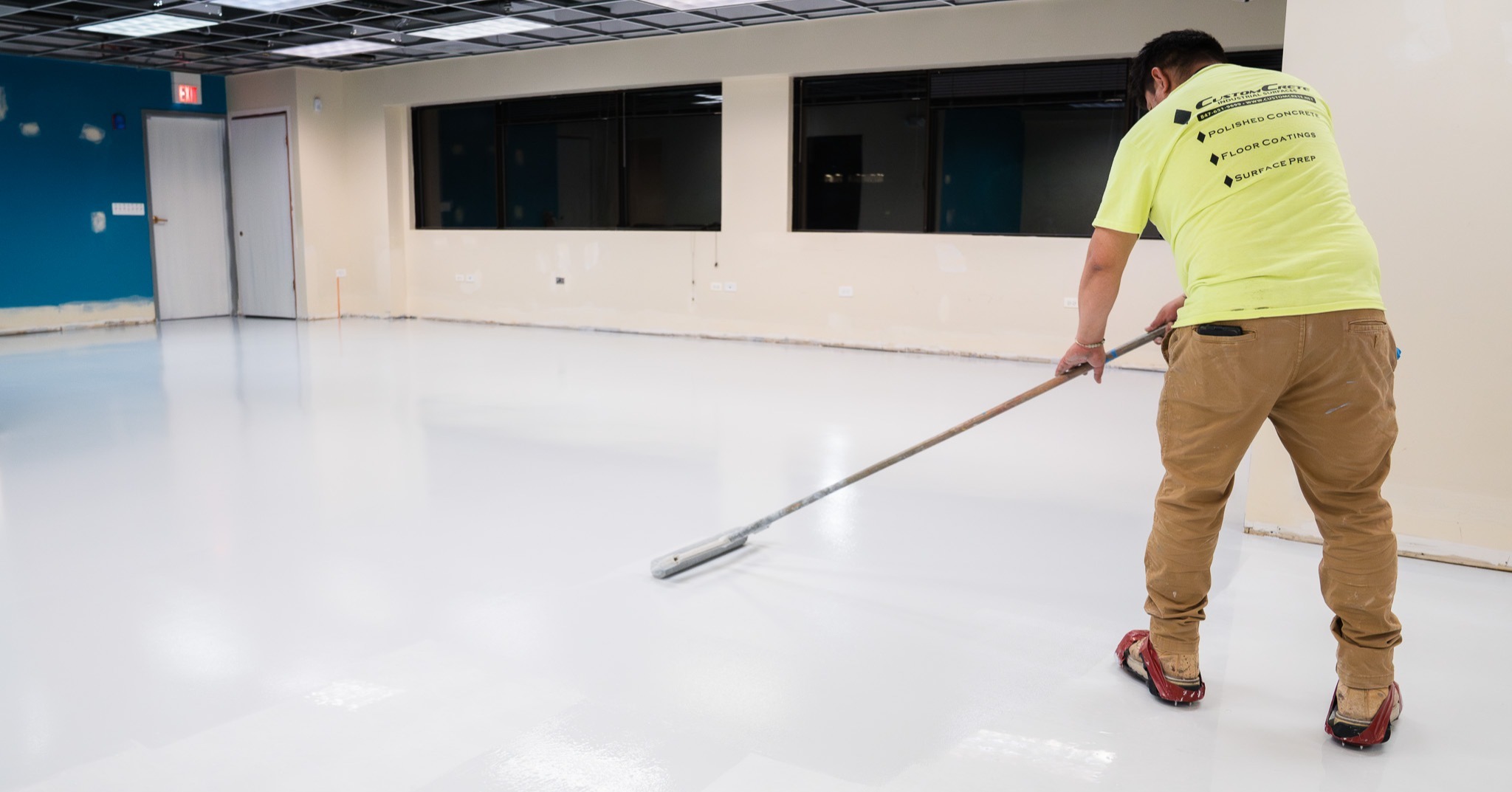
Self-leveling is not a finished flooring system. It is a preparatory layer used to correct the slab before coatings, tile, polished concrete, or other floor systems are installed.
When Is Self-Leveling Underlayment Typically Needed?
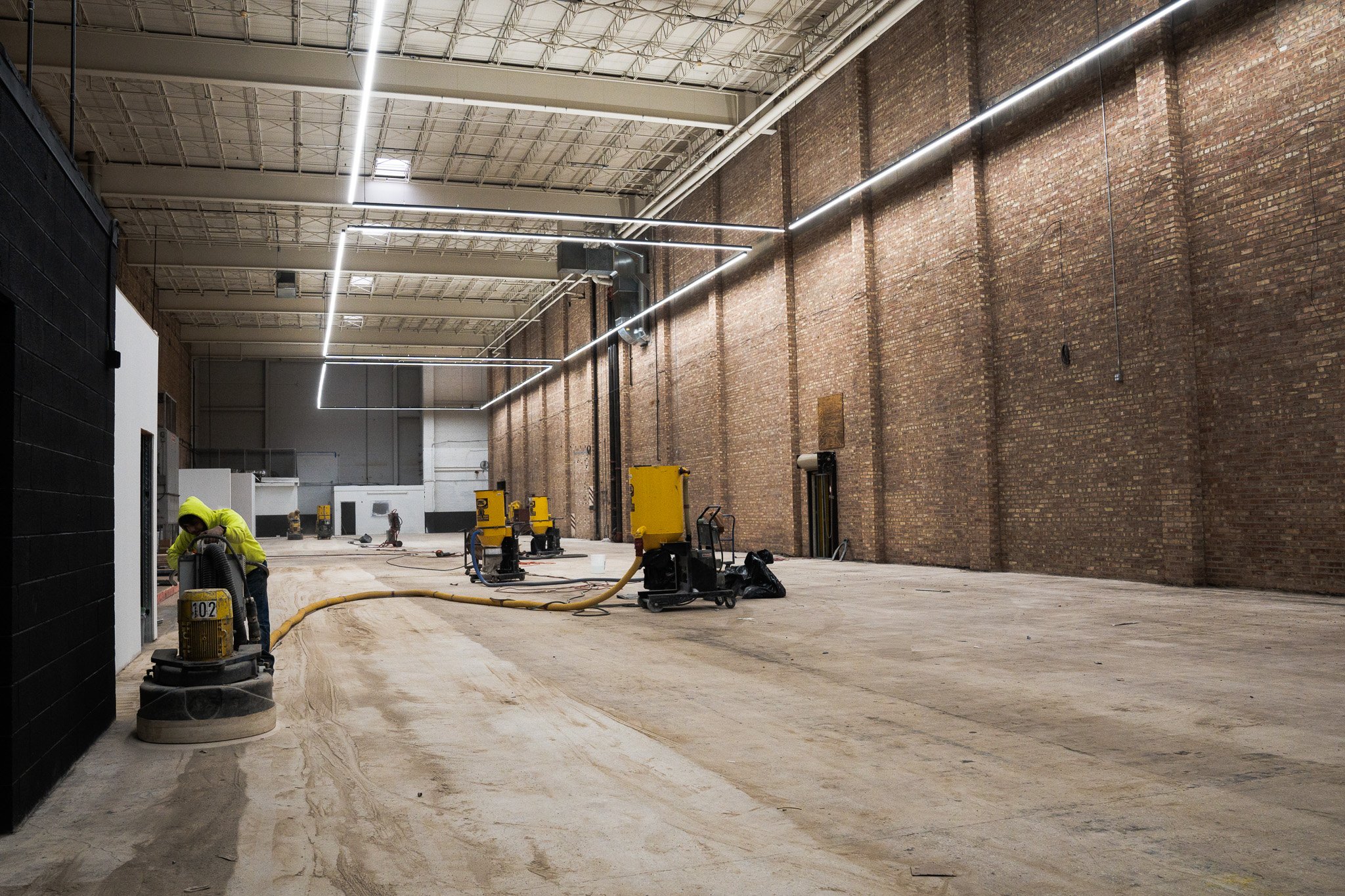
Self-leveling should be used when the existing concrete slab has surface issues that cannot be corrected through grinding alone.
Common situations include:
- Uneven slabs with dips
- Floors with significant spalling or surface deterioration
- Areas where old flooring removal left height variations
- Slabs that do not meet flatness requirements for coatings or equipment
- Transitions between old and new concrete pours
In these cases, self-leveling helps restore consistency and prepares the floor for long-term performance.
Why Floor Flatness Matters
Floor flatness affects more than appearance. In industrial environments, uneven floors can cause:
- Trip hazards for foot traffic
- Vibration or instability for equipment
- Poor coating thickness consistency
- Premature wear in high spots
Self-leveling helps create a uniform surface so the flooring system above it performs as intended.
Is Self-Leveling Underlayment Always Required?
No. Not every floor needs self-leveling. If the slab is structurally sound and within acceptable flatness tolerances, mechanical grinding and patching may be sufficient.
Self-leveling is typically used only when the floor condition demands it, not as a default step. Overusing self-leveler can add unnecessary cost without improving performance.
Where Is Self-Leveling Underlayment Commonly Used?
Self-leveling is often used in:
- Manufacturing and production facilities
- Healthcare and laboratory environments
- Commercial spaces requiring smooth finishes
- Office areas
- Gym floors or under sport surfaces
Each application depends on how the space is used and what flooring system will be installed on top.
How Does Self-Leveling Underlayment Impact Cost and Timeline?
Using self-leveling concrete can increase project cost and installation time, but it often prevents bigger problems later. A properly leveled surface improves coating performance, reduces future repairs, and supports safer operations.
In many cases, self-leveling is an investment in long-term floor durability rather than a cosmetic upgrade.
Final Thoughts
Self-leveling should be used when a concrete slab is too uneven or damaged to support a flooring system properly. It plays a critical role in floor preparation—but it’s not always necessary. Knowing when to use self-leveling helps facilities avoid overcorrecting while still addressing real slab issues.
To continue learning about floor preparation materials and options, read the next article: “The Top 5 Self-Levelers for Industrial and Commercial Flooring.” This guide takes a closer look at different self-leveling products and where they perform best.

Topics: