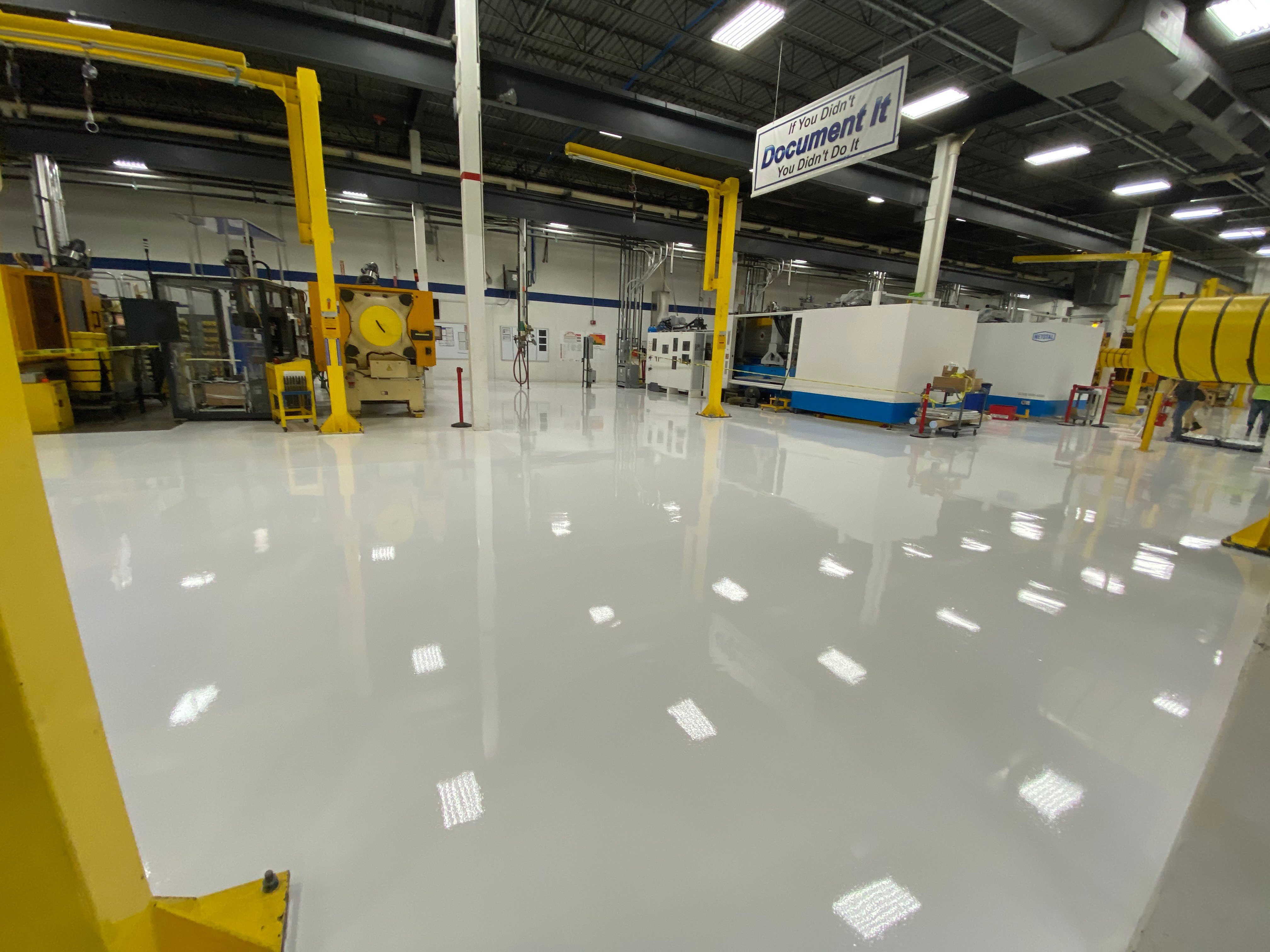

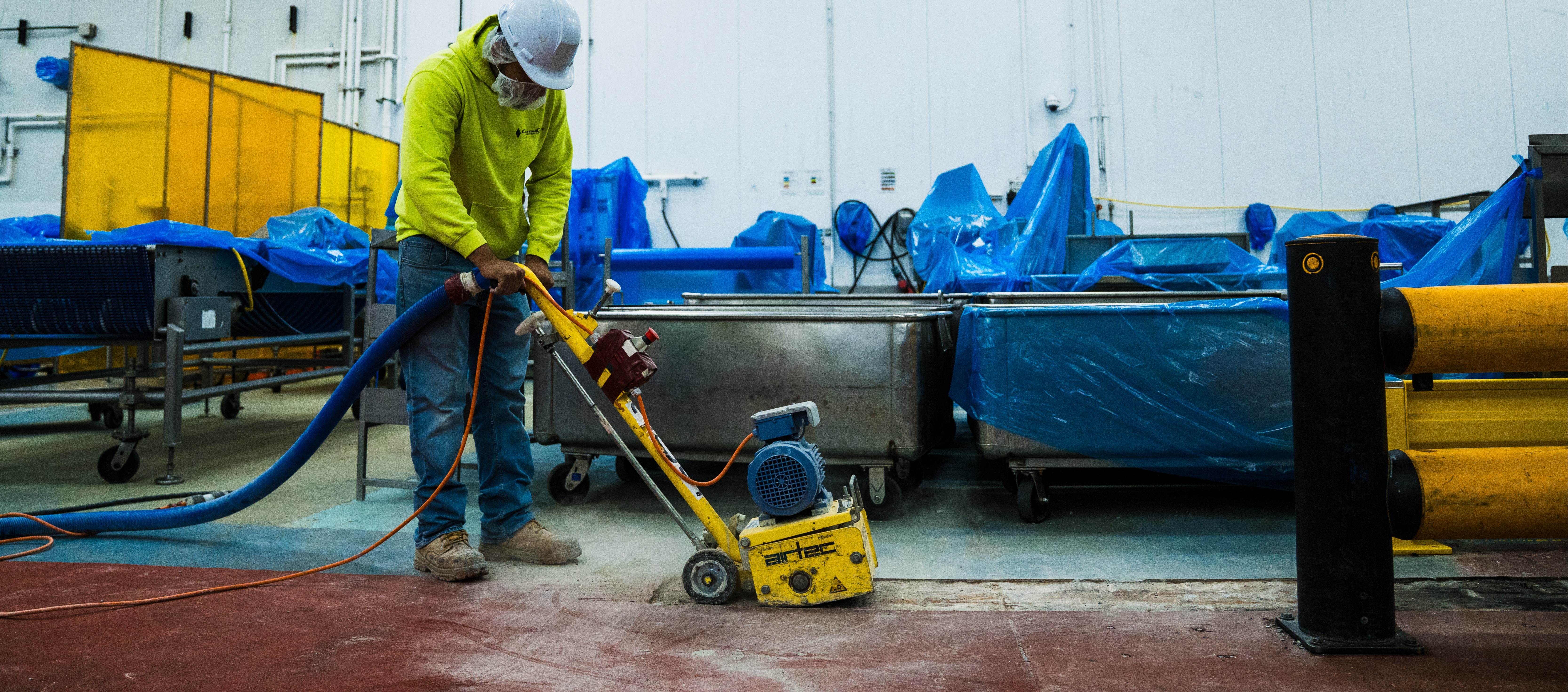
Concrete floors are built to withstand a lot—from forklift traffic and pallet movement to chemical spills, temperature swings, and daily wear. But even the toughest surfaces eventually show signs of stress. For Racine industrial and commercial facilities, recognizing early warning signs can help prevent safety risks, unplanned downtime, and expensive repairs. One of the most effective ways to restore performance and protect your slab is upgrading your concrete coating.
With years of experience working in manufacturing plants, distribution centers, food processing facilities, and commercial buildings across Southeast Wisconsin, CustomCrete has seen the patterns that indicate a coating system is beginning to fail. When you know what to look for, you can take action before small issues turn into major flooring problems.
Below, we break down the most common indicators that your Racine facility may be due for a concrete coating upgrade.

Visible Surface Wear and Abrasion
Heavy traffic is unavoidable in industrial environments. Forklifts, pallet jacks, carts, and foot traffic gradually wear down the surface over time. Even a high-quality concrete coating loses its protective layer after years of constant use.
When the coating wears thin, the underlying concrete becomes exposed to abrasion and impact damage. You may start noticing dull, worn pathways, especially in high-use areas like loading docks, aisles, and production lines. These areas can quickly become rough, uneven, or dusty.
Signs to Watch For
- Smooth, glossy coating turning dull or uneven
- Visible scratches, grooves, or wear patterns
- Bare concrete showing through
- Increased dust on the floor or equipment
Surface wear is often the first sign that your coating has reached the end of its lifespan. Addressing it early prevents deeper damage.
Chemical Staining or Erosion
Racine’s manufacturing and food processing facilities often work with oils, acids, solvents, and sanitizing chemicals. If your concrete coating begins to break down, these substances can penetrate the surface and stain or chemically damage the slab.
Some coatings are designed to resist specific chemicals, while others have stricter limits. If you begin to see staining or discoloration, it's likely the existing coating is no longer providing adequate protection.
Signs of Chemical Damage
- Dark spots or discoloration that won’t wash out
- Soft patches where chemicals have eroded the coating
- Corrosion marks around drains, washdown areas, or equipment
- Peeling or bubbling near repeated chemical exposure points
Chemical erosion never improves on its own—recoating is necessary to prevent deeper slab deterioration.
Moisture Intrusion and Bubbling
Moisture-related issues are common in Racine due to weather swings and humidity. When moisture vapor or water intrudes beneath a coating, it forces its way upward, creating bubbles, blisters, or delamination.
A failing moisture barrier, high humidity, or cracks in the coating can all allow moisture to penetrate the surface. Once trapped, it weakens the bond between coating and concrete.
Warning Signs
- Bubbles or blisters under the coating
- Damp or dark patches that return after cleaning
- Coating lifting or peeling in sheets
- Efflorescence (white, powdery residue)
If moisture issues are caught early, a moisture-mitigating concrete coating can be installed before major repairs are needed.
Increasing Slip Hazards
As a coating wears down, its texture and slip-resistance gradually diminish. A floor that once offered good traction may begin to feel slick—especially when wet or exposed to oils.
Since Racine facilities often deal with snowmelt, condensation, and equipment fluids, maintaining traction is essential to workplace safety. Slip hazards usually indicate that the topcoat has degraded and can no longer provide the required level of grip.
Signs Your Floor Is Becoming Unsafe
- Employees reporting slippery spots
- Increased near-misses or minor slip incidents
- Smooth, worn coating in walkways
- Water or oil pooling without adequate traction
Upgrading your coating is one of the simplest ways to improve safety and meet OSHA traction requirements.
Cracks, Chips, and Surface Breakdowns
Concrete expands and contracts with temperature changes. Over time, this natural movement—along with impacts from equipment or dropped tools—can cause cracking, chipping, or spalling.
A high-quality coating protects the slab from this damage, but once the coating deteriorates, the concrete becomes vulnerable. Cracks that start small will widen, deepen, and eventually compromise the structure of the floor if left untreated.
Indicators of Structural Wear
- Spiderweb cracks or small surface fractures
- Chips around joints or high-traffic areas
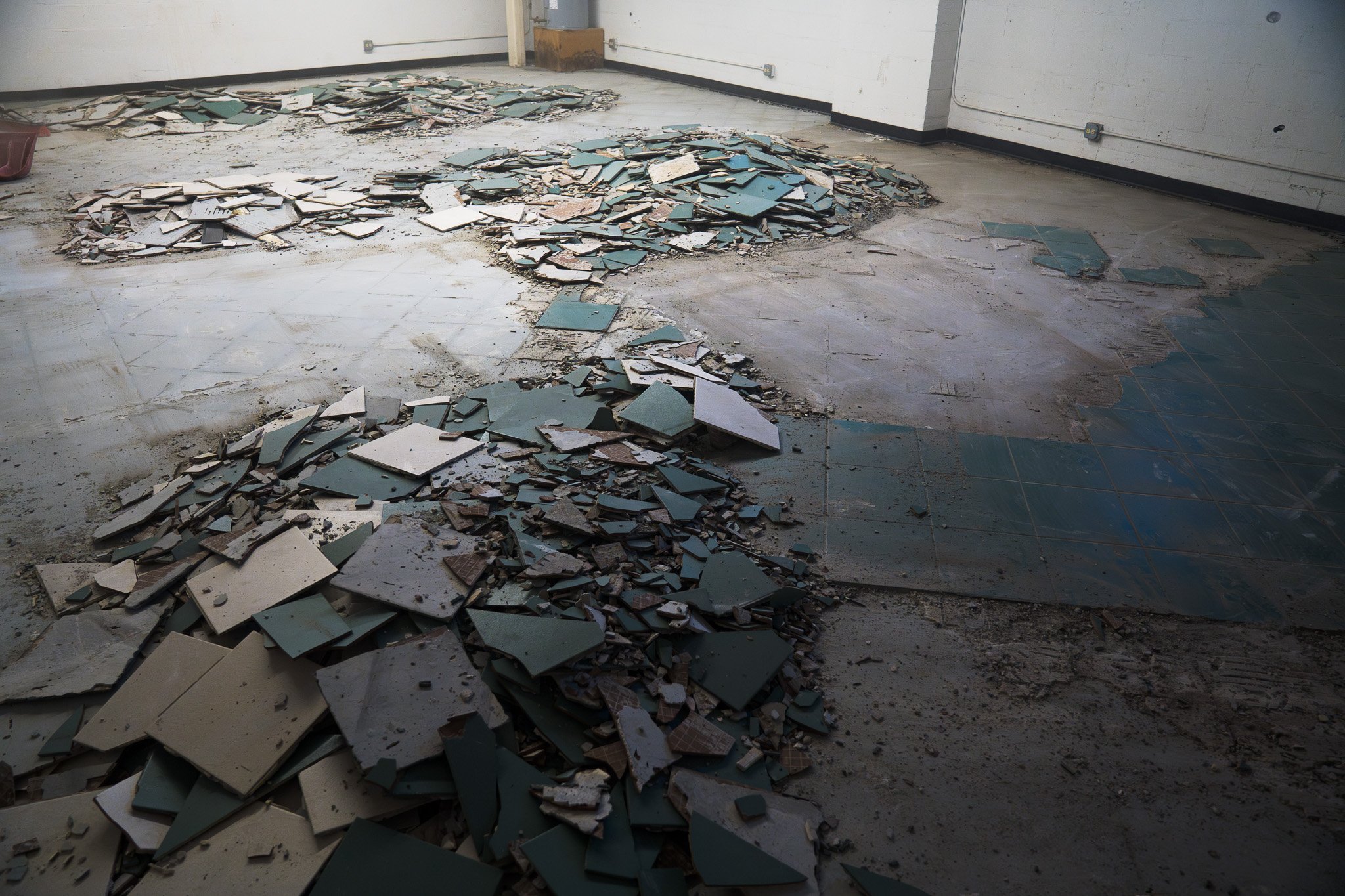
- Flaking, spalling, or loose concrete sections
- Dusting or crumbling around cracks
These issues signal that the slab needs both repair and a new concrete coating to restore protection.
Excessive Dusting and Surface Weakening
Dusting occurs when fine particles from the concrete surface break free and accumulate on equipment or the floor. This is a common problem in older Racine warehouses or facilities with worn coatings.
Dusting is not only a housekeeping issue—it signals that the surface is beginning to erode. A fresh coating seals the floor and strengthens the surface, preventing further breakdown.
Dusting Red Flags
- Gray powder collecting on forklifts or inventory
- Floors that feel chalky when swept
- Airborne dust increasing maintenance time
- Deterioration in older concrete patches
Upgrading your coating restores surface strength and eliminates dust-related disruptions.
FAQ: Concrete Coating Upgrades in Racine
- How often should a concrete coating be replaced?
Most coatings last 5–10 years depending on traffic, chemicals, and maintenance routines. High-demand environments may require more frequent updates. - Can a coating be installed over damaged concrete?
Minor cracks and wear can be repaired before recoating. Severe damage may need more extensive prep or resurfacing. - How can I prevent coating failure in the future?
Regular inspections, proper cleaning routines, and choosing a coating matched to your environment all extend the life of your floor.
Final Thoughts
Early signs of wear—like slipping hazards, cracking, staining, and moisture issues—are your facility’s way of signaling that it’s time for an upgrade. A well-chosen concrete coating restores durability, improves safety, and protects your Racine facility from long-term structural damage.
If you're ready to explore your next step, continue with our next article: “Epoxy vs. Polished Concrete: Which Works Best for Racine Businesses?”.
Topics: