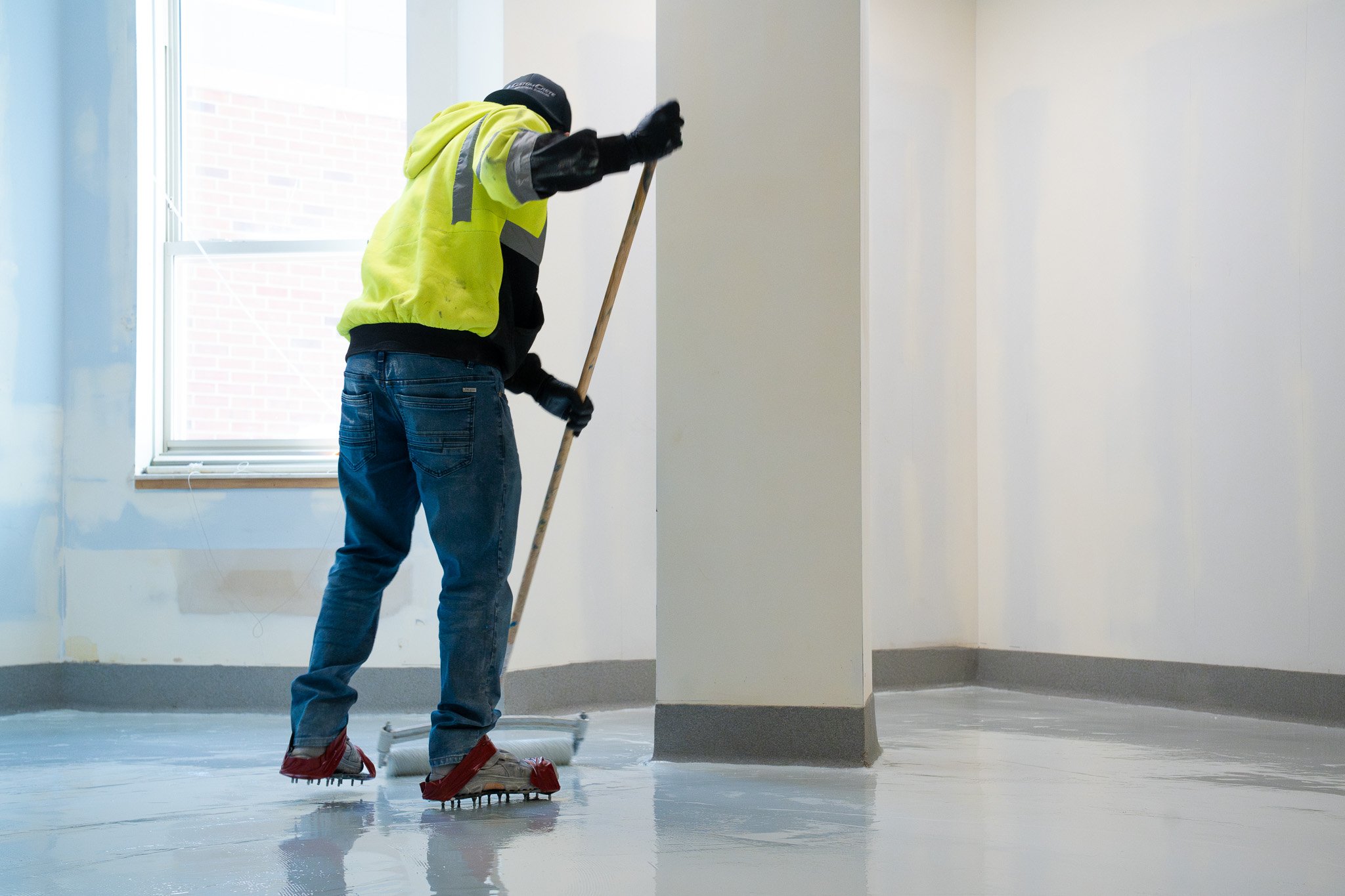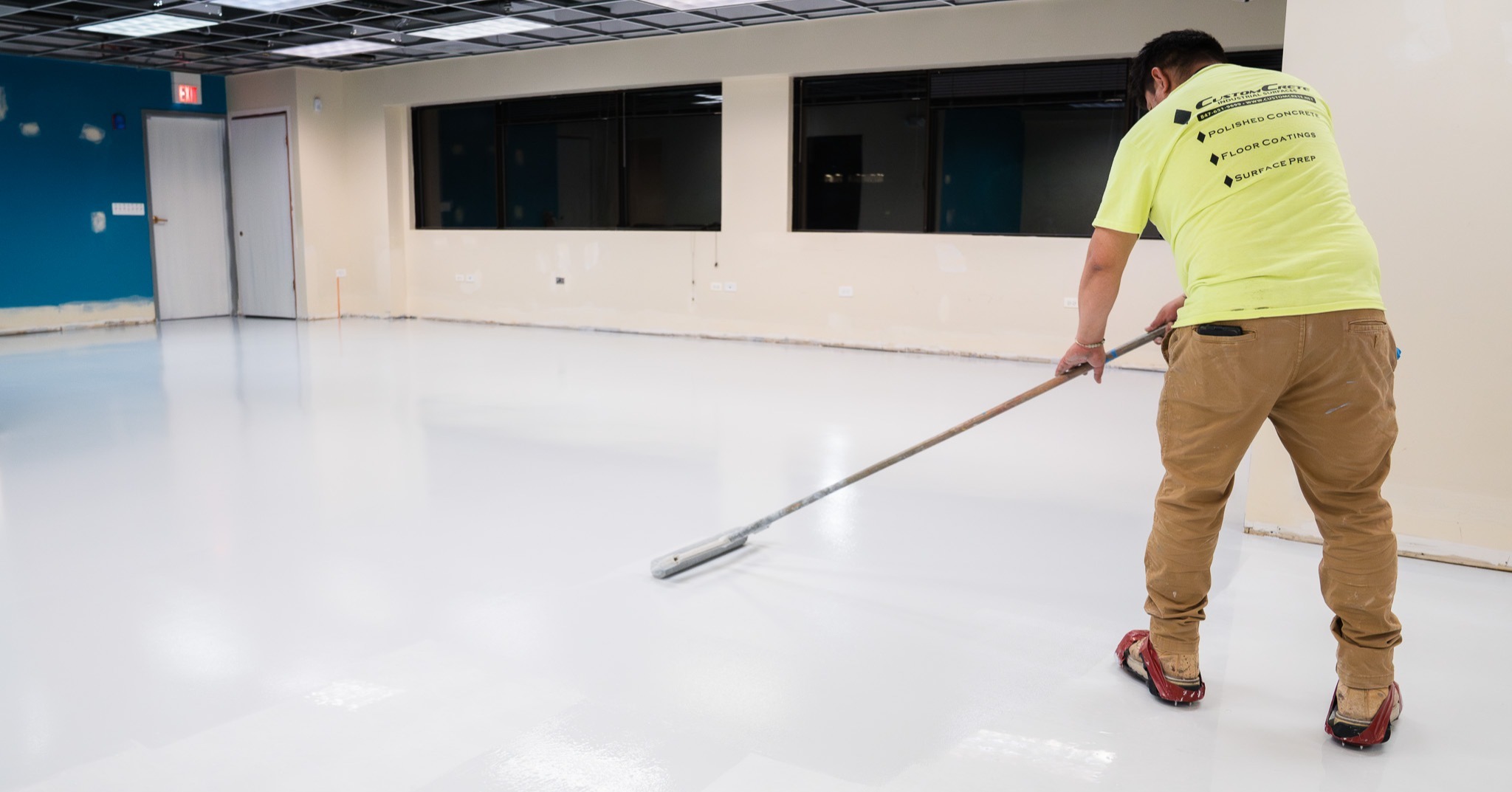

Cove base may seem like a small detail in an industrial or commercial flooring system, but its height can impact durability, cleanliness, and compliance. Many facility managers ask what the best height for cove base is—and whether there is a standard measurement that works for every space.
At CustomCrete, this question often comes up in warehouses, food and beverage facilities, manufacturing plants, and commercial environments planning new flooring or upgrades.

Is There a Standard Cove Base Height?
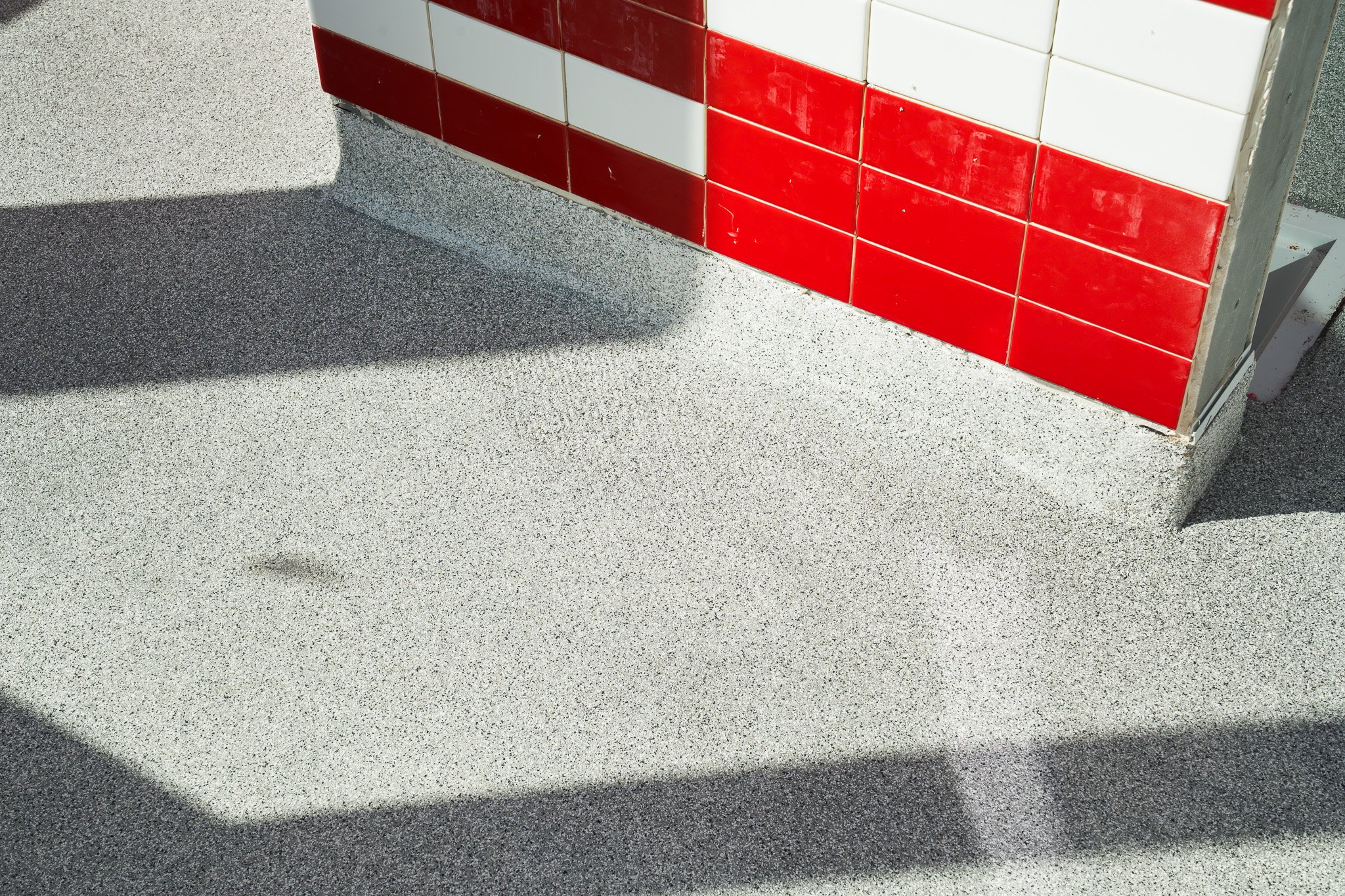
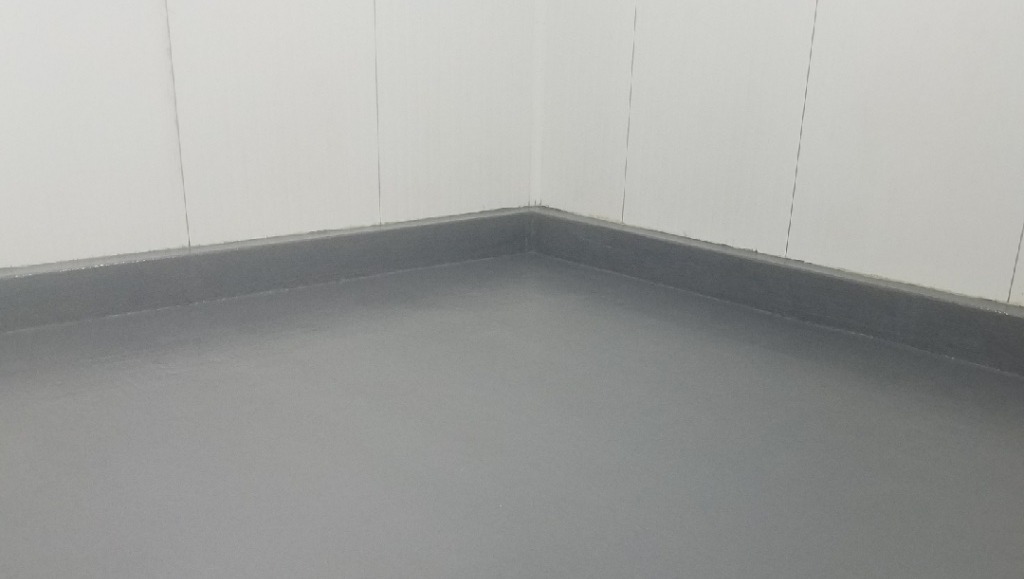
There is no single “best” height that works for every facility. However, most industrial and commercial cove base installations fall between 4 inches and 6 inches high.
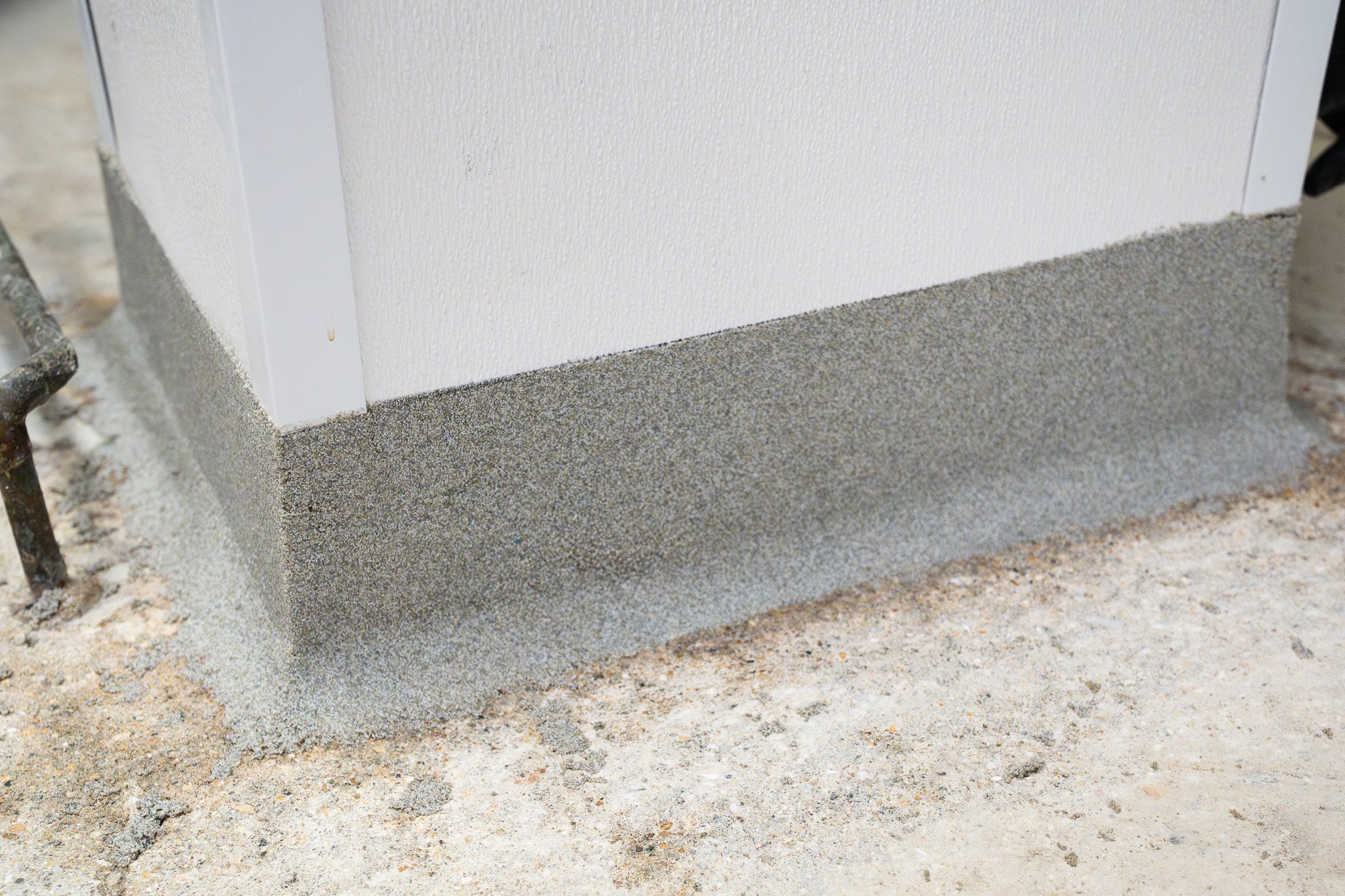
This range provides a balance between protection and practicality. It creates a seamless transition from floor to wall while protecting lower wall surfaces from impact, moisture, and cleaning processes.
Why Cove Base Height Matters
The height of cove base affects both performance and maintenance.
Protection From Impact
In warehouses and production facilities, forklifts, carts, and equipment can bump walls at floor level. A taller cove base offers more protection against chips, cracks, and damage at the wall base.
Moisture and Cleaning
Facilities that use washdowns or wet cleaning methods often benefit from higher cove base. A taller transition helps prevent water intrusion and makes sanitation easier.
Compliance and Sanitation Standards
In regulated environments such as food processing or healthcare facilities, specific sanitation requirements may influence the height of cove base. Seamless, properly sized cove helps meet hygiene expectations.
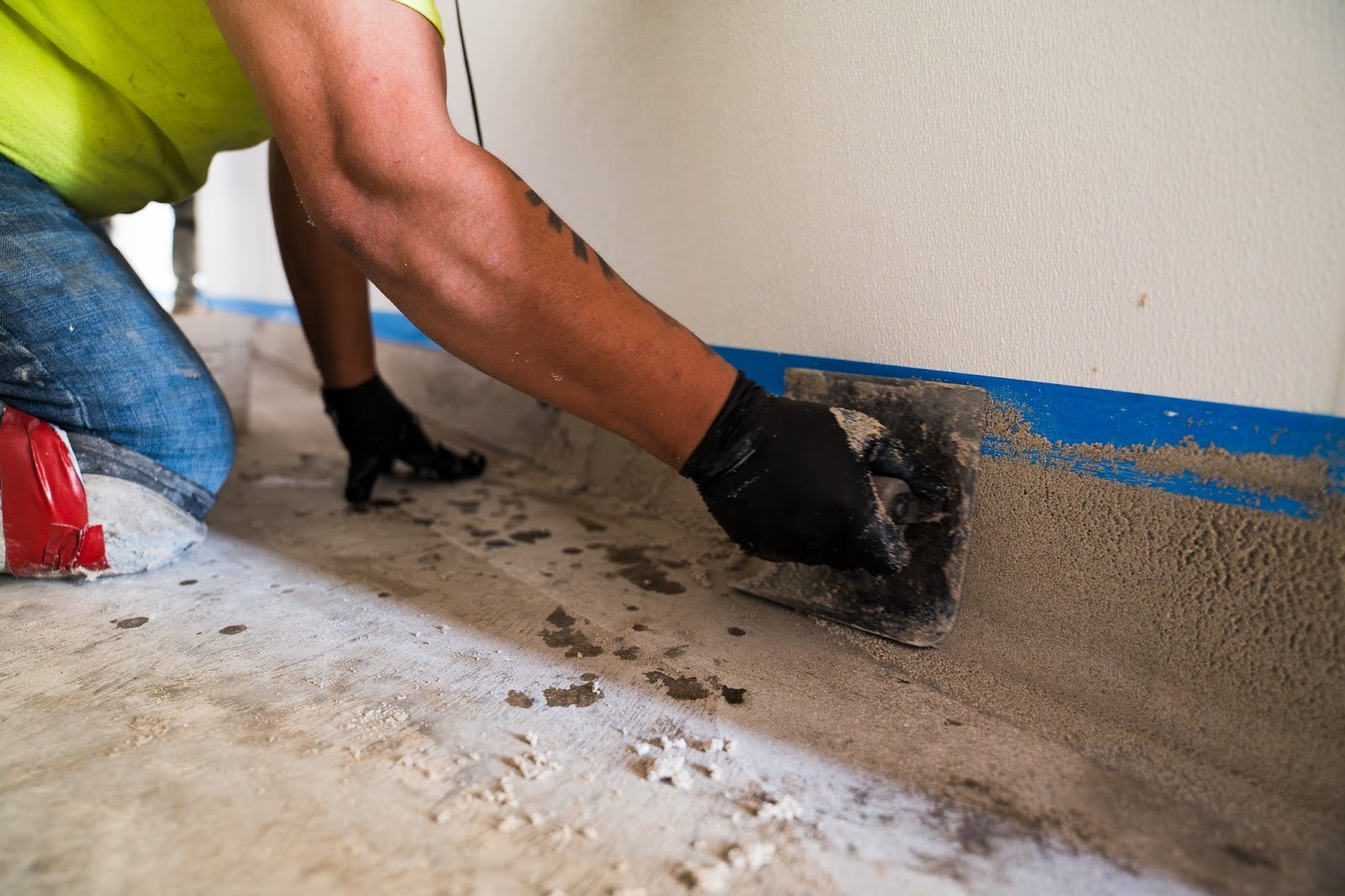
When a Taller Cove Base Is Recommended
Cove base heights of 6 inches or more are commonly used in:
- Food and beverage facilities
- Commercial kitchens
- Pharmaceutical environments
- Areas with frequent washdowns
- High-impact industrial zones
The added height increases durability and supports easier cleaning in demanding conditions.
When a Lower Cove Base May Be Enough
In lighter-use commercial or warehouse spaces without heavy washdowns, a 4-inch cove base may provide sufficient protection. The right height depends on traffic, moisture exposure, and how the space operates daily.
Choosing a height that matches actual risk and cleaning needs helps avoid unnecessary cost while still protecting the facility.
Does Cove Base Height Affect Cost?
Yes. Taller cove base requires more material and labor, which can increase project cost. However, in environments where impact or moisture is a concern, the additional protection often reduces long-term repair expenses.
It’s usually better to size cove base based on performance needs rather than appearance alone.
Final Thoughts
The best height for cove base typically ranges from 4 to 6 inches, but the right choice depends on your facility’s traffic, cleaning methods, and environmental conditions. Taller cove base offers added protection in wet or high-impact areas, while standard heights work well in lighter-use spaces.
To understand where cove base is commonly required and how it supports compliance and durability, read the next article: “Where Cove Base Is Required: Key Areas in Industrial and Commercial Facilities.”
Topics: