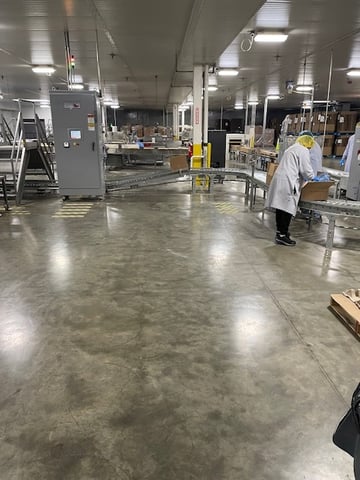

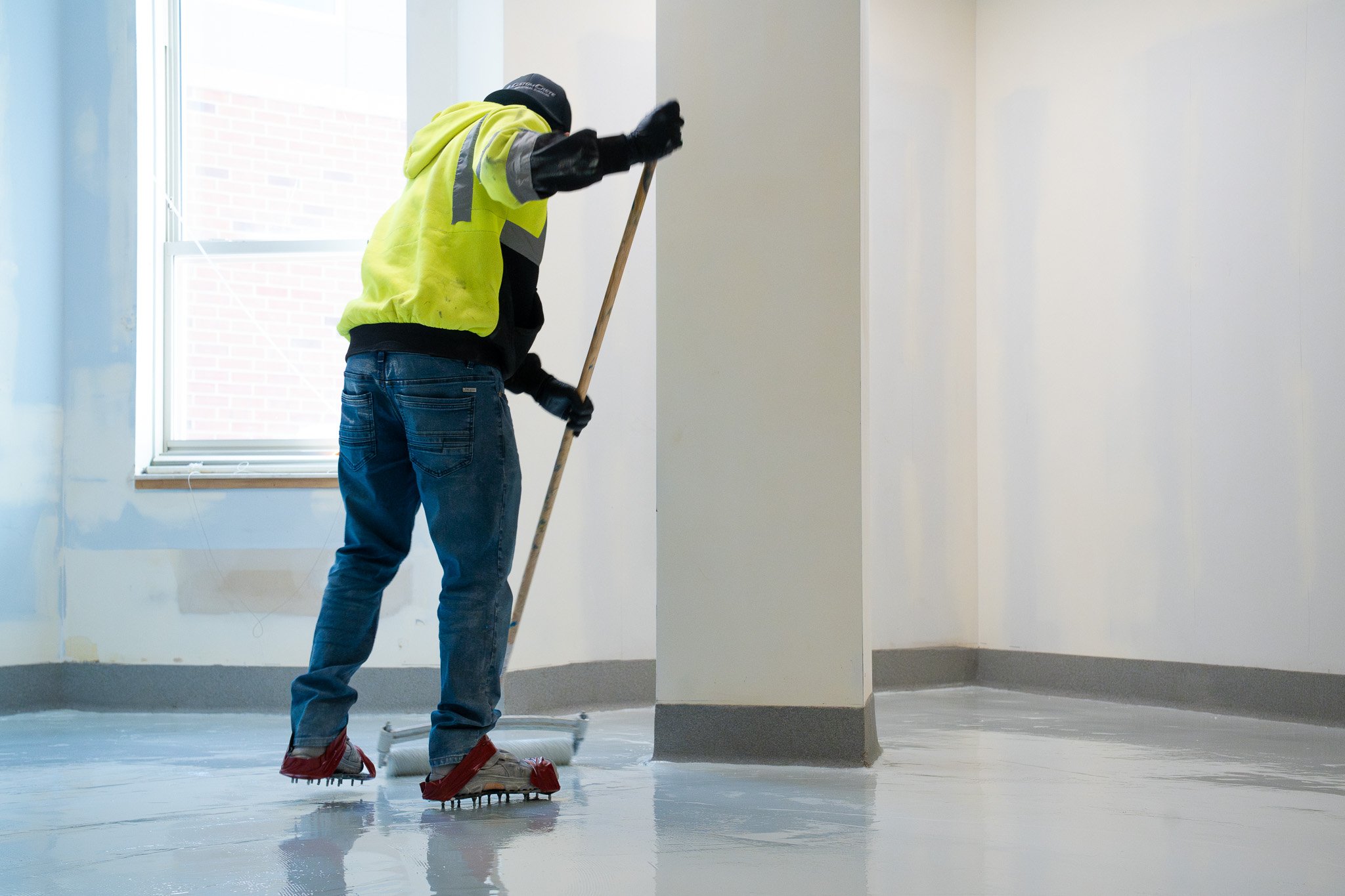
Food and beverage facilities are designed with sanitation, cleanability, and contamination prevention in mind.
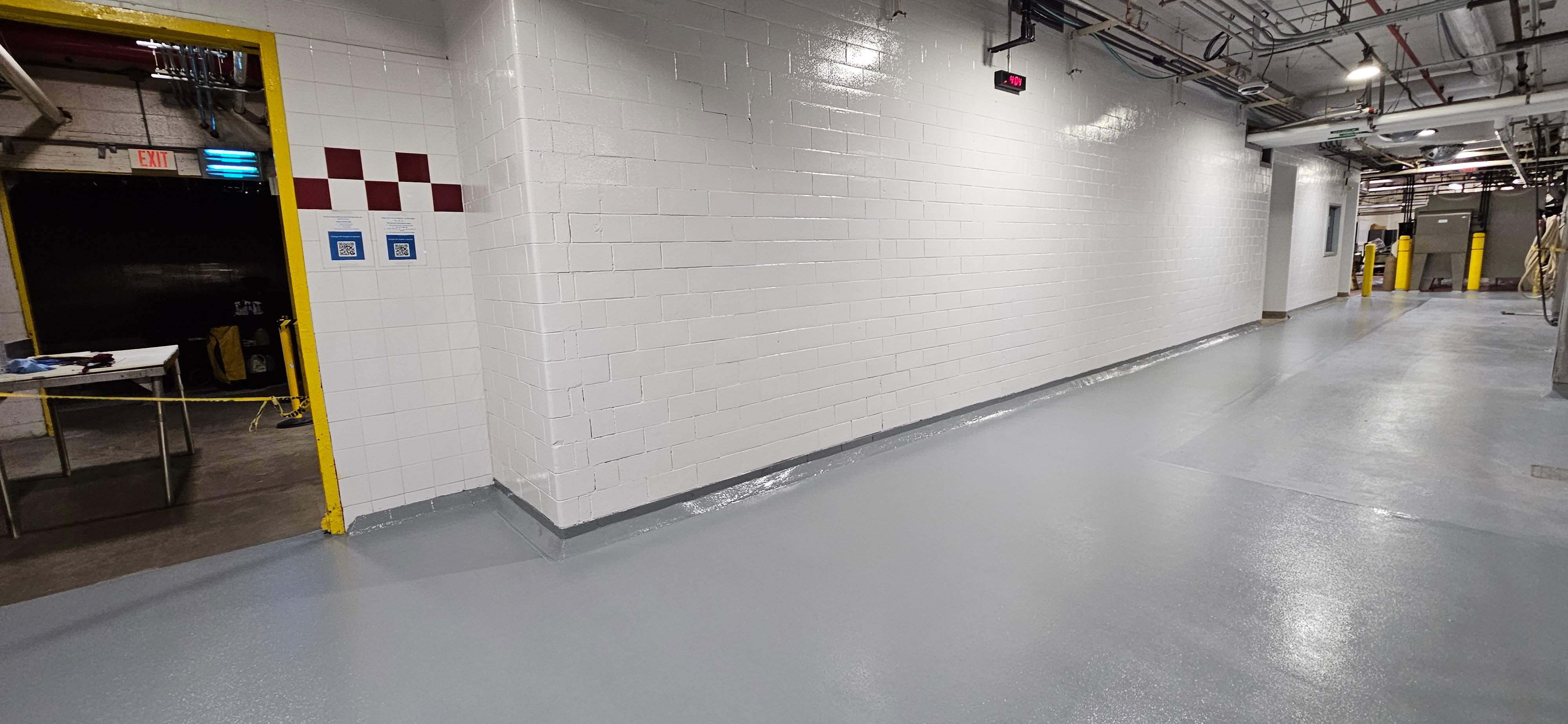
If you've ever walked through a food processing plant, commercial kitchen, brewery, or beverage production facility, you've likely noticed that the floor curves up the wall instead of ending at a sharp 90-degree angle. This curved transition is known as cove base.
But is cove base actually required? The answer depends on the facility, the governing regulations, and the specific operational risks present. While not every facility is legally required to have it, cove base is widely considered a best practice for sanitary environments.
With nearly 20 years of experience and over 1 million square feet installed, CustomCrete has worked in food and beverage facilities where sanitation requirements heavily influence flooring design. This guide explains why cove base is so commonly used and when facilities should consider it.
Key Takeaways
- Cove base creates a seamless transition between floors and walls.
- It helps reduce areas where moisture, debris, and bacteria can accumulate.
- While not always explicitly required, cove base is often recommended in food and beverage facilities to support sanitation and cleanability.

What Is Cove Base?
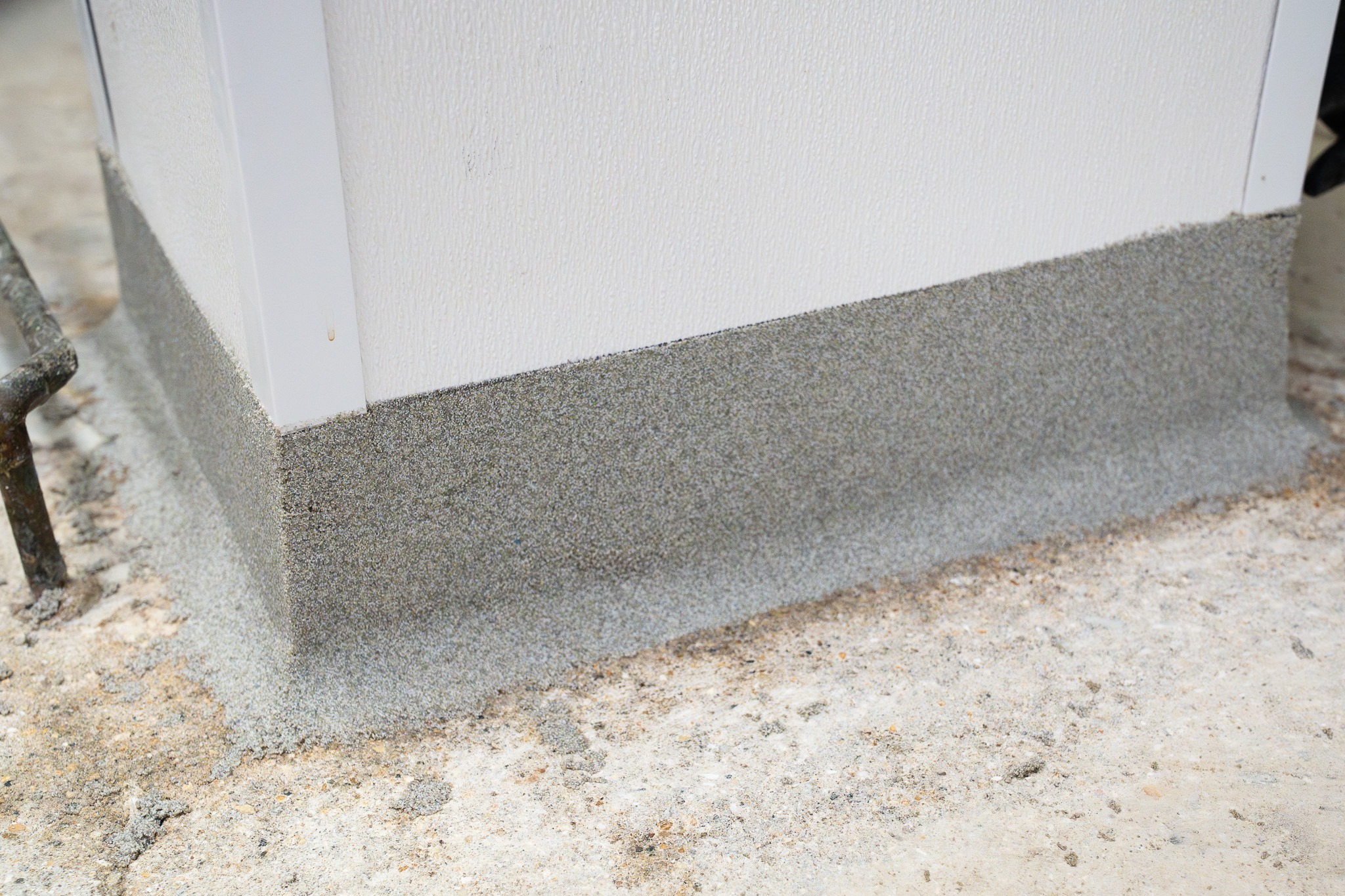
Cove base is a curved flooring transition that extends from the floor up the wall, typically several inches high.
Instead of creating a sharp corner where the wall and floor meet, the flooring system is formed into a smooth radius. This eliminates hard-to-clean edges and creates a more sanitary surface.
Cove base is commonly installed as part of:
- Epoxy flooring systems
- Urethane cement flooring systems
- Resinous flooring systems
- Other seamless floor installations
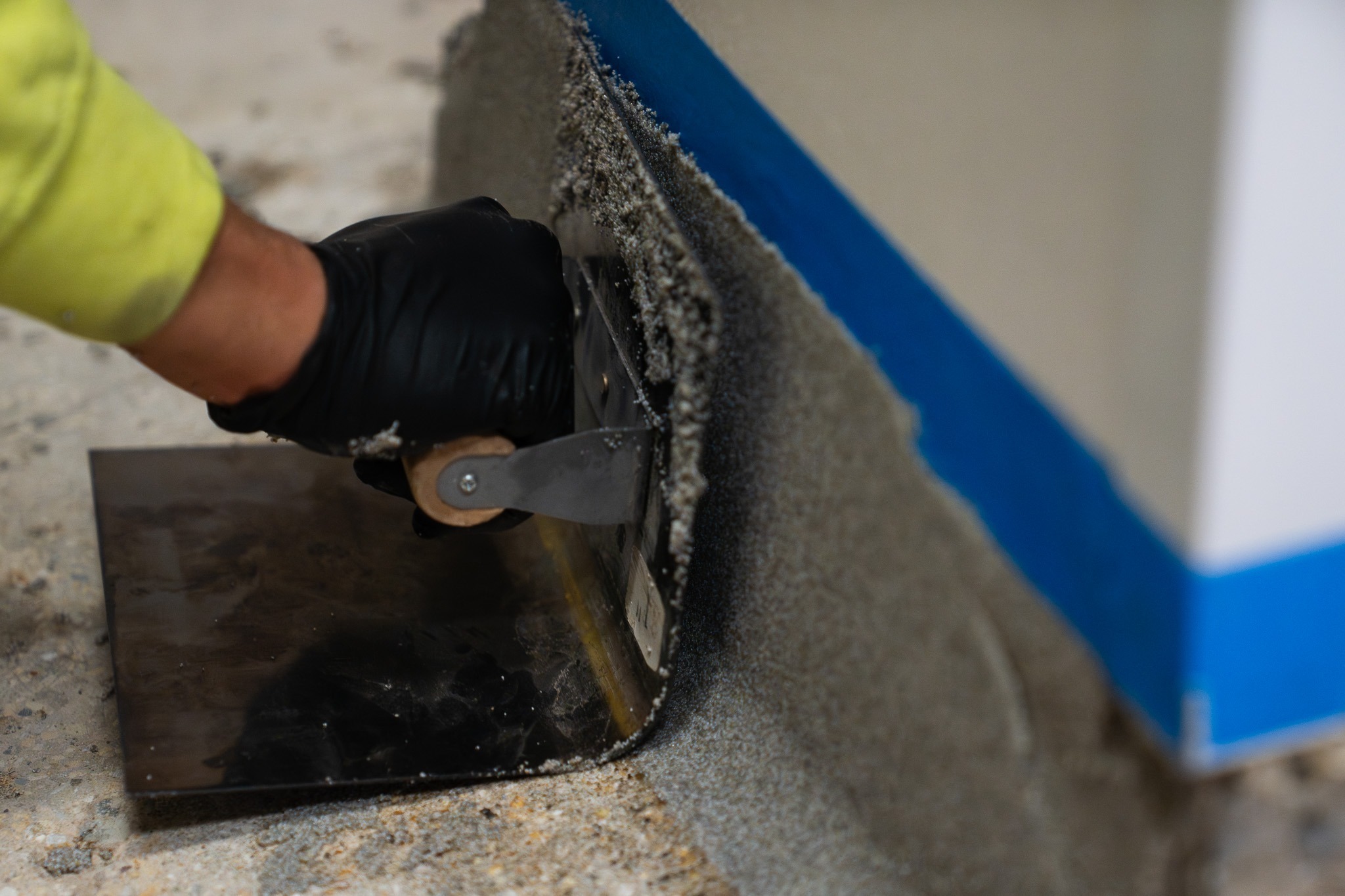
Because it becomes integrated with the flooring system, it creates a continuous and durable surface.
Why Are Floor-to-Wall Transitions Important?
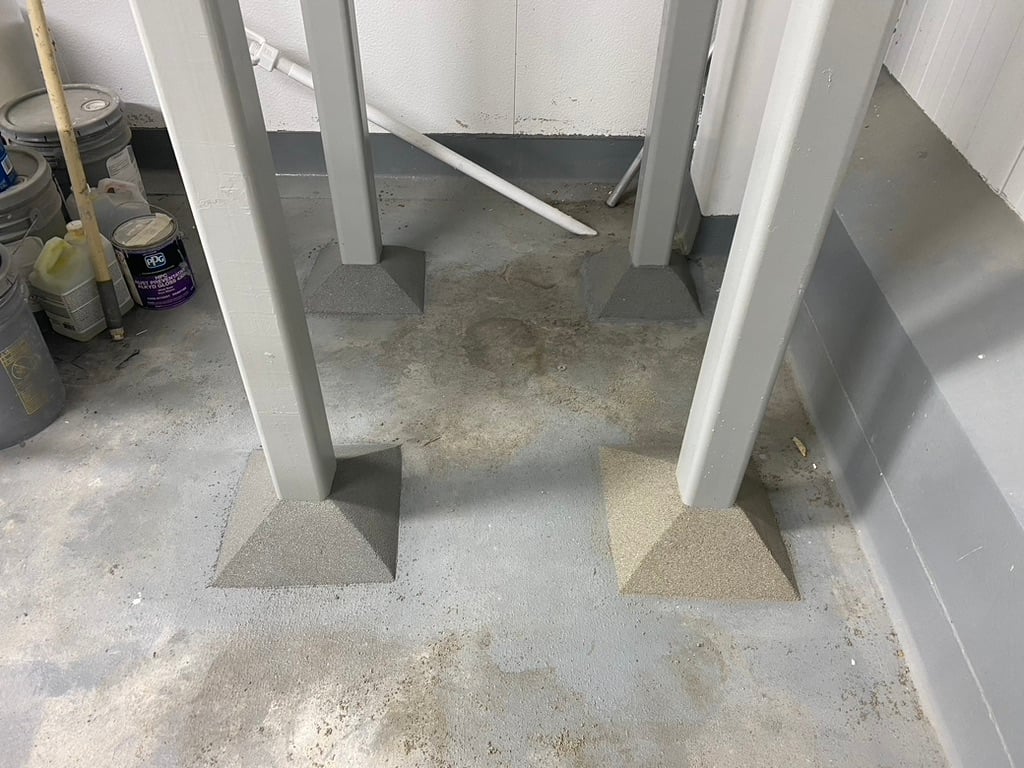
Standard wall-to-floor intersections often create small gaps and corners where contaminants can accumulate.
These areas may collect:
- Food particles
- Moisture
- Dust
- Cleaning residue
- Bacteria
Over time, these hidden accumulation points can become difficult to sanitize effectively.
By installing cove base, facilities eliminate many of these hard-to-reach corners and create smoother surfaces that are easier to clean during routine sanitation procedures.
Is Cove Base Required?
In many food and beverage environments, regulations focus on outcomes rather than prescribing a specific flooring product.
Generally speaking, facilities are expected to maintain surfaces that are:
- Cleanable
- Durable
- Sanitary
- Resistant to contamination
While regulations may not always specifically state that cove base is mandatory, inspectors and auditors often expect floor-to-wall transitions to support effective cleaning and sanitation practices.
Because cove base helps achieve these goals, it has become a standard feature in many regulated environments.
How Cove Base Supports Food Safety
One of the primary reasons cove base is used is its contribution to food safety.
A seamless floor-to-wall transition helps reduce:
- Bacterial harborage points
- Moisture accumulation
- Debris buildup
- Cleaning challenges
In facilities where routine washdowns occur, eliminating corners and gaps can significantly improve sanitation effectiveness.
This is especially important in areas where food products are processed, packaged, or stored.
Moisture Management Benefits
Moisture is one of the biggest challenges in food and beverage facilities.
Water from:
- Cleaning procedures
- Washdowns
- Production activities
- Condensation
can migrate into cracks, gaps, and wall intersections if transitions are not properly sealed.
A properly installed cove base helps create a continuous barrier that reduces opportunities for moisture intrusion and makes cleaning operations more effective.
Where Cove Base Is Most Commonly Used
While cove base can be installed in many environments, it is particularly common in:
Food Processing Facilities
Food production areas frequently require aggressive cleaning procedures and high sanitation standards.
Beverage Manufacturing Plants
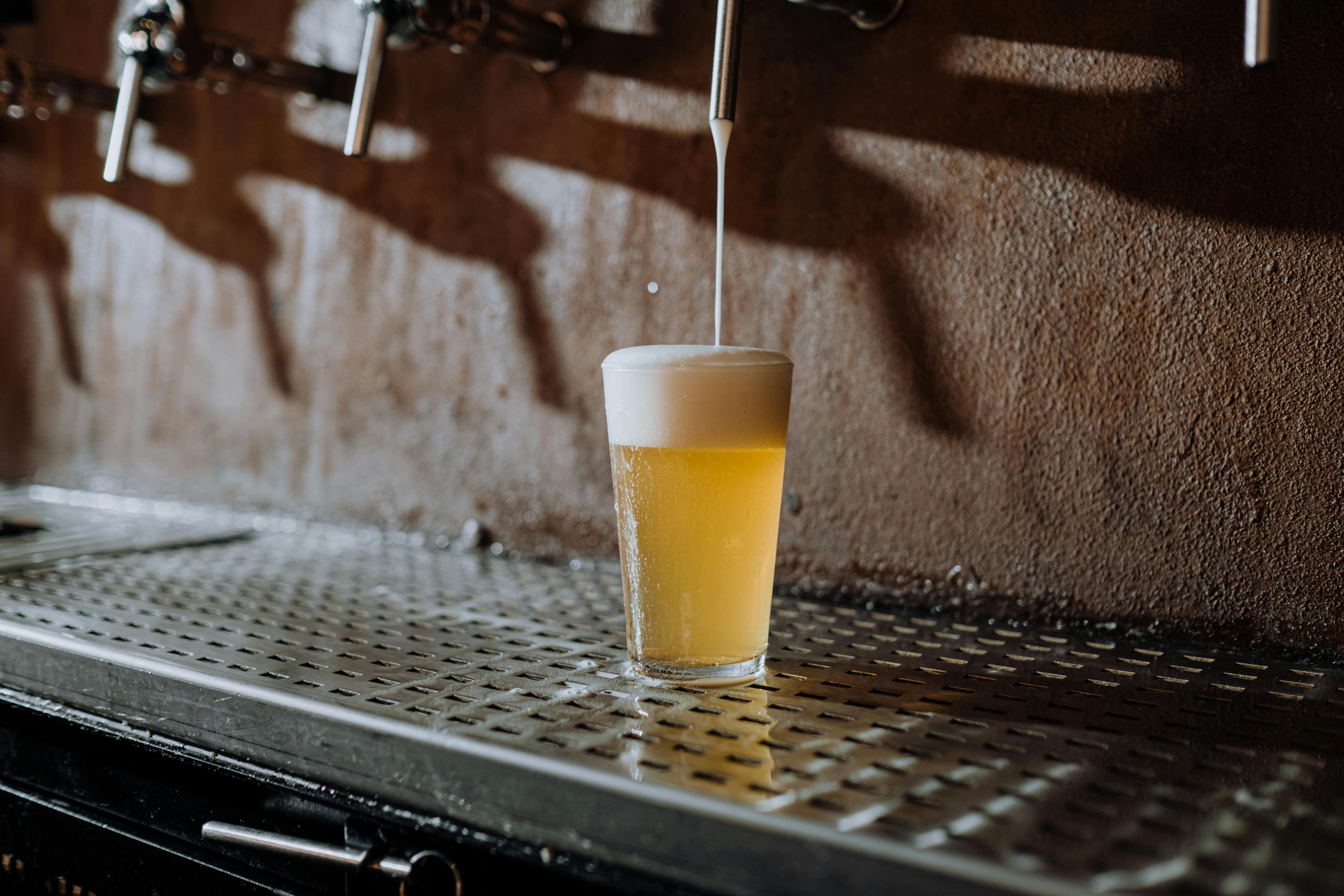
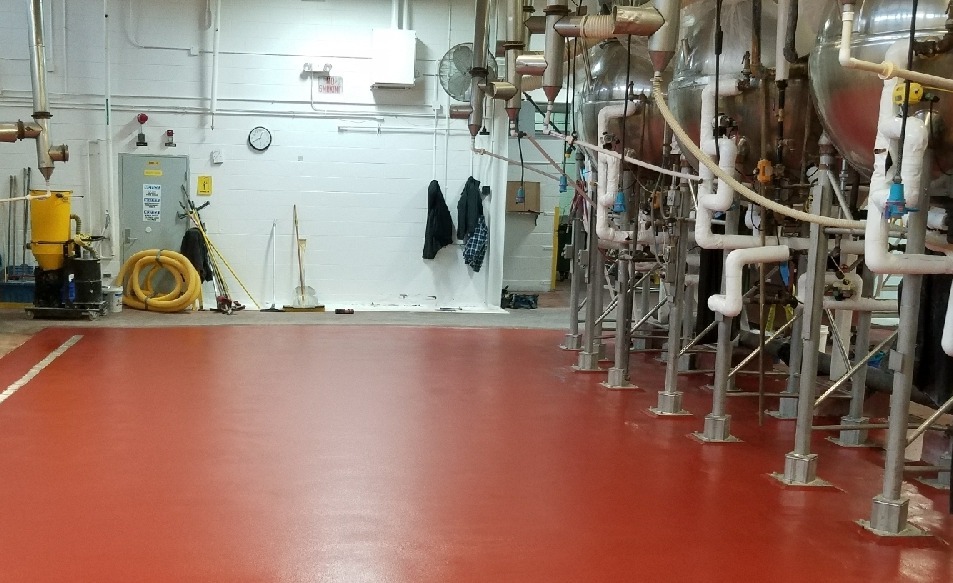
Breweries, bottling plants, and beverage production facilities often experience significant moisture exposure and benefit from seamless flooring systems.
Commercial Kitchens
Restaurants, commissaries, and institutional kitchens commonly utilize cove base to improve cleanability and simplify maintenance.
Cold Storage Areas
Facilities exposed to frequent washdowns and temperature fluctuations often incorporate cove base as part of a larger hygienic flooring strategy.
What Materials Are Commonly Used?
The most common cove base installations are integrated into resinous flooring systems.
These include:
- Urethane cement
- Epoxy flooring systems
- Hybrid resinous systems
Because the cove base becomes part of the flooring system itself, it creates a seamless transition rather than relying on separate materials that may loosen or fail over time.
This helps improve durability and maintain sanitation standards.
Benefits Beyond Compliance
Even when not specifically required, many facilities choose cove base because of the operational advantages it provides.
These benefits include:
- Easier cleaning
- Reduced maintenance
- Improved durability
- Better moisture control
- Enhanced facility appearance
Many facility managers view cove base as a long-term investment in cleanliness and operational efficiency rather than simply a compliance feature.
When Cove Base May Not Be Necessary
Not every facility requires cove base.
Some warehouses, dry storage facilities, and low-moisture environments may not benefit from the additional installation cost.
In these situations, standard wall transitions may be sufficient if sanitation demands are lower and moisture exposure is limited.
The decision should be based on:
- Cleaning requirements
- Regulatory expectations
- Moisture exposure
- Operational conditions
Final Thoughts
While cove base is not universally required in every food and beverage facility, it has become a widely accepted best practice for maintaining sanitary, cleanable, and durable environments. By creating a seamless transition between floors and walls, cove base helps reduce areas where moisture, debris, and bacteria can accumulate.
For facilities focused on food safety, sanitation efficiency, and long-term durability, cove base often provides benefits that extend well beyond compliance requirements.
To learn how to maximize the lifespan and performance of these critical floor transitions, read the next article: Cove Base Maintenance: How to Keep Floor-to-Wall Transitions Clean and Durable.

Topics: