
When planning a new flooring system, one of the biggest questions is whether existing flooring needs to be removed first. Floor demolition—often called floor demo—can affect project cost, timeline, and downtime, so it’s important to understand when it’s required and when it can be avoided.
At CustomCrete, this question comes up frequently from facilities preparing for epoxy, urethane cement, polished concrete, or other industrial flooring systems.

Do You Always Need a Floor Demo?
No—floor demolition is not always required.
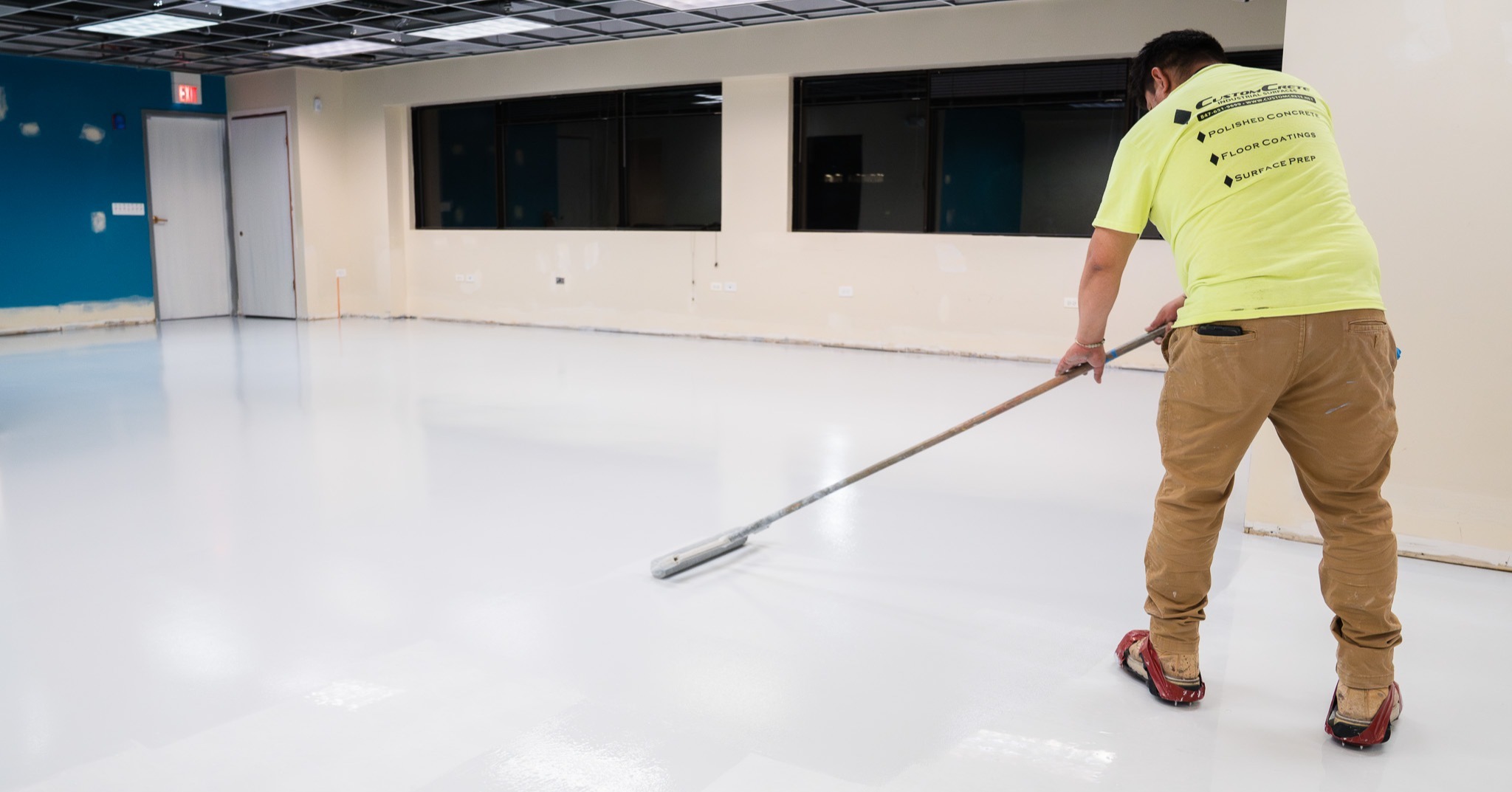
Whether demo is needed depends on the condition of the existing floor and the type of new flooring being installed. The goal is to make sure the new system can properly bond to a stable, clean concrete surface.
In some cases, existing floors can be prepped and reused. In others, removal is the only way to ensure long-term performance.
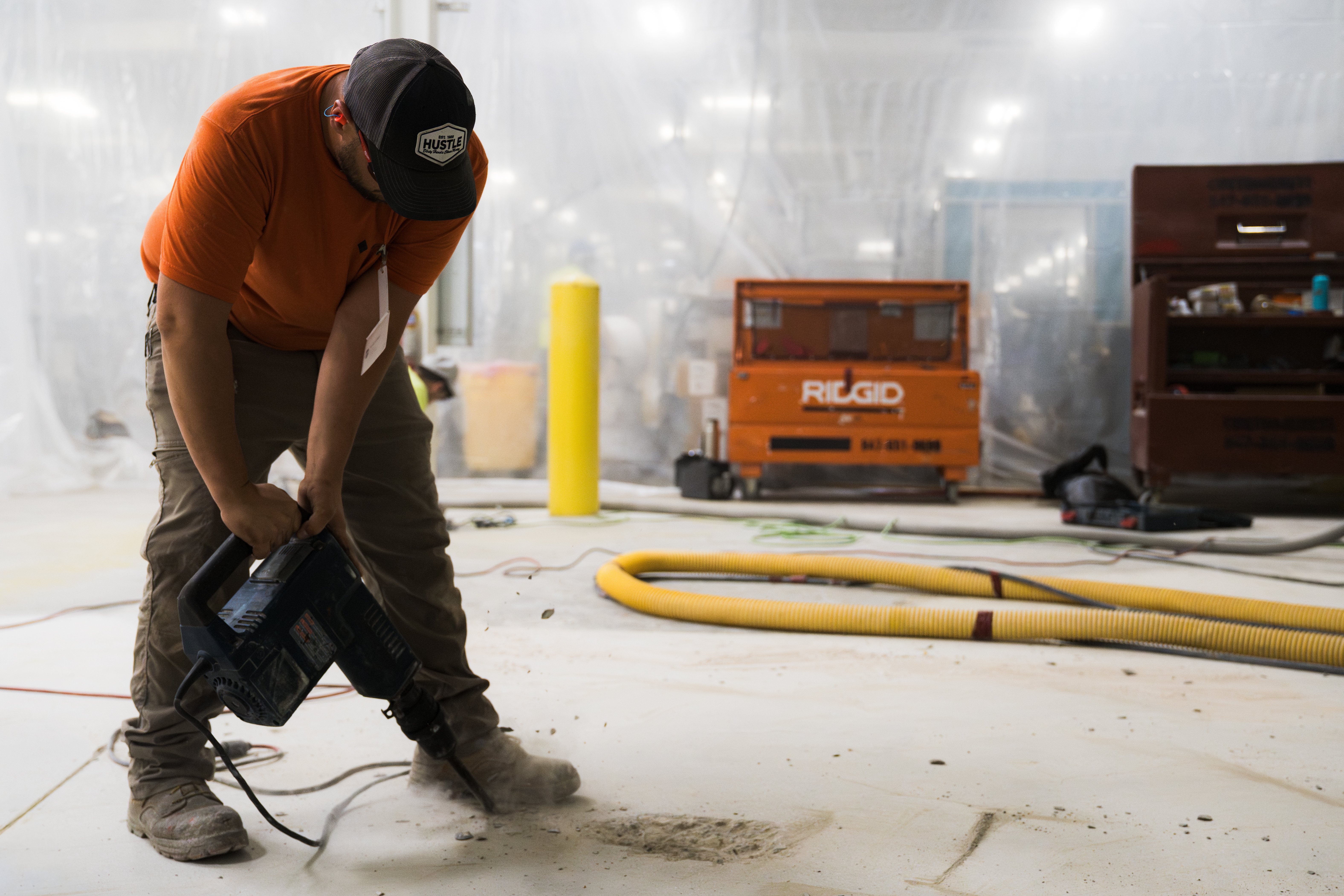
When a Floor Demo Is Typically Required
Floor demolition is usually necessary when the existing flooring creates a risk for failure.
Common situations include:
- Loose, peeling, or delaminating epoxy or coatings
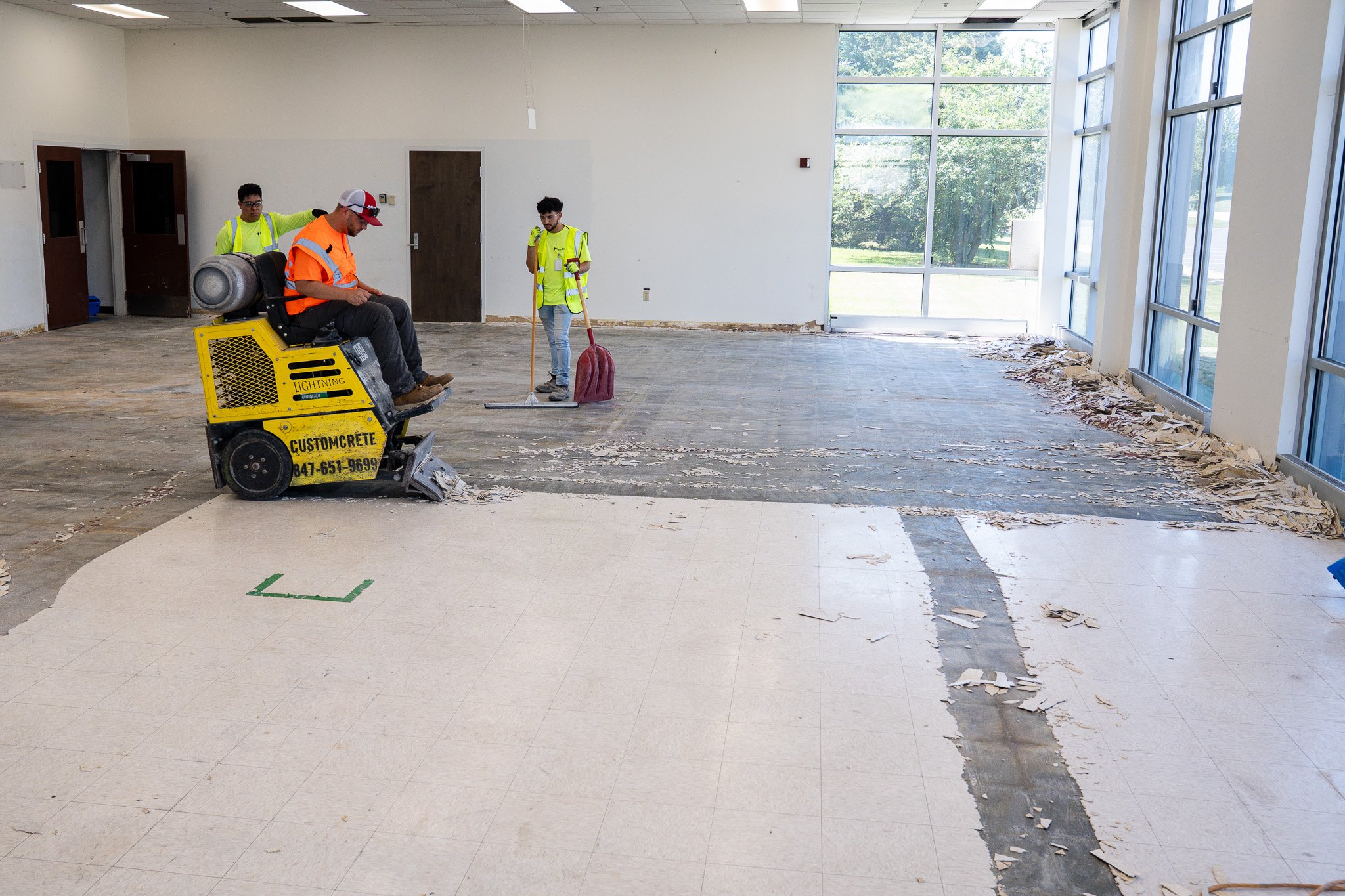
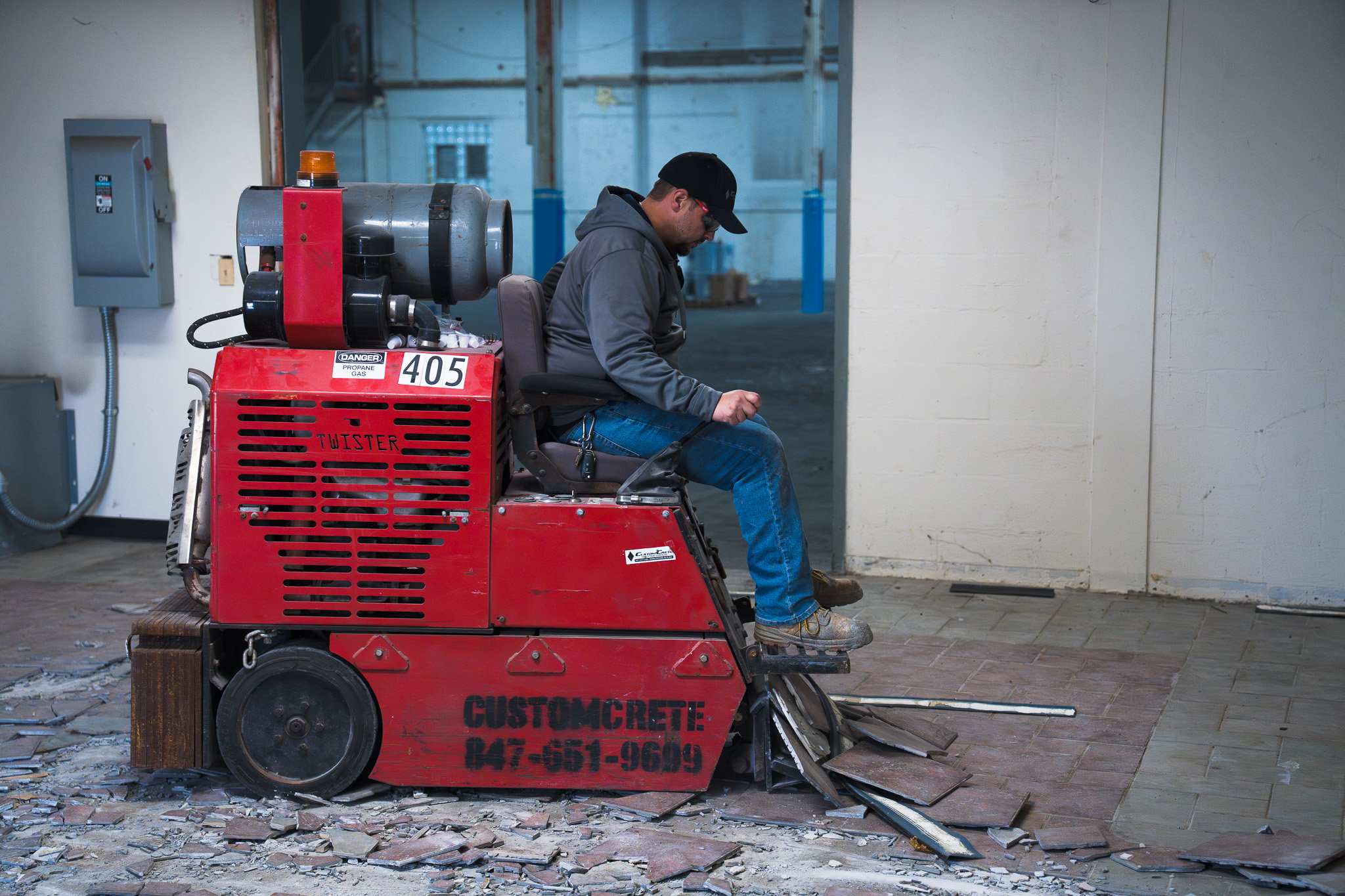
- Tile, VCT, carpet, or glued-down flooring still in place
- Adhesive residue that cannot be fully removed
- Multiple layers of old coatings causing uneven buildup
- Moisture trapped beneath the existing floor
Installing new flooring over these conditions often leads to poor adhesion, bubbling, or premature failure.
When a Floor Demo May Not Be Necessary
In some cases, full demo can be avoided.
Demo may not be required when:
- The existing coating is well-bonded and structurally sound
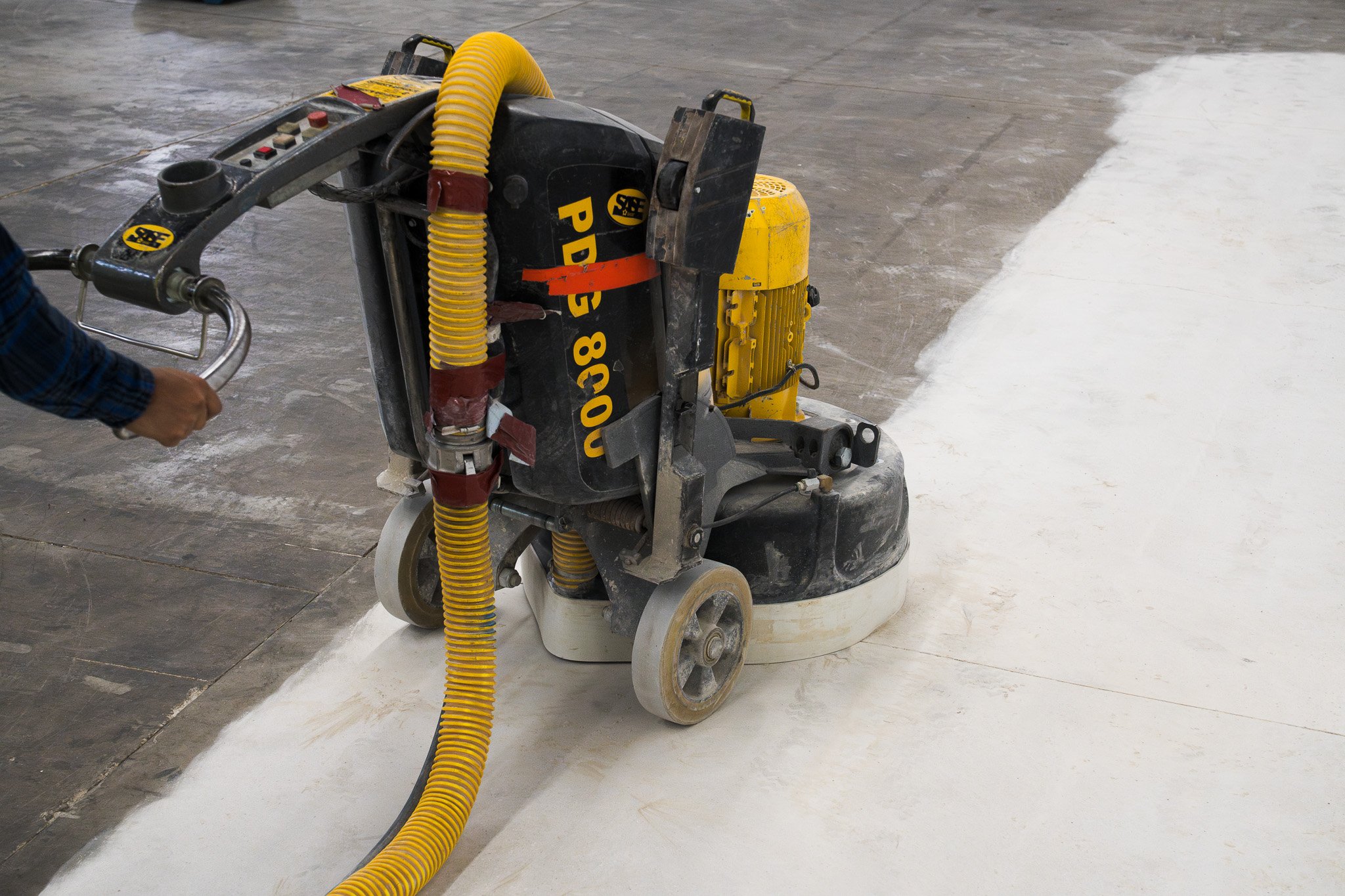
- Surface contamination can be removed through grinding or shot blasting
- The slab underneath is flat and in good condition
- The new flooring system is compatible with the existing surface
Even in these situations, mechanical surface preparation is still required to ensure proper bonding.
Why Surface Preparation Still Matters
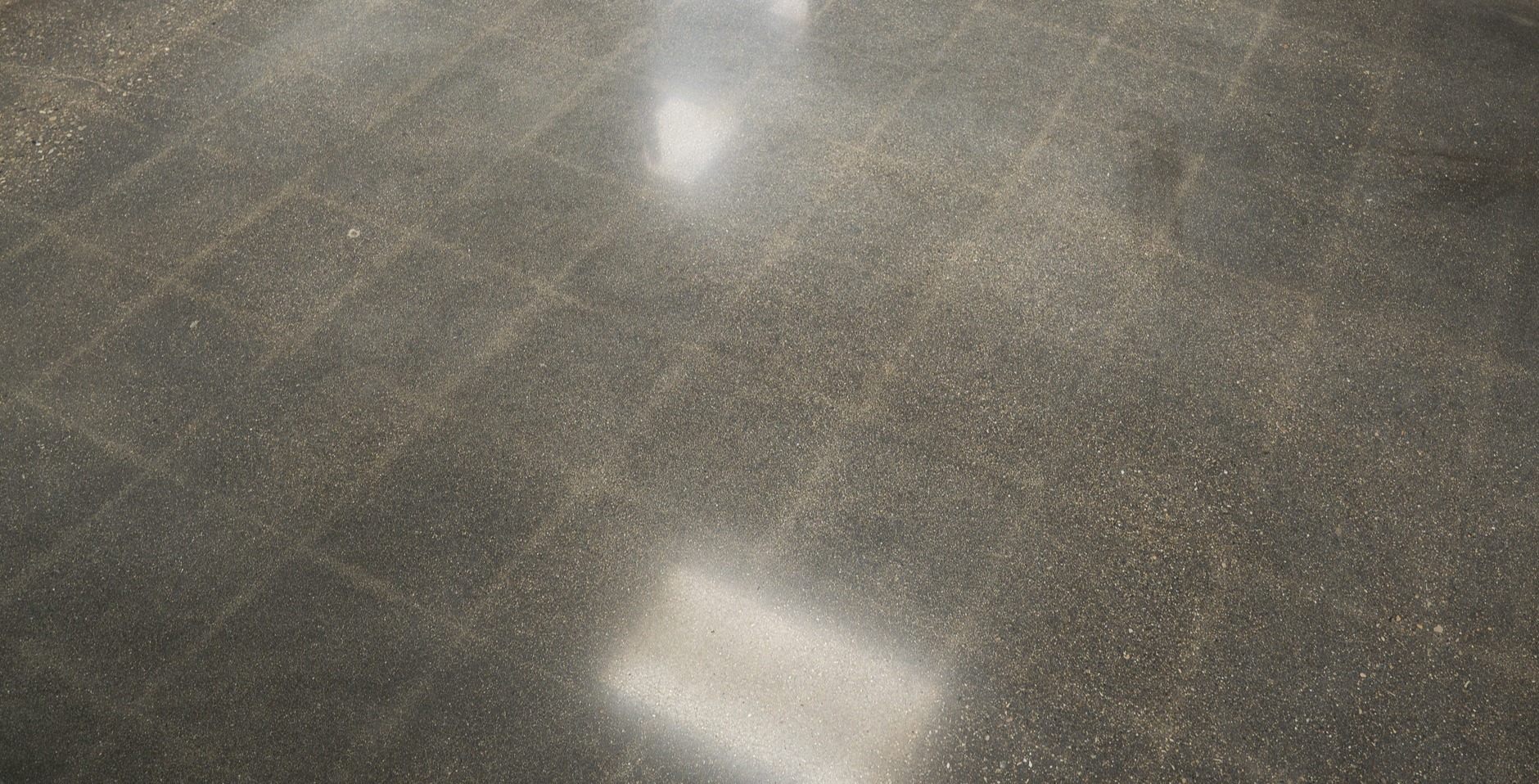
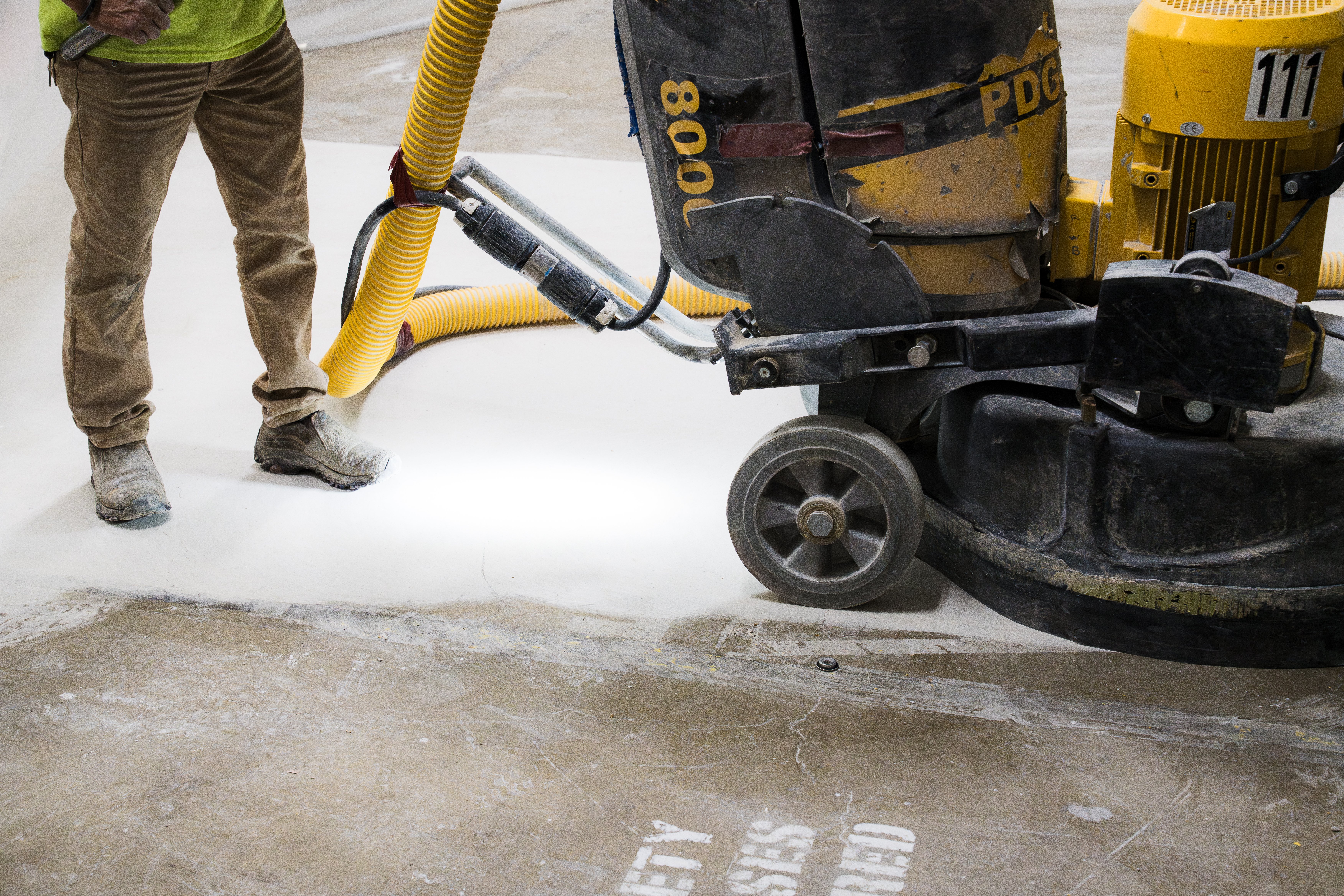
Skipping demolition doesn’t mean skipping prep. Grinding, shot blasting, repairs, and moisture testing may still be needed to prepare the concrete properly.
Many flooring failures happen not because demo was skipped—but because preparation was insufficient for the conditions of the slab.
Does a Floor Demo Increase Cost and Downtime?
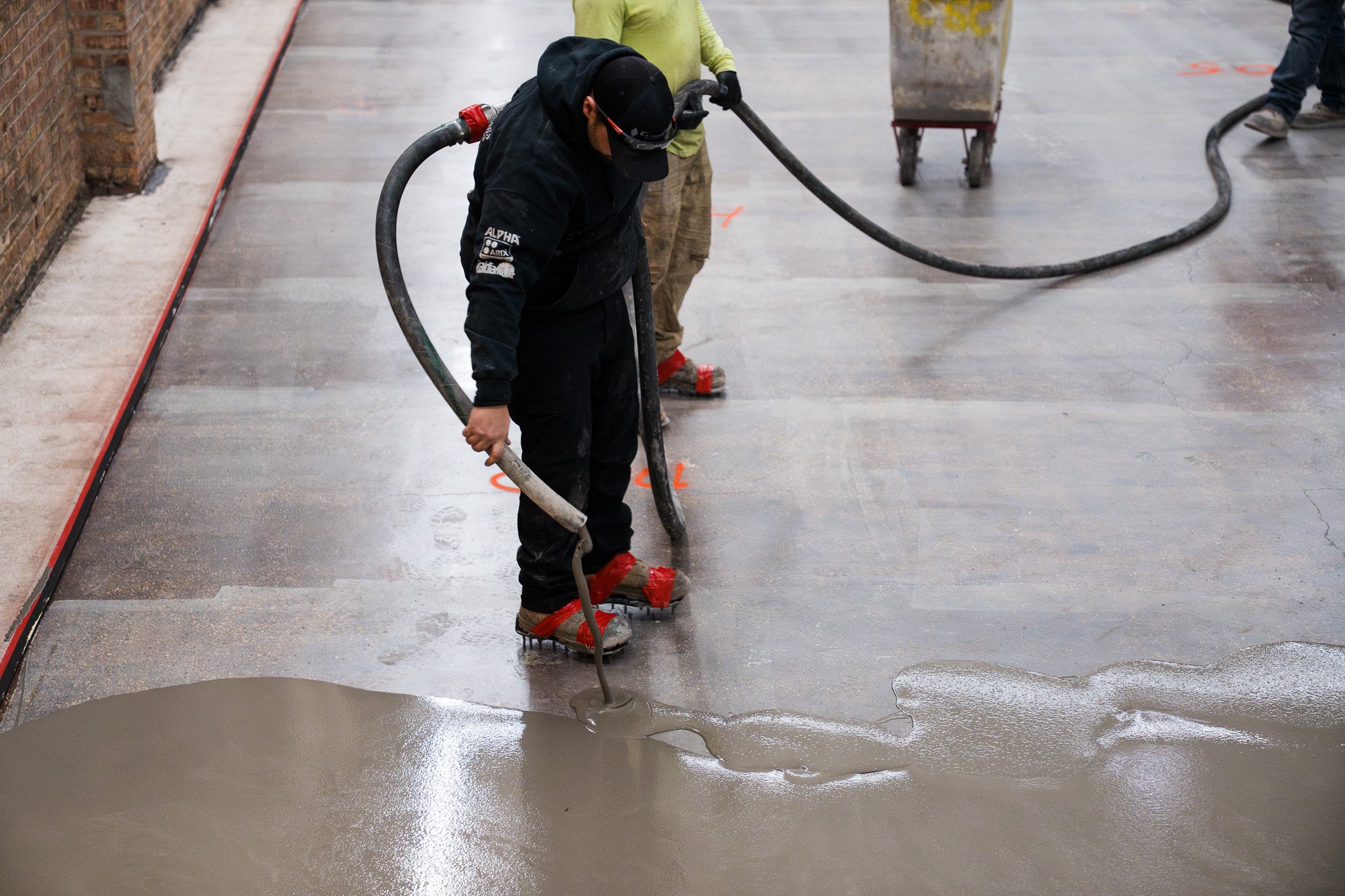
Yes, floor demolition usually adds cost and time to a project. Removing old flooring, disposing of materials, and repairing the slab all take labor and planning. However, skipping demo when it’s truly needed can result in much higher costs later due to floor failure and rework.
In decision-making, it’s often better to compare total cost of ownership rather than just upfront savings.
How to Know What Your Facility Needs
The only reliable way to know whether a floor demo is required is to evaluate:
- The condition of the existing flooring
- How well it’s bonded to the slab
- Moisture conditions in the concrete
- The performance requirements of the new flooring system
Each facility is different, which is why demo decisions should be made based on real site conditions—not assumptions.
Final Thoughts
You don’t always need a floor demolition before installing new flooring—but when existing floors are failing, contaminated, or incompatible, demo is often necessary to ensure long-term success. The right decision balances cost, downtime, and performance rather than focusing on removal alone.
To learn more about flooring preparation, repairs, and system planning, visit CustomCrete’s Learning Center. If you’re deciding whether your facility needs a floor demo, you can also request a quote to get guidance based on your specific conditions.
Topics: