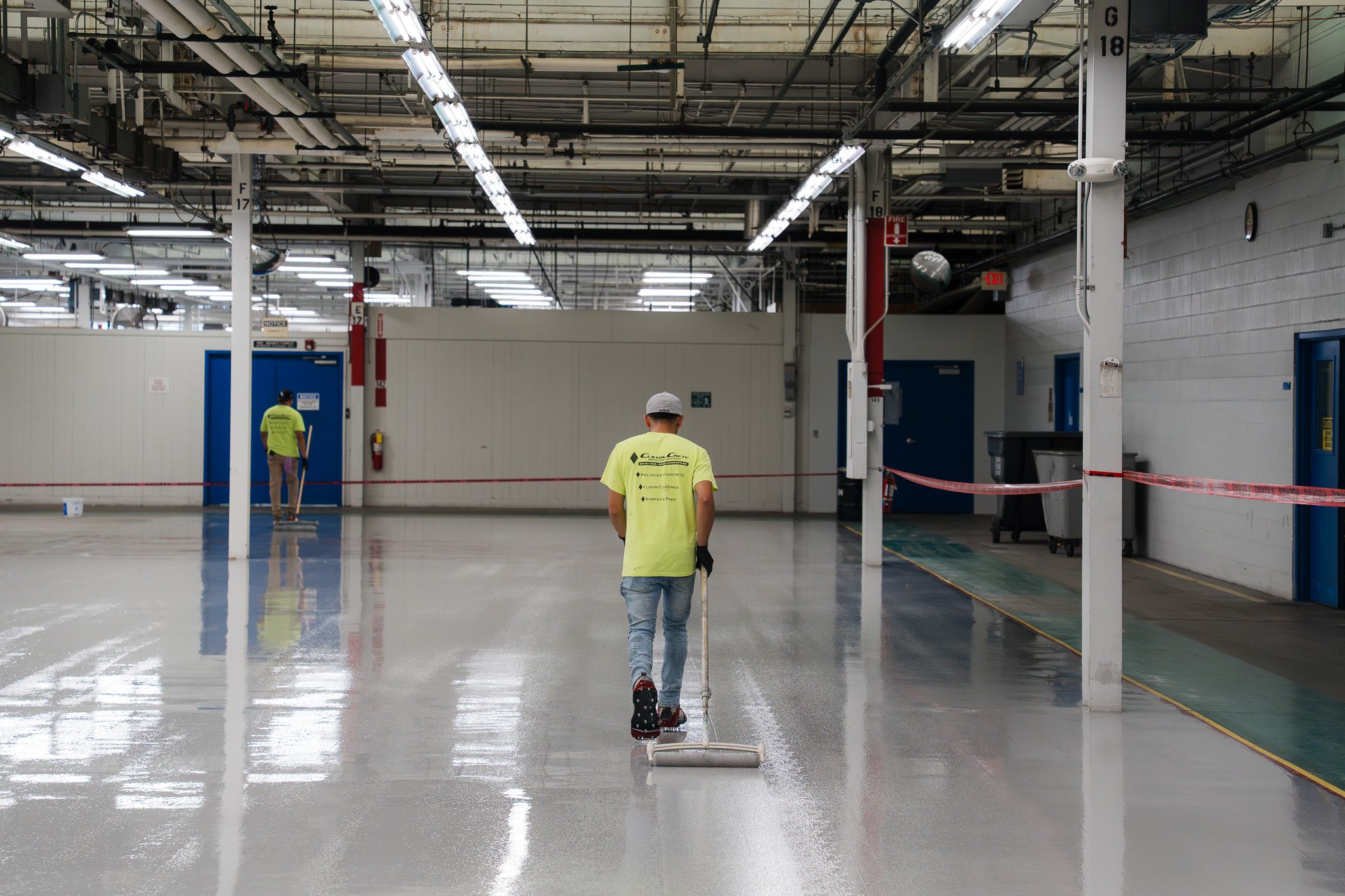

When a concrete floor becomes worn, uneven, or damaged, replacement isn’t always the first step. In many cases, restoring the surface can extend the life of the slab and prepare it for a new flooring system. Two common solutions are concrete resurfacing and self-leveling concrete—but they are not the same thing.
While both methods improve the condition of a slab, they are designed to solve different problems. Understanding how each system works, where it should be used, and how it affects the final flooring result can help facility managers make the right decision.
This CustomCrete article breaks down the differences between concrete resurfacing and self-leveling concrete so you can determine which approach fits your project.

What Is Concrete Resurfacing?
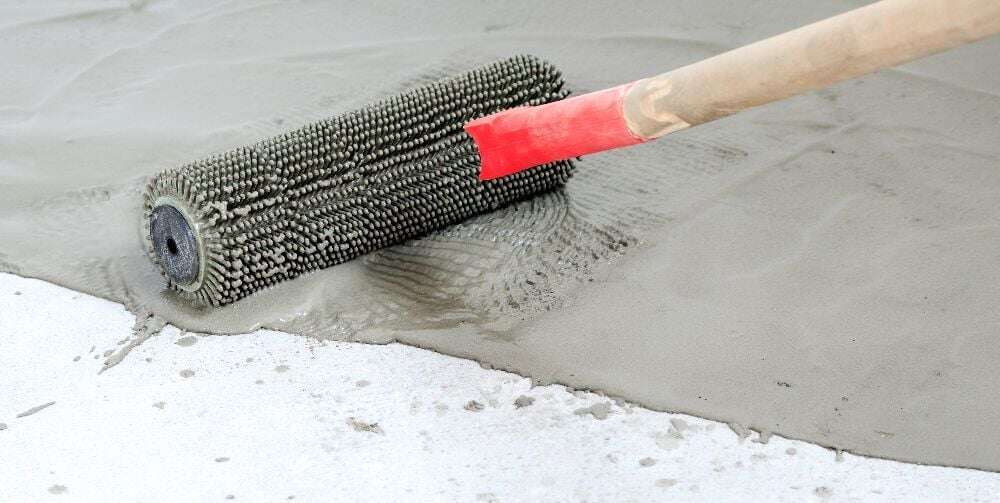
Concrete resurfacing is a process used to repair and restore the top layer of an existing concrete slab. It involves applying a thin overlay to improve the surface without changing the overall elevation of the floor.
Resurfacing is typically used when the concrete is structurally sound but has surface-level issues such as:
- Minor cracks or spalling
- Surface wear or erosion
- Cosmetic damage
- Uneven texture or finish
How It Works
The process usually includes:
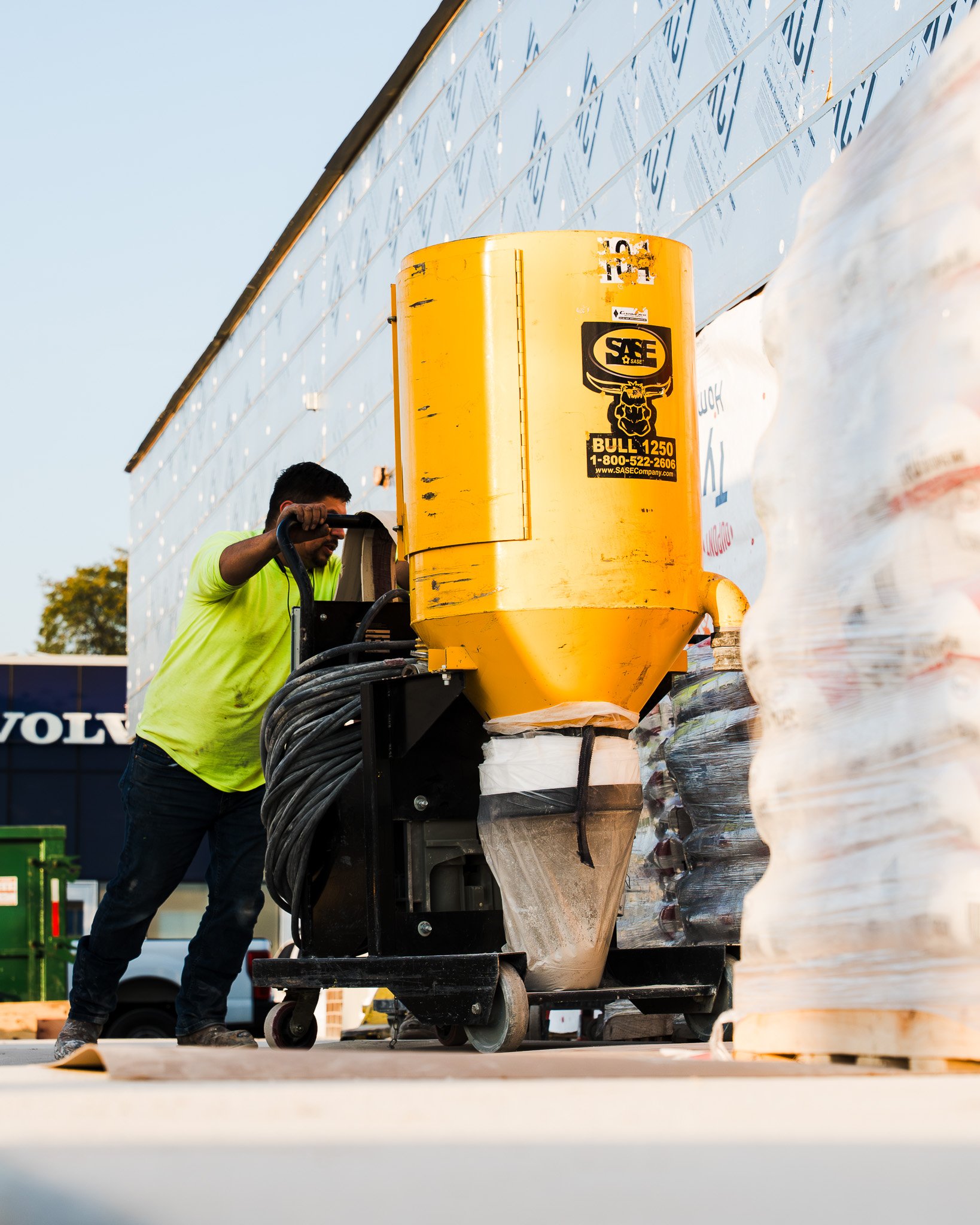
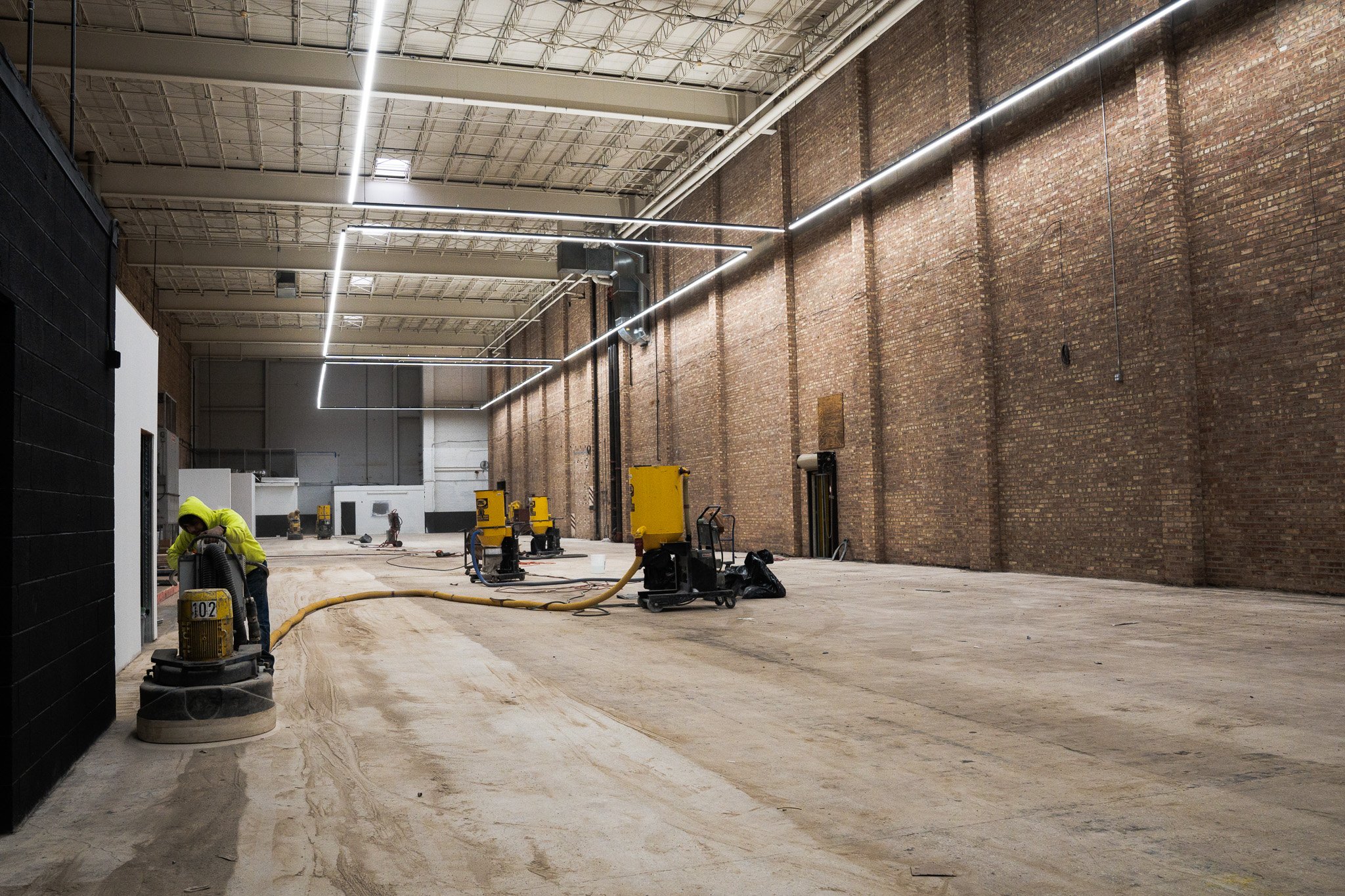
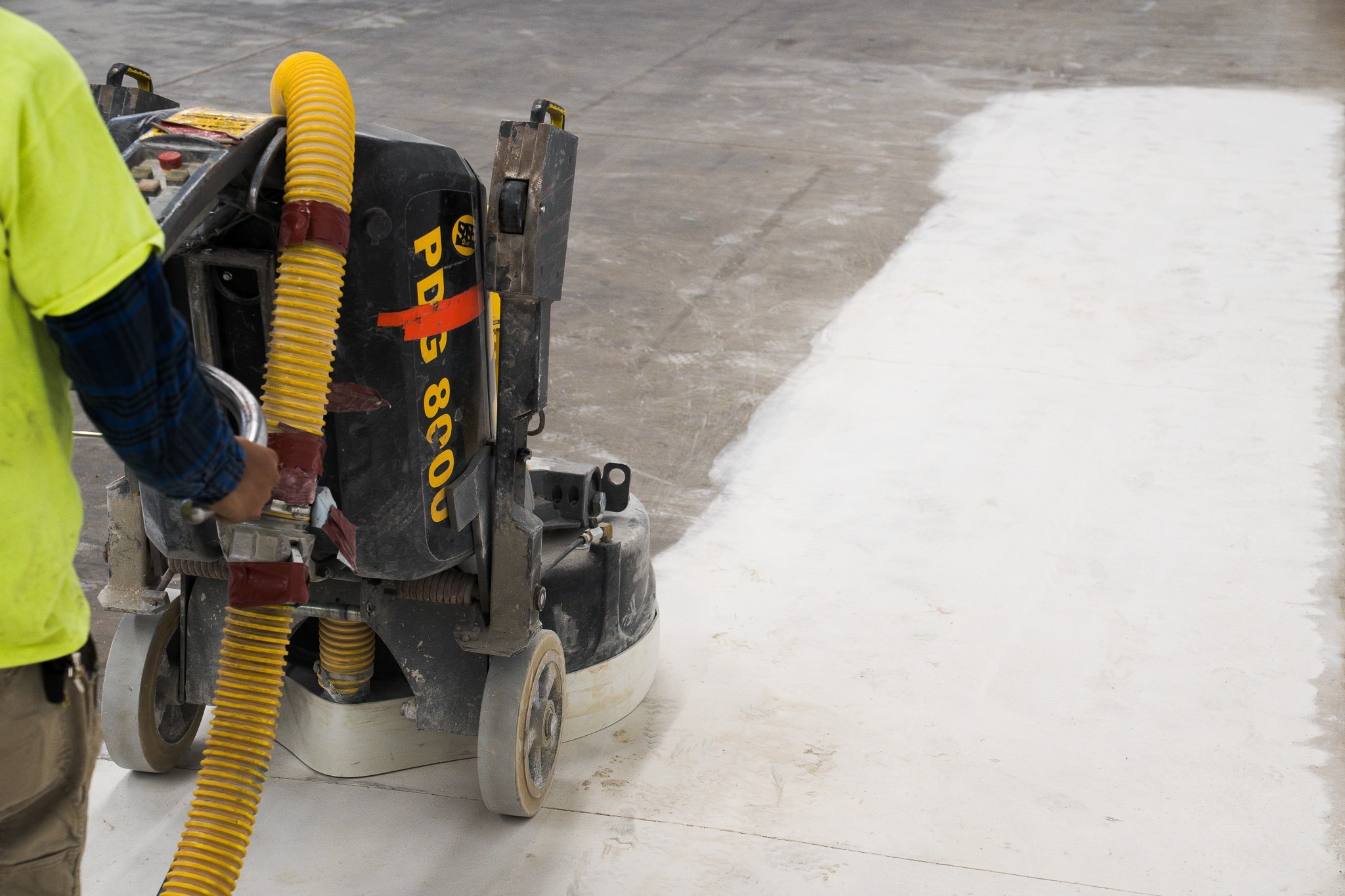
- Mechanical surface preparation (grinding or shot blasting)
- Cleaning and repairing damaged areas
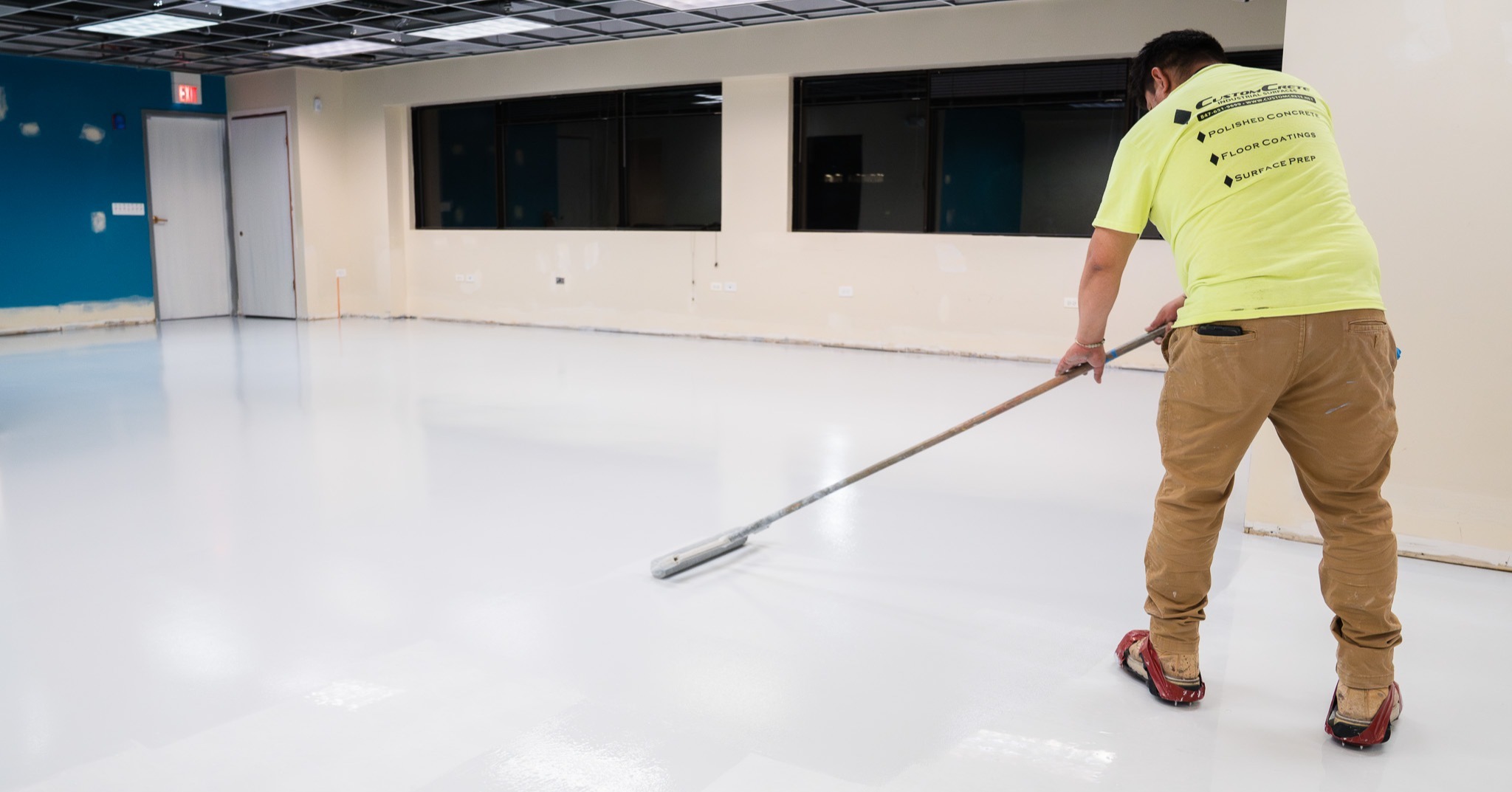
- Applying a resurfacing material (often cement-based or polymer-modified)
- Finishing the surface to the desired texture
Concrete resurfacing creates a refreshed, uniform surface that can be left as-is or used as a base for coatings or finishes.
What Is Self-Leveling Concrete?
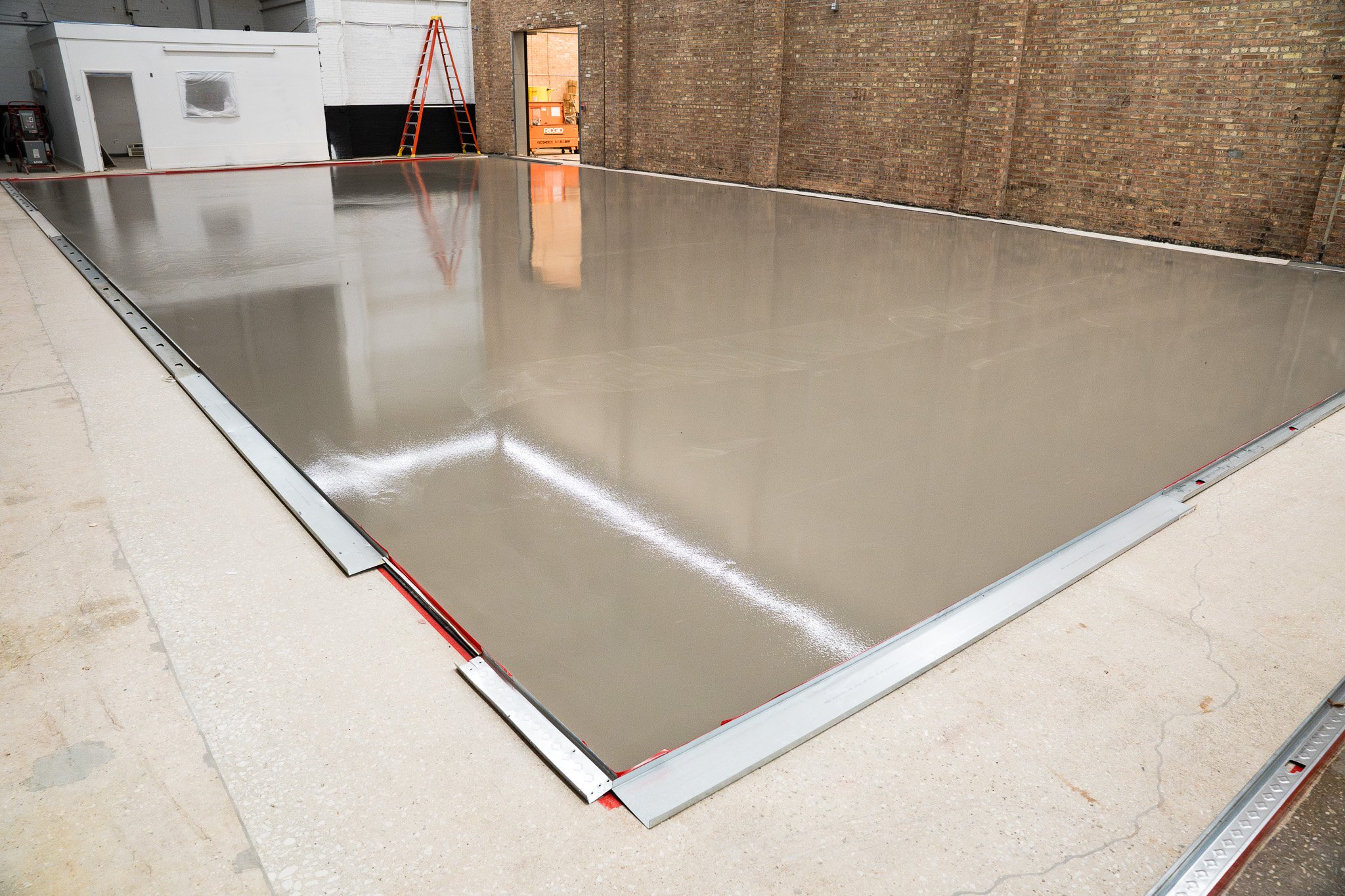
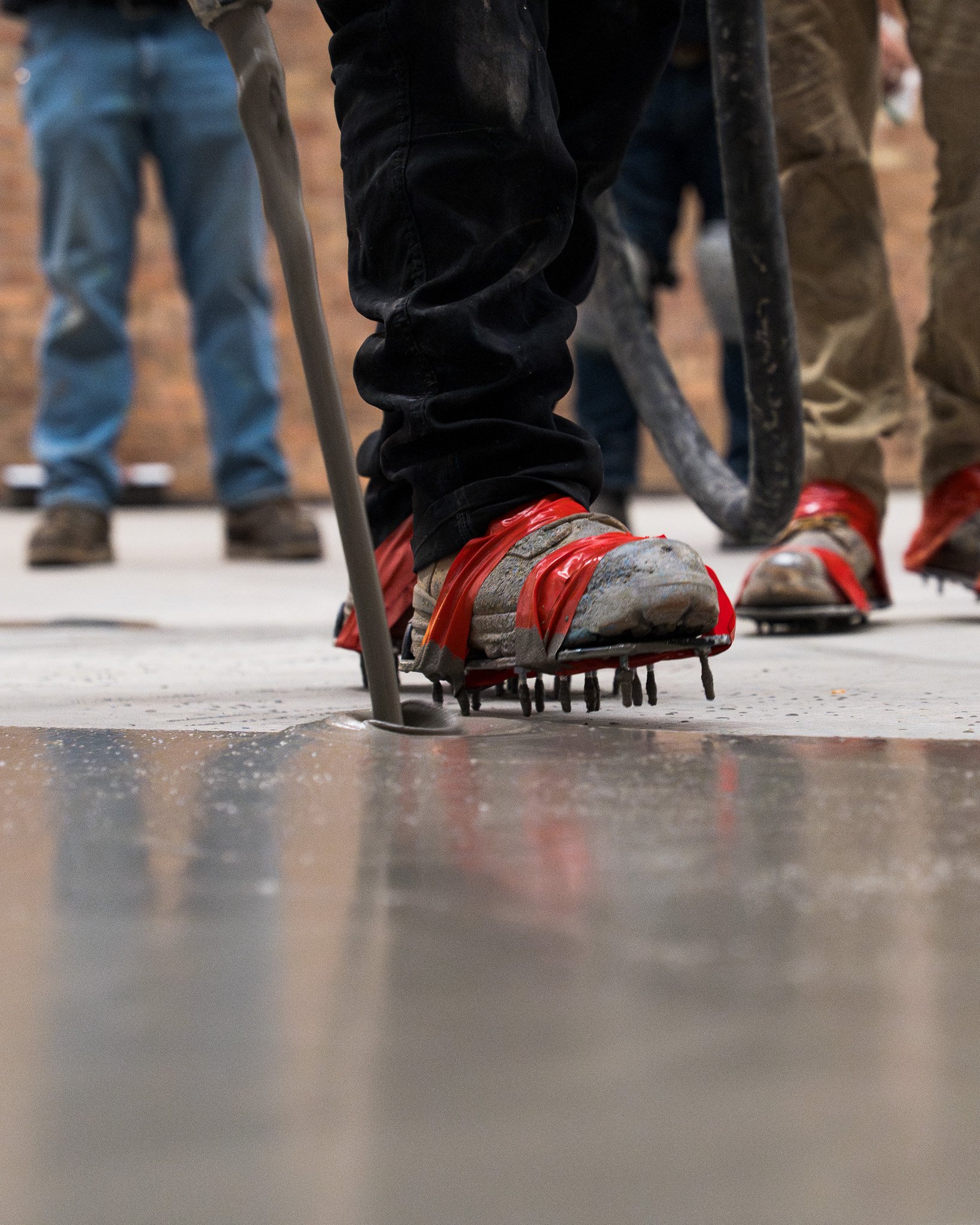
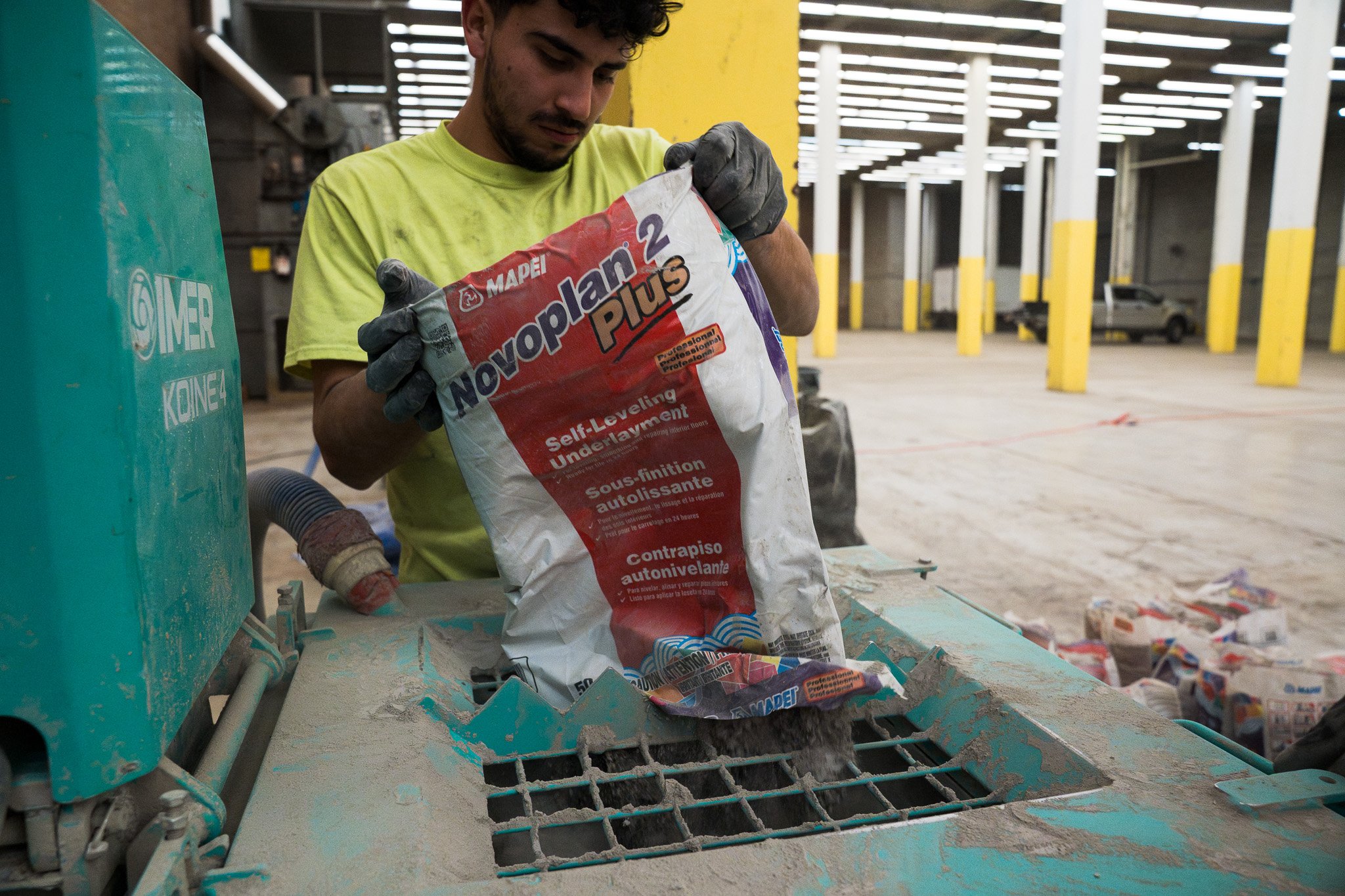
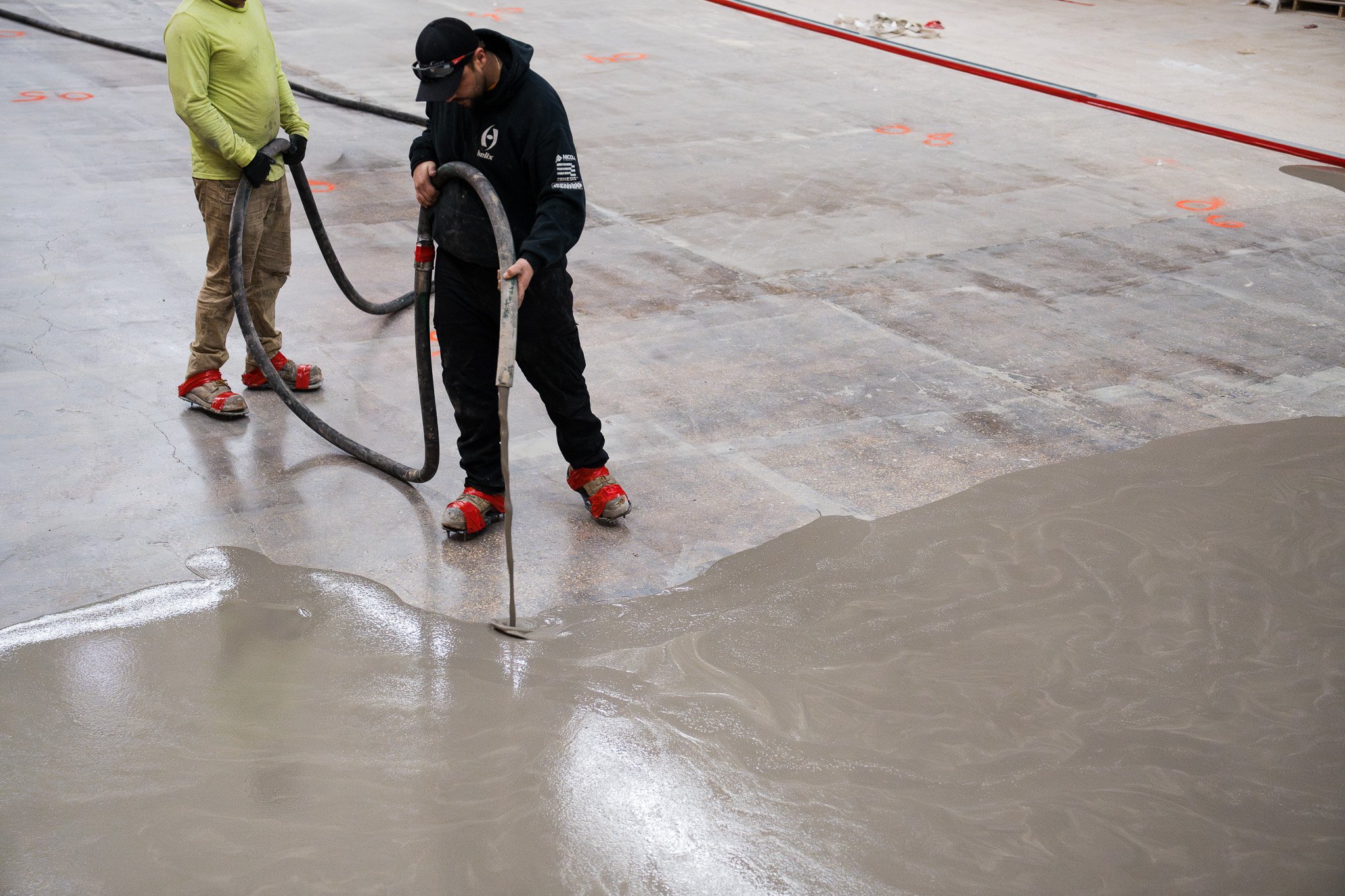
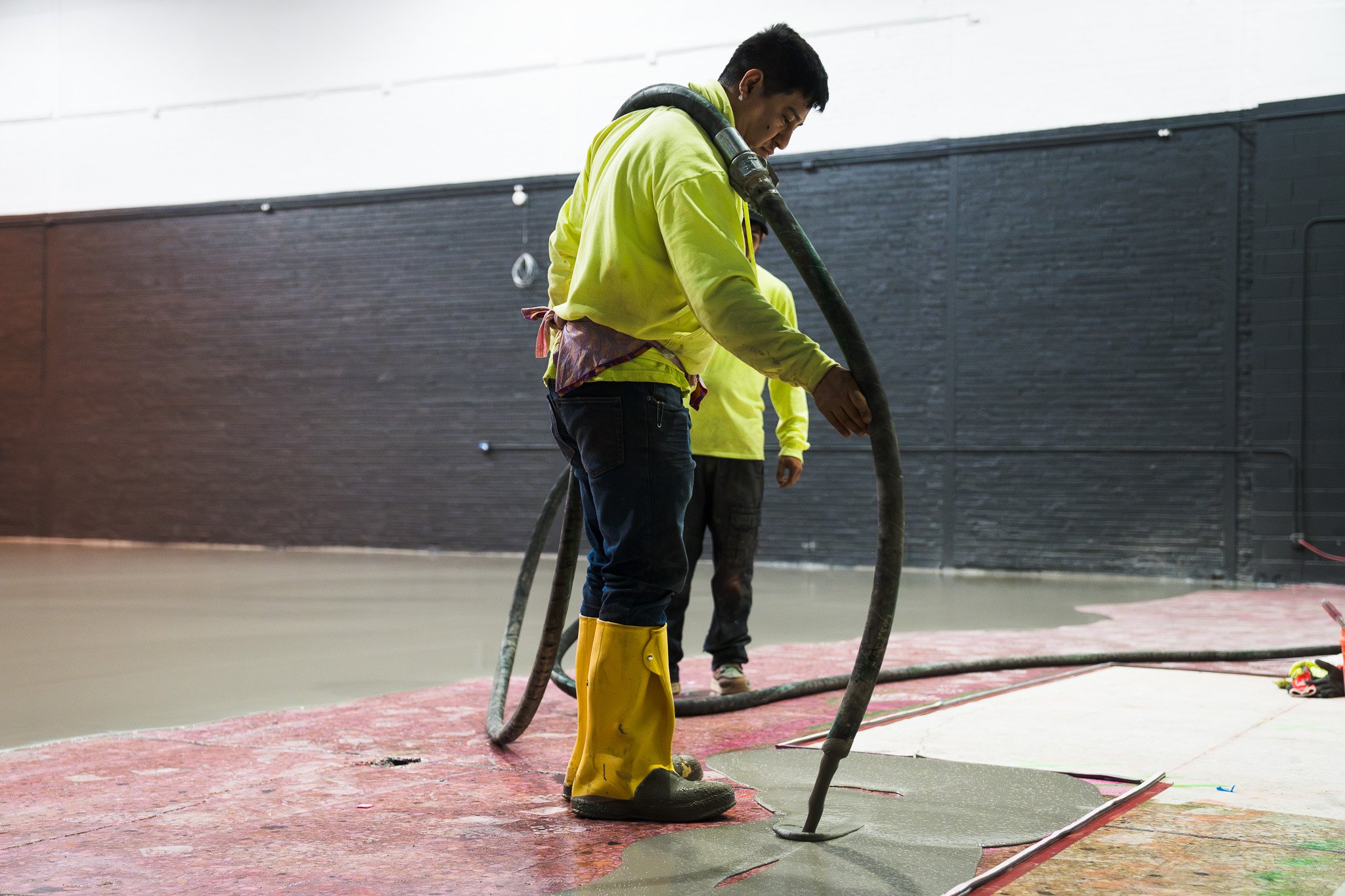
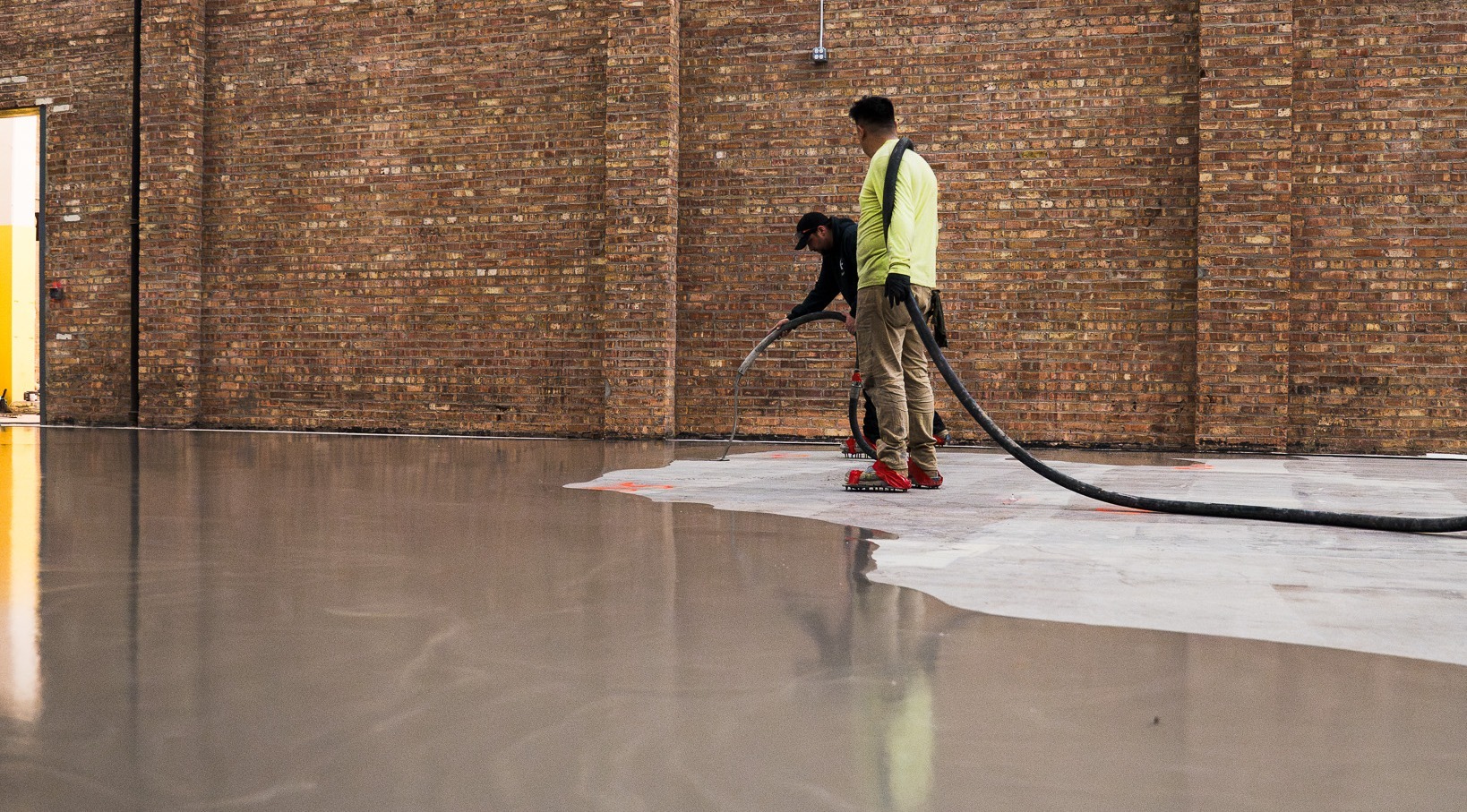
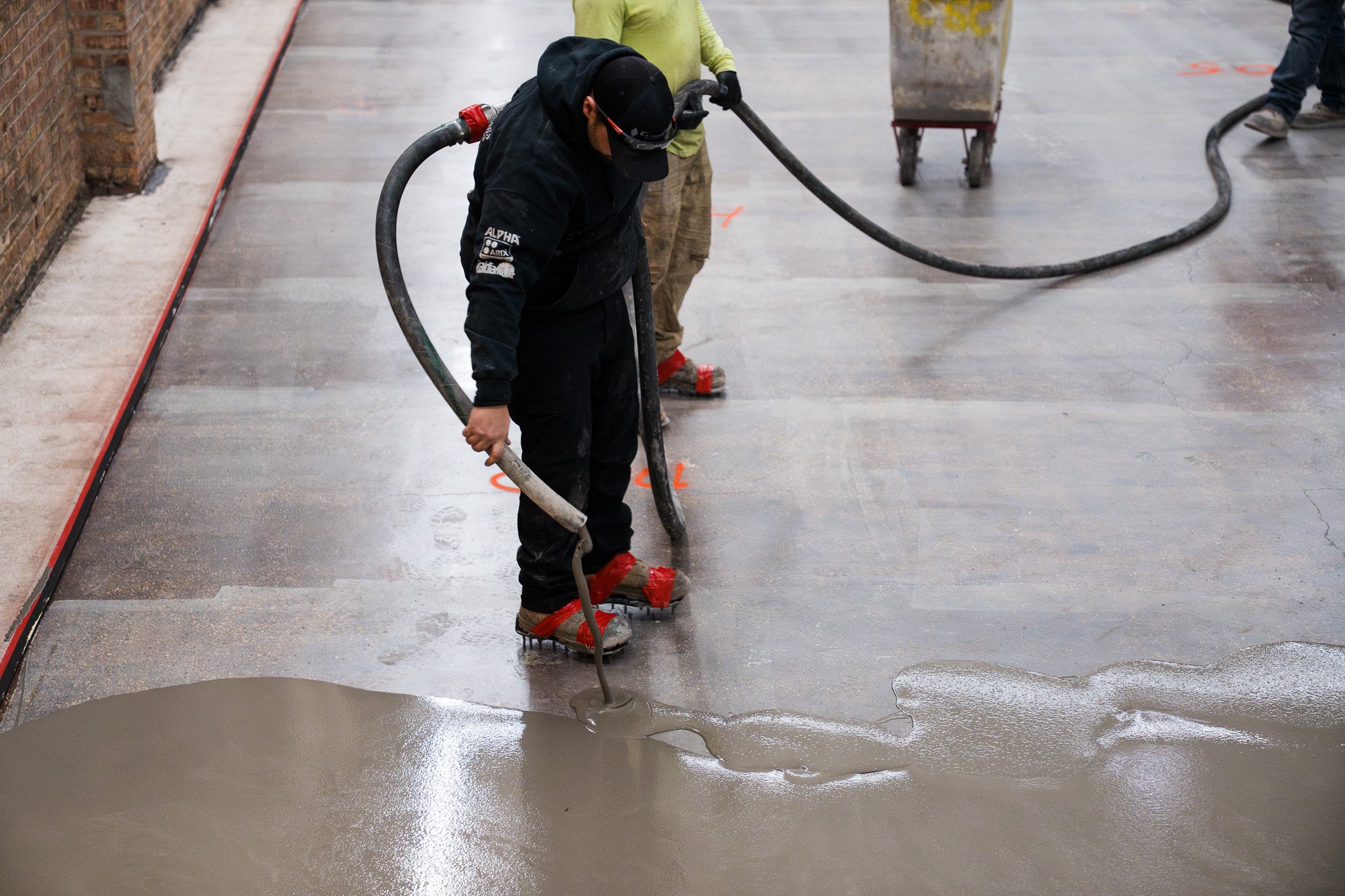
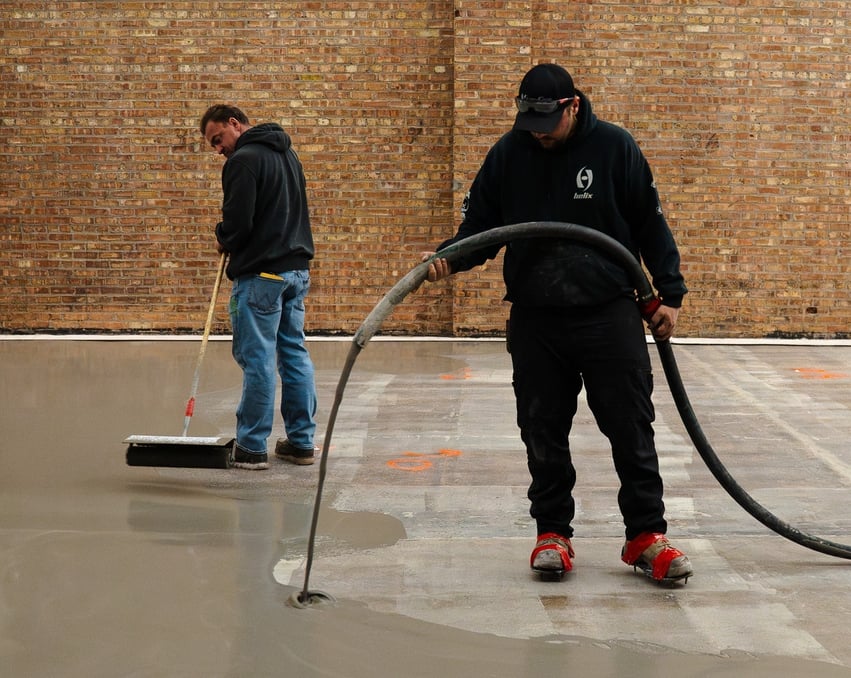
Self-leveling concrete is a fluid, cement-based material designed to create a smooth, level surface over an existing slab. Unlike resurfacing, it is specifically engineered to correct uneven floors and elevation differences.
Self-leveling systems are used when floors have:
- Significant unevenness or slope issues
- Low spots or depressions
- Variations in height across the slab
- Substrates that need to be flattened before installing flooring
How It Works
The process typically involves:
- Preparing the surface through grinding or cleaning
- Applying a primer to promote adhesion
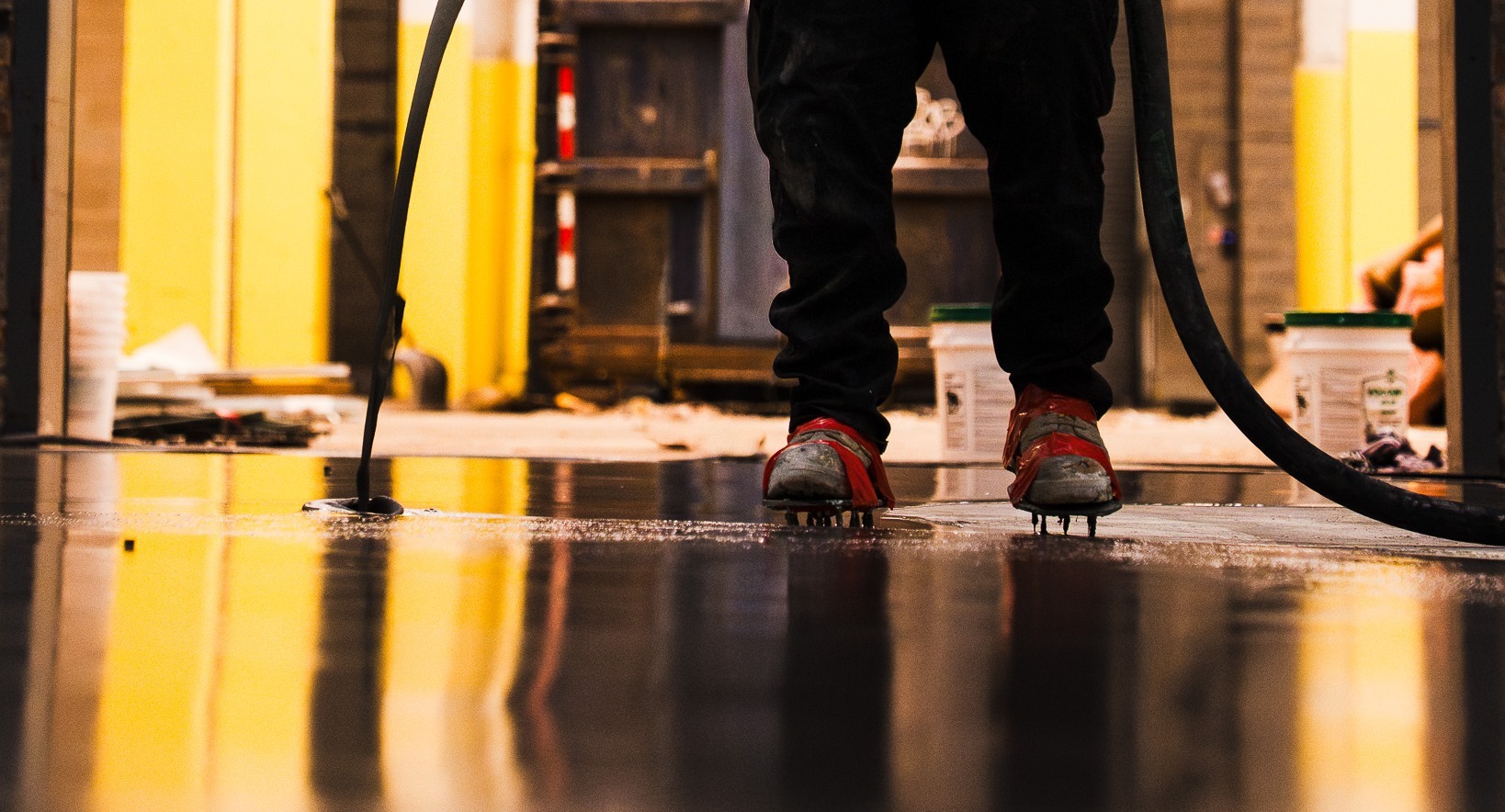
- Pouring the self-leveling material
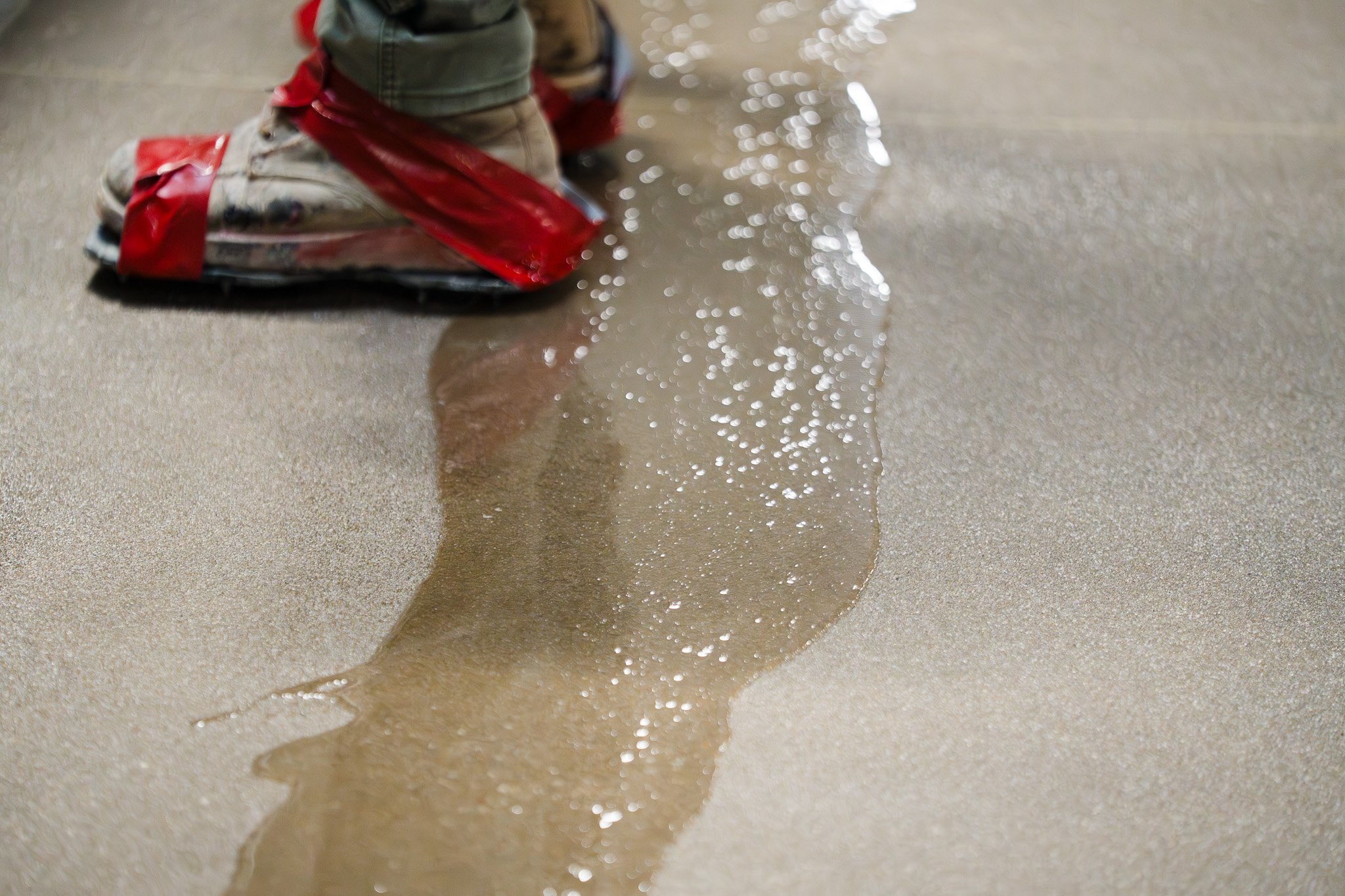
- Allowing the material to flow and settle into a flat surface
Self-leveling concrete spreads across the floor and naturally finds its level, creating a smooth and consistent substrate.
Key Differences Between Resurfacing and Self-Leveling
Although both methods improve concrete surfaces, their purposes are different.
1. Purpose
- Concrete resurfacing: Repairs and restores surface damage
- Self-leveling concrete: Corrects unevenness and creates a flat surface
2. Thickness
- Concrete resurfacing: Thin applications, often a few millimeters
- Self-leveling concrete: Can vary in thickness depending on leveling needs
3. Surface Condition
- Concrete resurfacing: Works best on relatively level slabs with surface wear
- Self-leveling concrete: Designed for floors with elevation inconsistencies
4. Final Use
- Concrete resurfacing: Can be used as a finished surface or base layer
- Self-leveling concrete: Typically used as an underlayment for other flooring systems
Understanding these differences is essential when choosing the right solution.
When to Choose Concrete Resurfacing
Concrete resurfacing is the right choice when:
- The slab is structurally sound
- Surface damage is mostly cosmetic or shallow
- The floor is already relatively level
- You want to improve appearance or prepare for coatings
Resurfacing is often used in commercial spaces, retail environments, and light industrial areas where the focus is on improving surface quality rather than correcting elevation.
When to Choose Self-Leveling Concrete
Self-leveling concrete is the better option when:
- The floor has noticeable dips or slopes
- Flatness is required for flooring installation
- Equipment or traffic demands a level surface
- You plan to install tile, epoxy, or other coatings that require a smooth base
Many flooring systems require a flat substrate to perform correctly. In these cases, self-leveling concrete provides the foundation needed for long-term success.
Compatibility with Final Flooring Systems
Both methods play a role in preparing floors for final finishes, but their compatibility differs.
Concrete Resurfacing
Resurfaced floors can support:
- Epoxy coatings
- Polished concrete systems
- Sealed concrete finishes
However, the final performance depends on proper preparation and material selection.
Self-Leveling Concrete
Self-leveling underlayments are often used beneath:
- Tile or VCT
- Carpet
- Resinous coatings
- Polished overlays
Because they create a flat surface, they are often required before installing certain flooring systems.
Durability Expectations
Durability depends on how each system is used.
- Concrete resurfacing improves surface strength but is not designed to correct structural issues
- Self-leveling concrete provides a stable base but typically requires a protective top layer for long-term durability
Neither solution replaces the need for proper system selection based on traffic, environment, and performance requirements.
Common Mistakes to Avoid
Choosing the wrong method can lead to poor results. Common mistakes include:
- Using resurfacing when leveling is required
- Skipping surface preparation
- Applying self-leveling without proper priming
- Ignoring underlying slab issues
Both concrete resurfacing and self-leveling systems rely heavily on preparation and proper application.
FAQ: Resurfacing vs Self-Leveling
Can concrete resurfacing level a floor?
No. It improves surface condition but does not correct significant elevation issues.
Is self-leveling concrete a finished floor?
Usually not. It is typically used as a base for other flooring systems.
Can both methods be used together?
Yes. In some projects, self-leveling is used first, followed by resurfacing or coatings.

Final Thoughts
Understanding the difference between concrete resurfacing and self-leveling concrete is key to choosing the right solution for your floor. While resurfacing restores surface quality, self-leveling corrects unevenness and prepares the slab for additional flooring systems.
Selecting the right approach depends on the condition of your concrete, the requirements of your facility, and the type of flooring being installed.
To continue learning when self-leveling systems are most appropriate, read the next article: CustomCrete FAQ: When Should Self-Leveling Underlayment Be Used?
Topics: