
If your concrete floor has dips, low spots, or uneven areas, you may be wondering how much material it takes to fix it. One of the most common questions facility managers and property owners ask is: How thick can self-leveling be applied? The answer depends on the product, the condition of the slab, and the purpose of the repair.
In this FAQ, we’ll break down how self-leveling cementitious underlayment works, typical thickness ranges, and when thicker applications may require a different approach.

What Is Self-Leveling Concrete?
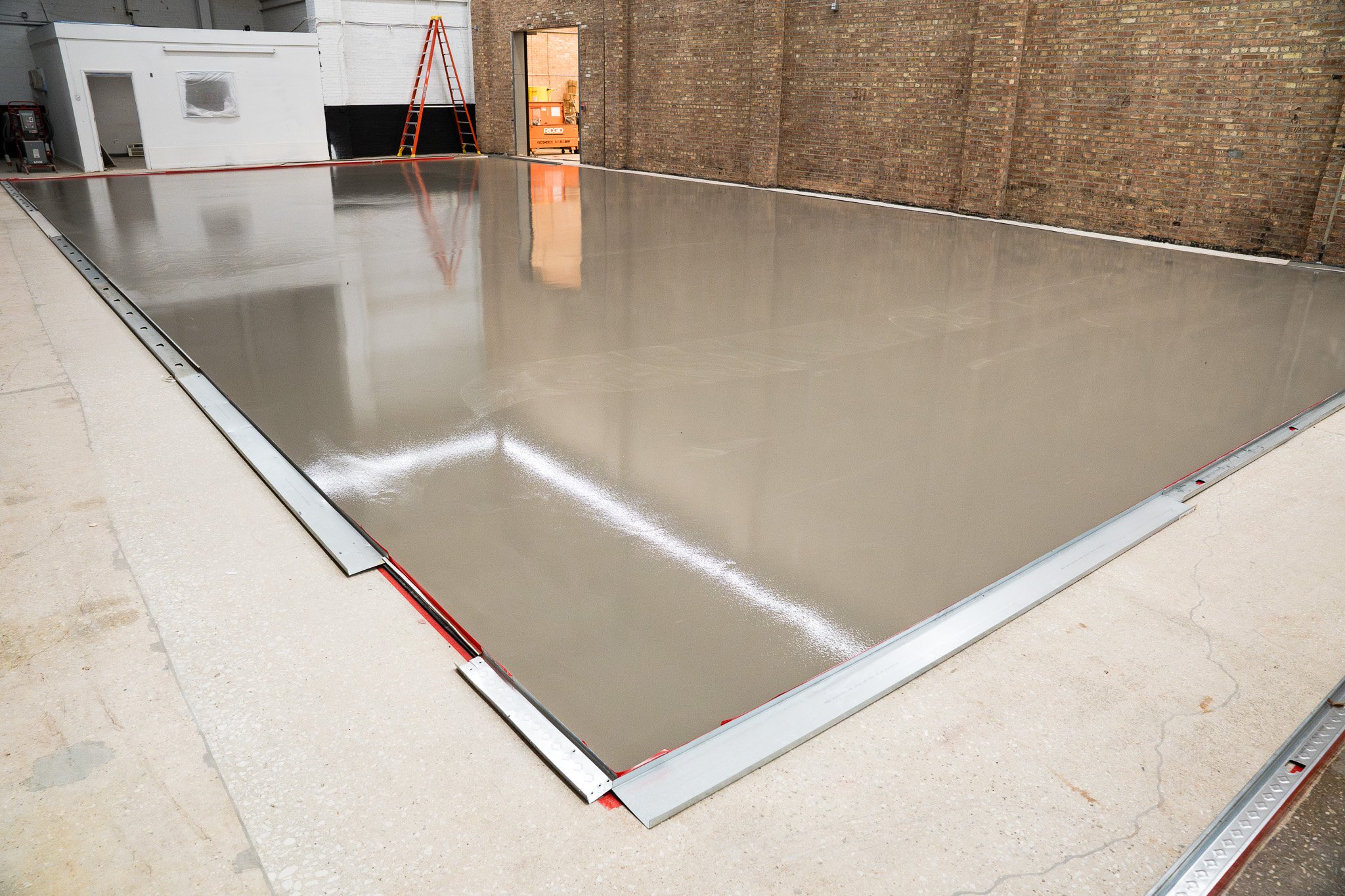
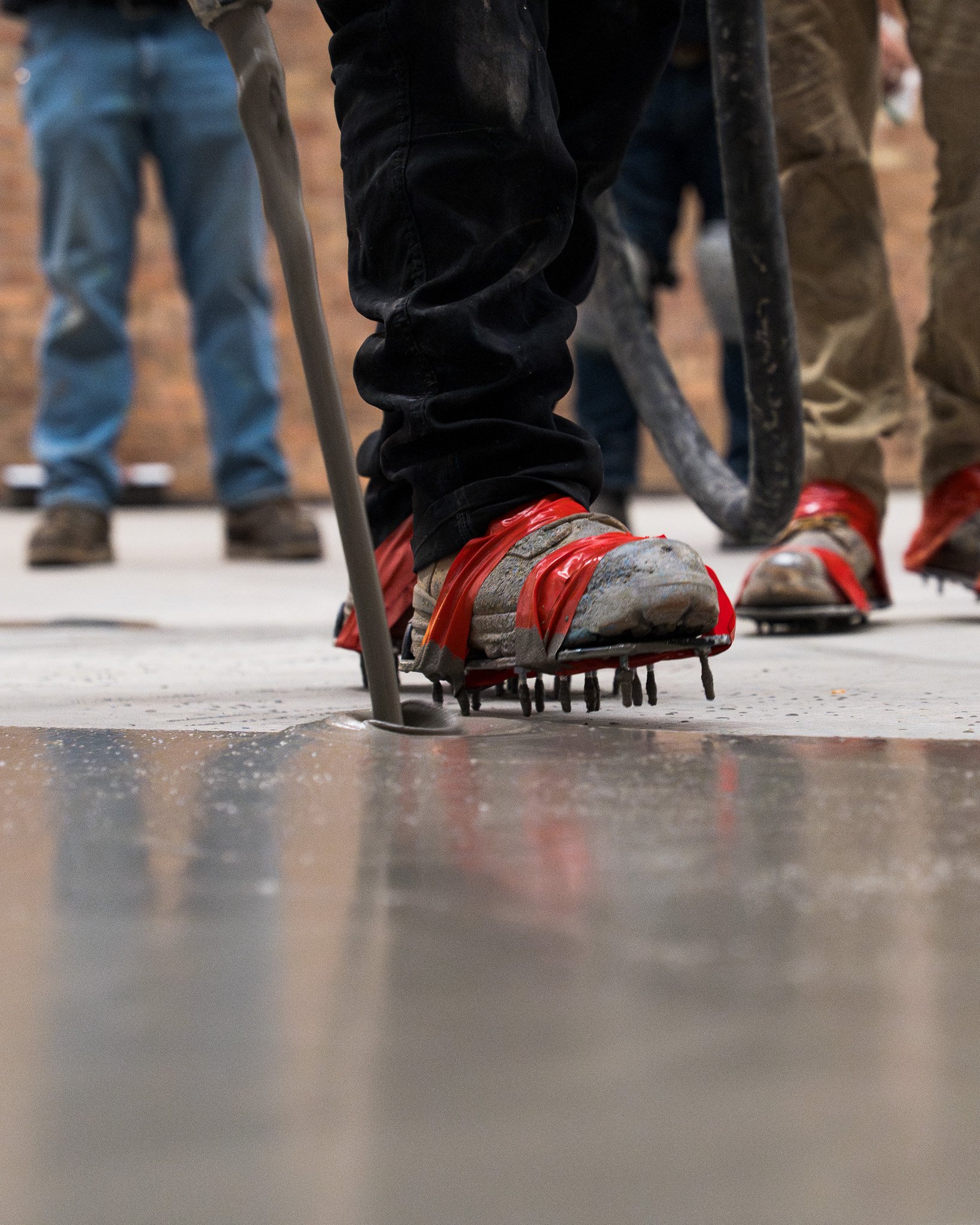
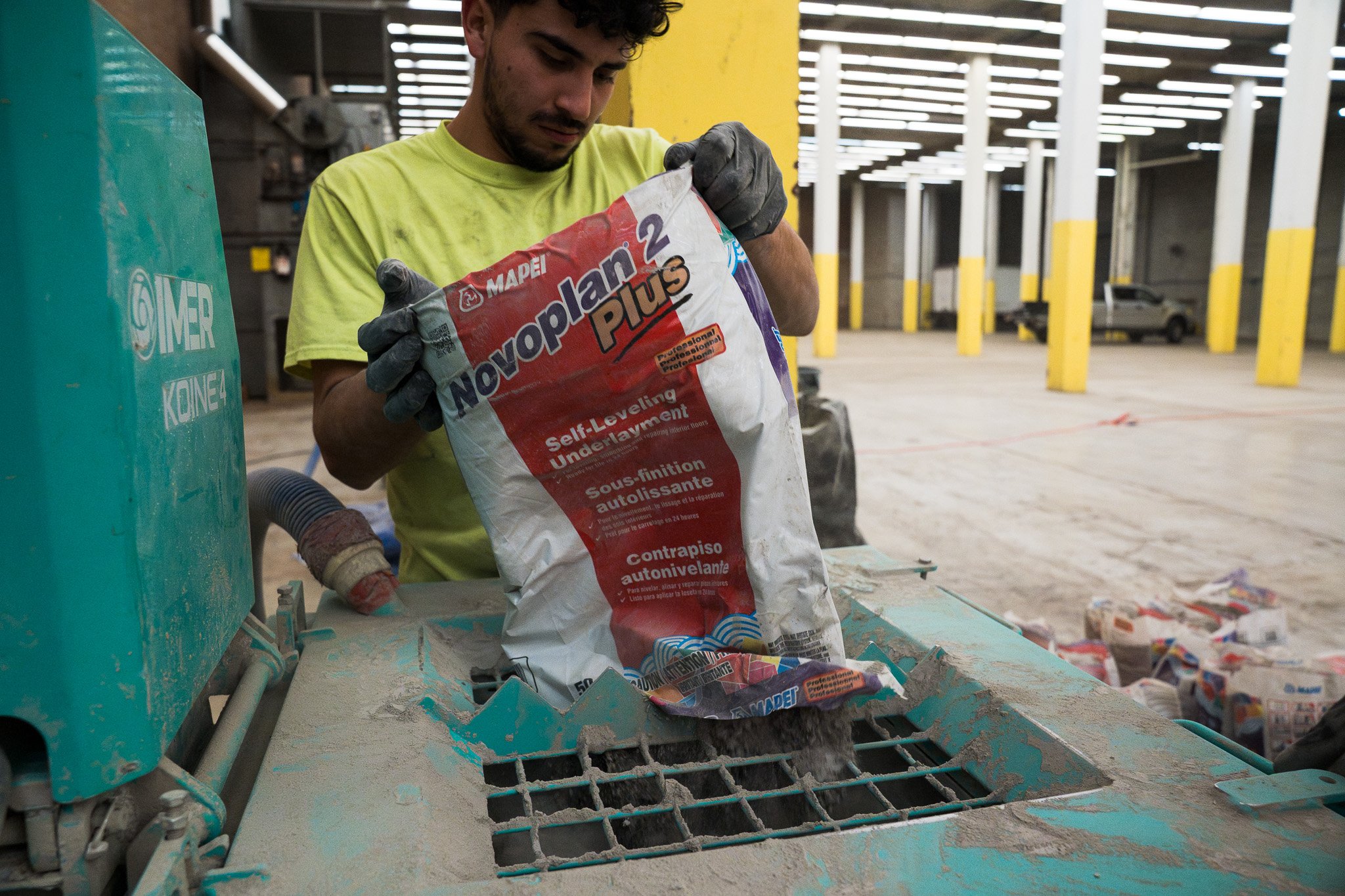
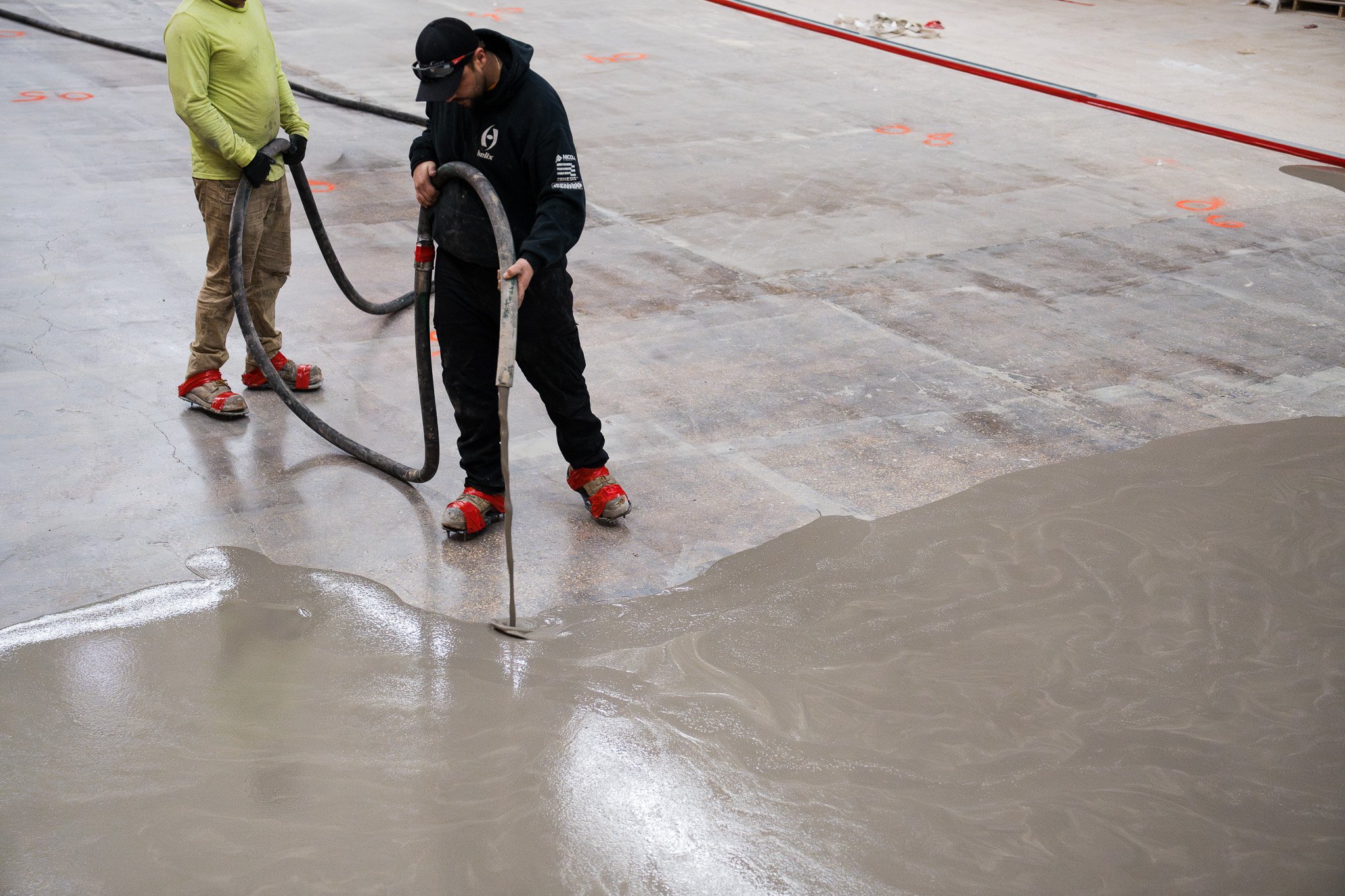
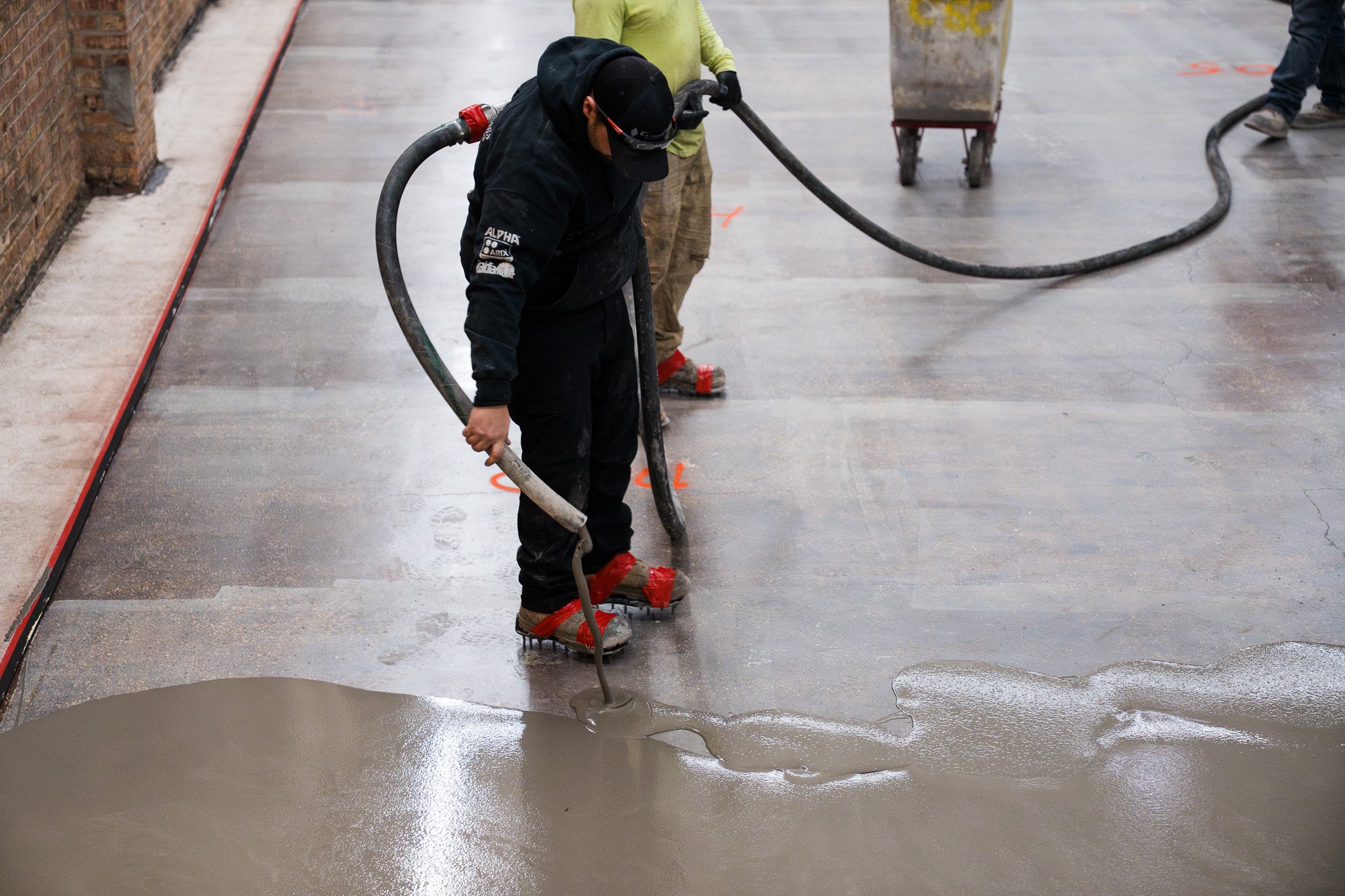
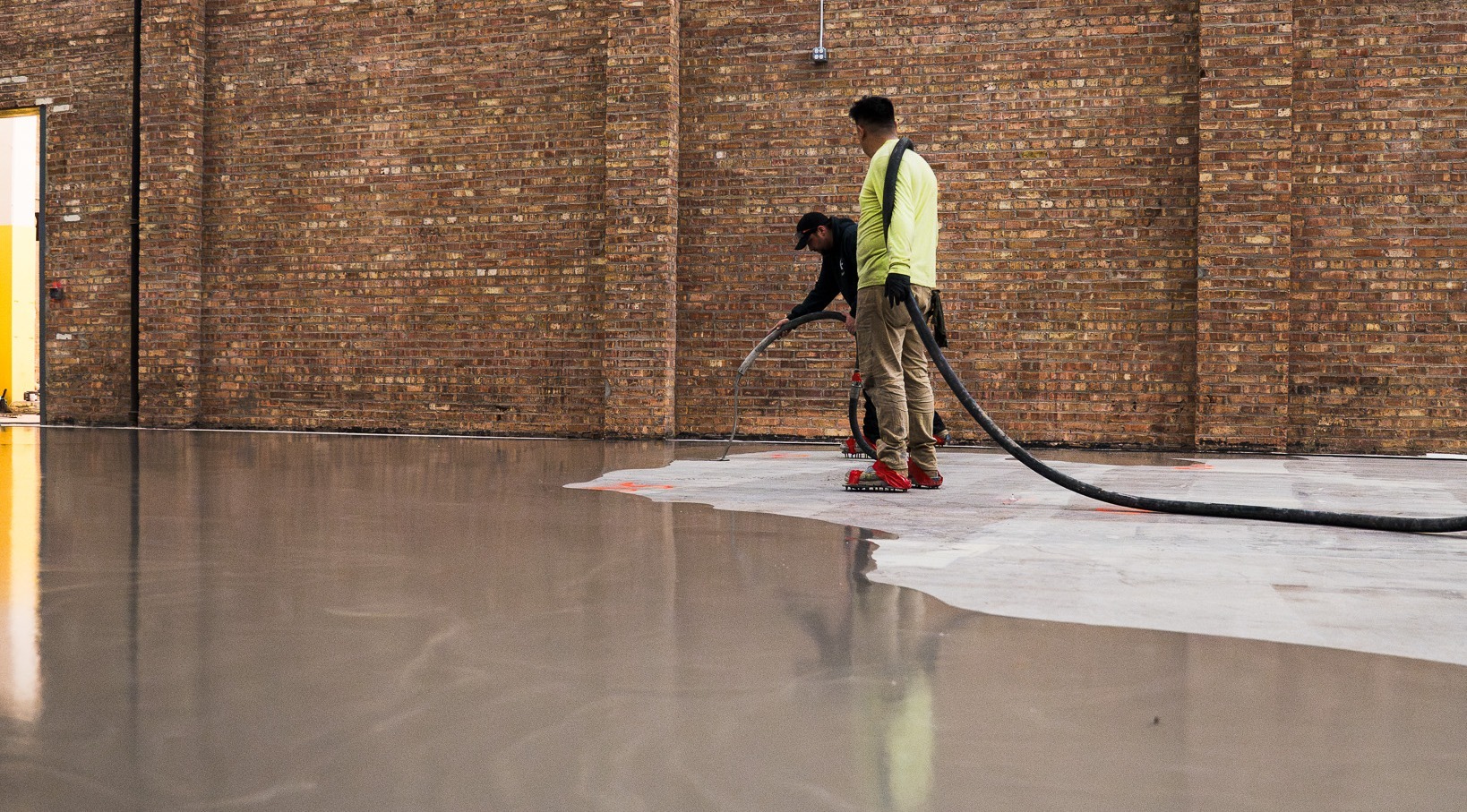
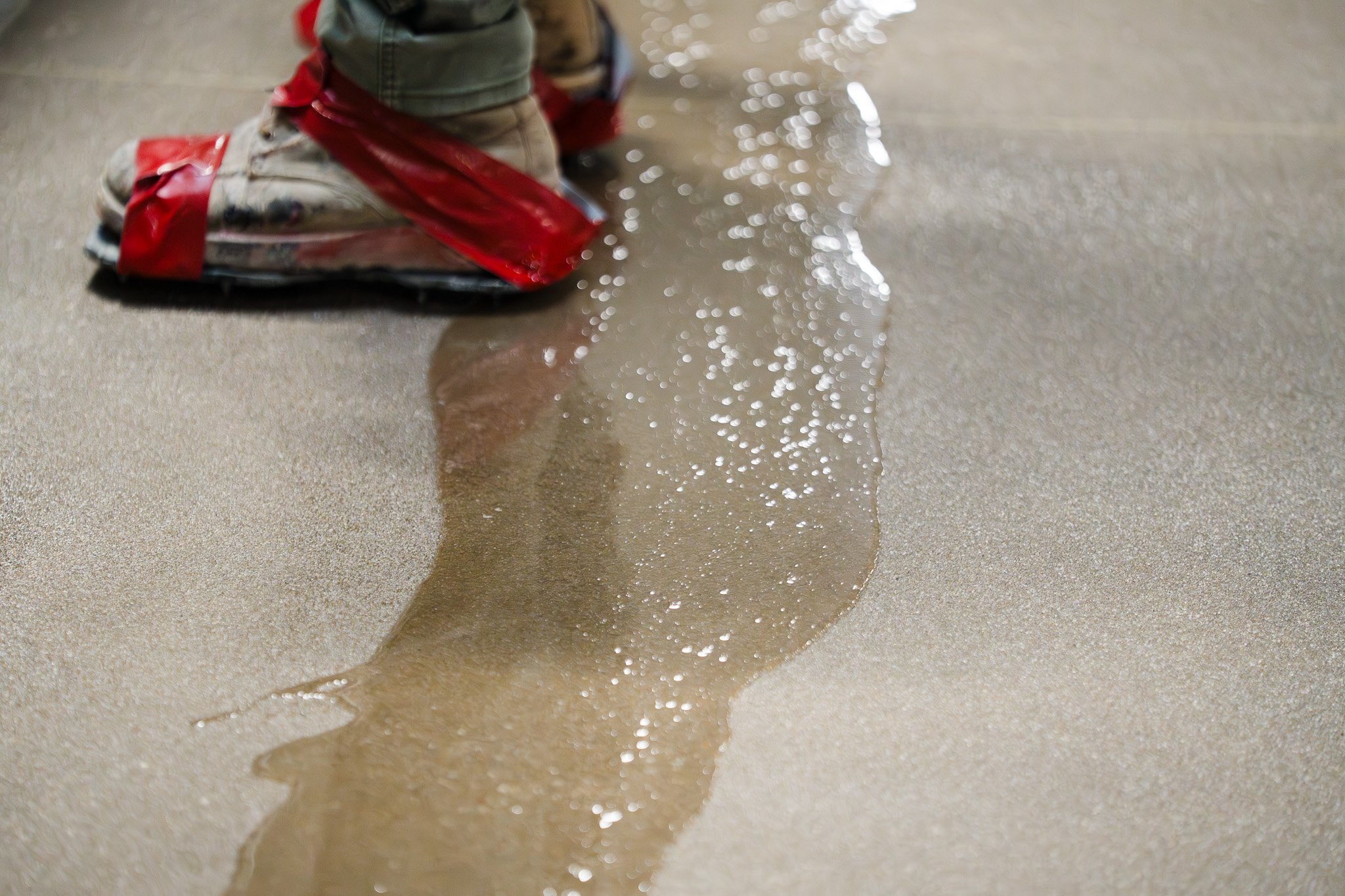
Self-leveling concrete is a polymer-modified cement material designed to flow and settle into low areas of an existing slab. It spreads easily, filling dips and creating a flat, smooth surface that is ready for a finished flooring system.
It is important to understand that self-leveling concrete is typically not the final floor although there are self-leveling overlays, they are less common. Instead, it is a preparation layer used before installing coatings, tile, carpet, vinyl, or other floor systems. Its main purpose is to restore flatness and provide a stable surface for what comes next.
How Thick Can Self-Leveling Be Applied?
In most cases, self-leveling concrete is applied between 1/8 inch and 1 inch thick in a single pour. However, this range can vary depending on the product being used and the manufacturer’s specifications.
Here are some general guidelines:
- Feather edge to 1/2 inch: Common for smoothing minor surface irregularities.
- 1/2 inch to 1 inch: Used when correcting more noticeable dips or uneven slabs.
- Over 1 inch: May require specialty self-leveling products or multiple lifts (layers).
Most standard self-leveling underlayments are designed for moderate thickness. If a slab requires significant buildup—such as filling deep depressions or correcting major elevation differences—a structural repair or alternative solution may be more appropriate.
Always follow manufacturer guidelines, as exceeding recommended thickness can cause cracking, improper curing, or bond issues.
What Determines the Right Thickness?
The correct thickness for self-leveling cementitious underlayment depends on several factors:
1. Depth of the low spots
The deeper the dip, the thicker the material needs to be to achieve flatness.
2. Structural condition of the slab
Self-leveling is intended for surface correction, not structural repair. If the slab is cracked, heaving, or unstable, leveling alone will not fix the problem.
3. Final flooring system
Some floor systems—like coatings or sport surfaces—require very tight flatness tolerances. In those cases, precise leveling may be critical.
4. Manufacturer specifications
Every product has minimum and maximum thickness requirements. Some are reinforced for thicker applications, while others are designed only for thin smoothing.
Can Self-Leveling Be Poured Too Thick?
Yes. Pouring self-leveling concrete too thick without using the correct product can lead to issues such as:
- Cracking
- Excessive shrinkage
- Improper curing
- Delamination from the slab
For deeper fills, installers may use aggregate extension methods, multiple pours, or switch to a different repair material designed for structural buildup. The goal is not just thickness—it’s long-term stability.
Why Thickness Matters for Performance
Applying self-leveling at the correct thickness ensures:
- A flat, even substrate
- Proper bond to the existing slab
- Compatibility with the final flooring system
- Reduced risk of future surface failure
When installed properly, self-leveling cementitious underlayment helps protect your investment in coatings, tile, or other floor finishes by creating the right foundation.

Final Thoughts
Self-leveling concrete is typically applied from a feather edge up to about 1 inch thick in a single lift, though some products allow deeper applications. The right thickness depends on the material used, slab condition, and the flooring system planned above it.
To better understand when self-leveling underlayment is the right solution, read the next article: CustomCrete FAQ: When Should Self-Leveling Underlayment Be Used?
Topics: