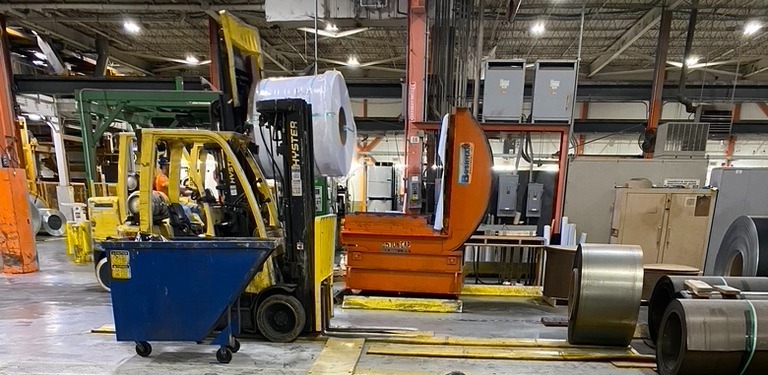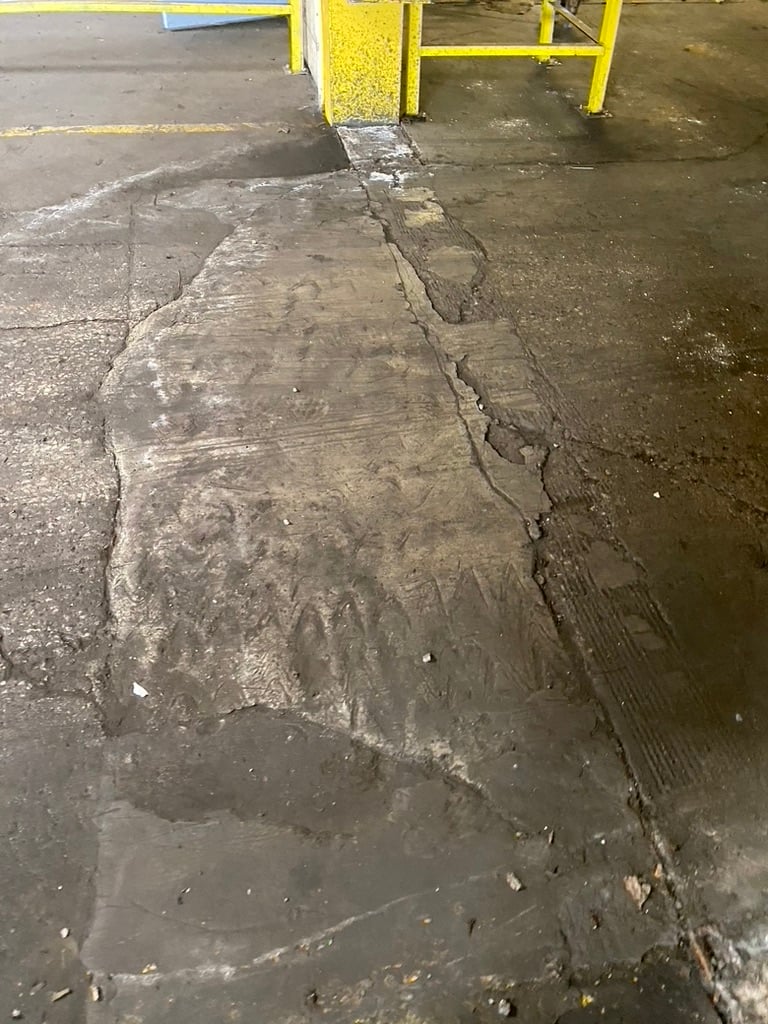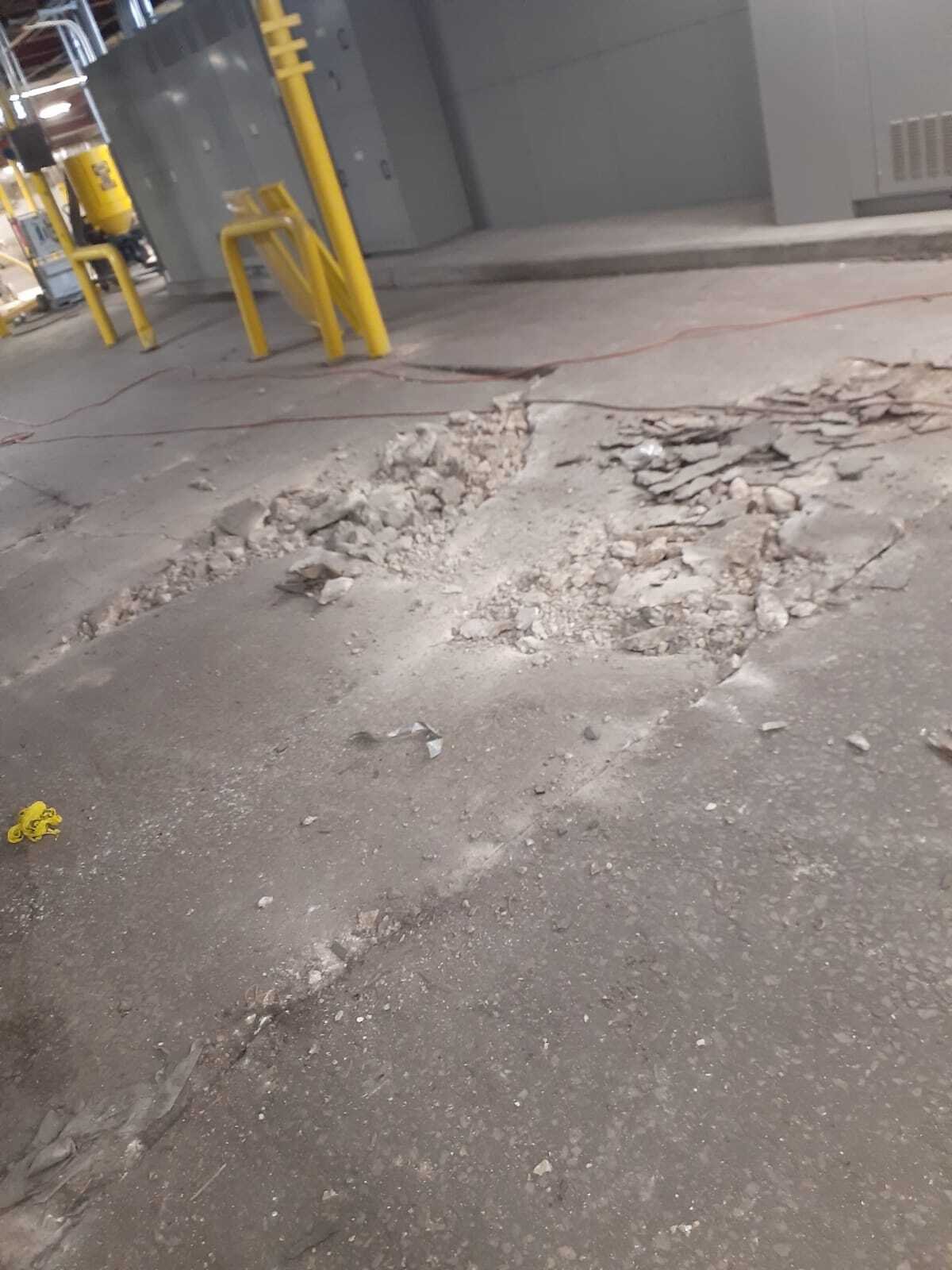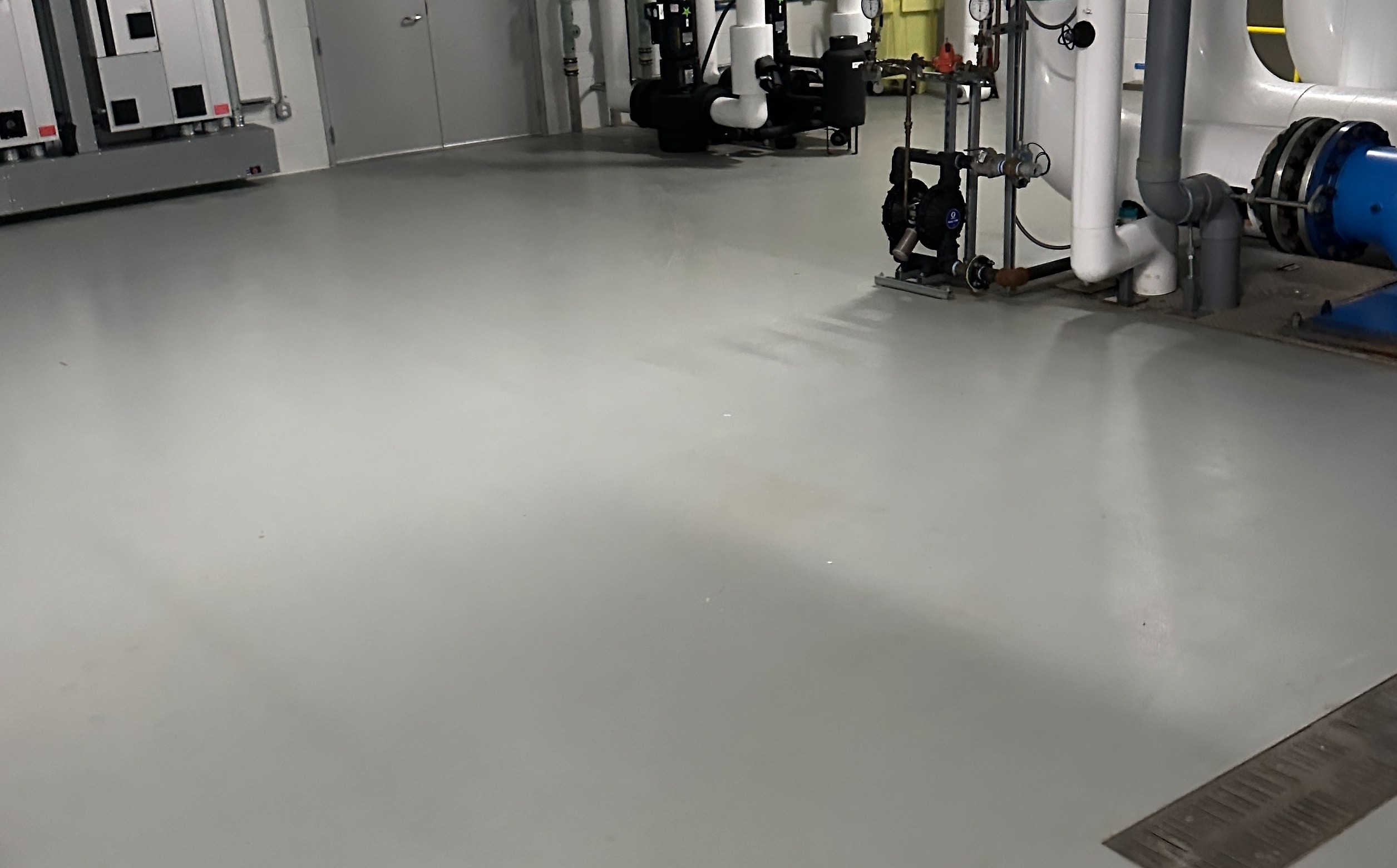

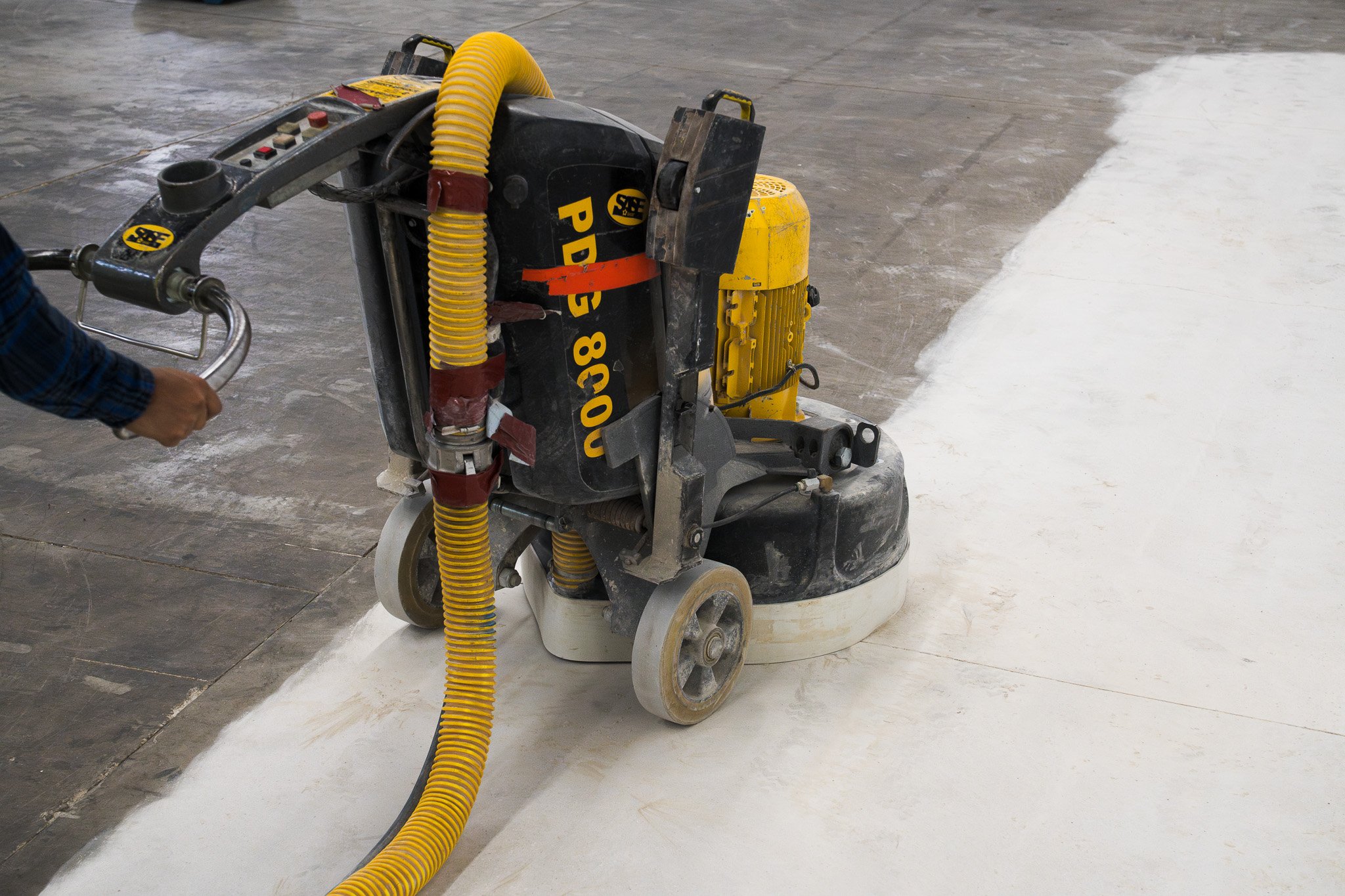
Floor demolition involves removing existing flooring materials and preparing the concrete slab underneath for a new flooring system. This process may include tearing out coatings, tile, adhesives, or damaged concrete so the surface can be properly repaired and prepared. In most commercial and industrial projects, floor demolition is one of the first steps before installing epoxy, polished concrete, or other concrete flooring systems.
At CustomCrete, this question often comes up from warehouses, factories, and commercial facilities planning a flooring upgrade.

Why Floor Demolition Is Sometimes Necessary
Many buildings already have existing flooring systems in place—such as tile, carpet, epoxy coatings, or old sealers. Before a new floor can be installed, the underlying concrete must be stable, clean, and free of materials that could prevent proper adhesion.
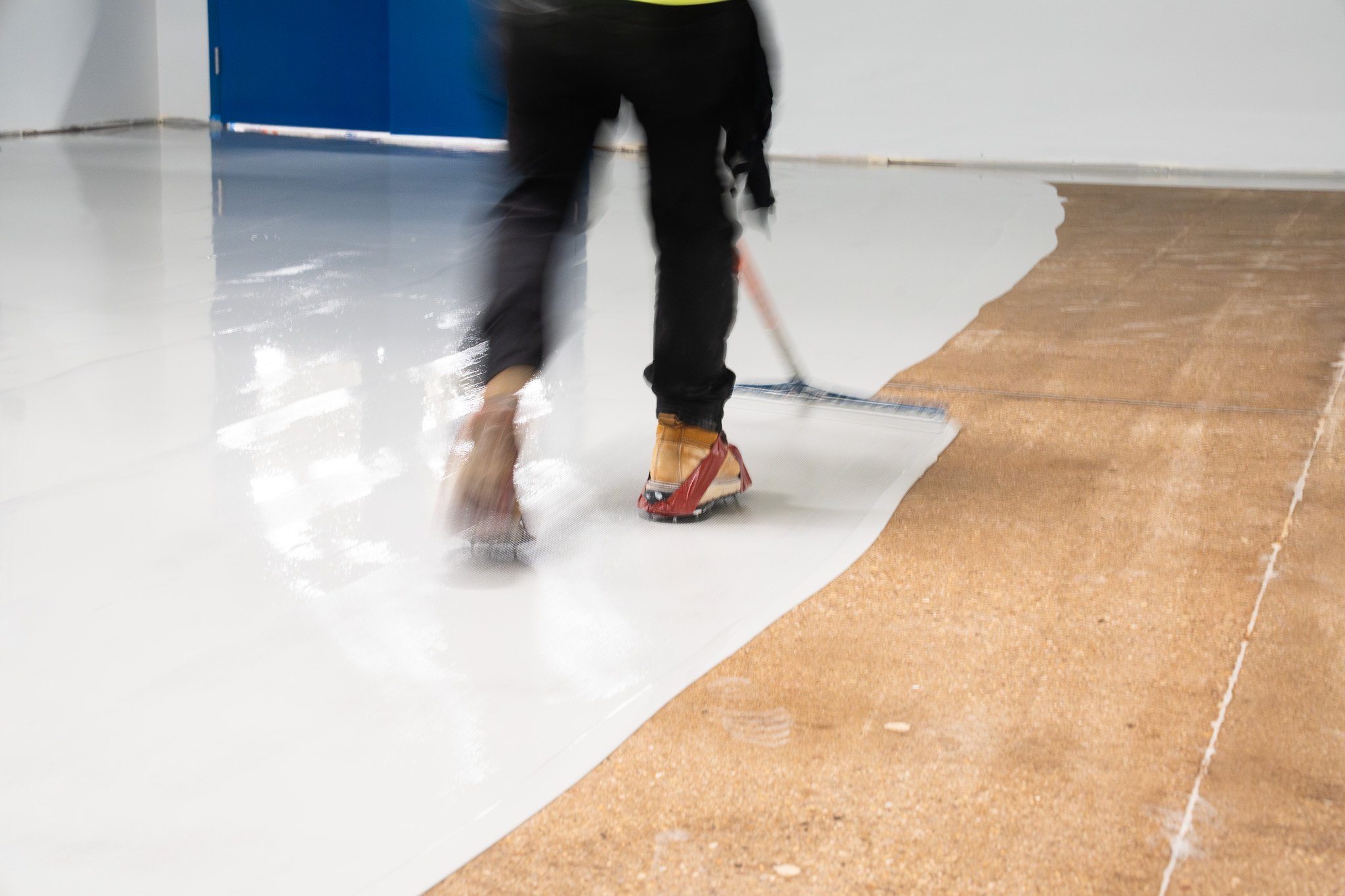
Floor demolition removes these layers so the new flooring system can bond directly to the concrete slab. Without proper demolition, new coatings or overlays may fail prematurely.
What Types of Flooring Are Commonly Removed?
Floor demolition can involve removing a wide variety of materials depending on the facility’s history. Common examples include:
- Old epoxy or resin coatings
- Tile or vinyl composition tile (VCT)
- Carpet or glued flooring systems
- Adhesive residue from previous floors
- Damaged or delaminated concrete coatings
- Quarry tile
- Ceramic tile
- Wood floors
Each material requires different tools and preparation methods to remove safely and efficiently.
How Floor Demolition Is Typically Performed
The exact floor demolition process depends on the flooring type and the condition of the concrete slab.
Common demolition methods include:
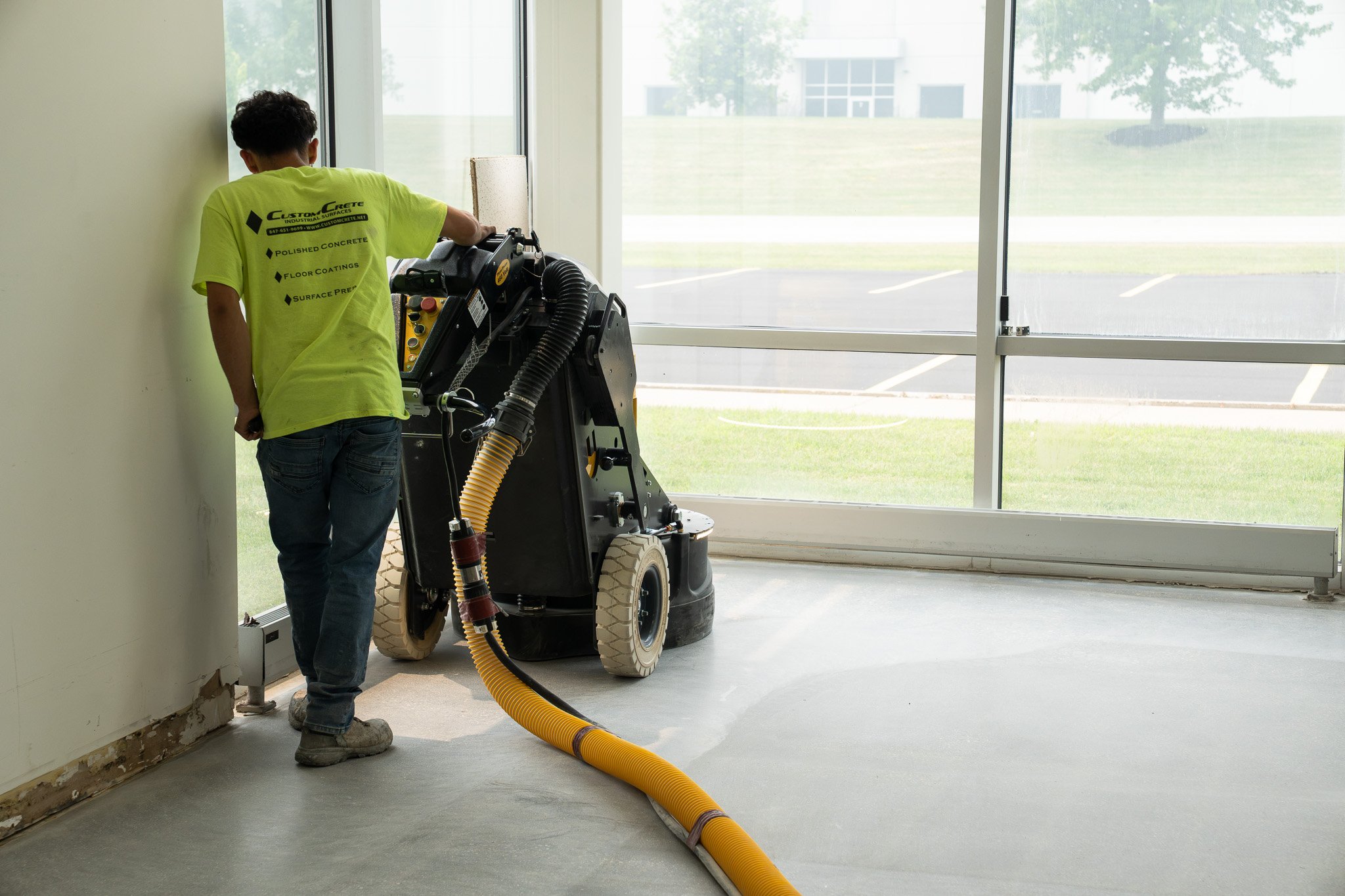
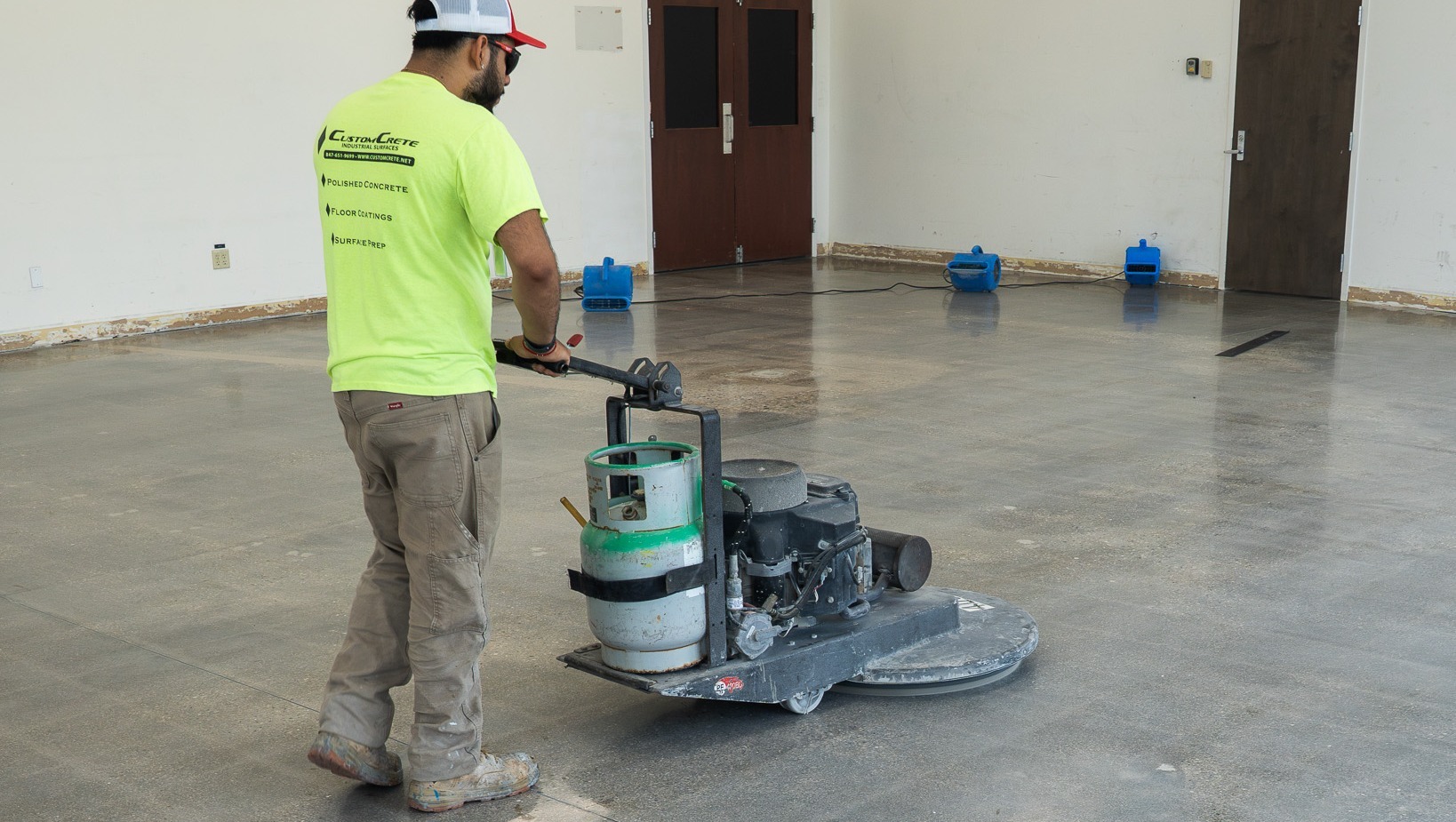
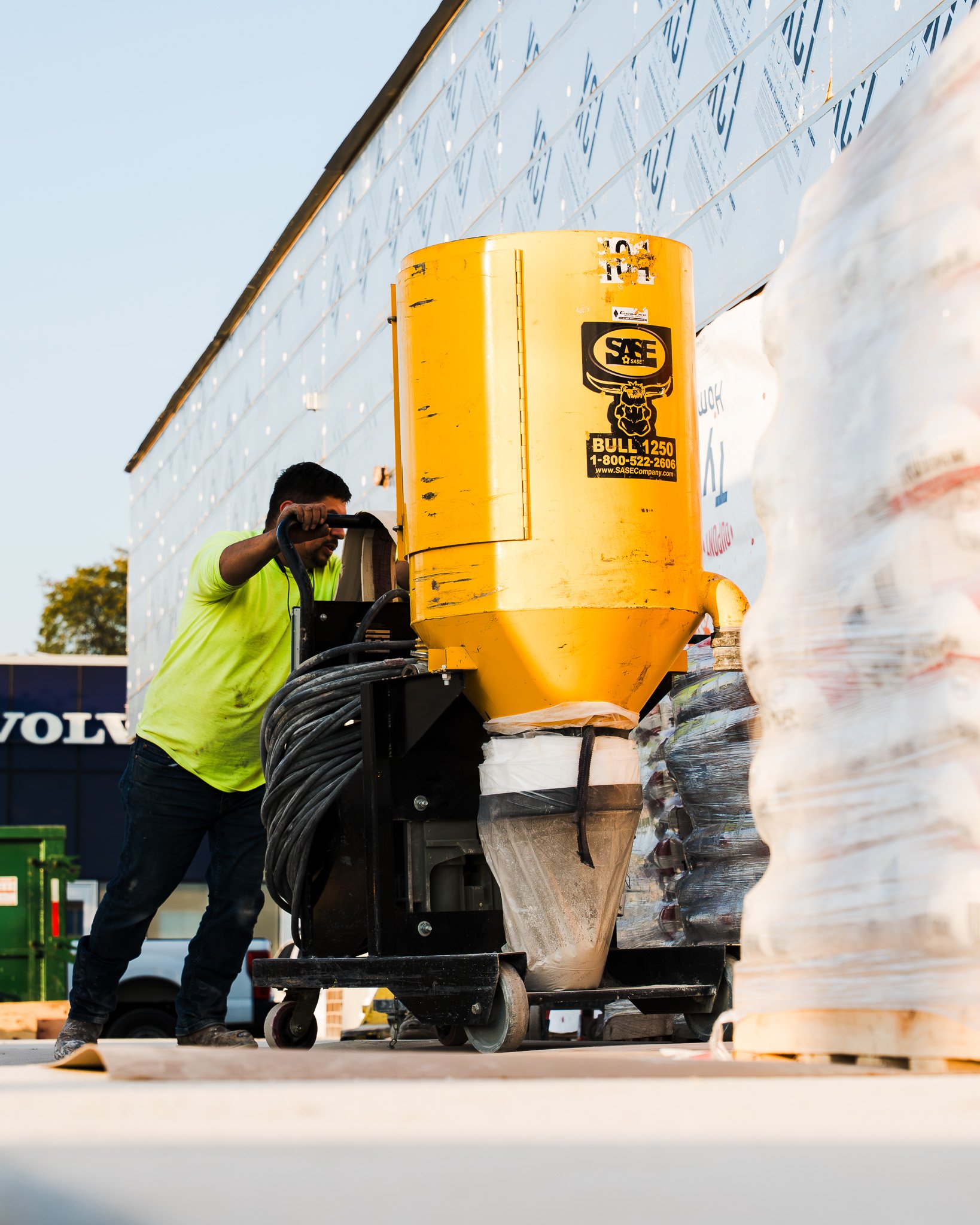
Mechanical Grinding
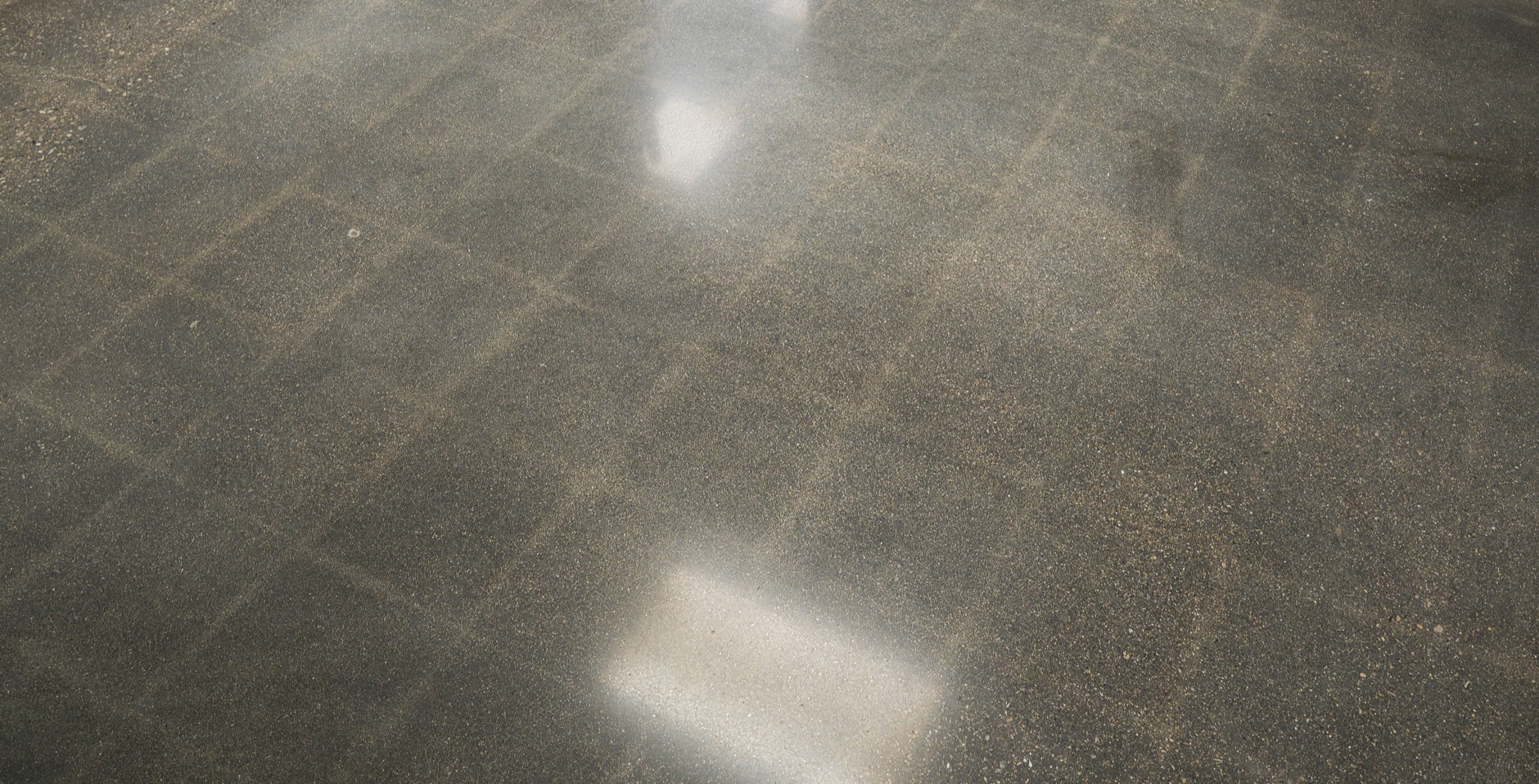
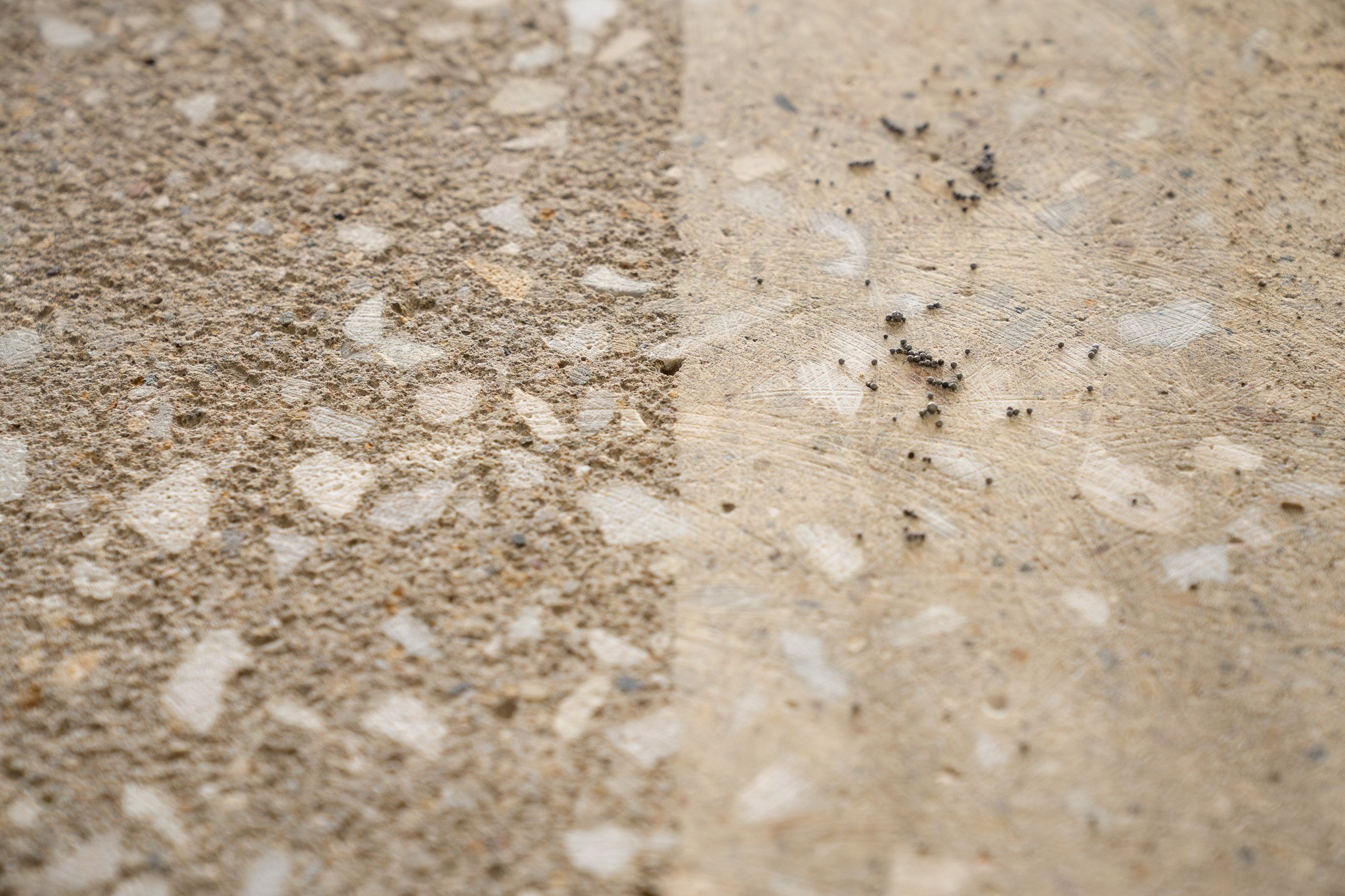
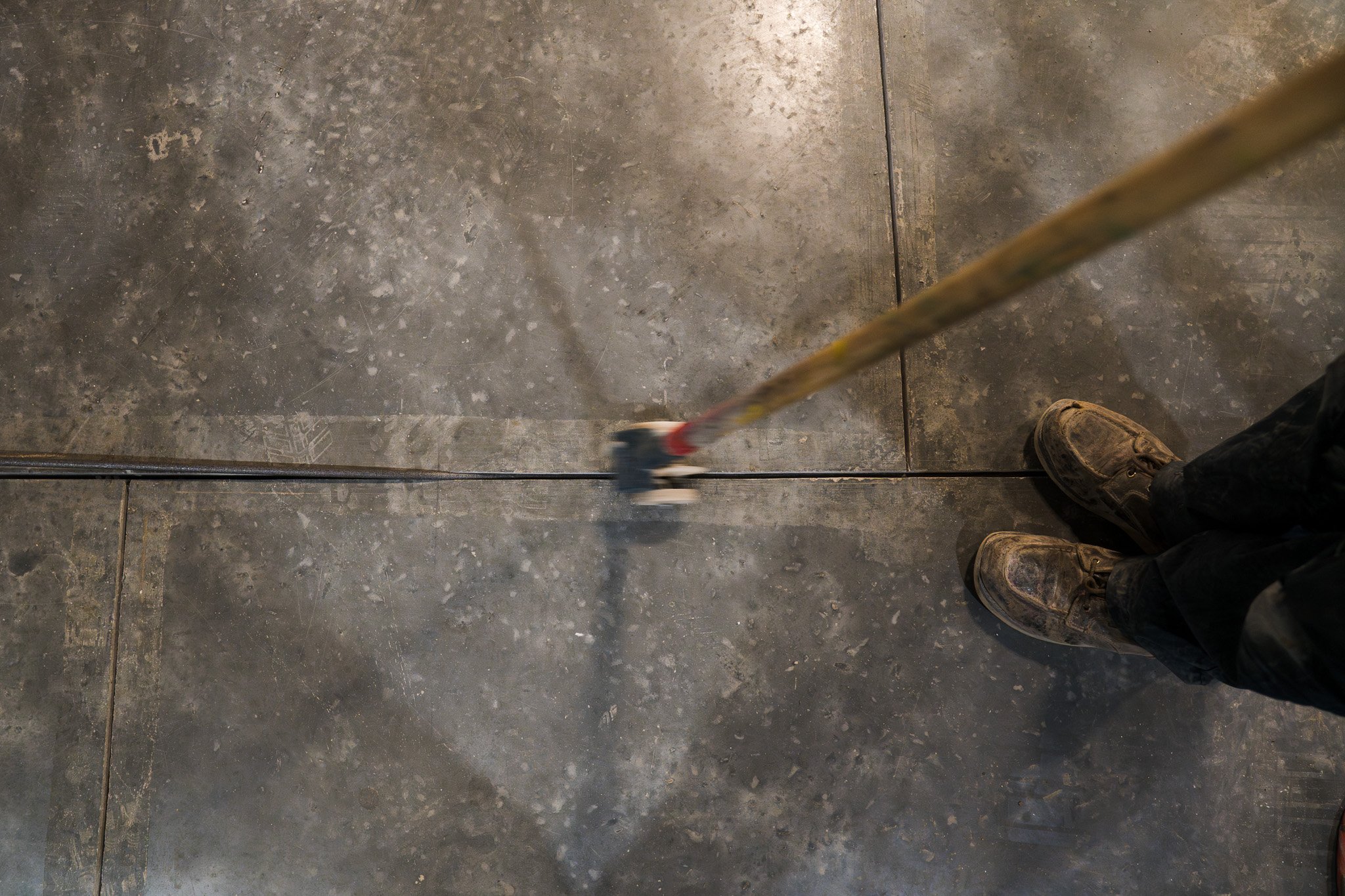
Grinding removes thin coatings, sealers, or surface contaminants while exposing clean concrete.
Shot Blasting
Shot blasting uses steel shot to remove coatings and create a consistent surface profile for new flooring systems.
Scraping or Mechanical Removal
For materials like tile, VCT, carpet, or adhesives, mechanical scrapers may be used to lift and remove flooring layers.
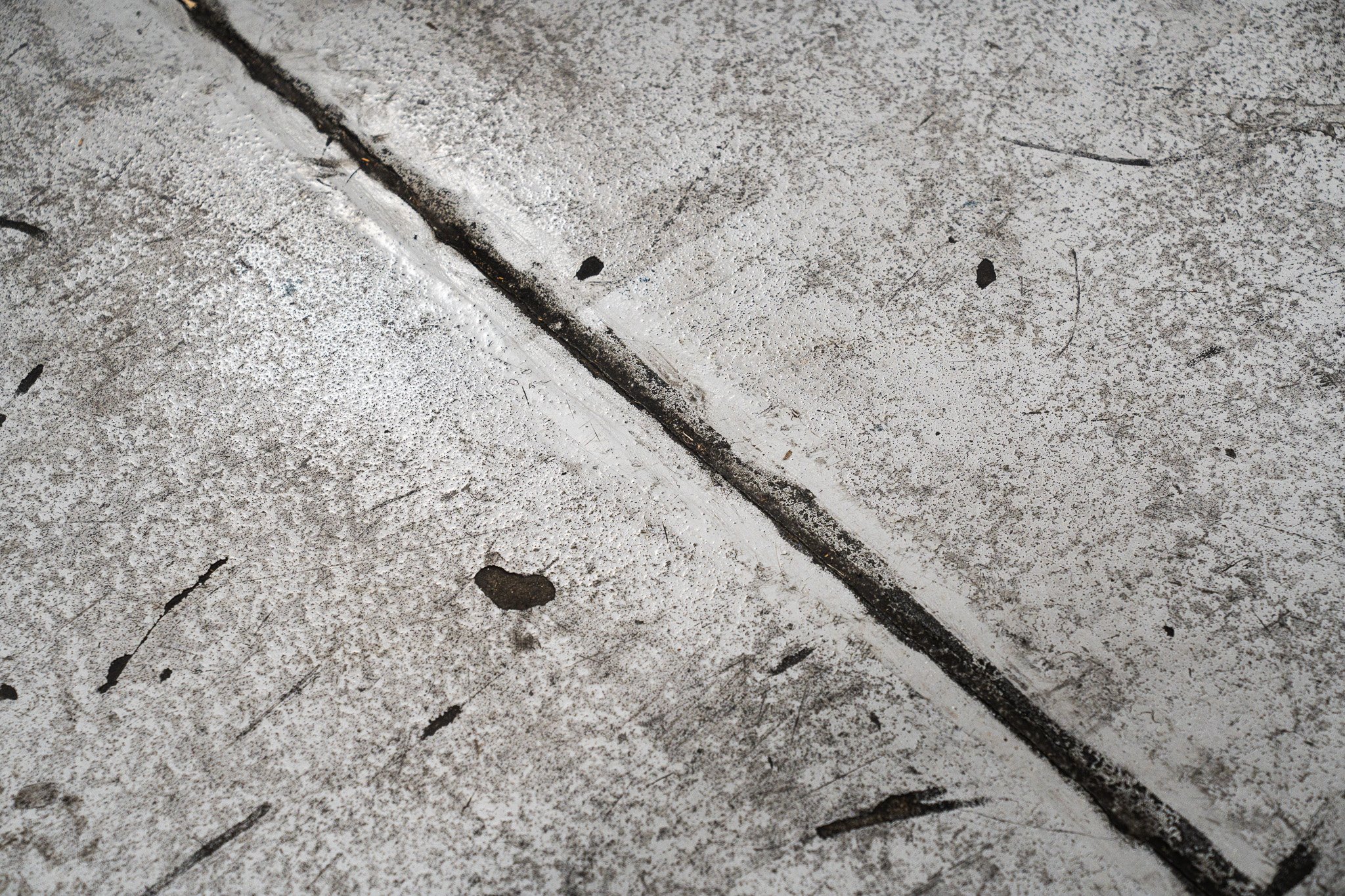
Concrete Repair After Demolition
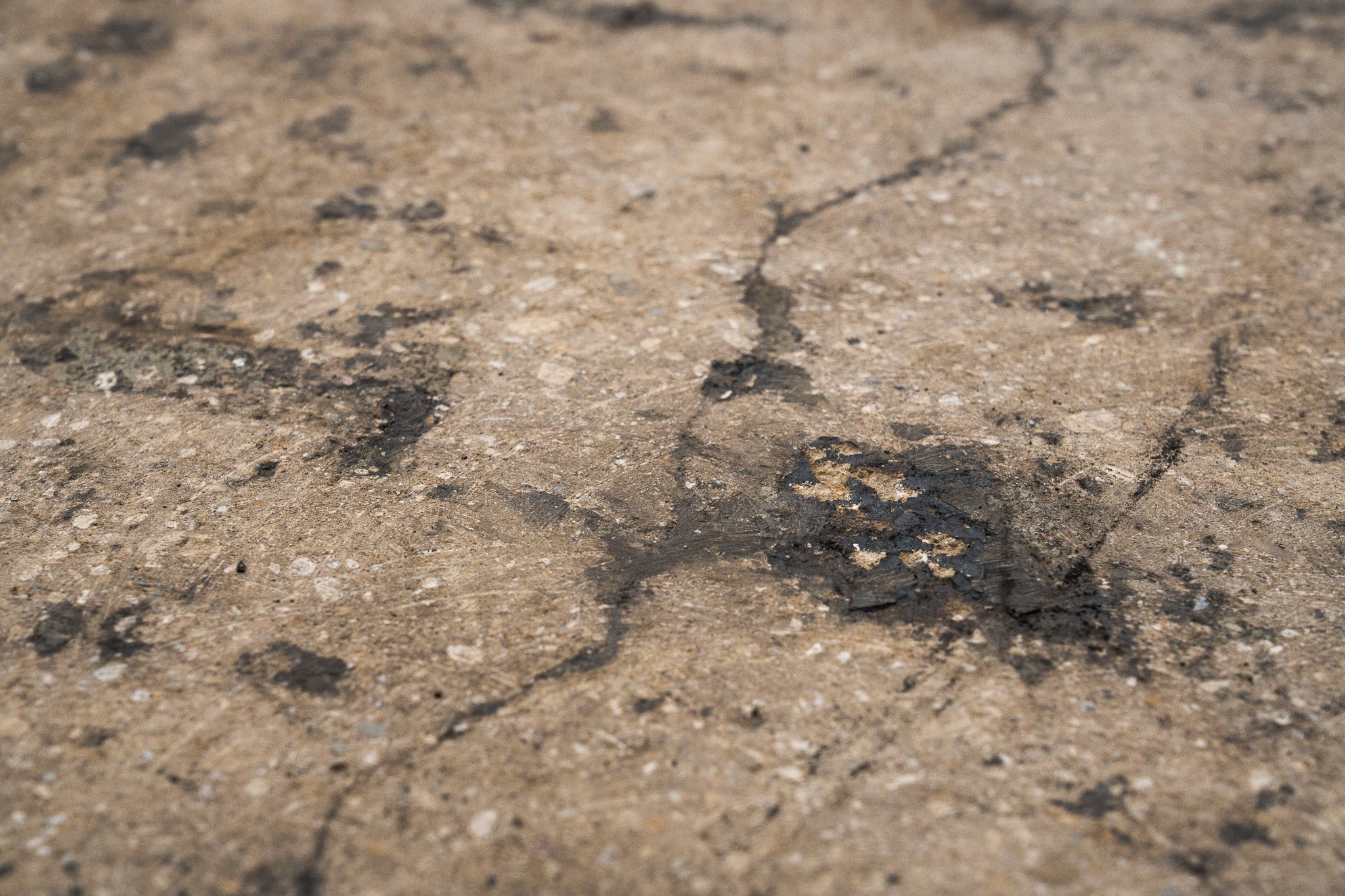
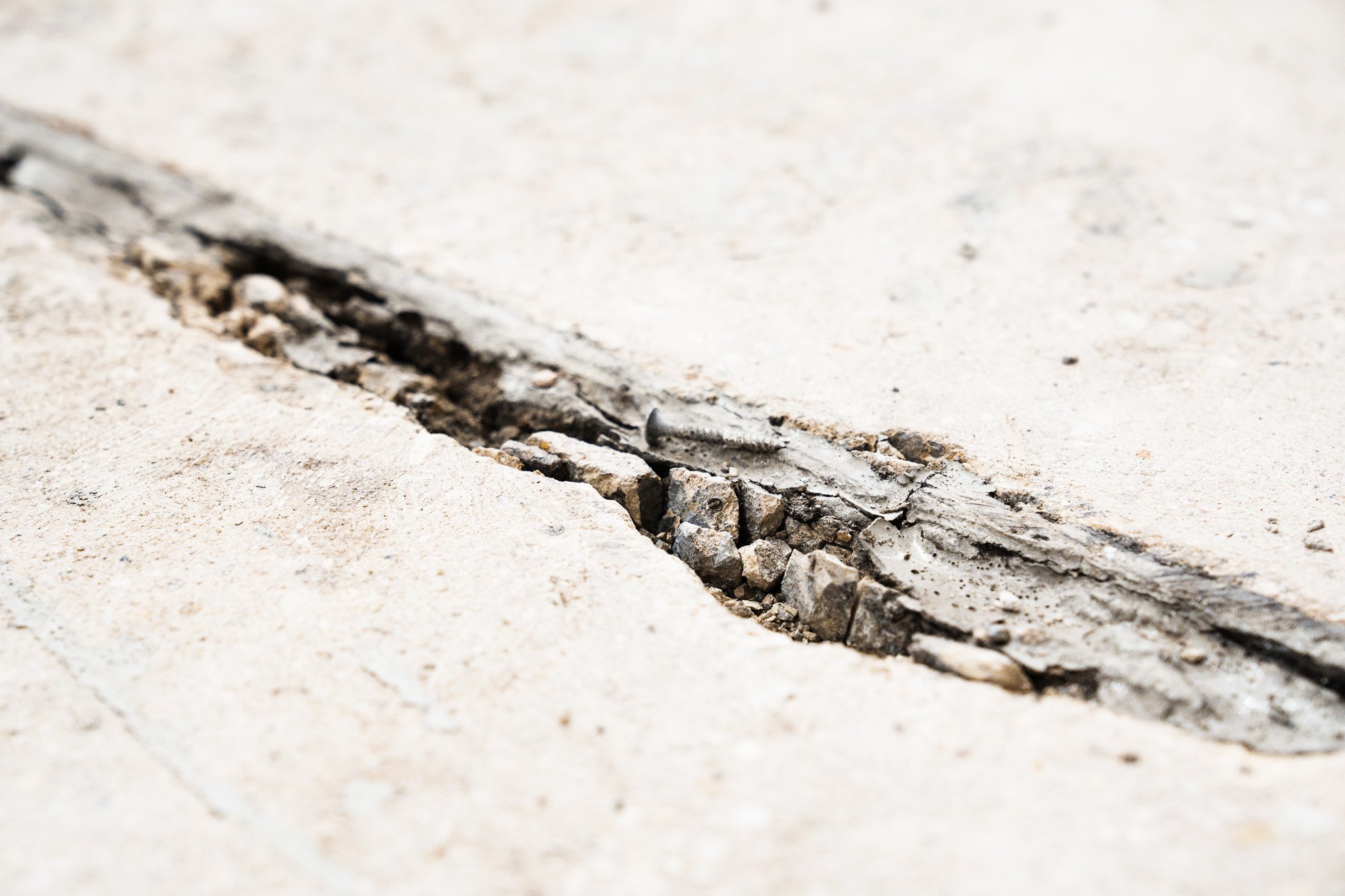
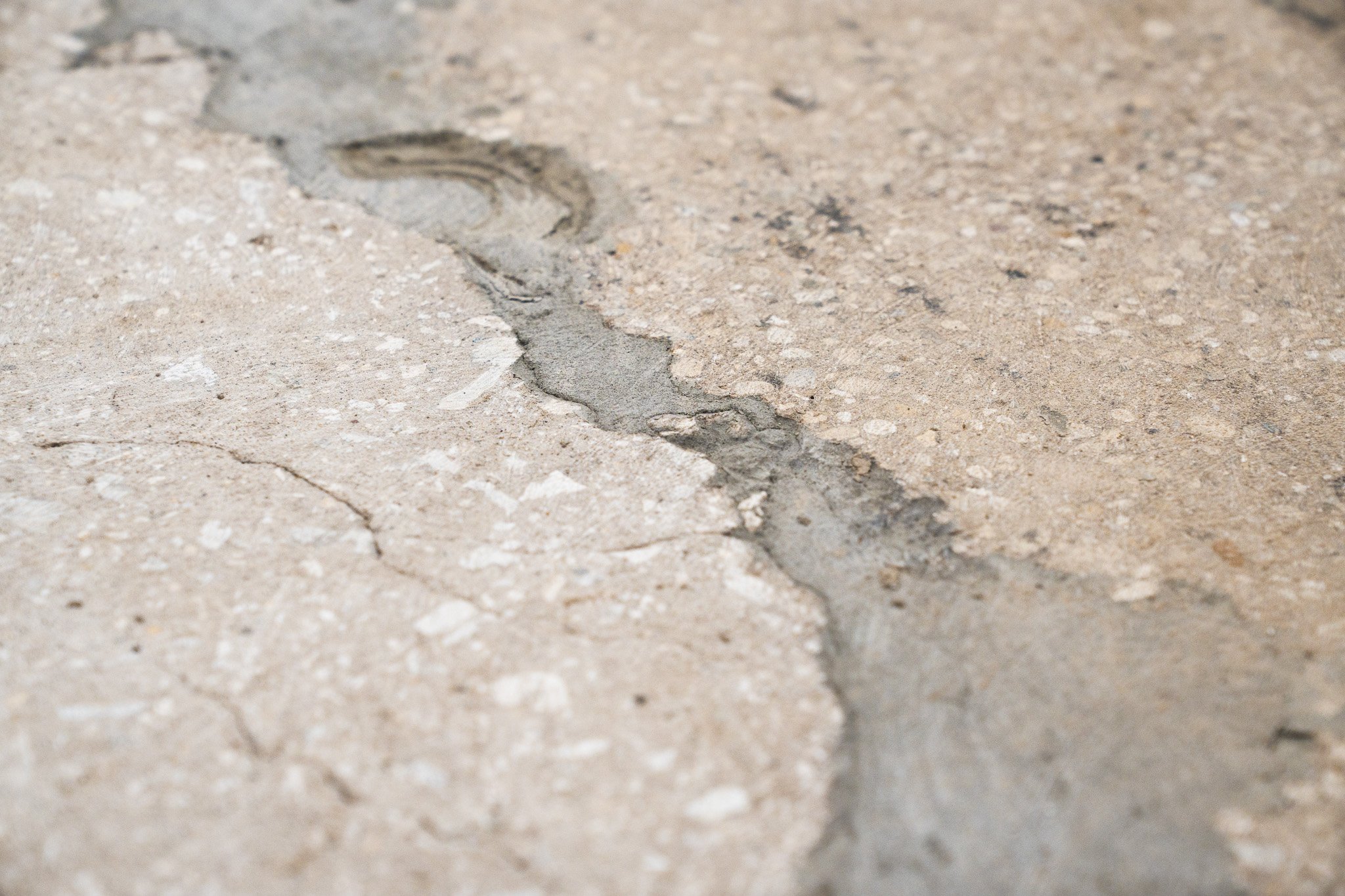
Once demolition is complete, cracks, joints, and surface damage are often repaired before new flooring installation begins.
Does Floor Demolition Always Mean Removing the Entire Floor?
Not always. In some cases, only certain sections of flooring need to be removed. If parts of the existing floor are well-bonded and compatible with the new system, selective demolition may be possible.
However, if the existing floor is failing or incompatible with the new system, full removal may be required.
What Happens After Floor Demolition?
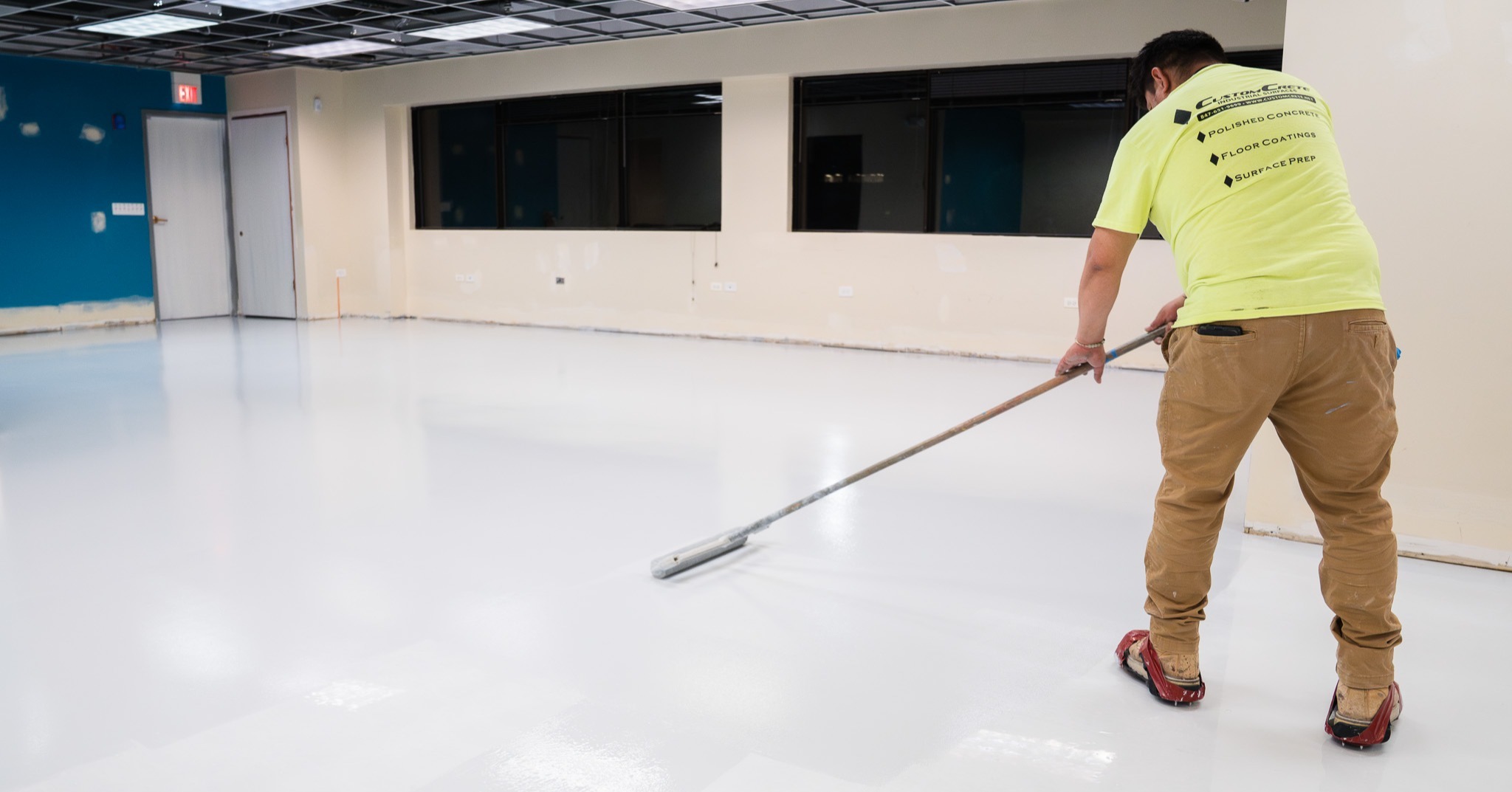
Once demolition is complete, the concrete surface is typically cleaned, repaired, and mechanically prepared. This ensures the slab is ready for the next step—whether that involves coatings, polishing, or other flooring systems.
Proper preparation after demolition helps ensure the new floor performs as expected.
Final Thoughts
Floor demolition involves removing existing flooring materials and preparing the concrete slab so a new flooring system can be installed properly. While it adds time to the beginning of a project, it often prevents future failures and ensures better long-term performance.
To learn more about when existing floors must be removed before new flooring is installed, read the next article: “CustomCrete FAQ: Do I Need to Remove Existing Flooring Before Installing New Flooring?”
.jpg?width=6139&height=4093&name=CC100396%20(1).jpg)

.jpg?width=1200&height=1600&name=Copy%20of%20IMG_1457%20(1).jpg)