
Concrete coatings are designed to protect industrial and commercial floors from wear, chemicals, and heavy traffic. But many facility managers wonder whether those coatings need to be resealed over time to maintain performance. The answer depends on the type of concrete coating and how the floor is used.
At CustomCrete, this is a common question from warehouses, manufacturing facilities, and commercial buildings planning long-term maintenance strategies.

Do All Concrete Coatings Need to Be Resealed?
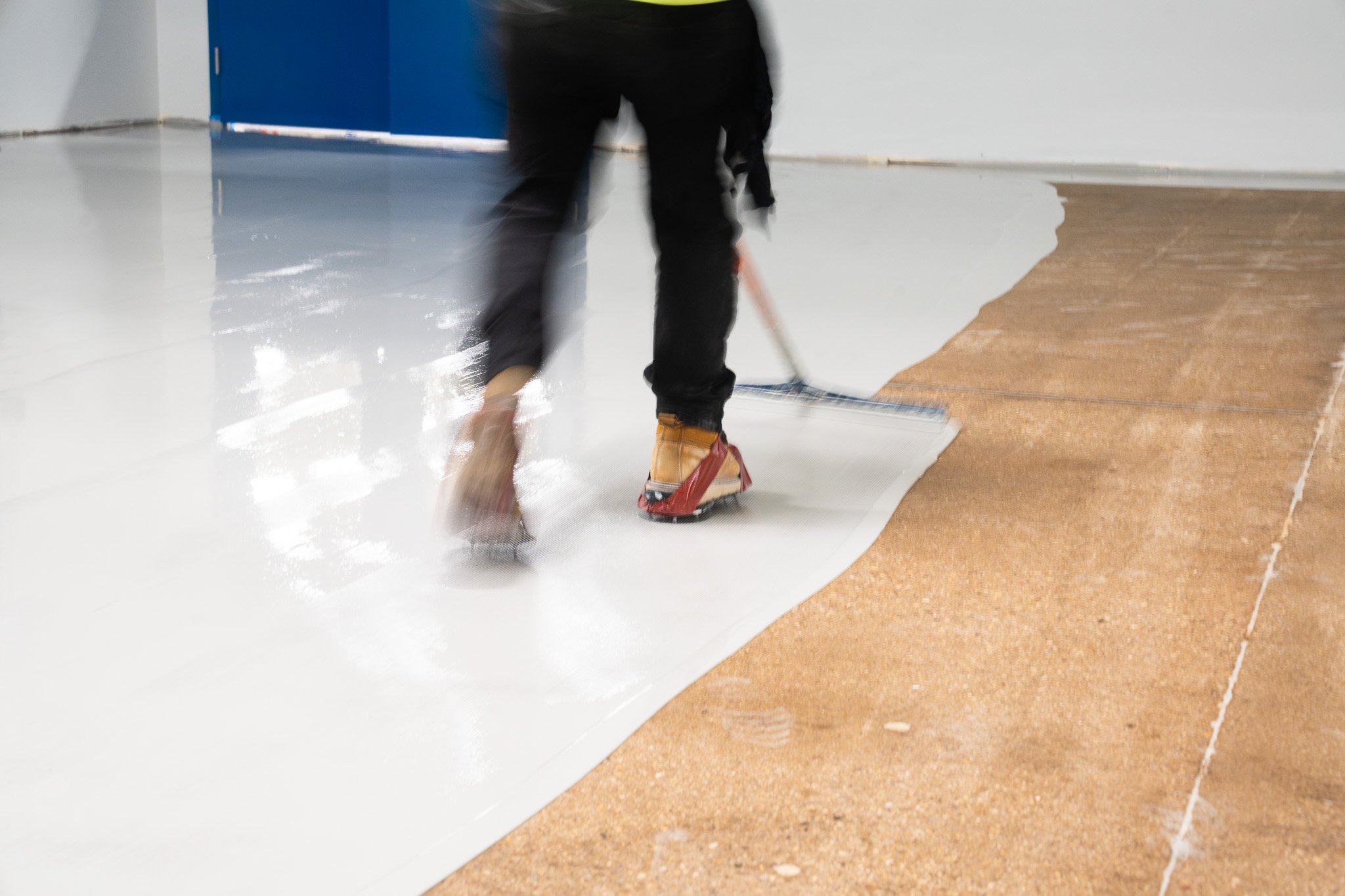
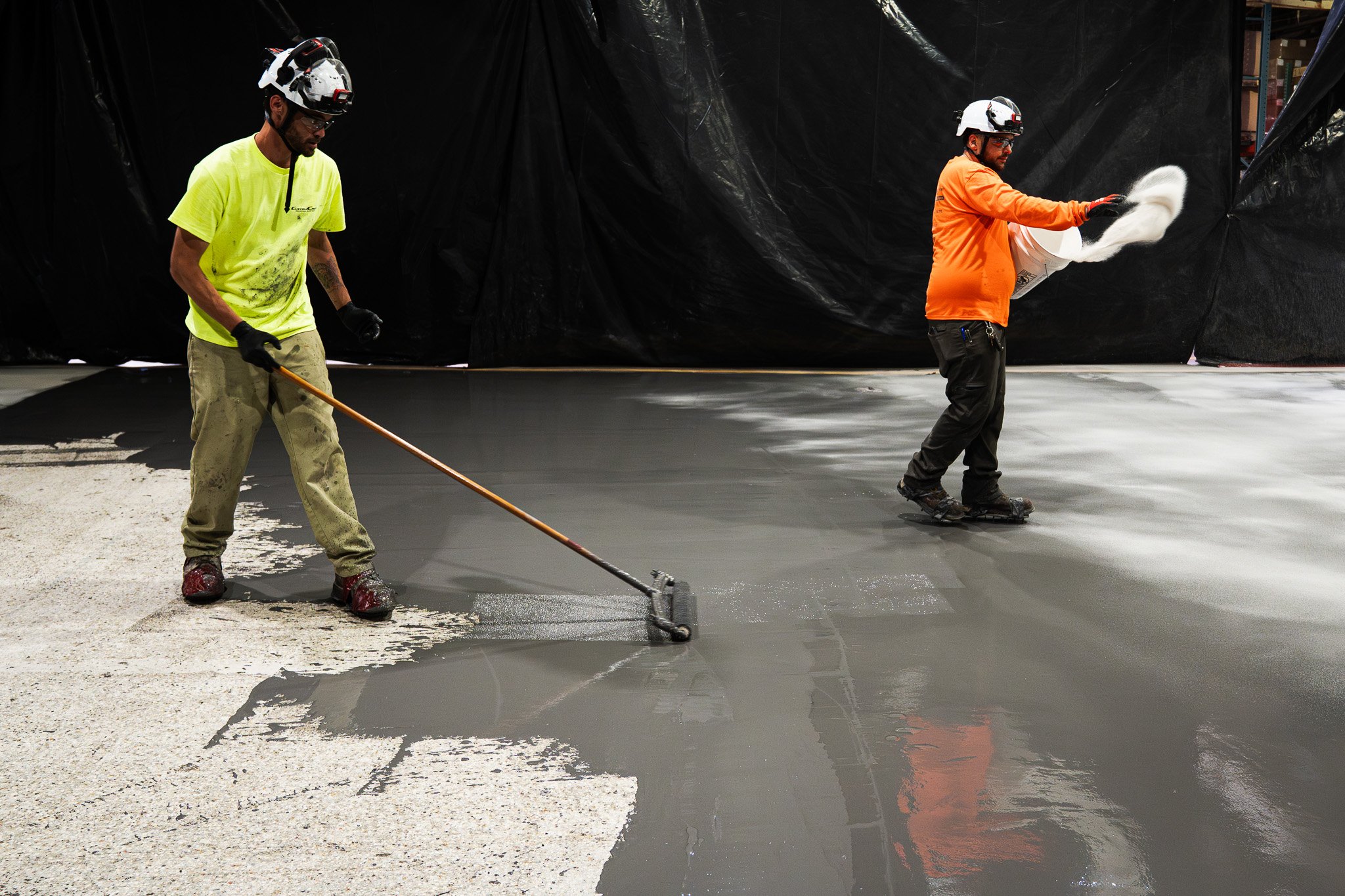
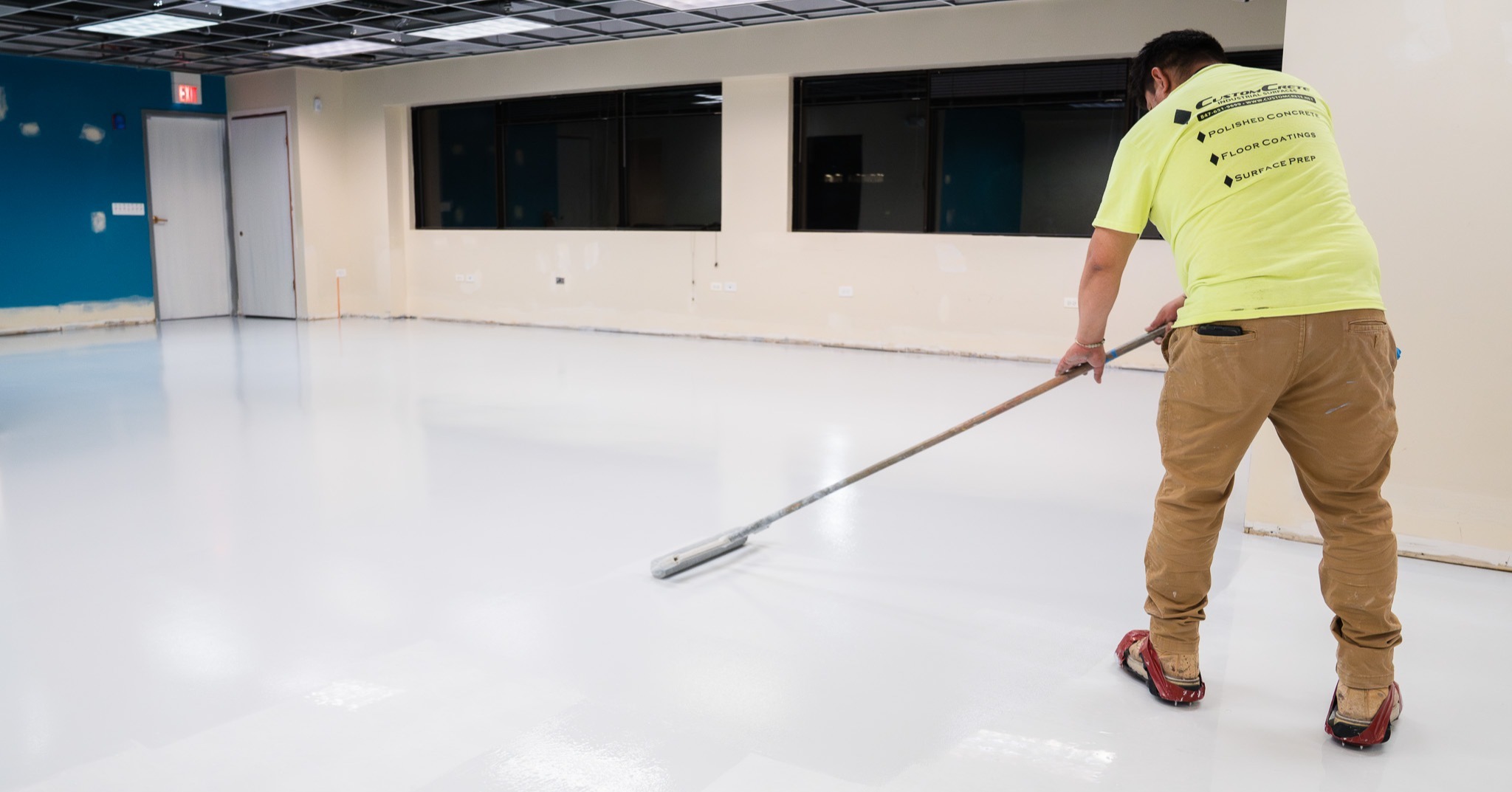
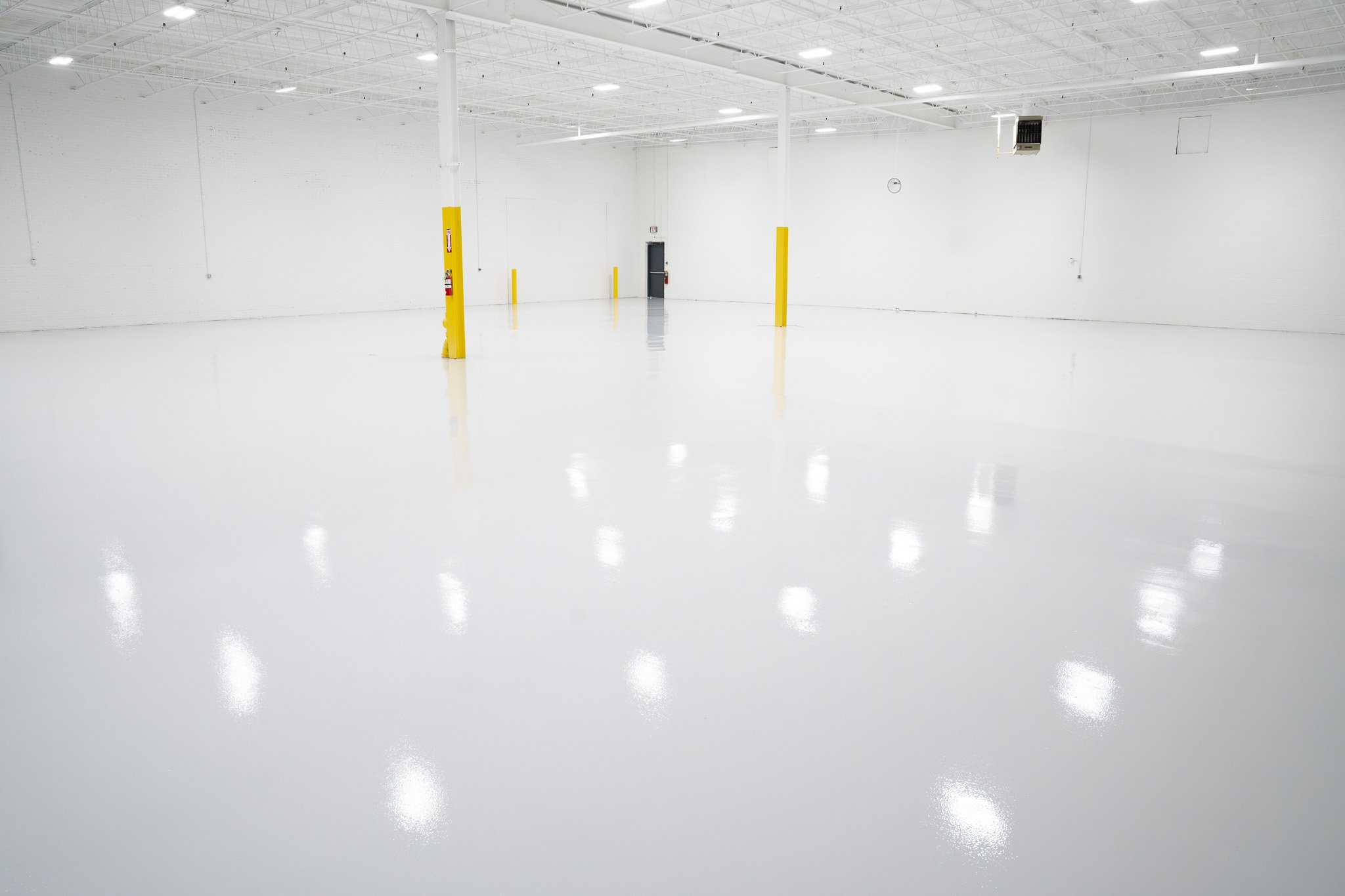
Not all concrete coatings require resealing in the traditional sense. Systems like epoxy flooring and urethane cement are installed as multi-layer systems that are designed to perform without frequent resealing.
However, some floors may benefit from maintenance topcoats or refresh coats over time, especially in high-traffic environments.
When Resealing May Be Necessary
Resealing or recoating is more likely to be needed when:
- The topcoat shows visible wear.
- The gloss or finish has significantly faded.
- High-traffic lanes are thinning.
- Chemical exposure has dulled the surface.
- The floor needs renewed slip resistance.
In these cases, applying a new topcoat can extend the life of the existing concrete coating without replacing the entire system.
How Long Do Concrete Coatings Last Before Maintenance?
The lifespan of concrete coatings depends on traffic, cleaning practices, and environmental conditions. In many industrial settings:
- Epoxy flooring can last 5–10 years or more.
- Urethane cement systems often last 10+ years.
- High-traffic zones may need touch-ups sooner.
Rather than a fixed resealing schedule, maintenance is typically based on visible wear and performance needs.
Is Resealing the Same as Replacing?
No. Resealing or adding a maintenance coat is usually less intensive than full removal and replacement. If the base layers of the coating system are still intact and bonded well to the slab, a refresh coat can restore appearance and protection.
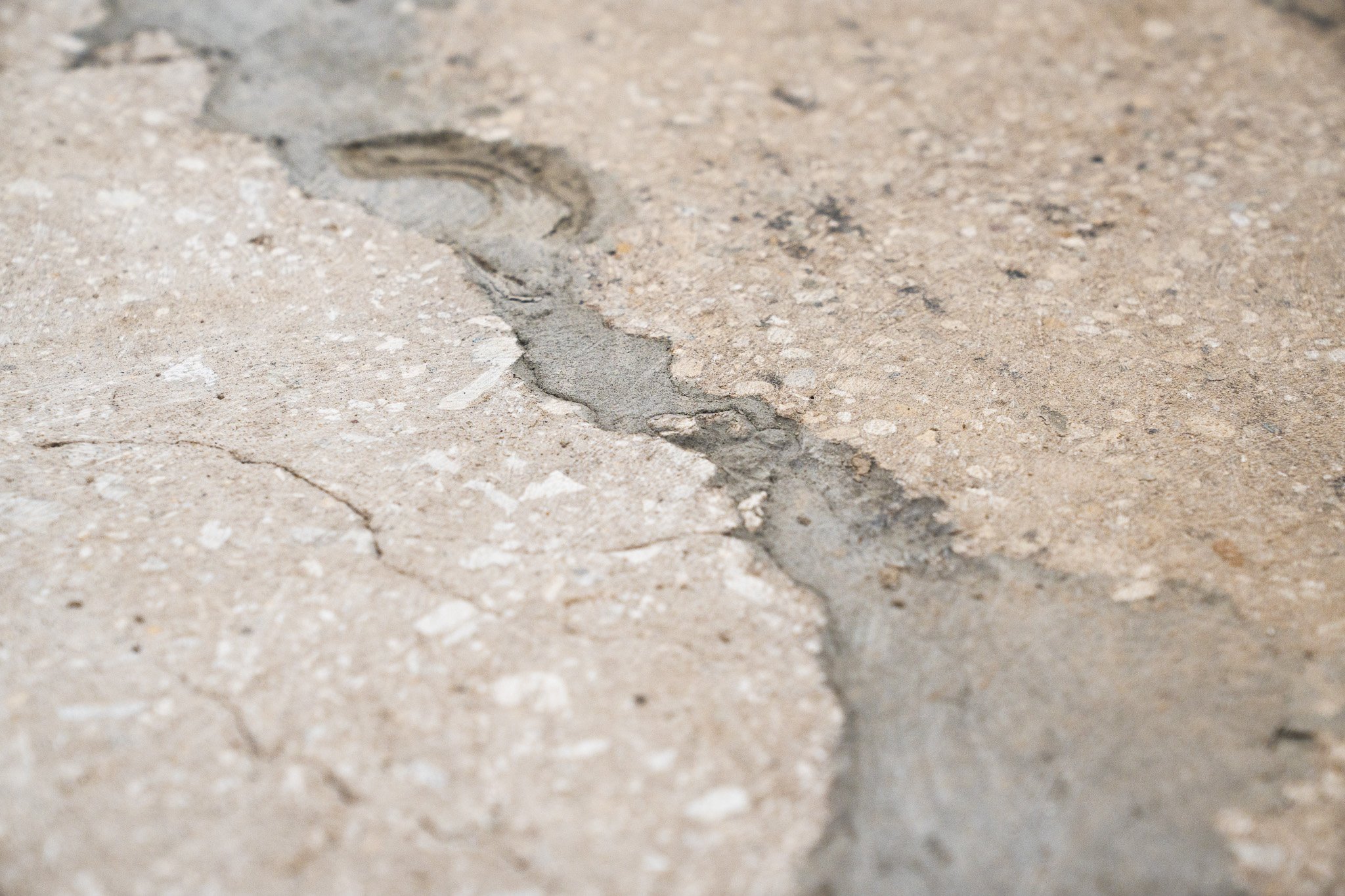
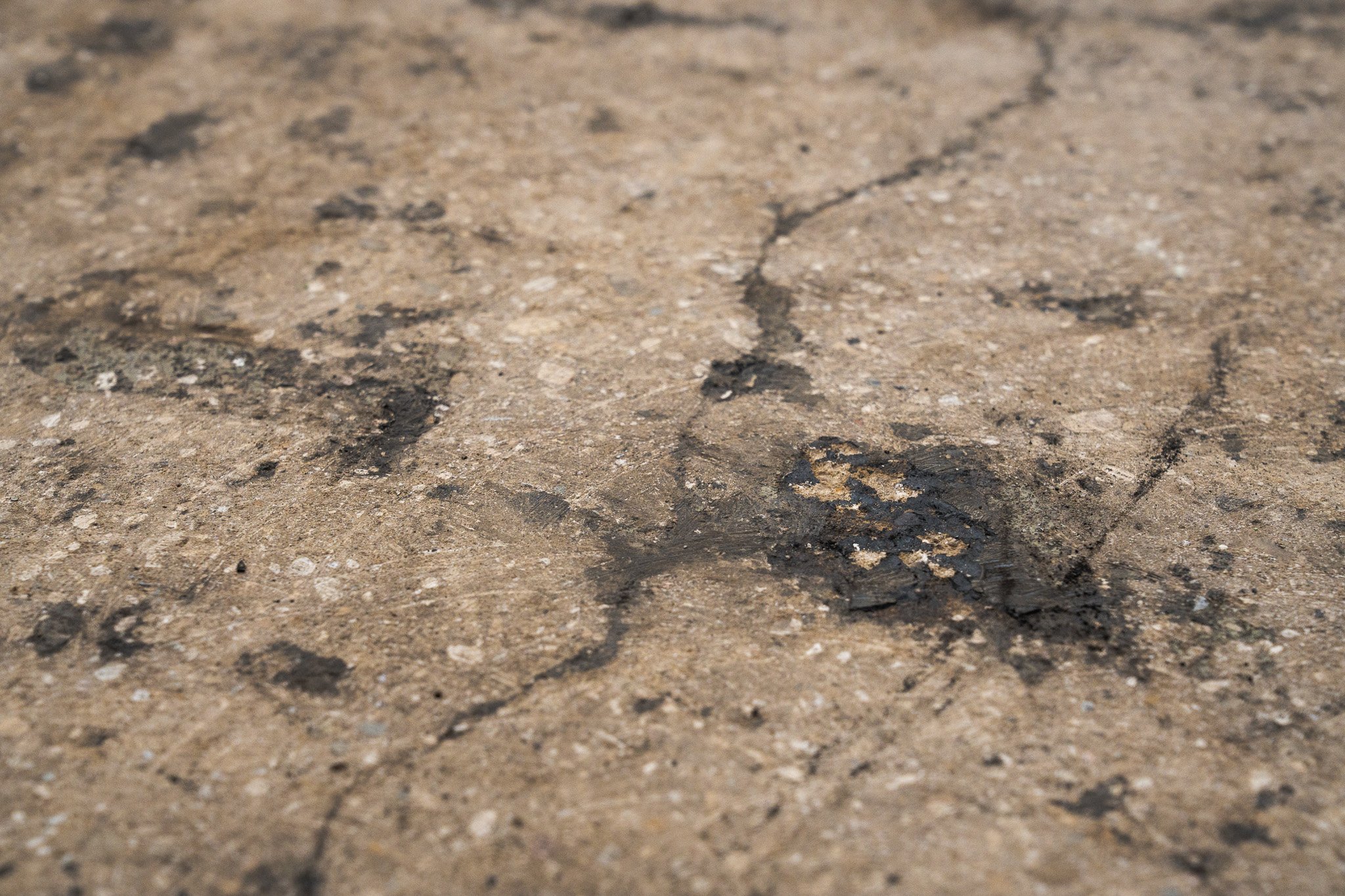
However, if the coating is peeling, bubbling, or delaminating due to moisture or poor preparation, full repair may be required instead of simple resealing.
What About Polished or Sealed Concrete?
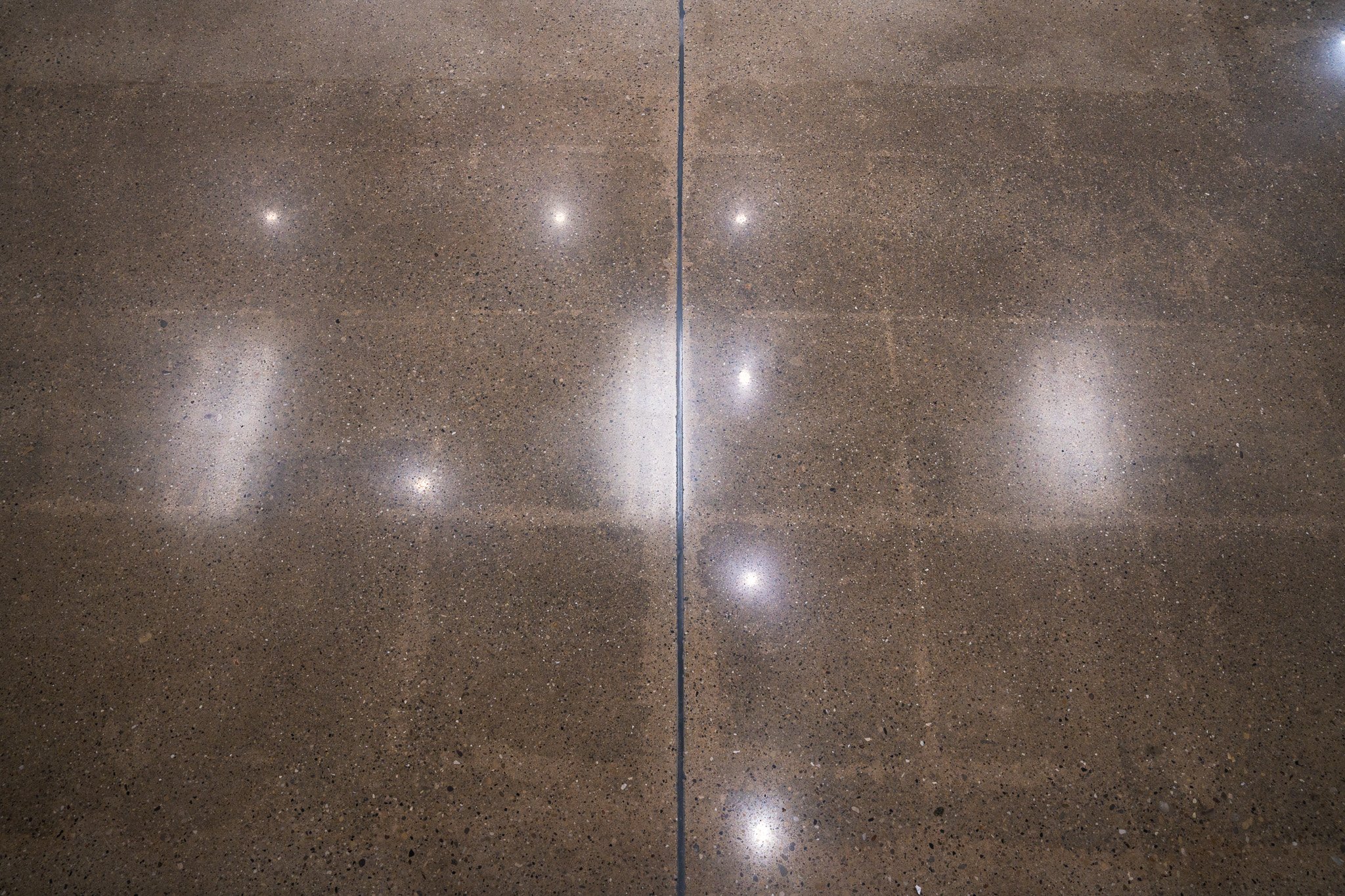
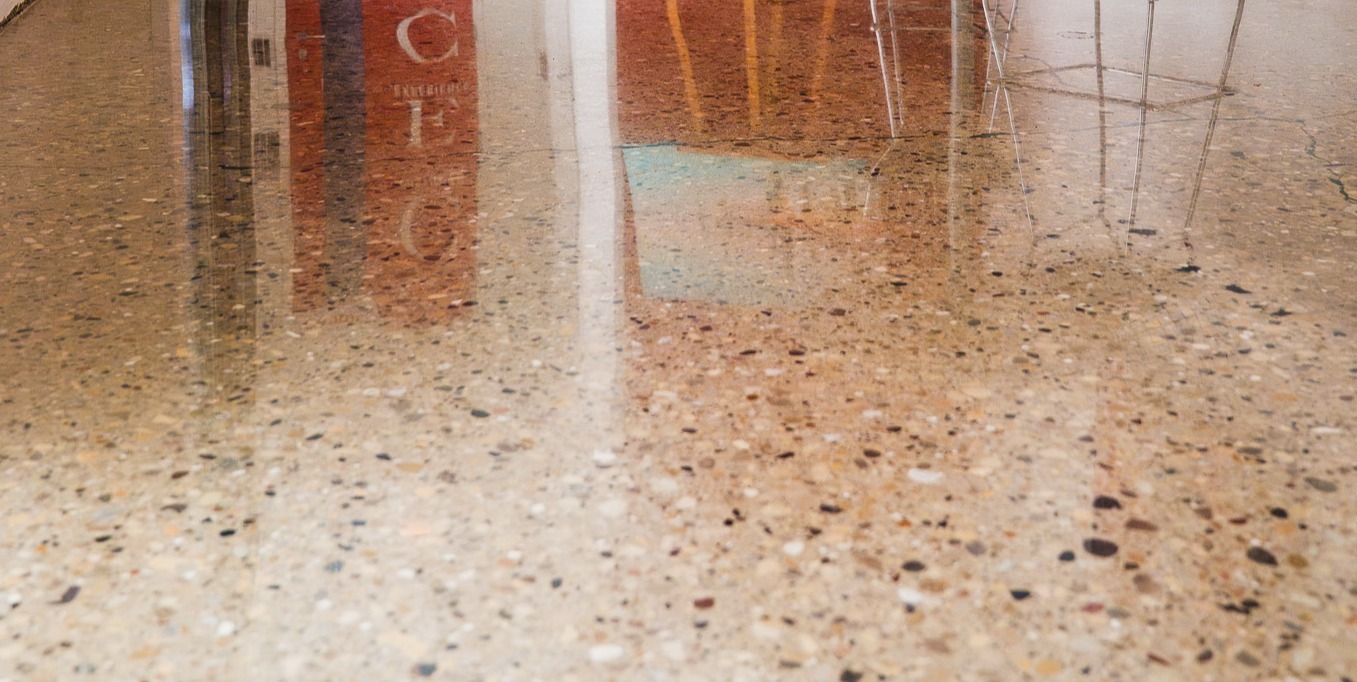
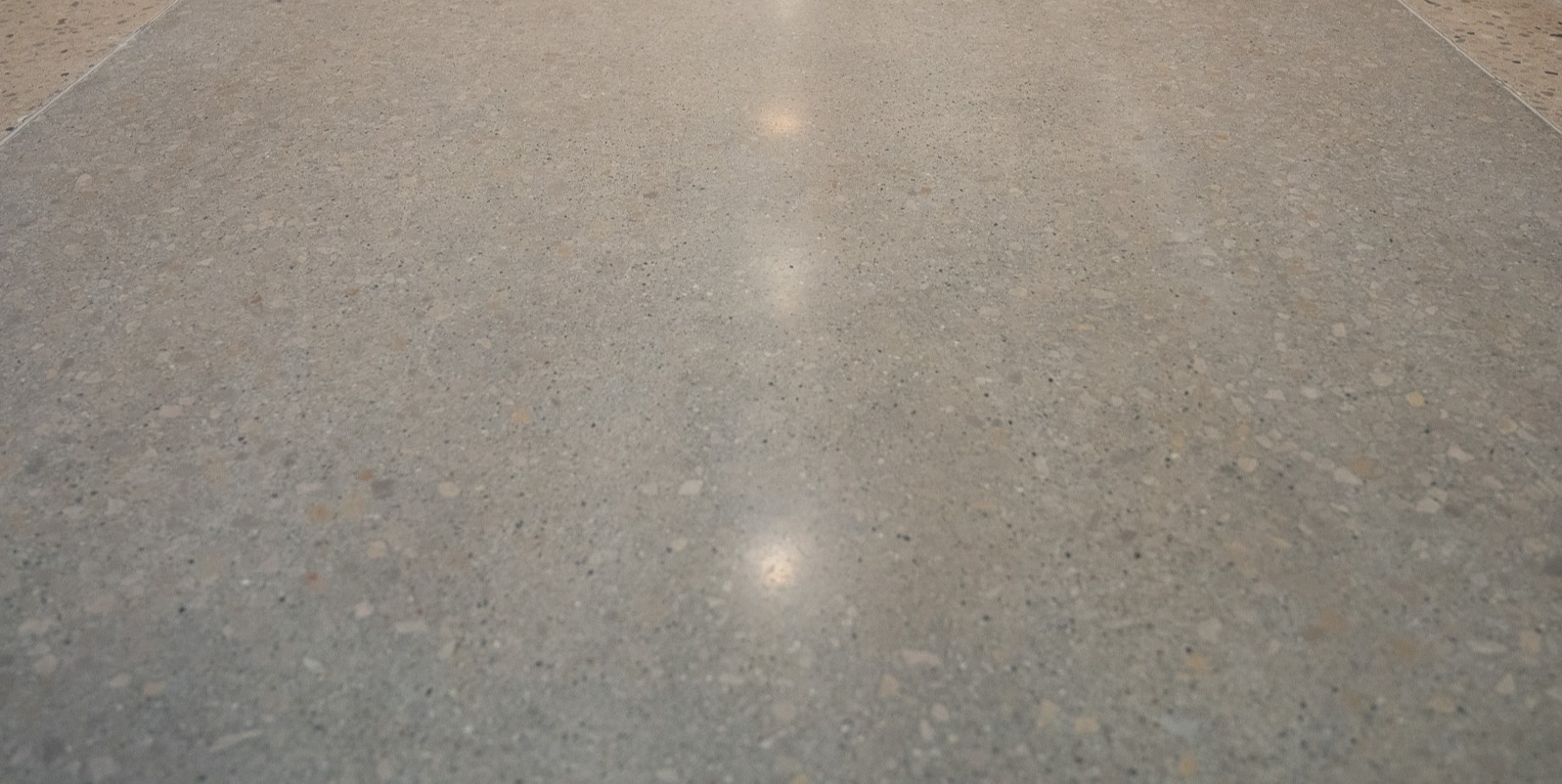
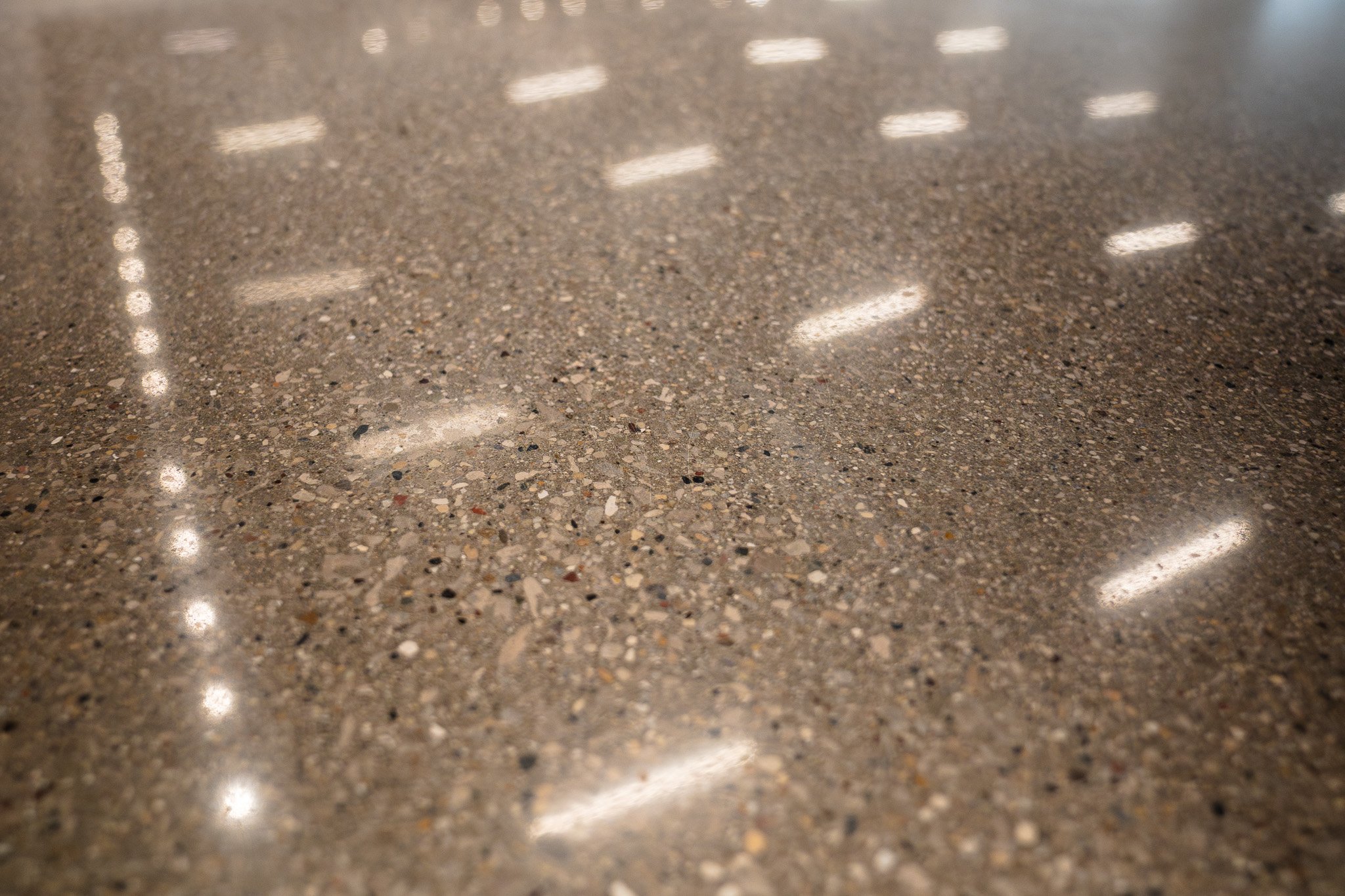
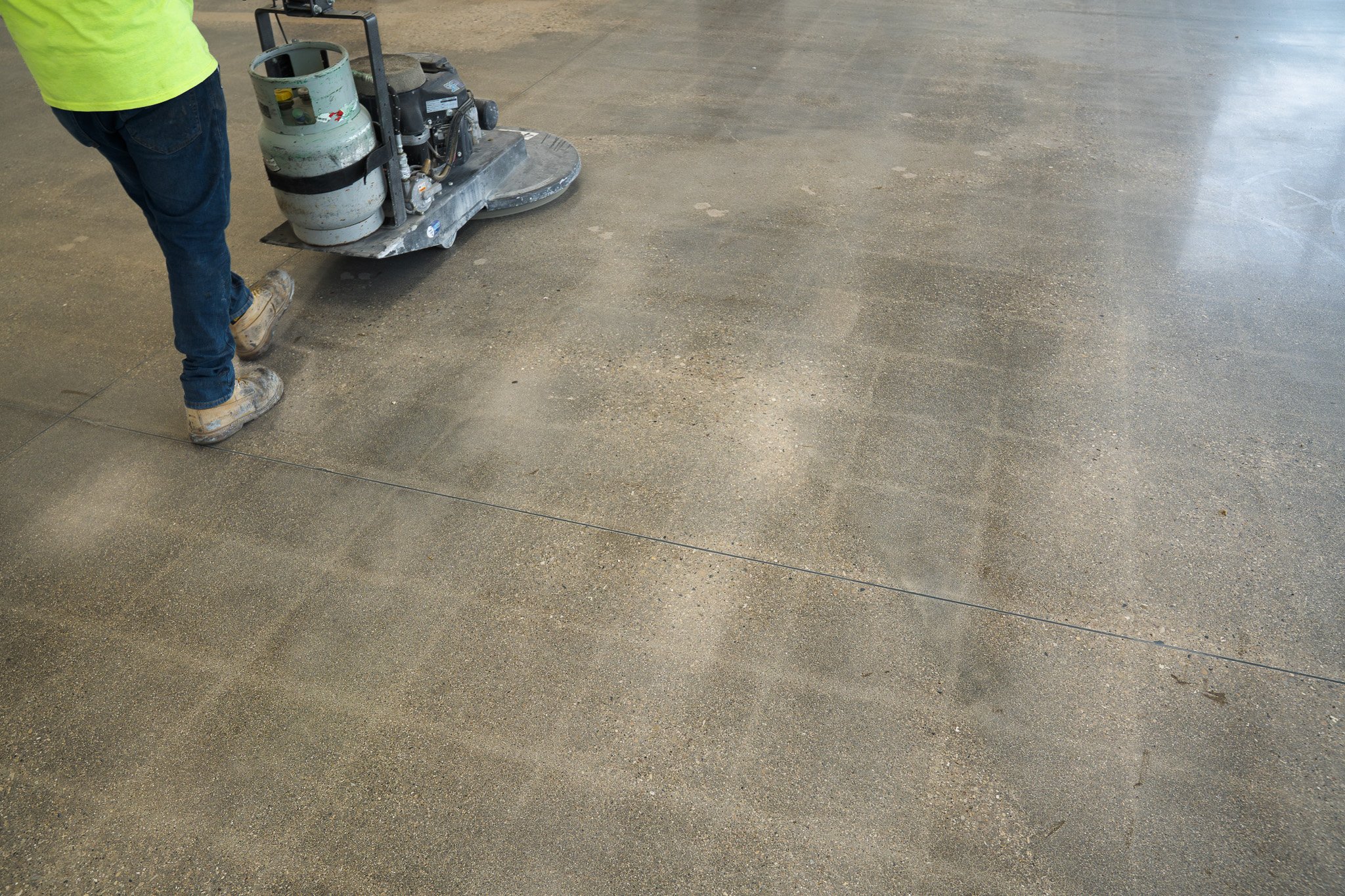
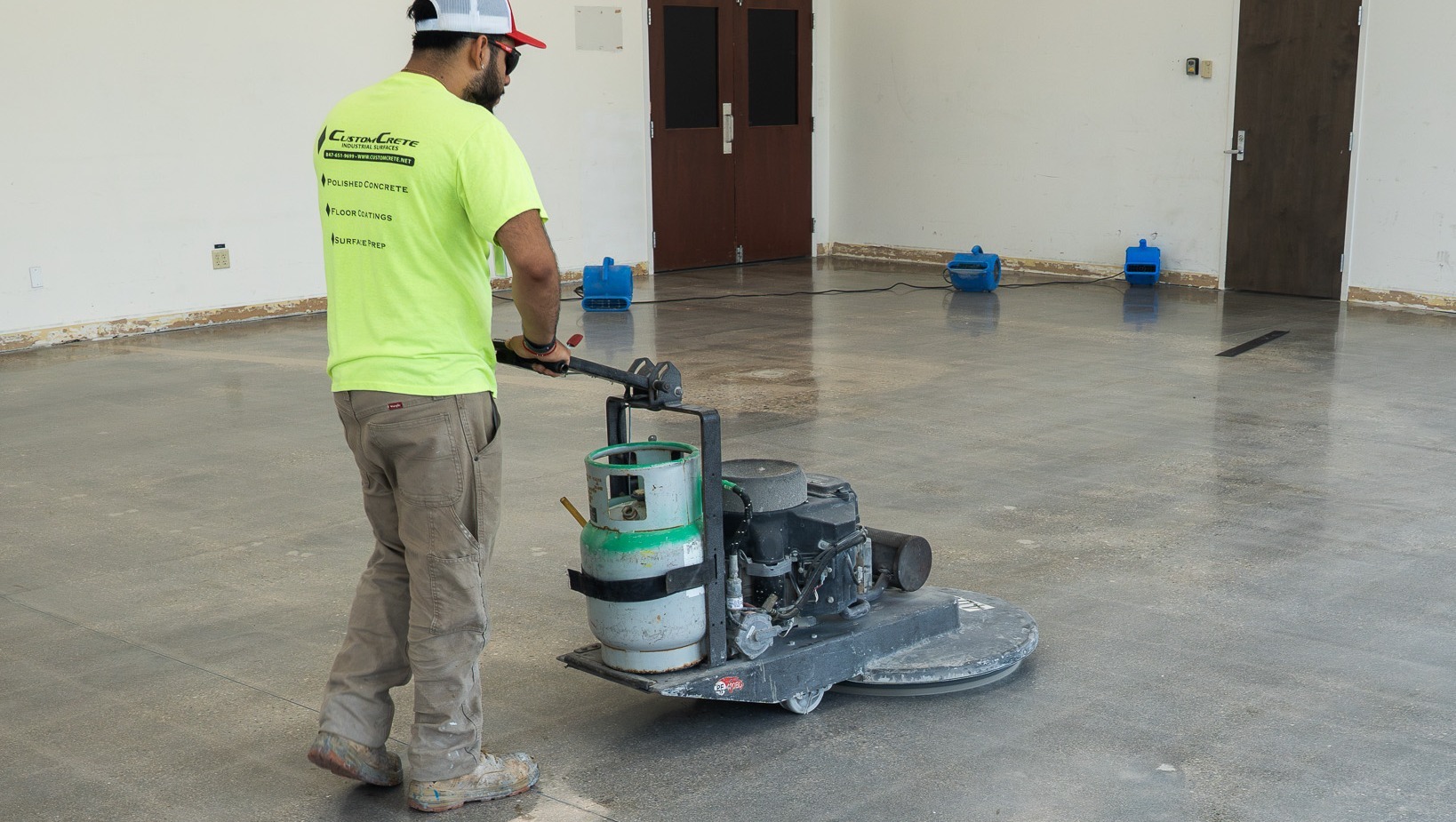
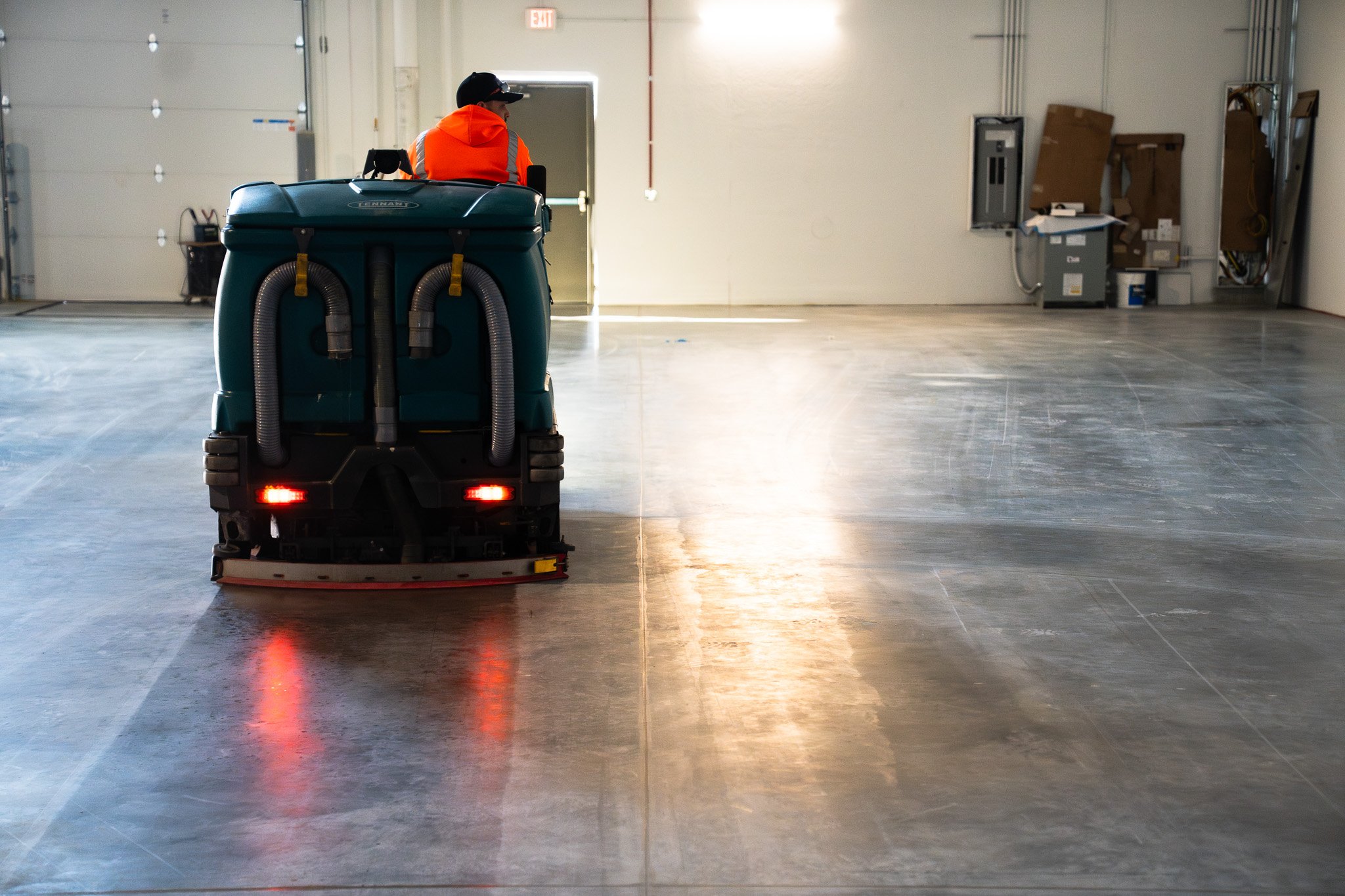
Polished concrete and grind-and-seal systems operate differently from epoxy coatings. Grind-and-seal systems may require periodic resealing because they rely on topical sealers. Polished concrete, on the other hand, typically requires maintenance products rather than full resealing.
Understanding which flooring system is installed is key to determining future maintenance needs.
How to Extend the Life of Concrete Coatings
To reduce the need for resealing:
- Follow a consistent cleaning schedule.
- Remove abrasive debris regularly.
- Address small repairs early.
- Avoid harsh chemicals not approved for the system.
Preventive maintenance often extends the lifespan of concrete coatings and delays major upgrades.
Final Thoughts
Concrete coatings do not always need to be resealed on a set schedule, but maintenance topcoats may be necessary over time, depending on traffic and wear. Monitoring surface condition and planning for periodic refresh coats helps extend floor performance without full replacement.
To learn more about planning installation and minimizing disruption, read the next article: “CustomCrete FAQ: Can Concrete Coatings Be Installed While a Facility Is Operating?”
.jpg?width=2048&height=1365&name=CC108559%20(1).jpg)
.png?width=11520&height=9216&name=Untitled%20design%20(56).png)
.jpg?width=2048&height=1365&name=CC106221%20(1).jpg)
.jpg?width=2048&height=1365&name=CC102459%20(1).jpg)