
For food, beverage, and pharmaceutical facilities, flooring is not just a structural element—it plays a direct role in regulatory compliance. During an FDA audit, inspectors evaluate how well your facility maintains clean, sanitary, and safe conditions. One of the areas that often comes under scrutiny is the floor.
Concrete coatings can either support compliance or create issues if they are not designed properly. Understanding what inspectors look for—and how to choose the right system—can help facility managers avoid costly corrections and failed audits. In many cases, selecting the right fda approved concrete floor sealer and system upfront can prevent the need to redo flooring later.
This guide breaks down how concrete coatings impact FDA audits and what decision-makers should know before installing or upgrading their floors.

Why Flooring Matters in FDA-Regulated Facilities
The FDA focuses heavily on cleanliness, contamination prevention, and the ability to maintain sanitary conditions. Floors are part of that equation because they are constantly exposed to:
- Spills and food byproducts
- Cleaning chemicals and sanitizers
- Moisture from washdowns
- Foot and equipment traffic
If flooring systems cannot handle these conditions, they can become a source of contamination.
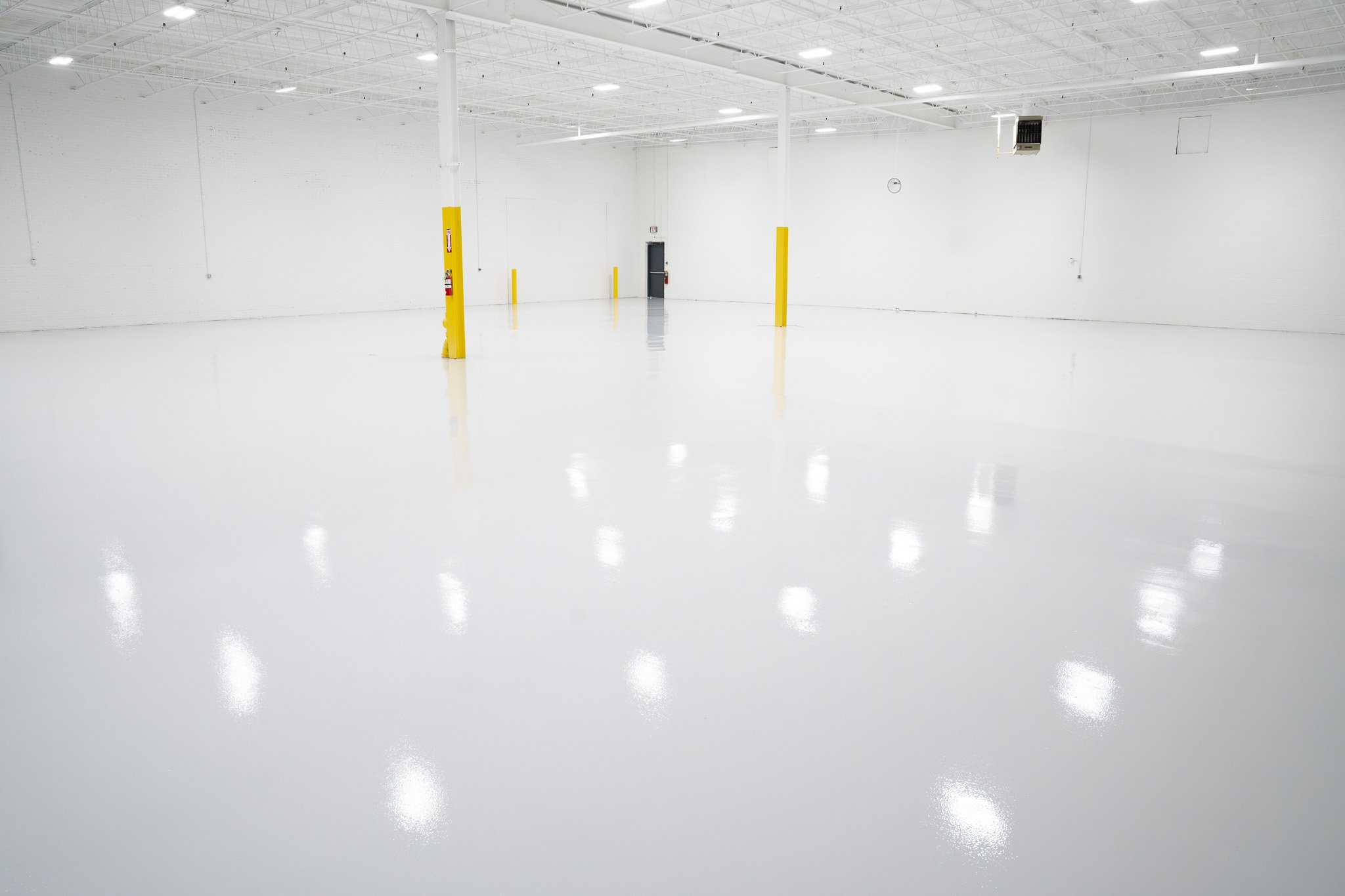
A properly designed system—including an fda approved concrete floor sealer—helps create a surface that supports hygiene, durability, and compliance.
What FDA Inspectors Look for in Flooring
During an audit, inspectors are not looking for a specific brand or product. Instead, they evaluate whether the flooring meets functional requirements for cleanliness and safety.
Seamless Surfaces
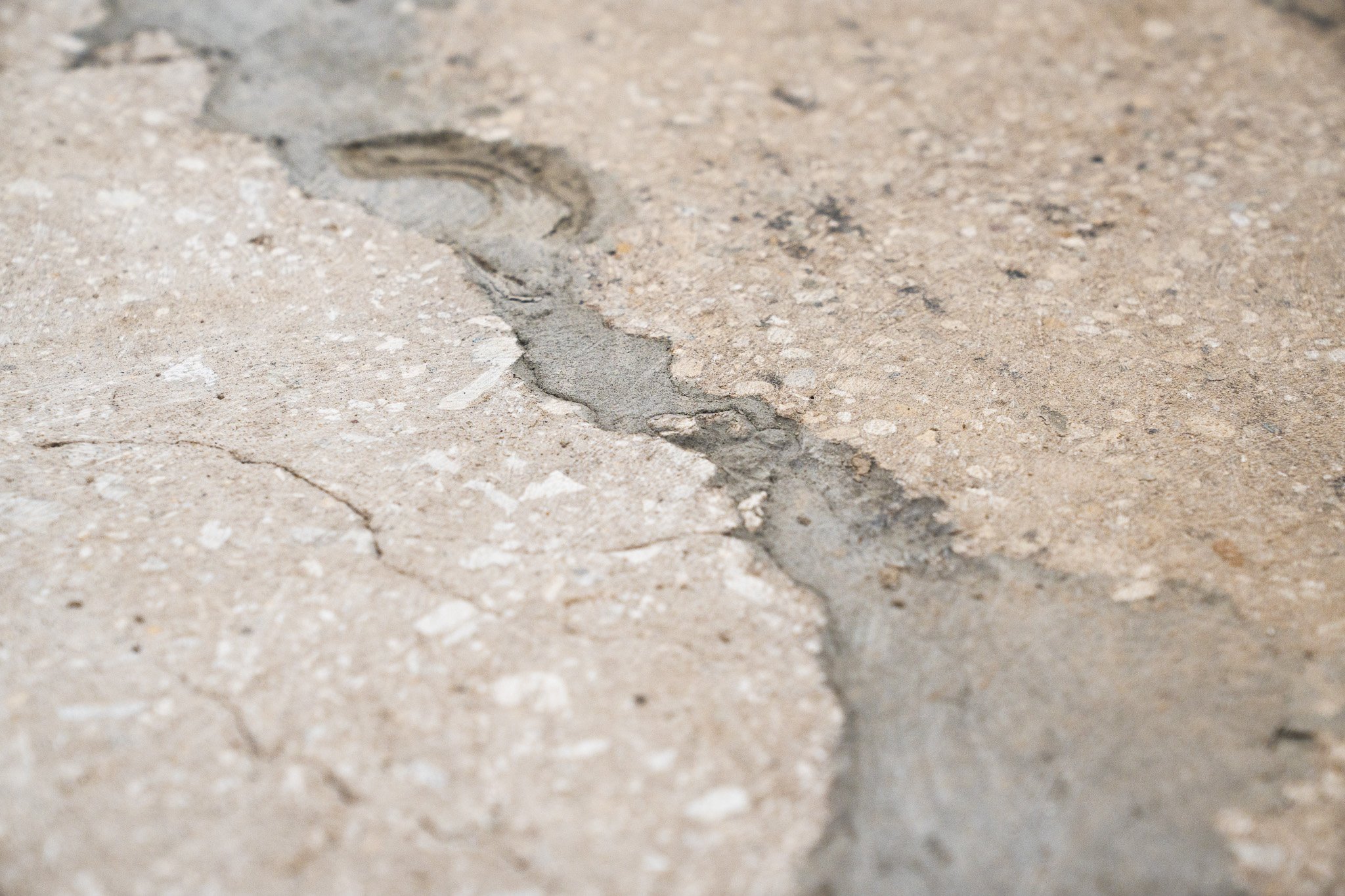
Floors should be continuous and free of joints, cracks, or gaps where bacteria can collect. Grout lines, damaged coatings, and exposed concrete are often flagged during inspections.
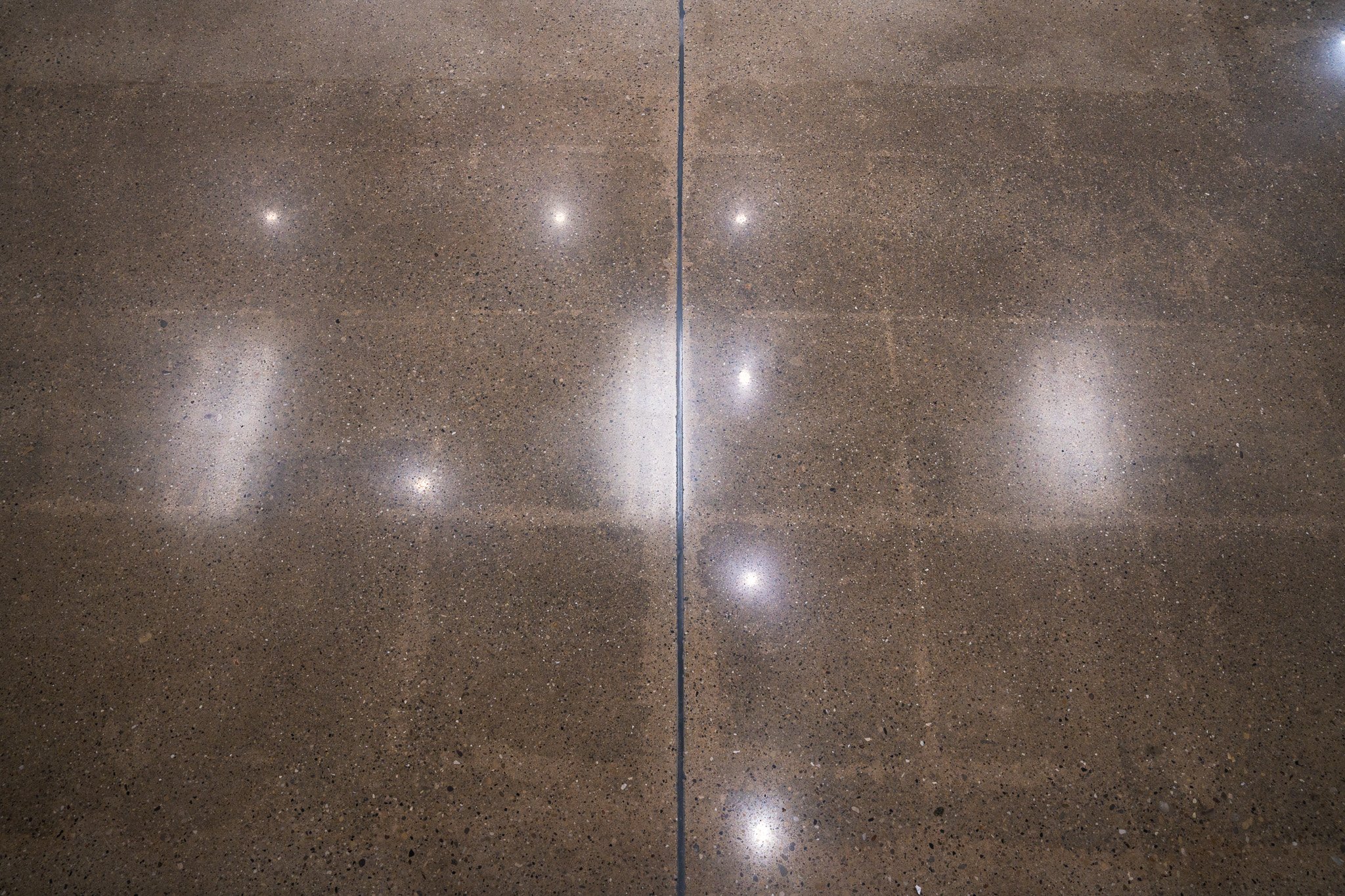
Seamless concrete coating systems eliminate these problem areas and make cleaning more effective.
Cleanability
A key requirement for compliance is that floors must be easy to clean and sanitize. Surfaces should not absorb liquids or trap debris.
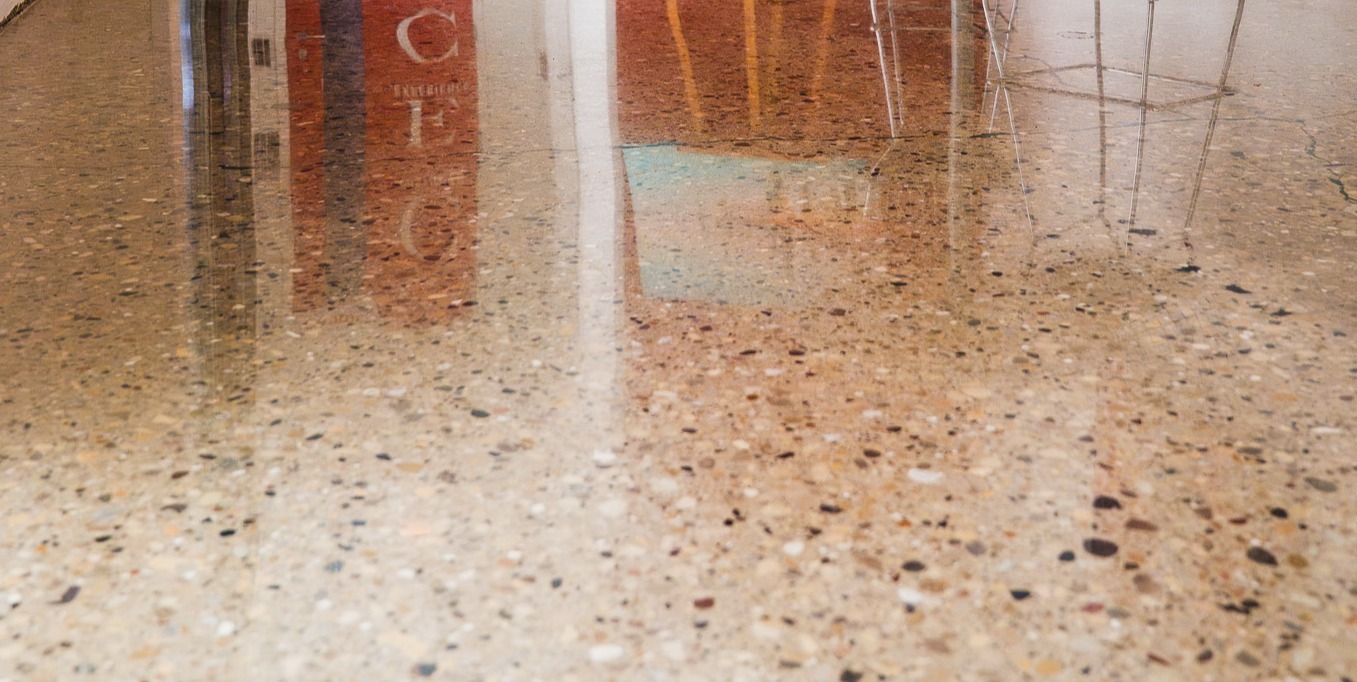
An fda approved concrete floor sealer helps create a non-porous surface that resists staining and allows for thorough cleaning.
Chemical Resistance
Food and pharmaceutical facilities use strong cleaning agents to maintain sanitation standards. Flooring must be able to withstand these chemicals without degrading.
If coatings break down, they can create rough surfaces, expose the underlying concrete, and compromise hygiene.
Proper Drainage
Standing water is a major concern during FDA inspections. Floors should be sloped correctly toward drains to prevent pooling.
Coating systems must work with the existing slope and drainage design, ensuring that water flows properly and does not accumulate.
Durability and Condition
Inspectors will also look for signs of wear or damage, including:
- Cracks or spalling
- Peeling or delaminating coatings
- Uneven or rough surfaces
Even if a floor was compliant when installed, deterioration over time can lead to audit issues.
The Role of Concrete Coatings in Compliance
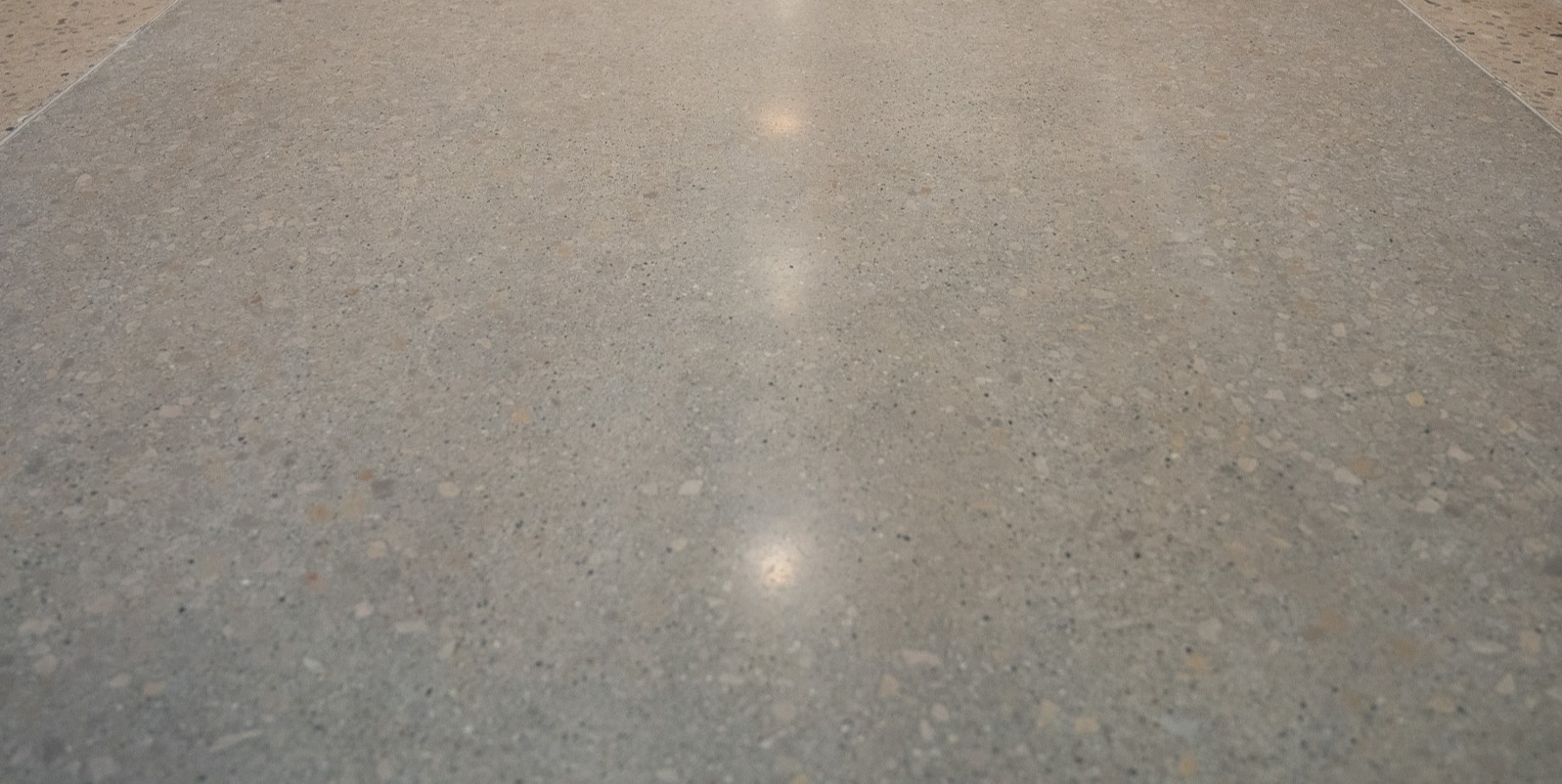
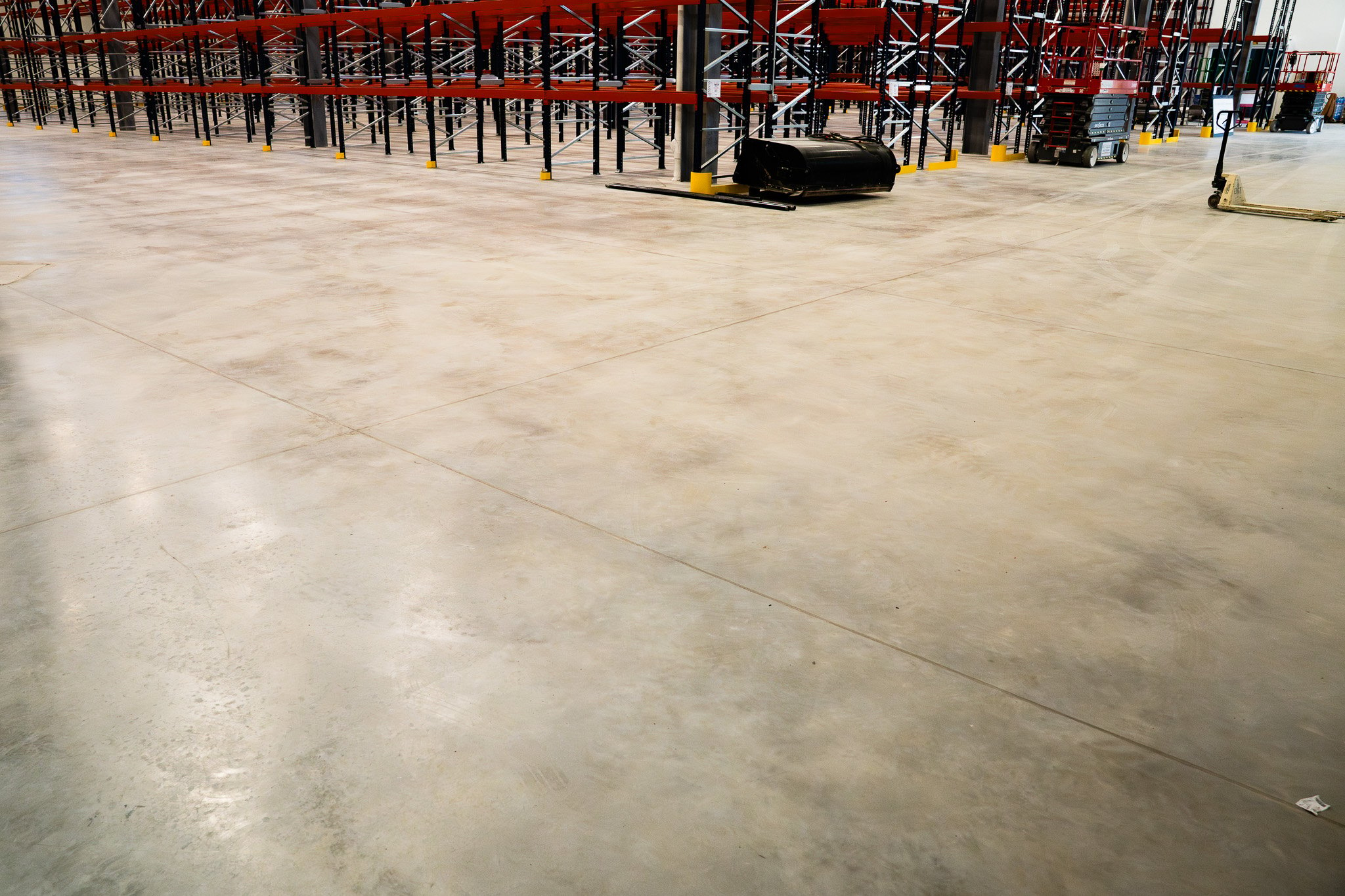
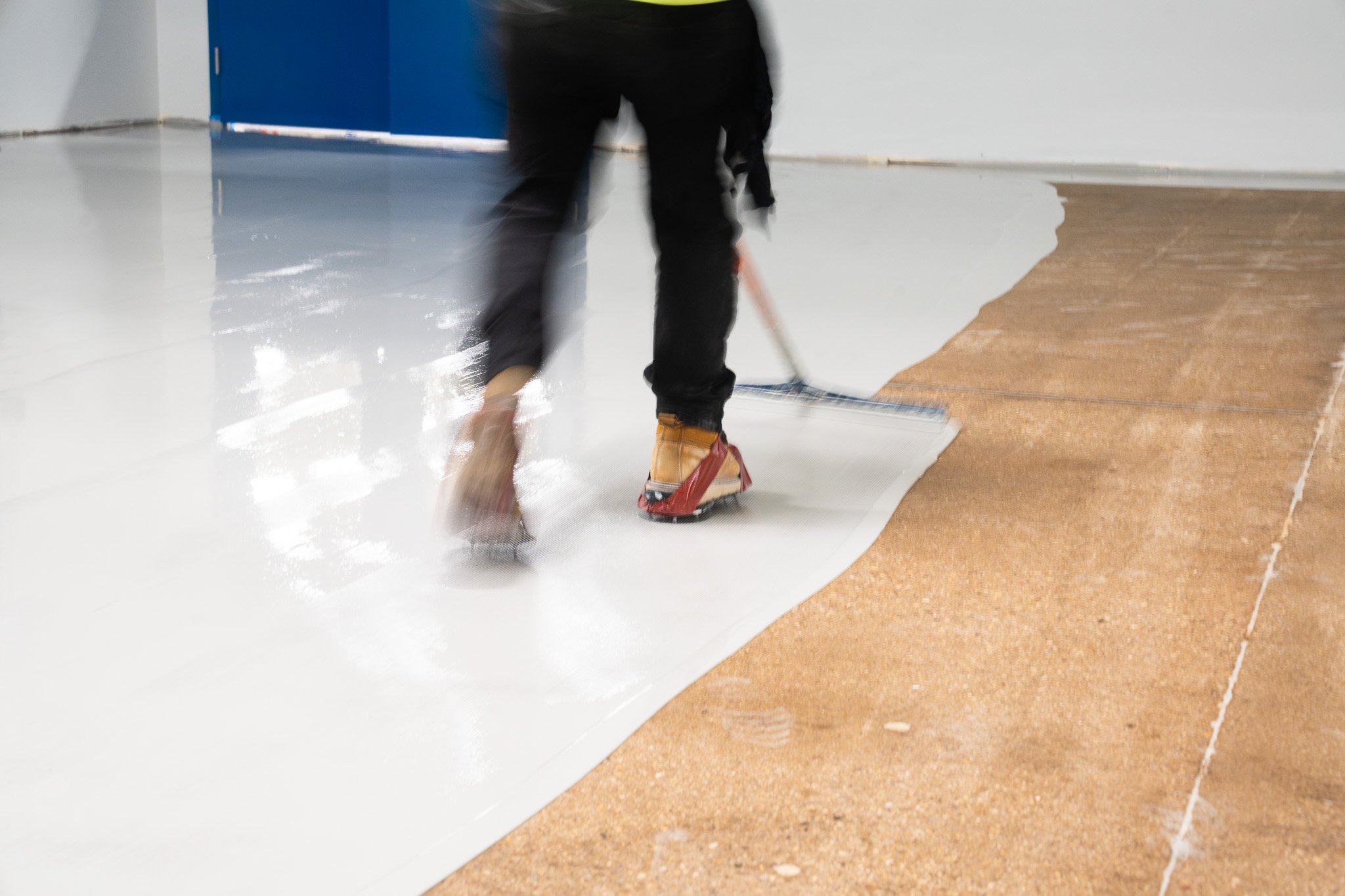
Concrete coatings play a critical role in helping facilities meet FDA expectations. When designed correctly, they transform porous, hard-to-clean concrete into a hygienic, durable surface.
A system that includes an fda approved concrete floor sealer provides:
- A sealed, non-porous surface
- Improved resistance to chemicals and moisture
- Easier cleaning and sanitation
- Protection against wear and damage
These benefits directly support the conditions inspectors are looking for.
Common Flooring Issues That Fail FDA Inspections
Facilities often run into problems during audits because of flooring issues that develop over time.
Some of the most common failures include:
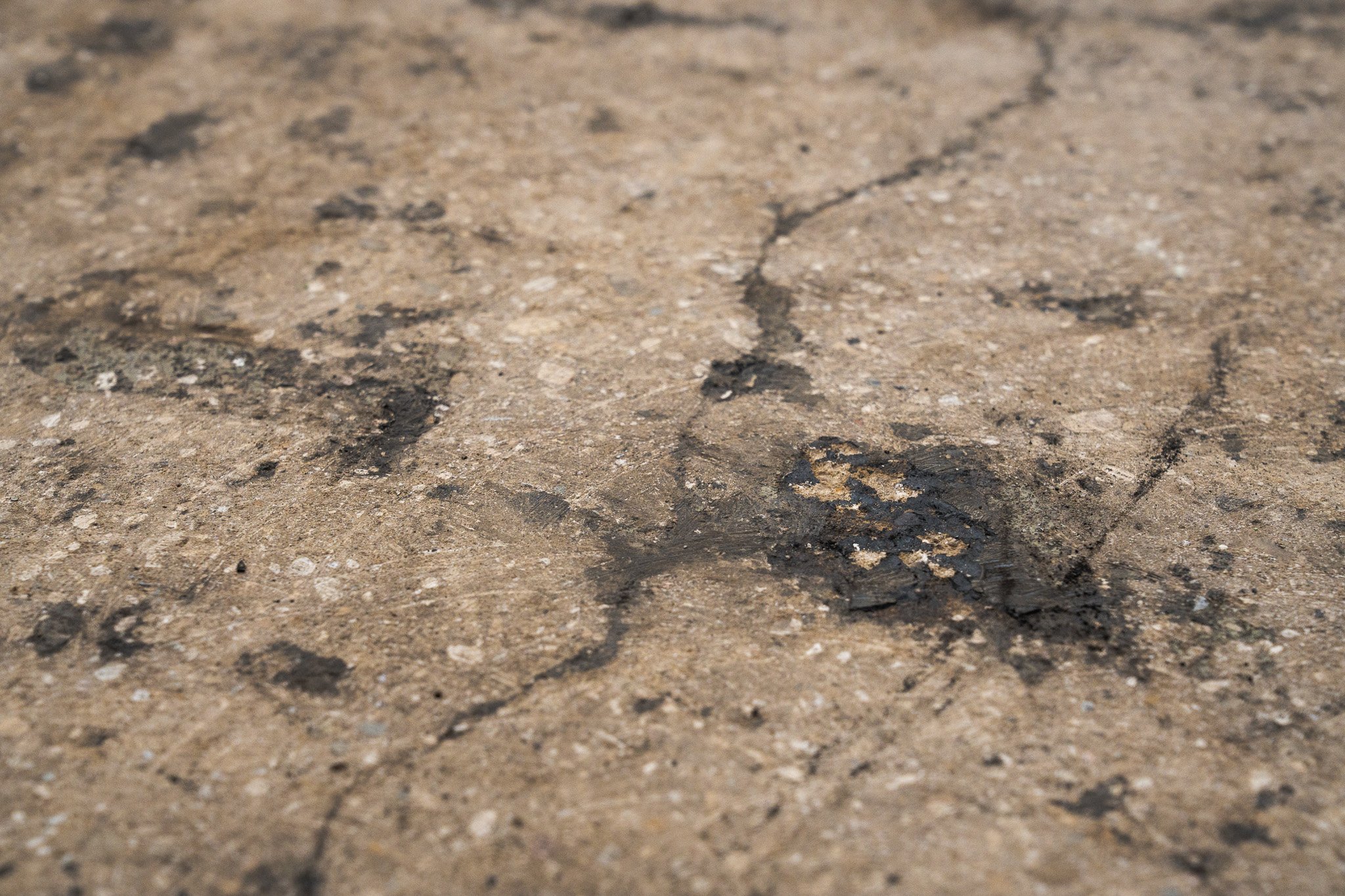
- Cracked or damaged concrete
- Coatings that are peeling or bubbling
- Worn areas exposing bare concrete
- Poor drainage causing standing water
- Rough or porous surfaces that trap debris
Many of these issues can be avoided by selecting the right system from the beginning and maintaining it properly.
How Choosing the Right System Saves Money
One of the biggest misconceptions about compliant flooring is that it is more expensive. While high-performance systems may have a higher upfront cost, they often save money in the long run.
If flooring does not meet FDA expectations, facilities may be required to:
- Repair or replace sections of the floor
- Shut down operations for reinstallation
- Address contamination risks
- Undergo follow-up inspections
By installing a system designed to meet compliance standards—such as one that includes an fda approved concrete floor sealer—facility managers can avoid these costly disruptions.
Investing in the right system upfront reduces the risk of rework and helps maintain consistent compliance.
Key Considerations When Selecting a Coating System
When choosing a concrete coating for an FDA-regulated facility, it’s important to focus on performance—not just appearance.
Consider the following factors:
- Is the system seamless and non-porous?
- Can it withstand cleaning chemicals and sanitizers?
- Does it support proper drainage?
- Is it durable enough for your traffic and operations?
- Does it meet industry hygiene requirements?
These questions help ensure the flooring system aligns with both operational needs and regulatory expectations.
Maintenance Still Matters
Even the best flooring system requires proper maintenance to remain compliant.
Routine maintenance should include:
- Regular cleaning with approved chemicals
- Inspecting for cracks or damage
- Addressing wear before it becomes a larger issue
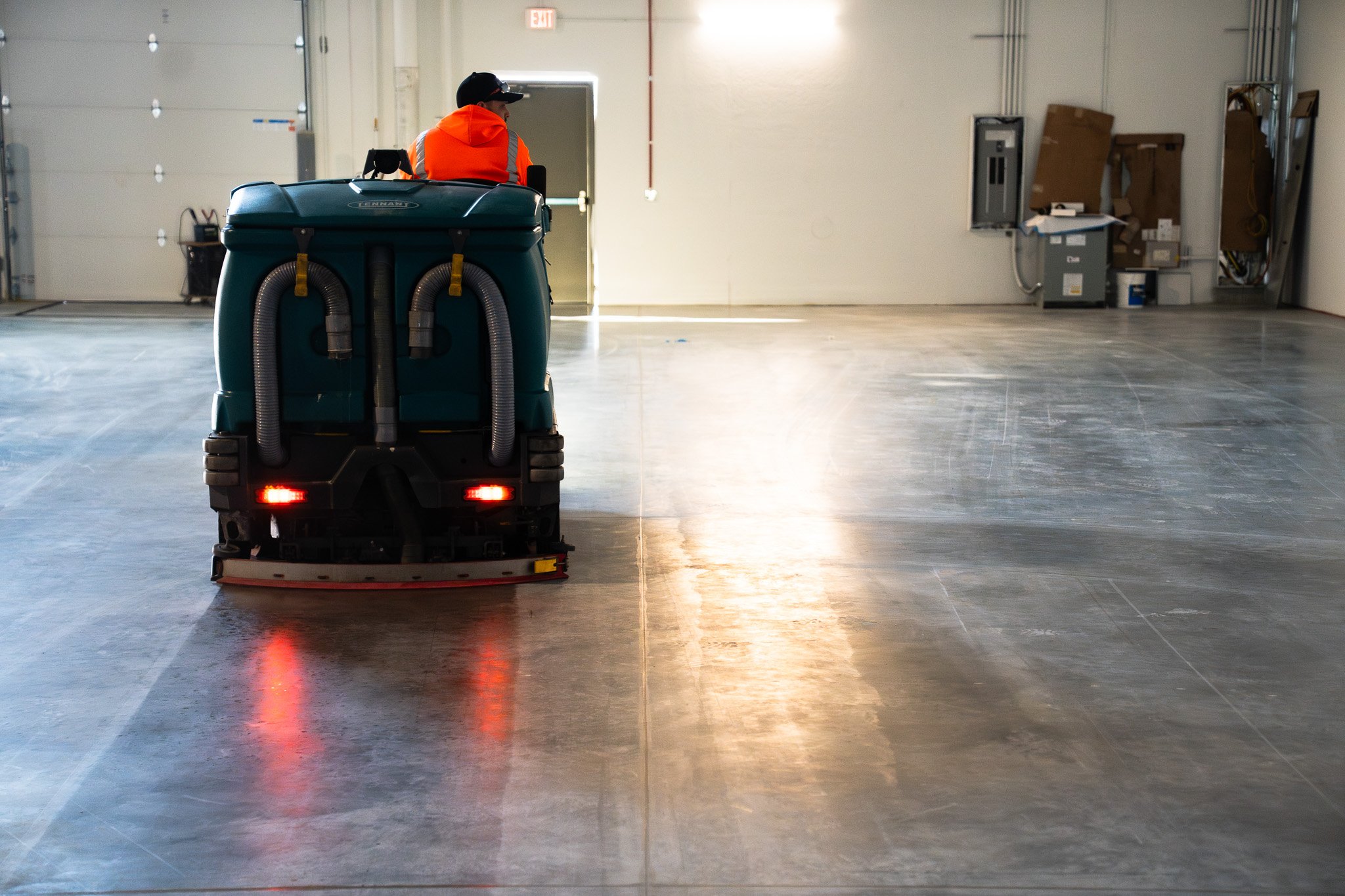
A well-maintained floor continues to support compliance long after installation.
FAQ: FDA and Concrete Flooring
Do floors need to be specifically FDA approved?
The FDA does not approve specific flooring products but requires that materials meet cleanliness and safety standards.
What is an FDA approved concrete floor sealer?
It refers to a sealer that creates a non-porous, cleanable surface suitable for regulated environments.
Can existing floors be upgraded to meet FDA requirements?
In many cases, yes. Coatings can be applied over existing concrete if the slab is properly prepared.

Final Thoughts
Flooring plays a critical role in FDA compliance. From cleanability and chemical resistance to drainage and durability, every aspect of the floor contributes to how well a facility meets inspection standards.
Choosing the right system—including an fda approved concrete floor sealer—helps ensure your facility is prepared for audits and reduces the risk of costly corrections. By understanding what inspectors look for and planning accordingly, facility managers can protect both their operations and their investment.
If you’re evaluating your facility’s flooring for compliance or planning an upgrade, the next step is understanding what system fits your environment. Request a quote with CustomCrete to explore flooring solutions designed for FDA-regulated facilities.
.jpg?width=2048&height=1365&name=CC108559%20(1).jpg)
.png?width=11520&height=9216&name=Untitled%20design%20(56).png)
.jpg?width=2048&height=1365&name=CC106221%20(1).jpg)
.jpg?width=2048&height=1365&name=CC102459%20(1).jpg)