
.jpg?width=2048&height=1365&name=CC106221%20(1).jpg)
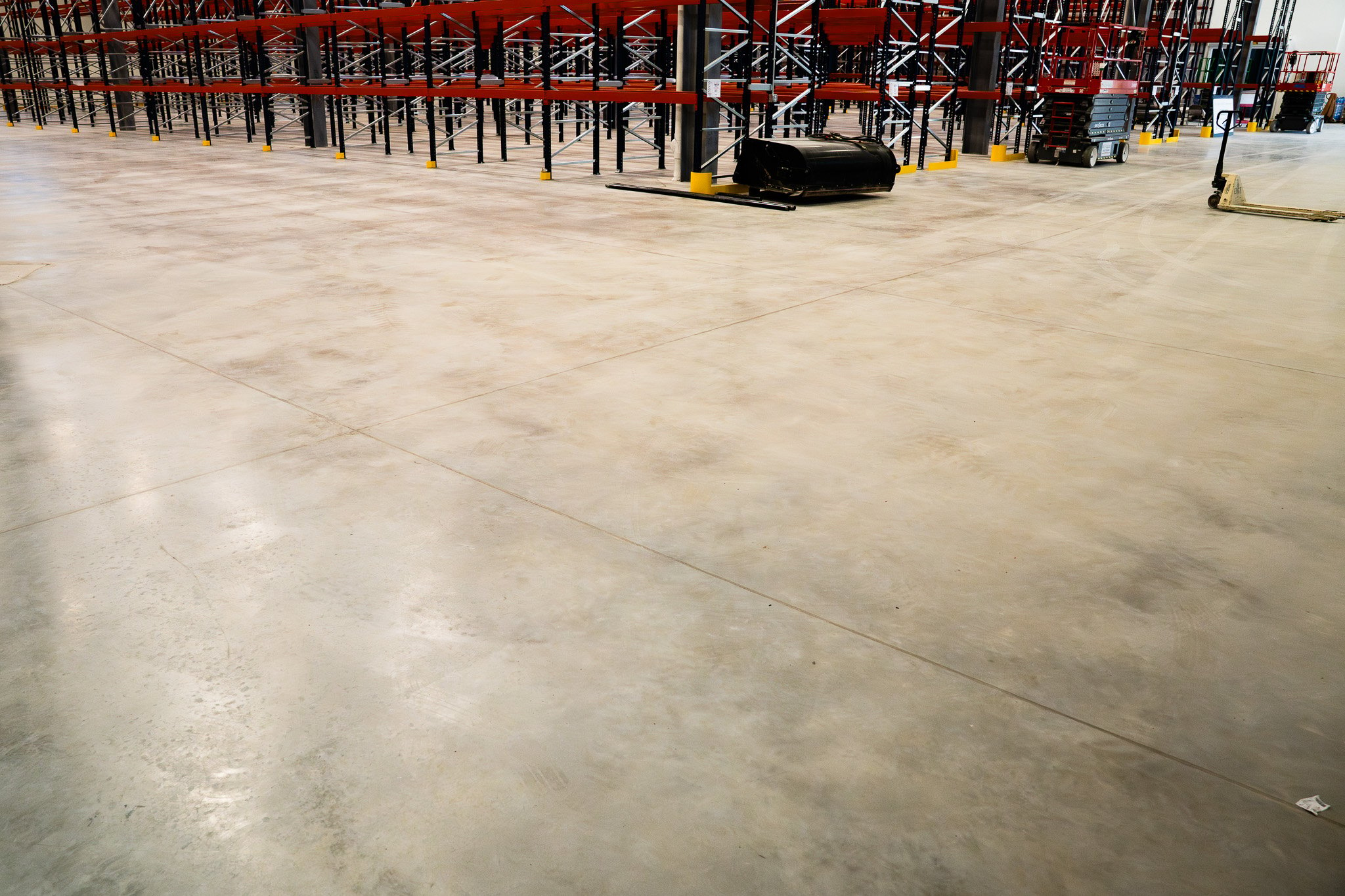
If you’re researching flooring options for a warehouse, retail space, office, or industrial facility in Chicago, polished concrete likely keeps coming up. It’s durable, low-maintenance, and modern-looking. But when it comes to pricing and long-term performance, there’s more to the story than most proposals explain.
This guide breaks down the real cost factors behind polished concrete floors in Chicago, explains the key benefits, and highlights the details that often get overlooked—like grit progression, slab condition, and densification. If you’re in the decision stage and comparing contractors, this will help you ask smarter questions and evaluate quotes with confidence.

Why Polished Concrete Is Popular in Chicago
Chicago facilities face unique challenges: freeze-thaw cycles, humidity swings, heavy industrial traffic, and older building slabs. Because of this, flooring systems must be durable and adaptable.
Polished concrete floors perform well in Chicago environments because they:
- Strengthen the existing slab
- Reduce surface dusting
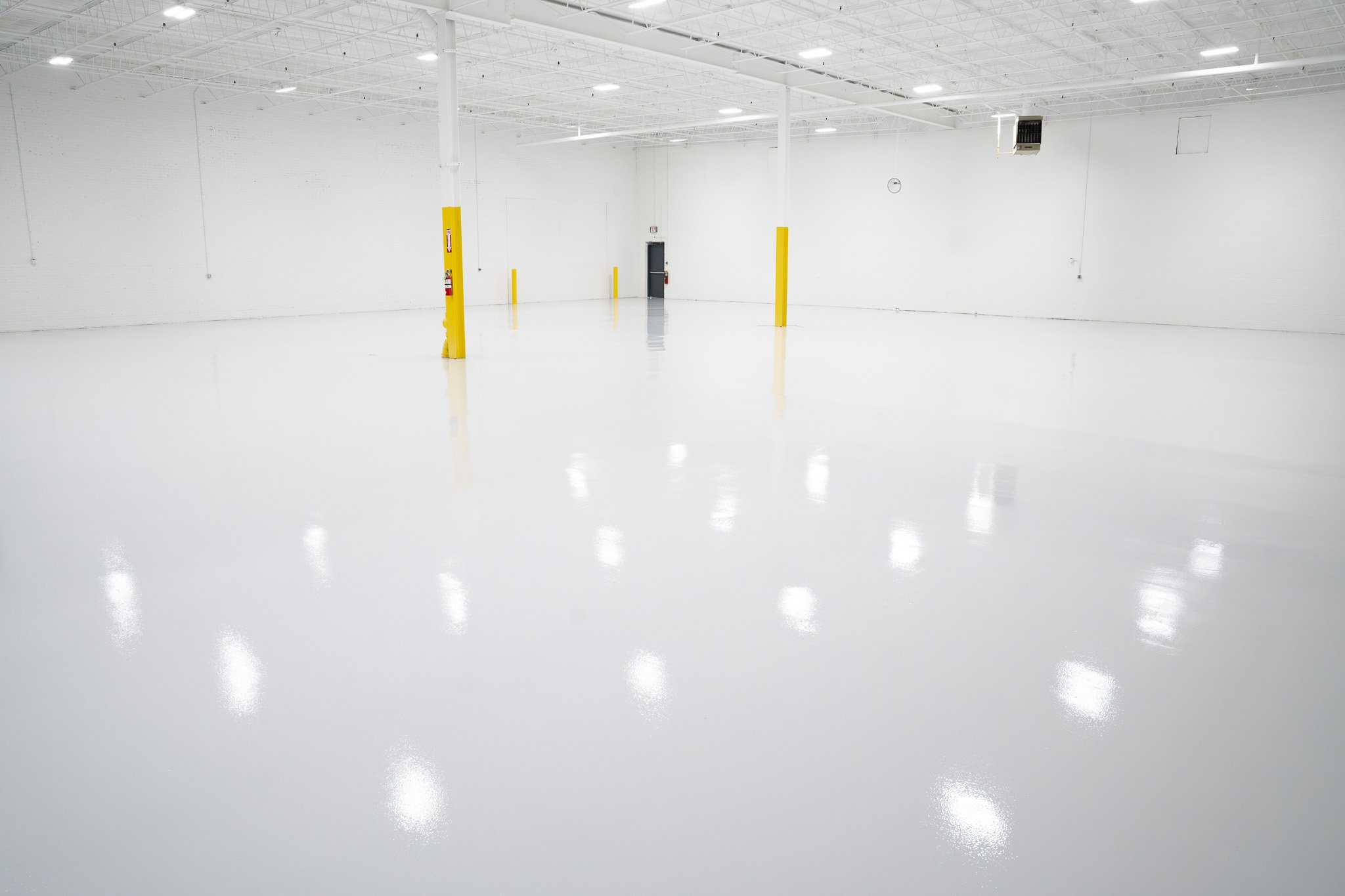
- Improve light reflectivity
- Lower long-term maintenance costs
- Eliminate the need for waxing or topical coatings
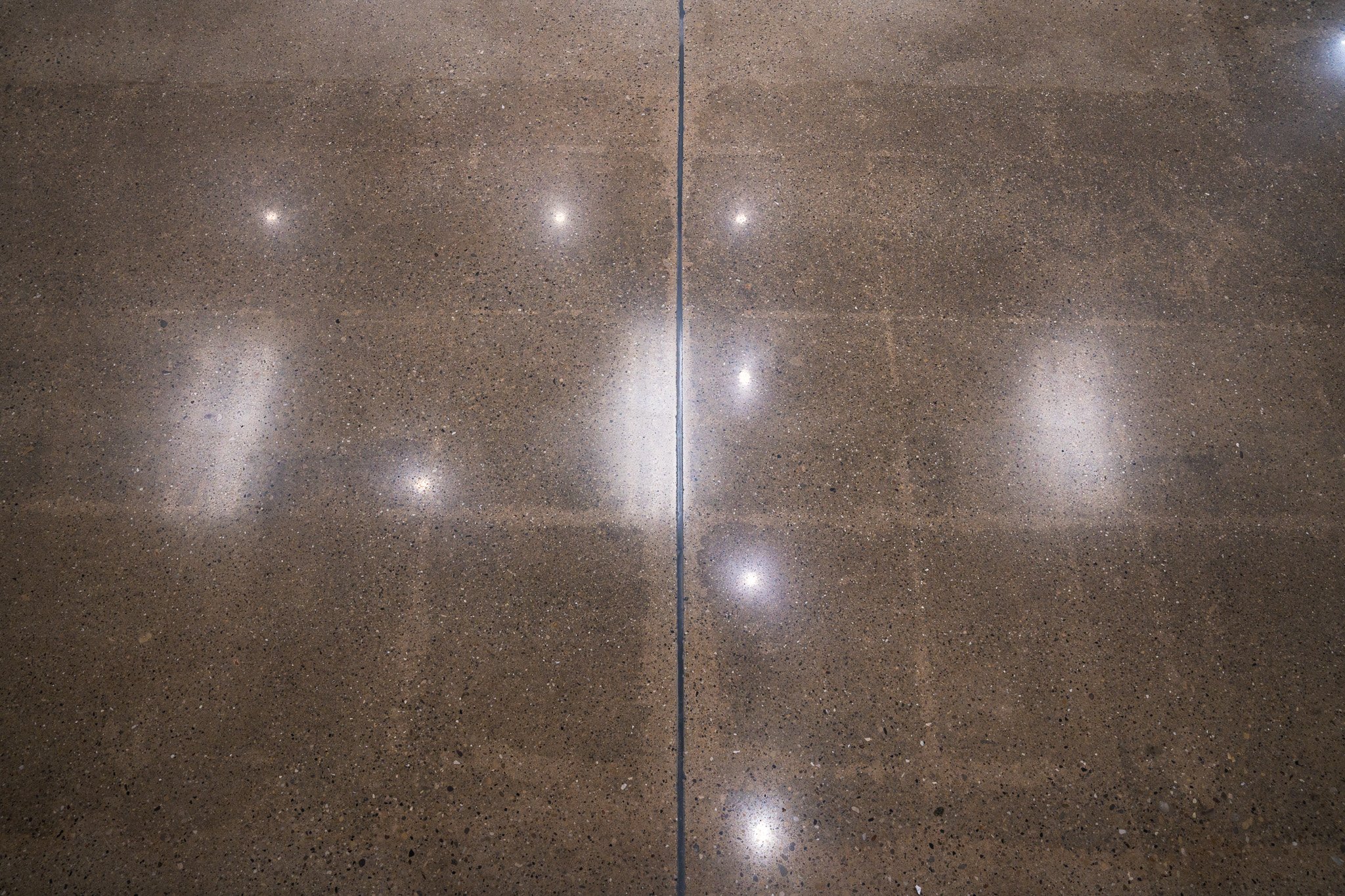
For warehouses, showrooms, distribution centers, and commercial spaces, polished concrete offers both performance and aesthetics without the peeling risks of coatings.
What Impacts the Cost of Polished Concrete in Chicago?
There is no single price per square foot for polished concrete. The total investment depends on several factors.
1. Square Footage
Larger projects generally reduce cost per square foot because mobilization and equipment setup are spread across more area. Smaller spaces may carry higher per-foot pricing due to fixed labor costs.
2. Slab Condition
This is one of the biggest pricing variables.
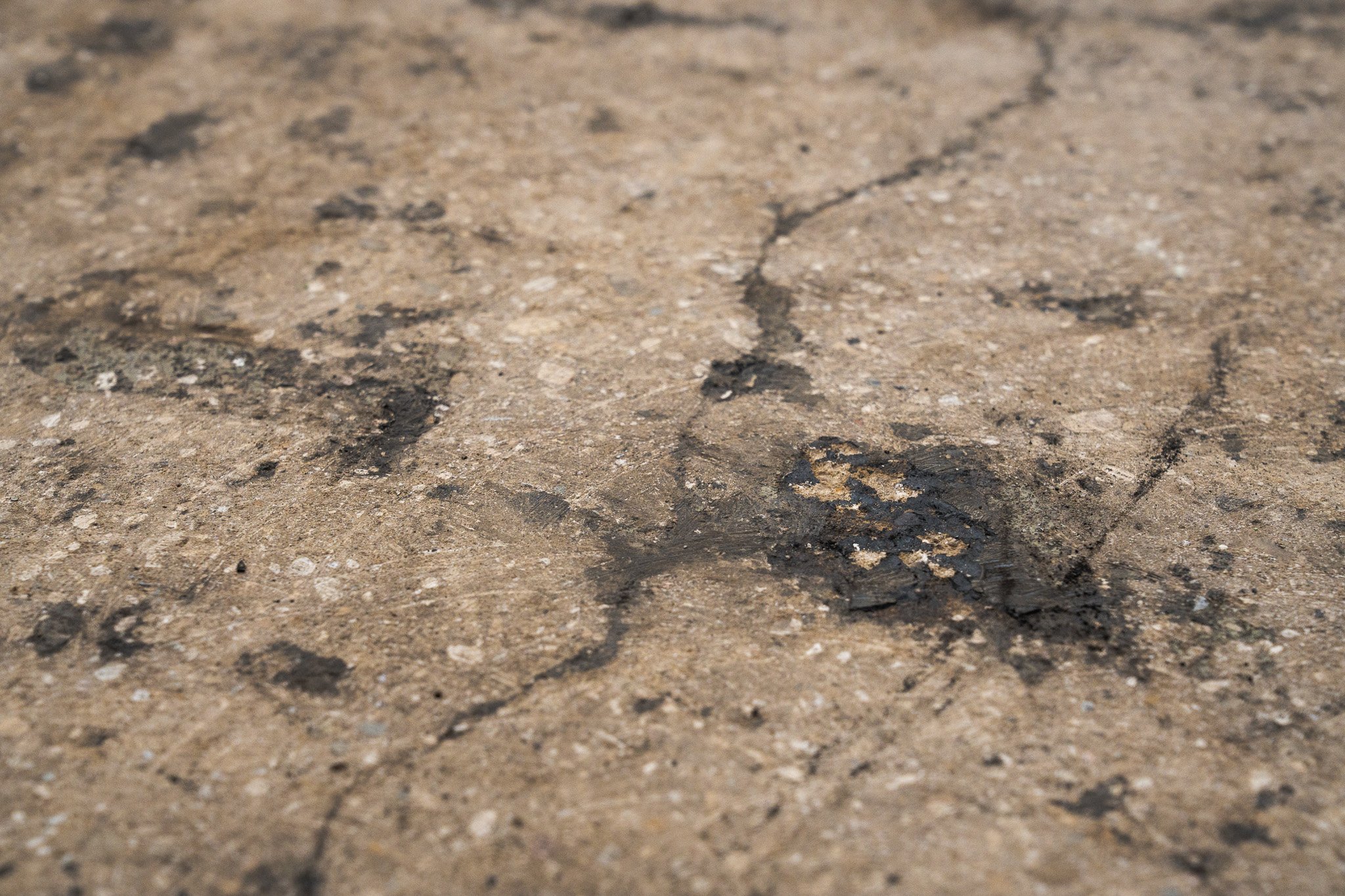
Older Chicago buildings often have:
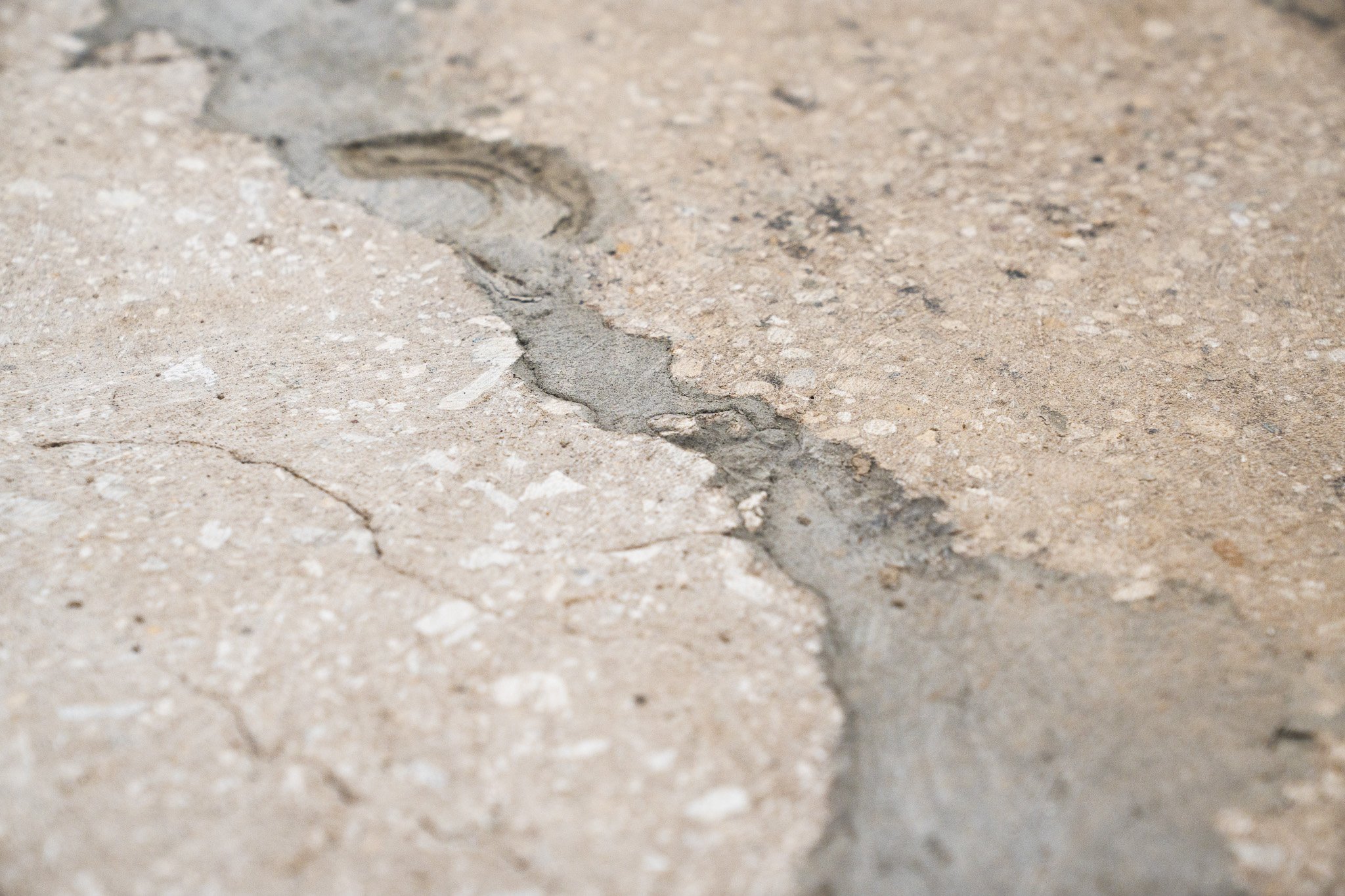
- Cracks and joint damage
- Glue residue from old VCT
- Oil contamination
- Uneven slabs
Surface spalling
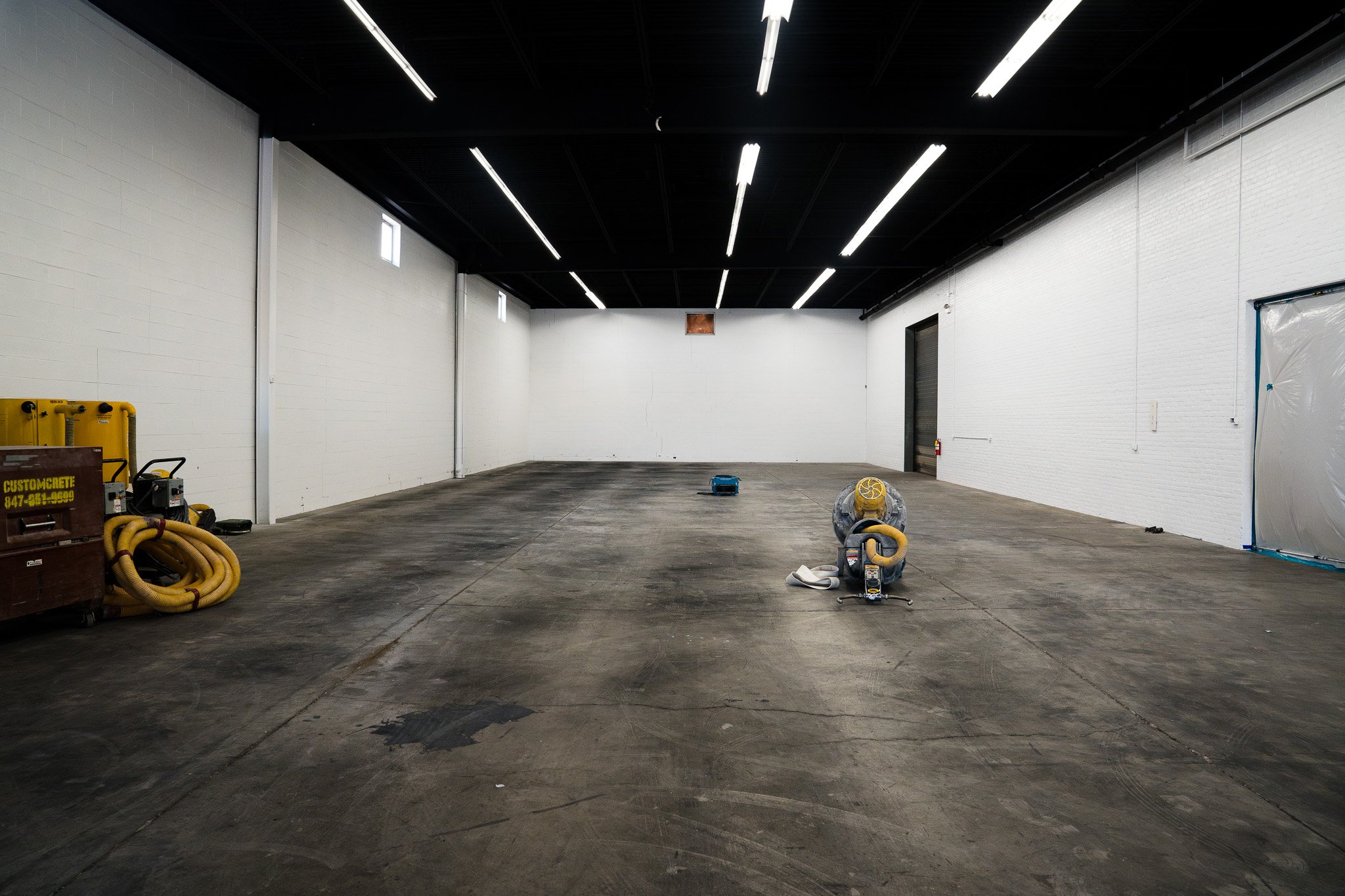
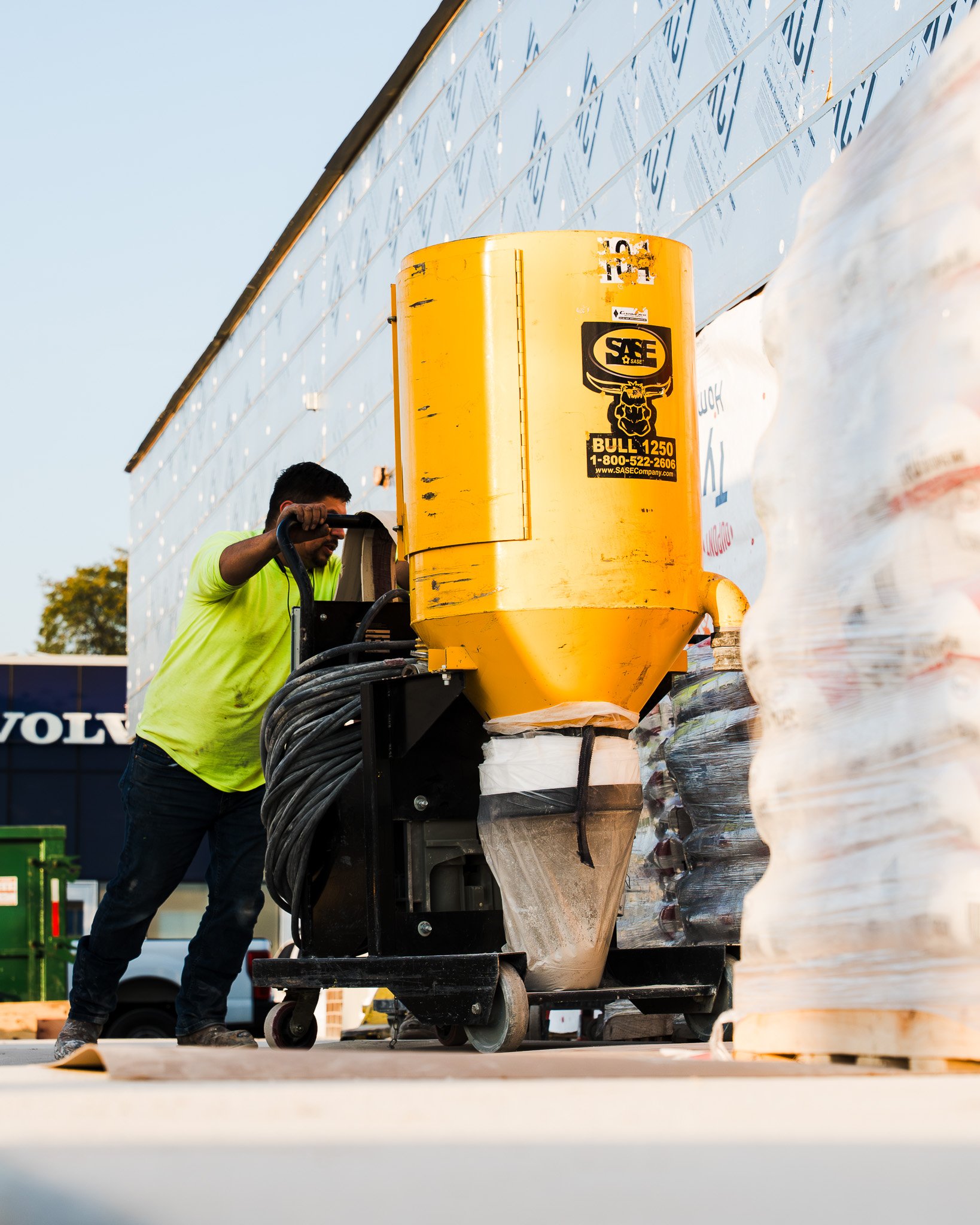
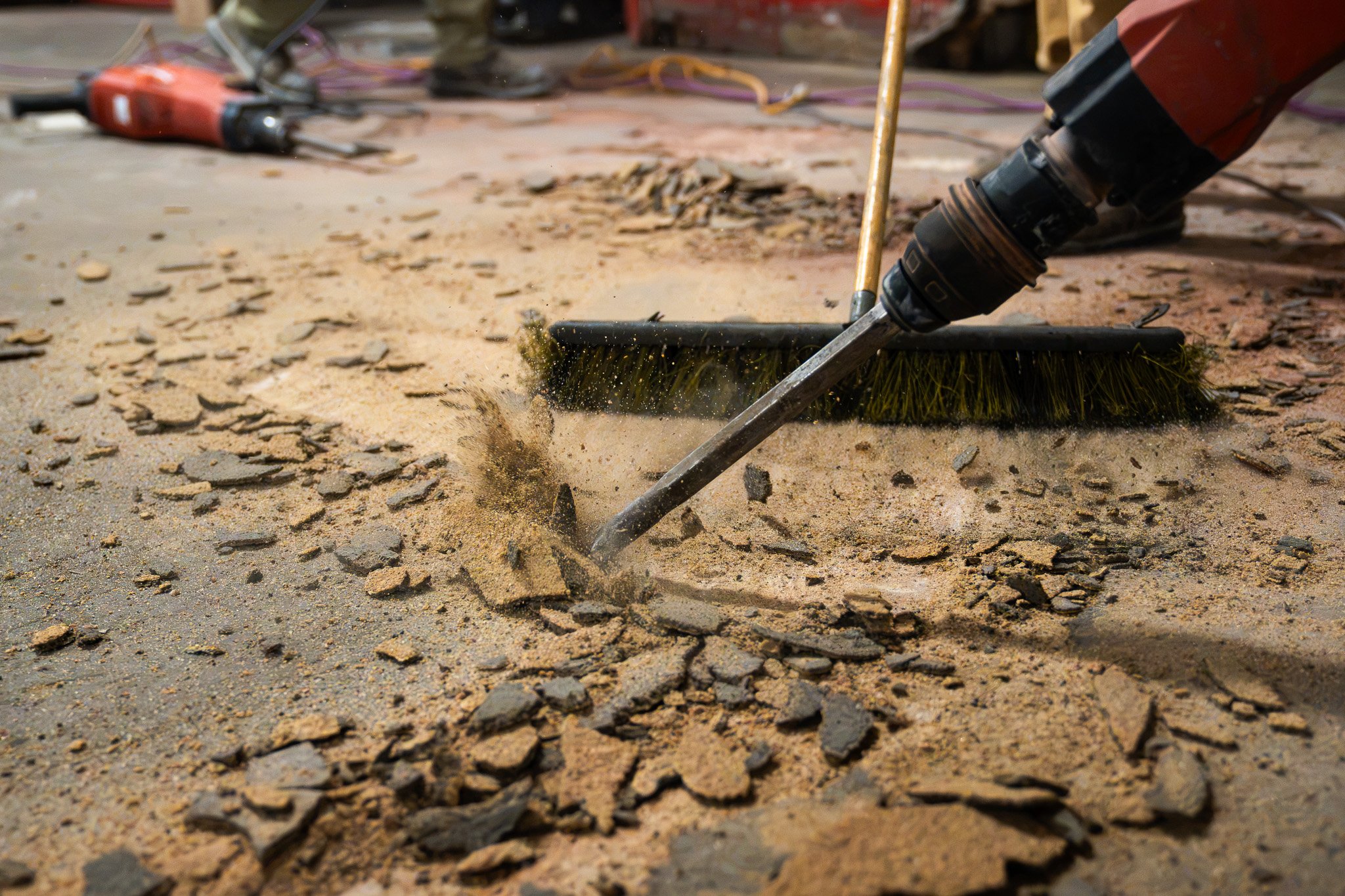
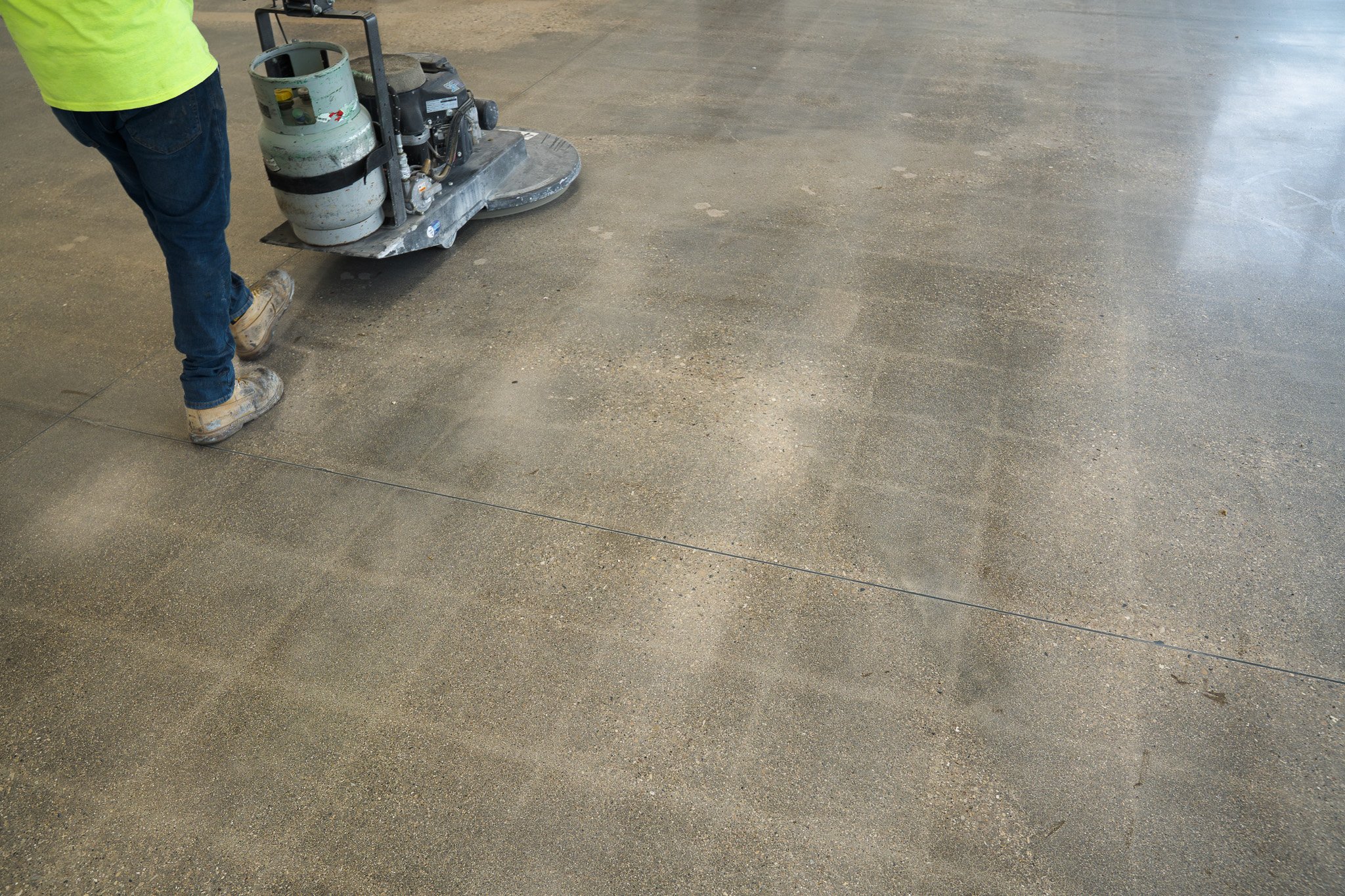
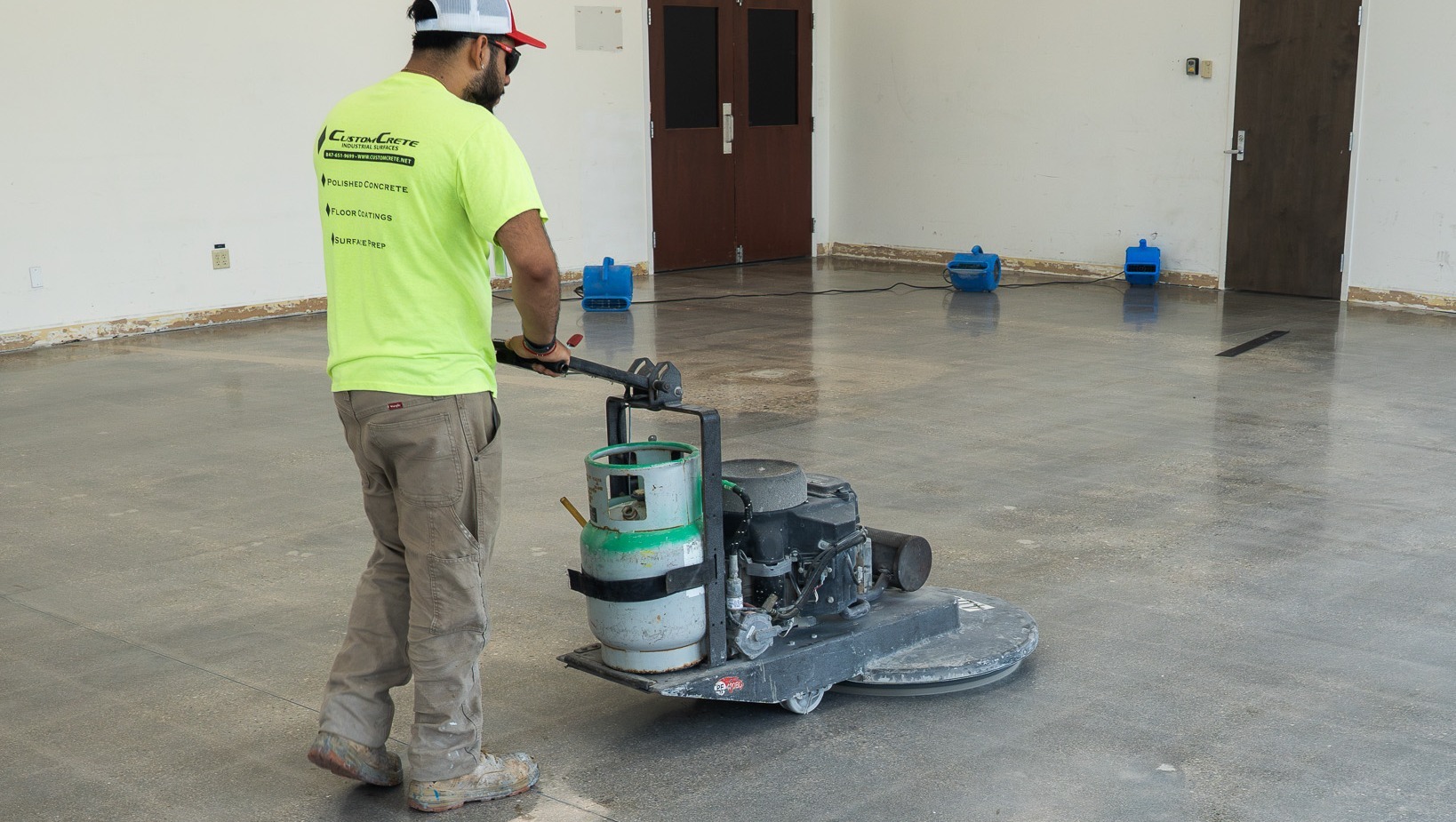
The more repair and preparation required, the higher the total cost. Proper mechanical grinding is essential before polishing can begin.
3. Grit Progression and Finish Level
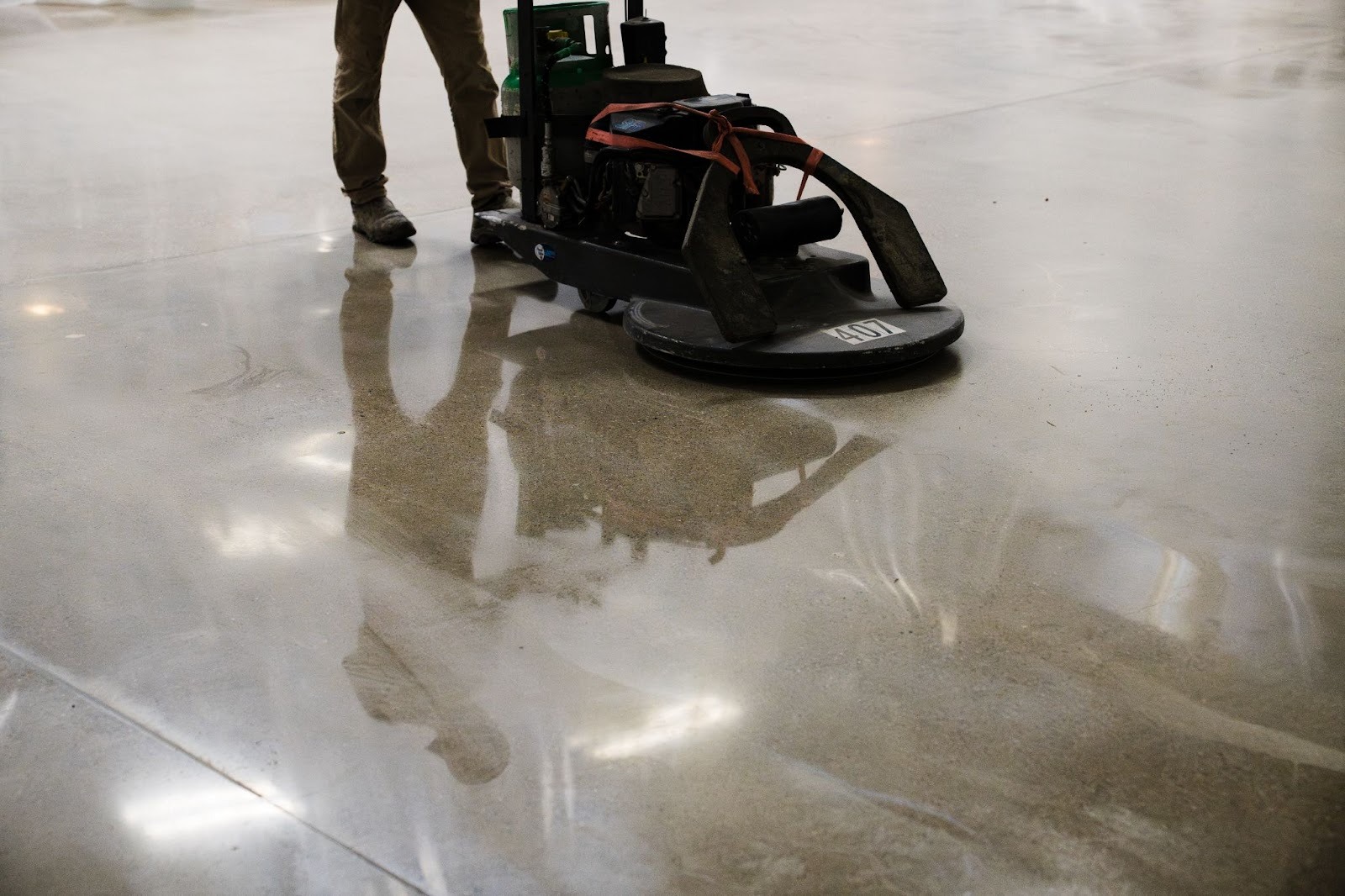
Not all polished concrete is created equal. The number of grinding steps and the final grit level dramatically impact price.
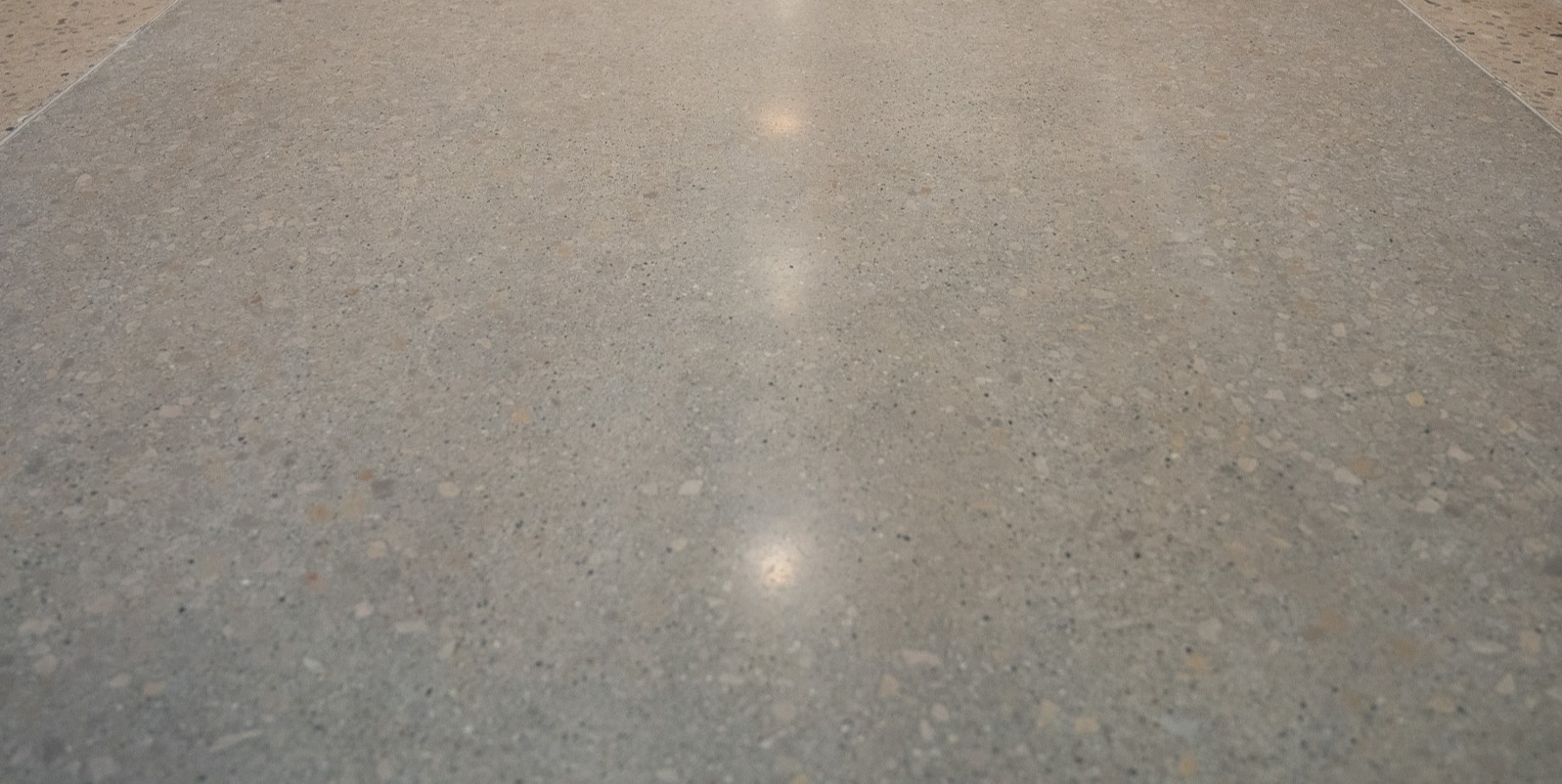
- Lower grit finishes (400–800 grit): More matte, lower cost
- Mid-range (800–1500 grit): Balanced sheen and durability
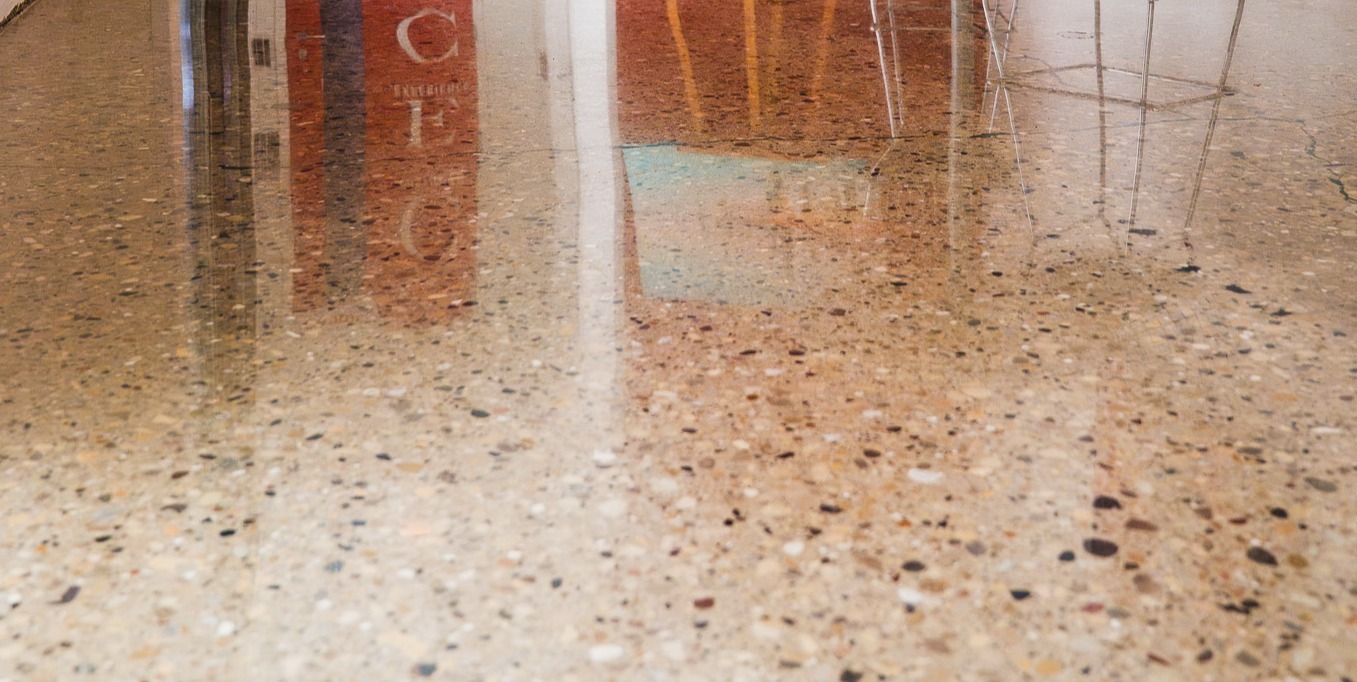
- High-gloss (3000 grit): Maximum reflectivity and refinement
More grit steps mean more labor time, which increases cost—but also enhances clarity and durability.
4. Aggregate Exposure
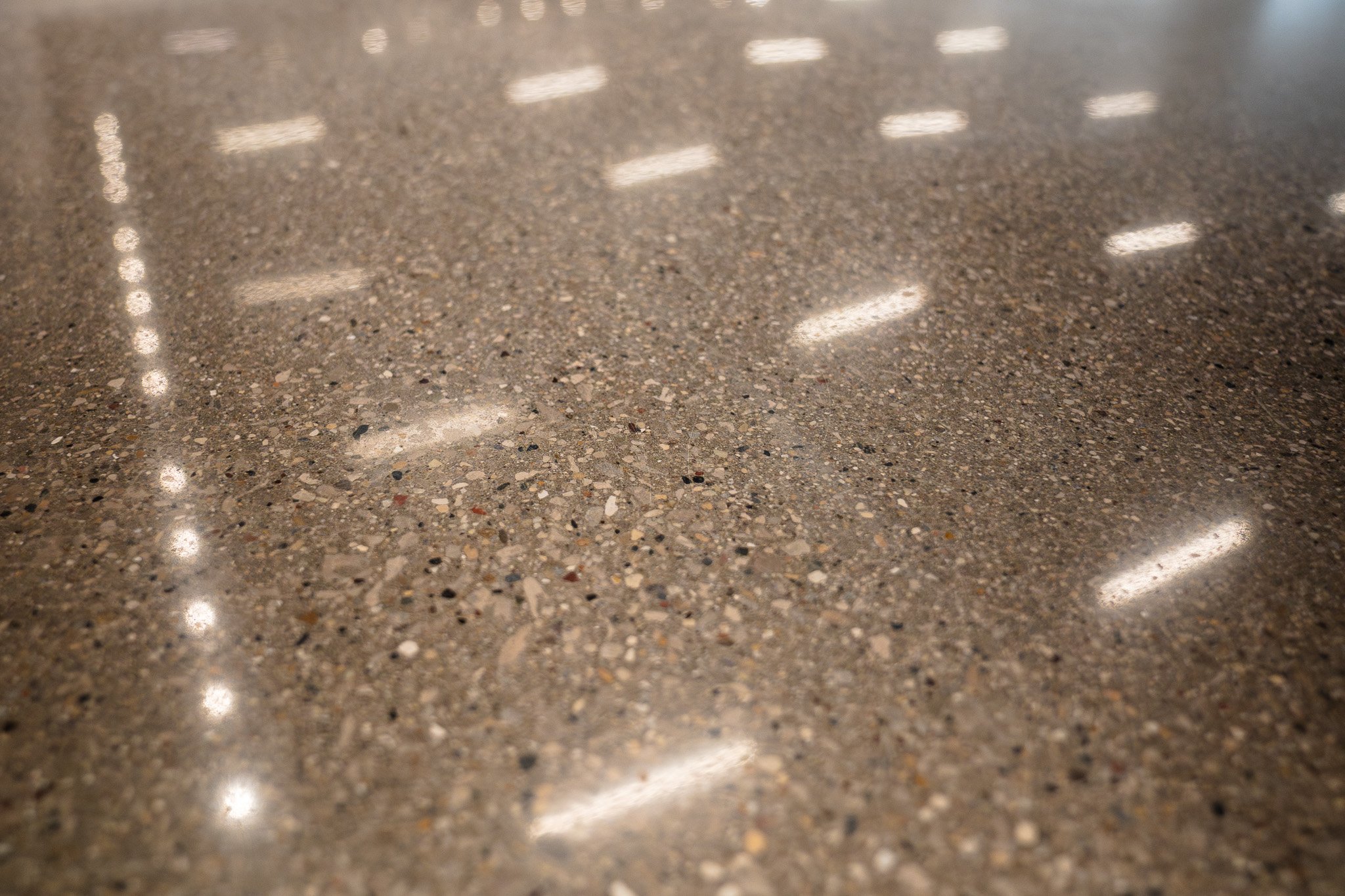
Chicago slabs vary in composition. If you want heavy aggregate exposure (large stone visible), additional grinding is required.
- Cream finish (minimal exposure) = lower cost
- Salt-and-pepper exposure = moderate cost
- Full aggregate exposure = higher cost
The deeper the grind, the more labor involved.
5. Densification
Densifiers chemically harden the concrete during polishing. Products like lithium or sodium silicate densifiers strengthen the slab and improve durability.
Skipping densification reduces cost—but also reduces long-term performance. Quality concrete polished concrete systems rely on proper densification.
6. Traffic Type
Traffic type influences how the floor is polished.
- Heavy forklift traffic requires tighter refinement
- Retail and office spaces may prioritize gloss
- Industrial facilities may prioritize durability over shine
Choosing the right finish for your traffic type protects your investment.

The Benefits of Polished Concrete Floors
When installed correctly, polished concrete offers measurable advantages.
Durability
Polished concrete strengthens the surface instead of covering it. With no topical coating to peel, it handles Chicago’s seasonal humidity and temperature shifts well.
Low Maintenance
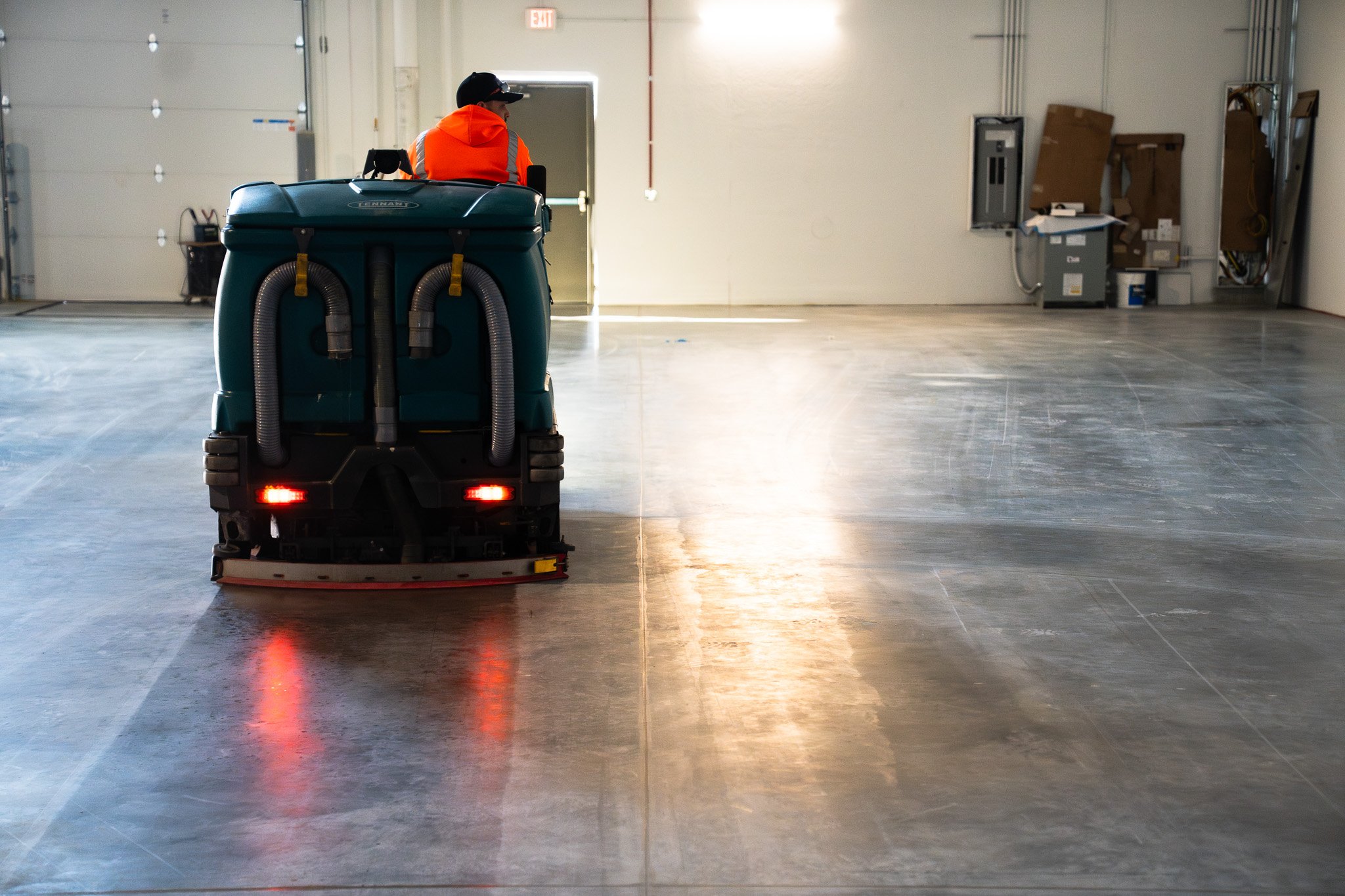
There’s no waxing, stripping, or recoating required. Routine cleaning with auto-scrubbers and neutral cleaners keeps the floor performing.
Light Reflectivity
Higher-gloss finishes increase light reflectivity, which can reduce lighting demands in large warehouses.
Cost Efficiency Over Time
While the upfront investment may be higher than basic sealers, long-term maintenance savings often offset the difference.
What Most Contractors Won’t Tell You
Here’s where things get more transparent.
Not All Polishing Is Equal
Some contractors skip grit steps to reduce labor time. This can result in:
- Inconsistent gloss
- Reduced durability
- Premature dulling
Always ask about grit progression.
Joint Work Is Critical
Polished concrete floors in Chicago must have properly filled and stabilized joints. Unsealed joints lead to:
- Forklift vibration
- Edge spalling
- Increased maintenance
Every concrete polished concrete project should include professional joint filling.
Slab Quality Limits Results
If your slab is extremely damaged, polishing may require extensive repairs before refinement begins. In rare cases, alternative systems may be more appropriate.
Is Polished Concrete Right for Your Chicago Facility?
Polished concrete works especially well for:
- Warehouses
- Distribution centers
- Showrooms
- Commercial retail
- Manufacturing spaces
- Office remodels
However, it may not be ideal in environments requiring heavy chemical resistance or extreme thermal shock. In that case, we recommend Urethane Cement.
The key is matching the floor system to the building’s operational needs—not just choosing the most visually appealing option.
FAQ: Polished Concrete in Chicago
How long does polished concrete last?
When properly installed and maintained, it can last decades.
Is polished concrete slippery?
When dry, it typically meets slip-resistance standards. Additional traction options are available if needed.
Does Chicago’s climate affect polished floors?
Seasonal humidity swings can influence slabs, which is why proper prep and densification are critical.

Final Thoughts
Polished concrete floors in Chicago offer durability, long-term value, and clean aesthetics—but pricing depends on more than square footage. Slab condition, grit progression, densification, traffic demands, and joint stabilization all impact performance and cost.
If you’re evaluating polished concrete for your facility, understanding these factors ensures you compare proposals accurately and avoid shortcuts that reduce lifespan.
To explore pricing specific to your building and conditions, request a quote with CustomCrete and receive a tailored evaluation for your Chicago facility.
Topics:
.jpg?width=2048&height=1365&name=CC108559%20(1).jpg)
.png?width=11520&height=9216&name=Untitled%20design%20(56).png)
.jpg?width=2048&height=1365&name=CC102459%20(1).jpg)