
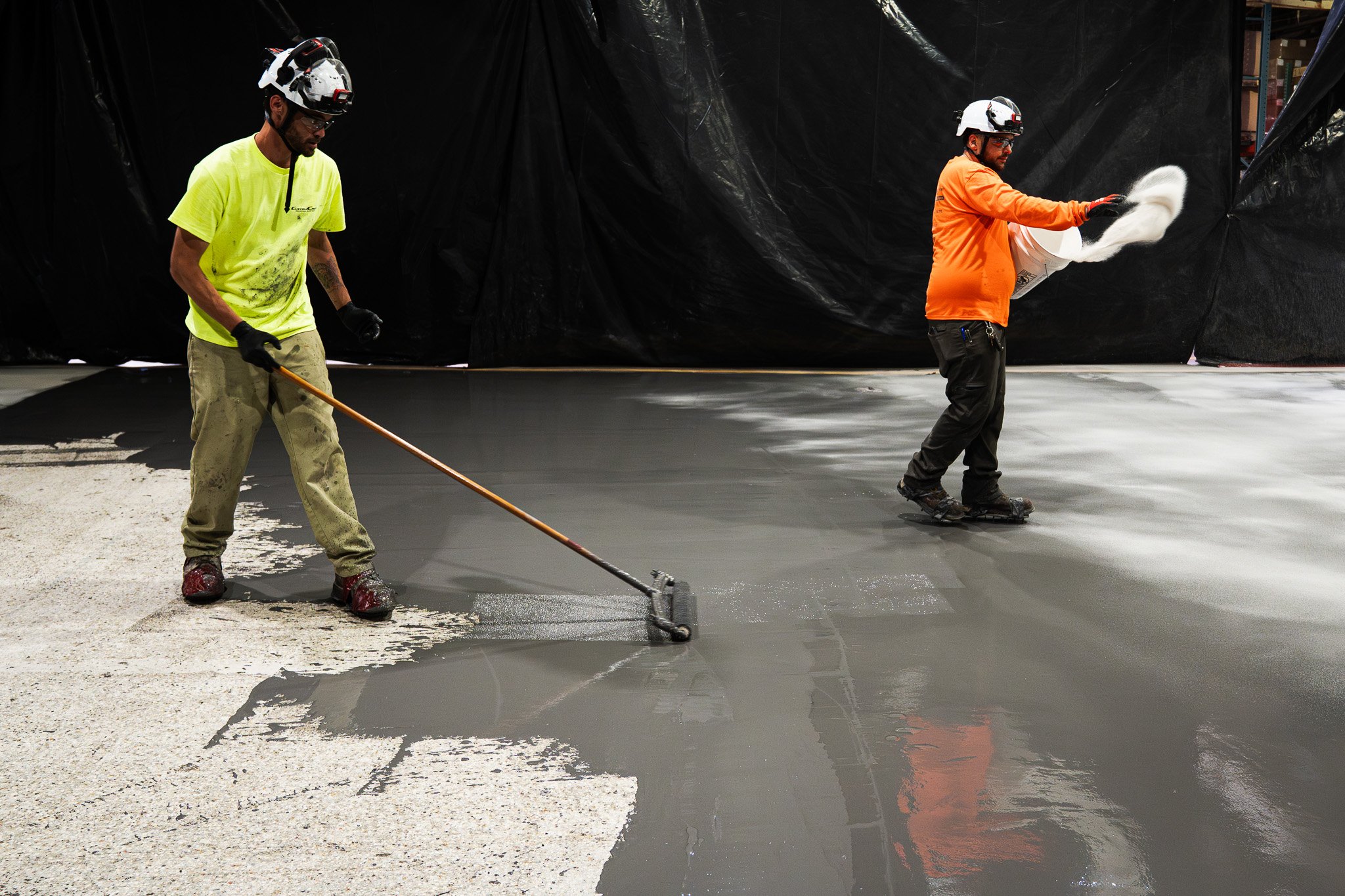
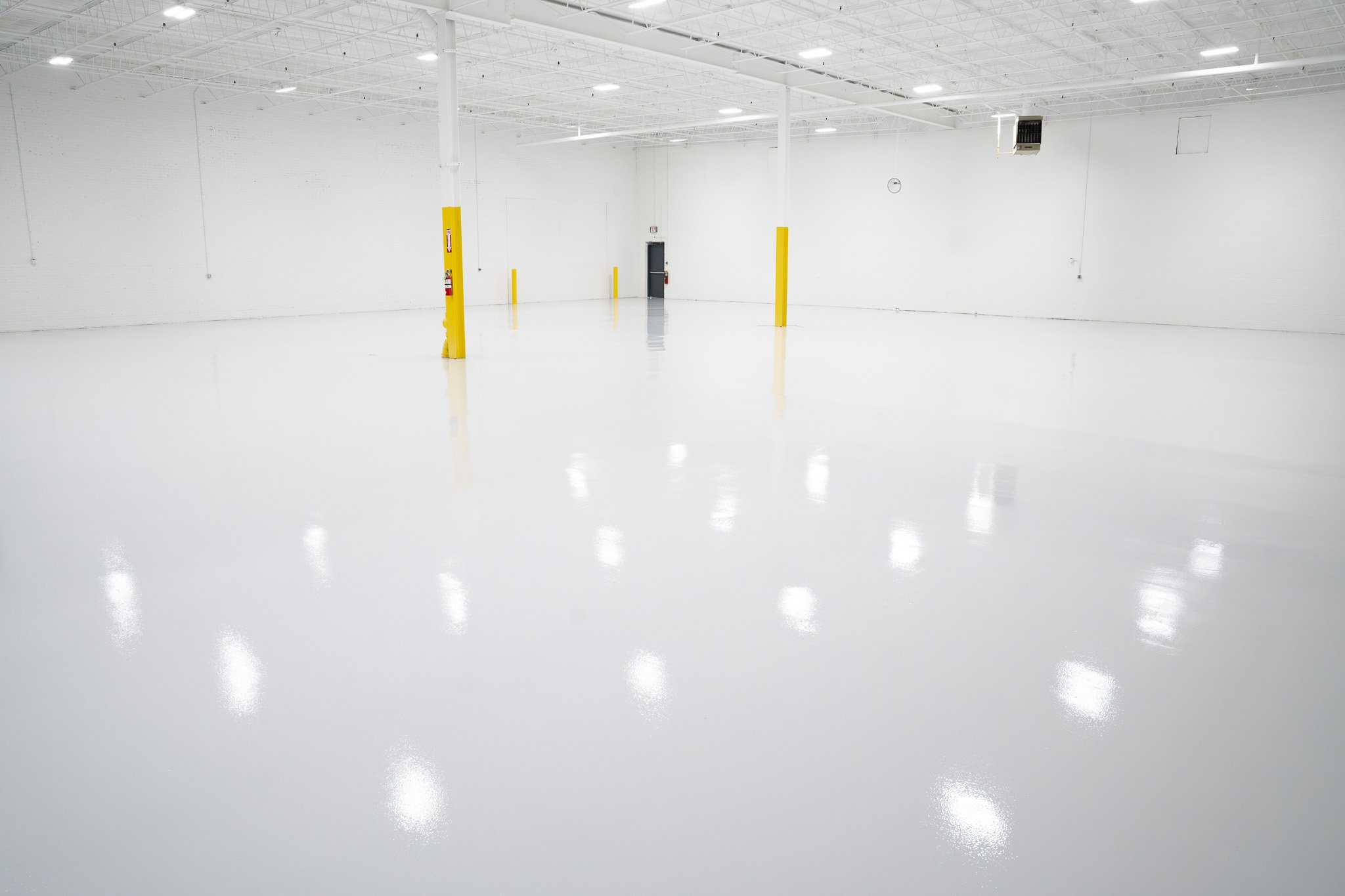
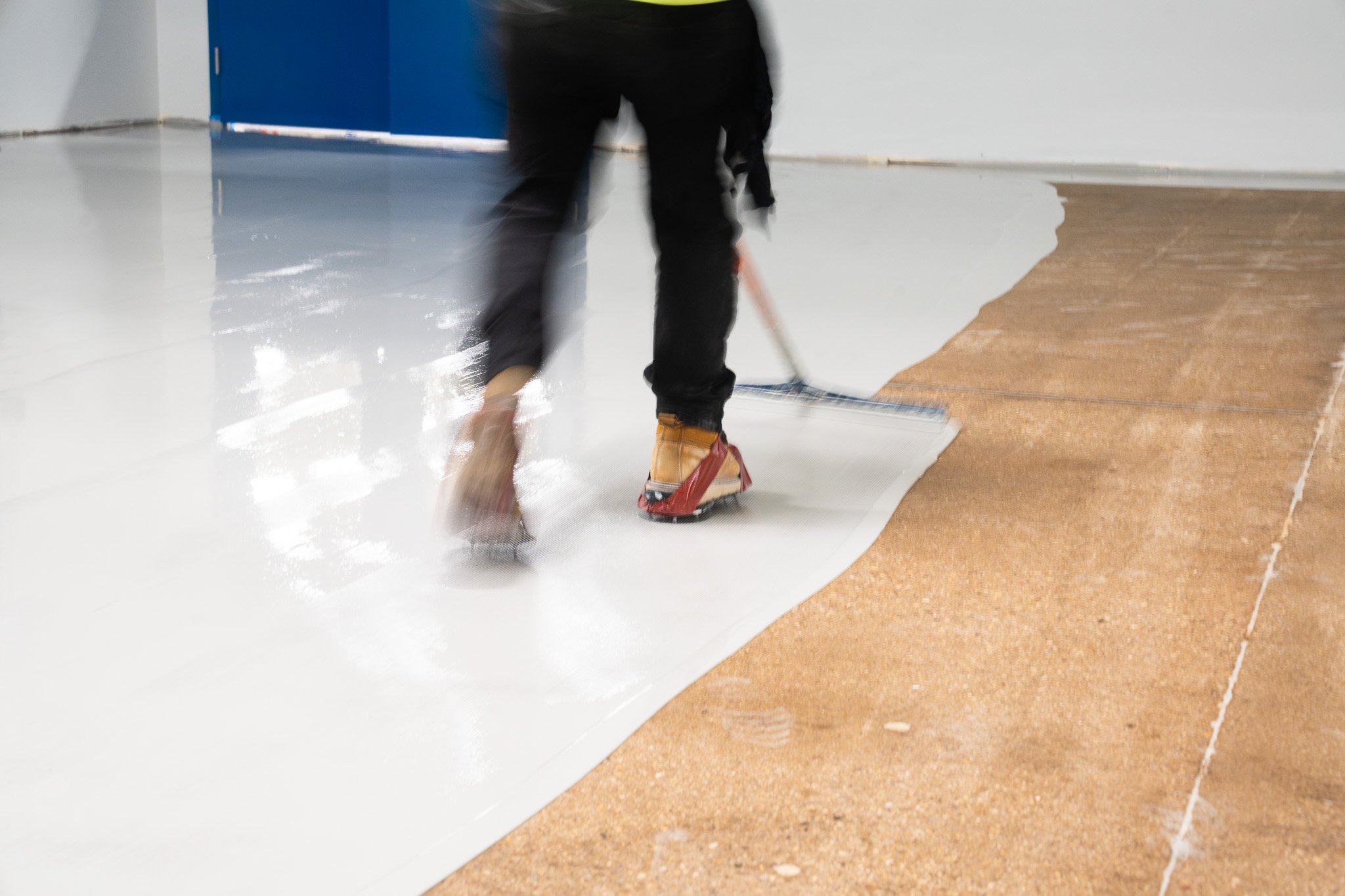
Most new industrial floors can handle foot traffic within 12 to 24 hours, but heavy equipment, forklifts, and full production activities often require several days of curing after concrete coating installation. The exact timeline depends on the flooring system, site conditions, and the type of traffic the floor will support.
For facility managers planning a flooring project, understanding return-to-service timelines is just as important as understanding cost and performance.
At CustomCrete, this is one of the most common questions from warehouses, manufacturing facilities, food and beverage plants, and commercial spaces trying to minimize downtime.
What Affects Return-to-Service Time?
Several factors determine how soon a floor can be used after installation.
Type of Flooring System
Different flooring systems cure at different rates.
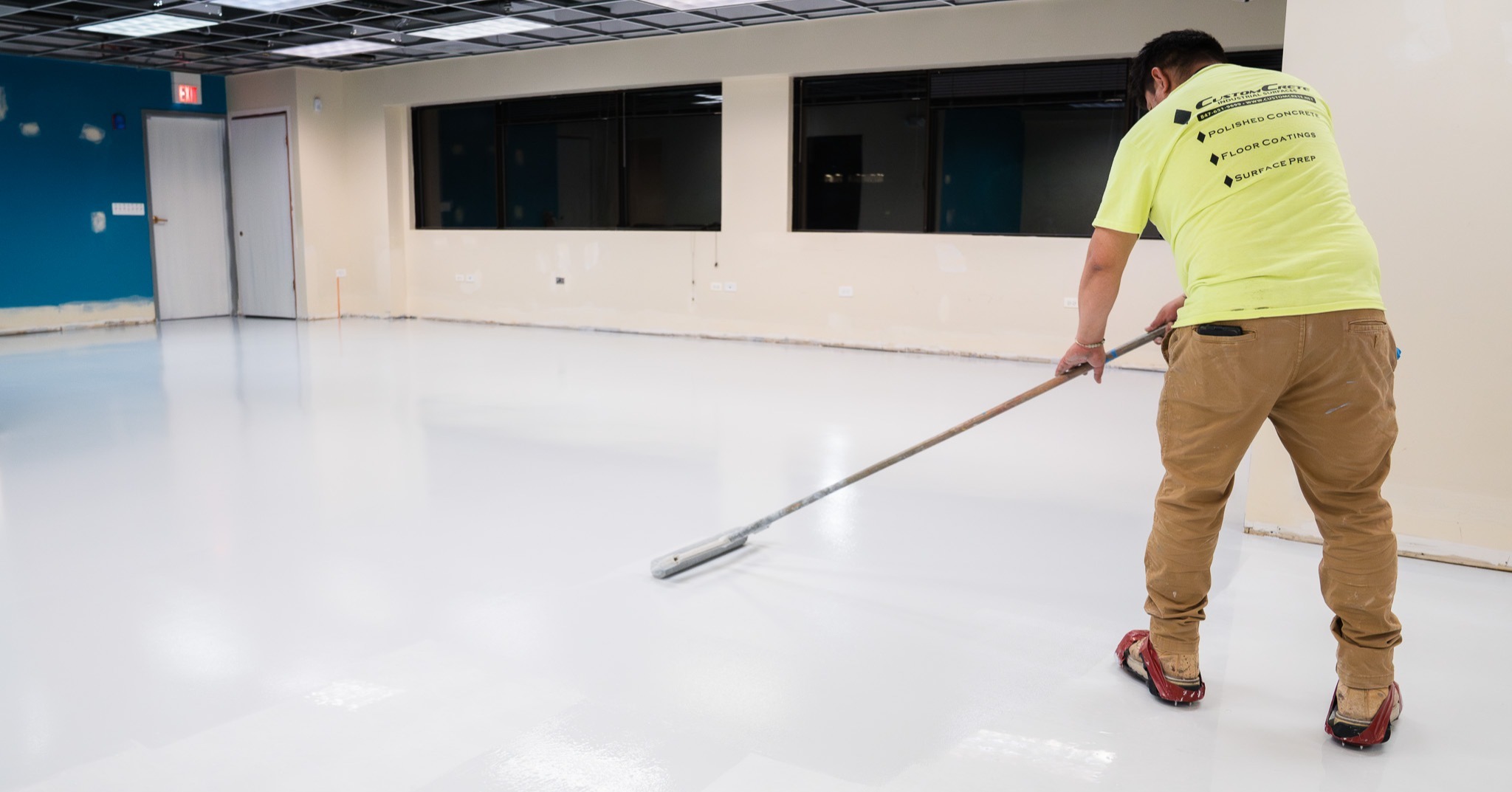
- Epoxy flooring often allows foot traffic within 24 hours but may require 3–7 days before heavy traffic.
- Urethane cement systems can often return to service faster, depending on the product used.
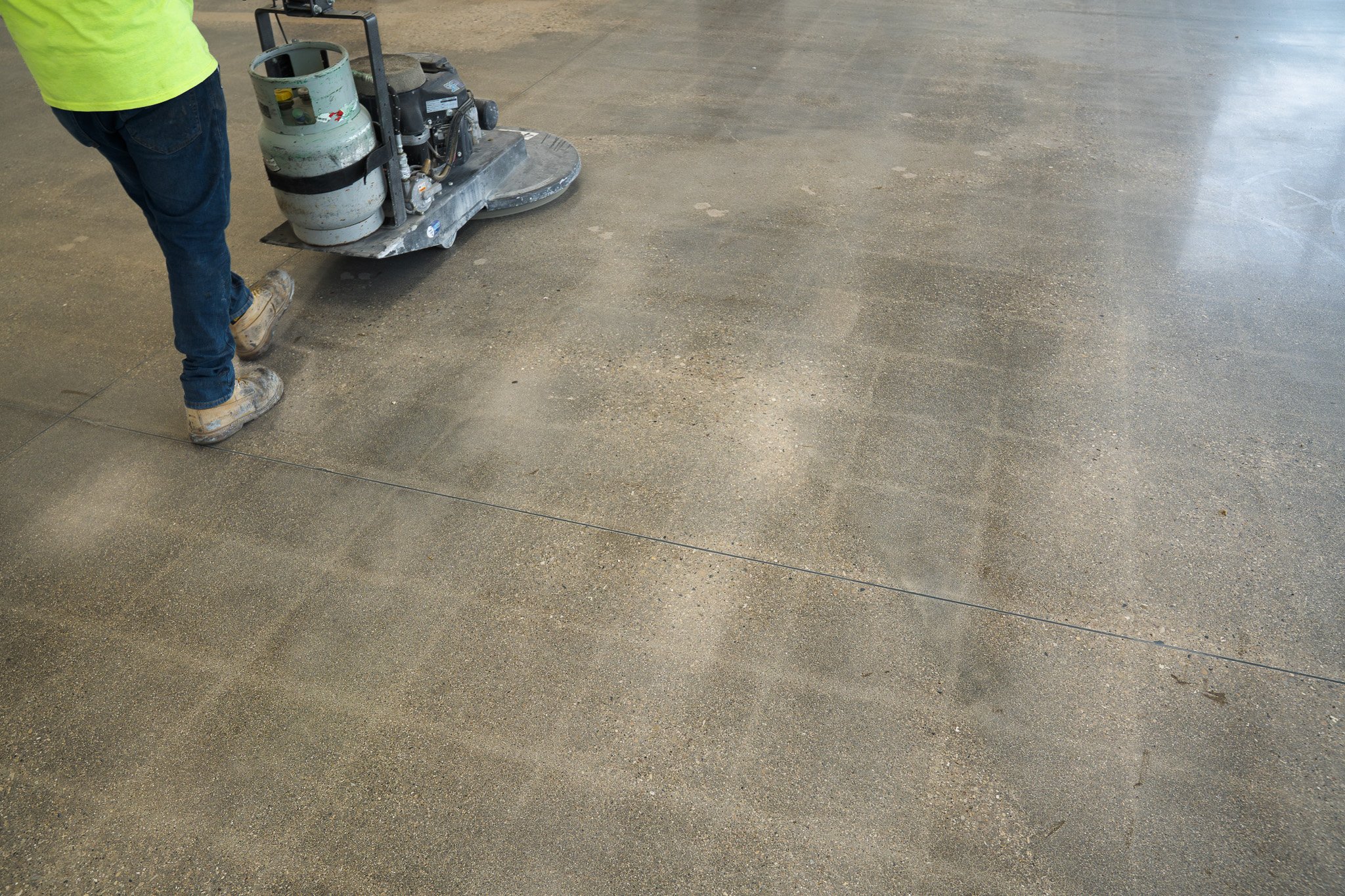
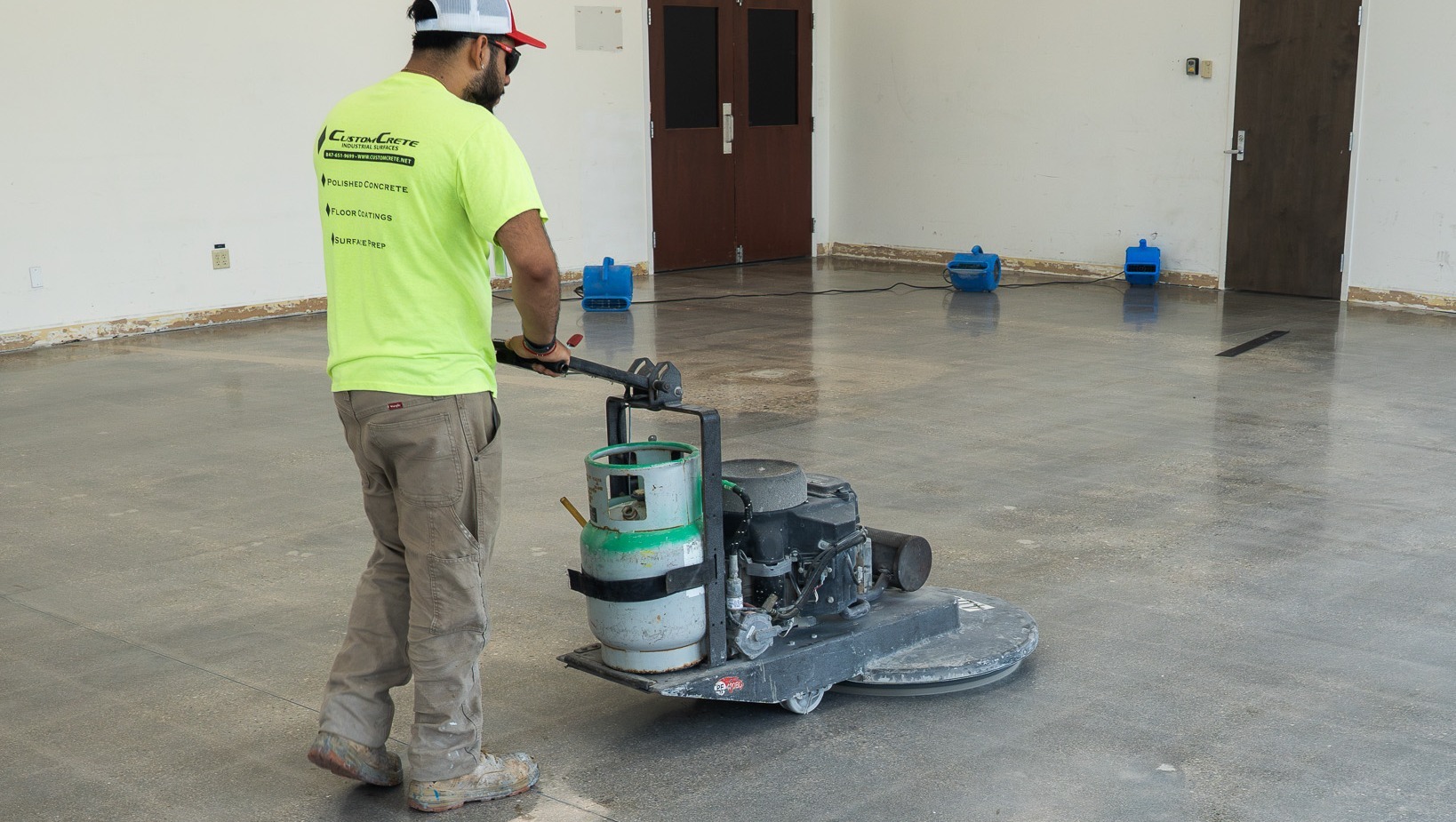
- Polished concrete may be usable immediately after the polishing process is completed, although repairs and densifiers can affect timing.
Every system has its own cure schedule that should be followed for best results.
Foot Traffic vs. Heavy Traffic
One of the biggest misconceptions is that if a floor can be walked on, it is fully cured.
In reality, there are often different milestones for:
- Foot traffic
- Light equipment
- Pallet jacks
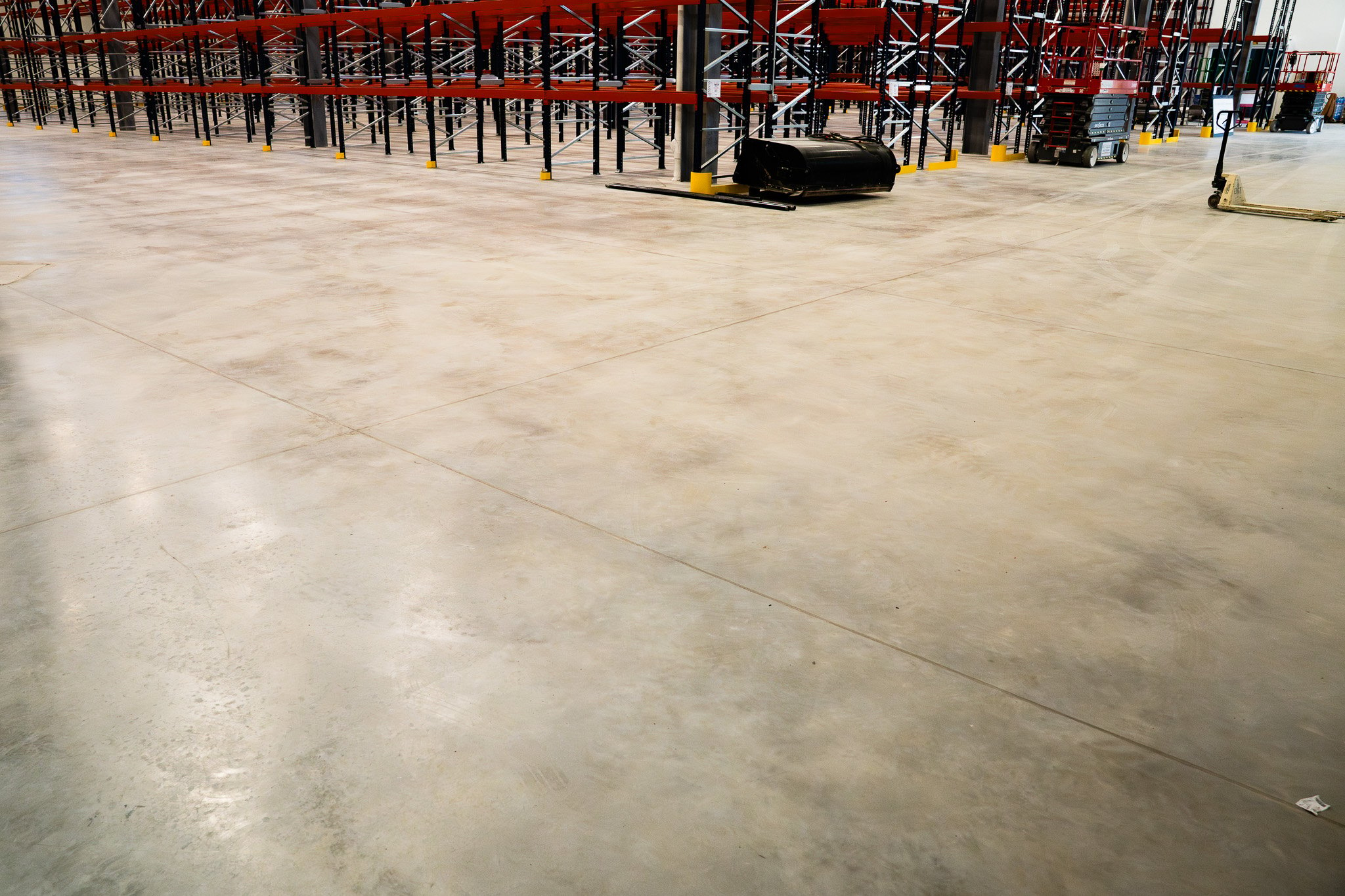
- Forklifts
- Full production operations
Allowing heavy traffic too soon can damage the flooring system before it reaches its designed strength.
Environmental Conditions Matter
Temperature and humidity have a major impact on cure times.
Cool temperatures typically slow curing, while warmer conditions can accelerate it. High humidity may also affect certain flooring materials during installation and curing.
Because of this, two identical flooring systems may have different return-to-service schedules depending on jobsite conditions.
Can Cure Times Be Accelerated?
In some situations, yes.
Certain flooring systems are specifically designed for rapid return to service. These products are often selected for facilities where downtime is extremely costly or where work must be completed during weekends or holiday shutdowns.
However, faster cure times may come with different performance characteristics or costs, so they should be evaluated based on the facility's needs.
Why Following Cure Times Is Important
Using a floor before it is fully ready can lead to:
- Surface damage
- Tire marks
- Reduced adhesion
- Premature wear
- Shortened floor lifespan
Waiting for the recommended cure period helps ensure the flooring system achieves its intended durability and performance.

Final Thoughts
Most floors can support foot traffic within 12 to 24 hours after concrete coating installation, but heavy traffic and full operations often require several days of curing. The exact timeline depends on the flooring system, environmental conditions, and how the floor will be used.
For more information about flooring systems, installation timelines, and maintenance best practices, visit CustomCrete's Learning Center. If you're planning a project and want a timeline specific to your facility, you can also request a quote to discuss your options.
.jpg?width=2048&height=1365&name=CC108559%20(1).jpg)
.png?width=11520&height=9216&name=Untitled%20design%20(56).png)
.jpg?width=2048&height=1365&name=CC106221%20(1).jpg)
.jpg?width=2048&height=1365&name=CC102459%20(1).jpg)