
.png?width=11520&height=9216&name=Untitled%20design%20(56).png)
At first glance, a flooring quote can seem straightforward. A contractor provides a price per square foot, a timeline, and a coating recommendation. But once the project begins, many facility managers discover additional costs tied to preparation, repairs, moisture issues, or downtime.
That doesn’t necessarily mean someone is being misleading—it often means the full condition of the floor wasn’t fully understood upfront. With nearly 20 years of experience and over 1 million square feet installed, CustomCrete has seen how important transparency is when discussing concrete coating cost. The reality is that every slab is different, and hidden conditions can significantly affect the final investment.
This article explains the most common “hidden costs” associated with concrete coatings so you can budget more accurately and avoid surprises.
Key Takeaways
- The biggest factors affecting concrete coating cost are often discovered during surface preparation.
- Moisture issues, crack repairs, and downtime can increase total project costs beyond the base quote.
- Understanding long-term maintenance and coating thickness helps avoid unrealistic budget expectations.

Why Concrete Coating Costs Can Vary So Much
Concrete coatings are not one-size-fits-all systems. Two facilities with the same square footage may have completely different pricing because the condition of the slab, environment, and operational needs are different.
A basic quote may cover:
- Material costs
- Standard installation
- General labor
But additional conditions uncovered during the project can change the scope significantly.
Understanding these variables is key to evaluating the true concrete coating cost.
Surface Preparation Is Often the Biggest Variable
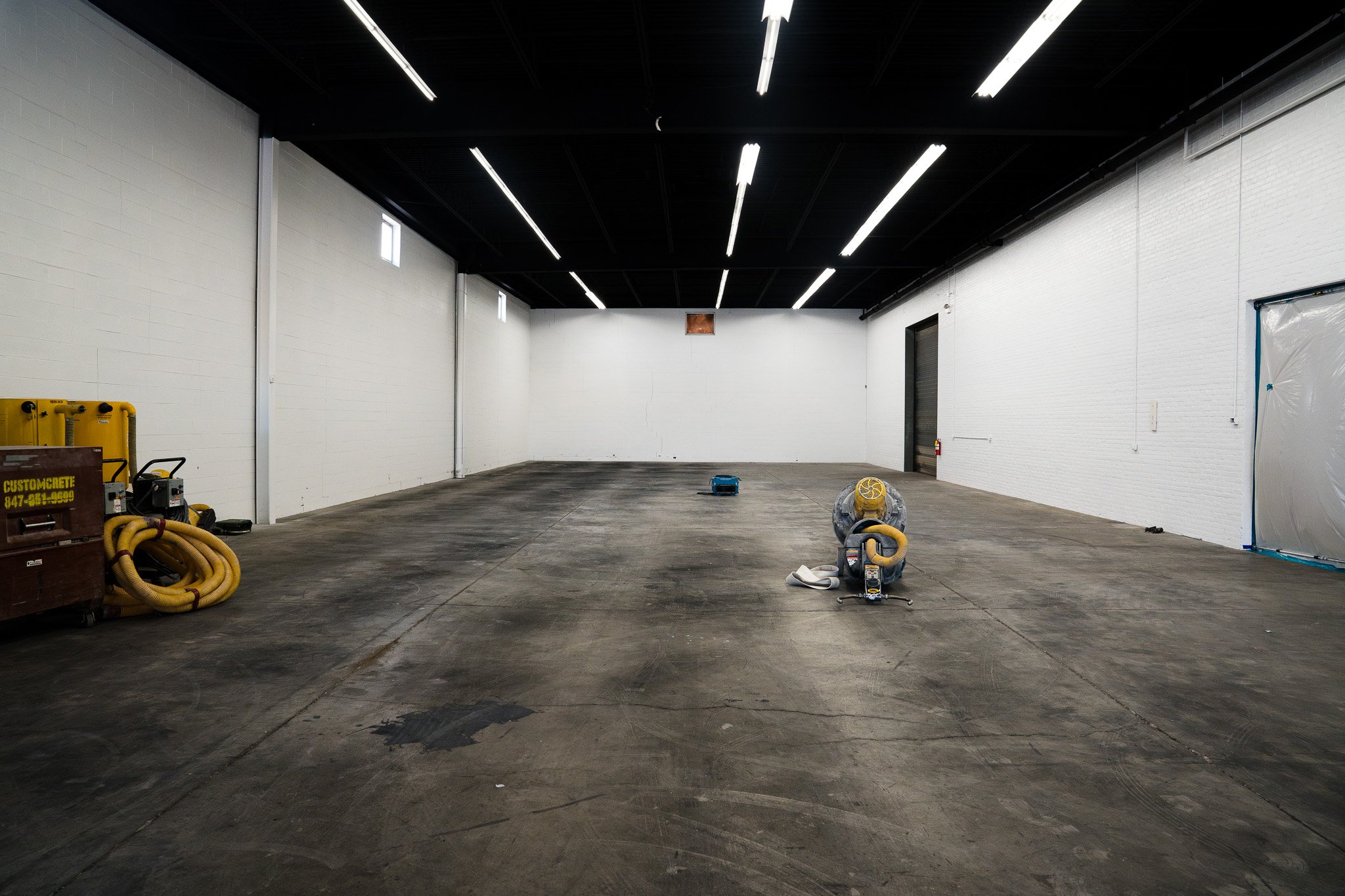
Surface preparation is one of the most important—and most overlooked—parts of any coating project.
Why It Matters
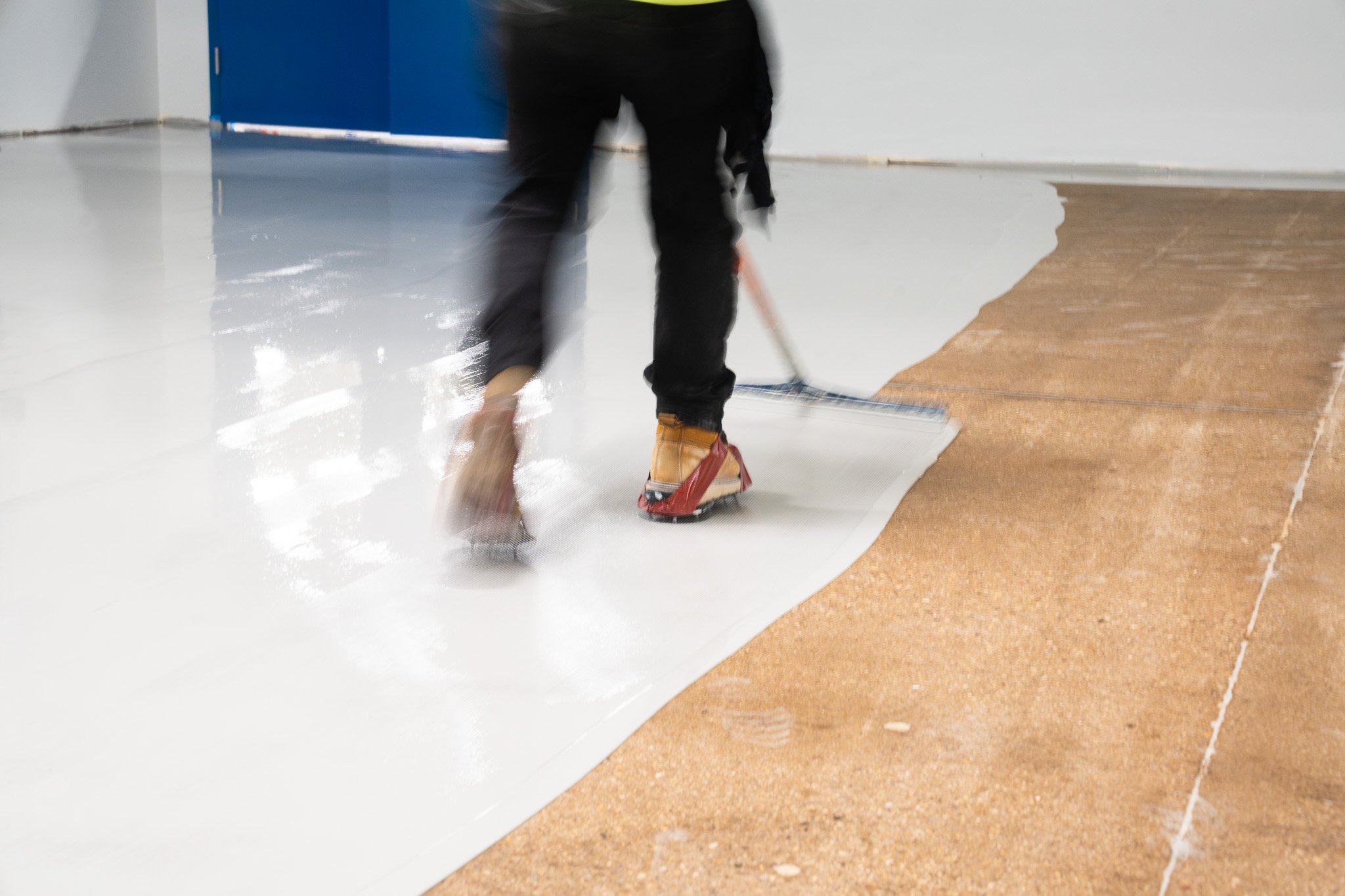
Concrete coatings only perform well when they bond correctly to the slab. If the surface is contaminated, damaged, or improperly prepared, the coating may fail prematurely.
Potential Additional Costs
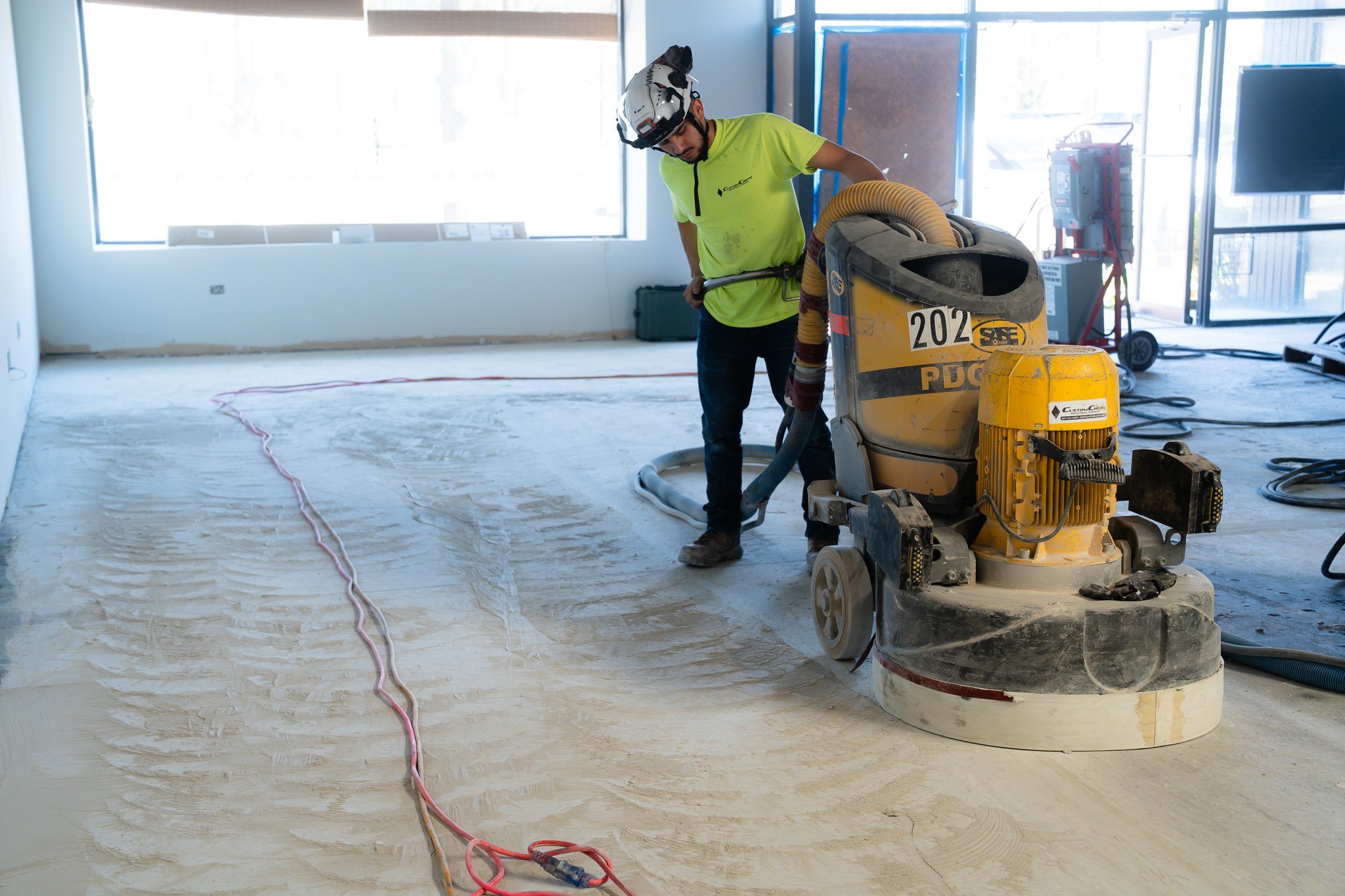
Preparation may require:
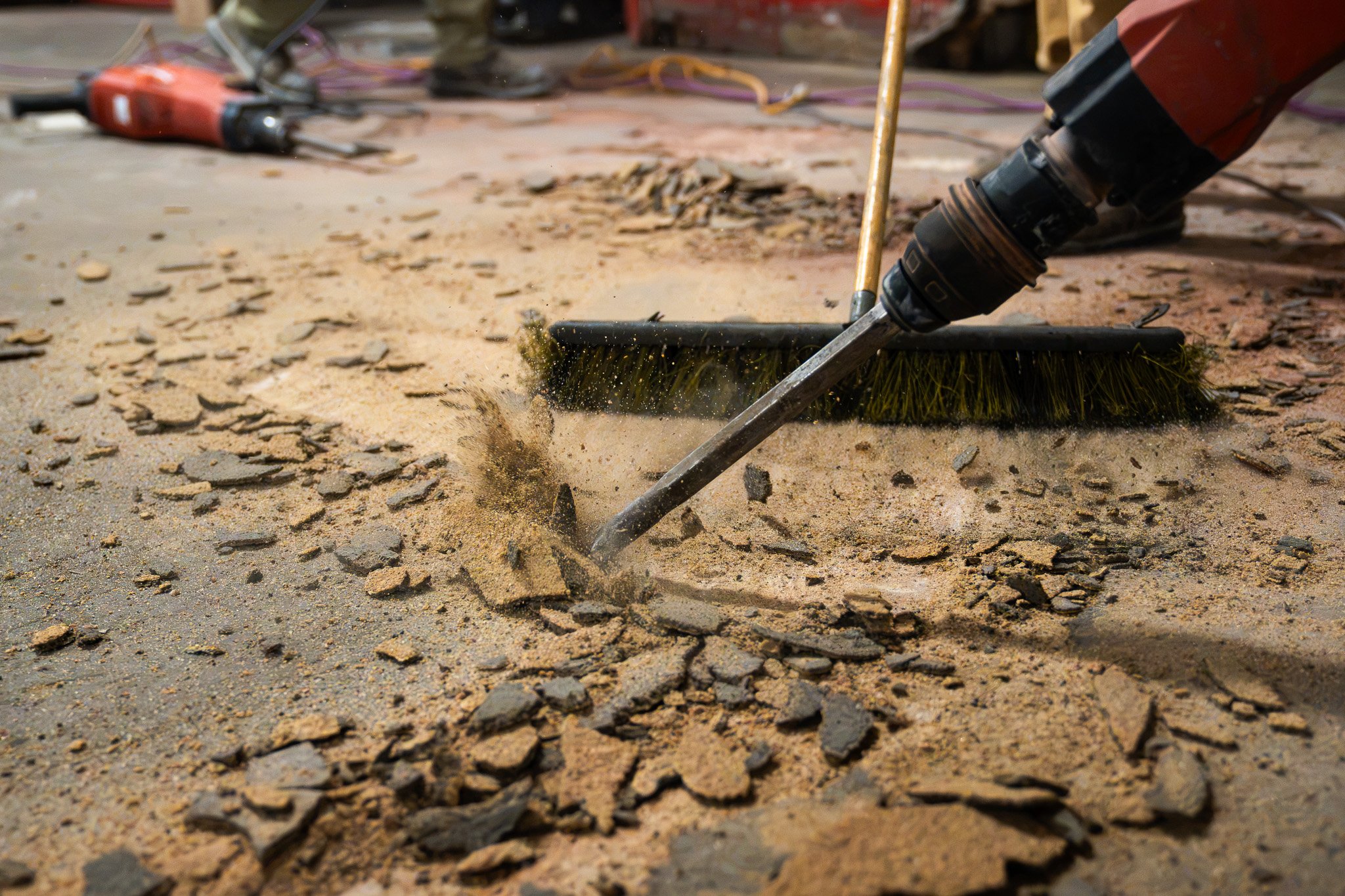
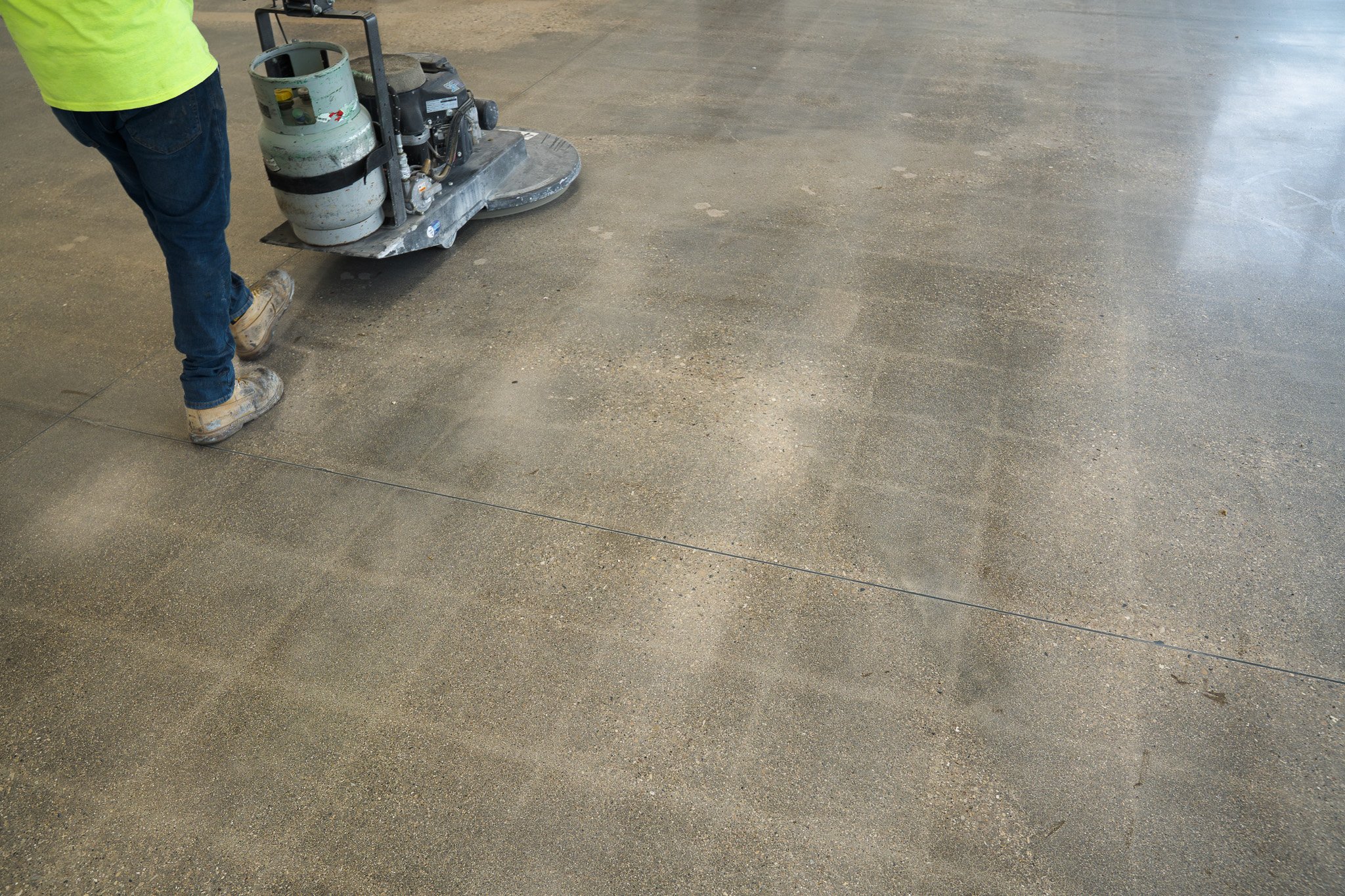
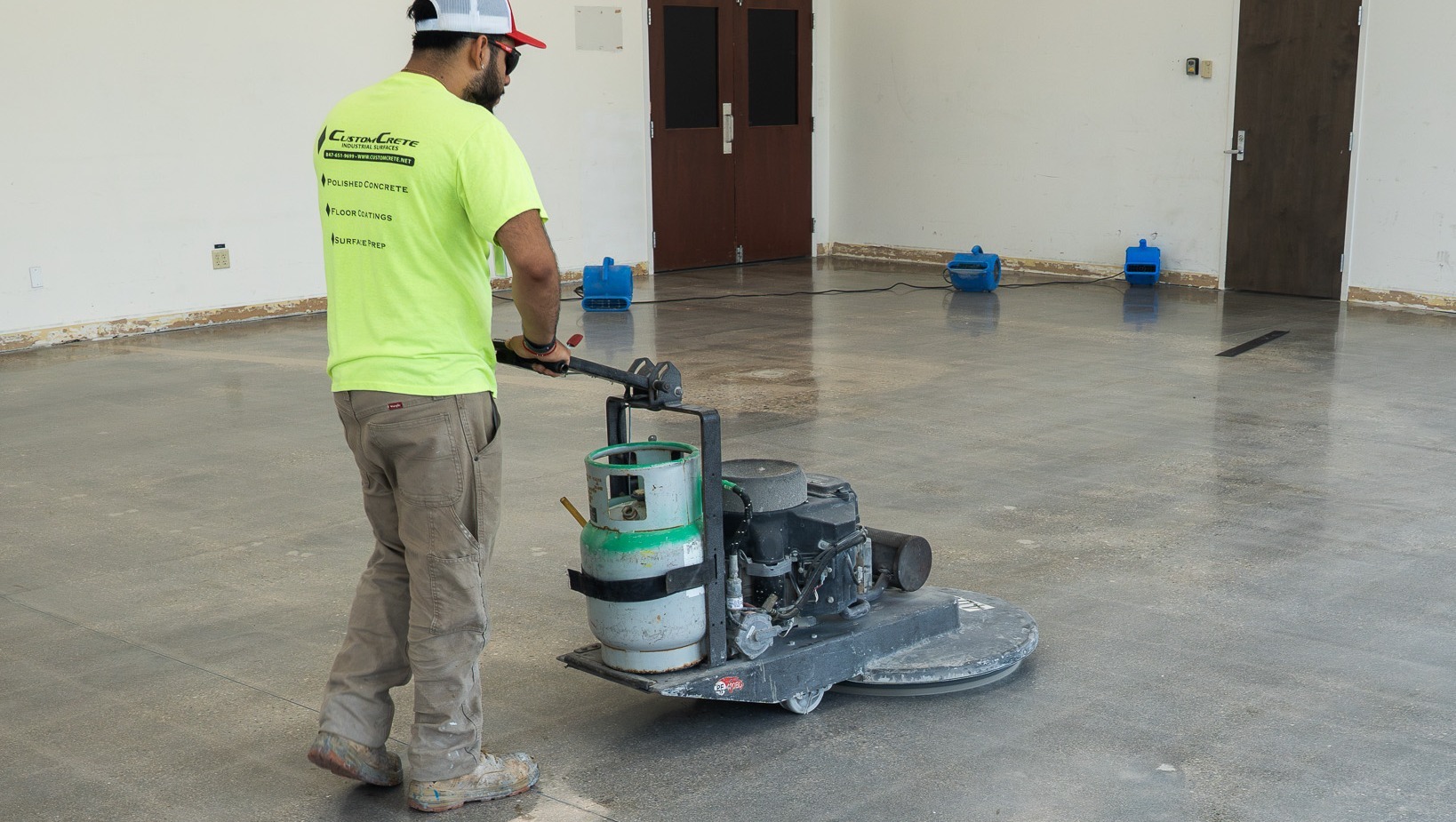
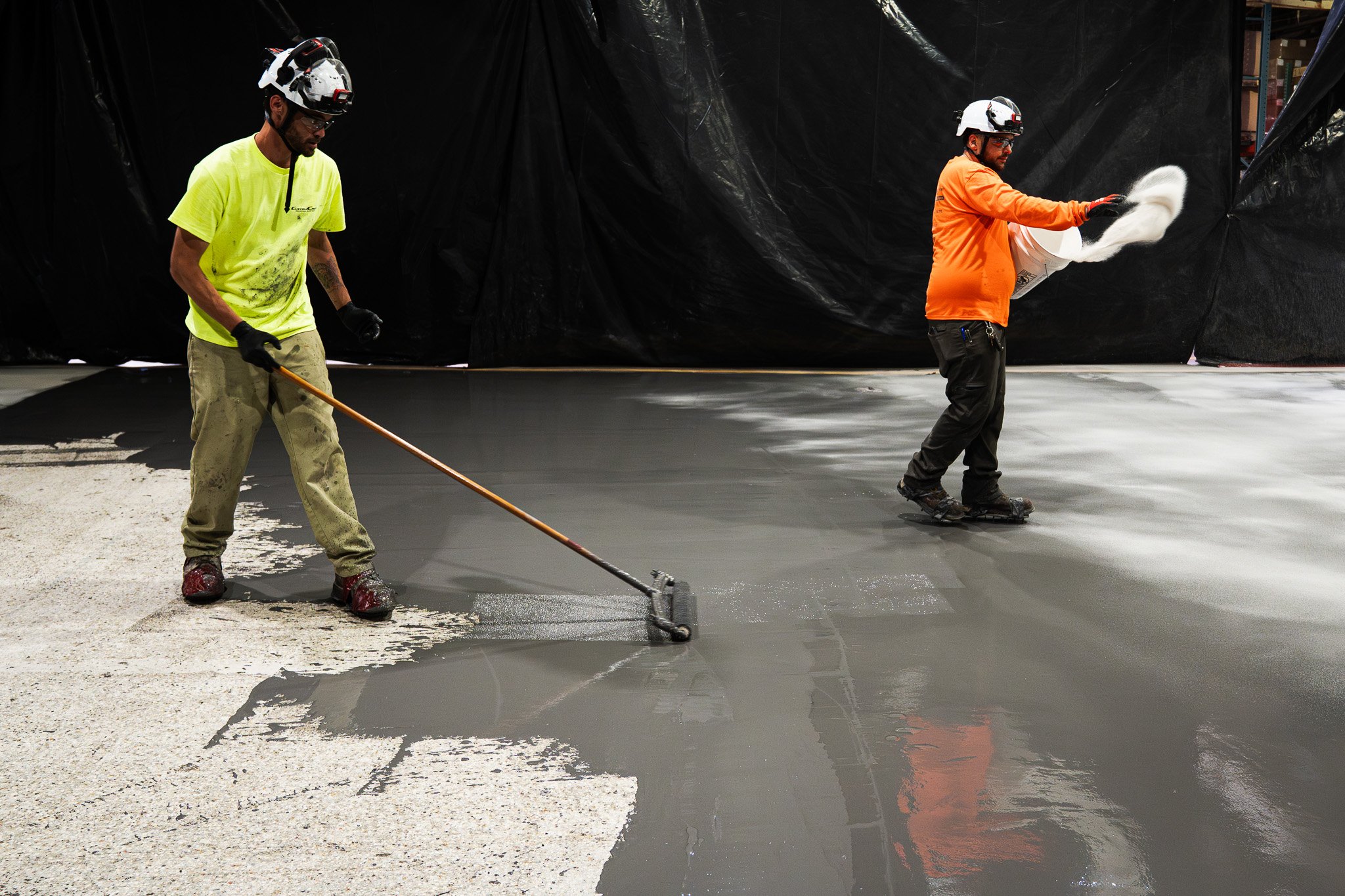
- Grinding or shot blasting
- Removal of old coatings or adhesives
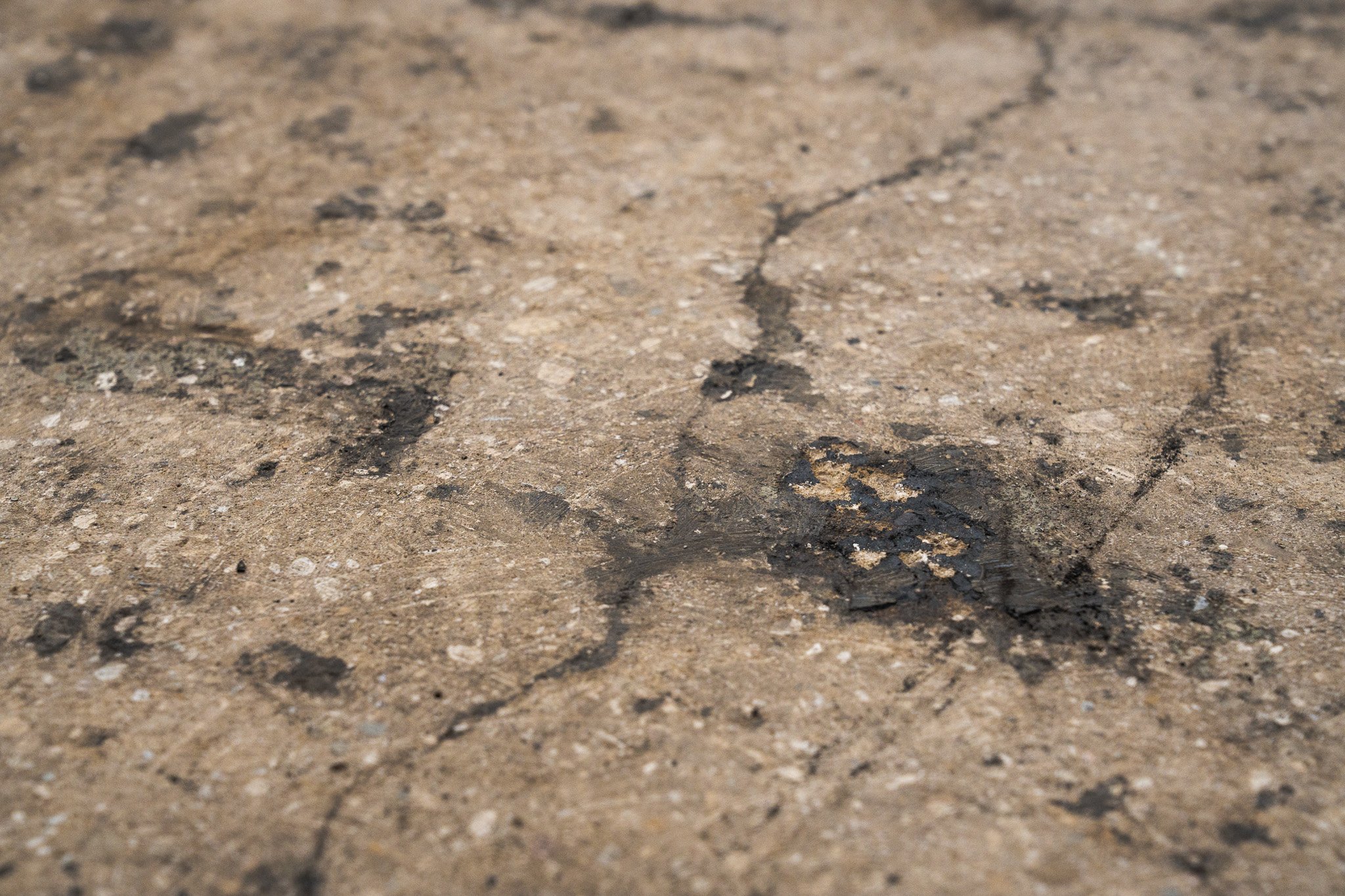
- Oil contamination treatment
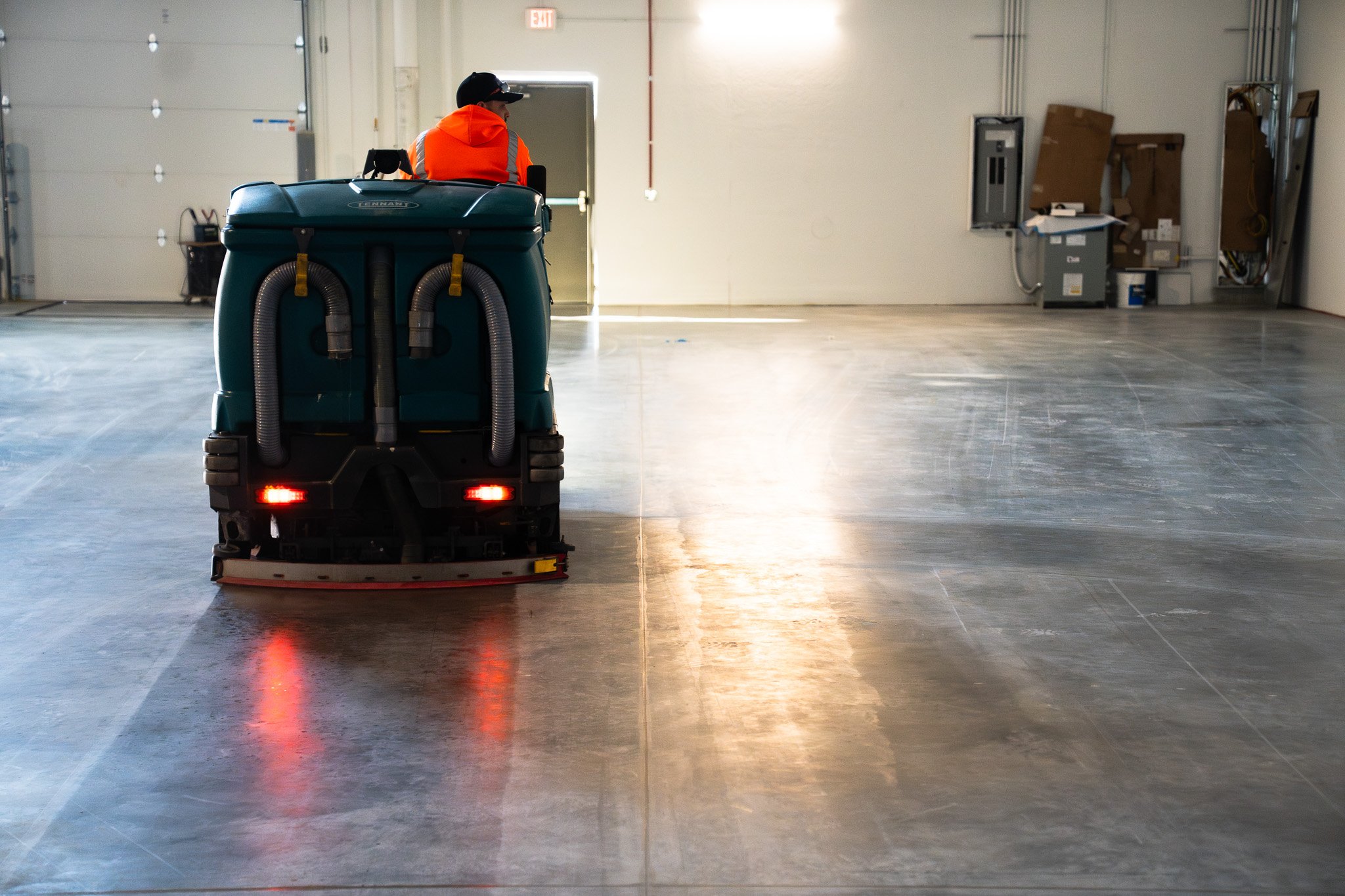
- Extensive cleaning
The more preparation required, the more the overall concrete coating cost can increase.
Moisture Mitigation Can Add Significant Costs
Moisture is one of the leading causes of coating failure.
The Problem
Concrete naturally releases moisture vapor over time. If moisture levels are too high, coatings can:
- Bubble
- Delaminate
- Peel from the slab
The Solution
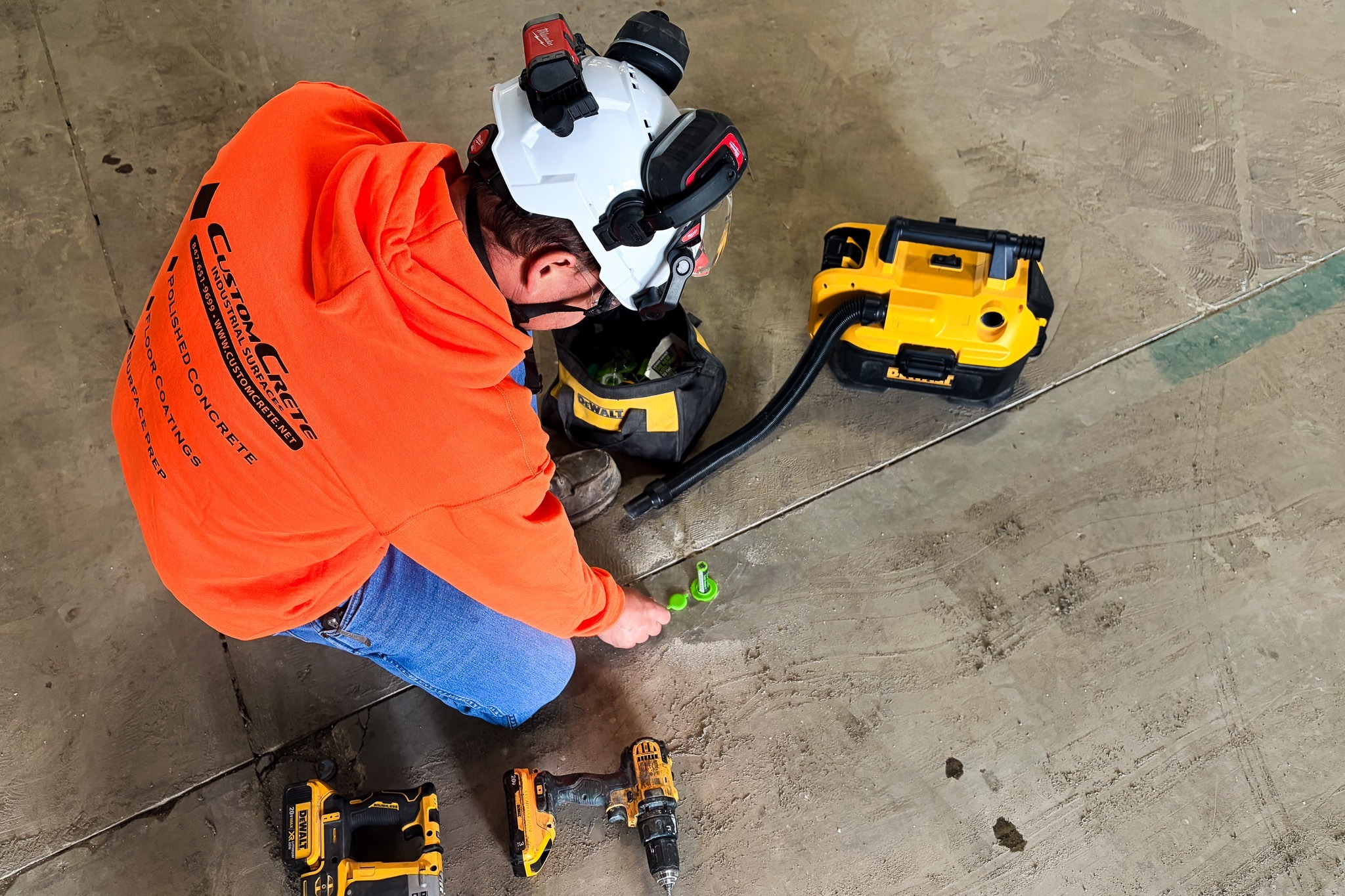
If testing reveals elevated moisture levels, a moisture mitigation system may be required before the coating can be installed.
Why It Affects Cost
Moisture mitigation systems add:
- Additional materials
- Additional labor
- Extra installation steps
While this increases the upfront concrete coating cost, it often prevents much more expensive failures later.
Crack and Joint Repairs
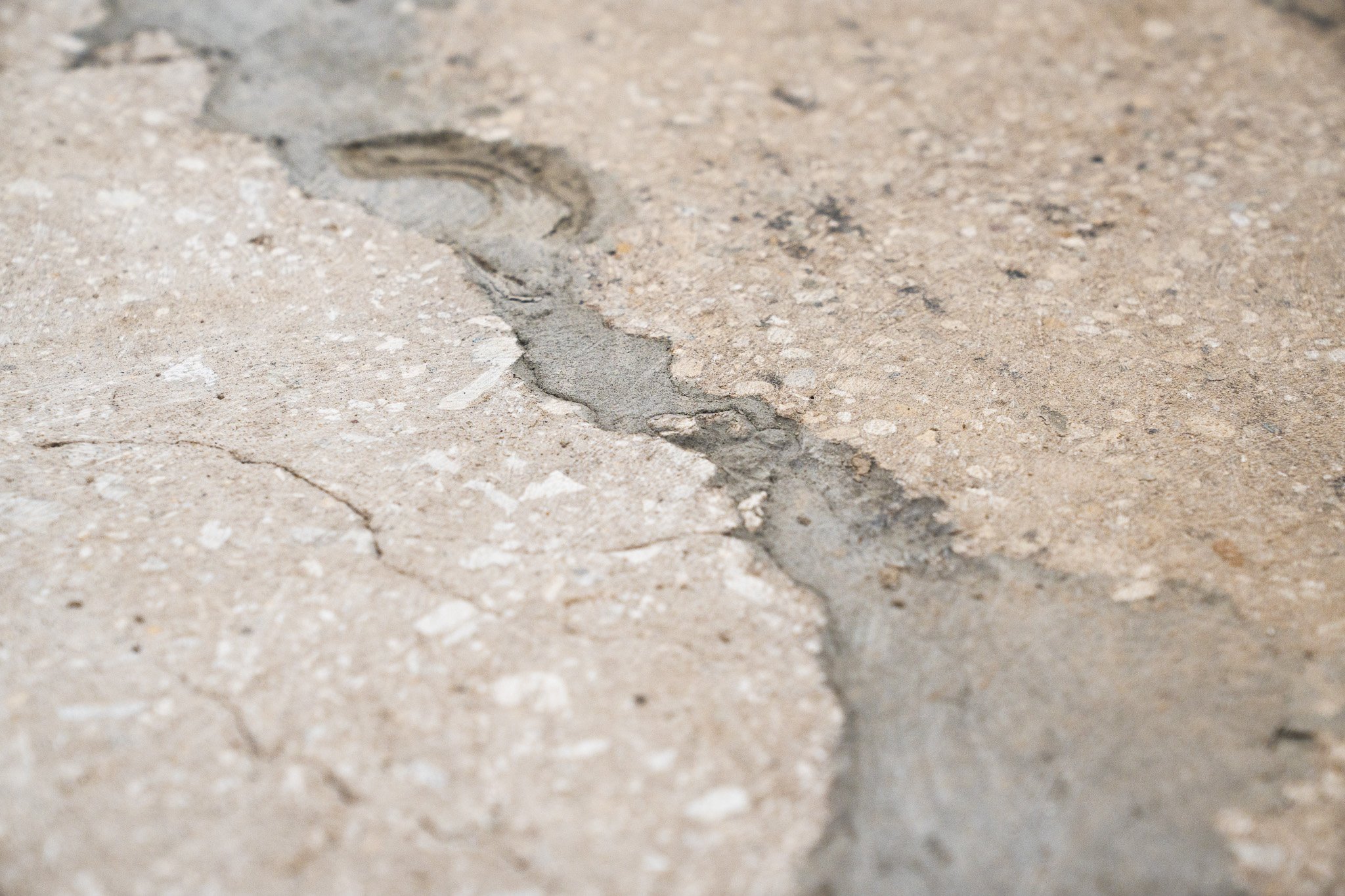
Many older slabs have cracks, spalling, or damaged joints that need repair before coating installation.
Why Repairs Matter
Coatings are not designed to fix structural issues. Existing damage can telegraph through the coating or continue worsening underneath it.
Potential Repair Costs
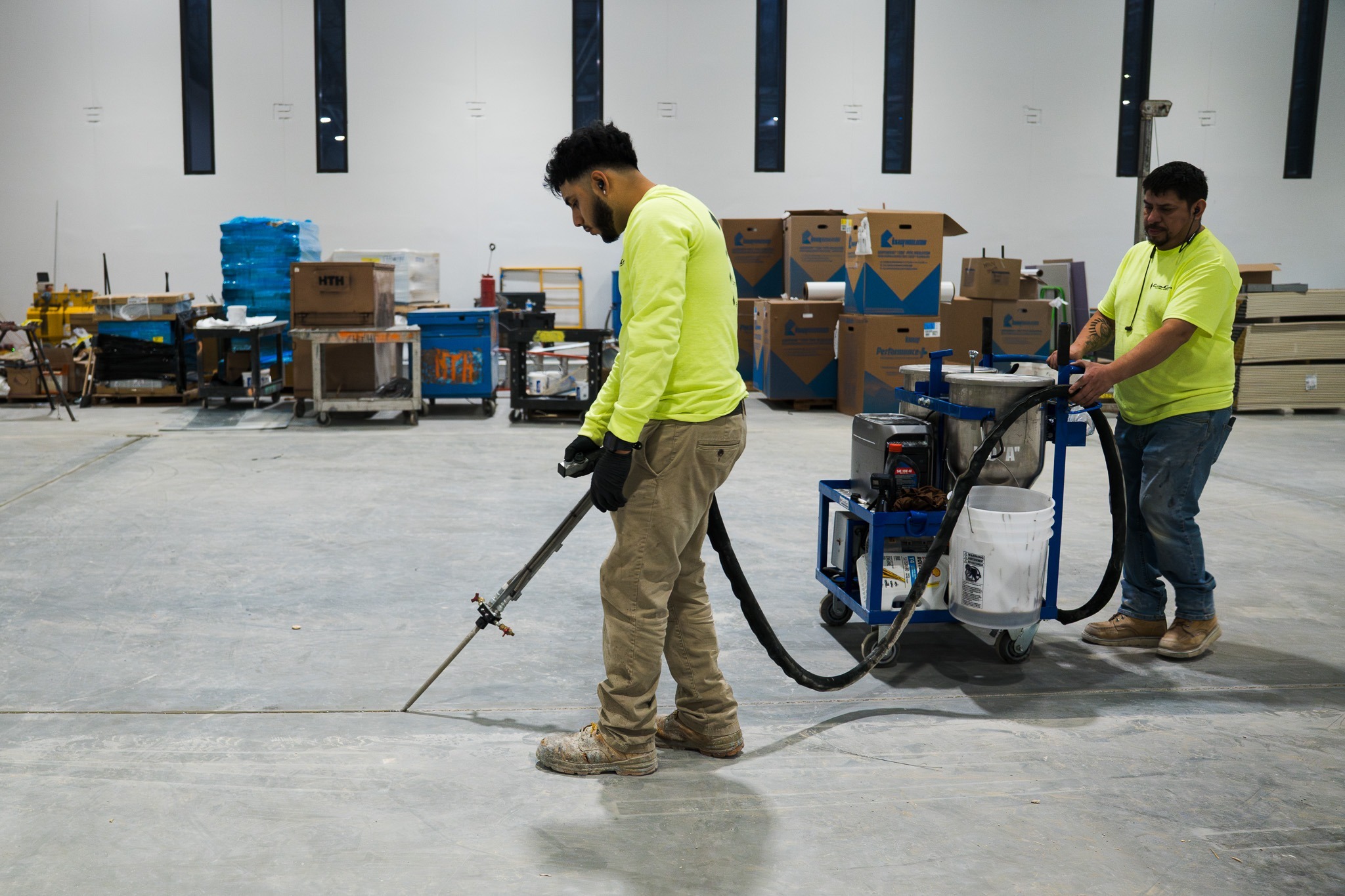
Additional work may include:
- Joint filling
- Crack repair
- Surface patching
- Concrete restoration
The condition of the slab has a direct impact on total project pricing.
Coating Thickness and System Complexity
Not all coatings are applied at the same thickness.
Thin Coatings
- Lower upfront cost
- Suitable for lighter-use environments
High-Build Systems
- Thicker application
- More material usage
- Better durability under heavy traffic
More complex systems—such as broadcast quartz or urethane cement systems—also require additional installation steps.
As coating thickness and system complexity increase, so does the total concrete coating cost.
Downtime and Scheduling Considerations
One hidden cost many facilities overlook is operational downtime.
Why It Matters
Some systems require:
- Extended cure times
- Multiple installation phases
- Temporary shutdowns of operations
For busy facilities, downtime can impact productivity and revenue.
Fast-Cure Systems
In some cases, faster-curing systems like polyaspartics may reduce downtime—but they can also increase material and installation costs.
Balancing project speed with budget is an important part of evaluating overall costs.
Long-Term Maintenance Costs
Initial installation cost is only part of the equation.
Ongoing Expenses
Different systems require different levels of maintenance, including:
- Periodic recoating
- Cleaning requirements
- Burnishing or surface restoration
A lower upfront concrete coating cost may lead to higher maintenance expenses over time.
Evaluating lifecycle cost—not just installation price—provides a more accurate picture of the investment.
Hidden Costs from Poor Installation
One of the most expensive hidden costs comes from improper installation.
Common Issues
- Inadequate surface preparation
- Incorrect coating thickness
- Moisture ignored during installation
- Improper curing conditions
These problems can lead to premature failure and costly repairs.
Choosing experienced installers helps reduce the risk of unexpected expenses later.
How to Budget More Accurately
To avoid surprises, facility managers should:
- Request detailed quotes
- Ask about preparation assumptions
- Test for moisture before installation
- Evaluate slab condition early
- Discuss maintenance expectations upfront
The more information gathered before installation, the more accurate the final budget will be.
FAQ: Concrete Coating Costs
Why does coating cost change after preparation begins?
Surface preparation can uncover hidden issues like moisture, damage, or contamination.
Is moisture mitigation always required?
No, but it may be necessary if testing reveals elevated moisture vapor levels.
Do thicker coatings cost more?
Yes. Higher-build systems require more material and labor.

Final Thoughts
Do concrete coatings have hidden costs? Sometimes—but most of those costs come from conditions that are impossible to fully evaluate until the project begins. Surface preparation, moisture mitigation, repairs, downtime, and maintenance all play a role in the true concrete coating cost.
Understanding these variables upfront helps facility managers build more realistic budgets and avoid unexpected surprises during installation.
To explore pricing factors and get a better understanding of your project costs, visit the CustomCrete Pricing Page.
.jpg?width=2048&height=1365&name=CC108559%20(1).jpg)
.jpg?width=2048&height=1365&name=CC106221%20(1).jpg)
.jpg?width=2048&height=1365&name=CC102459%20(1).jpg)