
When comparing industrial flooring options, cost is usually one of the biggest deciding factors. Facility managers often want to understand the cost difference between epoxy, urethane cement, and polished concrete before moving forward. While pricing varies by project, understanding general ranges and what drives those costs can help you make a more informed decision.
At CustomCrete, this question comes up frequently from warehouses, manufacturing plants, food and beverage facilities, and commercial buildings evaluating long-term flooring investments.

Average Concrete Coating Cost by System
While exact pricing depends on square footage and floor condition, here are general cost ranges for industrial installations:
- Epoxy flooring: Typically ranges from $3 to $10 per square foot
- Urethane cement flooring: Often ranges from $7 to $25 per square foot
- Polished concrete: Commonly ranges from $3 to $12 per square foot
These ranges reflect installed pricing in commercial and industrial environments. The final concrete coating cost depends heavily on preparation requirements.
Why Epoxy Flooring Costs What It Does
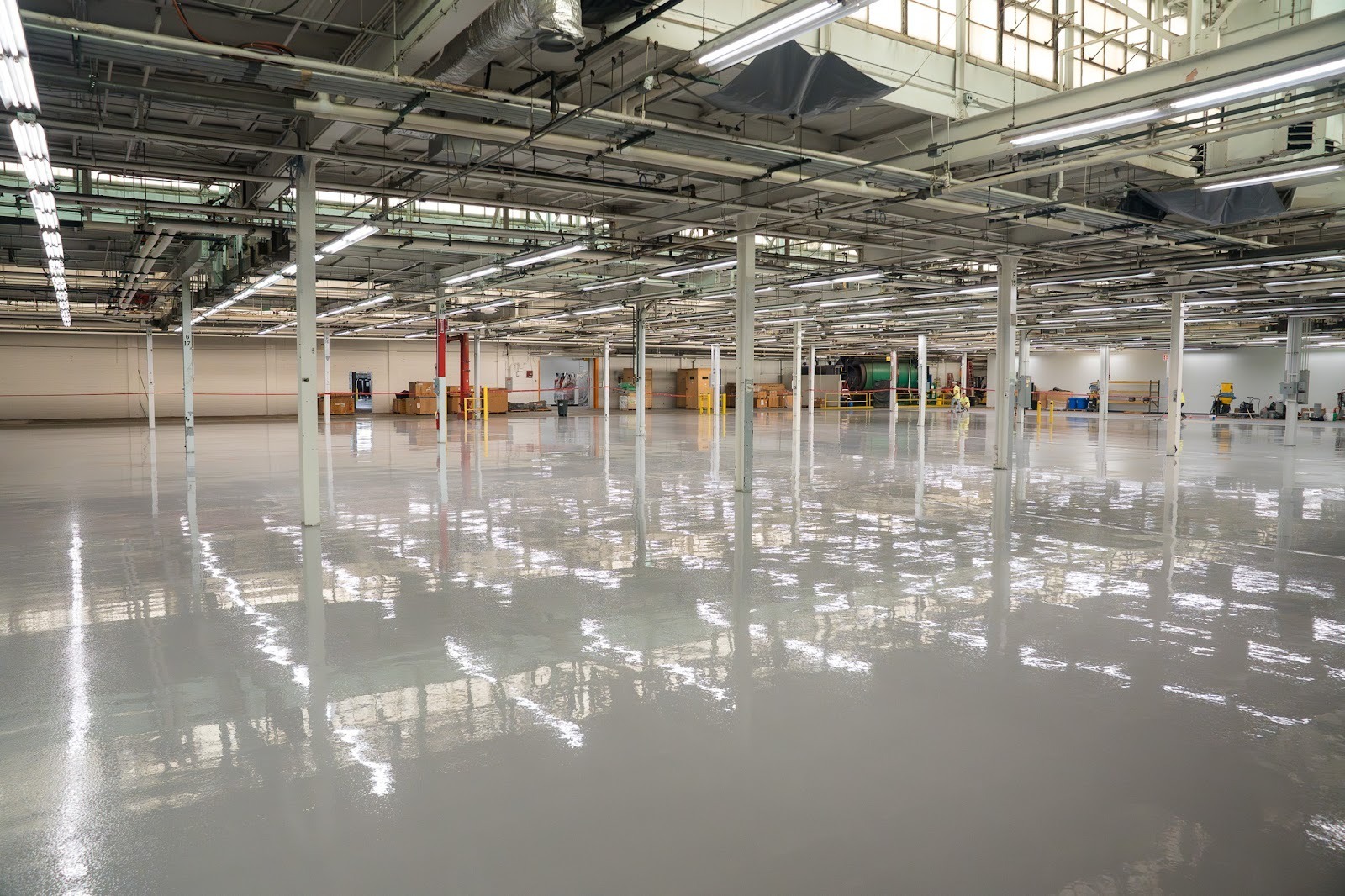
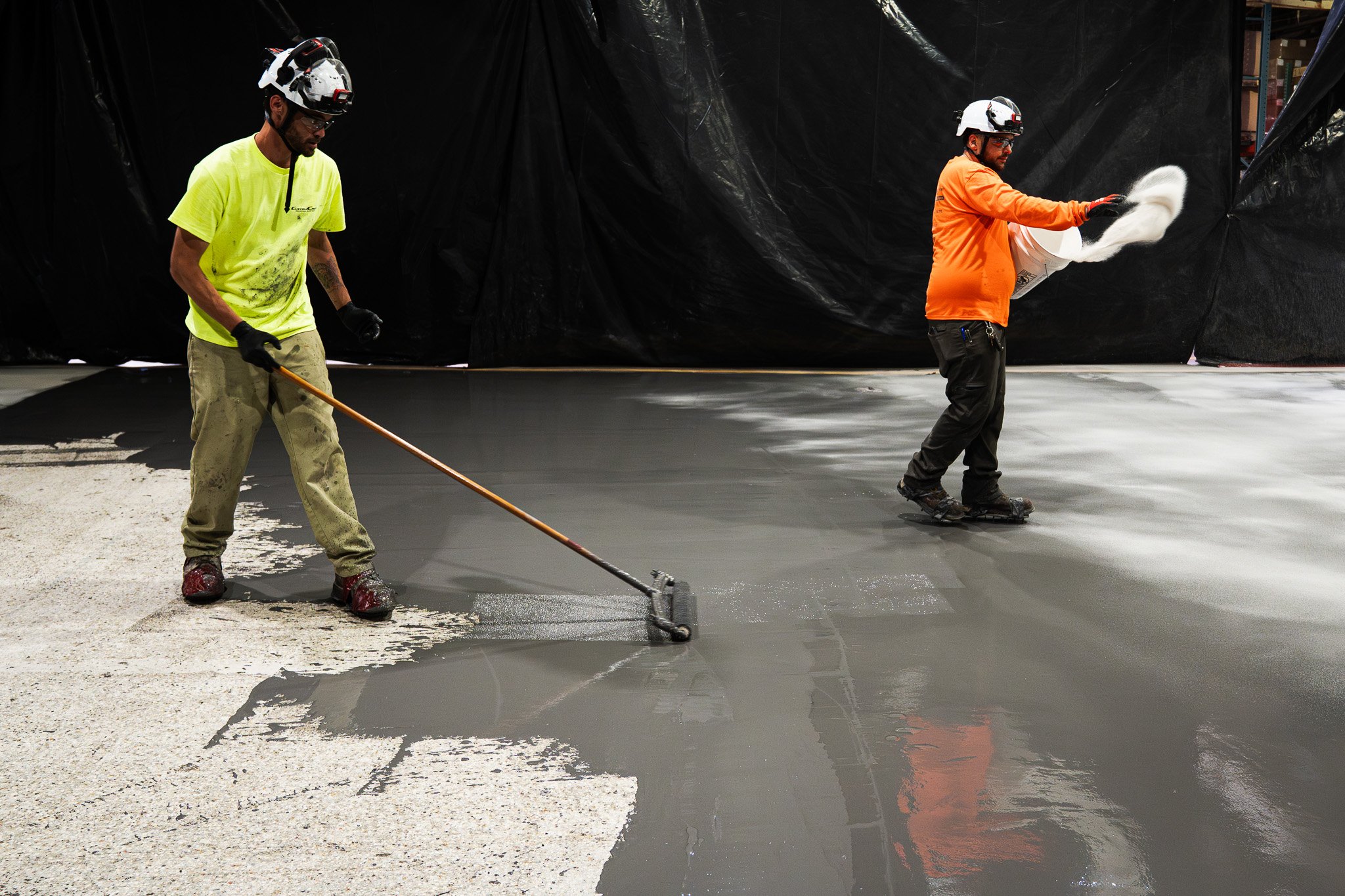
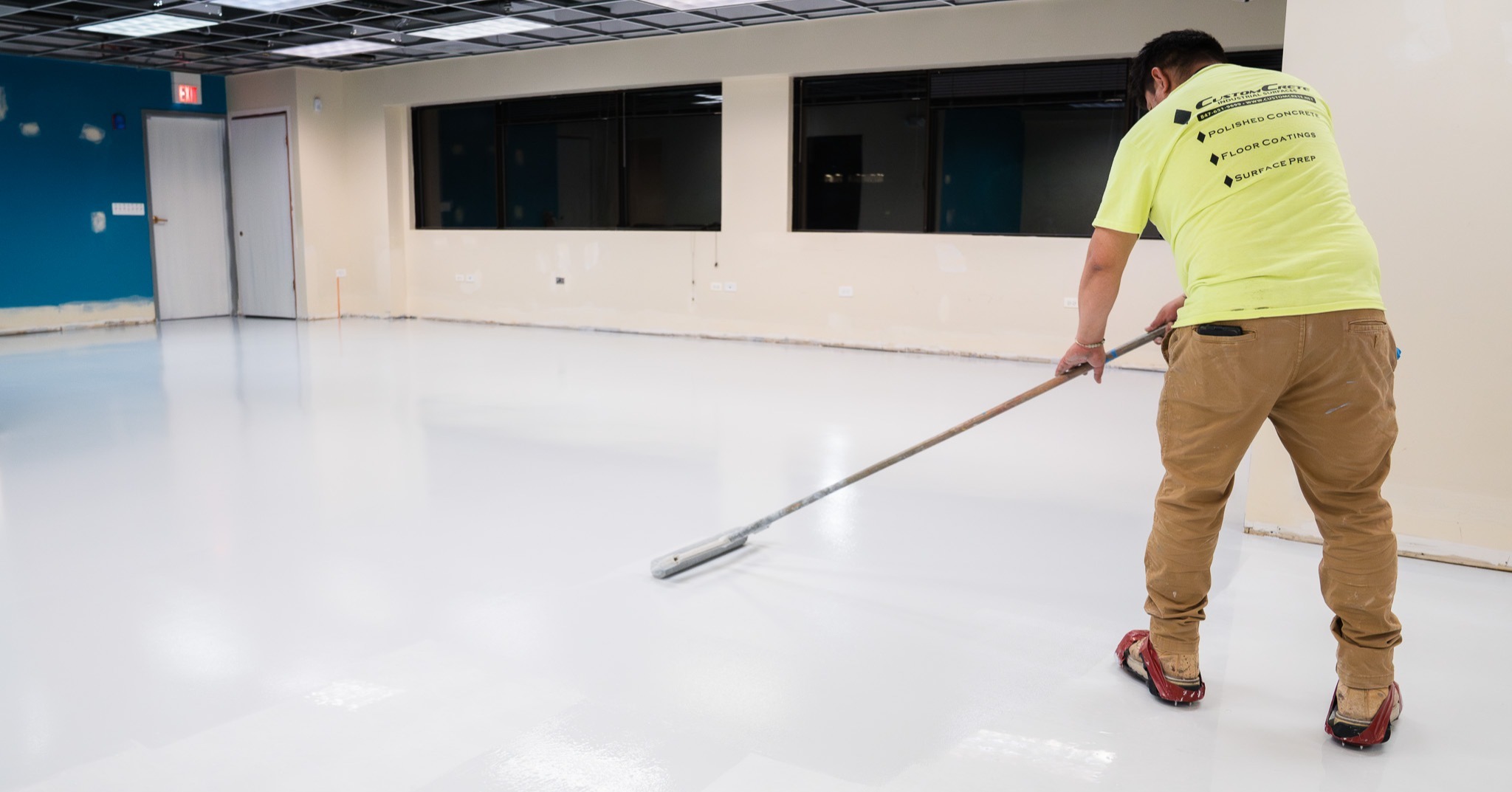
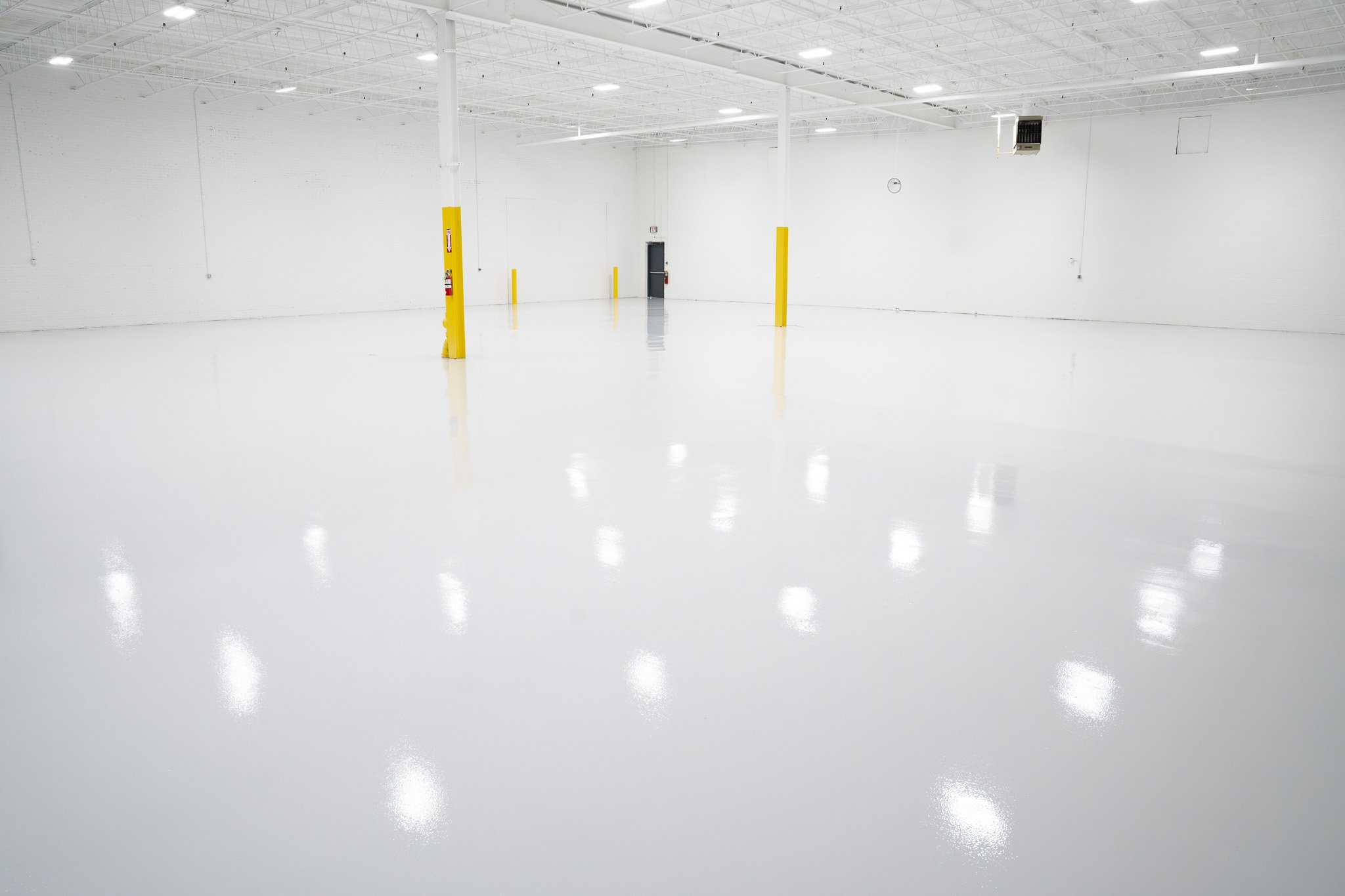
Epoxy flooring is one of the most widely used industrial floor coatings. It offers durability, chemical resistance, and customization options at a moderate price point.
Epoxy costs are influenced by:
- Thickness of the system
- Number of layers
- Surface preparation needed
- Slip-resistant additives
- Decorative elements or color selection
Epoxy often provides a balance between upfront cost and performance.
Why Urethane Cement Costs More
Urethane cement systems typically cost more than standard epoxy flooring because they are thicker, more impact-resistant, and highly resistant to moisture and thermal shock.
These systems are commonly used in:
- Food and beverage facilities
- Commercial kitchens
- Washdown areas
- Harsh industrial environments
The higher concrete coating cost often reflects the added durability and specialized performance.

How Polished Concrete Pricing Compares
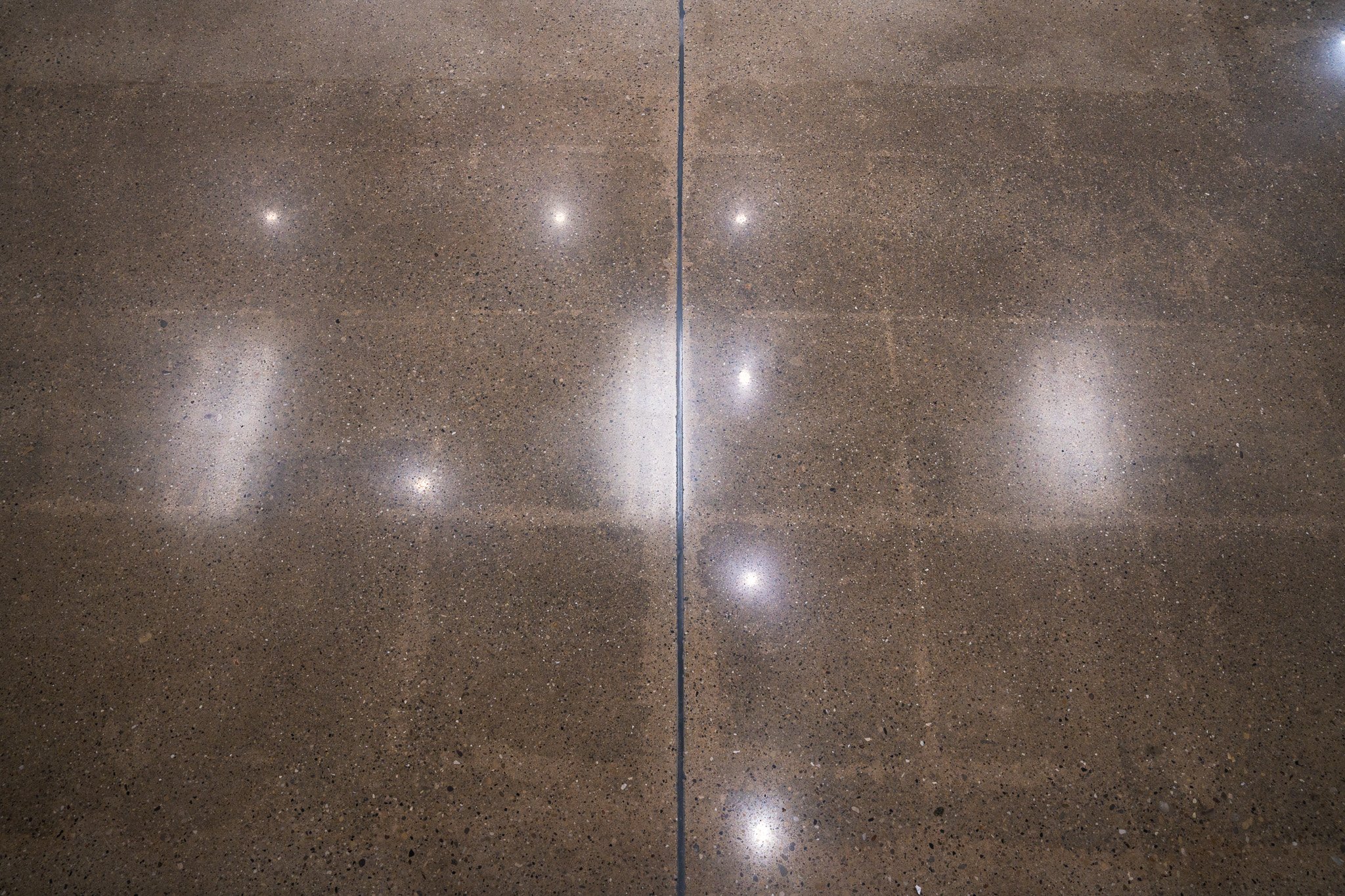
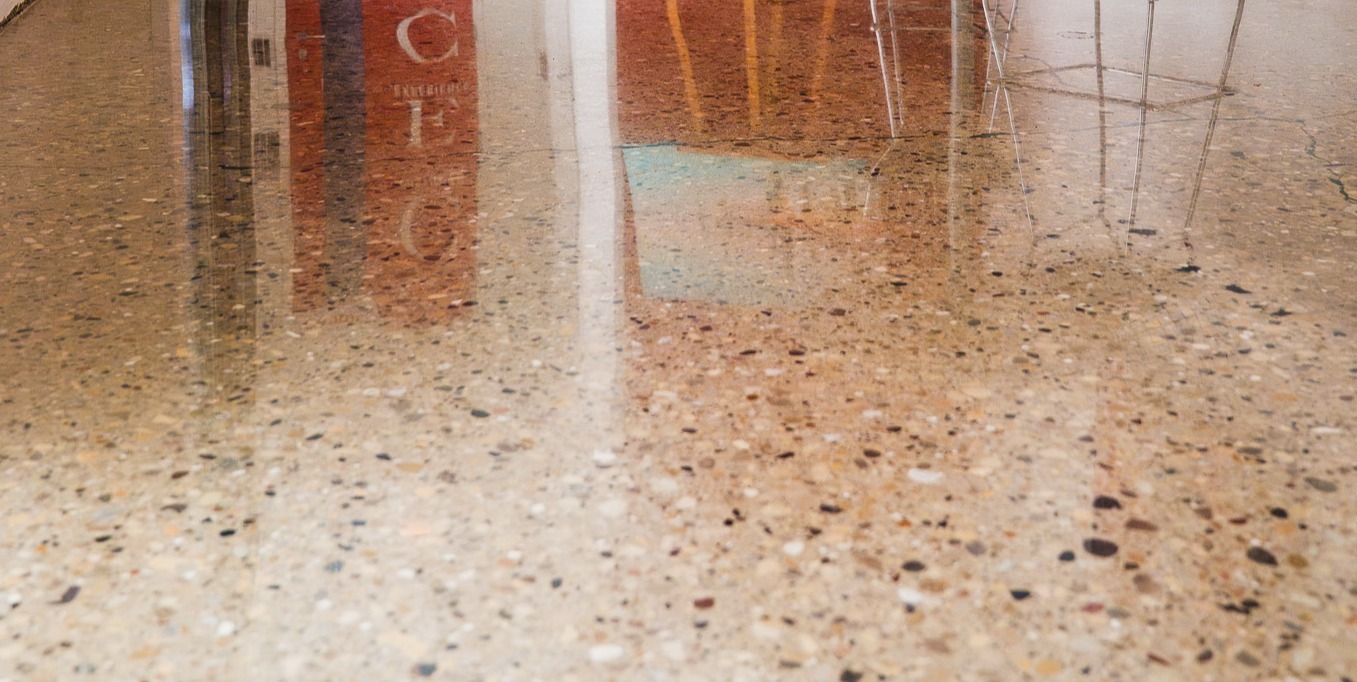
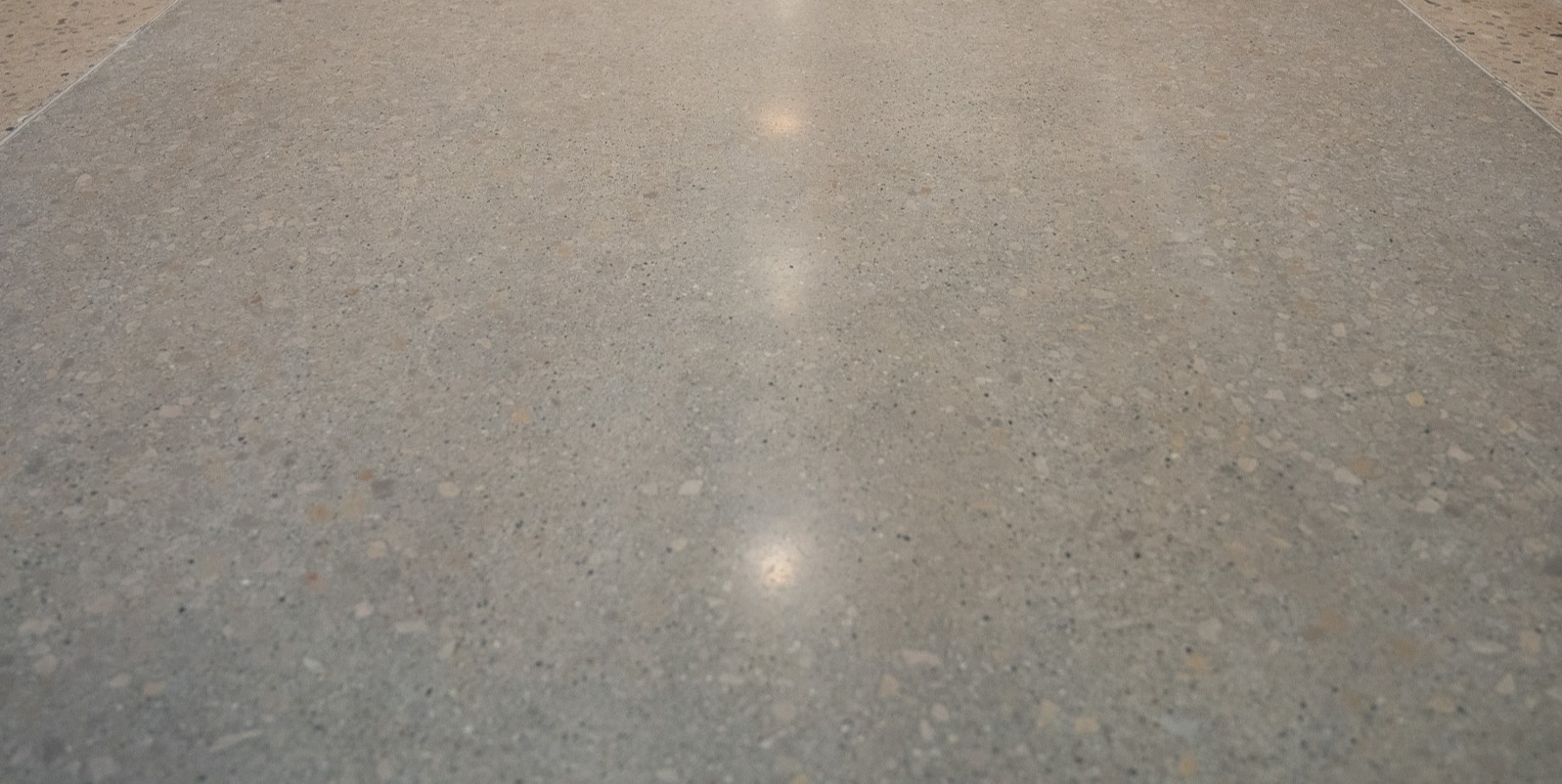
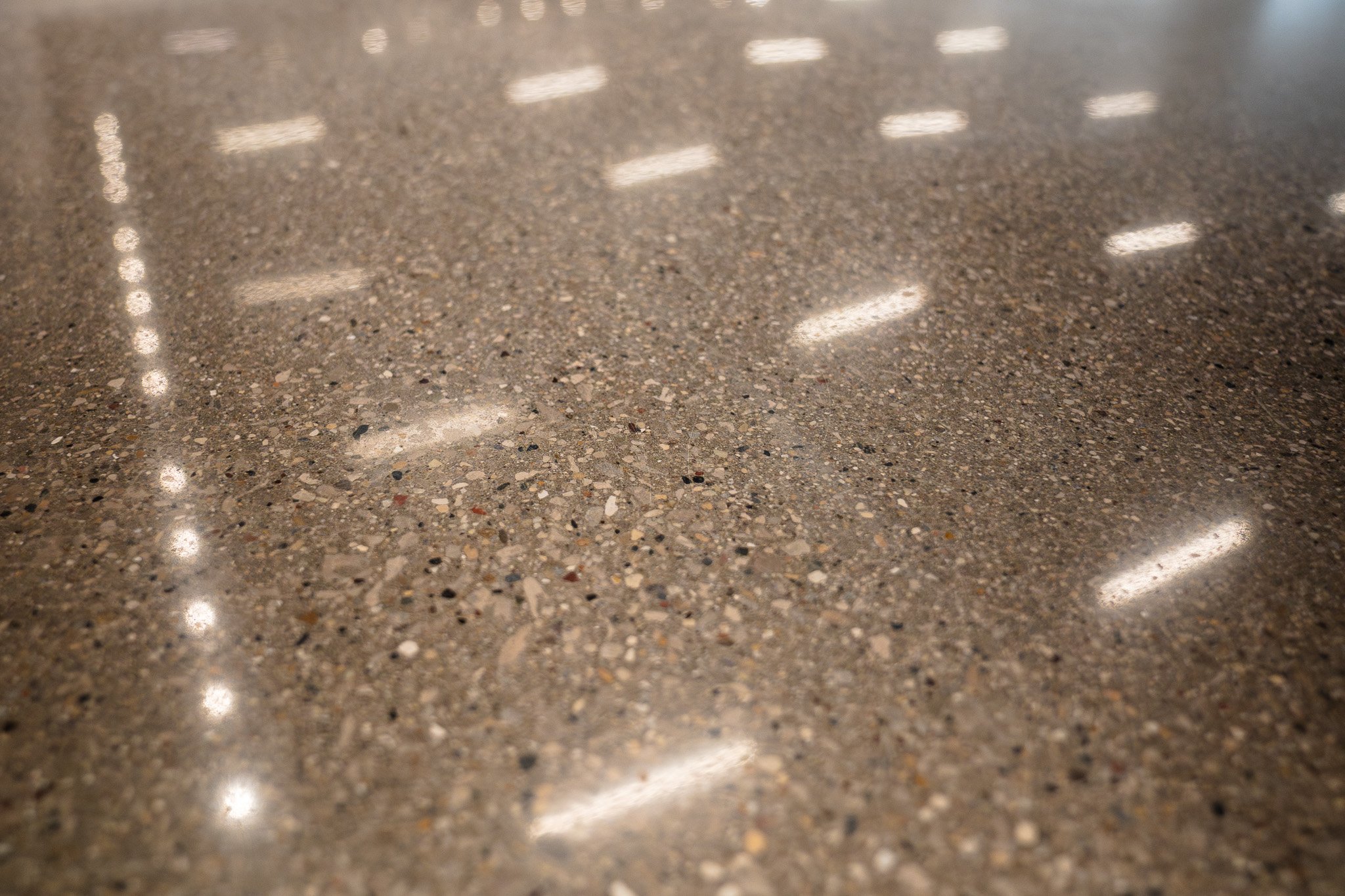
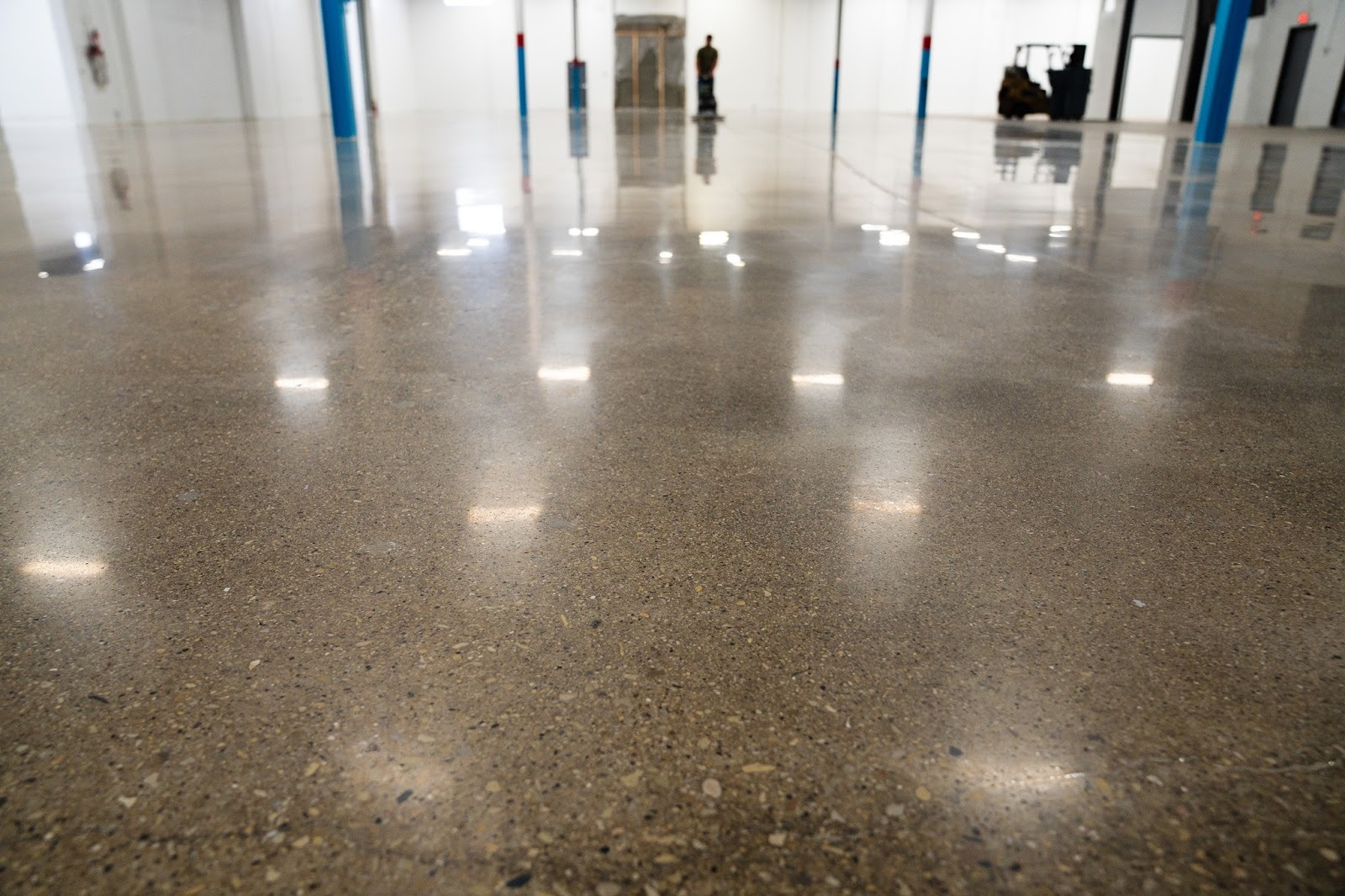
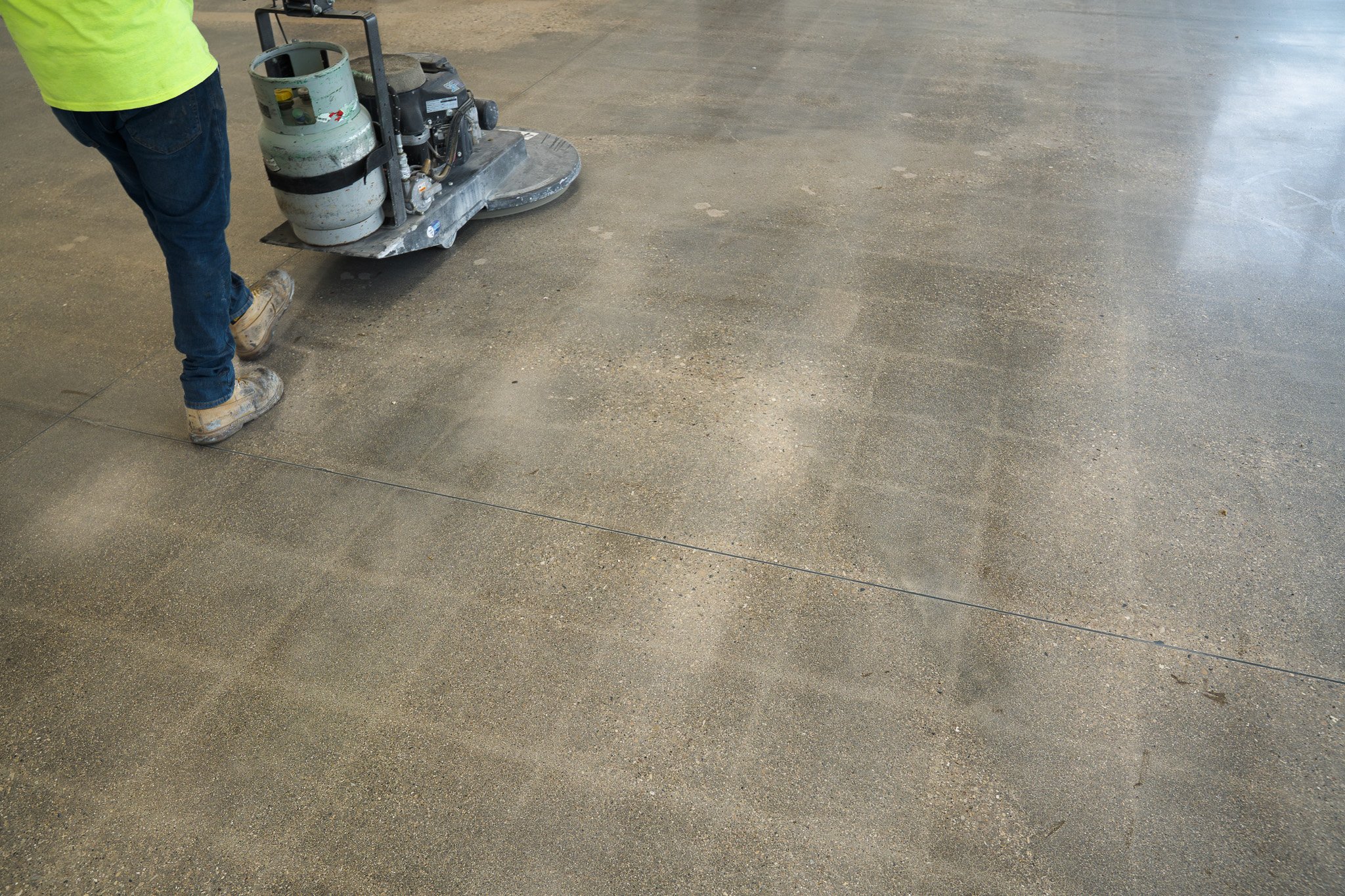
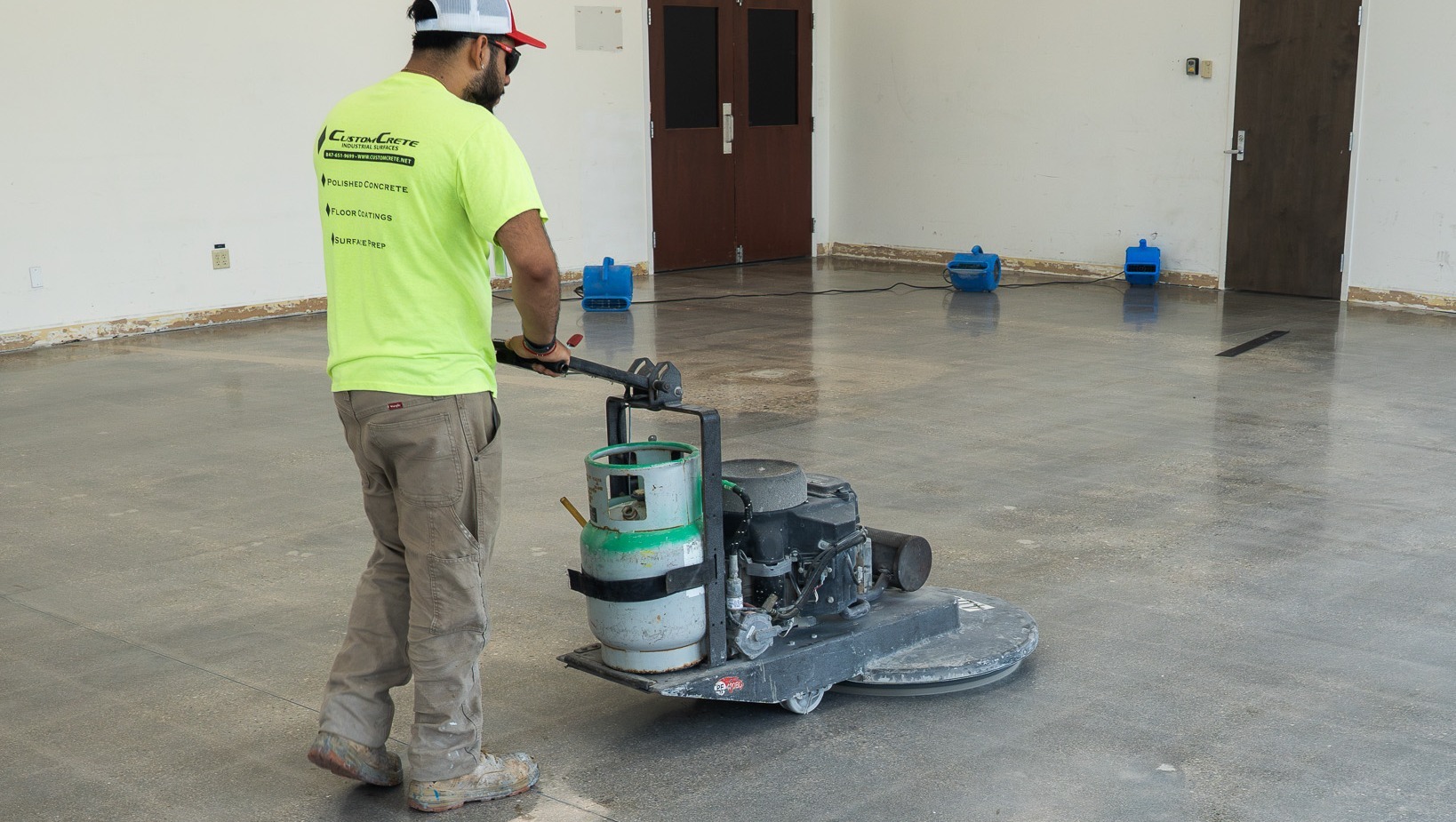
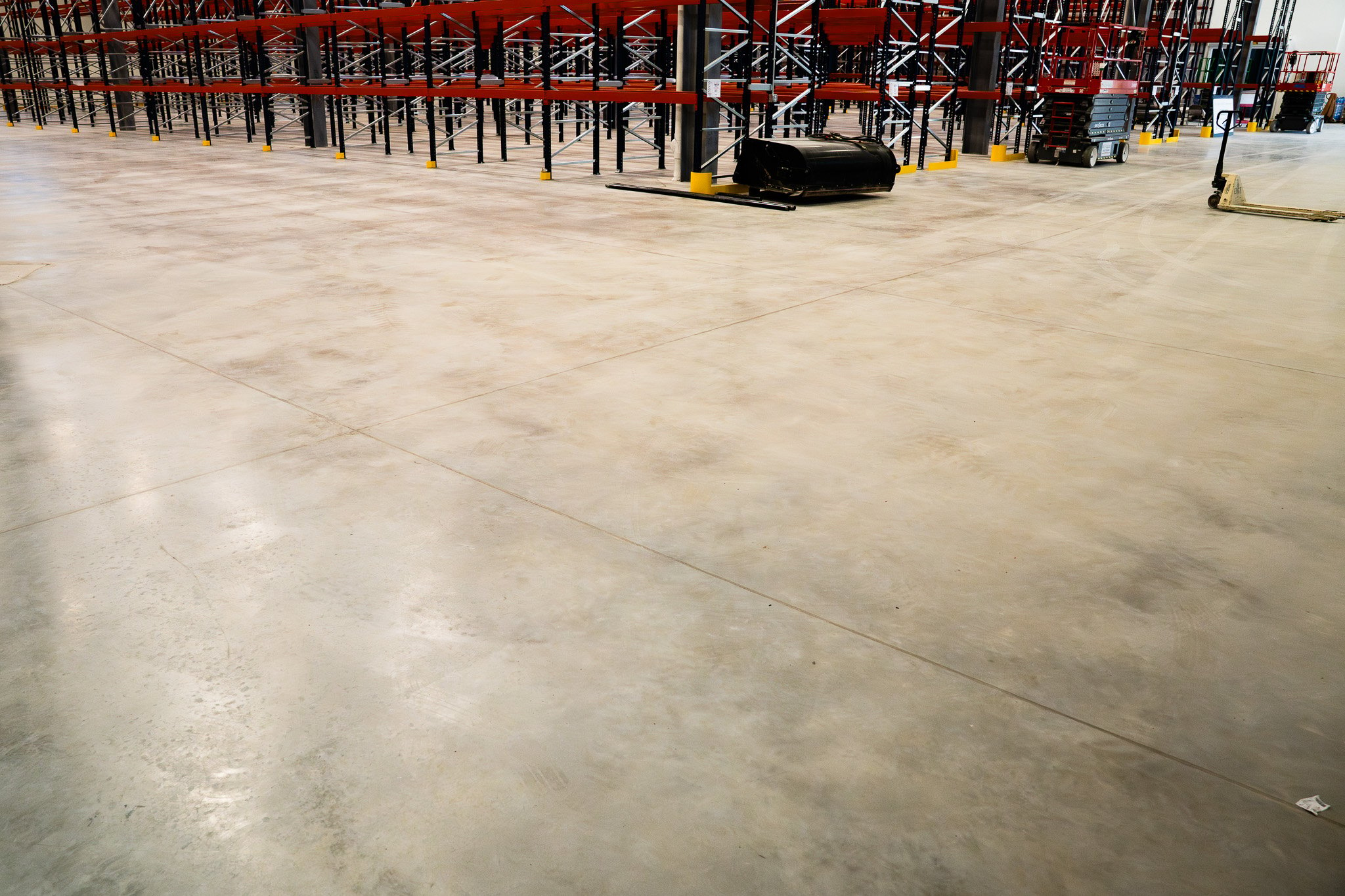
Polished concrete is different from resin-based coatings because it enhances the existing slab rather than adding a new surface layer.
Polished concrete pricing depends on:
- Desired gloss level
- Level of aggregate exposure
- Amount of grinding required
- Repairs or leveling needed
In some cases, polished concrete can have a lower upfront cost than coatings, but pricing increases with higher gloss levels and extensive prep.
What Impacts Total Flooring Cost the Most?
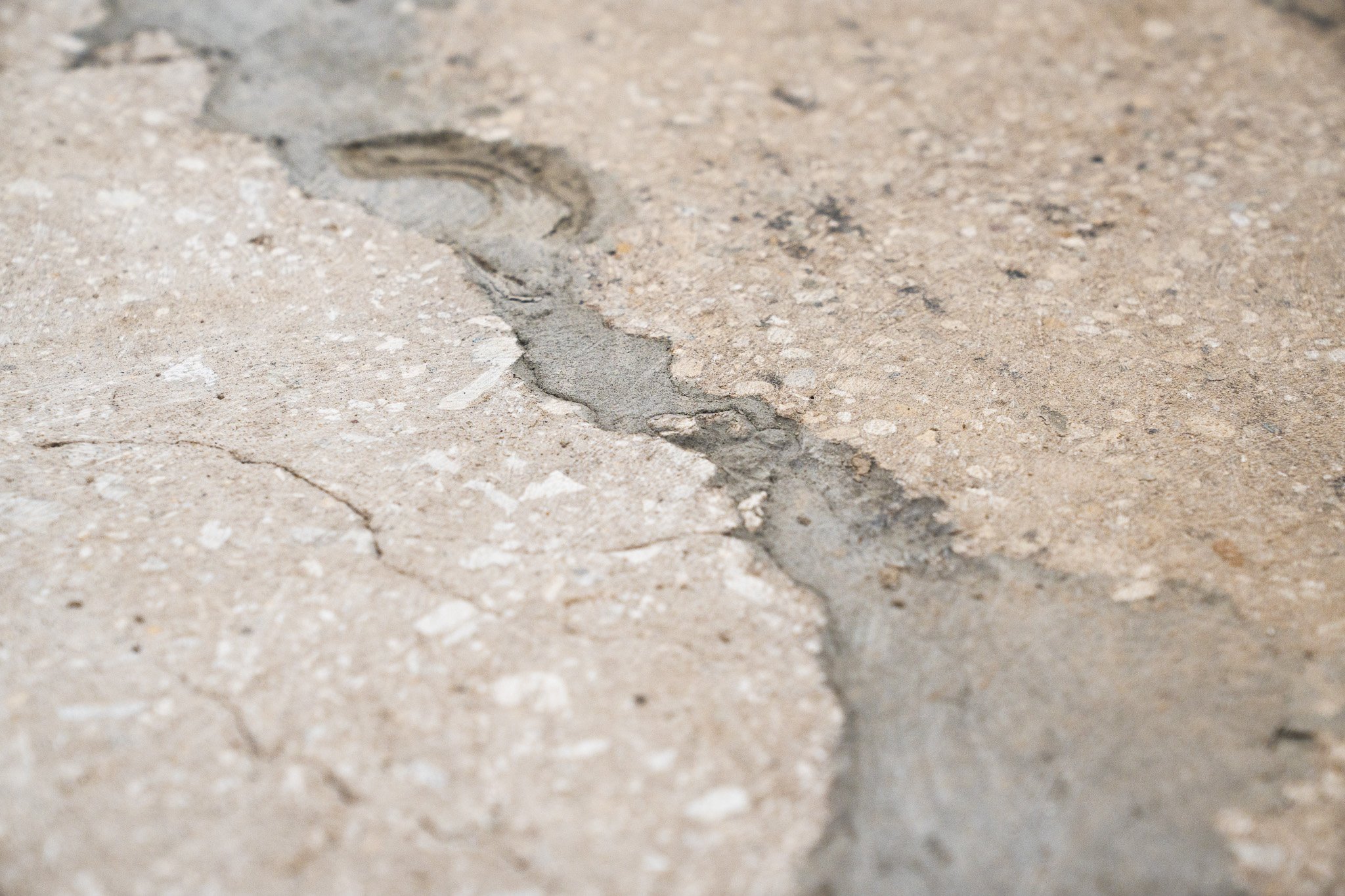
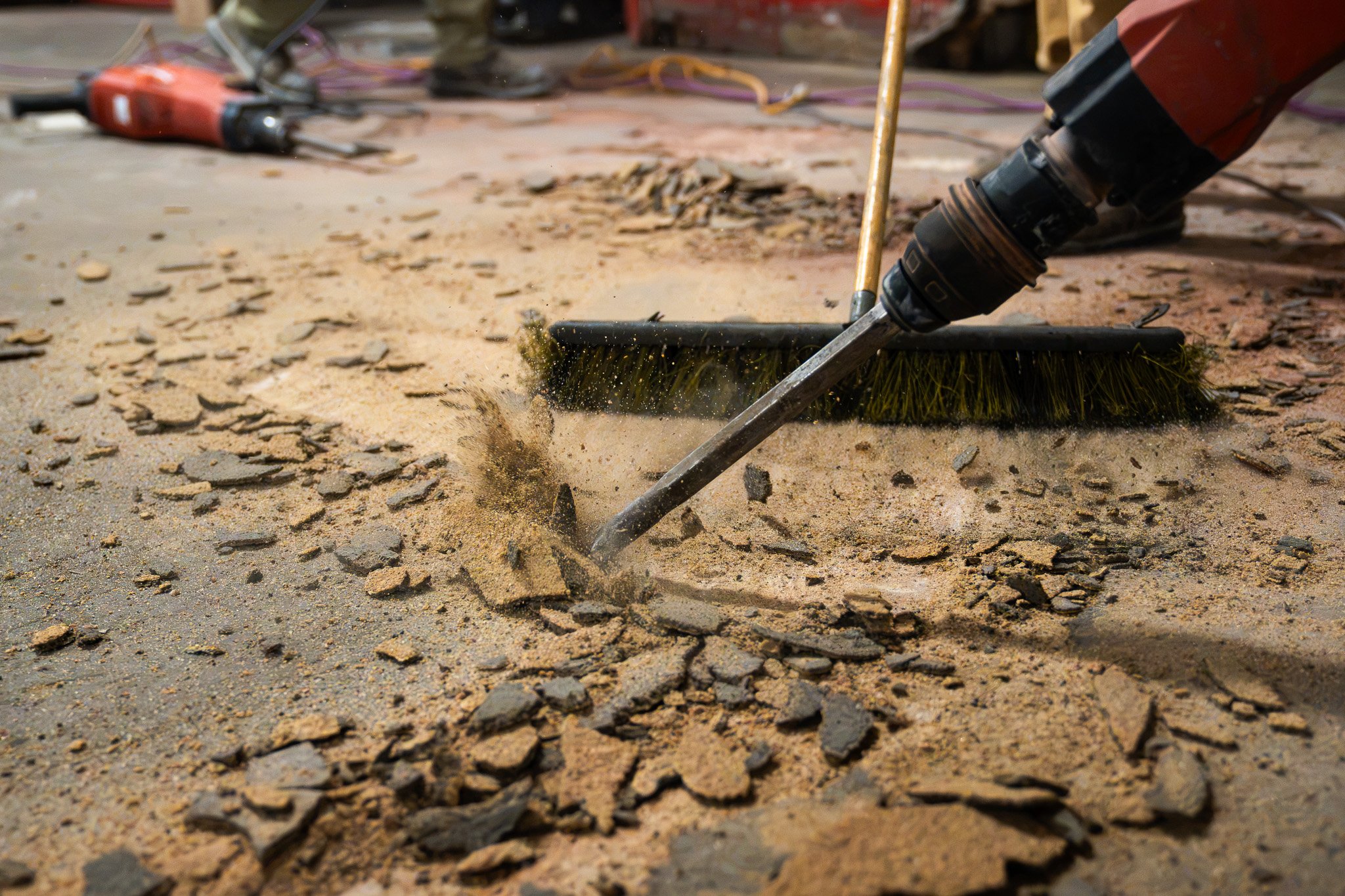
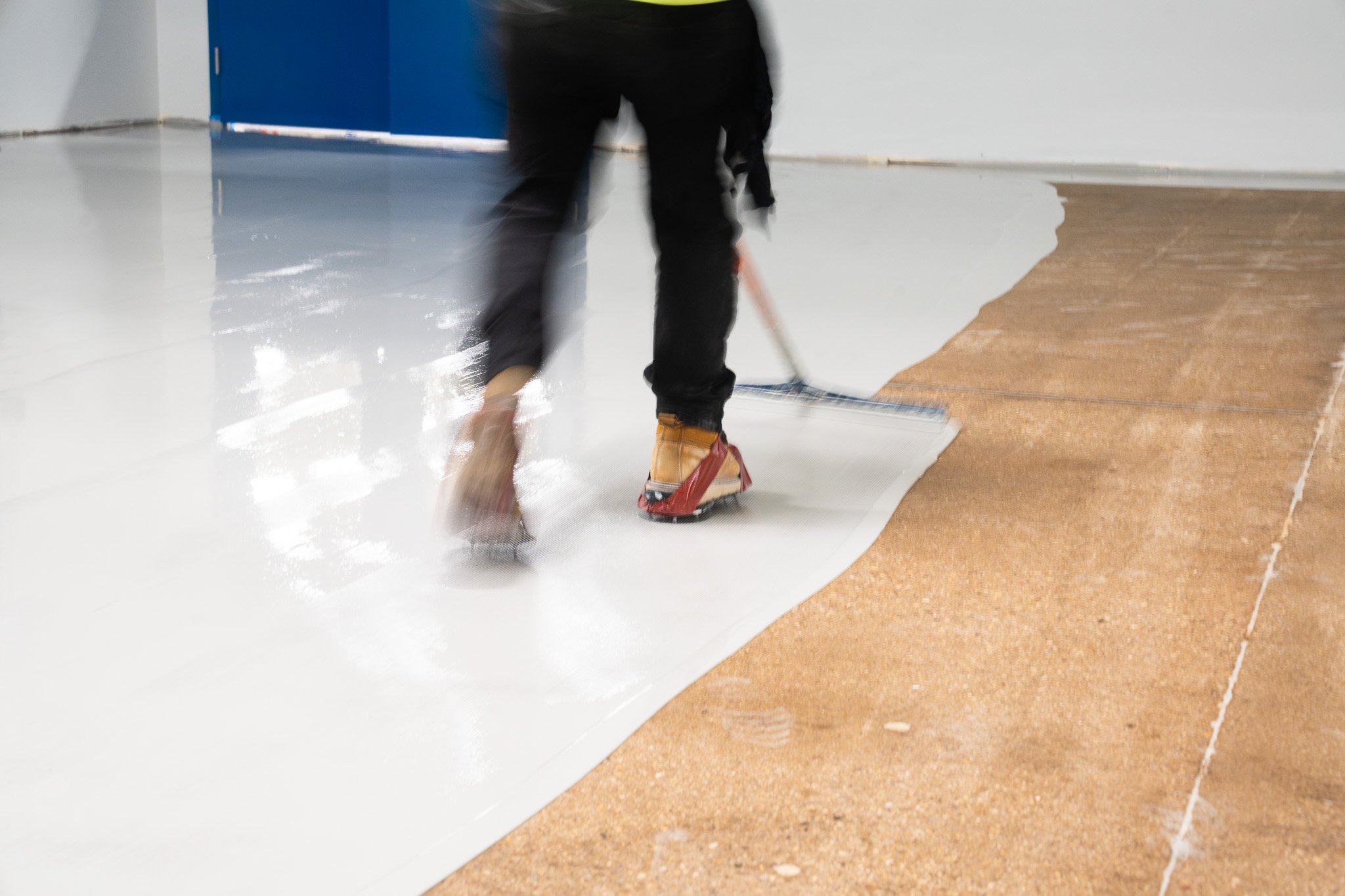
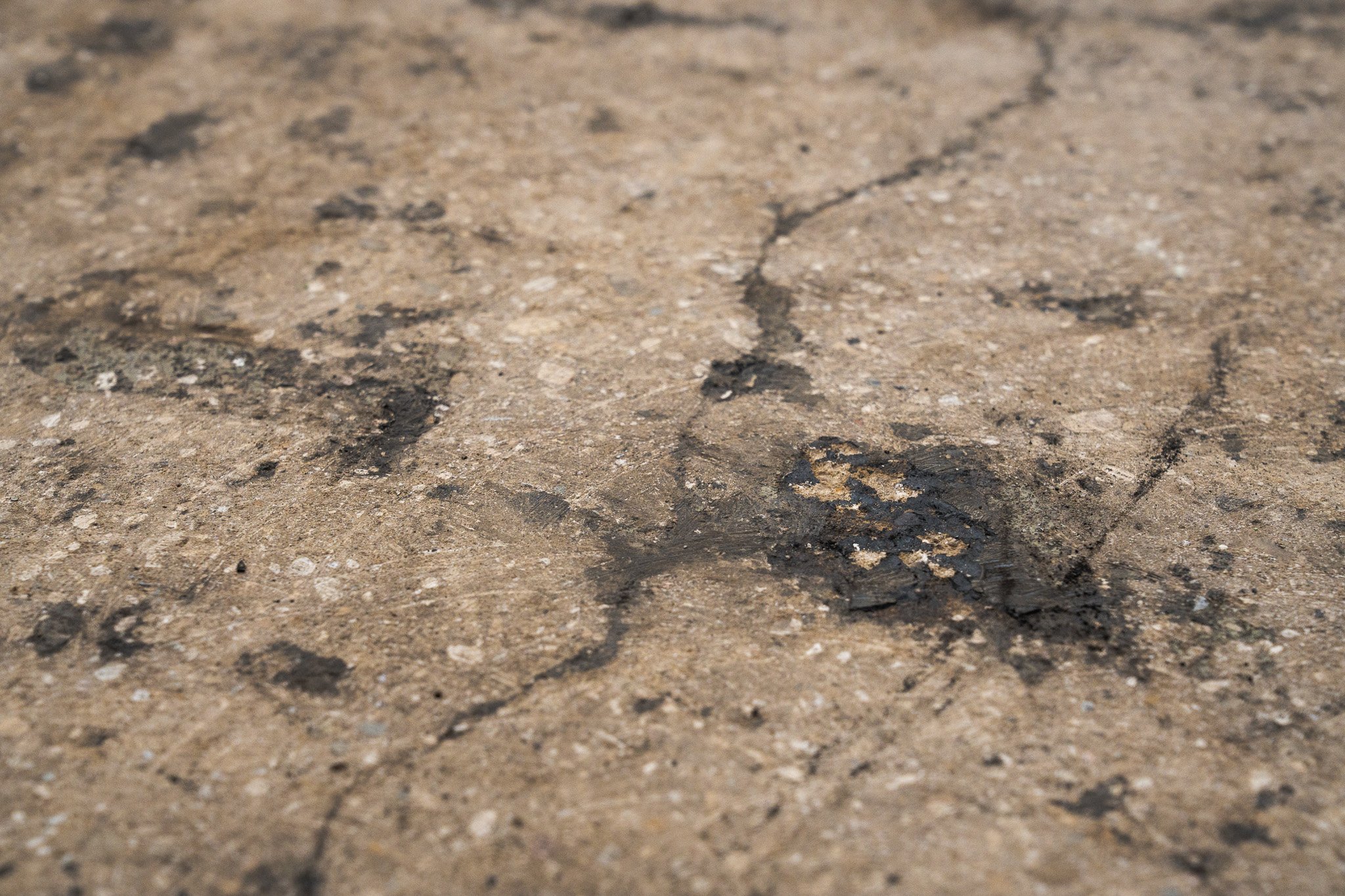
Across all systems, the biggest cost driver is usually surface preparation. Floors that require grinding, patching, moisture mitigation, or demolition will cost more regardless of the final system selected.
Other factors include:
- Square footage
- Project complexity
- Downtime requirements
- Customization or safety features
Comparing systems based only on base price can be misleading without considering long-term durability and maintenance.
Final Thoughts
The cost difference between epoxy, urethane cement, and polished concrete depends on performance needs, floor condition, and preparation requirements. Epoxy often falls in the mid-range, urethane cement is typically higher due to durability, and polished concrete varies based on finish level.
To get a clearer picture of your potential concrete coating cost, try CustomCrete’s pricing estimator for a preliminary range. For a more detailed evaluation based on your facility’s specific conditions, you can also request a quote to explore your options further.
.jpg?width=2048&height=1365&name=CC108559%20(1).jpg)
.png?width=11520&height=9216&name=Untitled%20design%20(56).png)
.jpg?width=2048&height=1365&name=CC106221%20(1).jpg)
.jpg?width=2048&height=1365&name=CC102459%20(1).jpg)