
Concrete coatings are designed to protect industrial and commercial floors—but when they fail, the results can be expensive and disruptive. Peeling epoxy, bubbling surfaces, and widespread delamination often require repairs, downtime, and sometimes full replacement. Understanding why concrete coatings fail helps facilities avoid costly mistakes and make smarter flooring decisions.
At CustomCrete, this is one of the most common questions from warehouses, manufacturing facilities, and commercial spaces planning a new epoxy floor or coating system.

The Most Common Causes of Concrete Coating Failure
Concrete coating failure rarely happens because of the product alone. Most failures are tied to preparation, moisture, or environmental conditions.
1. Poor Surface Preparation
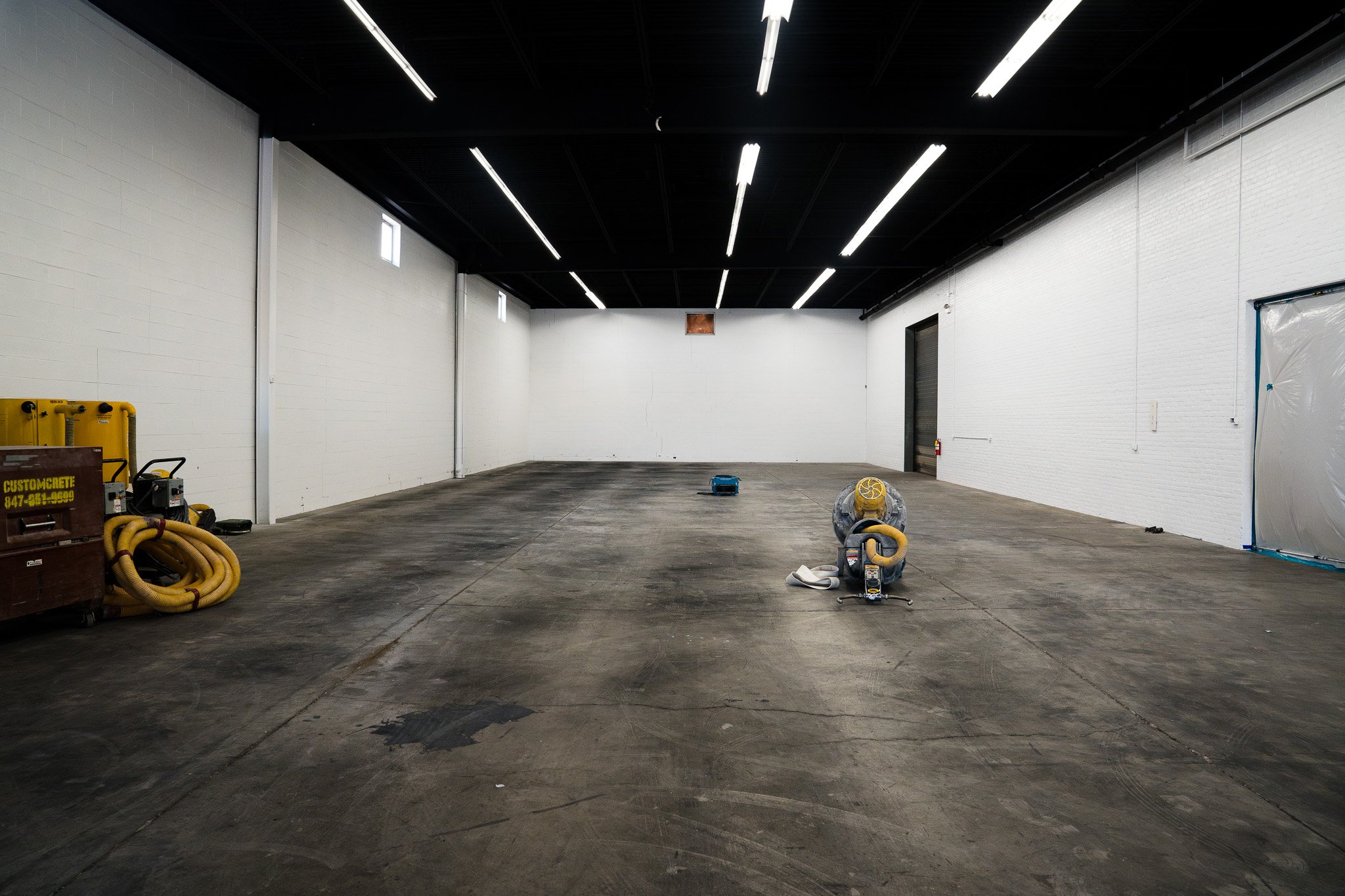
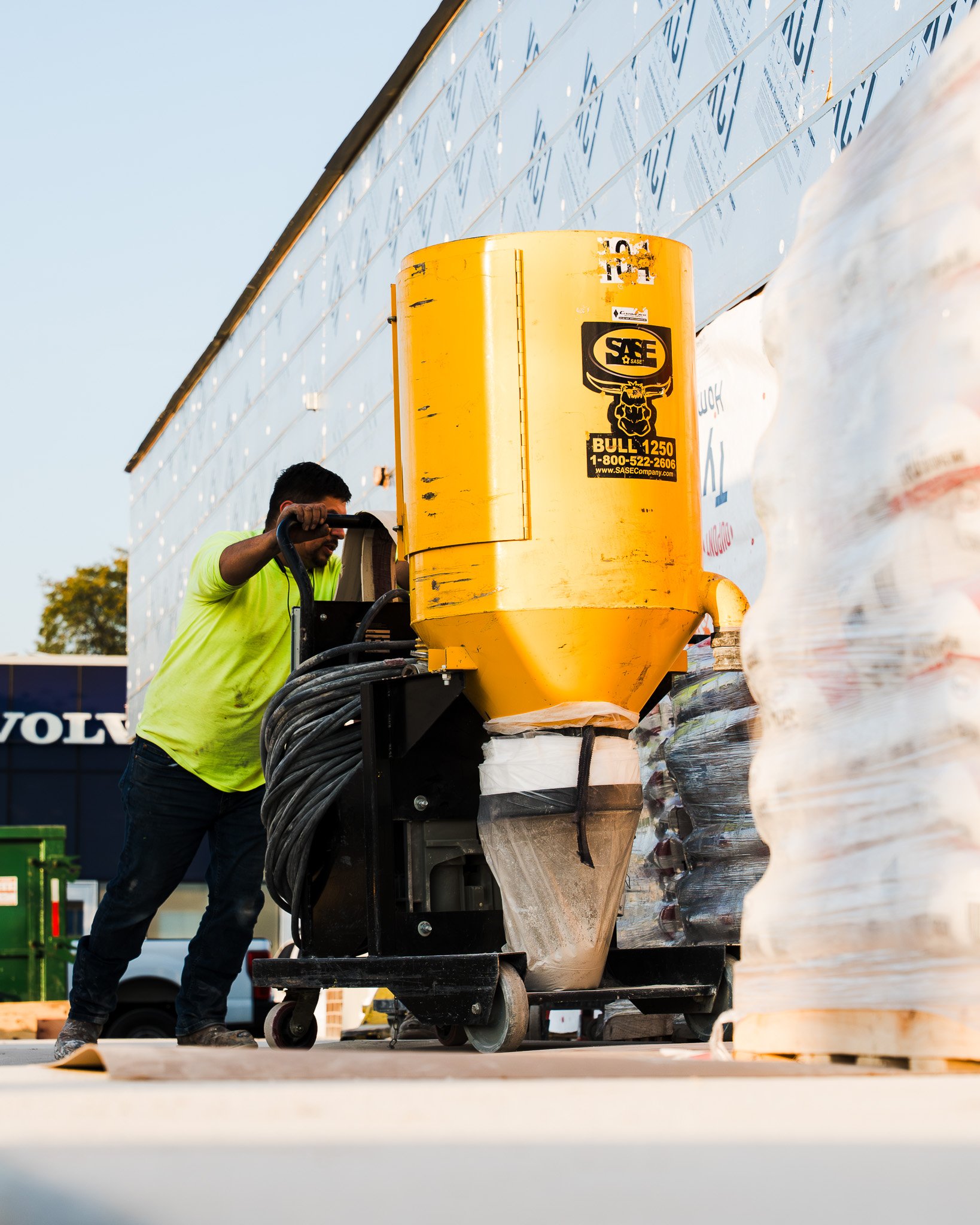
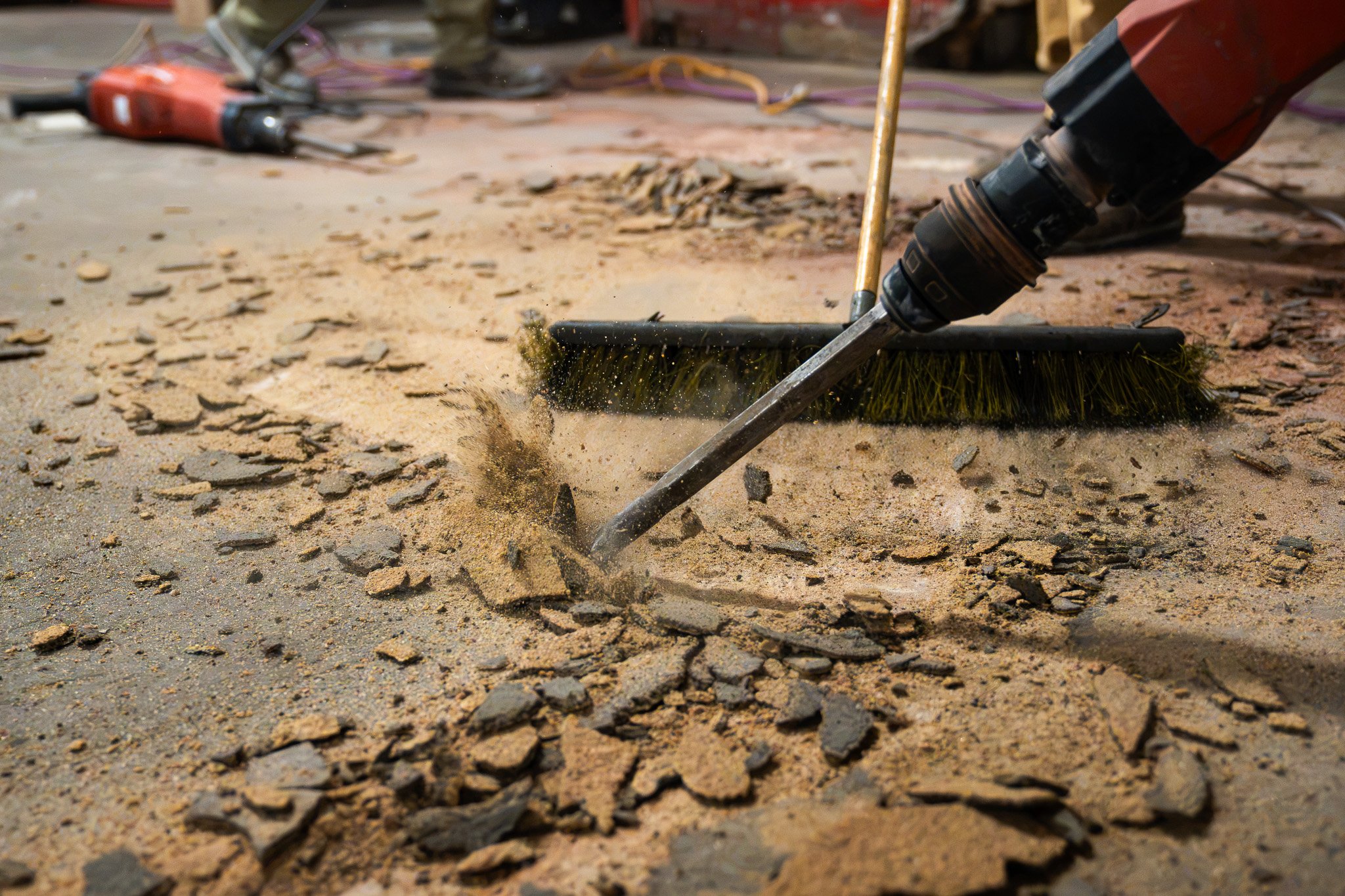
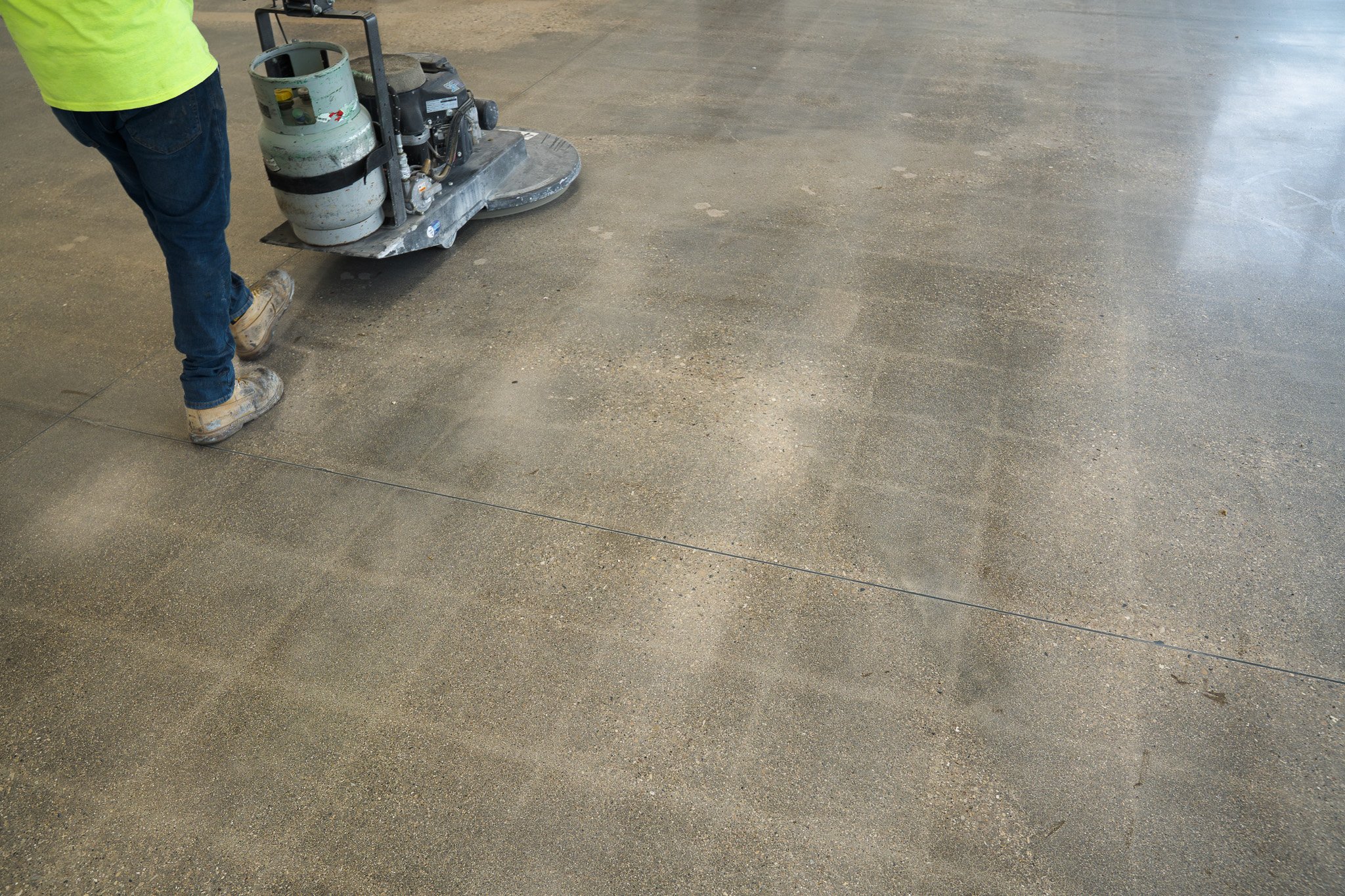
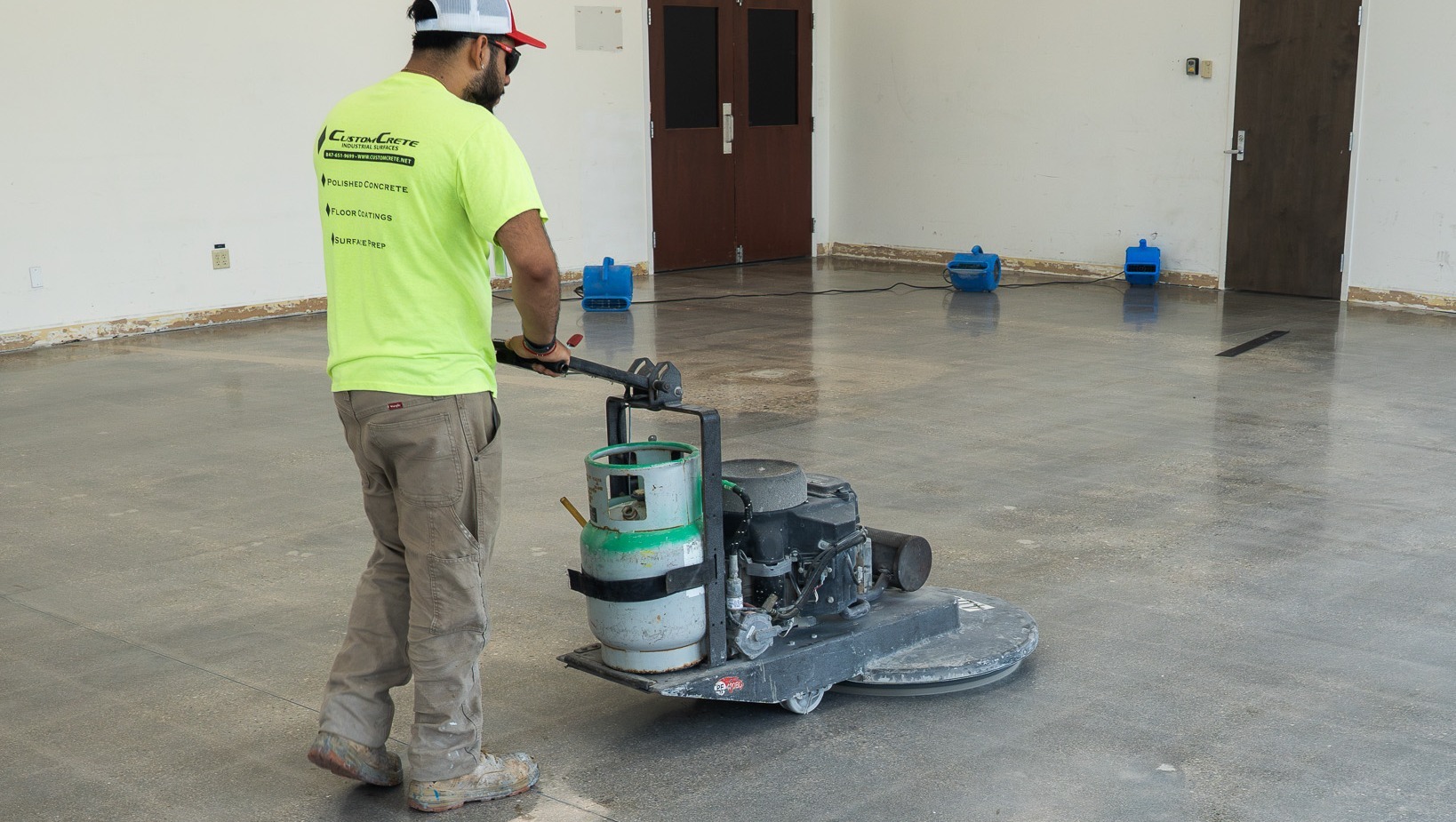
Improper concrete surface preparation is the leading cause of epoxy floor failure. If the slab is not properly ground or shot blasted, the coating cannot bond correctly.
Common prep mistakes include:
- Skipping mechanical grinding
- Leaving dust or contaminants on the surface
- Applying coatings over loose or failing materials
Without proper adhesion, peeling and delamination are likely.
2. Moisture Issues in the Slab
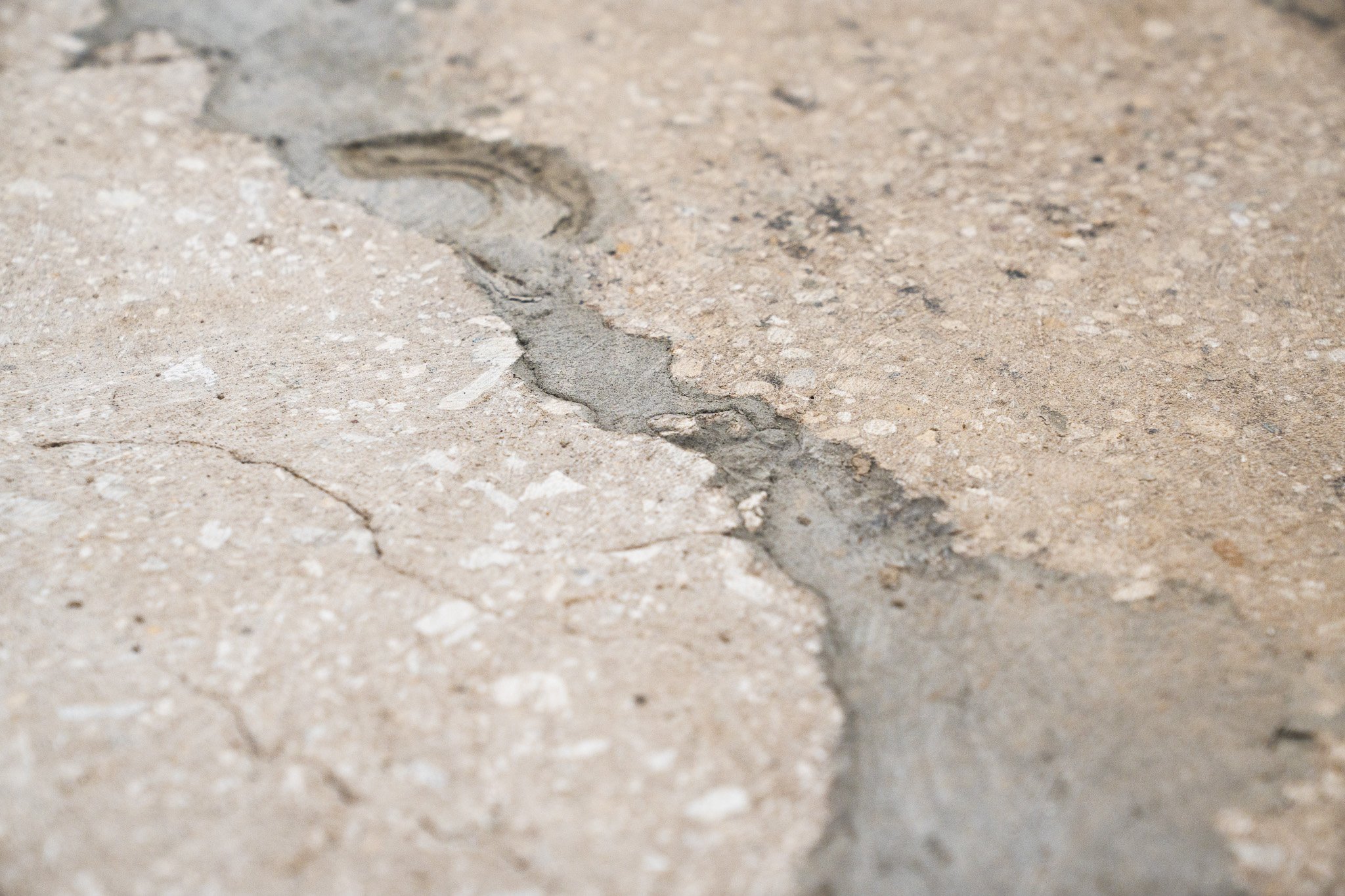
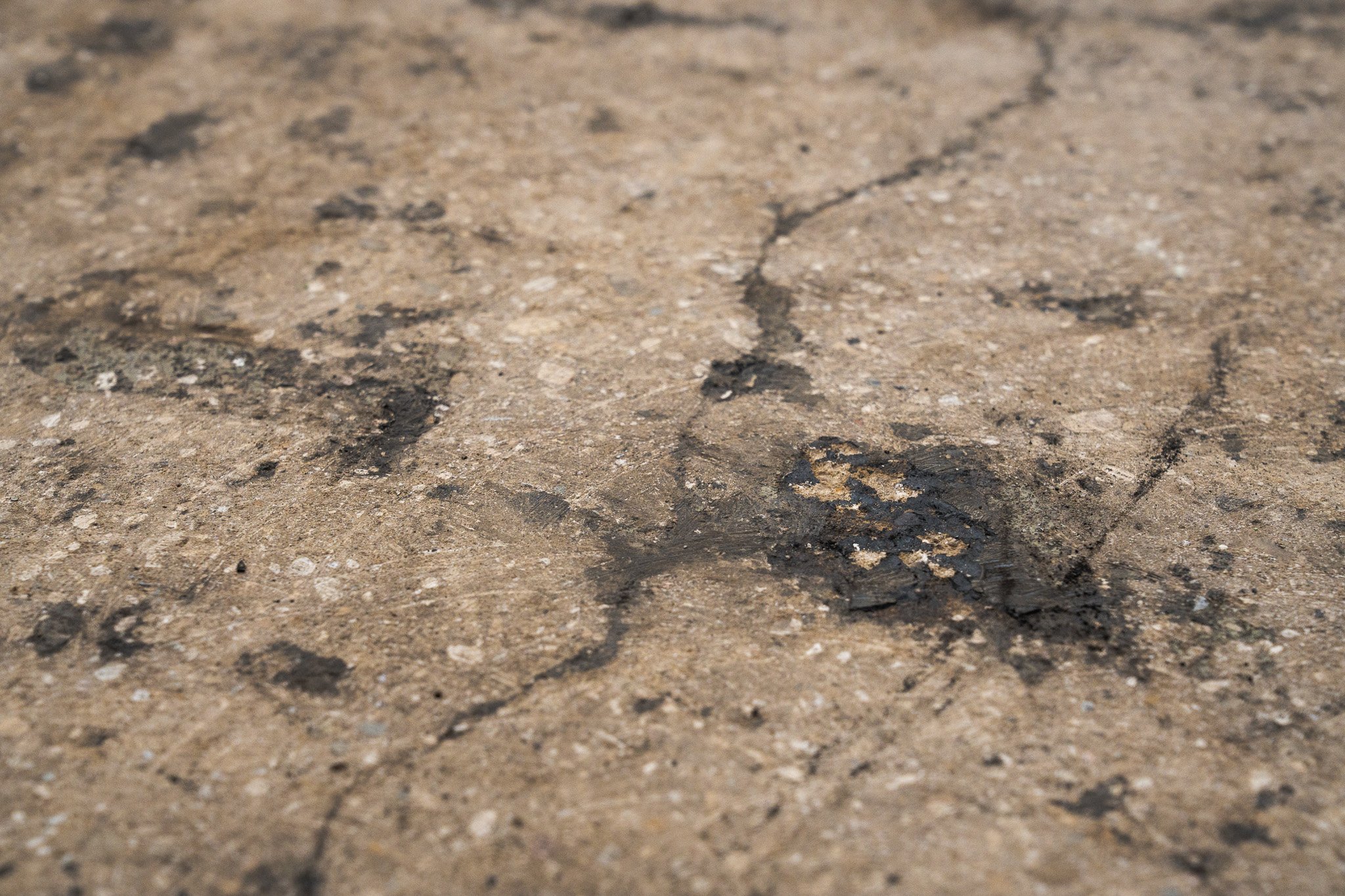
Moisture is one of the biggest threats to concrete coatings. Concrete naturally releases moisture vapor, and if levels are too high, it can cause:
- Bubbling or blistering
- Peeling epoxy flooring
- Soft spots or discoloration
Skipping moisture testing or ignoring high vapor levels often leads to premature coating failure.
3. Incorrect Coating Selection
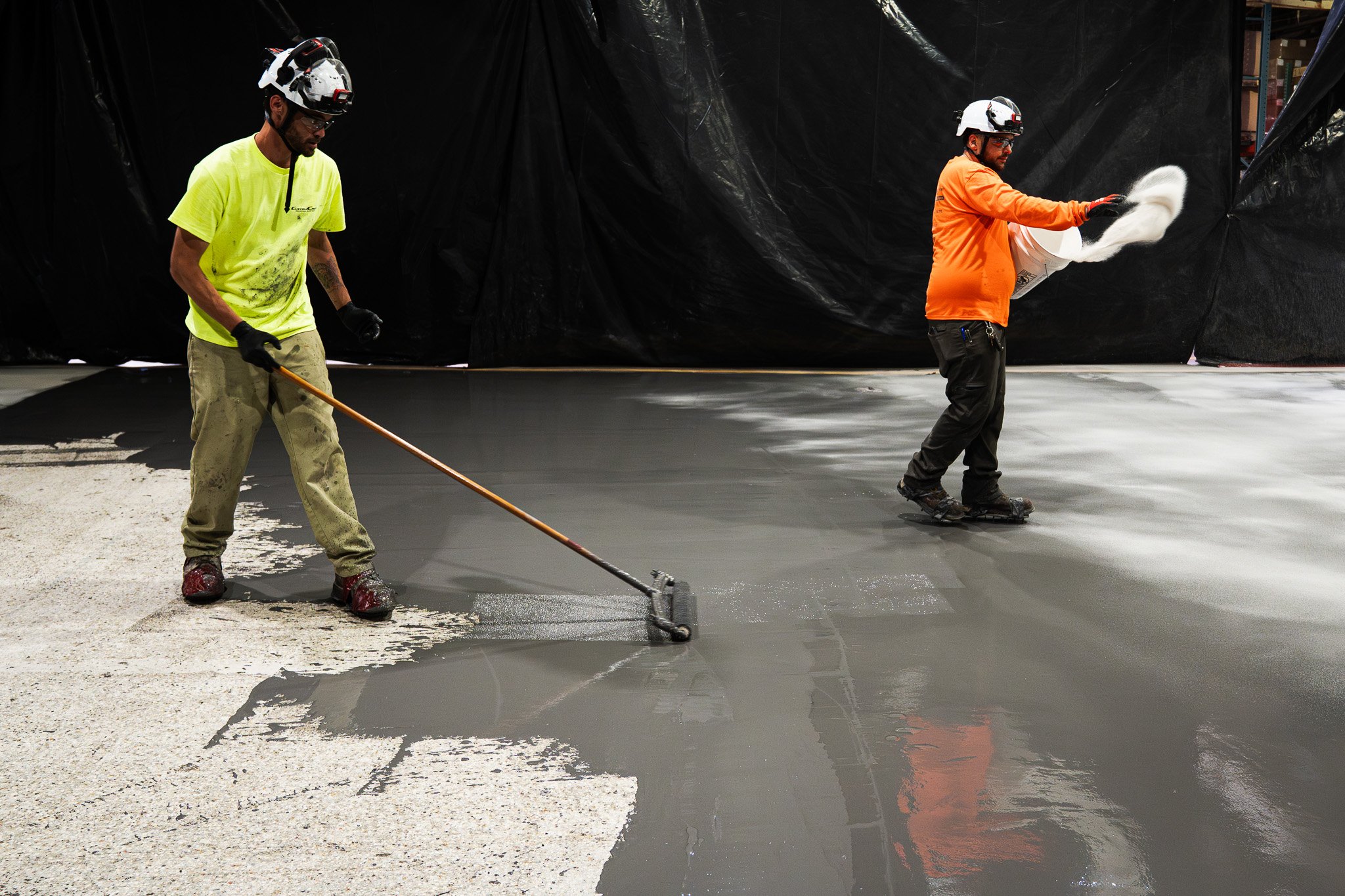
Not all concrete coatings are designed for every environment. Installing a standard epoxy system in an area with heavy thermal shock, aggressive chemicals, or constant washdowns can shorten the lifespan of the floor.
Choosing the wrong system for the environment increases the risk of cracking, wear, or separation.
4. Improper Installation Conditions
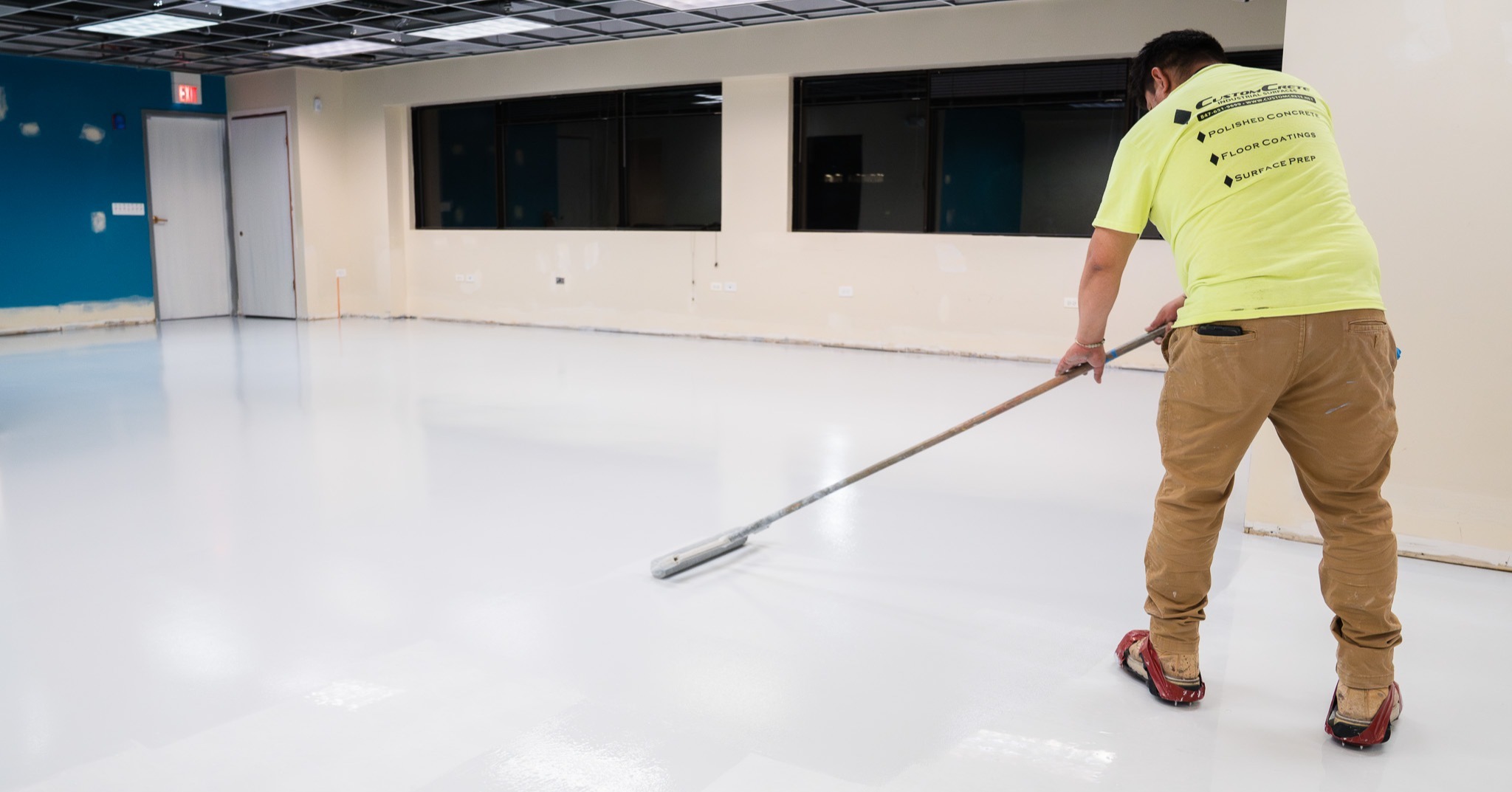
Temperature, humidity, and timing matter. Installing epoxy flooring outside manufacturer guidelines can affect cure time and adhesion.
Environmental factors such as:
- Cold slabs
- High humidity
- Rapid temperature changes
can all impact performance if not managed properly.
5. Excessive Traffic or Impact
Even properly installed coatings can wear prematurely if traffic exceeds what the system was designed to handle. Heavy forklifts, steel wheels, and high-impact use require thicker or more specialized systems.
Matching the floor system to real-world use is essential for long-term durability.
How to Prevent Concrete Coating Failure
Preventing concrete coating failure starts before installation.
Key prevention steps include:
- Conducting proper moisture testing
- Using mechanical surface preparation methods
- Selecting the right coating system for the environment
- Following manufacturer installation guidelines
- Planning for routine cleaning and maintenance
A properly prepared and specified system significantly reduces the risk of failure.
Final Thoughts
Concrete coatings fail most often due to poor surface preparation, moisture issues, incorrect system selection, or improper installation conditions. Understanding these risks helps facilities avoid costly repairs and premature floor replacement.
To learn more about preventing epoxy floor failure and choosing the right flooring system, visit CustomCrete’s Learning Center. If you’re planning a project and want to reduce risk from the start, you can also request a quote to explore options tailored to your facility.
.jpg?width=2048&height=1365&name=CC108559%20(1).jpg)
.png?width=11520&height=9216&name=Untitled%20design%20(56).png)
.jpg?width=2048&height=1365&name=CC106221%20(1).jpg)
.jpg?width=2048&height=1365&name=CC102459%20(1).jpg)