
Construction projects rely on clear communication between owners, architects, engineers, manufacturers, and contractors. One of the most important tools for maintaining that consistency is the Construction Specifications Institute (CSI) MasterFormat, which organizes construction work into standardized divisions and specification sections. Understanding these CSI codes helps general contractors coordinate trades, prepare accurate bids, and ensure the correct materials and installation methods are specified.
For projects involving concrete restoration and resinous flooring, knowing the appropriate CSI codes can help prevent scope gaps, improve communication with project teams, and reduce costly misunderstandings during construction.
With nearly 20 years of experience and over 1 million square feet installed, CustomCrete regularly works with architects, engineers, and general contractors to provide concrete restoration and flooring systems that align with project specifications. This guide highlights some of the most important CSI codes related to concrete restoration and explains why they matter.
Key Takeaways
- CSI codes provide a standardized way to organize construction specifications and scopes of work.
- Understanding the correct specification sections helps general contractors coordinate projects more efficiently.
- Concrete restoration projects often involve multiple CSI sections covering preparation, repair, coatings, and joint treatment.

What Are CSI Codes?
CSI codes are part of the Construction Specifications Institute's MasterFormat®, an industry standard used throughout North America to organize construction specifications.
Each section is assigned a unique number that identifies a specific trade, material, or type of work.
Rather than describing every scope differently on each project, architects and engineers use CSI codes to create consistency across drawings, specifications, and bid documents.
For general contractors, understanding these codes helps simplify estimating, subcontractor coordination, procurement, and project management.
Why CSI Codes Matter for Concrete Restoration
Concrete restoration projects often involve much more than repairing damaged concrete.
A single project may include:
- Surface preparation
- Concrete repairs
- Moisture mitigation
- Joint repair
- Resinous flooring
- Floor coatings
- Polished concrete
Each scope may fall under a different specification section.
Knowing the applicable CSI codes helps ensure every phase of the project is properly identified before construction begins.
Division 03 – Concrete
Most concrete restoration work begins in Division 03 – Concrete.
This division covers many of the concrete-related specifications found on commercial construction projects, including repair and restoration work.
General contractors frequently review this division when coordinating concrete subcontractors and restoration specialists.
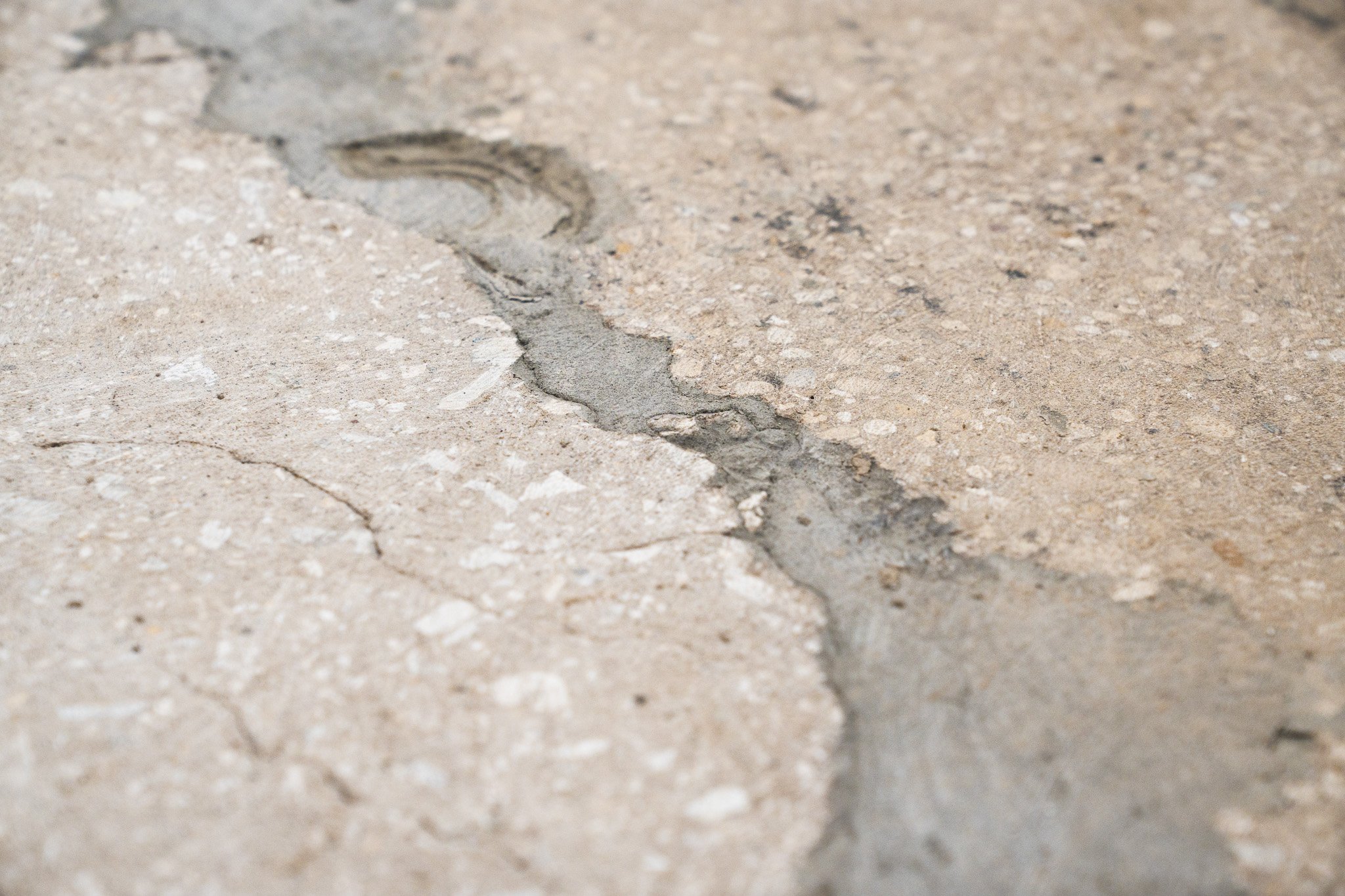
Section 03 01 00 – Maintenance of Concrete
One of the most common CSI codes for restoration projects is 03 01 00 – Maintenance of Concrete.
This section typically addresses:
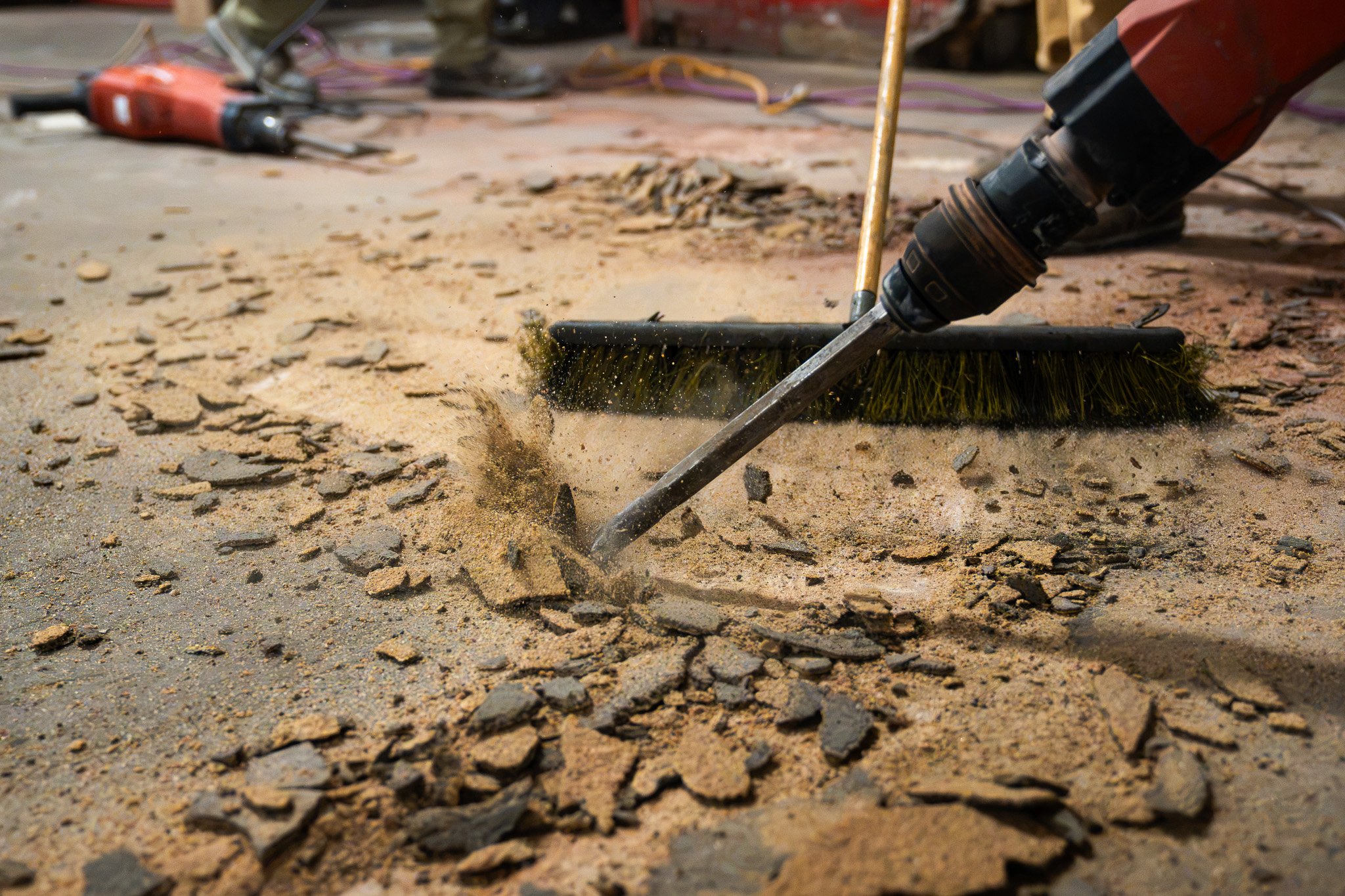
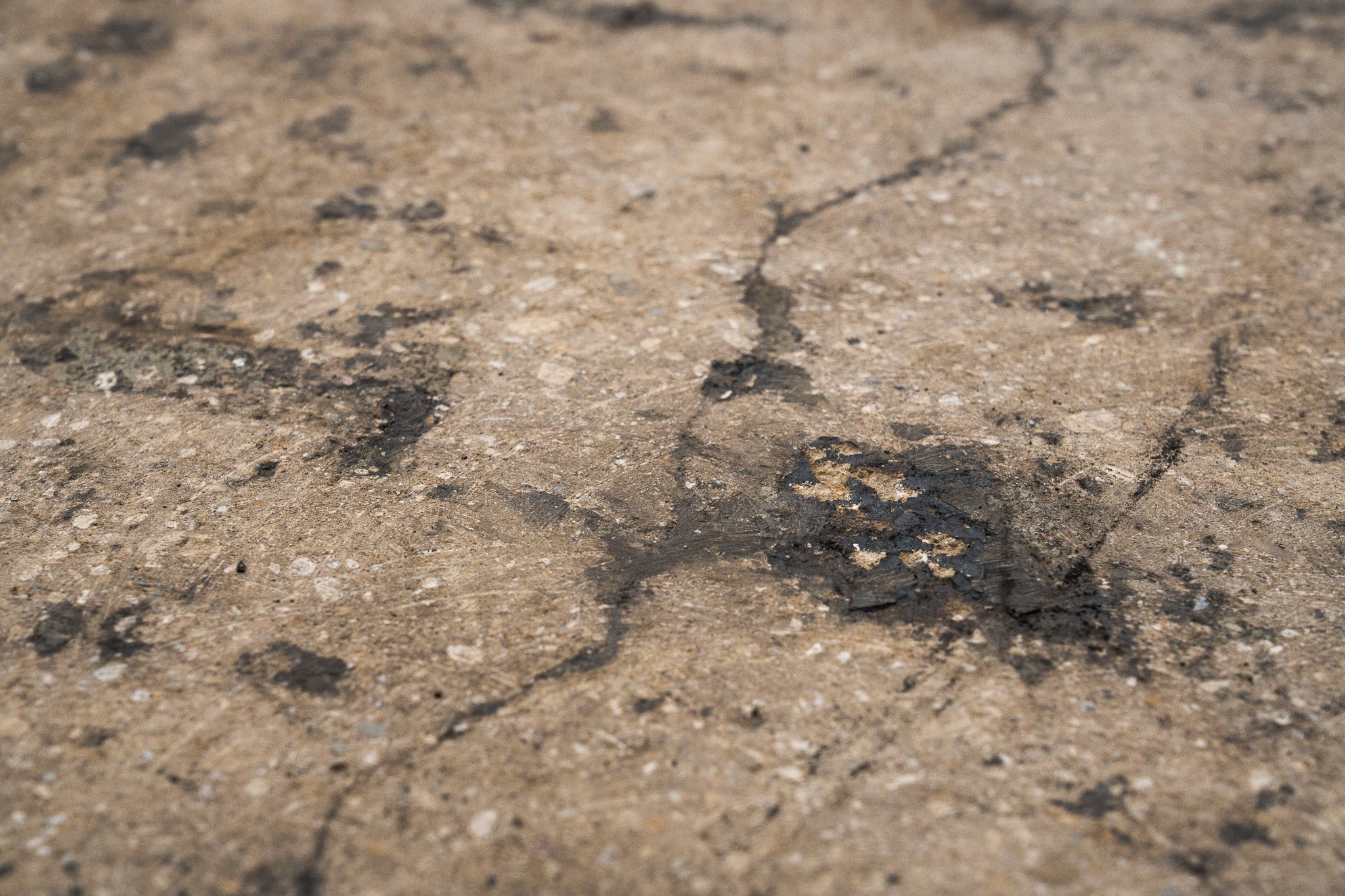
- Concrete repair
- Surface restoration
- Crack repair
- Spall repair
- General maintenance procedures
Projects involving deteriorated slabs often reference this section before new flooring systems are installed.
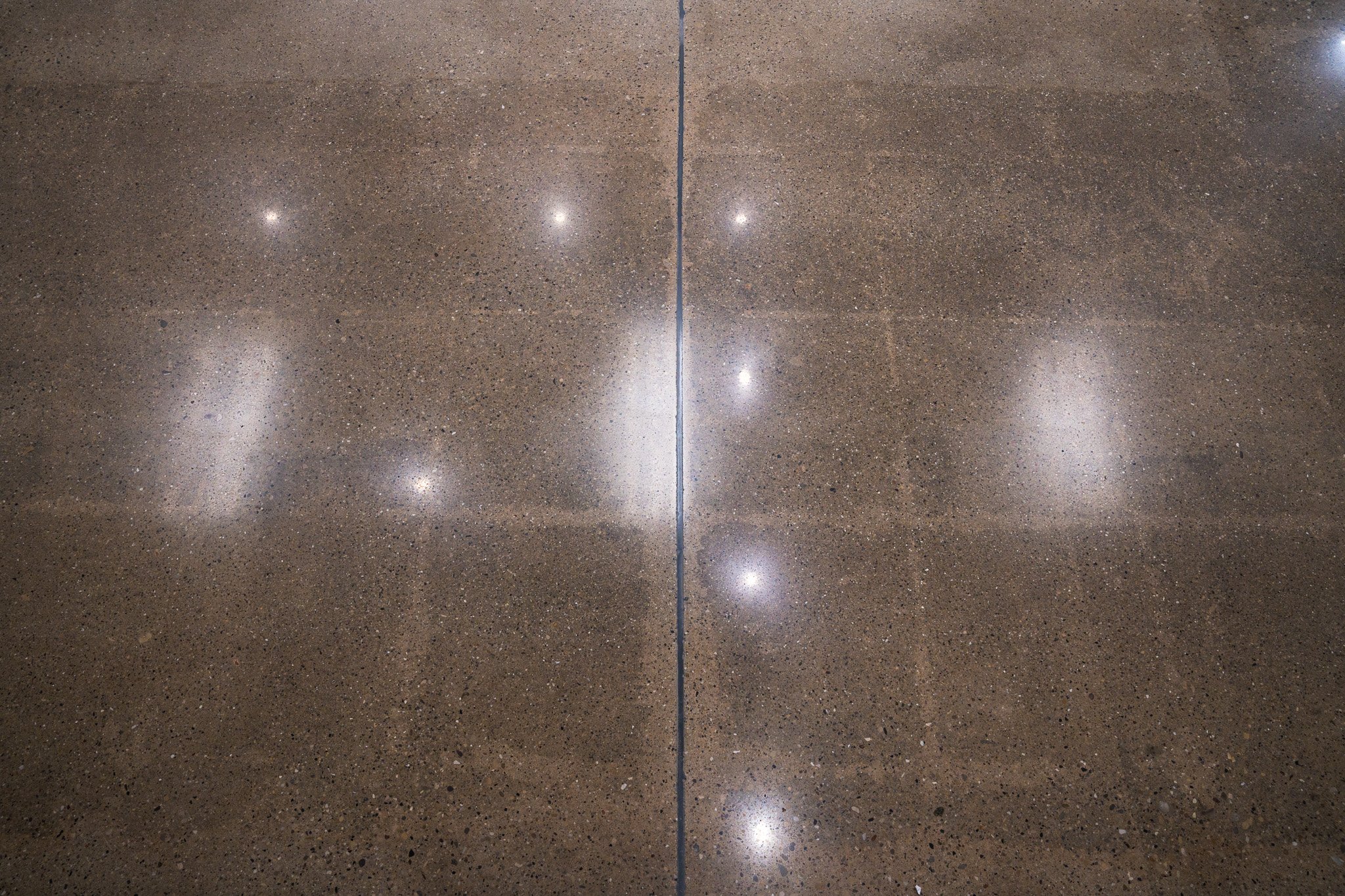
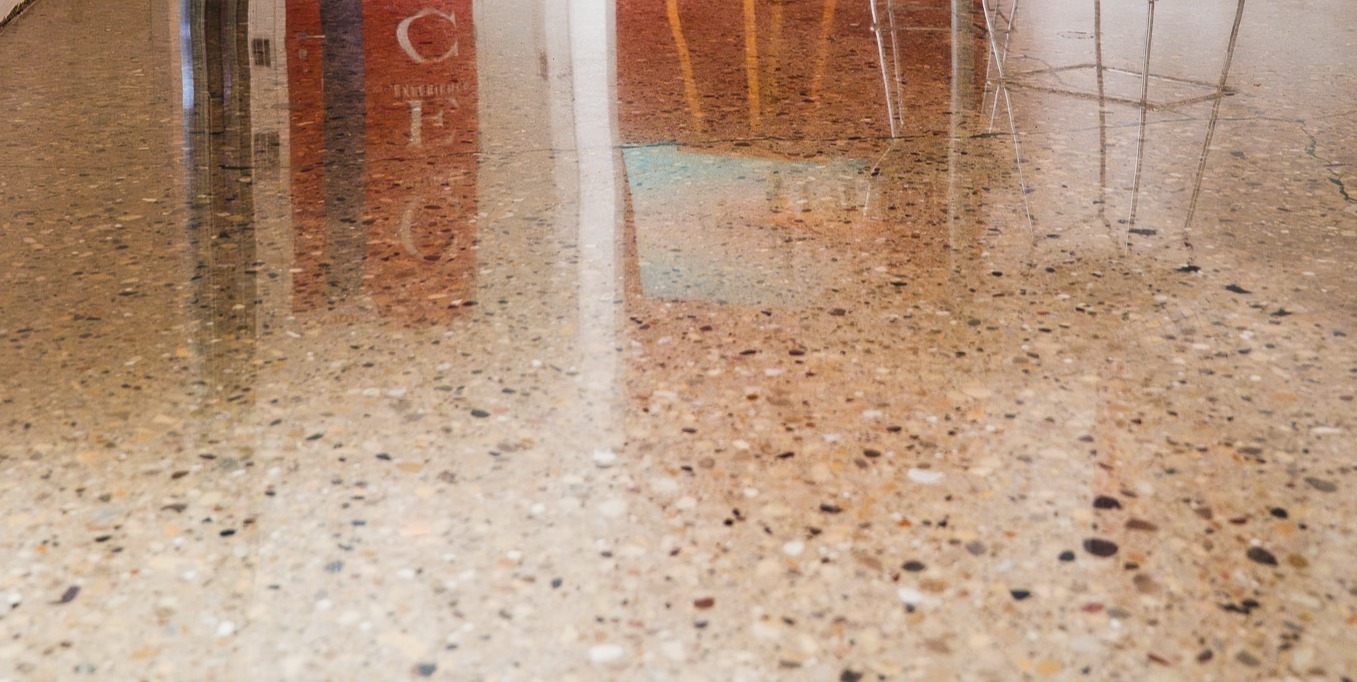
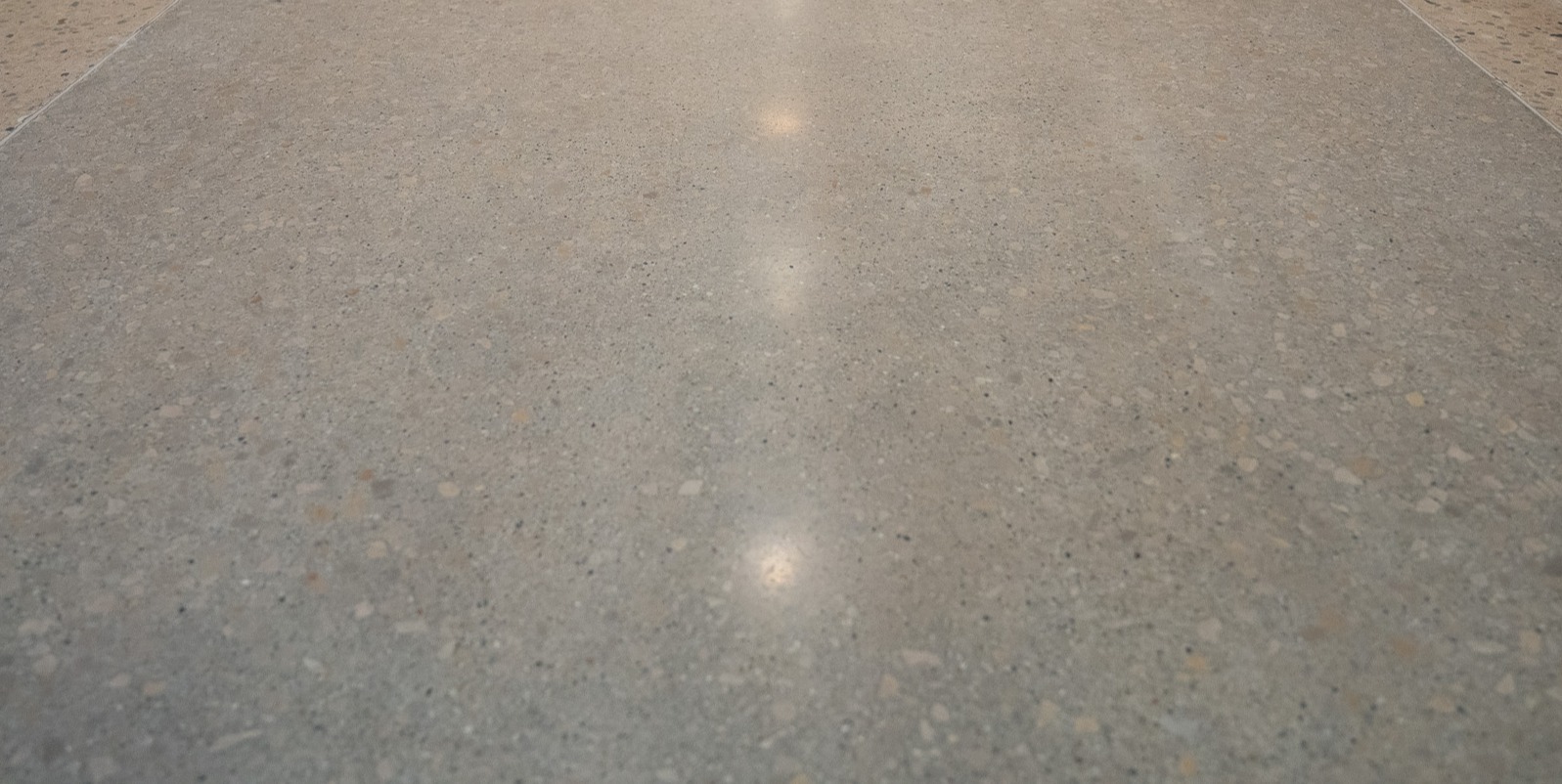
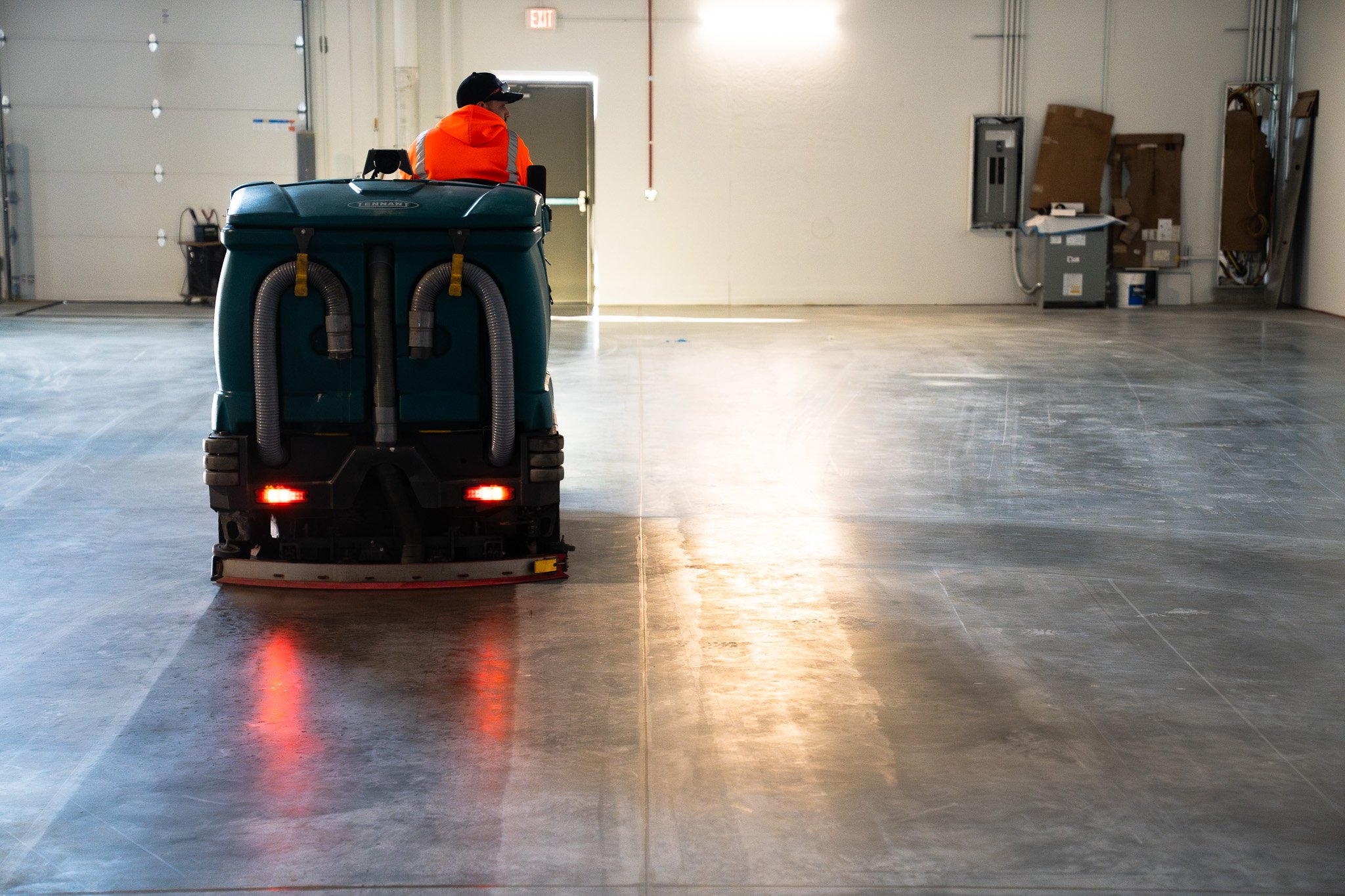
Section 03 35 00 – Concrete Finishing
03 35 00 – Concrete Finishing commonly applies to projects involving:
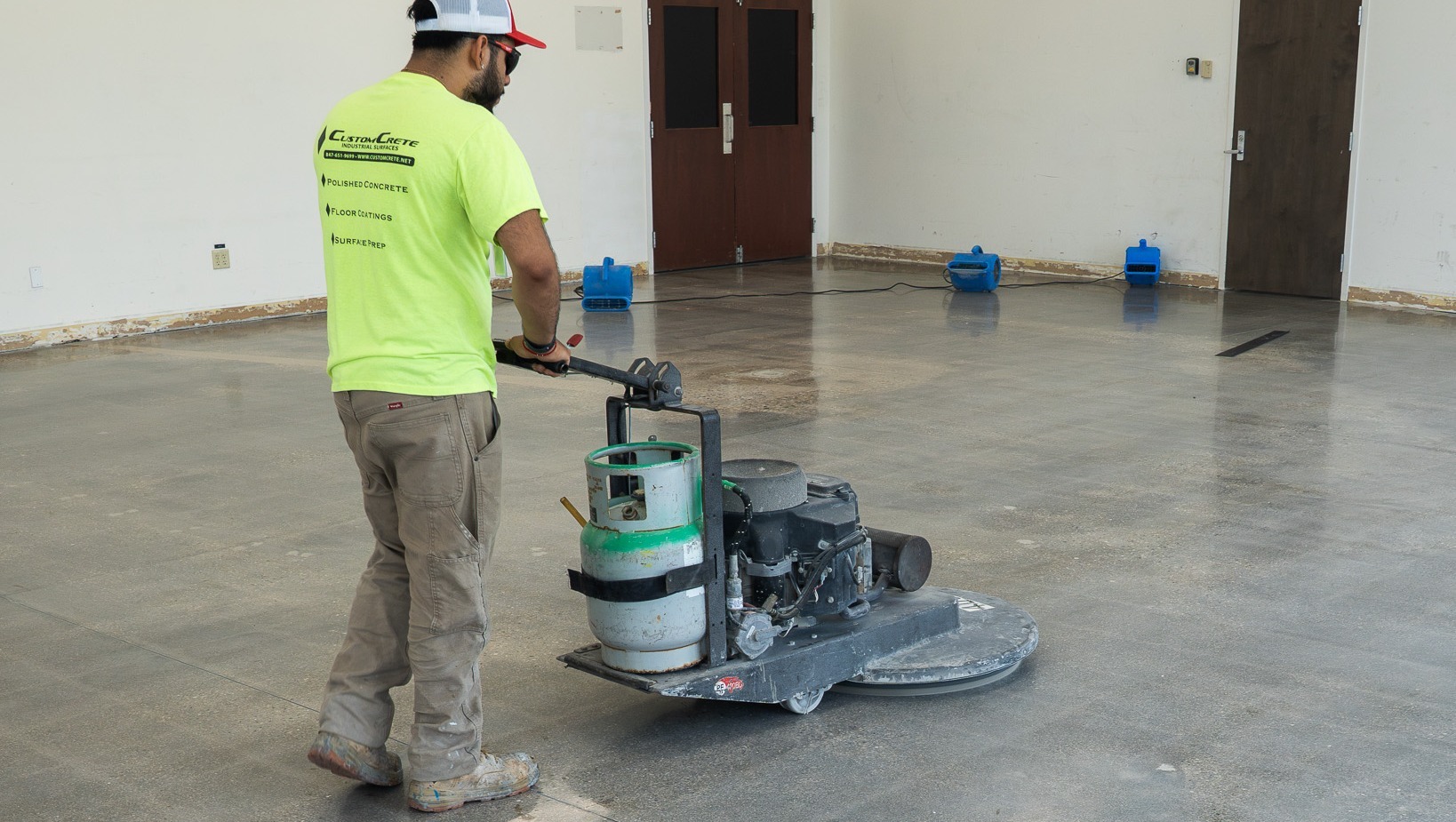
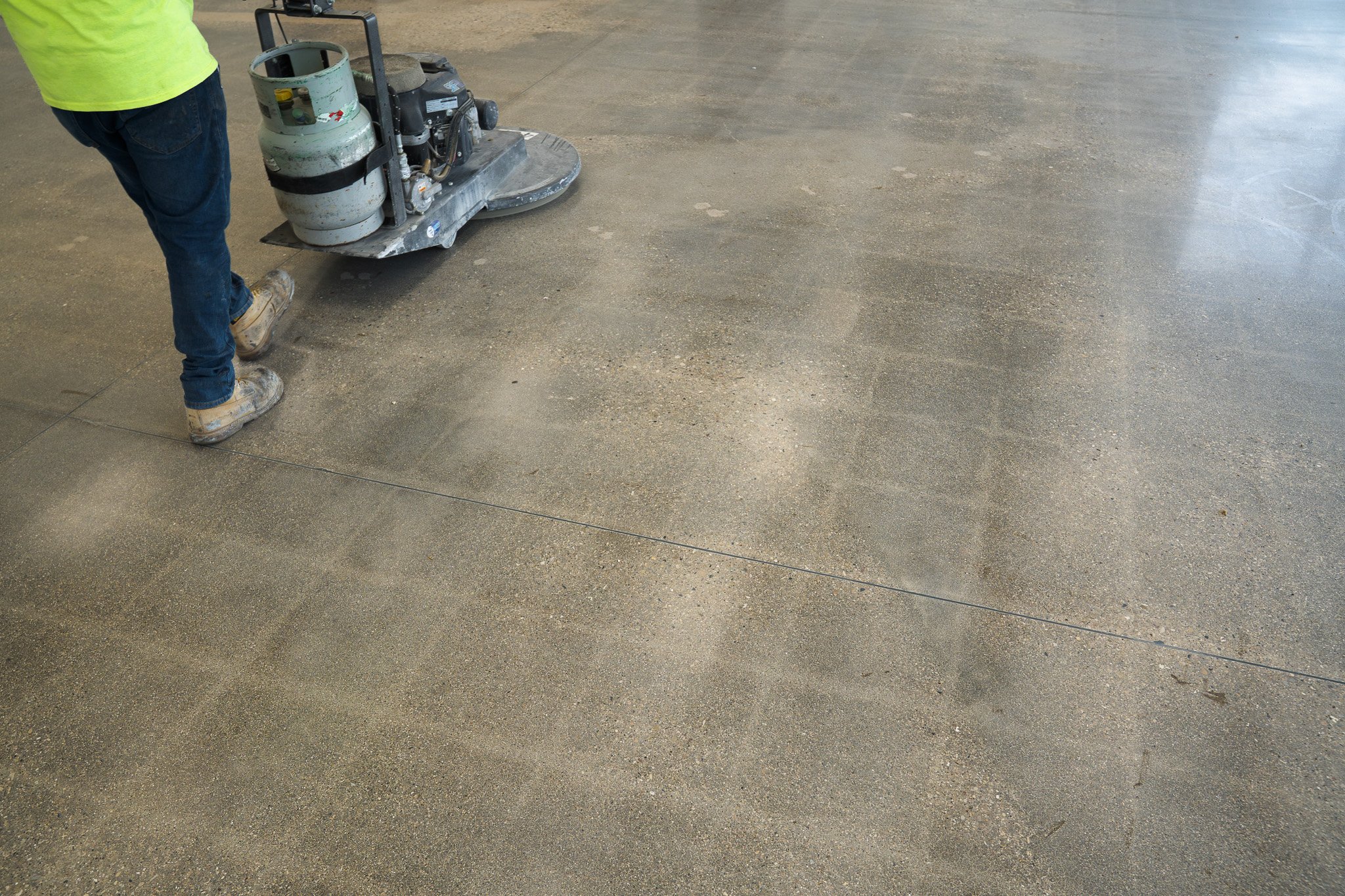
- Concrete grinding
- Surface refinement
- Polished concrete
- Decorative concrete finishes
This specification section often works alongside flooring specifications when polished concrete is the final finished surface.
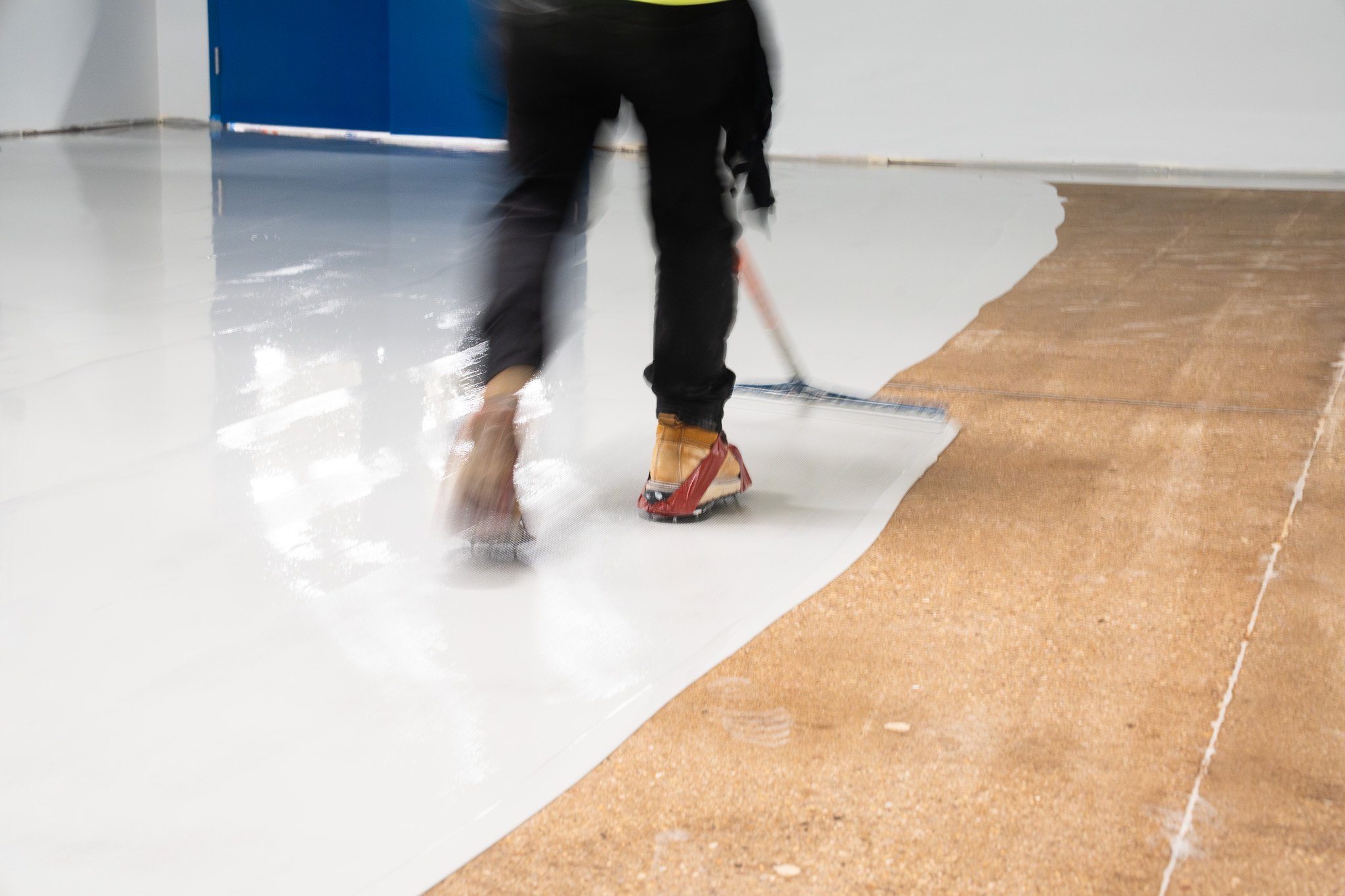
Section 09 67 00 – Fluid-Applied Flooring
Many resinous flooring systems are specified under 09 67 00 – Fluid-Applied Flooring.
This section often includes:
- Epoxy flooring
- Urethane cement
- Polyurethane coatings
- Polyaspartic systems
- Decorative resinous flooring
Because fluid-applied flooring systems vary significantly by environment, the project specifications typically outline performance requirements rather than simply identifying product names.
Section 09 91 00 – Painting
While not every flooring project references this section, 09 91 00 – Painting may include certain floor striping or protective coating applications depending on the project design.
General contractors should review project specifications carefully to determine whether line striping is included under painting or resinous flooring sections.
Proper coordination helps avoid scope overlaps between trades.
Joint Repair and Sealants - 07 Codes
Concrete restoration frequently involves repairing or rebuilding joints before flooring installation.
Depending on the project, joint work may fall under:
- Concrete repair specifications
- Joint sealant specifications
- Resinous flooring specifications
Because joint treatment directly affects long-term floor performance, contractors should verify which trade is responsible before construction begins.
Surface Preparation May Be Its Own Scope
One of the biggest challenges in restoration work is determining responsibility for surface preparation.
Projects often require:
- Mechanical grinding
- Shot blasting
- Scarifying
- Coating removal
- Moisture testing
Sometimes these activities are included within the flooring contractor's scope. Other times, they are assigned separately within the specifications.
Understanding the applicable CSI codes helps eliminate confusion and prevents preparation work from being overlooked during bidding.
How CSI Codes Improve Communication
One of the greatest benefits of CSI codes is improved communication.
Rather than relying on general descriptions, every member of the project team can reference the same specification section.
This helps:
- Reduce bidding errors
- Clarify contractor responsibilities
- Improve subcontractor coordination
- Simplify material procurement
- Minimize change orders
For general contractors managing multiple trades, standardized specifications make complex projects easier to organize.
Review the Entire Specification Package
Although CSI codes provide an excellent framework, the section number alone does not define the complete scope of work.
Every specification should be reviewed carefully for:
- Material requirements
- Installation methods
- Performance standards
- Testing requirements
- Warranty expectations
Two projects may reference the same CSI section while requiring very different flooring systems or restoration procedures.
Understanding both the code and the written specification helps avoid costly misunderstandings.
Final Thoughts
Understanding CSI codes is an important part of managing successful concrete restoration projects. By becoming familiar with the specification sections commonly associated with concrete repair, surface preparation, fluid-applied flooring, polished concrete, and joint treatment, general contractors can improve communication, prepare more accurate bids, and better coordinate project teams.
While every project has unique requirements, using CSI MasterFormat as a common language helps owners, architects, engineers, and contractors stay aligned from bidding through project completion.
If you're planning a concrete restoration or resinous flooring project and need an experienced flooring partner, request a quote with CustomCrete to discuss your project requirements.
Topics:
.jpg?width=2048&height=1365&name=CC108559%20(1).jpg)
.png?width=11520&height=9216&name=Untitled%20design%20(56).png)
.jpg?width=2048&height=1365&name=CC106221%20(1).jpg)
.jpg?width=2048&height=1365&name=CC102459%20(1).jpg)