
Industrial flooring projects are often scheduled around production shutdowns, equipment installations, and facility improvements. Every day of downtime can impact productivity, making project schedules just as important as the flooring system itself. While some delays are unavoidable, many can be anticipated and minimized through proper planning before work begins.
Understanding the most common causes of an industrial flooring project delay helps facility managers, engineers, and general contractors develop realistic schedules and avoid unexpected setbacks.
With nearly 20 years of experience and over 1 million square feet installed, CustomCrete has worked with facilities across manufacturing, food processing, warehouses, and commercial environments where careful planning is essential. This guide explains the most common reasons industrial flooring projects are delayed and what can be done to reduce the risk.
Key Takeaways
- An industrial flooring project delay is often caused by unforeseen slab conditions, moisture issues, or scheduling conflicts.
- Proper planning, testing, and communication before installation can help minimize delays.
- Identifying potential challenges early often saves both time and money during the project.

Existing Concrete Conditions
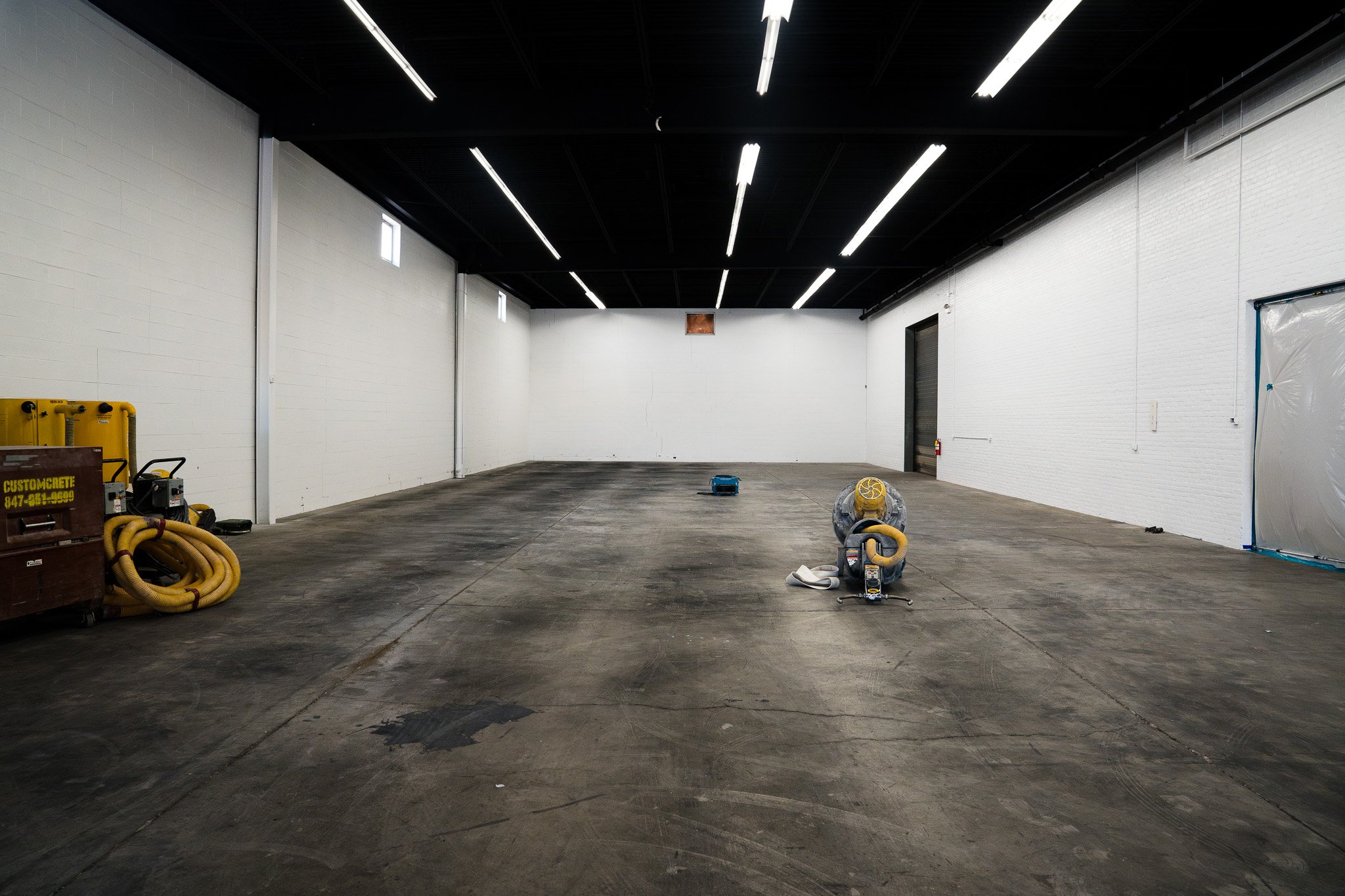
One of the most common reasons for an industrial flooring project delay is discovering unexpected problems with the existing concrete.
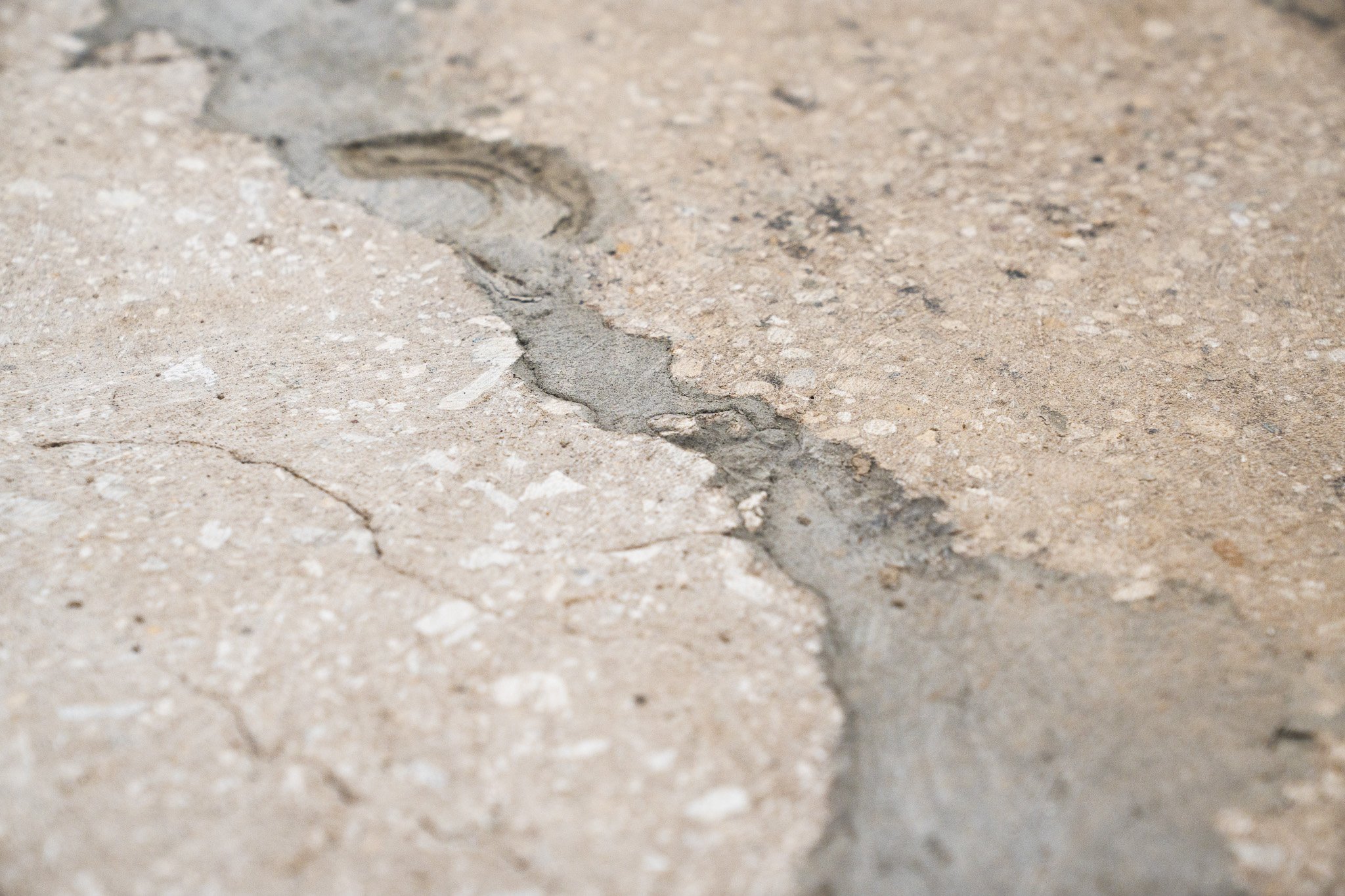
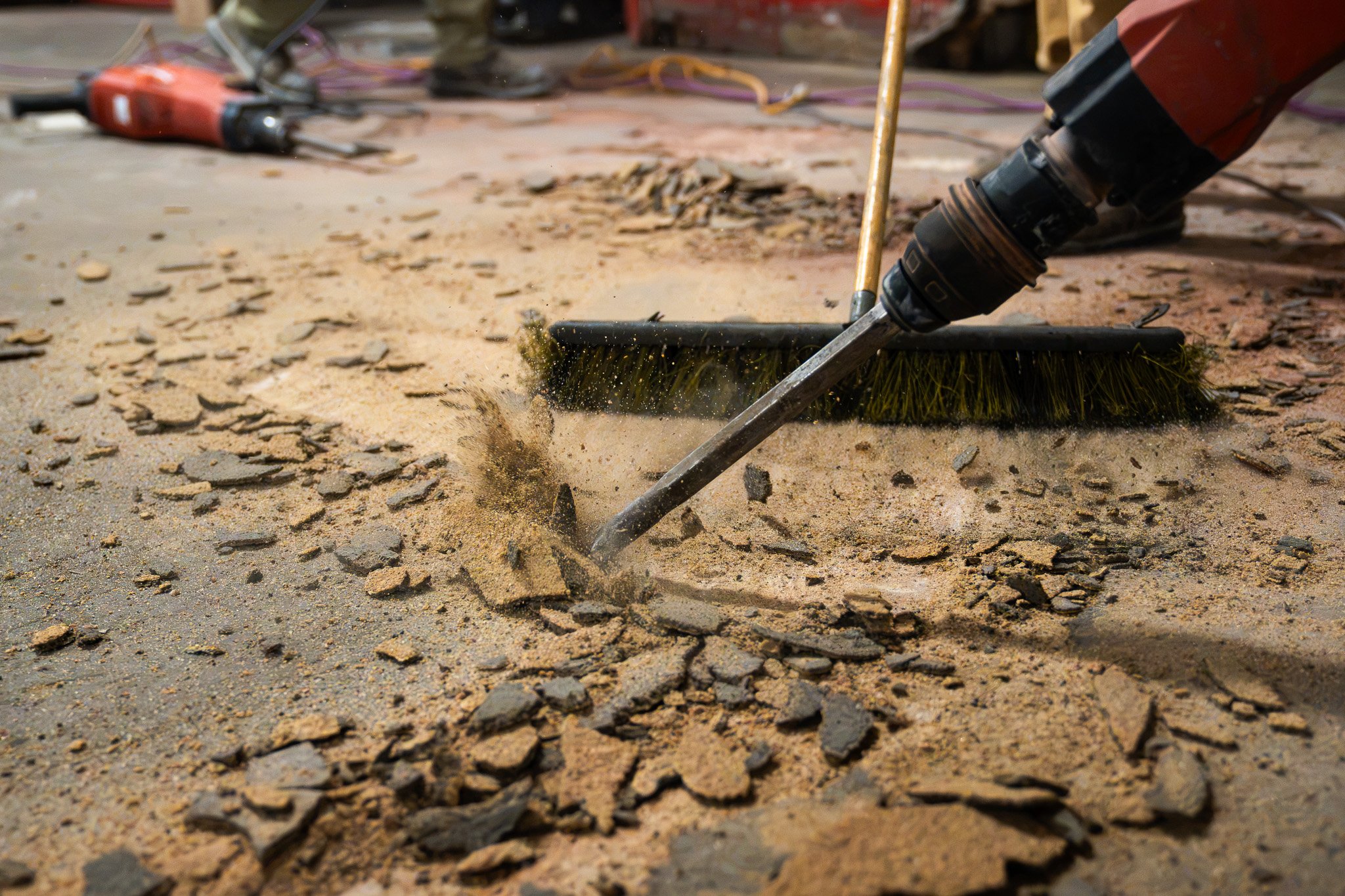
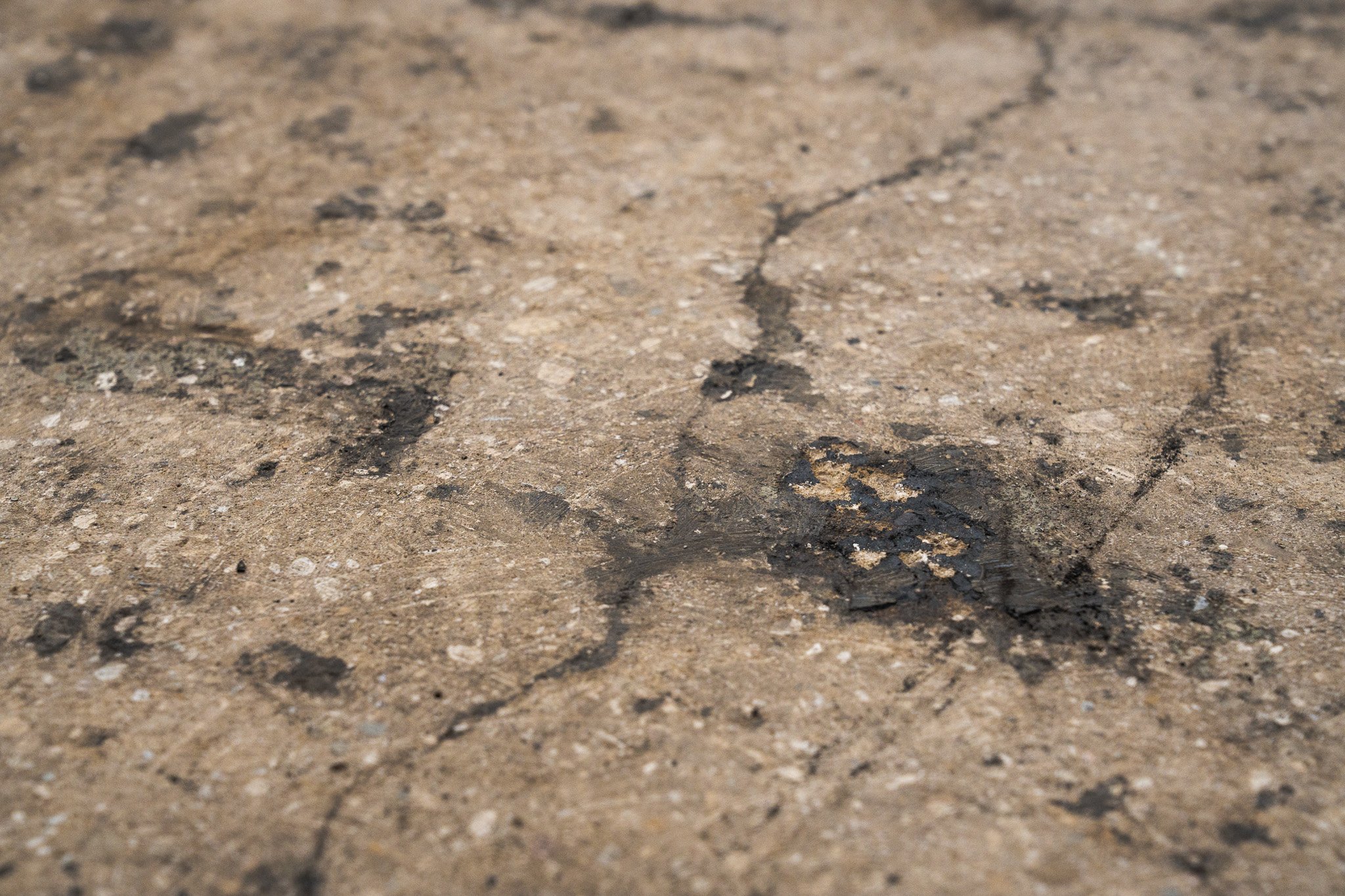
Until the floor is mechanically prepared, contractors may not see:
- Hidden cracks
- Spalling
- Delaminated concrete
- Previous patch repairs
- Oil contamination
- Uneven slabs
If these issues require repair before the flooring system can be installed, additional time may be necessary. Evaluating the slab as early as possible helps reduce surprises once work begins.
Moisture Problems
Concrete moisture is another leading cause of project delays.
Even when a slab appears dry, excessive moisture vapor may be present below the surface. Installing coatings over high-moisture concrete can lead to bubbling, peeling, and premature failure.
Moisture testing before installation helps determine whether:
- The slab is ready for flooring
- A moisture vapor barrier is required
- Additional drying time is necessary
Identifying moisture issues early is much less disruptive than discovering them after installation has started.
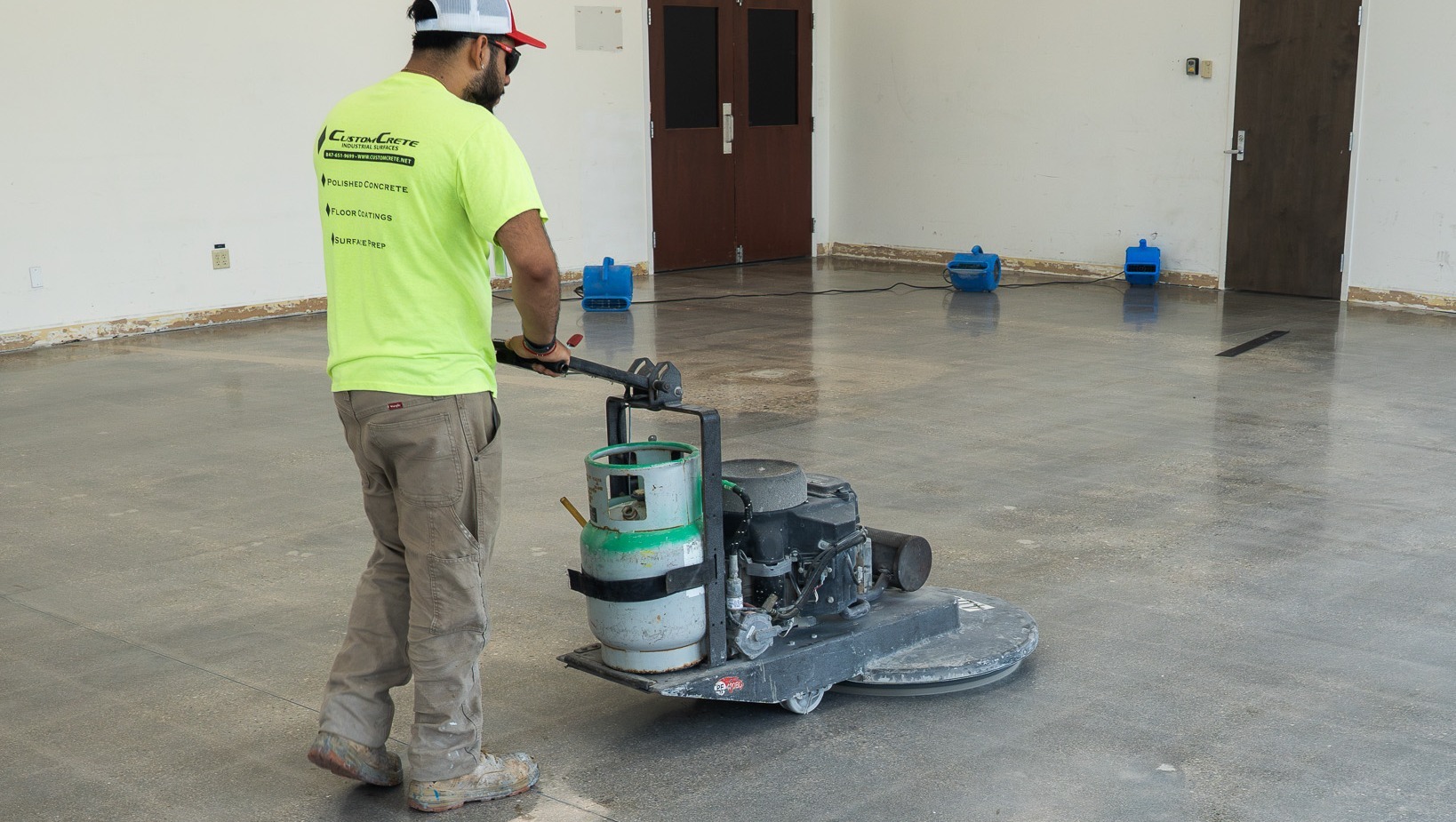
Surface Preparation Takes Longer Than Expected
Every successful flooring system begins with proper surface preparation.
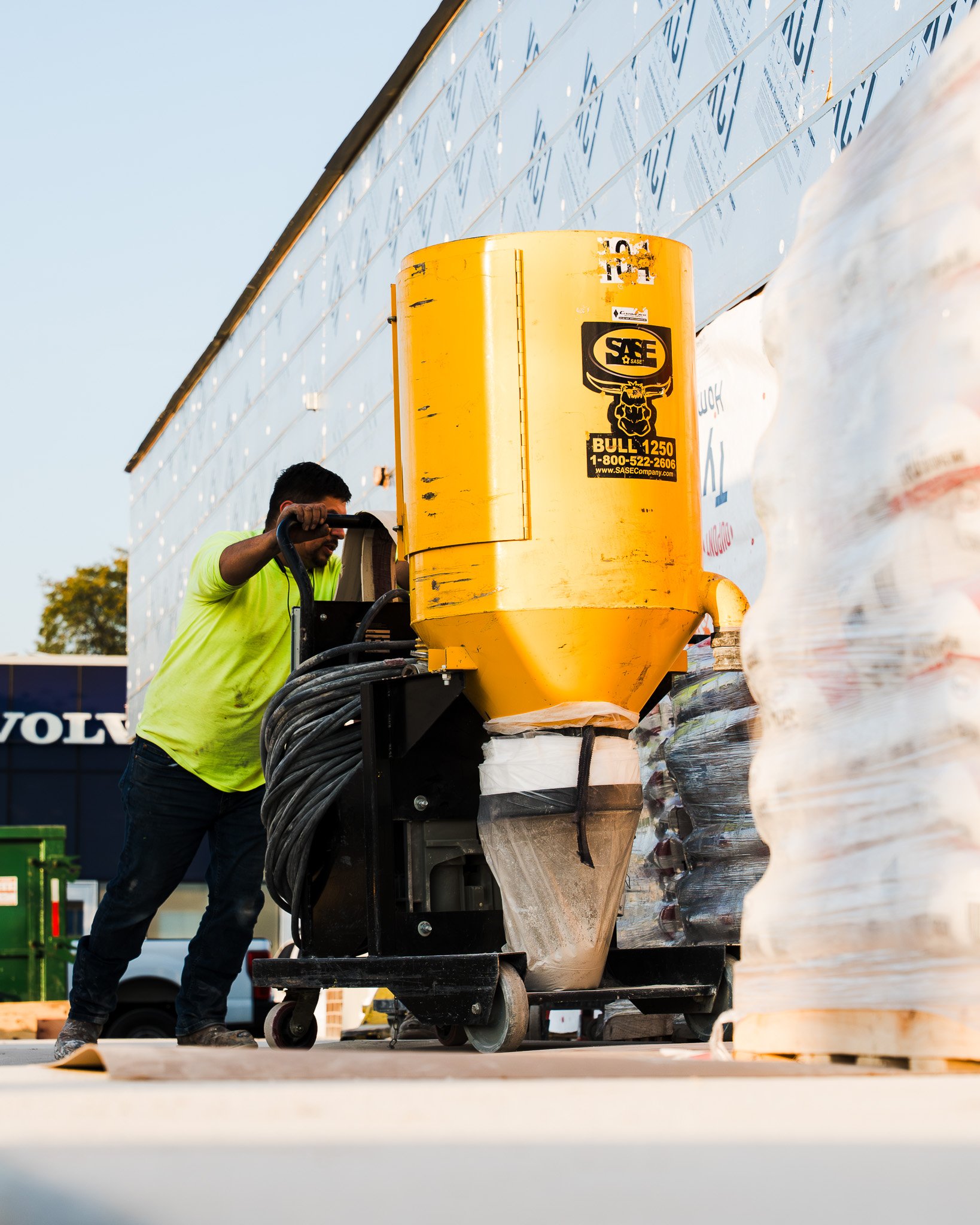
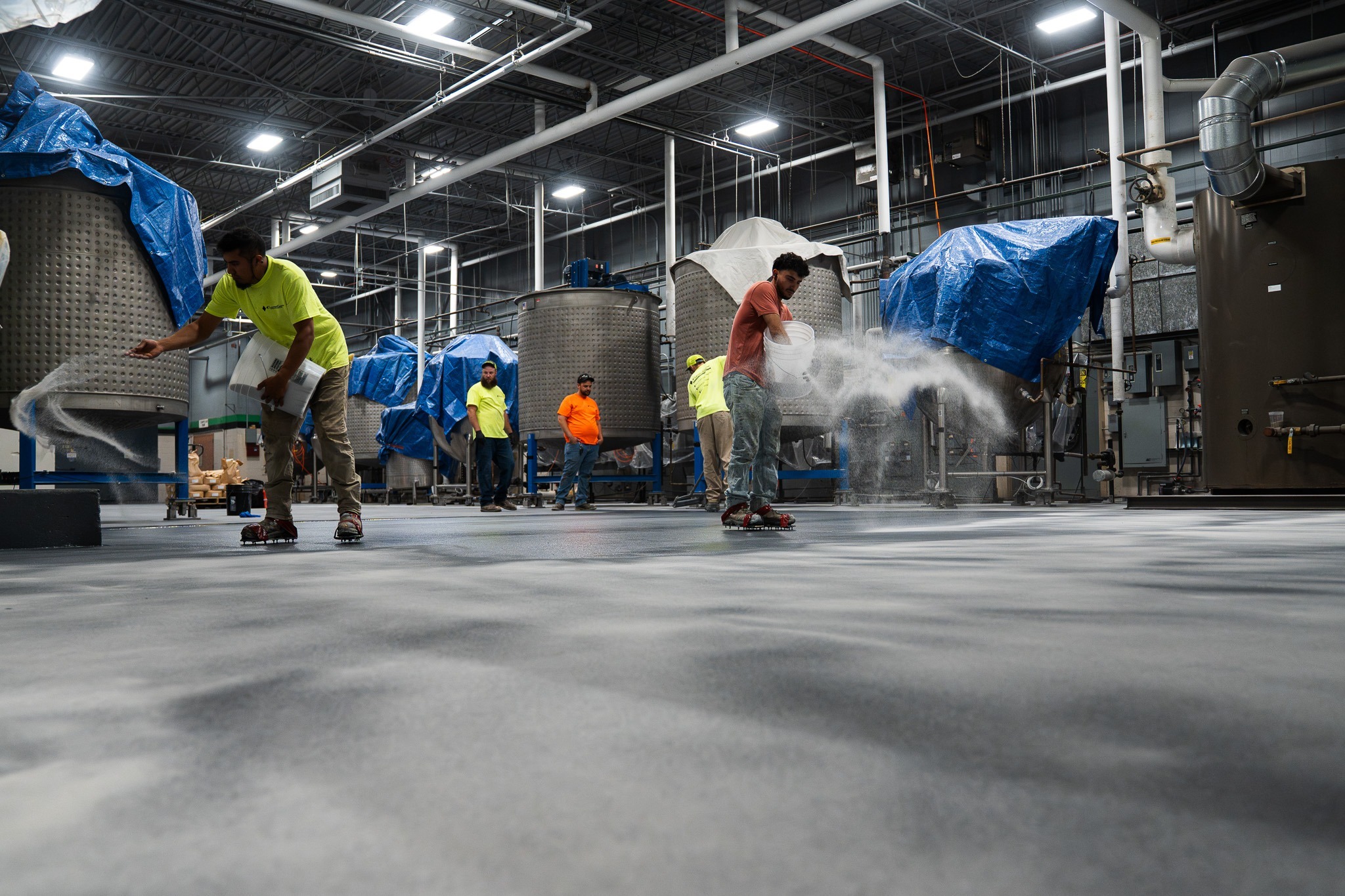
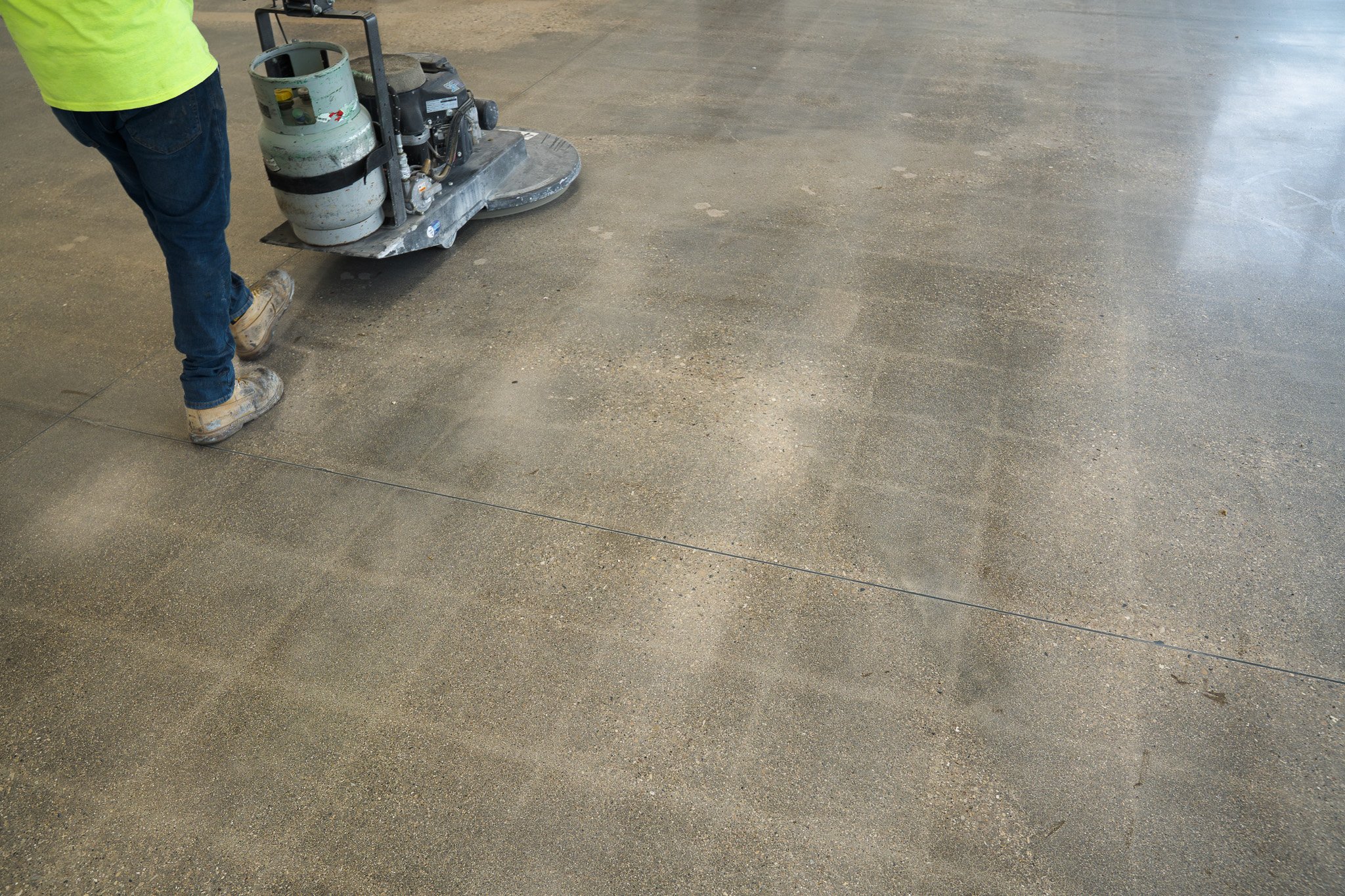
Depending on the condition of the concrete, preparation may include:
- Grinding
- Shot blasting
- Coating removal
- Crack repairs
- Joint rebuilding
- Concrete patching
If the floor has multiple layers of old coatings or extensive damage, preparation can take longer than originally anticipated.
Because preparation directly affects adhesion, it should never be rushed simply to meet a schedule.
Weather and Environmental Conditions
Although many industrial flooring projects take place indoors, environmental conditions still matter.
Temperature and humidity affect:
- Concrete moisture
- Material viscosity
- Cure times
- Adhesion
- Working time
If conditions fall outside the manufacturer's recommended installation range, contractors may need to postpone certain phases until acceptable conditions are achieved.
Proper environmental control helps prevent future flooring failures.
Material Availability
Occasionally, an industrial flooring project delay results from material availability.
Specialty products such as:
- Urethane cement
- Moisture mitigation systems
- Decorative aggregates
- ESD flooring materials
- Custom colors
may require additional lead time.
Ordering materials well in advance and confirming availability during project planning can help avoid unnecessary scheduling issues.
Occupied Facilities
Many flooring projects occur while portions of a facility remain operational.
Coordinating work around:
- Employees
- Equipment
- Production schedules
- Deliveries
- Other trades
can sometimes extend project timelines.
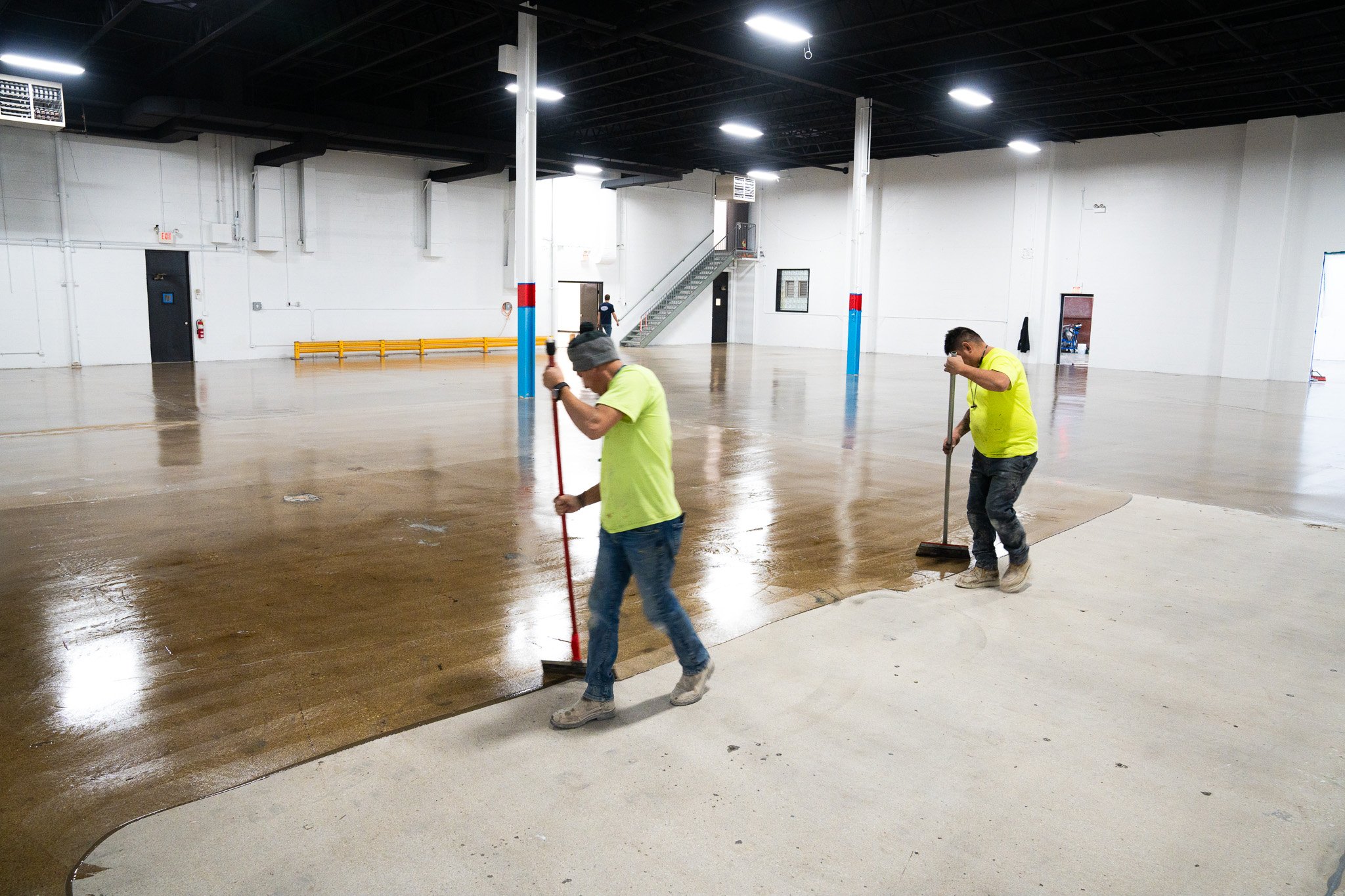
Phasing the installation allows facilities to continue operating, but it may require additional coordination compared to working in an empty building.
Unexpected Scope Changes
Project changes during installation are another common source of delays.
For example, owners may decide to:
- Expand the project area
- Upgrade the flooring system
- Add joint repairs
- Include line striping
- Change colors or finishes
While these improvements may enhance the final project, they often require schedule adjustments to accommodate the additional work.
Clearly defining the project scope before installation begins helps minimize these interruptions.
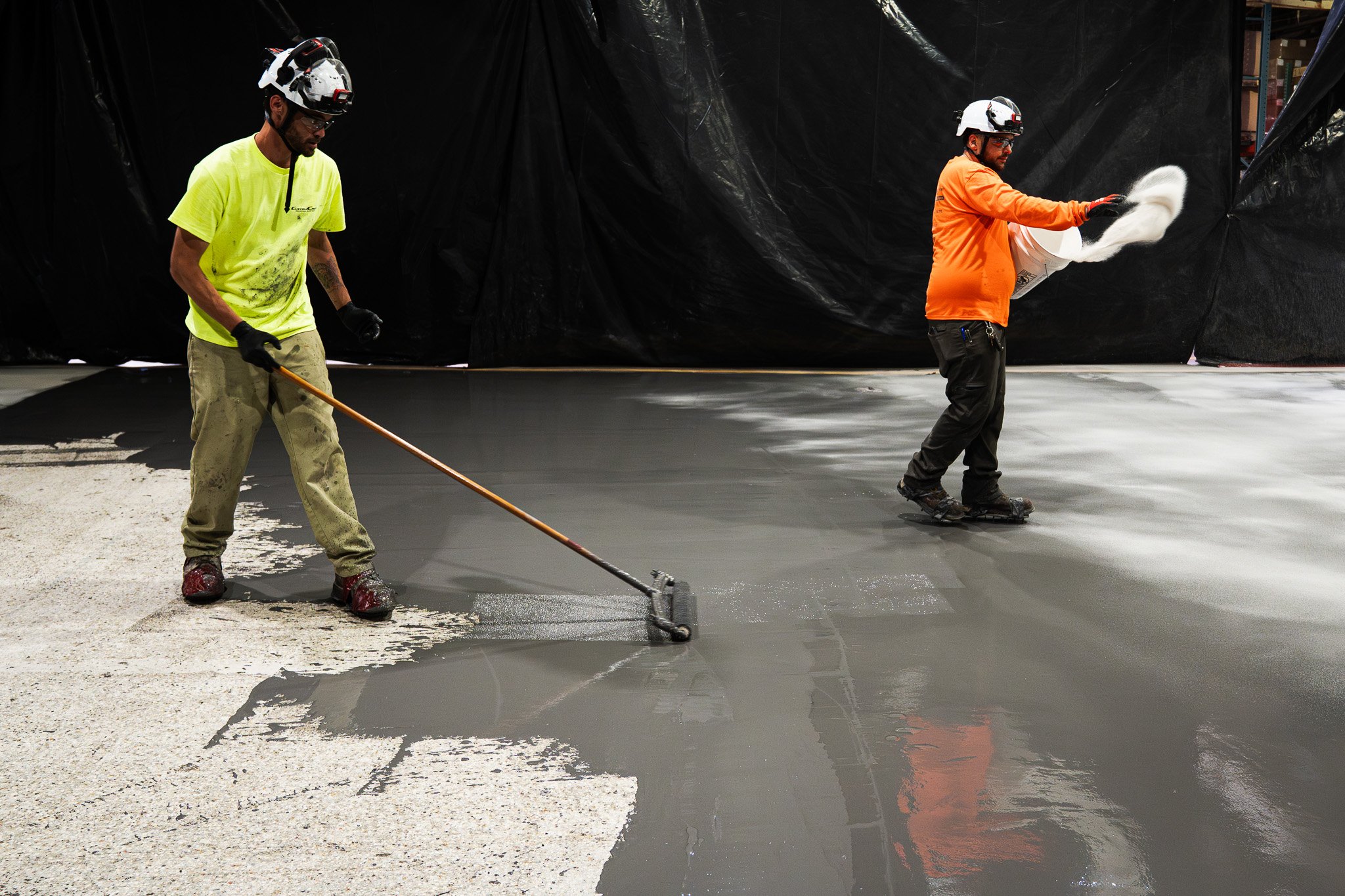
Cure Times Cannot Be Rushed
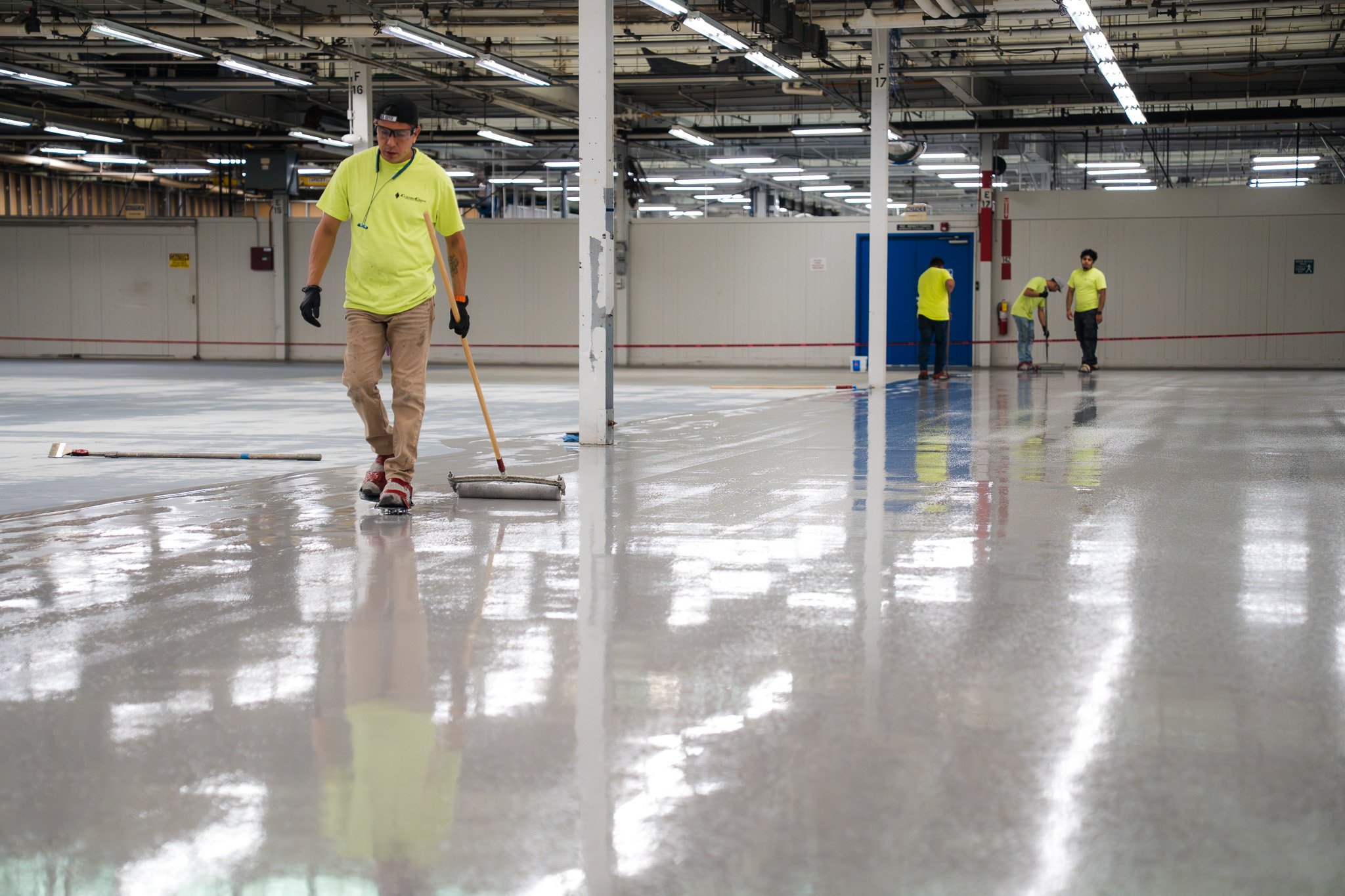
Every flooring system requires sufficient curing before it can handle foot traffic, equipment, or production activities.
Depending on the material, cure times may vary based on:
- Temperature
- Humidity
- System thickness
- Product formulation
Returning a floor to service before it has fully cured can compromise its performance and durability.
Coordination with Other Trades
Industrial flooring is often one phase of a much larger construction project.
Scheduling conflicts with:
- Electricians
- Plumbers
- Equipment installers
- HVAC contractors
- General construction crews
can delay flooring installation if the area is not ready when scheduled.
Early communication between trades helps reduce conflicts and keeps projects moving efficiently.
How to Reduce Project Delays
While not every delay can be prevented, many can be minimized through careful planning.
Helpful steps include:
- Scheduling a site evaluation early
- Performing moisture testing before installation
- Reviewing the condition of the existing slab
- Finalizing the flooring system before ordering materials
- Coordinating schedules with other trades
- Allowing sufficient cure time before reopening the area
These proactive measures help reduce the likelihood of an industrial flooring project delay while improving overall project success.
Final Thoughts
An industrial flooring project delay is often the result of conditions that were hidden before work began rather than problems with the installation itself. Existing concrete damage, moisture issues, extensive surface preparation, environmental conditions, material availability, project changes, and coordination with other trades all have the potential to affect the schedule.
By identifying these challenges early and planning accordingly, facility owners and contractors can reduce delays, protect the quality of the installation, and keep projects moving as efficiently as possible.
If you're planning an industrial flooring project and want help developing a realistic schedule, request a quote with CustomCrete to discuss your project requirements and timeline.

Topics:
.jpg?width=2048&height=1365&name=CC108559%20(1).jpg)
.png?width=11520&height=9216&name=Untitled%20design%20(56).png)
.jpg?width=2048&height=1365&name=CC106221%20(1).jpg)
.jpg?width=2048&height=1365&name=CC102459%20(1).jpg)