
.jpg?width=2048&height=1365&name=CC108559%20(1).jpg)
Flooring plays a critical role in the safety, sanitation, and efficiency of food and beverage processing plants. Every day, these facilities are exposed to moisture, food byproducts, cleaning chemicals, heavy equipment, and constant foot traffic. A flooring system that cannot withstand these conditions can quickly deteriorate, leading to expensive repairs, difficult cleaning procedures, and potential food safety concerns.
Choosing the right flooring system requires more than selecting the most durable product. Facility managers, engineers, architects, and general contractors must evaluate how the floor will perform under the specific conditions of the plant.
With nearly 20 years of experience and over 1 million square feet installed, CustomCrete has installed flooring systems in food manufacturing facilities, commercial kitchens, beverage production plants, and other sanitary environments. This guide explains the best flooring systems for food and beverage processing plants and the factors that should be considered before making a decision.
Key Takeaways
- The best flooring systems for food and beverage processing plants depend on the facility's cleaning procedures, temperatures, traffic levels, and chemical exposure.
- Urethane cement, epoxy flooring, and polished concrete each offer unique advantages depending on the application.
- Selecting the right flooring system helps improve sanitation, reduce maintenance, and extend the life of the concrete slab.

What Makes Flooring Different in Food Processing Facilities?
Unlike many commercial buildings, food and beverage processing plants expose floors to demanding conditions throughout the day.
These may include:
- Frequent washdowns
- Hot water and steam
- Food acids
- Cleaning chemicals
- Forklift traffic
- Rolling carts
- Moisture
- Temperature changes
Because these environments are so demanding, flooring systems must provide more than just an attractive appearance. They must also support sanitation, safety, and long-term durability.
Urethane Cement Flooring
For many production environments, urethane cement is considered one of the best flooring options.
It performs especially well in areas exposed to:
- Thermal shock
- Hot water washdowns
- Steam cleaning
- Heavy impacts
- Continuous moisture
Unlike many traditional coatings, urethane cement tolerates rapid temperature changes that occur when hot production equipment is cleaned with cold water.
This makes it a common choice for:
- Meat processing
- Dairy facilities
- Beverage production
- Commercial kitchens
- Cook lines
Its durability and long service life make it one of the most popular flooring systems for food and beverage processing plants.
Epoxy Flooring Systems
Epoxy flooring is another widely used option in food manufacturing facilities.
Epoxy systems provide:
- Seamless surfaces
- Good chemical resistance
- Easy cleaning
- Attractive appearance
- Long-term durability
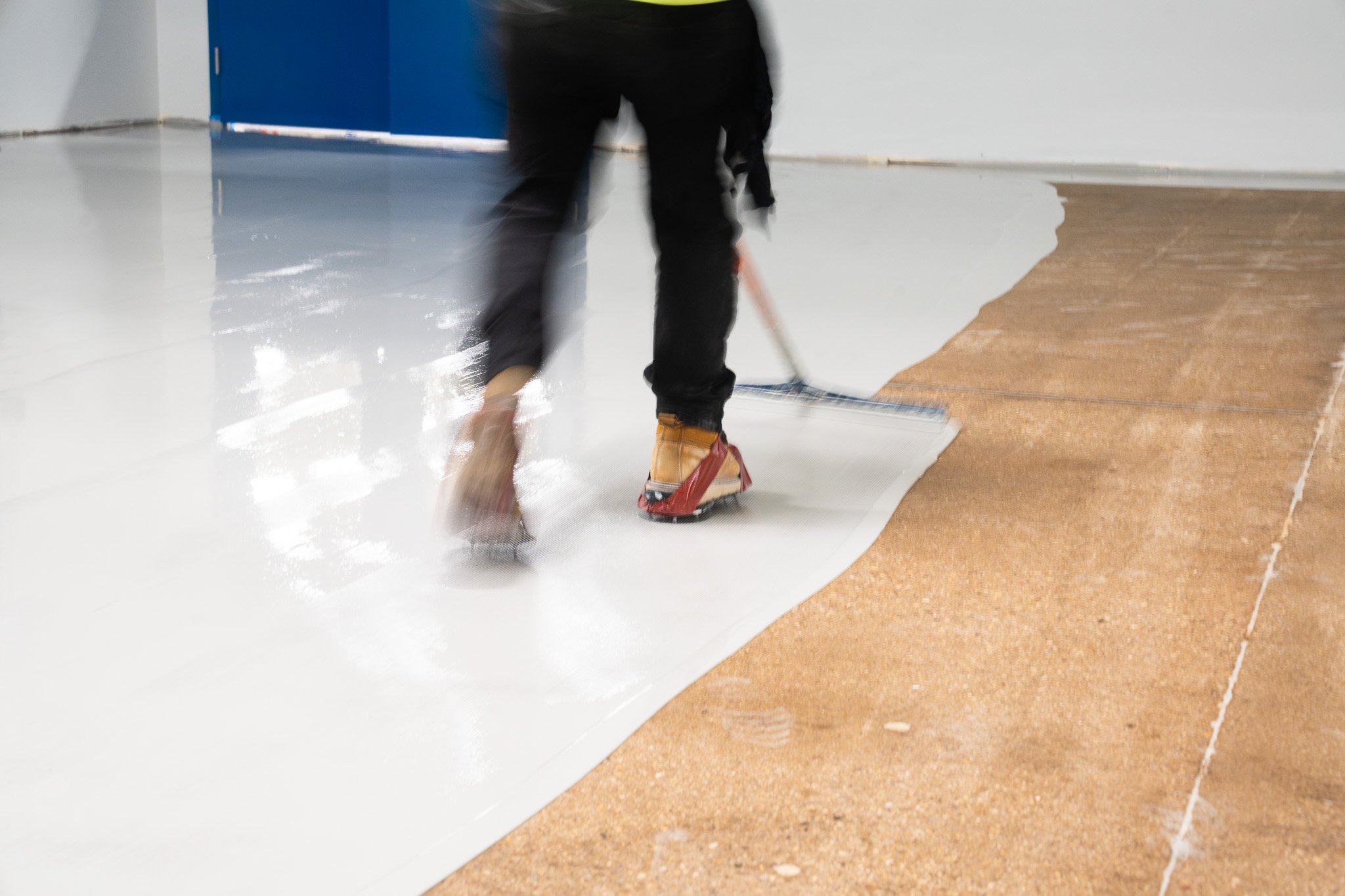
Epoxy performs well in many dry and moderately wet production areas, packaging rooms, storage spaces, and processing areas where thermal shock is not a primary concern.
Because epoxy systems can be customized with slip-resistant textures and safety colors, they are frequently used throughout larger food production facilities.
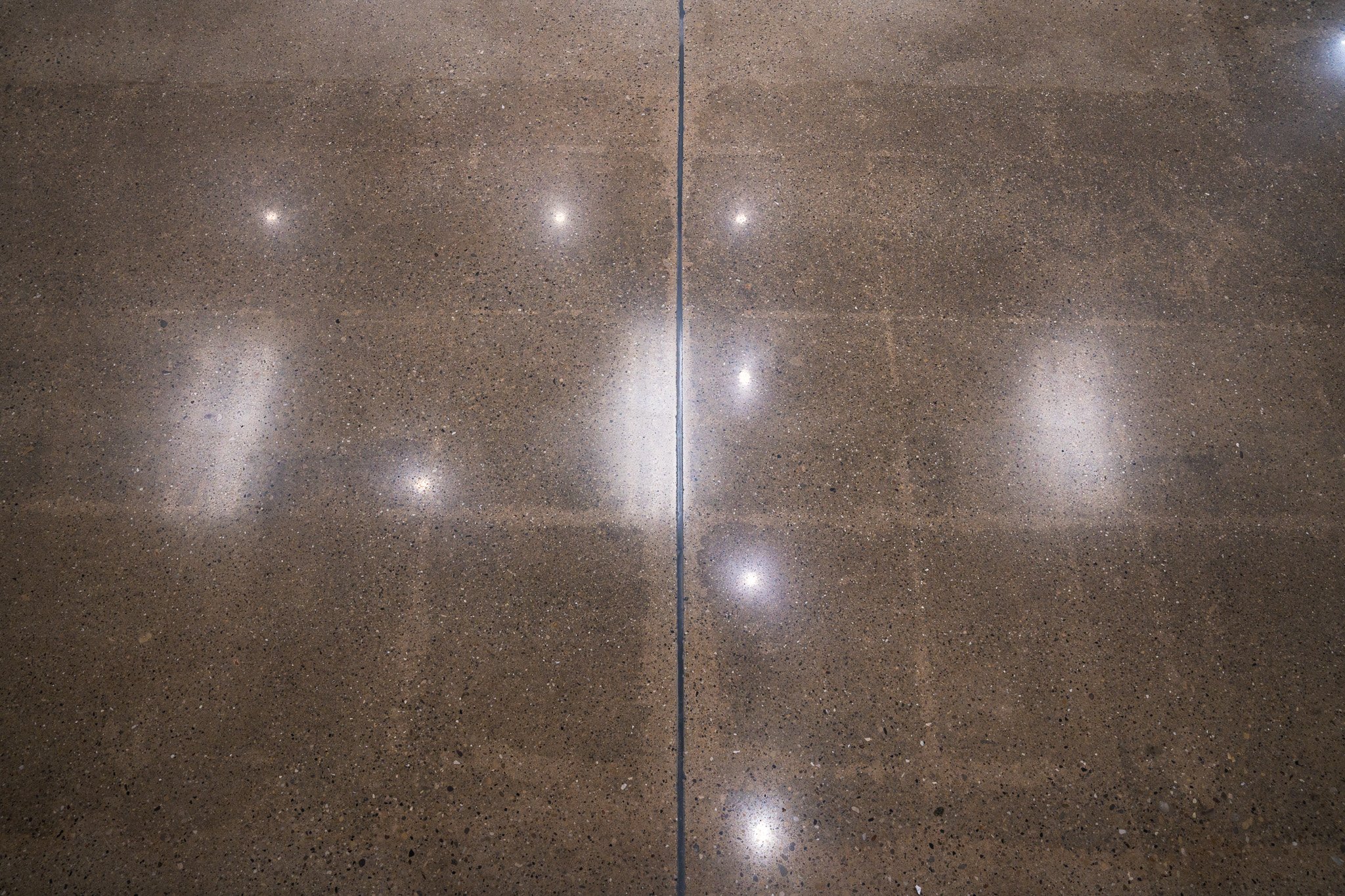
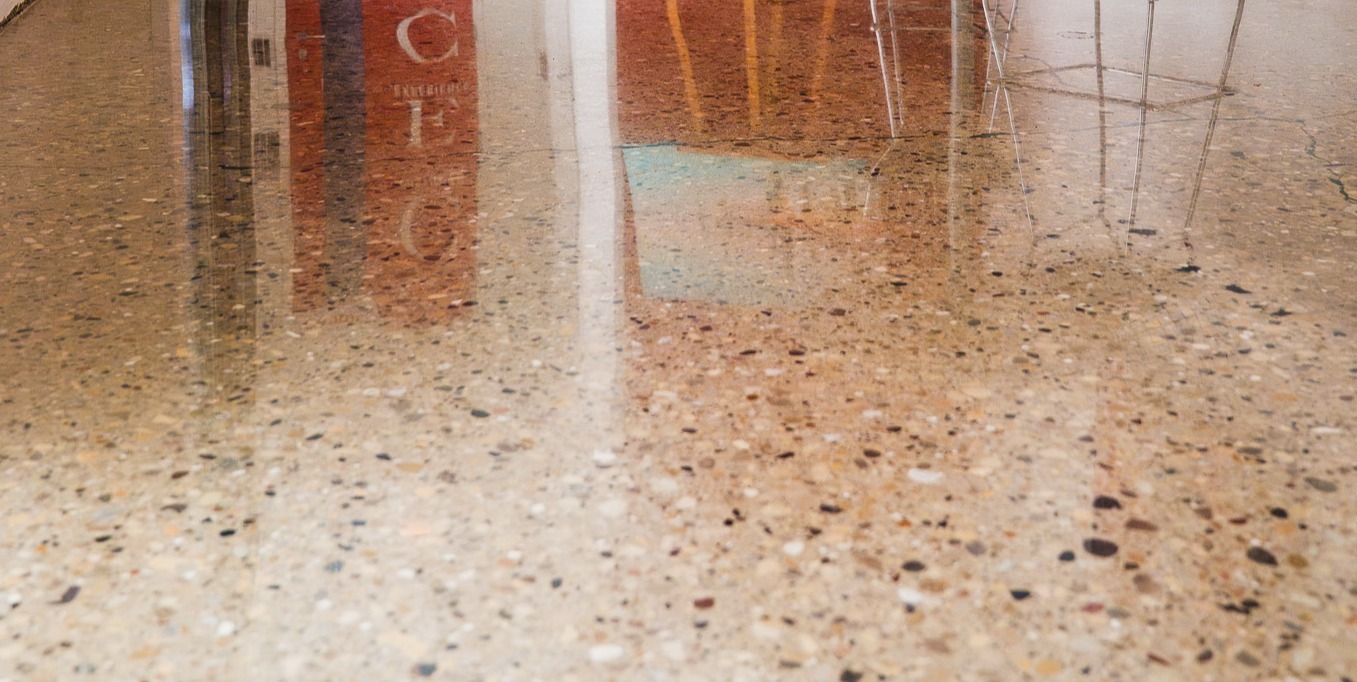
Polished Concrete
Not every area inside food and beverage processing plants requires a resinous flooring system.
Polished concrete can be an excellent option for:
- Warehouses
- Distribution areas
- Dry storage
- Shipping departments
- Administrative spaces
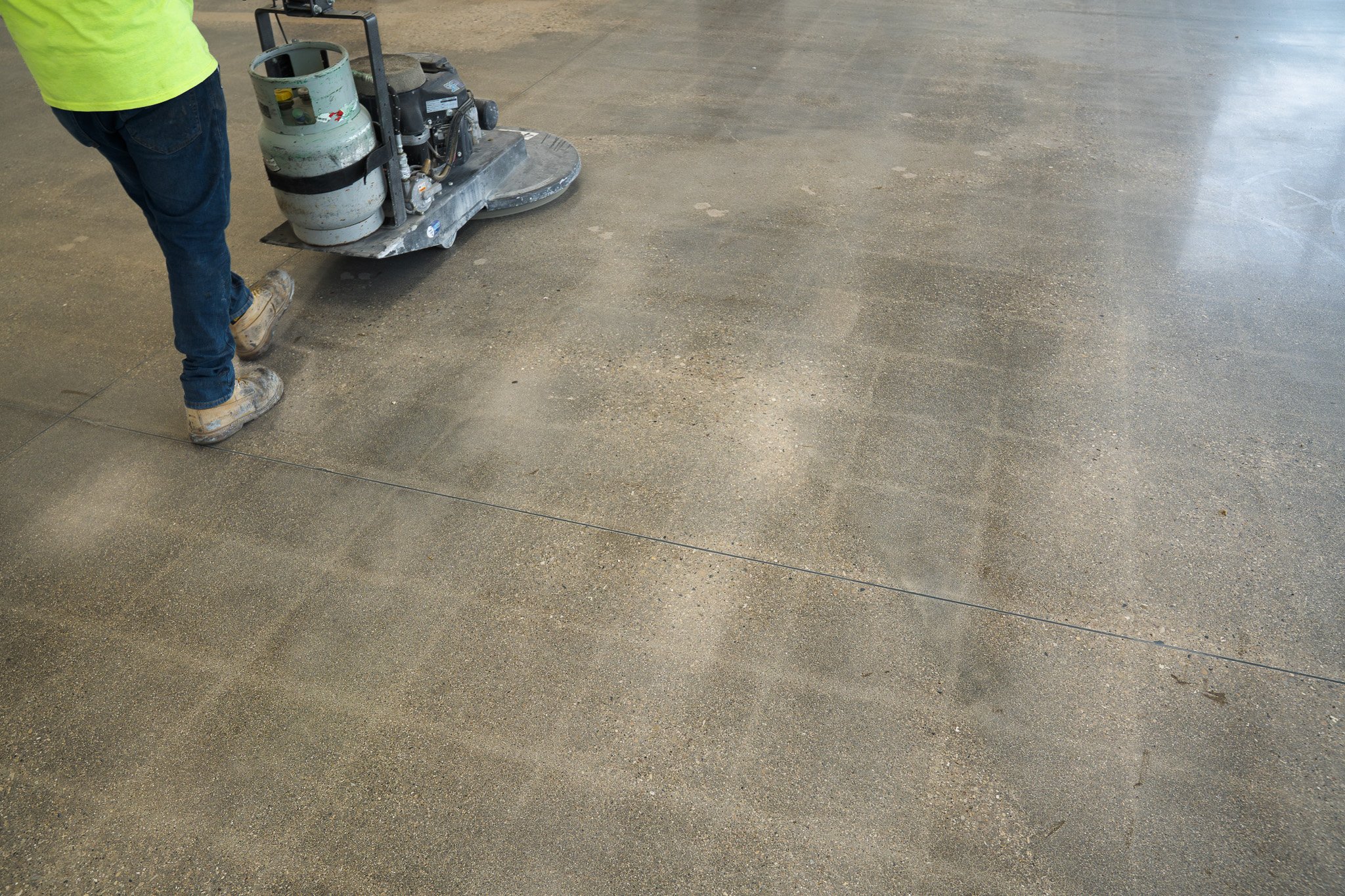
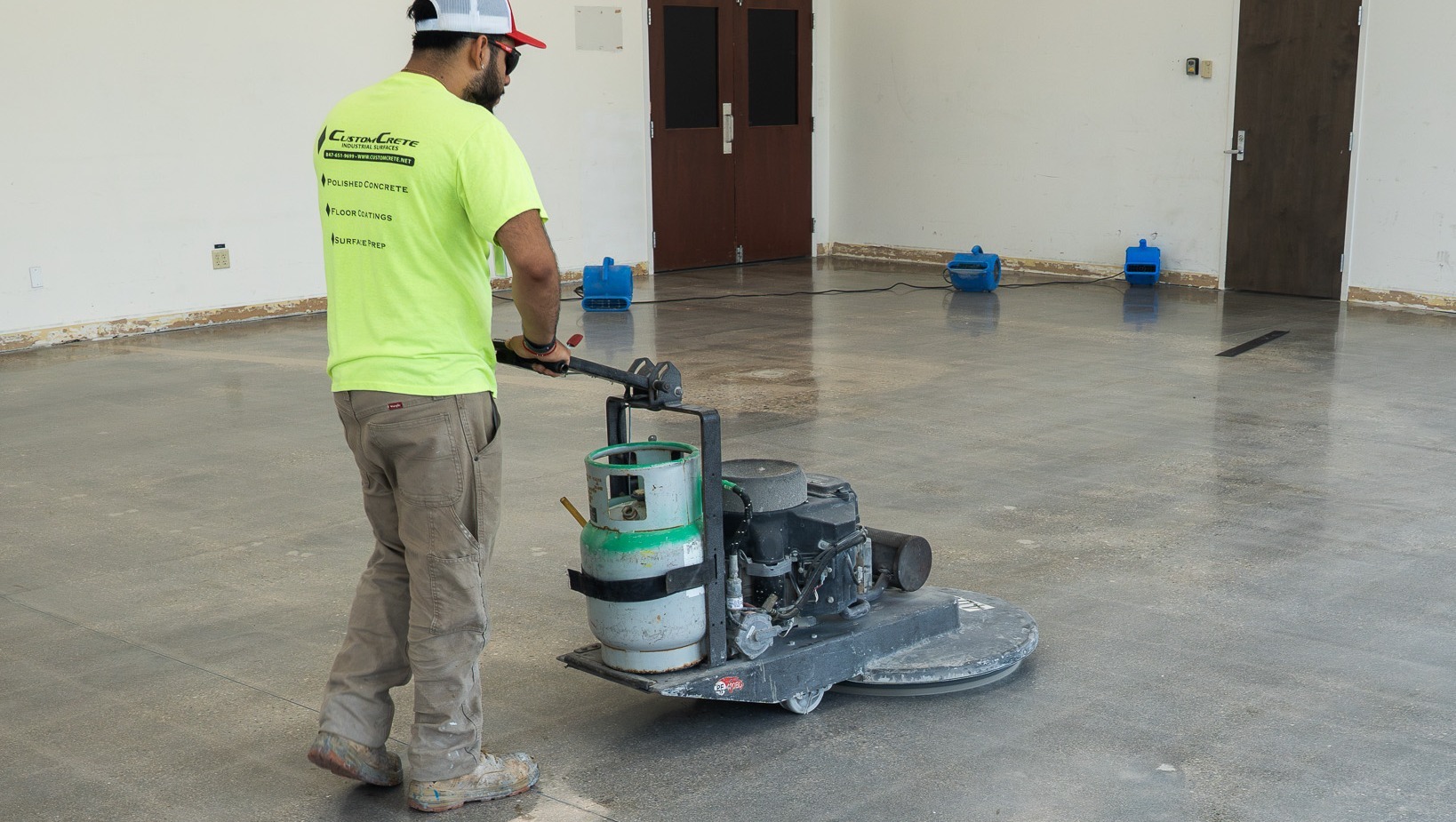
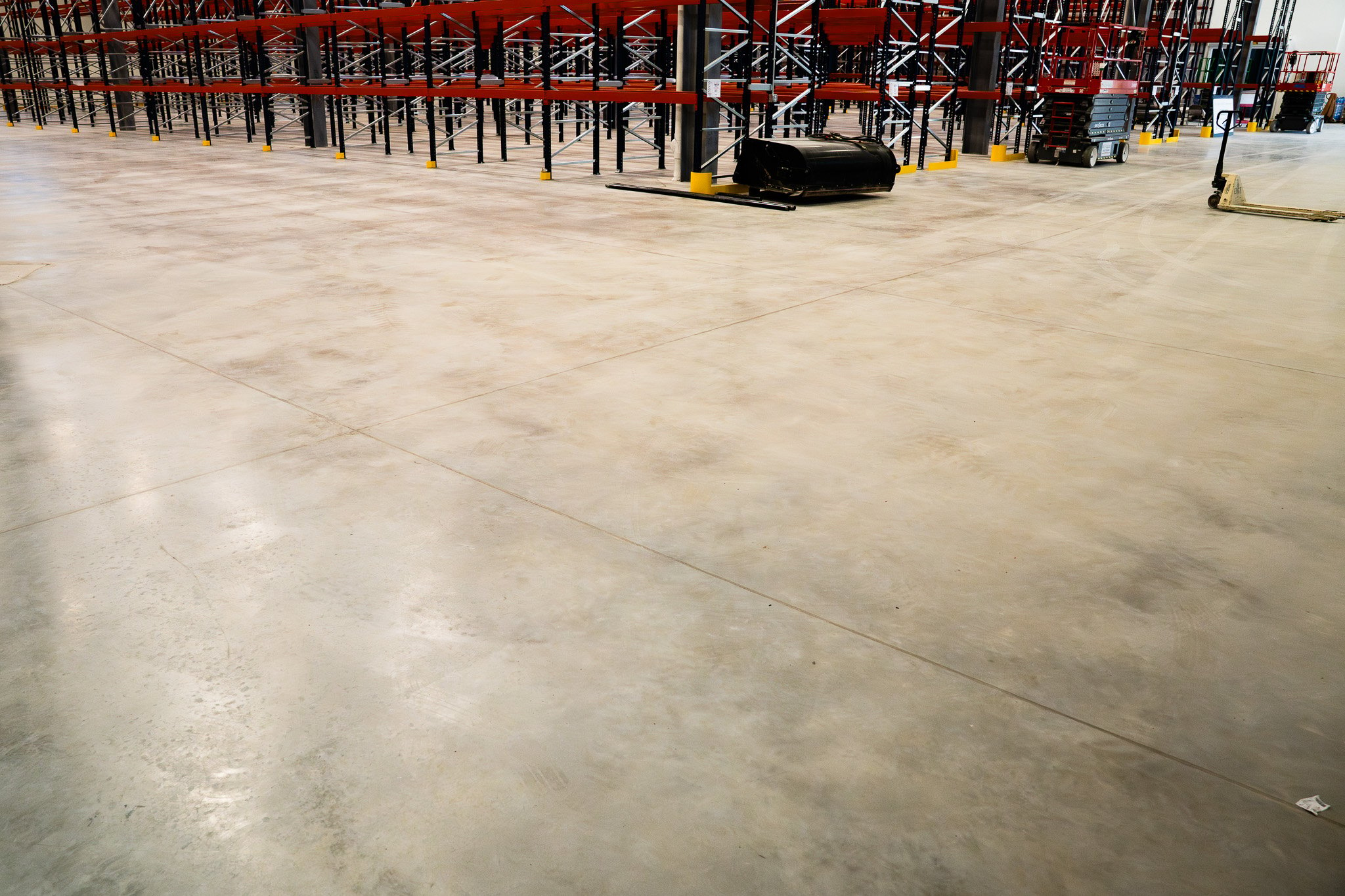
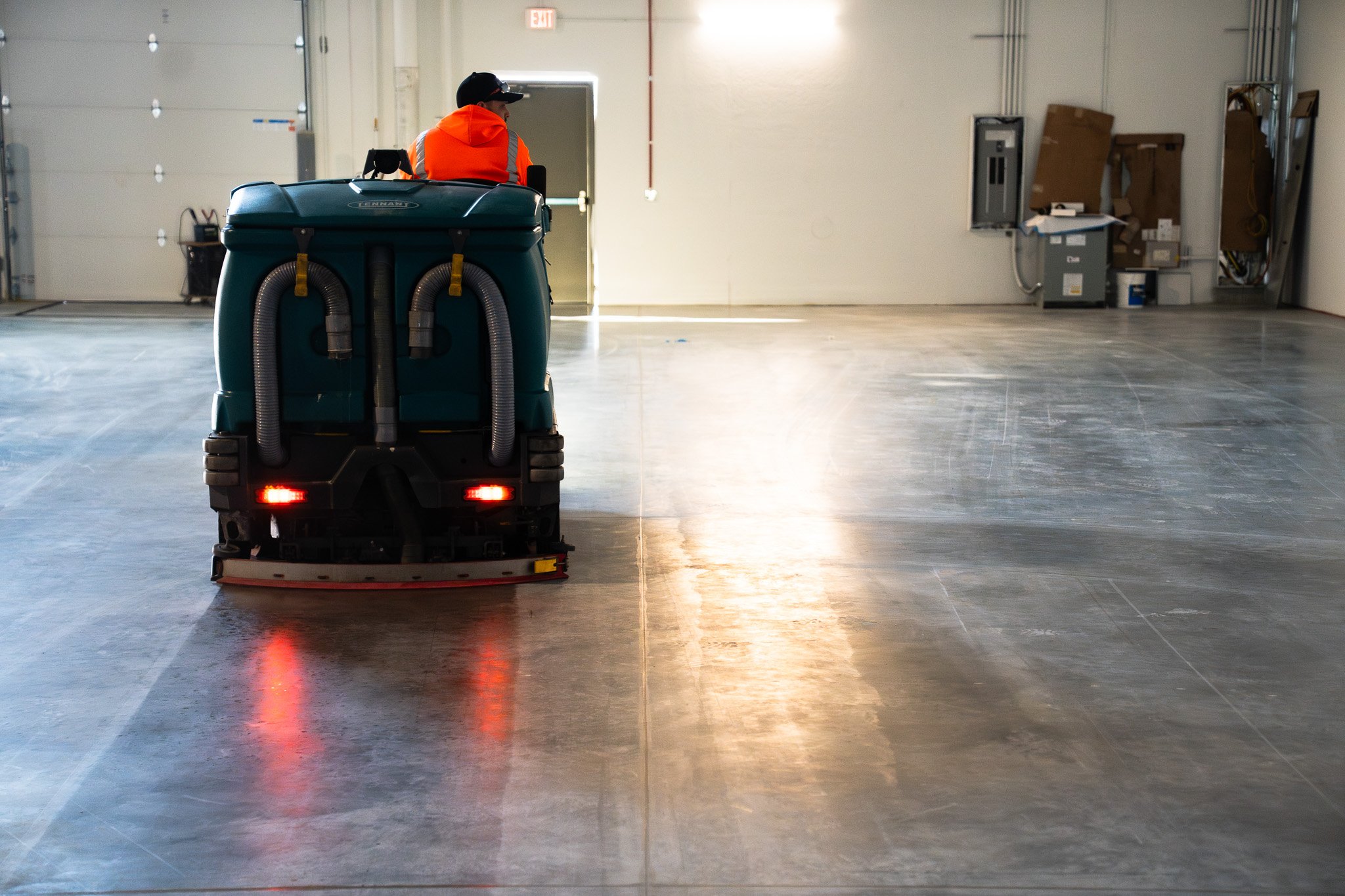
Polished concrete creates a durable, dust-resistant surface with low maintenance requirements while maintaining a professional appearance.
However, it is generally not recommended for production areas with constant moisture, aggressive cleaning chemicals, or frequent thermal shock.
Slip Resistance Is Essential
Employee safety should always be considered when selecting a flooring system.
Food production environments frequently experience wet conditions caused by:
- Washdowns
- Food spills
- Condensation
- Routine cleaning
Many flooring systems can be customized with slip-resistant aggregates to improve traction.
The amount of texture should be carefully selected because overly aggressive textures may become more difficult to clean.
Finding the right balance between slip resistance and cleanability is an important part of flooring design.
Chemical Resistance Matters
Cleaning and sanitation chemicals vary significantly between facilities.
Some food and beverage processing plants regularly use:
- Degreasers
- Caustic cleaners
- Disinfectants
- Organic acids
- Sanitizing solutions
Different flooring systems provide different levels of chemical resistance.
Choosing materials designed for the facility's cleaning procedures helps extend the life of the floor while supporting long-term sanitation goals.
Moisture and Drainage Should Be Considered
Standing water creates both sanitation and safety concerns.
The flooring system should work together with proper floor slopes and drainage to help move water efficiently toward drains.
In many production environments, integral cove base is also installed to create a seamless transition between the floor and the wall, making routine cleaning easier.
Good drainage and proper floor detailing are just as important as the flooring material itself.
Evaluate the Entire Facility
Many facilities use more than one flooring system.
For example:
- Urethane cement in wet production areas
- Epoxy flooring in packaging rooms
- Polished concrete in warehouses
- Safety line striping throughout the facility
Selecting flooring based on how each area operates often provides better long-term performance than installing a single flooring system throughout the building.
An experienced flooring contractor can help determine which systems are best suited for each environment.
Choosing the Right Flooring Partner
Installing flooring in food and beverage processing plants requires more than simply applying a coating.
The contractor should understand:
- Food safety requirements
- Surface preparation
- Moisture conditions
- Installation sequencing
- Shutdown schedules
- Long-term maintenance
Proper planning helps minimize downtime while ensuring the flooring system performs as intended for years to come.
Final Thoughts
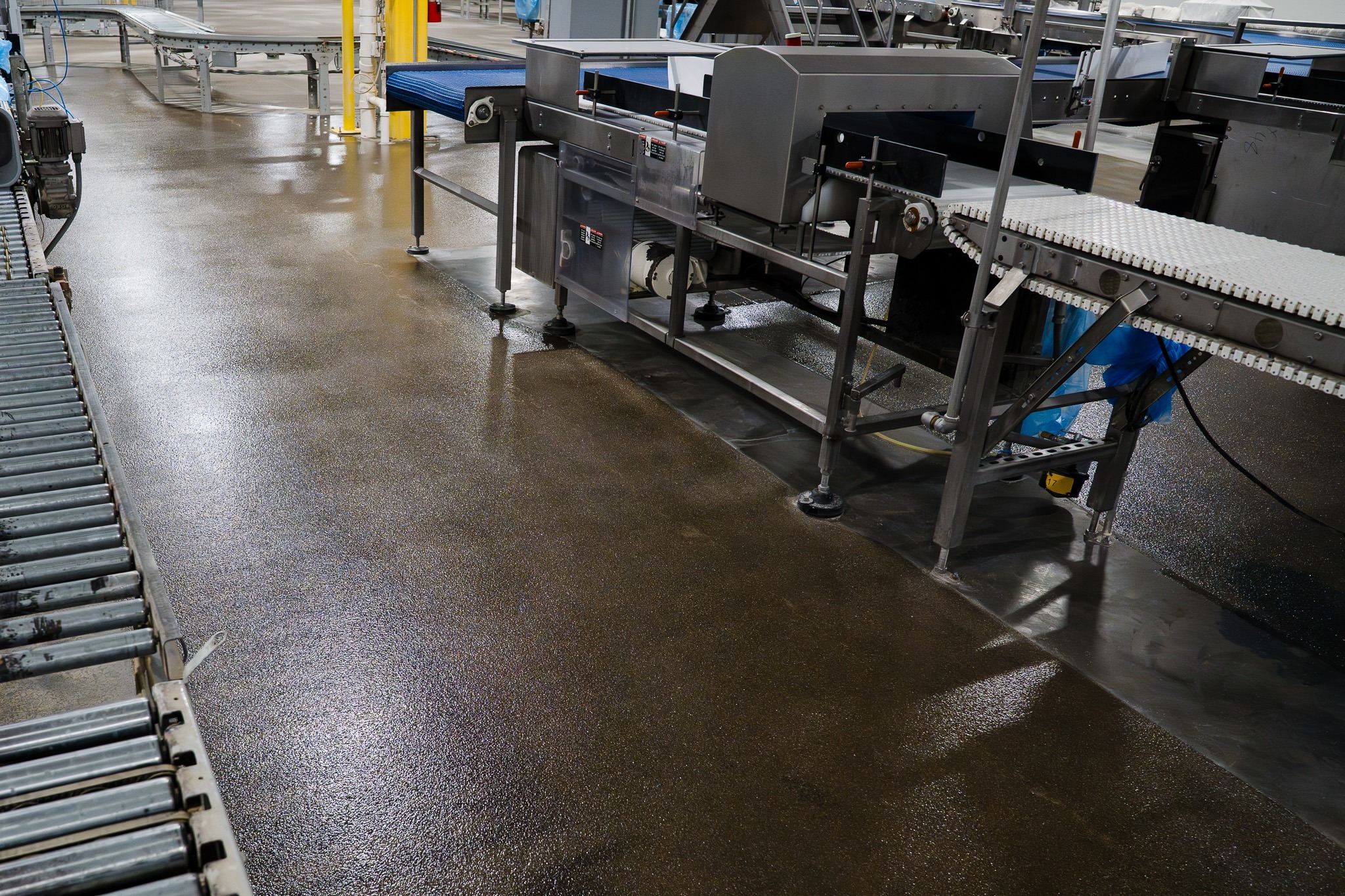
Choosing the best flooring system for food and beverage processing plants depends on the specific conditions within each area of the facility. Urethane cement offers exceptional performance in wet and high-temperature environments, epoxy provides durable and seamless protection for many production and packaging spaces, and polished concrete can be an excellent solution for warehouses and dry storage areas.
By evaluating moisture exposure, chemical resistance, traffic levels, sanitation requirements, and cleaning procedures, facility owners can select flooring systems that support both operational efficiency and long-term performance.
To learn more about the sanitation and performance expectations these flooring systems are designed to support, read the next article: USDA FDA Flooring Requirements Food Processing Plants.

.png?width=11520&height=9216&name=Untitled%20design%20(56).png)
.jpg?width=2048&height=1365&name=CC106221%20(1).jpg)
.jpg?width=2048&height=1365&name=CC102459%20(1).jpg)