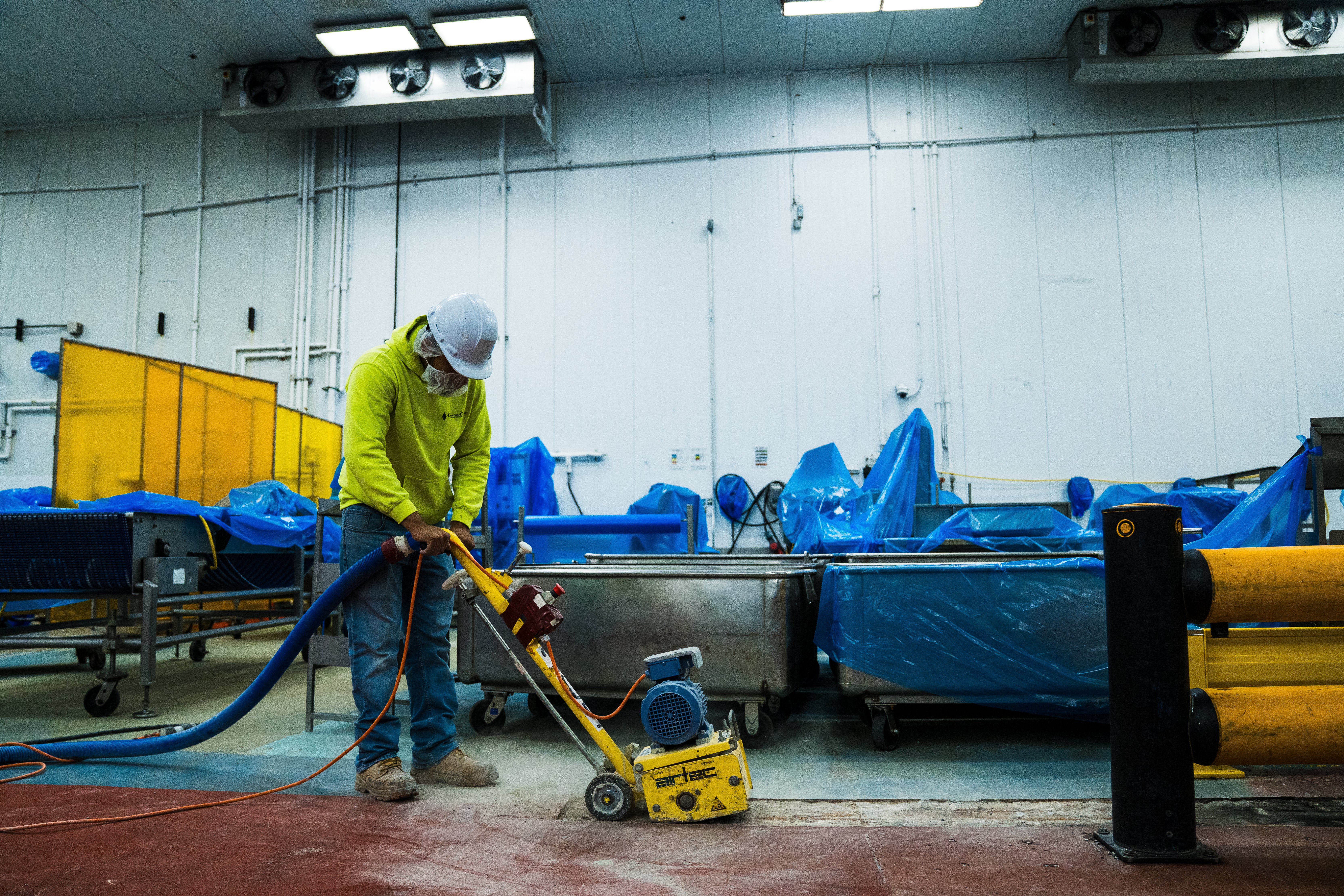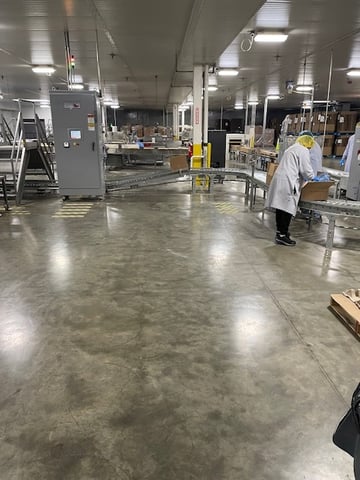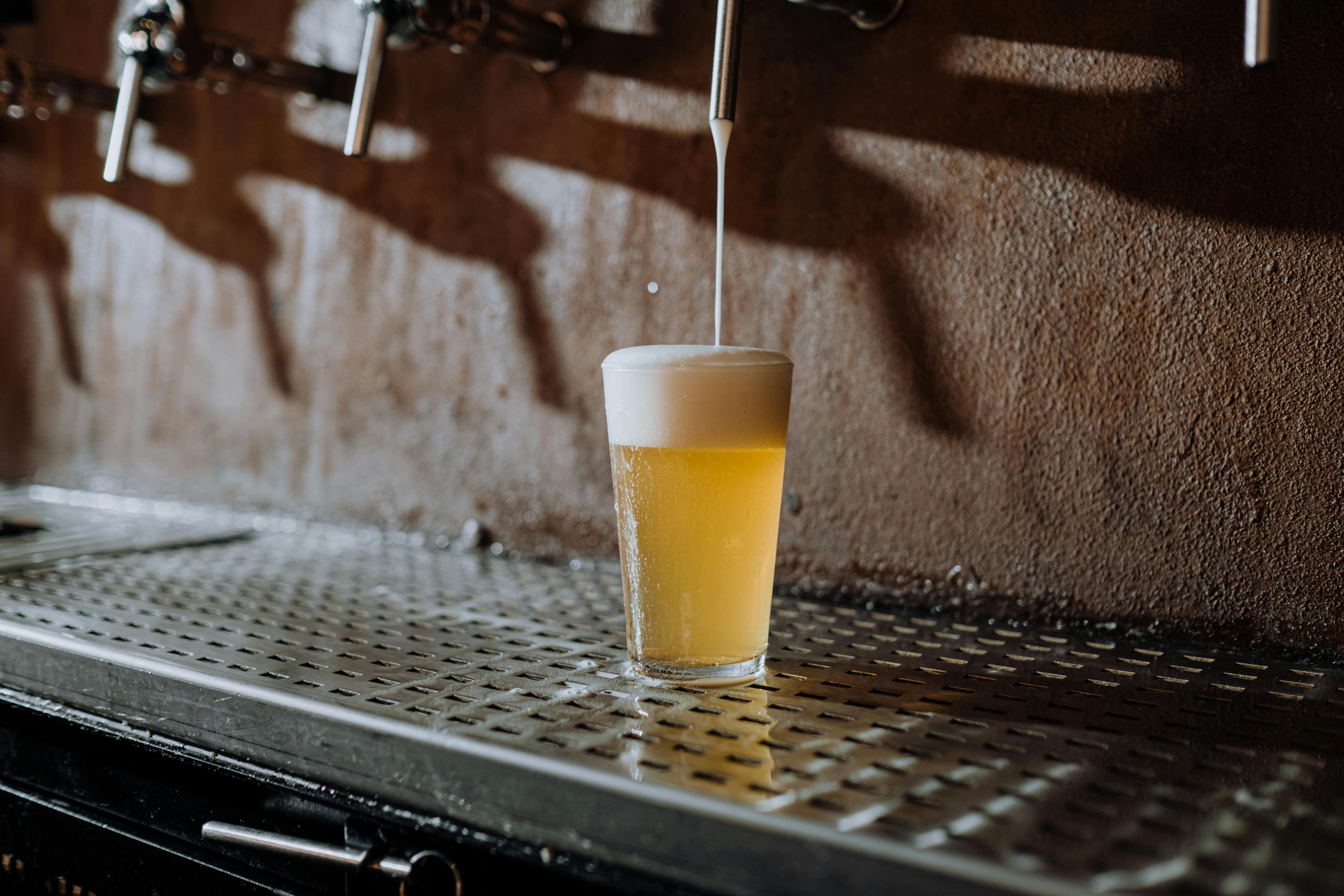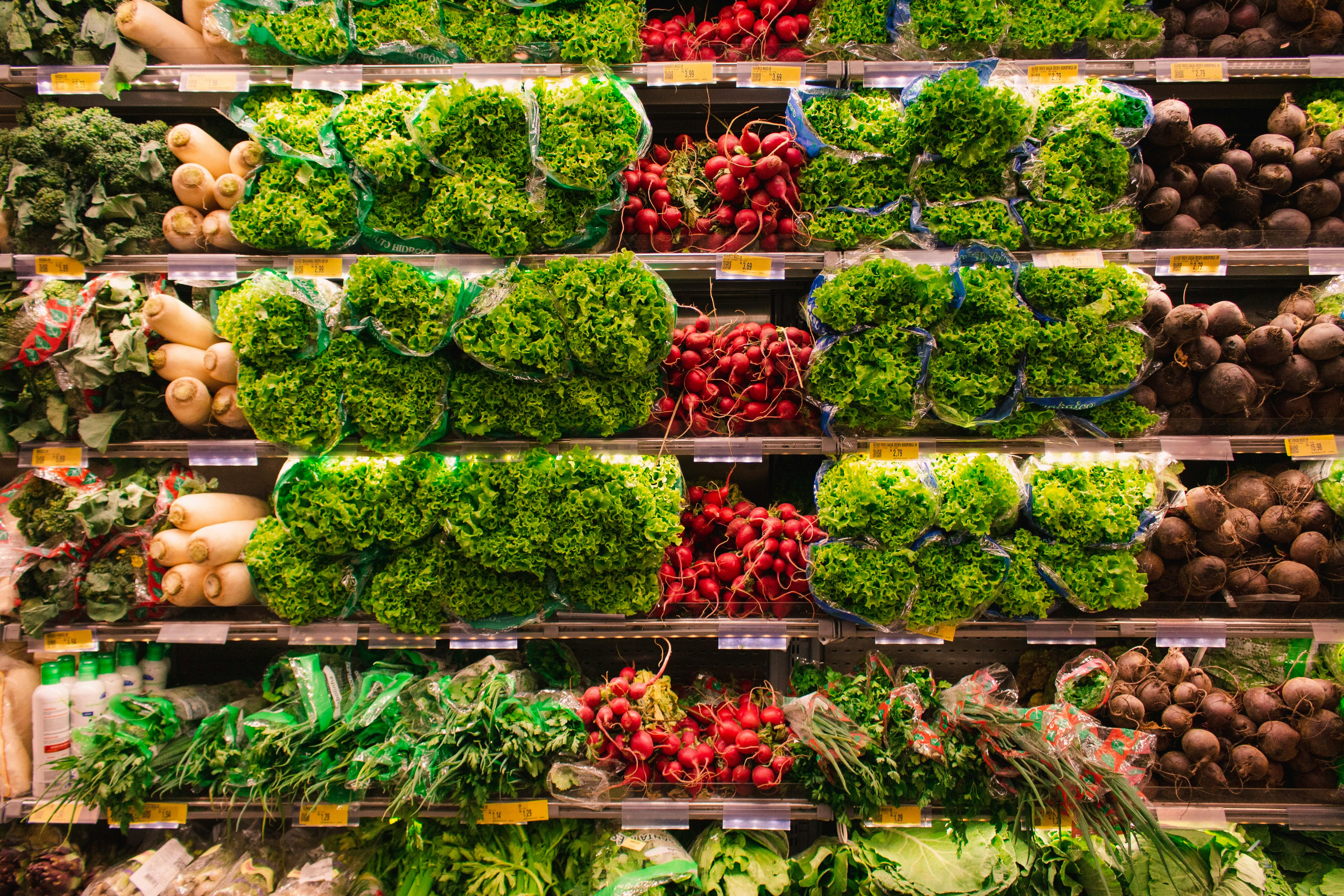

Food processing facilities operate under some of the strictest sanitation and safety standards of any industry. Floors are exposed to constant foot traffic, heavy equipment, hot water washdowns, food byproducts, cleaning chemicals, and moisture every day. If the flooring system cannot withstand these conditions, it can become difficult to clean, harbor bacteria, and increase maintenance costs.
While neither the USDA nor the FDA certifies a specific flooring product, both agencies establish sanitation and food safety expectations that influence flooring selection. Understanding USDA FDA flooring requirements can help facility owners choose a flooring system that supports compliance and creates a safer production environment.
With nearly 20 years of experience and over 1 million square feet installed, CustomCrete has installed flooring systems in commercial kitchens, food manufacturing facilities, beverage plants, and other sanitary environments. This guide explains the most important USDA FDA flooring requirements for a food processing plant and the flooring characteristics that help facilities meet those expectations.
Key Takeaways
- USDA FDA flooring requirements focus on sanitation, cleanability, durability, and maintaining hygienic production environments.
- A food processing plant typically benefits from seamless flooring systems that resist moisture, chemicals, thermal shock, and heavy traffic.
- Choosing the right flooring system helps support food safety programs while reducing long-term maintenance and repair costs.
Do the USDA and FDA Have Specific Flooring Requirements?
One of the biggest misconceptions is that the USDA or FDA publishes a list of approved flooring products.
In reality, USDA FDA flooring requirements focus on maintaining sanitary conditions rather than requiring a specific flooring material.
Food processing facilities are generally expected to use floors that are:
- Durable
- Easily cleanable
- Non-absorbent
- Resistant to deterioration
- Appropriate for the production environment
The exact flooring system depends on the type of facility, the products being manufactured, and the cleaning procedures used within the plant.
Seamless Floors Help Improve Sanitation
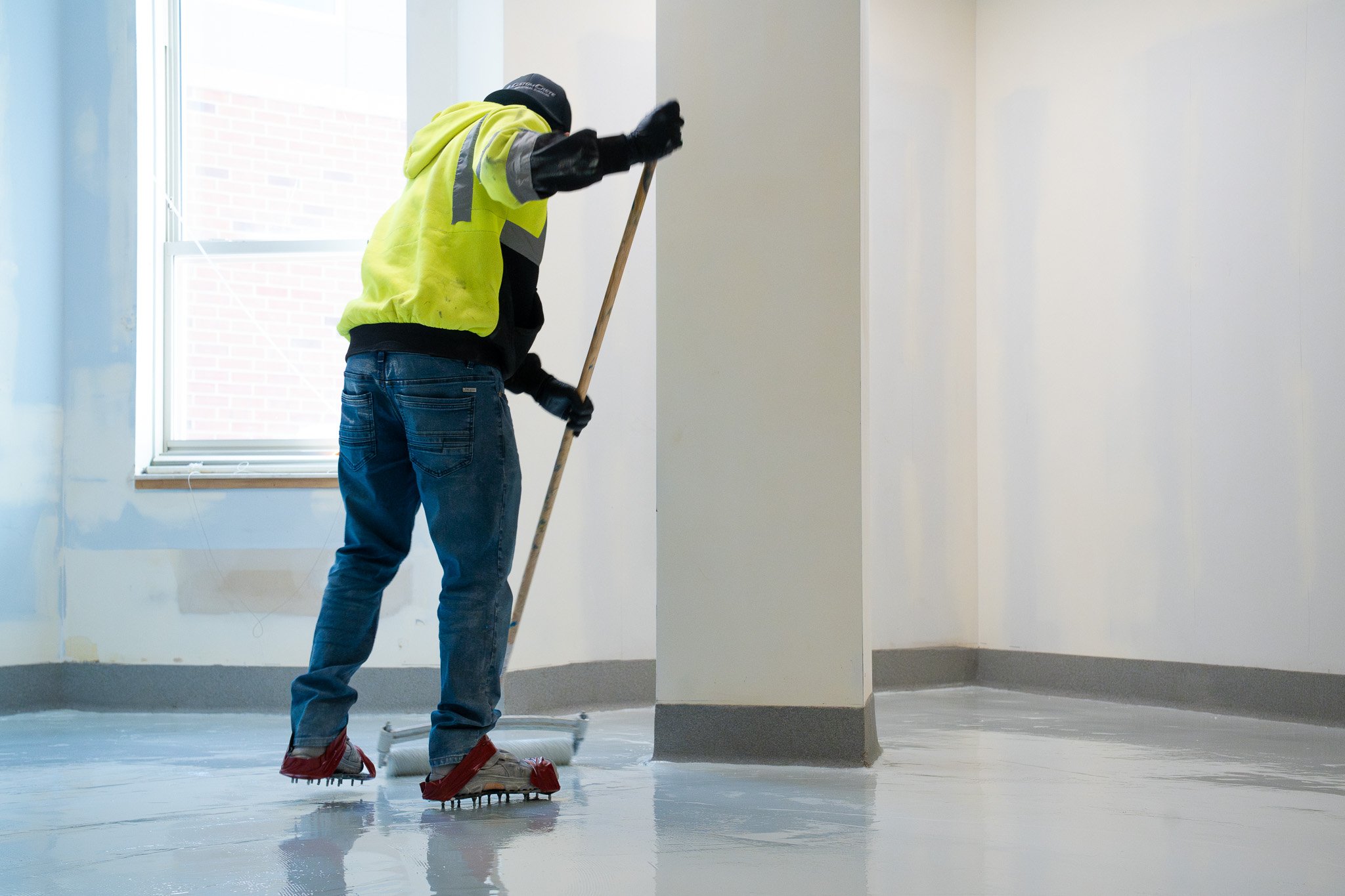
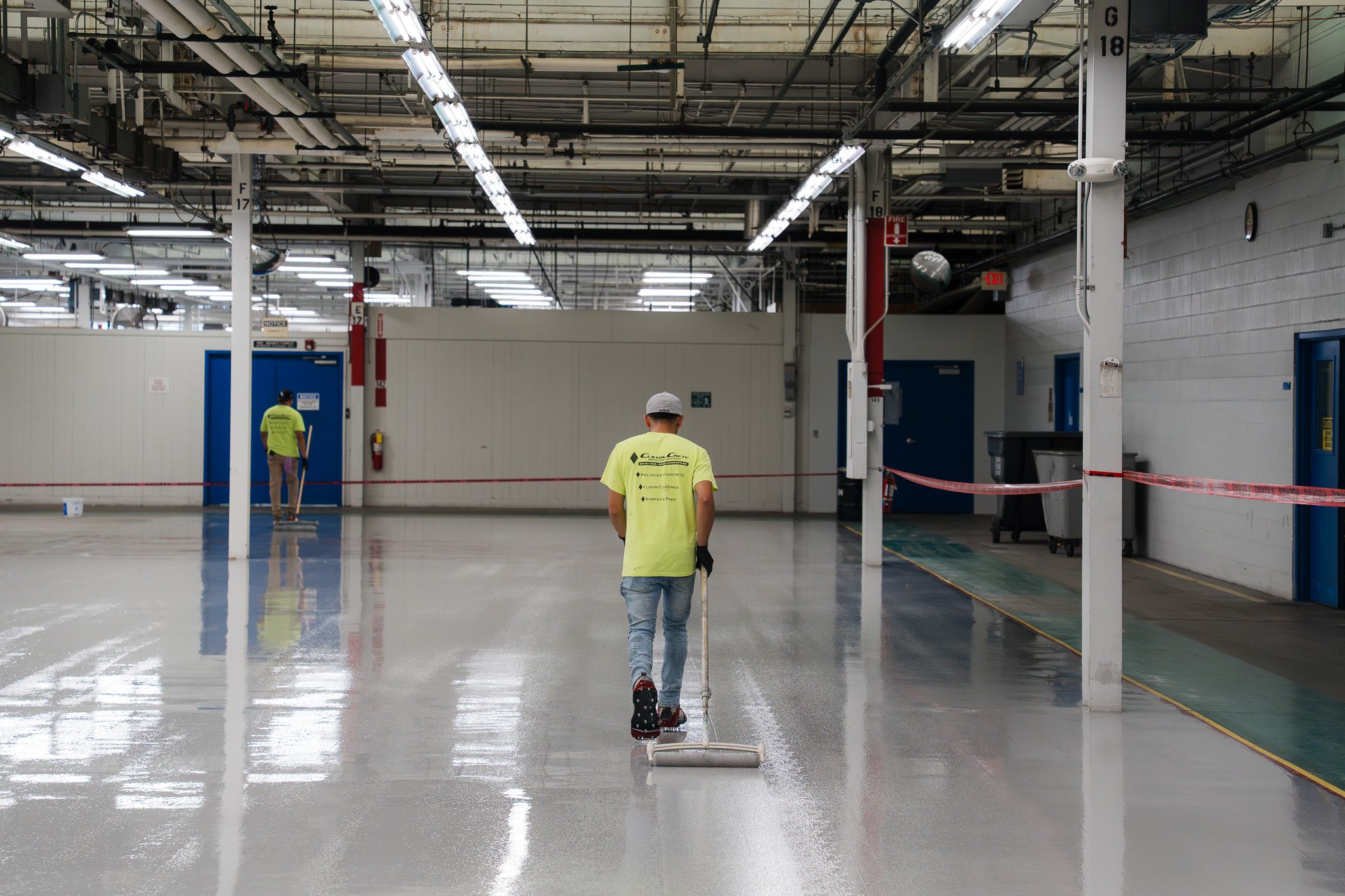
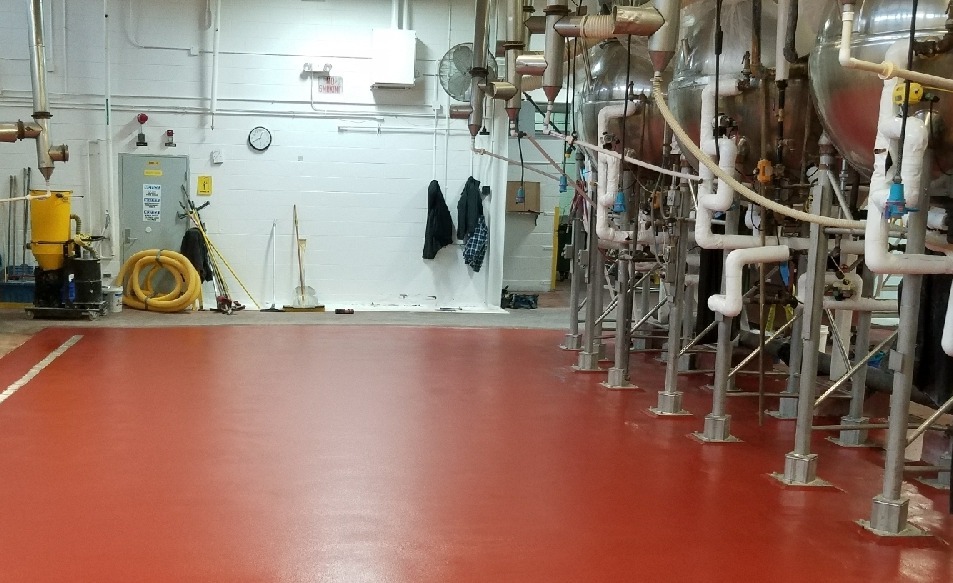
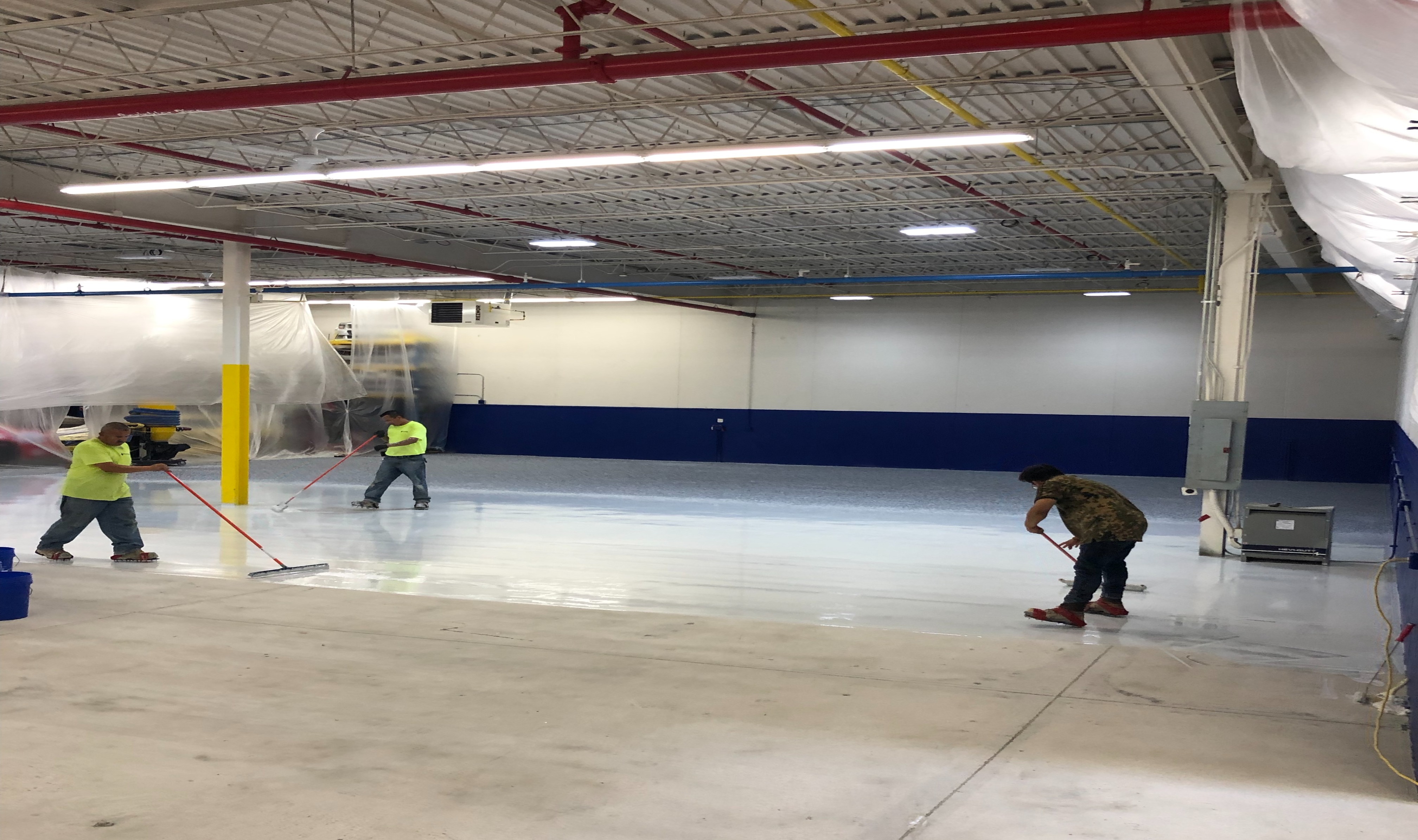
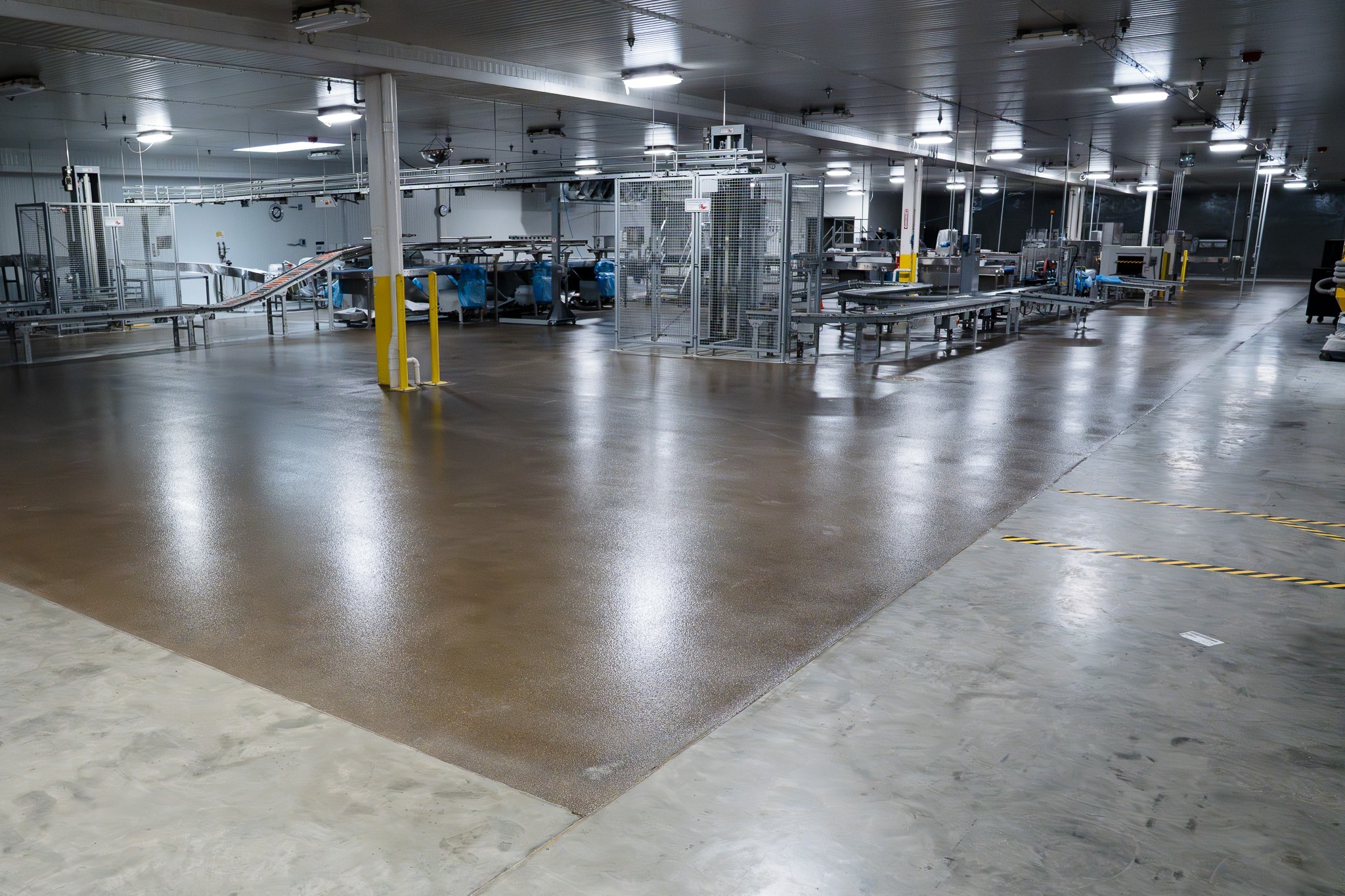
One of the most important characteristics for a food processing plant is a seamless flooring surface.
Unlike tile floors with grout joints or damaged concrete with cracks, seamless resinous flooring minimizes places where food particles, moisture, and bacteria can accumulate.
Because there are fewer joints and crevices, sanitation crews can clean the surface more effectively during routine washdowns.
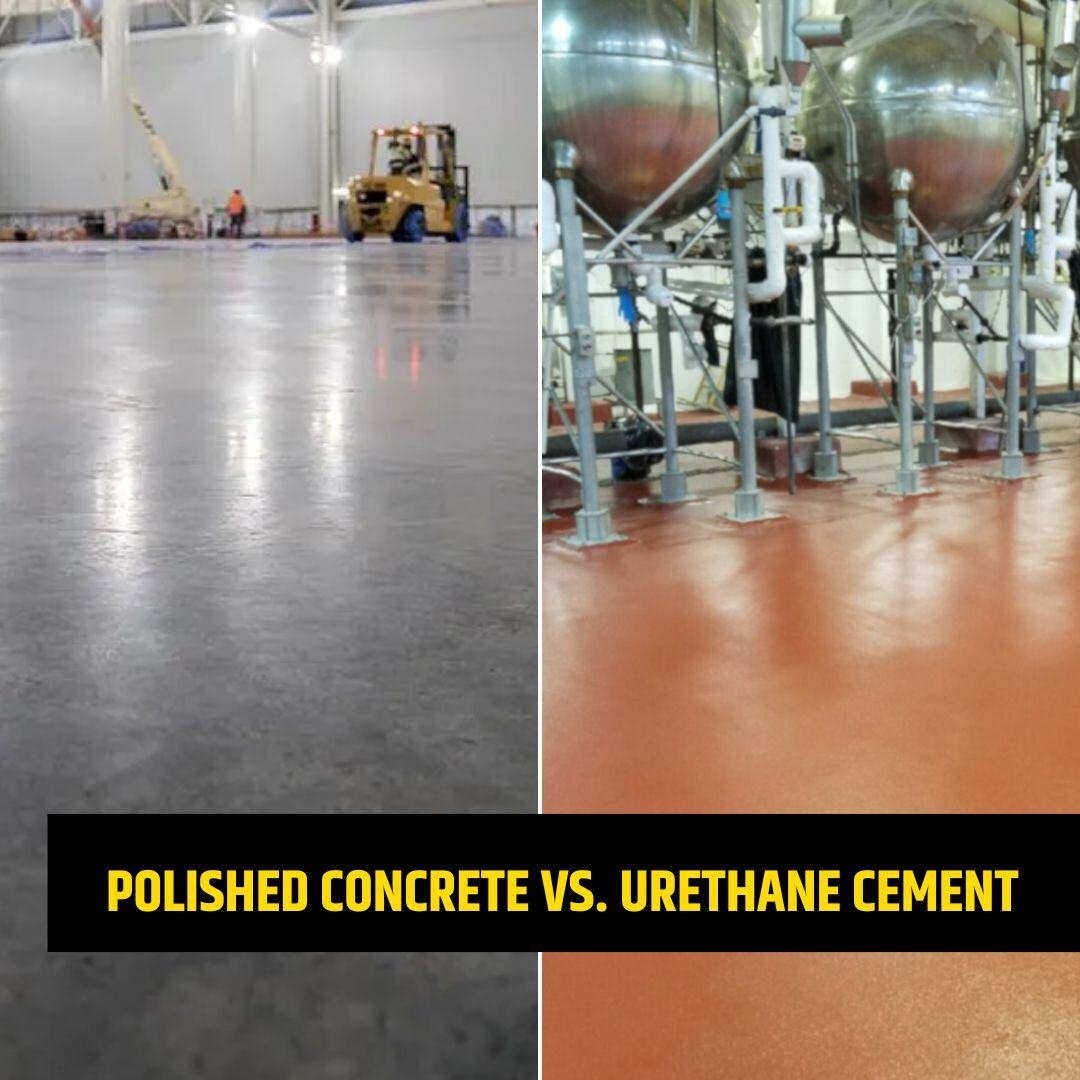
This is one reason epoxy and urethane cement flooring systems are commonly installed in food production environments.
Floors Must Be Easy to Clean
Cleaning occurs constantly inside many food facilities.
Whether the plant performs daily sanitation or multiple cleanings throughout each shift, flooring should withstand aggressive cleaning without deteriorating.
A flooring system that supports USDA FDA flooring requirements should tolerate:
- Pressure washing
- Foam cleaning
- Steam cleaning
- Sanitizing chemicals
- Frequent scrubbing
Smooth, seamless surfaces help crews remove residues more efficiently while supporting consistent sanitation practices.
Moisture Resistance Is Essential
Water is unavoidable in most food production environments.
Processing equipment, washdowns, condensation, and routine cleaning all expose floors to significant moisture.
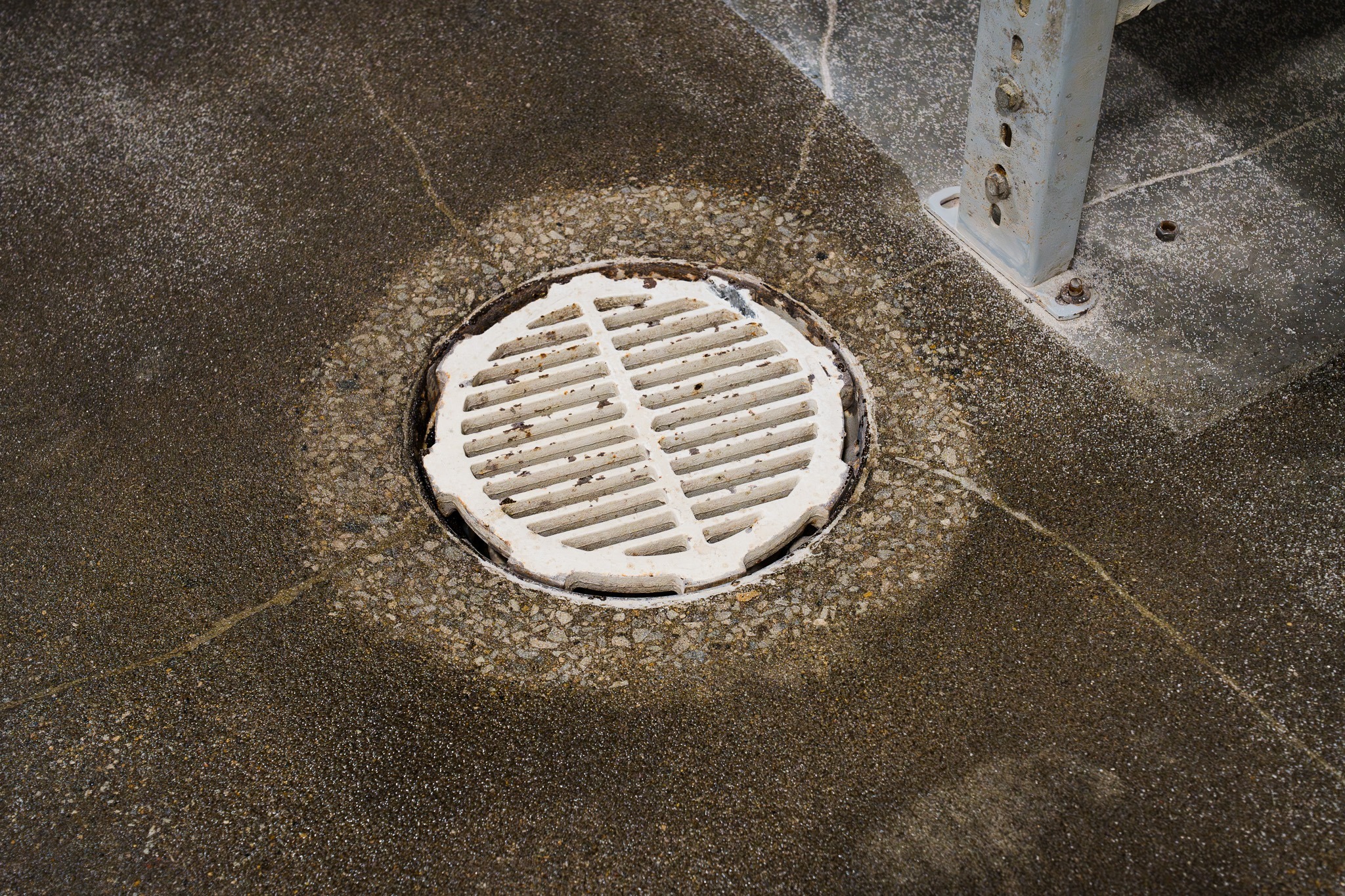
If moisture penetrates damaged concrete, it can contribute to deterioration over time.
A properly installed flooring system helps protect the concrete while creating a surface that is easier to clean and maintain.
Proper drainage should also be incorporated into the floor design to prevent standing water and improve workplace safety.
Chemical Resistance Supports Long-Term Performance
A food processing plant uses a variety of cleaning and sanitizing chemicals every day.
Depending on the operation, floors may be exposed to:
- Degreasers
- Disinfectants
- Caustic cleaners
- Organic acids
- Food byproducts
Without adequate chemical resistance, flooring materials can soften, discolor, or deteriorate over time.
Selecting a flooring system designed for the facility's specific cleaning procedures helps extend its service life while supporting sanitary conditions.
Slip Resistance Improves Workplace Safety
Food processing floors frequently become wet during production and cleaning.
Adding slip-resistant textures or aggregate to the flooring system helps improve traction while employees move throughout the facility.
The appropriate level of texture depends on the specific work environment.
Too little texture may reduce traction, while excessive texture can make cleaning more difficult.
Balancing safety and cleanability is an important consideration during flooring design.
Durability Reduces Downtime
Many food facilities operate around the clock.
Floors must withstand:
- Forklifts
- Pallet jacks
- Heavy equipment
- Rolling racks
- Constant foot traffic
- Frequent cleaning cycles
A durable flooring system helps minimize repairs, reduce maintenance costs, and support continuous production.
For areas exposed to thermal shock, such as cook lines, freezers, or washdown zones, urethane cement systems are often selected because of their ability to handle rapid temperature changes.
Cove Base Helps Eliminate Hard-to-Clean Corners
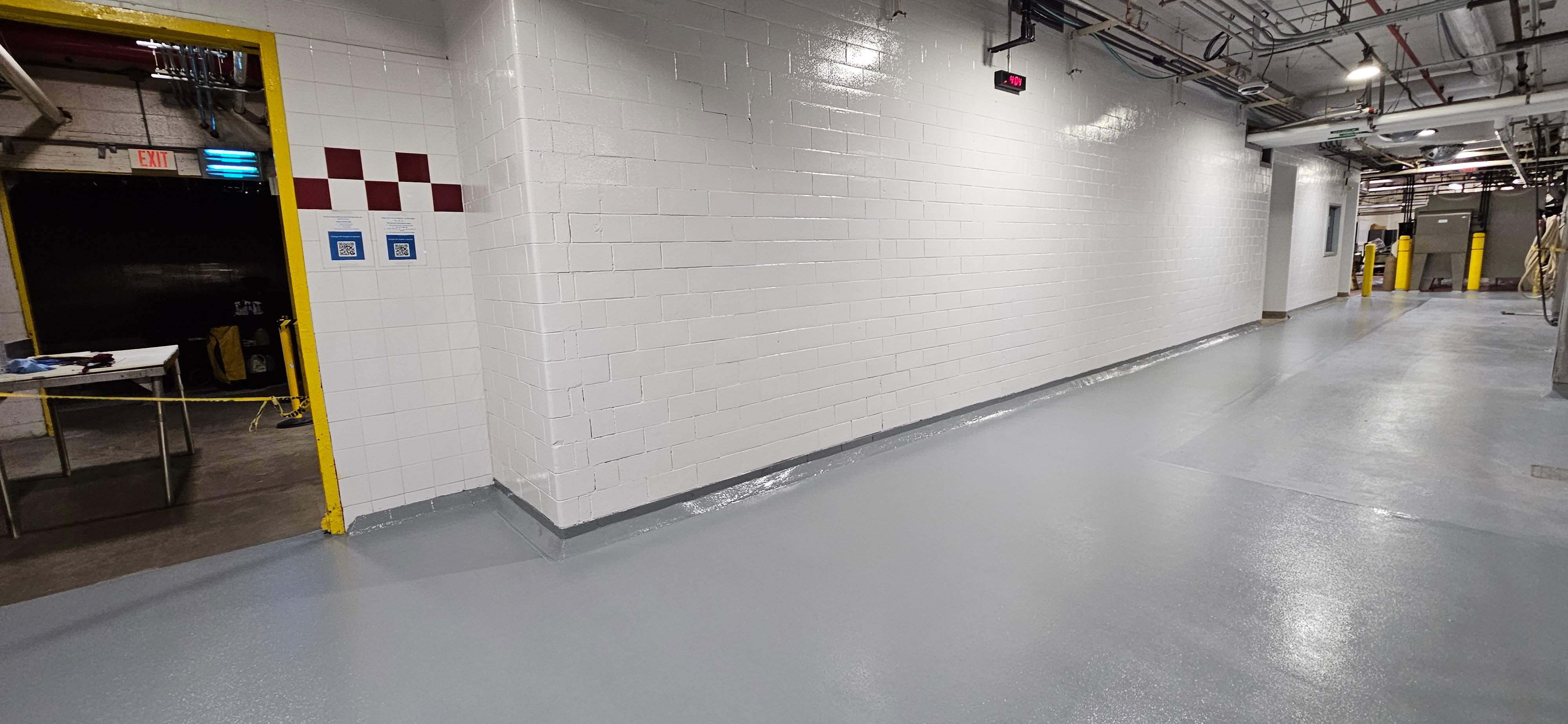
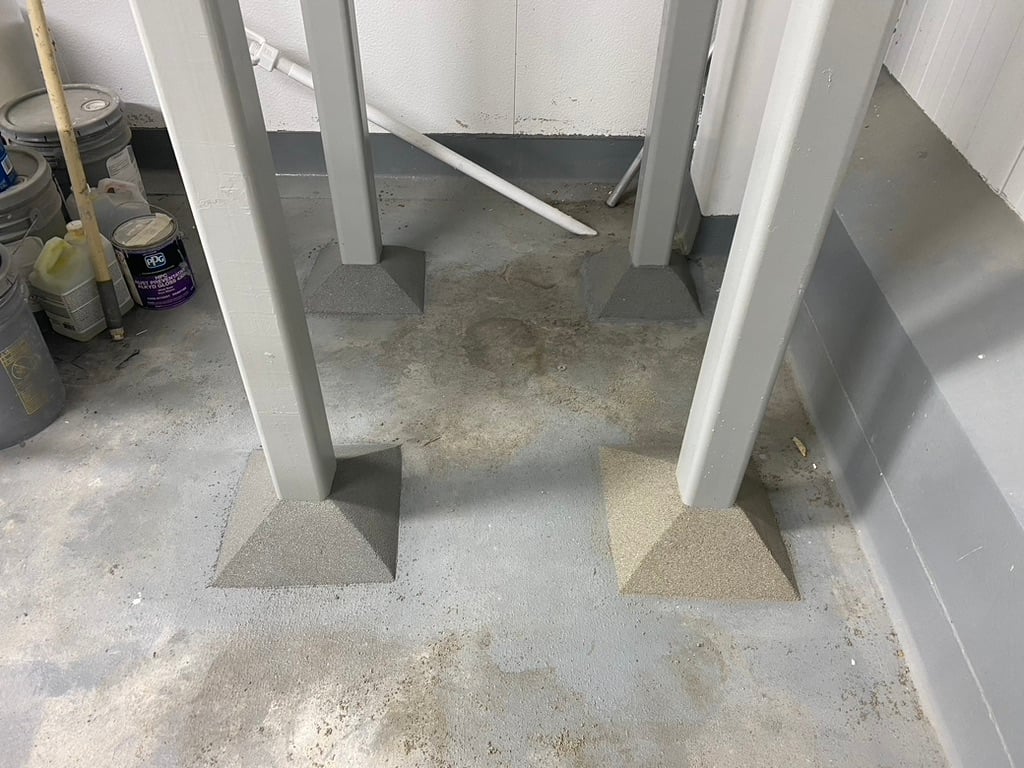
Many food processing facilities install an integral cove base where the floor meets the wall.
Rather than creating a sharp 90-degree corner, the cove forms a smooth transition that is easier to clean and sanitize.
This design reduces locations where moisture, debris, and bacteria may collect while simplifying routine sanitation procedures.
Although not every area requires cove base, it is commonly included in production and washdown environments.
Flooring Is Only One Part of Food Safety
Meeting USDA FDA flooring requirements involves much more than selecting the right flooring material.
Facilities should also consider:
- Proper floor drainage
- Routine maintenance
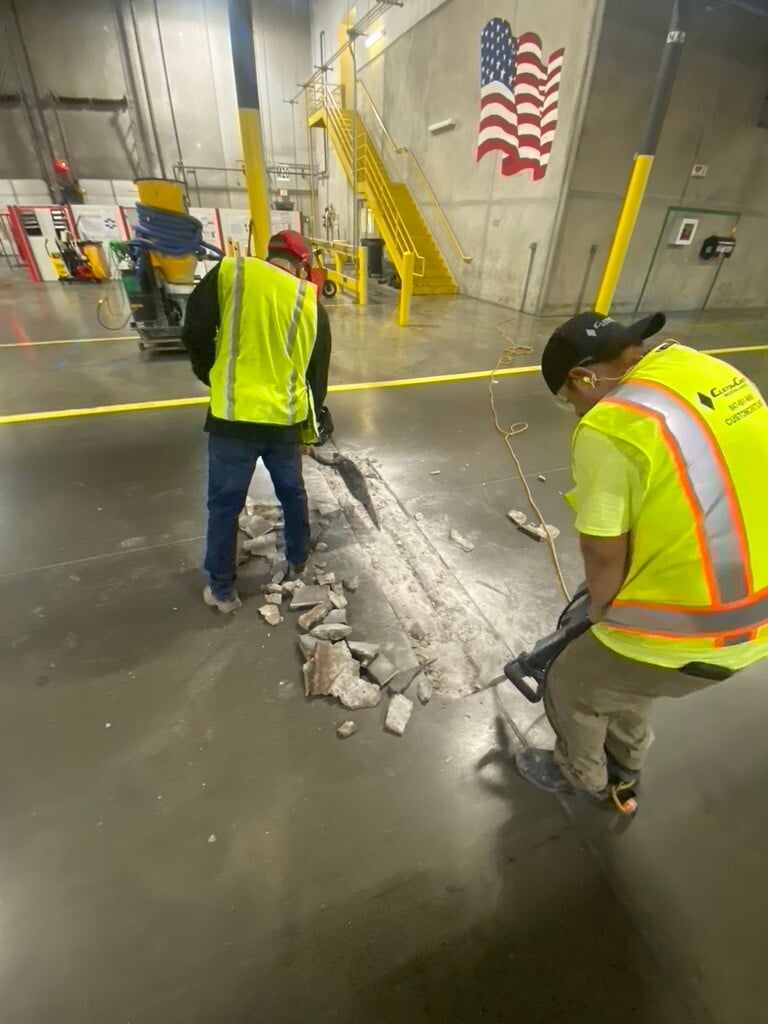
- Prompt crack and joint repair
- Effective cleaning procedures
- Employee sanitation practices
- Preventive maintenance programs
The flooring system supports these efforts by providing a durable, hygienic surface that can withstand the demands of food production.
Choosing the Right Flooring System
There is no single flooring solution that fits every food processing plant.
The best system depends on factors such as:
- Processing temperatures
- Moisture exposure
- Cleaning methods
- Chemical exposure
- Traffic levels
- Production schedule
An experienced flooring contractor can evaluate these conditions and recommend a system that aligns with both operational requirements and food safety objectives.
Final Thoughts
Understanding USDA FDA flooring requirements is an important step in selecting flooring for a food processing plant. While regulations do not mandate a specific flooring product, they emphasize sanitary, durable, and easily cleanable surfaces that support safe food production. Features such as seamless construction, moisture resistance, chemical resistance, slip resistance, and long-term durability all contribute to maintaining hygienic conditions and protecting the underlying concrete.
If you're planning a new food processing facility or upgrading an existing production area, request a quote with CustomCrete to discuss the flooring system that best fits your operational and sanitation requirements.
Topics: