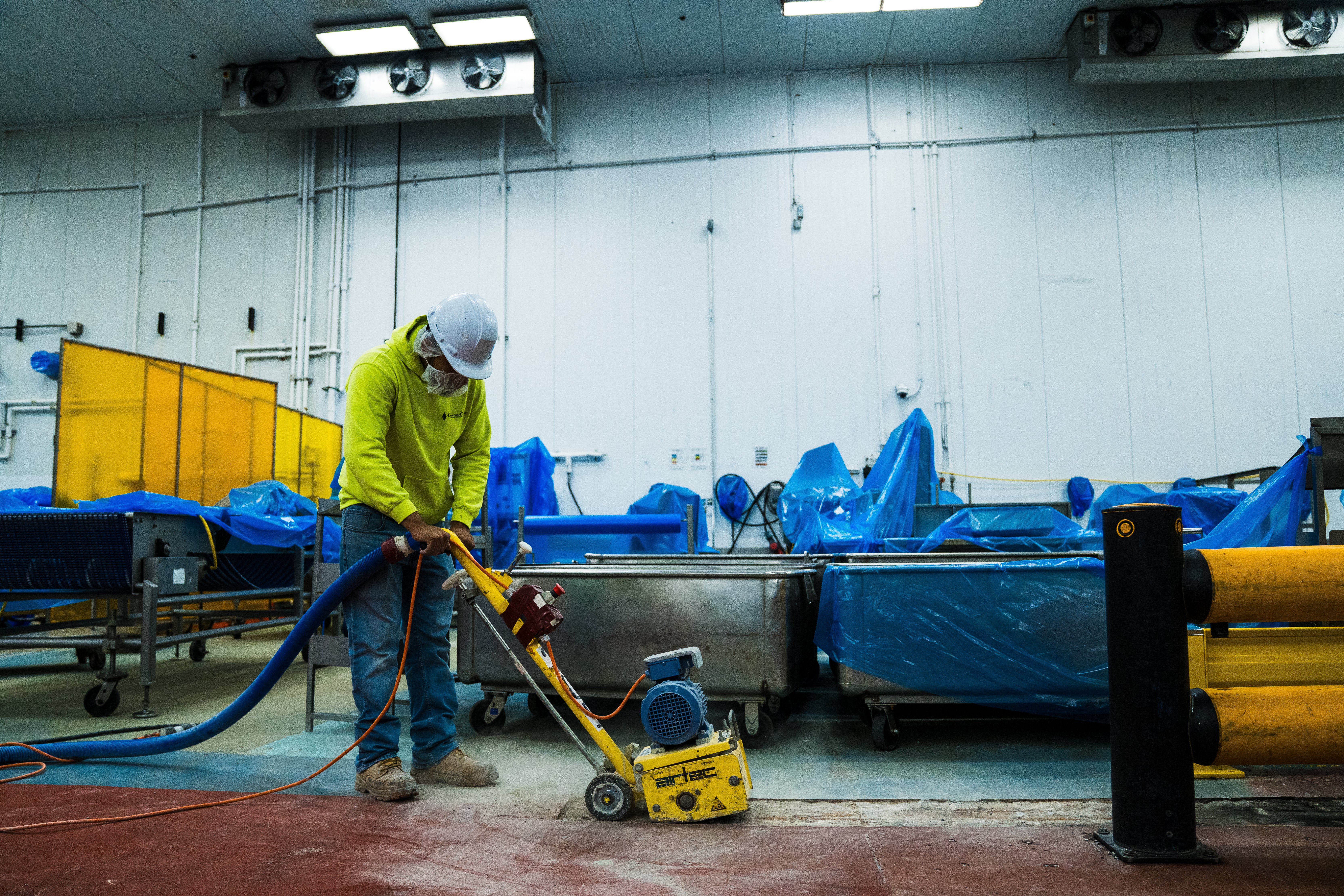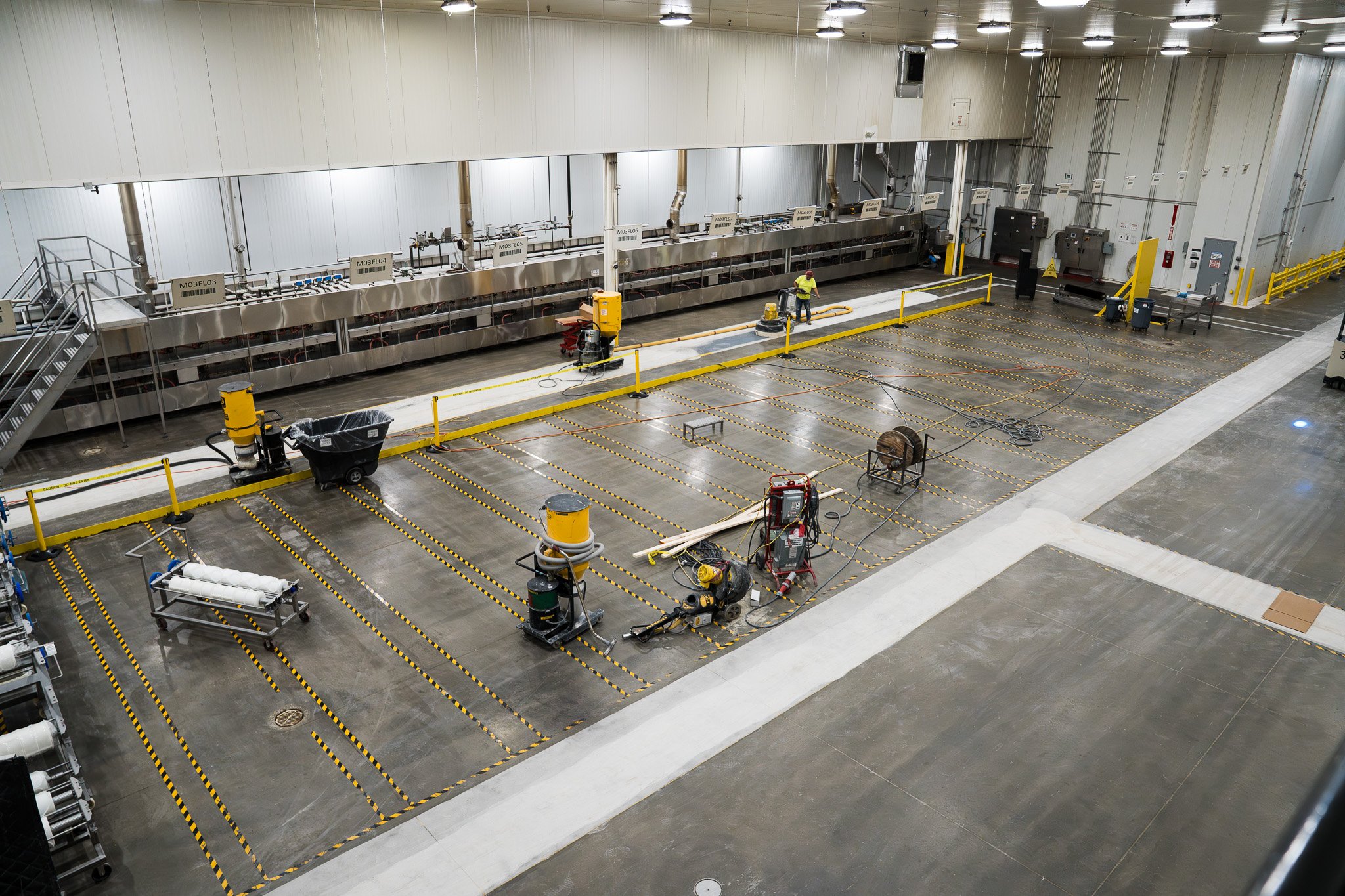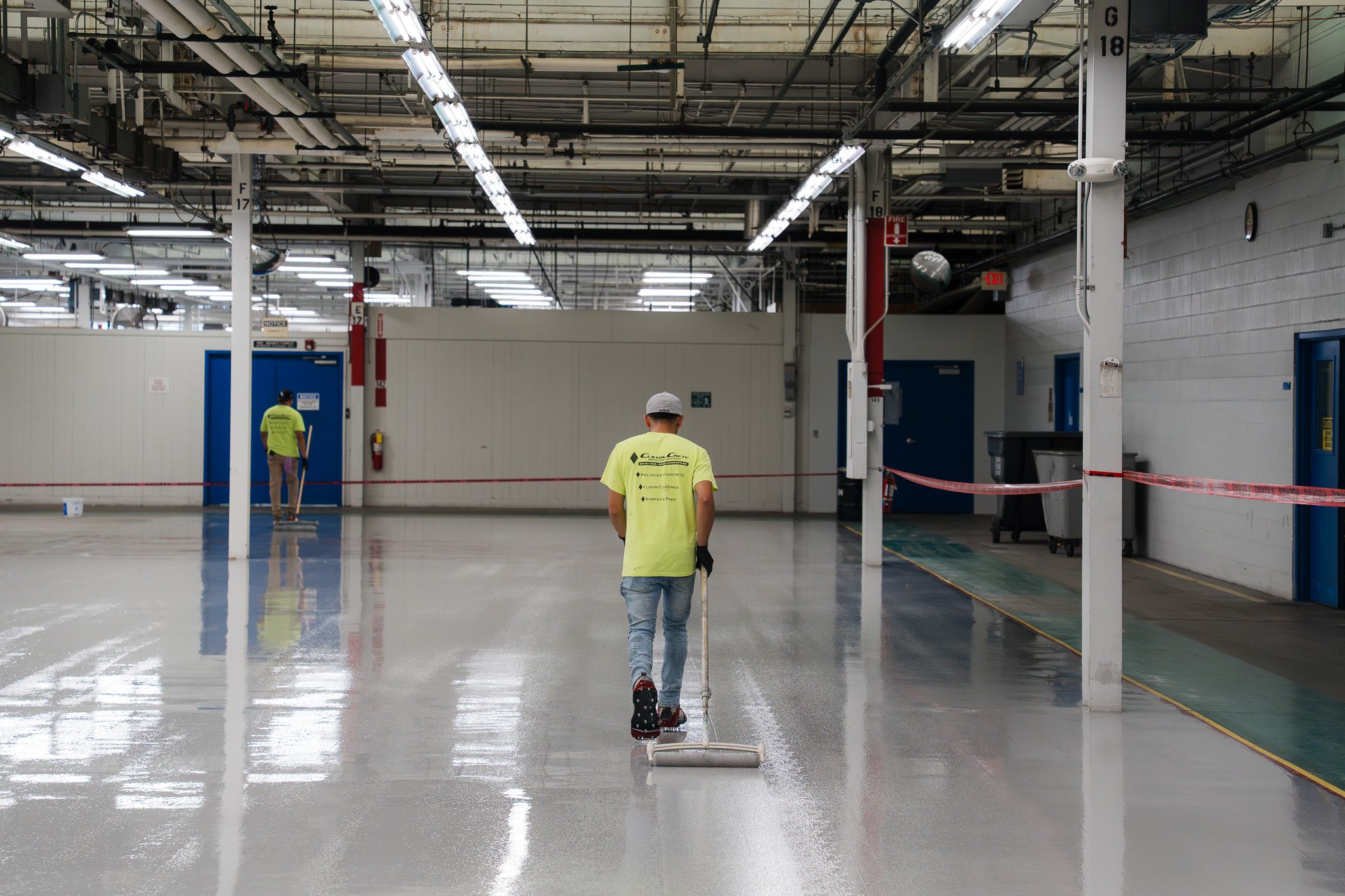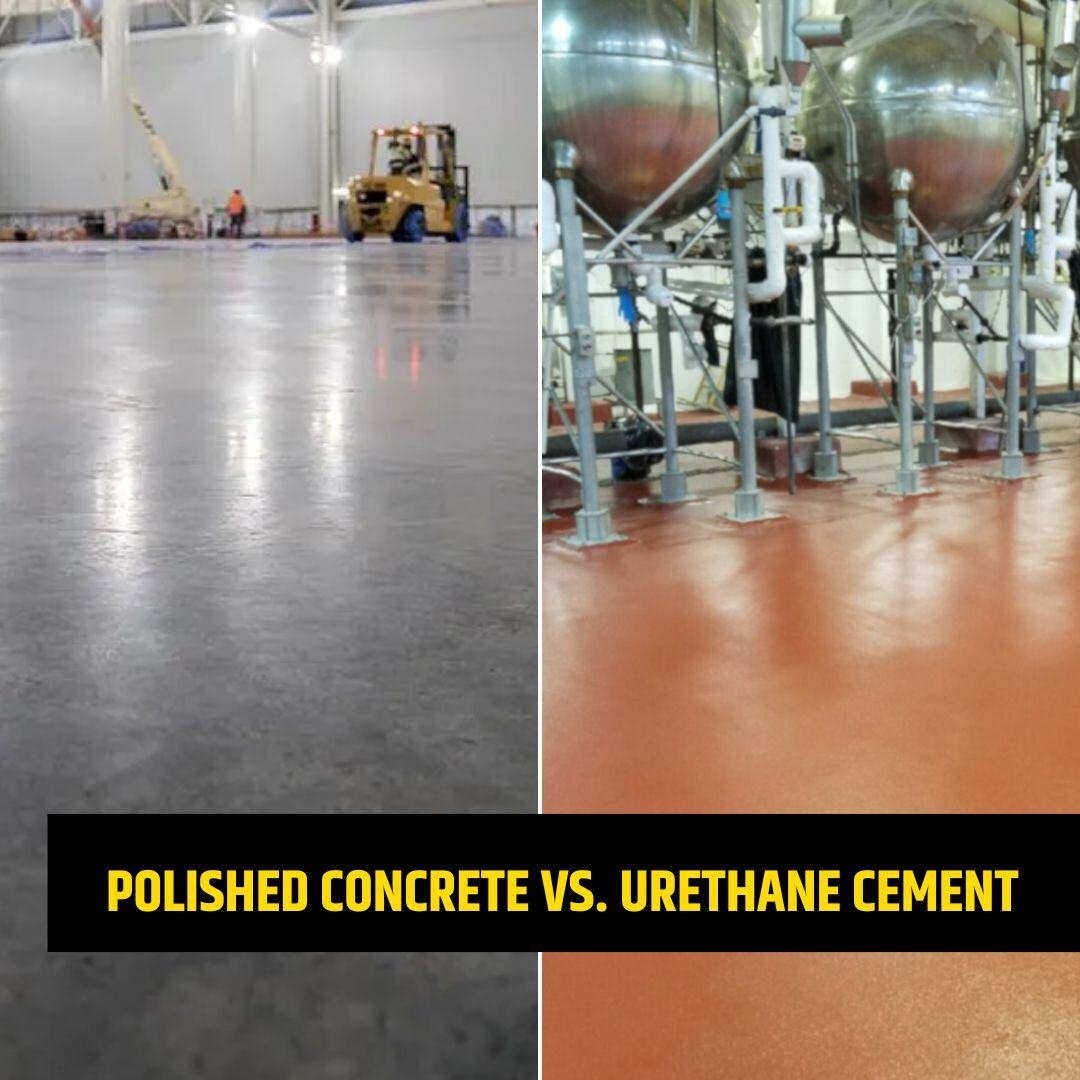

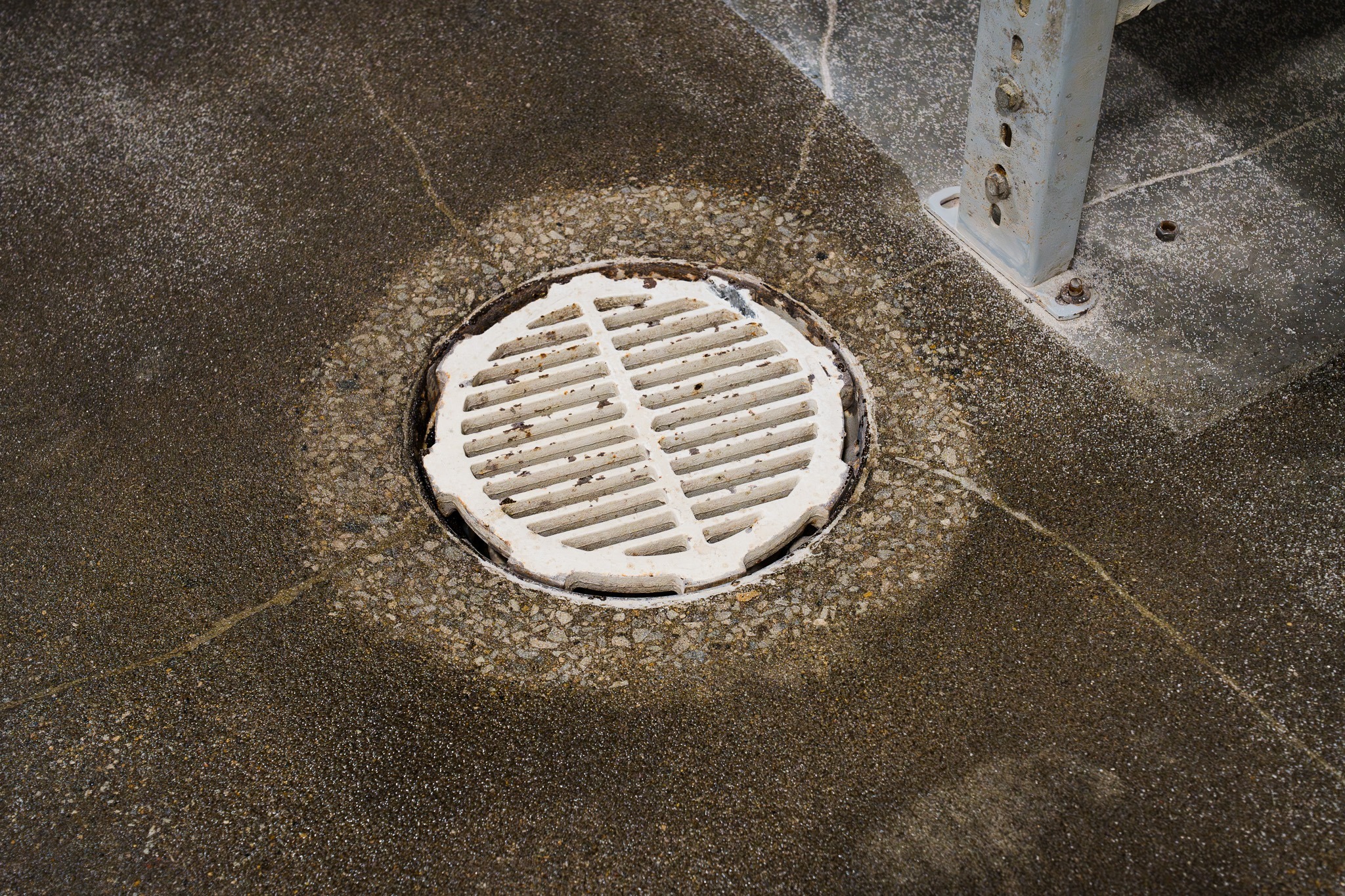
Yes, floor drains are required in many food processing plants, but whether they are required depends on the facility's operations, local building codes, and applicable food safety regulations. Areas that are regularly washed down, process food, or generate wastewater are commonly designed with floor drains to improve sanitation and safely remove liquids.
Proper drainage is an important part of facility design because standing water can create slip hazards, promote bacterial growth, and shorten the lifespan of concrete flooring.
At CustomCrete, this is a common question from food manufacturers, beverage producers, commercial kitchens, and facilities planning new construction or renovations.

Why Are Floor Drains Important in a Food Processing Plant?
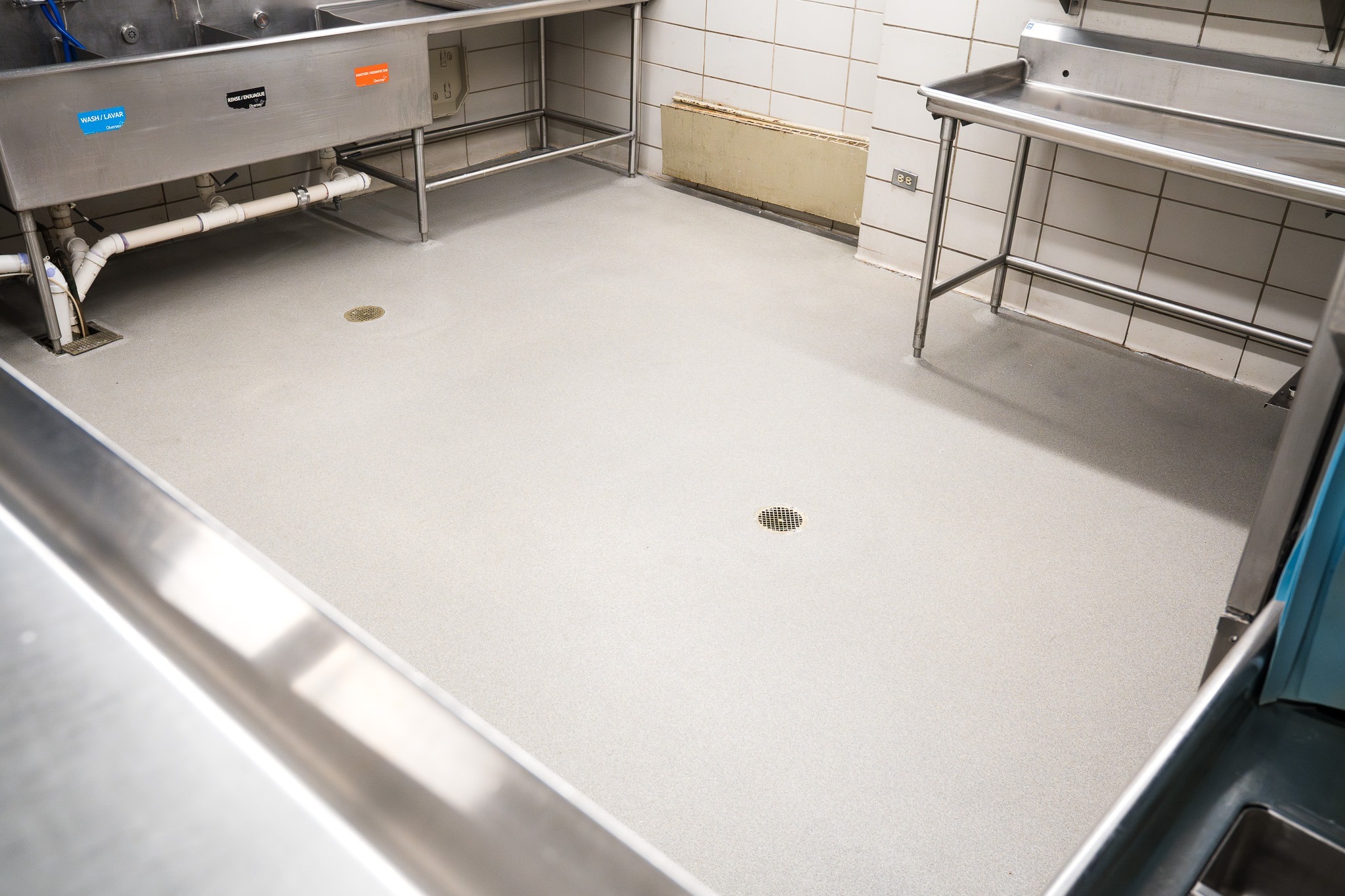
Floor drains help maintain a clean and sanitary environment by allowing water and cleaning solutions to flow away from production areas.
In a food processing plant, floor drains help:
- Prevent standing water
- Improve employee safety by reducing slip hazards
- Support routine cleaning and sanitation
- Reduce the risk of bacterial growth
- Protect flooring systems from prolonged moisture exposure
Without proper drainage, water can collect on the floor, creating both operational and food safety concerns.
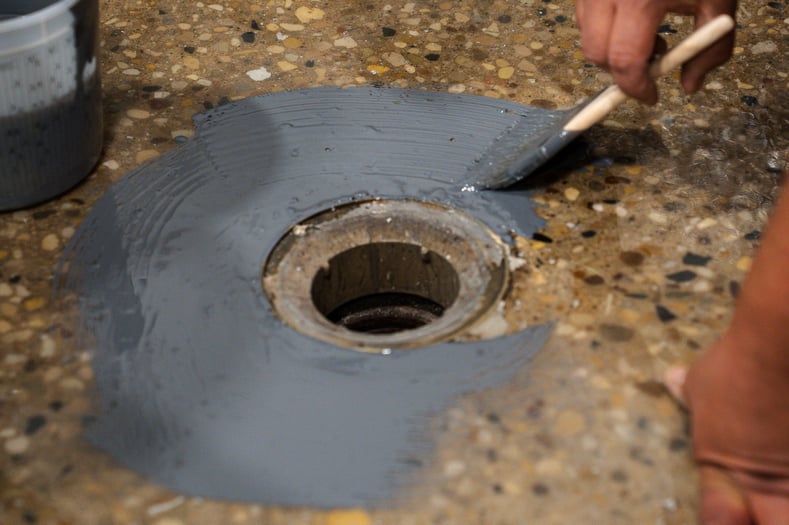
Where Are Floor Drains Commonly Installed?
Floor drains are typically installed in areas where water is frequently used or generated, including:
- Processing and production areas
- Washdown rooms
- Equipment cleaning stations
- Commercial kitchens
- Packaging areas with routine sanitation
- Ingredient preparation rooms
Not every room within a food processing plant requires a floor drain, but they are common anywhere regular washdowns occur.
How Do Floor Drains Affect Flooring Design?
The flooring system and drainage system must work together.
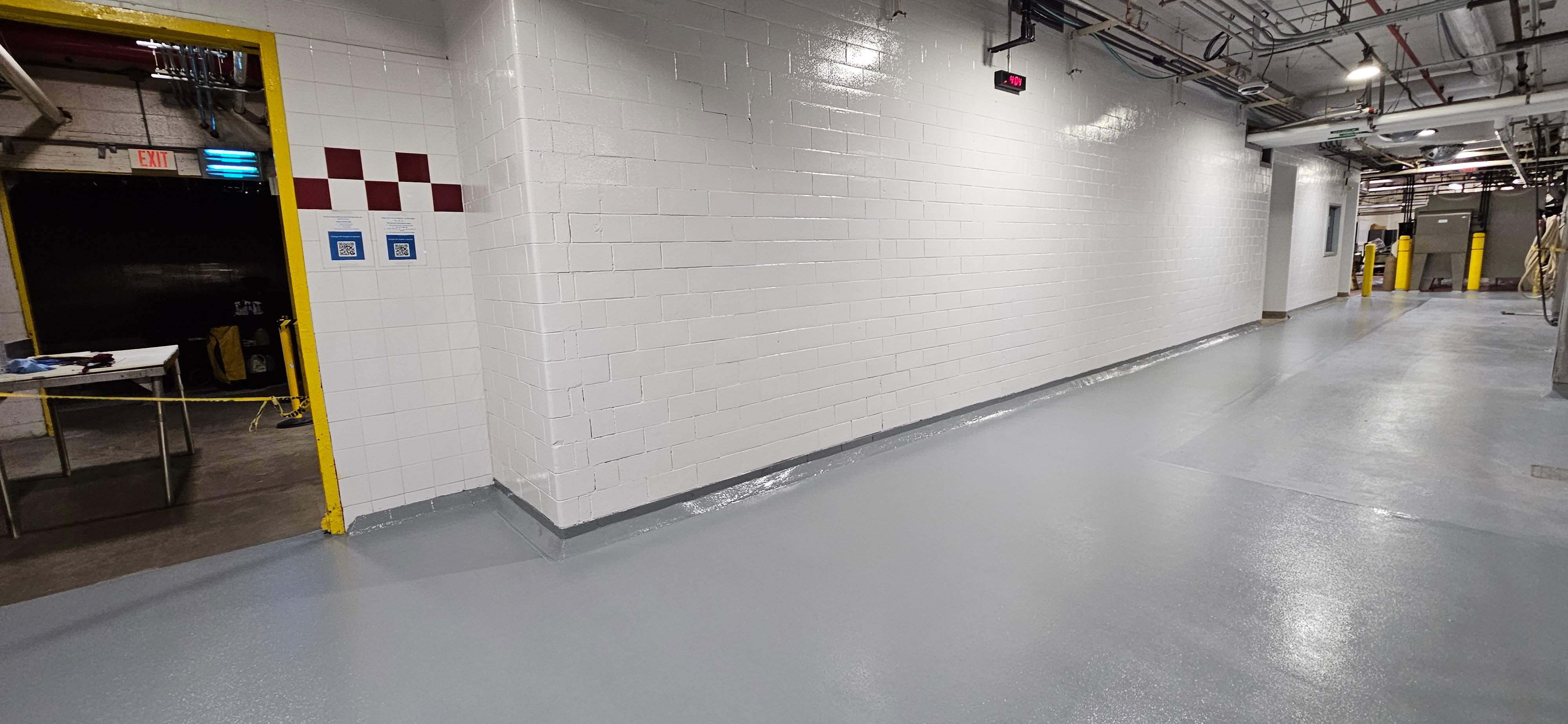
Floors in food processing plants are often sloped toward drains so liquids flow efficiently without pooling. Seamless flooring systems and cove base are also commonly used to eliminate areas where moisture, debris, or bacteria can collect.
Proper floor slope and drain placement are just as important as selecting the right flooring material.
What Flooring Works Best Around Floor Drains?
Areas surrounding floor drains typically experience constant moisture, aggressive cleaning chemicals, and temperature changes.
For these environments, flooring systems often prioritize:
- Moisture resistance
- Thermal shock resistance
- Chemical resistance
- Slip resistance
- Seamless installation
Selecting the right flooring system helps protect both the concrete slab and the drainage areas over the long term.
Are Floor Drains Always Required?
No. While many processing and washdown areas require floor drains, dry storage rooms, offices, and some packaging areas may not. Requirements vary depending on the facility's operations, applicable health regulations, and local building codes.
Because every food processing plant is different, drainage requirements should be evaluated during facility planning and flooring design.
Final Thoughts
Floor drains are required in many food processing plants, particularly in areas where washdowns, wastewater, or food production occur. Combined with properly sloped, seamless flooring, they help improve sanitation, worker safety, and long-term floor performance.
To learn more about selecting flooring for hygienic environments, read the next article: "Best Flooring Systems for Food and Beverage Processing Plants."
Topics: