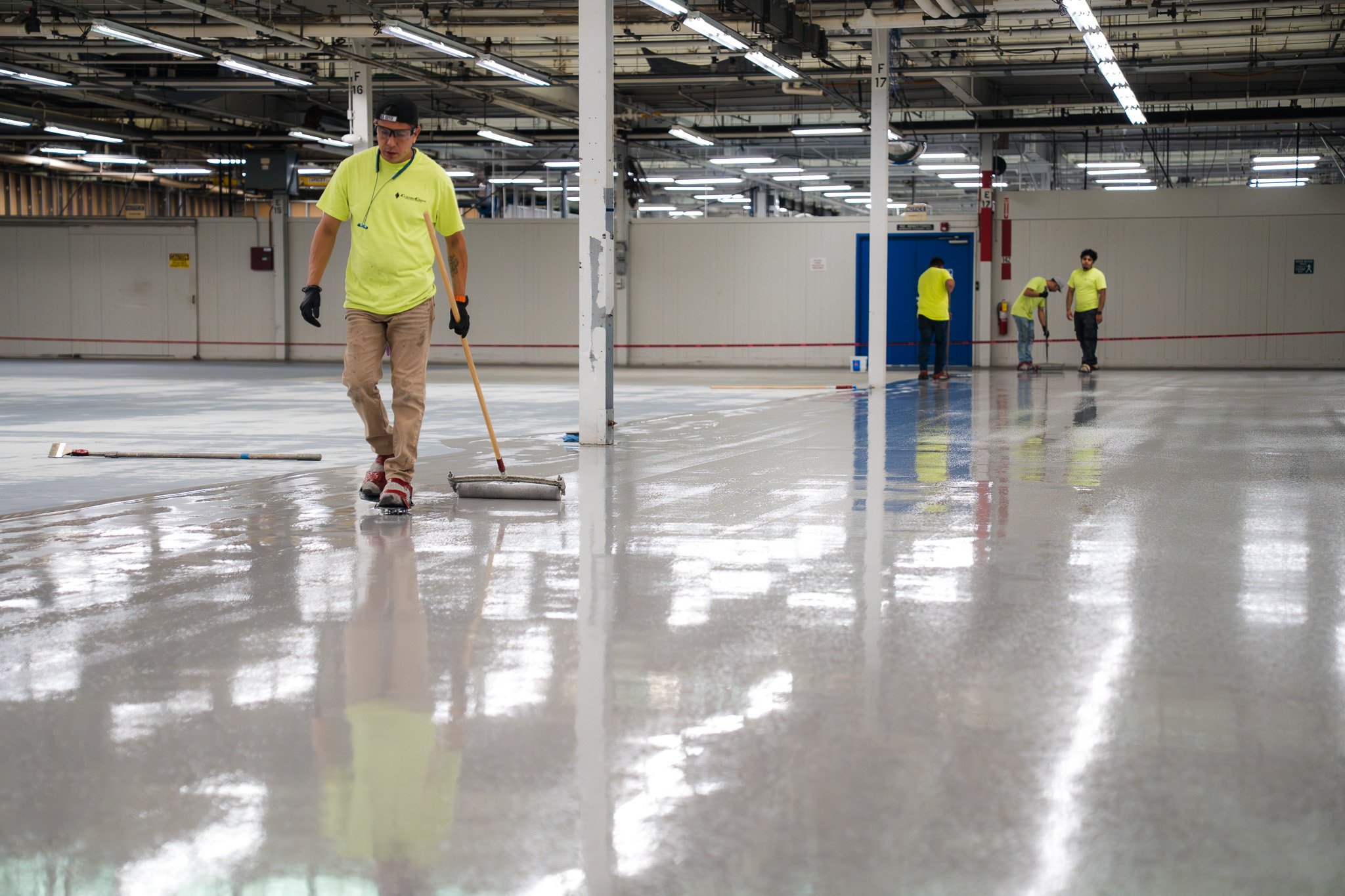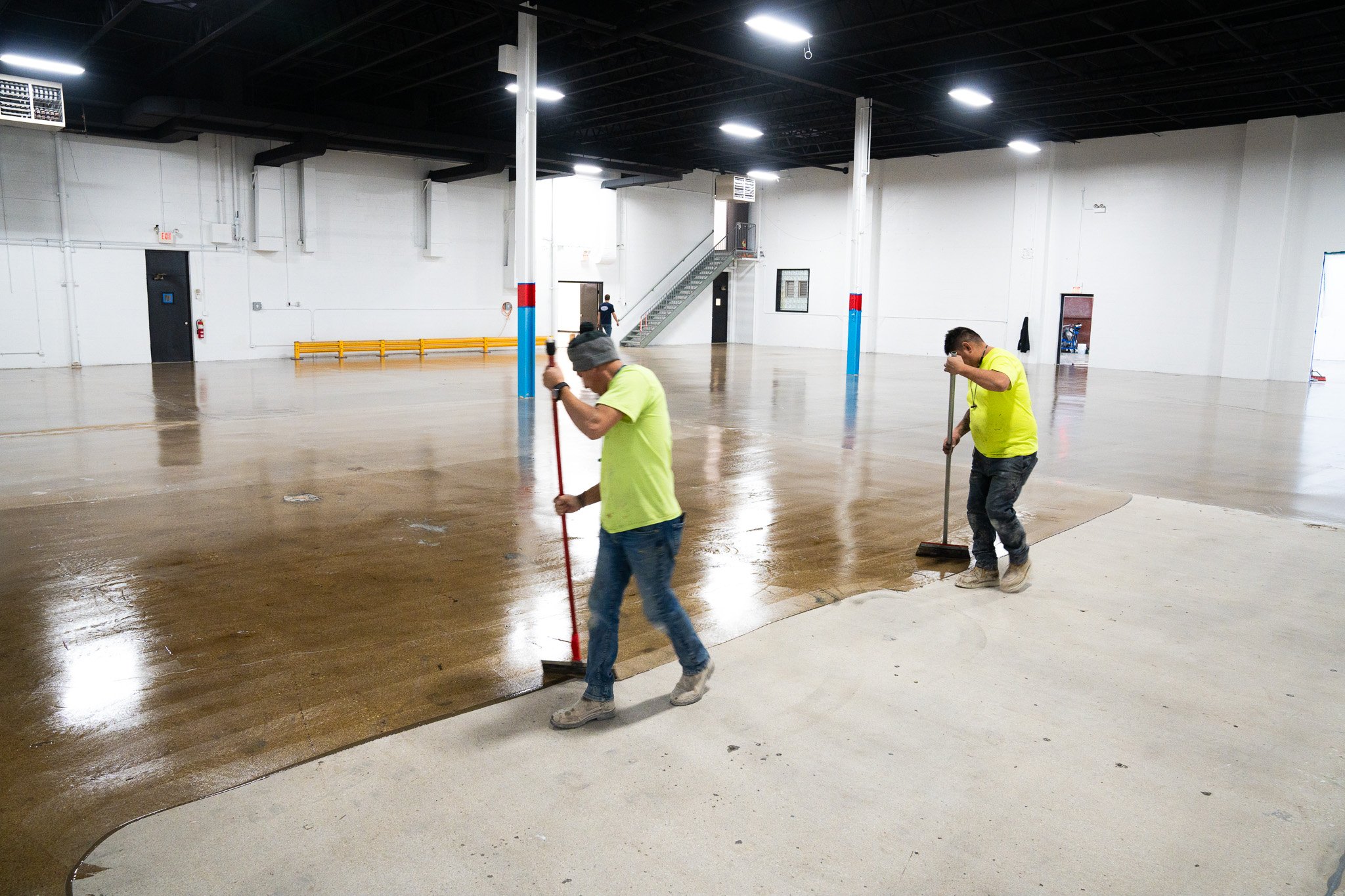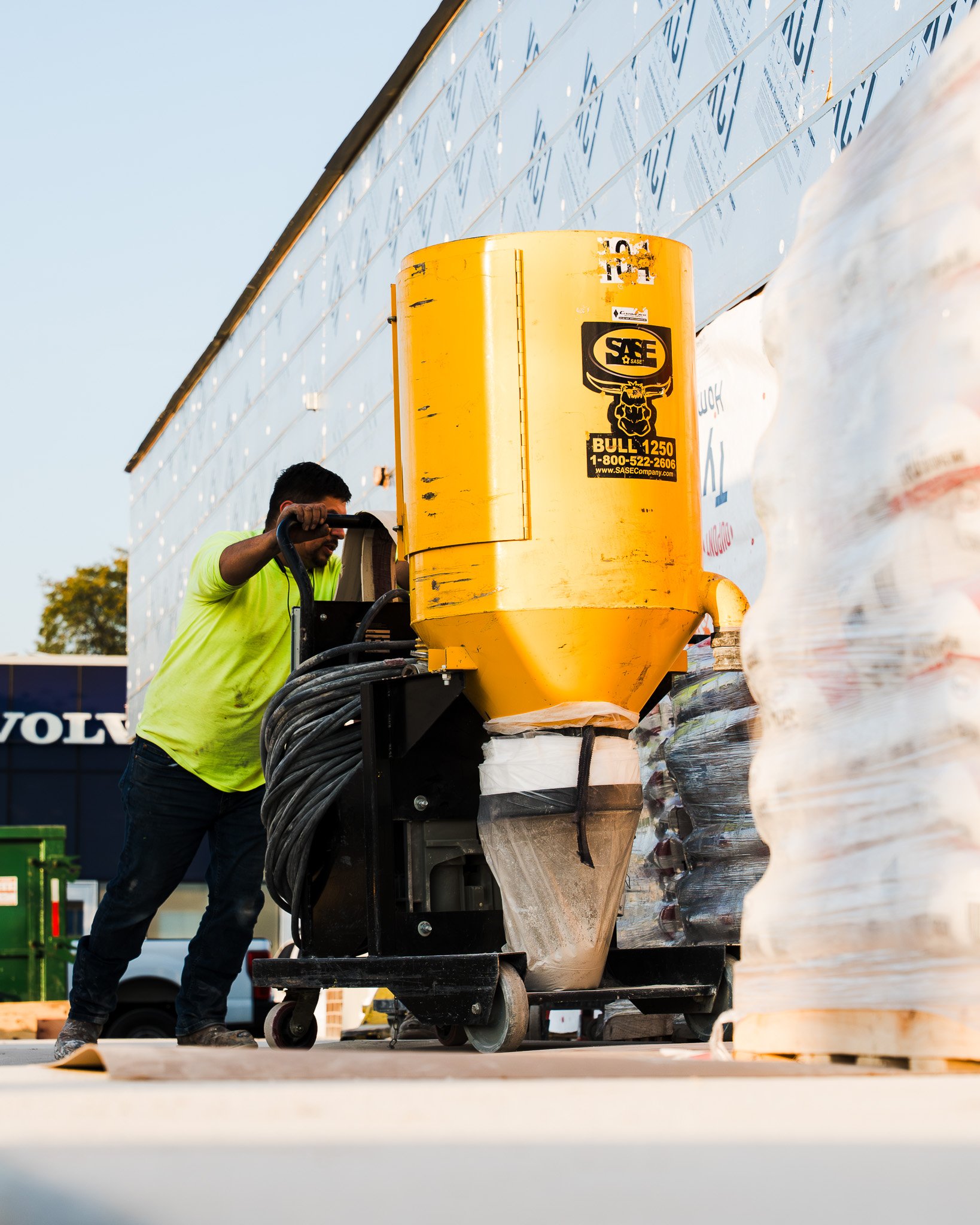

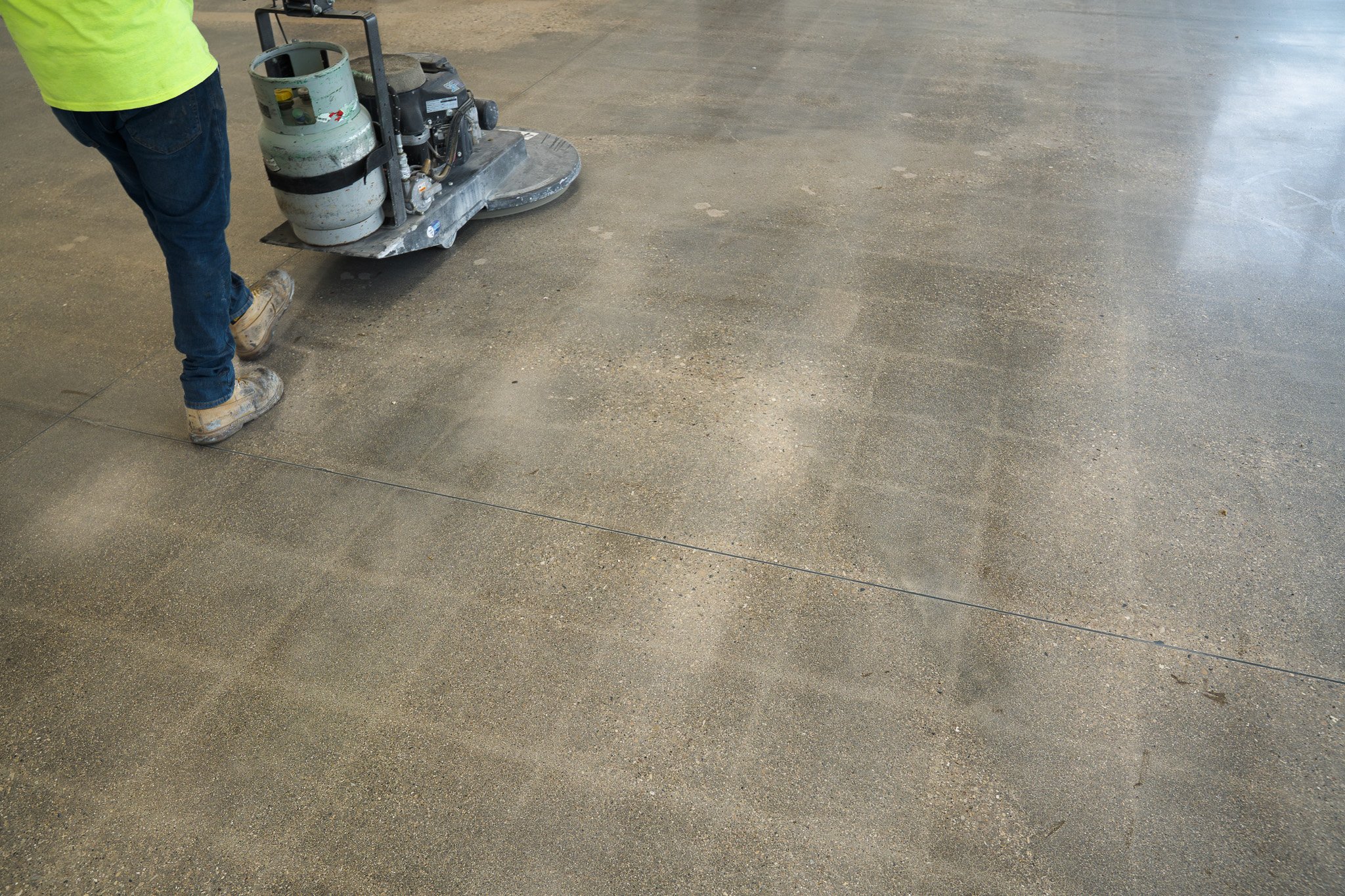
When reviewing construction specifications for a commercial or industrial project, you may come across 03 35 43 polished concrete finishing. For general contractors, architects, and facility owners, understanding this CSI code is important because it defines the expectations for one of the most durable and low-maintenance flooring finishes available.
Rather than simply stating that a floor should be "polished," 03 35 43 polished concrete finishing establishes a standardized way to specify the materials, workmanship, and finish requirements for polished concrete. This helps ensure everyone involved in the project understands the desired outcome before construction begins.
With nearly 20 years of experience and over 1 million square feet installed, CustomCrete regularly works with architects, engineers, and general contractors on polished concrete projects throughout commercial and industrial facilities. This guide explains what CSI Code 03 35 43 covers, how polished concrete is installed, and why this specification is important during project planning.
Key Takeaways
- 03 35 43 polished concrete finishing is the CSI MasterFormat section used to specify polished concrete floors.
- The specification typically outlines surface preparation, polishing levels, densification, and performance requirements.
- Using standardized CSI specifications improves communication between owners, architects, engineers, and contractors.

What Is CSI Code 03 35 43?
03 35 43 polished concrete finishing is part of the Construction Specifications Institute (CSI) MasterFormat®, which organizes construction work into standardized divisions and specification sections.
This section specifically addresses mechanically polished concrete floors.
Rather than identifying a particular product or manufacturer, the specification establishes the scope of work required to achieve the desired polished concrete finish. This allows architects and engineers to clearly communicate project expectations while giving qualified contractors flexibility in selecting appropriate equipment and materials.
What Does the Specification Typically Include?
While every project specification is unique, 03 35 43 polished concrete finishing commonly includes requirements for:
- Surface preparation
- Concrete repairs
- Grinding procedures
- Densifier application
- Grit progression
- Final gloss or appearance
- Cleaning and protection after installation
These requirements help create consistency from one project to the next and reduce misunderstandings during bidding and construction.
Surface Preparation Is the First Step
Before polishing begins, the concrete surface must be properly evaluated and prepared.
Preparation may include:
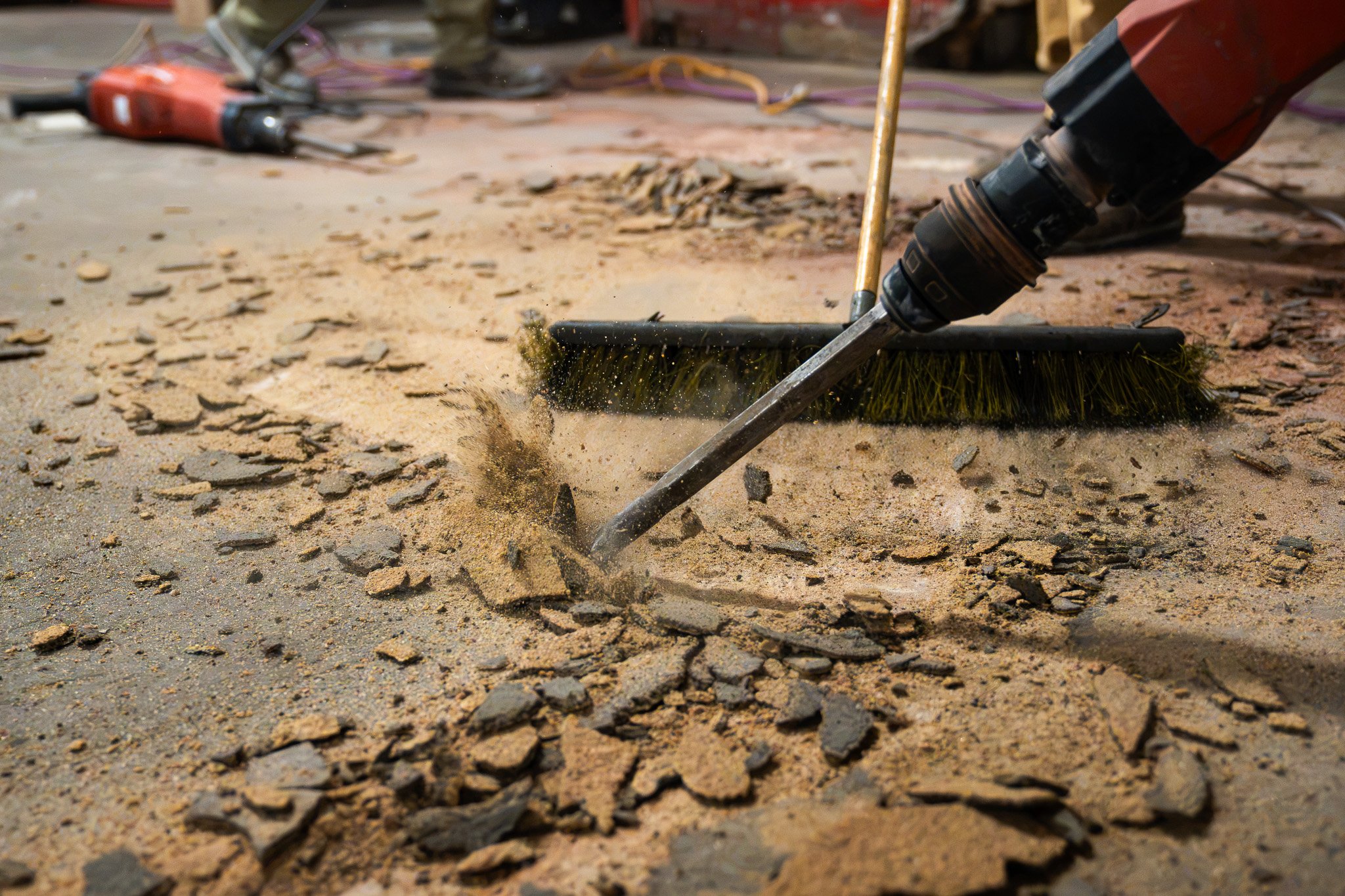
- Removing existing coatings or adhesives
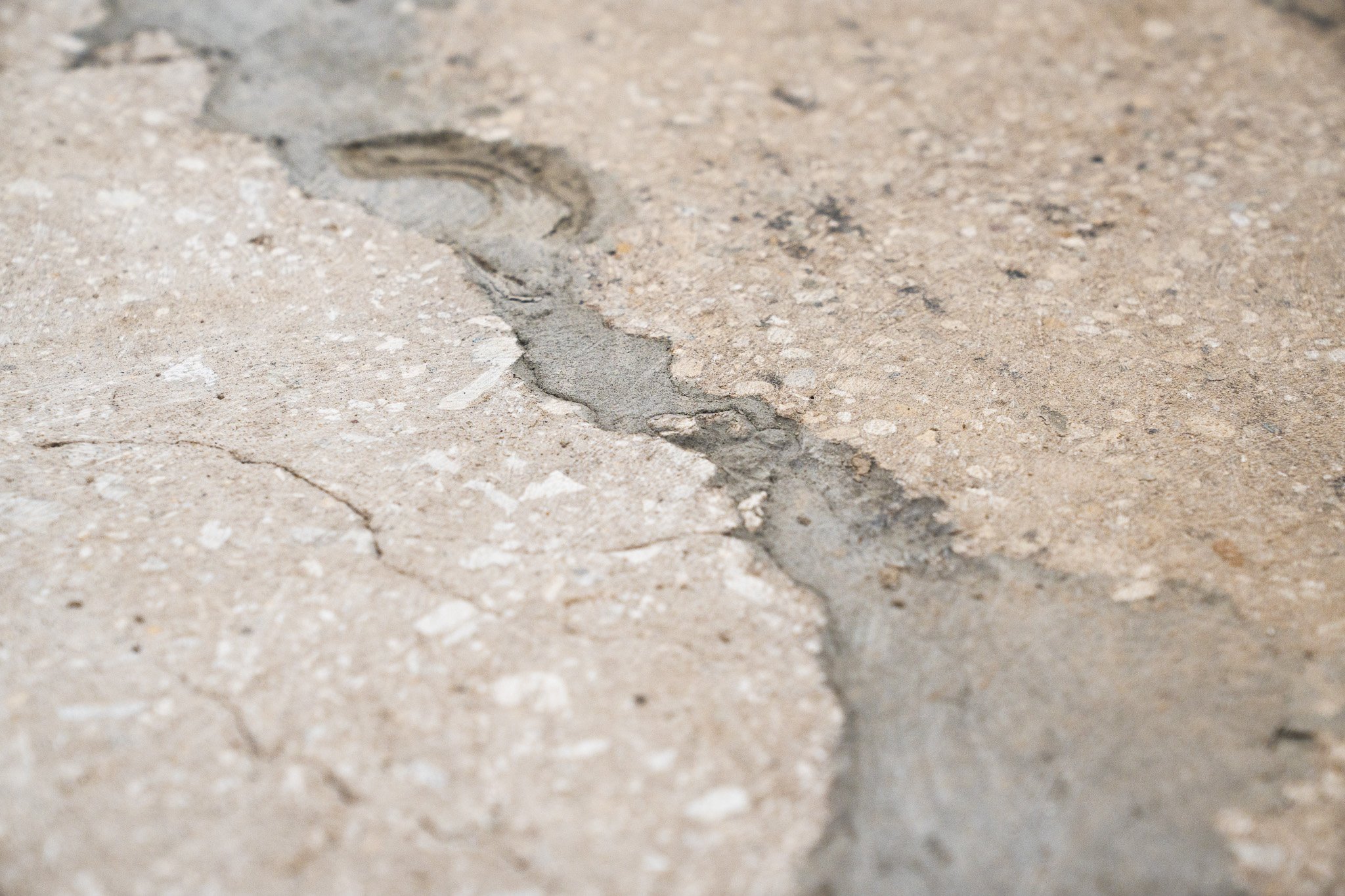
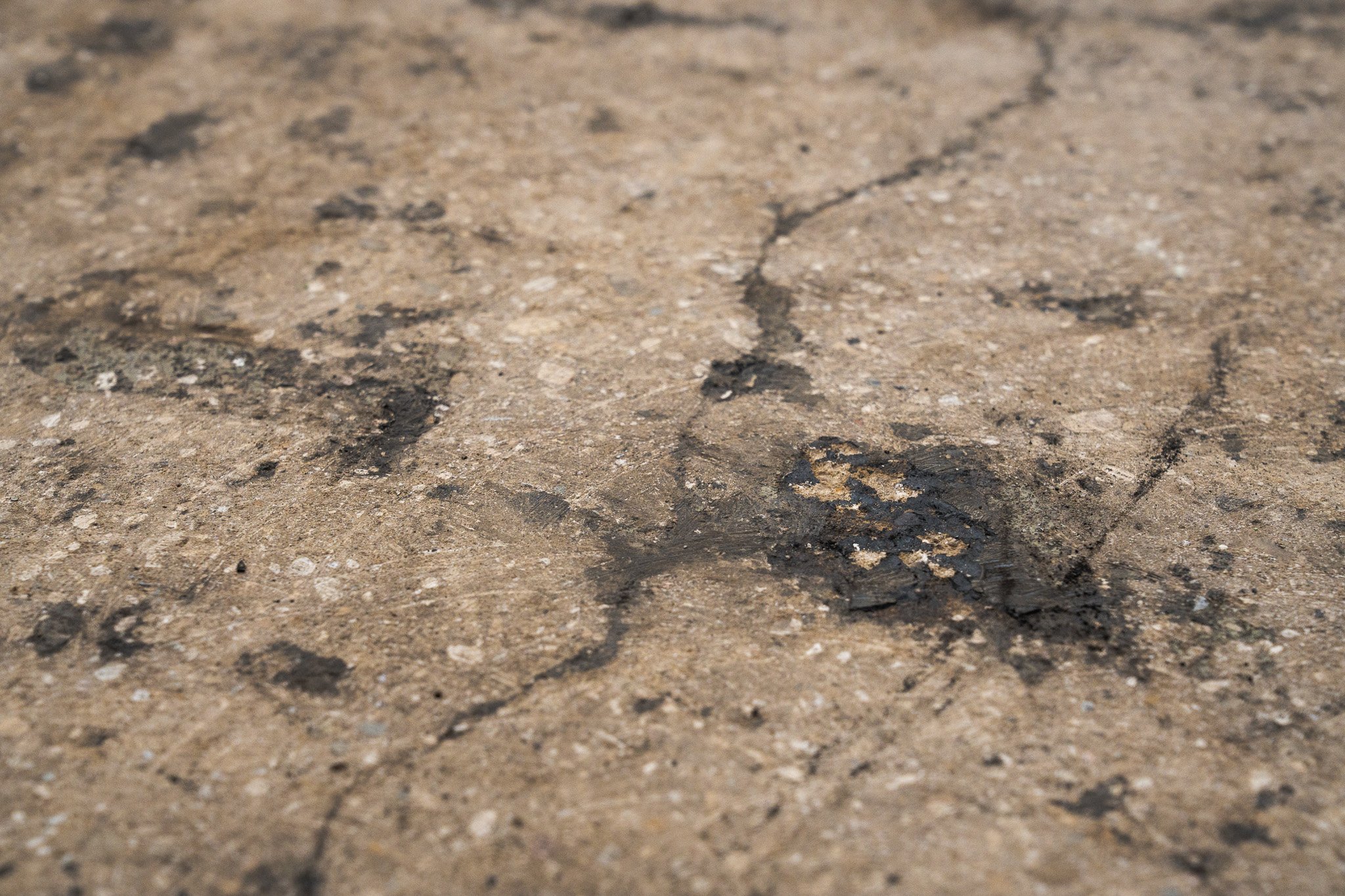
- Repairing cracks and spalls
- Filling joints where specified
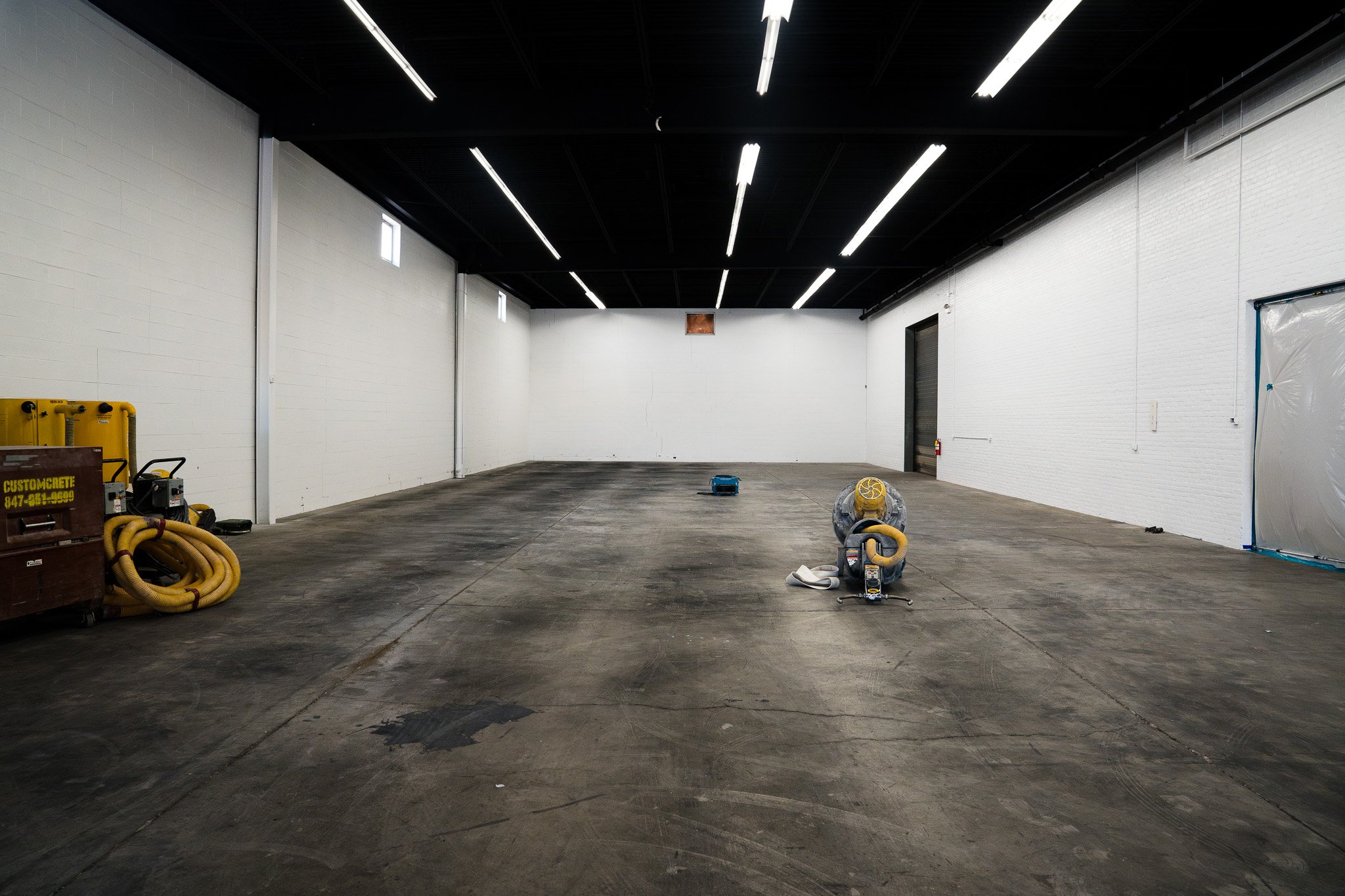
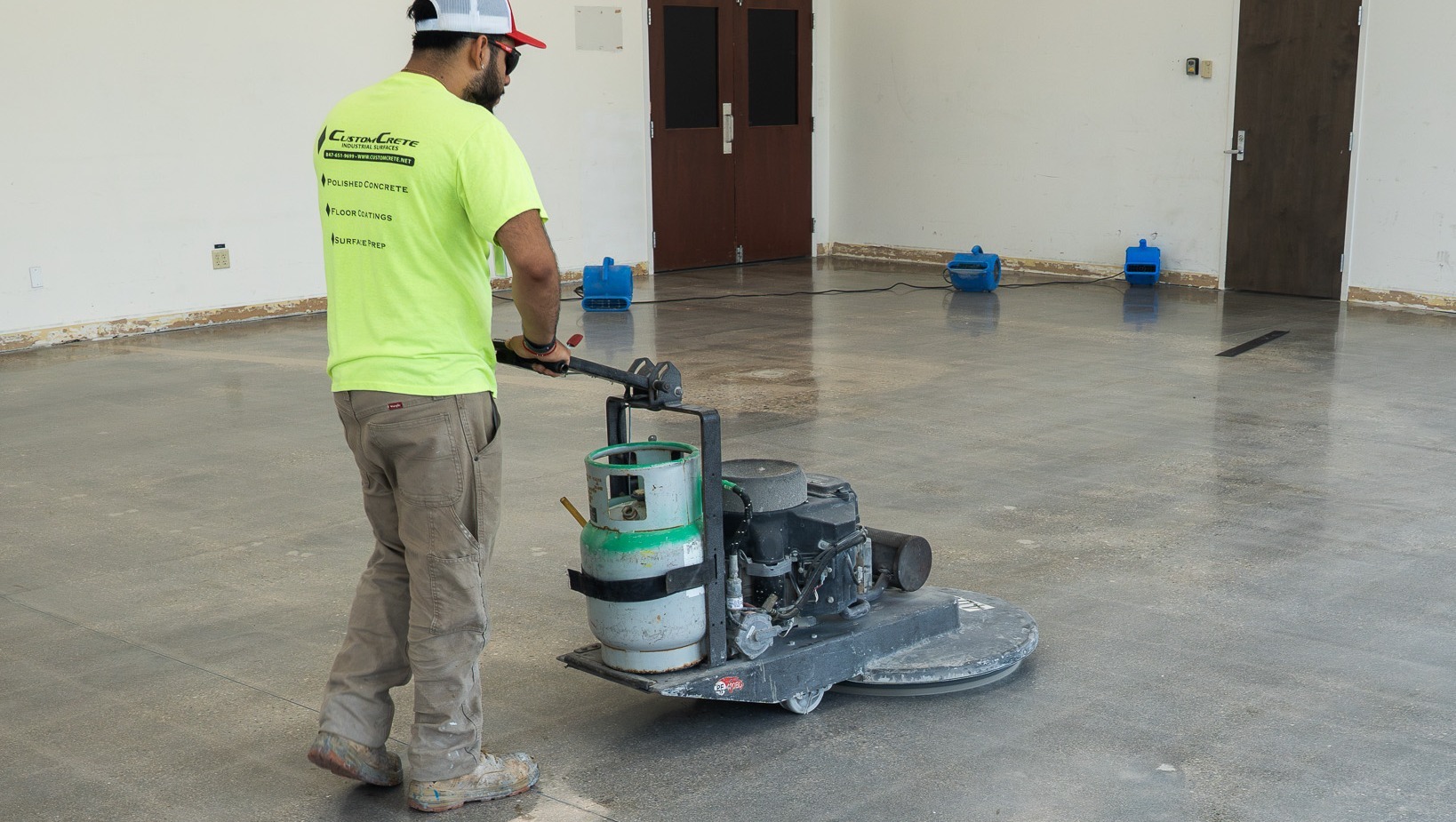
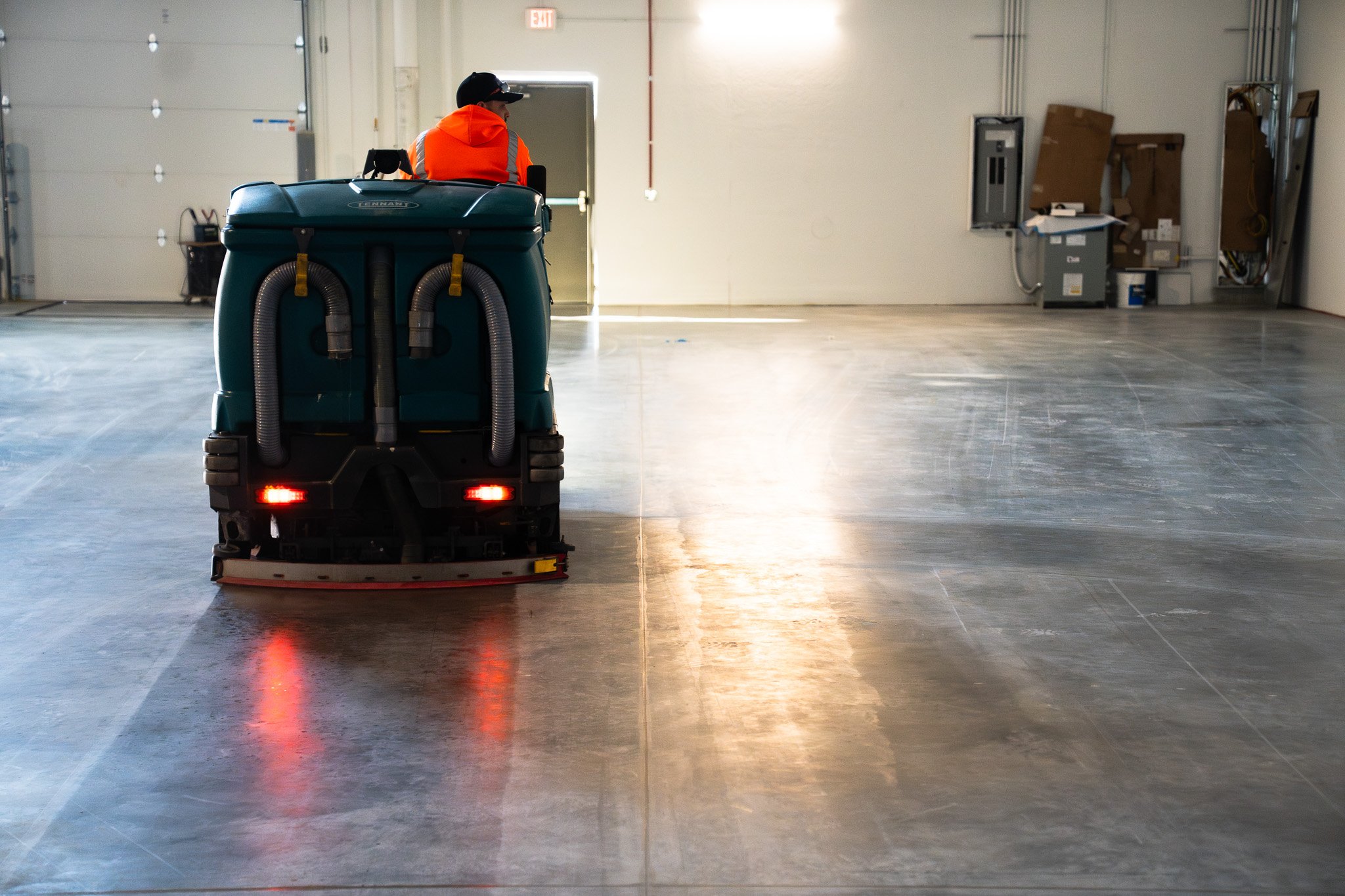
- Mechanically grinding the slab
- Cleaning the surface
The quality of the existing concrete has a significant impact on the final appearance. Even the best polishing equipment cannot completely eliminate major imperfections already present in the slab.
The Polishing Process
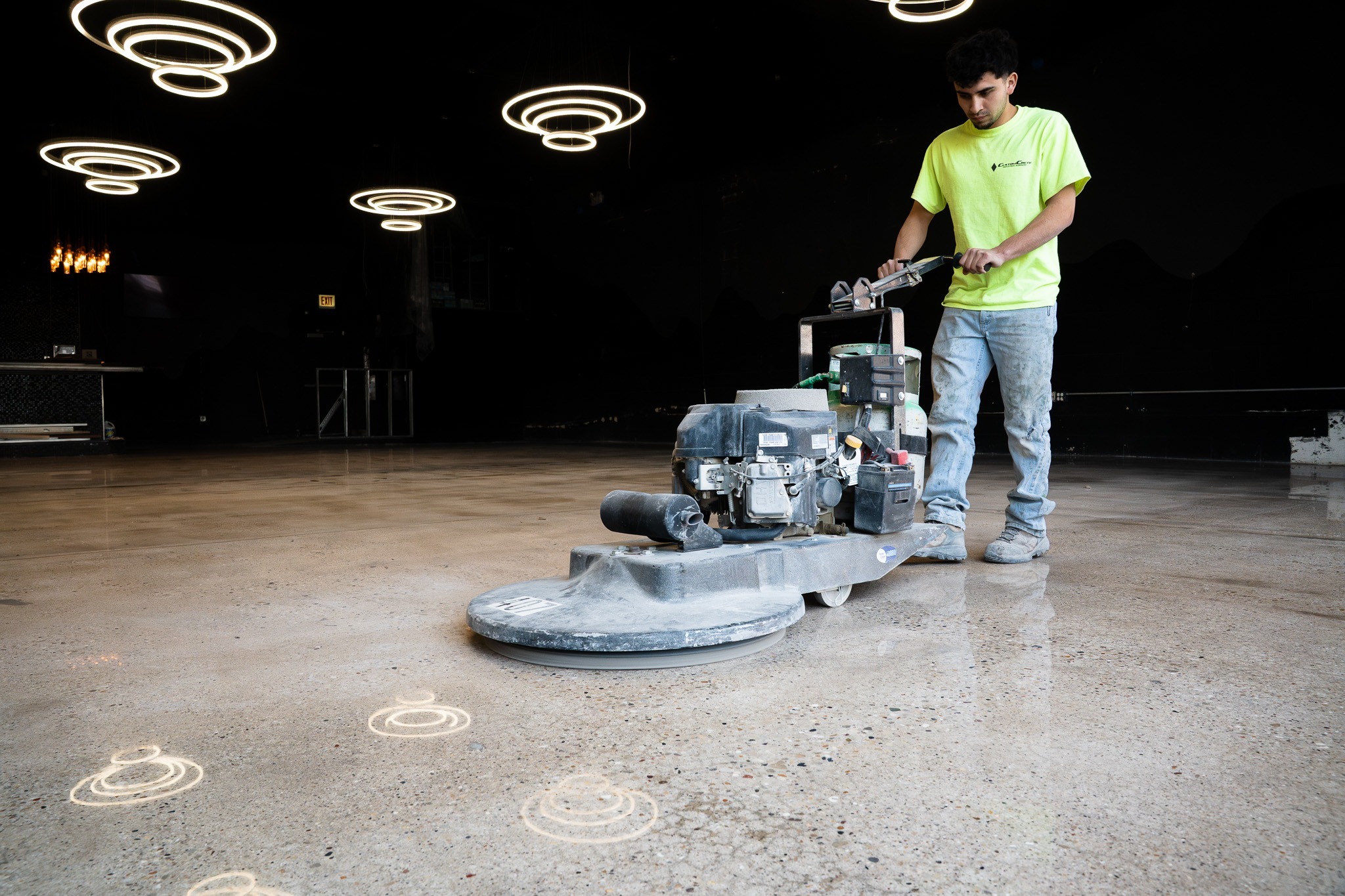
Polished concrete is created through a series of progressively finer grinding and polishing steps.
After initial grinding, a liquid densifier is typically applied to strengthen the concrete surface and improve abrasion resistance.
The floor is then polished using increasingly finer diamond abrasives until the specified finish is achieved.
The exact number of grinding passes and grit levels depends on the project's performance requirements and desired appearance.
Understanding Finish Levels
One of the most important aspects of 03 35 43 polished concrete finishing is defining the expected finish.
Project specifications may address:
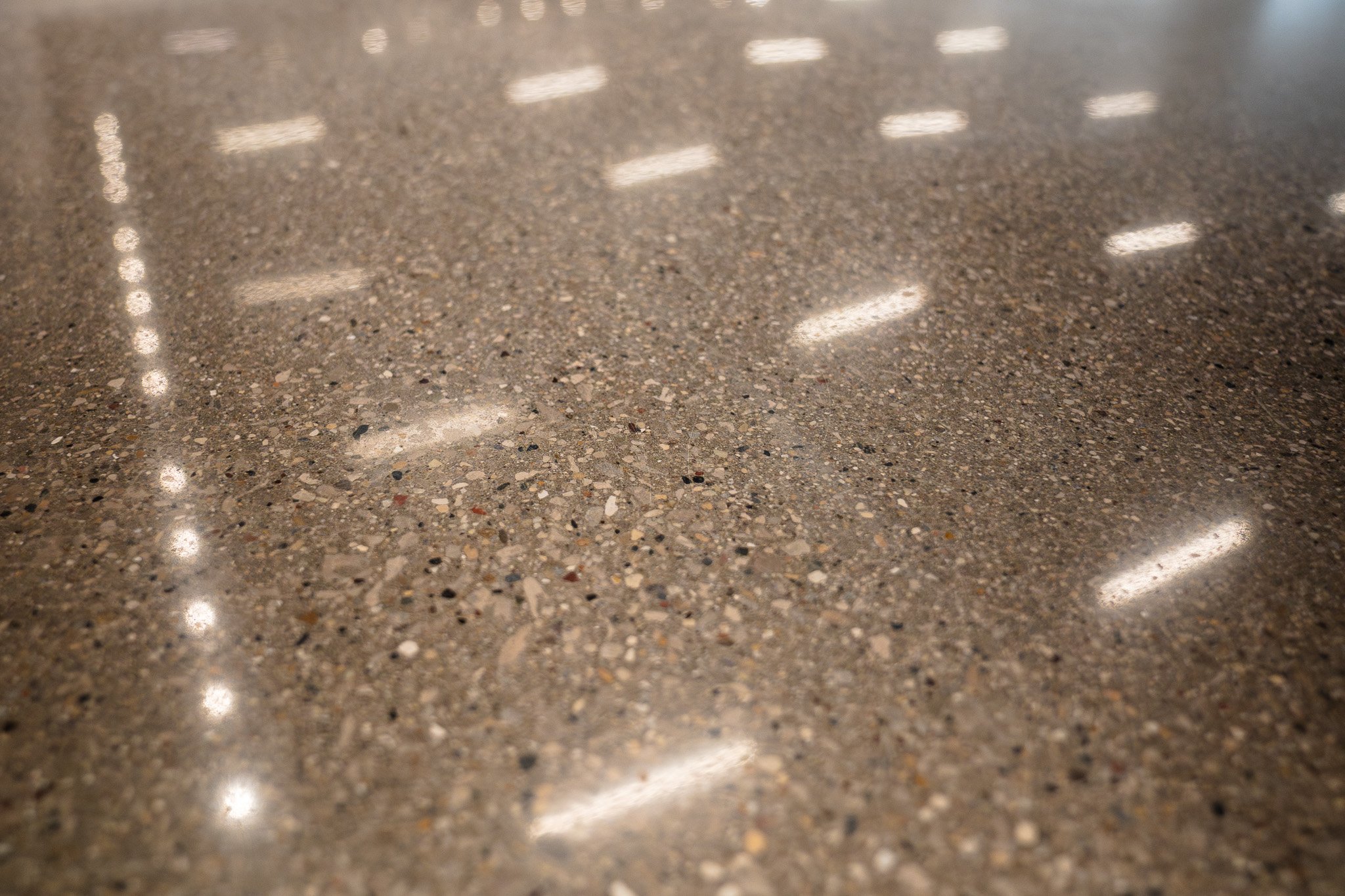
- Aggregate exposure
- Surface clarity
- Gloss level
- Reflectivity
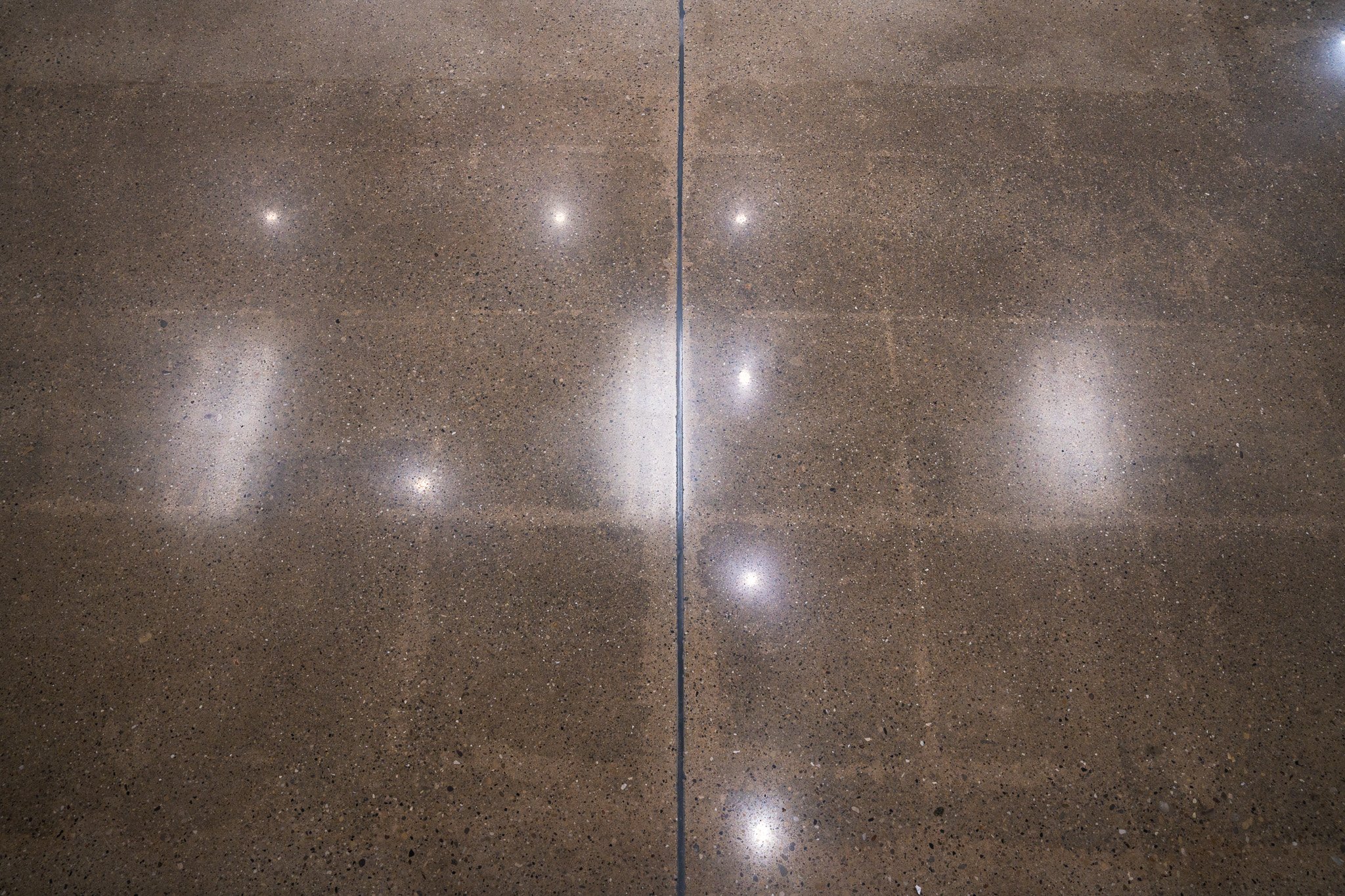
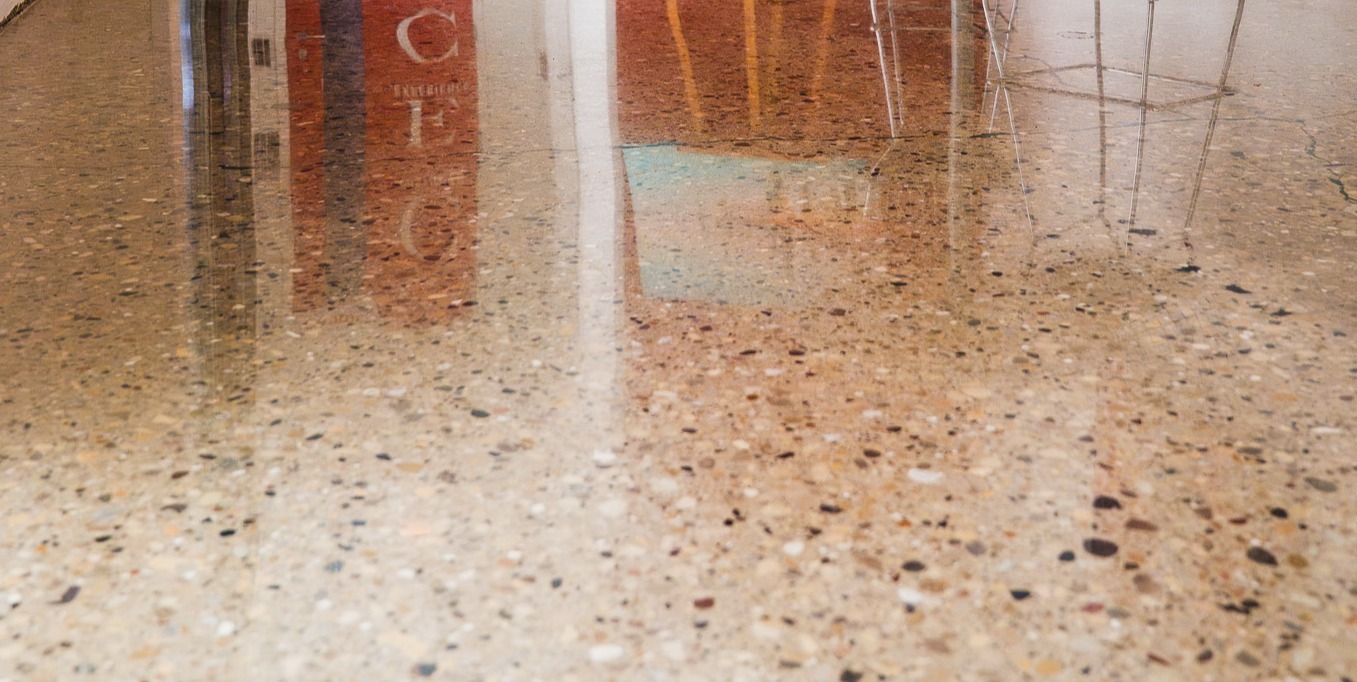
For example, some projects call for a cream finish with very little aggregate exposure, while others intentionally expose larger decorative aggregate for a terrazzo-like appearance.
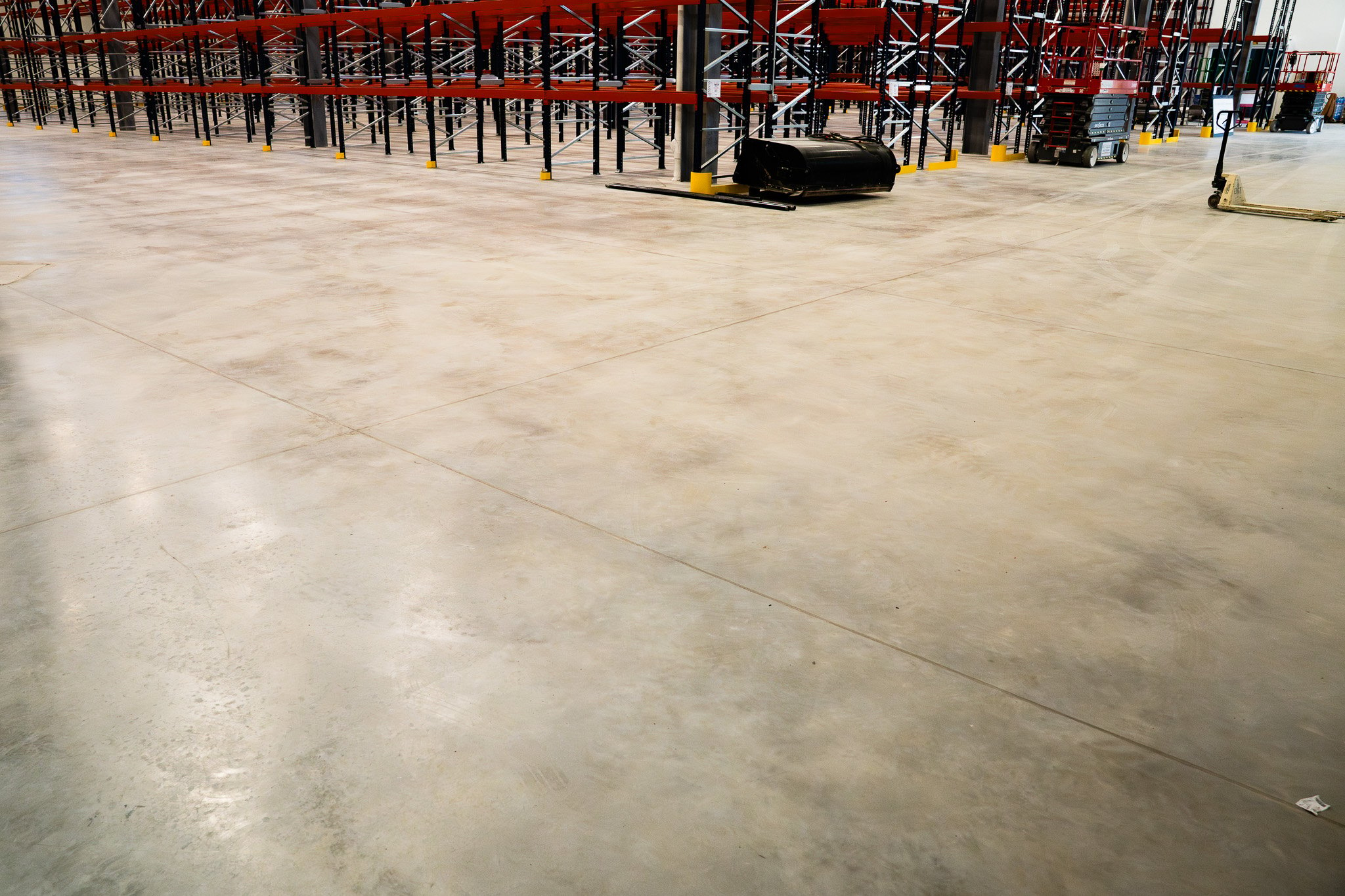
Similarly, a warehouse floor may require a satin finish, while a corporate lobby or retail space may specify a high-gloss polish.
Clearly defining these expectations helps ensure all project stakeholders are aligned.
Performance Expectations
Beyond appearance, 03 35 43 polished concrete finishing often includes performance requirements.
Depending on the project, specifications may address:
- Abrasion resistance
- Dustproofing
- Slip resistance
- Surface hardness
- Ease of maintenance
By including measurable performance criteria, architects and owners can evaluate whether the completed floor meets the project's long-term objectives.
Why CSI Specifications Matter
Using standardized CSI codes improves communication throughout the construction process.
For general contractors, clearly written specifications help:
- Prepare accurate bids
- Coordinate subcontractors
- Clarify project scope
- Reduce change orders
- Improve scheduling
Instead of relying on general descriptions such as "polished floor," CSI specifications establish detailed expectations before work begins.
What Isn't Included in the Code?
Although 03 35 43 polished concrete finishing identifies the polishing scope, it does not automatically define every project detail.
Separate specification sections may still address:
- Concrete placement
- Moisture testing
- Joint repair
- Surface preparation
- Crack repair
- Floor protection during construction
General contractors should review the entire project manual rather than relying on one CSI section alone.
Why Contractor Experience Still Matters
Even with detailed specifications, the finished floor depends heavily on the contractor's experience.
Successful polished concrete projects require an understanding of:
- Concrete conditions
- Grinding techniques
- Densifier selection
- Equipment operation
- Repair methods
- Quality control
Two contractors working from the same specification may achieve different results depending on their experience and installation practices.
Choosing an experienced polished concrete contractor helps ensure the finished floor meets both the written specifications and the owner's expectations.
Final Thoughts
03 35 43 polished concrete finishing provides a standardized framework for specifying polished concrete floors in commercial and industrial construction. By outlining requirements for surface preparation, polishing procedures, finish levels, and performance expectations, this CSI code helps architects, engineers, contractors, and owners communicate more effectively throughout the project.
Understanding what this specification includes allows general contractors to prepare more accurate bids, coordinate trades more efficiently, and deliver polished concrete floors that meet both aesthetic and performance goals.
To learn more about the CSI MasterFormat sections commonly used in concrete restoration and resinous flooring projects, read the next article: Important CSI Codes You Need to Know for Concrete Restoration as a General Contractor.

Topics:
.jpg?width=2048&height=1365&name=CC108559%20(1).jpg)
.png?width=11520&height=9216&name=Untitled%20design%20(56).png)
.jpg?width=2048&height=1365&name=CC106221%20(1).jpg)
.jpg?width=2048&height=1365&name=CC102459%20(1).jpg)