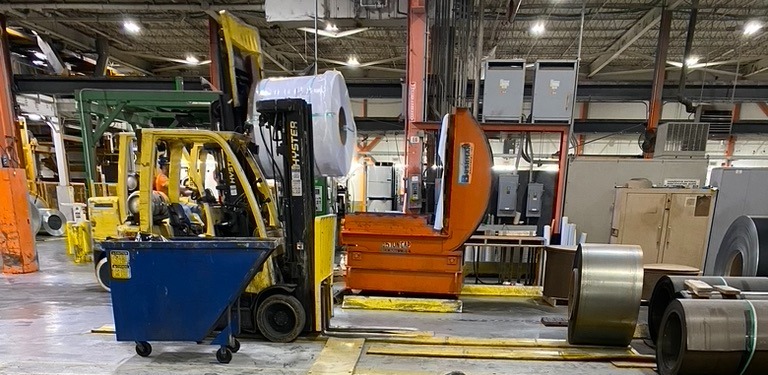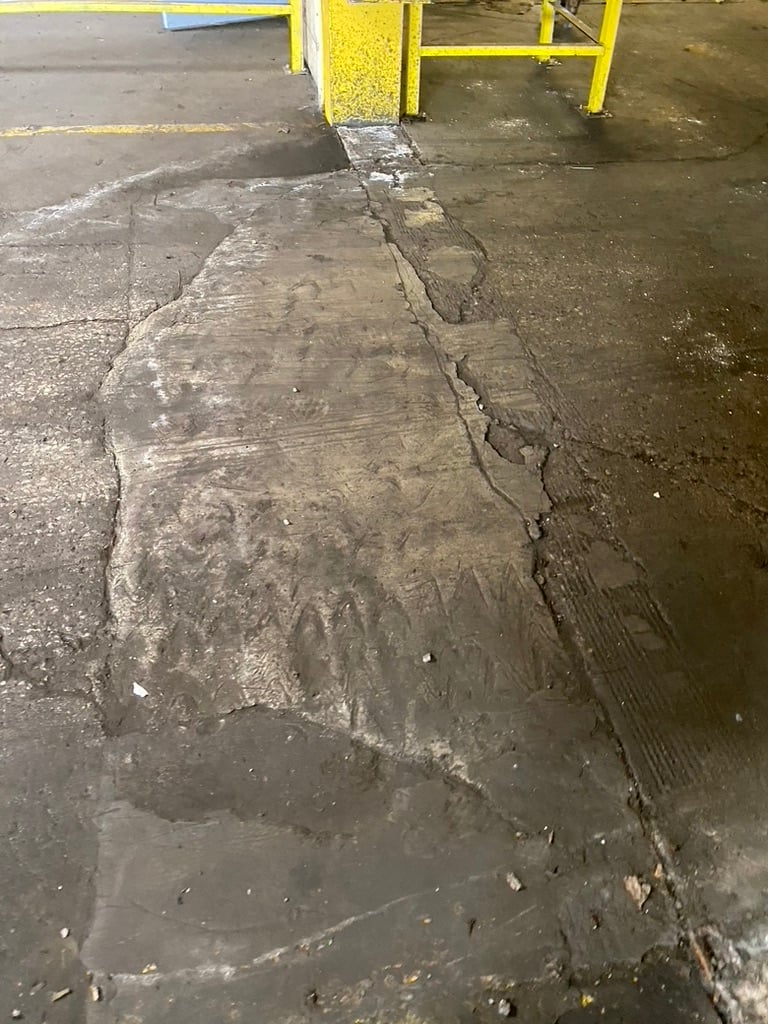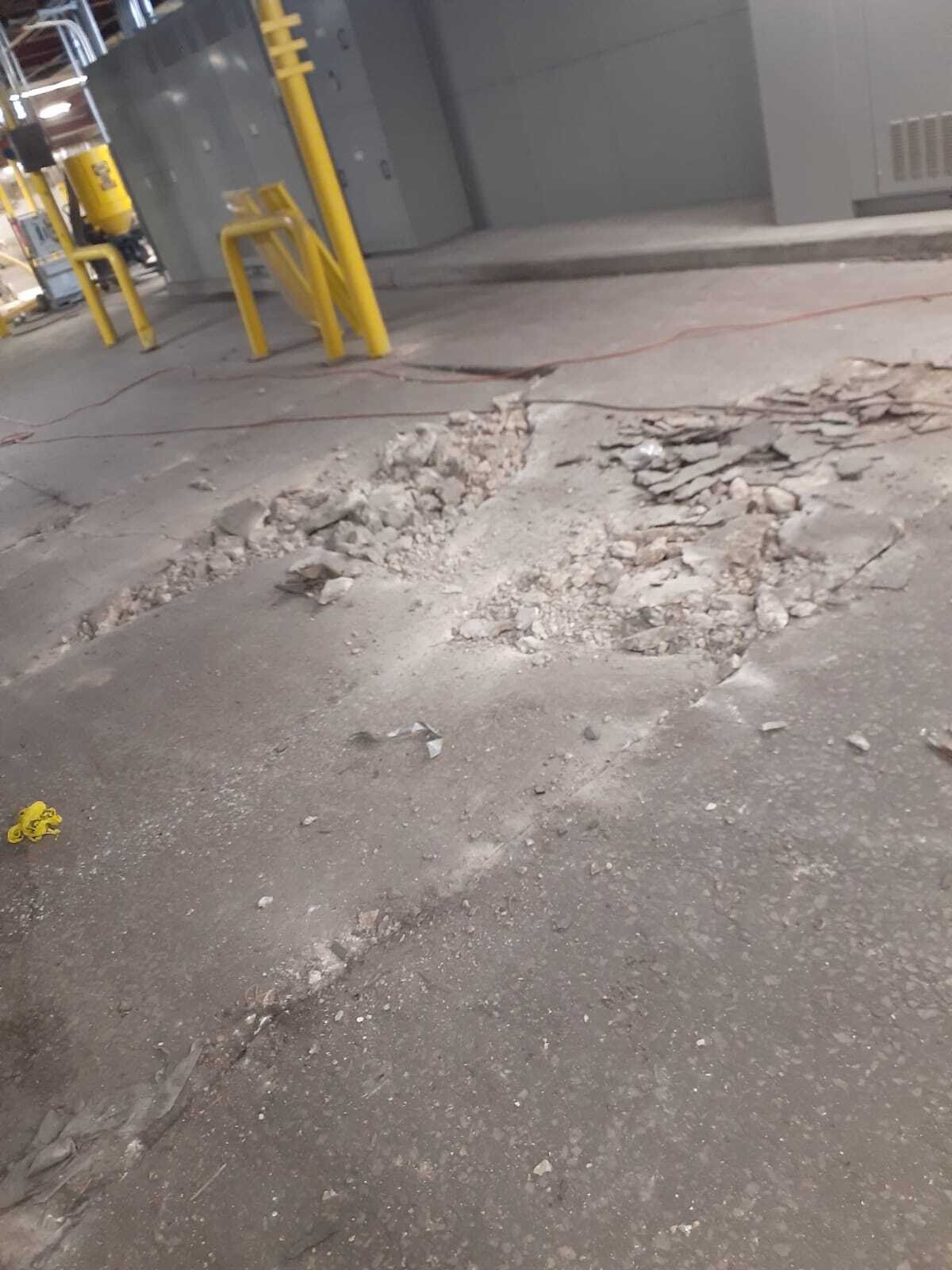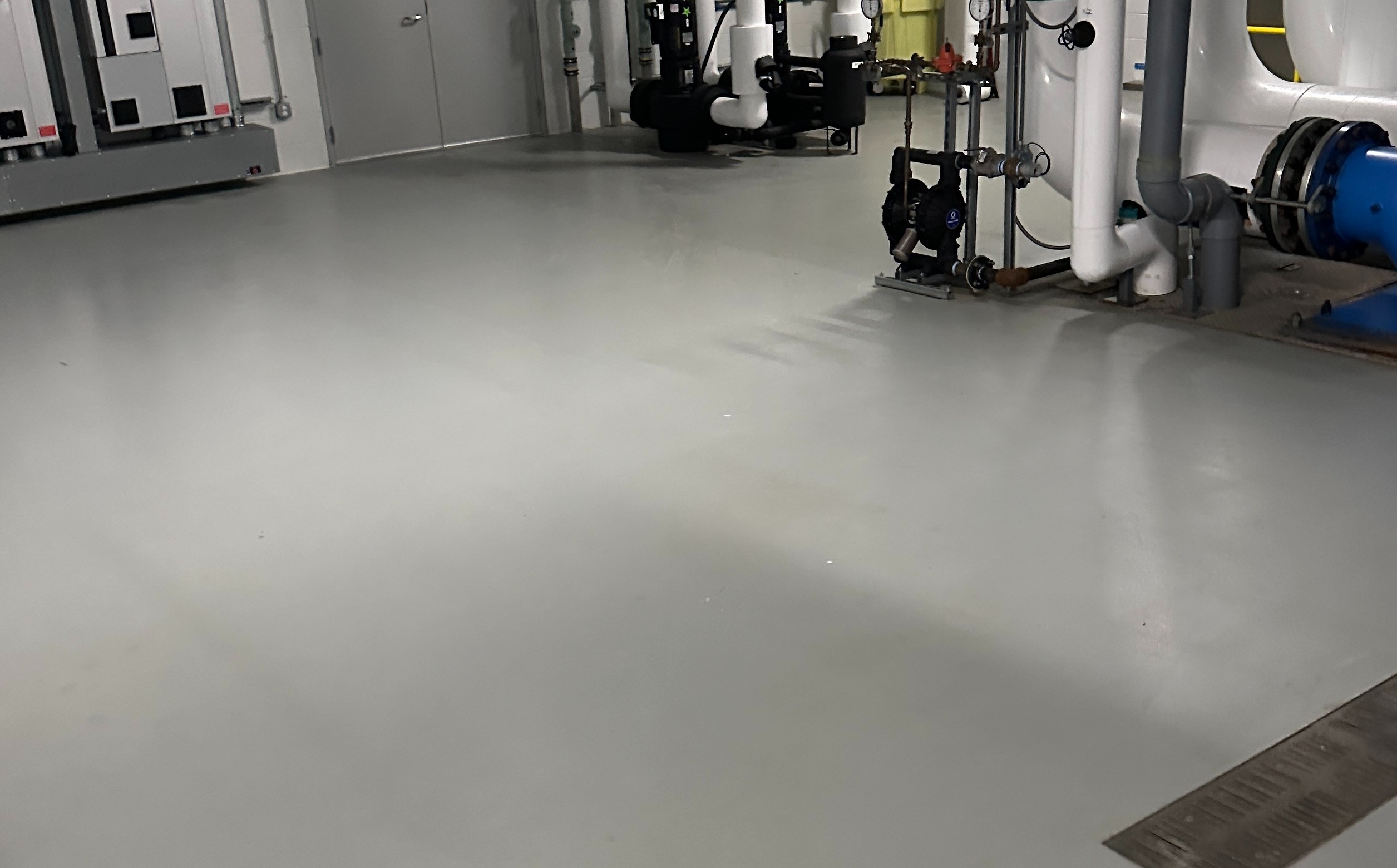

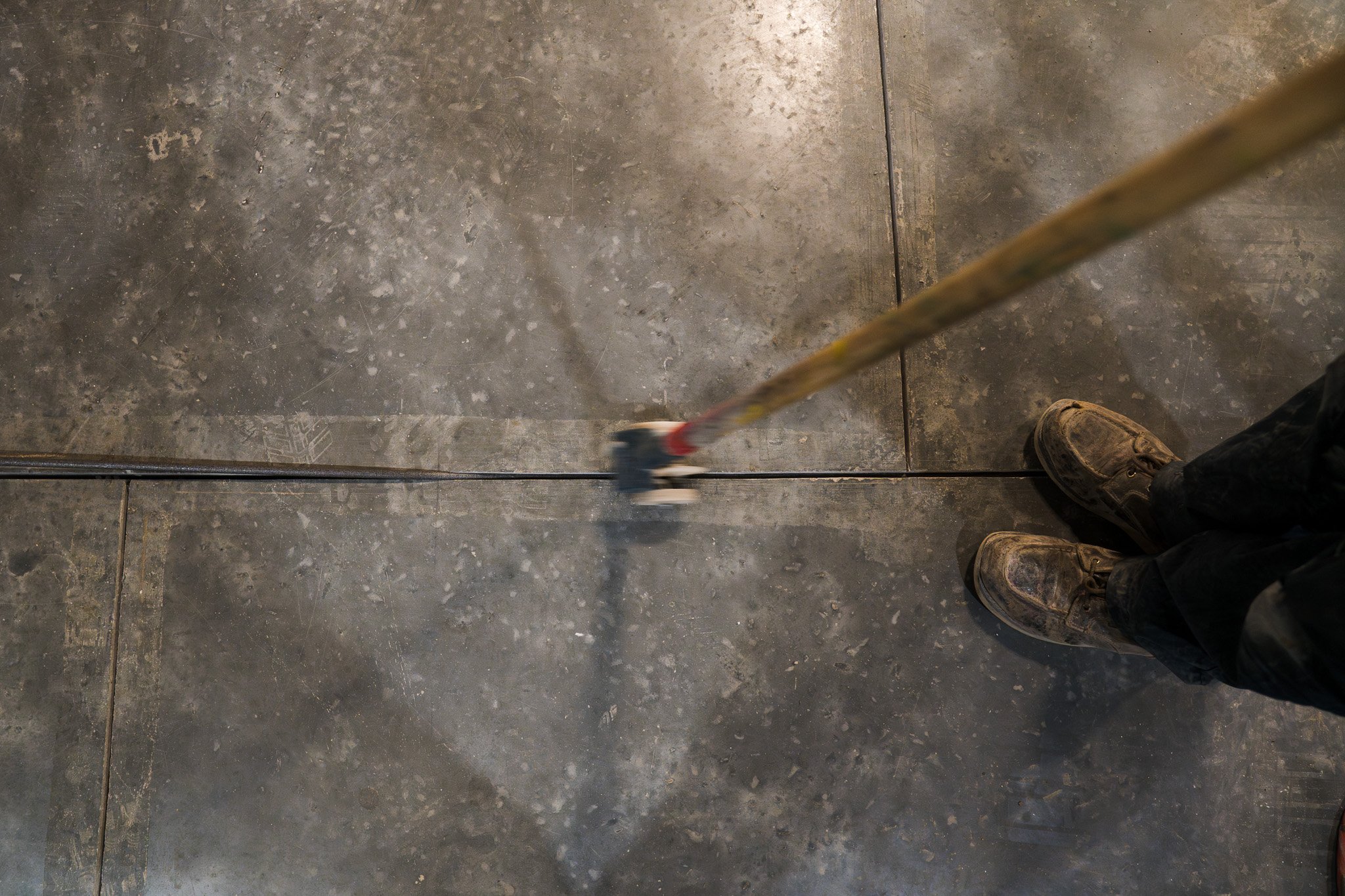
Yes, concrete restoration can significantly improve floor safety. Restoring damaged concrete floors helps eliminate trip hazards, repair cracks and spalling, improve traction, and create a more predictable walking and driving surface. In many facilities, restoration is one of the fastest ways to improve safety flooring conditions without replacing the entire slab.
At CustomCrete, this question often comes up when warehouses, factories, and commercial facilities evaluate aging or damaged floors that may be affecting safety.

Why Damaged Concrete Floors Become Safety Risks
Over time, concrete floors naturally experience wear from traffic, equipment, and environmental conditions. When damage begins to appear, it can create several safety concerns.
Common floor hazards include:
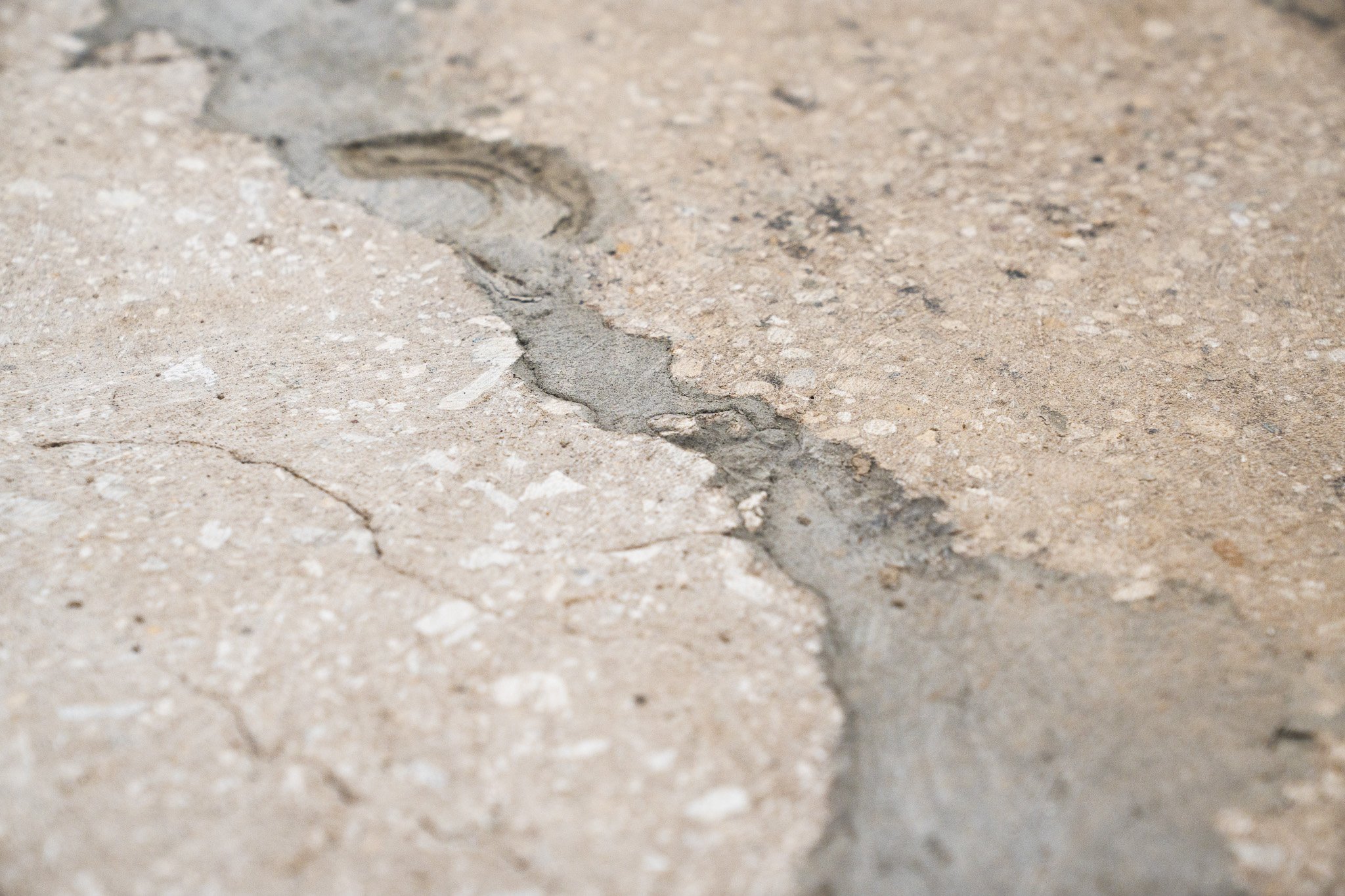
- Cracks that create trip hazards
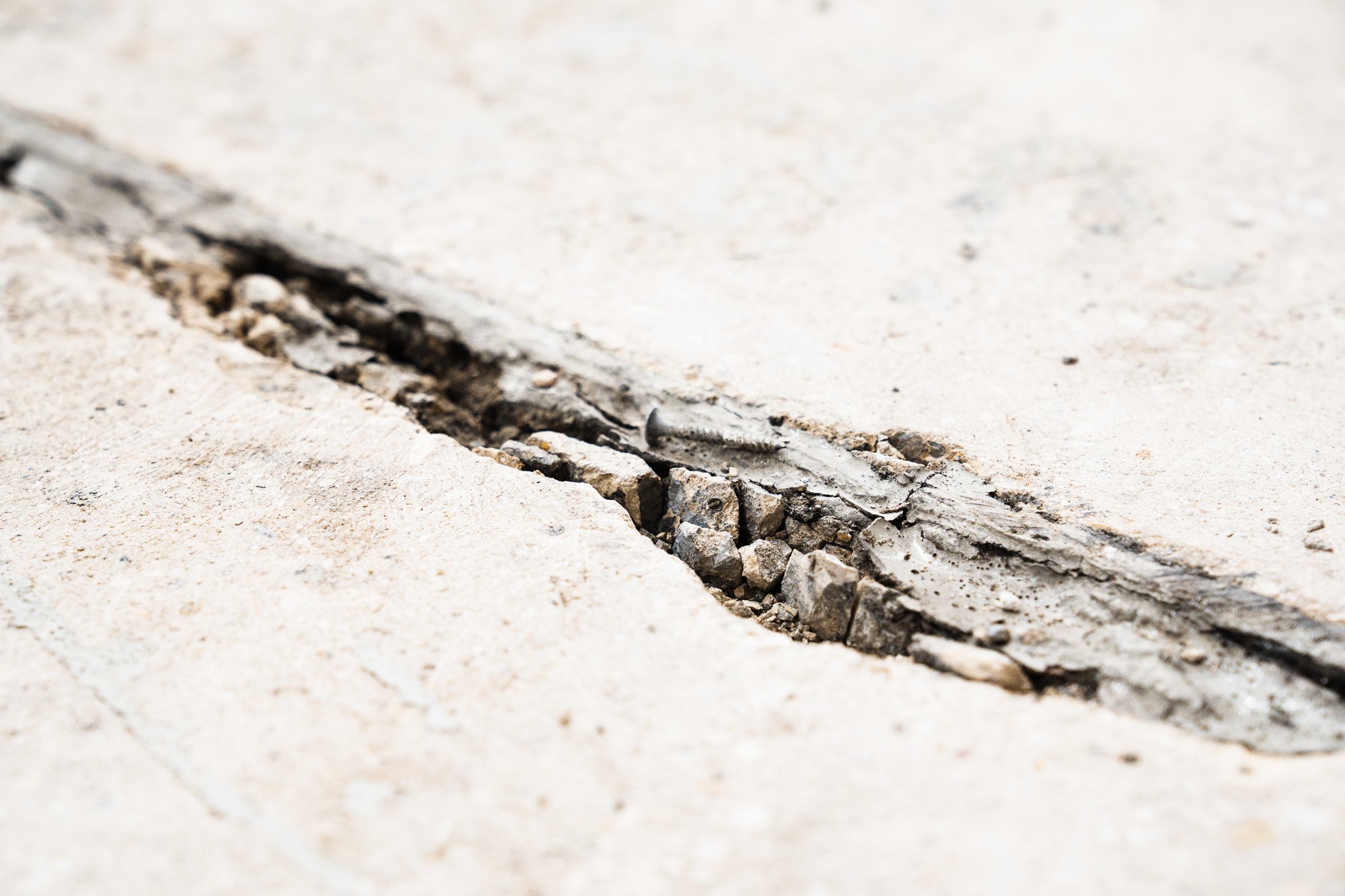
- Spalling or chipped concrete edges
- Uneven surfaces that affect carts and forklifts
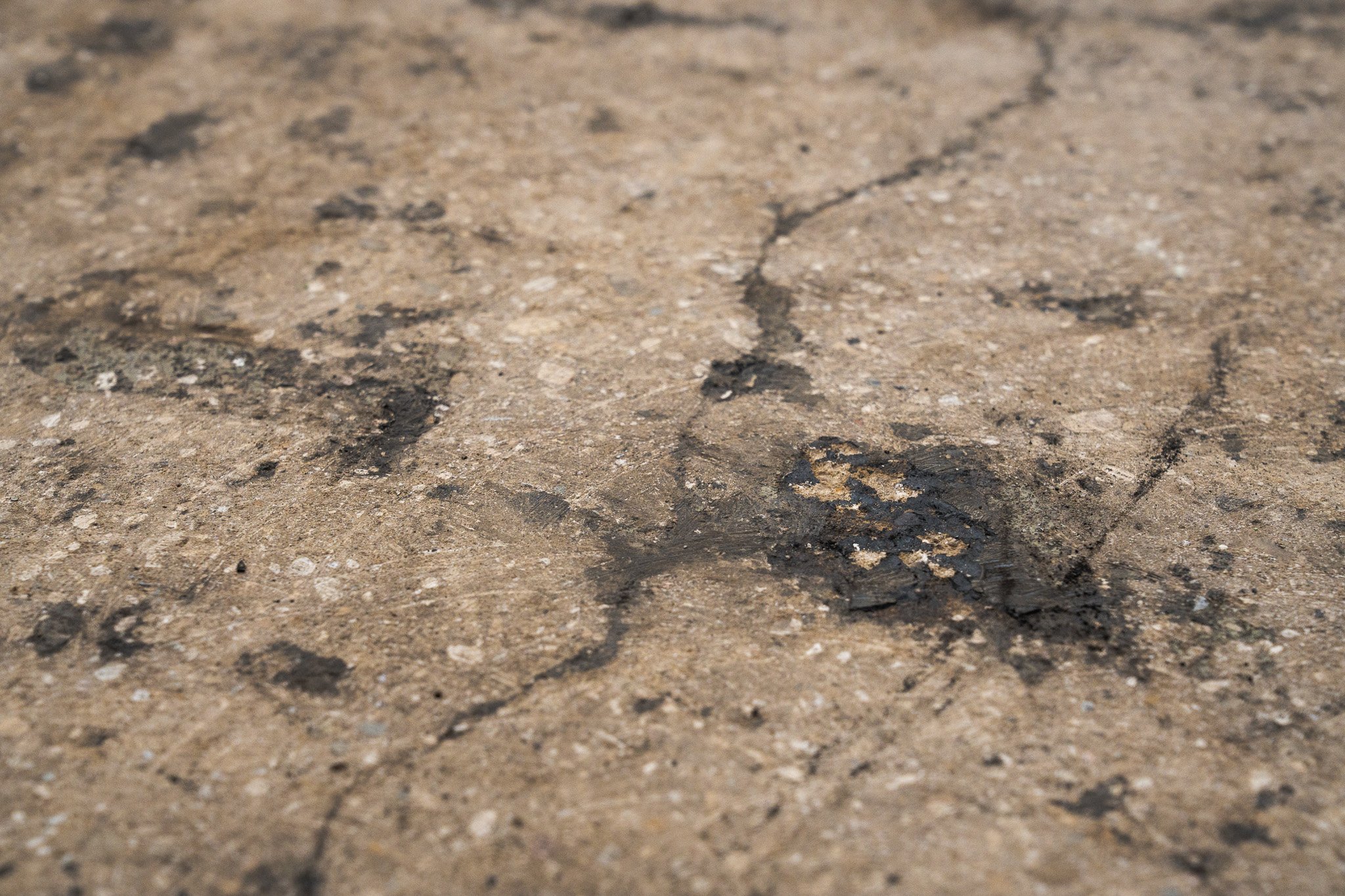
- Dusting concrete that reduces visibility and cleanliness
- Worn surfaces that become slippery when wet
These issues not only affect workers but can also slow operations and increase maintenance costs.
How Concrete Restoration Improves Safety Flooring
Concrete restoration focuses on repairing and stabilizing the slab so it performs safely again. Several restoration methods directly improve floor safety.
Crack and Joint Repair
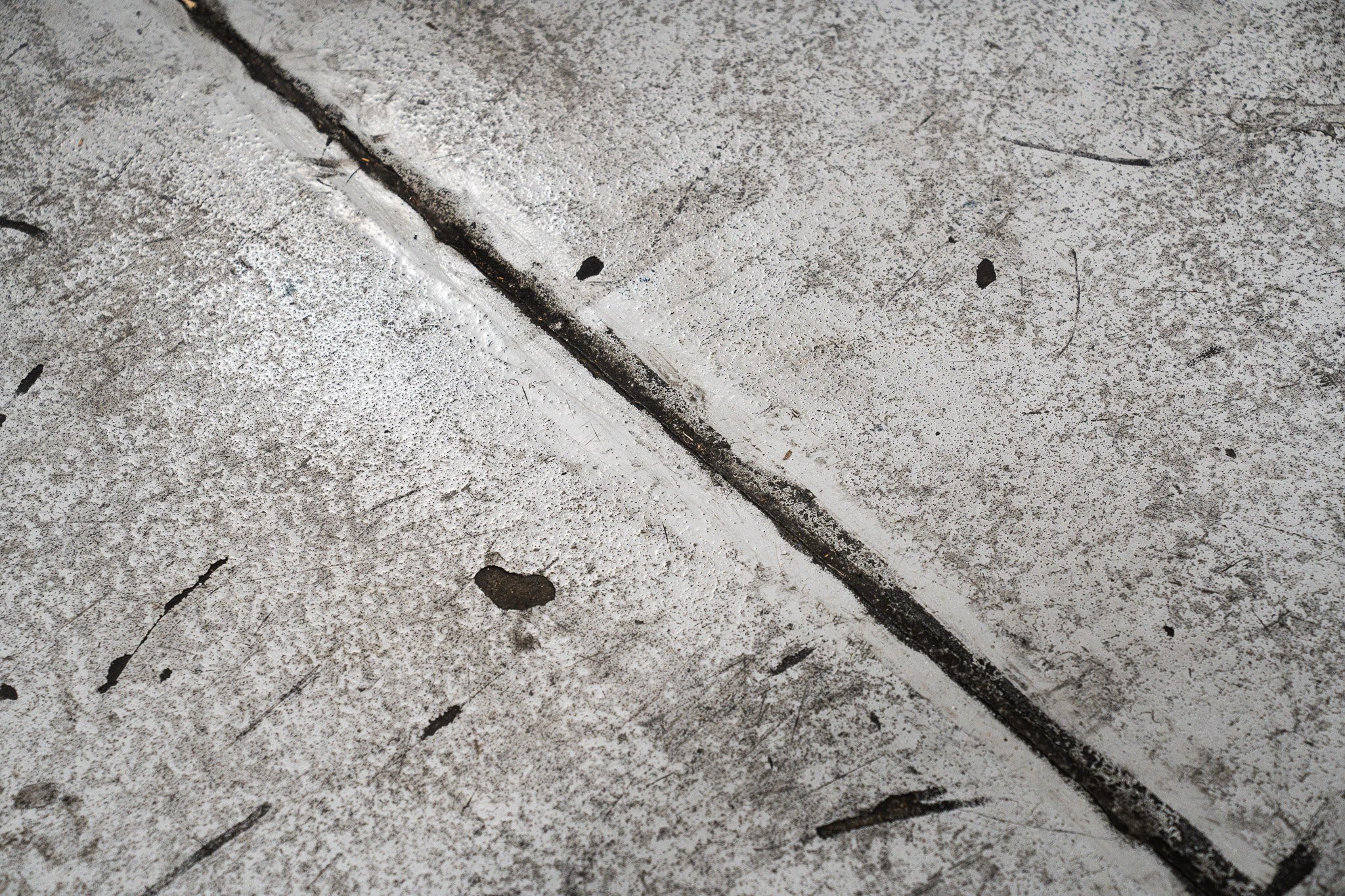
Repairing cracks and damaged joints removes trip hazards and helps restore smooth traffic paths for both pedestrians and equipment.
Surface Patching and Leveling
Spalled or uneven areas can be patched and leveled, reducing vibration for equipment and eliminating dangerous surface irregularities.
Improved Slip Resistance
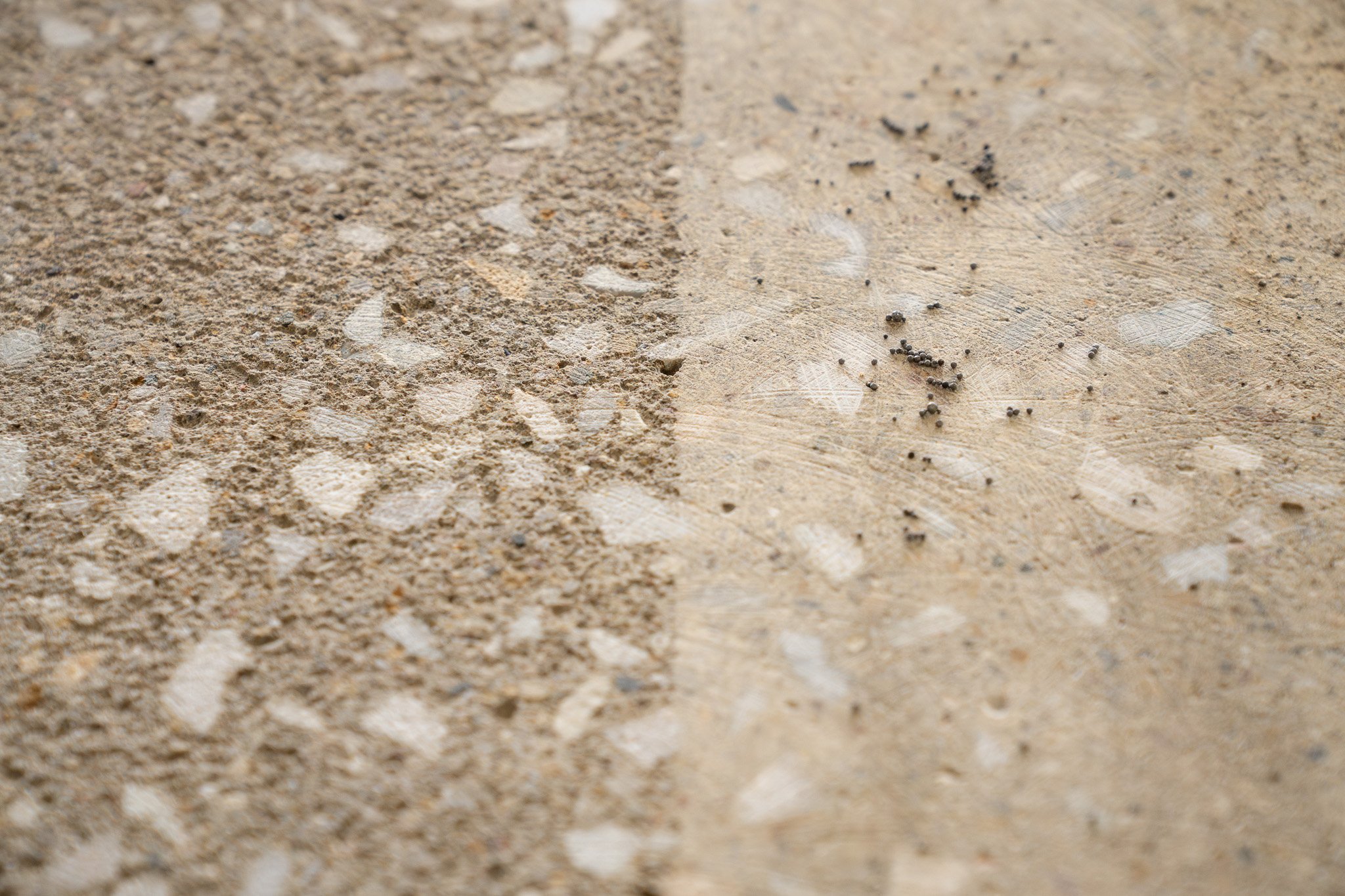
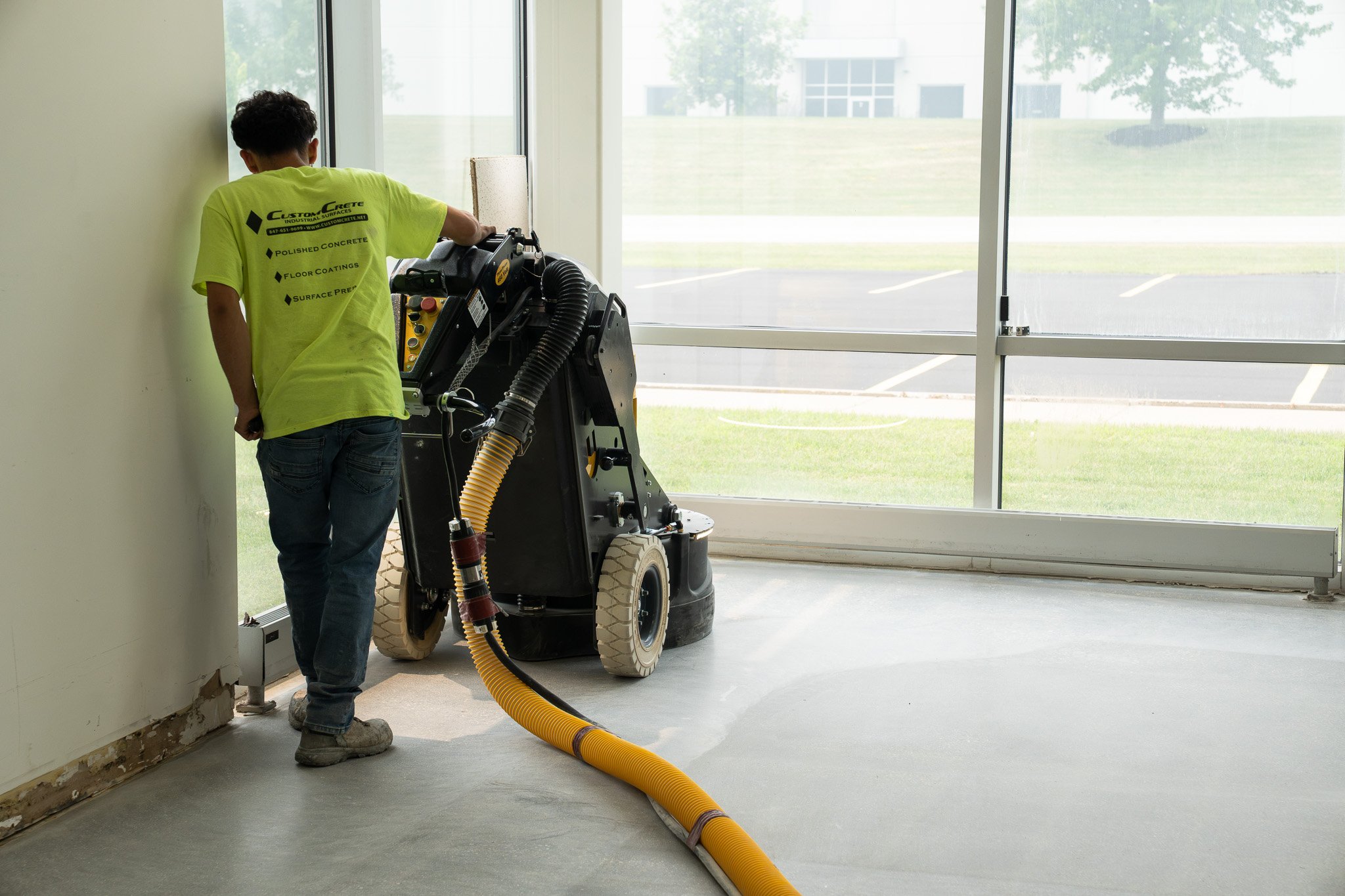
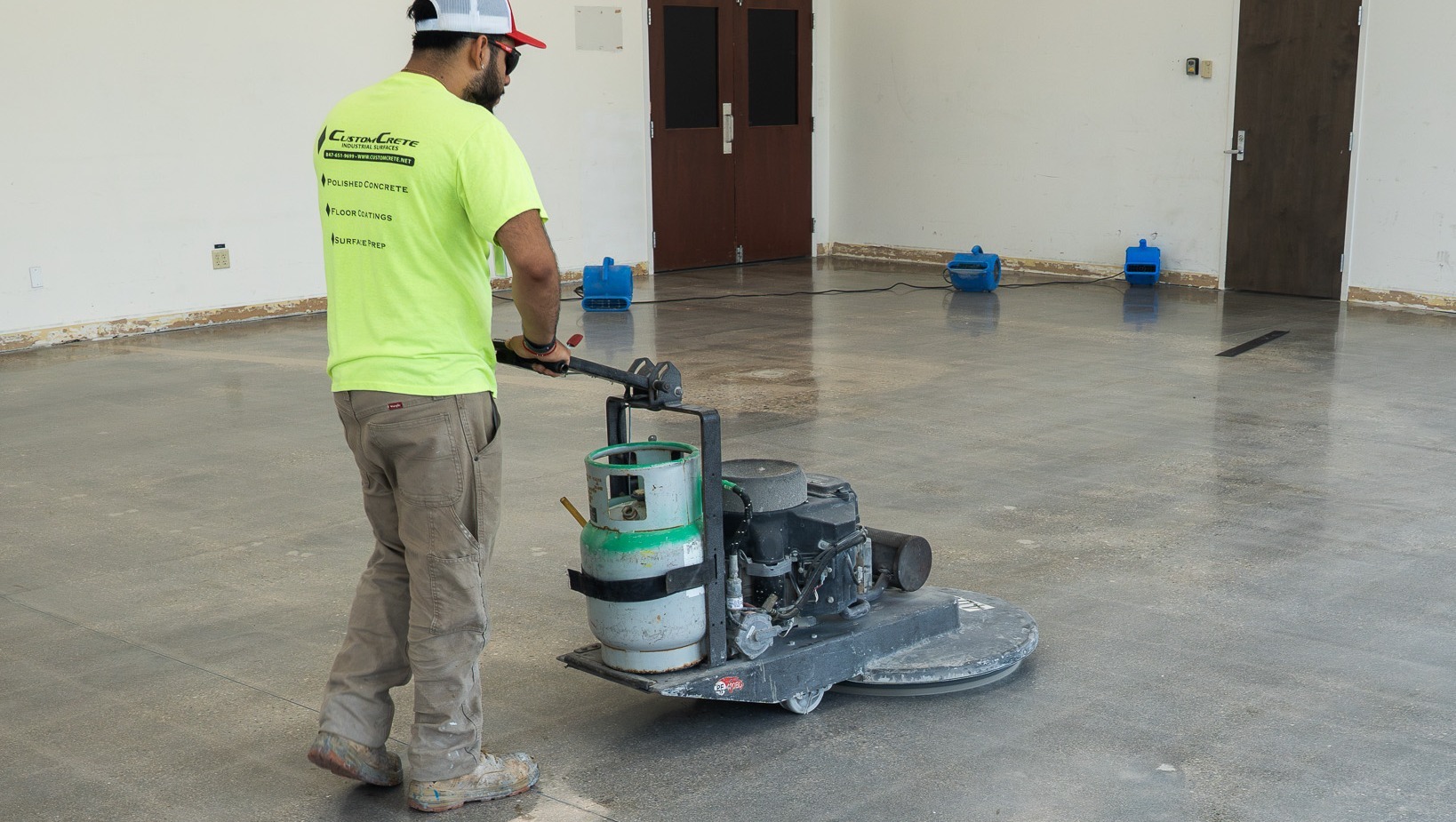
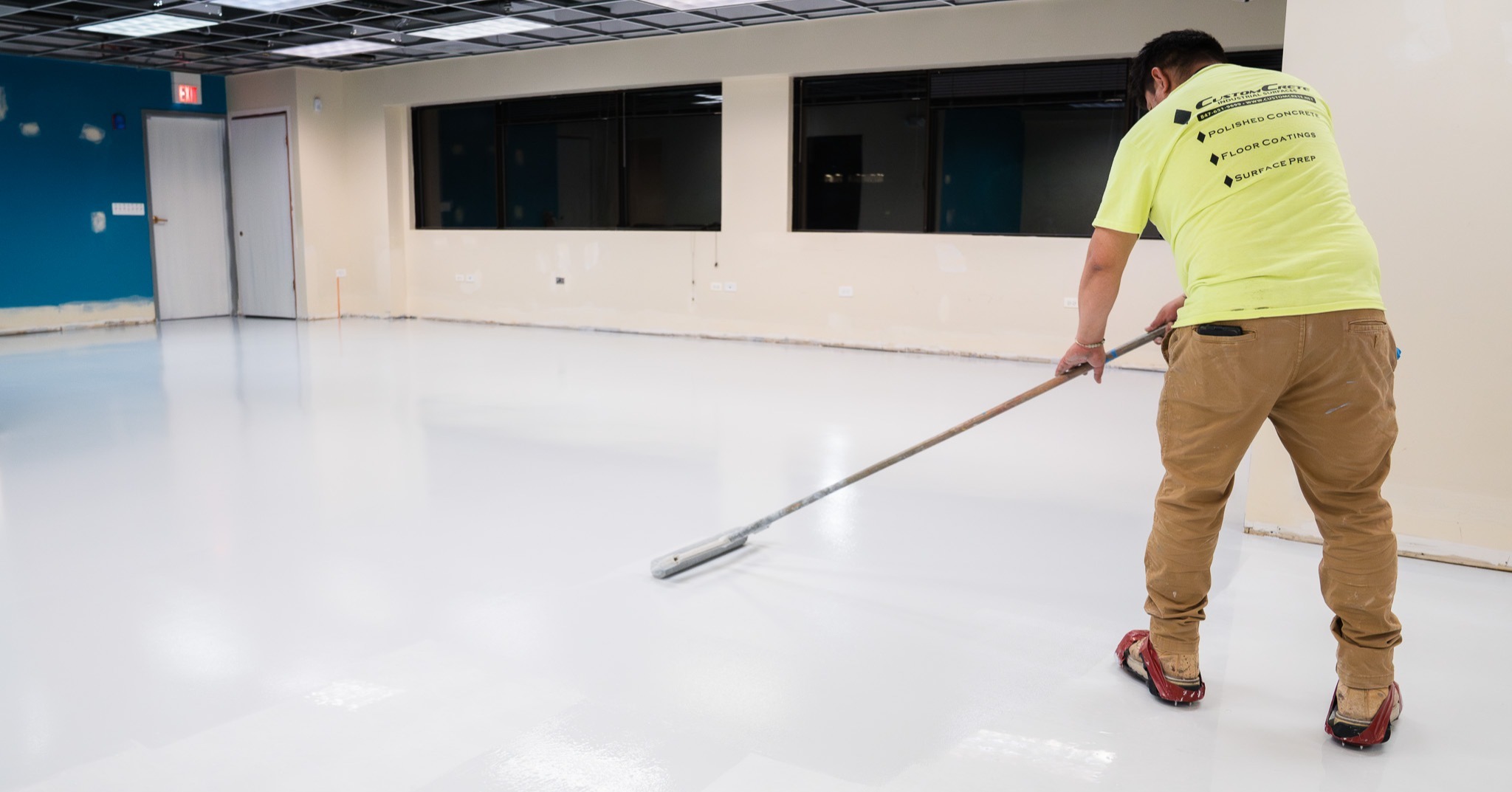
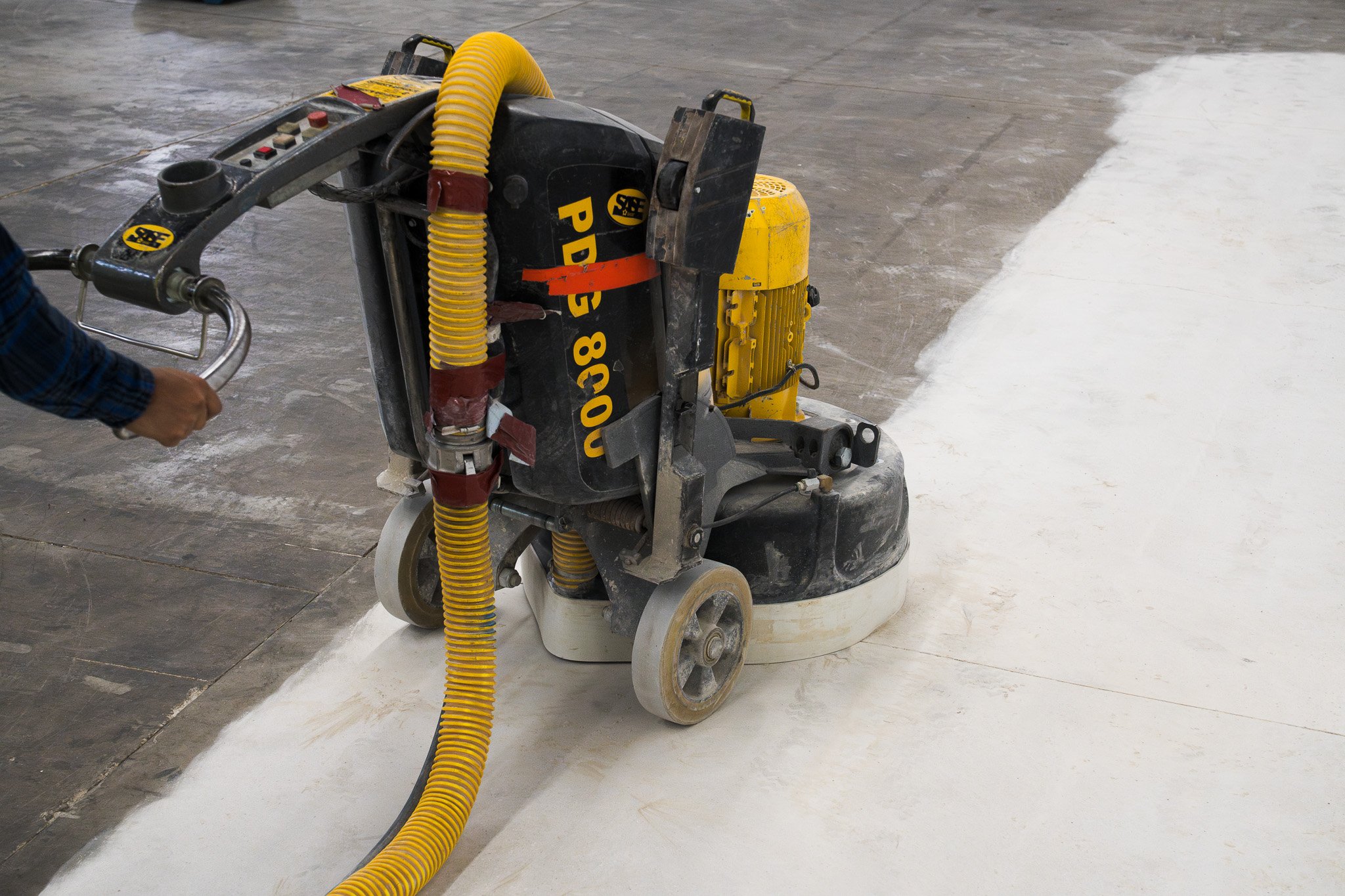
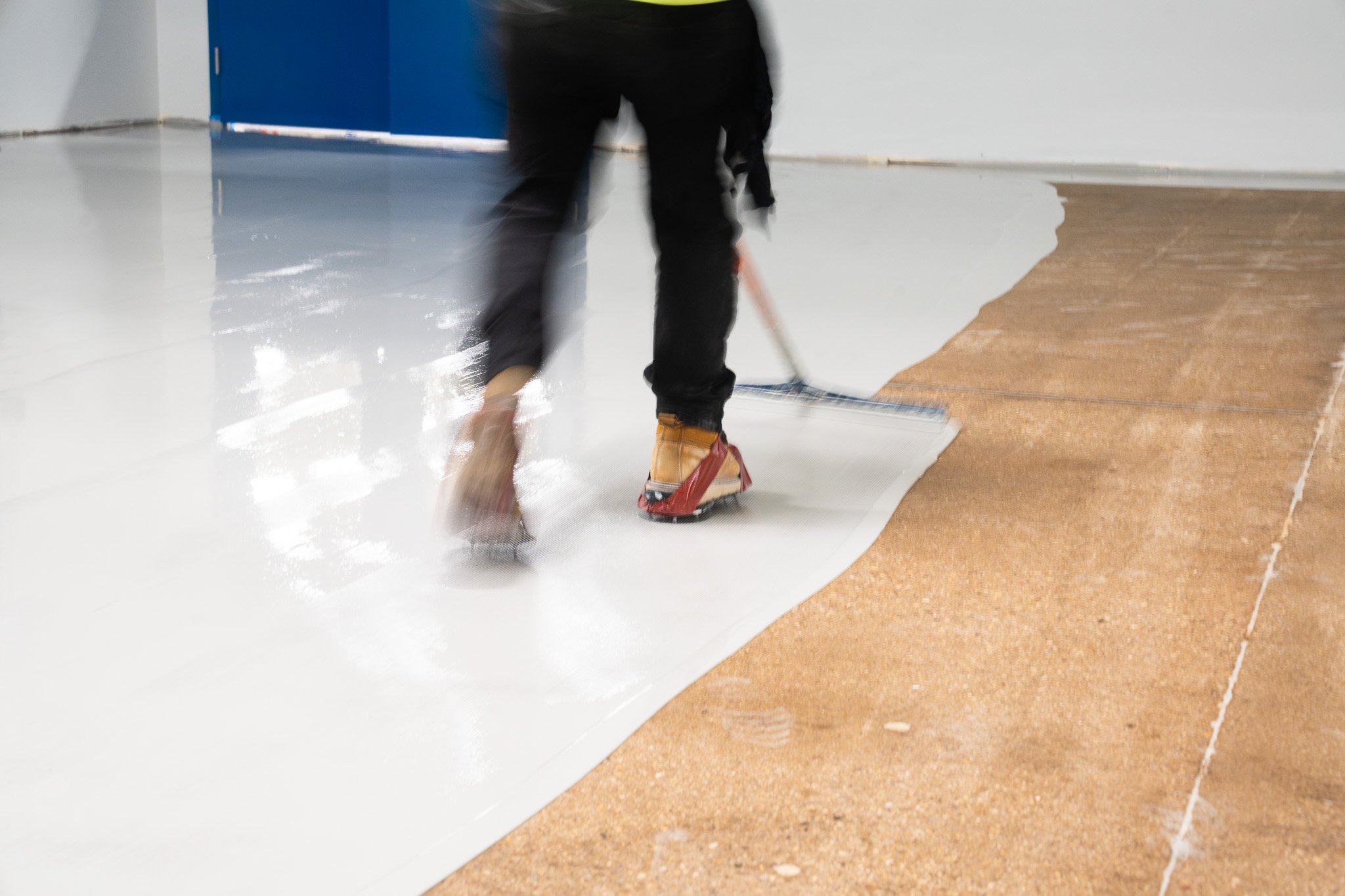
Restoration may include grinding, coatings, or surface treatments that improve traction. This can help reduce slips and falls in high-traffic areas.
Dust Reduction
Damaged concrete often produces dust as it deteriorates. Restoration can stabilize the surface and reduce airborne dust, which improves both visibility and air quality.
When Restoration Is the Right Safety Solution
Concrete restoration can improve safety when the slab is structurally sound but experiencing surface damage. Facilities often restore floors when they notice:
- Increasing trip hazards
- Rough or broken joint edges
- Uneven traffic lanes
- Deteriorating concrete surfaces
Addressing these problems early helps prevent larger structural issues and reduces the likelihood of accidents.
When Replacement May Still Be Necessary
While restoration improves safety in many cases, full slab replacement may be required if the concrete has severe structural failure, settlement, or major subgrade problems. Restoration works best when the existing slab is stable but worn.
Evaluating the slab condition is the first step in determining the best solution.
Final Thoughts
Concrete restoration can greatly improve safety flooring conditions by repairing cracks, leveling surfaces, improving traction, and stabilizing deteriorating concrete. In many facilities, restoring the floor is a practical way to reduce hazards and extend the life of the slab without the disruption of full replacement.
To learn more about concrete restoration, flooring systems, and safety improvements, visit CustomCrete’s Learning Center. If your facility is dealing with damaged or unsafe flooring, you can also request a quote to explore restoration options.
Topics:
.jpg?width=6139&height=4093&name=CC100396%20(1).jpg)
.jpg?width=1200&height=1600&name=Copy%20of%20IMG_1457%20(1).jpg)