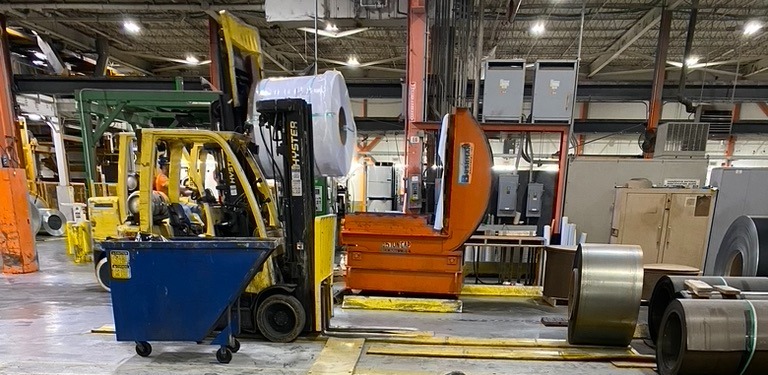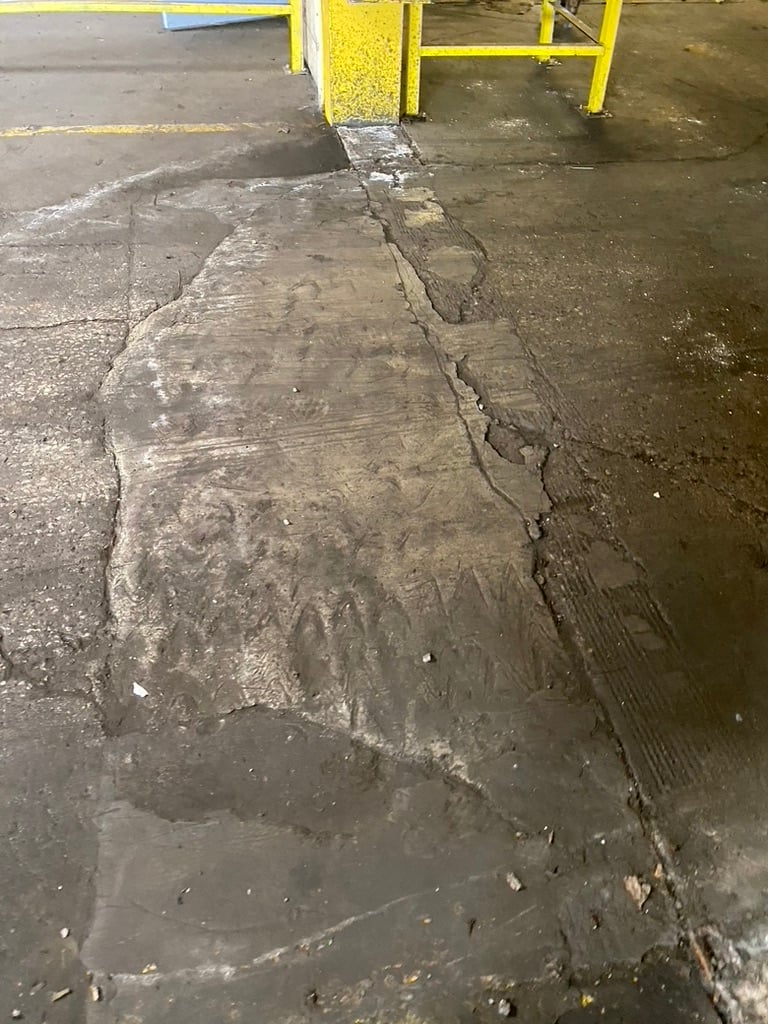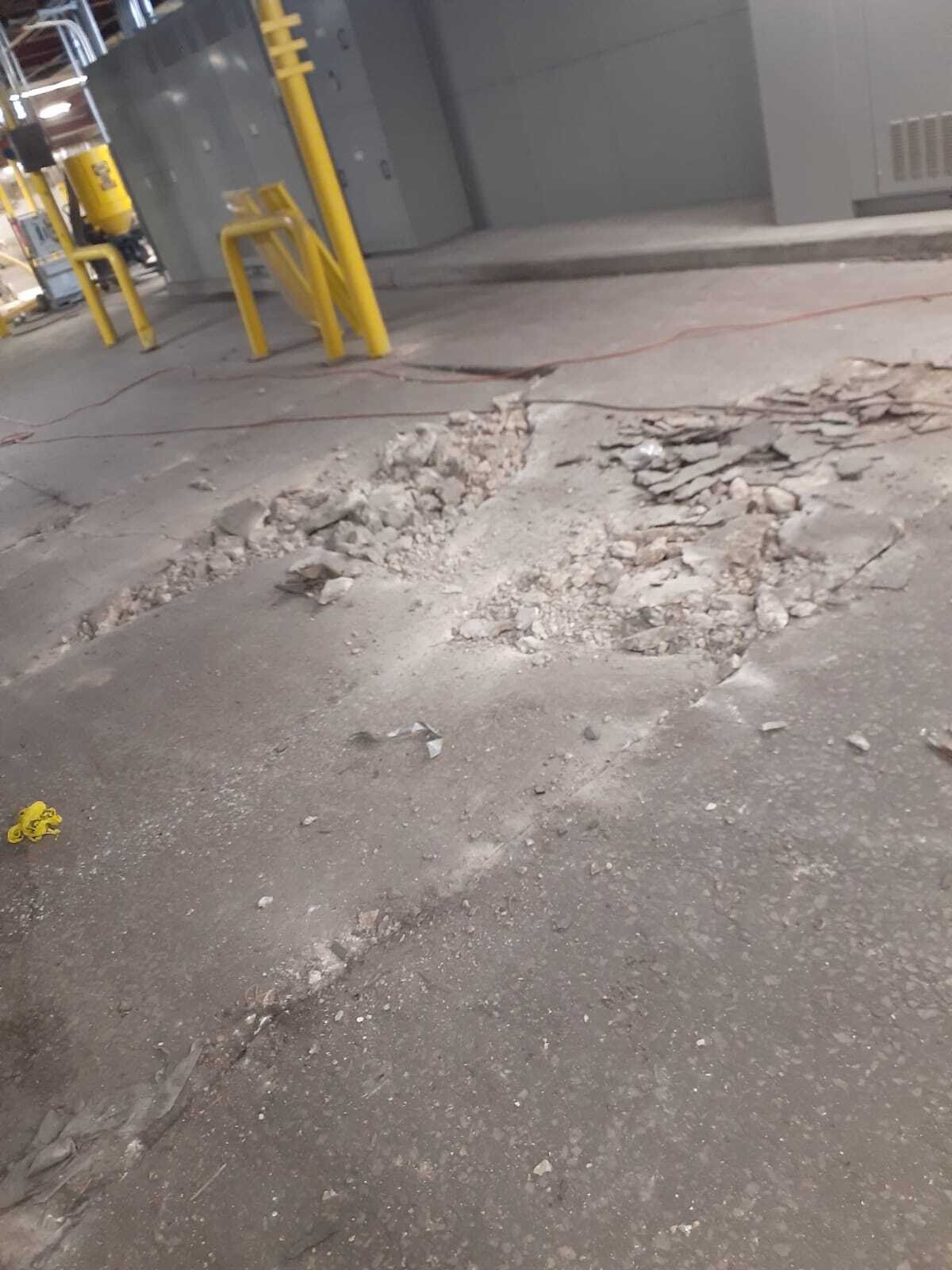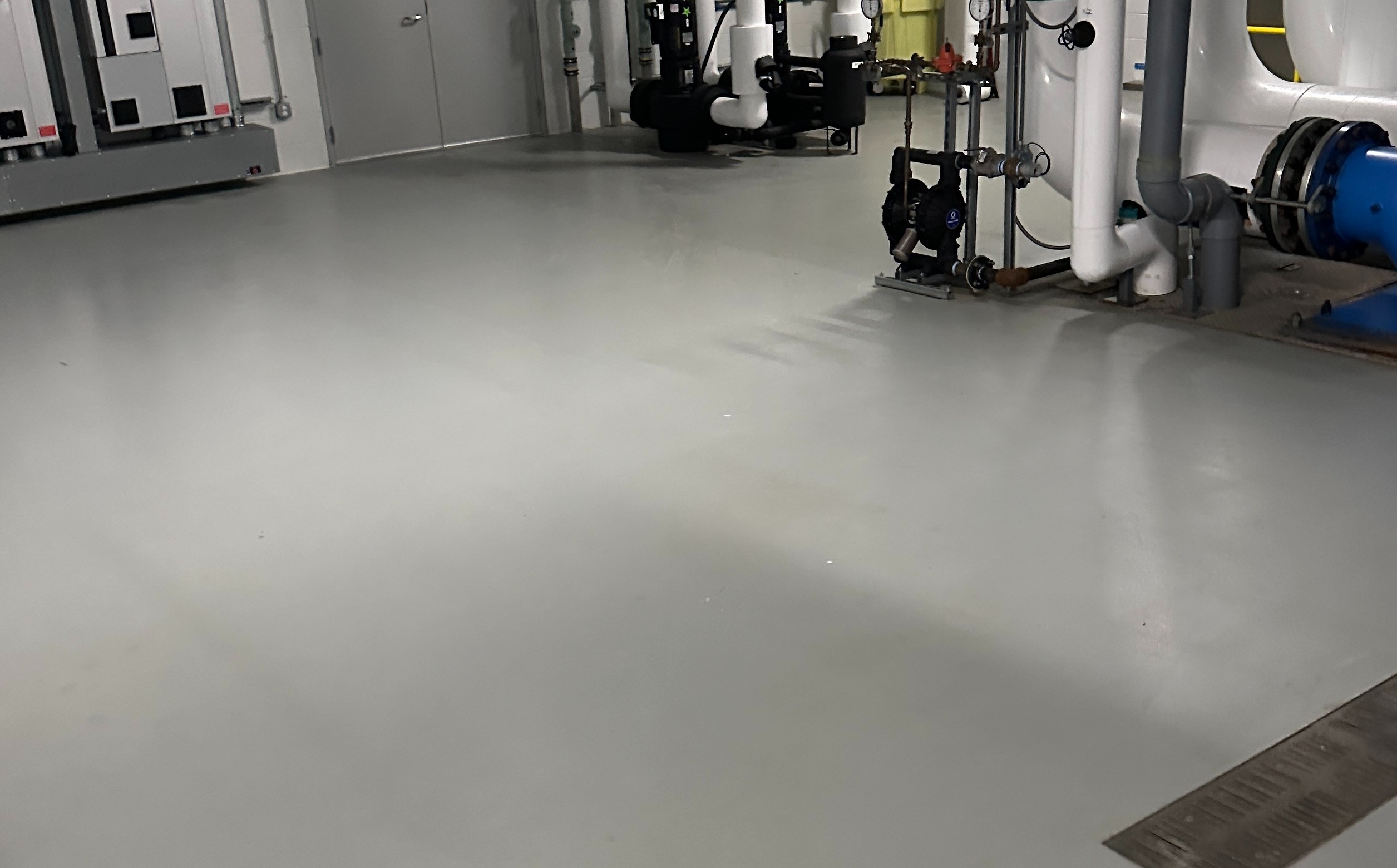

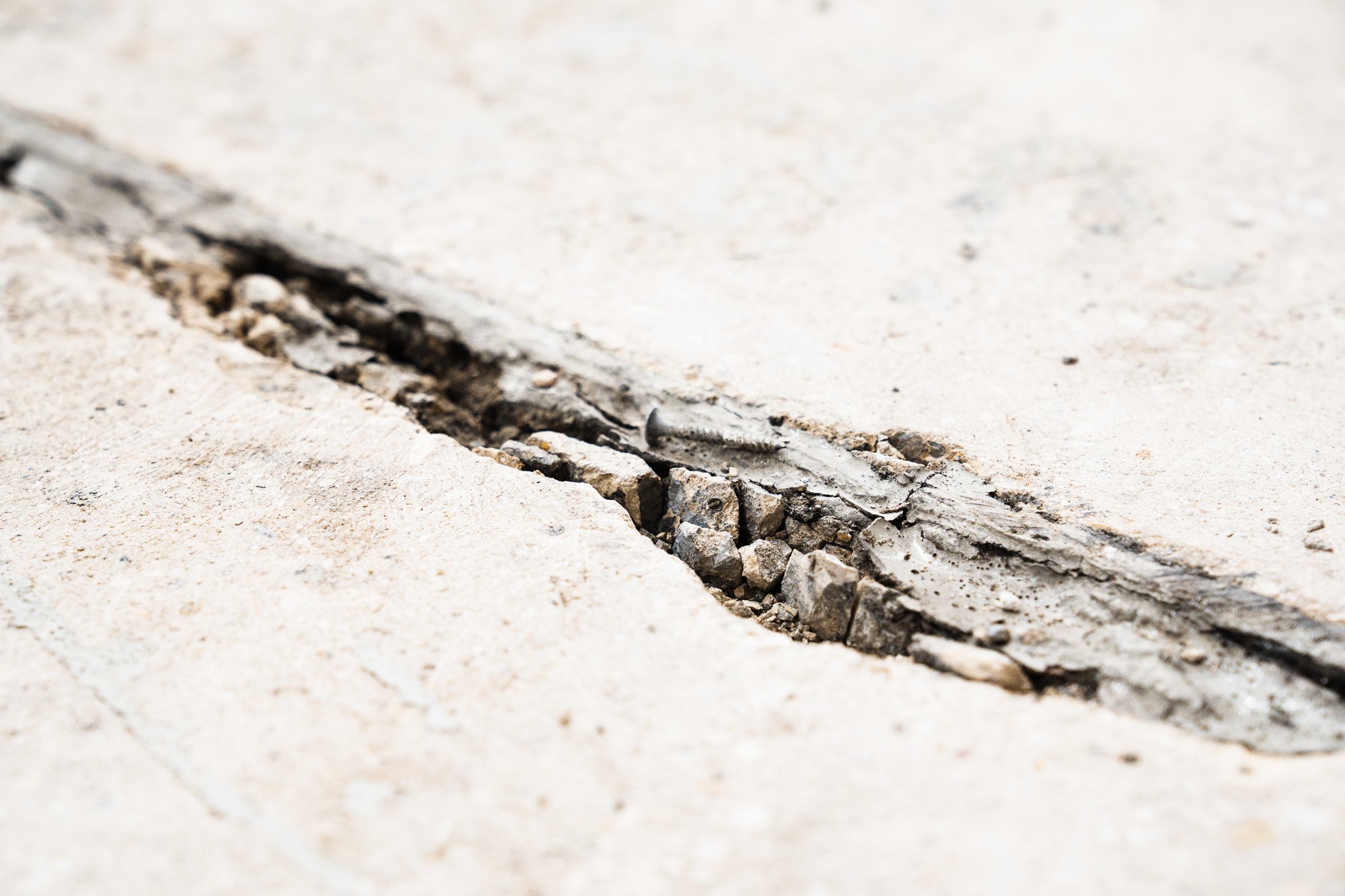
When concrete floors start cracking, spalling, or showing years of wear, many facility managers assume replacement is the only option. Full slab replacement sounds like a clean reset—but it’s also disruptive, time-consuming, and expensive. In reality, concrete restoration is often the better first step, especially in industrial and commercial environments.
At CustomCrete, this is a common question from warehouses, manufacturing plants, and commercial facilities trying to balance cost, downtime, and long-term performance.

What Does Concrete Restoration Mean?
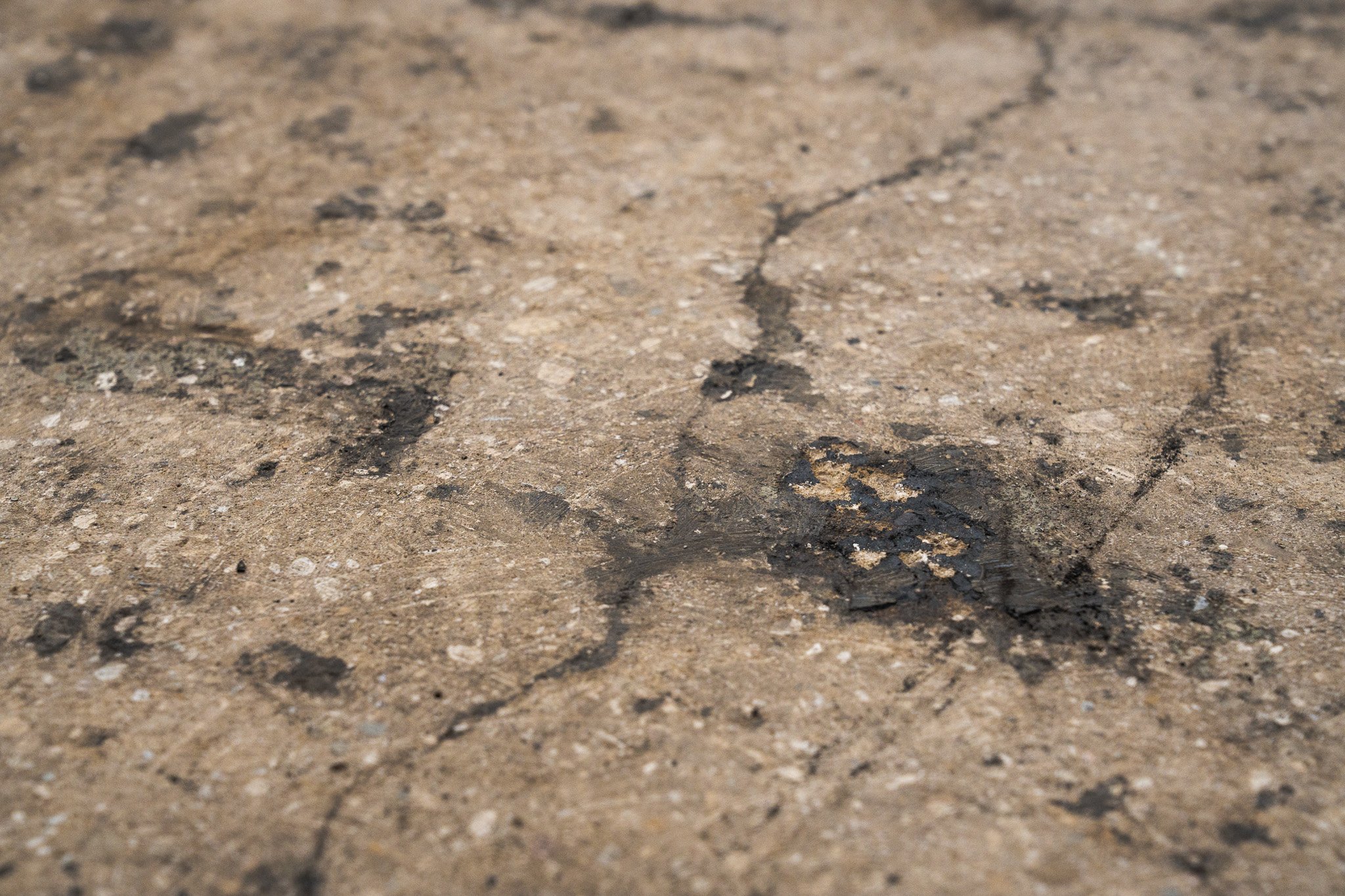
Concrete restoration focuses on repairing and reinforcing the existing slab rather than removing and replacing it. This can include:
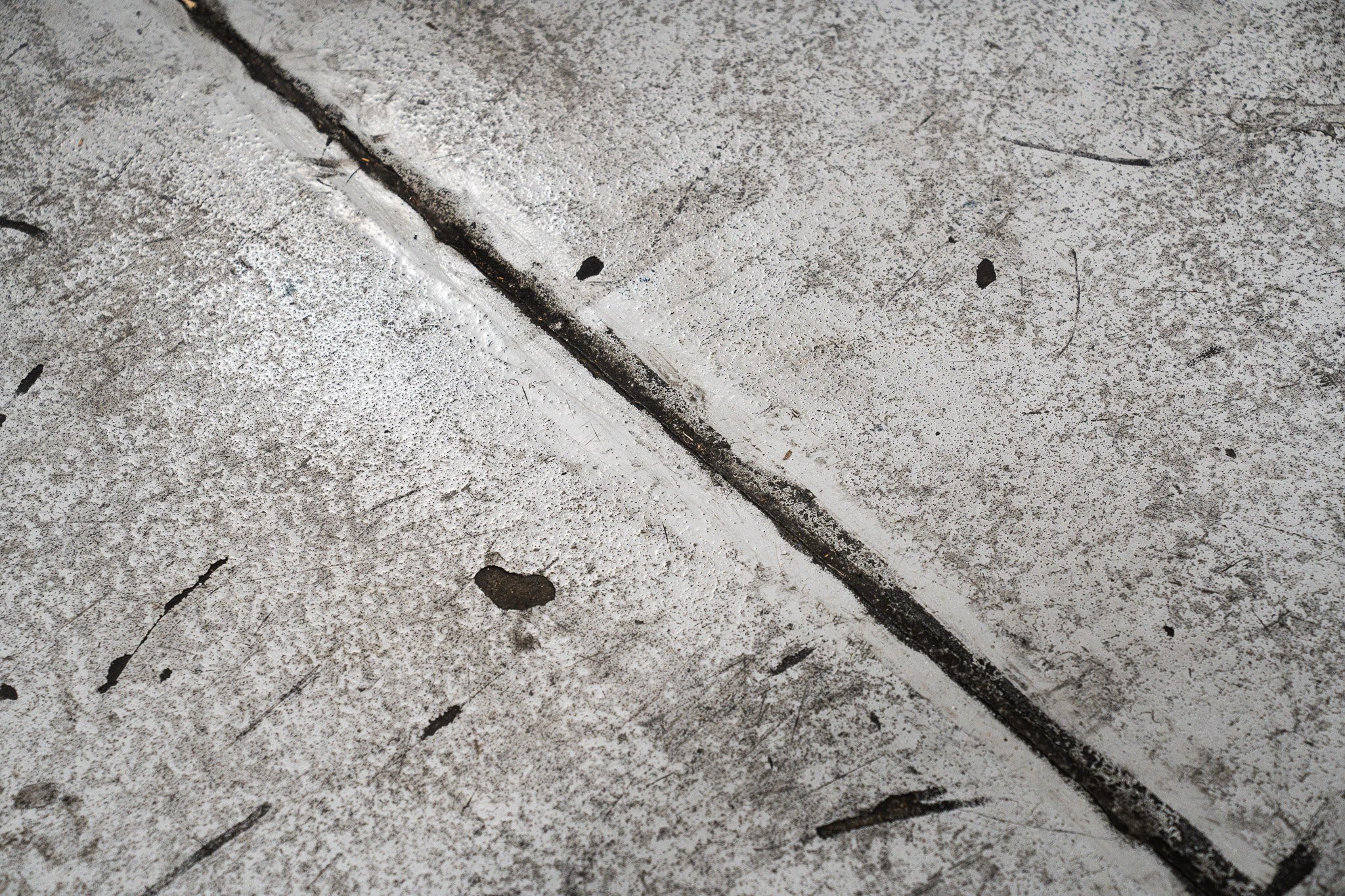
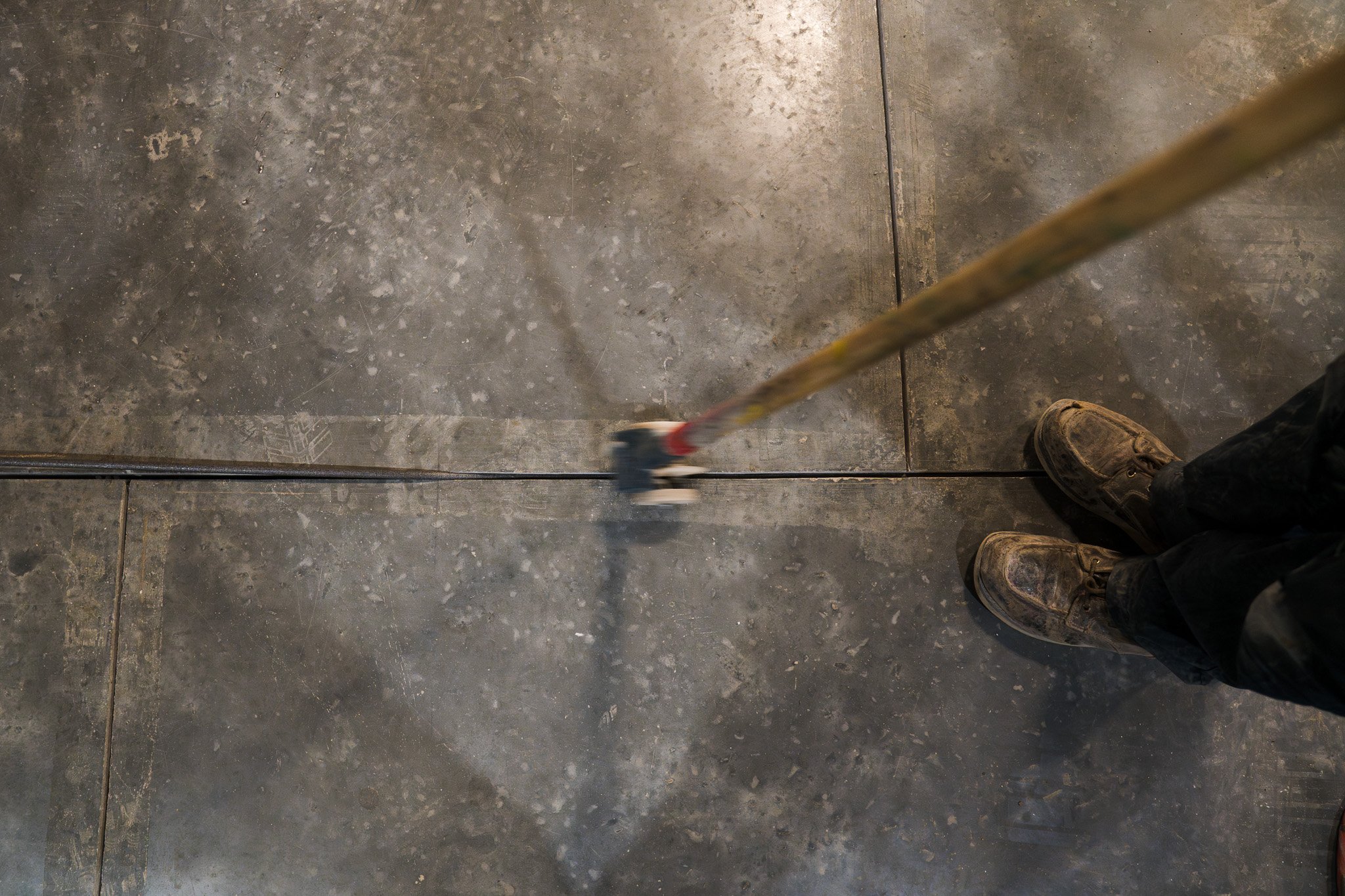
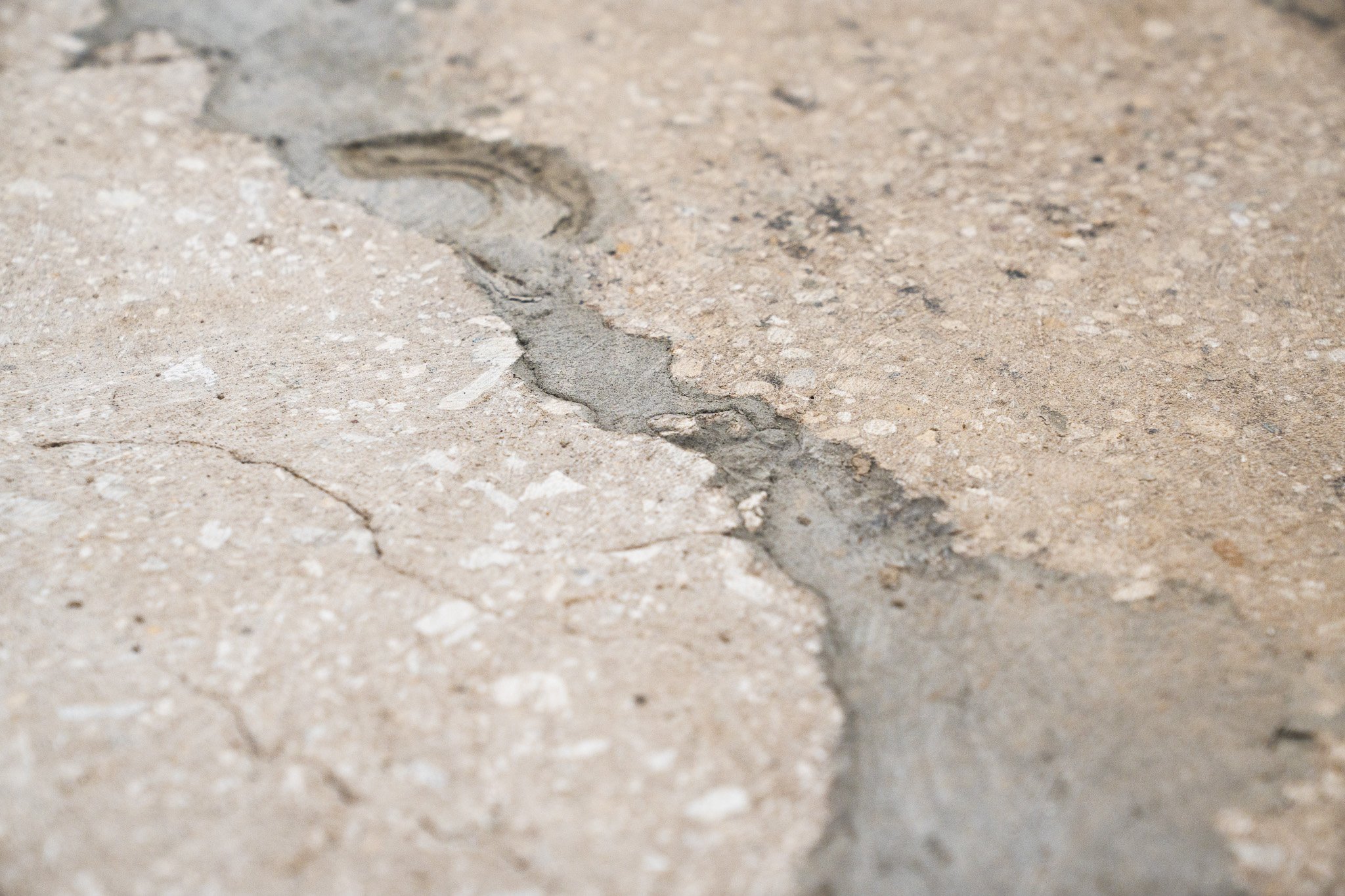
- Crack and joint repairs
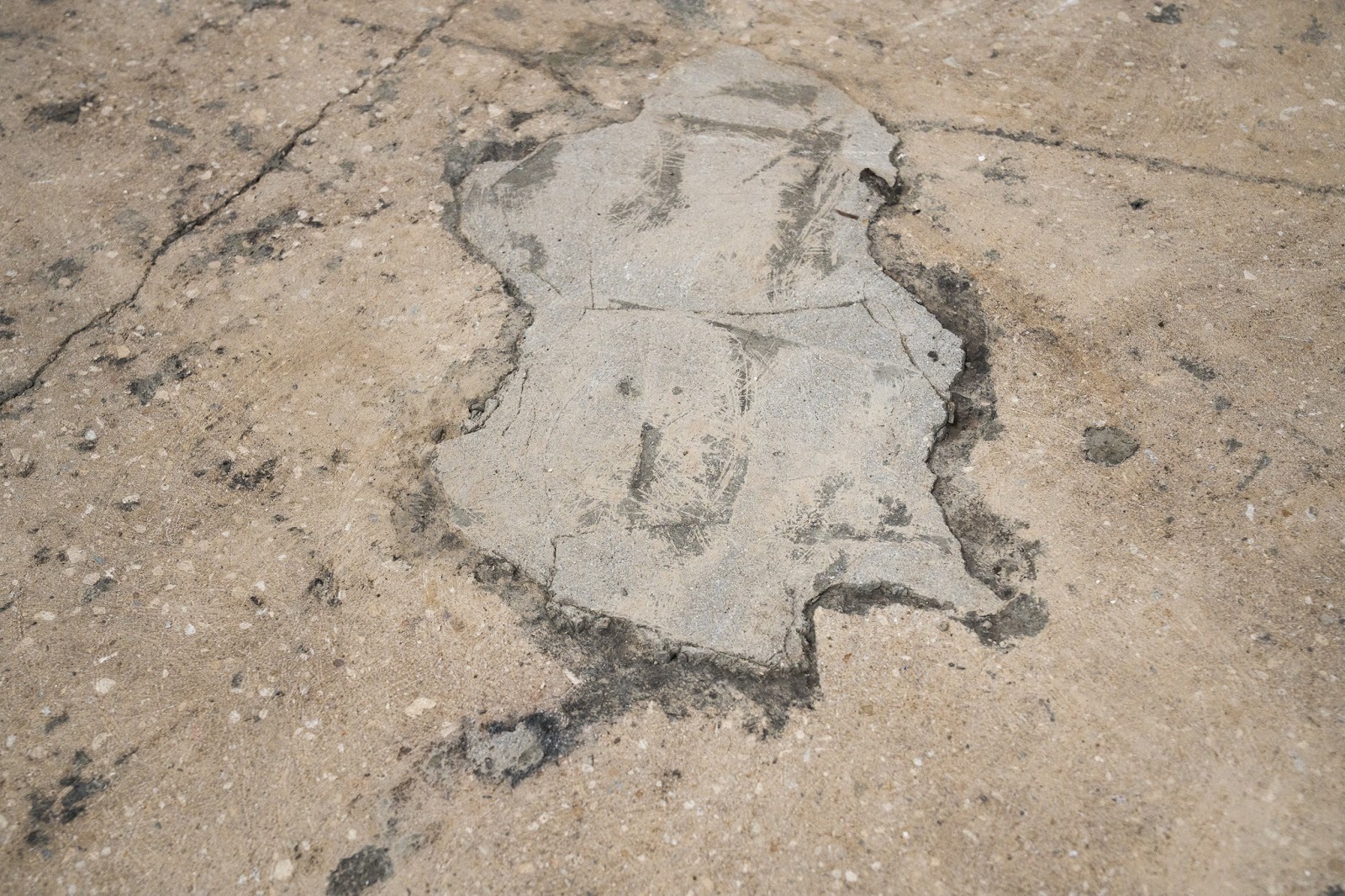
- Surface patching and spall repair
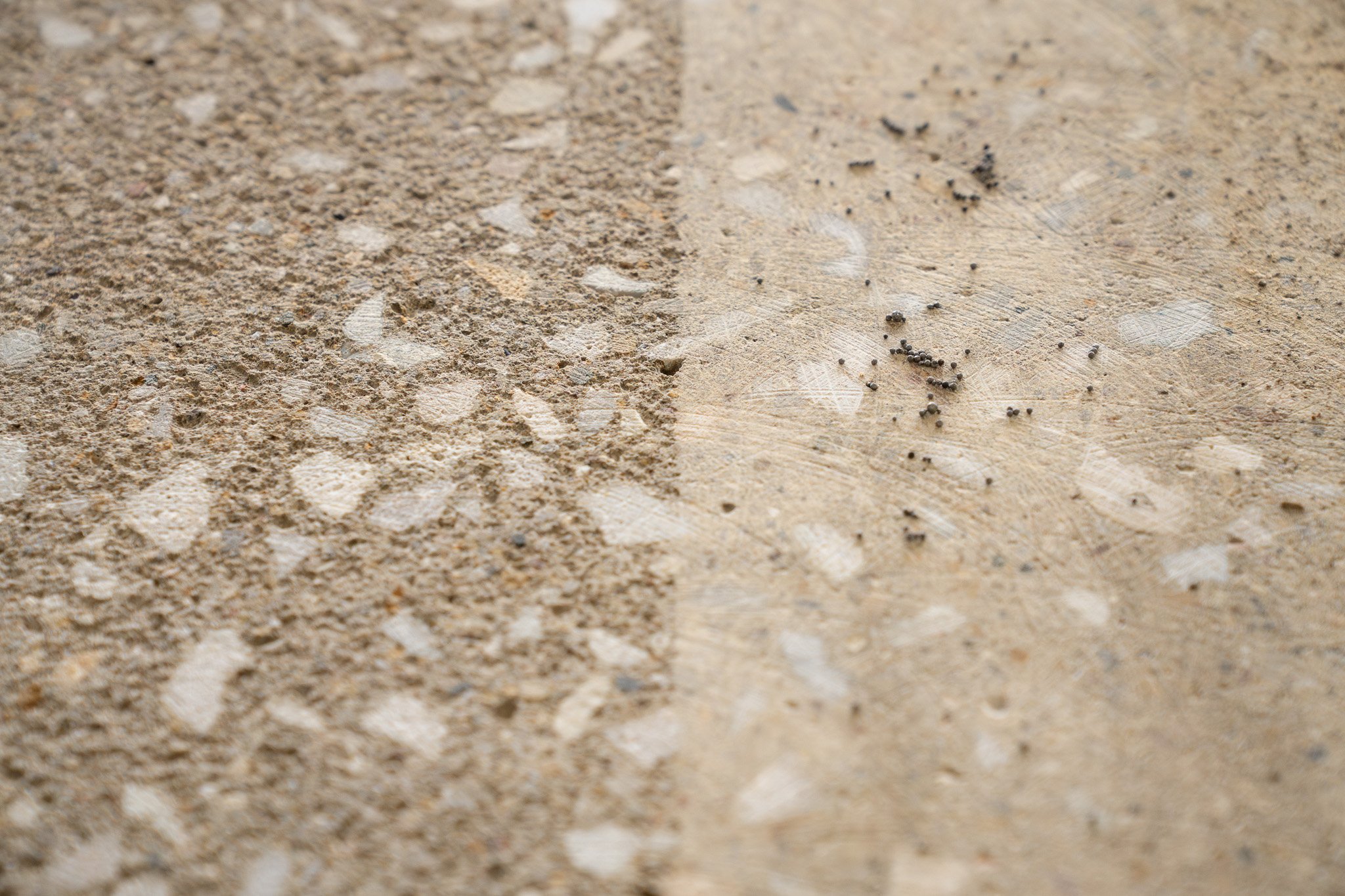
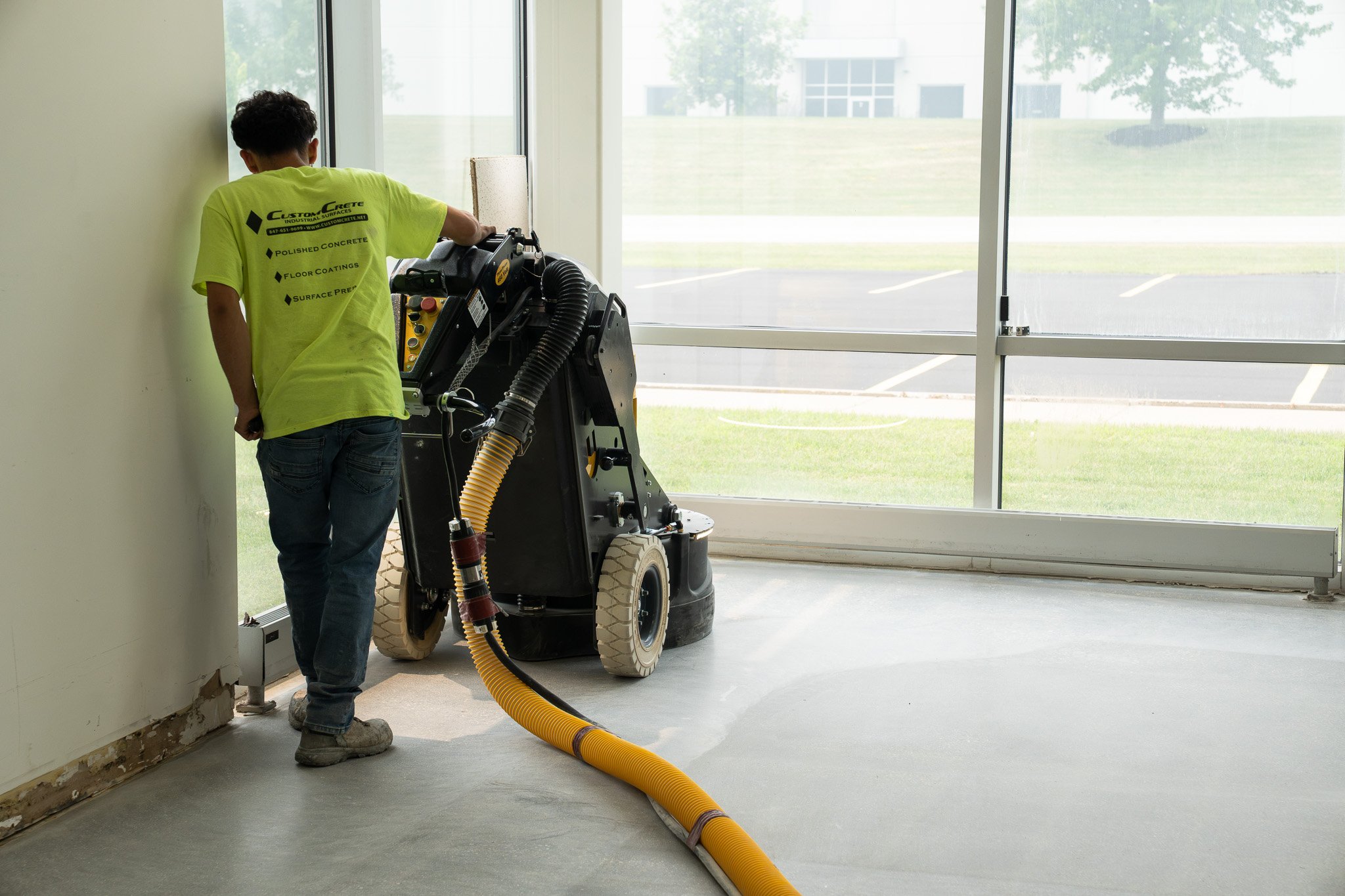
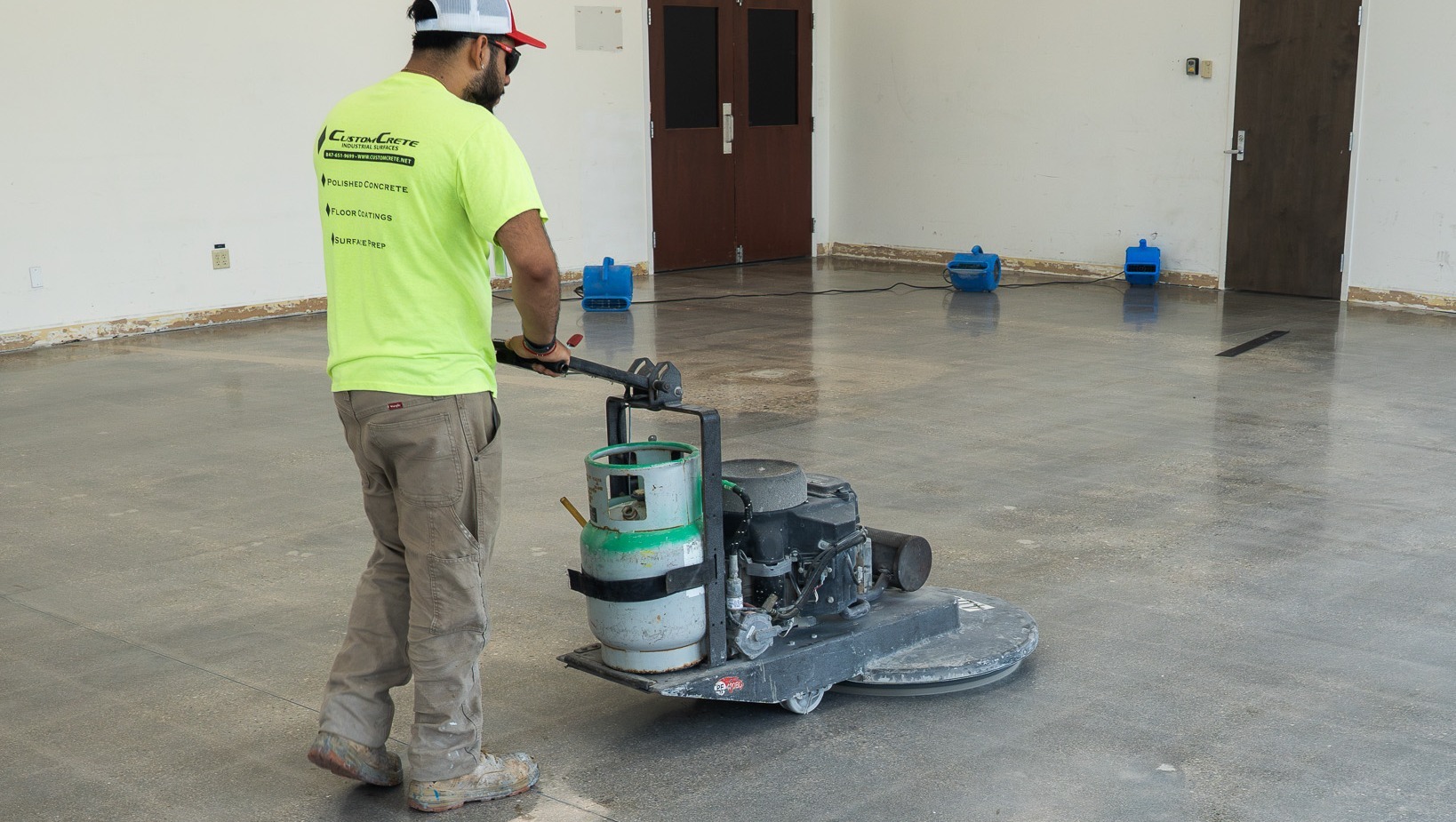
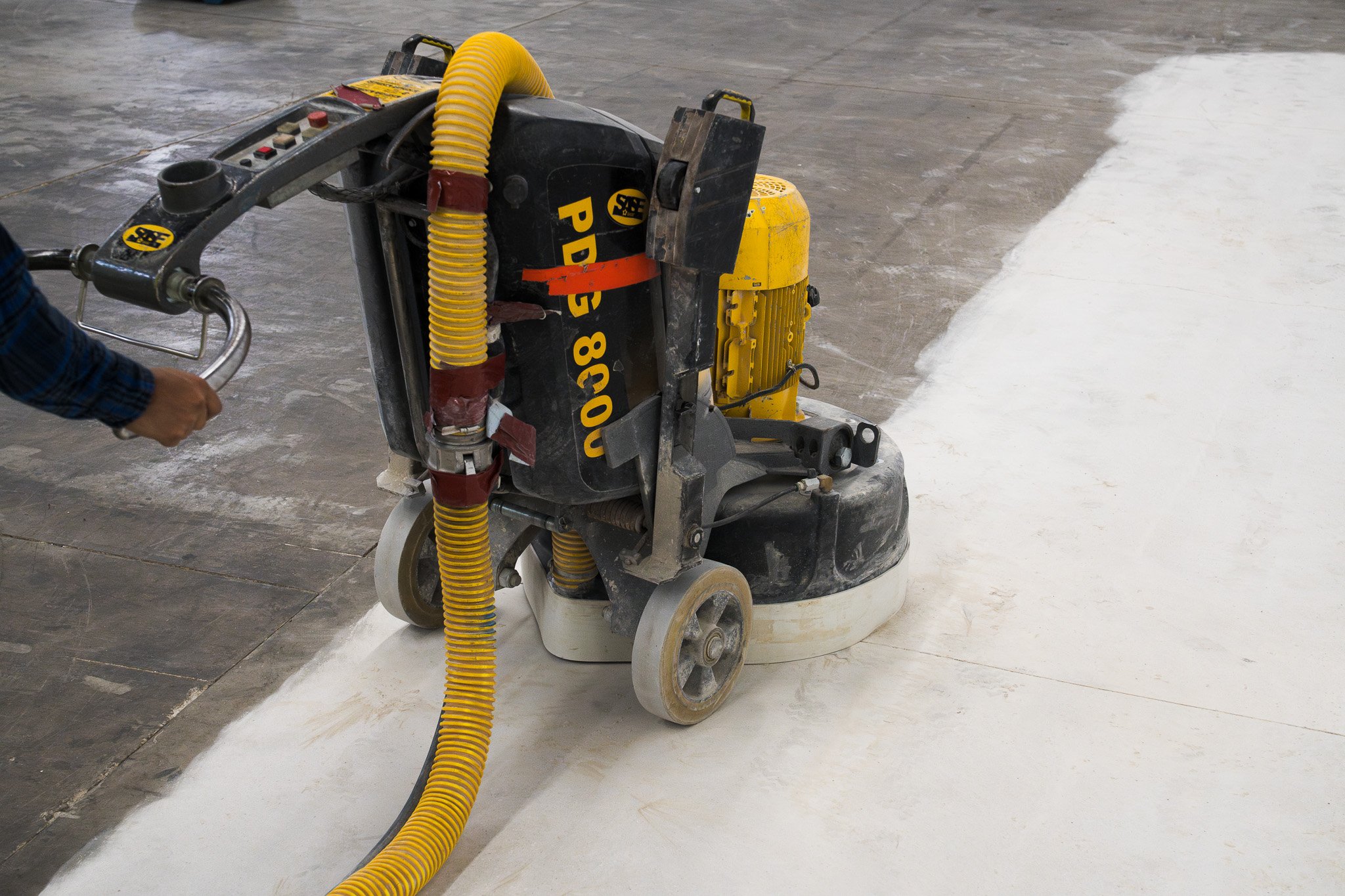
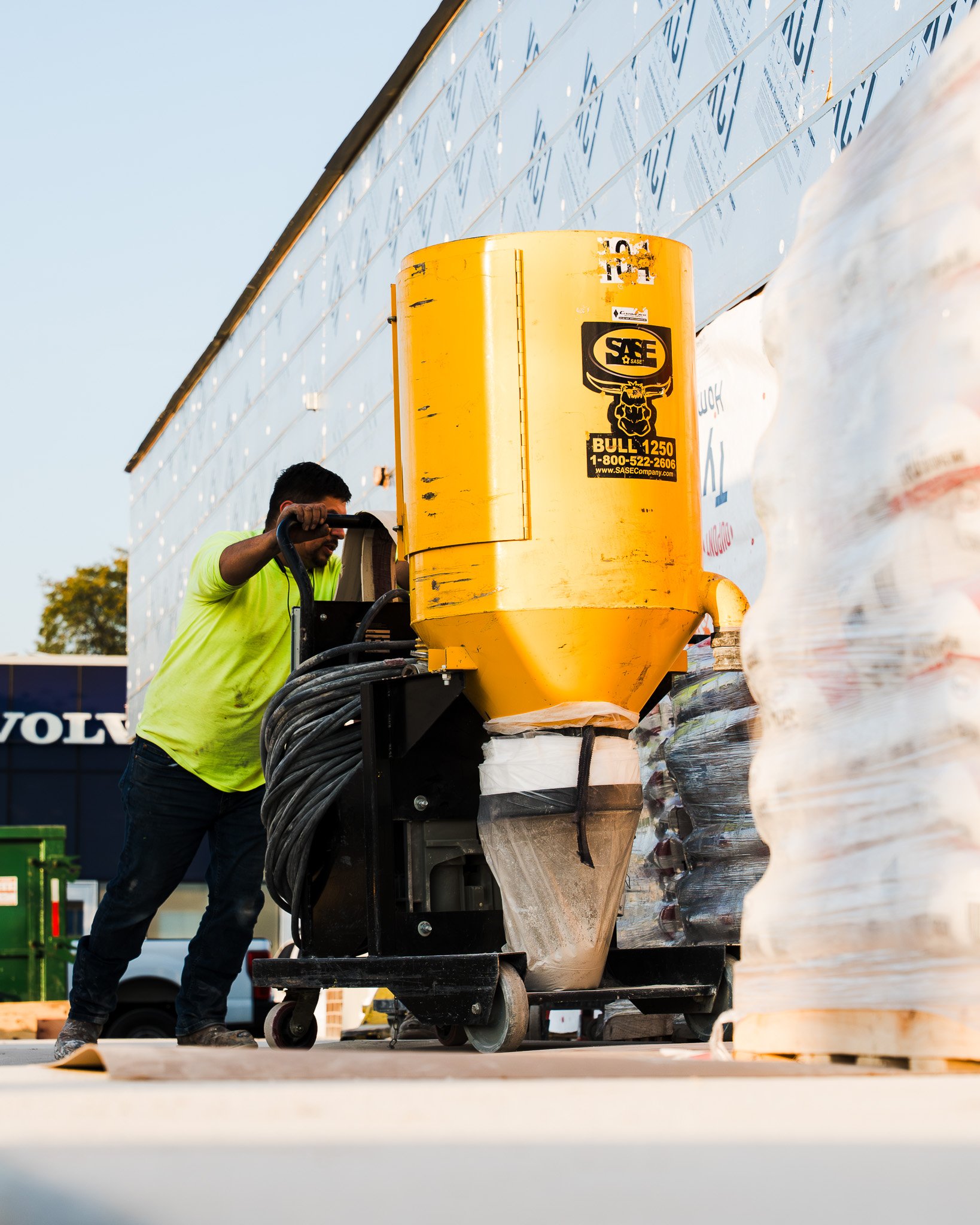
- Grinding and leveling uneven areas
- Structural repairs to damaged sections
- Preparing the slab for coatings or polishing
The goal is to extend the life of the existing concrete while restoring safety, functionality, and performance.
When Concrete Restoration Makes Sense
Concrete restoration is often the right choice when the slab is still structurally sound but shows surface-level damage.
Restoration is typically appropriate when:
- Cracks are non-structural or isolated
- Surface spalling is limited to the top layer
- Joints are damaged but repairable
- The slab has wear from traffic, not failure
- Uneven areas can be corrected with grinding or leveling
In these cases, restoring the concrete can significantly improve performance without the cost and disruption of replacement.
Signs Replacement May Be Necessary
While restoration works in many situations, there are times when replacement is unavoidable.
Concrete replacement may be required if:
- The slab has severe structural failure
- Settlement or subgrade issues are present
- Large sections are heaving or sinking
- Damage extends deep through the slab
- Previous repairs have repeatedly failed
These conditions often indicate problems below the surface that restoration alone cannot fix.
Cost and Downtime Considerations
Concrete restoration is usually less expensive and faster than full replacement. Restoring a slab often allows facilities to stay partially operational or resume use sooner, while replacement typically involves demolition, curing time, and extended shutdowns.
For busy facilities, restoration can be a practical way to improve floors without disrupting operations for weeks.
How Restoration Supports Long-Term Flooring Performance
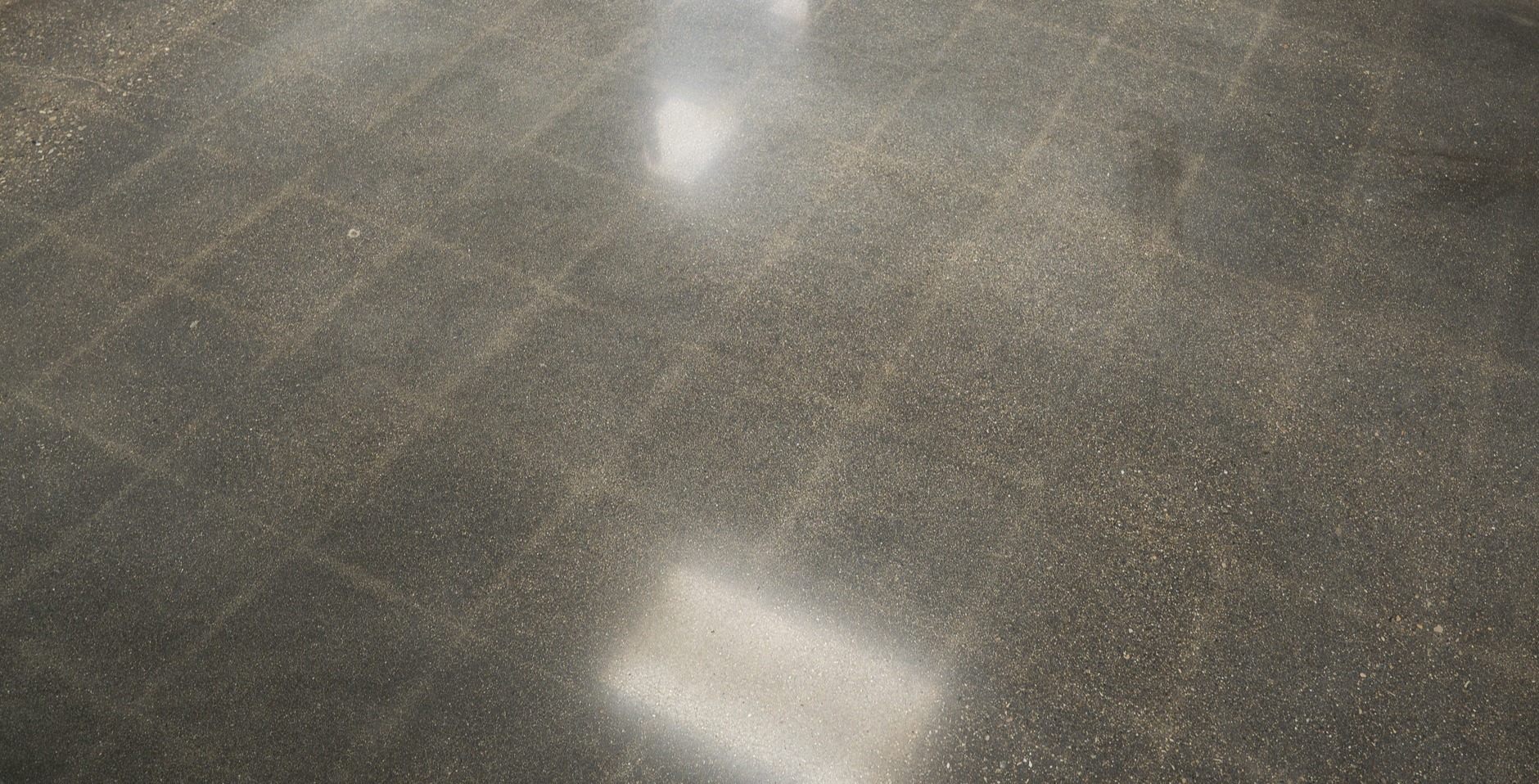
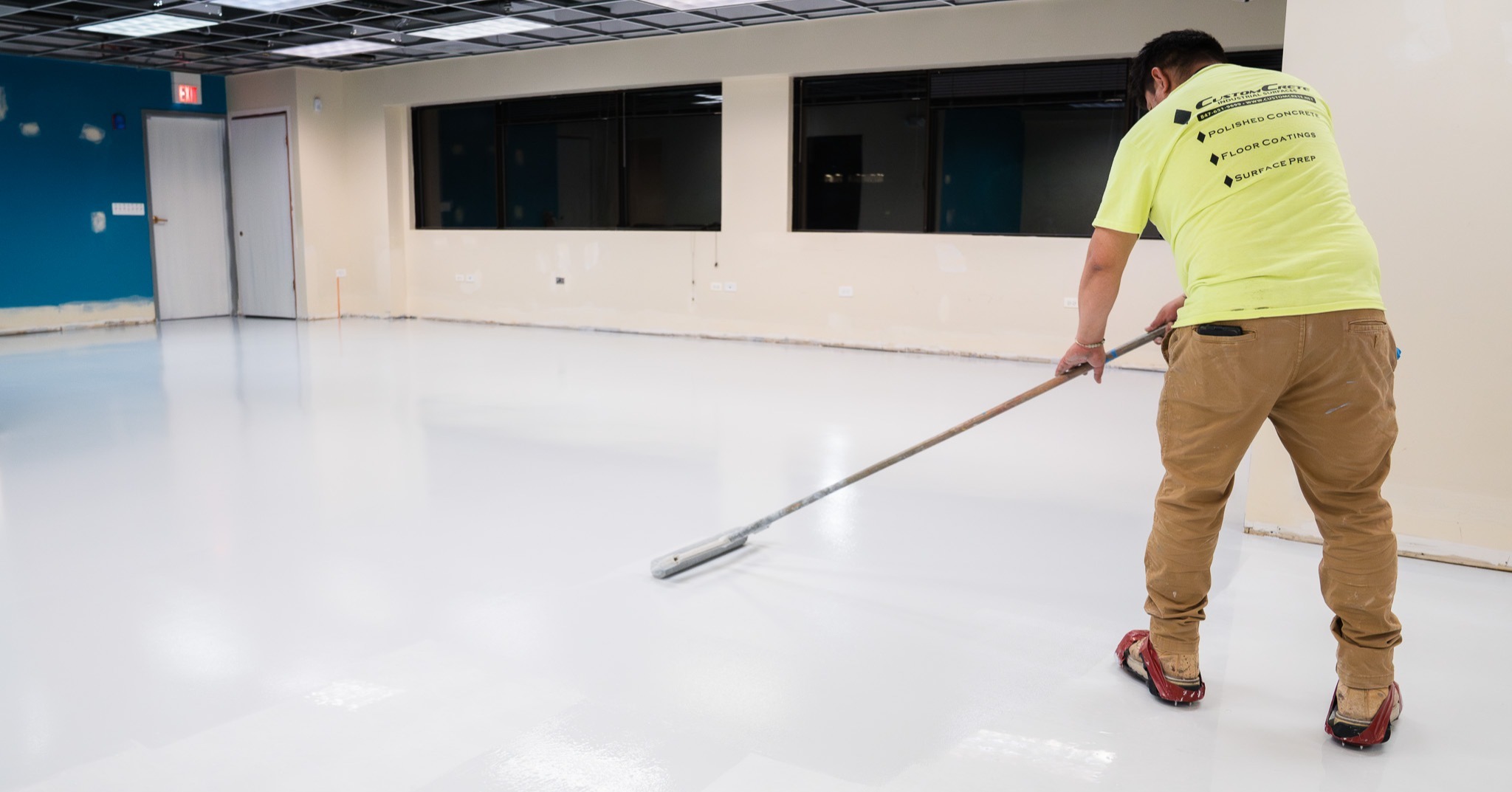
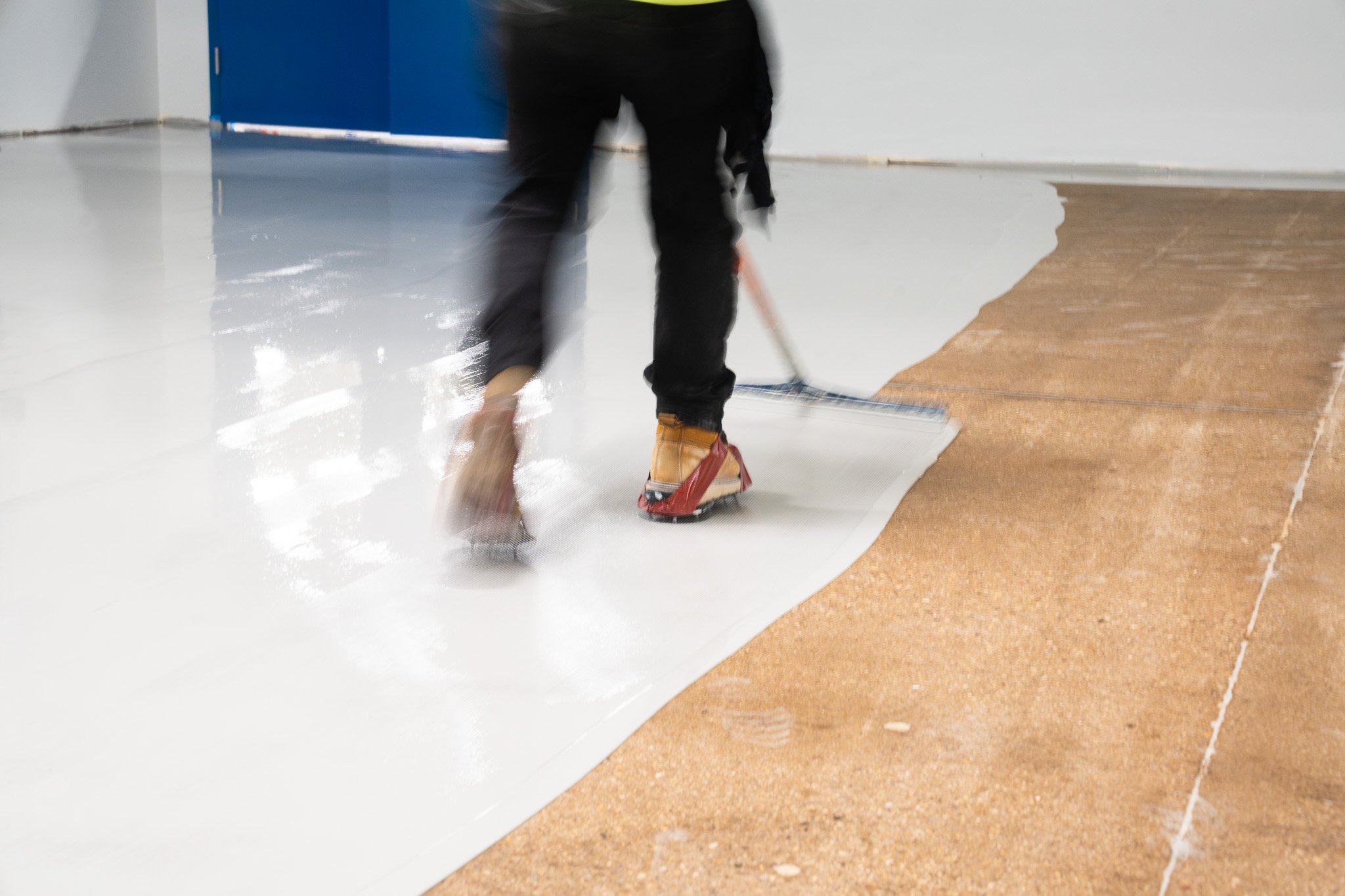
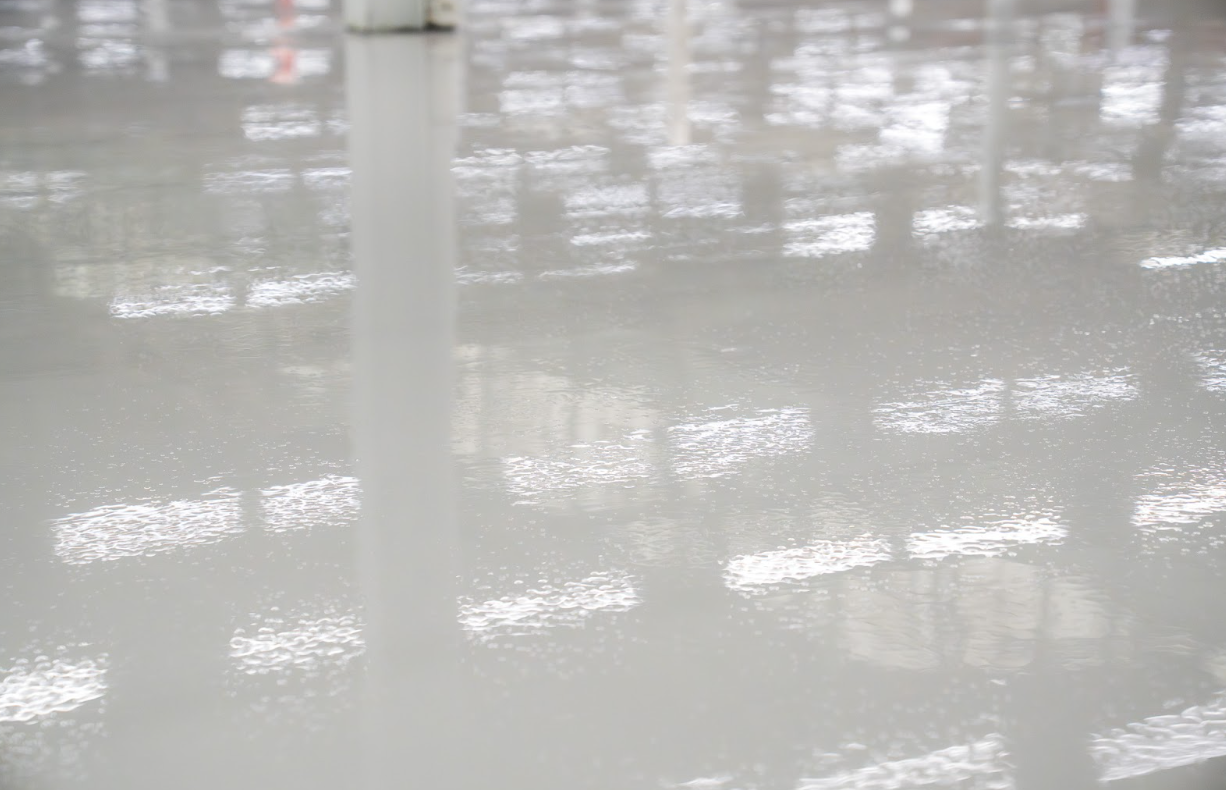
Restoring concrete before installing coatings or polishing creates a stronger foundation for the flooring system above it. Addressing cracks, joints, and surface damage early helps prevent future failures and extends the lifespan of the finished floor.
In many cases, restoration is not a temporary fix—it’s a strategic step in long-term floor management.
Final Thoughts
Concrete should be restored instead of replaced when the slab is structurally sound but damaged by wear, traffic, or surface deterioration. Restoration can save time, reduce costs, and extend the life of industrial and commercial floors. Replacement is typically reserved for slabs with deep structural or subgrade failures.
To learn more about concrete repair, restoration options, and flooring strategies, visit CustomCrete’s Learning Center. If you’re unsure whether your floor should be restored or replaced, you can also request a quote to explore the best path forward for your facility.
Topics:
.jpg?width=6139&height=4093&name=CC100396%20(1).jpg)
.jpg?width=1200&height=1600&name=Copy%20of%20IMG_1457%20(1).jpg)