
.jpg?width=6139&height=4093&name=CC100396%20(1).jpg)
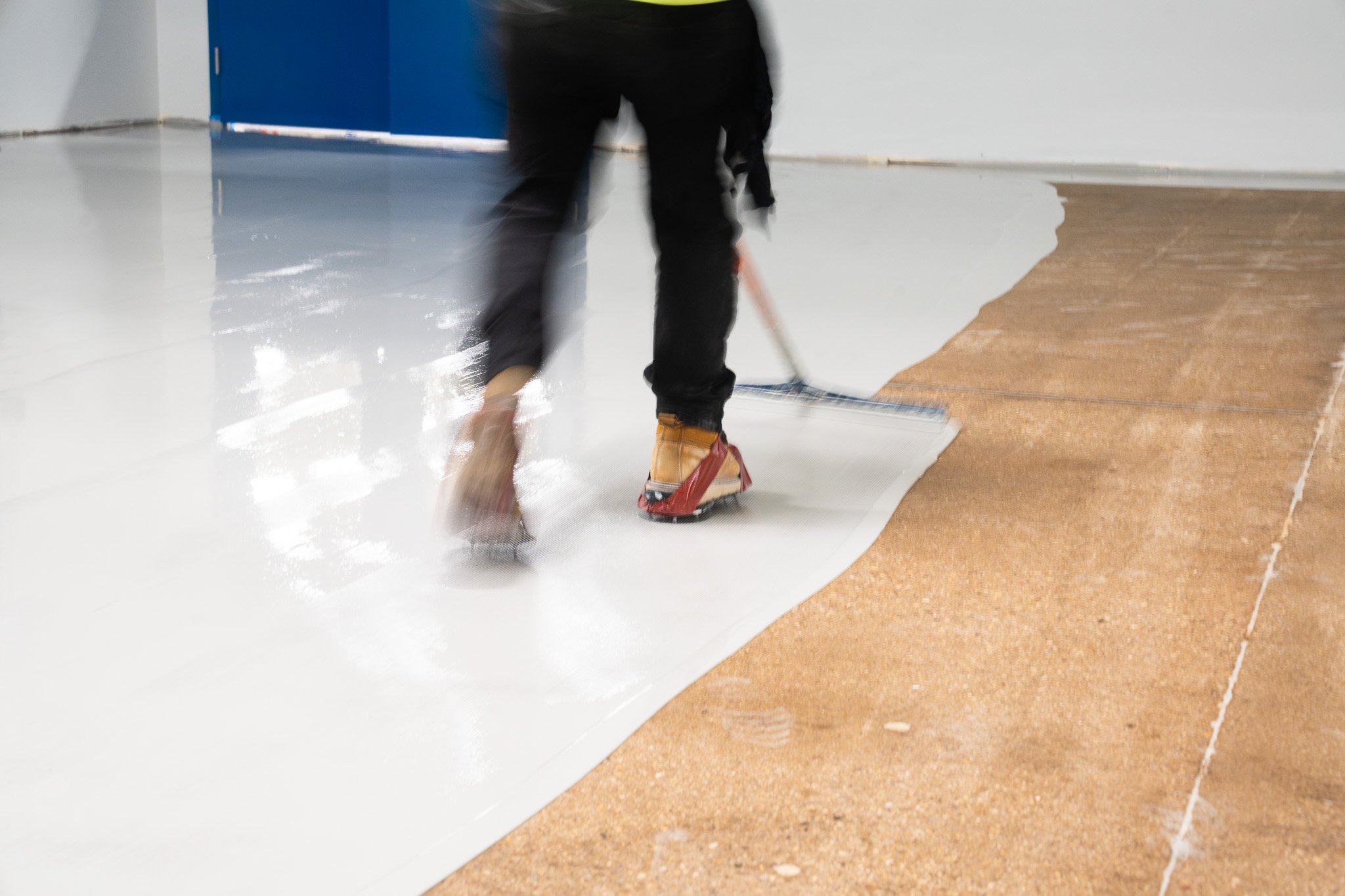
Before a new flooring system can be installed, the concrete beneath it must be properly prepared. This step is often overlooked by facility managers who focus on the final flooring finish—whether that’s epoxy, polished concrete, or another coating system. However, the preparation stage is one of the most important parts of the entire installation process.
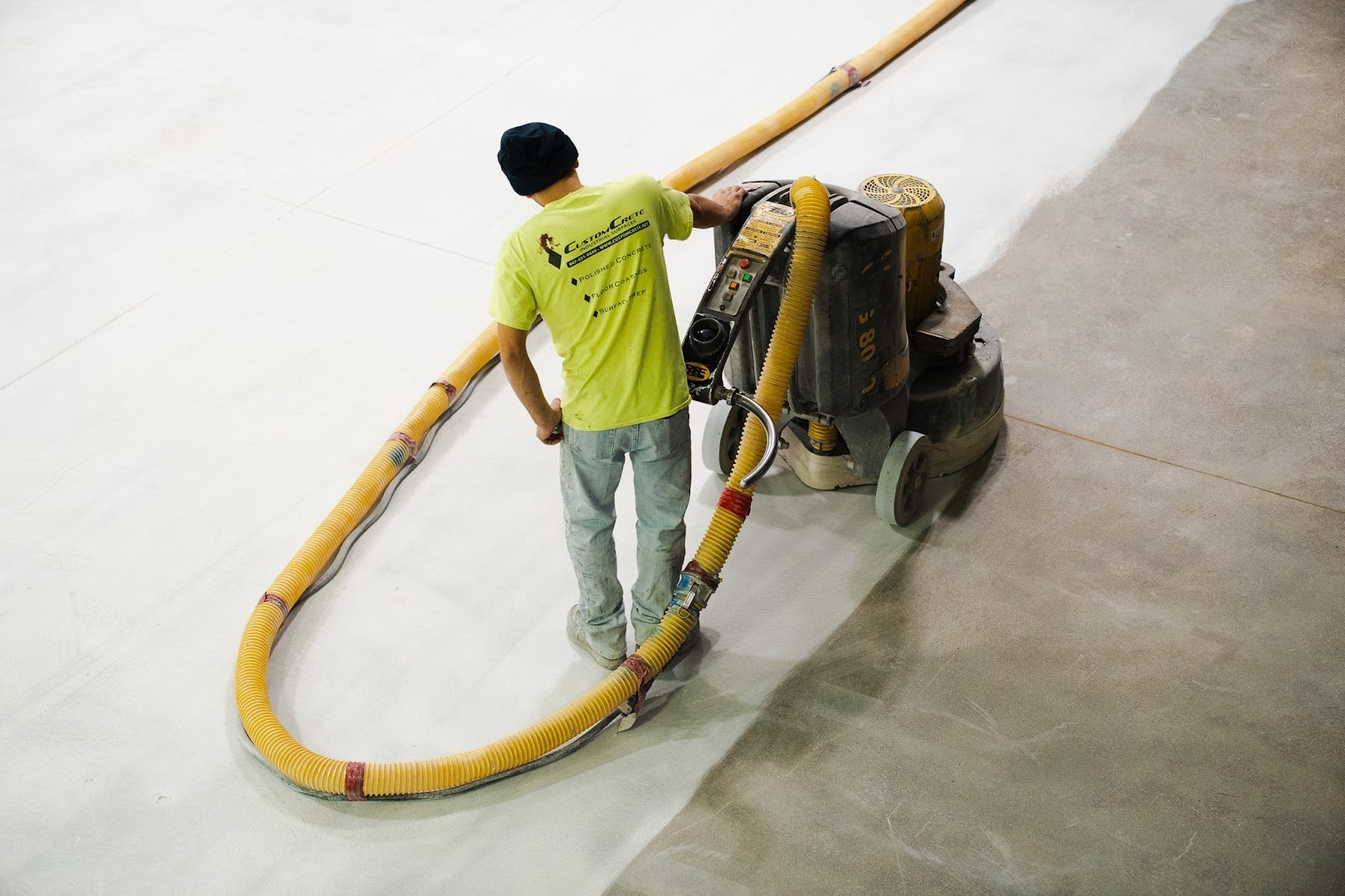
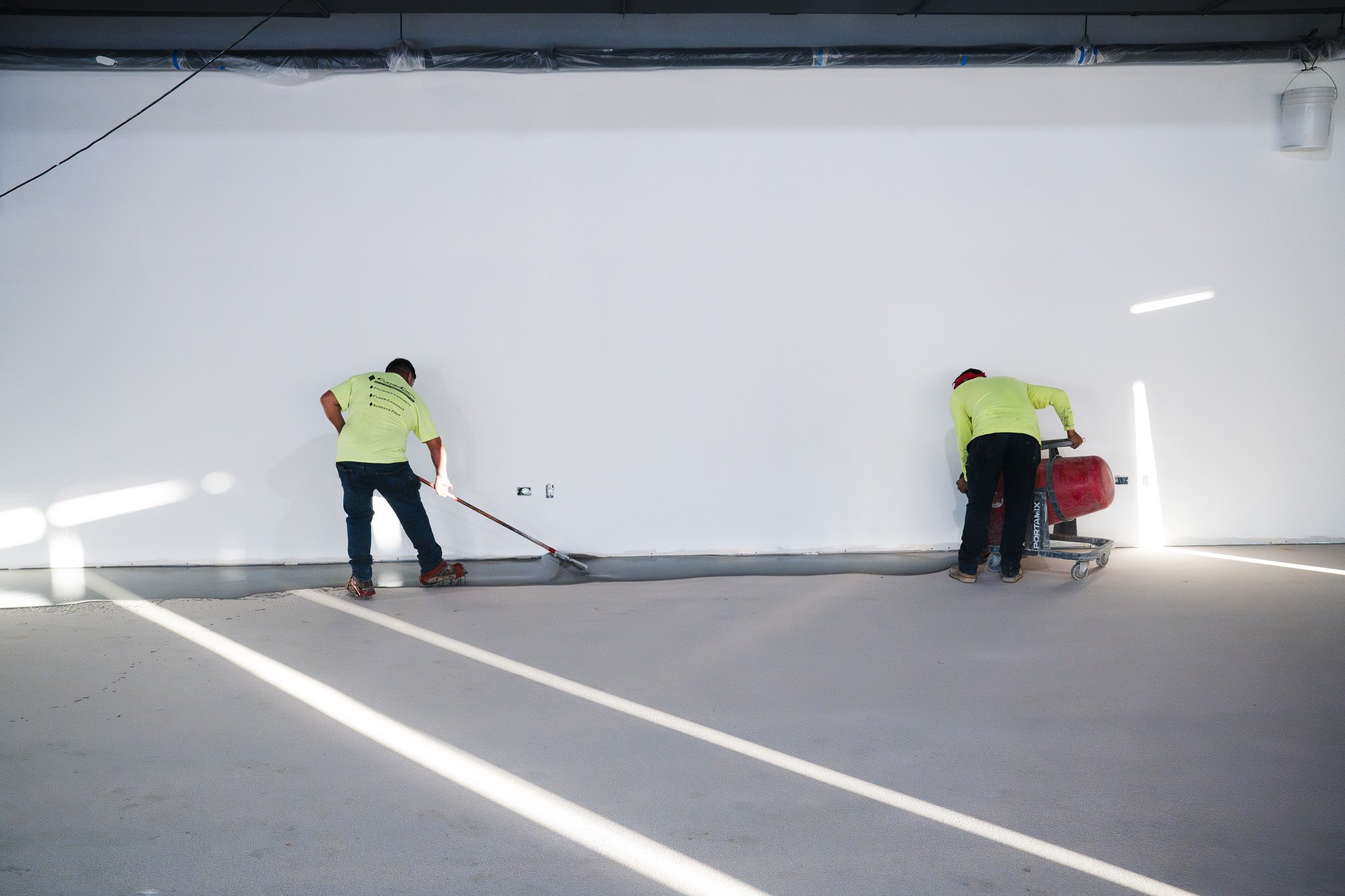
One of the most common preparation methods is concrete grinding. During a floor prep and grinding visit, specialized equipment is used to remove existing coatings, smooth out surface imperfections, and create the correct surface profile for strong adhesion. Understanding what happens during this visit helps facility managers know what to expect and why proper preparation is essential for long-term floor performance.

Why Floor Preparation Matters
Concrete flooring systems rely on strong adhesion to perform properly. If the surface is not prepared correctly, coatings may peel, bubble, or wear prematurely.
Preparation ensures that the new system bonds directly to the concrete rather than to contaminants such as:
- Old coatings or paint
- Adhesives from tile or carpet
- Dust or debris
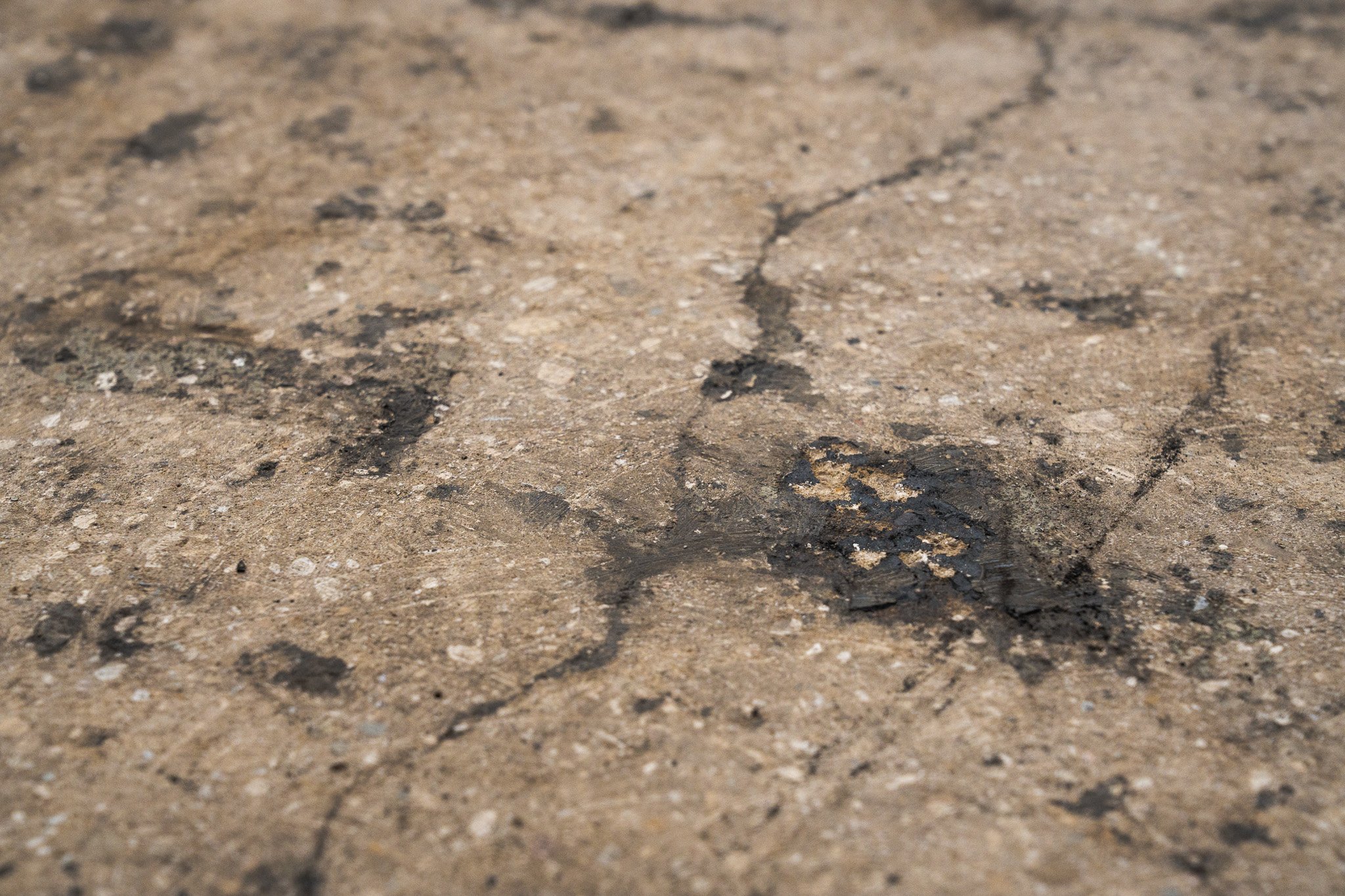
- Oil or chemical residue
Through concrete grinding, installers remove these materials and expose a clean, stable concrete surface that allows the new flooring system to bond effectively.
What Happens Before Grinding Begins
Before the grinding equipment is brought in, installers typically perform an inspection of the floor. This helps determine the best preparation approach and identify any issues that may affect the project.
During this assessment, contractors may evaluate:
- Existing coatings or flooring materials
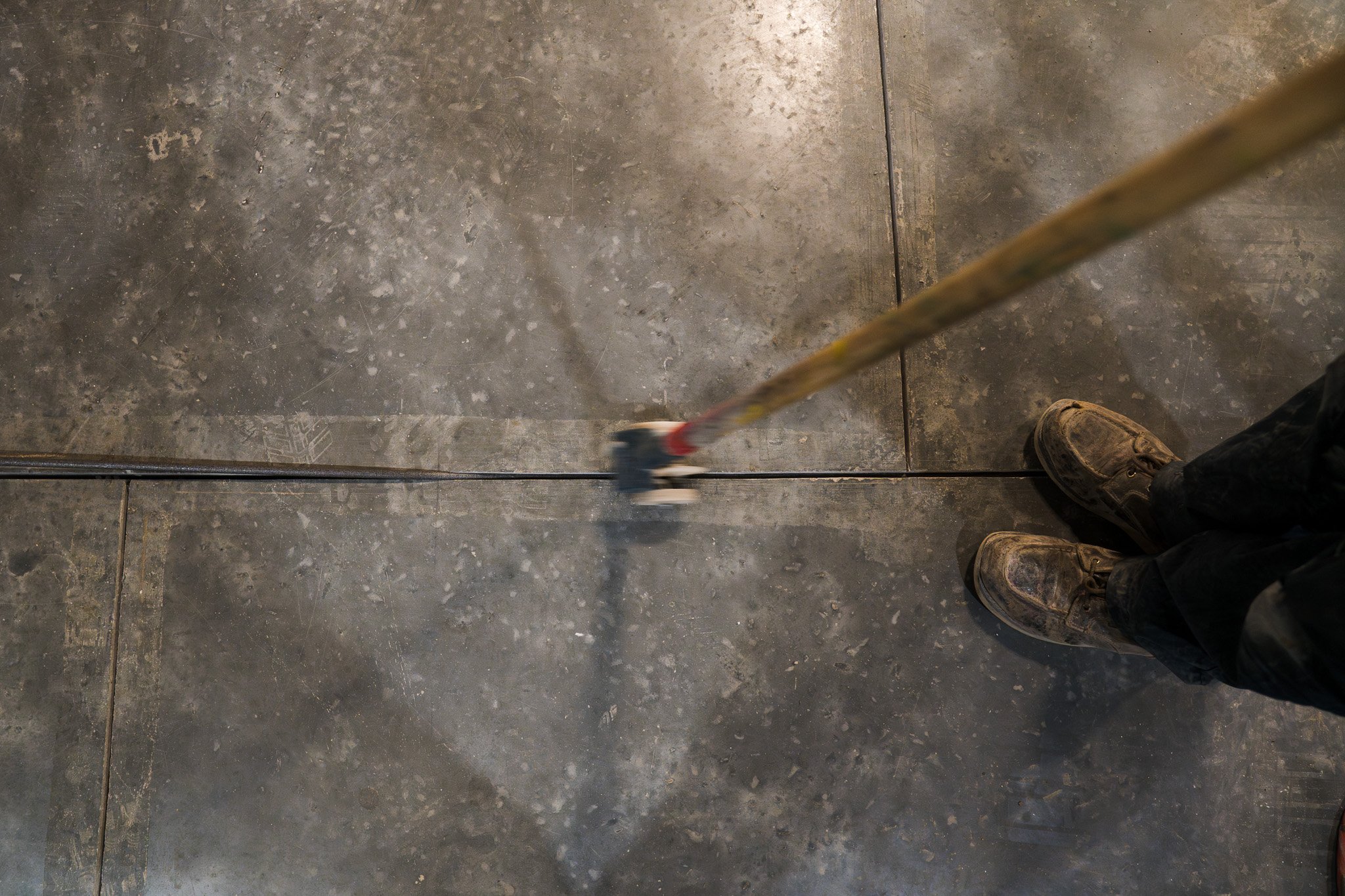
- Cracks, joints, or surface damage
- Moisture conditions in the slab
- Areas of heavy contamination
This initial evaluation helps determine how aggressive the concrete grinding process needs to be and whether repairs are required before installation.
The Concrete Grinding Process
Once preparation begins, specialized grinding equipment is used to mechanically remove surface materials and refine the slab.
Grinding Equipment
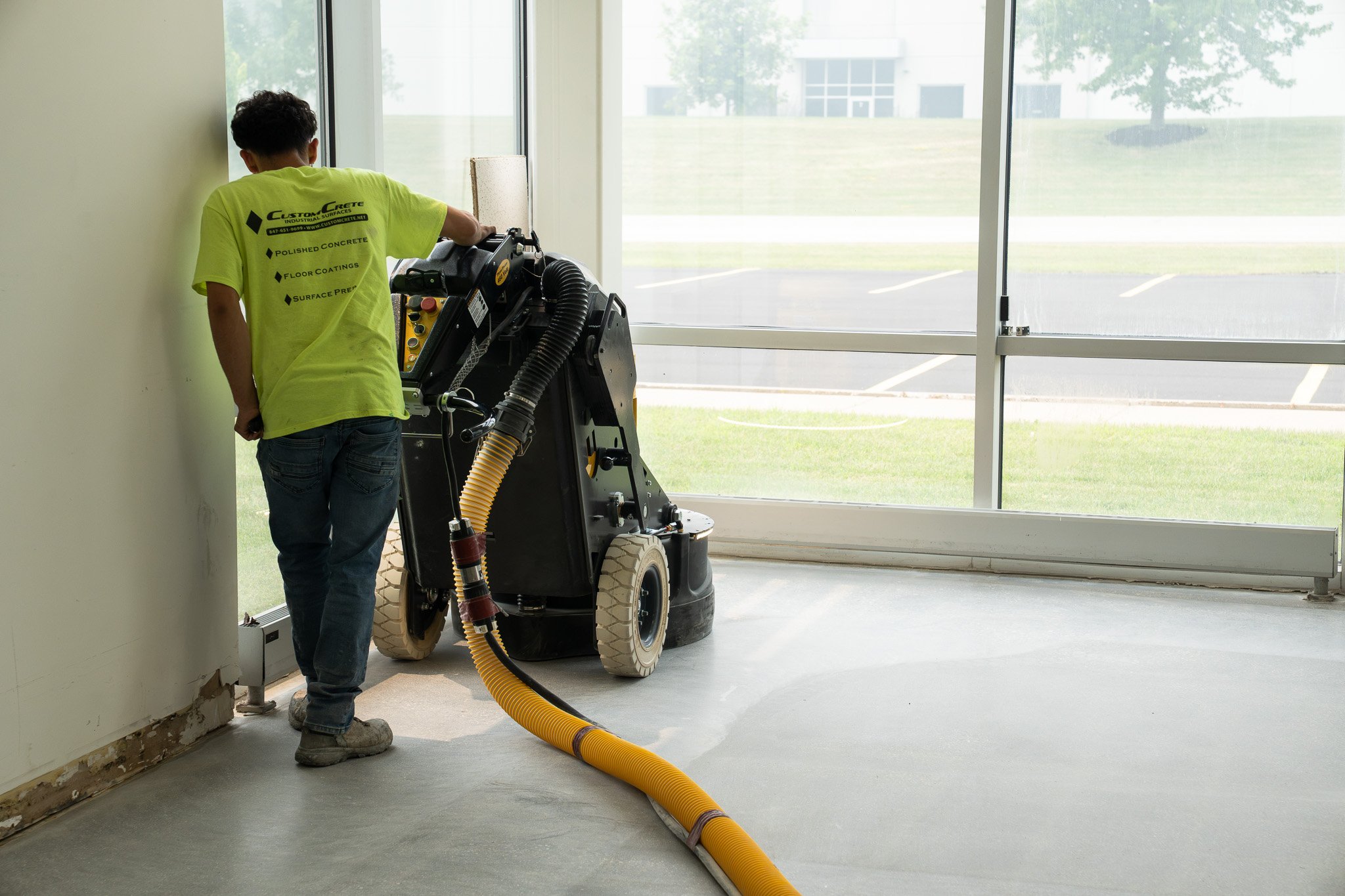
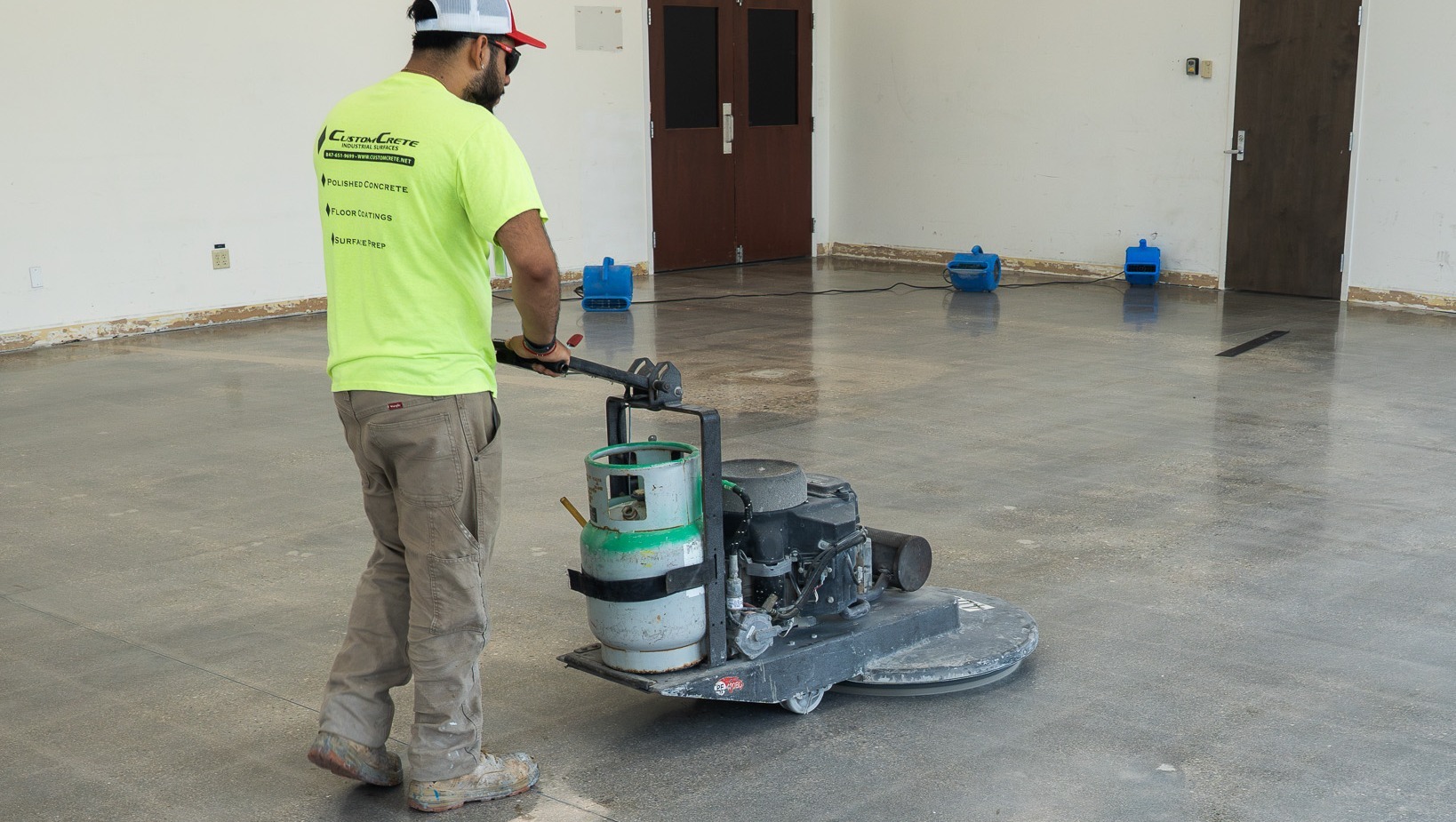
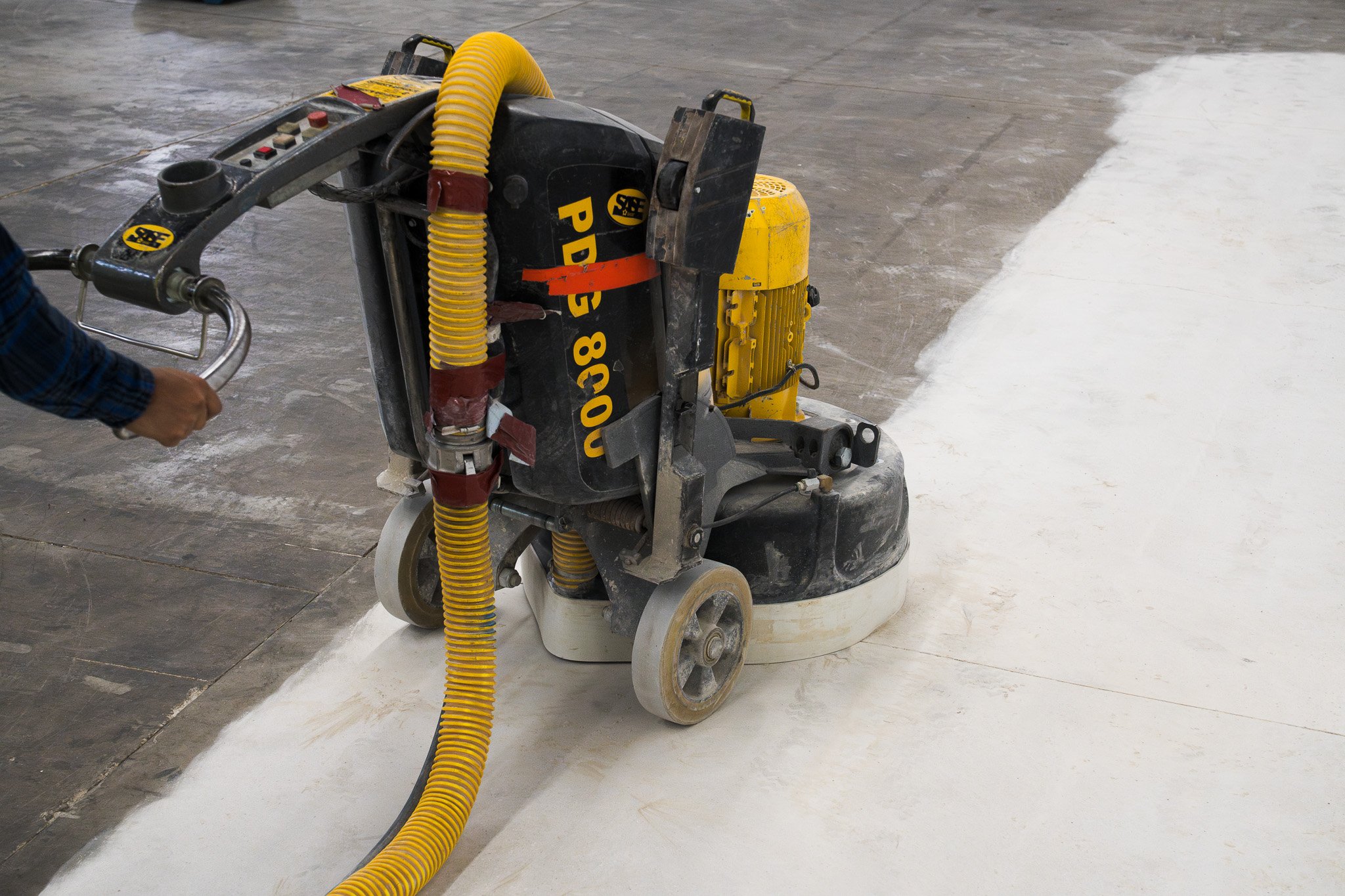
Professional floor preparation uses industrial grinders equipped with diamond tooling. These machines rotate multiple diamond segments across the surface, gradually removing layers of material while smoothing and leveling the slab.
Different diamond grits are used depending on the task, including:
- Coarse diamonds for removing coatings or adhesives
- Medium diamonds for leveling and smoothing
- Fine diamonds for refining the surface
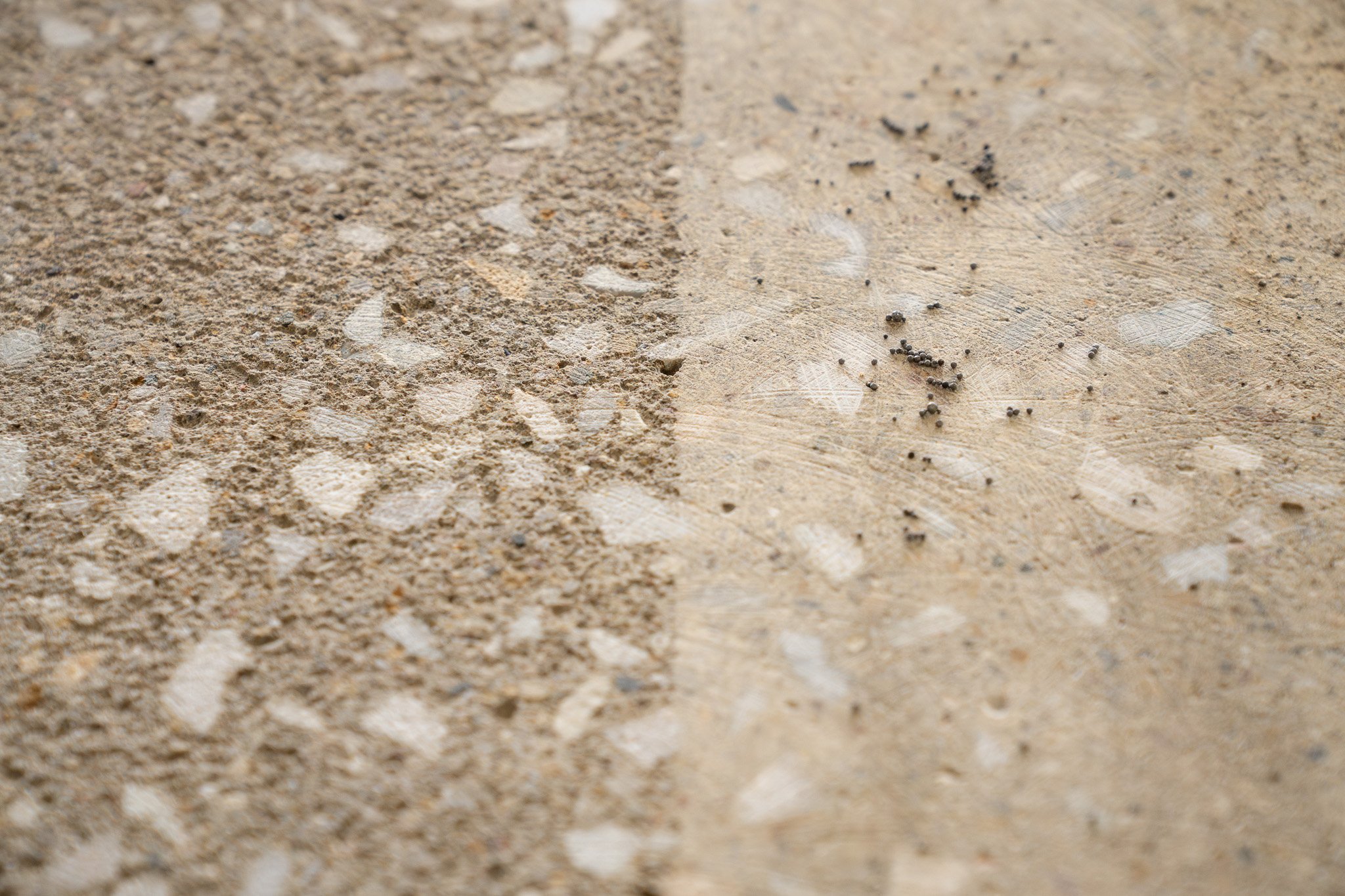
The goal of concrete grinding is to expose fresh concrete and create a consistent surface profile across the entire floor.
Creating the Correct Concrete Surface Profile
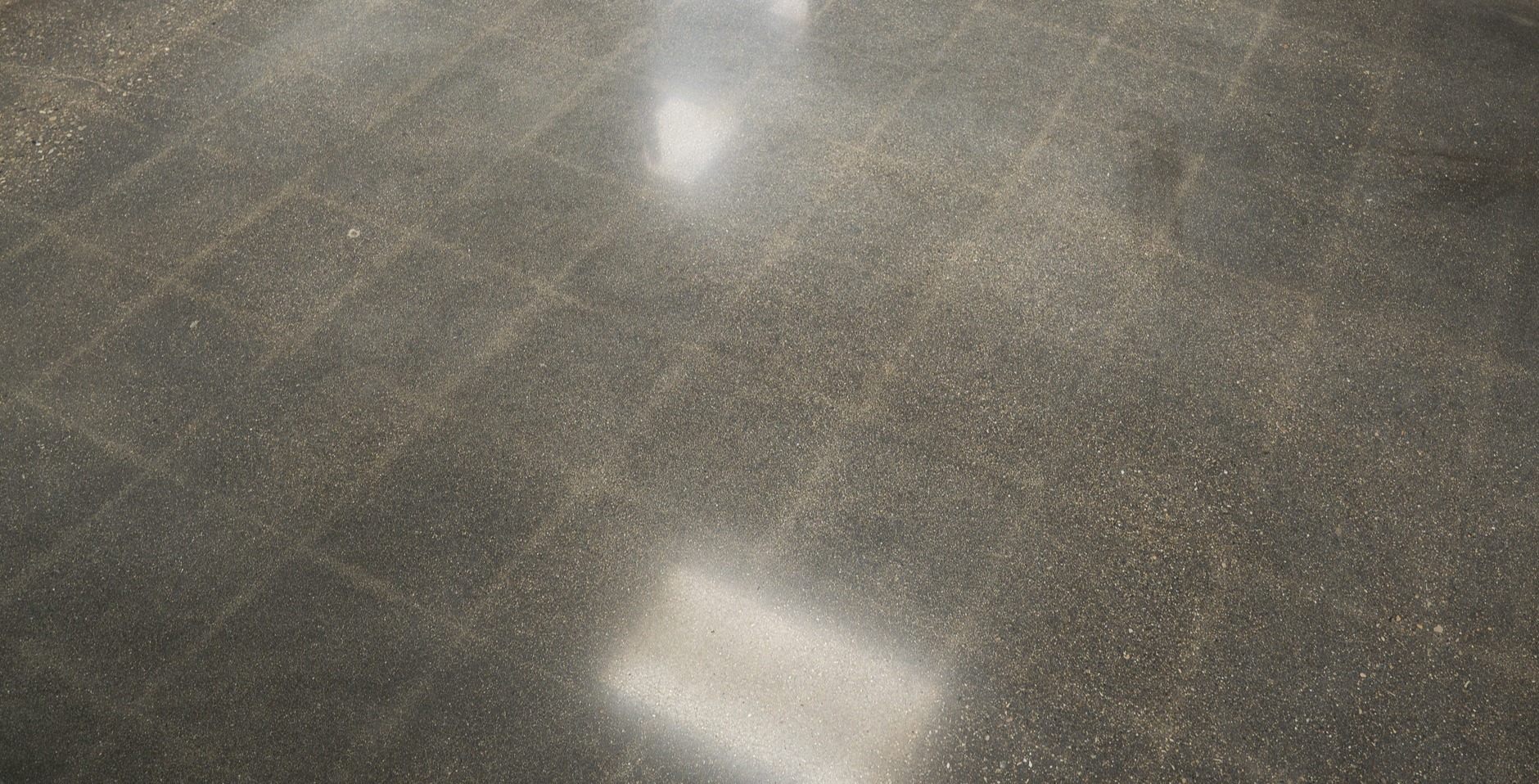
One of the key outcomes of grinding is achieving the proper concrete surface profile, often referred to as CSP. This texture ensures that coatings and flooring systems bond correctly.
If the surface is too smooth, coatings may not adhere properly. If it is too rough, the final flooring system may not apply evenly.
Grinding allows installers to achieve the exact surface texture required for the specific flooring system being installed.
Dust Control During Grinding
Many facility managers are concerned about dust during the grinding process. Modern equipment is designed to control dust effectively.
Professional contractors typically use:
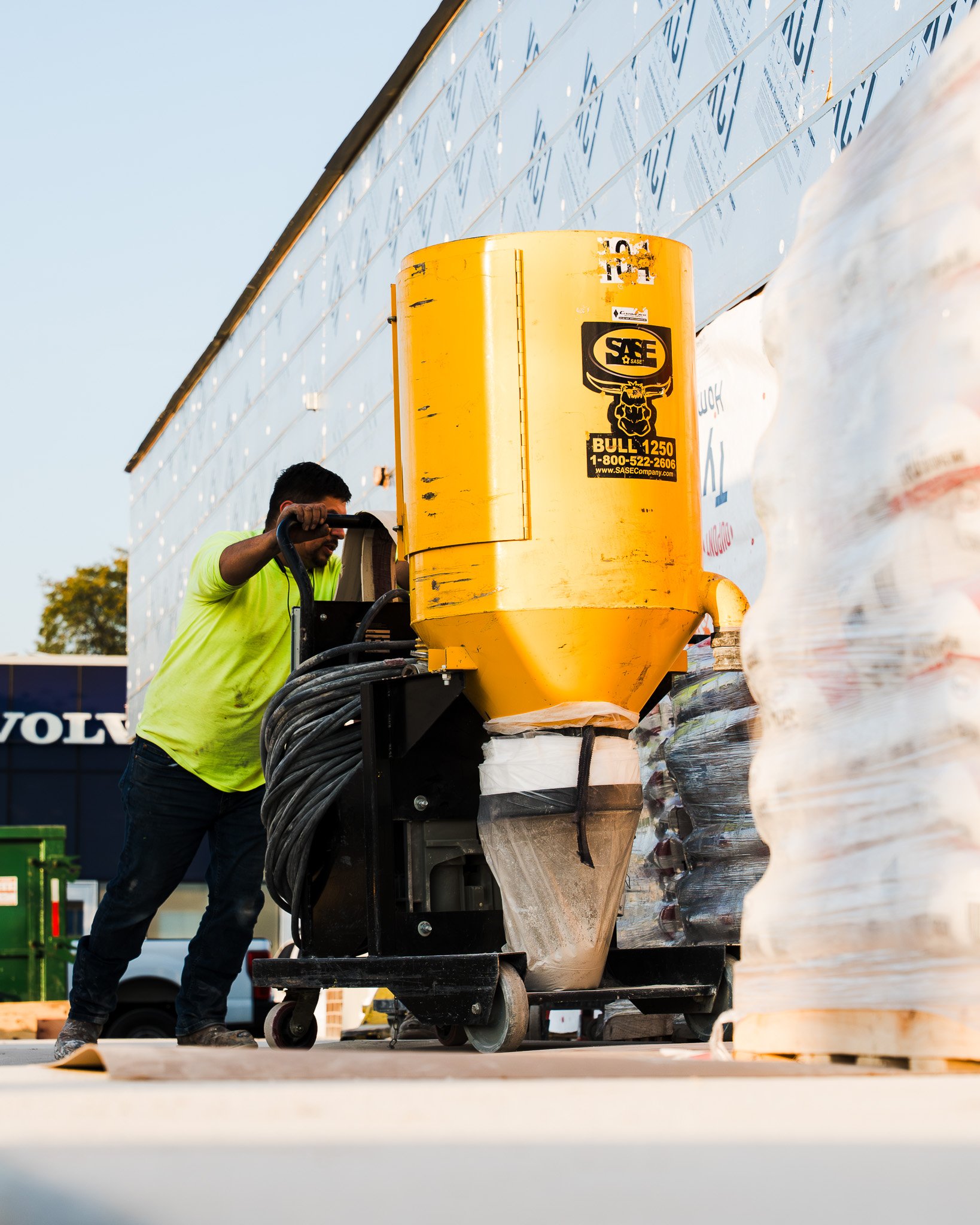
- HEPA-filtered vacuum systems
- Dust shrouds attached to grinders
- Continuous vacuum extraction during grinding
These systems capture the majority of airborne particles, helping keep the work environment cleaner and safer during concrete grinding.
Repairs and Surface Corrections
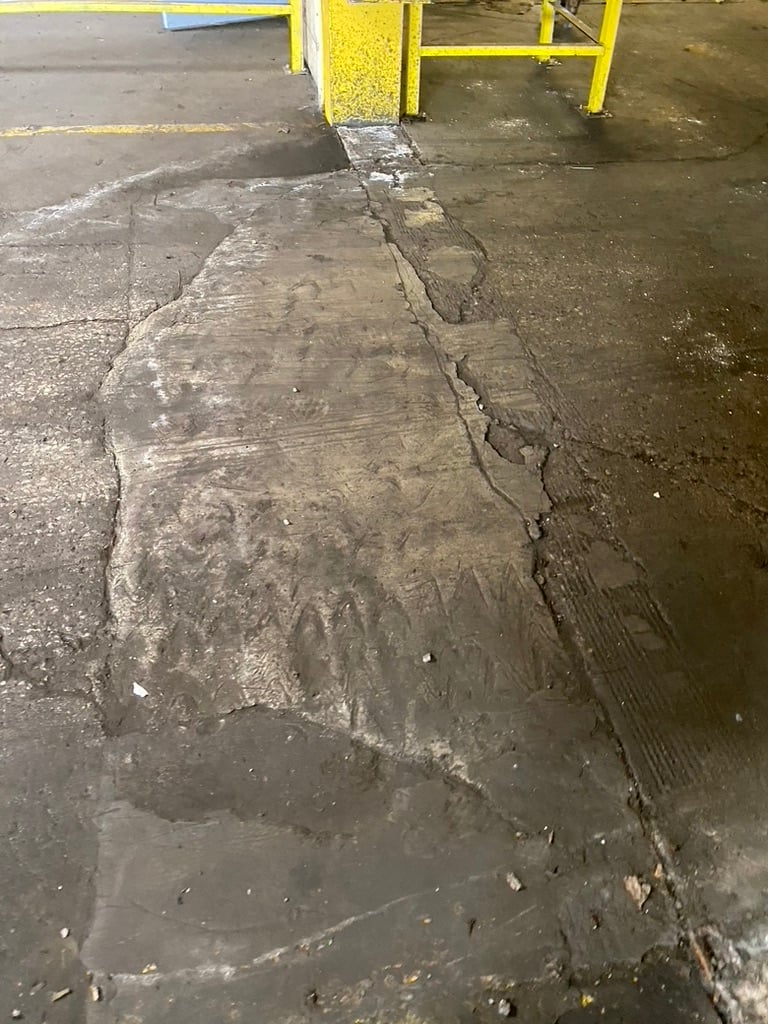
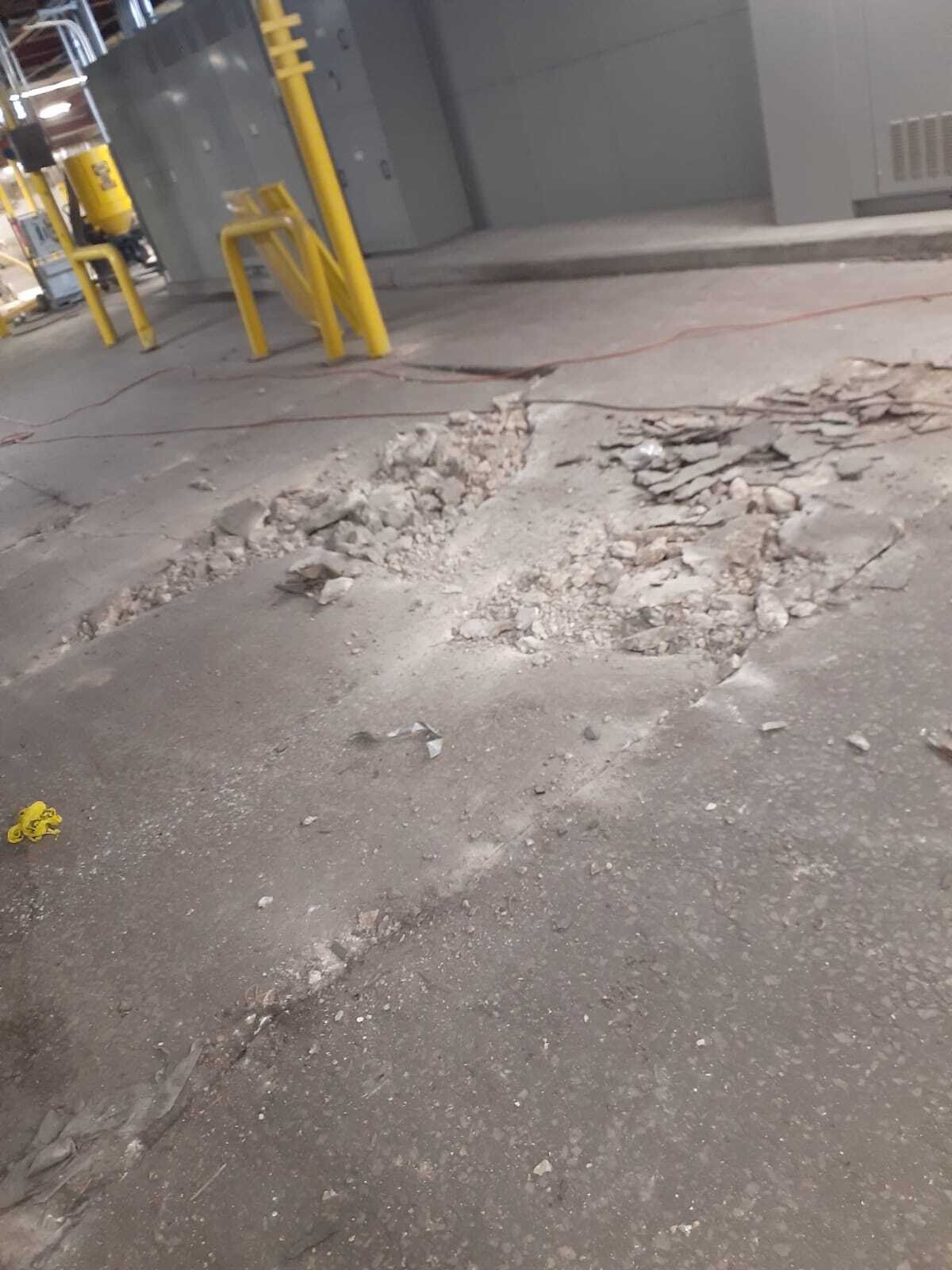
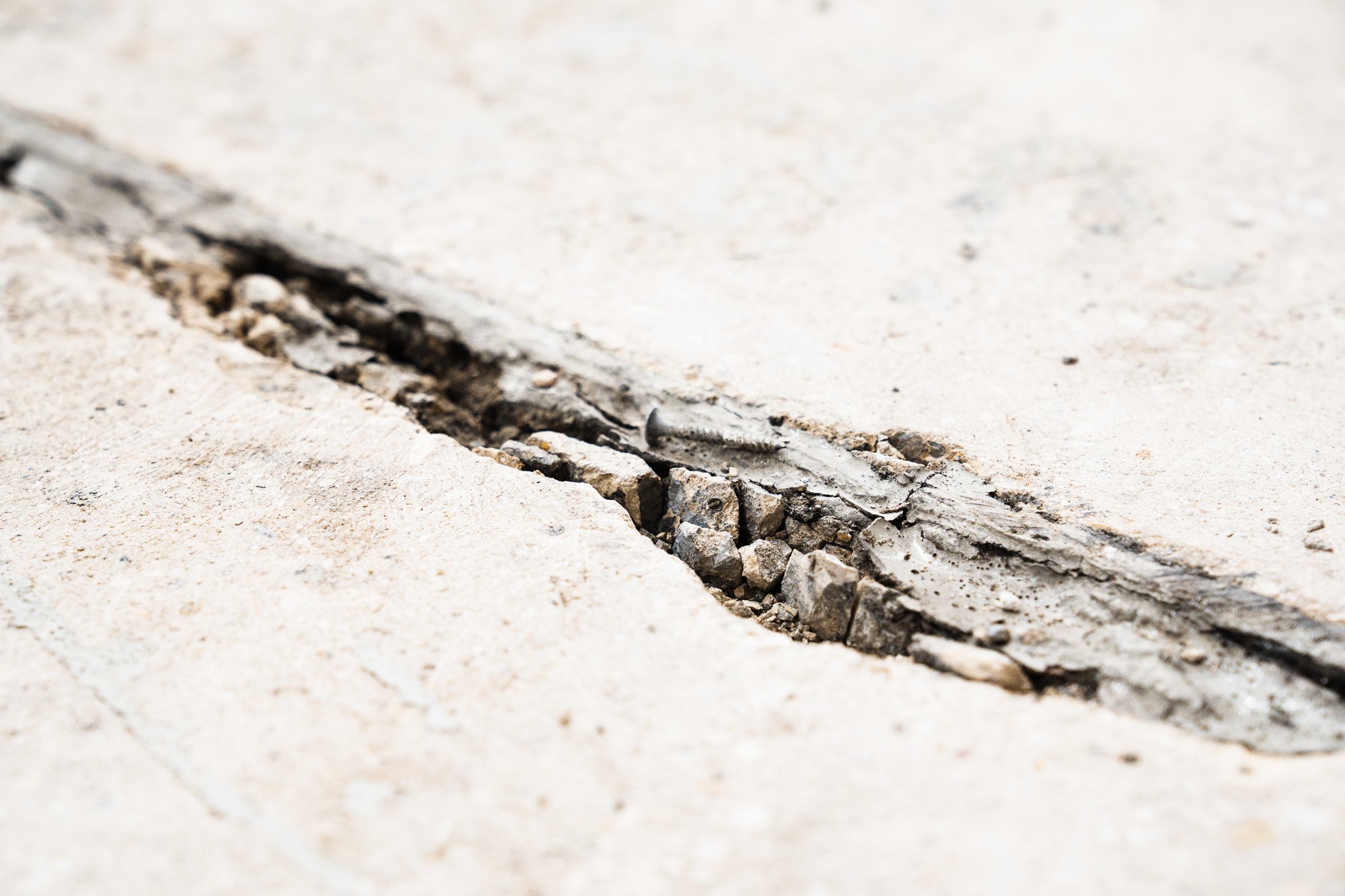
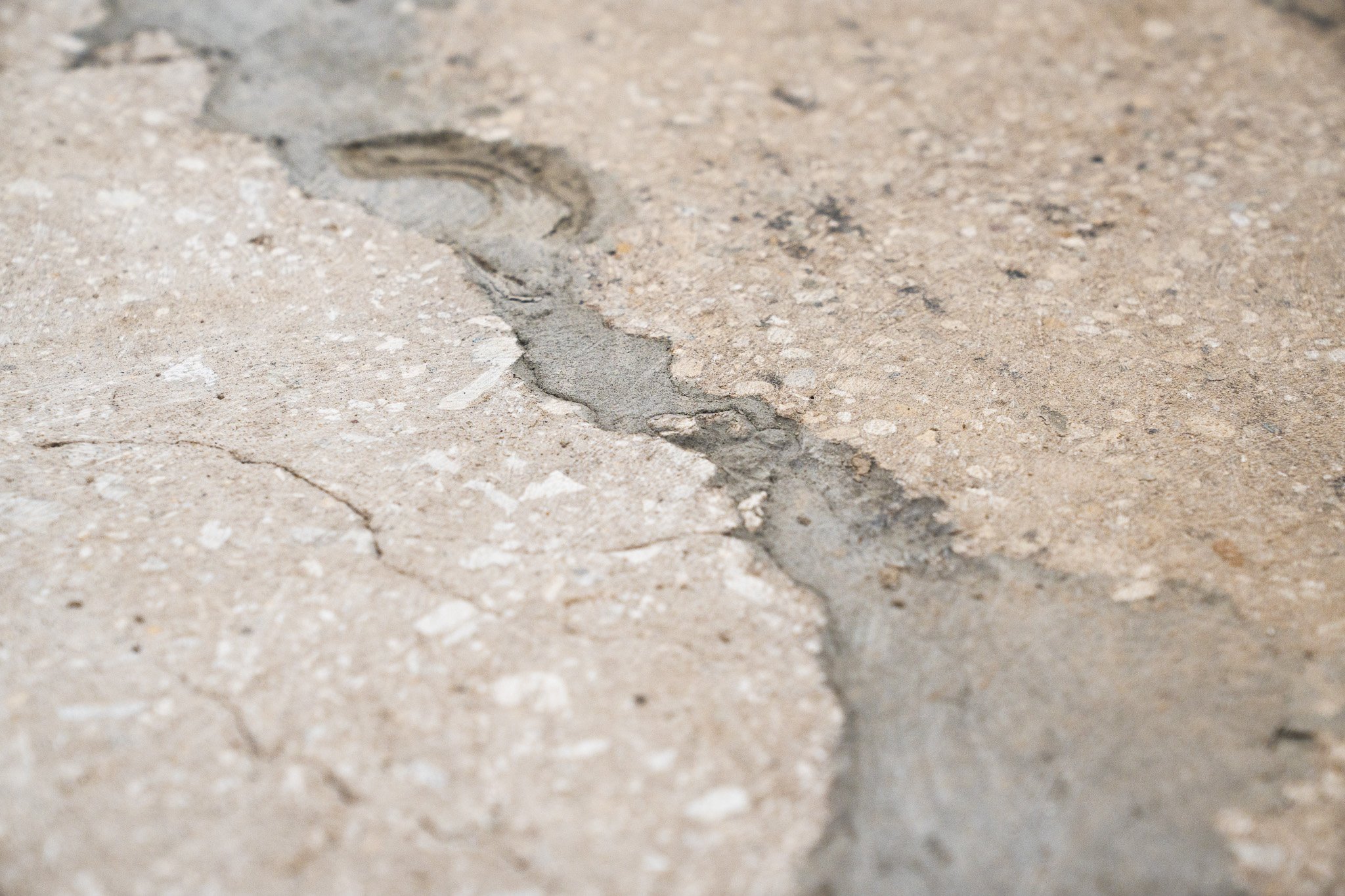
Grinding often reveals imperfections that were hidden beneath coatings or adhesives. These may include:
- Cracks in the slab
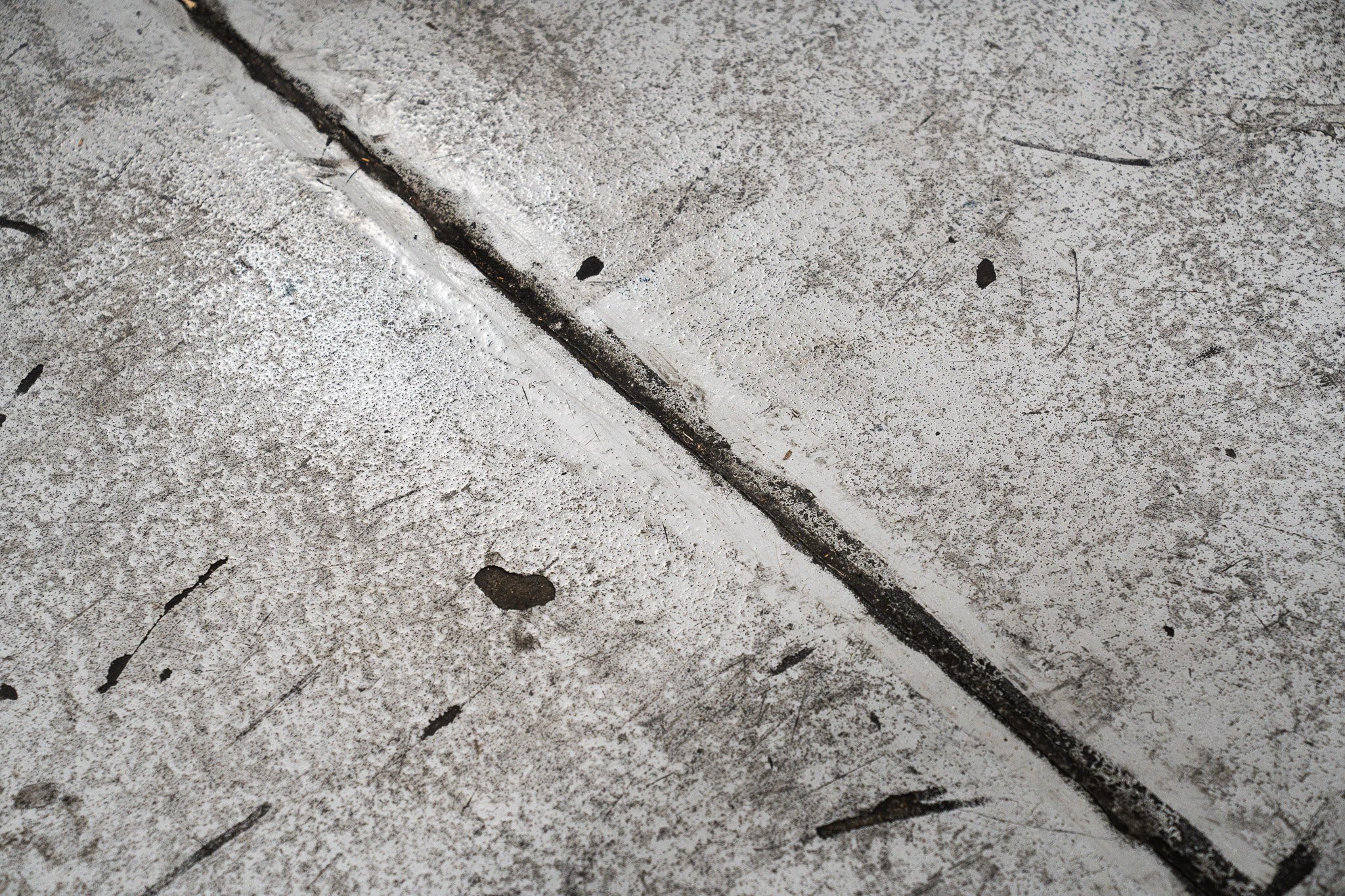
- Damaged control joints
- Small holes or spalled areas
- Uneven surfaces
Before installing the final flooring system, contractors typically repair these areas using patching materials or joint fillers. Addressing these issues during preparation ensures the new floor performs as expected.
What Facility Managers Should Expect During the Visit
A floor prep and grinding visit typically involves several steps over the course of a day or multiple days depending on the size of the project.
During this process, facility managers can expect:
- Industrial grinding equipment operating across the floor
- Controlled dust extraction systems running simultaneously
- Technicians inspecting and repairing slab imperfections
- Sections of the floor becoming progressively cleaner and more uniform
The space may need to be temporarily cleared of equipment or traffic during grinding, depending on the project scope.
How Long Floor Grinding Usually Takes
The timeline for concrete grinding varies depending on several factors:
- Size of the floor area
- Thickness of existing coatings
- Condition of the slab
- Amount of repair work required
Smaller projects may be completed in a single day, while larger industrial facilities may require multiple phases to minimize operational disruption.
Why Grinding Is Critical for Long-Term Performance
Skipping proper surface preparation is one of the most common reasons flooring systems fail prematurely. Grinding ensures the new system adheres directly to clean concrete rather than relying on weak surface layers.
Proper concrete grinding helps:
- Improve coating adhesion
- Extend the lifespan of the flooring system
- Reduce the risk of bubbling or peeling
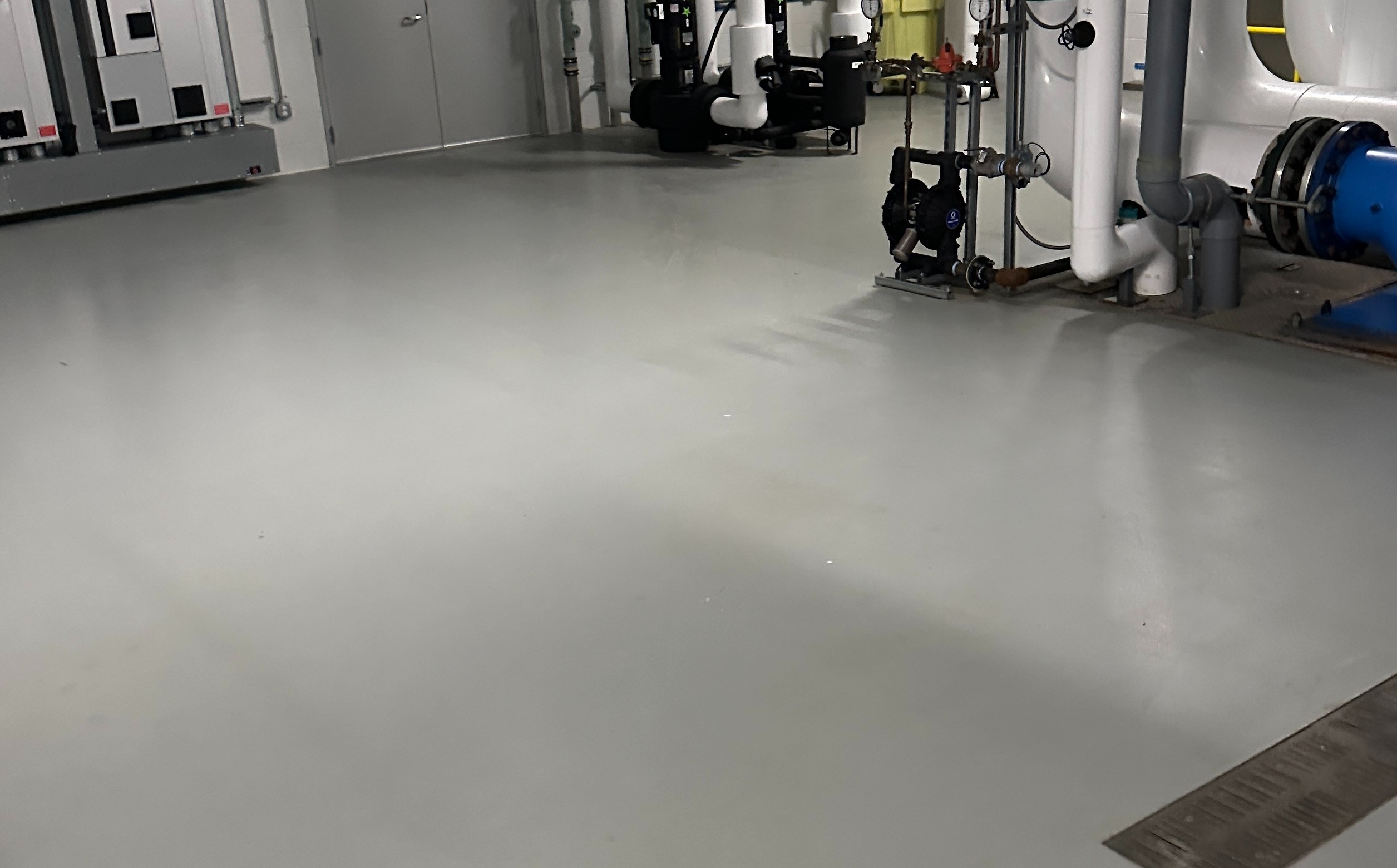
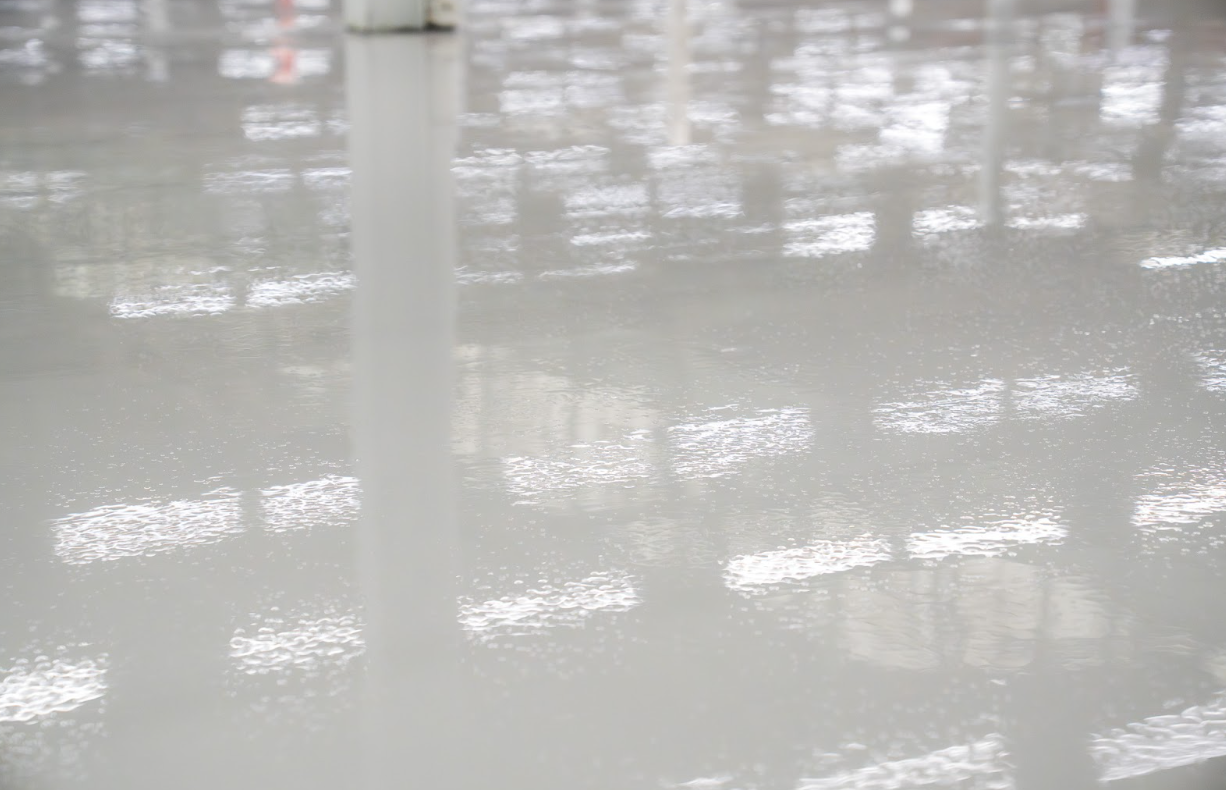
- Create a consistent finish across the floor
This preparation step is what allows flooring systems to perform reliably under heavy traffic and demanding environments.

FAQ: Floor Grinding and Preparation
Is grinding always required before installing coatings?
In most cases, yes. Mechanical preparation such as grinding is necessary to achieve the proper surface profile for adhesion.
Will grinding damage the concrete slab?
No. When performed correctly, grinding removes only the top layer of material and prepares the slab for the new flooring system.
Can facilities remain operational during grinding?
Some projects allow phased work to minimize disruption, but certain areas may need to be temporarily closed during the process.
Final Thoughts
Floor preparation is the foundation of every successful flooring installation. During a floor prep and grinding visit, contractors use concrete grinding to remove existing materials, expose clean concrete, and create the proper surface profile needed for strong adhesion.
Understanding what happens during this stage helps facility managers plan ahead and recognize why preparation plays such a critical role in long-term flooring performance.
To learn more about how preparation methods differ, read the next article: Grinding vs Shot Blasting Concrete: What’s the Right Prep Method for Your Project?
.jpg?width=1200&height=1600&name=Copy%20of%20IMG_1457%20(1).jpg)